Need help with booking? Send us a message.
A rewarding lesser-known route in the lower Everest region offering breathtaking panoramic views, Sherpa culture, and peaceful trails.

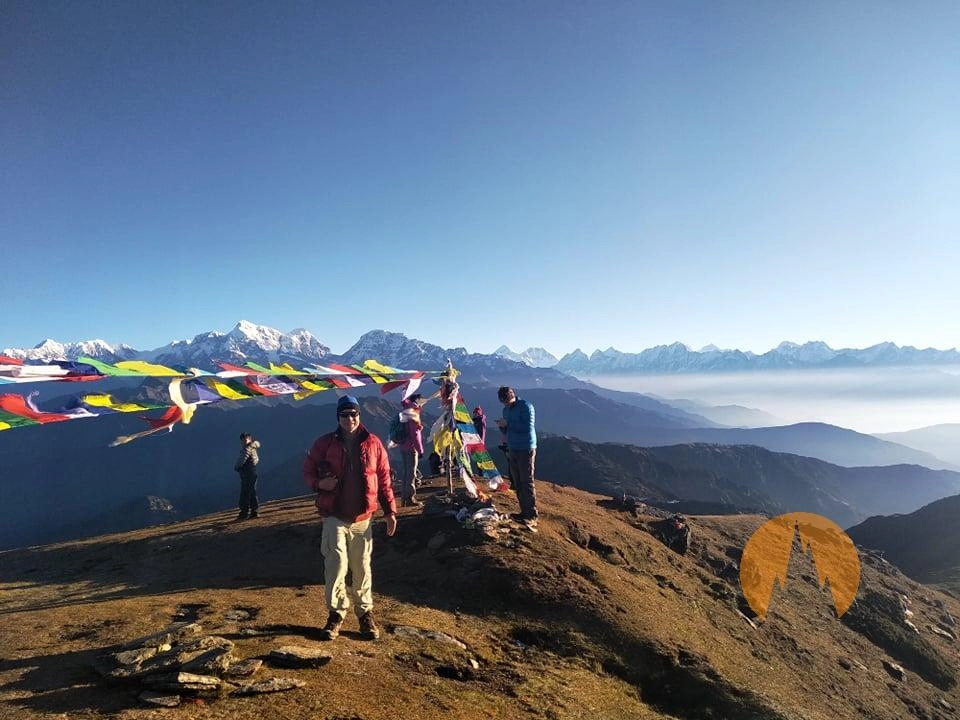
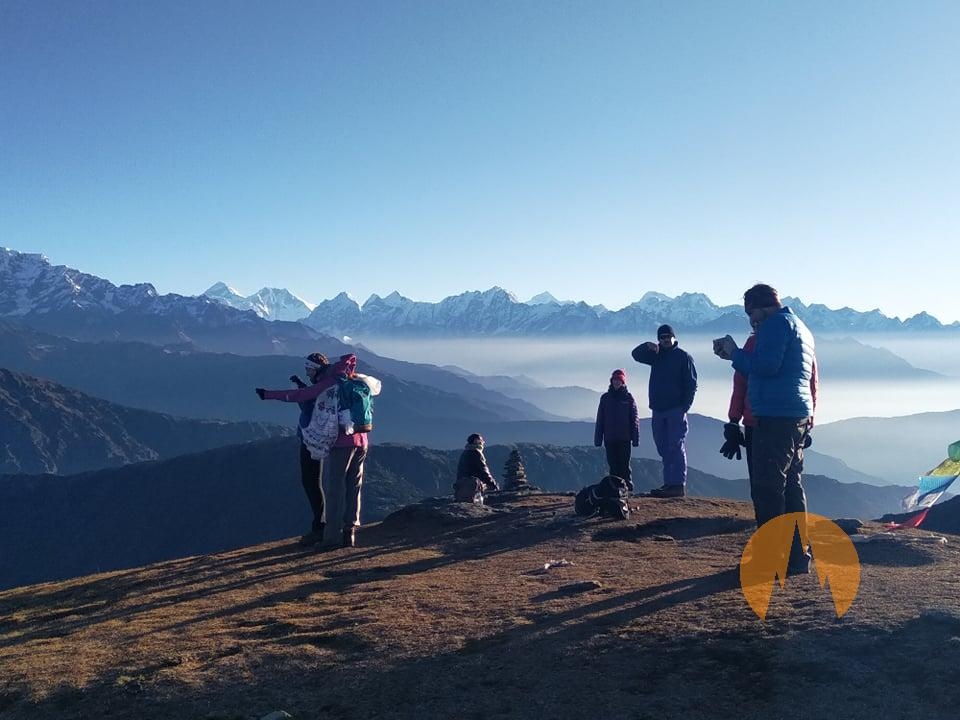
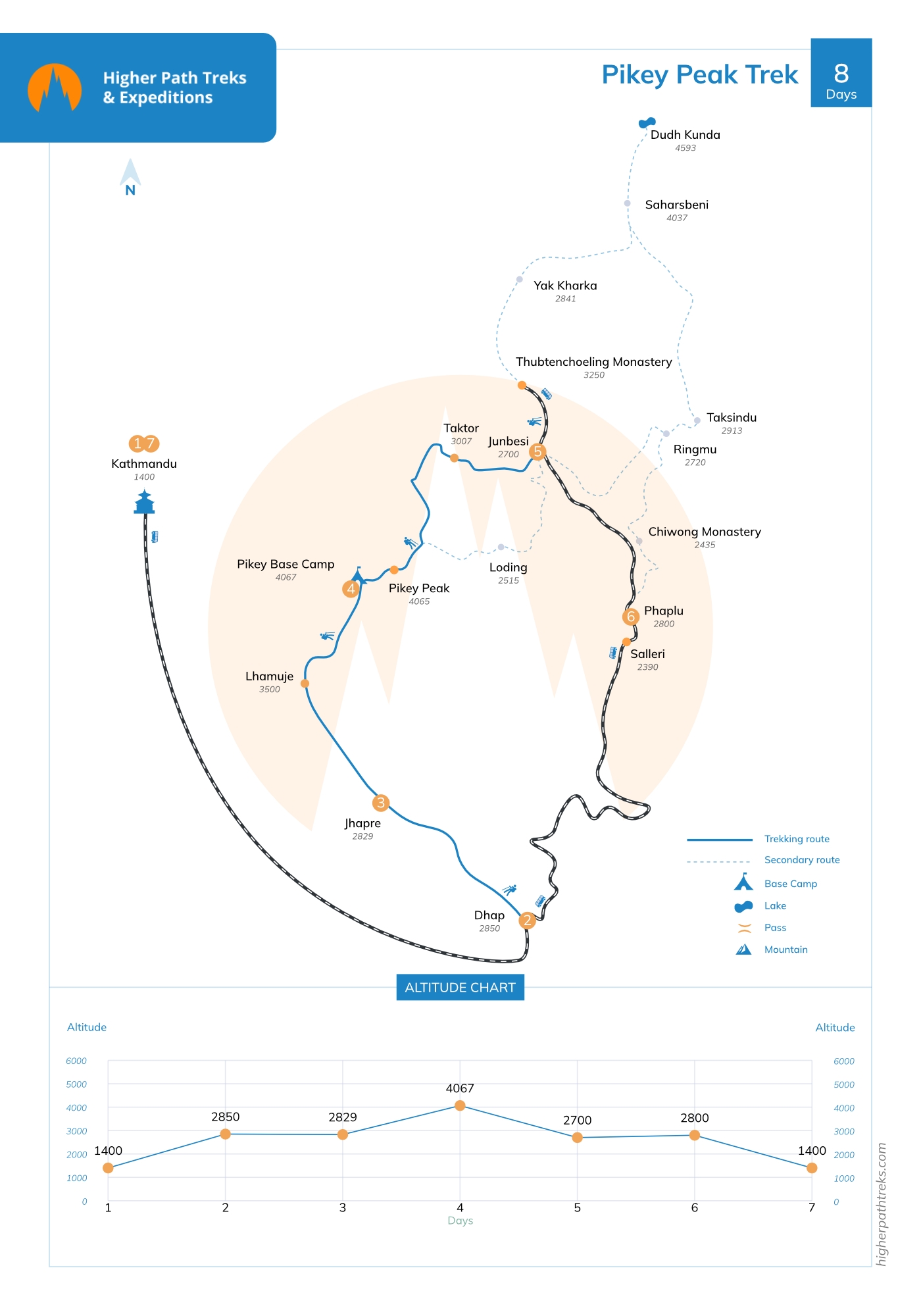
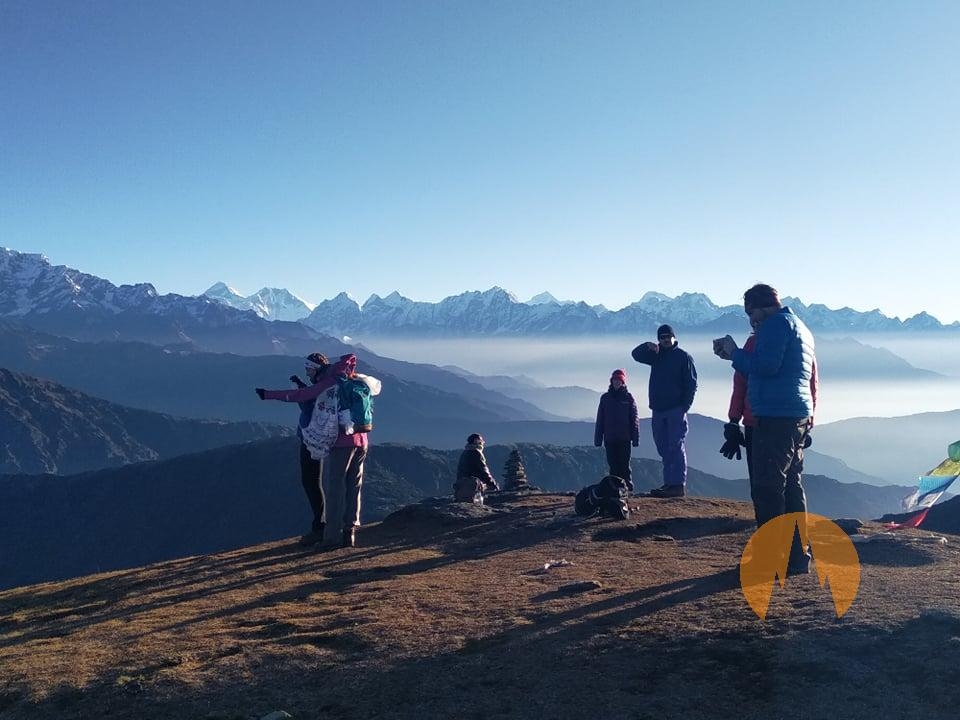
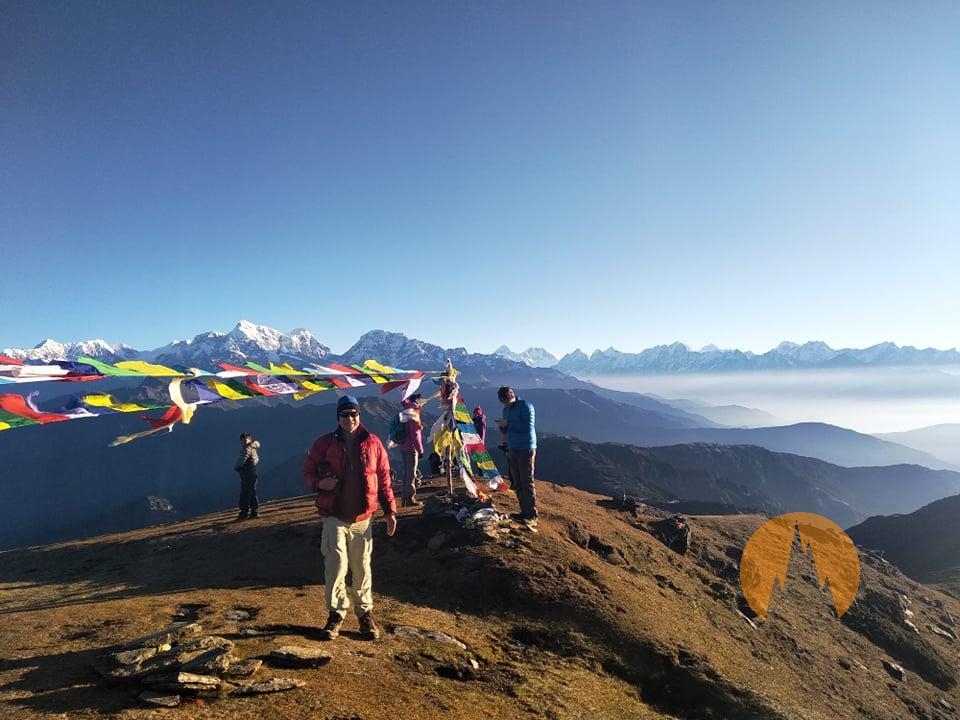
The Pikey Peak Trek is one of the most rewarding yet lesser-known trekking routes in Nepal’s lower Everest region. Offering breathtaking panoramic views of the Himalayas, rich Sherpa culture, and peaceful trails far from the busy Everest routes, this trek is ideal for travelers seeking both natural beauty and cultural depth. From the summit of Pikey Peak (4,065 meters), trekkers are rewarded with sweeping views of Mount Everest, Lhotse, Makalu, Kanchenjunga, Annapurna, and Dhaulagiri—all visible on a clear day.
Unlike crowded trails such as the Everest Base Camp Trek, the Pikey Peak route remains quiet and authentic, making it a perfect choice for trekkers who want a more intimate Himalayan experience without compromising on scenery.
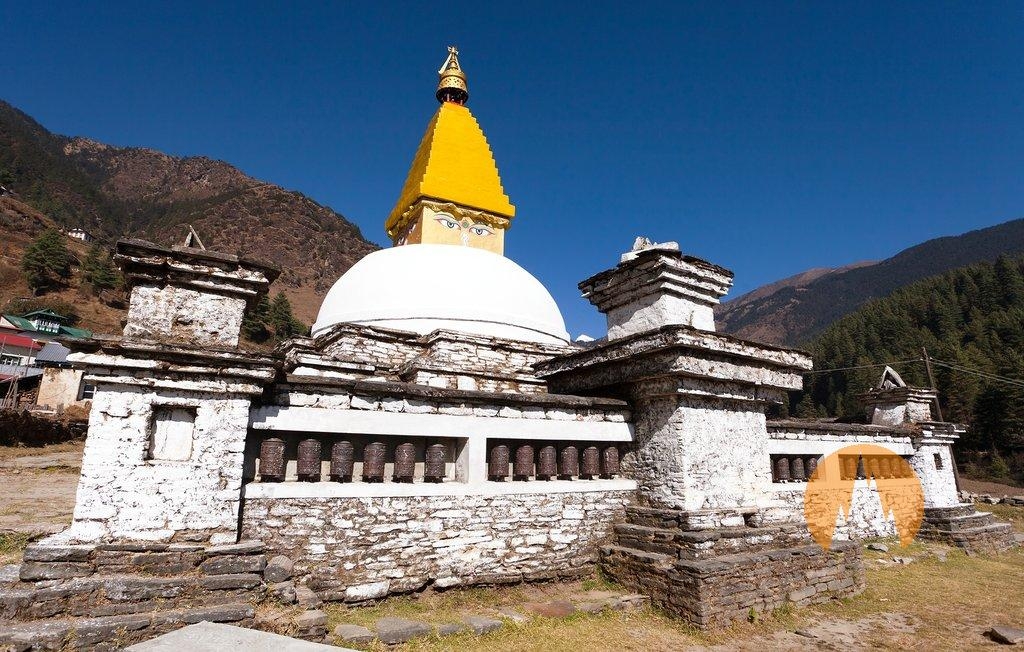
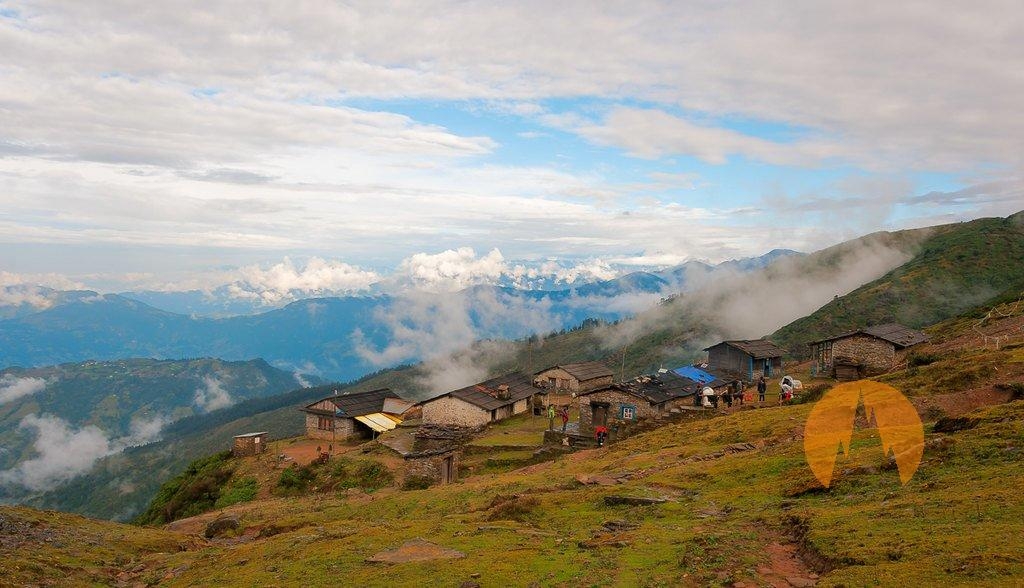
The journey begins with a scenic drive from Kathmandu to Dhap, a rural town considered the gateway to the lower Solu region. The trail gradually winds through traditional villages such as Jhapre, Bulbule, and Lamjura, inhabited by Sherpa, Rai, and Tamang communities. Along the way, trekkers experience warm local hospitality, traditional stone houses, colorful prayer flags, mani walls, and centuries-old monasteries.
The landscape changes beautifully as the trek progresses—dense rhododendron and pine forests give way to alpine meadows and open ridgelines. Compared to more demanding routes like the Everest Three Passes Trek, the Pikey Peak Trek offers a gentler ascent, making it suitable for trekkers with moderate fitness levels.
The highlight of the trek is the early-morning hike to Pikey Peak summit, widely regarded as one of the best sunrise viewpoints in Nepal. Sir Edmund Hillary himself once mentioned Pikey Peak as his favorite place to view Mount Everest. As the sun rises, the Himalayan range slowly lights up in golden hues, offering an unforgettable visual experience.
Pikey Peak also holds deep spiritual importance for the Sherpa people. Each year, locals gather here to celebrate the Dumje Festival, performing traditional dances, rituals, and prayers to honor mountain deities—adding cultural richness similar to experiences found on the Everest Panorama Trek.
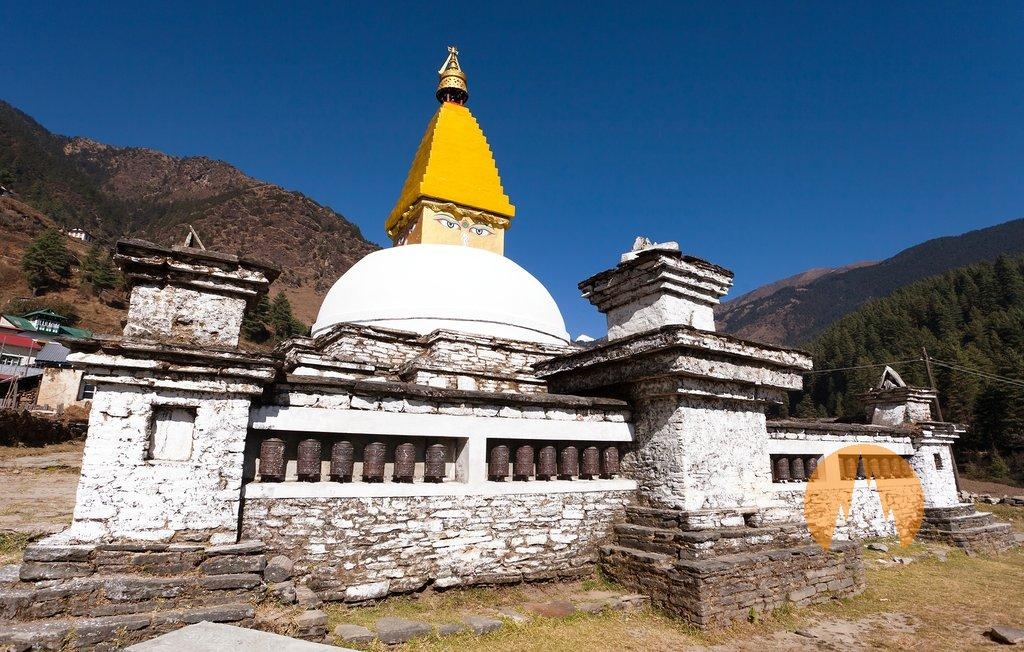
This trek provides excellent insight into Himalayan Buddhist culture. Trekkers visit ancient monasteries, chortens, and prayer-wheel-lined trails, gaining a deeper understanding of spiritual life in the Solu region. Villages like Jhapre are known for their monasteries and Himalayan view decks, offering cultural encounters rarely found on busier routes such as the Everest View Trek.
Guides facilitate meaningful interactions with local families, allowing trekkers to learn about traditional farming practices, yak herding, handicrafts, and daily Sherpa life—similar in cultural depth to treks like the Lower Everest Trek.
The Pikey Peak Trek passes through rich biodiversity zones where trekkers may spot musk deer, Himalayan thar, langurs, and various bird species. In spring, the forests bloom with rhododendrons, while autumn offers crystal-clear mountain views.
The best seasons for the trek are March to May and September to November, when weather conditions are stable and visibility is excellent. Compared to higher-altitude routes like the Gokyo Lakes Trek, Pikey Peak offers fewer altitude-related challenges while still delivering dramatic Himalayan scenery.
Accommodation is arranged in comfortable local teahouses with basic yet clean facilities. Meals include traditional Nepali dishes such as dal bhat, along with simple international options to keep trekkers energized throughout the journey. The overall trekking experience is relaxed and well-paced, making it an excellent option for first-time trekkers or those looking for a shorter Himalayan adventure, similar to the Pikey Peak Short Trek.
The Pikey Peak Trek is an exceptional choice for travelers who want an authentic Himalayan experience that combines breathtaking mountain views, cultural immersion, and peaceful trekking trails. Whether you’re watching the sun rise over Everest, visiting ancient monasteries, or sharing stories with local villagers, this trek delivers a deeply memorable journey through the heart of Nepal’s lower Everest region.
Top Blogs About Trekking in the Everest Region:
Uncover the best blogs about trekking in the Everest region, featuring expert advice, detailed itineraries, personal experiences, and essential tips for adventurers looking to explore the Himalayas.
Photography Guide: Capturing the Himalayas Without Expensive Gear
Everest Luxury Trek: An Unforgettable Himalayan Experience
Nepal Peak Climbing 2026: Routes, Tips, and Top Summits
Solo Trekking to Everest Base Camp: Is It Possible?
Top 10 Highlights of the Everest Base Camp Trek
Successfully Trekking to Everest Base Camp and Kala Patthar
Why Famous Trekkers Choose Everest Base Camp?
Autumn Season to Everest Base Camp Trek
The Best Hiking Adventures: Famous Peak Climbs in 2025
Top Himalayan Peaks for Beginner Climbers: A Comprehensive Guide
Everest Three Peaks: A Beginner’s Guide to the Ultimate Himalayan Challenge
Is Peak Climbing in Nepal Easy for Beginners?
Must-Know Facts About Everest Base Camp Trekking
Why Gokyo Ri is a Must-Visit for Everest Trek Lovers
The Roof of the World: Peak Climbing Journeys through Nepal’s High Country
What to Expect on an Island Peak Climbing Expedition
Mera Peak Climbing Guide for Beginners: Tips, Difficulty & Preparation
Four Peaks, One Journey: Mera, Island, Lobuche & Amphu Lapcha Expedition
Top Best Expedition Packages in Nepal 2025
Which is Easier: Mera Peak or Island Peak?
Why Choose Island Peak Climbing with Everest Base Camp Trek for Beginners
Best Trekking Peaks in Everest Region for Beginners
Your Start Date is the day you land in Nepal, and your End Date is when you fly home.
If the set Pikey Peak Trek group dates don’t suit your schedule, we can offer alternative dates upon request.
A beautifully organized and deeply rewarding journey with Higher Path Treks & Expeditions, the Pikey Peak Trek exceeded all expectations with its peaceful trails, warm local hospitality, and breathtaking sunrise views over Everest and the surrounding Himalayan range. The itinerary was well-paced, allowing time to enjoy traditional Sherpa villages, lush rhododendron forests, and authentic cultural encounters without feeling rushed. The guide’s knowledge and professionalism made the experience even more meaningful, ensuring safety and comfort throughout. This trek is a perfect blend of natural beauty and cultural richness, highly recommended for anyone seeking a less crowded but truly unforgettable Himalayan adventure.
The Pikey Peak Trek with Higher Path Treks & Expeditions was a short but stunning Himalayan journey. The sunrise view from Pikey Peak, with Everest glowing in the distance, was absolutely unforgettable. The trails were peaceful and culturally rich. Karma Geyljen Sherpa managed everything perfectly, making the trek smooth, safe, and very enjoyable from start to finish.
The Pikey Peak Trek is a relatively short and less crowded trekking route in the Solukhumbu region of Nepal. It offers stunning panoramic views of the Himalayan range, including Mount Everest, Makalu, Kanchenjunga, and many other peaks.
Pikey Peak is located in the Solukhumbu district of Nepal, in the Lower Everest region. It stands at an altitude of 4,065 meters (13,335 feet) and is renowned for its breathtaking sunrise and sunset views over the Himalayas.
The Pikey Peak Trek is considered moderate in terms of difficulty. The altitude gain is gradual, and the trekking trails are well-established. It is suitable for trekkers with a moderate level of fitness and some prior trekking experience.
Mobile network coverage may be limited and unreliable in some parts of the Pikey Peak Trek route, particularly in remote areas. Some teahouses may offer WiFi, but the connection is usually slow and may come with an additional cost.
The best time to trek Pikey Peak is during the spring (March to May) and autumn (September to November) seasons. During these months, the weather is generally clear, offering excellent visibility of the mountains, and the temperatures are moderate for trekking.
Accommodation along the Pikey Peak Trek route mainly consists of teahouses and basic lodges. These provide simple yet comfortable rooms with basic amenities such as beds, blankets, and shared bathrooms. Meals are typically served in a communal dining area.
| No of people | Price per person |
|---|---|
| 1 - 1 | $2,800 |
| 2 - 5 | $2,750 |
| 6 - 10 | $2,700 |
| 11 - 20 | $2,650 |
| No of people | Price per person |
|---|---|
| 1 - 1 | $1,950 |
| 2 - 5 | $1,900 |
| 6 - 10 | $1,850 |
| 11 - 20 | $1,800 |