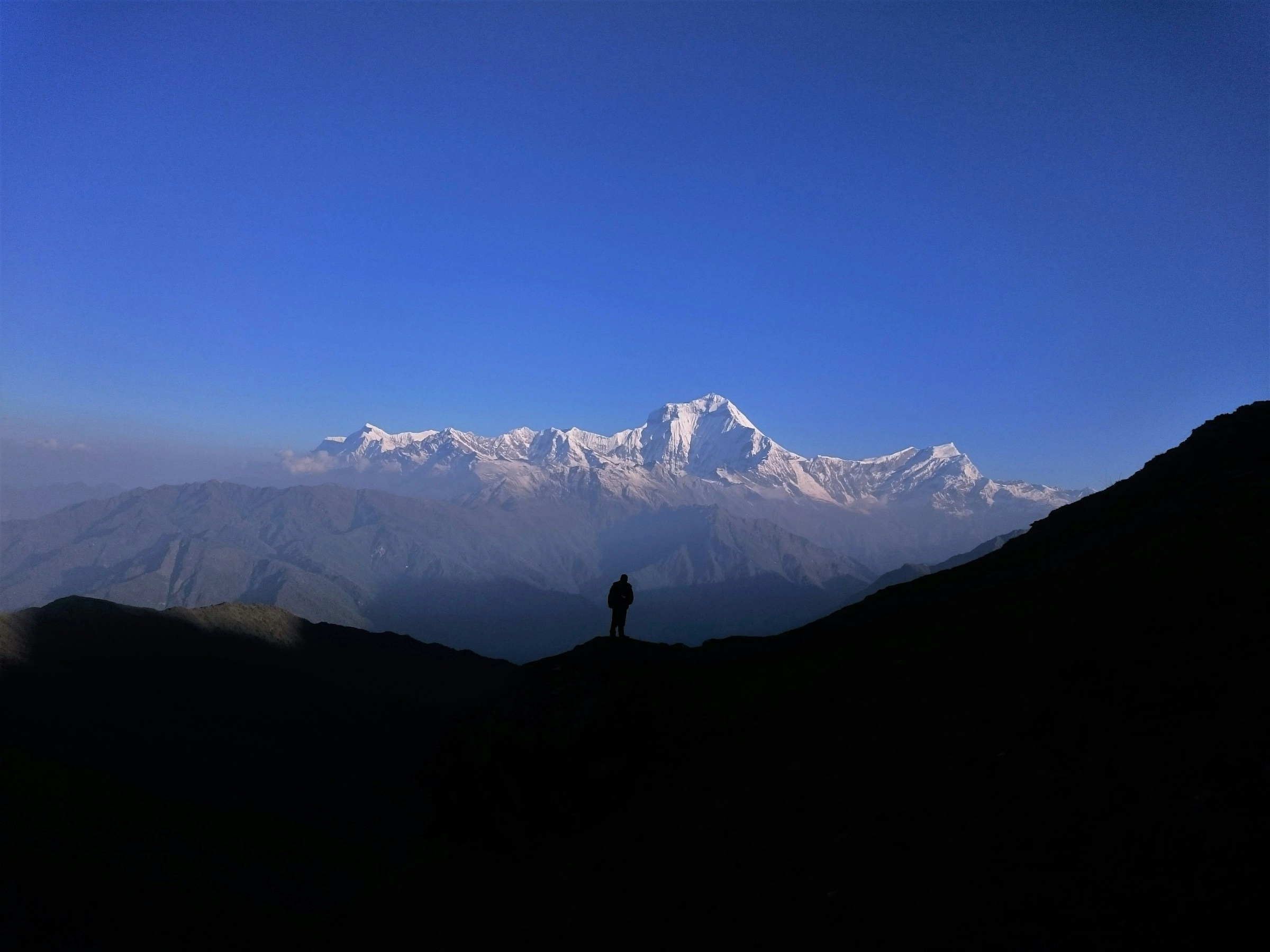
A quieter Annapurna route offering breathtaking mountain views and authentic cultural experiences with the added gift of solitude.

When trekkers talk about the Annapurna region, the usual suspects dominate conversations—the Annapurna Circuit, Annapurna Base Camp, Poon Hill. These classics have earned their fame through decades of delivering spectacular mountain experiences. But there's another route, quieter and less traveled, that offers everything the famous treks provide with one crucial addition: solitude. The Khopra Trek, also known as the Khopra Ridge Trek or Khopra Danda Trek, represents community-based trekking at its finest, combining breathtaking Himalayan panoramas with authentic cultural encounters and the rare satisfaction of walking trails that aren't crowded with hundreds of other trekkers.
This relatively new route has been carefully developed to distribute tourism benefits directly to local communities while providing trekkers with pristine wilderness experiences. You'll spend nights in community lodges where villagers share ownership and profits, walk through forests where rhododendrons bloom undisturbed by constant foot traffic, and reach viewpoints where the Annapurna and Dhaulagiri ranges spread before you without the crowds that gather at more famous locations. If you're seeking the Annapurna region's beauty without the bustle, Khopra deserves serious consideration.
Khopra Danda sits at 3,660 meters, perched on a ridge that offers one of the most dramatic perspectives on the Annapurna massif you'll find anywhere. From this vantage point, you're looking at a panorama that includes Annapurna South, Annapurna I, Nilgiri, Dhaulagiri, and the sacred pyramid of Machhapuchhre—all arrayed in a stunning semicircle that seems designed specifically for this viewpoint. What distinguishes this perspective from others in the region is the intimacy. You're not looking at distant peaks across a valley; you're positioned among them, creating a sense of immersion that wider valley views cannot match.
The community lodge at Khopra represents a model for sustainable mountain tourism that's gaining traction across Nepal. Local Gurung and Magar communities own and operate the lodge collectively, ensuring tourism revenue benefits entire villages rather than individual lodge owners. This cooperative approach has transformed economic opportunities for communities that previously relied solely on subsistence agriculture and seasonal work. Your stay directly supports schools, health clinics, and local development projects, making your trek meaningful beyond personal achievement.
Unlike the heavily trafficked Annapurna Base Camp Trek or the Ghorepani Poon Hill Trek, Khopra sees a fraction of the trekkers. This means quieter trails where bird songs aren't drowned out by conversation, pristine forests where wildlife feels less threatened, and evenings at lodges where you actually get to know fellow trekkers and hosts rather than being lost in crowds. For many people, this solitude represents the real mountain experience they imagined before arriving in Nepal.
The Khopra Trek typically requires 10 to 12 days from Pokhara and back, though flexible itineraries can extend or condense this timeline based on your constraints and interests. The route covers approximately 100 kilometers of varied terrain, from subtropical forests through terraced farmland to high-altitude ridges where vegetation becomes sparse and views become infinite. This diversity means you're constantly experiencing new environments rather than walking through similar landscapes day after day.
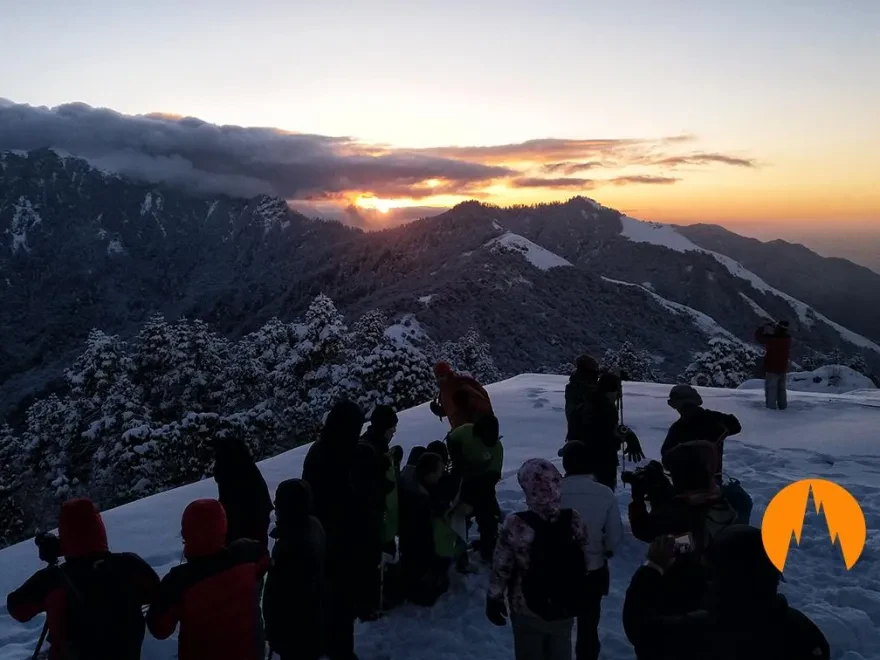
The trek often begins with the classic Ghorepani Poon Hill section, allowing you to experience that famous sunrise over the Himalayas before diverging onto quieter trails toward Khopra. This combination provides both the iconic Annapurna experience and the off-the-beaten-path adventure, satisfying trekkers who want highlights without compromising their desire for solitude. After Poon Hill, the crowds disappear as most trekkers descend while you continue deeper into less-visited territory.
Altitude management on this trek requires attention but doesn't present the extreme challenges of routes like the Everest Three Passes Trek or Manaslu Circuit Trek. The maximum elevation at Khopra Danda (3,660m) sits comfortably below the danger zone where severe altitude sickness becomes common. However, the optional extension to Khayer Lake reaches 4,600 meters, requiring proper acclimatization and careful monitoring for altitude-related symptoms.
The terrain varies from well-maintained stone pathways through villages to rougher mountain trails where tree roots and rocks demand attention. Stone staircases—seemingly endless stone staircases—characterize much of the elevation gain, testing your knees and stamina. The rewards for these efforts come in the form of increasingly spectacular viewpoints and the satisfaction of reaching destinations that most travelers never see.
Khayer Lake represents the trek's crown jewel for those willing to push beyond Khopra Danda. This sacred high-altitude lake sits at approximately 4,600 meters, surrounded by towering peaks in a natural amphitheater that feels like the heart of the Himalayas. The lake holds religious significance for local communities, who make pilgrimages here during specific festivals. Prayer flags flutter around its shores, and the atmosphere carries that special quality of places where natural beauty and spiritual significance intersect.
The day trip to Khayer Lake from Khopra Danda demands early morning departure and full-day commitment. You'll gain significant altitude quickly, requiring careful attention to your body's responses. The trail becomes rougher and less defined than lower sections, sometimes crossing snowfields or rocky scree depending on season and recent weather. This is serious high-altitude trekking that rewards preparation and proper acclimatization.
What awaits at Khayer Lake justifies the effort. The water reflects surrounding peaks with mirror-like clarity on calm days, creating those postcard-perfect Himalayan images. The solitude surpasses even Khopra Danda's quietness—on many days, you might be the only trekkers there. The sense of remoteness and pristine wilderness becomes palpable, offering perspective on just how vast and wild these mountains remain despite increasing tourism.
Not everyone attempts Khayer Lake, and that's perfectly fine. Weather, altitude concerns, fitness levels, or simply the desire for a rest day at Khopra make skipping this extension reasonable. The trek succeeds beautifully without the lake, though those who make the effort consistently rank it among their Himalayan highlights. Higher Path Treks guides help you assess whether conditions and your physical state make the attempt advisable, ensuring safety takes precedence over summit-bagging mentality.
The Khopra Trek passes through traditional Gurung and Magar villages where life continues much as it has for generations. Unlike villages on more popular routes that have transformed into trekking service centers, communities along Khopra maintain their agricultural focus and traditional culture. You'll see farmers working terraced fields, water buffalo being led to pasture, and women weaving at traditional looms. These aren't tourist attractions—they're daily life continuing despite trekking's arrival.
The community lodge model creates different dynamics between trekkers and hosts than commercial teahouses. Everyone working at community lodges comes from nearby villages, creating genuine local connections rather than transactional relationships. Your hosts take pride in sharing their culture and traditions, often inviting guests to observe or participate in local activities. These interactions transform treks from scenic walks into cultural exchanges that enrich both visitors and visited.
Religious life remains visible and vital throughout the trek. Buddhist stupas and Hindu shrines mark trail junctions and village entrances. Prayer wheels spin under trekkers' hands, sending mantras into mountain winds. Monasteries welcome visitors, with monks often happy to explain Buddhist philosophy and local practices. This spiritual dimension adds depth to the trekking experience, connecting you to beliefs and practices that have sustained mountain communities through centuries of hardship and change.
Traditional architecture along the route showcases local building techniques adapted to mountain environments. Stone houses with slate roofs resist heavy snowfall. Intricately carved wooden windows and doors display craftsmanship passed through generations. Communal spaces where villagers gather for festivals and celebrations reveal social structures that prioritize community over individualism. Observing these elements provides insights into how human societies adapt to extreme environments while maintaining cultural identity.
Spring transforms the Khopra route into a botanical wonderland. From late March through May, rhododendron forests explode with blooms creating tunnels of color that rival any flower garden. Nepal's national flower grows to tree size here, with some specimens reaching 15-20 meters tall. The combination of rhododendron blooms and snow-capped peaks creates color contrasts that photographers dream about. Spring weather generally holds stable, with clear mornings offering excellent mountain visibility before afternoon clouds build.
Autumn brings post-monsoon clarity that makes distant peaks appear impossibly sharp and close. September through November offers the year's best visibility, with air scrubbed clean by summer rains. Temperatures remain comfortable for walking, though mornings and evenings at altitude require warm layers. This season sees the most trekkers on Khopra, though "crowded" here means dozens rather than hundreds—nothing like the masses on more popular routes. The stable weather and perfect visibility make autumn ideal for anyone prioritizing mountain photography.
Winter trekking from December through February presents unique challenges and rewards. Snow often covers higher elevations, including Khopra Danda and definitely Khayer Lake, creating winter wonderland landscapes but demanding proper cold-weather equipment. Temperatures drop well below freezing at night, and some teahouses at higher elevations close for the season. However, crystal-clear skies prevail, providing some of the year's best mountain visibility. The solitude exceeds even Khopra's normal quietness, offering nearly private mountain experiences for properly prepared winter trekkers. Similar winter considerations apply to other moderate-altitude routes like the Mardi Himal Trek and Langtang Valley Trek.
Monsoon season (June through August) sees very few trekkers on Khopra. Heavy rainfall creates muddy, slippery trails and obscures mountain views behind clouds. Leeches become active in forested areas, requiring constant vigilance. However, the landscape turns incredibly lush, waterfalls appear everywhere, and lodges offer low-season rates. If you can accept that weather might prevent reaching Khayer Lake and mountain views might be limited, the monsoon offers a different perspective on the region that most visitors never experience.
The Khopra Trek demands good physical fitness without requiring athletic excellence. You'll walk four to seven hours most days, gaining and losing significant elevation on trails that range from gentle gradients to steep climbs. The moderate difficulty rating means most people in reasonable health can complete the trek with proper preparation, but "reasonable health" implies regular cardiovascular exercise and some hiking experience.
Altitude considerations become more significant than on lower routes like Ghorepani Poon Hill but remain manageable compared to extreme high-altitude treks. At 3,660 meters, Khopra Danda sits in a zone where altitude affects everyone but serious illness remains uncommon with proper acclimatization. The optional Khayer Lake extension pushes into territory where altitude demands respect and careful monitoring. Your body's response to reduced oxygen becomes increasingly important as elevation increases.
Training for Khopra should emphasize cardiovascular endurance and leg strength. Long walks or hikes with gradual distance and elevation increases prepare your body for consecutive days of mountain walking. Stair climbing provides excellent specific training, mimicking the endless stone steps that characterize Himalayan trekking. If you can comfortably walk four to five hours with a 5-7kg daypack, you're probably ready. Prior multi-day trekking experience helps mentally and physically but isn't absolutely required.
Mental preparation matters as much as physical training. The trek tests patience, determination, and positive attitude through challenging climbs, potentially bad weather, and the accumulated fatigue of consecutive walking days. Understanding that discomfort is temporary and manageable prevents the frustration that comes from expecting constant enjoyment. The rewards—spectacular scenery, cultural encounters, personal accomplishment—justify the challenges, but those rewards come through effort.
Trekking in the Annapurna Conservation Area requires two permits: the Annapurna Conservation Area Permit (ACAP) and the Trekkers' Information Management System (TIMS) card. The ACAP costs approximately USD 30 per person, with fees supporting conservation efforts, trail maintenance, and environmental protection programs. The TIMS card costs about USD 10, providing safety tracking that enables quick response if trekkers require emergency assistance.
Higher Path Treks handles all permit arrangements, eliminating bureaucratic hassles and ensuring proper documentation before your trek begins. We submit applications, arrange passport photos, pay fees, and deliver completed permits to you, streamlining the process so you can focus on preparing for your adventure rather than navigating government offices. For independent trekkers, permits can be obtained at Nepal Tourism Board offices in Kathmandu or Pokhara, though this requires time and local knowledge.
Checkpoint procedures along the trail involve presenting permits at several locations where officials record your passage. These checkpoints might seem bureaucratic but serve crucial safety functions. If you don't check in at expected locations, authorities know something might be wrong. This system has facilitated numerous successful rescue operations, making it a vital component of Nepal's trekking safety infrastructure that protects everyone on the trails.
The permit system reflects Nepal's commitment to balancing tourism development with environmental protection and trekker safety. Your fees directly fund the conservation efforts that preserve the natural beauty attracting you to these mountains. Trail improvements, waste management systems, reforestation programs, and wildlife protection all benefit from permit revenue, creating sustainable tourism that protects rather than degrades mountain environments.
Teahouse accommodation along the Khopra route ranges from basic to comfortable, with the community lodge at Khopra Danda representing the most unique option. Rooms typically feature twin beds with thin mattresses and warm blankets. Walls are often thin wood or plywood, meaning you'll hear neighbors. Bathrooms are usually shared, with squat or Western toilets depending on the lodge. Hot showers might be available for additional fees, heated by solar panels or gas when available.
The Khopra community lodge deserves special attention. Unlike commercial teahouses owned by individuals, this lodge operates under collective ownership by local communities. Profits support village development projects, schools, and health services rather than individual wealth accumulation. The lodge maintains good standards for comfort and cleanliness while preserving this ethical business model. Staying here directly supports the community-based tourism initiative that makes Khopra special.
Dining options emphasize Nepali staples supplemented by Western comfort foods adapted to mountain conditions. Dal bhat—rice with lentil soup and vegetable curries—forms the foundation of most trekkers' diets, offering unlimited refills that provide calories needed for demanding walking days. Menus also list momos (dumplings), noodle soups, fried rice, pancakes, and various other dishes. Quality and variety decrease slightly at higher elevations where supply logistics become more challenging.
The communal dining atmosphere creates social connections impossible in traditional hotels. Everyone gathers in central dining rooms, often around wood stoves at higher elevations, sharing trail stories and forming temporary communities. Your hosts join conversations, sharing insights into local life and culture. These interactions enrich the trek beyond what landscape alone provides, creating human connections that persist long after mountain views fade from immediate memory.
Smart packing makes the difference between comfortable trekking and unnecessary suffering. Start with a quality daypack (25-30 liters) for items needed during walking—water bottles, snacks, rain gear, camera, first aid kit, and extra layers. Your main duffel bag, carried by porters, should contain clothing changes, sleeping bag liner (sleeping bags are provided by lodges), toiletries, and items needed only at teahouses. Porter weight limits typically max at 10-12kg, encouraging mindful packing.
Layering handles dramatic temperature variations between hot sunny climbs and cold high-altitude evenings. A typical system includes moisture-wicking base layers, insulating mid-layers (fleece or lightweight down), and waterproof outer shells. This combination adapts to everything from warm valley walks to freezing nights at Khopra Danda. Avoid cotton, which holds moisture and provides no insulation when wet. Synthetic or merino wool materials perform far better in mountain environments.
Footwear requires serious consideration. Proper hiking boots with ankle support and aggressive tread provide stability on uneven trails and steep descents. Break in boots thoroughly before your trek—new boots create blisters that can ruin your experience. Bring comfortable shoes or sandals for wearing around teahouses in the evening, giving feet a break from boots. Quality hiking socks (wool or synthetic) prevent blisters better than any other single equipment choice.
Additional essentials include headlamps with extra batteries, water purification tablets or filters, sunscreen and sunglasses for intense high-altitude UV radiation, basic first aid supplies including blister treatment, and any personal medications. Trekking poles help significantly on steep descents and provide stability. Warm hat and gloves are essential for cold mornings and evenings at altitude. A sun hat protects during midday heat. Pack light, but pack these essentials—their value proves itself repeatedly.
Altitude sickness presents the primary health concern on the Khopra Trek, particularly for those attempting the Khayer Lake extension. At 3,660 meters, Khopra Danda sits in a zone where mild altitude symptoms affect many people but serious illness remains uncommon. Headaches, slight nausea, reduced appetite, and fatigue are normal as your body adapts. These symptoms typically resolve with rest, hydration, and time for acclimatization.
The Khayer Lake extension at 4,600 meters pushes into territory where altitude demands serious respect. The rapid elevation gain from Khopra to the lake—1,000 meters in a day—challenges even well-acclimatized trekkers. Recognizing the difference between normal altitude adjustment and dangerous altitude sickness becomes crucial. Severe symptoms—extreme headache, vomiting, confusion, difficulty breathing—indicate potentially life-threatening conditions requiring immediate descent.
Prevention strategies are straightforward and effective. Ascend gradually, which the itinerary facilitates through appropriate daily elevation gains. Drink significantly more water than you think necessary—dehydration exacerbates altitude symptoms. Eat regularly even if appetite decreases. Avoid alcohol and sleeping pills that can depress breathing. Rest adequately, allowing your body time to adapt. These simple practices dramatically reduce altitude sickness risk and improve your overall trekking experience.
Higher Path Treks guides carry comprehensive first aid kits including oxygen for altitude emergencies. We monitor trekkers daily, checking oxygen saturation levels and watching for warning signs. Our guides are trained in altitude illness recognition and response protocols, knowing when to modify itineraries or arrange emergency evacuation if necessary. This safety infrastructure has earned us excellent safety records across thousands of treks, allowing clients to focus on enjoying their adventure.
The Khopra Trek offers photographers everything from sweeping Himalayan panoramas to intimate cultural details. The mountain views from Khopra Danda and Khayer Lake provide obvious subjects, with dramatic peaks creating compositions that practically photograph themselves. However, some of the most memorable images often come from paying attention to smaller details: prayer flags backlit by sunset, porters carrying impossible loads, rhododendron blooms framing distant peaks, or village life continuing in traditional patterns.
Lighting makes or breaks mountain photography, with golden hours around sunrise and sunset providing warm, directional light that gives dimension to landscapes. The pre-dawn climb to viewpoints for sunrise photography requires discipline—waking early when sleeping bags feel warm and comfortable—but rewards that effort with magical light transforming mountains from dark shapes to glowing pyramids. Sunset photography offers similar opportunities with less extreme wake-up times, though morning light often provides clearer air and better visibility.
Composition separates snapshots from photographs. The rule of thirds places important elements at intersection points rather than dead center, creating more dynamic images. Including foreground elements—prayer flags, trekking companions, wildflowers—provides scale and context for distant mountains. Leading lines, whether trails, ridgelines, or rivers, draw viewers' eyes through images toward main subjects. Experiment with different perspectives rather than shooting everything from eye level.
Technical considerations matter in mountain environments. Cold temperatures drain camera batteries faster than normal, so carry spares in warm pockets close to your body. Dust on trails can damage equipment, so protect cameras in bags when not actively shooting. If you're using interchangeable lens cameras, minimize lens changes in dusty conditions to prevent particles on sensors. Most importantly, don't let photography obsession prevent you from simply experiencing the moment—some experiences are better felt than photographed.
The Khopra Trek combines beautifully with other routes in the Annapurna region for those with extra time and energy. The most natural combination links Khopra with the classic Ghorepani Poon Hill Trek, sharing initial trail sections before diverging toward Khopra Ridge. This combination provides both the famous Poon Hill sunrise and the quieter Khopra experience, creating a comprehensive Annapurna adventure in 10-14 days.
Another excellent option extends from Khopra to Annapurna Base Camp, creating a grand tour of the Annapurna Sanctuary. This challenging combination requires 14-18 days but showcases the region's diversity—from community-based tourism at Khopra to the dramatic glacial amphitheater at ABC. The route crosses high passes and descends into deep valleys, providing constantly changing perspectives on the Annapurna massif.
For maximum Annapurna immersion, ambitious trekkers can incorporate Khopra into the full Annapurna Circuit Trek. This combination circumnavigates the entire massif while including the Khopra detour, creating one of Nepal's most comprehensive trekking experiences. The extended journey requires 18-22 days but provides the ultimate Annapurna adventure, combining classic highlights with hidden gems in a single epic trek.
Some trekkers use Khopra as preparation for more challenging objectives elsewhere in Nepal. After successfully completing this moderately difficult trek, adventures like the Manaslu Circuit, Langtang Gosaikunda Trek, or even trekking peaks like Mera Peak become realistic goals. The fitness, altitude experience, and mental confidence gained on Khopra translate directly to more demanding Himalayan challenges.
The Khopra Trek represents community-based tourism at its finest, demonstrating how trekking can benefit local communities while preserving natural and cultural heritage. The community lodge model ensures tourism revenue supports entire villages rather than concentrating wealth in individual hands. Profits fund schools, health clinics, trail maintenance, and development projects that improve quality of life for everyone in participating communities.
This approach contrasts sharply with traditional trekking commerce where individual lodge owners compete for business while communities see minimal benefits. The cooperative structure encourages villages to invest in conservation and cultural preservation—protecting the very assets that attract trekkers. This creates positive feedback loops where successful tourism generates resources for environmental protection and community development, making tourism sustainable in the truest sense.
Environmental practices along the Khopra route reflect this community-based approach. Waste management systems collect and properly dispose of trekker-generated trash. Alternative energy initiatives promote solar panels and biogas to reduce deforestation for cooking fuel. Water source protection prevents contamination that could affect both villagers and trekkers. These practical conservation measures work because communities benefit directly from their success.
Trekkers contribute to sustainability through simple choices. Using refillable water bottles with purification systems instead of buying plastic bottles reduces waste dramatically. Choosing dal bhat over Western dishes supports local agriculture and reduces supply chain impacts. Respecting cultural practices and photographing people only with permission maintains dignity and cultural integrity. These individual actions collectively determine whether tourism helps or harms mountain communities and environments.
The Annapurna Conservation Area protects extraordinary biodiversity across dramatic elevation ranges, and the Khopra Trek passes through some of its finest habitat. Rhododendron forests dominate mid-elevations, with dozens of species creating spectacular spring blooms. These aren't garden rhododendrons—many grow 15-20 meters tall, forming forests rather than shrubs. The diversity extends beyond rhododendrons to include orchids, ferns, medicinal plants, and hundreds of flowering species.
Birdwatching rewards patient observers throughout the trek. The Himalayan monal (Nepal's national bird) displays iridescent plumage that catches light like jewels. Blood pheasants skulk in undergrowth while various eagles and vultures ride thermal currents above ridges. The distinctive calls of cuckoos echo through valleys, and tiny sunbirds flit between blossoms. Serious birders can record impressive species lists without specialized effort, as birds are abundant and relatively approachable.
Mammals prove more elusive, though signs of their presence appear regularly. Langur monkeys crash through forest canopies, their distinctive calls carrying across valleys. Tracks in mud reveal passage of barking deer, Himalayan tahr, and occasionally leopards. The region supports several endangered species, including red pandas in suitable habitat, though actually seeing these shy creatures requires exceptional luck. Most trekkers content themselves with glimpses of common mammals and knowledge that rare species still survive in these protected forests.
The ecological education component shouldn't be overlooked. Guides explain medicinal plant uses, point out wildlife signs, and share knowledge about ecosystem dynamics. Community lodges often feature informational displays about local flora and fauna. This educational aspect transforms the trek from simple scenic tourism into something more meaningful—an opportunity to understand complex relationships between people, nature, and conservation in fragile mountain environments.
Himalayan weather deserves healthy respect and realistic expectations, even during prime trekking seasons. Daily patterns typically follow predictable cycles: clear mornings revealing mountains in full glory, clouds building through afternoon potentially bringing rain, and evenings clearing again for sunset views. This pattern means early starts pay dividends for photography and mountain viewing, while afternoons are better suited for reaching lodges and relaxing.
Temperature variations through single days can span 20-30 degrees Celsius. Mornings often start cold enough to see breath and require warm layers. By midday, you might be hiking in t-shirts and shorts, sweating in the sun. Evenings return to cold, especially at Khopra Danda where temperatures regularly drop below freezing even in shoulder seasons. This variability demands versatile layering systems allowing you to add or remove clothing as conditions change.
Rain can occur even during dry seasons, though it's far less likely than during monsoon months. Afternoon thunderstorms occasionally develop, bringing heavy rain and sometimes hail. Quality rain gear—waterproof jacket and pants, pack cover, waterproof bags for electronics—protects against these possibilities. Getting caught in rain doesn't ruin your day if you're properly prepared, though it certainly makes the next teahouse's warm fire more appealing.
Wind becomes significant at exposed locations, especially on Khopra Ridge where air currents meet. The exposed nature of the ridge creates breezy conditions that significantly increase cold factor. A windproof outer layer makes high-altitude stops far more comfortable than relying on insulating layers alone. These weather realities aren't meant to discourage—they're simply factors to prepare for, ensuring comfort regardless of conditions.
The Khopra Trek occupies a unique niche in the Annapurna region's trekking landscape, offering characteristics that distinguish it from more popular routes. Compared to the Annapurna Circuit Trek, Khopra provides similar mountain views in less time and with far fewer crowds. You sacrifice the circuit's diversity and the Thorong La crossing but gain solitude and community-based tourism benefits that the circuit cannot match.
Against Annapurna Base Camp, Khopra offers a different perspective on the same mountains. ABC provides the dramatic glacial amphitheater experience and reaches higher altitude, while Khopra offers quieter trails and the unique Khayer Lake extension. Both treks succeed brilliantly at showcasing the Annapurna massif—choosing between them often comes down to whether you prefer the intimacy of the ABC amphitheater or the ridge perspectives and solitude of Khopra.
The Ghorepani Poon Hill Trek serves as Khopra's lower-altitude, shorter cousin. Both routes share initial sections and similar Gurung cultural experiences. Poon Hill offers easier access and less demanding walking, making it ideal for beginners or those with limited time. Khopra extends the adventure into less-visited territory, rewarding the extra effort with superior solitude and the Khayer Lake option.
Compared to treks in other regions like the Everest Base Camp Trek or Manaslu Circuit, Khopra offers similar mountain grandeur without the extreme altitudes or legendary status. You trade Everest's fame for accessibility and Manaslu's remoteness for established infrastructure. These tradeoffs make Khopra ideal for trekkers wanting serious mountain experiences without the complications of extreme altitude or isolated regions.
Solo trekking on the Khopra route offers rewards similar to other teahouse treks, with the community lodge system creating natural social opportunities. You're never truly isolated on this route—community lodges and teahouses provide gathering places where solo trekkers naturally connect with others. The quieter nature of Khopra compared to busier routes often means deeper conversations and more meaningful interactions than possible on crowded trails.
Current regulations require trekkers to either hire guides or trek with partners, though enforcement varies. Working with Higher Path Treks provides local expertise and support while maintaining flexibility to trek at your own pace. Our guides understand that many trekkers value independence, providing knowledge and safety backup without hovering or limiting your freedom to experience the trek according to your preferences.
Group trekking creates different dynamics, with shared challenges and experiences forging bonds between strangers. Pre-arranged group treks through Higher Path Treks bring together like-minded adventurers, creating instant communities for the journey. The social energy of groups enhances the experience for many people, providing built-in companionship, shared excitement, and mutual support through difficult sections.
Family trekking on Khopra requires careful consideration. The moderate difficulty and 10-12 day duration challenge younger children, though teenagers with hiking experience often succeed brilliantly. The community lodge at Khopra provides comfortable bases for families, and the cultural encounters enrich the experience for children capable of appreciating them. Families considering Khopra should honestly assess their children's fitness, altitude tolerance, and patience for consecutive long walking days.
Experience defines the difference between merely completing a trek and having a transformative adventure. Higher Path Treks & Expeditions brings decades of Himalayan expertise to every journey we organize. Our guides were born and raised in mountain regions, with intimate knowledge of trails, weather patterns, cultural protocols, and countless small details that transform good treks into exceptional ones. Founded by Karma Geljen Sherpa from the Everest region, we combine authentic local connections with professional service standards that satisfy international travelers.
Safety forms our foundation in everything we do. Our guides carry comprehensive first aid kits and oxygen for emergencies. They monitor trekkers daily for signs of altitude issues or health problems, catching concerns early when they're easily addressed. We maintain communication equipment for contacting emergency services if serious situations arise. We have established relationships with helicopter evacuation companies, ensuring rapid response if medical emergencies require it. These safety systems have earned us stellar records across thousands of treks.
Responsible tourism isn't marketing language for us—it's how we operate. We employ local guides and porters, ensuring tourism revenue benefits mountain communities. We enforce strict waste management policies and support sustainable practices throughout our operations. Through our Karma Project initiative, we support local schools and monasteries, investing in long-term community wellbeing. These commitments reflect our belief that tourism should benefit everyone involved, not just our business.
Personalization defines our approach to every client. While we offer standard itineraries, we understand that every trekker brings different interests, fitness levels, and constraints. Need extra rest days? We'll adjust the schedule. Want to combine routes or add side trips? We'll create custom itineraries matching your vision. Concerned about altitude or fitness? We'll design conservative schedules with built-in flexibility. This tailored approach has earned us loyal clients who return for multiple adventures and enthusiastically refer their friends to our services.
Top Blogs About Trekking in the Annapurna Region:
Uncover the best blogs about trekking in the Annapurna region, featuring expert advice, detailed itineraries, personal experiences, and essential tips for adventurers looking to explore the Himalayas.
Annapurna Base Camp Trek: A Short Journey to the Himalayas
Annapurna Circuit Trek with Tilicho Lake – A Complete Guide by Higher Path Treks & Expeditions
Top Tips for Climbing Pisang Peak on the Annapurna Circuit
Top Reasons to Trek Ghorepani Poon Hill
Top Reasons to Choose Tilicho Lake Trek with Thorong La Pass
Best Experience on the Short Mardi Himal Trek: A Journey to Remember
Top Reasons to Combine Pisang Peak Climbing with the Annapurna Circuit Trek
Comparing Chulu Far East Peak Climbing vs Chulu West Peak Climbing
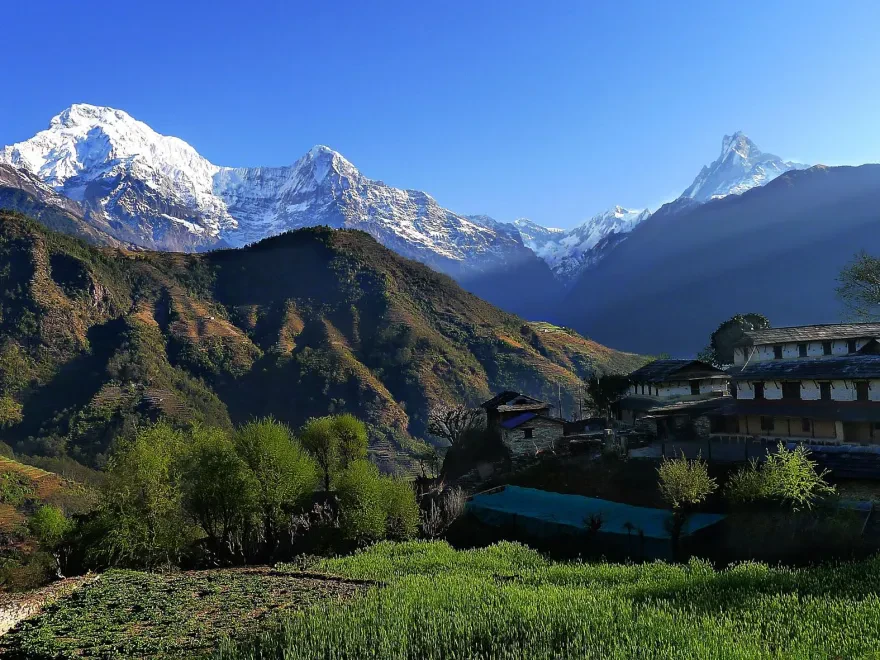
The most picturesque village Ghandruk
Photography Guide: Capturing the Himalayas Without Expensive Gear
Nepal Peak Climbing 2026: Routes, Tips, and Top Summits
The Best Hiking Adventures: Famous Peak Climbs in 2025
Top Himalayan Peaks for Beginner Climbers: A Comprehensive Guide
Is Peak Climbing in Nepal Easy for Beginners?
Top Best Expedition Packages in Nepal 2025
Experience Mountain View in Nepal
Top Highlights of the Annapurna Base Camp Trek
Upon arrival at Tribhuvan International Airport, you’ll be welcomed by a representative who will transfer you to your hotel inin the vibrant Thamel Kathmandu. After checking in and freshening up, take the rest of the day to relax and adjust to the new time zone. If you’re up for it, explore Thamel, the bustling district known for its vibrant streets, shops, and eateries. Enjoy a traditional Nepali dinner at a local restaurant and prepare for the adventure that awaits in the coming days.
Begin your day with a scenic drive from Kathmandu to Pokhara, which takes around 6-8 hours. The route offers stunning views of the countryside and river valleys. Upon reaching Pokhara, transfer to a vehicle that will take you to Syauli Bazaar. From there, Short trek of approximately 3 hours to Ghandruk, a beautiful Gurung village. Enjoy the panoramic views of the Annapurna range as you settle into a local teahouse in Ghandruk. Spend the evening exploring the village and absorbing the local culture.
Today’s trek takes you from Ghandruk to Tadapani, a journey of about 3-4 hours. The trail ascends through lush forests and offers occasional views of the Annapurna and Machapuchare (Fishtail) peaks. Tadapani is known for its stunning panoramic views and serene environment. Check into a local teahouse, rest, and take in the breathtaking scenery. Enjoy a relaxing evening in this peaceful setting, preparing for the next leg of your trek.
Set out on a 4-5 hour trek from Tadapani to Dobato. The trail gradually ascends through dense forests of oak and rhododendron, with increasing views of the surrounding peaks. Dobato is a small settlement offering spectacular mountain views and a tranquil atmosphere. After checking into your accommodation, take some time to relax and enjoy the natural beauty of the area. The cooler temperatures and elevated altitude will help you acclimate for the higher elevations ahead.
Today’s trek from Dobato to Upper Chistibung takes around 4-5 hours. The trail continues through the rhododendron forest and gradually ascends to the pastureland of Chistibung. Upper Chistibung is a picturesque spot with spectacular views of the surrounding peaks and valleys. Settle into a local teahouse and enjoy the serenity of the area. This stopover helps with acclimatization and prepares you for the final ascent to Khopra Danda.
Today’s trek from Upper Chistibung to Khopra Danda takes approximately 3-4 hours. The trail ascends steadily through alpine meadows and offers stunning views of the Annapurna and Dhaulagiri ranges. Khopra Danda, also known as Khopra Ridge, is renowned for its breathtaking panoramic views and peaceful atmosphere. Upon arrival, check into a teahouse and take in the magnificent views from the ridge. Relax and enjoy the tranquility of this high-altitude spot.
Dedicate today to exploring Khayar Lake, a stunning glacial lake situated at 4,500 meters. This day involves a strenuous round trip hike of 10-11 hours, but the views are well worth the effort. The trail offers breathtaking vistas of the surrounding peaks and serene lake waters. Return to Khopra Danda in the evening to rest and reflect on the day’s adventure. This acclimatization day is crucial for adjusting to the high altitude and preparing for the trek back down.
Descend from Khopra Danda to Swanta Village in 5-6 hours. The trail descends through forests and terraced fields, offering a change of scenery as you leave the high altitudes behind. Swanta is a traditional village with a welcoming atmosphere. Check into a local teahouse and enjoy the local hospitality. The village provides a pleasant stopover and a chance to experience the rural lifestyle of the region.
Trek from Swanta to Ulleri, a journey of 5-6 hours. The trail continues to descend through lush forests and terraced fields. Ulleri is a charming village known for its traditional stone houses and beautiful views of the surrounding landscape. Upon arrival, check into your accommodation and relax. Explore the village if time allows, and enjoy a peaceful evening after the day’s trek.
Complete your trek by descending from Ulleri to Nayapul in about 5-6 hours. From Nayapul, take a drive back to Pokhara. The drive provides a scenic end to your trek as you follow the winding roads back to the lakeside city. Upon arrival in Pokhara, check into your hotel and enjoy the remaining time at leisure. Relax and reflect on your trekking adventure.
Spend the morning exploring Pokhara, visiting attractions such as Phewa Lake, the World Peace Pagoda, and the Davis Falls. Enjoy lunch in one of the lakeside cafes before driving back to Kathmandu in the afternoon. The drive takes around 6-8 hours, so relax and enjoy the scenic views. Once in Kathmandu, check into your hotel and enjoy a final evening in the city. You may want to do some last-minute shopping or savor a farewell dinner with your trekking group.
Depending on your flight schedule, you’ll be transferred to Tribhuvan International Airport for your departure. Reflect on the incredible journey you’ve had through the Khopra trek and the memories you’ve made. Safe travels and best wishes for your future adventures!
Your Start Date is the day you land in Nepal, and your End Date is when you fly home.
If the set Khopra Trek group dates don’t suit your schedule, we can offer alternative dates upon request.
The Khopra Trek with Higher Path Treks & Expeditions was an amazing off-the-beaten-path experience in Nepal. The trails were peaceful, the mountain views were breathtaking, and the sunrise from Khopra Ridge was unforgettable. We especially loved the beautiful community lodges and the warm hospitality of the local people. Our guide was professional, friendly, and made the entire trek enjoyable and safe. Everything was well organized, and the experience felt authentic and less crowded compared to other popular routes. Highly recommended for nature lovers and trekkers seeking a quiet Himalayan adventure!
The Khopra Ridge Trek is one of Nepal’s most scenic and less-crowded trekking routes located in the Annapurna region. Unlike the busy Annapurna Base Camp or Ghorepani Poon Hill trails, the Khopra Trek offers a quieter and more peaceful experience with equally breathtaking Himalayan panoramas. Trekkers can witness magnificent views of Dhaulagiri, Annapurna South, Nilgiri, Machhapuchhre, and Hiunchuli throughout the journey. The trail passes through beautiful Gurung and Magar villages, dense rhododendron forests, alpine meadows, and remote mountain settlements. One of the major highlights is the day hike to the sacred Khayar Lake situated at 4,500 meters. Higher Path Treks & Expeditions organizes this trek with experienced guides, proper acclimatization, and comfortable accommodations, making it suitable for trekkers seeking both adventure and authentic cultural experiences in Nepal.
The Khopra Ridge Trek is considered a moderate trekking adventure suitable for beginners with good fitness levels as well as experienced trekkers. The daily walking duration generally ranges between 3 to 6 hours, except for the Khayar Lake excursion which takes approximately 10 to 11 hours. Trekkers do not require technical climbing skills, but they should be physically prepared for uphill and downhill hiking at higher altitudes. The itinerary designed by Higher Path Treks & Expeditions includes gradual altitude gain and proper acclimatization days to reduce the risk of altitude sickness. Individuals who regularly engage in walking, jogging, or basic cardio exercises can comfortably complete this trek. Families, solo travelers, couples, and small groups frequently choose this route because of its balanced trekking difficulty and rewarding mountain scenery.
Altitude sickness can be a concern on any Himalayan trek above 3,000 meters, including the Khopra Ridge Trek. However, the risk is relatively lower compared to more extreme high-altitude expeditions because the itinerary follows a gradual ascent. The highest overnight point is Khopra Ridge at 3,660 meters, while the optional hike to Khayar Lake reaches 4,500 meters. Symptoms such as headache, nausea, fatigue, and dizziness may occur if trekkers ascend too quickly or fail to stay hydrated. Higher Path Treks & Expeditions prioritizes acclimatization and safety throughout the trek by maintaining proper pacing, encouraging water intake, and monitoring trekkers’ health daily. Professional trekking guides are trained to recognize altitude-related symptoms and provide immediate support if necessary, ensuring a safe and enjoyable trekking journey.
The Khopra Ridge Trek offers numerous unforgettable highlights from beginning to end. Trekkers start their adventure from the culturally rich village of Ghandruk, known for its traditional Gurung heritage and beautiful stone houses. The trail continues through lush rhododendron forests and peaceful mountain settlements such as Tadapani, Dobato, and Upper Chistibung. The main highlight is reaching Khopra Ridge, where trekkers enjoy panoramic sunrise and sunset views over the Annapurna and Dhaulagiri mountain ranges. Another extraordinary experience is the day excursion to the sacred Khayar Lake, a hidden alpine lake surrounded by snowy Himalayan peaks. The trek also provides opportunities to encounter local wildlife, interact with villagers, and experience authentic rural life. Higher Path Treks & Expeditions ensures trekkers fully enjoy these unique attractions with knowledgeable local guides and carefully planned itineraries.
Yes, the Khopra Ridge Trek is considered very suitable for solo travelers, female trekkers, couples, and small groups. The trekking route is relatively safe, friendly, and less crowded compared to many other popular trekking destinations in Nepal. The local communities are welcoming and accustomed to international visitors. Higher Path Treks & Expeditions provides experienced local guides and reliable support staff who prioritize safety, comfort, and cultural respect throughout the journey. Solo trekkers often appreciate the peaceful environment and opportunities to connect with local culture and fellow travelers along the trail. Female trekkers also feel comfortable because the trekking company ensures professional guidance, safe accommodations, and organized logistics from arrival to departure in Nepal.
Higher Path Treks & Expeditions is dedicated to providing professional, safe, and personalized trekking experiences throughout Nepal. The company specializes in carefully crafted Himalayan adventures led by experienced local guides with extensive knowledge of trekking routes, mountain culture, and safety procedures. For the Khopra Ridge Trek, the company offers well-planned itineraries, quality accommodations, reliable transportation, permit management, and attentive customer service from beginning to end. Trekkers receive valuable cultural insights, flexible support, and responsible tourism practices that benefit local communities. Higher Path Treks & Expeditions focuses on creating authentic and memorable journeys rather than rushed commercial tours, ensuring every traveler enjoys the natural beauty, cultural richness, and peaceful atmosphere of the Khopra region in the best possible way.
The best seasons for the Khopra Ridge Trek are spring (March to May) and autumn (September to November). During spring, the rhododendron forests bloom beautifully, creating colorful landscapes along the trekking trail. The weather remains stable with clear mountain views and moderate temperatures. Autumn is equally popular because the skies are generally crystal clear after the monsoon season, offering spectacular panoramic Himalayan scenery. Winter treks from December to February are also possible for experienced trekkers who can tolerate colder temperatures and occasional snowfall at higher elevations. The monsoon season from June to August is less recommended due to slippery trails, heavy rainfall, and limited mountain visibility. Higher Path Treks & Expeditions carefully plans departures according to weather conditions to ensure trekkers enjoy safe and memorable trekking experiences.
Accommodation during the Khopra Ridge Trek is primarily in local teahouses and community lodges operated by villagers along the route. Rooms are generally simple but comfortable, usually featuring twin beds with blankets and shared bathroom facilities. The teahouses offer warm hospitality and an authentic mountain lifestyle experience. Food options are surprisingly varied and nutritious, including traditional Nepali Dal Bhat, noodles, soups, rice dishes, pasta, potatoes, pancakes, eggs, and tea or coffee. Higher Path Treks & Expeditions selects reliable lodges that provide hygienic meals and comfortable overnight stays to ensure trekkers remain healthy and energized throughout the adventure. Although luxury services are limited in remote areas, the breathtaking scenery and warm local hospitality create unforgettable trekking memories.
Yes, trekkers require specific permits to enter the Annapurna Conservation Area and complete the Khopra Ridge Trek legally. The two main permits are the Annapurna Conservation Area Permit (ACAP) and the TIMS (Trekkers’ Information Management System) card. These permits help support conservation projects, trail maintenance, and trekkers’ safety management in the region. Higher Path Treks & Expeditions arranges all necessary permits and paperwork on behalf of clients, allowing trekkers to focus entirely on enjoying their adventure. Travelers simply need to provide passport copies and passport-sized photographs before the trek begins. Having permits organized by an experienced trekking company saves time and ensures compliance with local trekking regulations in Nepal.
Preparation is essential for completing the Khopra Ridge Trek and fully enjoying the Himalayan experience. Trekkers should begin basic physical training at least a month before arrival in Nepal. Activities such as hiking, jogging, cycling, stair climbing, and cardio exercises help improve stamina and endurance for mountain walking. Mental preparation is equally important because trekking in remote regions requires adaptability to changing weather, simple accommodations, and long walking days. Packing appropriate clothing, quality trekking boots, and essential gear significantly improves comfort during the journey. Higher Path Treks & Expeditions provides detailed pre-trek information and packing recommendations to help trekkers prepare confidently for their adventure. With proper preparation, the trek becomes an enjoyable and rewarding lifetime experience.
| No of people | Price per person |
|---|---|
| 1 - 1 | $1,105 |
| 2 - 5 | $1,055 |
| 6 - 10 | $1,005 |
| 11 - 20 | $955 |
| No of people | Price per person |
|---|---|
| 1 - 1 | $795 |
| 2 - 5 | $745 |
| 6 - 10 | $695 |
| 11 - 20 | $645 |
| No of people | Price per person |
|---|---|
| 1 - 1 | $795 |
| 2 - 5 | $755 |
| 6 - 10 | $705 |
| 11 - 20 | $655 |