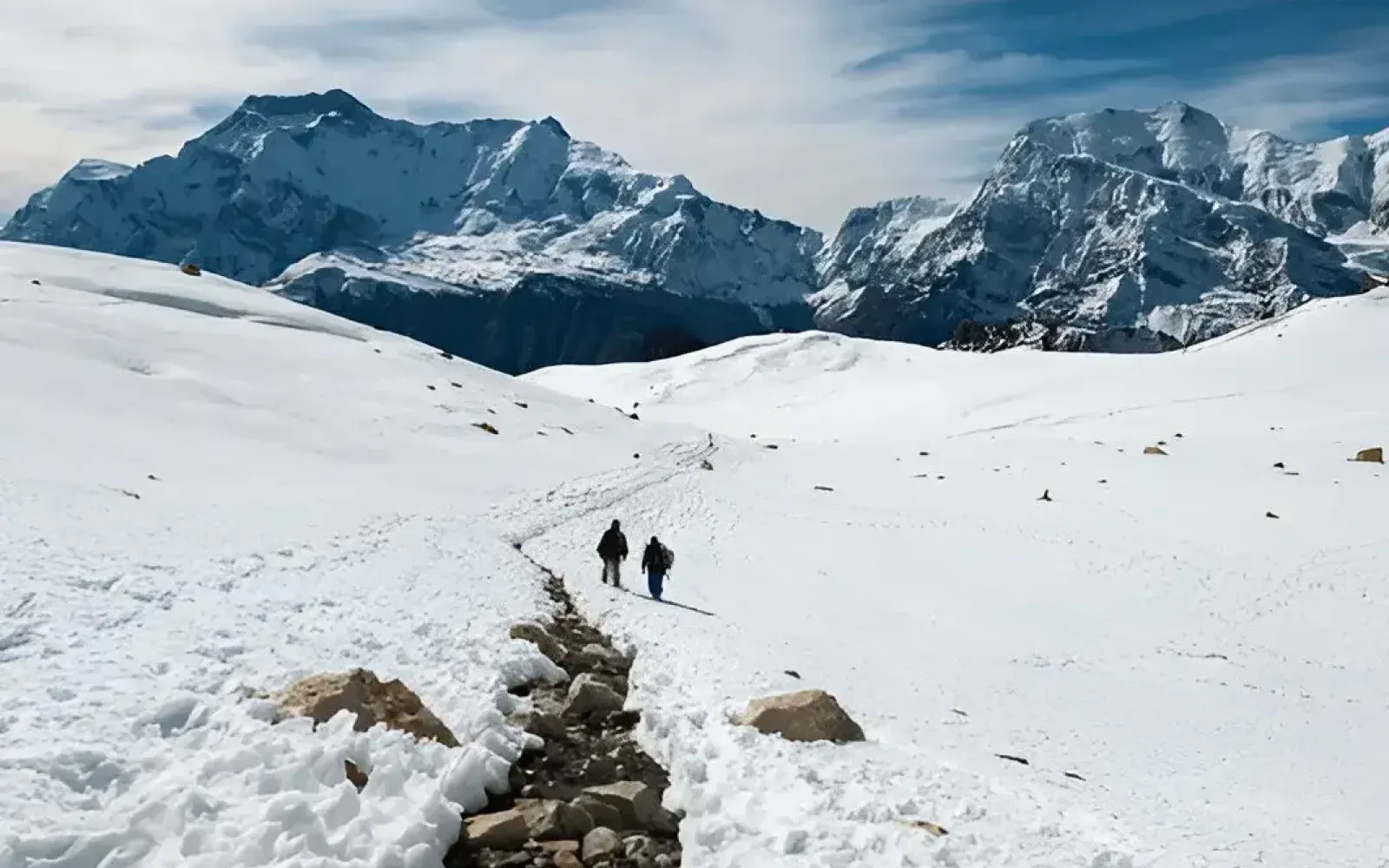
The Himalayas, home to the world’s highest peaks, offer an unparalleled playground for climbers of all levels. For beginners, these majestic mountains provide a unique combination of adventure, natural beauty, and cultural immersion. At Higher Path Treks & Expeditions, we understand that embarking on your first Himalayan climb can be both exciting and daunting. That’s why we have created this comprehensive guide to help new climbers navigate the best beginner-friendly peaks, preparation tips, and essential information to make your journey safe, rewarding, and memorable.
This guide highlights some of the top trekking peaks suitable for beginners, including well-known summits like Mera Peak, Island Peak, and Lobuche, as well as hidden gems off the beaten path. Each peak is carefully selected based on technical difficulty, accessibility, altitude, and the cultural richness of its surroundings. Alongside peak profiles, we provide valuable insights into the necessary permits, fitness requirements, acclimatization strategies, and recommended gear. Moreover, the guide explores options for combining peak climbing with popular trekking routes, as well as multi-peak expeditions for those seeking a more ambitious Himalayan experience.
Whether you’re a complete novice or a strong beginner aiming to step into alpine mountaineering, Higher Path Treks & Expeditions is dedicated to providing expert guidance, professional support, and tailored itineraries. Our mission is to empower you to safely explore these breathtaking mountains, turning your Himalayan climbing dreams into reality.
The Himalayas, often referred to as the “Roof of the World,” are home to the highest and most majestic peaks on Earth. While names like Everest and K2 dominate the headlines, the range also offers countless peaks that are perfect for novice climbers looking to step into the world of mountaineering. These “trekking peaks” provide the thrill of climbing in one of the most iconic mountain ranges without requiring extensive technical expertise. For beginner climbers, the Himalayas offer a chance to gain high-altitude experience, challenge physical limits, and explore diverse cultures all in one journey.
Nepal, in particular, is a hotspot for beginner mountaineers. With well-established infrastructure, experienced guides, and a supportive tourism ecosystem, it creates the perfect environment for those embarking on their first climb. The stunning landscapes, warm local hospitality, and spiritual backdrop of the Himalayas add depth to every expedition, making it both an adventure and a transformative experience.
Key Highlights:
Overview of Nepal's Trekking Peaks
Nepal classifies 33 peaks as “Trekking Peaks,” ranging between 5,500 to 6,500 meters. These are regulated by the Nepal Mountaineering Association (NMA) and are specifically opened for commercial climbing. Trekking peaks like Island Peak (6,189m), Mera Peak (6,476m), Lobuche East (6,119m), and Pisang Peak (6,091m) are among the most sought-after by beginner climbers due to their non-technical or semi-technical nature. Each offers unique landscapes, from remote valleys to glaciated terrains, providing varied climbing experiences.
These peaks typically require a trekking approach of several days, allowing climbers to acclimatize naturally. Most routes involve glacier travel, basic ice/snow climbing, and rope work, which can be managed under professional guidance. Higher Path Treks & Expeditions provides tailored beginner-friendly packages that include acclimatization strategies, pre-climb training, and expert Sherpa guides to ensure safety and success.
Popular Beginner Peaks:
What Makes a Peak Suitable for Beginners
A beginner-suitable peak generally features a moderate elevation gain, manageable technical difficulty, and good trail infrastructure. Peaks like Island and Mera have well-defined routes and don’t require extensive technical climbing skills, making them ideal starting points. Additionally, these climbs often follow established trekking trails for the initial days, allowing time for acclimatization and physical adjustment before reaching the high camps.
The key factors that determine a peak’s suitability include altitude, technical requirements, access, and weather conditions. For a beginner, it's important to start with peaks below 6,500m that involve basic mountaineering skills such as crampon use, fixed rope techniques, and glacier navigation. Higher Path Treks & Expeditions ensures that climbers are well-trained during the journey and supported with the right crew and equipment to enhance safety.
What to Look for in Beginner Peaks:
Required Permits, Gear, and Fitness Levels
Climbing any trekking peak in Nepal requires certain permits. For NMA peaks, climbers must obtain a Climbing Permit, a Trekking Permit (like TIMS), and often a National Park Entry Permit depending on the region. These permits are facilitated by registered trekking companies like Higher Path Treks & Expeditions. Permit costs vary depending on the season and the peak but are generally affordable and straightforward with professional help.
When it comes to gear, climbers need both trekking and climbing equipment, including crampons, harnesses, helmets, and cold-weather gear. While some items can be rented in Kathmandu, personal gear like boots, layers, and gloves should be brought from home. Fitness is a key component: while technical skills can be learned en route, climbers should have a solid base level of cardiovascular endurance and strength. A training program focused on hiking, uphill climbs, and core strength 2–3 months in advance is highly recommended.
Permit & Gear Essentials:
Nepal’s Himalayan range is rich with trekking peaks perfect for aspiring mountaineers. These beginner-friendly summits, ranging from 5,500 to 6,500 meters, offer the ideal balance of adventure, physical challenge, and safety. Managed by the Nepal Mountaineering Association (NMA), many of these climbs require only basic mountaineering skills and are supported by well-developed trekking routes. Higher Path Treks & Expeditions offers professionally guided expeditions to these peaks, ensuring a safe, enriching, and memorable first climbing experience.
Each peak presents a unique terrain—from snow domes to glaciated ridges—and offers a panoramic view of the iconic Himalayan giants. Whether you're aiming for high-altitude experience or simply want to push your boundaries, these peaks are excellent stepping stones into the world of mountaineering.
Why These Peaks Stand Out:
Mera Peak Climbing (6,476m)
Mera Peak is the highest trekking peak in Nepal and one of the best choices for beginner climbers who want high-altitude experience with relatively non-technical climbing. Located in the remote Hinku Valley, the journey to Mera is as rewarding as the climb itself. It passes through pristine forests, Sherpa villages, and wide alpine valleys before reaching the Mera La and High Camp. The summit day involves glacier travel and a gradual ascent, with the final section requiring the use of fixed ropes.
What makes Mera attractive is its breathtaking 360° summit panorama, offering views of five 8,000m giants—Everest, Lhotse, Makalu, Cho Oyu, and Kangchenjunga. Though not technically difficult, the altitude demands solid acclimatization and physical fitness. Higher Path Treks & Expeditions ensures climbers have adequate preparation, guided glacier practice, and professional Sherpa support throughout the climb.
Highlights:
Island Peak Climbing (6,189m)
Also known as Imja Tse, Island Peak is one of the most popular trekking peaks in Nepal. It’s ideal for climbers who want a mix of trekking and technical climbing. The approach trail follows the classic Everest Base Camp route, offering acclimatization in well-known villages like Namche Bazaar, Tengboche, and Dingboche. This makes it an excellent climb for those combining EBC trekking with their first summit attempt.
The final summit push involves a glacier crossing, crevasse navigation, fixed rope climbing, and a steep ice wall just below the summit ridge. While technical, these challenges are manageable with guidance. Higher Path Treks & Expeditions provides essential training en route, and your guides ensure proper rope use and safety protocols. The views from the summit include Lhotse, Ama Dablam, and Makalu.
Highlights:
Lobuche Peak Climbing (6,119m)
Lobuche East is slightly more technical than Mera or Island Peak, making it a great choice for climbers wanting a bit more challenge. The climb offers steep sections, narrow ridges, and fixed rope ascents, giving climbers real experience in mixed alpine terrain. Despite the added difficulty, it's still suitable for first-timers under experienced guidance.
The route follows the EBC trail and then diverges at Lobuche village. The climb requires proper acclimatization and includes a high camp, from where climbers make the summit push. Higher Path Treks & Expeditions offers specialized pre-climb instruction, making it possible for beginners with good fitness and motivation to summit successfully. Views of Everest, Nuptse, and Pumori from the summit are unforgettable.
Highlights:
Naya Kanga Peak Climbing (5,844m)
Located near the Langtang Valley, Naya Kanga is a less-crowded trekking peak ideal for beginners who prefer solitude and natural beauty over tourist-heavy routes. The climb is non-technical and accessible, with basic snow and ice sections, making it perfect for first-time climbers. The region itself is a paradise of forests, yak pastures, and glacial lakes.
Climbers start from Syabrubesi and trek through Langtang National Park. The climb offers a gradual introduction to glacier travel and rope techniques. The summit views include Langtang Lirung, Shishapangma, and other peaks along the Tibetan border. With its lower altitude and more relaxed terrain, it’s a great choice for those easing into mountaineering.
Highlights:
Yala Peak Climbing (5,732m)
Yala Peak is often considered one of the easiest trekking peaks in Nepal, making it a perfect “first climb” for those unsure about their readiness for higher or more technical summits. Located in the Langtang Valley, the trek to Yala offers rich cultural immersion with Tibetan-influenced Tamang communities, beautiful forests, and impressive glaciers.
The summit day requires only basic snow walking, and the final ascent does not involve ropes or serious technical maneuvers. The climb is often used as a training peak for those preparing for higher altitudes. With full support from Higher Path Treks & Expeditions, even novice trekkers can summit safely and confidently.
Highlights:
Pisang Peak Climbing (6,091m)
Pisang Peak offers a dramatic introduction to mountaineering in the Annapurna region. Located near the famed Annapurna Circuit, it is a highly scenic and moderately technical peak. The approach includes a classic trek through lush valleys and high-altitude villages like Manang, ensuring ample time for acclimatization.
The climb includes a ridge walk and a snowy summit section that requires the use of ropes and crampons. While not overly technical, Pisang Peak demands good fitness and willingness to learn rope skills. The summit provides stunning views of Annapurna II, Gangapurna, Tilicho Peak, and more. This climb is best suited for those looking for a well-rounded adventure.
Highlights:
Chulu Far East Peak Climbing (6,059m)
Chulu Far East is another beginner-friendly peak in the Annapurna region that offers expansive Himalayan panoramas and a well-paced ascent. The trek takes you through picturesque valleys, past ancient monasteries, and into high alpine terrain. The climb itself is gradual, with glacier travel and some technical rope use near the summit.
It is less technical than Chulu East or Chulu West and more suited for climbers with moderate trekking experience. Higher Path Treks & Expeditions ensures full support with acclimatization days and high-altitude preparation. This peak is a good blend of challenge and accessibility and is perfect for those seeking a unique climb away from crowded trails.
Highlights:
Not all Himalayan adventures follow the crowded trails of Everest or Annapurna. Nepal offers several lesser-known trekking peaks that are perfect for adventurous beginner climbers looking to avoid the crowds and discover raw Himalayan beauty. These hidden gems provide a deeper sense of solitude, authentic cultural encounters, and equally stunning views—often with more demanding routes that can challenge but not overwhelm a well-prepared novice climber.
While these peaks are less frequented, they are equally rewarding, both physically and emotionally. With smaller group sizes, professional Sherpa support, and a strong focus on safety, Higher Path Treks & Expeditions crafts unforgettable experiences on these underrated summits. These climbs offer unique perspectives of the Himalayas, giving beginner mountaineers a more exclusive and serene adventure.
Why Choose These Hidden Peaks?
Nirekha Peak Climbing (6,169m)
Nirekha Peak is one of the best-kept secrets in the Khumbu region, situated between the Cho La Pass and the stunning Gokyo Valley. Though classified as a trekking peak, it requires basic mountaineering skills like rope use, crampon walking, and glacier travel. It's a perfect choice for climbers looking to escape the busy Everest trails and embrace a raw, adventurous route with fewer people.
The trek starts through the scenic Gokyo Lakes route, providing ample acclimatization and surreal views. The summit day is demanding but manageable with fixed ropes and guidance. The panoramic views of Everest, Lhotse, Makalu, and Cho Oyu are truly world-class. Higher Path Treks & Expeditions includes technical preparation and pre-summit training, making it accessible for beginners who are physically fit and adventurous.
Highlights:
Kyajo Ri Peak Climbing (6,186m)
Kyajo Ri offers a true alpine mountaineering experience for beginners ready to go slightly off the beaten track. Situated in the Thame Valley, northwest of Namche Bazaar, Kyajo Ri offers a remote setting with dramatic scenery, ridgelines, and icy climbs. While it's more technical than peaks like Island or Mera, it's still within reach for fit first-timers with basic training.
Climbers are rewarded with solitude, high mountain camps, and unforgettable summit views of Everest, Ama Dablam, and Cho Oyu. The route includes rock scrambling, snow climbing, and ridge ascents using fixed ropes. Higher Path Treks & Expeditions ensures climbers are supported by experienced guides, safety equipment, and personalized attention for technical practice.
Highlights:
Cholatse Peak Climbing (6,440m)
Cholatse is a majestic pyramid-shaped peak located near Dzongla on the way to Gokyo and Everest Base Camp. Although it is on the higher end of beginner climbs, it's increasingly attracting fit, ambitious first-timers seeking something extraordinary. It demands more rope work, some steep sections, and the ability to handle high-altitude exposure—but under the right guidance, it’s achievable and incredibly rewarding.
The climb involves navigating snow faces, ice walls, and a narrow summit ridge. It’s an ideal choice for those who have already trekked in high altitudes or done prior adventure training. Higher Path Treks & Expeditions customizes the itinerary with technical skill-building, making sure clients are fully prepared. The views from the summit are nothing short of surreal, with Nuptse, Lhotse, Ama Dablam, and even Makalu in view.
Highlights:
Phari Lapcha Peak Climbing (6,017m)
Phari Lapcha (also called Pharilapcha) is an increasingly popular trekking peak located in the upper Gokyo Valley. Though it lies close to the standard Gokyo trekking route, very few climbers attempt it, making it a peaceful and rewarding ascent. It offers a great mix of alpine trekking, moderate snow climbing, and panoramic views, making it a fantastic hidden gem for beginners.
The approach allows climbers to enjoy the turquoise Gokyo Lakes, Ngozumpa Glacier, and traditional Sherpa villages. The summit ridge requires rope assistance but is not overly technical. Higher Path Treks & Expeditions provides personalized instruction on glacier travel and summit preparation to ensure even new climbers feel confident and safe.
Highlights:
Larkya Peak Climbing (6,249m)
Larkya Peak lies near the dramatic Larkya La Pass in the remote Manaslu Conservation Area, making it one of the least crowded beginner-friendly trekking peaks in Nepal. The route begins along the stunning Manaslu Circuit, offering cultural richness, wild valleys, and massive glacier systems. This is a more remote climb, suitable for adventure-seekers looking for solitude and stunning beauty.
The peak itself requires glacier navigation, basic rope work, and snow slopes, but it is manageable with the right acclimatization and support. Higher Path Treks & Expeditions integrates the climb into the broader Manaslu trek, offering a unique blend of cultural experience and mountaineering. Due to the isolation and wilderness, climbers enjoy a sense of true exploration and accomplishment.
Highlights:
Peak climbing becomes even more rewarding when paired with iconic trekking routes. For beginner climbers, combining a classic Himalayan trek with a climbing objective offers the best of both worlds—scenic and cultural immersion, plus a true mountaineering experience. These combinations not only help with natural acclimatization but also enhance the adventure, giving climbers a deeper connection with both the landscape and the local culture.
Higher Path Treks & Expeditions specializes in these combined trek + climb itineraries, ensuring clients receive proper altitude adaptation, professional guidance, and logistical support throughout the journey. Whether you're walking through Sherpa villages en route to Everest Base Camp or crossing high passes in the Annapurna Circuit, each combined experience prepares your body and mind for a safe, successful summit.
Benefits of Combining Trekking with Climbing:
Island Peak Climbing with Everest Base Camp Trek (6,189m)
Combining Island Peak climbing with the Everest Base Camp (EBC) trek is one of the most popular and rewarding Himalayan adventures for beginners. The journey begins with a scenic flight to Lukla, followed by a gradual ascent through classic Sherpa villages such as Namche Bazaar, Tengboche, and Dingboche. You’ll spend time visiting the famous Everest Base Camp and climbing Kala Patthar (5,545m) for panoramic views—this builds altitude experience crucial for summit success.
After EBC, the route diverts to Chhukung and Island Peak Base Camp, where climbers get a day of technical training and gear preparation. The final summit push involves glacier crossing, crevasse navigation, and a short ice wall climb. While slightly technical, it is achievable for first-timers under proper guidance. Higher Path Treks & Expeditions ensures every step is carefully supported, blending trekking, culture, and peak climbing into one unforgettable journey.
Trip Highlights:
Lobuche Peak Climbing with Everest Base Camp Trek (6,119m)
Lobuche East Peak offers a more technical alternative to Island Peak and combines beautifully with the Everest Base Camp trek. The route follows the EBC trail, allowing climbers to visit Namche, Tengboche, and Gorakshep, then continue to Kala Patthar and Base Camp before beginning the ascent. This natural progression not only aids acclimatization but also builds mental preparation for the climb ahead.
Lobuche East is slightly more technical than Island Peak, featuring steep snow slopes, fixed rope sections, and narrow ridges. With training and proper support from Higher Path Treks & Expeditions, first-time climbers with solid fitness can tackle this climb safely. The summit provides one of the best vantage points of the Everest region, offering views of Nuptse, Pumori, and the Khumbu Icefall.
Trip Highlights:
Pisang Peak Climbing with Annapurna Circuit Trek (6,091m)
Pisang Peak is a perfect addition to the Annapurna Circuit, offering climbers the opportunity to combine a diverse cultural trek with a high-altitude summit. The trail begins in lush lowlands and rises through dramatic gorges and villages like Manang, where you’ll acclimatize before heading to Pisang Base Camp. The ascent involves high camp setup, snow climbing, and fixed rope work near the summit.
The Annapurna Circuit is known for its breathtaking mountain views, diverse ecosystems, and cultural richness. Climbing Pisang Peak midway through the circuit (before crossing Thorong La) adds a thrilling dimension. Higher Path Treks & Expeditions provides full support—technical guidance, safety gear, and acclimatization strategies—to ensure even beginners can enjoy a safe and successful climb.
Trip Highlights:
Chulu West Peak Climbing with Annapurna Circuit Trek (6,419m)
For beginner climbers looking for a bit more challenge, Chulu West is a great option when paired with the Annapurna Circuit. Slightly higher than Pisang Peak and more demanding, this climb requires solid physical fitness and some exposure to basic rope and ice skills. The trek follows the Annapurna trail through Manang and Yak Kharka before diverting toward Chulu Base Camp.
The summit push involves glacier crossings, rope sections, and steep snow slopes. Although more challenging, the climb is safe for fit beginners when guided by professionals. Higher Path Treks & Expeditions ensures proper high-altitude prep, acclimatization, and technical training. Reaching the summit of Chulu West is incredibly rewarding, with panoramic views stretching from the Annapurna Range to the Dhaulagiri massif.
Trip Highlights:
Langtang Yala Peak Climbing (5,732m)
Yala Peak, located in the Langtang Valley, is one of the most accessible and beginner-friendly climbs in Nepal. This trip combines a cultural trek through Tamang and Tibetan-influenced villages with a moderate snow climb that doesn’t require technical mountaineering skills. The trek through Langtang National Park is rich with biodiversity and offers serene alpine landscapes.
Climbing Yala Peak is often a beginner’s first step into mountaineering. The summit day includes basic crampon use and glacier travel, but no ropes are typically required. Higher Path Treks & Expeditions offers proper acclimatization days and technical briefing before the climb. The summit provides incredible views of Langtang Lirung, Dorje Lakpa, and Shishapangma (in Tibet), making it a memorable adventure with minimal risk.
Trip Highlights:
For beginner climbers with a thirst for challenge and adventure, multi-peak climbing expeditions offer an exhilarating way to maximize experience in the Himalayas. These ambitious itineraries combine two or more trekking peaks, interspersed with classic trekking routes, allowing climbers to build endurance, improve technical skills, and immerse themselves fully in the high-altitude Himalayan environment. Multi-peak adventures are perfect for those who want to push their limits while still benefiting from professional guidance and careful acclimatization.
Higher Path Treks & Expeditions crafts these itineraries with a focus on safety, gradual progression, and personalized support. Climbers gain experience on a variety of terrains—from glaciated slopes to rocky ridges—making these trips excellent preparation for more advanced mountaineering challenges. Besides climbing, these journeys offer rich cultural interactions, breathtaking landscapes, and the sense of achievement that comes with summiting multiple Himalayan giants.
Lobuche and Island Peak Climbing with Everest Base Camp Trek
Combining Lobuche East and Island Peak climbs with the Everest Base Camp trek is an ideal multi-peak adventure for ambitious beginners. This journey begins with the iconic trek through Sherpa villages, Buddhist monasteries, and the spectacular Khumbu Valley, providing ample acclimatization. Following the trek, climbers tackle Lobuche East first—a technically challenging peak with steep ridges and rope sections—before moving on to the slightly less technical Island Peak.
This itinerary balances two exciting summits with rest days and cultural exposure, allowing climbers to develop mountaineering skills progressively. Lobuche builds confidence on more technical snow and ice, while Island Peak offers glacier travel and a final rope climb to the summit. Higher Path Treks & Expeditions ensures expert Sherpa support, technical training, and safety throughout the expedition, making this multi-peak climb an unforgettable Himalayan experience.
Key Features:
Gokyo Cho La Pass and Lobuche Peak Climbing
This multi-adventure combines the spectacular Gokyo Lakes trek and Cho La Pass crossing with the summit of Lobuche East, creating a thrilling blend of trekking and climbing. The Gokyo route is famous for its turquoise high-altitude lakes, dramatic views, and relative solitude compared to Everest Base Camp. The Cho La Pass (5,420m) crossing adds an alpine challenge and further acclimatization before the technical climb of Lobuche Peak.
Lobuche East offers steep snow slopes, crevasse navigation, and rope-assisted sections, but the gradual build-up via Gokyo trek and Cho La ensures climbers arrive prepared and confident. The combination provides variety, blending trekking with demanding mountaineering in a stunning Himalayan setting. Higher Path Treks & Expeditions customizes the itinerary to optimize acclimatization, technical training, and safety, making this ideal for beginners ready to push their limits.
Key Features:
Mera, Amphu Lapcha Pass, Island, and Lobuche Peak Climbing
This is the ultimate multi-peak adventure for ambitious beginners, combining four major Himalayan objectives: Mera Peak, Amphu Lapcha Pass, Island Peak, and Lobuche Peak. This expedition is designed for those who want to experience a diverse range of Himalayan terrains, from trekking trails and high alpine passes to technical summits. The route involves intense acclimatization, challenging climbs, and crossing one of Nepal’s most spectacular high passes—Amphu Lapcha (5,845m).
Mera Peak offers a high-altitude introduction with gradual glacier travel; Amphu Lapcha Pass is a challenging ice and snow pass requiring rope skills and careful navigation. Island Peak and Lobuche East add technical climbing with crevasse crossings and steep slopes. Higher Path Treks & Expeditions provides full support including technical training, equipment, and experienced guides to help climbers manage this demanding itinerary safely. This multi-peak expedition is ideal for beginners with strong fitness, mental resilience, and a passion for Himalayan adventure.
Key Features:
For beginner climbers with strong physical fitness and a keen desire to take on serious alpine challenges, higher-level expeditions offer a gateway into professional mountaineering. These trips are designed for those who have gained some climbing experience, possess solid stamina, and want to push beyond basic trekking peaks into true alpine environments. Such expeditions blend technical climbing, demanding logistics, and high-altitude endurance to prepare climbers for future ambitious climbs.
Higher Path Treks & Expeditions specializes in guiding these transformative journeys, ensuring climbers are equipped with expert training, high-quality gear, and Sherpa support. While these expeditions require mental toughness and physical preparation, they are still accessible to strong beginners ready to elevate their Himalayan climbing experience. The spectacular summits, glacier traverses, and vast alpine vistas make the challenge worthwhile.
Everest Three Peak Climbing Expedition
The Everest Three Peak Climbing Expedition is a bold venture for fit beginners aiming to conquer three iconic Himalayan peaks in one trip: Island Peak, Lobuche East, and Mera Peak. This expedition demands endurance, acclimatization, and proficiency in basic mountaineering techniques such as rope use, crampon walking, and glacier travel. The route combines classic trekking routes with technical climbing, allowing climbers to progressively build their skills.
This expedition offers unparalleled panoramic views of Everest, Lhotse, Makalu, and Cho Oyu, giving climbers an intimate experience with some of the world’s tallest mountains. The climbs vary in difficulty—Island Peak and Lobuche East offer technical challenges, while Mera Peak is the highest trekking peak in Nepal, demanding both stamina and skill. Higher Path Treks & Expeditions supports climbers with extensive pre-expedition training, acclimatization plans, and experienced guides to ensure safety and success.
Highlights:
Baruntse Expedition with Mera Peak Climbing
The Baruntse Expedition combined with Mera Peak is a stepping stone for strong beginners aspiring to tackle higher Himalayan summits. Baruntse (7,129m) is a serious alpine challenge, requiring climbers to be confident with high-altitude ice and snow climbing, crevasse navigation, and mixed terrain. Combining it with Mera Peak climbing provides vital acclimatization and skill-building before the more demanding summit push.
This expedition is for climbers with solid experience, excellent fitness, and a passion for serious mountaineering. Baruntse offers breathtaking views of Makalu, Lhotse, and Everest, and the journey takes you through remote valleys and high-altitude camps. Higher Path Treks & Expeditions ensures climbers are prepared with technical training, strategic acclimatization, and comprehensive logistical support, including experienced Sherpa teams. This expedition is a significant milestone on the path to elite Himalayan climbing.
Highlights:
Selecting the perfect Himalayan peak for your first climb is a crucial step in ensuring a safe, enjoyable, and fulfilling experience. The vastness of the region offers numerous options, each with its unique environment, cultural backdrop, and climbing challenges. At Higher Path Treks & Expeditions, we emphasize the importance of assessing several key factors before committing to a particular climb. Understanding your preferences, fitness level, and climbing experience will guide you toward a peak that matches your ambitions and abilities.
One of the first decisions is choosing the right region. The Everest region is the most popular and offers classic peaks like Island Peak and Lobuche, combined with vibrant Sherpa culture and iconic views of the world’s highest mountain. The Annapurna region is celebrated for its dramatic landscapes and cultural diversity, with peaks like Pisang and Chulu offering moderate technical challenges. The Langtang Valley is quieter and less crowded, with approachable climbs like Yala Peak that appeal to beginners seeking tranquility and natural beauty. Each region provides different trekking and climbing experiences, so understanding these differences helps tailor your adventure.
Key Considerations:
Quick Guide:
Choosing the right climb sets the foundation for a rewarding Himalayan journey. Higher Path Treks & Expeditions is here to help you evaluate your options and design a customized itinerary that aligns with your goals, ensuring a safe and memorable Himalayan climbing experience.
Preparing for your first Himalayan climb involves more than just excitement—it demands careful physical training, meticulous packing, and understanding the logistical essentials to ensure a safe and successful expedition. At Higher Path Treks & Expeditions, we guide beginners through every step of this preparation phase, emphasizing fitness, acclimatization, gear selection, and local support to optimize your climbing experience.
Training and acclimatization are paramount. Given the high altitudes and physical demands, a structured fitness regimen focusing on cardiovascular endurance, strength, and flexibility is vital. Activities like hiking with a weighted backpack, stair climbing, and aerobic workouts will build stamina. Additionally, spending time at altitude before the climb—either by trekking or using acclimatization days during the expedition—helps reduce the risk of altitude sickness. Gradual ascent schedules designed by experienced guides allow your body to adjust effectively, improving your chances of summiting safely.
Essential Preparation Points:
Packing Checklist: Proper gear makes all the difference. Key items include insulated down jackets, waterproof shell layers, crampons, mountaineering boots, gloves, helmets, sleeping bags rated for cold temperatures, and technical climbing equipment like ice axes. Don't forget essentials such as sun protection, hydration systems, and altitude sickness medication. Higher Path Treks & Expeditions provides detailed packing lists tailored to specific peaks.
Hiring Guides and Porters: Professional guides and Sherpa support are invaluable for navigation, safety, and carrying loads. They provide local expertise, technical instruction, and acclimatization advice, ensuring a smoother and more secure climb. Porters lighten your load, allowing you to conserve energy for summit pushes.
Understanding Weather Windows: Weather in the Himalayas can be unpredictable and extreme. Familiarize yourself with typical climbing seasons—pre-monsoon (March to May) and post-monsoon (September to November)—when conditions are generally more stable. Monitoring daily weather updates and trusting your guide's judgment on summit attempts is crucial for safety.
Quick Tips Recap:
Careful preparation lays the foundation for a successful Himalayan climb. Higher Path Treks & Expeditions is committed to equipping you with the knowledge, support, and resources needed to turn your mountaineering dreams into reality—safely and memorably.
Embarking on your first Himalayan climb is a thrilling and transformative experience, but it’s important to remember that every great mountaineer starts small. For first-time climbers, the key is to focus on achievable goals, gradually building skills, confidence, and fitness through beginner-friendly peaks. Higher Path Treks & Expeditions encourages beginners to embrace the process, valuing the climb as much as the summit itself. The mountains teach patience, resilience, and humility—qualities that matter just as much as reaching the top.
While standing on a Himalayan summit is an incredible achievement, the true reward often lies in the journey: the breathtaking landscapes, the camaraderie with fellow climbers and Sherpas, and the deep connection with nature and local culture. These moments foster personal growth and lasting memories beyond the physical accomplishment. By starting with accessible peaks such as Mera, Island, or Lobuche, climbers build a solid foundation for future adventures while minimizing risk and maximizing enjoyment.
Recommendations for Progression After Your First Peak:
Quick Takeaways:
At Higher Path Treks & Expeditions, we believe every summit starts with a single step—and we are here to guide you on every step of your Himalayan climbing journey. Start small, aim high, and let the mountains inspire your greatest adventures yet.
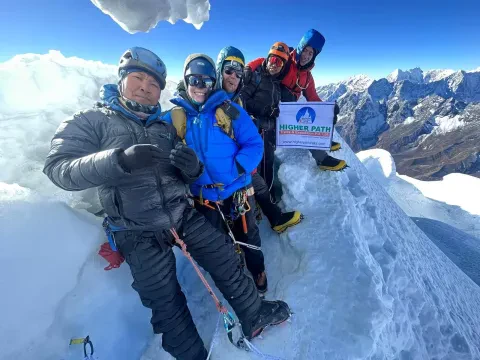
<p>Nepal is a paradise for mountaineers, offering some of the world’s most spectacular peaks for climbing enthusiasts. From the towering giants of the Himalayas to the more accessible trekking peaks, Nepal attracts thousands of climbers every year.</p>
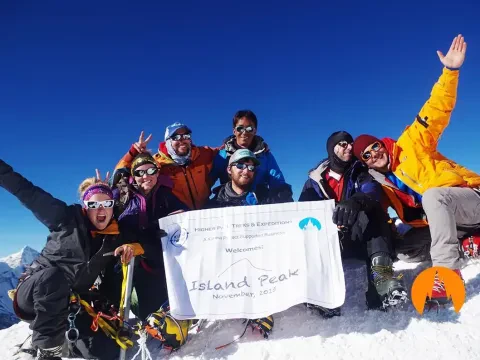
<p>Nepal’s towering Himalayas have long been a magnet for adventurers and mountaineers worldwide. Beyond the iconic summits like Everest and Annapurna, Nepal offers a rich selection of trekking peaks that provide the perfect blend of adventure, challenge, and breathtaking natural beauty</p>
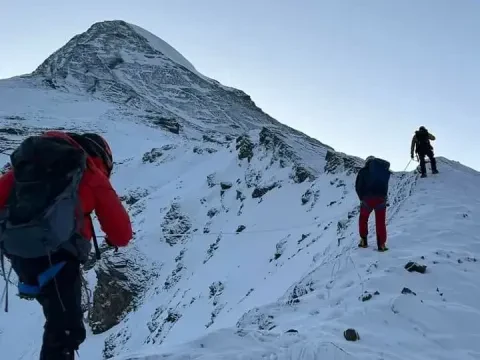
<p>For many adventure seekers and aspiring mountaineers, Nepal holds a dreamlike charm with its majestic Himalayan range, breathtaking landscapes, and a rich mountaineering legacy. But a common question that arises among first-time climbers is: Is peak climbing in Nepal easy</p>