Need help with booking? Send us a message.
Mardi HImal Trek 8 Days is a perfect short trek in Nepal with stunning mountain views, peaceful forest, traditional villages and experienced local guides. Explore the Annapurna region on a memorable Himalayan adventure.
4*** Hotel in Kathmandu and Pokhara and Lodge / Tea House during the trek
Kathmandu-Pokhara-Forest Camp-High Camp-Low Camp-Pokhara-Kathmandu

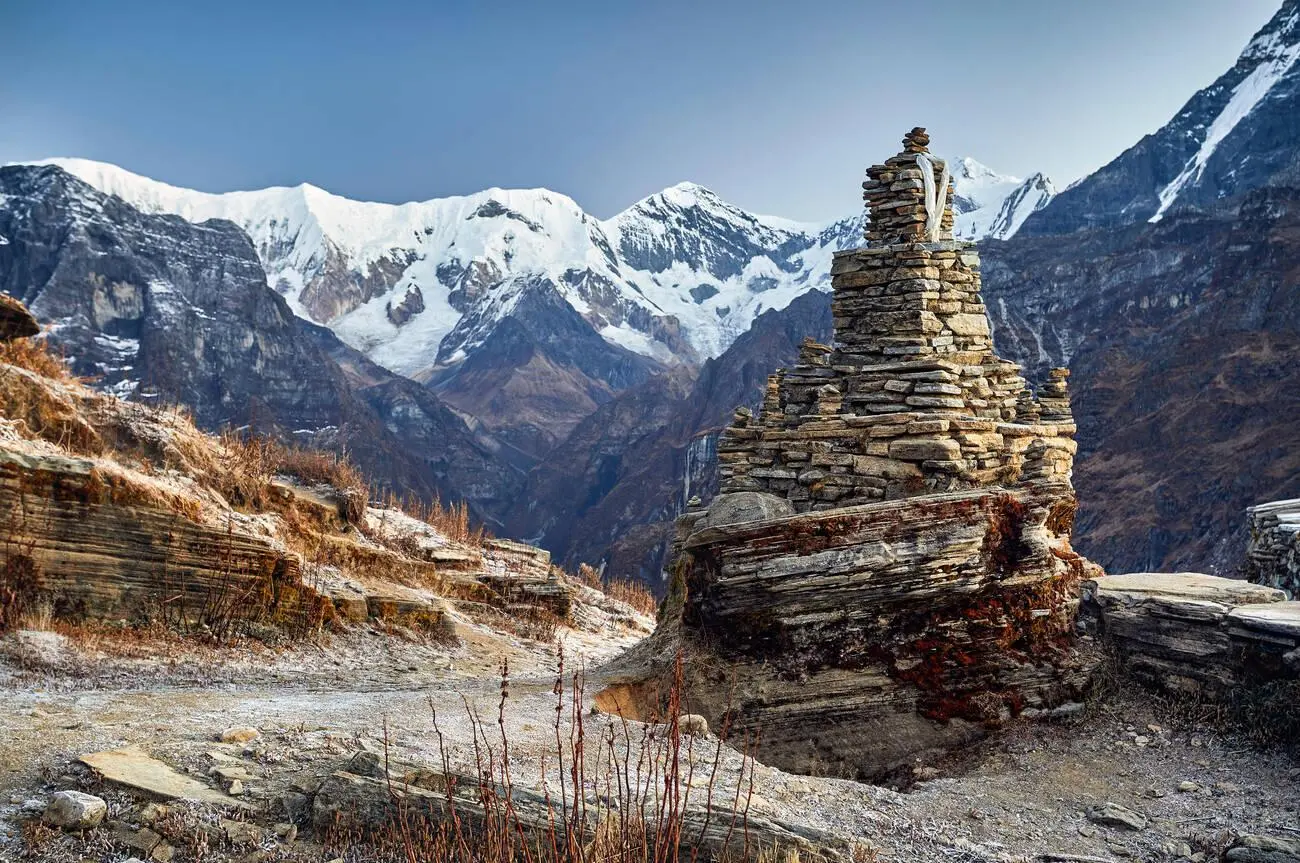
Mardi Himal Trek is one of the shortest and easy to moderate trek in Annapurna region, Nepal, it is known primarily for its scenery, the trek also provides meaningful cultural experiences. Mardi Himal Trek offers something deeper. The quiet trails, vast mountain vistas, and slow rhythm of trekking encourage reflection and mindfulness. Many trekkers describe the experience as grounding—a chance to disconnect from modern distractions and reconnect with nature. With fewer crowds and a more intimate trail, Mardi Himal allows moments of silence where the only sounds are wind, footsteps, and distant prayer flags fluttering in the breeze.
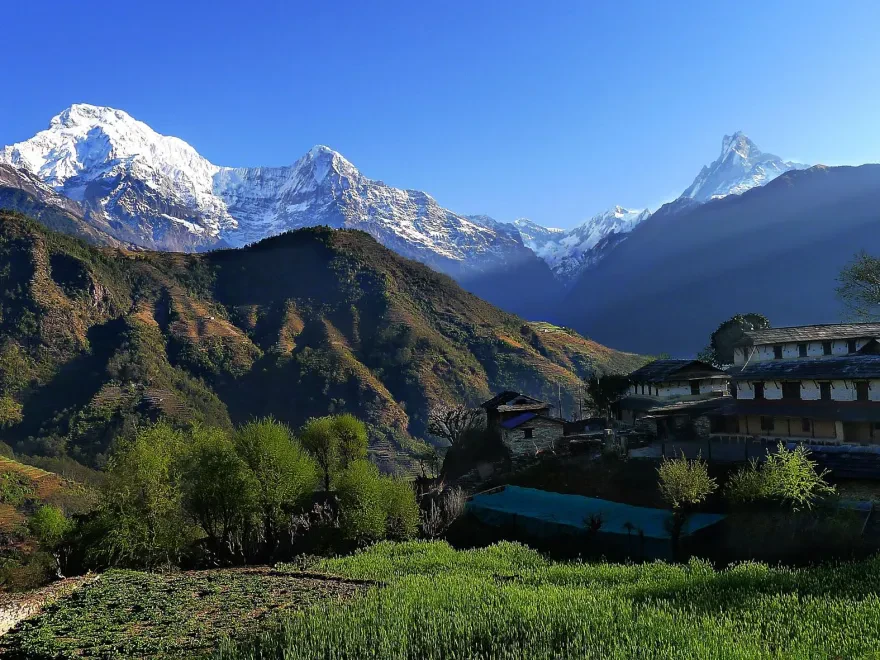
The route passes through small villages primarily inhabited by Gurung and Magar communities, known for their warmth and hospitality. Hidden beneath the towering shadows of Machapuchare and the Annapurna range lies one of Nepal’s most rewarding short treks—the Mardi Himal Trek. Quiet, scenic, and refreshingly untouched, this trail offers trekkers a rare chance to experience the raw beauty of the Himalayas without the crowds that dominate more established routes. From dense rhododendron forests and peaceful mountain villages to dramatic alpine ridges and close-up mountain views, the Mardi Himal Trek is a journey that blends adventure, tranquility, and authenticity.
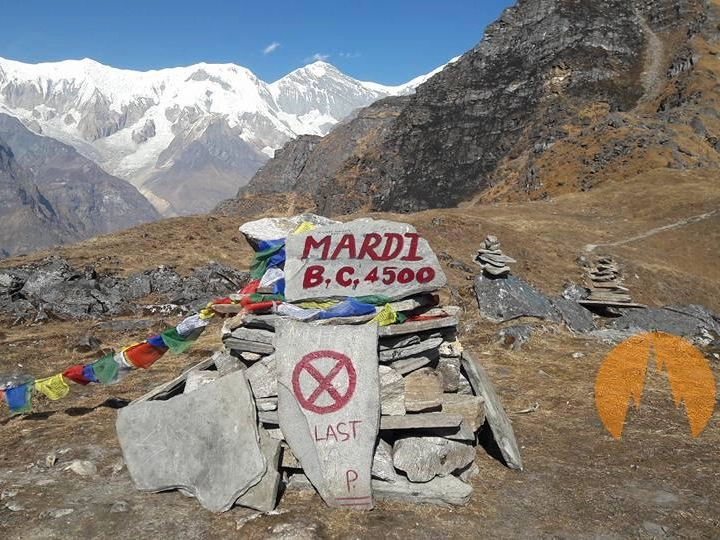
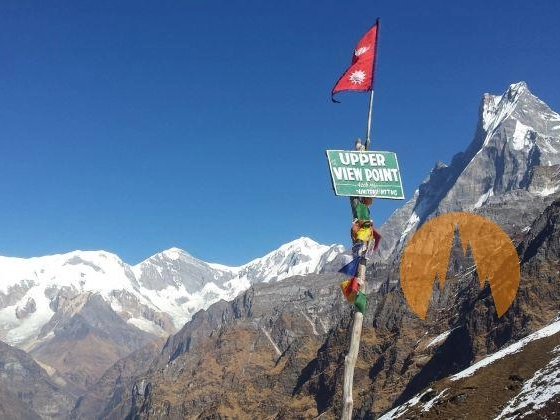
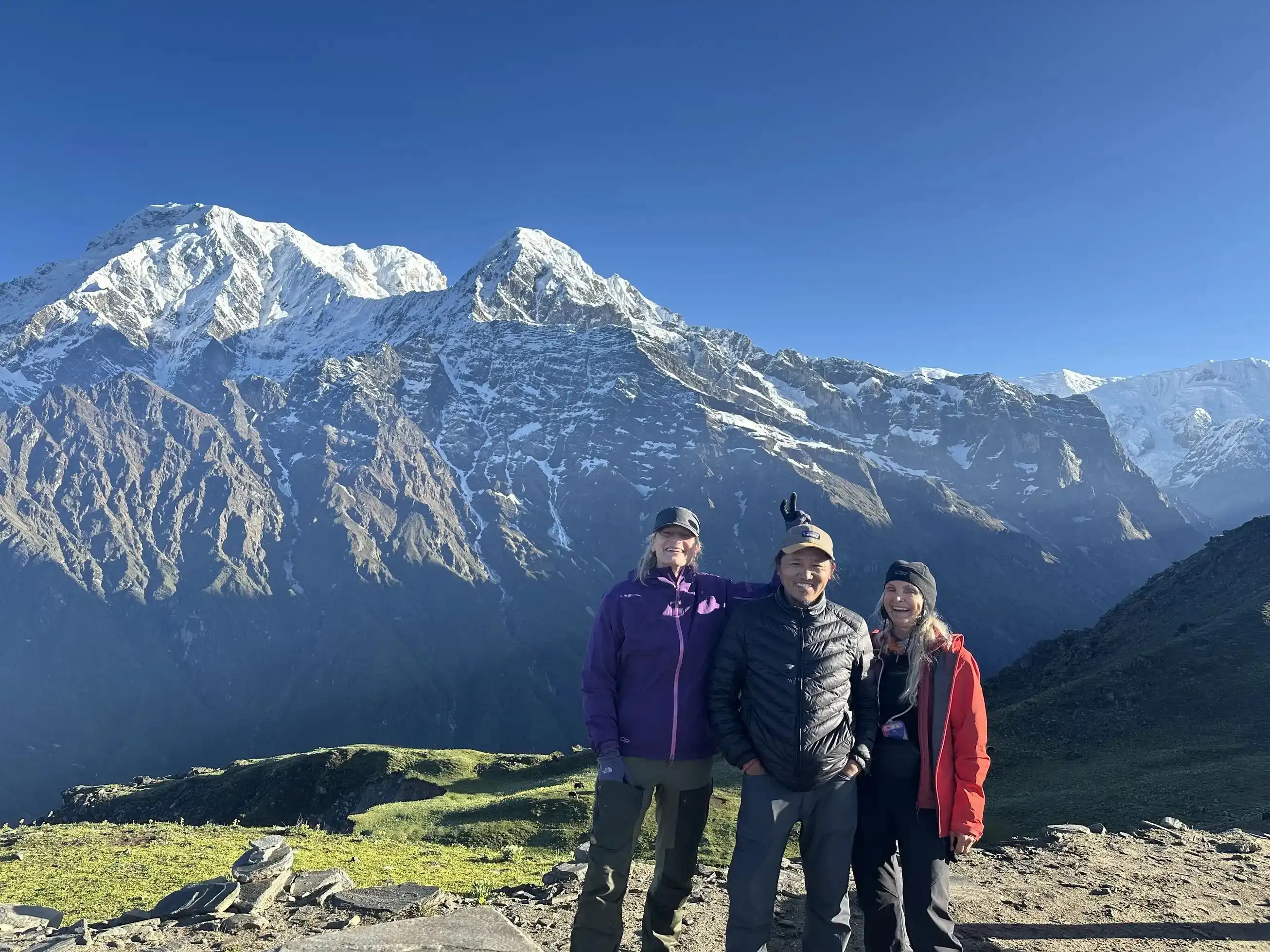
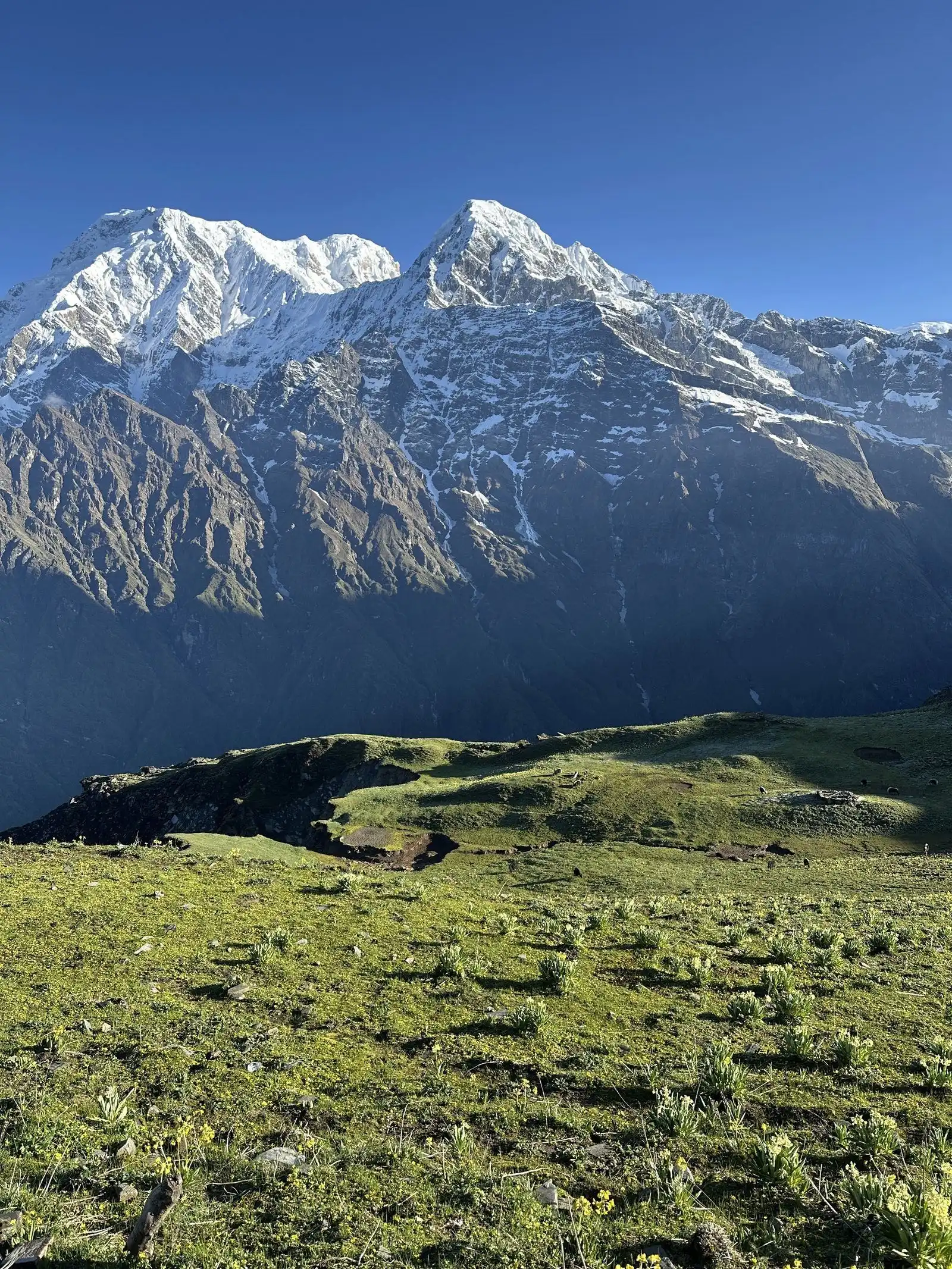
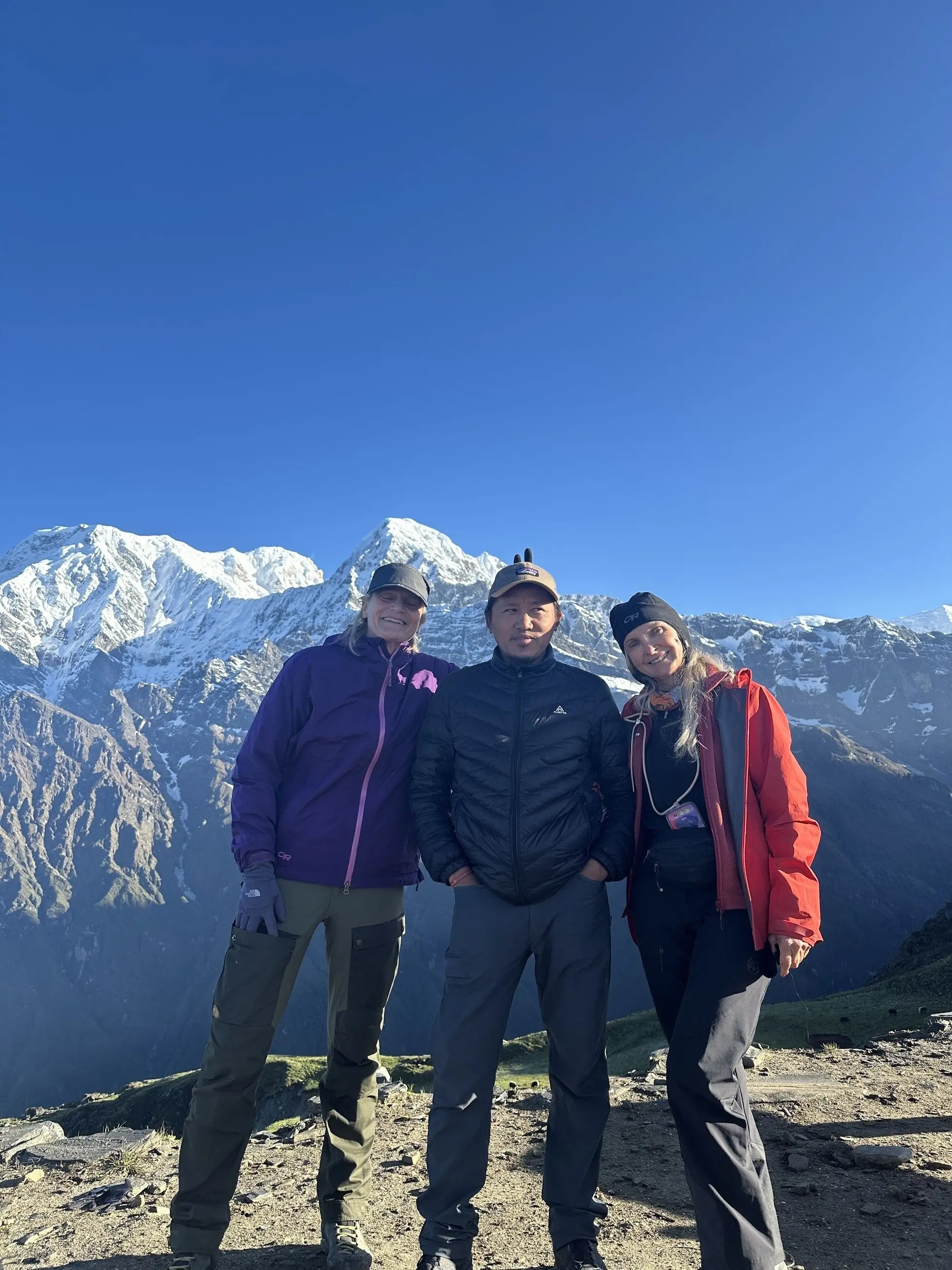
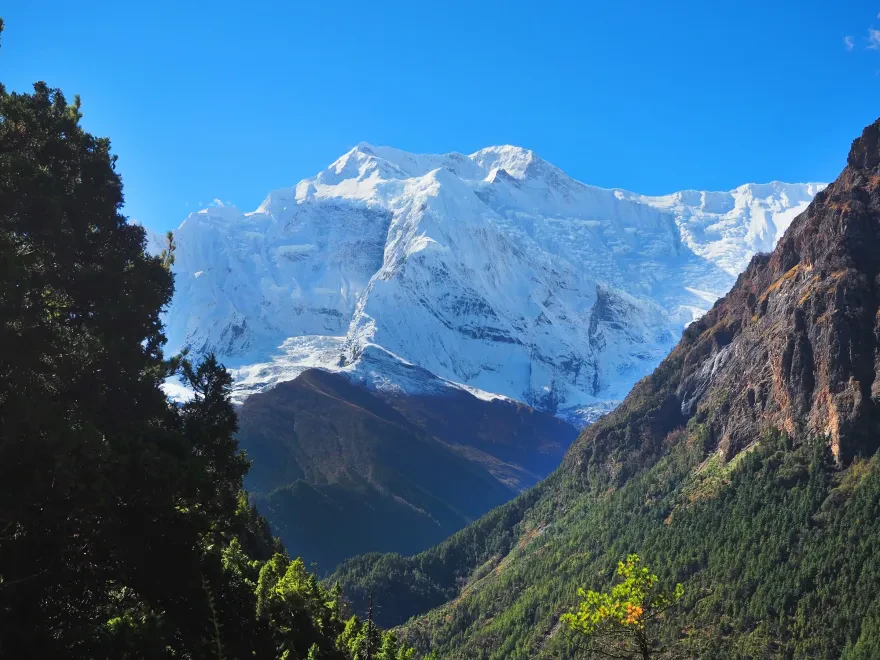
Located in the Annapurna region of Nepal, this trek leads adventurers deep into landscapes that feel both intimate and grand. The trail gradually ascends from subtropical forests to high alpine terrain, culminating in awe-inspiring viewpoints of Mardi Himal, Machapuchare (Fishtail), Annapurna South, and Hiunchuli. Despite its growing popularity, Mardi Himal still retains a secluded charm that appeals to trekkers seeking a quieter and more immersive Himalayan experience.
The Mardi Himal Trek can be undertaken throughout much of the year, but certain seasons offer optimal conditions.
Spring is one of the best times to trek Mardi Himal. The weather is stable, temperatures are moderate, and the forests come alive with blooming rhododendrons. Mountain views are generally clear, making this season ideal for photography.
Autumn offers crisp air, stable weather, and excellent visibility. The skies are often clear after the monsoon, revealing sharp mountain outlines. This is the most popular trekking season in Nepal due to ideal conditions.
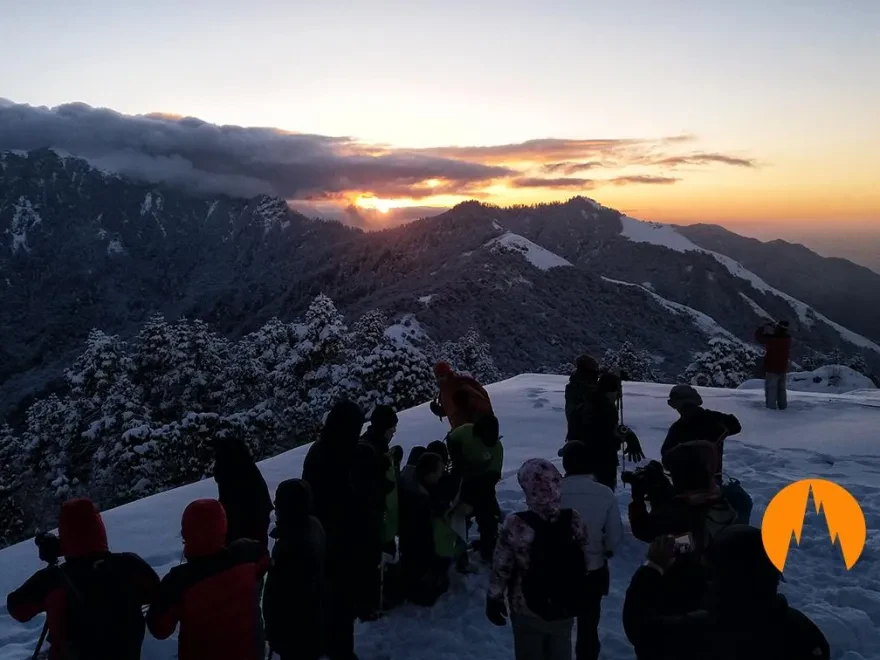
Winter trekking is possible for those prepared for cold temperatures. The trail is quieter, and snow-covered landscapes create a magical atmosphere, though higher sections may require caution.
The monsoon brings lush greenery and fewer trekkers. While clouds and rain can limit views, the trail feels peaceful and vibrant. This season is best suited for experienced trekkers comfortable with changing weather conditions.
The Mardi Himal Trek is considered as moderate, making it accessible to a wide range of trekkers. It does not require technical climbing skills, but a reasonable level of fitness is recommended due to daily ascents and descents.
The gradual elevation gain allows trekkers to acclimatize naturally, and the trail’s shorter duration compared to longer Himalayan treks makes it an excellent choice for those with limited time.
Accommodation along the Mardi Himal route primarily consists of teahouses, which provide simple yet comfortable lodging. These teahouses offer warm meals, cozy rooms, and welcoming hospitality that reflect the spirit of Nepal’s mountain culture.
Meals typically include:
Higher Path Treks carefully selects accommodations to ensure cleanliness, comfort, and a positive impact on local communities.
Choosing the right trekking company plays a vital role in shaping the overall experience, and Higher Path Treks has earned a strong reputation for delivering well-organized, responsible, and memorable Himalayan journeys.
With a deep understanding of the Annapurna region, Higher Path Treks ensures that trekkers experience Mardi Himal in a way that is safe, comfortable, and environmentally responsible. From arrival in Nepal to the final moments of the trek, their team manages logistics seamlessly, allowing trekkers to focus entirely on the experience itself.
Higher Path Treks employs knowledgeable local guides who understand the terrain, weather patterns, and cultural nuances of the region. Their experience enhances safety while also enriching the trek with insights into mountain geography, local traditions, and natural history.
Sustainability is at the core of Higher Path Treks’ philosophy. By supporting local lodges, hiring local staff, and encouraging eco-friendly trekking practices, the company helps preserve the natural environment and contributes directly to local communities along the trail.
The Mardi Himal Trek is a perfect blend of scenic beauty, cultural richness, and peaceful exploration. It offers all the magic of the Annapurna region without the congestion of more famous routes. Whether you are new to Himalayan trekking or an experienced adventurer seeking something quieter, Mardi Himal delivers an experience that feels authentic and deeply rewarding.
With Higher Path Treks, this journey becomes even more meaningful. Their professionalism, local expertise, and commitment to responsible travel ensure that every step of the trek is smooth, safe, and enriching.
The Mardi Himal Trek is not just about reaching a viewpoint or standing beneath towering peaks—it is about the journey itself, the people you meet, and the lasting memories created in one of the most beautiful corners of Nepal.
Helpful Blogs About Trekking in the Annapurna Region:
Uncover the best blogs about trekking in the Annapurna region, featuring expert advice, detailed itineraries, personal experiences, and essential tips for adventurers looking to explore the Himalayas.
Annapurna Base Camp Trek: A Short Journey to the Himalayas
Annapurna Circuit Trek with Tilicho Lake – A Complete Guide by Higher Path Treks & Expeditions
Top Tips for Climbing Pisang Peak on the Annapurna Circuit
Top Reasons to Trek Ghorepani Poon Hill
Top Reasons to Choose Tilicho Lake Trek with Thorong La Pass
Best Experience on the Short Mardi Himal Trek: A Journey to Remember
Top Reasons to Combine Pisang Peak Climbing with the Annapurna Circuit Trek
Comparing Chulu Far East Peak Climbing vs Chulu West Peak Climbing
The most picturesque village Ghandruk
Photography Guide: Capturing the Himalayas Without Expensive Gear
Nepal Peak Climbing 2026: Routes, Tips, and Top Summits
The Best Hiking Adventures: Famous Peak Climbs in 2025
Top Himalayan Peaks for Beginner Climbers: A Comprehensive Guide
Is Peak Climbing in Nepal Easy for Beginners?
Top Best Expedition Packages in Nepal 2025
 Accommodation Hotel
  Meals Breakfast
  Max. altitude 1,400m / 4,593ft. Accommodation Hotel Meals breakfast Max. altitude 800m / 2,625ft.
 This morning, we drive from Pokhara to Dhampus, where our trekking journey officially begins. The trail gently ascends through terraced farmland and lush rhododendron forests along the way. As you walk, you’ll enjoy fresh mountain air and occasional views of snow-capped peaks. The trek gradually leads deeper into the forest, creating a peaceful and immersive experience. After several hours of hiking, we reach Forest Camp, where we settle into our lodge surrounded by nature’s quiet beauty.
Accommodation Teahouse Meals B,L,D Max. altitude 2,600m / 8,530ft. Accommodation Teahouse Meals B,L,D Max. altitude 3,580m / 11,745ft. Accommodation Teahouse Meals B,L,D Max. altitude 4,200m / 13,780ft. Accommodation Hotel Meals Breakfast Accommodation Hotel Meals Breakfast Accommodation N/A Meals N/A 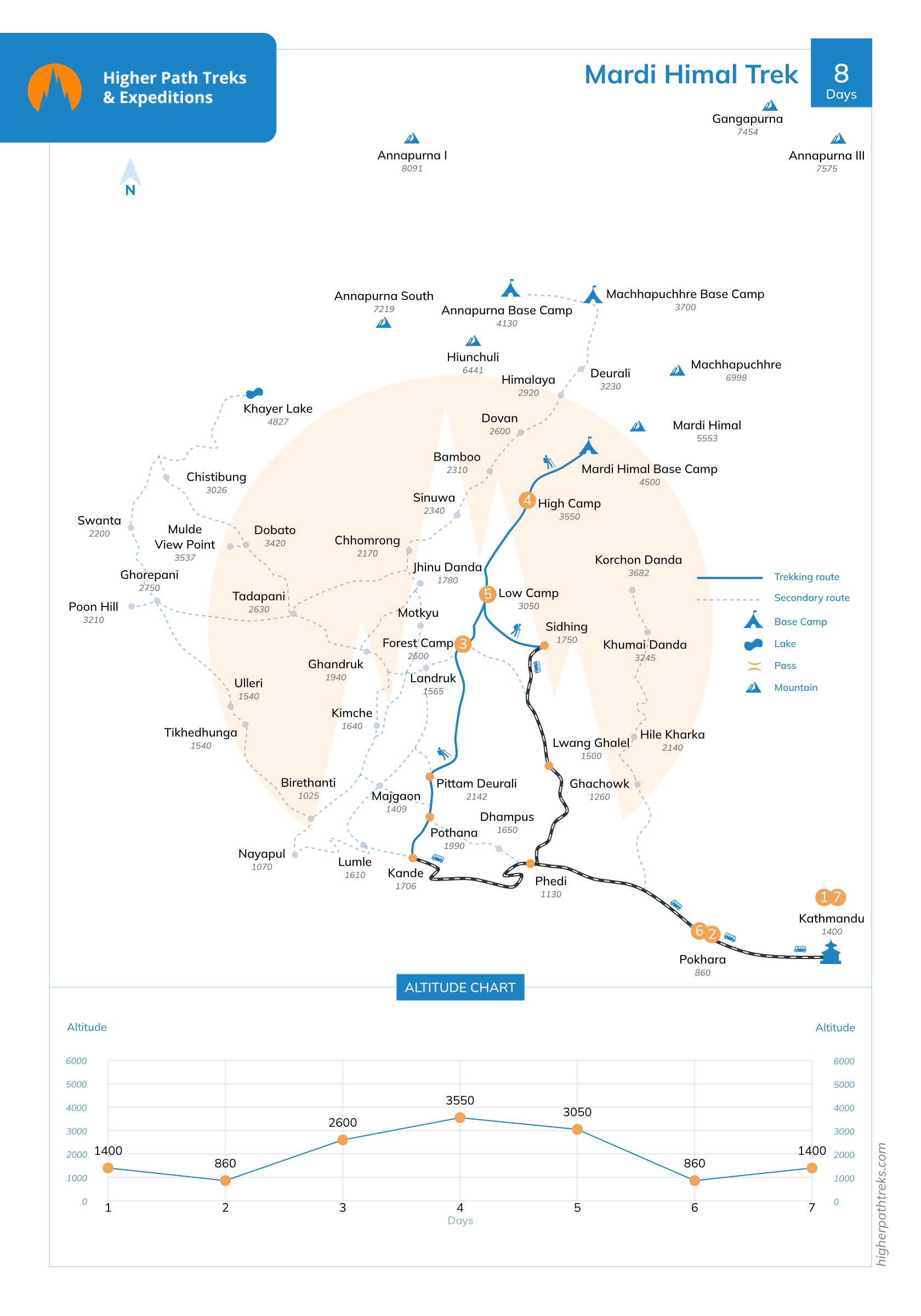
Your Start Date is the day you land in Nepal, and your End Date is when you fly home.
If the set Mardi Himal Trek group dates don’t suit your schedule, we can offer alternative dates upon request.
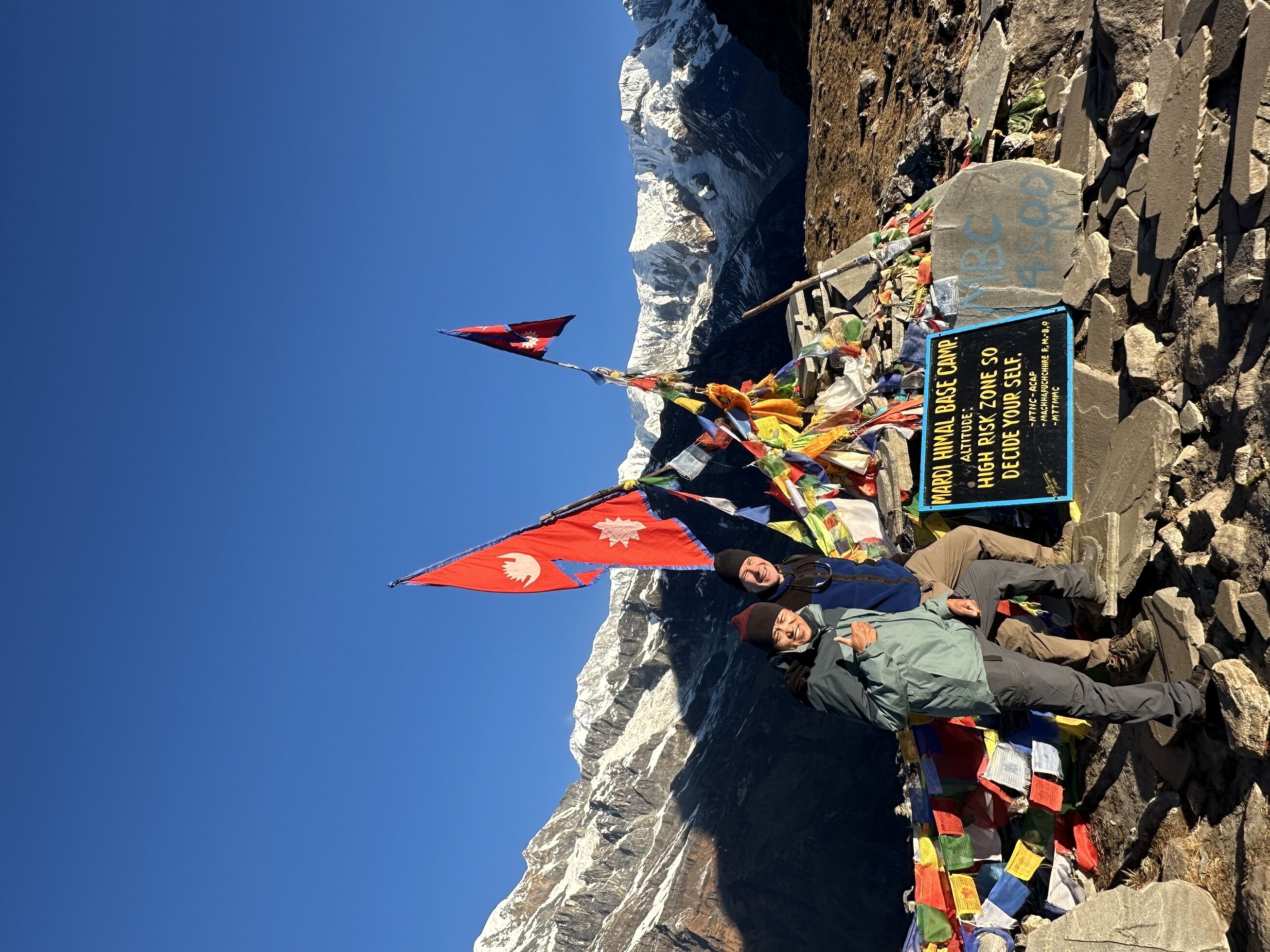
The Mardi Himal Trek organized by Higher Path Treks & Expeditions was an incredible journey through peaceful forest trails, dramatic ridgelines, and close-up views of Machhapuchhre and Annapurna. The entire experience felt personal and well-managed, with a knowledgeable guide who ensured both safety and cultural insight throughout the trek. Each day brought new scenery—from rhododendron-filled paths to stunning sunrise panoramas above the clouds. It’s a perfect trek for those wanting a quieter alternative to busy routes while still experiencing the true magic of the Annapurna region.
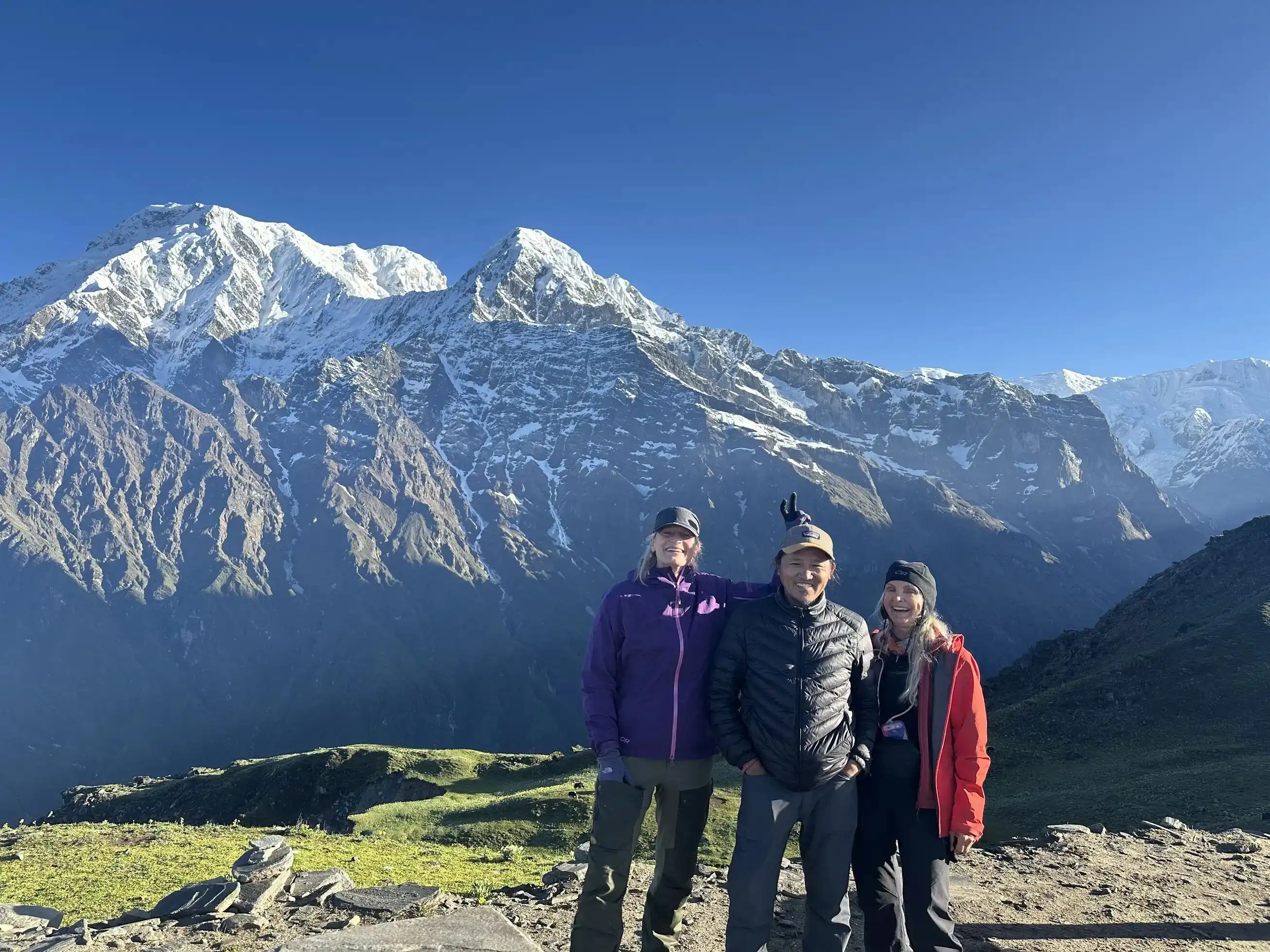
The Mardi Himal Trek with Higher Path Treks & Expeditions was a peaceful and stunning journey with incredible close views of Machhapuchhre and the Annapurna range. The trail was less crowded and full of natural beauty. Everything was well arranged and comfortable throughout. Karma Sherpa provided excellent support and leadership, making the whole experience safe, smooth, and truly memorable.
The Mardi Himal Trek is a relatively short and less crowded trekking route in the Annapurna region of Nepal. It offers stunning views of the Annapurna range, Machhapuchhre (Fishtail), and Mardi Himal itself.
The Mardi Himal Trek is considered moderate in terms of difficulty. While it does involve uphill climbs and some steep sections, it is achievable for most reasonably fit trekkers. Altitude sickness is less of a concern compared to higher altitude treks.
There are no ATMs along the trekking route itself. It's recommended to carry enough Nepalese Rupees (NPR) in cash to cover your expenses during the trek. ATMs are available in Pokhara and Kathmandu before starting the trek.
The best time to trek Mardi Himal is during the spring (March to May) and autumn (September to November) seasons. These months offer stable weather and clear skies, perfect for enjoying the mountain views.
While it's not mandatory to have a guide or porter, it is highly recommended. Local guides are familiar with the trails, can assist with logistics, and provide insights into the local culture and environment. Porters can help carry your gear, allowing you to enjoy the trek more comfortably.
You will need two permits: the Annapurna Conservation Area Permit (ACAP) and the Trekker’s Information Management System (TIMS) card. These can be obtained through authorized trekking agencies or at the Nepal Tourism Board in Kathmandu or Pokhara.
Accommodation along the Mardi Himal Trek ranges from basic teahouses to more comfortable lodges. Rooms are usually simple with twin beds and shared bathrooms. It's advisable to carry a sleeping bag, although blankets are provided in most teahouses.
Essentials include trekking boots, warm clothing (especially in the evenings and mornings), a good quality down jacket, rain gear, sunscreen, sunglasses, and a first aid kit. Pack light but ensure you have everything you need for changing weather conditions.
| No of people | Price per person |
|---|---|
| 1 - 1 | $1,490 |
| 2 - 5 | $1,455 |
| 6 - 10 | $1,405 |
| 11 - 20 | $1,355 |
| No of people | Price per person |
|---|---|
| 1 - 1 | $1,105 |
| 2 - 5 | $1,055 |
| 6 - 10 | $1,005 |
| 11 - 20 | $955 |
| No of people | Price per person |
|---|---|
| 1 - 1 | $795 |
| 2 - 5 | $745 |
| 6 - 10 | $695 |
| 11 - 20 | $645 |