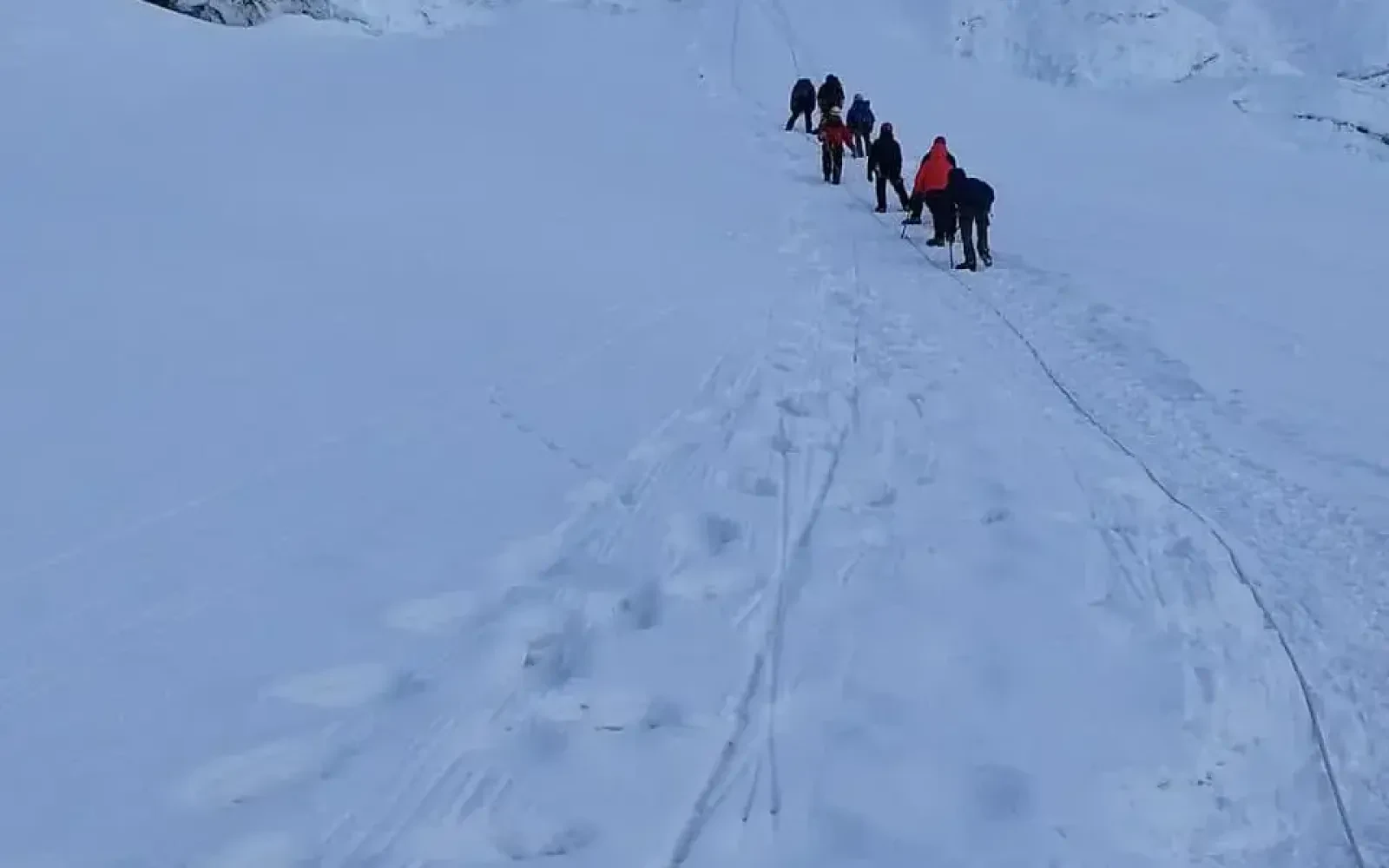
Nepal, often called the “Roof of the World,” is a dream destination for climbers and adventure seekers alike. In 2026, Nepal’s peaks offer unparalleled opportunities to explore some of the world’s most breathtaking landscapes. From towering 8,000-meter giants to approachable trekking peaks, the country provides routes suitable for both beginners and experienced mountaineers. Higher Path Treks & Expeditions specializes in organizing safe, well-guided, and unforgettable peak climbing adventures, making your journey not only thrilling but also secure and well-supported.
Nepal’s climbing season is ideal in spring and autumn, with 2026 promising optimal weather conditions for summit attempts. With careful planning and expert guidance, climbers can explore various routes, enjoy cultural experiences in Sherpa villages, and witness some of the most iconic Himalayan vistas. Whether you aim for a challenging summit or a more accessible trekking peak, Nepal in 2026 is perfectly poised for adventure.
Key Highlights:
Nepal’s peaks are not just mountains—they are symbols of achievement, resilience, and natural beauty. Peak climbing in Nepal combines physical challenge with spiritual and cultural experiences. In 2026, climbers can benefit from improved trekking infrastructure, updated climbing regulations, and better accessibility to remote regions. This makes it one of the best years to plan your Himalayan adventure.
For both first-time climbers and seasoned mountaineers, Nepal offers a variety of peaks ranging from easy trekking summits like Mera Peak to more technical climbs like Island Peak or Lobuche East. Higher Path Treks & Expeditions provides tailored expeditions with expert support, ensuring climbers have all the necessary equipment, acclimatization plans, and local guidance for a successful summit.
Why 2026 is Ideal:
Nepal is home to some of the most iconic peaks in the world, offering climbers a diverse range of challenges from beginner trekking peaks to technically demanding summits. Higher Path Treks & Expeditions organizes expertly guided climbs, ensuring climbers can experience these peaks safely while soaking in the breathtaking Himalayan scenery. Each peak provides a unique adventure, combining cultural experiences, spectacular landscapes, and physical challenges.
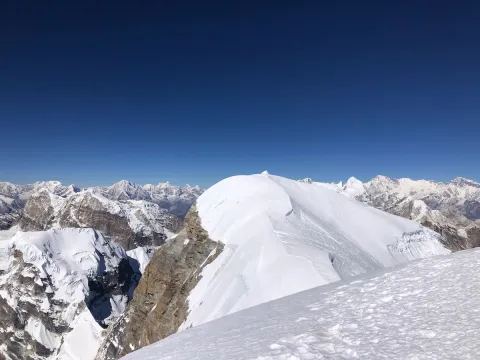
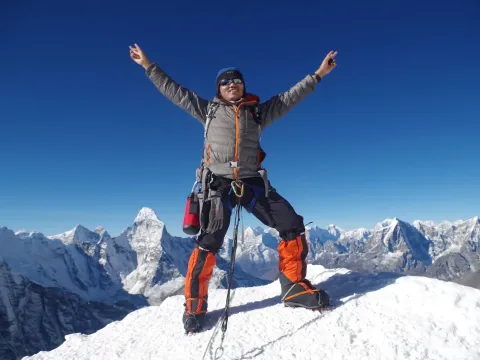
For first-time climbers, peaks like Mera Peak and Island Peak offer moderate technical difficulty while providing the thrill of standing above 6,000 meters. More experienced climbers often combine peaks with famous trekking routes, such as Everest Base Camp or the Annapurna Circuit, creating an expedition that blends summit success with unforgettable trekking experiences.
Popular Peak Expeditions Offered by Higher Path Treks & Expeditions:
Choosing the right climbing route is critical for a safe and enjoyable expedition. Routes in Nepal vary widely in terms of technical difficulty, altitude, and trekking conditions. Higher Path Treks & Expeditions carefully evaluates each climber’s experience and fitness level to recommend the most suitable path, whether it’s a trekking peak with minimal technical challenges or a more advanced route requiring rope and ice axe skills.
Some of the most popular climbing routes include the standard south and north approaches to peaks like Mera and Island Peak, which are well-established, safe, and offer fixed camps for acclimatization. Advanced routes may include challenging glacier crossings, crevasse navigation, or ice climbing sections for experienced climbers. Selecting the right route ensures not only summit success but also enjoyment of Nepal’s unique landscapes and culture.
Key Considerations for Route Selection:
Peak climbing in Nepal requires careful preparation, especially for first-time climbers. Physical fitness, technical skills, and the right equipment are critical for a safe and successful summit. Higher Path Treks & Expeditions provides detailed pre-expedition briefings, training recommendations, and gear checklists to ensure climbers are fully prepared before stepping onto the mountain.
[trip:pisang-peak-climbing-with-annapurna-circuit-trek]
Training should focus on endurance, strength, and cardiovascular fitness. Familiarity with basic mountaineering skills such as walking with crampons, using an ice axe, and roped glacier travel can be invaluable, even on moderate peaks. Gear should be high-quality, including insulated clothing, climbing boots, harnesses, helmets, and safety equipment. Proper preparation reduces the risk of altitude sickness and ensures climbers enjoy the experience to the fullest.
First-Time Climber Tips:
Timing your climb is essential to ensure safe conditions and maximize the chances of summiting. Nepal’s climbing seasons are mainly divided into spring (March to May) and autumn (September to November). These periods offer stable weather, clear skies, and manageable temperatures. Higher Path Treks & Expeditions plans expeditions during these optimal windows to provide climbers with the best possible experience.
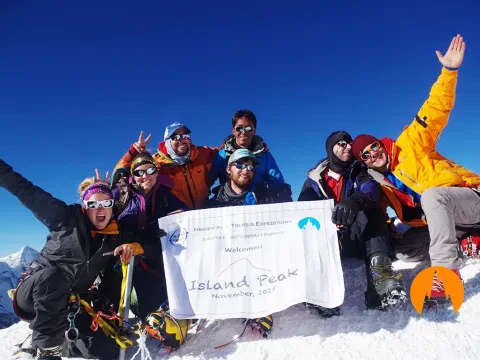
Spring is particularly popular for flowering landscapes and warmer temperatures, while autumn offers crisp air and stunning mountain views. Winter and monsoon seasons are less ideal due to heavy snowfall, landslides, and harsh weather conditions. Proper planning around these seasons ensures climbers avoid unnecessary risks and have clear conditions for photography and safe trekking.
Seasonal Climbing Insights:
Climbing in Nepal requires proper permits and adherence to national regulations, which are strictly enforced to ensure safety and environmental protection. Every climber must obtain permits for both trekking peaks and higher summits. Higher Path Treks & Expeditions assists in securing all necessary documentation, including climbing permits, national park fees, and liaison officer approvals where required, making the process seamless and stress-free.
[trip:lobuche-and-island-peak-climbing-with-everest-base-camp-trek]
Different peaks have different permit requirements. For instance, popular trekking peaks like Mera, Island, and Lobuche require a peak permit issued by the Nepal Mountaineering Association (NMA). For higher and less frequented peaks, additional permits and special approvals may be needed. Following local regulations ensures a legal, safe, and environmentally responsible expedition.
Permit Essentials:
Altitude sickness is one of the greatest risks when climbing Nepal’s peaks. Proper acclimatization is critical to prevent serious conditions like Acute Mountain Sickness (AMS), High Altitude Pulmonary Edema (HAPE), or High Altitude Cerebral Edema (HACE). Higher Path Treks & Expeditions designs itineraries that allow gradual altitude gain, mandatory rest days, and acclimatization treks to reduce health risks.
Safety is not only about altitude; it also includes understanding weather conditions, glacier navigation, and avalanche risks. Climbers should follow expert guidance on hydration, nutrition, and pacing, and always carry essential medical supplies. Experienced guides from Higher Path Treks & Expeditions provide real-time monitoring and are trained to respond to emergencies, making your climb safer and more enjoyable.
Acclimatization and Safety Tips:
Nepal is not just about towering mountains; it’s also a land of rich culture and welcoming communities. Trekking through Sherpa villages, Tamang settlements, and remote hamlets offers unique insight into Himalayan traditions. Higher Path Treks & Expeditions integrates cultural experiences into climbing itineraries, giving climbers the chance to meet locals, participate in festivals, and enjoy traditional cuisine.
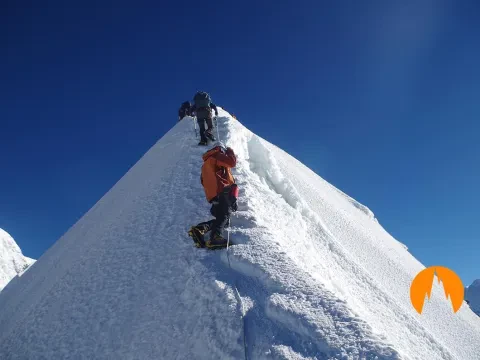
Engaging with local communities enriches the expedition experience. Staying in teahouses, learning basic Nepali phrases, and understanding local customs foster a deeper connection to the land. Many trekking communities also support climbers by providing local guides and porters, combining cultural exchange with practical assistance.
Cultural Highlights:
Proper gear is essential for a successful peak climbing expedition. The Himalayan environment is unpredictable, and being well-prepared ensures comfort, safety, and efficiency. Higher Path Treks & Expeditions provides climbers with comprehensive packing lists tailored to each peak, covering clothing, climbing equipment, and personal items.
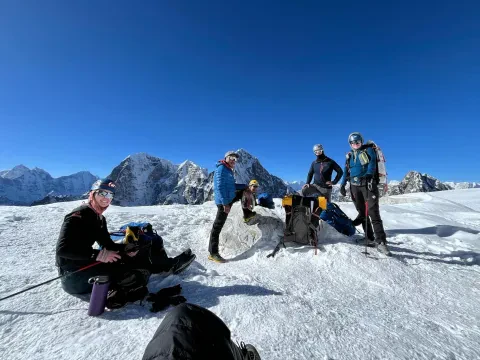
From technical climbing gear to trekking essentials, every item plays a role in safety and performance. Layered clothing, insulated boots, crampons, and helmets are necessary for high-altitude climbing, while trekking essentials like sun protection, hydration packs, and portable chargers improve the overall experience. Organized packing ensures climbers are ready for all conditions.
Essential Gear Checklist:
Climbing Nepal’s peaks is a life-changing experience that blends adventure, culture, and personal achievement. Proper planning, preparation, and guidance are the keys to success. Higher Path Treks & Expeditions ensures climbers receive expert support at every stage, from securing permits to choosing the right routes and providing cultural insights.
2026 is an excellent year to explore Nepal’s mountains with improved infrastructure, stable climbing conditions, and enhanced support services. With careful preparation, climbers can enjoy breathtaking views, summit triumphs, and deep connections with local communities. Whether aiming for a beginner peak or a multi-peak expedition, Nepal promises memories that last a lifetime.
Final Tips for a Successful Expedition:
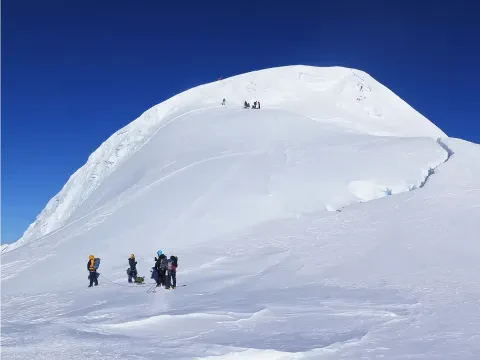
<p>When it comes to trekking peaks in Nepal, Mera Peak (6,476m) and Island Peak (6,189m) are two of the most popular choices for climbers seeking high-altitude adventures. Both peaks offer thrilling challenges, breathtaking scenery</p>
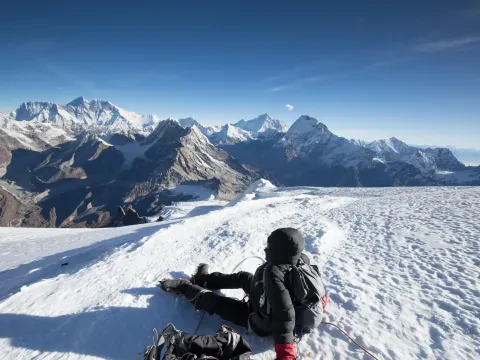
<p>Mera Peak, standing tall at 6,476 meters, is one of Nepal’s most popular trekking peaks. It offers an exciting opportunity for beginners looking to experience high-altitude mountaineering with a reasonable level of difficulty. Although considered a non-technical climb</p>
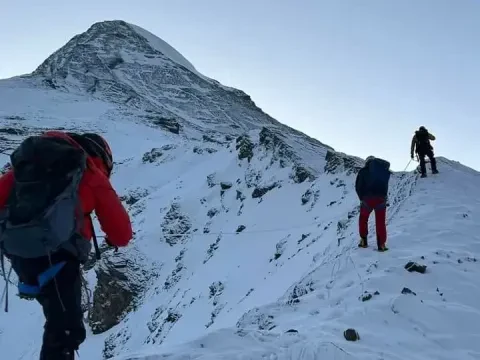
Climbing Pisang Peak is an incredible adventure that combines the thrill of high-altitude mountaineering with the cultural richness of the Annapurna Circuit. Standing at 6,091 meters (19,985 feet), Pisang Peak is considered a “trekking peak,” making it an achievable yet challenging summit for trekkers with some prior experience