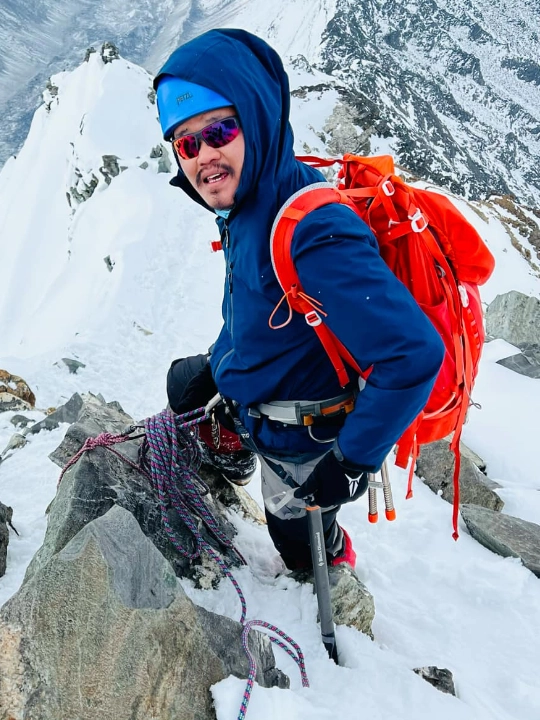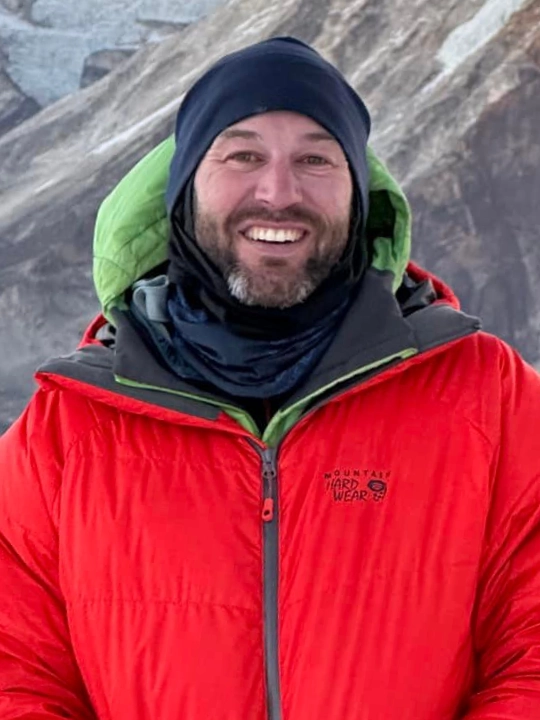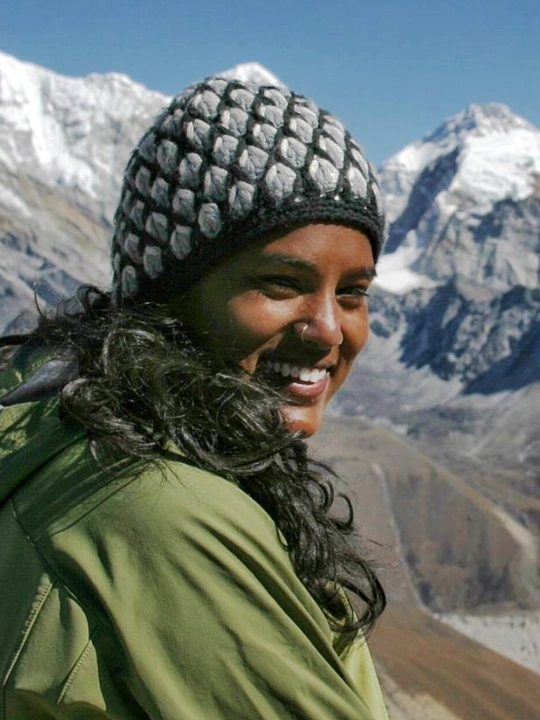
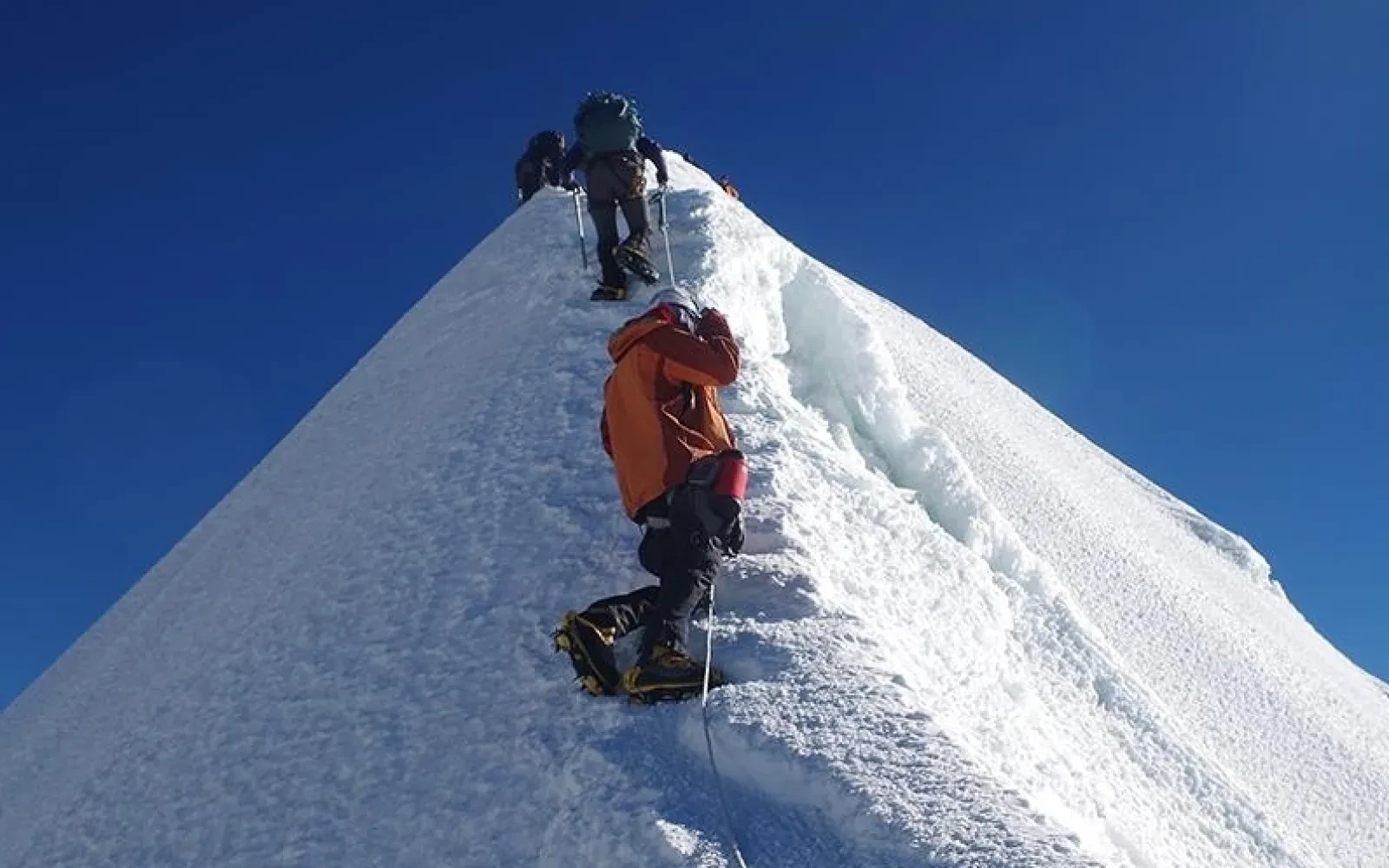
Climbing in Nepal offers unforgettable Himalayan adventures for beginners and experienced climbers alike. From popular trekking peaks like Island Peak, Mera Peak, Lobuche Peak, Cholatse Peak to challenging alpine climbs, Nepal is world-renowned destination for peak climbing. Enjoy breathtaking mountain views, expert Sherpa guidance and well planned climbing expeditions with Higher Path Treks & Expedition.
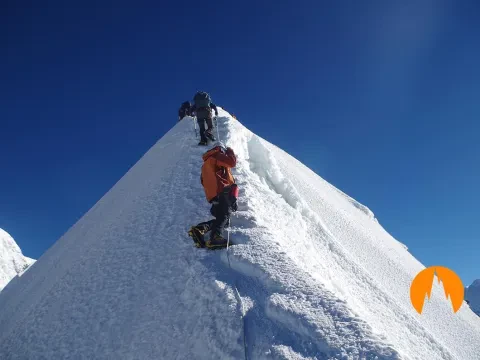
Island Peak Climbing with Everest Base Camp Trek is one of the most popular 6,189 meter peak climbing adventures in Nepal. This 21-day Everest region expedition combines the legendary Everest Base Camp Trek with the technical yet achievable ascent of Island Peak (6,189 m), also known as Imja Tse in the Everest region.The adventure begins in Kathmandu, a vibrant city rich in history and cultural diversity, where trekkers explore UNESCO World Heritage sites that showcase Nepal's ancient architecture and religious traditions before flying from Manthali to Lukla, one of the world's most daring airports. After arriving in Lukla, the trek continues through small Sherpa villages, suspension bridges, rhododendron forests and scenic trails en route to Namche Bazaar, the bustling heart of the Sherpa culture.Continuing onward, the trail unfolds to Tengboche, where trekkers visit the Tengboche monastery amidst panoramic views of Mt. Everest (8,848.86 m), Lhotse (8,516m), and Ama Dablam (6,812 m). The journey progresses to Dingboche, a gateway to higher altitudes, where acclimatization is crucial before advancing towards Island Peak Base Camp (4,970 m).The ascent of Island Peak (6,189 m) demands physical endurance and technical skill, rewarding climbers with breathtaking views from the summit. Panoramic views include Lhotse, Ama Dablam, Nuptse, and the surrounding peaks, offering a profound sense of accomplishment and unforgettable Himalayan beauty. Descending back to lower altitudes through Pangboche and Namche Bazaar, trekkers conclude their expedition in Lukla before returning to Kathmandu.Higher Path Treks and Expedition ensures a safe and memorable Island peak climbing experience with experienced Sherpa guides, well planned itineraries, quality accommodation, reliable logistics, and personalized support throughout the journey. Our team focuses on safety, proper acclimatization and comfortable trekking to help you enjoy every moment of this Himalayan adventure. Beyond the summit of Island Peak, this expedition provide an opportunity to experience the warm Sherpa hospitality, tradition, lifestyle and culture, enjoying homestays and local cuisine along the route. This cultural exchange enriches the journey, fostering deep connections and understanding between trekkers and the local community.Whether you're an experienced trekker or on your first Himalayan adventure, This adventure offers the perfect combination of trekking, cultural, and mountaineering in Nepal. Higher Path Treks invites you to join Island Peak Climbing Nepal with Everest Base Camp Trek. Discover the beauty of Nepal's Everest region, challenge yourself on the iconic Island Peak, and create memories that will last a lifetime.Trip FactsTrip name: Island Peak Climbing with Everest Base Camp TrekDuration: 21 daysDestination: Everest (Khumbu) Region, NepalMaximum altitude: 6,189 m (Island Peak)Trip Grade: ChallengingAccommodation: Teahouse and tent during the trek and climbingMeals: Breakfast, lunch and dinner during the trek and climbingBest Time: Spring (March-May) and Autumn (September-November)Transportation: Domestic flight, private vehicleStart/End Point: KathmanduWho Is This Trip For?The Island Peak Climbing with the Everest Base Camp Trek is an ideal for adventurous travelers with good physical fitness, who want to combine the classic Everest Base Camp Trek with rewarding a Himalaya climbing experience. It is perfect for experienced trekkers, aspiring mountaineers and anyone looking to take on their first trekking peak in Nepal. While prior climbing experience is helpful, it is not required, as our experienced Sherpa guides provide basic climbing training before the summit attempt. Island Peak Climbing Difficulty level The Island Peak Climbing with the Everest Base Camp Trek is a challenging adventure that requires good physical fitness and previous high-altitude trekking experience. The summit climb involves using basic mountaineering equipment such as crampons, harness, fixed ropes and ice axe. Our experienced climbing Sherpa guides provide pre-climbing training to ensure you are well prepared for the summit attempt.Altitude & Acclimatization The Island Peak Climbing expedition reaches a maximum altitude of 6,189 m (20,305 ft) at the summit of Island peak. The highest sleeping altitude is Island Peak Base Camp 4,970 m (16,306 ft). to help your body adapt to the high altitude, the itinerary includes acclimatization days at Namche and Dingboche, reducing the risk of altitude sickness and increasing the chances of a successful summit. Best Time To Climb Island PeakThe best time to climb Island peak is during autumn (September-November) and during Spring (March-May). These seasons offer stable weather, clear mountain views and favorable climbing conditions. Spring is popular for its mild temperatures and blooming rhododendron forests, while autumn provides crisp skies, excellent visibility and comfortable trekking conditions after the monsoon. Although Island peak can be climbed in winter, colder temperatures and snowfall make the climbing more challenging. The monsoon season is generally not recommended due to heavy rainfall and poor visibility.Permits For Island Peak Climbing Higher Path Treks & Expedition arranges all required permits before the trek begins. The required permits include:Sagarmatha National Park Entry Permit. Khumbu Pasang Lhamu Rural Municipality (Local Government) Permit. Island Peak Climbing Permit, issued by Nepal Mountaineering Association. Accommodation and MealDuring the Island Peak Climbing and Everest Base Camp Trek comfortable teahouses is provided throughout the trek and tents at Island Peak Base Camp. Teahouses offer simple and cozy rooms with basic shared facilities. Breakfast, lunch and dinner are provided during the trek and climbing period. Meals include a variety of local and international dishes to provide the energy needed for trekking and climbing. Vegetarian meals are fresh, nutritious and easy to digest at higher altitude. Why choose Higher Path Treks & Expedition?Choosing the right trekking company is essential for a safe and successful Island Peak climbing with Everest Base Camp adventure. Higher Path Treks provides a professionally managed Himalayan experience with experienced local Sherpa guides, reliable logistics, and personalized support throughout the expedition.Licensed experienced climbing Sherpa & guides: Our climbing Sherpas and guides have extensive knowledge of the Everest region and high altitude mountaineering. their expertise helps climbers navigate challenging terrain, manage altitude concerns, and maximize the chances of a successful Island Peak summit.Well Planned Itinerary: Our itinerary is designed to suit different experience levels and travel preferences while maintaining proper acclimatization for high altitude climbingTransparent pricing: Our pricing is transparent, we provide clear information about our included service, permit, accommodation, meal without hidden charges.Safety: Safety is our top priority, with careful well acclimatization planning, regular health monitoring, and emergency support arrangements when needed.Customer focused service: we focus on creating a personalized and stress-free adventure for every traveler. From airport assistance and permit arrangements to accommodation, meals and climbing support we handle every detail so you can focus on enjoying your Himalayan journey.Conclusion Island Peak Climbing with Everest Base Camp Trek is an unforgettable Himalayan adventure combining Everest Base Camp Trekking, Sherpa culture, and the excitement of summiting a 6189 m peak. With experienced guides, proper acclimatization and reliable support from Higher Path Treks and Expedition, this adventure offers a safe and rewarding experience for adventure seekers looking to explore the Everest region. Book Your Island Peak Climbing with Everest Base Camp Trek TodayReady to experience the thrill of Island Peak Climbing with Everest Base Camp Trek? Contact Higher Path Treks and Expedition today. Let us help you create an unforgettable journey to the Everest region. Helpful Blogs About Trekking in the Everest Region:Uncover the best blogs about trekking in the Everest region, featuring expert advice, detailed itineraries, personal experiences, and essential tips for adventurers looking to explore the Himalayas.Photography Guide: Capturing the Himalayas Without Expensive GearEverest Luxury Trek: An Unforgettable Himalayan ExperienceNepal Peak Climbing 2026: Routes, Tips, and Top SummitsSolo Trekking to Everest Base Camp: Is It Possible?Top 10 Highlights of the Everest Base Camp TrekSuccessfully Trekking to Everest Base Camp and Kala PattharWhy Famous Trekkers Choose Everest Base Camp?Autumn Season to Everest Base Camp TrekThe Best Hiking Adventures: Famous Peak Climbs in 2025Top Himalayan Peaks for Beginner Climbers: A Comprehensive GuideEverest Three Peaks: A Beginner’s Guide to the Ultimate Himalayan ChallengeIs Peak Climbing in Nepal Easy for Beginners?Must-Know Facts About Everest Base Camp TrekkingWhy Gokyo Ri is a Must-Visit for Everest Trek LoversThe Roof of the World: Peak Climbing Journeys through Nepal’s High CountryWhat to Expect on an Island Peak Climbing ExpeditionMera Peak Climbing Guide for Beginners: Tips, Difficulty & PreparationFour Peaks, One Journey: Mera, Island, Lobuche & Amphu Lapcha ExpeditionTop Best Expedition Packages in Nepal 2025Which is Easier: Mera Peak or Island Peak?Why Choose Island Peak Climbing with Everest Base Camp Trek for BeginnersBest Trekking Peaks in Everest Region for BeginnersExperience Mountain View in NepalEssentials for Everest Base Camp
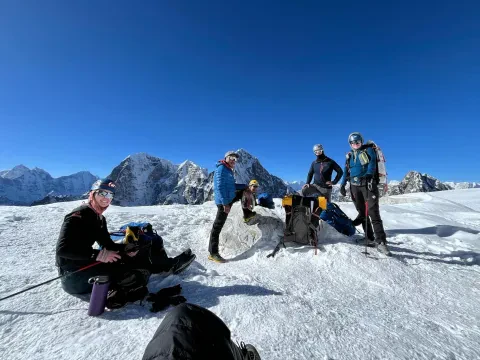
Lobuche Peak Climbing with Everest Base Camp Trek offers adventurers a remarkable blend of challenging mountaineering and awe-inspiring trekking through the legendary Everest region of Nepal. Lobuche East Peak, standing proudly at 6,119 meters (20,075 feet), presents a formidable yet rewarding ascent amidst some of the world's most breathtaking landscapes and Sherpa cultural encounters.The journey begins in Kathmandu, where trekkers explore the cultural and historical landmarks of Nepal's capital city before flying to Lukla, a pivotal point in the Everest region known for its exhilarating airstrip. Upon landing, the trek commences with a scenic hike through picturesque Sherpa villages and verdant rhododendron forests, gradually ascending towards Namche Bazaar, a vibrant trading hub and cultural melting pot of the Khumbu region.Continuing deeper into the Himalayas, the trail leads through Tengboche, where trekkers visit the iconic monastery amidst panoramic views of Everest (8,848.86 m), Lhotse (8,516 m), and Ama Dablam (6,812 m). Acclimatization stops in Dingboche prepare climbers for higher altitudes, ensuring a safe and gradual ascent towards Lobuche High Camp (5,400 m).At Lobuche High Camp, climbers undergo essential training in mountaineering skills under the guidance of experienced Sherpa guides provided by Higher Path Treks. These preparations include rope techniques, ice climbing, and safety protocols necessary for the challenging ascent of Lobuche Peak. The climb to the summit (6,119 m) demands physical stamina and technical proficiency, rewarding climbers with unparalleled views of the Himalayan panorama, including Cho Oyu (8,188 m), Pumori (7,161 m), and Makalu (8,463 m), alongside the majestic Everest itself.Descending back to lower altitudes, trekkers retracing their steps through Dingboche and Tengboche before culminating their expedition in Lukla. From Lukla, a scenic flight brings trekkers back to Kathmandu via Manthali, marking the end of an unforgettable journey filled with personal achievement and cultural immersion.Whether you're a seasoned mountaineer or exploring on your first Himalayan adventure, we invite you to join Lobuche Peak Climbing with Everest Base Camp Trek. Discover the thrill of summiting a Himalayan peak, explore the beauty of the Everest region, and create lasting memories amidst the world's highest mountains.Explore on the adventure of a lifetime with Higher Path Treks and conquer Lobuche Peak while exploring the wonders of Nepal's Everest region.Quick Facts of Lobuche Peak Climbing with Everest Base Camp TrekTrip Name: Lobuche Peak Climbing with Everest Base CampPeak: Lobuche East (6119 m)Elevation: 6,119 mDestination: Everest region, NepalDuration: 18-20 daysDifficulty: ChallengingBest Season: Spring (march-May) and Autumn (September-November)Accommodation: Teahouse + TentTransportation: Flight (Manthali to Lukla, Lukla to Manthali) and private vehicleGroup size: 1-12 peopleStart/End Point: KathmanduWhy choose Lobuche Peak Climbing with Everest Base Camp?Lobuche Peak climbing with Everest Base Camp Trek is the perfect adventure for climbers who want to combine the iconic Everest Base Camp Trek with the thrill of summiting Lobuche east (6119 m). Before the summit attempt, climbers have the opportunity to visit the Everest base Camp and hike to Kala Patthar to enjoy spectacular views and become well acclimatized.Trek to the Everest Base Camp and Hike to the Kala Patthar before climbing the Lobuche peak provides excellent acclimatization, allowing your body to gradually adjust to the high altitude and increasing the chances of a safe and successful summit. With experienced Sherpa climbing Guides, essential mountaineering training and stunning Himalayan scenery this expedition is an ideal choice for adventurers for seeking both the legendary Everest base Camp Trek and achievement of climbing a 6,000 meters peak in Nepal. Lobuche Peak Climbing DifficultyLobuche Peak Climbing with Everest Base Camp is considered as a challenging Himalayan adventure which requires good physical fitness, proper acclimatization and basic mountaineering skills. Although Lobuche East is not among the most technical peaks in Nepal, the climb involves steep sections, fixed ropes, crampon use, and high altitude conditions that make it more demanding than a regular trek.Previous trekking and climbing experience is beneficial but not mandatory. With proper preparation, regular training and guidance from experienced Sherpa climbing guides, fit trekkers with determination and a strong sense of adventure can successfully complete the Lobuche peak climbing expedition.Is This Trip Right for You?Lobuche peak climbing with Everest Base Camp Trek is ideal for adventurous trekkers who have good physical fitness and a strong desire to experience Himalayan peak climbing. The expedition requires the ability to walk for several hours daily, adapt to high-altitude conditions and handle challenging mountain terrain.Previous trekking experience is beneficial but you do not need to be expert mountaineer to join this adventure. basic climbing experience is helpful, while essential skills such as rope techniques, crampon use and climbing safety are provided by our experienced Sherpa guides before the summit attempt.Altitude and AcclimatizationAltitude and acclimatization are important factors for a successful Lobuche peak expedition. Visiting the Everest Base Camp and Kala Pathhar, along with spending two nights in Namche and two nights in Dingboche provides an excellent acclimatization before attempting Lobuche Peak, as climbers become better prepared for the challenging ascent to Lobuche High Camp and the summit. Common symptoms of altitude sickness may include headache, dizziness, nausea, fatigue, loss of appetite, shortness of breath and difficulty sleeping. Our experienced Sherpa guides carefully monitor your health, pace and progress throughout the expedition to ensure a safe and enjoyable climbing experience.Proper hydration, gradual ascent, balanced nutrition and proper acclimatization is essential for adapting to high altitude. With a well planned itinerary, fit trekkers can confidently complete this adventure.In case of serious altitude related issues and emergencies, our team is prepared to arrange necessary support, including emergency evacuation services when required.Permits for Lobuche Peak ClimbingTo climb Lobuche peak climbers need three different permits: Sagarmatha National Park Entry PermitKhumbu Pasang Lhamu Rural Municipality(Local Government) Permit Lobuche Peak Climbing Permit. Issued by Nepal Mountaineering Association Higher Path Treks and Expedition arranges all necessary permits and and official documentation.Accommodation and mealThroughout the Everest Base Camp Trekking route, climbers stay at comfortable local teahouses, with basic facilities, twin sharing rooms and warm dining room. For the Lobuche peak summit and preparation and climbing period accommodation is arranged in Tents at Lobuche high camp, which our team will manage there. During the trek teahouses serve a variety of meals including local and some international. Trekkers can choose meal of their choice at teahouses. Vegetarian meals are healthy, fresh, nutritious and easy to digest. At high camp, our climbing team provides meals designed to supply the energy needed for the demanding summit climb.Best Time to Climb Lobuche PeakFor climbing Lobuche Peak Autumn (September to November) and Spring (March to May) are the best seasons. In spring the weather becomes warmer, clear skies, spectacular mountain views, and climbing routes are generally in good conditions. Autumn season has stable and warm weather, dry trails, clear skies and outstanding mountain visibility. it offers breathtaking panoramic views throughout the Everest region.Winter is also possible for experienced and well prepared climbers. This season offers clear skies, spectacular views, fewer crowds, fewer trekkers and climbers. however the temperature at high altitude can drop significantly below freezing, with colder nights, strong winds and more challenging climbing conditions.Why choose Higher Path Treks & Expedition?Choosing the right trekking company is essential for a safe and successful Lobuche Peak climbing with Everest Base Camp adventure. Higher Path Treks provides a professionally managed Himalayan experience with experienced local Sherpa guides, reliable logistics, and personalized support throughout the expedition.Licensed experienced climbing Sherpa & guides: Our climbing Sherpas and guides have extensive knowledge of the Everest region and high altitude mountaineering. their expertise helps climbers navigate challenging terrain, manage altitude concerns, and maximize the chances of a successful Lobuche East Peak summit.Well Planned Itinerary: Our itinerary is designed to suit different experience levels and travel preferences while maintaining proper acclimatization for high altitude climbingTransparent pricing: Our pricing is transparent, we provide clear information about our included service, permit, accommodation, meal without hidden charges.Safety: Safety is our top priority, with careful well acclimatization planning, regular health monitoring, and emergency support arrangements when needed.Customer focused service: we focus on creating a personalized and stress-free adventure for every traveler. From airport assistance and permit arrangements to accommodation, meals and climbing support we handle every detail so you can focus on enjoying your Himalayan journey.Conclusion Lobuche Peak Climbing with Everest Base Camp is an unforgettable Himalayan adventure combining Everest Base Camp Trekking, Sherpa culture, and the excitement of summiting a 6119 m peak. With experienced guides, proper acclimatization and reliable support from Higher Path Treks and Expedition, this adventure offers a safe and rewarding experience for adventure seekers looking to explore the Everest region. Book Your Lobuche Peak Climbing with Everest Base Camp Trek TodayReady to experience the Lobuche Peak Climbing with Everest Base Camp Trek? Contact Higher Path Treks and Expedition today. Let us help you create an unforgettable journey to the Everest region. Helpful Blogs About Trekking in the Everest Region:Uncover the best blogs about trekking in the Everest region, featuring expert advice, detailed itineraries, personal experiences, and essential tips for adventurers looking to explore the Himalayas.Photography Guide: Capturing the Himalayas Without Expensive GearEverest Luxury Trek: An Unforgettable Himalayan ExperienceNepal Peak Climbing 2026: Routes, Tips, and Top SummitsSolo Trekking to Everest Base Camp: Is It Possible?Top 10 Highlights of the Everest Base Camp TrekSuccessfully Trekking to Everest Base Camp and Kala PattharWhy Famous Trekkers Choose Everest Base Camp?Autumn Season to Everest Base Camp TrekThe Best Hiking Adventures: Famous Peak Climbs in 2025Top Himalayan Peaks for Beginner Climbers: A Comprehensive GuideEverest Three Peaks: A Beginner’s Guide to the Ultimate Himalayan ChallengeIs Peak Climbing in Nepal Easy for Beginners?Must-Know Facts About Everest Base Camp TrekkingWhy Gokyo Ri is a Must-Visit for Everest Trek LoversThe Roof of the World: Peak Climbing Journeys through Nepal’s High CountryWhat to Expect on an Island Peak Climbing ExpeditionMera Peak Climbing Guide for Beginners: Tips, Difficulty & PreparationFour Peaks, One Journey: Mera, Island, Lobuche & Amphu Lapcha ExpeditionTop Best Expedition Packages in Nepal 2025Which is Easier: Mera Peak or Island Peak?Why Choose Island Peak Climbing with Everest Base Camp Trek for BeginnersBest Trekking Peaks in Everest Region for BeginnersExperience Mountain View in NepalEssentials for Everest Base Camp
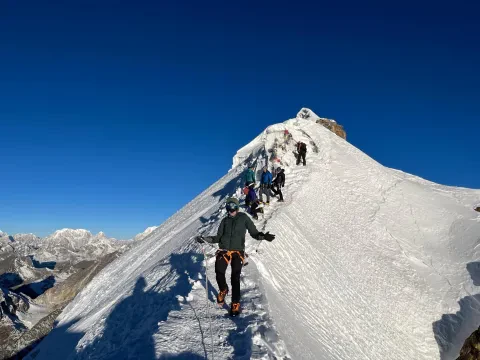
Gokyo Cho La Pass and Lobuche Peak climbing is an unforgettable Himalayan expedition that combines the scenic Gokyo Valley Trek, the challenging Cho La Pass (5,420 m) crossing and the summit attempt of Lobuche East Peak (6,119 m) in Everest region. This journey takes you through the stunning Gokyo valley, across the high-altitude Cho La Pass (5,420 m) and the summit of Lobuche Peak, rewarding you with breathtaking views of Everest, Lhotse, Cho Oyu, Nuptse, Amadablam, Cholatse and many other Himalayan peaks.Your journey begins with a scenic flight to Lukla, the gateway to the Everest region. The adventure truly begins as you trek through picturesque Sherpa villages, crossing suspension bridges, enjoying Himalayan landscapes surrounded by snow-covered mountains and lush valleys. The trek gradually ascends towards the Gokyo Valley. Each day reveals spectacular views of snow-capped mountains, alpine lakes, and traditional Sherpa villages allowing you to experience both the natural beauty of the Himalayas and the region's rich cultural heritage. As you trek towards Gokyo, you'll encounter the stunning Gokyo Lakes, a series of turquoise glacial lakes nestled amidst towering peaks. The turquoise lakes, set against the backdrop of Cho Oyu, create one of the most iconic landscapes in the Everest region. From Gokyo, the trail leads you to the challenging Cho La Pass, a high-altitude pass at over 5,400 meters (17,700 feet). Crossing this pass requires careful navigation over rocky trails, glaciers and depending on the season, snow-covered sections under the guidance of experienced climbing guides. The thrill of standing atop the pass, surrounded by peaks like Ama Dablam and Cholatse, is a moment of triumph and awe.Lobuche East summit day begins before dawn. Reaching the summit is a rewarding achievement, offering panoramic views of Everest, Lhotse, Nuptse, Pumori, Ama Dablam and surrounding Himalayan peaks.After a successful ascent, the journey follows back towards Lukla, retracing your steps through the Khumbu Valley. Each day brings new appreciation for the rugged beauty and the resilience of the Sherpa people who call this land home. Celebrate your achievements with the team in Lukla before flying back to Kathmandu, where you can reflect on the incredible experiences and friendships forged during your Himalayan adventure.Quick Facts of Gokyo, Cho La Pass & Lobuche Peak ClimbingTrip Name: Gokyo, Cho La Pass & Lobuche Peak ClimbingPeak: Lobuche East (6119 m)Elevation: 6,119 mDestination: Everest region, NepalDuration: 18-20 daysDifficulty: ChallengingBest Season: Spring (March-May) and Autumn (September-November)Max altitude: 6,119 mAccommodation: Teahouse + TentTransportation: Flight (Manthali to Lukla, Lukla to Manthali) and private vehicleGroup size: 1-12 peopleStart/End Point: KathmanduWhy choose Gokyo, Cho La Pass and Lobuche Peak Climbing?Gokyo, Cho La Pass and Lobuche Peak climbing is the perfect adventure for climbers who want to combine the iconic Gokyo Trek and Cho La Pass with the thrill of summiting Lobuche east (6119 m). Before the summit attempt, climbers have the opportunity to visit the Gokyo Lakes and hike to Gokyo Ri (5,340 m) and cross Cho La Pass (5,420 m) to enjoy spectacular views and become well acclimatized.Trek to the Gokyo and Hike to Gokyo Ri and cross the Cho La Pass before climbing the Lobuche peak provides excellent acclimatization, allowing your body to gradually adjust to the high altitude and increasing the chances of a safe and successful summit. With experienced Sherpa climbing Guides, essential mountaineering training and stunning Himalayan scenery this expedition is an ideal choice for adventurers for seeking both the legendary Everest Base Camp Trek and achievement of climbing a 6,000 meters peak in Nepal. Lobuche Peak Climbing DifficultyGokyo, Cho La Pass and Lobuche Peak Climbing is considered as a challenging Himalayan adventure which requires good physical fitness, proper acclimatization and basic mountaineering skills. Although Lobuche East is not among the most technical peaks in Nepal, the climb involves steep sections, fixed ropes, crampon use, and high altitude conditions that make it more demanding than a regular trek.Previous trekking and climbing experience is beneficial but not mandatory. With proper preparation, regular training and guidance from experienced Sherpa climbing guides, fit trekkers with determination and a strong sense of adventure can successfully complete the Lobuche peak climbing expedition.Is This Trip Right for You?Gokyo Cho La Pass and Lobuche peak climbing is ideal for adventurous trekkers who have good physical fitness and a strong desire to experience Himalayan peak climbing. The expedition requires the ability to walk for several hours daily, adapt to high-altitude conditions and handle challenging mountain terrain.Previous trekking experience is beneficial but you do not need to be expert mountaineer to join this adventure. basic climbing experience is helpful, while essential skills such as rope techniques, crampon use and climbing safety are provided by our experienced Sherpa guides before the summit attempt.Altitude and AcclimatizationAltitude and acclimatization are important factors for a successful Lobuche peak expedition. Visiting the Gokyo and Gokyo Ri, along with spending two nights in Namche and two nights in Dzongla provides an excellent acclimatization before attempting Lobuche Peak, as climbers become better prepared for the challenging ascent to Lobuche High Camp and the summit. Common symptoms of altitude sickness may include headache, dizziness, nausea, fatigue, loss of appetite, shortness of breath and difficulty sleeping. Our experienced Sherpa guides carefully monitor your health, pace and progress throughout the expedition to ensure a safe and enjoyable climbing experience.Proper hydration, gradual ascent, balanced nutrition and proper acclimatization is essential for adapting to high altitude. With a well planned itinerary, fit trekkers can confidently complete this adventure.In case of serious altitude related issues and emergencies, our team is prepared to arrange necessary support, including emergency evacuation services when required.Permits for Lobuche Peak ClimbingTo climb Lobuche peak climbers need three different permits: Sagarmatha National Park Entry PermitKhumbu Pasang Lhamu Rural Municipality(Local Government) Permit Lobuche Peak Climbing Permit. Issued by Nepal Mountaineering Association Higher Path Treks and Expedition arranges all necessary permits and and official documentation.Accommodation and mealThroughout the Trekking route, climbers stay at comfortable local teahouses, with basic facilities, twin sharing rooms and warm dining room. For the Lobuche peak summit and preparation and climbing period accommodation is arranged in Tents at Lobuche high camp, which our team will manage there. During the trek teahouses serve a variety of meals including local and some international. Trekkers can choose meals of their choice at teahouses. vegetarian meals are healthy, fresh, nutritious and easy to digest. At high camp, our climbing team provides meals designed to supply the energy needed for the demanding summit climb.Best Time to Climb Lobuche PeakFor climbing Lobuche Peak Autumn (September to November) and Spring (March to May) are the best seasons. In spring the weather becomes warmer, clear skies, spectacular mountain views, and climbing routes are generally in good conditions. Autumn season has stable and warm weather, dry trails, clear skies and outstanding mountain visibility. it offers breathtaking panoramic views throughout the Everest region.Winter is also possible for experienced and well prepared climbers. This season offers clear skies, spectacular views, fewer crowds, fewer trekkers and climbers. however the temperature at high altitude can drop significantly below freezing, with colder nights, strong winds and more challenging climbing conditions.Why choose Higher Path Treks & Expedition?Choosing the right trekking company is essential for a safe and successful Gokyo, Cho La Pass and Lobuche Peak climbing adventure. Higher Path Treks provides a professionally managed Himalayan experience with experienced local Sherpa guides, reliable logistics, and personalized support throughout the expedition.Licensed experienced climbing Sherpa & guides: Our climbing Sherpas and guides have extensive knowledge of the Everest region and high altitude mountaineering. Their expertise helps climbers navigate challenging terrain, manage altitude concerns, and maximize the chances of a successful Lobuche East Peak summit.Well Planned Itinerary: Our itinerary is designed to suit different experience levels and travel preferences while maintaining proper acclimatization for high altitude climbingTransparent pricing: Our pricing is transparent, we provide clear information about our included service, permit, accommodation, meal without hidden charges.Safety: Safety is our top priority, with careful well acclimatization planning, regular health monitoring, and emergency support arrangements when needed.Customer focused service: we focus on creating a personalized and stress-free adventure for every traveler. From airport assistance and permit arrangements to accommodation, meals and climbing support we handle every detail so you can focus on enjoying your Himalayan journey.Conclusion Gokyo, Cho La Pass and Lobuche Peak Climbing is an unforgettable Himalayan adventure combining Gokyo Valley Trekking, Sherpa culture, and the excitement of summiting a 6119 m peak. With experienced guides, proper acclimatization and reliable support from Higher Path Treks and Expedition, this adventure offers a safe and rewarding experience for adventure seekers looking to explore the Everest region. Book Your Gokyo, Cho La Pass and Lobuche Peak Climbing TodayReady to experience the Gokyo, Cho La Pass and Lobuche Peak Climbing? Contact Higher Path Treks and Expedition today. Let us help you create an unforgettable journey to the Everest region. Helpful Blogs About Trekking in the Everest Region:Uncover the best blogs about trekking in the Everest region, featuring expert advice, detailed itineraries, personal experiences, and essential tips for adventurers looking to explore the Himalayas.Photography Guide: Capturing the Himalayas Without Expensive GearEverest Luxury Trek: An Unforgettable Himalayan ExperienceNepal Peak Climbing 2026: Routes, Tips, and Top SummitsSolo Trekking to Everest Base Camp: Is It Possible?Top 10 Highlights of the Everest Base Camp TrekSuccessfully Trekking to Everest Base Camp and Kala PattharWhy Famous Trekkers Choose Everest Base Camp?Autumn Season to Everest Base Camp TrekThe Best Hiking Adventures: Famous Peak Climbs in 2025Top Himalayan Peaks for Beginner Climbers: A Comprehensive GuideEverest Three Peaks: A Beginner’s Guide to the Ultimate Himalayan ChallengeIs Peak Climbing in Nepal Easy for Beginners?Must-Know Facts About Everest Base Camp TrekkingWhy Gokyo Ri is a Must-Visit for Everest Trek LoversThe Roof of the World: Peak Climbing Journeys through Nepal’s High CountryWhat to Expect on an Island Peak Climbing ExpeditionMera Peak Climbing Guide for Beginners: Tips, Difficulty & PreparationFour Peaks, One Journey: Mera, Island, Lobuche & Amphu Lapcha ExpeditionTop Best Expedition Packages in Nepal 2025Which is Easier: Mera Peak or Island Peak?Why Choose Island Peak Climbing with Everest Base Camp Trek for BeginnersBest Trekking Peaks in Everest Region for BeginnersExperience Mountain View in NepalEssentials for Everest Base Camp
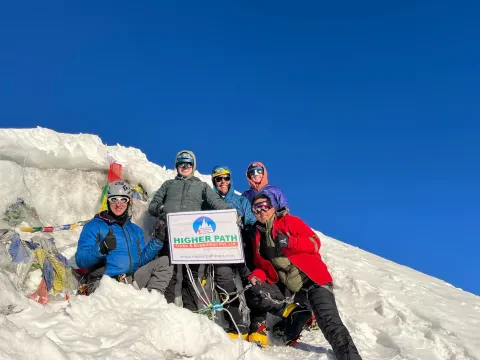
The Everest Base Camp Trek with Lobuche East & Island Peak climbing expedition is the ultimate Himalayan adventure, combining the legendary Everest Base Camp Trek with ascent of two Nepal's most popular trekking peaks. this expedition is designed for adventurers with good physical fitness and a sense of adventure, this journey offers an ideal introduction to high-altitude mountaineering while exploring the spectacular landscapes of the Khumbu region. The adventure begins in Kathmandu, where you'll be warmly welcomed by the representative from Higher Path Treks. After a briefing and equipment check, you'll drive to Manthali and fly to Lukla, a thrilling and scenic flight that marks the beginning of your trek. From Lukla, the trail winds through vibrant small Sherpa villages, prayer flags fluttering in the mountain breeze, suspension bridges and serene valleys dotted with rhododendron and pine forests.As you trek towards Everest Base Camp, every step brings you closer to the world's highest peak. The trail takes you through iconic landmarks like Namche Bazaar, the bustling hub of the Khumbu region, and Tengboche Monastery, where you can immerse yourself in the spiritual ambiance amidst panoramic mountain views. Along the way, you'll pass through charming Sherpa villages, experience the culture of Everest region while enjoying breathtaking views of Mount Everest, Lhotse, Makalu, Nupste, Pumori, Ama Dablam and other Himalayan peaks.After experiencing the majesty of Everest Base Camp, the focus shifts to mountaineering as you prepare for Lobuche East (6,119 m)and Island Peak (6,189 m). Both climbs involve glacier travel, fixed ropes, crampons and Ice axe techniques, making this expedition an exciting challenge for those looking to advance their mountaineering skills.Lobuche East (6,119 meters / 20,075 feet) is your first mountaineering objective. The climb involves traversing snowy slopes and negotiating crevasses under the guidance of seasoned mountaineers. The summit push offers stunning views of the entire Everest massif, including Cho Oyu, Pumori, and Ama Dablam, making it a highlight of the expedition.Next, you'll tackle Island Peak (6,189 meters / 20,305 feet), also known as Imja Tse. This peak is renowned for its challenging ascent and breathtaking summit panorama. The climb requires technical proficiency in using crampons, ice axes, and ropes to navigate steep ice and rock faces. From the summit, the views extend across the Khumbu Glacier and beyond, rewarding your efforts with a sense of accomplishment and awe-inspiring vistas.Throughout the journey, Higher Path Treks provides experienced climbing Sherpa guides, comprehensive logistical support, and a strong focus on safety to maximize your chances of successful, enjoyable and memorable expedition.Join Higher Path Treks on this unforgettable journey to Lobuche and Island Peak, where every moment is infused with the spirit of adventure and the majesty of the Himalayas. Whether you're a seasoned climber or embarking on your first high-altitude expedition, this adventure promises memories that will last a lifetime. Discover the magic of the Khumbu region with Higher Path Treks and let the towering peaks and pristine landscapes leave an indelible mark on your soul.Quick Facts Everest Base Camp Trek with Lobuche & Island Peak ClimbingTrip Name: Everest Base Camp Trek with Lobuche & Island Peak ExpeditionPeak: Lobuche East (6119 m) and Island Peak (6,189 m)Maximun Elevation: 6,189 mDestination: Everest region, NepalDuration: 18-20 daysDifficulty: ChallengingBest Season: Spring (march-May) Autumn (September-November)Accommodation: Teahouse during the trek and Tent during the climbingTransportation: Flight (Manthali to Lukla, Lukla to Manthali) and private vehicleGroup size: 1-12 peopleStart/End Point: KathmanduWhy choose Everest Base Camp Trek with Lobuche & Island Peak Climbing?Everest Base Camp Trek with Lobuche and Island Peak Climbing is the perfect adventure for climbers who want to combine the iconic Everest Base Camp Trek with the thrill of summiting Lobuche east (6119 m) and Island Peak (6,189 m). Before the summit attempt, climbers have the opportunity to visit the Everest Base Camp and hike to Kala Patthar to enjoy spectacular views and become well acclimatized.Trek to the Everest Base Camp and Hike to the Kala Patthar before climbing the Lobuche peak and Island peak provides excellent acclimatization, allowing your body to gradually adjust to the high altitude and increasing the chances of a safe and successful summit. With experienced Sherpa climbing Guides, essential mountaineering training and stunning Himalayan scenery this expedition is an ideal choice for adventurers for seeking both the legendary Everest base Camp Trek and achievement of climbing a 6,000 meters peak in Nepal. Lobuche & Island Peak Climbing DifficultyLobuche East & Island Peak Climbing with Everest Base Camp is considered as a challenging Himalayan adventure which requires good physical fitness, proper acclimatization and basic mountaineering skills. Although Lobuche East and Island peak are not among the most technical peaks in Nepal, the climb involves steep sections, fixed ropes, crampon use, and high altitude conditions that make it more demanding than a regular trek.Previous trekking and climbing experience is beneficial but not mandatory. With proper preparation, regular training and guidance from experienced Sherpa climbing guides, fit trekkers with determination and a strong sense of adventure can successfully complete the Lobuche east & Island peak climbing expedition.Is This Trip Right for You?Everest Base Camp Trek with Lobuche & Island peak is ideal for adventurous trekkers who have good physical fitness and a strong desire to experience Himalayan peak climbing. The expedition requires the ability to walk for several hours daily, adapt to high-altitude conditions and handle challenging mountain terrain.Previous trekking experience is beneficial but you do not need to be expert mountaineer to join this adventure. Basic climbing experience is helpful, while essential skills such as rope techniques, crampon use and climbing safety are provided by our experienced Sherpa guides before the summit attempt.Altitude and AcclimatizationAltitude and acclimatization are important factors for a successful Lobuche & Island peak expedition. Visiting the Everest Base Camp and Kala Patthar, along with spending two nights in Namche and two nights in Dingboche provides an excellent acclimatization before attempting Lobuche & Island Peaks, as climbers become better prepared for the challenging ascent to the summits. Common symptoms of altitude sickness may include headache, dizziness, nausea, fatigue, loss of appetite, shortness of breath and difficulty sleeping. Our experienced Sherpa guides carefully monitor your health, pace and progress throughout the expedition to ensure a safe and enjoyable climbing experience.Proper hydration, gradual ascent, balanced nutrition and proper acclimatization is essential for adapting to high altitude. With a well planned itinerary, fit trekkers can confidently complete this adventure.In case of serious altitude related issues and emergencies, our team is prepared to arrange necessary support, including emergency evacuation services when required.Permits for Lobuche Peak ClimbingTo climb Lobuche & Island peak climbers need four different permits: Sagarmatha National Park Entry PermitKhumbu Pasang Lhamu Rural Municipality(Local Government) Permit Lobuche Peak Climbing Permit. Issued by Nepal Mountaineering Association Island Peak Climbing Permit. Issued by Nepal Mountaineering Association Higher Path Treks and Expedition arranges all necessary permits and and official documentation.Accommodation and mealThroughout the Everest Base Camp Trekking route, climbers stay at comfortable local teahouses, with basic facilities, twin sharing rooms and warm dining room. For the Lobuche peak summit and preparation and climbing period accommodation is arranged in Tents at Lobuche high camp, which our team will manage there. During the trek teahouses serve a variety of meals including local and some international. Trekkers can choose meal of their choice at teahouses. Vegetarian meals are healthy, fresh, nutritious and easy to digest. At high camp, our climbing team provides meals designed to supply the energy needed for the demanding summit climb.Best Time to Climb Lobuche & Island PeakFor climbing Lobuche & Island Peak Autumn (September to November) and Spring (March to May) are the best seasons. In spring the weather becomes warmer, clear skies, spectacular mountain views, and climbing routes are generally in good conditions. Autumn season has stable and warm weather, dry trails, clear skies and outstanding mountain visibility. it offers breathtaking panoramic views throughout the Everest region.Winter is also possible for experienced and well prepared climbers. This season offers clear skies, spectacular views, fewer crowds, fewer trekkers and climbers. however the temperature at high altitude can drop significantly below freezing, with colder nights, strong winds and more challenging climbing conditions.Why choose Higher Path Treks & Expedition?Choosing the right trekking company is essential for a safe and successful Everest Base Camp Trek with Lobuche & island Peak Climbing expedition. Higher Path Treks provides a professionally managed Himalayan experience with experienced local Sherpa guides, reliable logistics, and personalized support throughout the expedition.Licensed experienced climbing Sherpa & guides: Our climbing Sherpas and guides have extensive knowledge of the Everest region and high altitude mountaineering. their expertise helps climbers navigate challenging terrain, manage altitude concerns, and maximize the chances of a successful Lobuche & Island Peak summit.Well Planned Itinerary: Our itinerary is designed to suit different experience levels and travel preferences while maintaining proper acclimatization for high altitude climbingTransparent pricing: Our pricing is transparent, we provide clear information about our included service, permit, accommodation, meal without hidden charges.Safety: Safety is our top priority, with careful well acclimatization planning, regular health monitoring, and emergency support arrangements when needed.Customer focused service: We focus on creating a personalized and stress-free adventure for every traveler. From airport assistance and permit arrangements to accommodation, meals and climbing support we handle every detail so you can focus on enjoying your Himalayan journey.Conclusion Everest base camp Trek with Lobuche & Island Peak Climbing is an unforgettable Himalayan adventure combining Everest Base Camp Trekking, Sherpa culture, and the excitement of summiting above 6,000 m peaks. With experienced guides, proper acclimatization and reliable support from Higher Path Treks and Expedition, this adventure offers a safe and rewarding experience for adventure seekers looking to explore the Everest region. Book Your Everest Base Camp Trek with Lobuche & Island Peak TodayReady to experience the Everest Base Camp Trek with Lobuche & Island Peak Climbing in Nepal? Contact Higher Path Treks and Expedition today. Let us help you create an unforgettable journey to the Everest region Nepal. Helpful Blogs About Trekking in the Everest Region:Uncover the best blogs about trekking in the Everest region, featuring expert advice, detailed itineraries, personal experiences, and essential tips for adventurers looking to explore the Himalayas.Photography Guide: Capturing the Himalayas Without Expensive GearEverest Luxury Trek: An Unforgettable Himalayan ExperienceNepal Peak Climbing 2026: Routes, Tips, and Top SummitsSolo Trekking to Everest Base Camp: Is It Possible?Top 10 Highlights of the Everest Base Camp TrekSuccessfully Trekking to Everest Base Camp and Kala PattharWhy Famous Trekkers Choose Everest Base Camp?Autumn Season to Everest Base Camp TrekThe Best Hiking Adventures: Famous Peak Climbs in 2025Top Himalayan Peaks for Beginner Climbers: A Comprehensive GuideEverest Three Peaks: A Beginner’s Guide to the Ultimate Himalayan ChallengeIs Peak Climbing in Nepal Easy for Beginners?Must-Know Facts About Everest Base Camp TrekkingWhy Gokyo Ri is a Must-Visit for Everest Trek LoversThe Roof of the World: Peak Climbing Journeys through Nepal’s High CountryWhat to Expect on an Island Peak Climbing ExpeditionMera Peak Climbing Guide for Beginners: Tips, Difficulty & PreparationFour Peaks, One Journey: Mera, Island, Lobuche & Amphu Lapcha ExpeditionTop Best Expedition Packages in Nepal 2025Which is Easier: Mera Peak or Island Peak?Why Choose Island Peak Climbing with Everest Base Camp Trek for BeginnersBest Trekking Peaks in Everest Region for BeginnersExperience Mountain View in NepalEssentials for Everest Base Camp
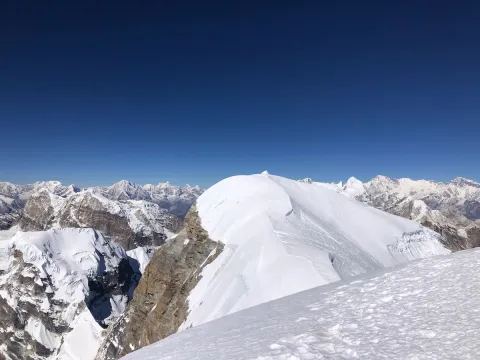
Mera Peak (6,476m) is Nepal’s highest trekking peak and one of the most rewarding Himalayan adventures. This standard package is designed for trekkers and climbers seeking a professionally organized expedition with experienced guides, quality accommodation, and full logistical support from arrival in Kathmandu to the summit attempt.The journey takes you through the beautiful Hinku Valley, traditional Sherpa villages, alpine forests, and breathtaking mountain landscapes with spectacular views of Everest, Lhotse, Makalu, Cho Oyu, and Kanchenjunga.In the realm of Himalayan adventure, Mera Peak stands as a majestic alternative to the more famed Everest, offering a journey that delves deep into the cultural tapestry of the Sherpa people while immersing climbers in the raw beauty of Nepal’s wilderness. Higher Path Treks invites you to explore on this extraordinary expedition, where the climb to Mera Peak rewards with unparalleled vistas and a profound sense of accomplishment.The 18-day Mera Peak Climbing Expedition commences with a thrilling scenic flight from Kathmandu to Lukla, navigating through the legendary airstrip that is often regarded as one of the world’s most challenging. From Lukla, the trek begins amidst oak, bamboo, and rhododendron forests, gradually ascending through picturesque villages like Paiya and Panggom, where trekkers encounter Sherpa hospitality and traditional lifestyles.Traversing the Kari La pass at 3,145 meters marks a scenic highlight before reaching the tranquil Chhetra Khola Campsite and onwards to the serene landscapes of Ramailo Danda. The journey northward continues through Kothe and Gondishung, leading to Thangnak, where the vistas open up to the majestic Hinku Glacier and the pristine Kharka meadows.At Mera High Camp, situated strategically for the summit push, climbers receive comprehensive preparations, including technical guidance and equipment checks. The ascent to Mera Peak’s summit at 6,476 meters (21,247 feet) offers a panoramic reward that includes breathtaking views of Everest (8,848.86 m), Cho Oyu (8,188 m), Lhotse (8,516 m), Makalu (8,485 m), Kanchenjunga (8,586 m), Nuptse (7,861 m), and Ama Dablam (6,812 m).Beyond the thrill of summiting Mera Peak, Higher Path Treks enriches the journey with cultural immersion opportunities, including homestays with local families along the route. This unique experience allows trekkers to engage intimately with Sherpa traditions, savor local cuisine, and foster meaningful connections that transcend borders.For those eager to join this extraordinary adventure, Higher Path Treks organizes Mera Peak climbing expeditions annually, with the upcoming departure scheduled for any year. Whether you’re a seasoned mountaineer or exploring on your first Himalayan ascent, Higher Path Treks welcomes you to experience the unparalleled beauty and cultural depth of Nepal’s Mera Peak.Explore on the adventure of a lifetime with Higher Path Treks and discover the heights of Mera Peak and the warmth of Nepalese hospitality.Trip Facts of Mera Peak ClimbingTrip Name: Mera Peak ClimbingDuration: 19 daysMaximum altitude: 6,476 m (Mera Peak)Trip Grade: ChallengingAccommodation: Teahouse during the trek and tent during climbingMeals: Breakfast, lunch and dinner during the trekBest Time: Spring (March-May) and Autumn (September-November)Transportation: Domestic flight, private vehicleStart/End Point: KathmanduWho Is This Trip For?The Mera Peak Climbing expedition is an ideal for adventurous travelers with good physical fitness. It is perfect for experienced trekkers, aspiring mountaineers and anyone looking to take on their first trekking peak in Nepal. While prior climbing experience is helpful, it is not required, as our experienced Sherpa guides provide basic climbing training before the summit attempt. Mera Peak Climbing Difficulty level The Mera Peak Climbing is a challenging adventure that requires good physical fitness and previous high-altitude trekking experience. The summit climb involves using basic mountaineering equipment such as crampons, harness, fixed ropes and ice axe. Our experienced climbing Sherpa guides provide pre-climbing training to ensure you are well prepared for the summit attempt.Altitude & Acclimatization The Mera Peak Climbing expedition reaches a maximum altitude of 6,476 m (21,247 ft) at the summit of Mera peak. The highest sleeping altitude is Mera Peak High Camp 5,780 m (18,963 ft). to help your body adapt to the high altitude, the itinerary includes acclimatization days at Thangnak and Khare, reducing the risk of altitude sickness and increasing the chances of a successful summit. Best Time To Climb Mera PeakThe best time to climb Mera peak is during autumn (September-November) and during Spring (March-May). These seasons offer stable weather, clear mountain views and favorable climbing conditions. Spring is popular for its mild temperatures and blooming rhododendron forests, while autumn provides crisp skies, excellent visibility and comfortable trekking conditions after the monsoon. Although Island peak can be climbed in winter, colder temperatures and snowfall make the climbing more challenging. The monsoon season is generally not recommended due to heavy rainfall and poor visibility.Permits For Mera Peak Climbing Higher Path Treks & Expedition arranges all required permits before the trek begins. The required permits include:Makalu Barun National Park Entry Permit. Mera Peak Climbing Permit, issued by Nepal Mountaineering Association. Accommodation and MealDuring the Mera Peak Climbing comfortable teahouses is provided throughout the trek and tents at Mera Peak High Camp. Teahouses offer simple and cozy rooms with basic shared facilities. Breakfast, lunch and dinner are provided during the trek and climbing period. Meals include a variety of local and international dishes to provide the energy needed for trekking and climbing. Vegetarian meals are fresh, nutritious and easy to digest at higher altitude. Why choose Higher Path Treks & Expedition?Choosing the right trekking company is essential for a safe and successful Mera Peak climbing. Higher Path Treks provides a professionally managed Himalayan experience with experienced local Sherpa guides, reliable logistics, and personalized support throughout the expedition.Licensed experienced climbing Sherpa & guides: Our climbing Sherpas and guides have extensive knowledge of the high altitude mountaineering. their expertise helps climbers navigate challenging terrain, manage altitude concerns, and maximize the chances of a successful Mera Peak summit.Well Planned Itinerary: Our itinerary is designed to suit different experience levels and travel preferences while maintaining proper acclimatization for high altitude climbingTransparent pricing: Our pricing is transparent, we provide clear information about our included service, permit, accommodation, meal without hidden charges.Safety: Safety is our top priority, with careful well acclimatization planning, regular health monitoring, and emergency support arrangements when needed.Customer focused service: we focus on creating a personalized and stress-free adventure for every traveler. From airport assistance and permit arrangements to accommodation, meals and climbing support we handle every detail so you can focus on enjoying your Himalayan journey.Conclusion Mera Peak Climbing is an unforgettable Himalayan adventure combines the excitement of summiting a 6,476 m peak. With experienced guides, proper acclimatization and reliable support from Higher Path Treks and Expedition, this adventure offers a safe and rewarding experience for adventure seekers looking to explore the Himalayas Nepal. Book Your Mera Peak Climbing Adventure TodayReady to experience the thrill of Mera Peak Climbing? Contact Higher Path Treks and Expedition today. Let us help you create an unforgettable journey to the Himalayas.
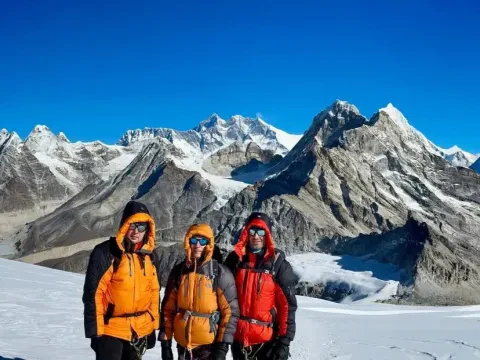
Mera Peak Climbing is a perfect adventure for trekkers seeking a Himalayan summit experience without committing to an extended expedition. Mera Peak, at 6,476 meters, is the highest trekking peak in Nepal and offers stunning panoramic views of the world’s highest mountains, including Mount Everest (8,848.86 m), Kanchenjunga (8,586 m), Lhotse (8,516 m), Makalu (8,485 m), Cho Oyu (8,188 m) and surrounding Himalayan peaks.This climb combines moderate trekking with a high-altitude summit attempt, providing an introduction to glacier travel, ice climbing techniques, and high mountain acclimatization. The journey begins with an exploration of Kathmandu, where participants prepare gear, followed by a scenic flight to Lukla, trekking through alpine meadows, high passes, and glacial landscapes before reaching the base camp at Khare. Over 18 days, climbers experience a mix of adventure, cultural immersion, and breathtaking Himalayan scenery, making it ideal for those seeking a short yet intense mountaineering challenge.Trip Fact of Short Mera Peak ClimbingDuration: 16 days Max Elevation: 6,476 meters Climbing Difficulty: Challenging Accommodation: Teahouses during the trek and tent during the climbingMeals: Breakfast, lunch and dinner during the trek and climbingBest Season: Spring and AutumnPermits: Makalu Barun National Park Permit and Mera Peak Climbing PermitStart/End Point: KathmanduBest Season for Short Mera Peak ClimbingThe ideal seasons for Short Mera Peak Climbing are pre-monsoon (March–May) and post-monsoon (late September–November). During these periods, weather conditions are the most stable, skies are clear, and snow on the higher slopes is manageable, making it easier and safer to reach the summit. These months also provide excellent visibility, allowing climbers to enjoy unobstructed views of the towering Himalayan peaks, including Everest, Lhotse, Makalu, and Cho Oyu.Spring (March–May): Temperatures are moderate, trekking routes are accessible, and alpine meadows bloom with vibrant wildflowers. Snow conditions on higher slopes are generally stable, making the summit climb safer and visually spectacular.Autumn (late September–November): Offers crisp, dry air, minimal humidity, and outstanding visibility, providing some of the clearest panoramic views of the Himalayas. These months are highly favored by photographers and peak enthusiasts.Other seasons are less ideal:Winter (December–February): Extremely cold temperatures and deep snow make climbing much more physically demanding and risky.Monsoon (June–August): Heavy rain, potential landslides, and cloud cover create unsafe trekking and climbing conditions.Choosing the right season ensures climbers experience both the thrill of high-altitude adventure and the natural beauty of Nepal at its best.Short Mera Peak Climbing Difficulty and TransportationShort Mera Peak is considered a moderate to challenging trekking peak, making it suitable for experienced trekkers and climbers with some basic mountaineering knowledge. While lower trekking stages are moderate, the ascent to the summit involves glacier travel, steep snow slopes, and the technical use of crampons, ice axes, and ropes. Proper acclimatization is essential to minimize the risk of altitude sickness.Transportation for the expedition:International flight to Kathmandu Tribhuvan International Airport, followed by hotel transfer.Road transfer from Kathmandu to Ramechhap, the starting point for the flight to Lukla.Scenic flight to Lukla (20 minutes), offering panoramic Himalayan views from the air.Trekking route: Lukla → Chutanga → Thuli Kharka → Kothe → Thagnak → Khare → High Camp → Mera Peak summit.This combination of flights, road transfers, and trekking provides access to remote Himalayan regions while maintaining the thrill of a genuine mountaineering experience.Food and Accommodation for Short Mera Peak ClimbingDuring the Short Mera Peak expedition, Higher Path Treks & Expeditions prioritizes the comfort, nutrition, and safety of climbers, even in remote, high-altitude environments. Accommodation is thoughtfully planned to provide rest and recovery after long trekking days. In Kathmandu, climbers stay in 4-star hotels with breakfast, offering a chance to relax, enjoy hot showers, and acclimatize to the journey ahead.On the trekking route, accommodation transitions to tea houses and lodges at lower and mid-altitudes, providing warm meals, shared rooms, and basic facilities. As the expedition progresses to higher elevations such as Khare and High Camp, climbers sleep in well-equipped tents, which are set up in safe locations with support from the expedition team.Meals and hydration:Kathmandu: Fresh Nepali and international cuisine to ensure balanced nutrition before the trek.Trekking route: Traditional Dal Bhat (rice and lentils), soups, noodles, and high-energy snacks designed to meet the demands of high-altitude trekking.Hydration: Boiled or bottled water is recommended; water purification tablets are provided for safety.Strategically timed meals and rest periods not only aid acclimatization but also provide the energy required for trekking long hours and preparing for summit attempts. This careful attention to food and lodging enhances overall comfort, ensuring climbers remain healthy and energized throughout the expedition.Short Mera Peak Climbing PermitsClimbing Mera Peak requires official permits, all of which are efficiently managed by Higher Path Treks & Expeditions, removing bureaucratic hassles for climbers. These permits are essential to legally access the Everest region, ensure safety, and comply with Nepalese regulations.Essential permits include:Makalu Barun National Park Entry Permit: Required for trekking and climbing, protecting both climbers and the environment.Mera Peak Climbing Permit: Issued by the Nepal Ministry of Tourism, officially authorizing the summit attempt.By handling all permits, Higher Path Treks & Expeditions allows climbers to focus on training, acclimatization, and the adventure itself rather than paperwork. This ensures a smooth experience and peace of mind throughout the journey.Why Choose Short Mera Peak ClimbingShort Mera Peak Climbing with Higher Path Treks & Expeditions is ideal for adventurers seeking a high-altitude Himalayan experience without committing to a months-long expedition. The trek combines scenic trekking, high-altitude mountaineering, and cultural immersion, offering climbers a well-rounded adventure that is both challenging and rewarding.Key advantages:Expert guidance: Experienced guides provide mountaineering training, technical support, and high-altitude safety measures.Planned acclimatization: Routes are carefully designed with acclimatization days to minimize altitude sickness and improve summit success rates.Stunning views: Panoramic vistas of the Himalayas, including Everest, Lhotse, Makalu, Cho Oyu, and Kanchenjunga, make the climb visually unforgettable.Flexible schedule: Buffer days and optional helicopter return allow climbers to adjust plans in case of weather changes.Balanced experience: Combines trekking, cultural exposure in Kathmandu, and high mountain adventure.This climb provides a once-in-a-lifetime Himalayan experience, balancing safety, adventure, and breathtaking scenery. With proper preparation, expert guidance, and the support of Higher Path Treks & Expeditions, climbers can achieve their summit goal and create memories that last a lifetime.
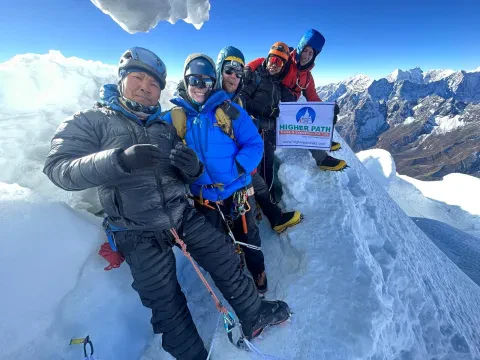
Cholatse Peak, standing proudly at 6,440 meters (21,126 feet), is a distinguished mountain located in the Khumbu region of Nepal. It’s renowned among climbers for its technical challenges and striking beauty. Higher Path Treks, offers an unparalleled climbing experience for those seeking to conquer this majestic peak.The Cholatse Peak climbing expedition typically spans around 17 to 20 days, depending on weather conditions and climber acclimatization. The adventure starts with a flight from Manthali to Lukla, followed by a trek through the beautiful Khumbu Valley, passing through traditional Sherpa villages, lush forests, and high-altitude terrain. Key highlights include the stunning vistas of Mount Everest, Lhotse, and Makalu.Upon reaching the base camp of Cholatse Peak, climbers undergo a period of acclimatization. Higher Path Treks provides thorough acclimatization plans, including acclimatization hikes and training sessions. The ascent is meticulously planned to ensure climbers can adjust to the high altitude gradually.Cholatse Peak climbing is renowned for its technical demands. It involves steep rock and ice climbing, with sections requiring the use of ropes, crampons, and ice axes. Higher Path Treks’ guides are highly experienced, with extensive knowledge of the route and necessary climbing techniques. They offer valuable support, ensuring climbers are well-prepared for the challenges ahead.The route includes several high camps, which are strategically placed to aid acclimatization and ensure climbers are rested and prepared for the summit push. The final ascent is a demanding climb, but the breathtaking views from the summit make it a rewarding experience. On a clear day, climbers can enjoy panoramic views of the Everest massif, including the majestic peaks of Nuptse, Lhotse, and Makalu.Quick Facts of Cholatse Peak ClimbingTrip Name: Cholatse Peak ClimbingPeak: Cholatse (6440 m)Max Elevation: 6,440 mDestination: Everest region, NepalDuration: 21 daysDifficulty: ChallengingBest Season: Spring (March-May) and Autumn (September-November)Accommodation: Teahouse during the trek and Tent during climbingMeals: Breakfast, lunch and dinner during the trekking and climbingTransportation: Flight (Manthali to Lukla, Lukla to Manthali) and private vehicleGroup size: 1-8 peopleStart/End Point: KathmanduWhy choose Cholatse Peak Climbing?Cholatse Peak climbing is the perfect adventure for climbers who want to combine the iconic Gokyo Trek with the thrill of summiting Cholatse (6440 m). Before the summit attempt, climbers have the opportunity to visit the Gokyo Lakes and hike to Gokyo Ri (5,357 m) to enjoy spectacular views and become well acclimatized.Trek to the Gokyo and Hike to Gokyo Ri before climbing the Cholatse peak provides excellent acclimatization, allowing your body to gradually adjust to the high altitude and increasing the chances of a safe and successful summit. With experienced Sherpa climbing Guides, essential mountaineering training and stunning Himalayan scenery this expedition is an ideal choice for experienced mountaineers.Cholatse Peak Climbing DifficultyCholatse Peak Climbing is considered as a challenging Himalayan adventure which requires good physical fitness, proper acclimatization and basic mountaineering skills. Cholatse is a technical peak in Nepal, the climb involves steep sections, fixed ropes, crampon use, and high altitude conditions that make it more demanding than a regular trek.Previous trekking and climbing experience is beneficial but not mandatory. With proper preparation, regular training and guidance from experienced Sherpa climbing guides, fit trekkers with determination and a strong sense of adventure can successfully complete the Cholatse peak climbing expedition.Is This Climbing Right for You?Cholatse peak climbing is ideal for adventurous trekkers who have good physical fitness, basic mountaineering experience and a strong desire to experience Himalayan peak climbing. The expedition requires the ability to walk for several hours daily, adapt to high-altitude conditions and handle challenging mountain terrain.Previous climbing peak experience is beneficial to join this expedition. Basic climbing experience is helpful, while essential skills such as rope techniques, crampon use and climbing safety are provided by our experienced Sherpa guides before the summit attempt.Altitude and AcclimatizationAltitude and acclimatization are important factors for a successful Cholatse expedition. Visiting the Gokyo and Gokyo Ri, along with spending two nights in Namche and two nights in Thangnak provides an excellent acclimatization before attempting Cholatse Peak, as climbers become better prepared for the challenging ascent to Cholatse High Camp and the summit. Common symptoms of altitude sickness may include headache, dizziness, nausea, fatigue, loss of appetite, shortness of breath and difficulty sleeping. Our experienced Sherpa guides carefully monitor your health, pace and progress throughout the expedition to ensure a safe and enjoyable climbing experience.Proper hydration, gradual ascent, balanced nutrition and proper acclimatization is essential for adapting to high altitude. With a well planned itinerary, fit trekkers and climbers can confidently complete this adventure.In case of serious altitude related issues and emergencies, our team is prepared to arrange necessary support, including emergency evacuation services when required.Permits for Cholatse Peak ClimbingTo climb Cholatse Peak climbers need three different permits: Sagarmatha National Park Entry PermitKhumbu Pasang Lhamu Rural Municipality(Local Government) Permit Cholatse Peak Climbing Permit. Issued by Nepal Mountaineering Association Higher Path Treks and Expedition arranges all necessary permits and and official documentation.Accommodation and mealThroughout the Trekking route, climbers stay at comfortable local teahouses, with basic facilities, twin sharing rooms and warm dining room. For the Cholatse peak summit and preparation and climbing period accommodation is arranged in Tents at Cholatse Base Camp and High Camp, which our team will manage there. During the trek teahouses serve a variety of meals including local and some international. Trekkers can choose meals of their choice at teahouses. vegetarian meals are healthy, fresh, nutritious and easy to digest. At Base Camp and High Camp, our climbing team provides meals designed to supply the energy needed for the demanding summit climb.Best Time to Climb Cholatse PeakFor climbing Cholatse Peak, Autumn (September to November) and Spring (March to May) are the best seasons. In spring the weather becomes warmer, clear skies, spectacular mountain views, and climbing routes are generally in good conditions. Autumn season has stable and warm weather, dry trails, clear skies and outstanding mountain visibility. it offers breathtaking panoramic views throughout the Everest region.Winter is also possible for experienced and well prepared climbers. This season offers clear skies, spectacular views, fewer crowds, fewer trekkers and climbers. however the temperature at high altitude can drop significantly below freezing, with colder nights, strong winds and more challenging climbing conditions.Why choose Higher Path Treks & Expedition?Choosing the right trekking company is essential for a safe and successful Cholatse Peak expedition. Higher Path Treks provides a professionally managed Himalayan experience with experienced local Sherpa guides, reliable logistics, and personalized support throughout the expedition.Licensed experienced climbing Sherpa & guides: Our climbing Sherpas and guides have extensive knowledge of the Everest region and high altitude mountaineering. Their expertise helps climbers navigate challenging terrain, manage altitude concerns, and maximize the chances of a successful Cholatse Peak summit.Well Planned Itinerary: Our itinerary is designed to suit different experience levels and travel preferences while maintaining proper acclimatization for high altitude climbingTransparent pricing: Our pricing is transparent, we provide clear information about our included service, permit, accommodation, meal without hidden charges.Safety: Safety is our top priority, with careful well acclimatization planning, regular health monitoring, and emergency support arrangements when needed.Customer focused service: we focus on creating a personalized and stress-free adventure for every traveler. From airport assistance and permit arrangements to accommodation, meals and climbing support we handle every detail so you can focus on enjoying your Himalayan journey.Conclusion Climbing Cholatse Peak with Higher Path Treks offers an extraordinary adventure for climbers seeking a blend of technical challenge, stunning scenery, and cultural immersion. With their expert guidance, detailed planning, and commitment to safety and sustainability, Higher Path Treks provides a climbing experience that is both exhilarating and respectful of the majestic Himalayan environment. Whether you're an experienced climber or an ambitious adventurer, Cholatse Peak with Higher Path Treks promises an unforgettable journey to one of Nepal's iconic peaks.Book Your Cholatse Peak Climbing TodayReady to experience the Cholatse a technical Peak Climbing? Contact Higher Path Treks and Expedition today. Let us help you create an unforgettable journey to the Everest region.
Lobuche Peak, standing tall at 6,119 meters (20,073 feet), is one of the most sought-after trekking peaks in Nepal’s Everest region. Known for its challenging yet accessible climb, Lobuche Peak Climbing offers adventurers a perfect blend of trekking and mountaineering, with breathtaking views of Mount Everest, Lhotse, and other Himalayan giants. Organized by Higher Path Treks & Expeditions, this expedition is designed for those who want to experience high-altitude climbing in one of the world’s most iconic mountain landscapes.Located near the Everest Base Camp and Gokyo Valley trekking routes, Lobuche Peak presents a rewarding challenge that requires both physical fitness and technical skills, including ice and rock climbing. The climb also provides a unique chance to explore Sherpa culture, ancient monasteries, and dramatic glaciers, making it a comprehensive Himalayan experience.Quick Facts of Lobuche East Peak Climbing Peak: Lobuche East (6119 m)Elevation: 6,119 mDestination: Everest region, NepalDuration: 15-18 daysDifficulty: ChallengingBest Season: Spring (march-May) and Autumn (September-November)Accommodation: Teahouse + TentTransportation: Flight (Manthali to Lukla, Lukla to Manthali) and private vehicleGroup size: 1-12 peopleStart/End Point: KathmanduWhy choose Lobuche East Peak Climbing?Lobuche East Peak climbing is the perfect adventure for climbers who want to experience the thrill of summiting Lobuche east (6119 m). With experienced Sherpa climbing Guides, essential mountaineering training and stunning Himalayan scenery this expedition is an ideal choice for adventurers for seeking the achievement of climbing a 6,119 meters peak in Nepal. Is This Trip Right for You?Lobuche East peak climbing is ideal for adventurous trekkers who have good physical fitness and a strong desire to experience Himalayan peak climbing. The expedition requires the ability to walk for several hours daily, adapt to high-altitude conditions and handle challenging mountain terrain.Previous trekking experience is beneficial but you do not need to be expert mountaineer to join this adventure. basic climbing experience is helpful, while essential skills such as rope techniques, crampon use and climbing safety are provided by our experienced Sherpa guides before the summit attempt.Best Time for Lobuche Peak ClimbingThe ideal time for Lobuche Peak Climbing aligns with the general climbing and trekking seasons in Nepal — spring (March to May) and autumn (September to November). During these months, weather conditions are relatively stable, skies are clear, and temperatures are favorable for climbing and trekking at high altitudes.In spring, the rhododendrons bloom, painting the valleys with vibrant colors, while autumn offers crisp air and panoramic mountain views. Climbing in these seasons significantly reduces the risks associated with avalanches and storms. While winter climbs are possible, extreme cold and heavy snow increase difficulty, and the monsoon season brings rain and slippery trails. Higher Path Treks & Expeditions carefully advises climbers on the best timing for the Lobuche Peak Climbing to maximize safety and success.Lobuche Peak Climbing DifficultyLobuche Peak is classified as a moderately technical trekking peak, suitable for trekkers with a solid fitness level and some prior experience at high altitudes. The climb involves steep snow and ice slopes, glacier travel, and the use of mountaineering equipment such as crampons, ice axes, and fixed ropes. While technical, it is manageable with professional guidance and proper acclimatization.The summit push to 6,119 meters tests endurance and acclimatization, as climbers face thin air, cold temperatures, and challenging terrain. Higher Path Treks & Expeditions, as an expert in Himalayan expeditions, ensures climbers receive glacier training and safety briefings before the ascent. Our experienced Sherpa guides accompany every step of the way, helping clients overcome the Lobuche Peak climbing difficulty and achieve their summit goals with confidence.Altitude and AcclimatizationAltitude and acclimatization are important factors for a successful Lobuche peak, spending two nights in Namche and two nights in Dingboche provides an excellent acclimatization before attempting Lobuche East Peak, as climbers become better prepared for the challenging ascent to Lobuche High Camp and the summit. Common symptoms of altitude sickness may include headache, dizziness, nausea, fatigue, loss of appetite, shortness of breath and difficulty sleeping. Our experienced Sherpa guides carefully monitor your health, pace and progress throughout the expedition to ensure a safe and enjoyable climbing experience.Proper hydration, gradual ascent, balanced nutrition and proper acclimatization is essential for adapting to high altitude. With a well planned itinerary, fit trekkers can confidently complete this adventure.In case of serious altitude related issues and emergencies, our team is prepared to arrange necessary support, including emergency evacuation services when required.Permits for Lobuche Peak ClimbingTo climb Lobuche peak climbers need three different permits: Sagarmatha National Park Entry PermitKhumbu Pasang Lhamu Rural Municipality(Local Government) Permit Lobuche Peak Climbing Permit. Issued by Nepal Mountaineering Association Higher Path Treks and Expedition arranges all necessary permits and and official documentation.Accommodation and mealThroughout the Everest base Camp Trekking route, climbers stay at comfortable local teahouses, with basic facilities, twin sharing rooms and warm dining room. For the Lobuche peak summit and preparation and climbing period accommodation is arranged in Tents at Lobuche high camp, which our team will manage there. During the trek teahouses serve a variety of meals including local and some international. Trekkers can choose meal of their choice at teahouses. Vegetarian meals are healthy, fresh, nutritious and easy to digest. At high camp, our climbing team provides meals designed to supply the energy needed for the demanding summit climb.Why choose Higher Path Treks & Expedition?Higher Path Treks provides a professionally managed Himalayan experience with experienced local Sherpa guides, reliable logistics, and personalized support throughout the expedition.Licensed experienced climbing Sherpa & guides: Our climbing Sherpas and guides have extensive knowledge of the Everest region and high altitude mountaineering. their expertise helps climbers navigate challenging terrain, manage altitude concerns, and maximize the chances of a successful Lobuche East Peak summit.Well Planned Itinerary: Our itinerary is designed to suit different experience levels and travel preferences while maintaining proper acclimatization for high altitude climbingTransparent pricing: Our pricing is transparent, we provide clear information about our included service, permit, accommodation, meal without hidden charges.Safety: Safety is our top priority, with careful well acclimatization planning, regular health monitoring, and emergency support arrangements when needed.Customer focused service: we focus on creating a personalized and stress-free adventure for every traveler. From airport assistance and permit arrangements to accommodation, meals and climbing support we handle every detail so you can focus on enjoying your Himalayan journey.Conclusion Lobuche East Peak Climbing is an unforgettable Himalayan adventure combining, Sherpa culture, and the excitement of summiting a 6119 m peak. With experienced guides, proper acclimatization and reliable support from Higher Path Treks and Expedition, this adventure offers a safe and rewarding experience for adventure seekers looking to explore the Everest region. Book Your Lobuche East Peak Climbing TodayReady to experience the Lobuche East Peak Climbing? Contact Higher Path Treks and Expedition today. Let us help you create an unforgettable journey to the Everest region.
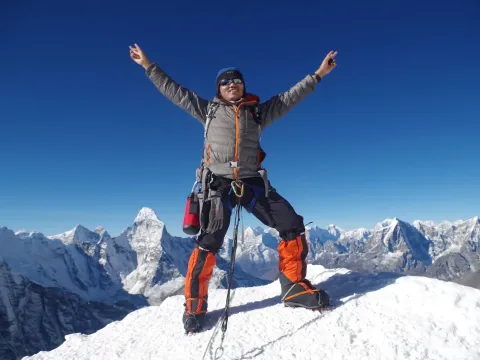
Island Peak, also known locally as Imja Tse, stands at 6,189 meters (20,305 feet) and is one of Nepal’s most popular trekking peaks. It offers a thrilling climbing experience that combines trekking with basic mountaineering skills, making it an ideal challenge for adventure enthusiasts and aspiring climbers. Organized by Higher Path Treks & Expeditions, the Island Peak Climbing expedition provides an unforgettable blend of breathtaking scenery, cultural immersion, and personal achievement in the Everest region.Located near the famous Everest Base Camp Trek route, Island Peak offers spectacular views of Everest, Lhotse, Ama Dablam, and other towering giants. The climb includes glacier travel, ice climbing, and scrambling, requiring the use of crampons, ropes, and other technical gear, all under the guidance of experienced Sherpa climbing guides. This makes the Island Peak climb accessible for trekkers who want to step into the world of mountaineering with a safe and well-supported ascent.Trip Facts of Island Peak ClimbingDestination: Everest (Khumbu) Region, NepalDuration: 19 days Trip Grade: ChallengingMax Elevation: 6,189 mBest Season: Autumn and SpringAccommodation: Teahouse/lodge during the trek and tent during the climbingMeals: breakfast, lunch and dinner during the trek and climbingStart/End Point: KathmanduBest Time for Island Peak ClimbingThe best seasons for Island Peak Climbing are during the pre-monsoon spring months (April to May) and the post-monsoon autumn months (late September to November). These periods provide the most stable weather conditions, clear skies, and optimal climbing windows. During these times, the chances of encountering severe storms or avalanches are reduced, which increases safety and the likelihood of a successful summit.Summer months (June to August) bring heavy monsoon rains, which can make the route slippery and increase avalanche risk, while winter (December to February) presents extreme cold and heavy snowfall. If you plan your Island Peak Climbing expedition with Higher Path Treks & Expeditions, our expert guides will advise you on the best timing to match your climbing goals and fitness level, ensuring a smooth and rewarding ascent.Island Peak Climbing DifficultyIsland Peak is considered a moderate technical climb, suitable for trekkers with good physical fitness and some prior trekking experience in high altitudes. While not requiring advanced mountaineering skills, the climb does demand familiarity with basic equipment like crampons, ice axes, and fixed ropes. The ascent includes steep snow and ice slopes, glacier crossings, and a challenging summit ridge that requires concentration and stamina.The altitude, with a summit over 6,000 meters, means climbers must be well-acclimatized and prepared for thin air and cold conditions. Higher Path Treks & Expeditions, as an expert in Himalayan expeditions, provides pre-climb training, acclimatization schedules, and professional Sherpa guides who ensure climbers’ safety and confidence on the route. This approach helps climbers tackle the Island Peak climbing difficulty while enjoying some of the best mountain landscapes in Nepal.Altitude & Acclimatization The Island Peak Climbing expedition reaches a maximum altitude of 6,189 m (20,305 ft) at the summit of Island peak. The highest sleeping altitude is Island Peak Base Camp 5,200 m. To help your body adapt to the high altitude, the itinerary includes acclimatization days at Namche, Dingboche, and Chhukung reducing the risk of altitude sickness and increasing the chances of a successful summit. Permits For Island Peak Climbing Higher Path Treks & Expedition arranges all required permits before the trek begins. The required permits include:Sagarmatha National Park Entry Permit. Khumbu Pasang Lhamu Rural Municipality (Local Government) Permit. Island Peak Climbing Permit, issued by Nepal Mountaineering Association. Accommodation and MealDuring the Island Peak Climbing comfortable teahouses is provided throughout the trek and tents at Island Peak Base Camp. Teahouses offer simple and cozy rooms with basic shared facilities. Breakfast, lunch and dinner are provided during the trek and climbing period. Meals include a variety of local and international dishes to provide the energy needed for trekking and climbing. Vegetarian meals are fresh, nutritious and easy to digest at higher altitude. Why choose Higher Path Treks & Expedition?Higher Path Treks provides a professionally managed Himalayan experience with experienced local Sherpa guides, reliable logistics, and personalized support throughout the expedition.Licensed experienced climbing Sherpa & guides: Our climbing Sherpas and guides have extensive knowledge of the Everest region and high altitude mountaineering. their expertise helps climbers navigate challenging terrain, manage altitude concerns, and maximize the chances of a successful Island Peak summit.Well Planned Itinerary: Our itinerary is designed to suit different experience levels and travel preferences while maintaining proper acclimatization for high altitude climbingTransparent pricing: Our pricing is transparent, we provide clear information about our included service, permit, accommodation, meal without hidden charges.Safety: Safety is our top priority, with careful well acclimatization planning, regular health monitoring, and emergency support arrangements when needed.Customer focused service: we focus on creating a personalized and stress-free adventure for every traveler. From airport assistance and permit arrangements to accommodation, meals and climbing support we handle every detail so you can focus on enjoying your Himalayan journey.Conclusion Island Peak Climbing expedition is an unforgettable Himalayan adventure and the excitement of summiting a 6189 m peak. With experienced guides, proper acclimatization and reliable support from Higher Path Treks and Expedition, this adventure offers a safe and rewarding experience for adventure seekers looking to explore the Everest region. Book Your Island Peak Climbing in Nepal TodayReady to experience the thrill of Island Peak Climbing in the Himalyas? Contact Higher Path Treks and Expedition today. Let us help you create an unforgettable journey to the Everest region.
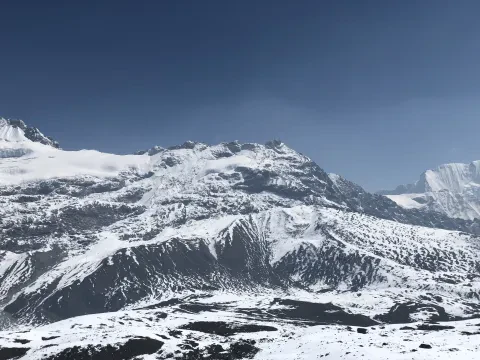
Yala Peak climbing is one of the Nepal's best beginner-friendly Himalayan climbing adventure, located in Langtang region at an altitude of 5,500 meters (18,045 ft). It is one of the most accessible trekking peaks in Nepal. It combines scenic trekking through Lagtang valley with a non-technical summit that offers spectacular views of Langtang Lirung, Shishapangma and other Himalayan peaks. this expedition is ideal for trekkers looking to experience high-altitude mountaineering without technical climbing.The trek to Yala Peak also serves as a gateway to the rich cultural tapestry of the Langtang region. The journey is marked by charming small villages, ancient monasteries, and the warm hospitality of the local people. With its diverse landscapes—ranging from lush green forests to rugged mountainous terrain—Yala Peak is not only a climbing destination but also a vibrant exploration of the natural and cultural heritage of Nepal.Reaching the summit of Yala Peak is an exhilarating achievement. The final ascent, while challenging, rewards climbers with stunning panoramic views of the Langtang range and beyond. Standing atop Yala Peak, you will be enveloped by the vastness of the Himalayas, a moment of triumph that is both exhilarating and humbling. This adventure not only tests your physical endurance but also provides a profound sense of accomplishment and connection to the majestic landscapes of Nepal.Quick Facts of Yala Peak ClimbingTrip Name: Yala Peak Climbing LangtangPeak: Yala Peak (5500 m)Elevation: 5,500 mDestination: Langtang, NepalDuration: 12-15 daysDifficulty: Moderate Best Season: Spring (march-May) and Autumn (September-November)Accommodation: Teahouse + TentTransportation: Private jeep or local bus between Kathmandu and ShybrubeshiGroup size: 1-12 peopleStart/End Point: KathmanduWhy choose Yala Peak Climbing?Yala Peak climbing is the perfect adventure for beginner climbers and trekkers. Before the summit attempt, climbers have the opportunity to hike to Kyangjin Ri to enjoy spectacular views and become well acclimatized.Trek to the Kyangjin Gompa and hike to the Kyangjin Ri before climbing the Yala peak provides excellent acclimatization, allowing your body to gradually adjust to the high altitude and increasing the chances of a safe and successful summit. With experienced Sherpa climbing Guides, basic climbing training and stunning Himalayan scenery this adventure is an ideal choice for adventurers for seeking short and easy achievement of climbing a 5,500 meters peak in Nepal. Is This Trip Right for You?Yala peak climbing is ideal for adventurous trekkers who have good physical fitness and a desire to experience Himalayan peak climbing. The adventure requires the ability to walk for several hours daily, adapt to high-altitude conditions and handle challenging mountain terrain.Previous trekking experience is beneficial but you do not need to be expert mountaineer to join this adventure. Basic climbing experience is helpful, such as crampon use and climbing safety are provided by our experienced Sherpa guides before the summit attempt.Yala Peak Climbing DifficultyYala Peak is classified as a non-technical climb, making it accessible for those with a moderate level of fitness and some trekking experience. The ascent involves navigating through varied terrains, including steep sections and rocky paths, and the use of basic climbing equipment such as crampons and ice axes during the final push to the summit. While previous trekking experience is beneficial, climbers can prepare for the ascent with proper acclimatization and physical training, making this peak an excellent choice for those looking to challenge themselves.Despite its relative accessibility, climbers should still be mindful of the altitude and be prepared for changing weather conditions. The journey requires determination and resilience, but with the support of experienced guides from Higher Path Treks, you will have the resources needed to safely navigate the challenges and enjoy a rewarding climbing experience.Altitude and AcclimatizationAltitude and acclimatization are important factors for a successful Yala peak climbing. Visiting the Kyangjin Gompa and Kyangjin Ri, along with spending two nights in Kyangjin Gompa provides an excellent acclimatization before attempting Yala Peak, as climbers become better prepared for the ascent to Yala Peak Base Camp and the summit. Common symptoms of altitude sickness may include headache, dizziness, nausea, fatigue, loss of appetite, shortness of breath and difficulty sleeping. Our experienced Sherpa guides carefully monitor your health, pace and progress throughout the adventure to ensure a safe and enjoyable climbing experience.Proper hydration, gradual ascent, balanced nutrition and proper acclimatization is essential for adapting to high altitude. With a well planned itinerary, fit trekkers can confidently complete this adventure.In case of serious altitude related issues and emergencies, our team is prepared to arrange necessary support, including emergency evacuation services when required.Permits for Yala Peak ClimbingTo climb Yala peak climbers need different permits: Langtang National Park Entry Permit Yala Peak Climbing Permit Higher Path Treks and Expedition arranges all necessary permits and and official documentation.Yala Peak Climbing Accommodation and MealThroughout the Yala Peak climbing journey, accommodations primarily consist of teahouses and lodges that provide a cozy and welcoming atmosphere for trekkers. These lodges offer basic amenities, including comfortable beds and communal dining areas, allowing you to rest and socialize with fellow adventurers. Staying in these local lodges offers a unique glimpse into the daily lives of the people, enriching your cultural experience.When it comes to food, the culinary offerings along the trail are diverse and delicious. Most lodges serve traditional Nepali meals, including Dal Bhat (lentil soup and rice), Mo.Mo (dumplings), and various noodle dishes. Many lodges also provide Western options, ensuring that all dietary preferences are accommodated. Dining together with fellow trekkers after a long day on the trail fosters camaraderie, making meals an integral part of the climbing experience.Best Season for Yala Peak ClimbingThe prime seasons for climbing Yala Peak are spring (March to May) and autumn (September to November). During these months, the weather is typically stable, with clear skies and mild temperatures, providing optimal conditions for trekking and climbing. Spring brings the vibrant colors of blooming rhododendrons and lush greenery, creating a picturesque backdrop for your journey. In contrast, autumn offers stunning fall foliage and crystal-clear views of the snow-capped peaks, making it an equally captivating time to visit.Choosing to climb during these seasons also enhances your chances of successful acclimatization, as the weather tends to be more predictable. While summer can bring heavy rainfall and winter poses significant challenges due to snow and cold, the transitional periods of spring and autumn strike the perfect balance, allowing climbers to fully enjoy the natural beauty and cultural richness of the Langtang region.Communication and Network on Yala Peak ClimbingDuring your Yala Peak climbing, communication options are available in key villages like Kyanjin Gompa. While some lodges offer Wi-Fi, the connectivity may be limited in more remote areas. It is advisable to purchase a local SIM card in Kathmandu for mobile coverage along the trekking route, though signal strength can vary, particularly at higher altitudes. Being prepared for sporadic connectivity allows you to fully immerse yourself in the adventure while still being able to stay in touch with family and friends.Despite potential limitations in communication, the natural beauty and serene environment of the Langtang region provide an excellent opportunity to disconnect and embrace the moment. The adventure is about forging connections with nature and fellow trekkers, creating lasting memories that will resonate long after your journey concludes.Why choose Higher Path Treks & Expedition?Higher Path Treks provides a professionally managed Himalayan experience with experienced local Sherpa guides, reliable logistics, and personalized support throughout the expedition.Licensed experienced climbing Sherpa & guides: Our climbing Sherpas and guides have extensive knowledge of the Lagtang region and high altitude mountaineering. Their expertise helps climbers navigate challenging terrain, manage altitude concerns, and maximize the chances of a successful Yala Peak summit.Well Planned Itinerary: Our itinerary is designed to suit different experience levels and travel preferences while maintaining proper acclimatization for high altitude climbingTransparent pricing: Our pricing is transparent, we provide clear information about our included service, permit, accommodation, meal without hidden charges.Safety: Safety is our top priority, with careful well acclimatization planning, regular health monitoring, and emergency support arrangements when needed.Customer focused service: we focus on creating a personalized and stress-free adventure for every traveler. From airport assistance and permit arrangements to accommodation, meals and climbing support we handle every detail so you can focus on enjoying your Himalayan journey.Conclusion Yala Peak Climbing is an unforgettable Himalayan adventure. With experienced guides, proper acclimatization and reliable support from Higher Path Treks and Expedition, this adventure offers a safe and rewarding experience for adventure seekers looking to explore the Langtang region, Nepal. Book Your Yala Peak Climbing adventure TodayReady to experience the Yala Peak Climbing? Contact Higher Path Treks and Expedition today. Let us help you create an unforgettable journey to the Langtang region. Helpful Blogs About Trekking in the Langtang Region:Uncover the best blogs about trekking in the Langtang region, featuring expert advice, detailed itineraries, personal experiences, and essential tips for adventurers looking to explore the Himalayas.A Beginner’s Guide to Trekking Langtang ValleyBest Peak Climbing Tips for Langtang Yala Peak ClimbingBest Trekking Peaks in Langtang Region for BeginnersJourney to Beautiful Village of LangtangPhotography Guide: Capturing the Himalayas Without Expensive GearNepal Peak Climbing 2026: Routes, Tips, and Top SummitsThe Best Hiking Adventures: Famous Peak Climbs in 2025Top Himalayan Peaks for Beginner Climbers: A Comprehensive GuideIs Peak Climbing in Nepal Easy for Beginners?Top Best Expedition Packages in Nepal 2025Experience Mountain View in Nepal
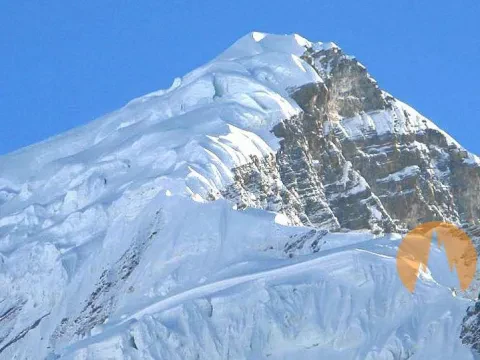
Join Higher Path Treks on an extraordinary adventure that combines the classic Annapurna Circuit trek with the exhilarating climb of Chulu West Peak. This expedition is crafted for adventurers seeking a diverse Himalayan experience, blending high-altitude trekking with a thrilling mountaineering challenge amidst the stunning landscapes of the Annapurna region.Your journey begins in Kathmandu, where you'll be warmly welcomed by the experienced team from Higher Path Treks. After a comprehensive briefing and equipment check, you'll scenic drive to Syange or Jagat (as per situation) via Besisahar, the starting point of the Annapurna Circuit trek. From here, the trail gradually ascends through lush subtropical forests, quaint villages, and terraced fields adorned with blooming rhododendrons (in season).As you trek deeper into the Annapurna region, you'll encounter diverse landscapes that transition from verdant valleys to arid, high-altitude terrain. The trail takes you through picturesque villages such as Chame, Manang, and Pisang, where traditional Tibetan Buddhist culture thrives amidst stunning Himalayan vistas. Along the way, you'll have opportunities to visit ancient monasteries, interact with friendly locals, and witness breathtaking panoramas of peaks like Annapurna II, III, and IV.Manang serves as a vital acclimatization point, where you'll rest and explore while adjusting to the increasing altitude. Here, you can delve into the unique culture of the Manangi people, sample local cuisine, and prepare for the challenges ahead. Higher Path Treks ensures a gradual ascent to optimize acclimatization and maximize your chances of summiting Chulu West Peak successfully.Leaving the main Annapurna Circuit trail, you'll head towards the Chulu West Base Camp, situated in a serene alpine setting surrounded by towering peaks. The base camp serves as your launching point for the climb, with Higher Path Treks' expert guides providing technical briefings and support throughout.Chulu West Peak (6,419 meters / 21,055 feet) presents a thrilling mountaineering challenge, requiring a combination of physical stamina and technical skill. The ascent involves navigating steep slopes, icy ridges, and possibly encountering crevasses, all under the guidance of experienced mountaineering guides. The reward for your efforts includes unparalleled views of the Annapurna massif, Dhaulagiri, Manaslu, and numerous other peaks that dominate the skyline.Summit day begins before dawn, as you set out equipped with crampons, ice axes, and ropes to conquer the final push to the summit. The feeling of standing on the roof of the Annapurna region, surrounded by the vastness of the Himalayas, is a moment of triumph and reflection. The panoramic views extend across the entire Annapurna range, creating memories that will last a lifetime.After descending from Chulu West Peak, you'll rejoin the Annapurna Circuit trail, trekking through picturesque landscapes and serene villages towards Jomsom. Here, you can celebrate your achievements with the team from Higher Path Treks, enjoying local hospitality and reflecting on the incredible journey you've undertaken.The expedition concludes with a scenic flight from Jomsom to Pokhara, where you can relax amidst the serene lakeside setting before returning to Kathmandu. Throughout the journey, Higher Path Treks prioritizes safety, sustainability, and cultural sensitivity, ensuring a memorable and responsible adventure in the Himalayas.By choosing to climb Chulu West Peak with Higher Path Treks, you're not only exploring on a challenging mountaineering expedition but also supporting sustainable tourism practices in the Annapurna region. Join us for an unforgettable journey where every step brings you closer to the heart of the Himalayas, leaving an indelible mark on your soul and creating memories that will inspire your adventurous spirit for years to come.Top Blogs About Trekking in the Annapurna Region:Uncover the best blogs about trekking in the Annapurna region, featuring expert advice, detailed itineraries, personal experiences, and essential tips for adventurers looking to explore the Himalayas.Annapurna Base Camp Trek: A Short Journey to the HimalayasAnnapurna Circuit Trek with Tilicho Lake – A Complete Guide by Higher Path Treks & ExpeditionsTop Tips for Climbing Pisang Peak on the Annapurna CircuitTop Reasons to Trek Ghorepani Poon HillTop Reasons to Choose Tilicho Lake Trek with Thorong La PassBest Experience on the Short Mardi Himal Trek: A Journey to RememberTop Reasons to Combine Pisang Peak Climbing with the Annapurna Circuit TrekComparing Chulu Far East Peak Climbing vs Chulu West Peak ClimbingPoonhill Amazing viewThe most picturesque village GhandrukPhotography Guide: Capturing the Himalayas Without Expensive GearNepal Peak Climbing 2026: Routes, Tips, and Top SummitsThe Best Hiking Adventures: Famous Peak Climbs in 2025Top Himalayan Peaks for Beginner Climbers: A Comprehensive GuideIs Peak Climbing in Nepal Easy for Beginners?Top Best Expedition Packages in Nepal 2025Experience Mountain View in NepalTop Highlights of the Annapurna Base Camp Trek
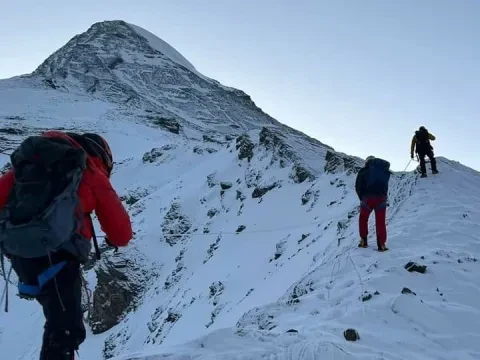
Pisang Peak Climbing is an unforgettable Himalayan adventure featuring the rewarding the ascent of Pisang Peak (6,091 m). This climbing expedition is designed for adventurers seeking a diverse Himalayan experience, combing high-altitude trekking through the stunning Annapurna region with the challenge of scaling a majestic peak.Your journey begins in Kathmandu, where you'll be greeted by the representative from Higher Path Treks. After an initial briefing and equipment check, you'll enjoy a scenic drive to Besisahar, the gateway to the Annapurna Region.From Besisahar, the trail gradually ascends through lush forests of oak, pine, and rhododendron, passing charming villages inhabited by Gurung and Thakali communities. Along the way, you will cross suspension bridges with offering tantalizing views of towering peaks in the distance.Pisang Peak (6,091 meters / 19,983 feet) stands majestically above the Manang Valley. Our expert Sherpa guides will provide comprehensive briefings and technical training to ensure you are well-prepared for the climb. The ascent to Pisang Peak is a challenging yet achievable for physically fit adventurers with basic mountaineering skills.From Pisang Base Camp, the route involves negotiating rocky terrain, snow slopes, and possibly ice sections, under the guidance of skilled Sherpa guides. The effort is rewarded with breathtaking views of the Annapurna range, including Annapurna II, III, IV, Gangapurna, and Tilicho Peak, among others.Summit day typically begins before dawn, with a final push to the summit that tests your endurance and determination. Standing at top of Pisang Peak, surrounded by pristine Himalayan peaks bathed in the first light of dawn, is an experience that transcends words—a moment of triumph and serenity amidst the vastness of the mountains. After descending from Pisang Peak, you'll rejoin the Annapurna Circuit trail, trekking through the beautiful landscapes. By choosing to climb Pisang Peak with Higher Path Treks, you're not only exploring on a thrilling mountaineering expedition but also supporting sustainable tourism practices in the Annapurna region. Join us for an unforgettable journey where every step brings you closer to the heart of the Himalayas, leaving an indelible mark on your soul and creating memories that will inspire your adventurous spirit for years to come.Trips FactsDestination: Annapurna RegionDuration: Trip Grade: ChallengingAccommodation: Teahouse during the trek and Tent during climbingMeals: berakfast, lunch and dinner during trekking and climbingBest Season: Autuma and SpringMax Elevation: 6,091 mStart/End Point: Kathmandu Helpful Blogs About Trekking in the Annapurna Region:Uncover the best blogs about trekking in the Annapurna region, featuring expert advice, detailed itineraries, personal experiences, and essential tips for adventurers looking to explore the Himalayas.Annapurna Base Camp Trek: A Short Journey to the HimalayasAnnapurna Circuit Trek with Tilicho Lake – A Complete Guide by Higher Path Treks & ExpeditionsTop Tips for Climbing Pisang Peak on the Annapurna CircuitTop Reasons to Trek Ghorepani Poon HillTop Reasons to Choose Tilicho Lake Trek with Thorong La PassBest Experience on the Short Mardi Himal Trek: A Journey to RememberTop Reasons to Combine Pisang Peak Climbing with the Annapurna Circuit TrekComparing Chulu Far East Peak Climbing vs Chulu West Peak ClimbingPoonhill Amazing viewThe most picturesque village GhandrukPhotography Guide: Capturing the Himalayas Without Expensive GearNepal Peak Climbing 2026: Routes, Tips, and Top SummitsThe Best Hiking Adventures: Famous Peak Climbs in 2025Top Himalayan Peaks for Beginner Climbers: A Comprehensive GuideIs Peak Climbing in Nepal Easy for Beginners?Top Best Expedition Packages in Nepal 2025Experience Mountain View in NepalTop Highlights of the Annapurna Base Camp Trek
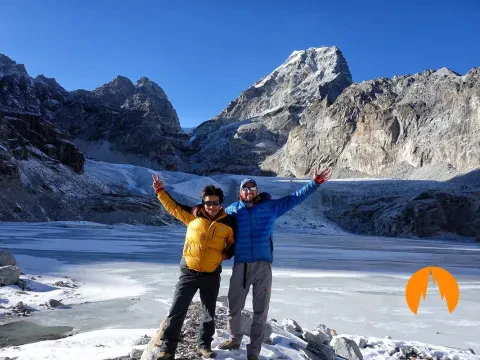
Kyajo Ri Peak, with an elevation of 6,186 meters (20,295 feet), is a striking and relatively lesser-explored summit located in Nepal’s Solu-Khumbu region. Renowned for its stunning vistas and challenging terrain, Kyajo Ri stands as a premier destination for climbers who seek both adventure and solitude. The peak offers climbers spectacular views of neighboring giants such as Mount Everest, Lhotse, and Makalu, providing a unique experience far from the crowded trails of more popular peaks.Climbing Experience with Higher Path TreksHigher Path Treks is a seasoned adventure travel company specializing in high-altitude mountaineering and trekking experiences. With a reputation for exceptional service and expert guidance, Higher Path Treks ensures that every aspect of the Kyajo Ri expedition is meticulously planned and executed. From pre-trip preparation to the final descent, their team provides comprehensive support, making the challenging climb accessible and rewarding for climbers of various skill levels.Journey to the Base CampThe adventure begins with a flight from Kathmandu to Lukla, a small yet bustling airport that serves as the gateway to the Everest region. Higher Path Treks arranges for a seamless transfer to Lukla, where climbers will explore on a trek through the Khumbu Valley. This trek includes stops in Namche Bazaar, a vibrant hub of Sherpa culture, Tengboche, known for its beautiful monastery, and Pheriche, which aids in acclimatization. Each stop provides an opportunity to acclimate and experience the rich cultural tapestry of the region.Base Camp Setup and AcclimatizationKyajo Ri’s base camp, located at approximately 5,400 meters (17,716 feet), is strategically situated to offer climbers a comfortable and supportive environment. Higher Path Treks ensures that the base camp is well-equipped with essential amenities such as tents, dining areas, and communication facilities. The camp serves as the primary staging ground for climbers, offering a space to rest and prepare for the ascent. Acclimatization is a key focus, and the team at Higher Path Treks emphasizes a gradual ascent with acclimatization hikes to higher altitudes to prepare climbers for the summit push.Technical Aspects of the ClimbThe climb of Kyajo Ri is known for its technical challenges, including steep ice and rock sections. Higher Path Treks provides expert guides who are well-versed in the necessary climbing techniques and equipment use. Climbers will need to navigate a series of ice and rock pitches, often requiring the use of crampons, ice axes, and ropes. The final push to the summit involves navigating a snow-covered ridge, demanding both physical endurance and technical skill. The experienced guides from Higher Path Treks offer hands-on assistance, ensuring climbers are well-prepared for these challenges.Summit Attempt and Weather ConsiderationsThe summit attempt of Kyajo Ri is a rigorous endeavor. Climbers typically start their ascent in the early hours to take advantage of more stable weather conditions. The weather in the Himalayas can be highly unpredictable, with temperature fluctuations, strong winds, and snow being common. Higher Path Treks' guides closely monitor weather patterns and adjust plans accordingly to maximize the chances of a successful summit. The team’s extensive knowledge of the region’s weather conditions helps in making real-time decisions to ensure safety and success.Descent and Return JourneyFollowing a successful summit, the descent is an essential phase of the expedition. While it may seem less physically demanding than the ascent, it requires careful navigation to prevent accidents. Higher Path Treks emphasizes safe descending practices, ensuring climbers make their way back to base camp and then to Lukla with the same level of attention and care. The return journey often includes stops in familiar villages, allowing climbers to unwind and reflect on their achievements.Cultural Engagement and Environmental ResponsibilityAn integral part of the Kyajo Ri climbing experience with Higher Path Treks is engaging with the local Sherpa communities. The Sherpas play a crucial role in supporting the climb, offering cultural insights and hospitality. Higher Path Treks promotes respect for local customs and environmental stewardship, adhering to the principles of “leave no trace” to preserve the pristine beauty of the Himalayas. Climbers are encouraged to contribute to the local economy and participate in sustainable practices to protect the environment.Climbing Kyajo Ri with Higher Path Treks is a unique adventure that combines the thrill of mountaineering with the cultural richness of the Himalayan region. The company’s expert guidance, meticulous planning, and commitment to climbers' safety ensure a rewarding and memorable experience. Whether you're drawn to the technical challenge of the climb or the opportunity to explore a less-traveled path, Higher Path Treks offers a comprehensive and fulfilling journey to one of Nepal’s hidden gems. For those seeking an exceptional climbing adventure, Kyajo Ri stands out as a premier choice, promising both challenge and beauty in equal measure.Top Blogs About Trekking in the Everest Region:Uncover the best blogs about trekking in the Everest region, featuring expert advice, detailed itineraries, personal experiences, and essential tips for adventurers looking to explore the Himalayas.Photography Guide: Capturing the Himalayas Without Expensive GearEverest Luxury Trek: An Unforgettable Himalayan ExperienceNepal Peak Climbing 2026: Routes, Tips, and Top SummitsSolo Trekking to Everest Base Camp: Is It Possible?Top 10 Highlights of the Everest Base Camp TrekSuccessfully Trekking to Everest Base Camp and Kala PattharWhy Famous Trekkers Choose Everest Base Camp?Autumn Season to Everest Base Camp TrekThe Best Hiking Adventures: Famous Peak Climbs in 2025Top Himalayan Peaks for Beginner Climbers: A Comprehensive GuideEverest Three Peaks: A Beginner’s Guide to the Ultimate Himalayan ChallengeIs Peak Climbing in Nepal Easy for Beginners?Must-Know Facts About Everest Base Camp TrekkingWhy Gokyo Ri is a Must-Visit for Everest Trek LoversThe Roof of the World: Peak Climbing Journeys through Nepal’s High CountryWhat to Expect on an Island Peak Climbing ExpeditionMera Peak Climbing Guide for Beginners: Tips, Difficulty & PreparationFour Peaks, One Journey: Mera, Island, Lobuche & Amphu Lapcha ExpeditionTop Best Expedition Packages in Nepal 2025Which is Easier: Mera Peak or Island Peak?Why Choose Island Peak Climbing with Everest Base Camp Trek for BeginnersBest Trekking Peaks in Everest Region for BeginnersExperience Mountain View in NepalEssentials for Everest Base Camp
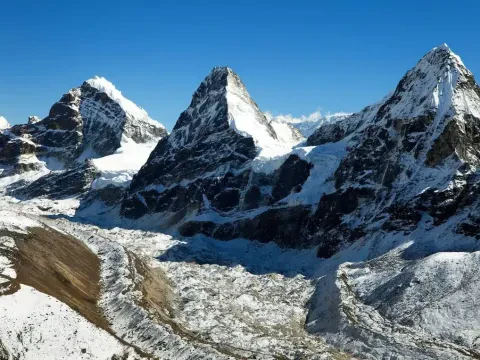
Nirekha Peak, standing at 6,169 meters (20,240 feet), is a striking and relatively less-traveled summit in Nepal’s Himalayan region. Nestled within the Annapurna Conservation Area, Nirekha Peak offers climbers a unique opportunity to experience the rugged beauty of the Himalayas away from the crowded routes of more famous peaks. The peak is known for its stunning views, including vistas of Annapurna, Dhaulagiri, and other prominent mountains, as well as its challenging yet rewarding climbing routes.The expedition to Nirekha Peak typically begins with a flight from Kathmandu to Pokhara, followed by a drive to the trailhead at Jomsom. From Jomsom, climbers trek through the beautiful and diverse landscapes of the Mustang region, a remote and culturally rich area known for its unique Tibetan-influenced culture and stunning high-altitude desert scenery. The trek passes through traditional villages such as Kagbeni and Muktinath, offering glimpses into local life and opportunities for acclimatization. Base Camp ExperienceNirekha Peak’s base camp, situated at approximately 5,400 meters (17,716 feet), serves as the primary staging area for climbers. The base camp is strategically positioned to provide climbers with a comfortable and supportive environment for rest and preparation. Basic amenities such as tents, dining facilities, and communication equipment are typically provided. The area around the base camp is scenic, with views of the surrounding peaks and glaciers, offering a serene and breathtaking backdrop for climbers.Acclimatization and PreparationAcclimatization is a critical aspect of climbing Nirekha Peak, given its high altitude. Climbers usually spend several days at the base camp, with scheduled acclimatization hikes to higher altitudes to prepare for the summit attempt. This gradual ascent helps climbers adjust to the thinner air and reduces the risk of altitude sickness. Proper acclimatization is crucial for a successful summit, and climbers are encouraged to follow a well-structured acclimatization plan.Technical Climbing AspectsNirekha Peak presents a variety of technical challenges, including steep ice and rock sections. The climbing route generally involves a combination of snow and ice climbing, with sections requiring the use of crampons, ice axes, and ropes. The ascent typically includes traversing mixed terrain, navigating crevasses, and tackling steep ridges. The final push to the summit often involves climbing a narrow, snow-covered ridge that demands both technical skill and physical endurance.Summit Attempt and Weather ConditionsThe summit attempt of Nirekha Peak is usually scheduled for early morning to take advantage of the more stable weather conditions. The weather in the region can be unpredictable, with cold temperatures, strong winds, and snow being common challenges. Climbers must be prepared for sudden changes in weather and have contingency plans in place. Guides and expedition leaders play a crucial role in monitoring weather conditions and making real-time decisions to ensure the safety of the climbers.Descent and ReturnAfter reaching the summit, the descent is an important phase of the expedition. While less physically demanding than the ascent, the descent requires careful attention to avoid accidents. Climbers will return to base camp and then trek back to Jomsom, followed by a drive back to Pokhara and a flight to Kathmandu. The return journey provides climbers with an opportunity to reflect on their achievements and enjoy the diverse landscapes of the Mustang region.Cultural and Environmental ConsiderationsThe journey to Nirekha Peak offers climbers a chance to engage with local communities in the Mustang region, which is known for its distinct culture and traditions. Respect for local customs and environmental conservation is emphasized throughout the expedition. Climbers are encouraged to adhere to “leave no trace” principles and minimize their impact on the delicate environment of the Himalayas.Climbing Nirekha Peak is a remarkable adventure that combines the thrill of mountaineering with the opportunity to explore a less-visited part of the Himalayas. The peak’s technical challenges, stunning views, and cultural richness make it a compelling choice for climbers seeking a unique and rewarding experience. Proper preparation, acclimatization, and respect for the environment are key to a successful and enjoyable ascent. For those ready to take on the challenge, Nirekha Peak offers an unforgettable journey in one of the world’s most awe-inspiring mountain ranges.Top Blogs About Trekking in the Everest Region:Uncover the best blogs about trekking in the Everest region, featuring expert advice, detailed itineraries, personal experiences, and essential tips for adventurers looking to explore the Himalayas.Photography Guide: Capturing the Himalayas Without Expensive GearEverest Luxury Trek: An Unforgettable Himalayan ExperienceNepal Peak Climbing 2026: Routes, Tips, and Top SummitsSolo Trekking to Everest Base Camp: Is It Possible?Top 10 Highlights of the Everest Base Camp TrekSuccessfully Trekking to Everest Base Camp and Kala PattharWhy Famous Trekkers Choose Everest Base Camp?Autumn Season to Everest Base Camp TrekThe Best Hiking Adventures: Famous Peak Climbs in 2025Top Himalayan Peaks for Beginner Climbers: A Comprehensive GuideEverest Three Peaks: A Beginner’s Guide to the Ultimate Himalayan ChallengeIs Peak Climbing in Nepal Easy for Beginners?Must-Know Facts About Everest Base Camp TrekkingWhy Gokyo Ri is a Must-Visit for Everest Trek LoversThe Roof of the World: Peak Climbing Journeys through Nepal’s High CountryWhat to Expect on an Island Peak Climbing ExpeditionMera Peak Climbing Guide for Beginners: Tips, Difficulty & PreparationFour Peaks, One Journey: Mera, Island, Lobuche & Amphu Lapcha ExpeditionTop Best Expedition Packages in Nepal 2025Which is Easier: Mera Peak or Island Peak?Why Choose Island Peak Climbing with Everest Base Camp Trek for BeginnersBest Trekking Peaks in Everest Region for BeginnersExperience Mountain View in NepalEssentials for Everest Base Camp
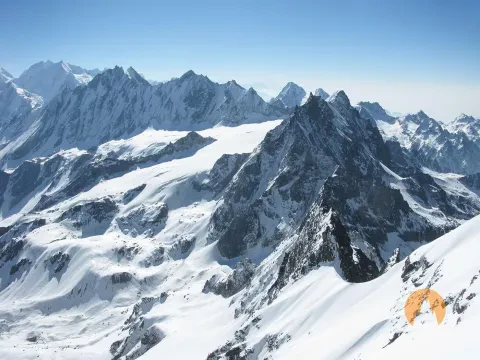
Naya Kanga Peak, also known as Ganja La Chuli, is an enchanting peak located in the Langtang region of Nepal. Standing at 5,846 meters (19,183 feet), this mountain offers a blend of adventure and breathtaking beauty. Naya Kanga is a popular choice for climbers looking to experience the thrill of peak climbing in the Himalayas, combined with the serene landscapes and rich cultural tapestry of Nepal. Its relatively moderate technical challenge makes it an attractive option for climbers with some experience and a passion for high-altitude adventures.About Higher Path TreksHigher Path Treks is a leading adventure travel company specializing in high-altitude trekking and peak climbing expeditions. Known for their meticulous planning, experienced guides, and commitment to client safety, Higher Path Treks has established a reputation for excellence in the trekking community. Their expertise in organizing expeditions to some of the most challenging and beautiful peaks in Nepal, including Naya Kanga, ensures a memorable and safe climbing experience for their clients.Preparation and TrainingBefore setting out for Naya Kanga Peak, climbers should ensure they are adequately prepared for the physical and mental demands of the climb. Higher Path Treks offers comprehensive pre-expedition training programs, focusing on stamina building, climbing techniques, and altitude acclimatization. These training sessions are designed to equip climbers with the skills necessary for a successful ascent and to handle the challenges posed by high-altitude environments. Additionally, participants are provided with detailed packing lists and guidance on the gear required for the climb.The Climbing RouteThe ascent of Naya Kanga Peak typically begins from the Langtang Valley, which is accessible from Kathmandu via a short drive followed by a trek. Higher Path Treks meticulously plans the climbing route to ensure a safe and enjoyable experience. The journey starts with a trek through the lush forests and terraced fields of the Langtang Valley, gradually ascending to higher altitudes where the landscape transforms into rugged terrain and alpine meadows.The base camp is established at an altitude of approximately 4,800 meters (15,748 feet), where climbers spend a few days acclimatizing and preparing for the summit push. From the base camp, climbers make their way to higher camps, including a high camp positioned around 5,400 meters (17,717 feet). The final ascent to the summit of Naya Kanga involves negotiating icy slopes and technical sections, requiring both skill and determination.Safety and SupportSafety is a top priority for Higher Path Treks. Their team of experienced guides and support staff is well-versed in high-altitude climbing and emergency procedures. The company employs state-of-the-art safety equipment and conducts regular briefings to ensure climbers are aware of potential hazards and how to mitigate them. Additionally, Higher Path Treks provides comprehensive insurance coverage, and their guides are trained in first aid and high-altitude rescue techniques.Cultural and Scenic HighlightsIn addition to the climbing experience, the journey to Naya Kanga Peak offers an opportunity to immerse oneself in the rich cultural heritage of the Langtang region. The trek passes through traditional Tamang and Sherpa villages, where climbers can experience local customs, cuisine, and hospitality. The stunning vistas of the Langtang range, with its snow-capped peaks and glacial valleys, add to the allure of the expedition.Post-Expedition ReflectionAfter the successful ascent of Naya Kanga Peak, climbers have the chance to reflect on their achievements and celebrate their accomplishments. Higher Path Treks often organizes a celebratory event for the team, allowing climbers to share their experiences and enjoy a sense of camaraderie. The company also provides post-expedition debriefings to gather feedback and ensure continuous improvement in their services.Climbing Naya Kanga Peak with Higher Path Treks is not just an adventure; it’s an experience that combines physical challenge with cultural enrichment and natural beauty. With their expertise, meticulous planning, and commitment to safety, Higher Path Treks ensures that climbers are well-prepared and supported throughout their journey. For those seeking an exhilarating climbing experience in the Himalayas, Naya Kanga Peak presents an ideal opportunity, and Higher Path Treks stands ready to guide you every step of the way.Top Blogs About Trekking in the Langtang Region:Uncover the best blogs about trekking in the Langtang region, featuring expert advice, detailed itineraries, personal experiences, and essential tips for adventurers looking to explore the Himalayas.A Beginner’s Guide to Trekking Langtang ValleyBest Peak Climbing Tips for Langtang Yala Peak ClimbingBest Trekking Peaks in Langtang Region for BeginnersJourney to Beautiful Village of LangtangPhotography Guide: Capturing the Himalayas Without Expensive GearNepal Peak Climbing 2026: Routes, Tips, and Top SummitsThe Best Hiking Adventures: Famous Peak Climbs in 2025Top Himalayan Peaks for Beginner Climbers: A Comprehensive GuideIs Peak Climbing in Nepal Easy for Beginners?Top Best Expedition Packages in Nepal 2025Experience Mountain View in Nepal
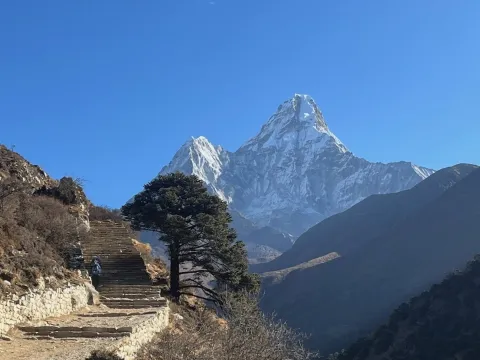
Ama Dablam Expedition (6,812 m / 22,349 ft) is one of the Nepal's most iconic and technically challenging adventure. Ama Dablam, often referred to as the "Matterhorn of the Himalayas," is a stunning peak located in Khumbu region of Nepal, it is renowned for its dramatic and picturesque appearance, with sharp ridges and a distinct pyramid shape. The mountain's name translates to "Mother’s Necklace" in Sherpa, a tribute to its striking profile that resembles a mother’s necklace. Although lower than Everest, Ama Dablam presents a challenging ascent due to its technical climbing requirements and steep slopes. It is considered one of the most beautiful and sought-after peaks for climbers in the Himalayas. The expedition offers a perfect combination of technical climbing, rich Sherpa culture, Himalayan lifestyle and breathtaking views.The journey begins with a scenic flight to Lukla, followed by a trek through the Everest region, passing through small traditional Sherpa villages, suspension bridges, ancient monasteries, lush rhododendron and pine forests before reaching Ama Dablam Base Camp. This gradual approach allows for proper acclimatization, while enjoying spectacular views of Everest, Lhotse, Thamsetrku, Khumbu valley and surrounding snow-capped Himalayan peaks. From Base Camp, climbers ascend the classic southwest ridge,. The climb involves steep rock, snow and ice sections. The ascent requires the use of crampons, harness, ice axe, fixed ropes and ascender. With well planned acclimatization and guidance, climbers make their summit push to one of the most beautiful peaks in the Himalayas. At Higher Path Treks & Expedition, our experienced climbing guides and Sherpas provide professional leadership, logistical supports and strong commitment to safety throughout the expedition. Whether you are an experienced mountaineer and looking to climb one of the most technical mountain in the Everest region Nepal, the Ama Dablam Expedition promises an unforgettable adventure filled with challenge, achievement and breathtaking views. Trip FactsDestination: Everest Region, NepalDuration: 26 daysPeak Elevation: 6,812 m/22,349 ftDifficulty: Challenging / TechnicalBest Season: September-November and March-MayAccommodation: Teahouse during the trek and Tent during the climbingMeals: Breakfast, lunch and dinner during the trek and climbingMax Elevation: 6,812 m /22,349 ftStart/End Point: KathmanduWho Can Join This Climbing?The Ama Dablam Expedition is suitable for experienced mountaineers with previous 6,000 meters peak climbing experience. Climbers should be expert in using fixed ropes, crampons, harness, ascender ice axe and experience in rock, snow and ice climbing. Excellent physical fitness and strong mindset are essential for this expedition. Why choose Ama Dablam Expedition?Ama Dablam expedition is the perfect climbing adventure for the climbers in Khumbu region, Nepal. Standing in pyramid shape Ama Dablam offers an unforgettable experience for mountaineers seeking a technical Himalayan peak, and combines technical climbing with breathtaking views of the Everest, Lhotse, Makalu and the surrounding uncountable Himalayan peaks.With experienced Sherpa climbing Guides, comprehensive pre training, carefully planned acclimatization you will have the support needed to maximize your chances of reaching the summit safely. This expedition is an ideal choice for adventurers for seeking the achievement of climbing a 6,812 m Himalayan peak in Everest region, Nepal. Ama Dablam Expedition DifficultyAma Dablam is considered as one of the most technical Himalayan adventure which requires good physical fitness, proper acclimatization and basic mountaineering skills. The climb involves steep sections, fixed ropes, crampon use, and high altitude conditions that make it more demanding than a regular trek. Previous experience using crampons, fixed ropes, ice axe, ascender, and harness is recommended. With proper preparation, regular training and guidance from experienced Sherpa climbing guides, fit climbers with determination and a strong sense of adventure can successfully complete this expedition.Altitude and AcclimatizationAltitude and acclimatization are important factors for a successful Ama Damlam Expedition. Spending two nights in Namche and Dingboche provides an excellent acclimatization before attempting Ama Dablam, as climbers become better prepared for the summit. Common symptoms of altitude sickness may include headache, dizziness, nausea, fatigue, loss of appetite, shortness of breath and difficulty sleeping. Our experienced Sherpa guides carefully monitor your health, pace and progress throughout the expedition to ensure a safe and enjoyable climbing experience.Proper hydration, gradual ascent, balanced nutrition and proper acclimatization is essential for adapting to high altitude. With a well planned itinerary, fit trekkers can confidently complete this adventure.In case of serious altitude related issues and emergencies, our team is prepared to arrange necessary support, including emergency evacuation services when required.Permits for Ama Dablam ExpeditionAma Dablam Expedition climbers need three different permits: Sagarmatha National Park Entry PermitKhumbu Pasang Lhamu Rural Municipality(Local Government) Permit Ama Dablam Climbing Permit. Issued by Nepal Mountaineering Association Higher Path Treks and Expedition arranges all necessary permits and and official documentation.Accommodation and mealThroughout the Everest base Camp Trekking route, climbers stay at comfortable local teahouses, with basic facilities, twin sharing rooms and warm dining room. During the climbing period accommodation is arranged in Tents, which our team will manage there. During the trek teahouses serve a variety of meals including local and some international. Trekkers can choose meal of their choice at teahouses. Vegetarian meals are healthy, fresh, nutritious and easy to digest. At high camp, our climbing team provides meals designed to supply the energy needed for the demanding summit climb.Best Time to Climb Ama DablamFor climbing Ama Dablam Autumn (September to November) and Spring (March to May) are the best seasons. In spring the weather becomes warmer, clear skies, spectacular mountain views, and climbing routes are generally in good conditions. Autumn season has stable and warm weather, dry trails, clear skies and outstanding mountain visibility. it offers breathtaking panoramic views throughout the Everest region.Why choose Higher Path Treks & Expedition?Higher Path Treks provides a professionally managed Himalayan experience with experienced local Sherpa guides, reliable logistics, and personalized support throughout the expedition.Licensed experienced climbing Sherpa & guides: Our climbing Sherpas and guides have extensive knowledge of Khumbu region and high altitude mountaineering. Their expertise helps climbers navigate challenging terrain, manage altitude concerns, and maximize the chances of a successful Ama Dablam summit.Well Planned Itinerary: Our itinerary is designed to suit different experience levels and travel preferences while maintaining proper acclimatization for high altitude climbingTransparent pricing: Our pricing is transparent, we provide clear information about our included service, permit, accommodation, meal without hidden charges.Safety: Safety is our top priority, with careful well acclimatization planning, regular health monitoring, and emergency support arrangements when needed.Customer focused service: we focus on creating a personalized and stress-free adventure for every traveler. From airport assistance and permit arrangements to accommodation, meals and climbing support we handle every detail so you can focus on enjoying your Himalayan journey.Conclusion Ama Dablam Expedition with Higher Path Treks offers an extraordinary adventure for climbers seeking a blend of technical challenge, stunning scenery, and cultural immersion. With their expert guidance, detailed planning, and commitment to safety and sustainability, we provide a climbing experience. Whether you're an experienced mountaineer, Ama Dablam Expedition with Higher Path Treks promises an unforgettable journey to one of Nepal's iconic technically challenging peaks.Book Your Ama Dablam Expedition TodayReady to experience Ama Dablam a technically challenging Climbing? Contact Higher Path Treks and Expedition today. Let us help you create an unforgettable journey to the Khumbu region, Nepal.
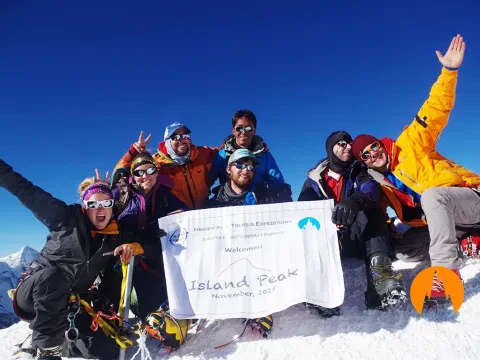
The journey through Mera Peak, Amphu Lapcha Pass, Island Peak, and Lobuche Peak offers a comprehensive and exhilarating Himalayan climbing experience. This expedition combines the challenge of climbing high-altitude peaks with the adventure of crossing a rugged mountain pass. The trek provides stunning vistas, unique cultural encounters, and technical climbing challenges, making it a multifaceted adventure suited for experienced climbers seeking a deep and varied Himalayan experience.Mera PeakStanding at 6,476 meters (21,246 feet), Mera Peak is the highest trekking peak in Nepal. It is situated in the Khumbu region, which is renowned for its proximity to some of the world's tallest mountains. The peak's summit offers breathtaking panoramic views of five of the world's fourteen 8,000-meter peaks: Everest, Lhotse, Makalu, Kanchenjunga, and Cho Oyu. Mera Peak is an excellent introduction to high-altitude climbing, featuring a relatively straightforward route but still presenting a significant challenge due to its altitude.Amphu Lapcha PassAmphu Lapcha Pass, located at 5,780 meters (18,963 feet), is a high mountain pass that connects the Mera Peak region with the Everest region. Known for its rugged terrain and challenging weather conditions, the pass provides a thrilling and adventurous component to the expedition. The crossing of Amphu Lapcha Pass requires careful navigation and is considered a highlight of the journey, offering climbers a sense of isolation and accomplishment.Island PeakIsland Peak, or Imja Tse, rises to 6,189 meters (20,305 feet) and is one of Nepal’s most popular trekking peaks. Located in the Everest region, Island Peak offers a relatively accessible high-altitude climbing experience with technical challenges, including ice and rock sections. The summit provides spectacular views of Everest, Lhotse, Nuptse, and other surrounding peaks. Island Peak is often considered a stepping stone for climbers preparing for more challenging ascents.Lobuche PeakAt 6,119 meters (20,075 feet), Lobuche Peak is another prominent peak in the Everest region. The climb is more technically demanding compared to Island Peak, involving challenging ice and snow sections. The summit of Lobuche Peak offers stunning views of the Khumbu Glacier, Everest, and the surrounding peaks, providing climbers with a rewarding and picturesque culmination to their high-altitude adventure.About Higher Path TreksHigher Path Treks is a renowned adventure travel company specializing in high-altitude climbs and treks in the Himalayas. The company is known for its meticulous planning, exceptional support, and dedication to client safety. With a team of experienced guides, mountaineers, and support staff, Higher Path Treks ensures that every aspect of the expedition is handled with expertise and care, from pre-expedition preparation to summit and return.Pre-Expedition PreparationPreparing for an expedition that includes Mera Peak, Amphu Lapcha Pass, Island Peak, and Lobuche Peak requires rigorous physical and mental preparation. Higher Path Treks provides a comprehensive training program to ensure climbers are adequately prepared for the challenges ahead. The program includes a fitness regimen designed to build endurance, strength, and technical climbing skills. Climbers are encouraged to participate in high-altitude training and simulation hikes to acclimatize to the conditions they will face.In addition to physical training, climbers receive detailed briefings on the expedition’s logistics, gear requirements, and safety protocols. Higher Path Treks offers guidance on selecting and preparing climbing equipment, including technical gear for the peaks and trekking gear for the pass. Climbers are also educated on acclimatization strategies and emergency procedures to ensure they are well-prepared for the challenges of high-altitude climbing.Expedition Logistics and RouteThe expedition typically follows a well-structured itinerary that integrates climbs of Mera Peak, Amphu Lapcha Pass, Island Peak, and Lobuche Peak. Higher Path Treks meticulously plans the logistics for each phase of the journey to ensure a smooth and successful experience.Mera Peak Climbing:Approach and Base Camp: The journey begins with a flight from Kathmandu to Lukla, followed by a trek to Mera Peak Base Camp. The trek involves passing through diverse landscapes, including forests, traditional Sherpa villages, and alpine meadows. At Base Camp, climbers prepare for the ascent and acclimatize to the altitude.Climbing Route: The ascent of Mera Peak involves establishing a high camp at around 6,000 meters (19,685 feet) before making the final push to the summit. The climb is relatively straightforward, with snow and ice sections that require careful navigation. The summit provides breathtaking views of the surrounding Himalayan peaks.Amphu Lapcha Pass:Crossing the Pass: After summiting Mera Peak, the expedition continues with the crossing of Amphu Lapcha Pass. This challenging segment involves navigating rugged terrain and dealing with unpredictable weather conditions. Higher Path Treks ensures that climbers are well-equipped and supported for the pass crossing.Island Peak Climbing:Approach and Base Camp: Following the Amphu Lapcha Pass, climbers proceed to Island Peak Base Camp, located at approximately 5,000 meters (16,404 feet). The trek to Base Camp involves scenic landscapes and views of Everest.Climbing Route: The ascent of Island Peak involves setting up a high camp before the final summit push. The climb includes technical ice and rock sections, and the summit offers stunning views of Everest, Lhotse, and Nuptse.Lobuche Peak Climbing:Approach and Base Camp: After Island Peak, climbers head to Lobuche Peak Base Camp, situated at around 4,940 meters (16,207 feet). The trek involves traversing the Khumbu Glacier and provides views of the surrounding peaks.Climbing Route: The climb to Lobuche Peak includes establishing high camps and navigating technical sections. The final ascent requires careful maneuvering through ice and snow, and the summit offers incredible views of Everest and the Khumbu Glacier.Safety and SupportSafety is a top priority for Higher Path Treks. The company employs a comprehensive approach to risk management, providing climbers with high-quality safety equipment, including oxygen systems, medical supplies, and communication devices. The guides are experienced in high-altitude climbing and trained in advanced first aid and emergency response procedures.Regular safety briefings and emergency drills are conducted to prepare climbers for potential challenges. Higher Path Treks continuously monitors weather conditions and climber health to ensure a safe and successful expedition.Cultural and Scenic ExperienceThe climbs of Mera Peak, Amphu Lapcha Pass, Island Peak, and Lobuche Peak offer rich cultural and scenic experiences. The trek to Mera Peak includes visits to traditional Sherpa villages, where climbers can engage with local communities and experience Sherpa culture. The remote landscapes of Amphu Lapcha Pass, and the stunning vistas from Island Peak and Lobuche Peak enhance the adventure, providing climbers with a deep appreciation for the natural beauty and cultural richness of the Himalayas.Post-Expedition ReflectionUpon completing the climbs, climbers have the opportunity to reflect on their achievements and celebrate their success. Higher Path Treks organizes a post-expedition gathering where climbers can share their stories, enjoy camaraderie, and acknowledge the efforts of their support team. This moment of reflection allows climbers to appreciate their accomplishments and the journey they undertook.The combination of Mera Peak, Amphu Lapcha Pass, Island Peak, and Lobuche Peak climbing offers a comprehensive and exhilarating adventure in the Himalayas. With Higher Path Treks’ expertise in high-altitude expeditions, climbers can expect meticulous planning, exceptional support, and a memorable climbing experience. From the challenge of Mera Peak and the adventurous crossing of Amphu Lapcha Pass to the technical ascents of Island Peak and Lobuche Peak, this journey provides a blend of adventure, cultural immersion, and stunning natural beauty. Higher Path Treks is dedicated to guiding climbers through every aspect of this extraordinary journey, ensuring a successful and unforgettable experience.Top Blogs About Trekking in the Everest Region:Uncover the best blogs about trekking in the Everest region, featuring expert advice, detailed itineraries, personal experiences, and essential tips for adventurers looking to explore the Himalayas.Photography Guide: Capturing the Himalayas Without Expensive GearEverest Luxury Trek: An Unforgettable Himalayan ExperienceNepal Peak Climbing 2026: Routes, Tips, and Top SummitsSolo Trekking to Everest Base Camp: Is It Possible?Top 10 Highlights of the Everest Base Camp TrekSuccessfully Trekking to Everest Base Camp and Kala PattharWhy Famous Trekkers Choose Everest Base Camp?Autumn Season to Everest Base Camp TrekThe Best Hiking Adventures: Famous Peak Climbs in 2025Top Himalayan Peaks for Beginner Climbers: A Comprehensive GuideEverest Three Peaks: A Beginner’s Guide to the Ultimate Himalayan ChallengeIs Peak Climbing in Nepal Easy for Beginners?Must-Know Facts About Everest Base Camp TrekkingWhy Gokyo Ri is a Must-Visit for Everest Trek LoversThe Roof of the World: Peak Climbing Journeys through Nepal’s High CountryWhat to Expect on an Island Peak Climbing ExpeditionMera Peak Climbing Guide for Beginners: Tips, Difficulty & PreparationFour Peaks, One Journey: Mera, Island, Lobuche & Amphu Lapcha ExpeditionTop Best Expedition Packages in Nepal 2025Which is Easier: Mera Peak or Island Peak?Why Choose Island Peak Climbing with Everest Base Camp Trek for BeginnersBest Trekking Peaks in Everest Region for BeginnersExperience Mountain View in NepalEssentials for Everest Base Camp
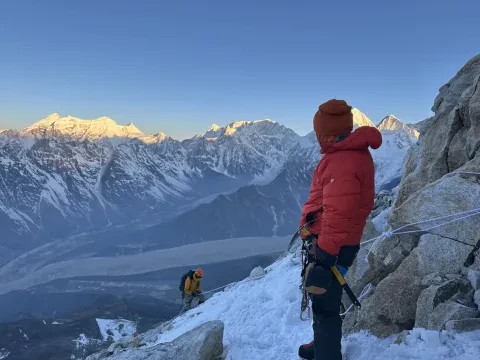
Set your sights on an exhilarating adventure with Higher Path Treks as you conquer Larkya Peak, a stunning and lesser-known gem in Nepal’s majestic Manaslu region. Rising to 6,249 meters (20,500 feet), Larkya Peak offers an exceptional climbing experience for those seeking both challenge and tranquility amidst the grandeur of the Himalayas. Known for its awe-inspiring views and relatively untouched routes, Larkya Peak presents a perfect opportunity for climbers eager to explore new heights with the expertise and support of Higher Path Treks.Larkya PeakLarkya Peak, located in the Manaslu region of Nepal, is renowned for its striking beauty and challenging ascent. The peak is part of the Manaslu Circuit, a renowned trekking route that attracts climbers and trekkers alike. The climbing route of Larkya Peak involves a combination of technical climbing and high-altitude trekking, which makes it an ideal choice for those with a strong climbing background and a love for remote, pristine environments.The climb typically starts from the quaint village of Samagaon, where trekkers and climbers acclimatize and prepare for the ascent. The journey to Larkya Peak traverses through a diverse range of landscapes, from lush forests and terraced fields to rugged moraine and snow-covered ridges. Climbers are treated to breathtaking views of surrounding peaks like Manaslu, Cheo Himal, and the Ganesh Himal range, making the journey both a physical and visual feast.The Climbing Experience:Climbing Larkya Peak is a thrilling endeavor that demands both physical endurance and technical skill. The expedition involves crossing high-altitude passes, navigating glaciated terrain, and scaling steep snow and ice slopes. Climbers will utilize a range of techniques, including ice axe and crampon usage, rope work, and crevasse navigation. The summit push is often the highlight of the climb, offering panoramic vistas that reward every ounce of effort invested.The ascent is typically divided into several stages, with climbers acclimatizing at various camps set up along the route. The journey is designed to progressively expose climbers to higher altitudes while minimizing the risks associated with altitude sickness. Each stage is meticulously planned to ensure a safe and successful climb, with weather conditions and safety protocols being closely monitored.Why Choose Higher Path Treks:Higher Path Treks is a premier adventure travel company specializing in high-altitude climbs and treks. With years of experience in organizing and guiding expeditions, the company offers a wealth of expertise and an unparalleled commitment to safety and client satisfaction.Expert Guides:Higher Path Treks employs experienced and certified guides who are well-versed in the challenges of climbing Larkya Peak. Their local knowledge and technical expertise ensure that every aspect of the climb is managed with the utmost professionalism. Guides also provide valuable insights into the region's culture and environment, enriching the overall experience.Comprehensive Support:From the moment you book your expedition, Higher Path Treks provides comprehensive support, including pre-climb briefings, equipment checklists, and training advice. The company ensures that all logistical aspects of the climb are handled seamlessly, from securing permits and arranging transportation to providing high-quality camping gear and food.Safety First:Safety is a top priority for Higher Path Treks. The company follows rigorous safety protocols and employs the latest climbing techniques and equipment to ensure the well-being of climbers. Regular safety drills, emergency procedures, and health monitoring are integral parts of the expedition, giving climbers peace of mind as they tackle the challenges of Larkya Peak.Eco-Friendly Practices:Higher Path Treks is committed to responsible and sustainable trekking practices. The company emphasizes Leave No Trace principles, minimizes environmental impact, and supports local communities through fair trade and ethical tourism practices.Customized Itineraries:Recognizing that each climber has unique needs and goals, Higher Path Treks offers customizable itineraries to suit individual preferences. Whether you're a seasoned mountaineer looking for a challenging ascent or an adventurous trekker seeking a thrilling adventure, the company works with you to create a personalized climbing experience.Conclusion:Climbing Larkya Peak with Higher Path Treks is more than just an adventure; it is an opportunity to immerse yourself in the grandeur of the Himalayas and test your limits against one of Nepal's most striking peaks. With expert guidance, comprehensive support, and a focus on safety and sustainability, Higher Path Treks ensures that your journey to Larkya Peak will be a memorable and rewarding experience. explore on this extraordinary climb and discover the true essence of adventure amidst the breathtaking landscapes of the Manaslu region.
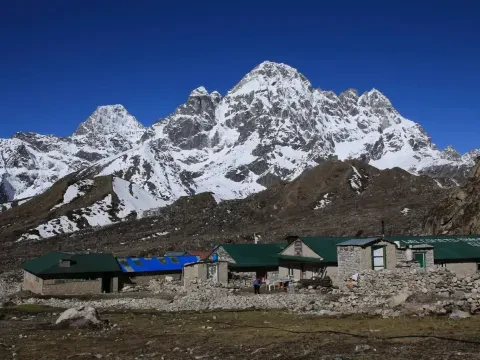
Phari Lapcha Peak is a lesser-known yet strikingly beautiful mountain located in the eastern region of Nepal, part of the Makalu Barun National Park. This peak stands at an elevation of approximately 6,010 meters (19,718 feet), offering a challenging yet exhilarating experience for mountaineers. The climb is relatively untouched compared to more popular trekking peaks like Island Peak or Mera Peak, which gives it a pristine charm for adventurers looking for something off the beaten path. The route to the summit of Phari Lapcha is demanding and involves a mixture of technical climbing, steep snow slopes, and the need for proper acclimatization, making it ideal for those with mountaineering experience. Climbers are rewarded with breathtaking panoramic views of the Makalu region and surrounding peaks, including Makalu itself, Everest, Lhotse, and Baruntse.The approach to Phari Lapcha involves passing through remote villages, lush valleys, and dense forests, where trekkers can experience authentic Sherpa culture. The expedition begins with a flight to Tumlingtar and then a series of treks that take you through areas like Chichila, Num, and Makalu Base Camp, before heading towards the base camp of Phari Lapcha. The climb itself requires technical skills, particularly in terms of ice and rock climbing, so climbers need to be adequately prepared. Given the technical nature of the ascent, a guide with local knowledge and expertise is recommended to ensure safety and success in summiting the peak.Best Time for Phari Lapcha Peak ClimbingThe best time to climb Phari Lapcha Peak is typically during the pre-monsoon (spring) and post-monsoon (autumn) seasons, which are considered the most favorable for high-altitude mountaineering in Nepal. The spring season, from March to May, offers a relatively stable weather window, with clear skies and moderate temperatures that help climbers acclimatize and enjoy the climb. Similarly, the autumn season from late September to November also provides ideal conditions for the climb, with cooler temperatures and stable weather. During these months, the mountain weather is less prone to heavy snowfall or storms, allowing for safer and more predictable conditions.Climbing Phari Lapcha in the winter months (December to February) is not recommended due to the severe cold and high chances of heavy snowstorms. These conditions can make the technical aspects of the climb even more challenging and increase the risk for climbers. Similarly, the monsoon season (June to September) is best avoided due to the heavy rainfall, which can lead to slippery trails, increased risk of landslides, and limited visibility, making the climb both dangerous and difficult.Phari Lapcha Peak Climbing PermitsClimbing Phari Lapcha Peak requires several permits, as it is located within the Makalu Barun National Park. To start with, climbers need to acquire a Makalu Barun National Park Permit, which grants access to the protected area. This permit is essential as the region is rich in biodiversity and holds ecological importance, so conservation efforts are strictly enforced. The cost of this permit varies depending on the duration of stay and the nationality of the climber. Additionally, a Peak Climbing Permit from the Nepal Mountaineering Association (NMA) is also required for summiting the peak. The NMA issues permits based on the difficulty and altitude of the peak, and Phari Lapcha falls under the "trekking peak" category, requiring a specific permit for climbing.It is important to note that the process of acquiring these permits can be complex, as it involves paperwork, payment of fees, and coordination with local authorities. At Higher Path Treks & Expeditions, we ensure all necessary paperwork is handled smoothly, including applying for permits on your behalf to make the process easier and hassle-free for our clients. Our experienced staff assists climbers in acquiring the correct permits, and we keep them informed of the necessary regulations and updates.Phari Lapcha Peak Climbing DifficultyClimbing Phari Lapcha Peak is considered a difficult and technical climb, suitable for experienced mountaineers. The difficulty of the ascent stems from the technical challenges involved, including steep ice slopes, rock climbing, and the need for proficiency in using mountaineering gear like crampons, ice axes, and ropes. The route also requires climbers to tackle crevasses and exposed ridges, requiring a solid understanding of mountain safety, avalanche risk, and climbing techniques. The climb is demanding both physically and mentally, as it requires climbers to remain focused and cautious at all times.Acclimatization is another critical factor in the difficulty of Phari Lapcha Peak Climbing. Due to the altitude of the peak, trekkers need to spend sufficient time acclimatizing to avoid altitude sickness and to increase their chances of successfully summiting. While the climb is rewarding with its incredible views, it should only be undertaken by climbers who have previous experience with high-altitude ascents and technical mountaineering. For those who are looking to push their limits, Phari Lapcha offers a challenging adventure, but it is essential to be well-prepared physically and mentally before attempting the peak.Food and Accommodation for Phari Lapcha Peak ClimbingDuring the Phari Lapcha Peak Climbing expedition, the food and accommodation options can vary depending on the location. While trekking through the lower elevations, trekkers will stay in local tea houses or lodges. These accommodations are simple yet comfortable, offering basic facilities like beds, shared bathrooms, and hot meals. The meals typically consist of traditional Nepali food, including dal bhat (lentil soup with rice), momo (dumplings), and noodle soups, along with Western options like pasta or pancakes for variety. While the lodges are a comfortable stop on the trek, the further you ascend, the more basic the facilities become.At the higher altitudes near the base camp and during the climb, accommodations are typically in tents, as there are no permanent lodges or guesthouses. Climbers should expect to be well-catered for with a variety of food, ensuring they have enough energy for the physical demands of the climb. The food is usually simple but high in carbohydrates and protein, with meals such as porridge, pasta, soup, and rice. Our team at Higher Path Treks & Expeditions ensures that the food is prepared with hygiene in mind and meets the nutritional needs of climbers to sustain them during their trek and ascent.Major Attraction for Phari Lapcha Peak ClimbingThe major attraction of climbing Phari Lapcha Peak is its stunning panoramic views, which are among the best in the eastern Himalayas. From the summit, climbers are rewarded with spectacular views of some of the most iconic peaks, including Mount Makalu, Everest, Lhotse, and Baruntse, as well as lesser-known but equally impressive peaks in the Makalu-Barun region. The surrounding landscapes are also awe-inspiring, with dramatic ridges, glaciers, and high-altitude valleys. This makes the peak not only a challenging ascent but also a visually rewarding one.Another unique attraction is the sense of remoteness and adventure that comes with trekking through the Makalu Barun National Park. This region is less crowded than the popular trekking routes in the Everest or Annapurna regions, allowing trekkers and climbers to experience untouched nature and authentic Sherpa culture. The isolation and serenity of the area offer a chance for reflection and personal growth, making the journey just as important as the destination. Additionally, the chance to interact with local communities and witness their unique way of life adds a cultural aspect to the adventure.Why Choose Us (Higher Path Treks & Expeditions)At Higher Path Treks & Expeditions, we prioritize your safety, comfort, and success. With years of experience in organizing climbing expeditions in the Himalayas, we provide expert guidance and support throughout your journey. Our team consists of experienced and certified mountaineering guides who are well-versed in high-altitude climbing and will ensure you have the skills, equipment, and knowledge to handle the challenges of Phari Lapcha Peak. We also provide a thorough pre-trip briefing, ensuring that climbers are well-prepared for the physical and technical demands of the expedition.In addition to our experienced guides, we offer personalized service that focuses on your needs and preferences. We take care of all the logistics, including acquiring permits, organizing accommodations, and arranging quality food during the trek and climb. Our goal is to create an enjoyable and stress-free experience for climbers, allowing them to focus on their climb while we handle the details. Whether you're a seasoned mountaineer or an adventurous climber looking to take on a new challenge, Higher Path Treks & Expeditions is the perfect partner for your Phari Lapcha Peak Climbing expedition.Top Blogs About Trekking in the Everest Region:Uncover the best blogs about trekking in the Everest region, featuring expert advice, detailed itineraries, personal experiences, and essential tips for adventurers looking to explore the Himalayas.Photography Guide: Capturing the Himalayas Without Expensive GearEverest Luxury Trek: An Unforgettable Himalayan ExperienceNepal Peak Climbing 2026: Routes, Tips, and Top SummitsSolo Trekking to Everest Base Camp: Is It Possible?Top 10 Highlights of the Everest Base Camp TrekSuccessfully Trekking to Everest Base Camp and Kala PattharWhy Famous Trekkers Choose Everest Base Camp?Autumn Season to Everest Base Camp TrekThe Best Hiking Adventures: Famous Peak Climbs in 2025Top Himalayan Peaks for Beginner Climbers: A Comprehensive GuideEverest Three Peaks: A Beginner’s Guide to the Ultimate Himalayan ChallengeIs Peak Climbing in Nepal Easy for Beginners?Must-Know Facts About Everest Base Camp TrekkingWhy Gokyo Ri is a Must-Visit for Everest Trek LoversThe Roof of the World: Peak Climbing Journeys through Nepal’s High CountryWhat to Expect on an Island Peak Climbing ExpeditionMera Peak Climbing Guide for Beginners: Tips, Difficulty & PreparationFour Peaks, One Journey: Mera, Island, Lobuche & Amphu Lapcha ExpeditionTop Best Expedition Packages in Nepal 2025Which is Easier: Mera Peak or Island Peak?Why Choose Island Peak Climbing with Everest Base Camp Trek for BeginnersBest Trekking Peaks in Everest Region for BeginnersExperience Mountain View in NepalEssentials for Everest Base Camp
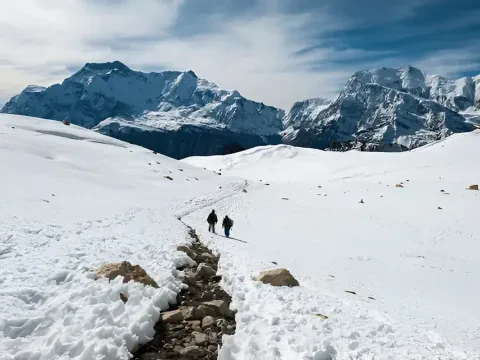
Chulu Far East, standing at an altitude of 6,059 meters (19,880 feet), is a stunning peak in the Annapurna region of Nepal. It offers a challenging yet accessible climb for trekkers and mountaineers looking to take on a technical peak without the crowds typically associated with some of the more famous climbs in Nepal. Part of the Chulu range, Chulu Far East is known for its relatively moderate difficulty, making it a popular choice for those with prior climbing experience or those looking to step up from trekking to technical climbing.The expedition to summit Chulu Far East usually begins from the town of Besisahar, from where climbers trek through the beautiful Marsyangdi Valley, passing through picturesque villages, lush forests, and alpine meadows before reaching the base camp. The climb itself involves technical ice and rock climbing, and summit day is often a long, grueling push with mixed terrain. However, the rewards are worth it: climbers are treated to panoramic views of the surrounding peaks such as Annapurna II, Annapurna IV, and the nearby Gangapurna. Chulu Far East is a great opportunity for those wanting to experience a Himalayan climb that combines technical challenges with breathtaking natural beauty.Best Time for Chulu Far East ClimbingThe best time for climbing Chulu Far East is during the spring (March to May) and autumn (September to November) seasons, which offer the most stable weather conditions and optimal temperatures for high-altitude climbing. Spring provides clear skies, moderate temperatures, and stable weather, which makes acclimatization easier and reduces the risk of altitude sickness. Similarly, autumn, after the monsoon season, provides crisp weather with minimal rainfall, offering a window of good visibility and relatively dry trails, ideal for both trekking and climbing.Climbing Chulu Far East in winter (December to February) is not recommended due to extreme cold and the increased likelihood of heavy snowfalls, which can make the technical aspects of the climb more difficult and dangerous. The monsoon season (June to September) is also not ideal, as the heavy rainfall makes the trails slippery and can lead to dangerous conditions, particularly with the higher snowfields and crevasses encountered during the climb.Chulu Far East Climbing PermitsClimbing Chulu Far East requires two main permits: the Annapurna Conservation Area Permit (ACAP) and a Peak Climbing Permit from the Nepal Mountaineering Association (NMA). The Annapurna Conservation Area Permit is required for trekking within the Annapurna region, as it helps protect the natural environment and maintain sustainable tourism practices. The cost of this permit is minimal, but it is necessary for access to the region.In addition to the ACAP, climbers will need a Peak Climbing Permit from the NMA, which is required for summiting Chulu Far East as it is classified as a trekking peak. The NMA issues these permits based on the difficulty and altitude of the mountain. Since Chulu Far East is considered a "trekking peak," climbers can typically obtain the permit without needing advanced technical mountaineering experience, although it's still essential to have some prior climbing skills. Higher Path Treks & Expeditions ensures that all necessary permits are obtained for climbers, and our expert team manages all the logistics to ensure a smooth experience.Chulu Far East Climbing DifficultyClimbing Chulu Far East is considered a moderate to challenging climb, especially for climbers who are not accustomed to high-altitude expeditions. The route involves a combination of trekking and technical climbing, with sections requiring the use of crampons, ice axes, and ropes. The final summit push involves steep snow and ice slopes, and climbers need to be prepared for mixed conditions. While it is less technical than some of the higher peaks in Nepal, it still requires knowledge of mountaineering techniques, including the use of ice tools, proper climbing posture, and crevasse navigation.Acclimatization is key to managing the difficulty of this climb, as the altitude can affect climbers if they ascend too quickly. However, because the expedition begins at relatively moderate altitudes and gradually ascends to higher camps, the risk of altitude sickness can be minimized with proper planning and pace. Physical conditioning, technical training, and mental fortitude are all crucial to reaching the summit of Chulu Far East, so climbers should ensure they are adequately prepared before attempting the climb.Food and Accommodation for Chulu Far East ClimbingDuring the trekking portion of the Chulu Far East climb, climbers will stay in basic tea houses or lodges in the lower elevations, which offer a comfortable but simple place to rest. The food served in these tea houses is typically Nepali-style, with options like dal bhat (lentils and rice), momo (dumplings), noodle soups, and a mix of Western-style dishes like pasta, pancakes, and sandwiches. As trekkers move higher into the mountains and approach base camp, the accommodation becomes more basic, usually in tents, as there are no permanent structures in these high-altitude regions.At base camp and higher camps, climbers will stay in high-altitude tents, where meals are provided by the climbing crew. The food in these camps is designed to be lightweight, high in carbohydrates, and easy to prepare, with options such as instant noodles, pasta, soups, and energy-rich snacks. Proper nutrition is vital for maintaining energy during the ascent, so climbers are offered a balanced diet to sustain them throughout the expedition. Higher Path Treks & Expeditions ensures that all food is carefully prepared with hygiene standards in mind and meets the nutritional needs of climbers.Major Attraction for Chulu Far East ClimbingThe main attraction of climbing Chulu Far East is the incredible view from the summit. As climbers reach the top, they are greeted by a stunning panoramic view of the Annapurna range, including Annapurna II, Annapurna IV, Gangapurna, and other peaks in the region. The feeling of standing atop a peak with such a wide-reaching view is a major highlight of this climb. The views of the surrounding valleys, glaciers, and the Marsyangdi River add to the charm of the expedition, providing a deep sense of connection to the natural beauty of the Himalayas.Additionally, the trek itself is a unique experience. The journey from Besisahar to the base camp takes climbers through traditional Gurung and Manang villages, where they can immerse themselves in the rich culture of the region. The landscape changes dramatically as trekkers ascend, from lush subtropical forests to alpine meadows, and the feeling of isolation in the high Himalayas offers a true sense of adventure and achievement.Why Choose Us (Higher Path Treks & Expeditions)At Higher Path Treks & Expeditions, we strive to provide a safe, memorable, and successful experience for all of our clients. Our team of experienced guides, high-altitude porters, and climbing experts are dedicated to ensuring that you are well-prepared for the challenges of Chulu Far East Climbing. We offer comprehensive pre-trip preparation, detailed briefings, and continuous support throughout your journey. With our extensive knowledge of the Annapurna region, we ensure that you get the best route, equipment, and services, making your climb both safe and enjoyable.We also understand that each climber has unique needs and preferences, so we offer personalized services to tailor your experience. Our team handles all logistics, from acquiring the necessary permits to arranging for quality accommodation and food along the way. Our mission is to provide you with a seamless and stress-free adventure, leaving you to focus on the climb while we manage the details. Whether you’re an experienced mountaineer or a climber looking to take on your first technical peak, Higher Path Treks & Expeditions is here to help you reach the summit of Chulu Far East and beyond.Top Blogs About Trekking in the Annapurna Region:Uncover the best blogs about trekking in the Annapurna region, featuring expert advice, detailed itineraries, personal experiences, and essential tips for adventurers looking to explore the Himalayas.Annapurna Base Camp Trek: A Short Journey to the HimalayasAnnapurna Circuit Trek with Tilicho Lake – A Complete Guide by Higher Path Treks & ExpeditionsTop Tips for Climbing Pisang Peak on the Annapurna CircuitTop Reasons to Trek Ghorepani Poon HillTop Reasons to Choose Tilicho Lake Trek with Thorong La PassBest Experience on the Short Mardi Himal Trek: A Journey to RememberTop Reasons to Combine Pisang Peak Climbing with the Annapurna Circuit TrekComparing Chulu Far East Peak Climbing vs Chulu West Peak ClimbingPoonhill Amazing viewThe most picturesque village GhandrukPhotography Guide: Capturing the Himalayas Without Expensive GearNepal Peak Climbing 2026: Routes, Tips, and Top SummitsThe Best Hiking Adventures: Famous Peak Climbs in 2025Top Himalayan Peaks for Beginner Climbers: A Comprehensive GuideIs Peak Climbing in Nepal Easy for Beginners?Top Best Expedition Packages in Nepal 2025Experience Mountain View in NepalTop Highlights of the Annapurna Base Camp Trek
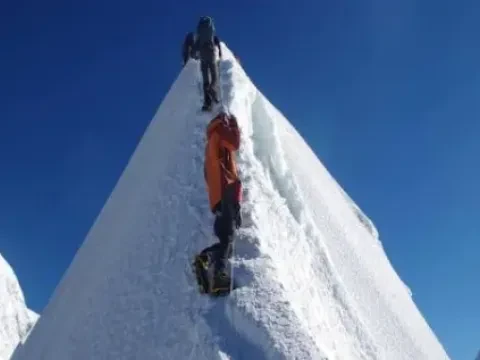
The Everest Three Peak Climbing is a challenging and rewarding expedition that combines high-altitude trekking with technical peak ascents in the Everest region of Nepal. This adventure takes you through three major mountain passes—Renjo La, Cho La, and Kongma La—each offering unique challenges and breathtaking views of the Himalayas. In addition to the passes, climbers ascend three prominent peaks: Lobuje East (6,119m), Pokalde (5,806m), and Island Peak (6,165m), providing a comprehensive mountaineering experience.greenvalleynepaltreks.comThe trek begins with a flight to Lukla, followed by a journey through Sherpa villages such as Phakding, Namche Bazaar, and Thame. Acclimatization days are strategically placed to help climbers adjust to the high altitudes. The route then leads to the Gokyo Valley, where climbers cross Renjo La Pass and explore the Gokyo Lakes. Subsequent crossings of Cho La and Kongma La Passes lead to the Lobuje Base Camp, where technical climbing training is provided. The expedition culminates with the summits of the three peaks, offering climbers unparalleled views and a sense of accomplishment.exploreradventure.comBest Time for Everest Three Peak ClimbingThe optimal times for undertaking the Everest Three Peak Climbing are during the pre-monsoon (spring) season, from late March to early June, and the post-monsoon (autumn) season, from late September to early November. During these periods, the weather is generally stable, with clear skies and moderate temperatures, making the challenging terrain more navigable. However, temperatures can still drop significantly at higher elevations, so climbers must be prepared for cold conditions.Spring is particularly popular as it offers the best chance for clear views and stable weather. Autumn, while slightly cooler, also provides excellent conditions for trekking and climbing. It's advisable to avoid the monsoon season (June to August) due to heavy rainfall, which can make trails slippery and increase the risk of landslides. Similarly, the winter months (December to February) are harsh, with extreme cold and snow, making the passes and peaks more difficult and dangerous to traverse.Everest Three Peak Climbing DifficultyThe Everest Three Peak Climbing is considered a strenuous and technically demanding expedition, suitable for experienced trekkers and climbers. The trek involves crossing three high-altitude passes—Renjo La (5,360m), Cho La (5,420m), and Kongma La (5,535m)—each presenting unique challenges such as steep ascents, snow and ice conditions, and potential altitude sickness.In addition to the passes, climbers ascend peaks like Lobuje East, Pokalde, and Island Peak, which require basic mountaineering skills, including the use of crampons, ice axes, and ropes. The technical nature of these climbs, combined with the high altitudes, demands physical fitness, mental resilience, and prior experience in alpine environments. Proper acclimatization, guided support, and appropriate gear are essential for safety and success on this challenging expedition.Everest Three Peak Climbing Route and ItineraryThe itinerary for the Everest Three Peak Climbing spans approximately 23 days, starting and ending in Kathmandu. Upon arrival in Kathmandu, trekkers prepare for the journey, obtaining necessary permits and gear. The adventure begins with a flight to Lukla, followed by treks to Phakding, Namche Bazaar, and Thame, with acclimatization days to adjust to the altitude.The route then progresses to Lungden, where climbers prepare for the Renjo La Pass. After crossing Renjo La, the trek continues to Gokyo Valley, offering stunning views of the Gokyo Lakes and surrounding peaks. From Gokyo, climbers ascend to Thagnak and Dzongla, before tackling Cho La Pass and reaching Lobuje Base Camp. At Lobuje, climbers receive technical training before summiting Lobuje East. The journey continues with ascents of Pokalde and Island Peak, followed by descents to Chukkung and Dingboche. The trek concludes with a helicopter flight from Lukla back to Kathmandu, marking the end of this epic adventure.Why Choose Higher Path Treks & ExpeditionsChoosing Higher Path Treks & Expeditions ensures a safe, guided, and enriching experience on the Everest Three Peak Climbing. Our team comprises experienced guides and support staff who are well-versed in high-altitude trekking and climbing, ensuring your safety and success throughout the journey.We prioritize responsible and sustainable tourism, working closely with local communities and minimizing our environmental impact. Our comprehensive packages include all necessary permits, accommodations, meals, and equipment, allowing you to focus on the adventure ahead. With Higher Path Treks & Expeditions, embark on a journey that challenges your limits and rewards you with unforgettable experiences in the heart of the Himalayas.Top Blogs About Trekking in the Everest Region:Uncover the best blogs about trekking in the Everest region, featuring expert advice, detailed itineraries, personal experiences, and essential tips for adventurers looking to explore the Himalayas.Photography Guide: Capturing the Himalayas Without Expensive GearEverest Luxury Trek: An Unforgettable Himalayan ExperienceNepal Peak Climbing 2026: Routes, Tips, and Top SummitsSolo Trekking to Everest Base Camp: Is It Possible?Top 10 Highlights of the Everest Base Camp TrekSuccessfully Trekking to Everest Base Camp and Kala PattharWhy Famous Trekkers Choose Everest Base Camp?Autumn Season to Everest Base Camp TrekThe Best Hiking Adventures: Famous Peak Climbs in 2025Top Himalayan Peaks for Beginner Climbers: A Comprehensive GuideEverest Three Peaks: A Beginner’s Guide to the Ultimate Himalayan ChallengeIs Peak Climbing in Nepal Easy for Beginners?Must-Know Facts About Everest Base Camp TrekkingWhy Gokyo Ri is a Must-Visit for Everest Trek LoversThe Roof of the World: Peak Climbing Journeys through Nepal’s High CountryWhat to Expect on an Island Peak Climbing ExpeditionMera Peak Climbing Guide for Beginners: Tips, Difficulty & PreparationFour Peaks, One Journey: Mera, Island, Lobuche & Amphu Lapcha ExpeditionTop Best Expedition Packages in Nepal 2025Which is Easier: Mera Peak or Island Peak?Why Choose Island Peak Climbing with Everest Base Camp Trek for BeginnersBest Trekking Peaks in Everest Region for BeginnersExperience Mountain View in NepalEssentials for Everest Base Camp
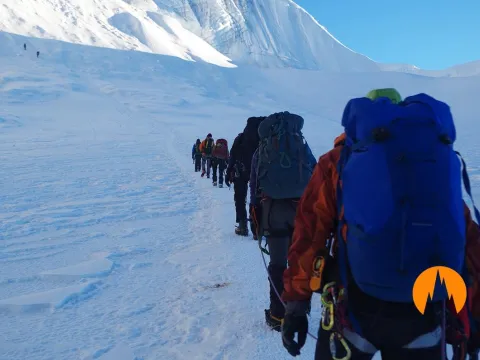
Join our professionally organised Island Peak Base Camp Service designed for trekkers and climbers seeking reliable support for a successful Island Peak (6,189m) ascent. Our experienced climbing team provides base camp logistics, meals, permits, and summit support to ensure a safe and enjoyable climbing experience.Seasonal RatesAutumn Season: USD 720 per personSpring Season: USD 870 per personClimbing Guide trips Additional trps climbing guide: USD 150Permit RequirementsPlease provide the following documents before the climb:Passport copyOne passport-size photoClimbing Gear Rental in ChhukungAll essential climbing equipment can be rented in Chhukung before the expedition.Required Climbing EquipmentMountaineering bootsCramponsJumar (ascender)Descender deviceIce axeClimbing helmetRental CostEstimated total rental cost: USD 150–200 for 2 daysExtra Base Camp StayIf you would like to stay an additional night at Island Peak Base Camp, an extra charge of USD 100 per day will apply.Additional Cost Includes:Climbing guide serviceMeals at base campTent accommodationTea, coffee, and boiled drinking waterExtra nights are recommended for acclimatization, weather delays, or additional rest before or after the summit climb.Flexible Last-Minute Booking ServiceThis climbing service is specially designed for independent trekkers who are already trekking in the Everest region and decide to climb island Peak during their journey.It is a perfect option for trekkers coming from:Everest Base CampKala PattharGokyo LakesCho La PassIf you have sufficient time, good physical fitness, and basic trekking experience, you can easily join the climb.Easy & Flexible BookingOne of the major advantages of this service is its flexibility.You can book the Island Peak Base Camp Service while trekking in the Everest region — even up to 10 days before the climbing date.During this period, we will organise:Peak climbing permitsProfessional climbing guidesBase camp logisticsMeals and accommodationSafety equipment arrangementsThis flexible system is ideal for trekkers who prefer to keep their itinerary open while exploring the Himalayas.Why Choose Our Island Peak Base Camp Service?Professional and experienced climbing guidesReliable and safe summit supportFlexible booking during your trekComplete permit and logistics managementWell-organised base camp facilitiesSuitable for solo trekkers and small groupsIdeal add-on adventure after Everest Base Camp or Gokyo trekkingExperience the thrill of Himalayan climbing with a trusted local team dedicated to your safety, success, and unforgettable mountain adventure.
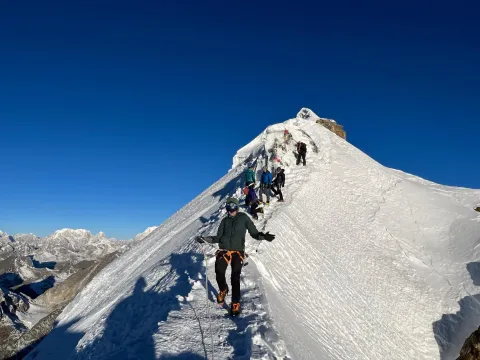
Join our professionally organized Lobuche Peak Base Camp Service, designed for trekkers and climbers seeking reliable support for a successful ascent of Lobuche Peak (6,119m). This package is ideal for independent trekkers completing the Everest Base Camp, Kala Patthar, Gokyo, or Cho La Pass routes who wish to add a Himalayan climbing experience to their adventure.Our experienced climbing team provides complete base camp logistics, climbing support, meals, permits, and safety management to ensure a safe, enjoyable, and well-organized expedition.Seasonal RatesAutumn Season: USD 720 per personSpring Season: USD 870 per personAdditional trps Climbing GuideAdditional trps climbing guide service: USD 150Additional guides are recommended for larger groups or climbers requiring extra support.Permit RequirementsPlease provide the following documents before the climb:Passport copyOne passport-size photoClimbing Gear Rental in ChhukungEssential climbing equipment can be rented in Chhukung before the expedition.For Lobuche Peak climbs, equipment must be transported from Chhukung to Lobuche High Camp. Porter transportation charges are approximately USD 50, depending on load weight.Required Climbing EquipmentMountaineering bootsCramponsJumar (ascender)Descender deviceIce axeClimbing helmetClimbing harnessCarabinersWarm climbing clothingEstimated Rental CostApproximate rental cost: USD 150–200 for 2 daysExtra Base Camp StayIf you would like to stay additional nights at Lobuche Peak Base Camp or High Camp, an extra charge of USD 100 per day applies.Additional Cost IncludesClimbing guide serviceTent accommodationMeals at base campTea, coffee, and boiled drinking waterExtra nights are highly recommended for:Better acclimatizationWeather delaysAdditional rest before summit dayFlexible climbing schedulesFlexible Last-Minute Booking ServiceThis climbing service is specially designed for independent trekkers who are already trekking in the Everest region and decide to climb Lobuche Peak during their journey.It is a perfect option for trekkers coming from:Everest Base CampKala PattharGokyo LakesCho La PassIf you have sufficient time, good physical fitness, and basic trekking experience, you can easily join the climb.Easy & Flexible BookingOne of the major advantages of this service is its flexibility.You can book the Lobuche Peak Base Camp Service while trekking in the Everest region — even up to 10 days before the climbing date.During this period, we will organize:Peak climbing permitsProfessional climbing guidesBase camp logisticsMeals and accommodationSafety equipment arrangementsThis flexible system is ideal for trekkers who prefer to keep their itinerary open while exploring the Himalayas.Why Choose Our Lobuche Peak Base Camp Service?Professional and experienced climbing guidesReliable and safe summit supportFlexible booking during your trekComplete permit and logistics managementWell-organized base camp facilitiesSuitable for solo trekkers and small groupsIdeal add-on adventure after Everest Base Camp or Gokyo trekkingExperience the thrill of Himalayan climbing with a trusted local team dedicated to your safety, success, and unforgettable mountain adventure.
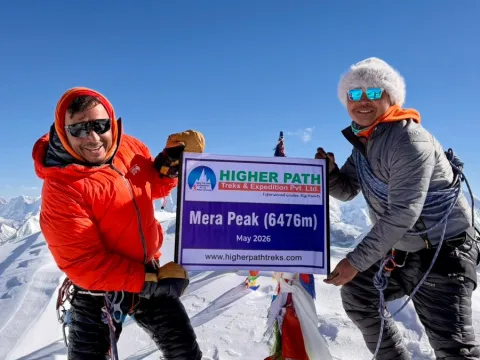
Higher Path Treks & Expeditions proudly offers the unforgettable Mera Peak Budget Climbing adventure for trekkers and climbers seeking a cost-effective Himalayan expedition without compromising safety, professionalism, and authentic mountain experiences. Standing at 6,461 meters, Mera Peak is the highest trekking peak in Nepal and one of the most rewarding climbing destinations in the Everest region. This carefully designed budget itinerary combines scenic trekking, gradual acclimatization, technical climbing preparation, and breathtaking Himalayan panoramas, making it ideal for both beginner climbers and experienced trekkers looking to attempt their first Himalayan summit.The journey begins in Kathmandu and follows the beautiful, less-crowded Hinku Valley route through remote Sherpa villages, dense rhododendron forests, alpine meadows, and glacier landscapes before reaching the summit. Throughout the expedition, climbers experience spectacular views of some of the world’s highest mountains including Mount Everest, Makalu, Lhotse, Cho Oyu, and Ama Dablam. The climb itself is considered non-technical compared to major Himalayan expeditions, yet it still provides the excitement of glacier travel, crampon walking, and high-altitude mountaineering.This budget climbing package is specially created for adventure lovers who wish to explore the Himalayas at an affordable price while receiving reliable services from experienced local guides and climbing staff. The itinerary includes acclimatization days, climbing training, transportation arrangements, tea house accommodation, and essential logistical support required for a successful summit attempt. Safety remains the highest priority throughout the expedition, and the experienced team from Higher Path Treks & Expeditions continuously monitors trekkers’ health, altitude adaptation, and weather conditions.Climb Nepal’s highest trekking peak at 6,461 metersExperience remote trekking routes in the Hinku ValleyWitness panoramic views of Everest, Makalu, Lhotse, and Cho OyuEnjoy affordable Himalayan climbing with professional supportLearn basic mountaineering and glacier travel techniquesExplore authentic Sherpa culture and traditional mountain villagesTrek through forests, rivers, glaciers, and alpine landscapesSuitable for beginner climbers with good physical fitnessSeasonal RatesAutumn Season: USD 1,990 per personSpring Season: USD 2,090 per personBest Season for Mera Peak Budget ClimbingChoosing the right season is extremely important for a successful and enjoyable Mera Peak Budget Climbing expedition. The best times for climbing Mera Peak are during the spring season (March to May) and the autumn season (September to November). These periods provide the most stable weather conditions, clear mountain views, safer climbing conditions, and comfortable trekking temperatures throughout the Everest region. During these months, trekkers can enjoy excellent visibility, lower chances of heavy snowfall, and safer glacier crossings.Spring is one of the most popular climbing seasons because the weather gradually becomes warmer after winter. Rhododendron forests bloom beautifully along the lower trekking trails, creating colorful landscapes throughout the Hinku Valley. The skies are usually clear in the mornings, allowing spectacular sunrise and mountain views. Temperatures remain moderate at lower elevations, while higher regions around Khare and High Camp stay cold but manageable for climbers. Spring also offers stable snow conditions on the summit route, making climbing safer for beginners.Autumn is another outstanding season for Mera Peak climbing. After the monsoon rains, the atmosphere becomes exceptionally clear, producing crystal-clear Himalayan panoramas and fresh mountain air. Trails are dry, weather conditions are stable, and visibility is often at its best during this season. Autumn temperatures are slightly colder than spring at higher altitudes, but the stable weather makes it ideal for summit attempts. This season is highly recommended for photographers and trekkers who want uninterrupted mountain scenery.Winter climbing between December and February is possible but more challenging due to freezing temperatures, strong winds, and heavy snowfall at high elevations. Similarly, the summer monsoon season from June to August brings frequent rain, slippery trails, cloud-covered mountains, and flight delays, making it less favorable for trekking and climbing activities.Best Seasons at a GlanceSpring (March–May): Warm weather, blooming forests, stable climbing conditionsAutumn (September–November): Clear skies, excellent visibility, dry trailsWinter (December–February): Very cold with heavy snow at higher elevationsMonsoon (June–August): Rainy season with cloudy weather and flight delaysMera Peak Budget Climbing Difficulty and TransportationMera Peak is considered a moderately challenging Himalayan climbing expedition. Although it is categorized as a trekking peak, climbers still need good physical fitness, endurance, and strong determination to successfully reach the summit. The biggest challenge is not technical climbing difficulty but rather the high altitude, long trekking days, freezing temperatures, and changing mountain weather conditions. Climbers must walk for several consecutive days through rugged terrain before reaching elevations above 6,000 meters.The climbing route involves glacier travel, snow slopes, and the use of mountaineering equipment such as crampons, ice axes, harnesses, ropes, and ascenders. However, no advanced technical climbing experience is necessary because the climbing guides from Higher Path Treks & Expeditions provide pre-climb training at Khare before the summit attempt. Beginners with strong trekking experience and proper preparation can successfully complete the climb with guidance from professional climbing staff. Acclimatization days are carefully included in the itinerary to reduce the risk of altitude sickness and improve summit success rates.Transportation for the expedition includes both road travel and mountain flights. The journey starts with a scenic drive from Kathmandu to Manthali in the Ramechhap district, followed by an early morning flight to Lukla. Due to increasing air traffic in Kathmandu, many Lukla flights now operate from Ramechhap during peak trekking seasons. The short mountain flight to Lukla offers incredible aerial views of the Himalayas and serves as the gateway to the Everest region.After completing the climb, trekkers retrace the route back to Lukla before flying again to Manthali and driving back to Kathmandu. Weather conditions in the Himalayas can sometimes affect flight schedules, so the itinerary includes a reserve contingency day to handle possible delays safely and comfortably.Difficulty and Transportation HighlightsModerate to challenging trekking peak expeditionMain challenge is high altitude rather than technical climbingBasic mountaineering skills required for glacier sectionsPre-climb training provided by experienced climbing guidesScenic drive from Kathmandu to ManthaliMountain flight from Ramechhap to LuklaContingency day included for weather-related delaysSuitable for physically fit trekkers and beginner climbersFood and Accommodation for Mera Peak Budget ClimbingDuring the Mera Peak Budget Climbing expedition, trekkers are provided with simple but comfortable accommodation and nutritious meals throughout the journey. In lower and middle trekking regions, accommodation is mainly arranged in traditional tea houses operated by local Sherpa families. These tea houses offer twin-sharing rooms with basic bedding facilities, warm dining halls, and friendly hospitality. As the trek progresses toward higher elevations, accommodation becomes more basic due to the remoteness of the region. At Mera High Camp, climbers stay in tented camps prepared by the expedition crew because permanent lodges are unavailable at such high altitude.Meals during the trek are designed to provide enough energy for long trekking days and high-altitude climbing. Tea houses along the route serve a variety of local Nepali, Tibetan, and international dishes including dal bhat, fried rice, noodles, soup, potatoes, bread, eggs, porridge, pasta, pancakes, and hot drinks. Dal bhat is particularly popular among trekkers because it provides excellent nutrition and unlimited refills in many tea houses. As altitude increases, food variety becomes more limited due to transportation difficulties, but guides ensure trekkers receive sufficient calories and hydration.At High Camp, the climbing crew prepares warm meals and hot drinks to help climbers conserve energy before summit day. Proper hydration is strongly encouraged throughout the expedition because drinking enough water is essential for altitude adaptation and overall health. While luxury facilities are limited in remote mountain regions, the authentic tea house experience allows trekkers to connect closely with local culture and Himalayan hospitality.Higher Path Treks & Expeditions carefully selects accommodations and meal arrangements to ensure safety, cleanliness, and comfort while maintaining affordability for budget-conscious climbers.Food and Accommodation FeaturesComfortable tea house accommodation during trekking daysTented accommodation at Mera High CampNutritious local and international meals availablePopular trekking foods include dal bhat, noodles, soup, and rice dishesWarm dining halls in lower tea housesHot drinks available throughout the trekHygienic meal preparation with experienced support staffAuthentic Sherpa hospitality and cultural experienceMera Peak Budget Climbing PermitsClimbing Mera Peak requires several official permits issued by the Nepalese government and local authorities. These permits are mandatory for all trekkers and climbers entering the Everest and Hinku Valley regions. Higher Path Treks & Expeditions manages all necessary permit arrangements on behalf of climbers, allowing participants to focus fully on preparation and the climbing experience itself.The most important document is the Mera Peak Climbing Permit, issued by the Nepal Mountaineering Association (NMA). Permit costs vary depending on the climbing season, with spring generally being the most expensive due to higher demand. In addition to the climbing permit, trekkers also require the Makalu Barun National Park Permit and the Khumbu Pasang Lhamu Rural Municipality Permit. These permits help support conservation efforts, trail maintenance, environmental protection, and local community development within the Himalayan region.Trekkers must also carry valid passports, passport-sized photographs, and travel insurance covering high-altitude trekking and emergency helicopter evacuation. Comprehensive travel insurance is extremely important because medical evacuation costs in remote Himalayan regions can be very expensive. Climbers are advised to check their insurance policies carefully before arriving in Nepal to ensure sufficient altitude coverage for climbing above 6,000 meters.Permit regulations may occasionally change according to government policies, so working with an experienced local company such as Higher Path Treks & Expeditions helps ensure smooth permit processing and updated travel information.Required Permits for Mera PeakMera Peak Climbing Permit (NMA)Makalu Barun National Park Entry PermitKhumbu Pasang Lhamu Rural Municipality PermitValid passport and passport-sized photographsComprehensive high-altitude travel insuranceEmergency evacuation coverage strongly recommendedWhy Choose Mera Peak Budget ClimbingChoosing Mera Peak Budget Climbing with Higher Path Treks & Expeditions offers adventure seekers the perfect combination of affordability, safety, professionalism, and authentic Himalayan experiences. This expedition is carefully designed for trekkers who want to achieve a Himalayan summit without the extremely high costs associated with major mountaineering expeditions. Despite being a budget package, the company maintains high standards of service, experienced guiding staff, proper acclimatization schedules, and reliable logistical support throughout the journey.One of the biggest advantages of this expedition is the remote and peaceful trekking route through the Hinku Valley. Unlike the crowded Everest Base Camp trail, this region offers quiet mountain landscapes, traditional Sherpa culture, untouched forests, and genuine wilderness experiences. Climbers can fully enjoy the beauty of the Himalayas while avoiding heavy trekking traffic. The summit itself provides one of the finest panoramic mountain views in Nepal, including five of the world’s highest peaks visible from the top.Higher Path Treks & Expeditions prioritizes client safety above all else. Experienced climbing guides provide technical training, altitude monitoring, weather assessments, and emergency support throughout the expedition. The itinerary also includes proper acclimatization and contingency days to maximize safety and summit success rates. Whether you are an experienced trekker or attempting your first Himalayan climb, the supportive team ensures a well-organized and memorable adventure from arrival to departure.This expedition is more than simply reaching a summit. It is an opportunity to experience Himalayan culture, test personal limits, build confidence, and create lifelong memories in one of the world’s most spectacular mountain regions.Reasons to Choose This ExpeditionAffordable Himalayan climbing adventureProfessional local guides and climbing staffSafe acclimatization-focused itineraryRemote and less crowded trekking routeIncredible summit panorama of Everest region peaksIdeal for beginner climbers and adventure loversAuthentic Sherpa culture and tea house experiencesComplete logistical support from arrival to departure
Feel free to inquire, and together, we'll design the perfect journey to suit your preferences and desires.
Contact Us