Trekking to Everest Base Camp (EBC) and the summit of Kala Patthar is a dream for many adventurers, and I was fortunate to turn that dream into a reality with Higher Path Treks & Expeditions. The journey offered a life-changing blend of breathtaking scenery, cultural immersion, and personal achievement. Starting from the dramatic flight into Lukla, each day brought new challenges and unforgettable views — from lush forests and roaring rivers to vast alpine landscapes framed by Himalayan giants.
The crowning moments were standing at Everest Base Camp (5,364 m), the gateway to the world's highest peak, and hiking up Kala Patthar (5,640 m) for the most iconic panoramic view of Mount Everest. What made the experience truly seamless and enjoyable was the professionalism and care provided by Higher Path Treks & Expeditions. Their expert guides, thoughtful itineraries, and deep local knowledge ensured our group’s safety and enjoyment throughout the adventure.
Highlights:
Choosing to trek to Everest Base Camp and Kala Patthar was not just about ticking off a bucket-list adventure — it was a personal challenge, a journey into the heart of the Himalayas, and a chance to experience the culture of the Sherpa people. As someone passionate about nature and mountaineering, standing near the base of the world’s tallest mountain had always fascinated me. I chose Higher Path Treks & Expeditions after researching several companies and finding consistent praise for their safety record, experienced guides, and ethical treatment of porters and local staff.
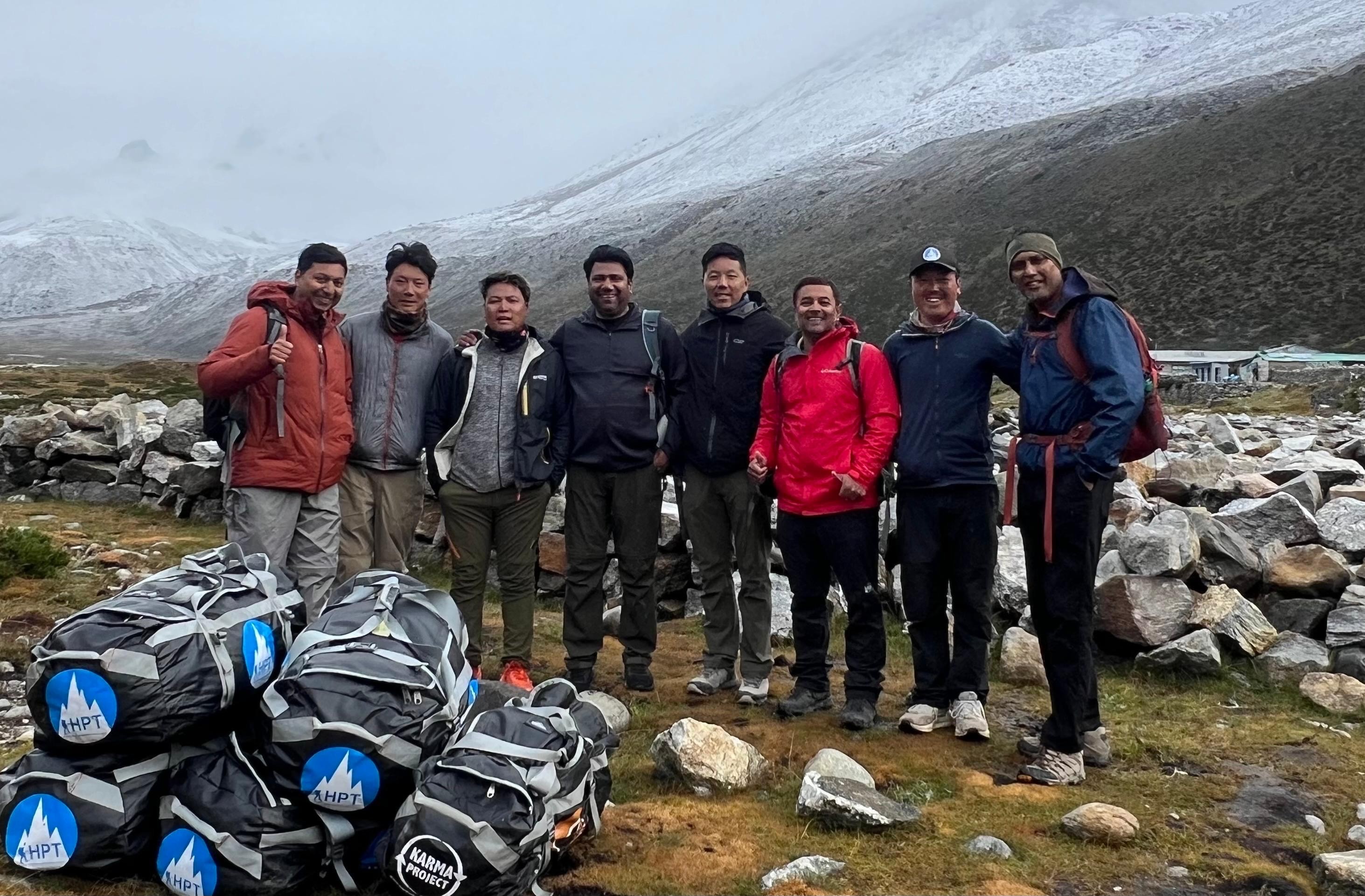 The Everest region isn’t just about altitude — it’s a cultural journey. From colorful prayer flags to ancient monasteries and yak caravans, every step felt steeped in meaning. Kala Patthar was a must for me because it offers one of the best vantage points of Mount Everest — arguably better than the Base Camp itself. At sunrise, watching the golden light hit Everest’s summit from Kala Patthar was emotional and unforgettable.
Reasons for Choosing This Trek:
Proper planning is crucial for a successful and enjoyable trek to Everest Base Camp and Kala Patthar. I started preparing months in advance, focusing on fitness, gear selection, and researching the itinerary. Higher Path Treks & Expeditions provided a detailed briefing and checklist, making the preparation process much easier. Their recommended packing list ensured I had the right gear — from warm clothing and trekking boots to sleeping bags rated for sub-zero temperatures.
Physically, I followed a steady routine of cardio workouts, stair climbing, and long-distance hikes with a loaded backpack. The trek involves 10–14 days of walking in high-altitude conditions, so building stamina and leg strength was essential. Higher Path’s itinerary was well-paced, with built-in acclimatization days in Namche Bazaar and Dingboche, which significantly helped in adjusting to the altitude.
Key Planning Elements:
Before setting foot on the trail, several logistical and mental preparations were required. Permits are mandatory for trekking in the Everest region. Higher Path Treks & Expeditions arranged all necessary documents — including the Sagarmatha National Park Entry Permit and the Khumbu Pasang Lhamu Rural Municipality Permit. This saved me time and avoided potential delays.
Packing smart was key. My bag included layers for varying weather conditions, essential medications, snacks, a reusable water filter, and lightweight, moisture-wicking clothing. The company also offered a porter to carry the bulk of my load, allowing me to hike with just a daypack. Mental preparation was just as important — staying positive, being ready for unpredictable weather, and understanding that trekking at altitude would push physical and emotional limits.
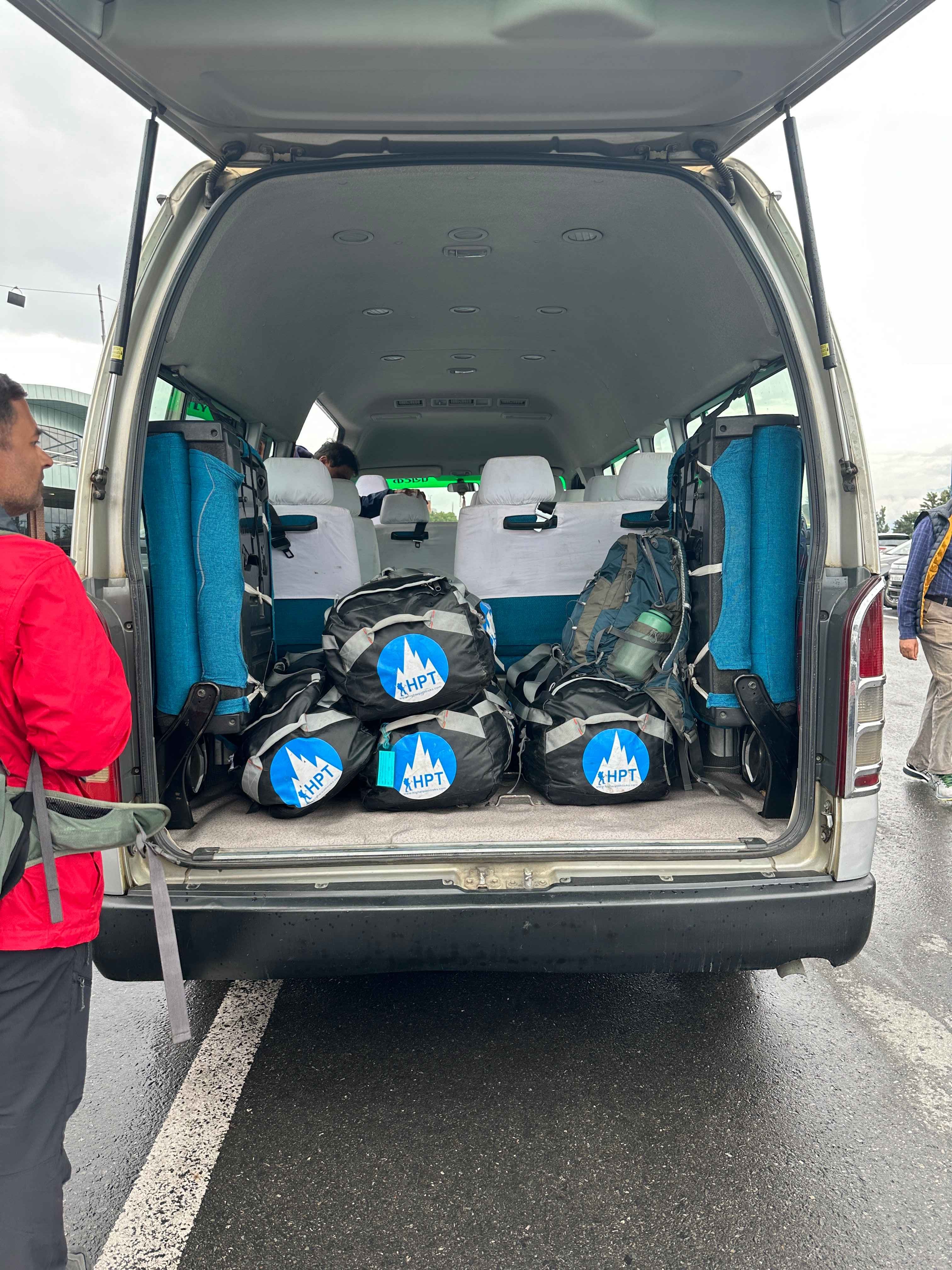 The support and encouragement from the team at Higher Path kept morale high even on tough days. Their guides shared stories, kept us motivated, and made sure we were acclimatizing safely. This journey was as much about inner strength and resilience as it was about reaching a destination.
Final Preparations:
Arriving in Kathmandu, the capital of Nepal, was a sensory-rich experience that marked the start of my Himalayan adventure. The moment I stepped out of Tribhuvan International Airport, I was greeted by a whirlwind of colors, sounds, and smells. Despite the urban chaos, there was a distinct charm in the bustling streets, the rhythmic chanting from temples, and the aroma of local spices drifting through the air. Higher Path Treks & Expeditions had arranged a smooth airport pickup and transfer to a comfortable hotel in the Thamel area, which is the heart of tourist activity in Kathmandu.
Before beginning the trek, I had a day to explore the city's rich heritage. I visited iconic sites like Swayambhunath (Monkey Temple) and Pashupatinath Temple, both of which offered insights into Nepal’s deep spiritual and cultural traditions. The pre-trek briefing conducted by Higher Path was professional and informative. Our guide went over the itinerary, safety tips, altitude precautions, and gear checks. The team made sure everyone felt prepared and confident before heading to the mountains.
Kathmandu Highlights:
The flight from Kathmandu to Lukla Airport (Tenzing-Hillary Airport) is one of the most thrilling experiences in the Everest trekking journey. Often labeled as the world’s most dangerous airport, this short 30–35 minute flight is as scenic as it is nerve-wracking. Flying over deep valleys and snow-covered peaks, the small aircraft offers incredible views of the Himalayas. The landing at Lukla is nothing short of dramatic — a steep descent onto a narrow runway perched on the side of a mountain.
Higher Path Treks & Expeditions handled all the flight bookings and timing logistics. Their team was in constant communication with the airline, which is crucial because weather delays are common in this region. Our guide made sure we were at the airport early and kept us updated on flight conditions. Despite the risks, the flight went smoothly, and we landed safely in Lukla, where the trek officially begins.
Upon arrival, we met our porters, adjusted our backpacks, and had a light breakfast. The crisp mountain air and the sight of trekkers from around the world created a sense of camaraderie and excitement. It was finally happening — the real adventure had begun.
Flight Experience:
The first day of trekking started from Lukla (2,860 m) and ended in Phakding (2,610 m) — a relatively gentle downhill walk designed to ease trekkers into the journey. The trail was vibrant and lively, lined with prayer wheels, mani stones, and colorful Tibetan prayer flags fluttering in the breeze. We passed through small villages, crossed our first suspension bridges, and got our first glimpse of Himalayan river valleys.
Even though it was a short walk (about 3–4 hours), the excitement among the group was high. Higher Path Treks & Expeditions ensured we were walking at a comfortable pace and stopped frequently to explain cultural sites and allow us to take photos. Our guide introduced us to the Sherpa lifestyle, pointing out traditional houses, local farming methods, and Buddhist stupas along the way.
We reached Phakding in the afternoon and settled into a cozy teahouse. The rooms were basic but clean, and the food was hearty — dal bhat quickly became a favorite. After dinner, the team conducted a short briefing for the next day and encouraged everyone to rest and hydrate. This first stretch of the trail set the tone for what would become one of the most memorable treks of our lives.
First Trek Day Highlights:
After arriving in Namche Bazaar (3,440 m), the gateway to the Everest region, we took our first scheduled acclimatization day — a crucial step in adapting to the thinning air. Surrounded by stunning peaks and built into the side of a mountain, Namche is more than just a stopover. It's a bustling Sherpa town with everything from gear shops and bakeries to museums and gompas. Our rest day was anything but idle — we took a short acclimatization hike to Everest View Hotel, where we got our first distant views of Mount Everest, Ama Dablam, and Lhotse.
Namche offered a perfect blend of culture and comfort. We visited the Sherpa Culture Museum, explored local markets, and interacted with the friendly residents who live in this high-altitude trading hub. The accommodations arranged by Higher Path Treks & Expeditions were excellent, and our guide ensured we were eating well, hydrating, and sleeping properly. The extra day helped our bodies adjust and built our excitement for the path ahead.
Namche Highlights:
From Namche, the trail climbs gradually toward Tengboche (3,860 m), home to the famous Tengboche Monastery. The hike was one of the most scenic yet — passing through rhododendron forests and offering spectacular views of Ama Dablam. The monastery is not just a religious site but a spiritual highlight of the journey. We were fortunate to witness a Buddhist prayer ceremony, a calming and moving experience. Our guide from Higher Path Treks & Expeditions shared insights about the monastery’s role in Sherpa life and the region’s spiritual traditions.
After Tengboche, we trekked to Dingboche (4,410 m), where we would spend two nights for further acclimatization. The landscape changed dramatically — forests gave way to alpine terrain, and the mountains seemed closer than ever. Dingboche is a peaceful village surrounded by stone walls and fields, with stunning views of Ama Dablam and Island Peak. We took another acclimatization hike to Nangkartshang Hill, gaining elevation and getting used to the thin air.
Our guides closely monitored everyone’s health, checking oxygen levels and adjusting the pace as needed. The itinerary by Higher Path was well-planned, with enough rest and flexibility built in to make sure we acclimatized properly while still enjoying the journey.
Key Moments:
Leaving Dingboche, we ascended steadily to Lobuche (4,940 m) — a more remote and high-altitude village surrounded by towering peaks and glacial moraines. The air felt noticeably thinner, and every step required more effort. Despite the physical challenges, the terrain was breathtaking, especially as we passed the Thukla Pass, a memorial site honoring climbers who lost their lives on Everest. It was a sobering and powerful moment of reflection that reminded us of the mountain’s raw power.
From Lobuche, we continued to Gorakshep (5,164 m), the final settlement before reaching Everest Base Camp and Kala Patthar. The landscape here was stark and surreal, with glacier ice, rocky trails, and wind-blown ridges. The trek between Lobuche and Gorakshep was the toughest yet — long, cold, and high, but our group was well-prepared thanks to the gradual ascent strategy and guidance from Higher Path Treks & Expeditions. Our guides reminded us to move slowly, stay hydrated, and recognize early signs of altitude sickness.
Once in Gorakshep, we rested briefly, then prepared for the highlight — the final push to Everest Base Camp the next day. The group was excited but cautious, and the support from our team made a huge difference in morale and physical well-being.
Key Takeaways:
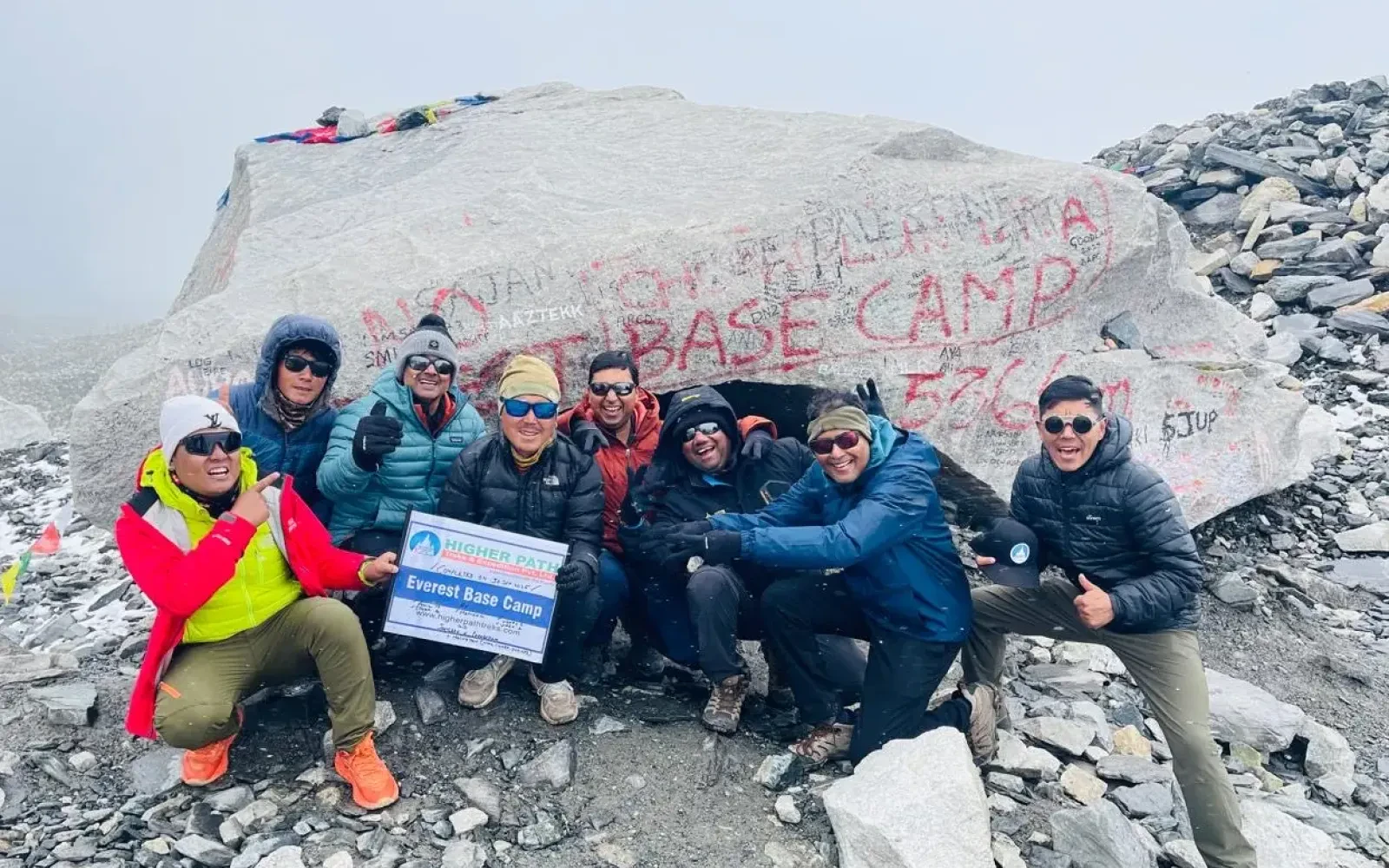
Standing at Everest Base Camp (5,364 m) was the moment everything had been building up to — months of training, days of trekking, and the mental effort of pushing through high-altitude terrain. The final stretch from Gorakshep to EBC was a rocky path through glacial moraine, surrounded by icefalls and jagged ridges. Despite the physical exhaustion, the excitement of reaching this iconic destination kept us moving. The moment we saw the prayer flags and stone marker that signified the Base Camp, emotions ran high. We were finally at the foot of the world’s highest mountain.
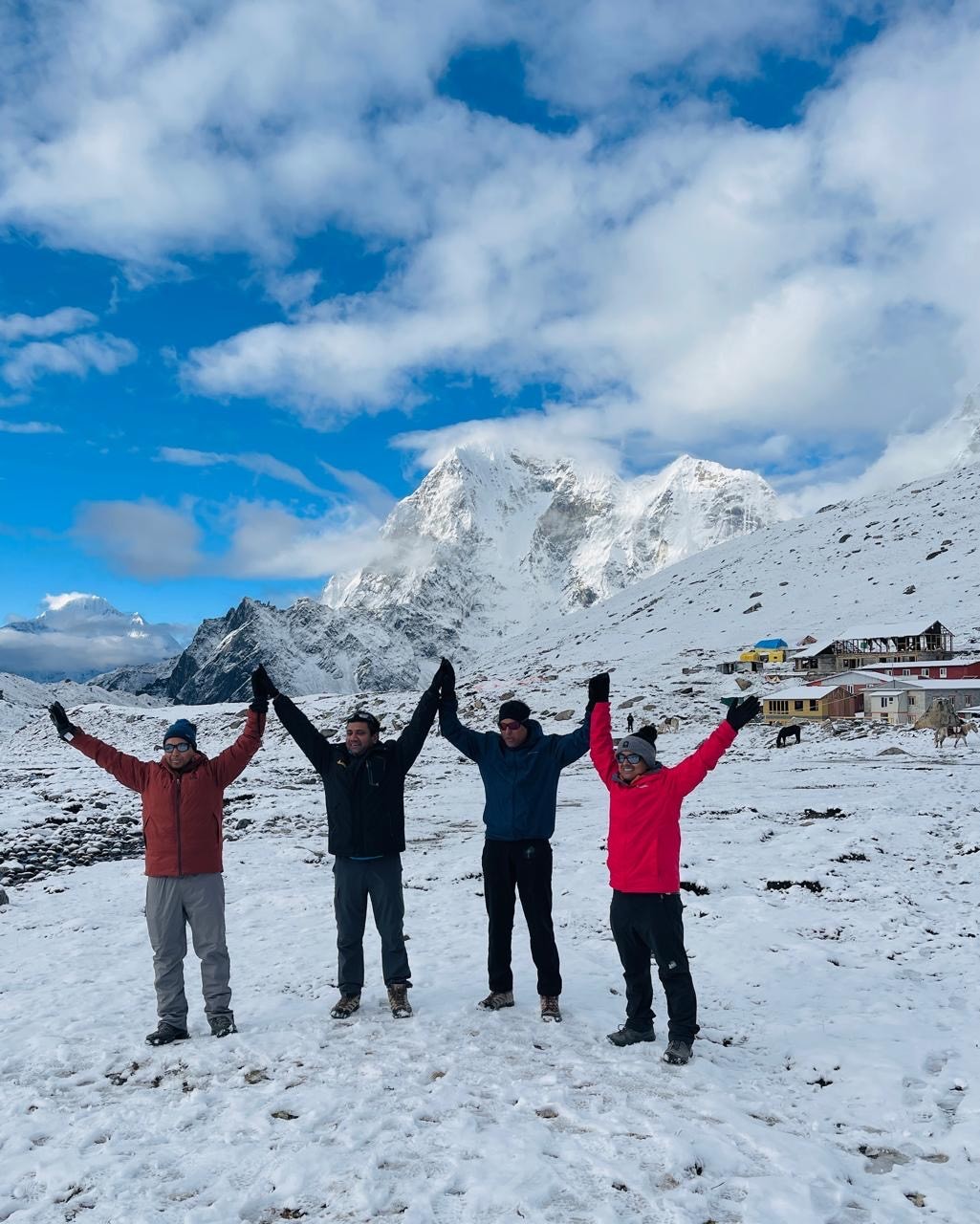 There’s no view of Everest itself from Base Camp, but the Khumbu Icefall, nearby peaks, and sense of accomplishment made it magical. The air was thin, the wind was biting cold, but the joy of completing this dream made it all worthwhile. We spent time taking photos, soaking in the views, and celebrating with our guides and porters. Higher Path Treks & Expeditions had brought small treats for our group, adding to the celebration and sense of achievement. We stayed only a short while — due to the altitude — but those moments will last a lifetime.
Highlights:
If Everest Base Camp was the heart of the journey, then Kala Patthar (5,545 m) was the soul. We began the hike before dawn, climbing in the dark with headlamps lighting the narrow, icy trail. The cold was intense, and the altitude made every step feel like a marathon. But as we climbed higher, the sky began to lighten, revealing the snow-capped giants around us. Finally, from the summit of Kala Patthar, we saw Mount Everest bathed in golden sunrise light — one of the most breathtaking views I’ve ever witnessed.
Unlike Base Camp, Kala Patthar offers a direct and unobstructed view of Everest’s summit, along with a 360-degree panorama of surrounding peaks like Pumori, Lhotse, and Nuptse. It was silent, still, and deeply humbling. Many of us shed quiet tears of joy, awe, and relief. The climb was challenging, but Higher Path Treks & Expeditions paced us perfectly and offered constant encouragement. They ensured we reached the summit safely and had enough time to enjoy the moment before descending back to Gorakshep for breakfast.
Key Moments:
The descent began shortly after our Kala Patthar summit and felt surprisingly different from the ascent. Physically, it was easier due to the oxygen-rich air, but emotionally it was a time of deep reflection. As we retraced our steps back through Pheriche, Namche Bazaar, and finally to Lukla, we had time to soak in the landscape and appreciate how far we had come. We passed familiar villages and trails that now held new meaning. The journey down offered a chance to say quiet goodbyes to the majestic peaks that had become our companions.
Higher Path Treks & Expeditions continued their excellent support throughout the descent. Their team was just as attentive and encouraging as on the way up. Even though the trekking days were long, we were moving with more confidence and gratitude. The teahouses on the return felt warmer, the meals more comforting, and the conversations richer. We shared stories, laughs, and the bonds built in the mountains grew stronger.
On our final day, reaching Lukla felt like a full-circle moment. The joy of completing the trek was mixed with a quiet sadness that it was over. We toasted to the success of the journey, thanked our guides and porters, and prepared for our return flight — changed forever by the mountains.
Final Reflections:
Trekking to Everest Base Camp and Kala Patthar wasn’t just a physical challenge — it was a journey of self-discovery and growth. One of the biggest lessons I learned was the power of patience and persistence. The high-altitude environment slows everything down. There’s no rushing in the Himalayas. You walk slowly, breathe deeply, and learn to be fully present in each step. This pace taught me to appreciate the journey over the destination — a mindset shift I’ve carried into everyday life.
Another key takeaway was the incredible resilience of the human body and spirit. Days of trekking with limited comforts, freezing temperatures, and altitude fatigue could have been overwhelming, but with the right mindset and support from Higher Path Treks & Expeditions, I grew stronger each day. I also developed a deep respect for the Sherpa culture — their hospitality, humility, and strength left a lasting impact. Their way of life, so connected to nature and community, reminded me of what truly matters.
Lessons Learned:
If you’re planning your own trek to Everest Base Camp and Kala Patthar, preparation is everything. Start with the right gear: broken-in waterproof boots, a warm down jacket, layered clothing, a good sleeping bag, and a reliable headlamp are must-haves. Don't forget essentials like a water purification system, trekking poles, and lip balm with SPF. Lightweight but quality gear makes a massive difference over two weeks of hiking.
Altitude is the most significant challenge, so take acclimatization seriously. Follow the “hike high, sleep low” principle, drink lots of water, and avoid alcohol. Diamox (under medical advice) helped many in our group. Mentally, prepare to be uncomfortable at times — it’s cold, dusty, and physically demanding — but the mental reward outweighs the physical hardship. Surround yourself with a good team. I can't stress enough how crucial the guidance and pacing provided by Higher Path Treks & Expeditions was in completing the trek safely and successfully.
Trekking Tips:
The Himalayas are a photographer’s paradise, and the Everest Base Camp trail offers a changing canvas of incredible landscapes and cultural gems. From the moment we flew into Lukla, the photo opportunities were endless. Every suspension bridge, every trail cut through mountain ridges, and every sunrise had something to capture. One of my favorite images is the first glimpse of Everest from Namche, framed by prayer flags fluttering in the wind — it was both surreal and humbling.
Another unforgettable moment was the sunrise at Kala Patthar. The golden light slowly rising over Everest, with the temperature well below freezing and the air crisp, was picture-perfect. Capturing candid shots of yaks passing through stone-paved trails, local children smiling in mountain villages, and the vibrant colors of Tengboche Monastery gave me a deep appreciation for the culture and spirit of the region. Higher Path Treks & Expeditions always allowed time for us to stop, rest, and take photos, never rushing the experience.
Unmissable Photo Moments:
Completing the Everest Base Camp and Kala Patthar trek was more than just an achievement — it was a transformational journey. I returned home with stronger legs, clearer thoughts, and a fuller heart. The trek taught me to value simplicity, patience, and resilience. The vastness of the Himalayas made my daily worries seem small, while the warmth of the Sherpa people reminded me of the power of kindness in even the harshest environments.
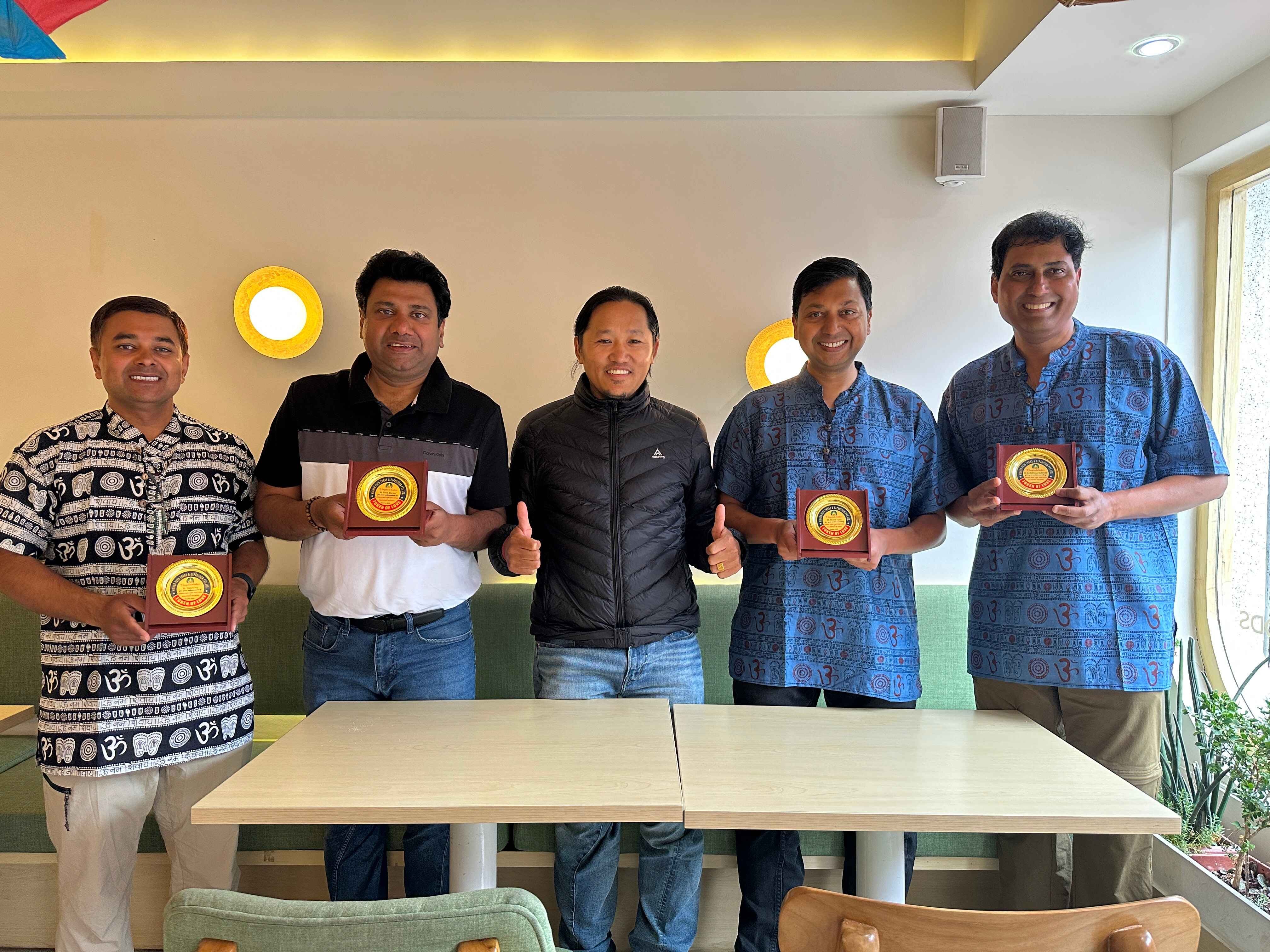 Thanks to Higher Path Treks & Expeditions, I felt supported every step of the way. Their guides weren’t just professionals — they became friends, mentors, and motivators. I now understand why people return to the mountains again and again. It’s not just for the summit or the view, but for the clarity, perspective, and peace found along the trail. This journey changed how I look at life, and I’ll always carry a piece of the Himalayas with me.
Final Reflections:
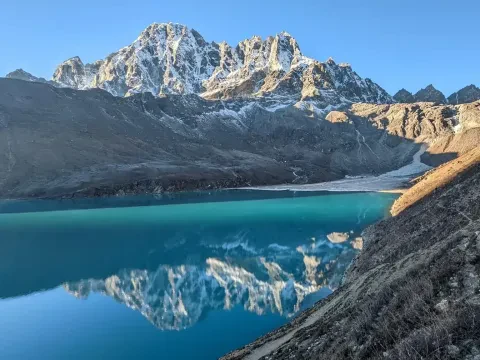
<p>For adventurers and trekkers drawn to the allure of the Himalayas, the Everest Base Camp (EBC) trek is often the ultimate bucket-list experience. However, for those seeking an even more enriching journey, Gokyo Ri offers a spectacular extension to the classic route.</p>
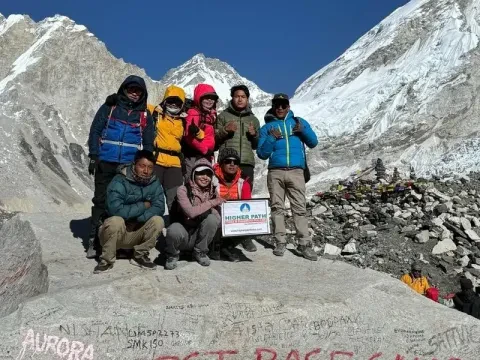
<p>Trekking to Everest Base Camp (EBC) is one of the most iconic adventures in the world, offering a blend of natural grandeur, rich cultural experiences, and a deep sense of achievement. Situated in the heart of the Himalayas, this legendary trek brings you face-to-face with the world’s highest peak</p>
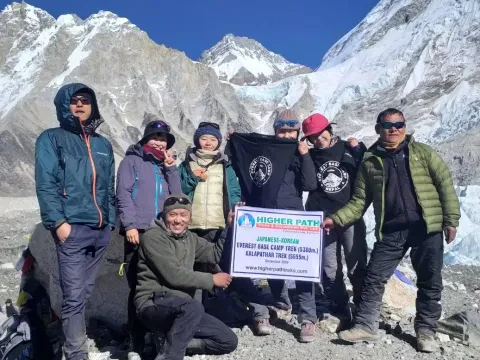
<p>Everest Base Camp (EBC) has long been a coveted destination for trekkers around the world, and it’s no surprise why famous trekkers consistently choose this route for their adventures. One primary reason is the sheer iconic status of Mount Everest — the highest peak on Earth.</p>