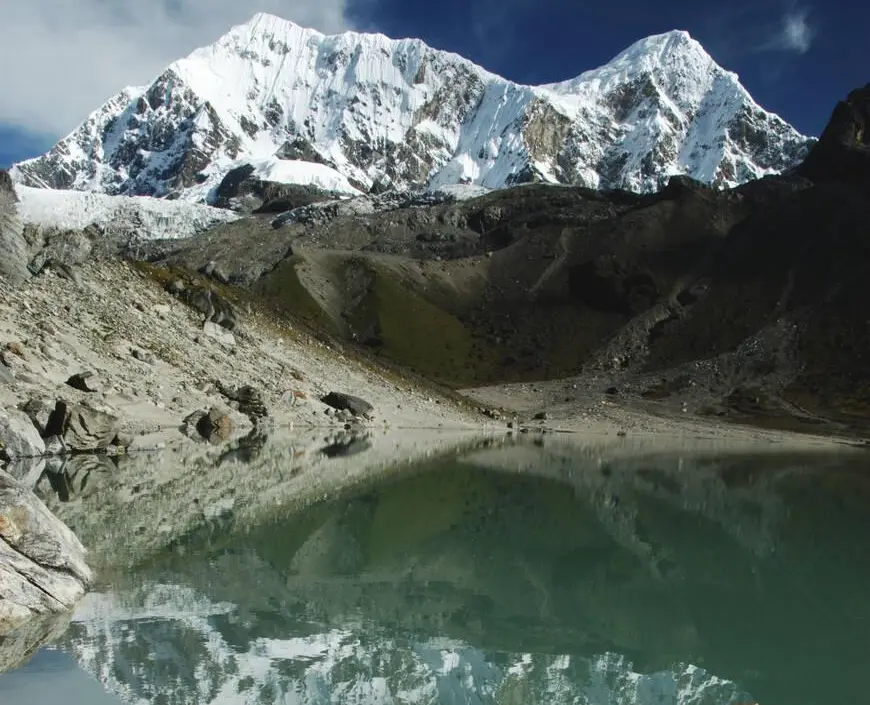
Journey to the sacred Milky Lake in the Solu-Khumbu highlands, one of Nepal's most spiritual and least-crowded treks.

Discover one of Nepal's most spiritual and least-crowded treks—where sacred lakes meet Sherpa culture in the pristine Solu-Khumbu highlands
Exploring the Dudh Kunda Trek with Higher Path Treks & Expeditions promises an extraordinary journey into the heart of the Everest region, offering a unique blend of cultural immersion and untouched natural beauty. Located in the Solu-Khumbu district of Nepal, this trek takes adventurers through pristine landscapes and remote Sherpa villages, culminating in a sacred lake surrounded by towering Himalayan peaks.
Higher Path Treks & Expeditions, known for its expertise in organizing treks that combine adventure with cultural exploration, ensures a seamless experience from start to finish. Upon arrival in Kathmandu, trekkers are greeted with warm hospitality and comprehensive logistical support, including transfers and necessary permits. This attention to detail allows trekkers to focus on enjoying the trekking experience without worrying about administrative complexities.
The Dudh Kunda Trek stands apart from more popular routes like Everest Base Camp or Annapurna Circuit by offering:
The journey to Dudh Kunda typically begins with a scenic flight from Kathmandu to Phaplu, a picturesque town in the Solu region that serves as the gateway to the lower Everest area. This 35-minute flight offers stunning aerial views of terraced farmlands transitioning into snow-capped peaks—a preview of the landscapes ahead.
Alternative Access: For those seeking a more adventurous start or when flights are unavailable, a scenic drive from Kathmandu to Phaplu takes approximately 8-10 hours through winding mountain roads. While longer, this overland journey provides intimate glimpses of rural Nepali life and changing ecosystems.
From Phaplu, trekkers embark on a journey that gradually ascends through lush forests of rhododendron, magnolia, and pine, offering glimpses of traditional Sherpa culture and architecture along the way. The trails are adorned with prayer flags and Mani stones, reflecting the deep spiritual essence of the region. These Buddhist inscriptions and colorful flags create a meditative atmosphere, reminding trekkers that this isn't just physical journey—it's a pilgrimage for many locals.
The initial days of trekking pass through dense subtropical and temperate forests where rhododendrons bloom spectacularly in March and April, painting entire hillsides in shades of red, pink, and white. The trail weaves through small Sherpa and Rai villages where traditional stone houses with slate roofs dot the landscape, and locals practice centuries-old agricultural methods on terraced fields.
Unlike the more commercialized routes, villages on the Dudh Kunda trek maintain authentic lifestyles. You might witness:
These cultural encounters provide context for the spiritual significance of Dudh Kunda itself—this isn't merely a trekking destination but a sacred pilgrimage site where locals make annual journeys seeking blessings.
As trekkers ascend higher, the landscape transforms dramatically, revealing panoramic views of snow-capped peaks including Numbur Himal (6,959m), Karyolung (6,511m), and distant glimpses of Everest (8,849m). The vegetation thins, forests give way to alpine scrub, and the air becomes noticeably thinner.
Key highlights along the ascent include:
The moderate altitude gain (reaching approximately 4,560 meters) requires proper acclimatization, which Higher Path Treks & Expeditions builds into the itinerary through carefully paced daily stages. This approach significantly reduces altitude sickness risks while allowing trekkers to fully appreciate their surroundings rather than rushing upward.
The highlight and spiritual heart of the trek is Dudh Kunda, a sacred lake nestled at an altitude of 4,560 meters (14,957 feet). The name translates to "Milky Lake" in Nepali—a reference to the lake's distinctive white-blue coloration caused by glacial melt carrying fine sediment particles.
Dudh Kunda holds profound spiritual importance for both Hindu and Buddhist communities. According to local legends:
For trekkers, witnessing or participating in these spiritual practices adds depth to the adventure—transforming it from mere physical achievement into cultural understanding.
Beyond its spiritual significance, Dudh Kunda captivates with sheer natural beauty:
The serene waters of Dudh Kunda, surrounded by rocky amphitheater of snow-dusted peaks, create a tranquil and spiritually uplifting atmosphere that justifies every step of the journey.
Throughout the trek,Higher Path Treks & Expeditions prioritizes safety and comfort, providing experienced guides who are well-versed in the terrain and altitude challenges. Unlike larger commercial operations rushing groups through itineraries, we encourage trekkers to trek at a comfortable pace, allowing ample time for:
Accommodations vary based on location and altitude:
All accommodations include meals featuring traditional Nepali food—primarily dal bhat (rice and lentils), which provides excellent trekking nutrition. The repetitive menu is actually a blessing: dal bhat's carbohydrate-protein combination offers sustained energy at altitude.
Higher Path Treks & Expeditions is committed to sustainable tourism practices, actively working to:
This approach not only enhances the trekking experience but also contributes positively to the livelihoods of those living in the region, ensuring that tourism benefits reach the communities that make these adventures possible.
The Dudh Kunda Trek occupies a unique position in Nepal's trekking landscape:
While thousands flock annually to Everest Base Camp or Annapurna Base Camp, Dudh Kunda remains relatively undiscovered by international trekkers. This means:
Unlike purely scenic treks, Dudh Kunda offers a spiritual component often absent from more commercialized routes. The lake's religious significance, the presence of pilgrims, participation in or observation of rituals, and the general atmosphere of reverence add layers of meaning to the physical challenge.
Trekkers often report that reaching Dudh Kunda feels less like summiting a peak and more like completing a pilgrimage—regardless of their personal religious beliefs, the site's spiritual energy is palpable.
With a maximum altitude of 4,560 meters, Dudh Kunda sits in the "goldilocks zone" of trekking difficulty:
The trek requires reasonable fitness—ability to walk 5-7 hours daily with modest elevation gain—but doesn't demand the extreme endurance needed for 5,500+ meter treks.
Spring offers arguably the best trekking conditions:
Drawback: This is peak season for most Nepal treks, meaning slightly more crowded trails (though still far less than Everest or Annapurna routes)
Post-monsoon autumn provides:
Drawback: Another peak season with higher lodge occupancy and prices.
Monsoon trekking has both challenges and unique appeals:
Drawbacks: Frequent rain, leeches at lower elevations, obscured mountain views, slippery trails, and potential flight delays.
Winter trekking suits those seeking solitude and willing to brave cold:
Drawbacks: Very cold nights (sub-zero temperatures at Dudh Kunda), some lodges may be closed, shorter daylight hours, and Dudh Kunda lake may be frozen.
While not technically difficult, Dudh Kunda demands reasonable cardiovascular fitness:
Training recommendations:
Packing appropriately ensures comfort and safety:
Clothing layers:
Footwear:
Equipment:
Personal items:
Higher Path Treks & Expeditions can arrange equipment rental in Kathmandu for items like sleeping bags, down jackets, and trekking poles, reducing what you need to pack from home.
Required permits for Dudh Kunda Trek include:
Higher Path Treks & Expeditions arranges all permits, simplifying the bureaucratic process. You simply provide:
Travel insurance is mandatory and must cover:
For trekkers with extended time, Dudh Kunda combines well with other Everest region treks:
Add 2-3 days to visit Pikey Peak (4,065m), famous for sunrise views over Everest. This combination offers diverse landscapes and two distinct highland experiences without extreme altitude.
Continue from Dudh Kunda to connect with the main Everest Base Camp trail via Lukla, creating a comprehensive 2-3 week circuit encompassing both lesser-known and classic routes.
Spend extra days in Sherpa villages, participating in:
Understanding typical trekking days helps set realistic expectations:
Morning (6:30-8:00 AM):
Trekking (8:00 AM-3:00 PM):
Afternoon/Evening (3:00-9:00 PM):
This rhythm continues daily, with rest days breaking the pattern for acclimatization and cultural exploration.
Choosing the right trekking company significantly impacts your experience.Higher Path Treks & Expeditions distinguishes itself through:
Our guides aren't just route-finders—they're cultural ambassadors, safety experts, and passionate storytellers. All guides have:
We maintain maximum 8 trekkers per guide, ensuring:
Our commitment to fair labor practices includes:
From initial inquiry to post-trek follow-up, we provide:
We actively work to minimize environmental impact:
At the conclusion of the trek, trekkers return to Kathmandu with memories of breathtaking landscapes, encounters with Sherpa culture, and a profound sense of accomplishment. The flight back from Phaplu offers final aerial views of the mountains you've walked among, creating a satisfying sense of journey completion.
But the Dudh Kunda Trek's impact extends beyond the immediate experience:
Many trekkers report that Dudh Kunda was a transformative experience—not in a cliché "find yourself" way, but through genuine challenge, cultural exposure, and the simple clarity that comes from days spent walking, eating, sleeping, and repeat.
The Dudh Kunda Trek with Higher Path Treks & Expeditions is not just an adventure; it's a journey of discovery, spiritual renewal, and appreciation for the natural wonders of Nepal. Whether you're a seasoned trekker or embarking on your first Himalayan expedition, we ensure that every moment is enriching and unforgettable.
Ready to embark on this sacred journey? Explore our full trekking options in Nepal or contact us directly to discuss your Dudh Kunda adventure. We're also available on WhatsApp for quick questions.
For those seeking other off-the-beaten-path adventures, consider our Tsum Valley Trek or Makalu Base Camp Trek—equally stunning alternatives to overcrowded classic routes.
The mountains are calling. Dudh Kunda awaits. Will you answer?
Top Blogs About Trekking in the Everest Region:
Uncover the best blogs about trekking in the Everest region, featuring expert advice, detailed itineraries, personal experiences, and essential tips for adventurers looking to explore the Himalayas.
Photography Guide: Capturing the Himalayas Without Expensive Gear
Everest Luxury Trek: An Unforgettable Himalayan Experience
Nepal Peak Climbing 2026: Routes, Tips, and Top Summits
Solo Trekking to Everest Base Camp: Is It Possible?
Top 10 Highlights of the Everest Base Camp Trek
Successfully Trekking to Everest Base Camp and Kala Patthar
Why Famous Trekkers Choose Everest Base Camp?
Autumn Season to Everest Base Camp Trek
The Best Hiking Adventures: Famous Peak Climbs in 2025
Top Himalayan Peaks for Beginner Climbers: A Comprehensive Guide
Everest Three Peaks: A Beginner’s Guide to the Ultimate Himalayan Challenge
Is Peak Climbing in Nepal Easy for Beginners?
Must-Know Facts About Everest Base Camp Trekking
Why Gokyo Ri is a Must-Visit for Everest Trek Lovers
The Roof of the World: Peak Climbing Journeys through Nepal’s High Country
What to Expect on an Island Peak Climbing Expedition
Mera Peak Climbing Guide for Beginners: Tips, Difficulty & Preparation
Four Peaks, One Journey: Mera, Island, Lobuche & Amphu Lapcha Expedition
Top Best Expedition Packages in Nepal 2025
Which is Easier: Mera Peak or Island Peak?
Why Choose Island Peak Climbing with Everest Base Camp Trek for Beginners
Best Trekking Peaks in Everest Region for Beginners
Experience Mountain View in Nepal
Essentials for Everest Base Camp
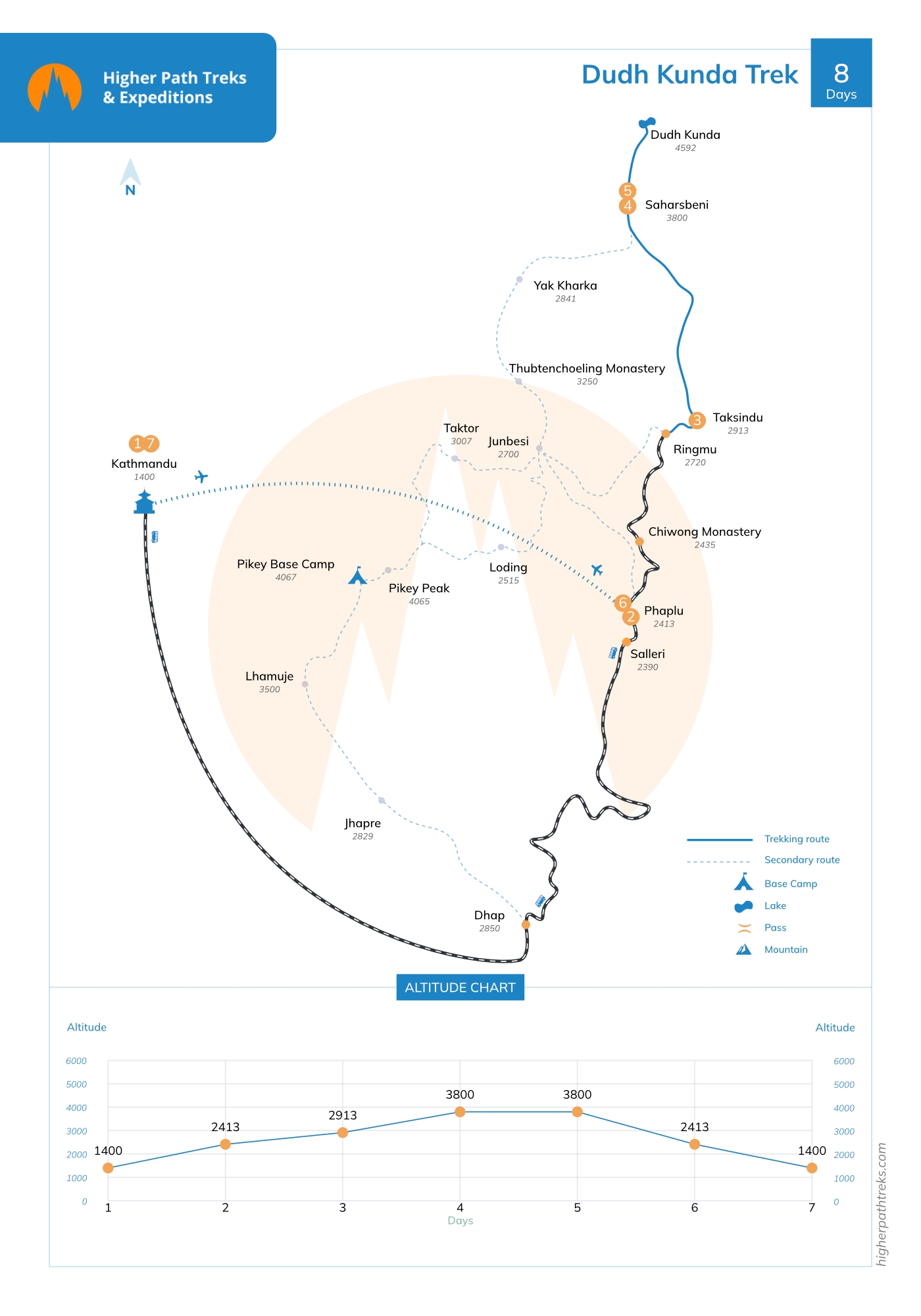
Today's journey to Phaplu offers two distinctly different experiences—you choose based on preference, time, and budget.
Option 1: Flight to Phaplu (35 minutes)
The morning flight from Kathmandu to Phaplu is spectacular, weather permitting. These small aircraft fly low enough that you'll see terraced farmlands transition into forested hills, then snow peaks emerging like teeth on the horizon. On clear days, Everest, Lhotse, and Makalu appear to the north—your first glimpse of the giants you'll be trekking toward. The flight path essentially gives you an aerial preview of the Solu-Khumbu region, with the pilot often pointing out major landmarks.
Landing at Phaplu's hillside airstrip feels like arriving at the edge of civilization. The airport is more like a large house with a grass field attached, but it serves its purpose perfectly. From touchdown to walking into Phaplu village takes about 20 minutes.
Option 2: Drive to Phaplu (8-10 hours)
If flights are booked, weather is questionable, or you prefer overland journeys, the drive offers its own rewards. The 366-kilometer journey winds through the Kathmandu Valley, follows rivers, climbs mountain passes, and passes through towns most tourists never see.
You'll witness rural Nepali life intimately: farmers tending terraced fields, children walking to school in uniform, roadside tea stalls where truck drivers take breaks. The landscape constantly changes—subtropical valleys give way to pine forests, which transition to the high hills of Solu. The drive is long, sure, but it's a journey through the real Nepal beyond tourist circuits.
Arriving in Phaplu
Phaplu sits at 2,469 meters in a wide valley, serving as the administrative center of Solu district. The town has a surprising infrastructure for its remoteness: a hospital founded by Sir Edmund Hillary, schools, shops, and lodges catering to the handful of trekkers who start here rather than flying to Lukla for the classic Everest Base Camp trek.
Check into your lodge, explore the main bazaar if energy permits, and rest early. Tomorrow, the real trekking begins. Your body needs to start adapting to altitude, and sleep at 2,469 meters feels different than at 1,400 meters—you'll notice it tonight.
Your Start Date is the day you land in Nepal, and your End Date is when you fly home.
If the set Dudh Kunda Trek group dates don’t suit your schedule, we can offer alternative dates upon request.
Dudh Kunda Trek with Higher Path Treks & Expeditions was an unforgettable journey into one of Nepal’s most sacred and untouched high-altitude destinations. From the peaceful trails through remote Sherpa villages to the breathtaking arrival at the turquoise Dudh Kunda (Milky Lake) beneath Numbur Himal, every moment felt spiritual and raw. The guides were highly professional, supportive, and deeply knowledgeable about local culture and mountain safety, making the challenging sections feel manageable and safe. Higher Path Treks & Expeditions organized everything smoothly, from permits to accommodations, allowing me to fully immerse myself in the natural beauty and serenity of the Himalayas.
The Dudh Kunda Trek with Higher Path Treks & Expeditions was a peaceful and spiritually enriching journey to one of Nepal’s hidden alpine lakes. The remote trails, pristine nature, and breathtaking mountain views made it truly special. Everything was well organized and handled with care. Karma Sherpa ensured a safe, smooth, and memorable experience throughout the entire trek.
Dudh Kunda Trek is a pilgrimage and adventure trek in the Everest region of Nepal, known for its sacred lake and stunning mountain views.
The Dudh Kunda Trek typically takes around 7-9 days, depending on the starting point and pace. It's a moderate trek suitable for trekkers with a good fitness level.
Dudh Kunda Trek is considered moderate in difficulty. It involves steep ascents and descents, but the altitude gain is gradual compared to other treks in the region.
The best time to trek Dudh Kunda is during the spring (March to May) and autumn (September to November) seasons. These months offer clear skies and pleasant weather, ideal for trekking and enjoying the views.
You will need a local entry permit issued by the Solukhumbu District Administration Office in Salleri. This permit is necessary to enter the Dudh Kunda region.
Accommodation along the Dudh Kunda Trek ranges from basic teahouses to more rustic lodges. Facilities are simpler compared to more popular trekking routes, so it's advisable to carry a sleeping bag.