
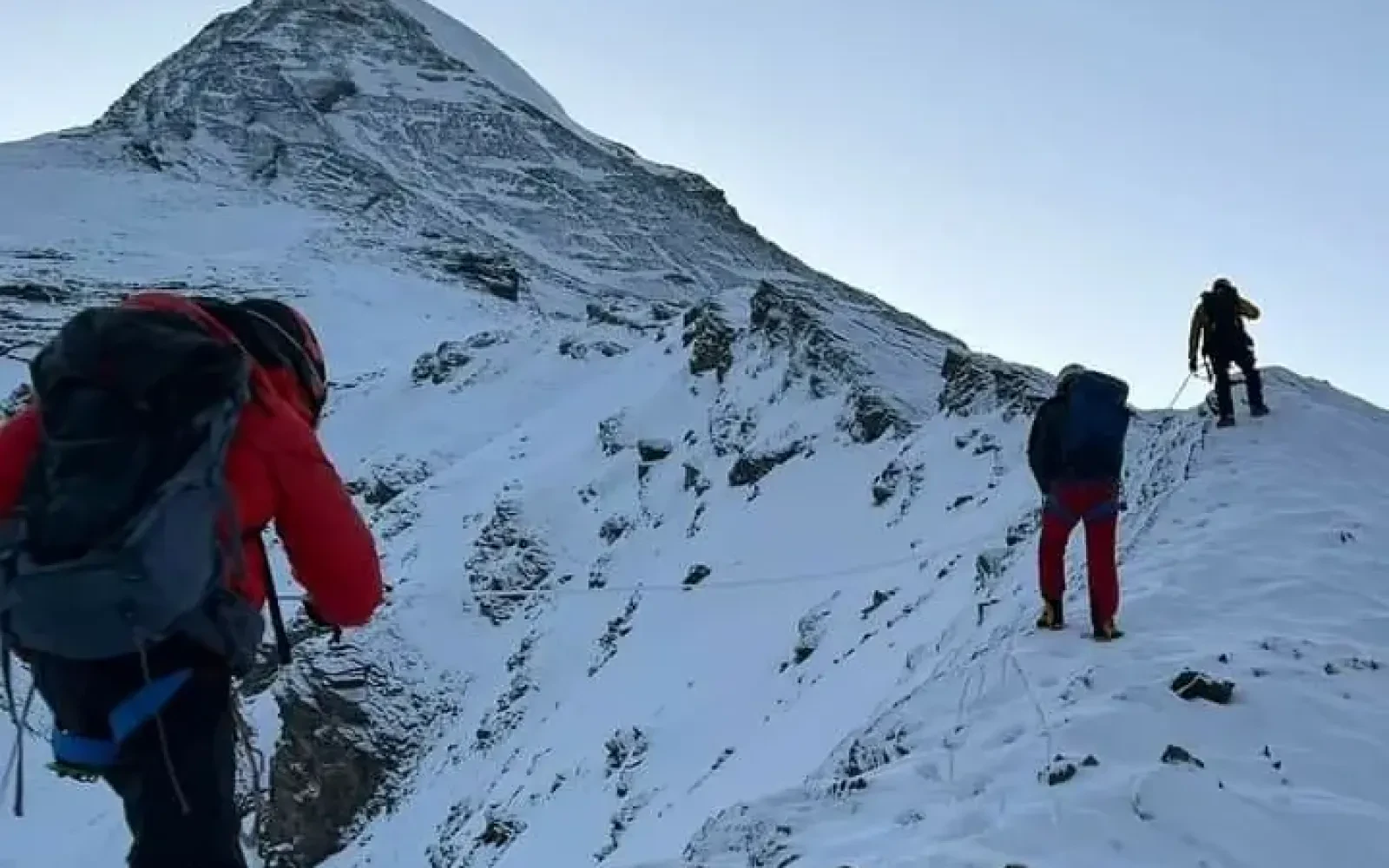
For many adventure seekers and aspiring mountaineers, Nepal holds a dreamlike charm with its majestic Himalayan range, breathtaking landscapes, and a rich mountaineering legacy. But a common question that arises among first-time climbers is: Is peak climbing in Nepal easy for beginners? The answer is both yes and no—it depends on your physical preparation, choice of peak, and the guidance you receive.
Higher Path Treks & Expeditions, a trusted name in Nepalese adventure tourism, understands the concerns and enthusiasm of beginner climbers. The company offers tailored peak climbing packages that cater specifically to novices, ensuring that safety, acclimatization, and training are prioritized. While climbing any Himalayan peak demands effort and resilience, there are several lower-altitude trekking peaks that serve as excellent starting points for first-timers.
Key Takeaways:
Despite the challenges, beginners with decent fitness and determination can absolutely enjoy peak climbing in Nepal. The experience not only offers physical adventure but also spiritual and cultural richness, making it a truly life-changing endeavor.
Peak climbing in Nepal refers to the ascent of trekking peaks—mountains typically ranging between 5,500 and 6,500 meters that are officially classified by the Nepal Mountaineering Association (NMA). These peaks are ideal for adventurers looking to transition from trekking to technical mountaineering. Unlike expedition peaks like Everest or Dhaulagiri, trekking peaks usually involve less risk, shorter itineraries, and require minimal but essential mountaineering skills.
The popularity of peak climbing in Nepal stems from its accessibility and the diversity of peaks available. From the iconic Island Peak to the less-traveled Chulu Far East, Nepal’s trekking peaks offer stunning Himalayan views and a real taste of mountaineering. Climbing these peaks often involves a combination of trekking, basic rope work, ice axe usage, and crampon techniques—skills that can be learned with guidance from experienced leaders.
Why Nepal is Ideal for Peak Climbing:
Higher Path Treks & Expeditions provides comprehensive packages that include pre-climb training, certified guides, and all necessary logistics. This makes peak climbing in Nepal not only accessible but also highly rewarding for beginners eager to push their boundaries in a controlled, safe environment.
Nepal boasts a number of peaks that are well-suited for beginner climbers who want to take their first steps into the world of mountaineering. These beginner-friendly peaks are not just accessible but also provide a perfect mix of moderate challenge, high-altitude experience, and awe-inspiring scenery.
Among the most popular peaks for novices is Island Peak (Imja Tse), located in the Everest region. Standing at 6,189 meters, it is one of the most climbed trekking peaks in Nepal. Another excellent choice is Mera Peak, the highest trekking peak at 6,476 meters, offering panoramic views of five 8,000-meter giants. Lobuche East, though slightly more technical, is still manageable for determined beginners. Other options include Pisang Peak, Yala Peak, and Chulu Far East, each offering unique routes and landscapes.
Top Beginner Peaks:
Higher Path Treks & Expeditions ensures that each trip to these peaks is well-managed, with acclimatization days, proper gear, and hands-on instruction. This allows first-timers to learn and enjoy the experience without unnecessary pressure or risk.
While beginner-friendly peaks are accessible, peak climbing in Nepal is still a physically demanding and mentally challenging pursuit. Understanding the physical and mental requirements is crucial before taking the leap into the Himalayan mountaineering world.
Physically, climbers should have good cardiovascular fitness, leg strength, and stamina. Regular hiking, running, and strength training can significantly help in preparing for the demands of climbing at altitude. You don't need to be an elite athlete, but you must be in good shape to handle long trekking days, cold weather, and climbing with gear. Mental resilience is just as important—altitude can test your patience, focus, and emotional stability.
Basic Requirements:
Higher Path Treks & Expeditions helps clients prepare by offering guidance on pre-trip fitness routines and mental readiness. During the climb, expert guides monitor each climber’s condition, ensuring safety and comfort. Proper acclimatization, hydration, and pacing are emphasized to prevent altitude sickness and fatigue.
In conclusion, peak climbing in Nepal is entirely achievable for beginners who come prepared. With the right mindset, physical conditioning, and support from a professional company like Higher Path Treks & Expeditions, your Himalayan dream can safely become a reality.
Peak climbing in Nepal is a step up from trekking, and while it's accessible to beginners, some technical skills are involved depending on the chosen peak. The good news is that beginners don’t need to be seasoned climbers to embark on their first Himalayan summit. Most beginner-friendly trekking peaks require only basic mountaineering skills, which can be taught during pre-climb training sessions organized by experienced companies like Higher Path Treks & Expeditions.
For instance, skills such as walking with crampons, using an ice axe, tying into a rope, and understanding how to use a harness and carabiner are often sufficient. These are not overly complex and can be learned quickly under the right instruction. Technical skills become more critical only on steeper or more exposed peaks, which are generally not recommended for first-time climbers. The key is choosing the right peak and learning the fundamentals beforehand.
Basic Technical Skills for Beginners:
Higher Path Treks & Expeditions specializes in beginner climbs by incorporating hands-on training during acclimatization days. Their experienced guides demonstrate all necessary techniques in real terrain, giving climbers confidence before the summit push. With proper support, even those new to mountaineering can safely and successfully climb a Himalayan peak without being overwhelmed by technical demands.
Choosing the right season is one of the most important factors for a safe and enjoyable peak climbing experience in Nepal—especially for beginners. The ideal time to climb peaks in Nepal is during the pre-monsoon (spring) and post-monsoon (autumn) seasons. These windows offer the best combination of stable weather, clear skies, and manageable trail conditions, which are crucial for those new to high-altitude climbing.
Spring (March to May) is considered the most favorable season. The weather is warmer compared to autumn, and the trails are often lined with blooming rhododendrons. Snow conditions on the mountains are more consistent, and daylight hours are longer, which provides better acclimatization opportunities. Autumn (September to November) is equally popular, offering crisp, clear views of the Himalayas after the monsoon rains, with cooler temperatures and less crowding on some trails.
Seasonal Tips for Beginners:
Higher Path Treks & Expeditions recommends beginners join spring or autumn climbs to maximize safety and success. Their itineraries are designed to match seasonal conditions with peak-specific logistics. By climbing during the right time of year, beginners enjoy a safer, more comfortable, and scenic journey into the Himalayas.
Peak climbing in Nepal comes with financial and logistical considerations that all climbers—especially beginners—should understand. While it's generally more affordable than high-altitude expeditions, there are still a few cost factors involved. The total cost depends on the peak chosen, the season, the length of the itinerary, and the level of service provided.
Permit fees vary by peak and are regulated by the Nepal Mountaineering Association (NMA). For example, Island Peak and Mera Peak have permit costs ranging from $70 to $250 depending on the season. In addition, climbers must purchase trekking region permits (like the Sagarmatha National Park Permit or Annapurna Conservation Area Permit) and pay TIMS card fees. Other expenses include guide/porter fees, equipment rentals, accommodation, transportation, and insurance.
Typical Expenses for Beginners:
Higher Path Treks & Expeditions provides all-inclusive packages that clearly break down costs and include permits, logistics, professional guides, equipment assistance, and safety support. This transparency is especially valuable for beginners, ensuring there are no hidden fees or surprises. Climbing in Nepal doesn't have to be expensive when it's planned correctly with a reputable agency that understands the needs and budgets of first-time climbers.
Selecting the right guide or trekking agency is arguably the most critical decision for any beginner attempting peak climbing in Nepal. A knowledgeable, licensed, and experienced guide can make the difference between a safe, successful climb and a risky, unpleasant experience. First-time climbers, in particular, need structured support, clear communication, and expert navigation in unpredictable mountain conditions.
A reputable agency like Higher Path Treks & Expeditions offers more than just logistical coordination. Their certified guides are trained in altitude sickness management, first aid, weather interpretation, and technical safety. Moreover, their teams understand the emotional needs of beginners—providing encouragement, building confidence, and pacing the climb to suit each individual's ability.
What to Look for in a Guide/Agency:
Higher Path Treks & Expeditions takes pride in offering personalized service with a high guide-to-climber ratio. They ensure that all climbers receive hands-on instruction in using climbing gear and offer continuous monitoring for signs of altitude sickness. Their dedication to both safety and satisfaction makes them a top choice for those venturing into peak climbing for the first time.
Choosing the right partner is not just about reaching the summit—it’s about learning, growing, and enjoying the Himalayan journey with peace of mind. And that’s exactly what Higher Path Treks & Expeditions is committed to providing.
Peak climbing in Nepal offers an exciting entry into the world of mountaineering, but it’s not without its challenges—especially for beginners. While many trekking peaks are considered accessible, first-time climbers often encounter both physical and mental hurdles that can affect their overall experience. Being aware of these challenges is the first step toward a successful summit.
One of the most common difficulties is altitude acclimatization. Most beginner-friendly peaks in Nepal range between 5,500 to 6,500 meters, where the risk of Acute Mountain Sickness (AMS) becomes real. New climbers may struggle to adjust to the lower oxygen levels, which can cause fatigue, headaches, nausea, and dizziness. Another major challenge is the cold and unpredictable weather—temperatures can drop well below freezing, especially at night or during summit attempts. Managing this requires appropriate clothing, gear, and mental resilience.
In addition, technical climbing techniques, though minimal on trekking peaks, can be daunting for those unfamiliar with rope systems, crampons, or ice axes. Without a reliable guide or proper training, beginners may find the summit push intimidating. Physical endurance is also tested during long trekking days and steep ascents.
Key Challenges for Beginners:
With proper preparation, guidance, and acclimatization, most of these challenges can be overcome. At Higher Path Treks & Expeditions, the team focuses on minimizing these obstacles by offering structured itineraries, comprehensive training, and emotional support to help climbers adjust, learn, and succeed.
If you're planning your first peak climbing experience in Nepal, a bit of preparation and the right mindset can go a long way. Climbing a Himalayan peak—no matter how beginner-friendly—still demands respect for the altitude, environment, and physical effort involved. Luckily, with guidance from experts like Higher Path Treks & Expeditions, even first-time climbers can enjoy a safe and fulfilling ascent.
The first and most essential tip is to start physical training several months in advance. Include cardiovascular workouts like hiking, running, or cycling, as well as strength training focused on legs and core. Additionally, mental endurance is equally important—develop patience, stress control, and the ability to adapt to difficult environments. Remember, success in mountaineering often comes down to mindset more than muscle.
Next, invest in proper gear, or confirm that your agency provides high-quality rentals. Make sure your boots are broken in, and layer clothing to adjust to variable temperatures. Familiarize yourself with the use of basic equipment such as crampons, harnesses, and ice axes. Most importantly, acclimatize properly—don’t rush the climb, and take advantage of rest days.
Practical Tips:
Higher Path Treks & Expeditions supports first-time climbers every step of the way, offering pre-climb briefings, basic gear usage sessions, and a supportive team to help you stay confident. The company’s personalized approach ensures you’re not just climbing—but learning and growing through the journey.
So, is peak climbing in Nepal truly easy for beginners? The answer is nuanced. While Nepal offers some of the most accessible and scenic trekking peaks in the world, climbing at high altitudes will always come with challenges. However, with the right preparation, guidance, and realistic expectations, many first-time climbers can and do reach their summits successfully. The key is not to underestimate the climb, but rather to approach it with humility, preparation, and the support of an experienced team.
For complete beginners, choosing the right peak and the right time of year is crucial. Peaks like Island Peak, Mera Peak, Yala Peak, or Pisang Peak are ideal starting points that combine physical challenge with safety and support. With expert guidance from companies like Higher Path Treks & Expeditions, the journey becomes not just achievable, but incredibly rewarding. Their team takes care of every logistical, technical, and safety aspect, allowing beginners to focus on the experience rather than the stress.
Final Thoughts:
In the end, peak climbing in Nepal is less about difficulty and more about determination and preparation. If you’re ready to challenge yourself, step out of your comfort zone, and experience the Himalayas in an unforgettable way, Higher Path Treks & Expeditions is here to make that dream possible—safely, ethically, and memorably.
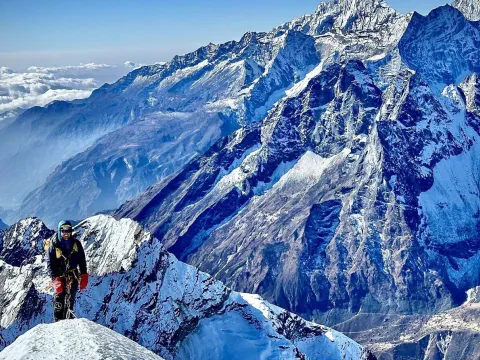
<p>Nepal is renowned for its towering mountains and offers some of the best peak climbing opportunities in the world. The country is home to numerous trekking peaks, ranging from moderate climbs for beginners to more challenging ascents for experienced mountaineers. Some of the best peak climbing options in Nepal include popular peaks like Island Peak, Mera Peak, Yala Peak, and Lobuche East, which are famous for their accessibility, stunning panoramic views, and relatively straightforward climbing routes. </p>
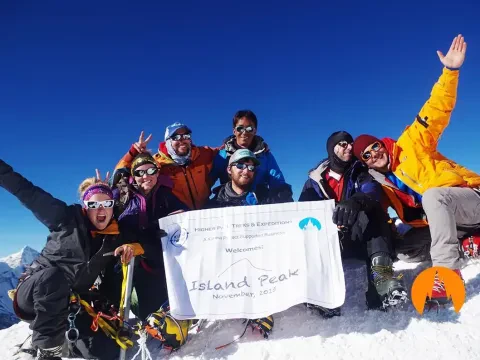
<p>Nepal’s towering Himalayas have long been a magnet for adventurers and mountaineers worldwide. Beyond the iconic summits like Everest and Annapurna, Nepal offers a rich selection of trekking peaks that provide the perfect blend of adventure, challenge, and breathtaking natural beauty</p>
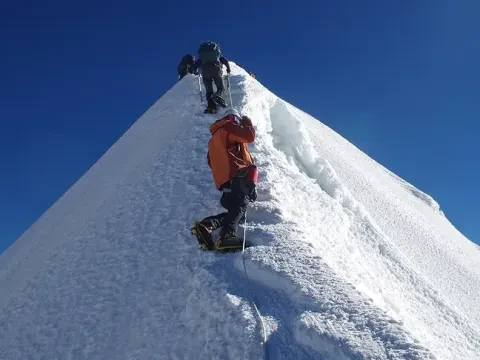
<p>Exploring on a peak climbing expedition in Nepal with Higher Path Treks & Expeditions promises an unforgettable adventure combining breathtaking natural beauty, cultural richness, and challenging mountaineering. Nepal is renowned worldwide for its towering</p>