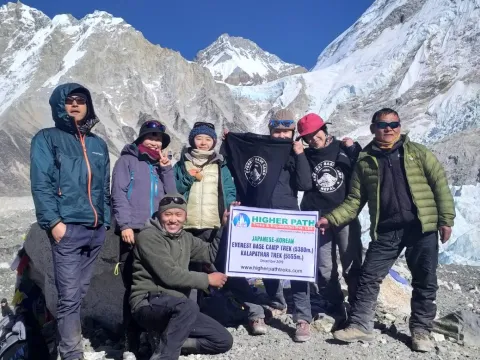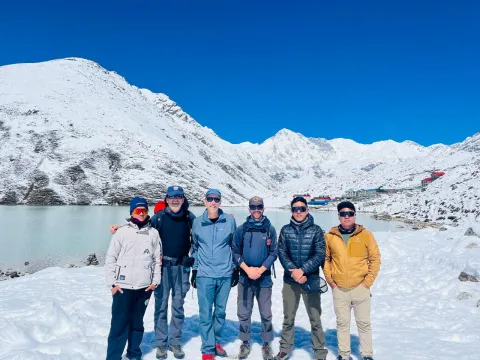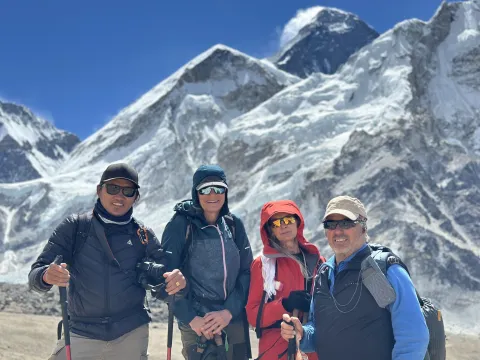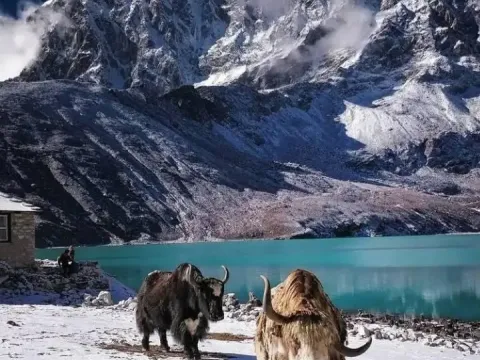
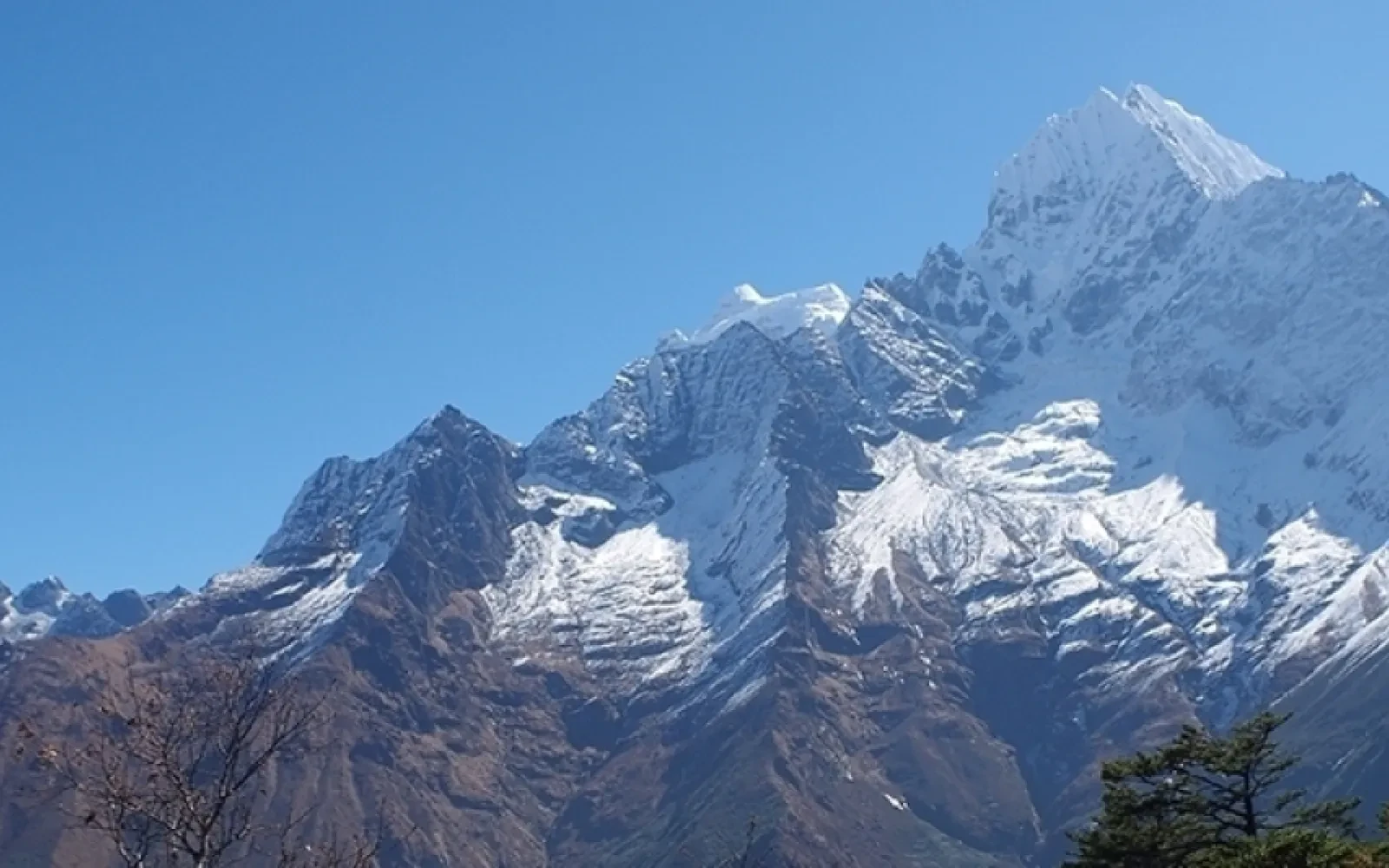
The Everest region in Nepal's most famous trekking and climbing destination, home to the Mount Everest and the legendary Khumbu Valley. Explore Everest Base Camp, Gokyo Lakes, Three Passes, Sherpa culture, stunning Himalayan landscapes and world- class peak climbing with Higher Path Treks and Expedition.
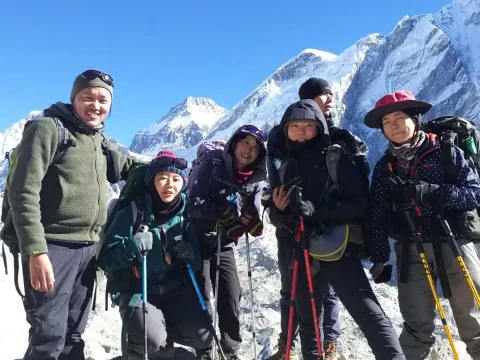
The Everest Base Camp Trek is one of the most famous and iconic Himalayan adventures in Nepal. It offers the perfect combination of breathtaking mountain scenery, Sherpa culture, Himalayan lifestyle and a rewarding trekking experience. This complete itinerary and cost guide covers the day by day route, accommodation, permits, difficulty, altitude, trip highlights, and essential travel tips to help you confidently plan your journey to the base of the world's highest mountain, Mount Everest. The trek begins with a scenic flight from Manthali to Lukla, and follows the legendary Khumbu trail, walking through small villages, suspension bridges, rhododendron and pine forests and passing places such as Phakding, Namche, Khumjung, Tengboche, Pangboche, Dingboche, Lobuche and Gorakshep before reaching Everest Base Camp and Kala Patthar. Trekkers enjoy the breathtaking Himalayan landscapes, culture and lifestyles and see beautifully decorated Mani walls, prayer wheels and colorful prayer flags on the way. The journey follows the same route back to Lukla.What Makes This Trek Truly SpecialThe Everest Base Camp Trek in Nepal is unforgettable. It offers spectacular mountain views. You will experience the warm hospitality of Sherpa community, visit ancient Buddhist monasteries and explore the stunning landscapes of Sagarmatha National Park. You'll learn to say "Namaste" and "Dhanyabad" and probably pick up some Sherpa words along the way.The Khumbu region is protected as Sagarmatha National Park, a UNESCO World Heritage site that's home to rare wildlife including snow leopards (rarely seen), Himalayan Tahr, and the colorful Danphe pheasant (Nepal's national bird). The conservation efforts here are remarkable, especially considering the thousands of trekkers who pass through each year.Quick Facts of Everest Base Camp TrekDuration: 17 daysMaximum Altitude: Approximately 5,640m (Kala Patthar)Trip Grade: ModerateBest Seasons: Spring (March to May), and autumn (mid-September to November)Trek Distance: Approximately 130 km round tripDaily Walking: 5-7 hoursAccommodation: Teahouse/lodgesMeals: Breakfast, lunch and dinner during the trekGroup Size: 1-25 trekkersEverest Base Camp Trek DifficultyThe Everest Base Camp Trek is considered a moderately challenging trek in Khumbu region, Nepal. With good physical fitness, proper preparation and proper acclimatization, even beginners can complete this Nepal trekking without previous trekking experience.Best Time For the Everest Base Camp TrekThe 17-day Everest Base Camp Trek is best during two main seasons:Spring (March to May): Warmer temperatures, stable weather, clear skies, rhododendrons bloom, and the main Everest climbing season means Base Camp is bustling with expedition activity.Autumn (mid-September to November): Clear skies, stable weather, good condition of trails and crisp mountain views. This is peak trekking season for good reason. Winter (December) is possible but freezing, snowing at higher elevations. Monsoon season (June-August) brings clouds, rain, and leeches at lower elevations—generally not recommended unless you enjoy trekking in the rain.Permits For the Everest Base Camp TrekTrekkers need two different permits for the Everest Base Camp Trek. Sagarmatha National Park Entry PermitKhumbu Pasang Lhamu Rural Municipality (Local Government) Permit. Both permits can be obtained in Lukla and Monjo checkpoints, or through Higher Path Treks & Expedition in Kathmandu.Accommodation and Meals during the Everest Base Camp TrekDuring EBC Trek accommodation is provided in comfortable teahouses or mountain lodges, on a twin-sharing basis. Rooms are simple and cozy. Attached bathrooms are available in Phakding, Namche, Pangboche, Dingboche and Lukla, while shared bathrooms are in Lobuche, Gorakshep, Pheriche and Khumjung.Breakfast, lunch and dinner are provided during the trek. Every teahouse has their own food menu, while trekkers can choose their meals from menu. They prepare local and some international dishes. Vegetarian meals are highly recommended, which are prepared freshly, nutritious and easy to digest. Meat is transported over long distances, so it may not be always fresh at higher altitude. Everest Base Camp Trek Altitude and AcclimatizationThe highest altitude of this trekking in Nepal is Kala Patthar approximately (5,640 m) and Everest Base Camp (5,364 m). To complete this trek proper acclimatization is required. We have two acclimatization days, in Namche and Dingboche to make the trip safe and unforgettable.Physical Preparation For the Everest Base Camp TrekTo complete Everest Base Camp Trekking in Nepal, you don't need to be an ultra-athlete and experienced trekker, but you should have a good level of fitness. Aim to hike for 5-7 hours a day with carrying a light day pack. If you live in a flat area, climb the stairs with a backpack for strength. Do regular cardio exercises like hiking, walking, running and cycling for your stamina.Why Trek With Higher Path Treks & Expedition?Higher Path Treks & Expedition provides experienced local Sherpa guides, reliable logistics, and personalized support throughout your trek.Licensed Experienced Guides: Our licensed and professional guides have extensive knowledge of the Khumbu region. Their expertise helps trekkers manage altitude challenges and maximize their chances of successfully reaching Everest Base Camp.Well Planned Itinerary: Our itinerary is carefully designed to suit different experience levels and travel preferences while maintaining proper acclimatization for high altitude adventure.Transparent pricing: Our pricing is transparent, we provide clear information about our included services, permits, accommodation and meals without hidden charges.Safety First: Safety is our top priority, with proper acclimatization, regular health monitoring, and emergency support arrangements when needed.Customer-Focused Service: We focus on creating a personalized and stress-free adventure for every traveler. From airport assistance and permit arrangements to accommodation, meals and we handle every detail so you can focus on enjoying your Himalayan journey.ConclusionThe Everest Base Camp Trek is one of Nepal's most rewarding trekking adventures. It offers breathtaking Himalayan scenery, authentic Sherpa culture, Himalayan lifestyle, and an unforgettable experience of standing at the foot of the world's highest mountain. With proper preparation and acclimatization this trek is suitable for all trekkers, whether you are a first-time trekker or experienced. This trek creates memories that last a lifetime.Ready for your adventure? Contact us today to book your Everest Base Camp Trek.Helpful Blogs About Trekking in the Everest Region:Uncover the best blogs about trekking in Nepal, featuring expert advice, detailed itineraries, personal experiences, and essential tips for adventurers looking to explore the Himalayas.Photography Guide: Capturing the Himalayas Without Expensive GearEverest Luxury Trek: An Unforgettable Himalayan ExperienceNepal Peak Climbing 2026: Routes, Tips, and Top SummitsSolo Trekking to Everest Base Camp: Is It Possible?Top 10 Highlights of the Everest Base Camp TrekSuccessfully Trekking to Everest Base Camp and Kala PattharWhy Famous Trekkers Choose Everest Base Camp?Autumn Season to Everest Base Camp TrekTop Himalayan Peaks for Beginner Climbers: A Comprehensive GuideEverest Three Peaks: A Beginner’s Guide to the Ultimate Himalayan ChallengeMust-Know Facts About Everest Base Camp TrekkingWhy Gokyo Ri is a Must-Visit for Everest Trek LoversThe Roof of the World: Peak Climbing Journeys through Nepal’s High CountryFour Peaks, One Journey: Mera, Island, Lobuche & Amphu Lapcha ExpeditionWhich is Easier: Mera Peak or Island Peak?Best Trekking Peaks in Everest Region for BeginnersExperience Mountain View in NepalEssentials for Everest Base Camp
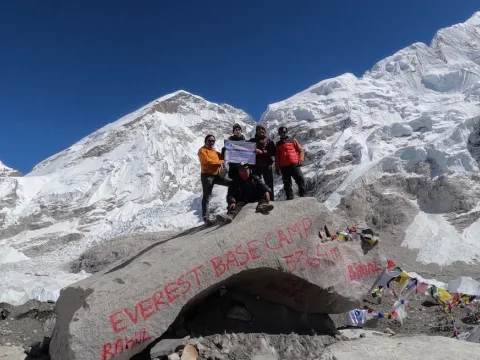
Luxury Everest Base Camp Trek with Helicopter, is a perfect blend of world-class comfort and the legendary journey to the foot of Mount Everest. Designed for travelers who seek both adventure and premium services, this Luxury Everest Base Camp trek follows the classic Everest Base Camp route while providing the best selected luxury lodges, attached bathrooms, hot shower and charging facilities, personalized service, breathtaking mountain scenery and exceptional hospitality throughout the journey.Adventure begins with a scenic helicopter flight from Kathmandu to Lukla, the trek leads through picturesque Sherpa villages, ancient monasteries, rhododendron and pine forests, suspension bridges and the breathtaking landscapes of Sagarmatha National Park. Along the way, you'll enjoy spectacular views of Mount Everest, Lhotse, Makalu, Nuptse, Ama Dablam, Thamserku and other iconic Himalayan peaks while staying in carefully selected luxury lodges and comfortable mountain accommodations.The journey includes proper acclimatization days in Namche Bazaar and Dingboche, allowing you to adapt safely to the altitude while exploring local culture and traditions. The highlights of this journey is reaching Everest Base Camp (5,364 m) and witnessing the unforgettable moment hike to Kala Patthar (5,640 m). From here you will see the spectacular views of Mt.Everest, Lhotse, Nuptse, Pumori, Ama Dablam and 360 degree Himalayan peaks, that make this trek a once-in-a-lifetime experience.Whether you are an experienced trekker or embarking on your first Himalayan adventure, Luxury Everest Base Camp Trek offers the perfect combination of adventure, comfort, and cultural immersion. With expert English speaking guides, selected luxury accommodations, delicious meals, and outstanding mountain scenery, this trek delivers an unforgettable experience in the heart of the Everest region.If you are looking for the most comfortable way to experience the legendary Everest Base Camp Trek, the Everest Base Camp Luxury Trek is the perfect choice with Higher Path Treks and Expedition.Quick Facts of Luxury Everest Base Camp Trek with HelicopterDuration: 15 daysDestination: Everest RegionTrip Style: Luxury TrekkingMaximum Altitude: 5,640 m (Kala Patthar)Trek Grade: Moderate to difficultBest Seasons: Spring (March-May), and Autumn (September-November)Trek Distance: Approximately 130 km round tripDaily Walking: 5-7 hoursAccommodation: Mountain Luxury lodges / TeahouseMeals: Breakfast, lunch and dinner (during the trek)Group Size: 1-12 trekkersWhat Makes This Trek Luxury?During the trekking season in Nepal, flights to Lukla usually operate from Manthali, which takes 5-6 hours drive from Kathmandu. However this trek begins with a scenic helicopter flight directly from Kathmandu to Lukla, avoiding long drive to Manthali. This luxury Everest Base Camp Trek offers comfortable selected mountain luxury lodges with facilities such as attached bathrooms, hot shower, Internet and device charging, comfortable and spacious rooms in all overnights throughout the journey except Gorakshep and Lobuche, due to remote and high-altitude location but we provide best available accommodation there. In addition, we offer personalized service, expert guides and well planned logistics, comfortable and unforgettable trekking memories of the Khumbu Region, Nepal.Who is This Trek For?This Luxury EBC Trek is ideal for travelers who want to experience the Everest Base Camp Trek with comfort. Its perfect for couples, families, honeymooners, Photographers, and travelers seeking for personalized service and premium accommodations. Whether you are experienced trekkers or first time trekker, this Luxury Trek in offers the perfect balance of challenge, comfort, authentic Sherpa culture, Mountain lifestyle and breathtaking views in Khumbu valley.Everest Base Camp Luxury Trek DifficultyLuxury Everest Base Camp Trek with Helicopter is considered as moderate Himalayan adventure in Khumbu region, Nepal. With good physical fitness, proper preparation and well acclimatize beginners can complete this trek without previous trekking experience.Best Time For Luxury Everest Base Camp Trek with HelicopterThe 15-days Luxury Everest Base Camp Trek is best during two main seasons:Spring (March-May): Warmer temperatures, stable weather, rhododendrons in bloom, and the main Everest climbing season means Base Camp is bustling with expedition activity.Autumn (September-November): Clear skies, stable weather, and crisp mountain views. This is peak trekking season for good reason. Winter (December) is possible but freezing, most of the teahouses will be closed especially at higher elevations. Monsoon season (June-August) brings clouds, rain, and leeches at lower elevations—generally not recommended unless you enjoy trekking in the rain.Permits For Everest Base Camp Luxury TrekFor the Everest Base Camp Luxury Trek, trekkers need two different permits. Sagarmatha National Park Entry Permit, Khumbu Pasang Lhamu Rural Municipality (Local Government) Permit.Higher Path Treks & Expedition arranges both permits for you.Accommodation and MealsDuring this Luxury trek accommodation is provided in Luxury Mountain Lodges and teahouses. Mountain Luxury Lodges are available in Phakding, Namche, Diboche, Dingboche and Lukla, while attached bathroom is provided in Lobuche, and shared bathroom in Gorakshep, and Pheriche on the way back.Trekkers get breakfast, lunch and dinner as a meal. Every Mountain Luxury Lodges and teahouse has their own food menu, while trekkers can choose meal on their choice from menu. They prepare local and some international dishes. Vegetarian meals are highly recommended, which are prepared freshly, nutritious and easy to digest. Meats are transported over long distance so it may not be always fresh at higher altitude. Altitude and AcclimatizationThe highest altitude of this trek is Kala Patthar (5,640 m) and Everest Base Camp (5,364 m). To complete this trek proper acclimatization is required. We have two days acclimatization day in Namche and Dingboche to make the trip enjoy, safe, enjoyable and memorable.CommunicationMobile network (Ncell and NTC) is available in the most of the Everest region, except Lobuche, but internet Wi-Fi is available in every places. Due to the high altitude and weather condition sometime internet speed may be slow.Trekkers can use local SIM cards such as Ncell and Nepal Telecom. Our guides also carry communication devices and remain connected with the team throughout the the Trek.Physical Preparation: What You Actually NeedYou don't need to be an ultra-athlete to complete this trek, but you should have good level of fitness. Aim to hike a day for 5-6 hours with a day pack.The best preparation is hiking with elevation gain. If you live somewhere flat area, climb the stairs with a backpack for strength. Do regular cardio exercises like hiking, walking, running and cycling for your stamina.Why To Trek With Higher Path Treks & Expedition?Higher Path Treks provides a professionally managed Himalayan experience with experienced local Sherpa guides, reliable logistics, and personalized support throughout the trek.Carefully Selected Luxury Lodges: We carefully select the best available luxury lodges along the Everest Base Camp trail with clean and spacious rooms, comfortable beds, excellent hospitality and private attached bathrooms where available.Licensed Experienced Guides: Our guides have extensive knowledge of the Everest region. Their expertise helps trekkers manage altitude concerns, and maximize the chances of a successful achievement of Everest Base Camp.Well Planned Itinerary: Our itinerary is designed to suit different experience levels and travel preferences while maintaining proper acclimatization for high altitude adventure.Transparent pricing: Our pricing is transparent, we provide clear information about our included service, permit, accommodation, meal without hidden charges. No extra charges for services included in your package.Safety: Safety is our top priority, with careful well acclimatization planning, regular health monitoring, and emergency support arrangements when needed.Customer Focused Service: We focus on creating a personalized and stress-free adventure for every traveler. From airport assistance and permit arrangements to accommodation, meals and we handle every detail so you can focus on enjoying your Himalayan journey.Conclusion Luxury Everest base Camp Trek with Helicopter is an unforgettable Himalayan adventure. With experienced guides, proper acclimatization and reliable support from Higher Path Treks & Expedition, this adventure offers a safe and rewarding experience for adventure seekers looking to explore the Everest region, Nepal. Book Your Luxury Everest Base Camp Trek TodayReady to experience the Luxury Everest Base Camp Trek? Contact Higher Path Treks & Expedition today. Let us help you create an unforgettable journey to the Everest region. Helpful Blogs:Nepal Trekking Permits: Costs, Requirements & Where to Get ThemEverest Three Passes Trek: Complete Guide, Itinerary & Cost 2026
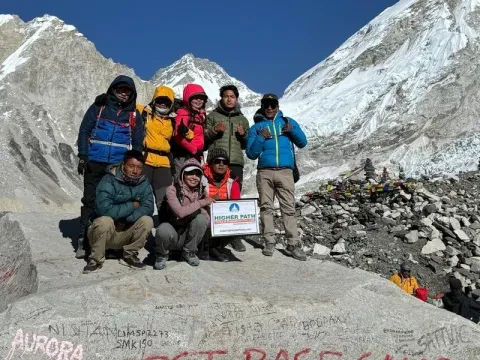
The Everest Base Camp Trek with Helicopter transfer is an unforgettable adventure to the Khumbu region of Nepal, offering an unparalleled blend of natural beauty and cultural richness. Starting from Kathmandu, trekkers take a scenic helicopter flight to Lukla, avoiding the long drive to Manthali and enjoying a faster, easier and more comfortable start to their Everest adventure. From Lukla, the trail follows through lush greenery of rhododendron and pine forests, suspension bridges and traditional Sherpa villages adorned with fluttering prayer flags. As you gain the altitude, the landscape evolves into rugged terrain, crossing glacial rivers and ascending pastures with grazing yaks.En route, trekkers encounter iconic landmarks such as Namche Bazaar, the bustling heart of the Khumbu, where ancient trading traditions meet modern mountaineering culture. Continuing upward, Tengboche Monastery offers a serene pause with panoramic views of Everest and the surrounding peaks. The journey progresses through Dingboche, a picturesque village nestled beneath Ama Dablam's dramatic spire, providing a crucial acclimatization stop.As trekkers approach Gorak Shep, the final settlement before Everest Base Camp, anticipation builds. The ascent to Kala Patthar, a nearby viewpoint, rewards with a breathtaking panoramic view of Mt. Everest, Mt.Nupste, Mt.Pumori,Mt.Khumbutse and surrounding snow capped peaks. Finally, reaching Everest Base Camp itself is a profound moment, standing at the foot of the world's highest peak amidst a sea of colorful tents and the camaraderie of mountaineers preparing for their summit attempts.The Everest Base Camp trek is an iconic journey that draws adventurers from around the globe to witness the majesty of the world's highest peak, Mount Everest. Situated in the Khumbu region of Nepal, this trek is not just a physical challenge but also a spiritual and cultural experience amidst the stunning Himalayan landscape.Trip Facts of Everest Base Camp Trek with Helicopter TransferTrip Duration: 16 daysDestination: Everest (Khumbu) regionDifficulty: ModerateAccommodation: Teahouse/LodgeMeal: Breakfast, lunch, dinnerMaximum Altitude: 5,640 mStart/End Point: KathmanduBest Time: Autumn (September-November), Spring (March-May)Everest Base Camp Trekking PermitsFor this trek trekkers need two permits for the Everest Base Camp trek: The Sagarmatha National Park Entry Permit and Khumbu Pasang Lhamu Rural Municipality (local government) permit. These permits are obtainable through registered trekking agencies in Kathmandu or in Lukla and Monjo.TransportationThe trek begins with a scenic helicopter flight from Kathmandu to Lukla, a small airstrip in the Khumbu region. From Lukla, the trek follows well-established trails through villages like Phakding, Namche Bazaar, Dingboche, and Gorak Shep, finally reach Everest Base Camp. After completing the Everest Base Camp Trek, trekkers return from Lukla to Kathmandu by helicopter, avoiding the long Manthali road journey by jeep.CommunicationCommunication facilities along the trail have improved significantly over the years. For mobile Ncell and NTC (Nepal Telecom) service coverage in many places, however the signal may be weak and unavailable at higher elevation and in remote section in the trail. Wi-Fi is available at most tea houses/lodges along the route. However trekkers should pay or buy Wi-Fi card to use the service.Difficulty & FitnessEverest Base Camp Trek is considered as moderate to difficult adventure. For this trek good fitness is required. Trekkers usually walk 5-7 hours each day. No climbing skills and previous trekking experience are not required. Beginner with good physical fitness can complete this trek. Regular exercise such as hiking, walking, cycling and cardio exercise is recommended before your trek to make adventure enjoy and comfortable.Accommodation & mealsDuring this trek accommodation is provided in comfortable local tea houses, with twin sharing. Rooms are simple and cozy. Attached bathroom are available in Phakding, Namche, Pangboche, Dingboche and Lukla, while shared bathrooms are in Lobuche, Gorakshep, Pheriche and Khumjung.You get three meals is a day (breakfast, lunch and dinner) on the trail. Every teahouses has their own food menu. They prepare local and some international dishes, trekkers can choose meal from menu at teahouse. Vegetarian meals are recommended at higher elevation. Vegetarian meals are fresh, nutritious and easy to digest, while meat is transported over long distances, may not be always as fresh at higher elevation.Altitude &. AcclimatizationThe highest point of this trek is Kala Patthar (5640 m), renowned viewpoint with the spectacular views of the Mt. Everest, Lhotse, Nupste, Pumori, Ama Dablam and surrounding Himalayan peaks.Proper acclimatization is required for this trek. In itinerary two days for acclimatization is included in Namche and Dingboche.Best Time For Everest Base Camp TrekThe best seasons for the Everest Base Camp Trek are autumn (September - November) and spring (March-May). During these months, the weather is generally stable, clear skies, clear mountain views, warmer temperatures and trekking conditions are at their best.Why join with Higher Path Treks & ExpeditionsWith over a decade of experience we have successfully organized and guided journeys including Everest Base Camp Trek, Annapurna region Treks, Langtang Valley treks, Manaslu Circuit Treks and high altitude mountaineering expedition. Our mission is built around three core principles: success, safety and enjoy the journey. whether you are trekking or climbing. Our highest priority is your safety.Why travel with us?Experienced and licensed local Sherpa guidesGovernment registered trekking companySafety- first trekking approachpersonalized service and small groupsTransparent pricing with no hidden costCarefully planned itineraries24/7 customer supportResponsible and sustainable tourism practices Choosing Higher Path Treks & Expeditions means traveling with a reliable, trusted local expert committed to excellence in trekking and mountaineering. From meticulous trip planning and experience guides to personalized service and a with high skilled Sherpa team, we strive to make every journey safe, rewarding and memorable while helping you for discovering the beauty of the Himalayas. ConclusionEverest Base Camp Trek with helicopter transfer offers a unique and time efficient way to experience the iconic Everest region. By taking a scenic helicopter flight from Kathmandu to Lukla and Lukla to Kathmandu, trekkers can skip the long drive to Manthali and enjoy a more comfortable start and finish to their adventure.With proper preparation and acclimatization, this trek is achievable even for beginners without no previous trekking experience. Create unforgettable memories at the foot of the world's highest mountain with the perfect blend of adventure, comfort and spectacular views.Plan Your Everest Base Camp Trek with Helicopter Transfer TodayReady to experience the adventure of a lifetime? Contact Higher Path Treks & Expedition today to customize your Everest Base Camp Trek with helicopter transfer. Our expert trekking team is here to help you plan your Himalayan adventure with detailed information.Helpful blogs for Everest Region trekking:For planning Everest Base Camp Trek? Uncover the best blogs about trekking in the Everest region, featuring expert advice, detailed itineraries, personal experiences, and essential tips for adventurers looking to explore the Himalayas.Everest Luxury Trek: An Unforgettable Himalayan ExperienceSolo Trekking to Everest Base Camp: Is It Possible?Top 10 Highlights of the Everest Base Camp TrekSuccessfully Trekking to Everest Base Camp and Kala PattharWhy Famous Trekkers Choose Everest Base Camp?Autumn Season to Everest Base Camp TrekMust-Know Facts About Everest Base Camp TrekkingWhy Gokyo Ri is a Must-Visit for Everest Trek LoversBest Trekking Peaks in Everest Region for BeginnersEssentials for Everest Base Camp
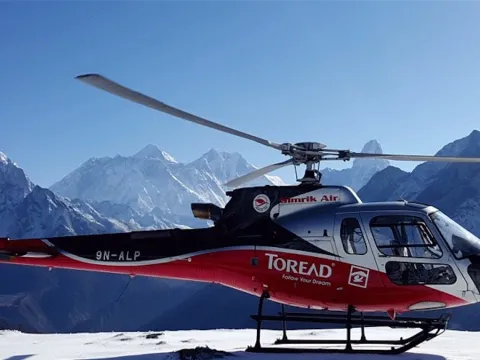
The Everest Base Camp Trek with helicopter return represents the perfect fusion of luxury adventure, offering trekkers an extraordinary way to experience the world's most iconic mountain while adding a spectacular aerial finale to their journey. This itinerary allows trekkers to follow the classic Everest route through the Khumbu region, visit Namche Bazaar and Tengboche monastery walk all the way to Everest Base Camp and Kala Pathhar before descending to Pheriche, where a helicopter picks them up for a scenic flight back to Lukla. This option reduces the overall trekking duration while providing unforgettable views of the Khumbu region.Unlike the traditional Everest Base Camp Trek, which requires several days of descending of foot, the helicopter return option saves time by replacing the return walk with a breathtaking journey from Pheriche to Lukla. This trek is ideal for travelers who want the complete Everest adventure while reducing trekking time, avoiding a long downhill descent and adding a memorable helicopter flight over the Khumbu valley.Trip FactsDuration: 9 daysMaximum altitude: 5640 m Kala PattharDestination: Everest Base CampDifficulty: Moderate to difficultBest Time: March- May and September- NovemberAccommodation: Teahouse/mountain lodges during the trekMeal: Breakfast, lunch and dinner during the trekStart/End Point: KathmanduThe Journey Begins:Trekkers fly from Manthali to Lukla and trek begins from Lukla, follows the Dudh Koshi River valley, a route that has carried mountaineering legends and everyday adventurers alike toward Everest for decades. Each day brings dramatic landscape changes as you gain altitude. The lower valleys feature lush vegetation—rhododendron forests that burst into spectacular bloom during spring, pine trees releasing their distinctive scent, and terraced fields where Sherpa farmers cultivate crops using traditional methods.Suspension bridges become regular features. Each bridge crossing provides photo opportunities and slight adrenaline spikes, particularly when yak trains approach from the opposite direction, requiring trekkers to press against the bridge sides to let these powerful animals pass.As you ascend, the character of the landscape evolves dramatically. Thick forests give way to alpine shrub lands, which eventually yield to stark, high-altitude terrain where only the hardiest plants survive. This transformation happens gradually enough that your body adjusts to the decreasing oxygen, yet dramatically enough that you notice profound changes in your surroundings.Namche Bazaar: The Sherpa CapitalNamche Bazaar stands as the commercial and cultural heart of the Khumbu region, a remarkable amphitheater-shaped settlement carved into the mountainside at 3,440 meters. This town defies expectations—instead of the simple mountain village you might anticipate, Namche offers bakeries producing fresh croissants, shops selling high-end trekking gear, and restaurants with menus featuring everything from traditional dal bhat to pizza and pasta.Spending two nights in Namche allows crucial acclimatization. The golden rule "climb high, sleep low" guides your rest day activities. Trekkers hike to the Everest View Point, where the terrace delivers stunning panoramas of Everest, Lhotse, and the distinctive pyramid of Ama Dablam. This acclimatization hike serves a dual purpose—helping your body adjust to altitude while providing some of the trek's most memorable views.Tengboche Monastery: Spiritual Heart of the KhumbuTengboche Monastery, situated at 3,867 meters, represents the largest and most significant Buddhist monastery in the Khumbu region. Its position offers one of the Himalayan region's most iconic views. From the monastery courtyard, Everest, Lhotse, Nuptse, and Ama Dablam create an amphitheater of snow-capped peaks that seems almost too spectacular to be real. Photographers wait hours for perfect light conditions, while trekkers simply stand in awe, absorbing the profound beauty.If your timing aligns with prayer sessions, witnessing the monks perform their evening rituals adds spiritual depth to the physical challenge of trekking. The deep resonance of ceremonial horns, the rhythmic chanting, and the monastery's ornate interior decorations create an atmosphere that transcends religious boundaries. Even those without Buddhist beliefs find these ceremonies moving and memorable.The monastery suffered destruction in the 1934 earthquake and a devastating fire in 1989, but was rebuilt with support from the international community, symbolizing the global connection to this region. Today it stands as both an active religious center and a cultural landmark, welcoming trekkers who respectfully observe its customs while appreciating its architectural and spiritual significance.Kala Patthar: The Ultimate ViewpointKala Patthar provides superior views of Everest's summit. This black rock peak, rising to 5,640 meters, offers unobstructed panoramas that base camp's valley position cannot match. Most trekkers climb Kala Patthar either the afternoon of their base camp day or the following morning for sunrise.The sunrise climb begins in darkness, trekkers using headlamps to navigate the steep, rocky trail. When the first sunlight strikes Everest's summit, the mountain transforms before your eyes. The snow glows golden, then pink, then brilliant white as the sun climbs higher. You can see the South Col, the route climbers take toward the summit, and the massive cornices that crown the ridge lines. On exceptionally clear days, visibility extends for hundreds of kilometers in every direction.From Kala Patthar, Everest dominates the view, but you're also surrounded by other giants—Mt.Nuptse's massive wall, Mt.Pumori's elegant pyramid, and the entire amphitheater of peaks that defines this region. The Khumbu Glacier spreads below, its surface crevasses and contorted by the immense forces of moving ice. Prayer flags left by previous trekkers snap in the constant wind, adding color and movement to the frozen landscape.Everest Base Camp: Standing at the Foot of the WorldFrom Gorak Shep, the trail follows lateral moraine of the Khumbu Glacier to Everest Base Camp at an altitude of 5,364 meters. Although its exact location changes annually as the Glacier moves, reaching the Everest Base Camp remains the ultimate goal of the trek.During climbing season (typically April and May), base camp transforms into a small settlement of colorful tents housing hundreds of climbers and support staff. The atmosphere buzzes with activity—teams organizing equipment, acclimatizing for higher camps, and preparing for summit attempts. Outside the climbing season, the area is much quieter, marked mainly by prayer flags, the occasional memorial and breathtaking views of surrounding Himalayan peaks.Trekkers usually spend time taking photos, celebrating and enjoying the unique atmosphere before returning back to Gorak Shep for the night. the following day, continue to climb Kala Patthar and descend to Pheriche for the Helicopter flight to Lukla.Practical Advantages of the Helicopter ReturnBeyond the spectacular views, the helicopter return offers several practical advantages that make it appealing to many trekkers. The most obvious benefit is time savings—what would require 3-4 days of downhill trekking takes just 15-20 minutes by air. This time efficiency means you can complete the entire Everest Base Camp experience in 8-10 days rather than the traditional 12-17 days.For professionals with limited vacation time, this compression makes a huge difference. Teachers might fit the trek into a school break. Business professionals might accomplish it within available leave. Parents might schedule it around family commitments. The helicopter return transforms Everest Base Camp from a three-week commitment into a realistic ten-day adventure.Physical considerations also play a role. Descending thousands of vertical meters over multiple days puts enormous stress on knees and joints. Many trekkers find the downhill sections harder on their bodies than the uphill climbing. The helicopter return eliminates this wear and tear, allowing you to finish the trek at your peak of accomplishment rather than limping down tired trails.There's also the freshness factor. By the time traditional trekkers descend, they're retracing familiar trails, seeing the same tea houses, and covering known ground. While there's value in that journey, the helicopter return replaces repetition with novelty—every moment of the flight offers new perspectives and experiences.Planning Your Helicopter Return TrekOrganizing an Everest Base Camp trek with helicopter return requires careful planning and realistic expectations. Weather plays a crucial role in Himalayan helicopter operations. Flights require clear visibility and stable conditions, which aren't guaranteed even during peak trekking seasons. Most trekkers schedule the helicopter flight with 1-2 buffer days built into their itinerary. This buffer allows for weather delays without jeopardizing international flight connections. If conditions prevent flying on your scheduled day, you can wait another day or, in worst-case scenarios, trek down part or all of the route traditionally.The helicopter typically accommodates 4-5 passengers plus the pilot, depending the altitude considerations. Weight restrictions at high altitude mean less payload capacity than at sea level, so passenger numbers and luggage are carefully calculated. Most operators organize shared flights when possible, reducing per-person costs while maintaining the experience quality.Regarding costs, the helicopter return represents a significant additional expense beyond standard trekking costs. However, when you consider what you're gaining—time savings, physical relief, spectacular views, and a unique experience—many trekkers find the investment worthwhile. The memories of flying past Everest at eye level, watching the Himalayas unfold beneath you, last far longer than the financial impact.Best Seasons for Everest Base Camp Trek with Helicopter ReturnThe Everest Base Camp trek with helicopter return follows the same seasonal patterns as traditional treks, with spring (March to May) and autumn (September to November) offering optimal conditions. However, the helicopter component adds an additional weather consideration—clear skies aren't just desirable for views but essential for flight safety.Spring brings warmer temperatures, stable weather patterns, and rhododendron blooms that paint the lower valleys in spectacular colors.Autumn provides the clearest skies of the year, with post-monsoon air scrubbed clean by weeks of rainfall. Mountain photography enthusiasts particularly favor autumn for its exceptional visibility and dramatic light. Temperatures are cooler as spring but still manageable with proper gear.Permits for Everest Base Camp Trek with Helicopter ReturnFor Everest Base Camp Trekking trekkers need two different permits, Sagarmatha National Park Entry permit and Khumbu Pasang Lhamu Rural Municipality (local government) permit). Both permits can be obtained at Lukla.Accommodation and MealComfortable tea houses is provided as a accommodation during the trek. Rooms are simple and cozy. Attached bathroom are available in Phadking, Namche, Pangboche, Dingboche and Lukla, while shared bathrooms are in Lobuche, Gorakshep, Pheriche and Khumjung.As a meal trekkers get breakfast, lunch and dinner. Every teahouse has their own food menu, trekkers can choose meals from menu as their own choice. They serve local and some international dishes as their menu. Vegetarian meals are highly recommended, especially at higher altitude. Vegetarian meals are fresh, nutritious and easy to digest.Physical Preparation and TrainingDon't let the helicopter return component fool you into thinking this is an easy trek. You'll still walk for 7-8 days gaining significant altitude. The only difference is you won't walk back down—but you must still walk up. Proper physical preparation remains absolutely essential.Begin training at least 1-2 months before your trek, focusing on cardiovascular endurance and leg strength. Cardiovascular fitness determines how well your body handles sustained effort at altitude. Activities like running, cycling, swimming, or stair climbing build the aerobic capacity necessary for consecutive days of mountain trekking. Aim for 4-5 cardio sessions weekly, gradually increasing intensity and duration.If possible, incorporate training hikes with elevation gain and a loaded backpack. Even if you live nowhere near mountains, hiking stairs or using a stair machine with a weighted pack simulates trekking conditions. Work up to carrying 5-10 kilograms for several hours—this approximates your day pack weight on the actual trek.Altitude and AcclimatizationAltitude remains the single biggest challenge of this trek, and the helicopter return doesn't change that fact. You'll still climb to over 5,600 meters at Kala Patthar, exposing you to all the physiological challenges of high-altitude trekking. Understanding and respecting altitude is essential for both safety and enjoyment.Acute Mountain Sickness (AMS) can affect anyone regardless of age, fitness level, or previous altitude experience. Common symptoms include headache, nausea, dizziness, and fatigue. More serious conditions—High Altitude Pulmonary Edema (HAPE) and High Altitude Cerebral Edema (HACE)—are potentially fatal and require immediate descent.The key to preventing altitude sickness is gradual ascent. Your itinerary includes built-in acclimatization days at Namche Bazaar and Dingboche, allowing your body time to adjust. Following the "climb high, sleep low" principle—taking day hikes to higher elevations before returning to sleep at lower altitudes—accelerates acclimatization while minimizing risk.Staying well-hydrated helps significantly with altitude adjustment. Aim to drink 3-4 liters of water daily, even if you don't feel particularly thirsty. The dry mountain air and increased respiratory rate at altitude cause rapid fluid loss. Adequate hydration helps prevent AMS and improves overall performance.Listen to your body and communicate honestly with your guide about any symptoms. Environmental ResponsibilityThe Everest region faces significant environmental challenges from increasing tourism, and every trekker bears responsibility for minimizing their impact. The helicopter return actually offers some environmental advantages—less time on trails means reduced waste generation and resource consumption in tea houses. However, helicopter flights do create carbon emissions that trekking doesn't.Plastic waste represents one of the region's biggest problems. Bring refillable water bottles and purification methods (tablets, filters, or UV sterilizers) rather than buying plastic bottled water. Most tea houses now offer boiled water for refilling bottles—while this costs a bit more than tap water, it's far better environmentally than plastic bottles that must be carried out of the region.Practice "Leave No Trace" principles throughout your trek. Pack out all trash that can't be properly disposed of locally, including candy wrappers, batteries, and toiletries. Many tea houses now have organized waste collection systems, but personal responsibility remains crucial. If you generate it, you're responsible for it.Be conscious of water and energy usage in tea houses. Water sources become increasingly scarce at higher altitudes, and the energy required to heat water is expensive and often comes from burned wood or yak dung. Skip daily showers in favor of occasional ones, and when you do shower, be quick. Even biodegradable soaps impact the environment when used excessively.Comparing Traditional Trek vs. Helicopter ReturnDeciding between the traditional round-trip trek and the helicopter return version requires honest assessment of your priorities, physical condition, time constraints, and budget. Neither option is inherently superior—they serve different needs and preferences.The traditional trek offers complete immersion. Walking both up and down means experiencing every section of trail, watching the landscape transform from both perspectives, and having more time to absorb the environment. Some trekkers find the descent meditative—less physically demanding than climbing, allowing mental space to process the journey. The slower pace provides additional opportunities for cultural interactions, photography, and simply being present in the landscape.However, the traditional descent has drawbacks. Those extra 3-4 days of downhill walking stress knees and joints significantly. By the time you're descending, you're retracing familiar ground—the same tea houses, bridges, and viewpoints. While there's beauty in seeing these places again, the sense of discovery inevitably diminishes.The helicopter return sacrifices some of that immersive quality for different advantages. Time efficiency is obvious—cutting 3-4 days from your trek duration makes the experience accessible to people with tight schedules. The physical benefit matters too—eliminating thousands of vertical meters of descent saves your knees considerable wear. And the aerial perspective offers genuinely new experiences rather than repetition of known territory.Cost represents the most significant difference. The helicopter return adds substantial expense to your trek—typically several hundred dollars per person depending on group size and specific operator. For budget-conscious trekkers, this additional cost might be prohibitive. For others, the value proposition—time saved, physical relief, unique aerial experience—justifies the investment.Neither choice is wrong. Traditional trekkers experience the complete journey in its original form, earning their achievement through both ascent and descent. Helicopter return trekkers accomplish the same upward journey while adding an aerial dimension that creates different but equally valid memories.Final Preparations: The Week Before DepartureBefore leaving for your Everest Base Camp Trek with Helicopter Return from Pheriche, complete these final check.Recheck your gear systematically, laying everything out and comparing against your packing list. This is your last chance to purchase forgotten items or replace gear that seems inadequate. Break in any new equipment if possible, though by this point, everything should already be well-tested.Review your travel insurance policy carefully, confirming it covers high-altitude trekking and helicopter evacuation. Print copies of the policy document and emergency contact numbers, keeping these separate from digital versions in case electronic devices fail.Organize important documents—passport, visas, permits, flight confirmations, hotel reservations, and emergency contacts—in accessible but secure locations. Many trekkers scan everything into cloud storage as backup, ensuring access even if physical documents are lost.Inform your bank and credit card companies about your Nepal travel to prevent fraud alerts from blocking your cards when foreign transactions appear. Download offline maps of Kathmandu and trekking regions to your phone, providing navigation backup without requiring cellular connection.Consider your mental preparation too. Visualize the journey ahead—the flight to Lukla, the trail to Namche, the climb to base camp, the helicopter return. This mental rehearsal helps manage anxiety while building positive anticipation. Remind yourself that nervousness is normal and healthy—it reflects appropriate respect for the challenge ahead.Why Choose Higher Path Treks & ExpeditionsHigher Path Treks & Expeditions has over a decade of experience of organizing Everest Base Camp Trek with Helicopter Return, Himalayan adventures. Our experienced guides, reliable logistics and strong commitment to safety ensure a smooth and memorable Himalayan adventure.Experienced Guides: Our licensed trekking guides have extensive knowledge and training in high-altitude, including recognition and treatment of altitude sickness. Safety: Your safety is our priority, Our guides are trained in First Aid and altitude sickness management. They carry comprehensive first aid supplies, maintain communication equipment for emergencies, and know the evacuation procedures if serious problems arise.Transparent Pricing: Transparency defines our business practices. Our pricing clearly specifies what's included and what costs extra—no hidden fees suddenly appearing after you've committed. Reliable Helicopter Coordination: From permit and accommodation to helicopter scheduling, we manage every details of your trip. If weather affects helicopter operations, we arrange suitable alternatives and keep you informed throughout the process. Conclusion: Your Himalayan Adventure AwaitsThe Everest Base Camp trek with helicopter return from Pheriche represents an extraordinary journey that combines traditional adventure with modern convenience, physical challenge with cultural immersion, and ground-level trekking with aerial spectacle. This unique combination creates experiences impossible through any other means—walking among the world's highest peaks before soaring past them at eye level.This trek suits many different types of adventurers. Time-constrained professionals can accomplish it within limited vacation windows thanks to the helicopter return. Photographers gain both ground and aerial perspectives for comprehensive documentation. Couples or groups can share the achievement together, bonding through shared challenge. Solo travelers find ready companionship on popular trails while enjoying the independence of personal journey.Your Himalayan adventure awaits. The trails are ready, the mountains stand eternal, and the experience of a lifetime is within reach. All that remains is taking that first step—contacting us, beginning preparations, and committing to the journey. Everything else flows from that initial decision to transform dreams into reality. If your are planning for Everest Base Camp Trek with Helicopter Return, contact with Higher Path Treks and Expedition.Helpful Blogs About Trekking in the Everest Region:Uncover the best blogs about trekking in the Everest region, featuring expert advice, detailed itineraries, personal experiences, and essential tips for adventurers looking to explore the Himalayas.Photography Guide: Capturing the Himalayas Without Expensive GearEverest Luxury Trek: An Unforgettable Himalayan ExperienceNepal Peak Climbing 2026: Routes, Tips, and Top SummitsSolo Trekking to Everest Base Camp: Is It Possible?Top 10 Highlights of the Everest Base Camp TrekSuccessfully Trekking to Everest Base Camp and Kala PattharWhy Famous Trekkers Choose Everest Base Camp?Autumn Season to Everest Base Camp TrekThe Best Hiking Adventures: Famous Peak Climbs in 2025Top Himalayan Peaks for Beginner Climbers: A Comprehensive GuideEverest Three Peaks: A Beginner’s Guide to the Ultimate Himalayan ChallengeIs Peak Climbing in Nepal Easy for Beginners?Must-Know Facts About Everest Base Camp TrekkingWhy Gokyo Ri is a Must-Visit for Everest Trek LoversThe Roof of the World: Peak Climbing Journeys through Nepal’s High CountryWhat to Expect on an Island Peak Climbing ExpeditionMera Peak Climbing Guide for Beginners: Tips, Difficulty & PreparationFour Peaks, One Journey: Mera, Island, Lobuche & Amphu Lapcha ExpeditionTop Best Expedition Packages in Nepal 2025Which is Easier: Mera Peak or Island Peak?Why Choose Island Peak Climbing with Everest Base Camp Trek for BeginnersBest Trekking Peaks in Everest Region for BeginnersExperience Mountain View in NepalEssentials for Everest Base Camp
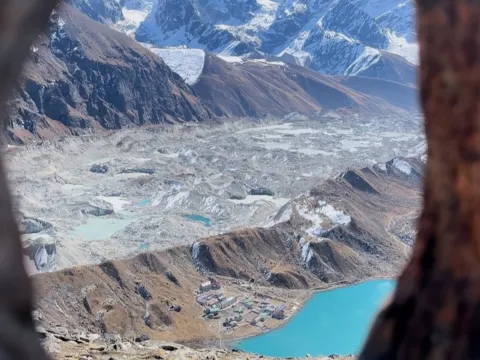
The Everest Base Camp Trek via Gokyo Lakes and Cho La Pass represents one of the most spectacular and comprehensive trekking experiences in the Himalayan region. This extended adventure takes you through diverse landscapes, from lush valleys to glacial lakes, culminating at the foot of the world's highest mountain. Unlike the standard Everest Base Camp route, this combined journey offers trekkers a unique opportunity to witness both the iconic base camp and the stunning turquoise lakes of the Gokyo Valley.The Everest Base Camp with Gokyo Lakes and Cho La Pass trek typically spans 16-19 days, depending on your acclimatization needs and pace. This duration allows for proper altitude adjustment, which is crucial for enjoying the experience and avoiding altitude-related issues. The trek reaches a maximum elevation of 5,640 meters at Kala Patthar, though you'll also cross the challenging Cho La Pass at 5,420 meters.What distinguishes this trek from others in the region is its diversity. You'll experience the bustling atmosphere of Namche Bazaar, the spiritual serenity of Tengboche Monastery, the isolated beauty of Gokyo Valley, and the raw mountaineering environment of Everest Base Camp. Each section of the journey offers something unique, ensuring that monotony never sets in.Trip fact of Everest Base Camp Trek via Gokyo and Cho La PassDuration: Destination: Everest Region, NepalMax Altitude: 5,640 m (Kala Patthar)Best season: Spring (March to May) and Autumn (September to November)Accommodation: Comfortable teahouses during the trekMeals: All meals (breakfast, lunch and dinner) during the trekTrip Grade: Moderate to challengingStar/End Point: KathmanduPermits for Everest Base Camp Trek via Gokyo and Cho La PassFor Everest Base Camp Trek via Gokyo and Cho La Pass trekkers need two different permits:Sagarmatha National Park Entry PermitKhumbu Pasang Lhamu Rural Municipality (Local Government) PermitHigher Path Treks and Expedition arranges these both permits.Best Time for Everest Base Camp Trek via Gokyo and Cho La PassThe Everest Base Camp with Gokyo Lakes trek is possible during most months, but certain seasons offer distinct advantages. Spring (March to May) is considered peak season, with stable weather, warmer temperatures, and rhododendron blooms decorating the lower valleys. Visibility is generally excellent, though occasional afternoon clouds can obscure mountain views.Autumn (September to November) is the other prime season, offering the clearest skies of the year. Post-monsoon, the air is crystal clear, making it ideal for photography and mountain viewing. Temperatures are cooler than spring but still manageable with proper gear.Winter (December to February) brings extreme cold, especially at higher elevations, and some passes might be impassable due to snow. However, winter trekking offers solitude, as fewer trekkers brave these conditions. The views can be stunning on clear days, and tea house owners appreciate the off-season business.Monsoon season (June to August) sees the heaviest rainfall, making trails muddy and leeches common in lower elevations. Cloud cover often obscures mountain views, and flights to Lukla become unreliable. However, the Everest region lies in a rain shadow, receiving less monsoon precipitation than other parts of Nepal, making it more feasible than trekking in regions like Annapurna during this season.Everest Base Camp Trek via Gokyo and Cho La Pass DifficultyEverest Base Camp Trek via Gokyo and Cho La Pass is considered as moderate to challenging adventure. Success on this trek depends significantly on your physical preparation. While you don't need technical climbing skills, you should be comfortable hiking for 5-7 hours daily for consecutive days, often at high altitude. A training program starting 1-2 months before your trek should include cardiovascular exercise, strength training, and ideally some hiking with a loaded backpack.Cardiovascular fitness is crucial. Activities like running, cycling, swimming, or stair climbing build the aerobic capacity needed for high-altitude trekking. Aim for at least 4-5 cardio sessions weekly, gradually increasing intensity and duration.Altitude Considerations and AcclimatizationAltitude is the most significant challenge of this trek. As you ascend above 3,000 meters, the air contains less oxygen, and your body must adjust to function effectively. Proper acclimatization is not just important—it's essential for both enjoyment and safety.Acute Mountain Sickness (AMS) can affect anyone, regardless of age, fitness level, or previous high-altitude experience. Symptoms include headache, nausea, dizziness, and fatigue. More serious conditions—High Altitude Pulmonary Edema (HAPE) and High Altitude Cerebral Edema (HACE)—are potentially fatal and require immediate descent.The key to preventing altitude sickness is a gradual ascent, which is why this trek includes built-in acclimatization days. Following the mountaineering adage "climb high, sleep low" helps your body adjust. Staying well-hydrated, eating adequately despite reduced appetite, and avoiding alcohol at high altitudes all contribute to successful acclimatization.Listen to your body and communicate openly with your guide about any symptoms. There's no shame in descending if altitude affects you—even experienced mountaineers sometimes need to retreat and try again.Accommodation and Food on the TrailThe Everest region's tea house system provides accommodation throughout the trek. These lodges range from basic to surprisingly comfortable, with the more developed areas offering amenities like hot showers (for a fee), WiFi, and charging stations.Rooms are simple, typically featuring two single beds with mattresses and pillows. Blankets are provided, though you'll likely want your sleeping bag for extra warmth at higher elevations. Shared bathroom facilities are standard, with western-style toilets becoming rarer as you gain altitude.The heart of any tea house is its communal dining room, usually featuring a central stove where trekkers gather for warmth and conversation. This social aspect of tea house trekking adds a special dimension to the experience, as you meet fellow adventurers from around the world.Food in tea houses is surprisingly diverse. Dal bhat—rice with lentil soup and vegetables—is the staple Nepali meal and provides excellent energy for trekking. Menus also offer Sherpa stew, momos (dumplings), pasta, pizza, and various Western dishes. At higher altitudes, menus become more limited and cooking times increase due to lower boiling temperatures.Staying hydrated is crucial. Bottled water creates environmental problems, so most trekkers use water purification tablets or filters to treat water from taps or streams. Many tea houses now offer boiled water for refilling bottles, which supports both your health and environmental sustainability.Why Trek with Higher Path Treks & ExpeditionsHigher Path Treks & Expeditions brings over a decade of experience in organizing Himalayan adventures, with a reputation built on professionalism, safety, and customer satisfaction.Our approach prioritizes three essential goals: helping you reach your destination, ensuring your safe return, and making sure you enjoy every step of the journey. While these might sound like basic expectations, delivering on all three consistently requires expertise, planning, and commitment that not every operator provides.Safety forms the foundation of every expedition we organize. Our guides are extensively trained in high-altitude medicine, including recognition and treatment of altitude sickness. They carry comprehensive first aid supplies and maintain communication equipment for emergencies. Our itineraries include appropriate acclimatization schedules, and we never pressure clients to continue if they're experiencing altitude-related difficulties.Experience matters in the mountains. Our guide team includes Sherpas who have climbed Everest and other 8,000-meter peaks, bringing invaluable mountain knowledge to your trek. They know the trails intimately, understand weather patterns, maintain relationships with tea house owners, and can handle unexpected situations with calm competence.We ensure personalized attention and flexibility. Your guide can adapt to your pace, answer your questions thoroughly, and ensure no one gets left behind.Transparency defines our business practices. Our pricing is clear and comprehensive, with no hidden fees appearing after you've committed. We specify exactly what's included in your trek cost and what additional expenses you should budget for. This honesty extends to our assessment of trek difficulty—we provide realistic descriptions so you can prepare appropriately.Making Your Dream Trek a RealityThe Everest Base Camp via Gokyo Lakes and Cho La Pass trek represents an achievement that stays with you forever. The physical challenge, cultural immersion, and natural beauty combine to create an experience that transcends ordinary adventure travel.Be realistic about the challenge while remaining optimistic about your capabilities. This trek is demanding but achievable for people with good fitness and determination. Thousands of trekkers successfully complete it every year, returning home with memories, photographs, and stories that last a lifetime.The journey to Everest Base Camp via Gokyo Lakes is more than just a trek—it's a transformational experience that tests your limits, expands your perspective, and connects you with one of Earth's most spectacular landscapes. Whether you're drawn by the challenge, the scenery, the culture, or simply the desire to stand at the foot of the world's highest mountain, this trek delivers on every promise.Start planning your adventure today, and contact Higher Path Treks and Expeditions Nepal.Uncover the helpful blogs about trekking in the Everest region, featuring expert advice, detailed itineraries, personal experiences, and essential tips for adventurers looking to explore the Himalayas.Photography Guide: Capturing the Himalayas Without Expensive GearEverest Luxury Trek: An Unforgettable Himalayan ExperienceNepal Peak Climbing 2026: Routes, Tips, and Top SummitsSolo Trekking to Everest Base Camp: Is It Possible?Top 10 Highlights of the Everest Base Camp TrekSuccessfully Trekking to Everest Base Camp and Kala PattharWhy Famous Trekkers Choose Everest Base Camp?Autumn Season to Everest Base Camp TrekThe Best Hiking Adventures: Famous Peak Climbs in 2025Top Himalayan Peaks for Beginner Climbers: A Comprehensive GuideEverest Three Peaks: A Beginner’s Guide to the Ultimate Himalayan ChallengeIs Peak Climbing in Nepal Easy for Beginners?Must-Know Facts About Everest Base Camp TrekkingWhy Gokyo Ri is a Must-Visit for Everest Trek LoversThe Roof of the World: Peak Climbing Journeys through Nepal’s High CountryWhat to Expect on an Island Peak Climbing ExpeditionMera Peak Climbing Guide for Beginners: Tips, Difficulty & PreparationFour Peaks, One Journey: Mera, Island, Lobuche & Amphu Lapcha ExpeditionTop Best Expedition Packages in Nepal 2025Which is Easier: Mera Peak or Island Peak?Why Choose Island Peak Climbing with Everest Base Camp Trek for BeginnersBest Trekking Peaks in Everest Region for BeginnersExperience Mountain View in NepalEssentials for Everest Base Camp
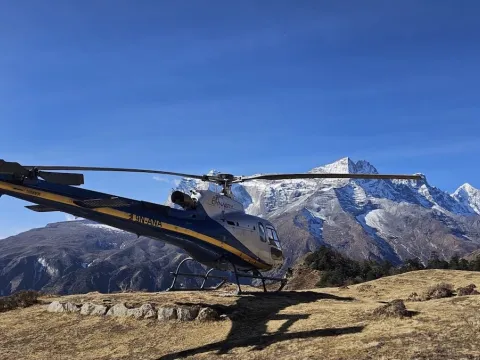
The Everest Helicopter Flight with Breakfast at Everest View Hotel, organized by Higher Path Treks, is a luxurious and awe-inspiring experience that combines a thrilling aerial adventure with a gourmet meal at one of the highest hotels in the world. This unique journey offers an unparalleled opportunity to witness the grandeur of Mount Everest and the Himalayas from the comfort of a helicopter, followed by a delightful breakfast at the iconic Everest View Hotel. Higher Path Treks ensures that every aspect of your experience is meticulously planned, providing a seamless blend of adventure, luxury, and breathtaking scenery.Tour FactsDuration: 4-5 HoursMaximum Altitude: 3,880 m (Hotel Everest View)Region: Everest (Khumbu)Difficulty: EasyMeals: BreakfastBest Seasons: spring (March–May) and autumn (September–November)Start/End Point: KathmanduArrival and Pre-Flight Briefing:Pick-Up and Transfer: Start your Moring, day with a comfortable pick-up from your hotel in Kathmandu. You will be transported to the domestic terminal of Tribhuvan International Airport for your helicopter flight.Pre-Flight Briefing: Upon arrival at the helicopter pad, receive a detailed briefing from your pilot. This session covers safety protocols, flight details, and what to expect during your aerial adventure.Helicopter Flight to Everest:Scenic Flight: Board a luxurious helicopter and explore on an exhilarating flight over the Himalayan range. The helicopter ride offers panoramic views of the majestic peaks, including Mount Everest, Lhotse, Nuptse, and the Khumbu Icefall.Aerial Views: Enjoy breathtaking aerial views of rugged landscapes, serene glaciers, and traditional Sherpa villages. The flight path typically includes a flyover of the Everest Base Camp area, allowing you to appreciate the scale and beauty of the world’s highest peak from above.Landing at Hotel Everest View:Arrival at the Hotel: The helicopter lands at the Hotel Everest View, located at an altitude of 3,880 meters (12,730 feet) in Syangboche. This exclusive hotel offers stunning views of Mount Everest and the surrounding peaks.Photo Opportunities: Take advantage of the helicopter’s landing for stunning photo opportunities. Capture the awe-inspiring scenery and the unique experience of arriving by helicopter.Breakfast at Hotel Everest View:Gourmet Breakfast: Enjoy a delightful breakfast at the Everest View Hotel’s dining area, which boasts panoramic views of the Himalayas. The hotel’s restaurant serves a selection of international and local dishes, prepared with high-quality ingredients.Relax and Reflect: Savor your meal while taking in the breathtaking views of the snow-capped peaks. The serene environment and luxury of the hotel provide a perfect setting for relaxation and reflection.Return Flight to Kathmandu:Scenic Return Journey: After breakfast, board the helicopter for your return flight to Kathmandu. The journey back offers a final opportunity to soak in the spectacular Himalayan views and appreciate the vastness of the mountain ranges.Arrival in Kathmandu: Upon landing at the domestic terminal of Tribhuvan International Airport, you will be transferred back to your hotel or desired destination in Kathmandu.Conclusion The Everest Helicopter Flight with Breakfast at Everest View Hotel with Higher Path Treks offers a once-in-a-lifetime experience that combines the thrill of a helicopter journey with the luxury of dining at one of the highest hotels in the world. This exclusive tour provides a unique perspective of the majestic Himalayas, with the comfort and elegance of a top-tier travel experience. Whether you are an adventure seeker, a luxury traveler, or someone looking to capture unforgettable memories, this tour promises an extraordinary and unparalleled adventure in the heart of the Himalayas.Ready to experience this trip? Contact us and book your trip today. Top Blogs About Trekking in the Everest Region:Uncover the best blogs about trekking in the Everest region, featuring expert advice, detailed itineraries, personal experiences, and essential tips for adventurers looking to explore the Himalayas.Photography Guide: Capturing the Himalayas Without Expensive GearEverest Luxury Trek: An Unforgettable Himalayan ExperienceNepal Peak Climbing 2026: Routes, Tips, and Top SummitsSolo Trekking to Everest Base Camp: Is It Possible?Top 10 Highlights of the Everest Base Camp TrekSuccessfully Trekking to Everest Base Camp and Kala PattharWhy Famous Trekkers Choose Everest Base Camp?Autumn Season to Everest Base Camp TrekThe Best Hiking Adventures: Famous Peak Climbs in 2025Top Himalayan Peaks for Beginner Climbers: A Comprehensive GuideEverest Three Peaks: A Beginner’s Guide to the Ultimate Himalayan ChallengeIs Peak Climbing in Nepal Easy for Beginners?Must-Know Facts About Everest Base Camp TrekkingWhy Gokyo Ri is a Must-Visit for Everest Trek LoversThe Roof of the World: Peak Climbing Journeys through Nepal’s High CountryWhat to Expect on an Island Peak Climbing ExpeditionMera Peak Climbing Guide for Beginners: Tips, Difficulty & PreparationFour Peaks, One Journey: Mera, Island, Lobuche & Amphu Lapcha ExpeditionTop Best Expedition Packages in Nepal 2025Which is Easier: Mera Peak or Island Peak?Why Choose Island Peak Climbing with Everest Base Camp Trek for BeginnersBest Trekking Peaks in Everest Region for BeginnersExperience Mountain View in NepalEssentials for Everest Base Camp
The Everest Three Passes Trek is Nepal's ultimate high altitude adventure, taking you crossing Kongma La Pass (5,535 m), Cho La Pass (5,440 m) and Renjo La Pass (5,400 m) while visiting the famous and iconic destinations Everest Base Camp, Gokyo lakes, Gokyo Ri, Kala Patthar, Khumbu glacier, Ngozumpa glacier and Khumbu Valley. This spectacular circuit offers you the spectacular views of mount Everest, Lhotse, Makalu, Cho Oyu, Pumori, Nuptse, Ama Dablam, Island Peak, Lobuche Peak, Cholatse, Thamserku, Khangteka and numerous Himalayan Peaks. Along the way trekkers experience the traditional Sherpa culture and lifestyle, walk through lush rhododendron and pine forests, visit ancient Buddhist monasteries, and explore famous places such as Namche, Khumjung, Tengboche, Dingboche, Lobuche, Chhukung, Gorakshep, Dzongla, Gokyo and remote Himalayan landscapes. The Three Passes Trek is one of the Nepal's most challenging and rewarding high altitude adventure. This isn't a casual mountain walk where you show up moderately fit and push through. This is 22 days of serious high-altitude trekking in Nepal, crossing three high passes above 5,300 meters, spending nearly two weeks above 4,000 meters, and testing every ounce of physical and mental endurance you possess.But here's what makes it legendary: if you can handle it, this Three Pass Trek delivers the most comprehensive Everest region experience possible. You're not just visiting—you're completing the spectacular circuit through the entire Khumbu region, seeing remote landscapes and view points that most trekkers of the classic Everest trekkers route never experience.The Everest Three Passes Trek is more than a trek - it's one of the greatest trekking adventures in Nepal in Khumbu region.Quick Facts of Everest Three Passes TrekDuration: 22 daysDestination: Everest RegionTrip Style: TrekkingMaximum Altitude: 5,640 m (Kala Patthar)Trek Grade: Moderate to difficultBest Seasons: Spring (March-May), and Autumn (September-November)Daily Walking: 5-8 hoursAccommodation: Mountain lodges / TeahouseMeals: Breakfast, lunch and dinner (during the trek)Group Size: 1-20 trekkersWho is This Trek For?The Everest Three Passes Trek is ideal for travelers who want to experience the three passes of Everest region with Everest Base Camp. Its perfect for good physical fitness trekkers, which offers the perfect balance of challenge, authentic Sherpa culture, Mountain lifestyle and breathtaking views in Khumbu Valley.Everest Three Passes Trek DifficultyThe Everest Three Passes Trek is considered as challenging Himalayan adventure in Khumbu region, Nepal. With good physical fitness, proper preparation and well acclimatize beginners can complete this trek without previous trekking experience.Best Seasons for the Everest Three Passes TrekOptimal: October to early NovemberWhy this is peak season:Post-monsoon clarity clear daysStable weather patternsComfortable daytime temperaturesAll passes reliably passableDashain and Tihar festivals adding cultural richnessThe downside: Crowds. You'll share trails with hundreds of trekkers daily on main routes (though passes themselves are less crowded).Excellent: Late March to AprilSpring advantages:Rhododendron forests blooming (spectacular below 3,500m)Warming temperaturesVery good weather stabilitySlightly fewer trekkers than autumnConsiderations: Cho La can still have significant snow in March. May gets hazy with pre-monsoon clouds building afternoons.Possible but challenging: December to FebruaryWinter realities:Extreme cold (-20 to -30°C at high camps)Cho La often need climbing skillsSome higher lodges closedShorter days (less trekking time)Risk of deep snow on passesWho does winter treks: Experienced mountaineers seeking solitude, photographers wanting crystal-clear skies, hardcore trekkers who've done this route before.Avoid: June to SeptemberMonsoon makes this trek miserable:Clouds obscure mountain views constantlyRain at lower elevations, snow at passesLeeches below 3,000 mLandslide riskRiver crossings become dangerousPermits For the Everest Three Passes TrekFor the Everest Three Passes Trek, trekkers need two different permits. Sagarmatha National Park Entry Permit, Khumbu Pasang Lhamu Rural Municipality (Local Government) Permit.Higher Path Treks & Expeditions arranges both permits for you.Accommodation and Meals During the Everest Three Passes TrekDuring this trek accommodation is provided in comfortable teahouses or mountain lodges, on a twin-sharing basis. Rooms are simple and cozy. Attached bathrooms are available in Phakding, Namche, Pangboche, Dingboche and Lukla, while shared bathrooms are in Lobuche, Gorakshep, Pheriche and Khumjung.Breakfast, lunch and dinner are provided during the Three Passes Trek. Every teahouse has their own food menu, while trekkers can choose their meals from menu. They prepare local and some international dishes. Vegetarian meals are highly recommended, which are prepared freshly, nutritious and easy to digest. Meat is transported over long distances, so it may not be always fresh at higher altitude. Everest Three Passes Trek Altitude and AcclimatizationThe highest altitude of Everest Three High Passes Trek is Kala Patthar (5,640 m) including Three Passes Kongma La Pass (5,535 m), Cho La Pass (5,440 m) and Renjo La Pass (5,400 m). To complete this trek good physical fitness and proper acclimatization is required. We have two days acclimatization day in Namche and Dingboche to make the trip enjoy, safe, enjoyable and memorable.Communication on the Route of the Everest Three Passes TrekMobile network (Ncell and NTC) is available in the most of the Everest region, except Lobuche, Gokyo and Lungden, but internet Wi-Fi is available in every places. Due to the high altitude and weather condition sometime internet speed may be slow.Trekkers can use local SIM cards such as Ncell and Nepal Telecom. Our guides also carry communication devices and remain connected with the team throughout the the Trek.Physical Preparation for the Everest Three Passes TrekYou don't need to be an ultra-athlete to complete three passes trek in Nepal, but you should have good level of fitness. Aim to hike a day for 5-7 hours with a day pack and 7-9 hours during the crossing passes days.The best preparation is hiking with elevation gain. If you live somewhere flat area, climb the stairs with a backpack for strength. Do regular cardio exercises like hiking, walking, running and cycling for your stamina.Everest Three Passes Trek CostThe Everest Three Passes Trek costs USD 2,125 per person. The cost may vary depend on group size, accommodation, transportation and service included in the package. This packages includes permits, accommodation and meals during the trek, an experienced trekking guide, porter service, and domestic transportation as itinerary.Why To Trek With Higher Path Treks & Expedition?Higher Path Treks provides a professionally managed Himalayan experience with experienced local Sherpa guides, reliable logistics, and personalized support throughout the trekking.Licensed Experienced Guides: Our guides have extensive knowledge of the Everest region. Their expertise helps trekkers manage altitude concerns, and maximize the chances of a successful achievement of Everest Three Passes Trek.Well Planned Itinerary: Our itinerary is designed to suit different experience levels and travel preferences while maintaining proper acclimatization for high altitude adventure.Transparent pricing: Our pricing is transparent, we provide clear information about our included service, permit, accommodation, meal without hidden charges. No extra charges for services included in your package.Safety: Safety is our top priority, with careful well acclimatization planning, regular health monitoring, and emergency support arrangements when needed.Customer Focused Service: We focus on creating a personalized and stress-free adventure for every traveler. From airport assistance and permit arrangements to accommodation, meals and we handle every detail so you can focus on enjoying your Himalayan journey.Conclusion Everest Three Passes Trek is an unforgettable Himalayan adventure in Khumbu region, Nepal. With experienced guides, proper acclimatization and reliable support from Higher Path Treks & Expedition, this high passes adventure offers a safe and rewarding experience for adventure seekers looking to explore the Everest region, Nepal. Ready for the Everest Three Passes Trek?Contact Higher Path Treks & Expeditions. Let's discuss whether you're ready, what preparation you need, and how we'll support you through this extraordinary adventure.The Everest High Passes are waiting. The question is: are you?Helpful Blogs About Trekking in the Everest Region:Uncover the best blogs about trekking in the Everest region, featuring expert advice, detailed itineraries, personal experiences, and essential tips for adventurers looking to explore the Himalayas.Photography Guide: Capturing the Himalayas Without Expensive GearEverest Luxury Trek: An Unforgettable Himalayan ExperienceNepal Peak Climbing 2026: Routes, Tips, and Top SummitsSolo Trekking to Everest Base Camp: Is It Possible?Top 10 Highlights of the Everest Base Camp TrekSuccessfully Trekking to Everest Base Camp and Kala PattharWhy Famous Trekkers Choose Everest Base Camp?Autumn Season to Everest Base Camp TrekThe Best Hiking Adventures: Famous Peak Climbs in 2025Top Himalayan Peaks for Beginner Climbers: A Comprehensive GuideEverest Three Peaks: A Beginner’s Guide to the Ultimate Himalayan ChallengeIs Peak Climbing in Nepal Easy for Beginners?Must-Know Facts About Everest Base Camp TrekkingWhy Gokyo Ri is a Must-Visit for Everest Trek LoversMera Peak Climbing Guide for Beginners: Tips, Difficulty & PreparationTop Best Expedition Packages in Nepal 2025Which is Easier: Mera Peak or Island Peak?Why Choose Island Peak Climbing with Everest Base Camp Trek for BeginnersBest Trekking Peaks in Everest Region for BeginnersExperience Mountain View in NepalEssentials for Everest Base Camp
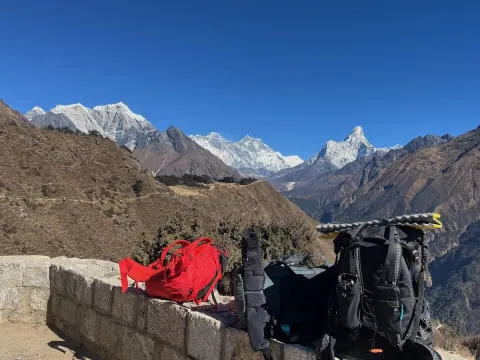
The Everest View Trek is one of the best short trekking in Everest region, Nepal.It offers spectacular views of the world's highest mountain without the long journey to Everest Base Camp.This short Trek is perfect for travelers with Limited time who want to experience the beauty of the Everest region, Sherpa culture, and breathtaking Himalayan landscapes.The Trek begins with a scenic flight to Lukla. Trail follows through authentic Sherpa villages, lush rhododendron and pine forests, Sagarmatha National Park and passing suspension bridges and reach Namche Bazaar. Trekkers get chance to explore the Namche Bazaar, where you can visit local markets, cafes, bakeries, museum and experience the Himalayan lifestyle.Trekkers will visit the famous Hotel Everest View, which is located in 3,880 m. From there you can enjoy the breathtaking views of Mount Everest (8,848.86 m), Lhotse, Nuptse, Ama Dablam, Thamserku, Tobuche and many other Himalayan peaks.The Everest View Trek is suitable for beginners, photographer, families and anyone seeking an unforgettable Himalayan experience in Limited time without long journey to Everest Base Camp. Join at Higher Path Trek & Expedition for safe, enjoyable and memorable journey in the Khumbu Region, Nepal.Trip Facts of Everest View TrekDuration: 9 daysMax Elevation: 3,880 mDestination: Everest RegionTrip Grade: EasyAccommodation: Comfortable teahouse with attached bathroom during the trekMeals: Breakfast, lunch and dinner during the trekStart/End Point: KathmanduEverest View Trek DifficultyEverest View Trek is a short and easy Trek in Khumbu Valley, Nepal, making it ideal for first-time trekkers, beginners and trekkers with limited time. No previous trekking experience is required. The Trail is suitable for anyone with a reasonable level of fitness.Permit for Everest View TrekFor this short and easy trek in Sagarmatha National Park area in Khumbu Valley, Nepal trekkers need two different permits:Sagarmatha National Park Entry Permit.Khumbu Pasang Lhamu Rural Municipality (Local Government) Permit.Best Time For Everest Base Camp TrekEverest View Trekking is best during two main seasons:Spring (March-May): Warmer temperatures, stable weather, rhododendrons bloom, and the trail will be in good conditions.Autumn (September-November): Clear skies, stable weather, and crisp mountain views. This is peak trekking season for good reason. Winter (December, January and February): is possible but freezing, snowing at higher elevations. Monsoon season (June-August) brings clouds, rain, and leeches at lower elevations—generally not recommended unless you enjoy trekking in the rain.Accommodation and MealsDuring this trek accommodation is provided in comfortable teahouses with attached bathrooms. Breakfast, lunch and dinner are provided during the trek. Every teahouse has their own food menu, while trekkers can choose their meals from menu. They prepare local and some international dishes. Vegetarian meals are highly recommended, which are prepared freshly, nutritious and easy to digest.Altitude and AcclimatizationThe highest altitude of this trek is Hotel Everest VIew (3,880 m). To complete this trek proper acclimatization is required. We have two acclimatization days in Namche to make the trip safe and unforgettable.Why Trek With Higher Path Treks & Expedition?Higher Path Treks & Expedition provides experienced local Sherpa guides, reliable logistics, and personalized support throughout your trek.Licensed Experienced Guides: Our licensed and professional guides have extensive knowledge of the Everest region. Their expertise helps trekkers manage altitude challenges and maximize their chances of successfully reaching Everest View Point.Well Planned Itinerary: Our itinerary is carefully designed to suit different experience levels and travel preferences while maintaining proper acclimatization.Transparent pricing: Our pricing is transparent, we provide clear information about our included services, permits, accommodation and meals without hidden charges.Safety First: Safety is our top priority, with proper acclimatization, regular health monitoring, and emergency support arrangements when needed.Customer-Focused Service: We focus on creating a personalized and stress-free adventure for every traveler. From airport assistance and permit arrangements to accommodation, meals and we handle every detail so you can focus on enjoying your Himalayan journey.ConclusionEverest View Trek is one of Nepal's short and easy trek in the Himalayas. It offers breathtaking Himalayan scenery, authentic Sherpa culture, Himalayan lifestyle, and an unforgettable experience. This trek is suitable for all trekkers, whether your are a first-time trekker or experienced. This trek creates memories that last a lifetime.Ready for your adventure? Contact us today to book your Everest View Trek, in Nepal.Helpful blogs:Everest Three Passes Trek: Complete Guide, Itinerary & Cost 2026
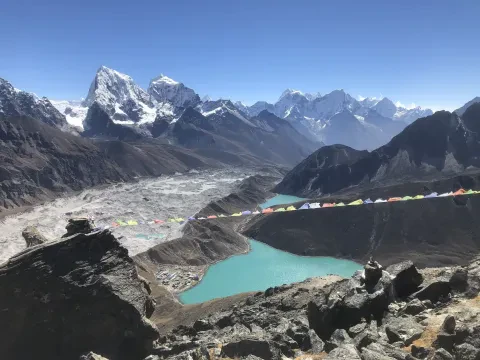
The Gokyo Lake Trek is one of Nepal's most spectacular yet surprisingly uncrowded alternatives to the classic Everest Base Camp route. This breathtaking journey ventures deep into the pristine Khumbu region, revealing a landscape of stunning turquoise glacial lakes, towering Himalayan giants, and authentic Sherpa villages that have maintained their traditional character despite proximity to popular trekking routes. For adventurers seeking the majesty of the Everest region without the crowds that often characterize the base camp trail, the Gokyo Valley offers an experience that many seasoned trekkers consider even more beautiful and rewarding than its famous neighbor.The Gokyo Lake Trek Nepal winds through diverse terrain—from lush rhododendron forests in lower elevations to stark, high-altitude landscapes where glaciers carve their way between peaks that seem to touch the sky. Along the way, you'll pass through traditional Sherpa villages like Namche Bazaar, Dole, and Machhermo before reaching the ethereal Gokyo Valley itself. Here, a series of six glacial lakes shimmer in shades of turquoise and deep blue, their colors so vivid they seem almost artificial, yet completely natural—the result of glacial flour suspended in pristine mountain water.The crown jewel of this journey is the climb to Gokyo Ri at 5,357 meters, a viewpoint that delivers what many consider the finest mountain panorama in the entire Himalayan region. From this vantage point, four of the world's six highest mountains—Everest, Lhotse, Makalu, and Cho Oyu—spread across the horizon in a display of natural grandeur that defies description. The massive Ngozumpa Glacier, Nepal's longest, flows beneath you like a frozen highway, its crevasses surface demonstrating the immense forces that continue shaping this landscape.Gokyo Lake Trek Quick FactsRegion: EverestDuration: 14 daysMax Elevation: 5,357 m Gokyo RiTrek Grade: ModerateAccommodation: Teahouse during the trekMeals: Breakfast, lunch and dinner during the trekBest Season: Spring and autumnStart/End Point: KathmanduWhy Choose the Gokyo Lake TrekSeveral compelling reasons make the Gokyo Trek an exceptional choice for Himalayan adventure. The most obvious advantage is the relative solitude compared to the Everest Base Camp with Helicopter Return trail. While thousands of trekkers crowd the path to base camp, the Gokyo Valley route sees significantly fewer people, allowing for more peaceful trekking, easier lodge accommodation, and more authentic interactions with local communities. This quieter atmosphere creates opportunities for contemplation and deeper connection with the mountain environment that busier trails cannot provide.The scenery along the Gokyo route is arguably more diverse and dramatic. Rather than focusing primarily on reaching a single destination, this trek treats you to constantly changing landscapes—from forested valleys to alpine meadows, from glacial moraines to pristine lakes that reflect towering peaks with mirror-like precision. Each day brings new visual rewards that justify the physical effort required to gain altitude.Gokyo Ri is the best viewpoint, from Gokyo Ri trekkers can see the mount Everest, Lhotse, Makalu, Cho Oyu, Gyachung Khang, Pumori, Ama Dablam, Cholatse and surrounding peaks.For photographers, the Gokyo Valley presents unparalleled opportunities. The turquoise lakes create stunning foreground elements for mountain photography. The changing light throughout the day transforms these lakes from deep blue to brilliant aquamarine, creating endless photographic possibilities that keep even experienced photographers engaged for hours.The Gokyo Trek also offers excellent flexibility for creating extended adventures. Many trekkers combine Gokyo with the Everest Base Camp with Gokyo Lakes route via the challenging Cho La Pass, creating a comprehensive circuit that includes both highlights. This combination delivers the best of both worlds—the iconic Everest Base Camp experience plus the serene beauty of Gokyo Valley, all in one extended journey that typically spans 16-19 days.Gokyo Lake Trekking Route: What to ExpectThe journey to Gokyo Lakes typically begins with the iconic flight from Manthali (Ramechhap) to Lukla, an experience that ranks among the world's most thrilling aviation adventures. Landing at Tenzing-Hillary Airport, perched dramatically on a mountainside with its notoriously short runway, provides an adrenaline-charged introduction to mountain travel. From Lukla at 2,840 meters, the trekking route initially follows the same path as trekkers heading toward Everest Base Camp.The first days lead through the Dudh Koshi valley, passing through Phakding before tackling the significant climb to Namche Bazaar at 3,440 meters. This bustling Sherpa town serves as the commercial and cultural heart of the Khumbu region, offering everything from bakeries and internet cafes to trekking shops and cultural museums. The mandatory acclimatization day here allows your body to adjust to altitude while exploring the surrounding area, perhaps hiking to the Everest View Hotel or visiting the traditional villages of Khumjung and Khunde.From Namche, the Gokyo route diverges from the main Everest Base Camp trail, heading northwest into quieter territory. The path leads through Mong La, Phortse Thanga, Dole, and Machhermo—small settlements that see fewer trekkers and maintain stronger traditional character. These villages offer intimate glimpses into Sherpa life away from the busiest tourist corridors, with lodge owners often having more time for genuine conversation and cultural exchange.As you gain altitude beyond Machhermo, the landscape transforms dramatically. Vegetation becomes sparse, eventually disappearing entirely as you enter the high-altitude zone where only rock, ice, and hardy lichens survive. The trail follows the Dudh Koshi valley upward, climbing over rocky moraines and sandy flats before the first glimpse of turquoise water ahead signals your arrival at the lake system.Gokyo village clusters beside the third lake, its stone lodges providing welcome comfort in this extreme environment. The setting is simply breathtaking—snow-capped peaks surround the lake on all sides, prayer flags flutter constantly in the mountain breeze, and the silence is profound, broken only by wind and the occasional avalanche rumble from distant peaks.Best Time to Trek Gokyo LakeSeasonal timing dramatically affects your Gokyo Valley experience, with each season offering distinct advantages and challenges. Understanding these differences helps you choose the timing that best matches your priorities and tolerance for various conditions.Spring (March to May) ranks among the two optimal seasons for this trek. As winter's grip loosens, temperatures become more manageable, though mornings and evenings remain quite cold at higher elevations. The major advantage of spring is the rhododendron bloom that transforms lower elevation forests into tunnels of pink, red, and white flowers—a spectacular natural display that adds vibrant color to your trek. Visibility is generally excellent, though afternoon clouds sometimes obscure mountain views. This is also Everest climbing season, meaning the region sees maximum traffic, though the Gokyo route remains significantly quieter than the base camp trail.Autumn (September to November) is the other prime season, offering the clearest skies of the year. Post-monsoon, the air is scrubbed clean by months of rainfall, creating exceptional visibility for mountain photography and viewing. The weather tends to be stable with minimal precipitation, though temperatures are cooler than spring. The autumn festival season adds cultural richness, with various celebrations occurring in Sherpa villages throughout the region. October particularly sees heavy trekking traffic, though again, Gokyo routes are less crowded than Everest Base Camp trails.Winter (December to February) brings extreme cold and significant challenges but also unique rewards. Snow often covers high passes and trails, making some sections more difficult or occasionally impassable. Temperatures at Gokyo can drop below -20°C at night, requiring high-quality gear and serious cold tolerance. However, winter offers profound solitude—few trekkers brave these conditions, meaning you might have entire tea houses to yourself and experience the mountains in their most pristine, untouched state. The crystal-clear winter air provides stunning visibility when weather cooperates.Monsoon season (June to August) is generally avoided due to heavy rainfall, leeches at lower elevations, and clouds that obscure mountain views. However, the Everest region sits in a rain shadow, receiving less monsoon precipitation than other parts of Nepal, making it more feasible than regions like Annapurna during these months. The landscapes are lush and green, wildflowers bloom abundantly, and you'll have trails almost entirely to yourself. If you can accept weather unpredictability and potentially limited views, monsoon trekking offers unique advantages for the adventurous.Permits for Gokyo Lake TrekTrekkers need two different permits for Gokyo Lake Trek in Nepal:Sagarmatha National Park Entry Permit.Khumbu Pasang Lhamu Rural Municipality (Local Government) Permit.Higher Path Treks & Expedition arranges both permits.Difficulty Level and Physical Requirements for Gokyo Lake TrekThe Gokyo Lakes Trek is rated as moderately challenging to challenging, suitable for trekkers with good fitness levels and preferably some previous high-altitude trekking experience. While not technically demanding—no climbing skills or specialized equipment beyond standard trekking gear are required—the trek does present significant physical challenges that shouldn't be underestimated.Daily hiking typically spans 5-7 hours, covering distances of 10-15 kilometers while gaining or losing significant elevation. The cumulative effect of consecutive trekking days challenges your cardiovascular system, leg strength, and overall endurance. Unlike single-day hikes where you can push hard knowing rest follows, multi-day treks require pacing yourself to ensure you have energy reserves for the entire journey.Altitude represents the trek's primary challenge. Gokyo village sits at 4,790 meters, and Gokyo Ri reaches 5,357 meters—elevations where oxygen availability is roughly half that at sea level. Your body must work significantly harder to perform even simple tasks, and altitude sickness remains a real concern that requires proper acclimatization and constant attention to symptoms. The gradual ascent profile of this trek helps with acclimatization, but individual responses to altitude vary dramatically regardless of fitness level.The terrain varies from well-maintained trails through lower valleys to rocky, uneven paths at higher elevations. You'll cross numerous suspension bridges that sway above glacial rivers, navigate steep ascents and descents that test your knees and ankles, and walk across rocky moraines where careful foot placement prevents twisted ankles. Trekking poles prove invaluable for maintaining balance and reducing stress on joints during descents.Physical preparation should begin 1-2 months before your trek. Focus on cardiovascular endurance through activities like running, cycling, swimming, or stair climbing. Include long hikes with elevation gain if possible, gradually increasing the weight you carry to simulate trekking conditions. Leg strengthening exercises—squats, lunges, step-ups—prepare muscles for the constant climbing. Don't neglect core strength, which significantly impacts balance and reduces fatigue during long trekking days.Mental preparation matters as much as physical conditioning. Multi-day high-altitude trekking tests your determination, particularly on difficult days when weather turns challenging, altitude affects you, or fatigue accumulates. Understanding that discomfort is temporary and focusing on the incredible experiences and views ahead helps maintain motivation through tough sections.Gokyo Lake Trek Acclimatization and Altitude SafetyProper acclimatization forms the foundation of safe, enjoyable high-altitude trekking. The Gokyo route includes built-in acclimatization through its gradual ascent profile and recommended rest days at key elevations. Understanding and respecting altitude is essential for both safety and trek enjoyment.Acute Mountain Sickness (AMS) can affect anyone regardless of age, fitness level, or previous high-altitude experience. Common symptoms include headache, nausea, dizziness, and fatigue. These symptoms typically develop within 6-24 hours of reaching a new altitude and often resolve with rest and proper hydration. However, if symptoms worsen or don't improve with rest, descent becomes necessary.More serious altitude illnesses—High Altitude Pulmonary Edema (HAPE) and High Altitude Cerebral Edema (HACE)—are potentially fatal and require immediate descent and medical attention. HAPE symptoms include severe shortness of breath, coughing (sometimes with pink frothy sputum), chest tightness, and extreme fatigue. HACE symptoms include severe headache unrelieved by medication, loss of coordination, confusion, and changes in behavior. These conditions constitute medical emergencies.The key to preventing altitude sickness is gradual ascent. The recommended rate is no more than 300-500 meters elevation gain per day once above 3,000 meters, with a rest day every 3-4 days. The Gokyo Valley Trek itinerary typically includes acclimatization days at Namche Bazaar and at Gokyo itself. Following the principle "climb high, sleep low"—taking day hikes to higher elevations before returning to sleep at lower altitudes—accelerates acclimatization.Staying well-hydrated significantly aids altitude adjustment. Aim for 3-4 liters of water daily, even if you don't feel particularly thirsty. The dry mountain air and increased respiratory rate cause rapid fluid loss. Adequate hydration helps prevent AMS and improves overall performance at altitude.Listen to your body and communicate honestly with your guide about any symptoms. There's absolutely no shame in descending if altitude affects you—even world-class mountaineers sometimes need to retreat and try again. Your guide's experience in recognizing and managing altitude issues provides crucial safety backup, but you must report symptoms honestly rather than trying to tough it out.Why To Trek With Higher Path Treks & Expedition?Higher Path Treks provides a professionally managed Himalayan experience with experienced local Sherpa guides, reliable logistics, and personalized support throughout the trek.Carefully Selected Luxury Lodges: We carefully select the best available luxury lodges along the Trekking trail with clean and spacious rooms, comfortable beds, excellent hospitality and private attached bathrooms where available.Licensed Experienced Guides: Our guides have extensive knowledge of the Gokyo, Everest region. Their expertise helps trekkers manage altitude concerns, and maximize the chances of a successful achievement of Gokyo Trek.Well Planned Itinerary: Our itinerary is designed to suit different experience levels and travel preferences while maintaining proper acclimatization for high altitude adventure.Transparent pricing: Our pricing is transparent, we provide clear information about our included service, permit, accommodation, meal without hidden charges. No extra charges for services included in your package.Safety: Safety is our top priority, with careful well acclimatization planning, regular health monitoring, and emergency support arrangements when needed.Customer Focused Service: We focus on creating a personalized and stress-free adventure for every traveler. From airport assistance and permit arrangements to accommodation, meals and we handle every detail so you can focus on enjoying your Himalayan journey.Conclusion Gokyo Lake Trekking in Nepal is an unforgettable Himalayan adventure. With experienced guides, proper acclimatization and reliable support from Higher Path Treks & Expedition, this adventure offers a safe and rewarding experience for adventure seekers looking to explore the Everest region, Nepal. Book Your Gokyo Lake Trek TodayReady to experience the Gokyo Lake Trek in Khumbu valley, Nepal? Contact Higher Path Treks & Expedition today. Let us help you create an unforgettable journey to the Everest region. Helpful Blogs About Trekking in the Everest Region:Uncover the best blogs about trekking in the Everest region, featuring expert advice, detailed itineraries, personal experiences, and essential tips for adventurers looking to explore the Himalayas.Photography Guide: Capturing the Himalayas Without Expensive GearEverest Luxury Trek: An Unforgettable Himalayan ExperienceNepal Peak Climbing 2026: Routes, Tips, and Top SummitsSolo Trekking to Everest Base Camp: Is It Possible?Top 10 Highlights of the Everest Base Camp TrekSuccessfully Trekking to Everest Base Camp and Kala PattharWhy Famous Trekkers Choose Everest Base Camp?Autumn Season to Everest Base Camp TrekThe Best Hiking Adventures: Famous Peak Climbs in 2025Top Himalayan Peaks for Beginner Climbers: A Comprehensive GuideEverest Three Peaks: A Beginner’s Guide to the Ultimate Himalayan ChallengeIs Peak Climbing in Nepal Easy for Beginners?Must-Know Facts About Everest Base Camp TrekkingWhy Gokyo Ri is a Must-Visit for Everest Trek LoversThe Roof of the World: Peak Climbing Journeys through Nepal’s High CountryWhat to Expect on an Island Peak Climbing ExpeditionMera Peak Climbing Guide for Beginners: Tips, Difficulty & PreparationFour Peaks, One Journey: Mera, Island, Lobuche & Amphu Lapcha ExpeditionTop Best Expedition Packages in Nepal 2025Which is Easier: Mera Peak or Island Peak?Why Choose Island Peak Climbing with Everest Base Camp Trek for BeginnersBest Trekking Peaks in Everest Region for BeginnersExperience Mountain View in NepalEssentials for Everest Base Camp
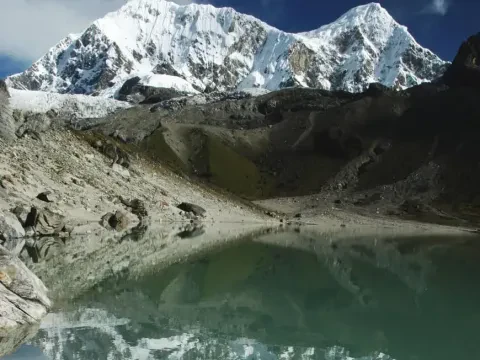
Dudh Kunda Trek: Journey to the Sacred Milky Lake of the Everest RegionDiscover one of Nepal's most spiritual and least-crowded treks—where sacred lakes meet Sherpa culture in the pristine Solu-Khumbu highlandsExploring the Dudh Kunda Trek with Higher Path Treks & Expeditions promises an extraordinary journey into the heart of the Everest region, offering a unique blend of cultural immersion and untouched natural beauty. Located in the Solu-Khumbu district of Nepal, this trek takes adventurers through pristine landscapes and remote Sherpa villages, culminating in a sacred lake surrounded by towering Himalayan peaks.Why Choose Dudh Kunda TrekHigher Path Treks & Expeditions, known for its expertise in organizing treks that combine adventure with cultural exploration, ensures a seamless experience from start to finish. Upon arrival in Kathmandu, trekkers are greeted with warm hospitality and comprehensive logistical support, including transfers and necessary permits. This attention to detail allows trekkers to focus on enjoying the trekking experience without worrying about administrative complexities.The Dudh Kunda Trek stands apart from more popular routes like Everest Base Camp or Annapurna Circuit by offering:Fewer crowds: Experience the Himalayas without the congestion of tourist-heavy trailsAuthentic Sherpa culture: Visit villages rarely touched by mass tourismSpiritual significance: Reach a sacred lake central to local Hindu and Buddhist traditionsDiverse landscapes: Trek through rhododendron forests, alpine meadows, and high-altitude terrainModerate difficulty: Accessible to trekkers with reasonable fitness without technical climbing skillsThe Journey Begins: Kathmandu to PhapluThe journey to Dudh Kunda typically begins with a scenic flight from Kathmandu to Phaplu, a picturesque town in the Solu region that serves as the gateway to the lower Everest area. This 35-minute flight offers stunning aerial views of terraced farmlands transitioning into snow-capped peaks—a preview of the landscapes ahead.Alternative Access: For those seeking a more adventurous start or when flights are unavailable, a scenic drive from Kathmandu to Phaplu takes approximately 8-10 hours through winding mountain roads. While longer, this overland journey provides intimate glimpses of rural Nepali life and changing ecosystems.From Phaplu, trekkers embark on a journey that gradually ascends through lush forests of rhododendron, magnolia, and pine, offering glimpses of traditional Sherpa culture and architecture along the way. The trails are adorned with prayer flags and Mani stones, reflecting the deep spiritual essence of the region. These Buddhist inscriptions and colorful flags create a meditative atmosphere, reminding trekkers that this isn't just physical journey—it's a pilgrimage for many locals.The Trek Experience: What to ExpectForest Trails and Cultural EncountersThe initial days of trekking pass through dense subtropical and temperate forests where rhododendrons bloom spectacularly in March and April, painting entire hillsides in shades of red, pink, and white. The trail weaves through small Sherpa and Rai villages where traditional stone houses with slate roofs dot the landscape, and locals practice centuries-old agricultural methods on terraced fields.Unlike the more commercialized routes, villages on the Dudh Kunda trek maintain authentic lifestyles. You might witness:Traditional butter-making in Sherpa householdsLocal festivals and ceremonies if timing alignsAncient monasteries where monks practice daily ritualsYak herding in higher pasturesThese cultural encounters provide context for the spiritual significance of Dudh Kunda itself—this isn't merely a trekking destination but a sacred pilgrimage site where locals make annual journeys seeking blessings.Ascending Through Changing ZonesAs trekkers ascend higher, the landscape transforms dramatically, revealing panoramic views of snow-capped peaks including Numbur Himal (6,959m), Karyolung (6,511m), and distant glimpses of Everest (8,849m). The vegetation thins, forests give way to alpine scrub, and the air becomes noticeably thinner.Key highlights along the ascent include:Bung Village: A traditional Sherpa settlement where the local monastery offers insight into Buddhist practicesChyangba: Higher altitude village where yak herding becomes the primary livelihoodAlpine Meadows: Vast grasslands where yaks graze during summer monthsRocky Moraines: Final approaches to the lake involve traversing boulder-strewn landscapesThe moderate altitude gain (reaching approximately 4,560 meters) requires proper acclimatization, which Higher Path Treks & Expeditions builds into the itinerary through carefully paced daily stages. This approach significantly reduces altitude sickness risks while allowing trekkers to fully appreciate their surroundings rather than rushing upward.Dudh Kunda: The Sacred Milky LakeThe highlight and spiritual heart of the trek is Dudh Kunda, a sacred lake nestled at an altitude of 4,560 meters (14,957 feet). The name translates to "Milky Lake" in Nepali—a reference to the lake's distinctive white-blue coloration caused by glacial melt carrying fine sediment particles.Religious and Cultural SignificanceDudh Kunda holds profound spiritual importance for both Hindu and Buddhist communities. According to local legends:Hindus believe the lake is associated with Lord Shiva and that bathing in its waters can cleanse sins and bring divine blessingsBuddhists consider it a sacred site connected to Guru Rinpoche (Padmasambhava), who is said to have meditated hereAnnual pilgrimages during the full moon of August (Janai Purnima) bring hundreds of devotees who camp by the lake's shores for ritual bathing and ceremoniesFor trekkers, witnessing or participating in these spiritual practices adds depth to the adventure—transforming it from mere physical achievement into cultural understanding.The Lake's Natural BeautyBeyond its spiritual significance, Dudh Kunda captivates with sheer natural beauty:Mirror-like reflections: On calm mornings, the lake perfectly reflects surrounding peaks, creating surreal double-mountain imageryPrayer flags: Hundreds of colorful flags strung around the lake flutter in high-altitude winds, their prayers carried skywardWildlife: Blue sheep (bharal) and Himalayan tahr sometimes graze near the lake, while lammergeiers soar overheadSunrise magic: Early morning light transforms the lake's color from deep blue to ethereal turquoiseThe serene waters of Dudh Kunda, surrounded by rocky amphitheater of snow-dusted peaks, create a tranquil and spiritually uplifting atmosphere that justifies every step of the journey.Safety, Comfort, and Responsible TrekkingThroughout the trek,Higher Path Treks & Expeditions prioritizes safety and comfort, providing experienced guides who are well-versed in the terrain and altitude challenges. Unlike larger commercial operations rushing groups through itineraries, we encourage trekkers to trek at a comfortable pace, allowing ample time for:Proper acclimatization: Gradual altitude gain reduces altitude sickness riskCultural interaction: Time to visit monasteries, speak with locals, and understand Sherpa traditionsPhotography: Capturing the stunning landscapes without feeling rushedPersonal reflection: The trek offers opportunities for meditation and introspection in one of the world's most inspiring settingsAccommodation OptionsAccommodations vary based on location and altitude:Lower elevations (Phaplu to Bung): Cozy teahouses offering warm Sherpa hospitality, similar to those found on Langtang Valley TrekMid-altitude (Chyangba area): Simple lodges with basic facilities but genuine warmthHigher camps: Camping under the starlit Himalayan sky near Dudh Kunda, ensuring an authentic and immersive experienceAll accommodations include meals featuring traditional Nepali food—primarily dal bhat (rice and lentils), which provides excellent trekking nutrition. The repetitive menu is actually a blessing: dal bhat's carbohydrate-protein combination offers sustained energy at altitude.Our Commitment to SustainabilityHigher Path Treks & Expeditions is committed to sustainable tourism practices, actively working to:Minimize environmental impact: Following Leave No Trace principles, removing all waste, and using eco-friendly productsSupport local communities: Employing local guides and porters, sourcing products from village suppliers, and staying in locally-owned lodgesFair employment: Ensuring guides and porters receive fair wages, proper equipment, insurance coverage, and reasonable load limitsCultural preservation: Encouraging respectful interaction with local customs and supporting monastery maintenanceThis approach not only enhances the trekking experience but also contributes positively to the livelihoods of those living in the region, ensuring that tourism benefits reach the communities that make these adventures possible.What Makes This Trek SpecialThe Dudh Kunda Trek occupies a unique position in Nepal's trekking landscape:Off the Beaten PathWhile thousands flock annually to Everest Base Camp or Annapurna Base Camp, Dudh Kunda remains relatively undiscovered by international trekkers. This means:Pristine trails: Paths that haven't been widened and developed for mass tourismAuthentic villages: Communities maintaining traditional lifestyles without heavy tourist influenceSolitude: Days where you might encounter only a handful of other trekkersPersonal attention: Smaller groups receive better guide-to-trekker ratios and individualized supportSpiritual DimensionUnlike purely scenic treks, Dudh Kunda offers a spiritual component often absent from more commercialized routes. The lake's religious significance, the presence of pilgrims, participation in or observation of rituals, and the general atmosphere of reverence add layers of meaning to the physical challenge.Trekkers often report that reaching Dudh Kunda feels less like summiting a peak and more like completing a pilgrimage—regardless of their personal religious beliefs, the site's spiritual energy is palpable.Manageable ChallengeWith a maximum altitude of 4,560 meters, Dudh Kunda sits in the "goldilocks zone" of trekking difficulty:High enough to feel accomplished and experience genuine Himalayan terrainNot so high that extensive mountaineering experience or technical skills are requiredPerfect for first-timers to high-altitude trekking who find Everest Base Camp too dauntingExcellent preparation for those planning to later attempt Island Peak or Mera PeakThe trek requires reasonable fitness—ability to walk 5-7 hours daily with modest elevation gain—but doesn't demand the extreme endurance needed for 5,500+ meter treks.Best Time to Trek Dudh KundaSpring Season (March-May): Peak BeautySpring offers arguably the best trekking conditions:Rhododendron blooms: Lower forests explode in color, creating stunning hiking through red and pink canopiesClear skies: Pre-monsoon weather typically provides excellent mountain visibilityComfortable temperatures: Daytime warmth at lower elevations, cool but manageable nights at Dudh KundaPilgrimage season: Late spring brings local devotees, offering cultural insightsDrawback: This is peak season for most Nepal treks, meaning slightly more crowded trails (though still far less than Everest or Annapurna routes)Autumn Season (September-November): Crystal ClarityPost-monsoon autumn provides:Exceptional visibility: Rain-washed air offers the clearest mountain viewsStable weather: Minimal precipitation and predictable conditionsComfortable temperatures: Pleasant hiking weather throughoutFestival season: Major Nepali festivals like Dashain and Tihar add cultural richnessDrawback: Another peak season with higher lodge occupancy and prices.Summer/Monsoon (June-August): For the AdventurousMonsoon trekking has both challenges and unique appeals:Lush greenery: Rain transforms landscapes into emerald paradiseWildflowers: Alpine meadows bloom with diverse floraEmpty trails: Very few trekkers venture out during monsoonLower costs: Lodges and guides offer off-season ratesDrawbacks: Frequent rain, leeches at lower elevations, obscured mountain views, slippery trails, and potential flight delays.Winter (December-February): Quiet and ColdWinter trekking suits those seeking solitude and willing to brave cold:Clear skies: Dry winter air provides excellent visibilityEmpty trails: Virtually no other trekkersLower costs: Significant discounts on servicesSnow-covered landscapes: Higher elevations gain winter beautyDrawbacks: Very cold nights (sub-zero temperatures at Dudh Kunda), some lodges may be closed, shorter daylight hours, and Dudh Kunda lake may be frozen.Preparing for Your Dudh Kunda AdventureFitness RequirementsWhile not technically difficult, Dudh Kunda demands reasonable cardiovascular fitness:Ability to hike 5-7 hours daily with a daypack (porters carry main luggage)Comfort with elevation gain: Daily ascents of 500-800 metersPrevious multi-day hiking experience is beneficial but not mandatoryTraining recommendations:2-3 months of regular hiking with gradually increasing distancesStair climbing to simulate uphill trekkingCardiovascular exercises (running, cycling, swimming)Day hikes with weighted pack on weekendsEssential GearPacking appropriately ensures comfort and safety:Clothing layers:Base layers (moisture-wicking)Insulating mid-layers (fleece or down)Waterproof outer shell jacket and pantsWarm hat, sun hat, glovesTrekking pants and shirtsFootwear:Well-broken-in hiking boots (ankle support recommended)Camp shoes or sandals for eveningsWool or synthetic trekking socksEquipment:Sleeping bag rated to -10°C (lodges provide blankets but may be insufficient)Trekking poles (extremely helpful for knee protection on descents)Headlamp with extra batteriesWater purification (tablets or filter)Sunglasses and sunscreen (high-altitude sun is intense)Personal items:Basic first aid kit with altitude medication (Diamox)Personal toiletriesCamera and power bankSnacks (energy bars, nuts, chocolate)Higher Path Treks & Expeditions can arrange equipment rental in Kathmandu for items like sleeping bags, down jackets, and trekking poles, reducing what you need to pack from home.Permits and DocumentationRequired permits for Dudh Kunda Trek include:TIMS Card (Trekkers' Information Management System): Tracks trekker whereabouts for safetyLocal Area Permit: Specific to Solu-Khumbu regionHigher Path Treks & Expeditions arranges all permits, simplifying the bureaucratic process. You simply provide:Passport copiesPassport-sized photosTravel insurance detailsTravel insurance is mandatory and must cover:Emergency helicopter evacuation up to 5,000 metersMedical treatmentTrip cancellationLost luggageCombining Dudh Kunda with Other AdventuresFor trekkers with extended time, Dudh Kunda combines well with other Everest region treks:Dudh Kunda + Pikey PeakAdd 2-3 days to visit Pikey Peak (4,065m), famous for sunrise views over Everest. This combination offers diverse landscapes and two distinct highland experiences without extreme altitude.Extended Solu-Khumbu CircuitContinue from Dudh Kunda to connect with the main Everest Base Camp trail via Lukla, creating a comprehensive 2-3 week circuit encompassing both lesser-known and classic routes.Cultural Immersion ExtensionSpend extra days in Sherpa villages, participating in:Monastery stays and meditation sessionsTraditional cooking classesLocal craft workshops (Tibetan carpet weaving, thangka painting)Village festivals if timing alignsWhat to Expect: A Day in the LifeUnderstanding typical trekking days helps set realistic expectations:Morning (6:30-8:00 AM):Wake-up call with bed tea delivered to your roomWashing up (warm water provided in bucket)Breakfast (porridge, eggs, toast, tea/coffee)Pack daypack while porters organize main luggageTrekking (8:00 AM-3:00 PM):Morning walk of 2-3 hours to mid-day stopLunch at teahouse (often dal bhat or noodles)Afternoon walk of 2-3 hours to overnight destinationRegular water and snack breaksPace adjusted to slowest group member (altitude principle: "pole pole"—slowly slowly)Afternoon/Evening (3:00-9:00 PM):Arrive at lodge, settle into roomsWashing up (cold water mostly, hot water for fee)Afternoon tea and snacksFree time for reading, journaling, exploring villageDinner (6:30-7:30 PM)—group meals in dining roomEvening briefing about next day's routeEarly bedtime (altitude makes sleep quality poor, so quantity matters)This rhythm continues daily, with rest days breaking the pattern for acclimatization and cultural exploration.Why Trek with Higher Path Treks & ExpeditionsChoosing the right trekking company significantly impacts your experience.Higher Path Treks & Expeditions distinguishes itself through:Experienced Local GuidesOur guides aren't just route-finders—they're cultural ambassadors, safety experts, and passionate storytellers. All guides have:Government certification and first aid trainingYears of experience in the Solu-Khumbu regionLanguage skills (English, plus local dialects)Deep knowledge of local culture and traditionsSmall Group PhilosophyWe maintain maximum 8 trekkers per guide, ensuring:Personalized attention to each trekker's needsFlexibility to adjust pace for individualsBetter guide-to-trekker safety ratiosMore intimate cultural interactionsEthical EmploymentOur commitment to fair labor practices includes:Above-minimum wages for all staffComprehensive insurance for guides and portersProper equipment provision (no porter barefoot in sneakers)Reasonable load limits (maximum 20kg per porter, strictly enforced)Educational opportunities for staff developmentComprehensive SupportFrom initial inquiry to post-trek follow-up, we provide:Detailed pre-departure information and packing listsAirport pickup and hotel transfersAll permit arrangementsEquipment rental facilitationPost-trek celebration dinnerSummit certificate and digital photo albums24/7 emergency supportSustainable PracticesWe actively work to minimize environmental impact:Use of biodegradable soaps and productsWaste management (pack out all non-burnable trash)Support for local environmental initiativesEducation about Leave No Trace principlesEncouragement of reusable water bottles over plasticReturning Home: Lasting ImpactsAt the conclusion of the trek, trekkers return to Kathmandu with memories of breathtaking landscapes, encounters with Sherpa culture, and a profound sense of accomplishment. The flight back from Phaplu offers final aerial views of the mountains you've walked among, creating a satisfying sense of journey completion.But the Dudh Kunda Trek's impact extends beyond the immediate experience:Physical confidence: Discovering your body's capabilities in challenging terrainCultural understanding: Direct exposure to Sherpa and Rai traditions builds appreciation for different ways of livingSpiritual reflection: The pilgrimage atmosphere often prompts personal introspection, regardless of religious beliefsEnvironmental awareness: Witnessing pristine nature and climate change effects firsthand often transforms abstract environmental concerns into personal commitmentsPerspective shift: Daily challenges in the mountains make everyday problems seem smallerMany trekkers report that Dudh Kunda was a transformative experience—not in a cliché "find yourself" way, but through genuine challenge, cultural exposure, and the simple clarity that comes from days spent walking, eating, sleeping, and repeat.Planning Your Dudh Kunda TrekThe Dudh Kunda Trek with Higher Path Treks & Expeditions is not just an adventure; it's a journey of discovery, spiritual renewal, and appreciation for the natural wonders of Nepal. Whether you're a seasoned trekker or embarking on your first Himalayan expedition, we ensure that every moment is enriching and unforgettable.Ready to embark on this sacred journey? Explore our full trekking options in Nepal or contact us directly to discuss your Dudh Kunda adventure. We're also available on WhatsApp for quick questions.For those seeking other off-the-beaten-path adventures, consider our Tsum Valley Trek or Makalu Base Camp Trek—equally stunning alternatives to overcrowded classic routes.The mountains are calling. Dudh Kunda awaits. Will you answer?Top Blogs About Trekking in the Everest Region:Uncover the best blogs about trekking in the Everest region, featuring expert advice, detailed itineraries, personal experiences, and essential tips for adventurers looking to explore the Himalayas.Photography Guide: Capturing the Himalayas Without Expensive GearEverest Luxury Trek: An Unforgettable Himalayan ExperienceNepal Peak Climbing 2026: Routes, Tips, and Top SummitsSolo Trekking to Everest Base Camp: Is It Possible?Top 10 Highlights of the Everest Base Camp TrekSuccessfully Trekking to Everest Base Camp and Kala PattharWhy Famous Trekkers Choose Everest Base Camp?Autumn Season to Everest Base Camp TrekThe Best Hiking Adventures: Famous Peak Climbs in 2025Top Himalayan Peaks for Beginner Climbers: A Comprehensive GuideEverest Three Peaks: A Beginner’s Guide to the Ultimate Himalayan ChallengeIs Peak Climbing in Nepal Easy for Beginners?Must-Know Facts About Everest Base Camp TrekkingWhy Gokyo Ri is a Must-Visit for Everest Trek LoversThe Roof of the World: Peak Climbing Journeys through Nepal’s High CountryWhat to Expect on an Island Peak Climbing ExpeditionMera Peak Climbing Guide for Beginners: Tips, Difficulty & PreparationFour Peaks, One Journey: Mera, Island, Lobuche & Amphu Lapcha ExpeditionTop Best Expedition Packages in Nepal 2025Which is Easier: Mera Peak or Island Peak?Why Choose Island Peak Climbing with Everest Base Camp Trek for BeginnersBest Trekking Peaks in Everest Region for BeginnersExperience Mountain View in NepalEssentials for Everest Base Camp
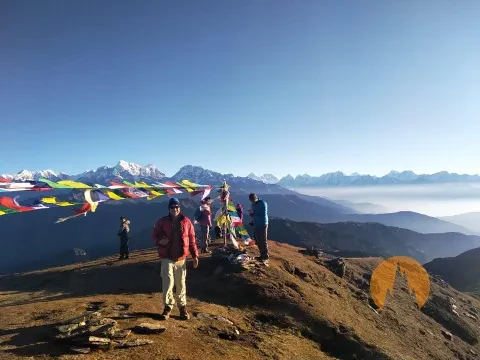
Pikey Peak Trek – A Scenic and Spiritual Journey in the Lower Everest RegionThe Pikey Peak Trek is one of the most rewarding yet lesser-known trekking routes in Nepal’s lower Everest region. Offering breathtaking panoramic views of the Himalayas, rich Sherpa culture, and peaceful trails far from the busy Everest routes, this trek is ideal for travelers seeking both natural beauty and cultural depth. From the summit of Pikey Peak (4,065 meters), trekkers are rewarded with sweeping views of Mount Everest, Lhotse, Makalu, Kanchenjunga, Annapurna, and Dhaulagiri—all visible on a clear day.Unlike crowded trails such as the Everest Base Camp Trek, the Pikey Peak route remains quiet and authentic, making it a perfect choice for trekkers who want a more intimate Himalayan experience without compromising on scenery.Trek Overview and Route ExperienceThe journey begins with a scenic drive from Kathmandu to Dhap, a rural town considered the gateway to the lower Solu region. The trail gradually winds through traditional villages such as Jhapre, Bulbule, and Lamjura, inhabited by Sherpa, Rai, and Tamang communities. Along the way, trekkers experience warm local hospitality, traditional stone houses, colorful prayer flags, mani walls, and centuries-old monasteries.The landscape changes beautifully as the trek progresses—dense rhododendron and pine forests give way to alpine meadows and open ridgelines. Compared to more demanding routes like the Everest Three Passes Trek, the Pikey Peak Trek offers a gentler ascent, making it suitable for trekkers with moderate fitness levels.Pikey Peak Summit – Best Sunrise View of EverestThe highlight of the trek is the early-morning hike to Pikey Peak summit, widely regarded as one of the best sunrise viewpoints in Nepal. Sir Edmund Hillary himself once mentioned Pikey Peak as his favorite place to view Mount Everest. As the sun rises, the Himalayan range slowly lights up in golden hues, offering an unforgettable visual experience.Pikey Peak also holds deep spiritual importance for the Sherpa people. Each year, locals gather here to celebrate the Dumje Festival, performing traditional dances, rituals, and prayers to honor mountain deities—adding cultural richness similar to experiences found on the Everest Panorama Trek.Culture, Monasteries, and Local LifeThis trek provides excellent insight into Himalayan Buddhist culture. Trekkers visit ancient monasteries, chortens, and prayer-wheel-lined trails, gaining a deeper understanding of spiritual life in the Solu region. Villages like Jhapre are known for their monasteries and Himalayan view decks, offering cultural encounters rarely found on busier routes such as the Everest View Trek.Guides facilitate meaningful interactions with local families, allowing trekkers to learn about traditional farming practices, yak herding, handicrafts, and daily Sherpa life—similar in cultural depth to treks like the Lower Everest Trek.Wildlife, Nature, and SeasonsThe Pikey Peak Trek passes through rich biodiversity zones where trekkers may spot musk deer, Himalayan thar, langurs, and various bird species. In spring, the forests bloom with rhododendrons, while autumn offers crystal-clear mountain views.The best seasons for the trek are March to May and September to November, when weather conditions are stable and visibility is excellent. Compared to higher-altitude routes like the Gokyo Lakes Trek, Pikey Peak offers fewer altitude-related challenges while still delivering dramatic Himalayan scenery.Accommodation, Food, and Trekking ComfortAccommodation is arranged in comfortable local teahouses with basic yet clean facilities. Meals include traditional Nepali dishes such as dal bhat, along with simple international options to keep trekkers energized throughout the journey. The overall trekking experience is relaxed and well-paced, making it an excellent option for first-time trekkers or those looking for a shorter Himalayan adventure, similar to the Pikey Peak Short Trek.Why Choose the Pikey Peak Trek?Stunning Everest sunrise views without crowdsRich Sherpa culture and spiritual heritageModerate difficulty, suitable for many trekkersIdeal alternative to busy Everest routesPerfect blend of nature, culture, and tranquilityThe Pikey Peak Trek is an exceptional choice for travelers who want an authentic Himalayan experience that combines breathtaking mountain views, cultural immersion, and peaceful trekking trails. Whether you’re watching the sun rise over Everest, visiting ancient monasteries, or sharing stories with local villagers, this trek delivers a deeply memorable journey through the heart of Nepal’s lower Everest region.Top Blogs About Trekking in the Everest Region:Uncover the best blogs about trekking in the Everest region, featuring expert advice, detailed itineraries, personal experiences, and essential tips for adventurers looking to explore the Himalayas.Photography Guide: Capturing the Himalayas Without Expensive GearEverest Luxury Trek: An Unforgettable Himalayan ExperienceNepal Peak Climbing 2026: Routes, Tips, and Top SummitsSolo Trekking to Everest Base Camp: Is It Possible?Top 10 Highlights of the Everest Base Camp TrekSuccessfully Trekking to Everest Base Camp and Kala PattharWhy Famous Trekkers Choose Everest Base Camp?Autumn Season to Everest Base Camp TrekThe Best Hiking Adventures: Famous Peak Climbs in 2025Top Himalayan Peaks for Beginner Climbers: A Comprehensive GuideEverest Three Peaks: A Beginner’s Guide to the Ultimate Himalayan ChallengeIs Peak Climbing in Nepal Easy for Beginners?Must-Know Facts About Everest Base Camp TrekkingWhy Gokyo Ri is a Must-Visit for Everest Trek LoversThe Roof of the World: Peak Climbing Journeys through Nepal’s High CountryWhat to Expect on an Island Peak Climbing ExpeditionMera Peak Climbing Guide for Beginners: Tips, Difficulty & PreparationFour Peaks, One Journey: Mera, Island, Lobuche & Amphu Lapcha ExpeditionTop Best Expedition Packages in Nepal 2025Which is Easier: Mera Peak or Island Peak?Why Choose Island Peak Climbing with Everest Base Camp Trek for BeginnersBest Trekking Peaks in Everest Region for BeginnersExperience Mountain View in NepalEssentials for Everest Base Camp
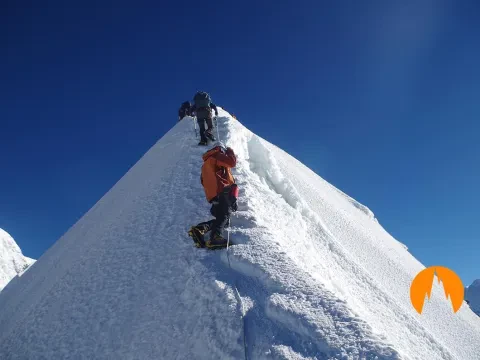
Island Peak Climbing with Everest Base Camp Trek is one of the most popular 6,189 meter peak climbing adventures in Nepal. This 21-day Everest region expedition combines the legendary Everest Base Camp Trek with the technical yet achievable ascent of Island Peak (6,189 m), also known as Imja Tse in the Everest region.The adventure begins in Kathmandu, a vibrant city rich in history and cultural diversity, where trekkers explore UNESCO World Heritage sites that showcase Nepal's ancient architecture and religious traditions before flying from Manthali to Lukla, one of the world's most daring airports. After arriving in Lukla, the trek continues through small Sherpa villages, suspension bridges, rhododendron forests and scenic trails en route to Namche Bazaar, the bustling heart of the Sherpa culture.Continuing onward, the trail unfolds to Tengboche, where trekkers visit the Tengboche monastery amidst panoramic views of Mt. Everest (8,848.86 m), Lhotse (8,516m), and Ama Dablam (6,812 m). The journey progresses to Dingboche, a gateway to higher altitudes, where acclimatization is crucial before advancing towards Island Peak Base Camp (4,970 m).The ascent of Island Peak (6,189 m) demands physical endurance and technical skill, rewarding climbers with breathtaking views from the summit. Panoramic views include Lhotse, Ama Dablam, Nuptse, and the surrounding peaks, offering a profound sense of accomplishment and unforgettable Himalayan beauty. Descending back to lower altitudes through Pangboche and Namche Bazaar, trekkers conclude their expedition in Lukla before returning to Kathmandu.Higher Path Treks and Expedition ensures a safe and memorable Island peak climbing experience with experienced Sherpa guides, well planned itineraries, quality accommodation, reliable logistics, and personalized support throughout the journey. Our team focuses on safety, proper acclimatization and comfortable trekking to help you enjoy every moment of this Himalayan adventure. Beyond the summit of Island Peak, this expedition provide an opportunity to experience the warm Sherpa hospitality, tradition, lifestyle and culture, enjoying homestays and local cuisine along the route. This cultural exchange enriches the journey, fostering deep connections and understanding between trekkers and the local community.Whether you're an experienced trekker or on your first Himalayan adventure, This adventure offers the perfect combination of trekking, cultural, and mountaineering in Nepal. Higher Path Treks invites you to join Island Peak Climbing Nepal with Everest Base Camp Trek. Discover the beauty of Nepal's Everest region, challenge yourself on the iconic Island Peak, and create memories that will last a lifetime.Trip FactsTrip name: Island Peak Climbing with Everest Base Camp TrekDuration: 21 daysDestination: Everest (Khumbu) Region, NepalMaximum altitude: 6,189 m (Island Peak)Trip Grade: ChallengingAccommodation: Teahouse and tent during the trek and climbingMeals: Breakfast, lunch and dinner during the trek and climbingBest Time: Spring (March-May) and Autumn (September-November)Transportation: Domestic flight, private vehicleStart/End Point: KathmanduWho Is This Trip For?The Island Peak Climbing with the Everest Base Camp Trek is an ideal for adventurous travelers with good physical fitness, who want to combine the classic Everest Base Camp Trek with rewarding a Himalaya climbing experience. It is perfect for experienced trekkers, aspiring mountaineers and anyone looking to take on their first trekking peak in Nepal. While prior climbing experience is helpful, it is not required, as our experienced Sherpa guides provide basic climbing training before the summit attempt. Island Peak Climbing Difficulty level The Island Peak Climbing with the Everest Base Camp Trek is a challenging adventure that requires good physical fitness and previous high-altitude trekking experience. The summit climb involves using basic mountaineering equipment such as crampons, harness, fixed ropes and ice axe. Our experienced climbing Sherpa guides provide pre-climbing training to ensure you are well prepared for the summit attempt.Altitude & Acclimatization The Island Peak Climbing expedition reaches a maximum altitude of 6,189 m (20,305 ft) at the summit of Island peak. The highest sleeping altitude is Island Peak Base Camp 4,970 m (16,306 ft). to help your body adapt to the high altitude, the itinerary includes acclimatization days at Namche and Dingboche, reducing the risk of altitude sickness and increasing the chances of a successful summit. Best Time To Climb Island PeakThe best time to climb Island peak is during autumn (September-November) and during Spring (March-May). These seasons offer stable weather, clear mountain views and favorable climbing conditions. Spring is popular for its mild temperatures and blooming rhododendron forests, while autumn provides crisp skies, excellent visibility and comfortable trekking conditions after the monsoon. Although Island peak can be climbed in winter, colder temperatures and snowfall make the climbing more challenging. The monsoon season is generally not recommended due to heavy rainfall and poor visibility.Permits For Island Peak Climbing Higher Path Treks & Expedition arranges all required permits before the trek begins. The required permits include:Sagarmatha National Park Entry Permit. Khumbu Pasang Lhamu Rural Municipality (Local Government) Permit. Island Peak Climbing Permit, issued by Nepal Mountaineering Association. Accommodation and MealDuring the Island Peak Climbing and Everest Base Camp Trek comfortable teahouses is provided throughout the trek and tents at Island Peak Base Camp. Teahouses offer simple and cozy rooms with basic shared facilities. Breakfast, lunch and dinner are provided during the trek and climbing period. Meals include a variety of local and international dishes to provide the energy needed for trekking and climbing. Vegetarian meals are fresh, nutritious and easy to digest at higher altitude. Why choose Higher Path Treks & Expedition?Choosing the right trekking company is essential for a safe and successful Island Peak climbing with Everest Base Camp adventure. Higher Path Treks provides a professionally managed Himalayan experience with experienced local Sherpa guides, reliable logistics, and personalized support throughout the expedition.Licensed experienced climbing Sherpa & guides: Our climbing Sherpas and guides have extensive knowledge of the Everest region and high altitude mountaineering. their expertise helps climbers navigate challenging terrain, manage altitude concerns, and maximize the chances of a successful Island Peak summit.Well Planned Itinerary: Our itinerary is designed to suit different experience levels and travel preferences while maintaining proper acclimatization for high altitude climbingTransparent pricing: Our pricing is transparent, we provide clear information about our included service, permit, accommodation, meal without hidden charges.Safety: Safety is our top priority, with careful well acclimatization planning, regular health monitoring, and emergency support arrangements when needed.Customer focused service: we focus on creating a personalized and stress-free adventure for every traveler. From airport assistance and permit arrangements to accommodation, meals and climbing support we handle every detail so you can focus on enjoying your Himalayan journey.Conclusion Island Peak Climbing with Everest Base Camp Trek is an unforgettable Himalayan adventure combining Everest Base Camp Trekking, Sherpa culture, and the excitement of summiting a 6189 m peak. With experienced guides, proper acclimatization and reliable support from Higher Path Treks and Expedition, this adventure offers a safe and rewarding experience for adventure seekers looking to explore the Everest region. Book Your Island Peak Climbing with Everest Base Camp Trek TodayReady to experience the thrill of Island Peak Climbing with Everest Base Camp Trek? Contact Higher Path Treks and Expedition today. Let us help you create an unforgettable journey to the Everest region. Helpful Blogs About Trekking in the Everest Region:Uncover the best blogs about trekking in the Everest region, featuring expert advice, detailed itineraries, personal experiences, and essential tips for adventurers looking to explore the Himalayas.Photography Guide: Capturing the Himalayas Without Expensive GearEverest Luxury Trek: An Unforgettable Himalayan ExperienceNepal Peak Climbing 2026: Routes, Tips, and Top SummitsSolo Trekking to Everest Base Camp: Is It Possible?Top 10 Highlights of the Everest Base Camp TrekSuccessfully Trekking to Everest Base Camp and Kala PattharWhy Famous Trekkers Choose Everest Base Camp?Autumn Season to Everest Base Camp TrekThe Best Hiking Adventures: Famous Peak Climbs in 2025Top Himalayan Peaks for Beginner Climbers: A Comprehensive GuideEverest Three Peaks: A Beginner’s Guide to the Ultimate Himalayan ChallengeIs Peak Climbing in Nepal Easy for Beginners?Must-Know Facts About Everest Base Camp TrekkingWhy Gokyo Ri is a Must-Visit for Everest Trek LoversThe Roof of the World: Peak Climbing Journeys through Nepal’s High CountryWhat to Expect on an Island Peak Climbing ExpeditionMera Peak Climbing Guide for Beginners: Tips, Difficulty & PreparationFour Peaks, One Journey: Mera, Island, Lobuche & Amphu Lapcha ExpeditionTop Best Expedition Packages in Nepal 2025Which is Easier: Mera Peak or Island Peak?Why Choose Island Peak Climbing with Everest Base Camp Trek for BeginnersBest Trekking Peaks in Everest Region for BeginnersExperience Mountain View in NepalEssentials for Everest Base Camp
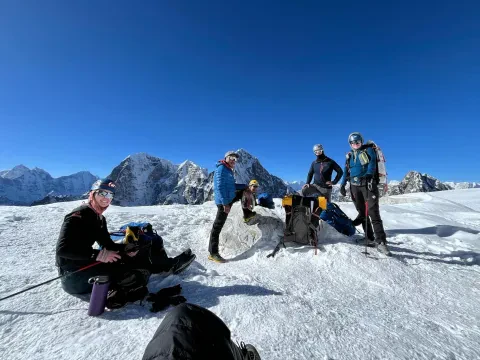
Lobuche Peak Climbing with Everest Base Camp Trek offers adventurers a remarkable blend of challenging mountaineering and awe-inspiring trekking through the legendary Everest region of Nepal. Lobuche East Peak, standing proudly at 6,119 meters (20,075 feet), presents a formidable yet rewarding ascent amidst some of the world's most breathtaking landscapes and Sherpa cultural encounters.The journey begins in Kathmandu, where trekkers explore the cultural and historical landmarks of Nepal's capital city before flying to Lukla, a pivotal point in the Everest region known for its exhilarating airstrip. Upon landing, the trek commences with a scenic hike through picturesque Sherpa villages and verdant rhododendron forests, gradually ascending towards Namche Bazaar, a vibrant trading hub and cultural melting pot of the Khumbu region.Continuing deeper into the Himalayas, the trail leads through Tengboche, where trekkers visit the iconic monastery amidst panoramic views of Everest (8,848.86 m), Lhotse (8,516 m), and Ama Dablam (6,812 m). Acclimatization stops in Dingboche prepare climbers for higher altitudes, ensuring a safe and gradual ascent towards Lobuche High Camp (5,400 m).At Lobuche High Camp, climbers undergo essential training in mountaineering skills under the guidance of experienced Sherpa guides provided by Higher Path Treks. These preparations include rope techniques, ice climbing, and safety protocols necessary for the challenging ascent of Lobuche Peak. The climb to the summit (6,119 m) demands physical stamina and technical proficiency, rewarding climbers with unparalleled views of the Himalayan panorama, including Cho Oyu (8,188 m), Pumori (7,161 m), and Makalu (8,463 m), alongside the majestic Everest itself.Descending back to lower altitudes, trekkers retracing their steps through Dingboche and Tengboche before culminating their expedition in Lukla. From Lukla, a scenic flight brings trekkers back to Kathmandu via Manthali, marking the end of an unforgettable journey filled with personal achievement and cultural immersion.Whether you're a seasoned mountaineer or exploring on your first Himalayan adventure, we invite you to join Lobuche Peak Climbing with Everest Base Camp Trek. Discover the thrill of summiting a Himalayan peak, explore the beauty of the Everest region, and create lasting memories amidst the world's highest mountains.Explore on the adventure of a lifetime with Higher Path Treks and conquer Lobuche Peak while exploring the wonders of Nepal's Everest region.Quick Facts of Lobuche Peak Climbing with Everest Base Camp TrekTrip Name: Lobuche Peak Climbing with Everest Base CampPeak: Lobuche East (6119 m)Elevation: 6,119 mDestination: Everest region, NepalDuration: 18-20 daysDifficulty: ChallengingBest Season: Spring (march-May) and Autumn (September-November)Accommodation: Teahouse + TentTransportation: Flight (Manthali to Lukla, Lukla to Manthali) and private vehicleGroup size: 1-12 peopleStart/End Point: KathmanduWhy choose Lobuche Peak Climbing with Everest Base Camp?Lobuche Peak climbing with Everest Base Camp Trek is the perfect adventure for climbers who want to combine the iconic Everest Base Camp Trek with the thrill of summiting Lobuche east (6119 m). Before the summit attempt, climbers have the opportunity to visit the Everest base Camp and hike to Kala Patthar to enjoy spectacular views and become well acclimatized.Trek to the Everest Base Camp and Hike to the Kala Patthar before climbing the Lobuche peak provides excellent acclimatization, allowing your body to gradually adjust to the high altitude and increasing the chances of a safe and successful summit. With experienced Sherpa climbing Guides, essential mountaineering training and stunning Himalayan scenery this expedition is an ideal choice for adventurers for seeking both the legendary Everest base Camp Trek and achievement of climbing a 6,000 meters peak in Nepal. Lobuche Peak Climbing DifficultyLobuche Peak Climbing with Everest Base Camp is considered as a challenging Himalayan adventure which requires good physical fitness, proper acclimatization and basic mountaineering skills. Although Lobuche East is not among the most technical peaks in Nepal, the climb involves steep sections, fixed ropes, crampon use, and high altitude conditions that make it more demanding than a regular trek.Previous trekking and climbing experience is beneficial but not mandatory. With proper preparation, regular training and guidance from experienced Sherpa climbing guides, fit trekkers with determination and a strong sense of adventure can successfully complete the Lobuche peak climbing expedition.Is This Trip Right for You?Lobuche peak climbing with Everest Base Camp Trek is ideal for adventurous trekkers who have good physical fitness and a strong desire to experience Himalayan peak climbing. The expedition requires the ability to walk for several hours daily, adapt to high-altitude conditions and handle challenging mountain terrain.Previous trekking experience is beneficial but you do not need to be expert mountaineer to join this adventure. basic climbing experience is helpful, while essential skills such as rope techniques, crampon use and climbing safety are provided by our experienced Sherpa guides before the summit attempt.Altitude and AcclimatizationAltitude and acclimatization are important factors for a successful Lobuche peak expedition. Visiting the Everest Base Camp and Kala Pathhar, along with spending two nights in Namche and two nights in Dingboche provides an excellent acclimatization before attempting Lobuche Peak, as climbers become better prepared for the challenging ascent to Lobuche High Camp and the summit. Common symptoms of altitude sickness may include headache, dizziness, nausea, fatigue, loss of appetite, shortness of breath and difficulty sleeping. Our experienced Sherpa guides carefully monitor your health, pace and progress throughout the expedition to ensure a safe and enjoyable climbing experience.Proper hydration, gradual ascent, balanced nutrition and proper acclimatization is essential for adapting to high altitude. With a well planned itinerary, fit trekkers can confidently complete this adventure.In case of serious altitude related issues and emergencies, our team is prepared to arrange necessary support, including emergency evacuation services when required.Permits for Lobuche Peak ClimbingTo climb Lobuche peak climbers need three different permits: Sagarmatha National Park Entry PermitKhumbu Pasang Lhamu Rural Municipality(Local Government) Permit Lobuche Peak Climbing Permit. Issued by Nepal Mountaineering Association Higher Path Treks and Expedition arranges all necessary permits and and official documentation.Accommodation and mealThroughout the Everest Base Camp Trekking route, climbers stay at comfortable local teahouses, with basic facilities, twin sharing rooms and warm dining room. For the Lobuche peak summit and preparation and climbing period accommodation is arranged in Tents at Lobuche high camp, which our team will manage there. During the trek teahouses serve a variety of meals including local and some international. Trekkers can choose meal of their choice at teahouses. Vegetarian meals are healthy, fresh, nutritious and easy to digest. At high camp, our climbing team provides meals designed to supply the energy needed for the demanding summit climb.Best Time to Climb Lobuche PeakFor climbing Lobuche Peak Autumn (September to November) and Spring (March to May) are the best seasons. In spring the weather becomes warmer, clear skies, spectacular mountain views, and climbing routes are generally in good conditions. Autumn season has stable and warm weather, dry trails, clear skies and outstanding mountain visibility. it offers breathtaking panoramic views throughout the Everest region.Winter is also possible for experienced and well prepared climbers. This season offers clear skies, spectacular views, fewer crowds, fewer trekkers and climbers. however the temperature at high altitude can drop significantly below freezing, with colder nights, strong winds and more challenging climbing conditions.Why choose Higher Path Treks & Expedition?Choosing the right trekking company is essential for a safe and successful Lobuche Peak climbing with Everest Base Camp adventure. Higher Path Treks provides a professionally managed Himalayan experience with experienced local Sherpa guides, reliable logistics, and personalized support throughout the expedition.Licensed experienced climbing Sherpa & guides: Our climbing Sherpas and guides have extensive knowledge of the Everest region and high altitude mountaineering. their expertise helps climbers navigate challenging terrain, manage altitude concerns, and maximize the chances of a successful Lobuche East Peak summit.Well Planned Itinerary: Our itinerary is designed to suit different experience levels and travel preferences while maintaining proper acclimatization for high altitude climbingTransparent pricing: Our pricing is transparent, we provide clear information about our included service, permit, accommodation, meal without hidden charges.Safety: Safety is our top priority, with careful well acclimatization planning, regular health monitoring, and emergency support arrangements when needed.Customer focused service: we focus on creating a personalized and stress-free adventure for every traveler. From airport assistance and permit arrangements to accommodation, meals and climbing support we handle every detail so you can focus on enjoying your Himalayan journey.Conclusion Lobuche Peak Climbing with Everest Base Camp is an unforgettable Himalayan adventure combining Everest Base Camp Trekking, Sherpa culture, and the excitement of summiting a 6119 m peak. With experienced guides, proper acclimatization and reliable support from Higher Path Treks and Expedition, this adventure offers a safe and rewarding experience for adventure seekers looking to explore the Everest region. Book Your Lobuche Peak Climbing with Everest Base Camp Trek TodayReady to experience the Lobuche Peak Climbing with Everest Base Camp Trek? Contact Higher Path Treks and Expedition today. Let us help you create an unforgettable journey to the Everest region. Helpful Blogs About Trekking in the Everest Region:Uncover the best blogs about trekking in the Everest region, featuring expert advice, detailed itineraries, personal experiences, and essential tips for adventurers looking to explore the Himalayas.Photography Guide: Capturing the Himalayas Without Expensive GearEverest Luxury Trek: An Unforgettable Himalayan ExperienceNepal Peak Climbing 2026: Routes, Tips, and Top SummitsSolo Trekking to Everest Base Camp: Is It Possible?Top 10 Highlights of the Everest Base Camp TrekSuccessfully Trekking to Everest Base Camp and Kala PattharWhy Famous Trekkers Choose Everest Base Camp?Autumn Season to Everest Base Camp TrekThe Best Hiking Adventures: Famous Peak Climbs in 2025Top Himalayan Peaks for Beginner Climbers: A Comprehensive GuideEverest Three Peaks: A Beginner’s Guide to the Ultimate Himalayan ChallengeIs Peak Climbing in Nepal Easy for Beginners?Must-Know Facts About Everest Base Camp TrekkingWhy Gokyo Ri is a Must-Visit for Everest Trek LoversThe Roof of the World: Peak Climbing Journeys through Nepal’s High CountryWhat to Expect on an Island Peak Climbing ExpeditionMera Peak Climbing Guide for Beginners: Tips, Difficulty & PreparationFour Peaks, One Journey: Mera, Island, Lobuche & Amphu Lapcha ExpeditionTop Best Expedition Packages in Nepal 2025Which is Easier: Mera Peak or Island Peak?Why Choose Island Peak Climbing with Everest Base Camp Trek for BeginnersBest Trekking Peaks in Everest Region for BeginnersExperience Mountain View in NepalEssentials for Everest Base Camp
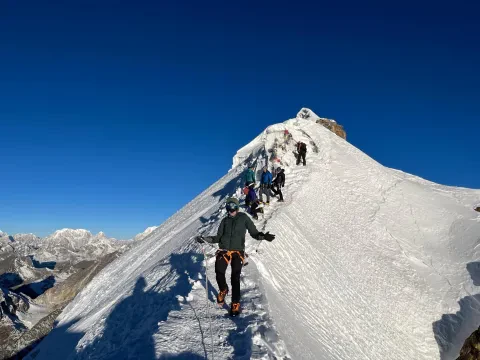
Gokyo Cho La Pass and Lobuche Peak climbing is an unforgettable Himalayan expedition that combines the scenic Gokyo Valley Trek, the challenging Cho La Pass (5,420 m) crossing and the summit attempt of Lobuche East Peak (6,119 m) in Everest region. This journey takes you through the stunning Gokyo valley, across the high-altitude Cho La Pass (5,420 m) and the summit of Lobuche Peak, rewarding you with breathtaking views of Everest, Lhotse, Cho Oyu, Nuptse, Amadablam, Cholatse and many other Himalayan peaks.Your journey begins with a scenic flight to Lukla, the gateway to the Everest region. The adventure truly begins as you trek through picturesque Sherpa villages, crossing suspension bridges, enjoying Himalayan landscapes surrounded by snow-covered mountains and lush valleys. The trek gradually ascends towards the Gokyo Valley. Each day reveals spectacular views of snow-capped mountains, alpine lakes, and traditional Sherpa villages allowing you to experience both the natural beauty of the Himalayas and the region's rich cultural heritage. As you trek towards Gokyo, you'll encounter the stunning Gokyo Lakes, a series of turquoise glacial lakes nestled amidst towering peaks. The turquoise lakes, set against the backdrop of Cho Oyu, create one of the most iconic landscapes in the Everest region. From Gokyo, the trail leads you to the challenging Cho La Pass, a high-altitude pass at over 5,400 meters (17,700 feet). Crossing this pass requires careful navigation over rocky trails, glaciers and depending on the season, snow-covered sections under the guidance of experienced climbing guides. The thrill of standing atop the pass, surrounded by peaks like Ama Dablam and Cholatse, is a moment of triumph and awe.Lobuche East summit day begins before dawn. Reaching the summit is a rewarding achievement, offering panoramic views of Everest, Lhotse, Nuptse, Pumori, Ama Dablam and surrounding Himalayan peaks.After a successful ascent, the journey follows back towards Lukla, retracing your steps through the Khumbu Valley. Each day brings new appreciation for the rugged beauty and the resilience of the Sherpa people who call this land home. Celebrate your achievements with the team in Lukla before flying back to Kathmandu, where you can reflect on the incredible experiences and friendships forged during your Himalayan adventure.Quick Facts of Gokyo, Cho La Pass & Lobuche Peak ClimbingTrip Name: Gokyo, Cho La Pass & Lobuche Peak ClimbingPeak: Lobuche East (6119 m)Elevation: 6,119 mDestination: Everest region, NepalDuration: 18-20 daysDifficulty: ChallengingBest Season: Spring (March-May) and Autumn (September-November)Max altitude: 6,119 mAccommodation: Teahouse + TentTransportation: Flight (Manthali to Lukla, Lukla to Manthali) and private vehicleGroup size: 1-12 peopleStart/End Point: KathmanduWhy choose Gokyo, Cho La Pass and Lobuche Peak Climbing?Gokyo, Cho La Pass and Lobuche Peak climbing is the perfect adventure for climbers who want to combine the iconic Gokyo Trek and Cho La Pass with the thrill of summiting Lobuche east (6119 m). Before the summit attempt, climbers have the opportunity to visit the Gokyo Lakes and hike to Gokyo Ri (5,340 m) and cross Cho La Pass (5,420 m) to enjoy spectacular views and become well acclimatized.Trek to the Gokyo and Hike to Gokyo Ri and cross the Cho La Pass before climbing the Lobuche peak provides excellent acclimatization, allowing your body to gradually adjust to the high altitude and increasing the chances of a safe and successful summit. With experienced Sherpa climbing Guides, essential mountaineering training and stunning Himalayan scenery this expedition is an ideal choice for adventurers for seeking both the legendary Everest Base Camp Trek and achievement of climbing a 6,000 meters peak in Nepal. Lobuche Peak Climbing DifficultyGokyo, Cho La Pass and Lobuche Peak Climbing is considered as a challenging Himalayan adventure which requires good physical fitness, proper acclimatization and basic mountaineering skills. Although Lobuche East is not among the most technical peaks in Nepal, the climb involves steep sections, fixed ropes, crampon use, and high altitude conditions that make it more demanding than a regular trek.Previous trekking and climbing experience is beneficial but not mandatory. With proper preparation, regular training and guidance from experienced Sherpa climbing guides, fit trekkers with determination and a strong sense of adventure can successfully complete the Lobuche peak climbing expedition.Is This Trip Right for You?Gokyo Cho La Pass and Lobuche peak climbing is ideal for adventurous trekkers who have good physical fitness and a strong desire to experience Himalayan peak climbing. The expedition requires the ability to walk for several hours daily, adapt to high-altitude conditions and handle challenging mountain terrain.Previous trekking experience is beneficial but you do not need to be expert mountaineer to join this adventure. basic climbing experience is helpful, while essential skills such as rope techniques, crampon use and climbing safety are provided by our experienced Sherpa guides before the summit attempt.Altitude and AcclimatizationAltitude and acclimatization are important factors for a successful Lobuche peak expedition. Visiting the Gokyo and Gokyo Ri, along with spending two nights in Namche and two nights in Dzongla provides an excellent acclimatization before attempting Lobuche Peak, as climbers become better prepared for the challenging ascent to Lobuche High Camp and the summit. Common symptoms of altitude sickness may include headache, dizziness, nausea, fatigue, loss of appetite, shortness of breath and difficulty sleeping. Our experienced Sherpa guides carefully monitor your health, pace and progress throughout the expedition to ensure a safe and enjoyable climbing experience.Proper hydration, gradual ascent, balanced nutrition and proper acclimatization is essential for adapting to high altitude. With a well planned itinerary, fit trekkers can confidently complete this adventure.In case of serious altitude related issues and emergencies, our team is prepared to arrange necessary support, including emergency evacuation services when required.Permits for Lobuche Peak ClimbingTo climb Lobuche peak climbers need three different permits: Sagarmatha National Park Entry PermitKhumbu Pasang Lhamu Rural Municipality(Local Government) Permit Lobuche Peak Climbing Permit. Issued by Nepal Mountaineering Association Higher Path Treks and Expedition arranges all necessary permits and and official documentation.Accommodation and mealThroughout the Trekking route, climbers stay at comfortable local teahouses, with basic facilities, twin sharing rooms and warm dining room. For the Lobuche peak summit and preparation and climbing period accommodation is arranged in Tents at Lobuche high camp, which our team will manage there. During the trek teahouses serve a variety of meals including local and some international. Trekkers can choose meals of their choice at teahouses. vegetarian meals are healthy, fresh, nutritious and easy to digest. At high camp, our climbing team provides meals designed to supply the energy needed for the demanding summit climb.Best Time to Climb Lobuche PeakFor climbing Lobuche Peak Autumn (September to November) and Spring (March to May) are the best seasons. In spring the weather becomes warmer, clear skies, spectacular mountain views, and climbing routes are generally in good conditions. Autumn season has stable and warm weather, dry trails, clear skies and outstanding mountain visibility. it offers breathtaking panoramic views throughout the Everest region.Winter is also possible for experienced and well prepared climbers. This season offers clear skies, spectacular views, fewer crowds, fewer trekkers and climbers. however the temperature at high altitude can drop significantly below freezing, with colder nights, strong winds and more challenging climbing conditions.Why choose Higher Path Treks & Expedition?Choosing the right trekking company is essential for a safe and successful Gokyo, Cho La Pass and Lobuche Peak climbing adventure. Higher Path Treks provides a professionally managed Himalayan experience with experienced local Sherpa guides, reliable logistics, and personalized support throughout the expedition.Licensed experienced climbing Sherpa & guides: Our climbing Sherpas and guides have extensive knowledge of the Everest region and high altitude mountaineering. Their expertise helps climbers navigate challenging terrain, manage altitude concerns, and maximize the chances of a successful Lobuche East Peak summit.Well Planned Itinerary: Our itinerary is designed to suit different experience levels and travel preferences while maintaining proper acclimatization for high altitude climbingTransparent pricing: Our pricing is transparent, we provide clear information about our included service, permit, accommodation, meal without hidden charges.Safety: Safety is our top priority, with careful well acclimatization planning, regular health monitoring, and emergency support arrangements when needed.Customer focused service: we focus on creating a personalized and stress-free adventure for every traveler. From airport assistance and permit arrangements to accommodation, meals and climbing support we handle every detail so you can focus on enjoying your Himalayan journey.Conclusion Gokyo, Cho La Pass and Lobuche Peak Climbing is an unforgettable Himalayan adventure combining Gokyo Valley Trekking, Sherpa culture, and the excitement of summiting a 6119 m peak. With experienced guides, proper acclimatization and reliable support from Higher Path Treks and Expedition, this adventure offers a safe and rewarding experience for adventure seekers looking to explore the Everest region. Book Your Gokyo, Cho La Pass and Lobuche Peak Climbing TodayReady to experience the Gokyo, Cho La Pass and Lobuche Peak Climbing? Contact Higher Path Treks and Expedition today. Let us help you create an unforgettable journey to the Everest region. Helpful Blogs About Trekking in the Everest Region:Uncover the best blogs about trekking in the Everest region, featuring expert advice, detailed itineraries, personal experiences, and essential tips for adventurers looking to explore the Himalayas.Photography Guide: Capturing the Himalayas Without Expensive GearEverest Luxury Trek: An Unforgettable Himalayan ExperienceNepal Peak Climbing 2026: Routes, Tips, and Top SummitsSolo Trekking to Everest Base Camp: Is It Possible?Top 10 Highlights of the Everest Base Camp TrekSuccessfully Trekking to Everest Base Camp and Kala PattharWhy Famous Trekkers Choose Everest Base Camp?Autumn Season to Everest Base Camp TrekThe Best Hiking Adventures: Famous Peak Climbs in 2025Top Himalayan Peaks for Beginner Climbers: A Comprehensive GuideEverest Three Peaks: A Beginner’s Guide to the Ultimate Himalayan ChallengeIs Peak Climbing in Nepal Easy for Beginners?Must-Know Facts About Everest Base Camp TrekkingWhy Gokyo Ri is a Must-Visit for Everest Trek LoversThe Roof of the World: Peak Climbing Journeys through Nepal’s High CountryWhat to Expect on an Island Peak Climbing ExpeditionMera Peak Climbing Guide for Beginners: Tips, Difficulty & PreparationFour Peaks, One Journey: Mera, Island, Lobuche & Amphu Lapcha ExpeditionTop Best Expedition Packages in Nepal 2025Which is Easier: Mera Peak or Island Peak?Why Choose Island Peak Climbing with Everest Base Camp Trek for BeginnersBest Trekking Peaks in Everest Region for BeginnersExperience Mountain View in NepalEssentials for Everest Base Camp
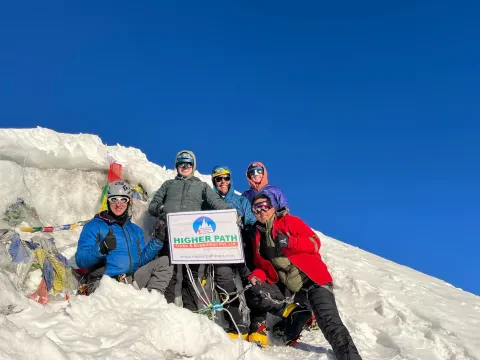
The Everest Base Camp Trek with Lobuche East & Island Peak climbing expedition is the ultimate Himalayan adventure, combining the legendary Everest Base Camp Trek with ascent of two Nepal's most popular trekking peaks. this expedition is designed for adventurers with good physical fitness and a sense of adventure, this journey offers an ideal introduction to high-altitude mountaineering while exploring the spectacular landscapes of the Khumbu region. The adventure begins in Kathmandu, where you'll be warmly welcomed by the representative from Higher Path Treks. After a briefing and equipment check, you'll drive to Manthali and fly to Lukla, a thrilling and scenic flight that marks the beginning of your trek. From Lukla, the trail winds through vibrant small Sherpa villages, prayer flags fluttering in the mountain breeze, suspension bridges and serene valleys dotted with rhododendron and pine forests.As you trek towards Everest Base Camp, every step brings you closer to the world's highest peak. The trail takes you through iconic landmarks like Namche Bazaar, the bustling hub of the Khumbu region, and Tengboche Monastery, where you can immerse yourself in the spiritual ambiance amidst panoramic mountain views. Along the way, you'll pass through charming Sherpa villages, experience the culture of Everest region while enjoying breathtaking views of Mount Everest, Lhotse, Makalu, Nupste, Pumori, Ama Dablam and other Himalayan peaks.After experiencing the majesty of Everest Base Camp, the focus shifts to mountaineering as you prepare for Lobuche East (6,119 m)and Island Peak (6,189 m). Both climbs involve glacier travel, fixed ropes, crampons and Ice axe techniques, making this expedition an exciting challenge for those looking to advance their mountaineering skills.Lobuche East (6,119 meters / 20,075 feet) is your first mountaineering objective. The climb involves traversing snowy slopes and negotiating crevasses under the guidance of seasoned mountaineers. The summit push offers stunning views of the entire Everest massif, including Cho Oyu, Pumori, and Ama Dablam, making it a highlight of the expedition.Next, you'll tackle Island Peak (6,189 meters / 20,305 feet), also known as Imja Tse. This peak is renowned for its challenging ascent and breathtaking summit panorama. The climb requires technical proficiency in using crampons, ice axes, and ropes to navigate steep ice and rock faces. From the summit, the views extend across the Khumbu Glacier and beyond, rewarding your efforts with a sense of accomplishment and awe-inspiring vistas.Throughout the journey, Higher Path Treks provides experienced climbing Sherpa guides, comprehensive logistical support, and a strong focus on safety to maximize your chances of successful, enjoyable and memorable expedition.Join Higher Path Treks on this unforgettable journey to Lobuche and Island Peak, where every moment is infused with the spirit of adventure and the majesty of the Himalayas. Whether you're a seasoned climber or embarking on your first high-altitude expedition, this adventure promises memories that will last a lifetime. Discover the magic of the Khumbu region with Higher Path Treks and let the towering peaks and pristine landscapes leave an indelible mark on your soul.Quick Facts Everest Base Camp Trek with Lobuche & Island Peak ClimbingTrip Name: Everest Base Camp Trek with Lobuche & Island Peak ExpeditionPeak: Lobuche East (6119 m) and Island Peak (6,189 m)Maximun Elevation: 6,189 mDestination: Everest region, NepalDuration: 18-20 daysDifficulty: ChallengingBest Season: Spring (march-May) Autumn (September-November)Accommodation: Teahouse during the trek and Tent during the climbingTransportation: Flight (Manthali to Lukla, Lukla to Manthali) and private vehicleGroup size: 1-12 peopleStart/End Point: KathmanduWhy choose Everest Base Camp Trek with Lobuche & Island Peak Climbing?Everest Base Camp Trek with Lobuche and Island Peak Climbing is the perfect adventure for climbers who want to combine the iconic Everest Base Camp Trek with the thrill of summiting Lobuche east (6119 m) and Island Peak (6,189 m). Before the summit attempt, climbers have the opportunity to visit the Everest Base Camp and hike to Kala Patthar to enjoy spectacular views and become well acclimatized.Trek to the Everest Base Camp and Hike to the Kala Patthar before climbing the Lobuche peak and Island peak provides excellent acclimatization, allowing your body to gradually adjust to the high altitude and increasing the chances of a safe and successful summit. With experienced Sherpa climbing Guides, essential mountaineering training and stunning Himalayan scenery this expedition is an ideal choice for adventurers for seeking both the legendary Everest base Camp Trek and achievement of climbing a 6,000 meters peak in Nepal. Lobuche & Island Peak Climbing DifficultyLobuche East & Island Peak Climbing with Everest Base Camp is considered as a challenging Himalayan adventure which requires good physical fitness, proper acclimatization and basic mountaineering skills. Although Lobuche East and Island peak are not among the most technical peaks in Nepal, the climb involves steep sections, fixed ropes, crampon use, and high altitude conditions that make it more demanding than a regular trek.Previous trekking and climbing experience is beneficial but not mandatory. With proper preparation, regular training and guidance from experienced Sherpa climbing guides, fit trekkers with determination and a strong sense of adventure can successfully complete the Lobuche east & Island peak climbing expedition.Is This Trip Right for You?Everest Base Camp Trek with Lobuche & Island peak is ideal for adventurous trekkers who have good physical fitness and a strong desire to experience Himalayan peak climbing. The expedition requires the ability to walk for several hours daily, adapt to high-altitude conditions and handle challenging mountain terrain.Previous trekking experience is beneficial but you do not need to be expert mountaineer to join this adventure. Basic climbing experience is helpful, while essential skills such as rope techniques, crampon use and climbing safety are provided by our experienced Sherpa guides before the summit attempt.Altitude and AcclimatizationAltitude and acclimatization are important factors for a successful Lobuche & Island peak expedition. Visiting the Everest Base Camp and Kala Patthar, along with spending two nights in Namche and two nights in Dingboche provides an excellent acclimatization before attempting Lobuche & Island Peaks, as climbers become better prepared for the challenging ascent to the summits. Common symptoms of altitude sickness may include headache, dizziness, nausea, fatigue, loss of appetite, shortness of breath and difficulty sleeping. Our experienced Sherpa guides carefully monitor your health, pace and progress throughout the expedition to ensure a safe and enjoyable climbing experience.Proper hydration, gradual ascent, balanced nutrition and proper acclimatization is essential for adapting to high altitude. With a well planned itinerary, fit trekkers can confidently complete this adventure.In case of serious altitude related issues and emergencies, our team is prepared to arrange necessary support, including emergency evacuation services when required.Permits for Lobuche Peak ClimbingTo climb Lobuche & Island peak climbers need four different permits: Sagarmatha National Park Entry PermitKhumbu Pasang Lhamu Rural Municipality(Local Government) Permit Lobuche Peak Climbing Permit. Issued by Nepal Mountaineering Association Island Peak Climbing Permit. Issued by Nepal Mountaineering Association Higher Path Treks and Expedition arranges all necessary permits and and official documentation.Accommodation and mealThroughout the Everest Base Camp Trekking route, climbers stay at comfortable local teahouses, with basic facilities, twin sharing rooms and warm dining room. For the Lobuche peak summit and preparation and climbing period accommodation is arranged in Tents at Lobuche high camp, which our team will manage there. During the trek teahouses serve a variety of meals including local and some international. Trekkers can choose meal of their choice at teahouses. Vegetarian meals are healthy, fresh, nutritious and easy to digest. At high camp, our climbing team provides meals designed to supply the energy needed for the demanding summit climb.Best Time to Climb Lobuche & Island PeakFor climbing Lobuche & Island Peak Autumn (September to November) and Spring (March to May) are the best seasons. In spring the weather becomes warmer, clear skies, spectacular mountain views, and climbing routes are generally in good conditions. Autumn season has stable and warm weather, dry trails, clear skies and outstanding mountain visibility. it offers breathtaking panoramic views throughout the Everest region.Winter is also possible for experienced and well prepared climbers. This season offers clear skies, spectacular views, fewer crowds, fewer trekkers and climbers. however the temperature at high altitude can drop significantly below freezing, with colder nights, strong winds and more challenging climbing conditions.Why choose Higher Path Treks & Expedition?Choosing the right trekking company is essential for a safe and successful Everest Base Camp Trek with Lobuche & island Peak Climbing expedition. Higher Path Treks provides a professionally managed Himalayan experience with experienced local Sherpa guides, reliable logistics, and personalized support throughout the expedition.Licensed experienced climbing Sherpa & guides: Our climbing Sherpas and guides have extensive knowledge of the Everest region and high altitude mountaineering. their expertise helps climbers navigate challenging terrain, manage altitude concerns, and maximize the chances of a successful Lobuche & Island Peak summit.Well Planned Itinerary: Our itinerary is designed to suit different experience levels and travel preferences while maintaining proper acclimatization for high altitude climbingTransparent pricing: Our pricing is transparent, we provide clear information about our included service, permit, accommodation, meal without hidden charges.Safety: Safety is our top priority, with careful well acclimatization planning, regular health monitoring, and emergency support arrangements when needed.Customer focused service: We focus on creating a personalized and stress-free adventure for every traveler. From airport assistance and permit arrangements to accommodation, meals and climbing support we handle every detail so you can focus on enjoying your Himalayan journey.Conclusion Everest base camp Trek with Lobuche & Island Peak Climbing is an unforgettable Himalayan adventure combining Everest Base Camp Trekking, Sherpa culture, and the excitement of summiting above 6,000 m peaks. With experienced guides, proper acclimatization and reliable support from Higher Path Treks and Expedition, this adventure offers a safe and rewarding experience for adventure seekers looking to explore the Everest region. Book Your Everest Base Camp Trek with Lobuche & Island Peak TodayReady to experience the Everest Base Camp Trek with Lobuche & Island Peak Climbing in Nepal? Contact Higher Path Treks and Expedition today. Let us help you create an unforgettable journey to the Everest region Nepal. Helpful Blogs About Trekking in the Everest Region:Uncover the best blogs about trekking in the Everest region, featuring expert advice, detailed itineraries, personal experiences, and essential tips for adventurers looking to explore the Himalayas.Photography Guide: Capturing the Himalayas Without Expensive GearEverest Luxury Trek: An Unforgettable Himalayan ExperienceNepal Peak Climbing 2026: Routes, Tips, and Top SummitsSolo Trekking to Everest Base Camp: Is It Possible?Top 10 Highlights of the Everest Base Camp TrekSuccessfully Trekking to Everest Base Camp and Kala PattharWhy Famous Trekkers Choose Everest Base Camp?Autumn Season to Everest Base Camp TrekThe Best Hiking Adventures: Famous Peak Climbs in 2025Top Himalayan Peaks for Beginner Climbers: A Comprehensive GuideEverest Three Peaks: A Beginner’s Guide to the Ultimate Himalayan ChallengeIs Peak Climbing in Nepal Easy for Beginners?Must-Know Facts About Everest Base Camp TrekkingWhy Gokyo Ri is a Must-Visit for Everest Trek LoversThe Roof of the World: Peak Climbing Journeys through Nepal’s High CountryWhat to Expect on an Island Peak Climbing ExpeditionMera Peak Climbing Guide for Beginners: Tips, Difficulty & PreparationFour Peaks, One Journey: Mera, Island, Lobuche & Amphu Lapcha ExpeditionTop Best Expedition Packages in Nepal 2025Which is Easier: Mera Peak or Island Peak?Why Choose Island Peak Climbing with Everest Base Camp Trek for BeginnersBest Trekking Peaks in Everest Region for BeginnersExperience Mountain View in NepalEssentials for Everest Base Camp
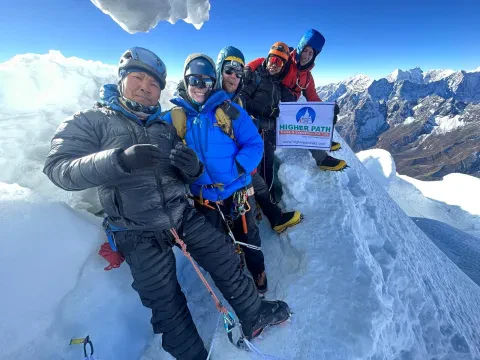
Cholatse Peak, standing proudly at 6,440 meters (21,126 feet), is a distinguished mountain located in the Khumbu region of Nepal. It’s renowned among climbers for its technical challenges and striking beauty. Higher Path Treks, offers an unparalleled climbing experience for those seeking to conquer this majestic peak.The Cholatse Peak climbing expedition typically spans around 17 to 20 days, depending on weather conditions and climber acclimatization. The adventure starts with a flight from Manthali to Lukla, followed by a trek through the beautiful Khumbu Valley, passing through traditional Sherpa villages, lush forests, and high-altitude terrain. Key highlights include the stunning vistas of Mount Everest, Lhotse, and Makalu.Upon reaching the base camp of Cholatse Peak, climbers undergo a period of acclimatization. Higher Path Treks provides thorough acclimatization plans, including acclimatization hikes and training sessions. The ascent is meticulously planned to ensure climbers can adjust to the high altitude gradually.Cholatse Peak climbing is renowned for its technical demands. It involves steep rock and ice climbing, with sections requiring the use of ropes, crampons, and ice axes. Higher Path Treks’ guides are highly experienced, with extensive knowledge of the route and necessary climbing techniques. They offer valuable support, ensuring climbers are well-prepared for the challenges ahead.The route includes several high camps, which are strategically placed to aid acclimatization and ensure climbers are rested and prepared for the summit push. The final ascent is a demanding climb, but the breathtaking views from the summit make it a rewarding experience. On a clear day, climbers can enjoy panoramic views of the Everest massif, including the majestic peaks of Nuptse, Lhotse, and Makalu.Quick Facts of Cholatse Peak ClimbingTrip Name: Cholatse Peak ClimbingPeak: Cholatse (6440 m)Max Elevation: 6,440 mDestination: Everest region, NepalDuration: 21 daysDifficulty: ChallengingBest Season: Spring (March-May) and Autumn (September-November)Accommodation: Teahouse during the trek and Tent during climbingMeals: Breakfast, lunch and dinner during the trekking and climbingTransportation: Flight (Manthali to Lukla, Lukla to Manthali) and private vehicleGroup size: 1-8 peopleStart/End Point: KathmanduWhy choose Cholatse Peak Climbing?Cholatse Peak climbing is the perfect adventure for climbers who want to combine the iconic Gokyo Trek with the thrill of summiting Cholatse (6440 m). Before the summit attempt, climbers have the opportunity to visit the Gokyo Lakes and hike to Gokyo Ri (5,357 m) to enjoy spectacular views and become well acclimatized.Trek to the Gokyo and Hike to Gokyo Ri before climbing the Cholatse peak provides excellent acclimatization, allowing your body to gradually adjust to the high altitude and increasing the chances of a safe and successful summit. With experienced Sherpa climbing Guides, essential mountaineering training and stunning Himalayan scenery this expedition is an ideal choice for experienced mountaineers.Cholatse Peak Climbing DifficultyCholatse Peak Climbing is considered as a challenging Himalayan adventure which requires good physical fitness, proper acclimatization and basic mountaineering skills. Cholatse is a technical peak in Nepal, the climb involves steep sections, fixed ropes, crampon use, and high altitude conditions that make it more demanding than a regular trek.Previous trekking and climbing experience is beneficial but not mandatory. With proper preparation, regular training and guidance from experienced Sherpa climbing guides, fit trekkers with determination and a strong sense of adventure can successfully complete the Cholatse peak climbing expedition.Is This Climbing Right for You?Cholatse peak climbing is ideal for adventurous trekkers who have good physical fitness, basic mountaineering experience and a strong desire to experience Himalayan peak climbing. The expedition requires the ability to walk for several hours daily, adapt to high-altitude conditions and handle challenging mountain terrain.Previous climbing peak experience is beneficial to join this expedition. Basic climbing experience is helpful, while essential skills such as rope techniques, crampon use and climbing safety are provided by our experienced Sherpa guides before the summit attempt.Altitude and AcclimatizationAltitude and acclimatization are important factors for a successful Cholatse expedition. Visiting the Gokyo and Gokyo Ri, along with spending two nights in Namche and two nights in Thangnak provides an excellent acclimatization before attempting Cholatse Peak, as climbers become better prepared for the challenging ascent to Cholatse High Camp and the summit. Common symptoms of altitude sickness may include headache, dizziness, nausea, fatigue, loss of appetite, shortness of breath and difficulty sleeping. Our experienced Sherpa guides carefully monitor your health, pace and progress throughout the expedition to ensure a safe and enjoyable climbing experience.Proper hydration, gradual ascent, balanced nutrition and proper acclimatization is essential for adapting to high altitude. With a well planned itinerary, fit trekkers and climbers can confidently complete this adventure.In case of serious altitude related issues and emergencies, our team is prepared to arrange necessary support, including emergency evacuation services when required.Permits for Cholatse Peak ClimbingTo climb Cholatse Peak climbers need three different permits: Sagarmatha National Park Entry PermitKhumbu Pasang Lhamu Rural Municipality(Local Government) Permit Cholatse Peak Climbing Permit. Issued by Nepal Mountaineering Association Higher Path Treks and Expedition arranges all necessary permits and and official documentation.Accommodation and mealThroughout the Trekking route, climbers stay at comfortable local teahouses, with basic facilities, twin sharing rooms and warm dining room. For the Cholatse peak summit and preparation and climbing period accommodation is arranged in Tents at Cholatse Base Camp and High Camp, which our team will manage there. During the trek teahouses serve a variety of meals including local and some international. Trekkers can choose meals of their choice at teahouses. vegetarian meals are healthy, fresh, nutritious and easy to digest. At Base Camp and High Camp, our climbing team provides meals designed to supply the energy needed for the demanding summit climb.Best Time to Climb Cholatse PeakFor climbing Cholatse Peak, Autumn (September to November) and Spring (March to May) are the best seasons. In spring the weather becomes warmer, clear skies, spectacular mountain views, and climbing routes are generally in good conditions. Autumn season has stable and warm weather, dry trails, clear skies and outstanding mountain visibility. it offers breathtaking panoramic views throughout the Everest region.Winter is also possible for experienced and well prepared climbers. This season offers clear skies, spectacular views, fewer crowds, fewer trekkers and climbers. however the temperature at high altitude can drop significantly below freezing, with colder nights, strong winds and more challenging climbing conditions.Why choose Higher Path Treks & Expedition?Choosing the right trekking company is essential for a safe and successful Cholatse Peak expedition. Higher Path Treks provides a professionally managed Himalayan experience with experienced local Sherpa guides, reliable logistics, and personalized support throughout the expedition.Licensed experienced climbing Sherpa & guides: Our climbing Sherpas and guides have extensive knowledge of the Everest region and high altitude mountaineering. Their expertise helps climbers navigate challenging terrain, manage altitude concerns, and maximize the chances of a successful Cholatse Peak summit.Well Planned Itinerary: Our itinerary is designed to suit different experience levels and travel preferences while maintaining proper acclimatization for high altitude climbingTransparent pricing: Our pricing is transparent, we provide clear information about our included service, permit, accommodation, meal without hidden charges.Safety: Safety is our top priority, with careful well acclimatization planning, regular health monitoring, and emergency support arrangements when needed.Customer focused service: we focus on creating a personalized and stress-free adventure for every traveler. From airport assistance and permit arrangements to accommodation, meals and climbing support we handle every detail so you can focus on enjoying your Himalayan journey.Conclusion Climbing Cholatse Peak with Higher Path Treks offers an extraordinary adventure for climbers seeking a blend of technical challenge, stunning scenery, and cultural immersion. With their expert guidance, detailed planning, and commitment to safety and sustainability, Higher Path Treks provides a climbing experience that is both exhilarating and respectful of the majestic Himalayan environment. Whether you're an experienced climber or an ambitious adventurer, Cholatse Peak with Higher Path Treks promises an unforgettable journey to one of Nepal's iconic peaks.Book Your Cholatse Peak Climbing TodayReady to experience the Cholatse a technical Peak Climbing? Contact Higher Path Treks and Expedition today. Let us help you create an unforgettable journey to the Everest region.
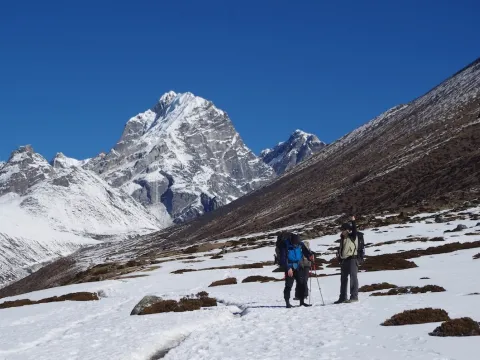
Lobuche Peak, standing tall at 6,119 meters (20,073 feet), is one of the most sought-after trekking peaks in Nepal’s Everest region. Known for its challenging yet accessible climb, Lobuche Peak Climbing offers adventurers a perfect blend of trekking and mountaineering, with breathtaking views of Mount Everest, Lhotse, and other Himalayan giants. Organized by Higher Path Treks & Expeditions, this expedition is designed for those who want to experience high-altitude climbing in one of the world’s most iconic mountain landscapes.Located near the Everest Base Camp and Gokyo Valley trekking routes, Lobuche Peak presents a rewarding challenge that requires both physical fitness and technical skills, including ice and rock climbing. The climb also provides a unique chance to explore Sherpa culture, ancient monasteries, and dramatic glaciers, making it a comprehensive Himalayan experience.Quick Facts of Lobuche East Peak Climbing Peak: Lobuche East (6119 m)Elevation: 6,119 mDestination: Everest region, NepalDuration: 15-18 daysDifficulty: ChallengingBest Season: Spring (march-May) and Autumn (September-November)Accommodation: Teahouse + TentTransportation: Flight (Manthali to Lukla, Lukla to Manthali) and private vehicleGroup size: 1-12 peopleStart/End Point: KathmanduWhy choose Lobuche East Peak Climbing?Lobuche East Peak climbing is the perfect adventure for climbers who want to experience the thrill of summiting Lobuche east (6119 m). With experienced Sherpa climbing Guides, essential mountaineering training and stunning Himalayan scenery this expedition is an ideal choice for adventurers for seeking the achievement of climbing a 6,119 meters peak in Nepal. Is This Trip Right for You?Lobuche East peak climbing is ideal for adventurous trekkers who have good physical fitness and a strong desire to experience Himalayan peak climbing. The expedition requires the ability to walk for several hours daily, adapt to high-altitude conditions and handle challenging mountain terrain.Previous trekking experience is beneficial but you do not need to be expert mountaineer to join this adventure. basic climbing experience is helpful, while essential skills such as rope techniques, crampon use and climbing safety are provided by our experienced Sherpa guides before the summit attempt.Best Time for Lobuche Peak ClimbingThe ideal time for Lobuche Peak Climbing aligns with the general climbing and trekking seasons in Nepal — spring (March to May) and autumn (September to November). During these months, weather conditions are relatively stable, skies are clear, and temperatures are favorable for climbing and trekking at high altitudes.In spring, the rhododendrons bloom, painting the valleys with vibrant colors, while autumn offers crisp air and panoramic mountain views. Climbing in these seasons significantly reduces the risks associated with avalanches and storms. While winter climbs are possible, extreme cold and heavy snow increase difficulty, and the monsoon season brings rain and slippery trails. Higher Path Treks & Expeditions carefully advises climbers on the best timing for the Lobuche Peak Climbing to maximize safety and success.Lobuche Peak Climbing DifficultyLobuche Peak is classified as a moderately technical trekking peak, suitable for trekkers with a solid fitness level and some prior experience at high altitudes. The climb involves steep snow and ice slopes, glacier travel, and the use of mountaineering equipment such as crampons, ice axes, and fixed ropes. While technical, it is manageable with professional guidance and proper acclimatization.The summit push to 6,119 meters tests endurance and acclimatization, as climbers face thin air, cold temperatures, and challenging terrain. Higher Path Treks & Expeditions, as an expert in Himalayan expeditions, ensures climbers receive glacier training and safety briefings before the ascent. Our experienced Sherpa guides accompany every step of the way, helping clients overcome the Lobuche Peak climbing difficulty and achieve their summit goals with confidence.Altitude and AcclimatizationAltitude and acclimatization are important factors for a successful Lobuche peak, spending two nights in Namche and two nights in Dingboche provides an excellent acclimatization before attempting Lobuche East Peak, as climbers become better prepared for the challenging ascent to Lobuche High Camp and the summit. Common symptoms of altitude sickness may include headache, dizziness, nausea, fatigue, loss of appetite, shortness of breath and difficulty sleeping. Our experienced Sherpa guides carefully monitor your health, pace and progress throughout the expedition to ensure a safe and enjoyable climbing experience.Proper hydration, gradual ascent, balanced nutrition and proper acclimatization is essential for adapting to high altitude. With a well planned itinerary, fit trekkers can confidently complete this adventure.In case of serious altitude related issues and emergencies, our team is prepared to arrange necessary support, including emergency evacuation services when required.Permits for Lobuche Peak ClimbingTo climb Lobuche peak climbers need three different permits: Sagarmatha National Park Entry PermitKhumbu Pasang Lhamu Rural Municipality(Local Government) Permit Lobuche Peak Climbing Permit. Issued by Nepal Mountaineering Association Higher Path Treks and Expedition arranges all necessary permits and and official documentation.Accommodation and mealThroughout the Everest base Camp Trekking route, climbers stay at comfortable local teahouses, with basic facilities, twin sharing rooms and warm dining room. For the Lobuche peak summit and preparation and climbing period accommodation is arranged in Tents at Lobuche high camp, which our team will manage there. During the trek teahouses serve a variety of meals including local and some international. Trekkers can choose meal of their choice at teahouses. Vegetarian meals are healthy, fresh, nutritious and easy to digest. At high camp, our climbing team provides meals designed to supply the energy needed for the demanding summit climb.Why choose Higher Path Treks & Expedition?Higher Path Treks provides a professionally managed Himalayan experience with experienced local Sherpa guides, reliable logistics, and personalized support throughout the expedition.Licensed experienced climbing Sherpa & guides: Our climbing Sherpas and guides have extensive knowledge of the Everest region and high altitude mountaineering. their expertise helps climbers navigate challenging terrain, manage altitude concerns, and maximize the chances of a successful Lobuche East Peak summit.Well Planned Itinerary: Our itinerary is designed to suit different experience levels and travel preferences while maintaining proper acclimatization for high altitude climbingTransparent pricing: Our pricing is transparent, we provide clear information about our included service, permit, accommodation, meal without hidden charges.Safety: Safety is our top priority, with careful well acclimatization planning, regular health monitoring, and emergency support arrangements when needed.Customer focused service: we focus on creating a personalized and stress-free adventure for every traveler. From airport assistance and permit arrangements to accommodation, meals and climbing support we handle every detail so you can focus on enjoying your Himalayan journey.Conclusion Lobuche East Peak Climbing is an unforgettable Himalayan adventure combining, Sherpa culture, and the excitement of summiting a 6119 m peak. With experienced guides, proper acclimatization and reliable support from Higher Path Treks and Expedition, this adventure offers a safe and rewarding experience for adventure seekers looking to explore the Everest region. Book Your Lobuche East Peak Climbing TodayReady to experience the Lobuche East Peak Climbing? Contact Higher Path Treks and Expedition today. Let us help you create an unforgettable journey to the Everest region.
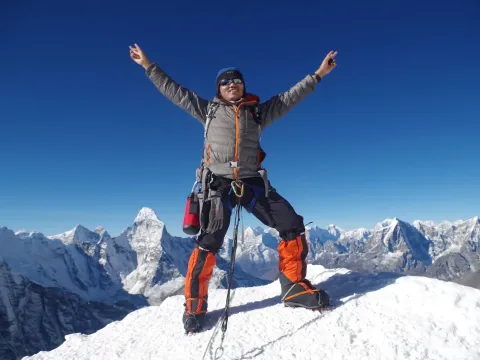
Island Peak, also known locally as Imja Tse, stands at 6,189 meters (20,305 feet) and is one of Nepal’s most popular trekking peaks. It offers a thrilling climbing experience that combines trekking with basic mountaineering skills, making it an ideal challenge for adventure enthusiasts and aspiring climbers. Organized by Higher Path Treks & Expeditions, the Island Peak Climbing expedition provides an unforgettable blend of breathtaking scenery, cultural immersion, and personal achievement in the Everest region.Located near the famous Everest Base Camp Trek route, Island Peak offers spectacular views of Everest, Lhotse, Ama Dablam, and other towering giants. The climb includes glacier travel, ice climbing, and scrambling, requiring the use of crampons, ropes, and other technical gear, all under the guidance of experienced Sherpa climbing guides. This makes the Island Peak climb accessible for trekkers who want to step into the world of mountaineering with a safe and well-supported ascent.Trip Facts of Island Peak ClimbingDestination: Everest (Khumbu) Region, NepalDuration: 19 days Trip Grade: ChallengingMax Elevation: 6,189 mBest Season: Autumn and SpringAccommodation: Teahouse/lodge during the trek and tent during the climbingMeals: breakfast, lunch and dinner during the trek and climbingStart/End Point: KathmanduBest Time for Island Peak ClimbingThe best seasons for Island Peak Climbing are during the pre-monsoon spring months (April to May) and the post-monsoon autumn months (late September to November). These periods provide the most stable weather conditions, clear skies, and optimal climbing windows. During these times, the chances of encountering severe storms or avalanches are reduced, which increases safety and the likelihood of a successful summit.Summer months (June to August) bring heavy monsoon rains, which can make the route slippery and increase avalanche risk, while winter (December to February) presents extreme cold and heavy snowfall. If you plan your Island Peak Climbing expedition with Higher Path Treks & Expeditions, our expert guides will advise you on the best timing to match your climbing goals and fitness level, ensuring a smooth and rewarding ascent.Island Peak Climbing DifficultyIsland Peak is considered a moderate technical climb, suitable for trekkers with good physical fitness and some prior trekking experience in high altitudes. While not requiring advanced mountaineering skills, the climb does demand familiarity with basic equipment like crampons, ice axes, and fixed ropes. The ascent includes steep snow and ice slopes, glacier crossings, and a challenging summit ridge that requires concentration and stamina.The altitude, with a summit over 6,000 meters, means climbers must be well-acclimatized and prepared for thin air and cold conditions. Higher Path Treks & Expeditions, as an expert in Himalayan expeditions, provides pre-climb training, acclimatization schedules, and professional Sherpa guides who ensure climbers’ safety and confidence on the route. This approach helps climbers tackle the Island Peak climbing difficulty while enjoying some of the best mountain landscapes in Nepal.Altitude & Acclimatization The Island Peak Climbing expedition reaches a maximum altitude of 6,189 m (20,305 ft) at the summit of Island peak. The highest sleeping altitude is Island Peak Base Camp 5,200 m. To help your body adapt to the high altitude, the itinerary includes acclimatization days at Namche, Dingboche, and Chhukung reducing the risk of altitude sickness and increasing the chances of a successful summit. Permits For Island Peak Climbing Higher Path Treks & Expedition arranges all required permits before the trek begins. The required permits include:Sagarmatha National Park Entry Permit. Khumbu Pasang Lhamu Rural Municipality (Local Government) Permit. Island Peak Climbing Permit, issued by Nepal Mountaineering Association. Accommodation and MealDuring the Island Peak Climbing comfortable teahouses is provided throughout the trek and tents at Island Peak Base Camp. Teahouses offer simple and cozy rooms with basic shared facilities. Breakfast, lunch and dinner are provided during the trek and climbing period. Meals include a variety of local and international dishes to provide the energy needed for trekking and climbing. Vegetarian meals are fresh, nutritious and easy to digest at higher altitude. Why choose Higher Path Treks & Expedition?Higher Path Treks provides a professionally managed Himalayan experience with experienced local Sherpa guides, reliable logistics, and personalized support throughout the expedition.Licensed experienced climbing Sherpa & guides: Our climbing Sherpas and guides have extensive knowledge of the Everest region and high altitude mountaineering. their expertise helps climbers navigate challenging terrain, manage altitude concerns, and maximize the chances of a successful Island Peak summit.Well Planned Itinerary: Our itinerary is designed to suit different experience levels and travel preferences while maintaining proper acclimatization for high altitude climbingTransparent pricing: Our pricing is transparent, we provide clear information about our included service, permit, accommodation, meal without hidden charges.Safety: Safety is our top priority, with careful well acclimatization planning, regular health monitoring, and emergency support arrangements when needed.Customer focused service: we focus on creating a personalized and stress-free adventure for every traveler. From airport assistance and permit arrangements to accommodation, meals and climbing support we handle every detail so you can focus on enjoying your Himalayan journey.Conclusion Island Peak Climbing expedition is an unforgettable Himalayan adventure and the excitement of summiting a 6189 m peak. With experienced guides, proper acclimatization and reliable support from Higher Path Treks and Expedition, this adventure offers a safe and rewarding experience for adventure seekers looking to explore the Everest region. Book Your Island Peak Climbing in Nepal TodayReady to experience the thrill of Island Peak Climbing in the Himalyas? Contact Higher Path Treks and Expedition today. Let us help you create an unforgettable journey to the Everest region.
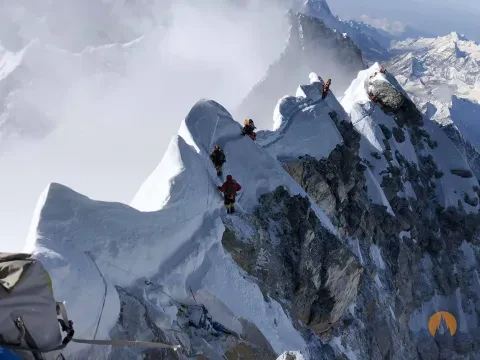
Mt. Everest, standing at an awe-inspiring 8,848.86 meters (29,029 feet), is the highest peak on the planet and a pinnacle of mountaineering achievement. Located in the Mahalangur Himal sub-range of the Himalayas, it straddles the border between Nepal and the Tibet Autonomous Region of China. Climbing Everest represents the ultimate challenge for mountaineers worldwide, combining extreme altitude, unpredictable weather, and technical climbing demands. For many, reaching the summit of Everest is the culmination of a lifetime of dedication and preparation.Preparing for an Everest expedition involves extensive planning and rigorous training. Higher Path Treks provides a thorough pre-expedition program to ensure climbers are physically and mentally prepared for the challenges of high-altitude mountaineering. This preparation includes specialized training in climbing techniques, altitude acclimatization, and survival skills. Prospective climbers are advised to engage in a rigorous fitness regimen, which typically includes endurance training, strength building, and high-altitude hikes to simulate the conditions they will face on Everest.The Everest expedition typically begins with a flight from Kathmandu to Lukla, followed by a trek to the Everest Base Camp (EBC), situated at 5,364 meters (17,598 feet). Higher Path Treks meticulously plans the logistics of the trek to EBC, including permits, accommodation, and food. The trek to EBC offers stunning views of the Himalayas, including glimpses of Everest, and provides climbers with the necessary time to acclimatize.From Base Camp, the expedition follows the classic South Col Route. The journey involves several key stages, including:Acclimatization and Climbing: Climbers spend several weeks at Base Camp and in intermediate camps to acclimatize. Higher Path Treks arranges for climbers to make rotations up to higher camps, such as Camp 1 (6,065 meters), Camp 2 (6,400 meters), and Camp 3 (7,200 meters), before the final summit attempt. These rotations are crucial for acclimatization and familiarizing climbers with the route.Summit Push: The summit push is a complex operation involving a series of well-coordinated steps. Climbers typically ascend from Base Camp to the South Col (7,906 meters), where they rest before the final push to the summit. The climb to the summit is challenging, involving traverses of the Khumbu Icefall, the Western Cwm, and the Lhotse Face, culminating in the final ascent through the Hillary Step to the summit of Everest.Descent: The descent is as critical as the ascent. Higher Path Treks ensures that climbers are well-prepared for the descent, which requires careful management of fatigue, weather conditions, and altitude effects.Beyond the technical and physical aspects of climbing Everest, the expedition offers a rich cultural and scenic experience. The journey to Base Camp takes climbers through the Sherpa villages of the Khumbu region, where they can engage with local communities and learn about Sherpa culture and traditions. The trek offers stunning vistas of Everest, Lhotse, Nuptse, and other Himalayan giants, providing unforgettable views and photographic opportunities.After a successful summit, climbers have the chance to reflect on their achievement and celebrate their success. Higher Path Treks organizes a post-expedition gathering where climbers can share their stories and experiences. This moment of reflection is an important part of the journey, allowing climbers to acknowledge their accomplishments and the efforts of their support team.An Everest expedition with Higher Path Treks represents a once-in-a-lifetime adventure, blending the ultimate climbing challenge with unparalleled beauty and cultural richness. With their expertise in high-altitude expeditions, meticulous planning, and commitment to safety, Higher Path Treks ensures that climbers are well-prepared and supported throughout their journey. For those seeking to conquer the world’s highest peak, Higher Path Treks offers a comprehensive and exhilarating experience that meets the highest standards of mountaineering excellence.Safety and SupportSafety is paramount in Everest expeditions, and Higher Path Treks prioritizes the well-being of climbers through every stage of the journey. The company employs state-of-the-art safety equipment, including oxygen systems and high-altitude gear, and maintains comprehensive medical support. Experienced guides, trained in first aid and high-altitude rescue, are stationed at critical points along the route. Higher Path Treks also conducts regular safety briefings and emergency drills to prepare climbers for any potential issues.Helpful Blogs About Trekking in the Everest Region:Uncover the best blogs about trekking in the Everest region, featuring expert advice, detailed itineraries, personal experiences, and essential tips for adventurers looking to explore the Himalayas.Photography Guide: Capturing the Himalayas Without Expensive GearEverest Luxury Trek: An Unforgettable Himalayan ExperienceNepal Peak Climbing 2026: Routes, Tips, and Top SummitsSolo Trekking to Everest Base Camp: Is It Possible?Top 10 Highlights of the Everest Base Camp TrekSuccessfully Trekking to Everest Base Camp and Kala PattharWhy Famous Trekkers Choose Everest Base Camp?Autumn Season to Everest Base Camp TrekThe Best Hiking Adventures: Famous Peak Climbs in 2025Top Himalayan Peaks for Beginner Climbers: A Comprehensive GuideEverest Three Peaks: A Beginner’s Guide to the Ultimate Himalayan ChallengeIs Peak Climbing in Nepal Easy for Beginners?Must-Know Facts About Everest Base Camp TrekkingWhy Gokyo Ri is a Must-Visit for Everest Trek LoversThe Roof of the World: Peak Climbing Journeys through Nepal’s High CountryWhat to Expect on an Island Peak Climbing ExpeditionMera Peak Climbing Guide for Beginners: Tips, Difficulty & PreparationFour Peaks, One Journey: Mera, Island, Lobuche & Amphu Lapcha ExpeditionTop Best Expedition Packages in Nepal 2025Which is Easier: Mera Peak or Island Peak?Why Choose Island Peak Climbing with Everest Base Camp Trek for BeginnersBest Trekking Peaks in Everest Region for BeginnersExperience Mountain View in NepalEssentials for Everest Base Camp
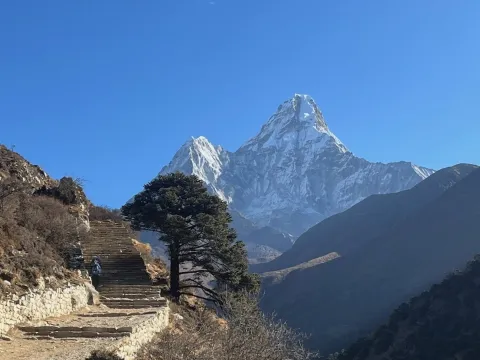
Ama Dablam Expedition (6,812 m / 22,349 ft) is one of the Nepal's most iconic and technically challenging adventure. Ama Dablam, often referred to as the "Matterhorn of the Himalayas," is a stunning peak located in Khumbu region of Nepal, it is renowned for its dramatic and picturesque appearance, with sharp ridges and a distinct pyramid shape. The mountain's name translates to "Mother’s Necklace" in Sherpa, a tribute to its striking profile that resembles a mother’s necklace. Although lower than Everest, Ama Dablam presents a challenging ascent due to its technical climbing requirements and steep slopes. It is considered one of the most beautiful and sought-after peaks for climbers in the Himalayas. The expedition offers a perfect combination of technical climbing, rich Sherpa culture, Himalayan lifestyle and breathtaking views.The journey begins with a scenic flight to Lukla, followed by a trek through the Everest region, passing through small traditional Sherpa villages, suspension bridges, ancient monasteries, lush rhododendron and pine forests before reaching Ama Dablam Base Camp. This gradual approach allows for proper acclimatization, while enjoying spectacular views of Everest, Lhotse, Thamsetrku, Khumbu valley and surrounding snow-capped Himalayan peaks. From Base Camp, climbers ascend the classic southwest ridge,. The climb involves steep rock, snow and ice sections. The ascent requires the use of crampons, harness, ice axe, fixed ropes and ascender. With well planned acclimatization and guidance, climbers make their summit push to one of the most beautiful peaks in the Himalayas. At Higher Path Treks & Expedition, our experienced climbing guides and Sherpas provide professional leadership, logistical supports and strong commitment to safety throughout the expedition. Whether you are an experienced mountaineer and looking to climb one of the most technical mountain in the Everest region Nepal, the Ama Dablam Expedition promises an unforgettable adventure filled with challenge, achievement and breathtaking views. Trip FactsDestination: Everest Region, NepalDuration: 26 daysPeak Elevation: 6,812 m/22,349 ftDifficulty: Challenging / TechnicalBest Season: September-November and March-MayAccommodation: Teahouse during the trek and Tent during the climbingMeals: Breakfast, lunch and dinner during the trek and climbingMax Elevation: 6,812 m /22,349 ftStart/End Point: KathmanduWho Can Join This Climbing?The Ama Dablam Expedition is suitable for experienced mountaineers with previous 6,000 meters peak climbing experience. Climbers should be expert in using fixed ropes, crampons, harness, ascender ice axe and experience in rock, snow and ice climbing. Excellent physical fitness and strong mindset are essential for this expedition. Why choose Ama Dablam Expedition?Ama Dablam expedition is the perfect climbing adventure for the climbers in Khumbu region, Nepal. Standing in pyramid shape Ama Dablam offers an unforgettable experience for mountaineers seeking a technical Himalayan peak, and combines technical climbing with breathtaking views of the Everest, Lhotse, Makalu and the surrounding uncountable Himalayan peaks.With experienced Sherpa climbing Guides, comprehensive pre training, carefully planned acclimatization you will have the support needed to maximize your chances of reaching the summit safely. This expedition is an ideal choice for adventurers for seeking the achievement of climbing a 6,812 m Himalayan peak in Everest region, Nepal. Ama Dablam Expedition DifficultyAma Dablam is considered as one of the most technical Himalayan adventure which requires good physical fitness, proper acclimatization and basic mountaineering skills. The climb involves steep sections, fixed ropes, crampon use, and high altitude conditions that make it more demanding than a regular trek. Previous experience using crampons, fixed ropes, ice axe, ascender, and harness is recommended. With proper preparation, regular training and guidance from experienced Sherpa climbing guides, fit climbers with determination and a strong sense of adventure can successfully complete this expedition.Altitude and AcclimatizationAltitude and acclimatization are important factors for a successful Ama Damlam Expedition. Spending two nights in Namche and Dingboche provides an excellent acclimatization before attempting Ama Dablam, as climbers become better prepared for the summit. Common symptoms of altitude sickness may include headache, dizziness, nausea, fatigue, loss of appetite, shortness of breath and difficulty sleeping. Our experienced Sherpa guides carefully monitor your health, pace and progress throughout the expedition to ensure a safe and enjoyable climbing experience.Proper hydration, gradual ascent, balanced nutrition and proper acclimatization is essential for adapting to high altitude. With a well planned itinerary, fit trekkers can confidently complete this adventure.In case of serious altitude related issues and emergencies, our team is prepared to arrange necessary support, including emergency evacuation services when required.Permits for Ama Dablam ExpeditionAma Dablam Expedition climbers need three different permits: Sagarmatha National Park Entry PermitKhumbu Pasang Lhamu Rural Municipality(Local Government) Permit Ama Dablam Climbing Permit. Issued by Nepal Mountaineering Association Higher Path Treks and Expedition arranges all necessary permits and and official documentation.Accommodation and mealThroughout the Everest base Camp Trekking route, climbers stay at comfortable local teahouses, with basic facilities, twin sharing rooms and warm dining room. During the climbing period accommodation is arranged in Tents, which our team will manage there. During the trek teahouses serve a variety of meals including local and some international. Trekkers can choose meal of their choice at teahouses. Vegetarian meals are healthy, fresh, nutritious and easy to digest. At high camp, our climbing team provides meals designed to supply the energy needed for the demanding summit climb.Best Time to Climb Ama DablamFor climbing Ama Dablam Autumn (September to November) and Spring (March to May) are the best seasons. In spring the weather becomes warmer, clear skies, spectacular mountain views, and climbing routes are generally in good conditions. Autumn season has stable and warm weather, dry trails, clear skies and outstanding mountain visibility. it offers breathtaking panoramic views throughout the Everest region.Why choose Higher Path Treks & Expedition?Higher Path Treks provides a professionally managed Himalayan experience with experienced local Sherpa guides, reliable logistics, and personalized support throughout the expedition.Licensed experienced climbing Sherpa & guides: Our climbing Sherpas and guides have extensive knowledge of Khumbu region and high altitude mountaineering. Their expertise helps climbers navigate challenging terrain, manage altitude concerns, and maximize the chances of a successful Ama Dablam summit.Well Planned Itinerary: Our itinerary is designed to suit different experience levels and travel preferences while maintaining proper acclimatization for high altitude climbingTransparent pricing: Our pricing is transparent, we provide clear information about our included service, permit, accommodation, meal without hidden charges.Safety: Safety is our top priority, with careful well acclimatization planning, regular health monitoring, and emergency support arrangements when needed.Customer focused service: we focus on creating a personalized and stress-free adventure for every traveler. From airport assistance and permit arrangements to accommodation, meals and climbing support we handle every detail so you can focus on enjoying your Himalayan journey.Conclusion Ama Dablam Expedition with Higher Path Treks offers an extraordinary adventure for climbers seeking a blend of technical challenge, stunning scenery, and cultural immersion. With their expert guidance, detailed planning, and commitment to safety and sustainability, we provide a climbing experience. Whether you're an experienced mountaineer, Ama Dablam Expedition with Higher Path Treks promises an unforgettable journey to one of Nepal's iconic technically challenging peaks.Book Your Ama Dablam Expedition TodayReady to experience Ama Dablam a technically challenging Climbing? Contact Higher Path Treks and Expedition today. Let us help you create an unforgettable journey to the Khumbu region, Nepal.