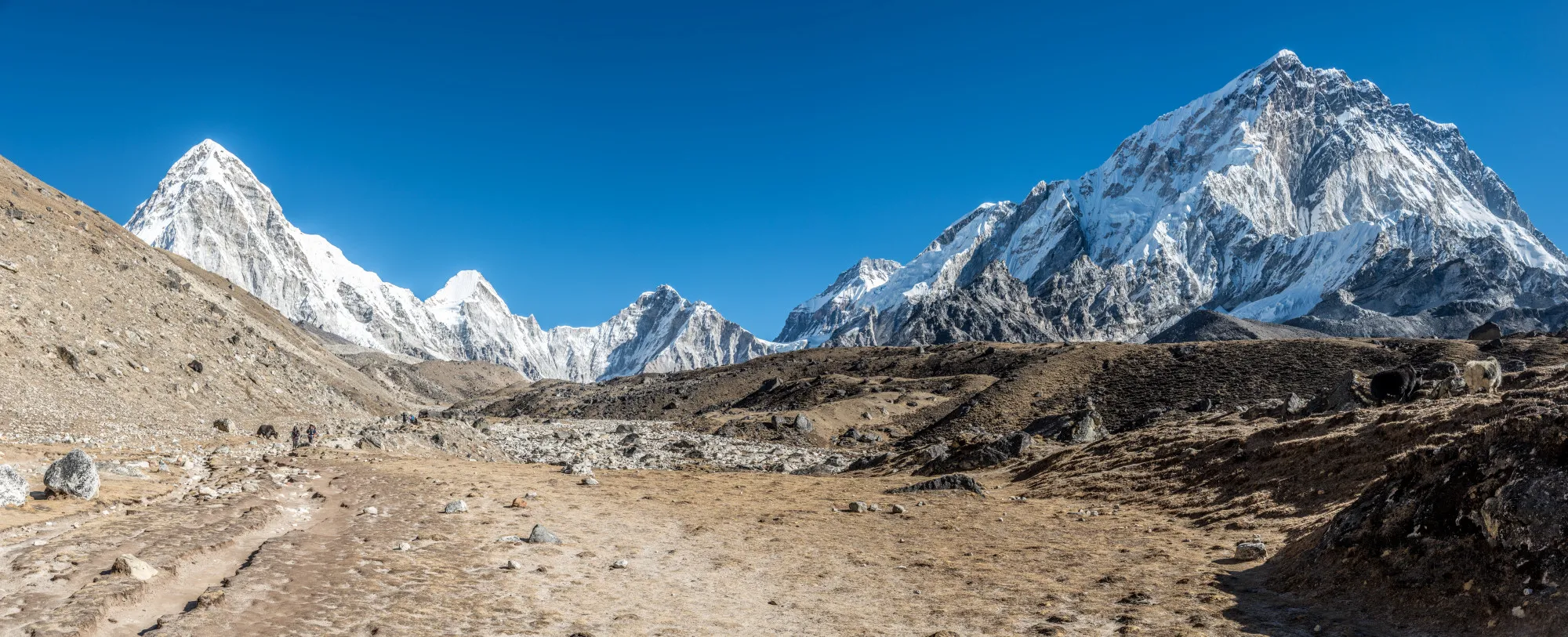
Planning the Everest Base Camp Trek? Discover the essential packing list, permits, fitness tips, altitude sickness advice and practical preparation tips to help you enjoy a safe and unforgettable trekking adventure in Himalayas Nepal.

Planning a trek in Nepal? learn everything you need to know about permits costs, requirements and where to get them including Everest region trekking permits, Annapurna trekking permits, Langtang trekking permits, Manaslu trekking permits.
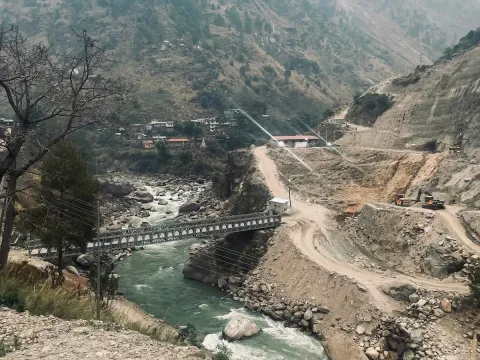
The Rasuwa flash flood of 2026 August caused significant damage to roads, bridges, hydropower and local communities, affecting access to the Rasuwa and Langtang region. This guide provides the latest Langtang Trek update, current travel information, and alternative Langtang Valley trekking itinerary.
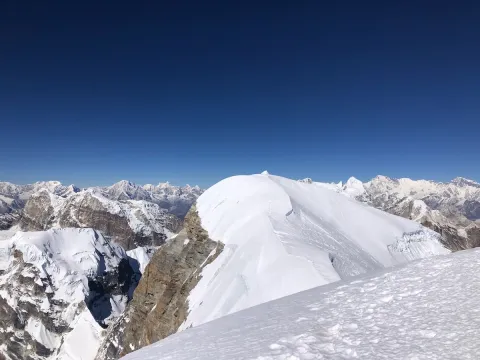
<p>Recognized as Nepal’s highest trekking peak, Mera Peak is situated in the Solukhumbu district and stands tall at 6476 meters above sea level. Mera Peak gives explorers a chance to set camps and experience colorful Rhododendron filled trails and ultimately, the isolation of high-altitude valleys at best. <br></p>
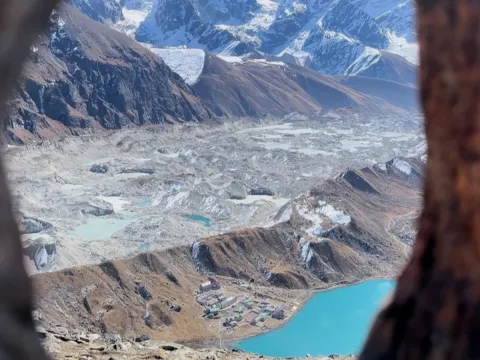
Discover the breathtaking Gokyo Lakes Trek in Himalayas, Nepal. A scenic adventure through the Everest region including The mount Everest with surrounding Himalayan snow-capped peaks, turquoise glacial lakes, Ngozumpa glacier, tradition Sherpa villages, Himalayan wildlife, dramatic Himalayan landscapes, and spectacular Gokyo Ri viewpoint. Visit the complete guide 2026
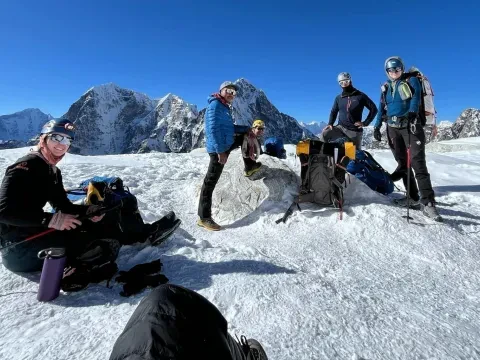
Lobuche East Peak Climbing is one of the most exciting and rewarding mountaineering challenges in Nepal, and 2026/2027 packages are carefully designed to cater to trekkers and climbers of different experience levels. Our Lobuche East Peak Climbing packages provide a comprehensive and fully supported trekking and climbing experience in the Everest region.
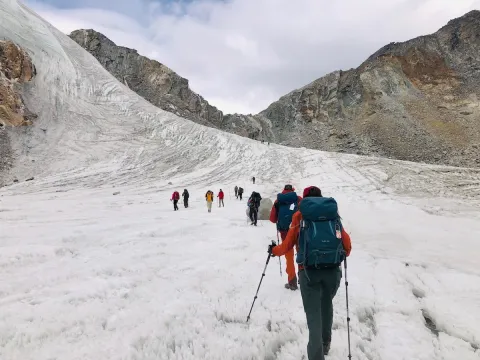
Experience the unforgettable Himalayan adventure in the Everest region with our Everest Three Passes Trek complete guide 2026. Discover the detailed itinerary, difficulty, permits, best time, cost, accommodation, packing lists, route, Himalayan culture, wildlife and tips for Himalayan adventure across the Kongma La Pass, Cho La Pass and Renjo La Pass.
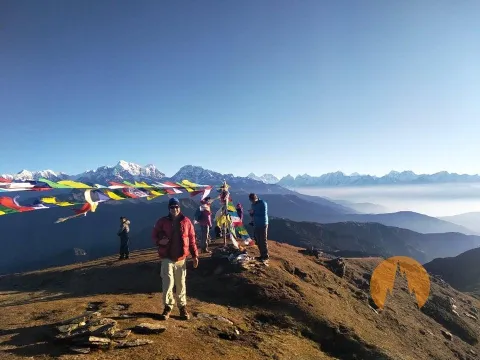
Pikey Peak Trek is one of the most rewarding short treks in Nepal’s Everest region, offering breathtaking Himalayan scenery, authentic Sherpa culture, and peaceful trails away from the crowds. Located in the lower Everest region of Solukhumbu, Pikey Peak (4,065m/13,333ft) is famous as one of the finest sunrise viewpoints in Nepal.
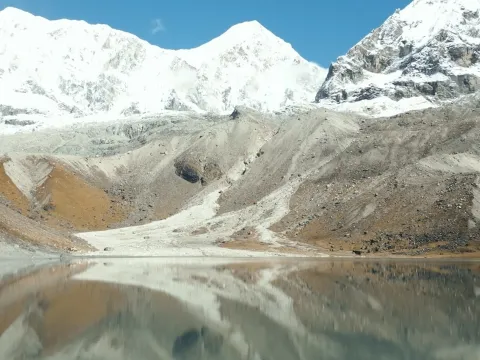
Dudh Kunda Lake, meaning “Milk Lake” in Nepali, is one of the most beautiful and least explored sacred lakes in Nepal's Everest region. Surrounded by snow-covered peaks, alpine landscapes, and peaceful Himalayan wilderness, this journey offers a perfect blend of natural beauty, cultural discovery, and spiritual experiences.
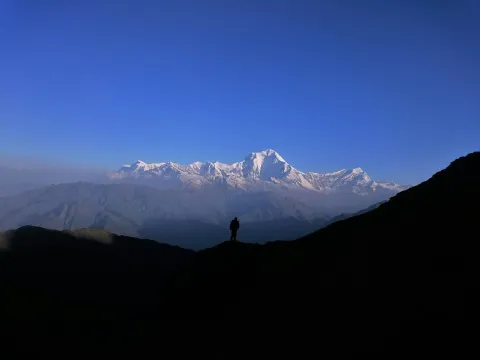
The Khopra Trek is one of Nepal’s most rewarding off-the-beaten-path adventures, offering a perfect combination of breathtaking Himalayan scenery, peaceful trails, authentic village experiences, and natural wonders. Organized by Higher Path Treks & Expeditions, this carefully designed 12-day journey takes trekkers deep into the Annapurna region, exploring hidden trails that lead to the spectacular Khopra Ridge and the sacred Khayer Lake.
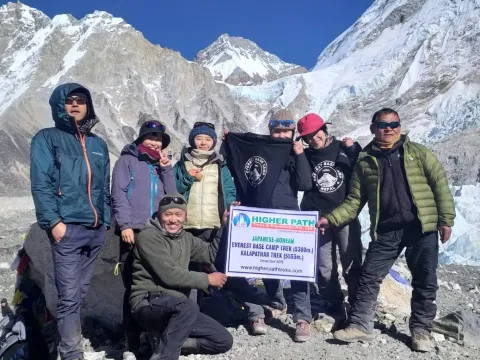
The Everest Base Camp Trek by Heli offered by Higher Path Treks & Expeditions is a premium Himalayan adventure that blends traditional trekking with helicopter transfers to reduce long road and flight fatigue while maximizing mountain experience. This itinerary is designed for trekkers who want the classic Everest trail experience but with added comfort, efficiency, and scenic aerial views of the Himalayas.
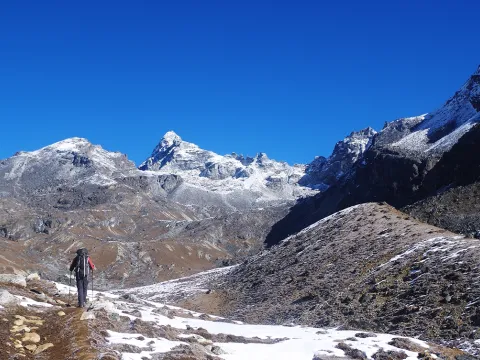
The Everest Base Camp (EBC) trek is one of the most famous high-altitude trekking routes in the world, and it is absolutely possible for solo female trekkers. Every year, hundreds of women complete this journey independently or with minimal support, proving that the trek is not just for guided groups or experienced mountaineers.