
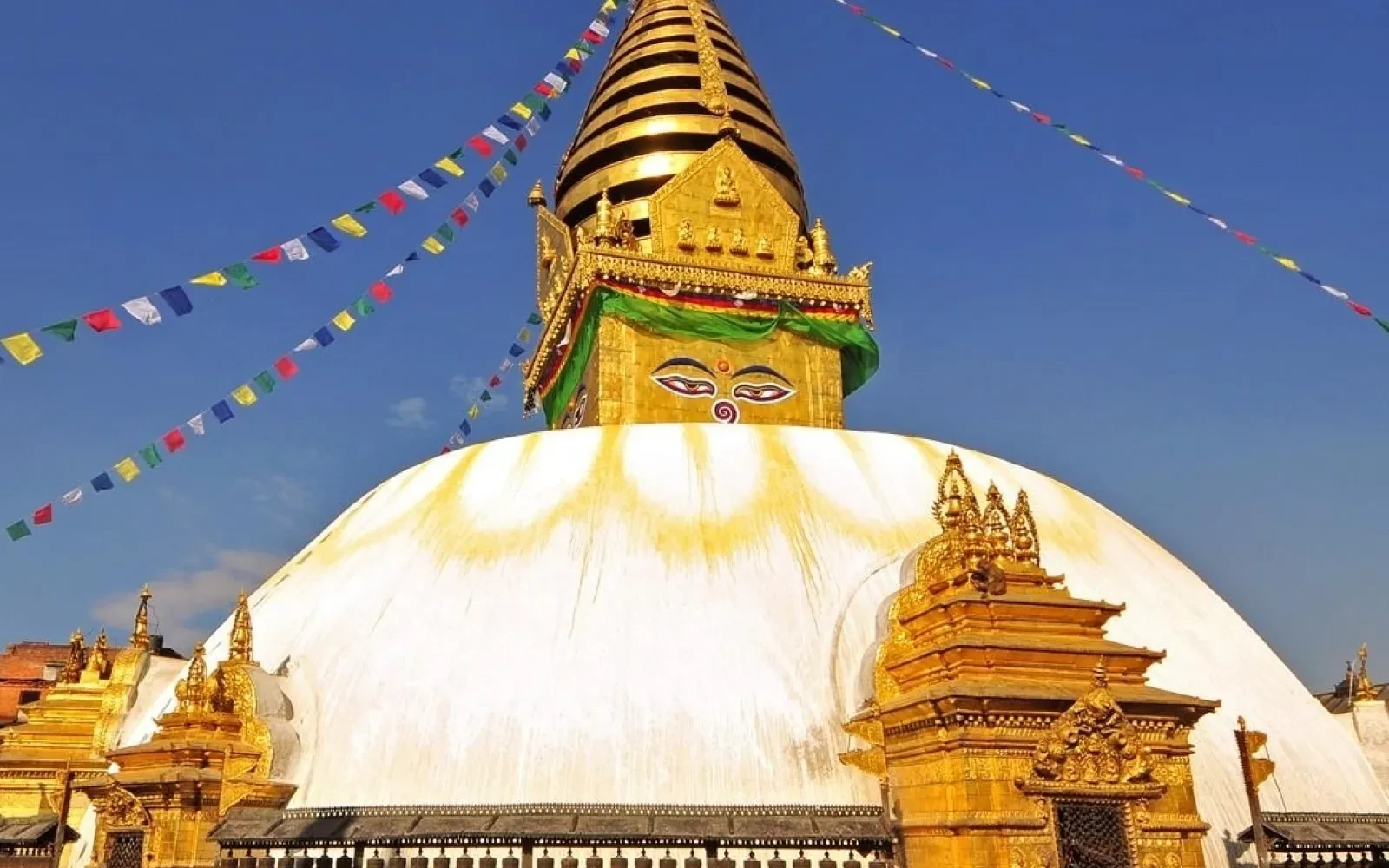
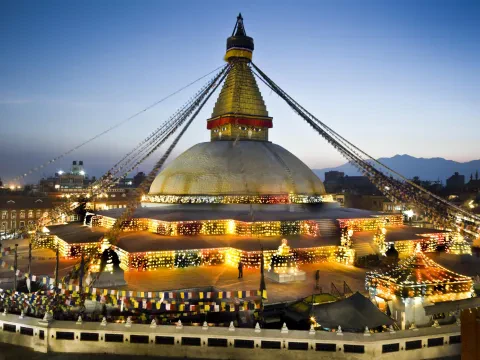
The Kathmandu Valley Sightseeing Tour offers an immersive exploration of one of Nepal’s most culturally and historically rich regions. Located in the heart of Nepal, the valley is home to the bustling city of Kathmandu, along with the ancient cities of Bhaktapur and Patan. This tour highlights the valley's remarkable blend of ancient architecture, vibrant traditions, and scenic beauty.Buddhanath Stupa (Boudhanath)Buddhanath Stupa, commonly known as Boudhanath, is one of Nepal’s largest and most important Buddhist stupas. Located in the Kathmandu Valley, just 7 kilometers from the heart of Kathmandu, this stupa is a prominent pilgrimage site and a central hub of Tibetan Buddhism in Nepal. It is renowned for its massive mandala and spiritual significance.Key Features of Buddhanath Stupa:Stupa Structure: The stupa is an enormous, dome-shaped structure, symbolizing the universe. Its base is a large mandala, representing the cosmic circle, which is encased by a whitewashed dome that signifies the Buddha’s mind. The central spire, capped with a golden pyramidal structure, represents the Buddha’s enlightenment.Eyes of Buddha: The stupa is adorned with four sets of large eyes on the sides of the central tower. These eyes are painted with an expression of watchfulness and wisdom, and they symbolize the all-seeing nature of Buddha.Hemispherical Dome: The dome of the stupa represents the earth and is made from brick and clay, with its whitewashed surface symbolizing purity. The dome is surrounded by a series of concentric rings, representing the levels of consciousness.Mandala: The stupa is built in the shape of a mandala, a sacred geometric pattern that represents the universe. The mandala is divided into different levels, each signifying different aspects of Buddhist cosmology.Prayer Flags and Wheels: The stupa is surrounded by colorful Tibetan prayer flags, which flutter in the wind and carry prayers and mantras to the heavens. There are also numerous prayer wheels around the stupa, which devotees spin to accumulate spiritual merit.Monasteries and Shops: The area around Boudhanath is filled with Tibetan monasteries, shops, and restaurants, creating a lively, spiritual atmosphere. Visitors can explore these vibrant surroundings and experience Tibetan culture and cuisine.Swayambhunath Stupa (Monkey Temple)Swayambhunath, often referred to as the Monkey Temple due to the large number of monkeys living in the area, is an ancient religious site situated on a hilltop overlooking Kathmandu. This stupa is one of Nepal’s most iconic and ancient Buddhist monuments, offering panoramic views of the valley.Key Features of Swayambhunath Stupa:Stupa Structure: The stupa at Swayambhunath features a large, whitewashed dome with a golden spire. The spire is adorned with the eyes of Buddha, which symbolize the all-seeing nature of enlightenment.Staircase and Temple Complex: To reach the stupa, visitors must climb a long staircase of 365 steps. The climb is flanked by small shrines and temples, and the steps are often populated by monkeys, which are considered sacred by locals.Votive Stupas and Shrines: Around the main stupa, there are numerous smaller stupas, temples, and shrines. These include the Harati Devi Temple, dedicated to the goddess of childbirth and fertility, and various other shrines dedicated to different deities.Monkeys and Wildlife: The area is home to a large population of monkeys, which are often seen roaming around the stupa and temple grounds. They are an integral part of the site's character, though visitors are advised to be cautious as the monkeys can be mischievous.Panoramic Views: The hilltop location offers stunning panoramic views of Kathmandu and the surrounding valley. The view is especially striking at sunrise and sunset, providing a serene backdrop for reflection and observation.Pashupatinath TemplePashupatinath Temple is one of the holiest Hindu temples dedicated to Lord Shiva, located on the banks of the Bagmati River, about 5 kilometers east of Kathmandu. It is a significant pilgrimage site for Hindus and a UNESCO World Heritage Site, renowned for its religious importance and architectural splendor.Key Features of Pashupatinath Temple:Temple Architecture: The main temple is a pagoda-style structure with a golden roof and intricately carved wooden and metal elements. It is adorned with detailed carvings of Hindu deities and symbols.Lingam and Shrine: The central shrine of Pashupatinath houses a sacred lingam, a symbol of Lord Shiva. Devotees come to offer their prayers and perform rituals at this revered shrine.The Bagmati River: The temple complex is situated on the banks of the Bagmati River, which is considered holy. The river is an important site for Hindu cremation rites, and the ghats (steps) along the river are frequently used for funerary ceremonies.Rituals and Ceremonies: Pashupatinath is a bustling site for religious rituals and ceremonies, including daily pujas (prayers), and special festivals such as Shivaratri, which attract thousands of pilgrims and visitors each year.Baidya Ghat and Arya Ghat: These are the two main cremation ghats located near the temple. The Arya Ghat is the primary site where cremations take place, and visitors can observe the rituals from a respectful distance.Sacred Cows and Deer: The temple grounds are home to sacred cows and a small herd of deer, which are considered auspicious and are cared for by the temple.Temple Complex: The Pashupatinath Temple complex includes numerous smaller shrines, monasteries, and ashrams (spiritual retreats) that contribute to the spiritual and cultural vibrancy of the site.Kathmandu Durbar SquareKathmandu Durbar Square, situated in the heart of the ancient city of Kathmandu, is a UNESCO World Heritage Site renowned for its historical, architectural, and cultural significance. This bustling square, also known as Hanuman Dhoka Durbar Square, serves as the historical and spiritual center of the Kathmandu Valley, offering a glimpse into Nepal’s rich heritage and medieval grandeur.Key Features of Kathmandu Durbar Square:Hanuman Dhoka Palace: The Hanuman Dhoka Palace, also known as the Royal Palace, is a sprawling complex that was the residence of the Malla kings who ruled the Kathmandu Valley. The palace is renowned for its intricate wooden windows and ornate courtyards. Notable areas within the palace include the Nasal Chowk and the Mohan Chowk, which are celebrated for their exquisite carvings and historical significance.Kumari Ghar (Kumari’s Residence): This is the residence of the Kumari, the Living Goddess of Kathmandu, a living deity revered in Hinduism. The three-story building features ornate wooden carvings and is an important spiritual site. Visitors can view the Kumari from the balcony during her public appearances, although access to her inner quarters is restricted.Kasthamandap Temple: The Kasthamandap Temple, believed to be built from a single tree, is a significant structure in the square. This pagoda-style temple, dedicated to the god Gorakhnath, has a distinctive architectural style and was originally used as a public hall. The temple's name, meaning "wooden pavilion," reflects its construction material and historical function.Shiva Parvati Temple: This temple, located near the Kasthamandap, is dedicated to Lord Shiva and his consort Parvati. The temple is known for its detailed stone carvings and intricate architecture. It plays a crucial role in local religious practices and festivals.Vishnu Temple: This ancient temple, dedicated to Lord Vishnu, features a beautifully carved facade and a richly decorated courtyard. The Vishnu Temple is an important site for Hindu worship and contributes to the square's spiritual atmosphere.Jagannath Temple: This temple is notable for its three-story pagoda-style architecture and intricate carvings. It is dedicated to Jagannath, a form of Lord Vishnu, and is one of the key temples in the square, reflecting the artistic achievements of the Malla period.Durbar Square Museum: Located in the former Royal Palace, this museum offers insights into the history and culture of Kathmandu. Its exhibits include ancient sculptures, traditional artifacts, and historical documents, providing a deeper understanding of the city’s heritage.Hiranya Varna Mahavihar (Golden Temple): Located just off the main square, this important Buddhist monastery is renowned for its golden facade and richly decorated interiors. It is a major center for Buddhist worship and learning in the Kathmandu Valley.Basantapur Tower: This historic tower, part of the Hanuman Dhoka Palace complex, offers panoramic views of the surrounding area. The tower’s upper levels provide a vantage point to appreciate the layout and beauty of the square and its surroundings.The Big Bell: This large bell, located in front of the Hanuman Dhoka Palace, is rung during important ceremonies and festivals. It serves as a symbolic and functional element of the square’s vibrant community life.Atmosphere and Cultural Significance:Kathmandu Durbar Square is a dynamic and culturally rich area that blends historic architecture with contemporary daily life. The square is a vibrant hub where locals and tourists converge to experience traditional festivals, observe religious rituals, and explore the historic streets. The architectural splendor of the temples, palaces, and courtyards offers a tangible connection to the rich history of the Kathmandu Valley.Visitors to Kathmandu Durbar Square can immerse themselves in the architectural beauty and historical depth of the area, while also engaging with the lively local culture that continues to thrive within this ancient and revered space.Patan Durbar SquarePatan Durbar Square, located in the city of Patan (also known as Lalitpur) in the Kathmandu Valley, is a UNESCO World Heritage Site renowned for its stunning array of ancient temples, palaces, and courtyards. It is celebrated for its well-preserved medieval architecture and serves as a vibrant center of art and culture in Nepal. This historic square is a testament to the artistic and architectural achievements of the Malla era, reflecting the rich cultural heritage of the region.Key Features of Patan Durbar Square:Mahabouddha Temple: This remarkable temple, dedicated to Buddha, is renowned for its unique design and extensive use of terracotta tiles. The temple is adorned with intricate carvings and features over 9,000 small Buddha images embedded in its walls. The Mahabouddha Temple combines architectural elegance with religious significance, embodying the artistic excellence of the Malla period.Hiranya Varna Mahavihar (Golden Temple): One of Patan’s most revered Buddhist monasteries, the Golden Temple is known for its striking golden facade and elaborate metalwork. The temple is an important center for Buddhist worship and learning, and its richly decorated interiors include a variety of religious artifacts and sculptures.Patan Museum: Housed in the former Royal Palace, Patan Museum is celebrated for its extensive collection of traditional Nepalese art and artifacts. The museum’s exhibits include ancient sculptures, religious icons, and historical manuscripts. The museum is a key destination for understanding the artistic and cultural history of the Kathmandu Valley.Royal Palace: The Royal Palace complex, which includes several courtyards and structures, was the residence of the Malla kings. Notable areas within the palace complex include the Keshav Narayan Chowk and the Sundari Chowk, both of which feature intricately carved wooden windows and historical sculptures.Krishna Mandir: Dedicated to Lord Krishna, this five-story pagoda-style temple is a prime example of Malla-era architecture. The temple is adorned with detailed stone carvings depicting various Hindu deities and scenes from Hindu mythology. Its tiered roof and elaborate facade make it a prominent landmark in the square.Bhimseni Temple: This temple is dedicated to Bhimsen, a deity associated with commerce and prosperity. It features a distinctive architectural style and serves as an important site for local worship and festivals.Mahadev Temple: Another significant Hindu temple in the square, Mahadev Temple is dedicated to Lord Shiva and is known for its simple yet elegant design. The temple’s architecture reflects the traditional style of the region and its role in local religious practices.Patan Dhoka (Gate): The main entrance to the Durbar Square, Patan Dhoka is a grand gate that features intricate carvings and decorative elements. It serves as a focal point for the square and provides access to the historical buildings and temples within the complex.Sundari Chowk: This beautifully designed courtyard within the Royal Palace complex is famous for its detailed stone carvings and ornate wooden windows. The Chowk is a prime example of the architectural sophistication of the Malla era.Mahabouddha Temple: Known for its unique terracotta construction and intricate design, the temple stands out for its artistic use of clay tiles depicting thousands of small Buddha figures. It is an important symbol of Buddhist architecture and artistry.Atmosphere and Cultural Significance:Patan Durbar Square is a vibrant hub of cultural and religious activity, where traditional festivals, ceremonies, and daily rituals take place. The square’s bustling atmosphere is characterized by the lively presence of locals and visitors, exploring the historical architecture, participating in religious practices, and engaging with the artistic heritage of the region.The architecture of Patan Durbar Square is marked by its intricate carvings, elaborate woodwork, and richly decorated temples and palaces. Each building within the square tells a story of the artistic and cultural achievements of the Malla kings, and the entire complex serves as a living museum of Nepalese history and tradition.Visitors to Patan Durbar Square can immerse themselves in its historical ambiance, admire its architectural splendor, and experience the vibrant cultural life that continues to thrive in this historic urban center.Bhaktapur Durbar SquareBhaktapur Durbar Square, located in the ancient city of Bhaktapur, is a UNESCO World Heritage Site renowned for its remarkable preservation of medieval architecture and rich cultural heritage. This historic square is a captivating showcase of Nepalese art and architecture from the Malla period, offering visitors a vivid glimpse into the grandeur of ancient Kathmandu Valley civilization.Key Features of Bhaktapur Durbar Square:55-Window Palace: Dominating the square is the 55-Window Palace, an architectural marvel known for its intricately carved wooden windows. Originally built as the royal palace of the Malla kings, this structure features exquisite woodwork and is a prime example of traditional Newari craftsmanship. The palace also houses the Royal Palace Museum, which exhibits artifacts related to the history and culture of Bhaktapur.Vatsala Temple: This temple, dedicated to the goddess Vatsala, is renowned for its elegant architecture and intricate stone carvings. The temple is distinguished by its beautifully decorated bell and the impressive stone lions that guard its entrance. The Vatsala Temple reflects the artistic excellence of the Malla era and remains an important site for local religious practices.Nyatapola Temple: One of the tallest and most revered pagoda-style temples in Nepal, Nyatapola Temple stands as a striking example of traditional Nepalese architecture. Built by King Bhupatindra Malla, it features a five-story pagoda with intricately carved wooden struts and a richly decorated facade. The temple is dedicated to Siddhi Lakshmi, the goddess of prosperity, and its design is meant to symbolize the strength and stability of the Newar community.Taleju Temple: Situated near the 55-Window Palace, Taleju Temple is a significant Hindu temple dedicated to the goddess Taleju Bhawani. It is a grand structure with a five-tiered pagoda and a richly ornamented entrance. The temple’s architecture, with its ornate carvings and majestic proportions, reflects the religious devotion and artistic skills of the time.The Golden Gate: Serving as the main entrance to the Taleju Temple, the Golden Gate is an exquisite example of Newar metalwork. Adorned with intricate designs and gilded panels, this ornate gate is considered one of the most beautiful examples of traditional metalcraft in Nepal.Bhaktapur Museum: Housed within the 55-Window Palace, the Bhaktapur Museum offers insights into the city's history, art, and culture. The museum's collections include ancient sculptures, traditional artifacts, and historical documents that provide a deeper understanding of Bhaktapur’s rich heritage.The Lion’s Gate: This grand gate, decorated with stone lions, serves as an entrance to the courtyard of the 55-Window Palace. The Lion’s Gate features detailed carvings and stands as a symbol of strength and protection.Pottery Square: Adjacent to Durbar Square, Pottery Square is a lively area where local artisans create and sell traditional pottery. The square offers a chance to witness the craftsmanship behind Bhaktapur’s renowned ceramics and provides a vibrant, authentic experience of local daily life.Palace Courtyard: The central courtyard of the 55-Window Palace is a spacious open area surrounded by historic buildings and temples. It serves as a focal point for various cultural events and ceremonies, reflecting the square’s role as a hub of community activity.Atmosphere and Cultural Significance:Bhaktapur Durbar Square is a living museum where traditional Newar culture thrives amidst historic architecture. The square is often bustling with locals and visitors alike, engaged in religious rituals, festivals, and everyday activities. Its well-preserved streets, intricately carved temples, and vibrant local life offer a unique window into the artistic and cultural legacy of the Kathmandu Valley.Visitors to Bhaktapur Durbar Square can immerse themselves in its historical ambiance, explore its architectural treasures, and experience the rich cultural heritage of one of Nepal’s most historic cities.The Kathmandu Valley Sightseeing Tour promises an enriching journey through Nepal’s historical and cultural landmarks. Each location offers a unique perspective on the valley's heritage, ensuring a memorable and insightful exploration of one of South Asia's most fascinating regions.

The Chitwan Jungle Safari Tour with Higher Path Treks offers an immersive adventure into the heart of Nepal’s lush jungle wilderness. Located in Chitwan National Park, a UNESCO World Heritage Site, this tour provides an opportunity to explore diverse ecosystems, spot rare wildlife, and experience the rich natural beauty of Nepal’s Terai region. Higher Path Treks, renowned for its expertise in crafting memorable travel experiences, ensures that your safari is both thrilling and comfortable.Tour Highlights:Arrival and Orientation:Arrival in Chitwan: Upon arrival in Chitwan, you will be greeted by the friendly staff of Higher Path Treks. You’ll be transported to your safari lodge or resort, where you will have time to settle in and relax.Orientation Session: After checking in, enjoy an informative briefing about the park's biodiversity, safari protocols, and safety guidelines. This session will prepare you for your adventure and enhance your understanding of the wildlife and environment.Jungle Safari Activities:Elephant Safari: Explore on an exciting elephant-back safari through the dense jungle. This traditional method of safari allows you to navigate the park’s terrain and spot wildlife from a unique vantage point. Your experienced guide will help you spot animals such as one-horned rhinoceroses, deer, and various bird species.Jeep Safari: For a more extensive exploration, a jeep safari provides a thrilling ride through different zones of the park. Equipped with a knowledgeable guide, you’ll traverse the park’s diverse landscapes and have opportunities to see tigers, leopards, and other elusive wildlife.Canoe Ride: Enjoy a serene canoe ride on the Rapti or Narayani River, where you can observe aquatic life and bird species. The calm waters offer a different perspective of the park’s beauty and the chance to spot animals like gharials (a type of crocodile) basking on the riverbanks.Nature Walks and Bird Watching:Guided Nature Walks: Explore the park on foot with experienced naturalists who will lead you through various trails. These walks offer a closer look at the flora and smaller fauna of the park, as well as insights into the ecosystem and conservation efforts.Bird Watching: Chitwan is renowned for its bird diversity. Join a bird-watching excursion to spot a variety of species, including the endangered Bengal florican, various eagles, and colorful kingfishers.Cultural Experiences:Tharu Village Visit: Immerse yourself in the local culture with a visit to a nearby Tharu village. Learn about the traditional lifestyle, customs, and practices of the Tharu people, who are indigenous to the Terai region. You may have the opportunity to participate in traditional dances and taste local cuisine.Cultural Performance: In the evening, enjoy a traditional Tharu cultural performance at your lodge. The vibrant dance and music showcase the rich cultural heritage of the region.Wildlife Conservation and Education:Conservation Efforts: Learn about ongoing conservation projects aimed at protecting the park’s wildlife and habitat. Higher Path Treks provides insights into the efforts being made to preserve the unique biodiversity of Chitwan National Park.Educational Talks: Participate in educational talks and discussions with naturalists and park rangers to deepen your understanding of the park’s ecology and wildlife management.Departure:Farewell and Departure: After a memorable safari experience, enjoy a final breakfast at your lodge before departing. Higher Path Treks will ensure a smooth transfer back to your next destination, with options for onward travel arrangements.The Chitwan Jungle Safari Tour with Higher Path Treks is a captivating adventure that offers an intimate experience of Nepal’s natural wonders. With expert guidance and a focus on both wildlife and cultural immersion, this tour promises an unforgettable journey into one of Nepal’s most treasured national parks.
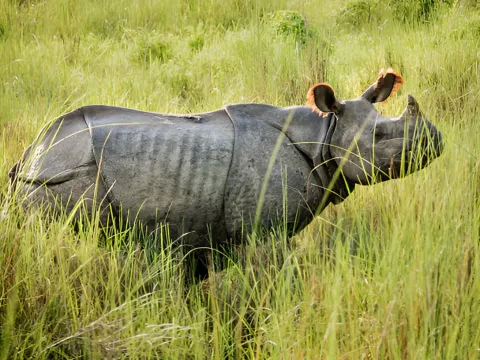
Discover the pristine wilderness of Bardiya National Park with Higher Path Treks. Located in the western Terai region of Nepal, Bardiya National Park is a hidden gem offering unparalleled wildlife experiences and serene natural beauty. Known for its dense forests, expansive grasslands, and abundant wildlife, including the elusive Bengal tiger and the endangered one-horned rhinoceros, Bardiya promises an immersive adventure into Nepal’s untouched wilderness. Join us for a journey that blends thrilling wildlife encounters with peaceful natural exploration.Jungle Safari Activities:Jeep Safari: Experience an exhilarating jeep safari through Bardiya National Park’s diverse landscapes. Accompanied by a knowledgeable guide, you will explore different zones of the park, seeking out the Bengal tiger, one-horned rhinoceros, wild elephants, and other wildlife. The jeep safari offers an extensive view of the park’s rich fauna and varied habitats.Elephant Safari: Enjoy a unique perspective of the jungle on an elephant-back safari. This traditional safari method allows you to traverse the park’s terrain quietly and closely, enhancing your chances of observing wildlife such as rhinos, deer, and exotic birds.Nature Walks: Explore the park on foot with experienced naturalists who will guide you through trails and offer insights into the park’s flora and smaller fauna. These walks provide a closer look at the park’s ecosystems and the opportunity to spot elusive species and learn about their habitats.Bird Watching: Bardiya is a birdwatcher’s paradise, with over 400 species recorded. Join a bird-watching tour to see a variety of birds, including the endangered Bengal florican, great hornbill, and several species of eagles and kingfishers.Cultural Experiences:Tharu Village Visit: Discover the unique culture of the Tharu people, who are indigenous to the Terai region. Visit a nearby Tharu village to learn about traditional lifestyles, customs, and practices. Experience local hospitality, enjoy traditional dance performances, and sample authentic Tharu cuisine.Cultural Performance: In the evening, enjoy a vibrant cultural performance featuring traditional Tharu music and dance. This immersive experience provides insight into the cultural heritage of the region.Wildlife Conservation and Education:Conservation Efforts: Learn about the ongoing conservation projects aimed at preserving the park’s unique biodiversity. Higher Path Treks provides valuable information about the park’s efforts to protect endangered species and their habitats.Educational Talks: Engage in educational discussions with park rangers and naturalists to deepen your understanding of wildlife management, conservation practices, and the ecological significance of Bardiya National Park.Why Choose Higher Path Treks?Higher Path Treks is dedicated to providing exceptional travel experiences with a focus on sustainable tourism and conservation. Our expert guides, well-planned itineraries, and commitment to responsible travel ensure that your Bardiya National Park adventure is both enjoyable and impactful.Experience:Join Higher Path Treks on a Bardiya National Park Tour and immerse yourself in the unspoiled wilderness of one of Nepal’s most pristine national parks. From exhilarating wildlife safaris to peaceful river rides and cultural encounters, this tour offers a comprehensive and memorableThe Bardiya National Park Tour with Higher Path Treks offers an extraordinary opportunity to explore one of Nepal’s less-traveled yet immensely rewarding wildlife destinations. With expert guidance and a focus on both wildlife observation and cultural immersion, this tour provides a deep connection to Nepal’s natural beauty and heritage. Experience the thrill of adventure, the serenity of the jungle, and the richness of local culture with Higher Path Treks.
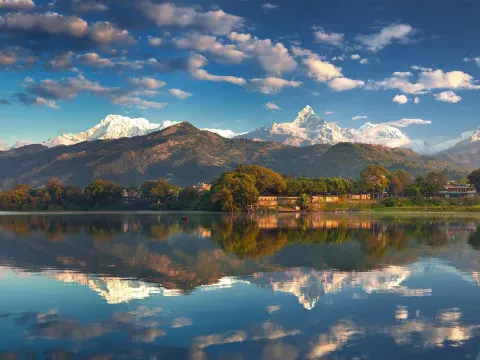
The Pokhara and Lumbini Tour with Higher Path Treks is a thoughtfully crafted journey that explores two of Nepal’s most significant and scenic destinations. This tour offers a blend of natural beauty, cultural richness, and spiritual heritage. Pokhara, known for its stunning landscapes and tranquil lakes, contrasts beautifully with Lumbini, the birthplace of Lord Buddha. Higher Path Treks, renowned for its expertise in creating immersive travel experiences, ensures that your tour is both enriching and memorable.Pokhara:Pokhara, nestled in the heart of Nepal's stunning Himalayan foothills, is renowned for its breathtaking natural beauty and serene atmosphere. As one of Nepal's most popular tourist destinations, Pokhara offers a wide range of experiences, from tranquil lakes and majestic mountains to vibrant local culture and adventure sports. Here’s a detailed look at what makes Pokhara a must-visit destination:Phewa Lake (Fewa Lake): This picturesque freshwater lake is the centerpiece of Pokhara. Visitors can enjoy serene boat rides, with views of the surrounding hills and the reflection of the iconic Machapuchare (Fishtail) Peak. The Tal Barahi Temple, located on an island in the lake, is a notable landmark and a significant site for local worship.Sarangkot: A popular hilltop vantage point offering panoramic views of the Annapurna and Dhaulagiri mountain ranges. Sarangkot is renowned for its stunning sunrise views, where the peaks are bathed in golden light, making it a prime location for photographers and nature enthusiasts.World Peace Pagoda: Situated on a hilltop across the lake from Pokhara, this Buddhist stupa provides panoramic views of the city, Phewa Lake, and the surrounding Himalayan peaks. The pagoda symbolizes peace and is a serene spot for meditation and reflection.Davis Falls: A captivating natural waterfall that cascades into a deep gorge. The falls are especially dramatic during the monsoon season when the water flow is at its peak. Adjacent to the falls is the Gupteshwor Cave, which houses a sacred Shiva Lingam and offers fascinating limestone formations.Adventure and Outdoor ActivitiesParagliding: Pokhara is renowned as one of the world’s top paragliding destinations. Visitors can enjoy tandem flights that offer an exhilarating experience and breathtaking aerial views of the city, lake, and surrounding mountains.Trekking and Hiking: The city serves as a gateway to several popular trekking routes, including the Annapurna Circuit, Ghorepani Poon Hill, and the Annapurna Base Camp trek. These treks offer stunning views of the Himalayan range and diverse landscapes.Mountain Biking: For adventure enthusiasts, Pokhara offers various biking trails that range from easy rides around the lake to challenging off-road paths through the hills and forests.Zip-lining: Experience the thrill of zip-lining in the world's highest and steepest zip-line, offering an adrenaline-pumping ride and spectacular views of the valley and mountains.Cultural and Historical SitesTibetan Refugee Camp: Visit this camp to explore Tibetan culture and craftsmanship. The camp offers an opportunity to learn about Tibetan traditions, purchase handmade crafts, and enjoy traditional Tibetan cuisine.Pokhara Museum: Located near the lake, this museum showcases Nepalese art, culture, and natural history. Exhibits include sculptures, paintings, and artifacts that provide insights into the region’s heritage.Bindhyabasini Temple: An important Hindu temple dedicated to the goddess Bindhyabasini. It is located on a hill and offers views of the city and surrounding landscapes. The temple is a popular spot for local worshippers and visitors.Relaxation and LeisureLakeside Promenade: The Lakeside area of Pokhara is a vibrant hub with a wide range of cafes, restaurants, shops, and bars. It is an ideal place to relax, enjoy local and international cuisine, and soak in the tranquil lake views.Spa and Wellness: Pokhara offers numerous spa and wellness centers where visitors can enjoy relaxing massages, yoga sessions, and holistic treatments in serene settings.Shopping and Souvenirs: The Lakeside area is dotted with shops selling local handicrafts, souvenirs, and trekking gear. It's a great place to pick up unique gifts and mementos of your visit.Local CuisineNepali and International Cuisine: Pokhara's diverse food scene includes traditional Nepali dishes such as momo (dumplings), dal bhat (lentil soup with rice), and newari cuisine. Additionally, the city offers international dining options, including Italian, Chinese, and Indian cuisine.Local Markets and Food Stalls: Explore local markets and food stalls for authentic street food experiences. Sample fresh fruits, snacks, and traditional sweets.Pokhara is a destination that combines natural splendor, adventure, and cultural richness. Whether you're seeking thrilling outdoor activities, serene natural landscapes, or a vibrant local atmosphere, Pokhara offers something for every traveler. With its scenic beauty, diverse activities, and welcoming ambiance, Pokhara is a must-visit destination in Nepal.LumbiniLumbini, situated in the Rupandehi District of Nepal, is a UNESCO World Heritage Site renowned as the birthplace of Siddhartha Gautama, who later became known as Buddha. This sacred pilgrimage site draws visitors from around the world who come to explore its profound historical, spiritual, and cultural significance. Lumbini is a tranquil oasis offering a deep connection to Buddhist heritage and a serene environment for reflection and meditation. Here’s a comprehensive description of what makes Lumbini a significant destination:Maya Devi Temple: At the heart of Lumbini’s Sacred Garden lies the Maya Devi Temple, a revered site marking the exact spot where Queen Maya Devi gave birth to Siddhartha Gautama in 623 BC. The temple complex includes an ancient ruin of a brick structure, known as the “birthplace,” and a sacred pond where it is believed that Maya Devi bathed before giving birth. Pilgrims and visitors come to pay their respects and meditate at this spiritually significant site.Sacred Garden: The Sacred Garden, encompassing approximately 6 square kilometers, is a beautifully landscaped area with manicured lawns, ancient ruins, and a variety of flora. It includes several significant structures such as the Puskarini Pond and various historical markers. The garden provides a serene environment for meditation and reflection.Historical Significance: The Ashoka Pillar, erected by Emperor Ashoka in 249 BC, is an important historical monument commemorating his pilgrimage to Lumbini. The pillar is inscribed with an edict declaring Lumbini as the birthplace of Buddha. It is a significant symbol of the spread of Buddhism and the emperor’s dedication to promoting the teachings of Buddha.International Monastic Zone: Lumbini is home to several monastic zones, each representing different Buddhist traditions and countries. The International Monastic Zone is a collection of monasteries built by Buddhist communities from around the world. Each monastery reflects unique architectural styles and cultural influences, offering insights into the diversity of Buddhist practices and traditions.Notable Monasteries: Among the notable monasteries in the monastic zones are the Thai Monastery, Chinese Monastery, Korean Monastery, and Tibetan Monastery. Each monastery features distinct architectural styles, artistic elements, and cultural artifacts.Museum Exhibits: The Lumbini Museum provides a comprehensive overview of the history, archaeology, and cultural heritage of Lumbini and Buddhism. The museum houses an extensive collection of artifacts, including sculptures, inscriptions, and historical relics related to the life of Buddha and the development of Buddhism.Educational Value: The museum offers valuable educational resources for visitors to learn about the historical context of Lumbini, the life of Buddha, and the evolution of Buddhist art and architecture.Ancient Stupa: Located near Lumbini, the Ramagrama Stupa is an ancient stupa believed to contain relics of Buddha. It is one of the original eight stupas built to enshrine the relics of Buddha after his cremation. The stupa holds significant archaeological and historical importance for Buddhist scholars and pilgrims.Local Culture and CommunityTharu Culture: Lumbini is situated in an area where the Tharu people, an indigenous ethnic group, reside. The Tharu community maintains traditional lifestyles and cultural practices, which can be explored through village visits and cultural interactions.Local Markets and Craftsmanship: Visitors can explore local markets in Lumbini where they can purchase traditional crafts, souvenirs, and Buddhist artifacts. The markets provide a glimpse into the local economy and cultural expressions.Pilgrimage and MeditationSpiritual Experience: Lumbini is a major pilgrimage site for Buddhists from around the world. Visitors come to engage in spiritual practices, meditation, and rituals at the sacred sites. The tranquil environment of Lumbini fosters a profound sense of peace and reflection.Meditation Centers: There are several meditation centers and retreats in Lumbini where visitors can participate in guided meditation sessions, Buddhist teachings, and spiritual practices. These centers offer a quiet setting for personal introspection and growth.Transportation and AccessibilityGetting There: Lumbini is accessible by road from major cities such as Kathmandu and Pokhara. The nearest airport is in Siddharthanagar (Bhairahawa), which is approximately 22 kilometers from Lumbini. Regular flights and road transportation options are available for travelers.Lumbini is a destination of immense historical, spiritual, and cultural significance. It offers a unique opportunity to connect with the roots of Buddhism and experience the serene environment of the sacred birthplace of Buddha. Whether you are a pilgrim seeking spiritual solace or a traveler interested in history and culture, Lumbini provides a profound and enriching experience. With its historical monuments, diverse monastic zones, and tranquil gardens, Lumbini stands as a beacon of peace and reflection in the heart of Nepal.Why Choose Higher Path Treks?Higher Path Treks is committed to delivering exceptional travel experiences with a focus on cultural enrichment and sustainable tourism. Our carefully planned itineraries and expert guides ensure a memorable journey through Nepal’s most iconic destinations.Experience:Join Higher Path Treks on the Pokhara and Lumbini Tour to explore the natural beauty of Pokhara and the profound heritage of Lumbini. This tour offers a perfect blend of adventure, culture, and spirituality, providing a comprehensive experience of Nepal’s diverse landscapes and rich history.The Pokhara and Lumbini Tour with Higher Path Treks offers a harmonious blend of natural beauty, cultural richness, and spiritual heritage. From the stunning landscapes of Pokhara to the sacred birthplace of Buddha in Lumbini, this tour provides a profound and enriching experience, guided by the expertise and care of Higher Path Treks.
Feel free to inquire, and together, we'll design the perfect journey to suit your preferences and desires.
Contact Us