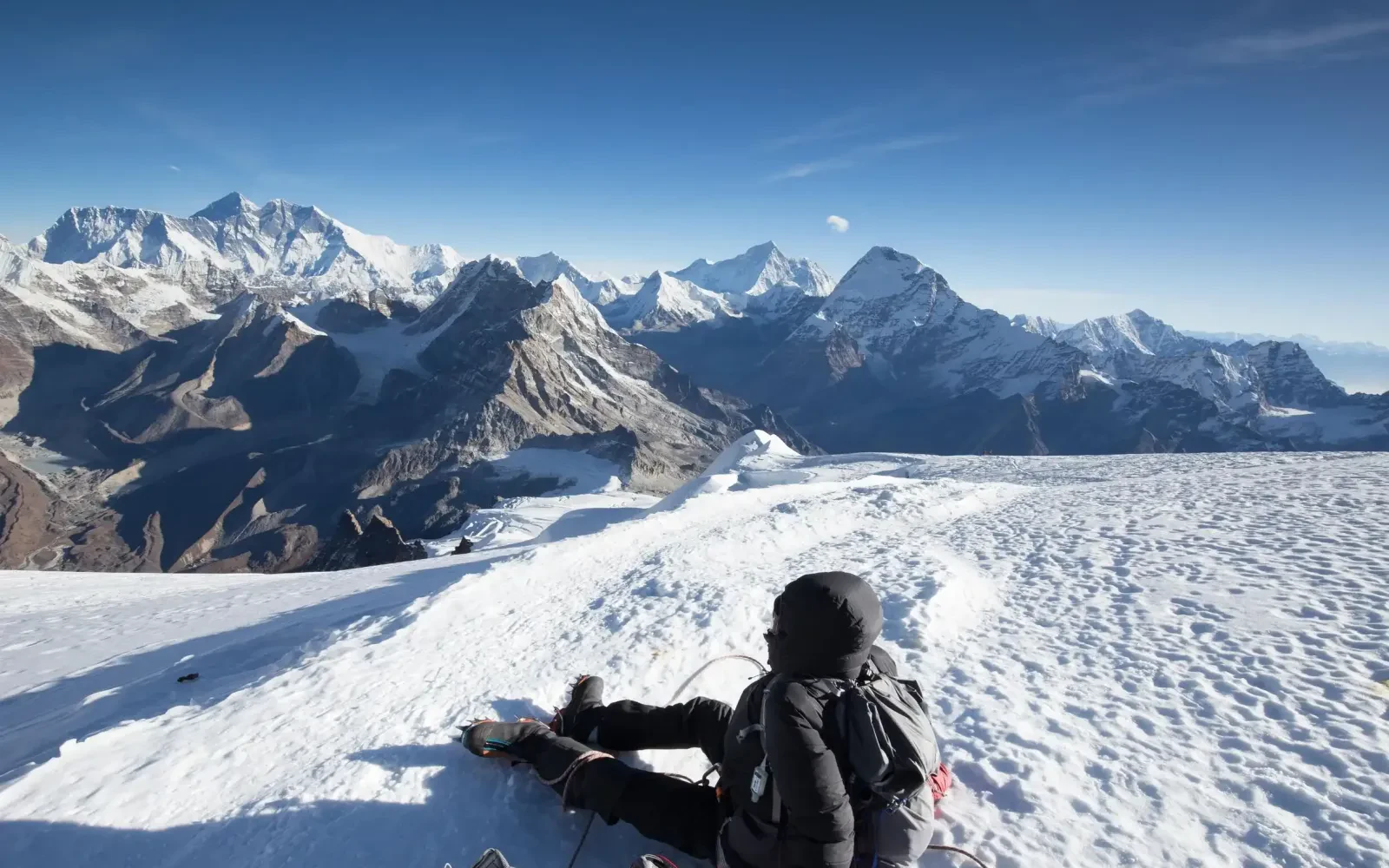
Mera Peak is one of the highest trekking peaks in Nepal. It offers a unique opportunity for climbers who want to experience Himalayan mountaineering without the extreme technical challenges of other peaks, standing tall at 6,476 meters. It offers an exciting opportunity for beginners looking to experience high-altitude mountaineering with a reasonable level of difficulty. Although considered a non-technical climb, Mera Peak demands good physical fitness, proper acclimatization, and basic mountaineering skills such as the use of crampons, ice axes, and rope techniques. For those new to peak climbing, preparing adequately is crucial to ensure safety and success on the summit.
The climb involves trekking through diverse landscapes—from subtropical forests to alpine meadows and rugged glacial terrain—providing breathtaking views of the Himalayan giants including Everest, Kanchenjunga, Lhotse, and Cho Oyu. Proper preparation includes cardiovascular fitness training, strength building, and practice with climbing equipment. Mental readiness to face altitude sickness, cold temperatures, and challenging weather conditions also plays a critical role. The journey to the summit involves trekking through beautiful rhododendron forests, crossing alpine meadows, and navigating snowy ridges and glaciers. Because of its gradual elevation gain and well-planned acclimatization, Mera Peak is considered one of the more accessible high-altitude peaks in Nepal, making it ideal for those new to mountaineering but eager for a real challenge. Beginners are highly advised to climb with a professional company like Higher Path Treks & Expeditions, which provides expert guides, quality gear, and well-planned acclimatization schedules.
The journey encompasses several significant stops, each with its unique charm and importance:
Each stop serves as a resting point and acclimatization stage, crucial for a successful and safe climb.
The typical itinerary for Mera Peak climbing begins with arrival in Kathmandu, followed by a scenic flight to Lukla, the gateway to the Everest region. From Lukla, trekkers spend several days ascending through traditional Sherpa villages, experiencing local culture, and gradually acclimatizing to the higher altitudes. The trek takes climbers through Paiya, Panggom, Ramailo Danda, Chhetra Khola, Kothe, and Thangnak, before reaching the high base camp at Khare, situated at 5,045 meters.
At Khare, climbers spend a day resting and training, learning essential mountaineering techniques to prepare for the summit attempt. The following days involve a climb to Mera High Camp at 5,780 meters, followed by the final push to the summit at dawn. The summit day is physically demanding but immensely rewarding, with climbers treated to breathtaking views of the Himalayas stretching as far as the eye can see. After reaching the top, climbers descend carefully back to Khare and then trek down to Lukla and Kathmandu to conclude their adventure.
Mera Peak is a fantastic choice for anyone seeking to experience Himalayan mountaineering without the extreme risks or technical barriers of higher or more demanding peaks. One of the primary draws is the stunning panoramic summit views, including iconic mountains such as Mount Everest, Lhotse, Makalu, and Cho Oyu. The sense of achievement after standing on a 6,000+ meter summit is incomparable, especially for first-time climbers.
Additionally, Mera Peak offers a wonderful blend of natural beauty and cultural immersion. The trek passes through traditional Sherpa villages, where climbers get a glimpse of local lifestyles and Buddhist traditions. The gradual ascent allows for proper acclimatization, making it safer and more enjoyable. The combination of adventure, culture, and natural spectacle makes Mera Peak a rewarding goal for many climbers.
Mera Peak is often recommended for beginners because it is classified as a trekking peak with relatively low technical difficulty. While some mountaineering skills like using crampons, ice axes, and rope techniques are necessary, these can be learned during the expedition itself, especially with the support of experienced guides. The climbing sections do not involve steep or dangerous technical ice or rock climbing, making it a manageable challenge for those new to high-altitude climbing.
The route’s gradual elevation gain and well-planned acclimatization days reduce the risk of altitude sickness, a common concern for beginners. Trekkers follow a trail that combines trekking and climbing, with plenty of time for rest and training. This makes Mera Peak an ideal peak to gain essential skills, build endurance, and gain confidence before attempting more technically demanding climbs in the future.
This guide aims to provide beginners with comprehensive information about Mera Peak climbing—from understanding the difficulty and preparation needed to practical tips for a safe and successful expedition. It covers essential topics like physical training, gear recommendations, acclimatization strategies, and what to expect during the climb. The goal is to help first-time climbers feel prepared and confident to tackle this exciting adventure.
This guide is tailored for beginner climbers and trekkers interested in their first Himalayan peak climb. If you have a good base level of fitness, enjoy trekking, and are curious about mountaineering, Mera Peak is a perfect stepping stone. It is especially helpful for those who want to experience high-altitude climbing with professional support and structured acclimatization.
Additionally, the guide serves those who seek a well-organized expedition with expert guidance and logistical support. Adventurers booking their climb with Higher Path Treks & Expeditions will find this guide invaluable for understanding what lies ahead and how to prepare for a successful summit attempt. Whether you’re planning a solo trip or joining a group expedition, this guide helps ensure you are ready for every stage of the journey.
Mera Peak is one of Nepal’s highest trekking peaks, famous for its accessibility and spectacular Himalayan views. Situated in the Mahalangur Himal range, it offers climbers a chance to experience the grandeur of the world’s tallest mountains without the extreme technical challenges of other Himalayan summits. The peak rises to 6,476 meters (21,246 feet), making it an impressive high-altitude climb accessible to many adventurers with proper preparation.
The climb combines trekking and mountaineering, giving participants a diverse experience—from walking through dense forests and traditional Sherpa villages to navigating icy slopes and glaciers near the summit. The journey offers not only physical challenges but also cultural insights, making Mera Peak a well-rounded Himalayan adventure.
Mera Peak is located in eastern Nepal, within the Makalu Barun National Park. The peak lies southwest of the Everest region, nestled among some of the world’s tallest mountains including Everest, Kanchenjunga, Lhotse, and Makalu. This prime location offers climbers incredible panoramic views from the summit.
At 6,476 meters, Mera Peak ranks as the highest trekking peak in Nepal, surpassing many other trekking peaks in elevation. Its altitude places climbers well into the high alpine zone, where the air becomes thin and weather conditions can be extreme. This makes proper acclimatization and preparation essential for a safe and successful climb.
Mera Peak holds a special place in Himalayan mountaineering as a premier trekking peak. It bridges the gap between high-altitude trekking and technical climbing, making it a favored choice for climbers who want to experience Himalayan mountaineering without extreme technical demands. Unlike the eight-thousanders or highly technical peaks, Mera Peak can be climbed with basic mountaineering training.
This peak provides an ideal introduction to glacier travel, use of climbing equipment, and summit day tactics, making it an important training ground for aspiring mountaineers. It also stands out because of the spectacular 360-degree summit views, which include some of the tallest and most famous Himalayan peaks.
Compared to other popular trekking peaks in Nepal like Island Peak (6,189 m), Lobuche East (6,119 m), or Ama Dablam Base Camp climb, Mera Peak is often regarded as more accessible to beginners due to its less technical climbing routes. While Island Peak requires moderate technical skills and Lobuche East is slightly more challenging, Mera Peak emphasizes physical endurance and basic mountaineering techniques without extreme ice climbing or rock climbing sections.
In terms of altitude, Mera Peak is one of the highest trekking peaks, offering higher elevation experience compared to many others. This makes it an excellent stepping stone for those planning to advance to more technical Himalayan climbs. The trek to the base and ascent route is also culturally rich, passing through Sherpa villages and Buddhist monasteries, adding a cultural dimension not as prominent in some other peak climbs.
Choosing the right season to climb Mera Peak is crucial for a safe and enjoyable expedition. The best times to undertake this climb are during Nepal’s pre-monsoon (spring) and post-monsoon (autumn) seasons. These windows offer the most stable weather, clear skies, and moderate temperatures, all of which contribute to ideal climbing conditions and stunning mountain views.
In spring, from March to May, the trails are lush with blooming rhododendrons and other alpine flowers, providing a vibrant and scenic trekking experience. Autumn, from late September to November, is equally popular due to its crisp air and generally dry weather. Both seasons avoid the heavy rainfall of the monsoon and the bitter cold and heavy snowfalls of winter, striking a balance that maximizes both safety and enjoyment.
Climbing during the pre- and post-monsoon seasons provides several benefits:
Avoiding the monsoon and winter seasons is essential for minimizing risks and ensuring a successful climb. The monsoon’s heavy rains increase hazards such as landslides and avalanches, while winter’s cold can cause frostbite, equipment failure, and severe altitude challenges.
By planning your Mera Peak expedition during spring or autumn, you maximize safety and comfort, benefiting from the optimal weather window. These seasons also mean less crowding than peak winter holidays and better availability of accommodation and flights. Working with experienced operators like Higher Path Treks & Expeditions ensures your climb is scheduled at the best time and that you are well-prepared to face the mountain conditions.
Mera Peak climbing typically follows a well-established route that combines trekking through stunning mountain landscapes with a gradual ascent to the summit. The standard approach begins with a flight to Lukla, followed by trekking through traditional Sherpa villages and alpine terrain to reach the high camps. From there, climbers tackle the final technical sections leading to the summit. Several route options and itinerary variations exist, but all prioritize acclimatization and safety.
Choosing the right route and itinerary depends on your fitness, experience, timing, and whether you want to explore alternative trails for a more diverse cultural and natural experience. Regardless of the path taken, expert guidance from companies like Higher Path Treks & Expeditions ensures smooth logistics, proper acclimatization schedules, and necessary mountaineering training en route.
The most common route to Mera Peak starts with a flight from Kathmandu to Lukla (2,840 m), the gateway to Everest region trekking. From Lukla, trekkers progress gradually through villages such as Paiya, Panggom, and Ramailo Danda, allowing time to acclimatize while enjoying rich Sherpa culture. The trail continues to Chhetra Khola, Kothe, and Thangnak, before reaching Khare (5,045 m), the high base camp and main acclimatization stop.
From Khare, climbers move to Mera High Camp (5,780 m) for the final push. The summit day starts early with a climb over snow and ice ridges, requiring crampons and ice axe skills, to reach the 6,461 m summit. After soaking in the breathtaking 360-degree views, climbers descend back to Khare and continue trekking back to Lukla for the return flight to Kathmandu.
While the standard route is popular and well-supported, there are alternative trekking paths that add diversity to the Mera Peak experience. One such option is approaching Mera Peak via the Junbesi valley or the Hinku valley, which are less crowded and offer additional cultural interactions with remote Sherpa communities. These routes may take longer but provide a richer trekking experience with more varied landscapes and wildlife sightings.
Some climbers also opt to extend their journey by combining Mera Peak with nearby trekking areas like Everest Base Camp or Makalu Base Camp, creating longer expeditions that deepen their Himalayan adventure. Alternative routes may require more days and logistical planning but are rewarding for those seeking solitude or a more immersive experience.
Here is a sample itinerary designed for beginners that balances trekking, acclimatization, and climbing training, ensuring a safe and enjoyable ascent:
Mera Peak is considered one of the most accessible trekking peaks in Nepal, making it a popular choice for beginners looking to experience Himalayan mountaineering. Although the summit reaches an impressive altitude of 6,476 meters, the climb is categorized as moderate in difficulty, largely because it does not require advanced technical climbing skills like steep ice or rock climbing. However, it is still physically demanding and requires good cardiovascular fitness, endurance, and mental resilience.
Beginners should expect long days of trekking combined with some climbing sections that involve negotiating snow slopes and glacier terrain. The gradual ascent allows climbers to build stamina while minimizing the risks of altitude sickness. The climb is physically challenging but achievable with proper preparation and a well-structured acclimatization schedule.
One of the most significant challenges of Mera Peak is the high altitude. At over 6,400 meters, the oxygen level is roughly half of what it is at sea level, which can lead to altitude-related issues like Acute Mountain Sickness (AMS) if not managed carefully. To mitigate this, acclimatization days are built into the itinerary to allow the body to adapt to thinner air gradually.
During acclimatization, climbers rest at higher camps, perform short hikes to higher altitudes, and then return to lower camps to sleep — a technique known as “climb high, sleep low.” Proper hydration, nutrition, and pacing are crucial during these days. Working with experienced guides from Higher Path Treks & Expeditions ensures climbers receive expert monitoring for symptoms of altitude sickness and get professional advice to stay safe.
While Mera Peak is beginner-friendly, it still requires fundamental mountaineering skills to safely navigate the snow and ice terrain near the summit. Key skills include:
These skills are typically introduced during acclimatization and training days at Khare base camp. The climbing team and guides from Higher Path Treks & Expeditions provide hands-on instruction, ensuring that even first-timers gain confidence and competence in essential mountaineering techniques.
Successfully summiting Mera Peak requires both physical endurance and mental toughness. Preparing your body and mind ahead of time will significantly improve your chances of a safe and rewarding climb. Because Mera Peak involves long days of trekking at increasing altitudes, building cardiovascular fitness and muscular strength is essential. Equally important is developing the mental resilience to handle the physical discomfort, isolation, and unpredictable mountain conditions.
Training for Endurance and Strength
Endurance is key for the long days spent trekking and climbing in high-altitude conditions. Cardiovascular exercises such as running, cycling, swimming, or hiking with a loaded backpack are highly effective. Aim for a training regimen that includes 4-5 days of cardio weekly, progressively increasing intensity and duration over several months prior to the expedition.
Strength training focuses on the legs, core, and back to support sustained hiking and carrying equipment. Squats, lunges, step-ups, and core exercises will build the muscular endurance needed to maintain stability and balance on uneven terrain. Additionally, practicing hikes with a weighted backpack simulates real conditions and prepares muscles for the demands of the climb.
Acclimatization Strategy and Altitude Conditioning
Because altitude sickness is a serious concern above 3,000 meters, proper acclimatization is non-negotiable. The climb’s itinerary incorporates gradual elevation gain and rest days to allow the body to adjust to decreasing oxygen levels. To prepare before departure, consider spending time at moderate altitudes if possible, or use altitude training masks and hypoxic tents to simulate reduced oxygen conditions.
During the trek, follow the principle of “climb high, sleep low,” ascending to higher elevations during the day and returning to lower altitudes to sleep. Stay hydrated and avoid overexertion during acclimatization days. Listen carefully to your body and communicate any symptoms of altitude sickness immediately to your guides.
Mental Readiness for High-Altitude Challenges
Mental toughness is as important as physical fitness on Mera Peak. Climbers face not only physical fatigue but also psychological stresses including isolation, discomfort, cold, and sometimes unpredictable weather. Staying positive, focused, and patient can make a significant difference.
Techniques such as visualization, mindfulness, and goal-setting help build mental resilience. Preparing mentally involves understanding the challenges ahead, embracing the journey rather than just the summit, and trusting the support of your guides and team. Developing a flexible mindset allows climbers to adapt to changing conditions and make safe decisions, which is vital at high altitudes.
Preparing physically and mentally with the guidance and expertise of Higher Path Treks & Expeditions ensures that you are ready to meet the demands of Mera Peak climbing and fully enjoy the once-in-a-lifetime adventure.
Proper gear is critical for a successful and safe climb of Mera Peak. Given the extreme conditions encountered at high altitude — cold temperatures, snow, ice, and strong winds — having the right equipment ensures comfort, safety, and efficiency. Packing thoughtfully with a focus on layering, technical gear, and lightweight essentials will enhance your climbing experience and reduce fatigue.
The key to staying comfortable on Mera Peak is a versatile layering system that adapts to fluctuating temperatures and weather. Start with a moisture-wicking base layer to keep sweat away from your skin. Over this, wear an insulating mid-layer such as a fleece or lightweight down jacket for warmth during cold mornings and evenings.
The outer layer should be a waterproof, breathable shell jacket and pants to protect against wind, snow, and rain. At high altitude, temperatures can plummet below freezing, so a high-quality insulated jacket (down or synthetic) is essential for summit days and camp nights. Don’t forget accessories such as a warm hat, balaclava, gloves (both liners and insulated), and UV-protection sunglasses. Proper trekking boots with good ankle support and insulated mountaineering boots for higher camps are vital.
As Mera Peak involves glacier travel and snow climbing, technical climbing gear is necessary to ensure safety on icy slopes. Crampons are attached to your boots to provide traction on ice and hard-packed snow. Ice axes are used for balance and self-arresting in case of slips. Both will be essential during summit day and glacier traverses.
A climbing harness is worn to secure yourself to ropes during protected sections. Carabiners, ascenders, and slings may also be used by guides for safety. Most of this gear can be rented in Kathmandu or provided by your expedition company, such as Higher Path Treks & Expeditions, which also offers thorough instruction on using this equipment properly during acclimatization days.
Since you will be carrying your own backpack during the trek and climbing, packing efficiently is crucial. Choose lightweight, quick-drying clothing and limit the number of items to essentials. Use compression sacks or packing cubes to organize gear and reduce bulk. Avoid overpacking by consulting with your guide on recommended quantities.
Bring only necessary electronics and toiletries, and prioritize multi-purpose items, like a buff that can serve as a neck gaiter or hat. Remember, extra weight can increase fatigue and slow your pace, impacting your acclimatization and overall experience. Your climbing company will usually arrange for porters to carry heavier loads on the trek, but your personal pack should remain manageable for summit day agility.
With expert support from Higher Path Treks & Expeditions, you’ll have access to all the essential gear and expert advice to help you pack smartly and climb safely. Proper preparation with the right equipment is your best foundation for conquering Mera Peak.
Before embarking on the Mera Peak climb, securing the necessary permits and documentation is essential to comply with Nepalese regulations and ensure a smooth expedition. These permits are part of the official process for climbing trekking peaks in Nepal and help support conservation efforts and local communities. Working with a reputable company like Higher Path Treks & Expeditions ensures all permits are arranged hassle-free.
1. Mera Peak Climbing Permit:
2. Makalu-Barun National Park Permit:
Mera Peak lies within the Makalu-Barun National Park, a protected area known for its diverse flora, fauna, and pristine wilderness. A park entry permit is required to trek and climb in this region. The permit fee contributes to park conservation and local community development.
Permits can be obtained through official offices in Kathmandu or via authorized trekking agencies. Many climbers prefer to have their trekking and climbing company. This saves time and ensures accuracy in the application process.
These fees contribute to maintaining trail infrastructure, safety measures, environmental protection, and community support. It’s important to carry copies of all permits during your trek and climbing expedition as checkpoints may verify them en route.
When climbing Mera Peak, especially as a beginner, hiring experienced guides and porters is highly recommended. Their expertise not only enhances your safety and success on the mountain but also enriches your overall experience by providing local knowledge, logistical support, and emergency assistance. Working with a professional company like Higher Path Treks & Expeditions ensures access to skilled, licensed guides and well-managed porter services.
For first-time climbers and those with limited mountaineering experience, having a certified guide is essential. Mera Peak’s high altitude, glacier crossings, and technical sections demand careful navigation and risk management, which trained guides expertly provide. They teach essential mountaineering skills such as using crampons and ice axes, manage acclimatization pacing, and make critical decisions in changing weather or health conditions.
Guides also offer valuable insights into the local culture, environment, and mountain history, enhancing your connection to the trek. For beginners, climbing without a guide is not recommended due to the inherent risks and complexities of high-altitude mountaineering.
Choosing Between Independent or Agency-Supported Climbing
While experienced climbers with strong backcountry skills might opt for independent climbing, most beginners and even intermediate climbers benefit greatly from agency-supported expeditions. Agencies like Higher Path Treks & Expeditions provide comprehensive services including permit arrangements, equipment rentals, trained guides, porters, acclimatization plans, and emergency evacuation options.
Independent climbing requires extensive logistical planning, self-sufficiency, and familiarity with local regulations, which can be challenging and risky. Agency-supported climbs reduce stress, enhance safety, and often improve the overall quality of the experience.
Ethical Hiring and Porter Welfare
Hiring porters is common practice on Nepalese treks, but it is important to ensure ethical treatment and fair wages. Porters carry heavy loads over difficult terrain and deserve respect, proper gear, adequate rest, and health insurance. Reputable companies like Higher Path Treks & Expeditions prioritize porter welfare by adhering to fair labor practices, providing quality equipment, and ensuring reasonable daily workloads.
As a climber, you can support ethical trekking by choosing agencies committed to these standards and by tipping porters generously for their hard work. This approach helps sustain local livelihoods while promoting responsible tourism and preserving the well-being of those who make your journey possible.
Having experienced guides and ethical porter support significantly improves your safety, comfort, and enjoyment during the Mera Peak climb. Trusting Higher Path Treks & Expeditions ensures you are in expert hands throughout your Himalayan adventure.
Safety is paramount when climbing Mera Peak, especially given the high altitude and remote location. Proper planning, awareness, and preparedness for potential health issues and emergencies are essential for a successful expedition.
Acute Mountain Sickness (AMS) is a common risk when ascending above 3,000 meters. Symptoms include headache, nausea, dizziness, fatigue, and difficulty sleeping. Early recognition is critical—if ignored, AMS can progress to more severe conditions like High Altitude Pulmonary Edema (HAPE) or High Altitude Cerebral Edema (HACE), which are life-threatening.
To manage AMS, climbers should ascend gradually, incorporate acclimatization days, stay well hydrated, and avoid overexertion. If symptoms worsen, immediate descent is necessary. Guides from Higher Path Treks & Expeditions are trained to monitor health closely and respond promptly, including administering medication like acetazolamide if appropriate.
An expedition’s first aid kit should include essentials such as pain relievers, bandages, blister treatments, altitude sickness medication, antibiotics, and antiseptics. Guides are trained in wilderness first aid and carry comprehensive medical kits tailored to high-altitude conditions.
Climbers are encouraged to bring personal medical supplies and inform guides of any pre-existing conditions. Staying prepared with knowledge of basic first aid and maintaining communication devices for emergencies enhances overall safety.
Despite careful planning, emergencies can occur that require rapid evacuation. Helicopter rescue is available in the Everest region, including the Mera Peak area, though weather conditions can affect accessibility. Expeditions arranged by Higher Path Treks & Expeditions include protocols for emergency evacuation coordination.
It is mandatory for climbers to have comprehensive travel insurance that covers high-altitude trekking, mountaineering, and helicopter evacuation. Securing this insurance prior to departure provides peace of mind and financial protection in case of accidents or sudden illness.
Being well-informed and prepared in health, safety, and emergency planning greatly increases your chances of a successful and enjoyable Mera Peak climb. With expert support from Higher Path Treks & Expeditions, you’ll have reliable assistance every step of the way.
Climbing Mera Peak is an incredible adventure, but it requires careful financial planning to cover all expenses involved. Understanding the cost components helps beginners budget effectively and avoid surprises. Expenses range from permits and guide fees to gear rental and daily necessities. Collaborating with a trusted operator provide transparent package pricing that fits your budget and needs.
One of the significant fixed costs is the climbing permit issued by the Nepal Mountaineering Association, essential for legal access to Mera Peak. The permit fee is approximately USD 500, though prices may vary slightly by season or government updates. Additionally, you’ll need a Makalu-Barun National Park permit (around USD 30-50).
These permit fees support mountain conservation, infrastructure, and local communities, making them an important investment in sustainable tourism.
Hiring a professional guide is highly recommended, especially for beginners. Guide fees typically range from USD 35 to 60 per day, depending on experience and service level. Porters, who help carry your luggage, cost roughly USD 30 to 35 per day. Many trekking agencies bundle these services into their overall package rates, which often include accommodation and meals for guides and porters.
Gear rental is another common cost, especially if you don’t own technical climbing equipment like crampons, ice axes, or insulated boots. Rental fees can range from USD 100 to 200 for the entire expedition, depending on the gear quality and rental duration.
Accommodation along the trekking route is generally affordable, ranging from USD 10 to 20 per night for teahouses or guesthouses. Food expenses vary, but budgeting around USD 25 to 35 per day for meals during the trek is reasonable.
Miscellaneous expenses may include airport transfers, tips for guides and porters, communication costs (SIM cards, internet), and personal items. It’s wise to allocate an additional 10-15% of your budget for unexpected costs.
Planning your budget with all these factors in mind, and partnering with Higher Path Treks & Expeditions, ensures a well-organized climb without financial stress, allowing you to focus fully on your Himalayan adventure.
Embarking on the Mera Peak climb offers not only breathtaking natural beauty but also an opportunity to engage respectfully with the vibrant cultures of Nepal’s Mera region. Responsible trekking practices help preserve the environment and honor local traditions, ensuring that these fragile mountain communities continue to thrive alongside sustainable tourism. Partnering with Higher Path Treks & Expeditions means you’ll receive guidance on how to trek thoughtfully and leave a positive impact.
The Mera region is home to the Sherpa people, whose warm hospitality and rich traditions are integral to the trekking experience. Visitors should approach local customs with respect and openness. Simple gestures like greeting locals with “Tashi Delek” (a traditional Sherpa greeting), dressing modestly, and asking permission before photographing people or religious sites show cultural sensitivity.
Visiting monasteries, stupas, and Mani walls offers insight into Tibetan Buddhist practices, but it’s important to behave quietly and follow any posted guidelines. Participating in local festivals, if timing allows, can deepen your appreciation of Sherpa heritage. Always support local businesses by purchasing handmade crafts and souvenirs directly from artisans.
Mera Peak trekking passes through pristine ecosystems that are sensitive to human impact. Following “Leave No Trace” principles helps maintain the region’s natural beauty for future generations. This includes disposing of waste properly, avoiding single-use plastics, and minimizing campfire use.
Sticking to established trails reduces erosion, and carrying reusable water bottles and Eco-friendly toiletries further protects the environment. We emphasizes sustainable practices, ensuring your climb leaves only footprints while respecting wildlife and plant life.
Tourism is a vital source of income for Sherpa villages and families along the route. Choosing locally owned lodges, hiring Sherpa guides and porters, and purchasing regional products contribute directly to the well-being of these communities. Many families invest trekking earnings in education and healthcare, strengthening the social fabric.
Ethical tipping and expressing gratitude encourage fair treatment of workers who support your expedition. By trekking responsibly, you actively participate in a tourism model that balances adventure with cultural respect and environmental stewardship.
Climbing Mera Peak is a thrilling achievement, but beginners often face challenges that can be avoided with the right knowledge and preparation. Learning from common mistakes and seasoned climbers’ advice helps you stay safe, efficient, and motivated throughout your expedition. With support from Higher Path Treks & Expeditions, you can navigate these pitfalls confidently.
One of the biggest mistakes beginners make is underestimating the impact of altitude. Ascending too quickly without proper acclimatization can lead to Acute Mountain Sickness (AMS), jeopardizing your health and climb. It’s crucial to respect the acclimatization days built into the itinerary and communicate honestly about any symptoms you experience.
Another common error is over-packing. Carrying excessive or unnecessary gear adds physical strain and slows progress. Choose lightweight, multi-purpose equipment and rely on porters for heavier loads. Additionally, inadequate hydration and poor nutrition can sap energy and slow recovery—regularly drinking water and eating balanced meals is vital.
Lastly, some beginners attempt summit pushes without sufficient technical training. Mera Peak involves glacier travel and ice climbing techniques that must be practiced beforehand. Attempting the summit unprepared increases risk and reduces enjoyment.
Experienced climbers emphasize the importance of pacing yourself—maintain a steady, manageable speed during treks and climbs. Rest when needed and avoid pushing through exhaustion. Listening to your body and following your guide’s advice can prevent accidents and altitude-related issues.
Training prior to departure, including practice hikes with a loaded backpack, builds stamina and confidence. On the mountain, layering clothing to adjust to temperature changes keeps you comfortable and prevents overheating or hypothermia.
Keeping a positive mindset and setting small daily goals help sustain motivation. Celebrating incremental progress makes the overall challenge less daunting and more rewarding.
Safety starts with preparation: attend pre-climb briefings, carry essential gear, and stay informed about weather updates. Use trekking poles to reduce knee strain and improve balance on uneven terrain.
To stay motivated, connect with fellow climbers, share experiences, and embrace the camaraderie that develops on expeditions. Keeping a journal or taking photos can help you appreciate the journey and reflect on your achievements.
Remember, reaching the summit is just one part of the adventure—savoring the breathtaking landscapes, cultural encounters, and personal growth along the way is equally important.
By avoiding common mistakes and following these pro tips, you’ll maximize your chances of a safe, enjoyable, and successful Mera Peak climb. Higher Path Treks & Expeditions is here to guide and support you every step of the way.
Climbing Mera Peak is more than just reaching the summit at 6,476 meters; it is a profound journey of physical endurance, mental resilience, and personal growth. Along the way, you’ll witness some of the most breathtaking landscapes in the Himalayas, connect deeply with Nepal’s rich culture, and challenge yourself in ways that transform your perspective on adventure and life.
Each step on the trail, from the vibrant streets of Kathmandu to the serene high camps, contributes to an unforgettable experience. Reflecting on the trek’s challenges and triumphs brings a sense of accomplishment that stays with you long after the descent.
For every beginner dreaming of high-altitude mountaineering, Mera Peak offers an achievable and rewarding goal. While the climb demands preparation and determination, the support of expert guides and a well-planned itinerary make it accessible for those willing to embrace the challenge.
Remember, every climber’s pace is unique—listen to your body, trust your team, and celebrate every milestone. The mountain teaches patience, humility, and the power of perseverance. Keep your spirit high, and the summit will be a triumph not just of skill, but of heart.
After conquering Mera Peak, many climbers find their passion for the mountains only grows stronger. This accomplishment opens doors to new adventures, whether it’s tackling other trekking peaks in Nepal, exploring different Himalayan ranges, or pursuing technical mountaineering courses.
Take time to rest and recover, document your journey, and share your story with fellow enthusiasts. Staying connected with trekking communities and companies like Higher Path Treks & Expeditions can provide support and inspiration for your next expedition.
Above all, let your Mera Peak climb be the beginning of a lifelong journey filled with exploration, challenge, and awe-inspiring moments.
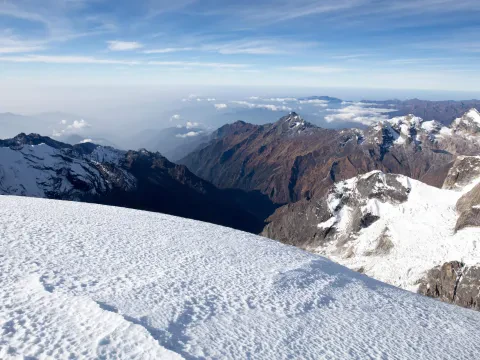
<p>Mera peak is great panorama outstanding view point of 6470m peak in Everest region. Marvelous view of mountains such as: Kyashar- 6770m,Cho Oyu- 8153m,Khangtega- 6685m,Ama Dablam- 6856m,Nuptse- 7861m,Lhotse- 8501m,Baruntse- 7168m,Everest- 8848m,Makalu- 8475m,Kanchaenjunga- 8586m.</p>
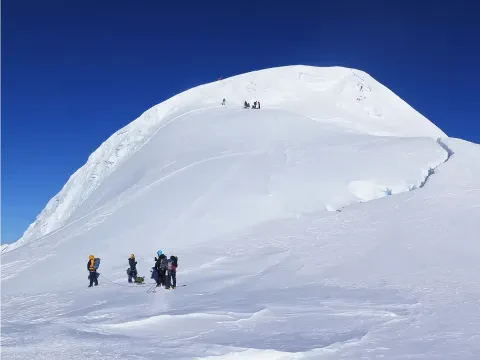
<p>When it comes to trekking peaks in Nepal, Mera Peak (6,476m) and Island Peak (6,189m) are two of the most popular choices for climbers seeking high-altitude adventures. Both peaks offer thrilling challenges, breathtaking scenery</p>
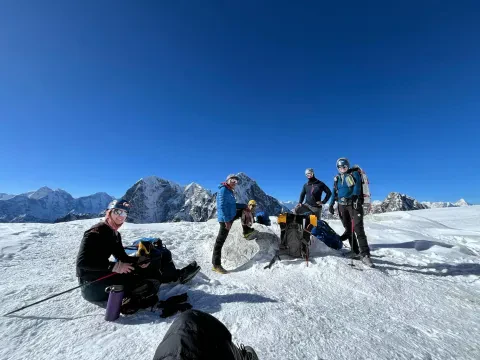
<p>The "Four Peaks, One Journey" expedition is a once-in-a-lifetime alpine challenge that brings together the best of Nepal’s high-altitude trekking and mountaineering in one seamless, ambitious adventure. This thrilling expedition, curated and led by the expert team</p>