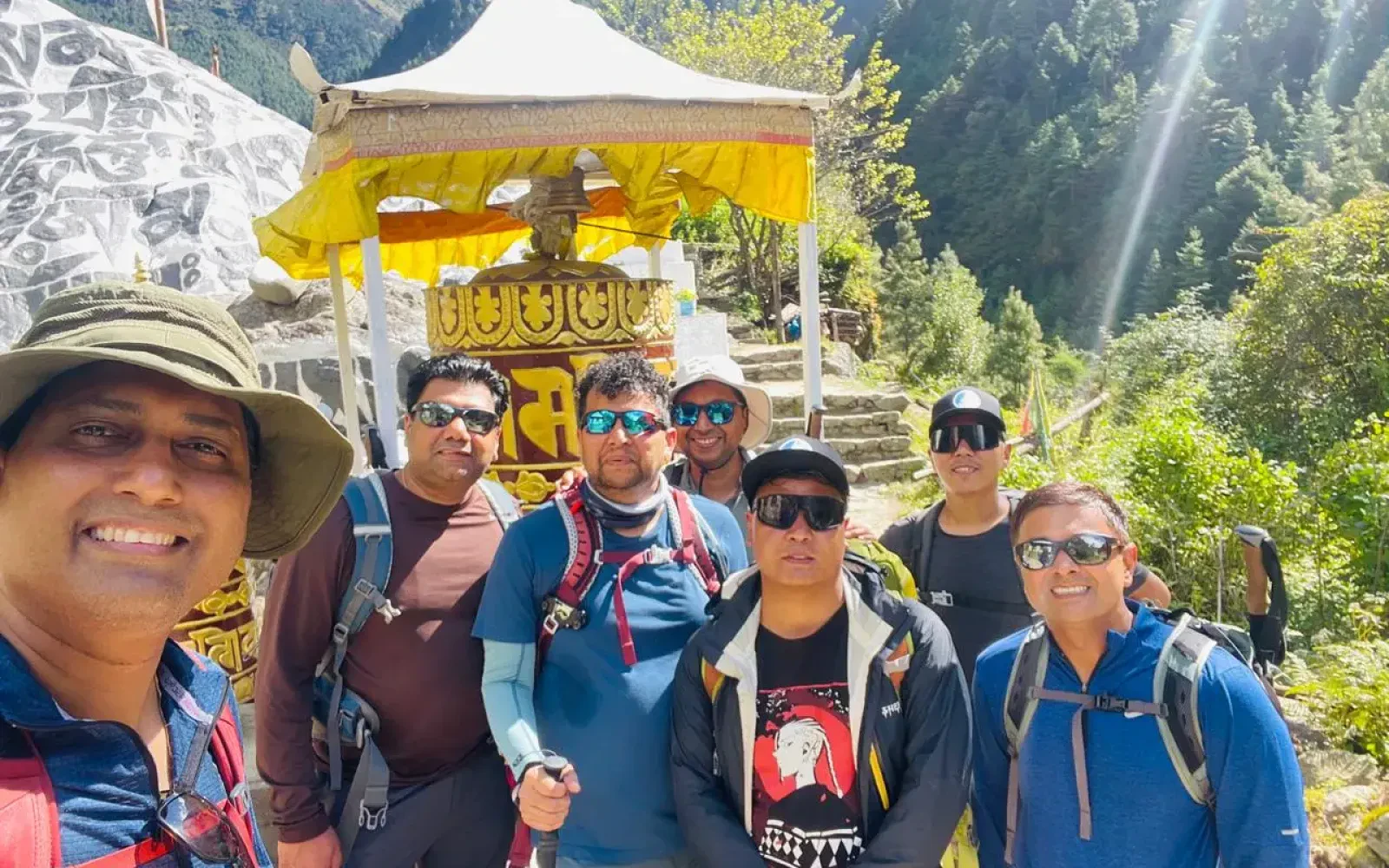
The Everest Base Camp Trek during the autumn season (September to November) is one of the most iconic trekking experiences in the world. Guided by Higher Path Treks & Expeditions, this journey takes you deep into the heart of the Khumbu region, where majestic mountain peaks, vibrant Sherpa culture, and crystal-clear skies await. Autumn offers ideal trekking conditions—after the monsoon rains, the landscapes are lush, the skies are clean, and the trails are alive with fellow adventurers. From your arrival in Lukla to reaching the legendary Everest Base Camp (5,364m), every step is filled with breathtaking views and cultural encounters.
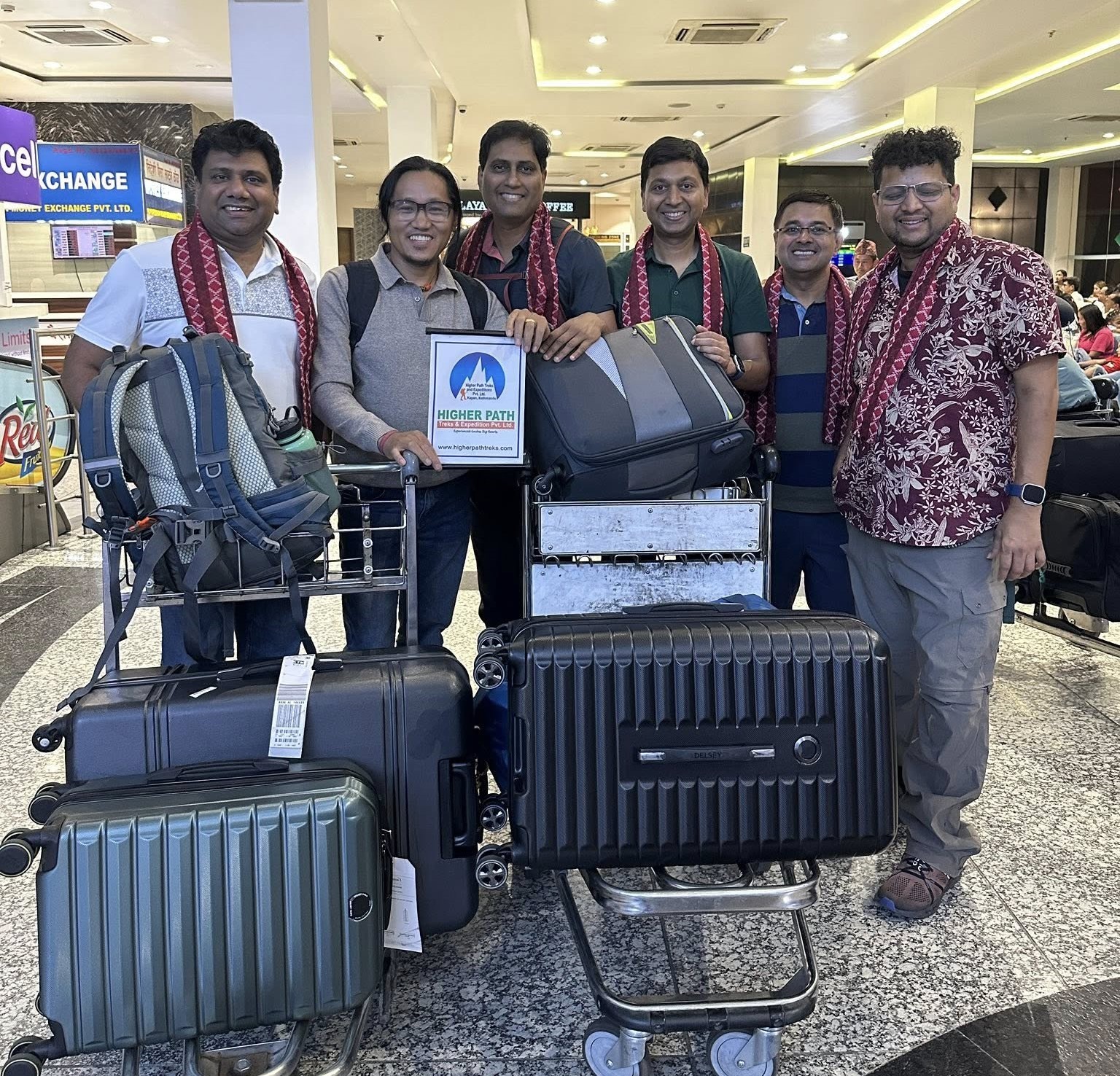
At Higher Path Treks & Expeditions, we curate this adventure with expert guides, safe logistics, and deep local knowledge, ensuring not just a trek—but a meaningful Himalayan journey. The classic 12–14 day itinerary passes through Namche Bazaar, Tengboche Monastery, Dingboche, and Gorakshep before reaching the base of the world’s highest peak. Autumn, being a peak trekking season, also offers opportunities to connect with trekkers from all over the globe while enjoying the comfort of open teahouses and hospitable Sherpa communities.
Highlights of Autumn Everest Base Camp Trek:
The Everest Base Camp trek is one of the most iconic and sought-after journeys in the world of trekking. It offers an unparalleled adventure through the heart of the Everest trekking Himalayas, allowing trekkers to experience breathtaking landscapes, rich cultural encounters, and the thrill of being close to the world’s highest peak. The trek follows the well-established Everest Base Camp trail, winding through picturesque villages, dense rhododendron forests, and rugged high-altitude terrains. This trail has been traveled by adventurers and mountaineers for decades, providing a perfect balance of natural beauty and cultural immersion.
 The typical Everest Base Camp itinerary autumn ranges between 12 to 16 days, designed to allow proper acclimatization and gradual elevation gain to reduce the risk of altitude sickness. Along the route, trekkers pass through important Sherpa villages like Namche Bazaar, Khumjung, Tengboche, and Dingboche, where Sherpa culture autumn is deeply woven into daily life, reflected in local monasteries, festivals, and traditional hospitality. The trek culminates at Everest Base Camp itself, where hikers are rewarded with panoramic views of Everest, Lhotse, Makalu, Nuptse, and other majestic peaks. Beyond the base camp, many trekkers include Kala Patthar, a nearby viewpoint offering arguably the clearest and most stunning vistas of the Himalayan giants.
The Everest Base Camp hike fall is part of the larger Himalayas trekking season, which attracts thousands of trekkers annually due to its breathtaking scenery and vibrant cultural experiences.
Key Highlights of the Everest Base Camp Trek:
At Higher Path Treks & Expeditions, we specialize in crafting personalized journeys to ensure your Everest Base Camp trek is safe, enjoyable, and unforgettable.
The Everest Base Camp trek takes adventurers through some of the most iconic and culturally rich locations in the Everest trekking Himalayas. Each major stop along the Everest Base Camp trail offers a unique glimpse into the natural beauty, local life, and spiritual traditions of the region. Starting from Lukla, the gateway to the Everest region, trekkers begin their journey surrounded by dense forests and quaint villages.
One of the first and most important stops is Namche Bazaar, often called the Sherpa capital of Nepal. It is a bustling market town perched on a hillside and serves as a crucial acclimatization point on the trek. Here, trekkers can explore local shops, sample Sherpa cuisine, and visit monasteries to experience authentic Sherpa culture autumn. Continuing higher, the trail passes through villages like Phakding and Monjo, which serve as resting points and offer scenic views of the Dudh Koshi River.
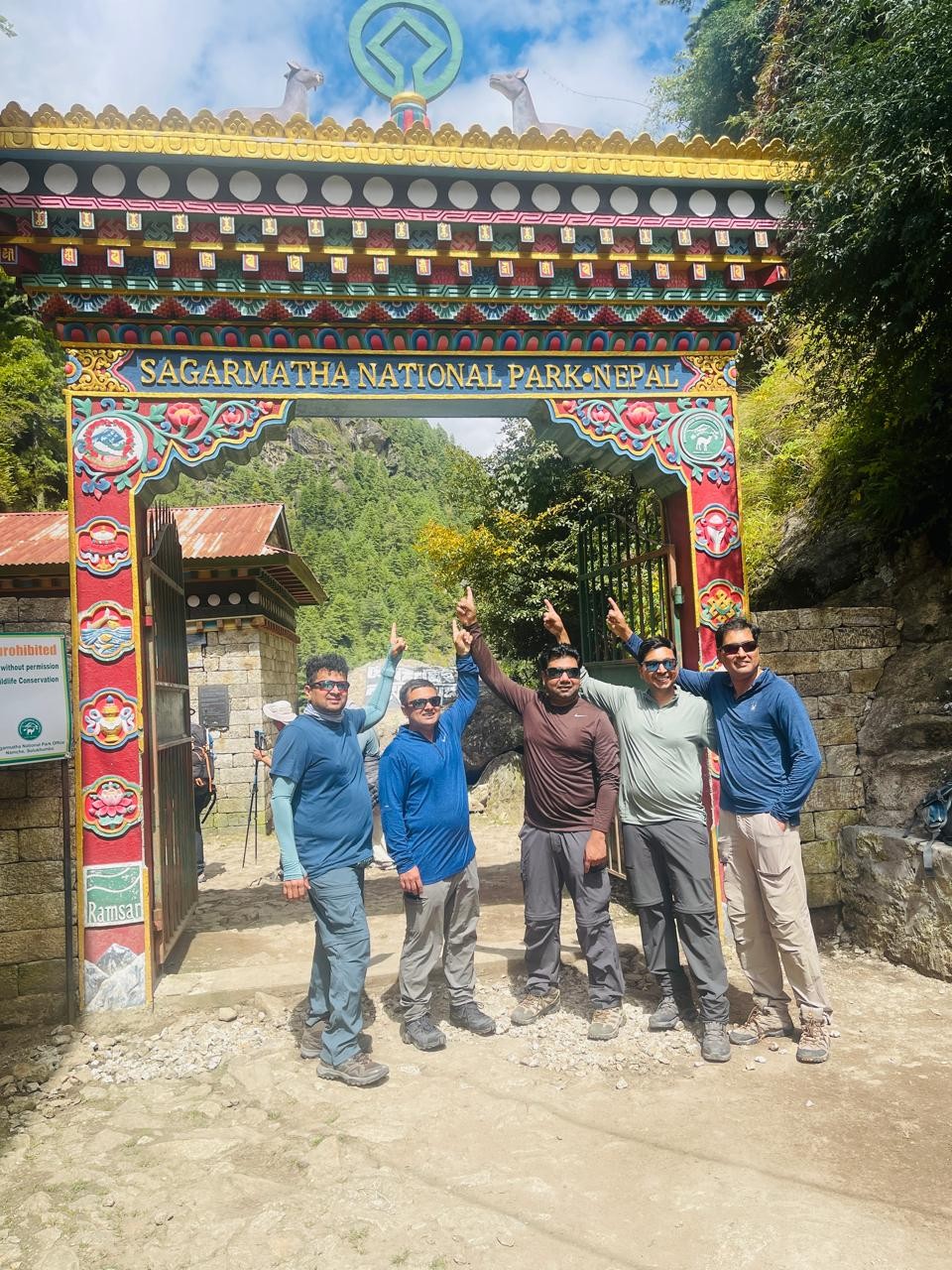 Further along, trekkers reach Tengboche Monastery, one of the most famous monasteries in the region, providing spectacular panoramic views of Everest, Ama Dablam, and other towering peaks. The trek continues to Dingboche and Lobuche, high-altitude villages that offer stunning landscapes and vital acclimatization stops. Finally, the trek culminates at Everest Base Camp, the legendary staging ground for climbers aiming to summit Everest. Nearby, Kala Patthar is a popular vantage point, renowned for its Everest clear mountain views and sweeping panoramas of the Himalayan giants.
Major Places on the Everest Base Camp Trek:
With Higher Path Treks & Expeditions, you will experience these major highlights comfortably, safely, and authentically as part of your Everest Base Camp trek.
Autumn is widely considered the best time to trek to Everest Base Camp, and for good reason. During September, October, and November, the weather stabilizes after the monsoon rains, offering trekkers crystal-clear skies, mild daytime temperatures, and excellent visibility. These months provide ideal conditions for photography, wildlife sightings, and breathtaking panoramas of the towering Himalayan giants. The trails are dry and firm, reducing the risk of landslides and slippery paths, which makes the journey safer and more enjoyable.
Another reason autumn stands out is the rich cultural atmosphere in the Everest region. Many of Nepal’s most important festivals, such as Dashain and Tihar, take place during this season, allowing trekkers to experience the deep spiritual and cultural heritage of the region. Local lodges are open and well-stocked, and the trail is lively with like-minded trekkers from around the world, creating a unique sense of community on the journey.
With Higher Path Treks & Expeditions, your autumn trek is elevated by our experienced team, who monitor weather patterns and trail conditions to ensure your safety and comfort. Whether it’s your first Himalayan adventure or a return to the peaks, autumn provides the optimal balance of beauty, weather, and accessibility.
Why Choose Autumn for Everest Trek:
Trekking to Everest Base Camp in October and November offers the best of the Himalayas. October, the peak of the trekking season, welcomes trekkers with blue skies, warm sun, and stunning visibility of Everest and surrounding peaks. Expect daytime temperatures between 12–16°C at lower altitudes and colder nights, especially above 4,000 meters. The trails are alive with vibrant energy—colorful prayer flags flutter in the wind, yaks carry supplies up narrow paths, and the warm hospitality of Sherpa teahouses makes every stop a delight.
In November, the weather begins to cool slightly, especially at higher elevations, but the skies remain clear and the crowds thin out a bit—perfect for trekkers who prefer quieter trails. Nights can drop to -10°C or lower at Gorakshep and base camp, so proper gear is essential. However, the serene landscape, snow-capped peaks, and frozen glacial rivers create an otherworldly experience for those trekking later in the season.
At Higher Path Treks & Expeditions, we ensure you are well-equipped and informed for both months. Our expert guides monitor the ever-changing mountain weather, adjust the itinerary as needed, and ensure safe acclimatization to prevent altitude sickness. Whether you trek in early October or late November, you’ll enjoy a professionally organized journey through one of the most legendary routes on Earth.
What to Expect in Oct–Nov:
When planning the iconic Everest Base Camp trek, two main seasons stand out—autumn (September to November) and spring (March to May). While both offer unforgettable experiences in the Everest trekking Himalayas, autumn trekking in Nepal offers a unique blend of crystal-clear mountain views, stable weather, and rich cultural experiences. At Higher Path Treks & Expeditions, we often recommend the Everest trek autumn season for trekkers seeking breathtaking visibility, peaceful landscapes, and vibrant Sherpa culture.
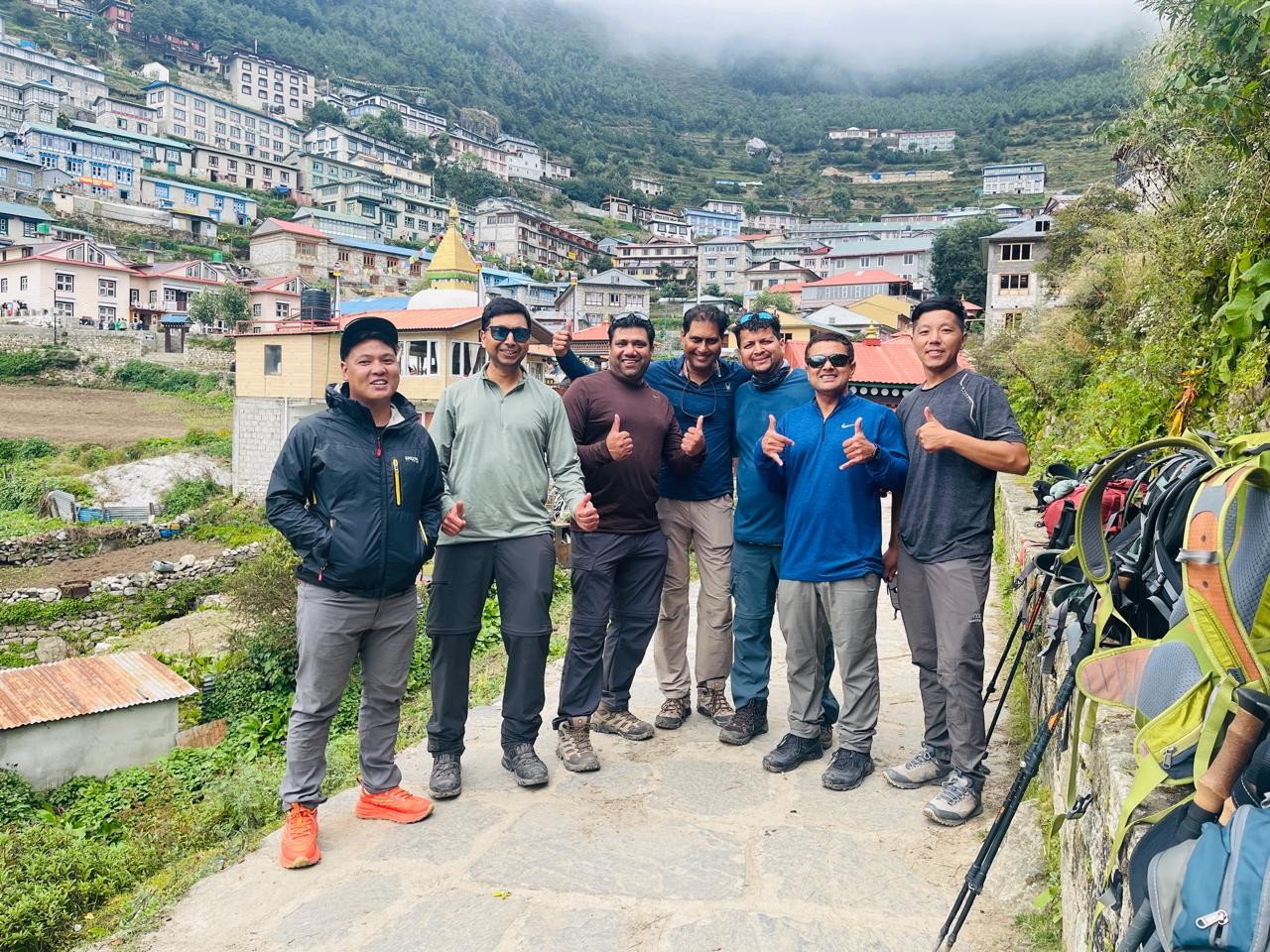 In autumn, the skies are usually clear, providing unrivaled views of Everest, Lhotse, Ama Dablam, and other Himalayan peaks. The post-monsoon atmosphere washes away dust and pollution, creating stunning photo opportunities. In contrast, spring brings blooming rhododendrons but can also include cloudier skies and occasional rain or snow. Autumn also coincides with major Nepali festivals like Dashain and Tihar, offering insight into Sherpa culture autumn celebrations along the Everest Base Camp trail.
Whether you’re trekking the EBC trek September, enjoying the prime of EBC trek October, or wrapping up the season in EBC trek November, autumn offers some of the best time Everest trek conditions.
Autumn vs. Spring Highlights:
The Everest trekking weather autumn is arguably the most favorable of the year. After the summer monsoon clears the atmosphere, autumn brings dry, crisp air, clear skies, and daytime temperatures perfect for hiking. This ideal weather makes autumn trekking Nepal the top choice for both beginners and seasoned adventurers looking to hike the Everest Base Camp trail safely and comfortably.
Temperatures during the day range from 12°C to 16°C in the lower regions like Namche Bazaar, while higher elevations like Gorakshep can experience nighttime lows of -10°C or colder. Despite the chill at night, the daytime hiking conditions are perfect for covering distances without the heat exhaustion often experienced in other seasons. Plus, the likelihood of flight delays to Lukla is lower in autumn due to consistent visibility—making your Everest Base Camp itinerary autumn smoother.
With Higher Path Treks & Expeditions, your trek is tailored to take full advantage of the season. Our experienced guides adjust pacing and altitude gains based on weather forecasts and real-time trail conditions. We also recommend layers and gear specifically suited for Everest Base Camp hike fall conditions, ensuring comfort and safety.
How Autumn Weather Benefits You:
Few things compare to the majestic EBC autumn views of the Himalayan giants. During autumn, every day on the Everest Base Camp trek offers jaw-dropping visuals of towering peaks under deep blue skies. The Everest clear mountain views become a daily highlight as you trek through places like Tengboche, Dingboche, and Kala Patthar—arguably the best vantage point to see Mount Everest, Lhotse, Nuptse, and the elegant Ama Dablam.
As you ascend the Everest Base Camp trail, autumn sunlight casts golden hues over mountain faces, creating surreal mornings and dramatic sunsets. This is the perfect time for landscape photographers and visual storytellers. The Everest fall foliage in lower regions like Phakding and Namche Bazaar adds vibrant colors to the trek, offering a scenic contrast to the icy summits above. These conditions make autumn trekking Nepal not just a hike, but an immersive visual journey.
With Higher Path Treks & Expeditions, you get more than just views—you get local insights. Our guides will share stories of the mountains, explain the cultural significance of peaks like Ama Dablam, and guide you to the best viewpoints for capturing the magic of the Everest trekking Himalayas during the most beautiful time of the year.
Autumn View Highlights:
Autumn in the Everest trekking Himalayas offers more than just perfect weather—it brings a rare fusion of crisp mountain light and vibrant cultural life. As you begin your Everest Base Camp trek with Higher Path Treks & Expeditions, the early morning sunlight cuts through the post-monsoon air, illuminating valleys, prayer flags, and snow-covered peaks with a golden hue. This clarity transforms every step of the Everest Base Camp trail into a cinematic journey, with the famed peaks of Everest, Lhotse, and Ama Dablam constantly in view.
Autumn also aligns with Nepal’s most important festivals—Dashain and Tihar—which enrich the journey with cultural immersion. As part of your Everest trek autumn season, you’ll witness Sherpa culture autumn traditions in villages like Namche Bazaar and Pangboche. Prayer ceremonies in ancient monasteries echo across the mountains, and warm local hospitality gives a deeper meaning to every stop. These moments make Nepal trekking autumn not just a physical challenge, but a spiritual and cultural voyage.
What You'll Experience:
One of the defining features of autumn trekking Nepal is the unmatched air clarity, especially noticeable during the Everest Base Camp trek. But what causes these crystal-clear skies? After the heavy monsoon rains (June–August), the atmosphere over the Himalayas is cleansed of dust, smoke, and moisture. This natural purification leads to deep blue skies and brilliant visibility throughout the Everest trek autumn season—especially during EBC trek September and EBC trek October, when the skies are at their clearest.
This exceptional visibility means that trekkers can enjoy Everest clear mountain views from the very first day after landing in Lukla. As you ascend through the Khumbu Valley, towering peaks like Ama Dablam, Thamserku, and Everest appear sharper and more vivid, creating unforgettable moments on the Everest Base Camp hike fall. Whether you're photographing sunrise from Kala Patthar or enjoying a cup of tea in Dingboche, the clarity adds an almost surreal quality to the experience.
Why the Air Is So Clear in Autumn:
With Higher Path Treks & Expeditions, you’ll be in expert hands to make the most of these atmospheric gifts. Our guides know the best viewpoints and timing to witness the full beauty of the EBC autumn views.
Every trek to Everest begins with a thrilling flight into Lukla, but during the Everest trek autumn season, the journey from Lukla to Everest Base Camp becomes a moving storybook of vibrant nature, spiritual encounters, and personal triumphs. From your first steps in Phakding to the high alpine terrain of Gorakshep, autumn paints the trail with rich visuals—Everest fall foliage, golden hillsides, and icy peaks. Higher Path Treks & Expeditions ensures that each leg of your Everest Base Camp itinerary autumn is safe, scenic, and meaningful.
During EBC trek September, the landscapes are freshly green, and waterfalls still flow from the retreating monsoon. By EBC trek October, the forests and slopes turn amber and rust, offering a spectacle of Nepal trekking autumn colors. And by EBC trek November, crisp air and fewer crowds provide a quieter, more reflective experience. Along the way, you’ll share stories with fellow trekkers, sip warm tea in Sherpa lodges, and find peace under starlit skies.
Our experienced team crafts every detail to bring out the best of the Everest trekking weather autumn—from choosing the right acclimatization stops to timing sunrise views. Each trail marker tells a story: the buzzing markets of Namche, the chants of Tengboche Monastery, or the silence of Everest Base Camp itself.
Autumn Trail Highlights:
During the Everest Base Camp trek, the humble yet welcoming tea houses become your cozy sanctuary on the trail. In the Everest trek autumn season, as crisp mountain air cools the evenings, tea houses offer a warm and communal experience. Whether you're sipping a hot cup of masala tea or enjoying a hearty dal bhat, these mountain lodges provide more than just food and rest—they offer fellowship. Autumn is a popular time for trekking in Nepal, and the tea houses are lively with adventurers from around the world sharing stories, laughter, and trekking tips by the fire.
Tea houses also reflect the soul of Sherpa culture autumn, blending traditional hospitality with rugged mountain resilience. Run by local families, they serve home-cooked meals and offer simple, clean accommodation. After a long day on the Everest Base Camp trail, there’s nothing more satisfying than a warm meal, breathtaking views, and meaningful connection with others pursuing the same dream. The comfortable atmosphere during autumn trekking Nepal adds depth and warmth to your journey.
What to Expect in Autumn Tea Houses:
For photographers and visual storytellers, the Everest Base Camp trek during autumn is nothing short of magical. The season offers Everest clear mountain views, golden sunlight, and vibrant Everest fall foliage, making every step of the trek a potential postcard. From the rich greens of EBC trek September to the golden tones of EBC trek October, and the sharp, frosty landscapes of EBC trek November, each month provides unique lighting, colors, and textures that frame the Himalayas trekking season like nowhere else in the world.
From Lukla to Base Camp, the camera never leaves your hand. You’ll capture colorful prayer flags fluttering beneath blue skies, dramatic glaciers beneath Everest’s south face, and serene sunrises from Kala Patthar. The clarity after the monsoon rain means no haze, no dull tones—just vibrant contrast and dynamic range. Whether you're a DSLR shooter or smartphone snapper, the EBC autumn views ensure your memory card will be full of breathtaking moments.
Why Autumn is a Photographer’s Dream:
One of the most rewarding parts of autumn trekking Nepal is the chance to experience the vibrant cultural festivals that take place during this season. The Everest trek autumn season coincides with two of Nepal's most important celebrations: Dashain and Tihar. As you follow the Everest Base Camp itinerary autumn, you’ll encounter decorated homes, traditional music, and families celebrating deep-rooted Hindu and Buddhist traditions in villages along the trail. It’s a rare opportunity to witness Sherpa culture autumn in its most expressive and joyful form.
These festivals often align with the middle to late parts of the trekking season, particularly in EBC trek October and EBC trek November. While the higher villages like Dingboche and Lobuche remain quiet, towns such as Namche Bazaar and Tengboche come alive with festive prayers, dances, and local foods. Many trekkers are surprised and deeply moved by these unexpected cultural encounters, which add heart and humanity to the epic scale of the Everest trekking Himalayas.
With Higher Path Treks & Expeditions, our expert guides help you understand and engage with these traditions respectfully. We schedule your Everest Base Camp hike fall to ensure you have the chance to witness and enjoy these cultural moments while staying on track with altitude acclimatization and trail timing.
Festival Highlights During the EBC Autumn Trek:
If you’re wondering whether autumn is the right time for your Everest Base Camp trek, the answer is almost certainly yes—especially if you value stunning views, stable weather, and vibrant cultural experiences. Autumn (September to November) is widely considered the best time Everest trek, and for good reason. The Everest trekking weather autumn is clear and dry, with crisp skies that allow for breathtaking visibility of peaks like Everest, Lhotse, and Ama Dablam. The combination of mild daytime temperatures and chilly, starry nights creates the perfect atmosphere for trekking.
Choosing the Everest trek autumn season also means you'll enjoy the EBC autumn views at their most dramatic. After the monsoon rains, the landscape is fresh, clean, and rich in color. The Everest clear mountain views seen in the fall are ideal for photographers and nature lovers alike. If you prefer fewer leeches, minimal rain, and more cultural engagement, then autumn trekking Nepal offers the ultimate Himalayan experience. At Higher Path Treks & Expeditions, we tailor your journey to ensure autumn becomes not just a season—but a lifelong memory.
Why Autumn Might Be Right for You:
If you’re a first-time trekker dreaming of the Everest trekking Himalayas, there’s no better time to begin your journey than in autumn. Known as the most reliable and beautiful time of year, autumn trekking Nepal offers beginner-friendly conditions on the Everest Base Camp trail. The cool, dry air and clear skies mean you won’t have to worry about muddy paths or monsoon disruptions. Plus, the Everest Base Camp hike fall lets you gradually ease into high-altitude trekking with consistent trail conditions, well-spaced villages, and experienced guides from Higher Path Treks & Expeditions.
Whether you join an EBC trek September for early greenery, EBC trek October for peak colors, or EBC trek November for peaceful, frosty mornings, you’ll be supported every step of the way. Our team ensures your Everest Base Camp itinerary autumn includes enough acclimatization time, scenic rest stops, and cultural highlights so that even a beginner can enjoy the full Himalayan experience without feeling overwhelmed.
Why Autumn is Ideal for First-Time Trekkers:
Packing smart for the Everest Base Camp trek in autumn is crucial to enjoying your journey. Weather during the Everest trek autumn season can vary—EBC trek September is mild and green, EBC trek October brings golden hues and chillier mornings, and EBC trek November often includes frost and even light snow at higher altitudes. As such, layering is the key strategy for staying comfortable during your Everest Base Camp hike fall.
At Higher Path Treks & Expeditions, we recommend a balanced mix of moisture-wicking base layers, fleece or down mid-layers, and an outer shell that can handle wind and unexpected weather shifts. Don’t forget high-quality trekking boots, gloves, a warm hat, and a sleeping bag rated for cold conditions. Sunscreen and UV-protective sunglasses are also essential due to the strong sun at high altitudes. Autumn is dry, but you’ll still want a rain jacket—just in case.
Autumn Packing Checklist Essentials:
Proper preparation ensures that your Nepal trekking autumn experience is not only memorable—but also comfortable and safe.
Trekking to Everest Base Camp is a life-changing adventure, but it's essential to prioritize safety and acclimatization, especially during the Everest trek autumn season. While autumn provides the best time Everest trek due to its stable weather, the high altitudes and varying temperatures can still pose challenges. At Higher Path Treks & Expeditions, we design your Everest Base Camp itinerary autumn to allow gradual altitude gain, ensuring your body adapts to the thin air safely.
Autumn conditions help reduce risks like slippery trails or sudden snowstorms, but altitude sickness remains a top concern. Our experienced guides monitor your health daily and encourage proper hydration, rest, and nutrition. During your Everest Base Camp hike fall, we include acclimatization days at key points like Namche Bazaar and Dingboche, where you’ll do short hikes to higher altitudes before returning to sleep low. These steps are crucial to prevent Acute Mountain Sickness (AMS).
Safety and Acclimatization Tips for Autumn:
Autumn may be the most beautiful time for the Everest trekking Himalayas, but it’s also the time to trek wisely, listen to your body, and trust the expertise of Higher Path Treks & Expeditions.
The Everest Base Camp trek in the autumn trekking Nepal season is a timeless adventure, combining the best of nature, culture, and physical challenge. With crystal-clear skies, pleasant temperatures, and vibrant autumn colors, this season provides a perfect window to explore the legendary Himalayas. From EBC trek September with its fresh post-monsoon greenery to the golden landscapes of October and the crisp, clear views of November, autumn offers varied but consistently spectacular experiences.
Beyond the landscapes, autumn allows trekkers to engage deeply with Sherpa culture autumn, visiting monasteries and villages alive with festivals and traditions. The combination of natural beauty and cultural richness is what makes the Everest trekking Himalayas so unique. With expert support from Higher Path Treks & Expeditions, you will enjoy a well-paced Everest Base Camp itinerary autumn designed for safety, acclimatization, and unforgettable memories.
Autumn EBC Trek Highlights Recap:
Choose autumn for your Everest Base Camp trek and discover the Himalayas at their finest!
Planning the Everest Base Camp Trek? Discover the essential packing list, permits, fitness tips, altitude sickness advice and practical preparation tips to help you enjoy a safe and unforgettable trekking adventure in Himalayas Nepal.
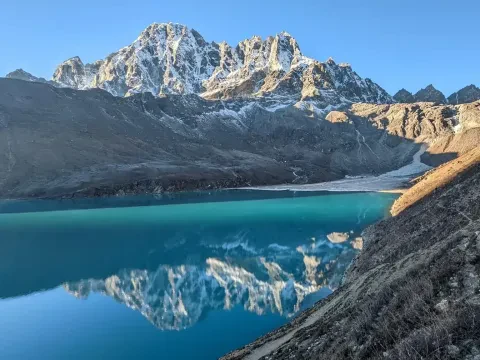
<p>For adventurers and trekkers drawn to the allure of the Himalayas, the Everest Base Camp (EBC) trek is often the ultimate bucket-list experience. However, for those seeking an even more enriching journey, Gokyo Ri offers a spectacular extension to the classic route.</p>
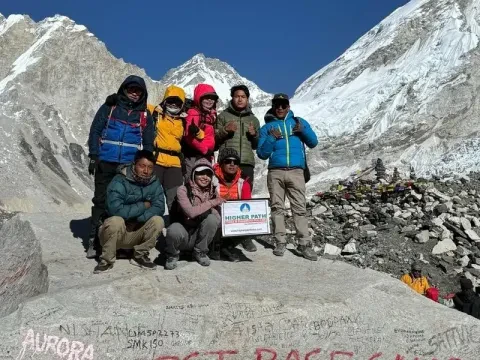
<p>Trekking to Everest Base Camp (EBC) is one of the most iconic adventures in the world, offering a blend of natural grandeur, rich cultural experiences, and a deep sense of achievement. Situated in the heart of the Himalayas, this legendary trek brings you face-to-face with the world’s highest peak</p>