The highest trekking peak in Nepal with stunning views of Everest, Lhotse, and Makalu, condensed into a shorter expedition.
4*** Hotel in Kathmandu and Tea House / Lodge / Camp during the trek
Kathmandu-Manthali-Lukla-Chutenga-Thulikharka-Kothe-Thangnak-Khare-Mera High Camp-Mera Summit-Khare-Kothe-Thulikharka-Lukla-Manthali-Kathmandu
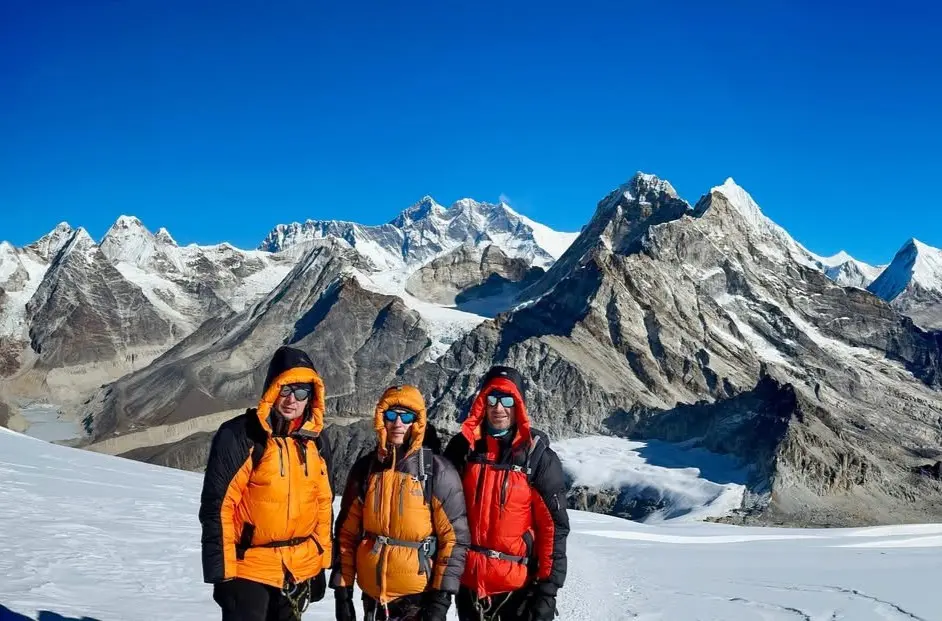
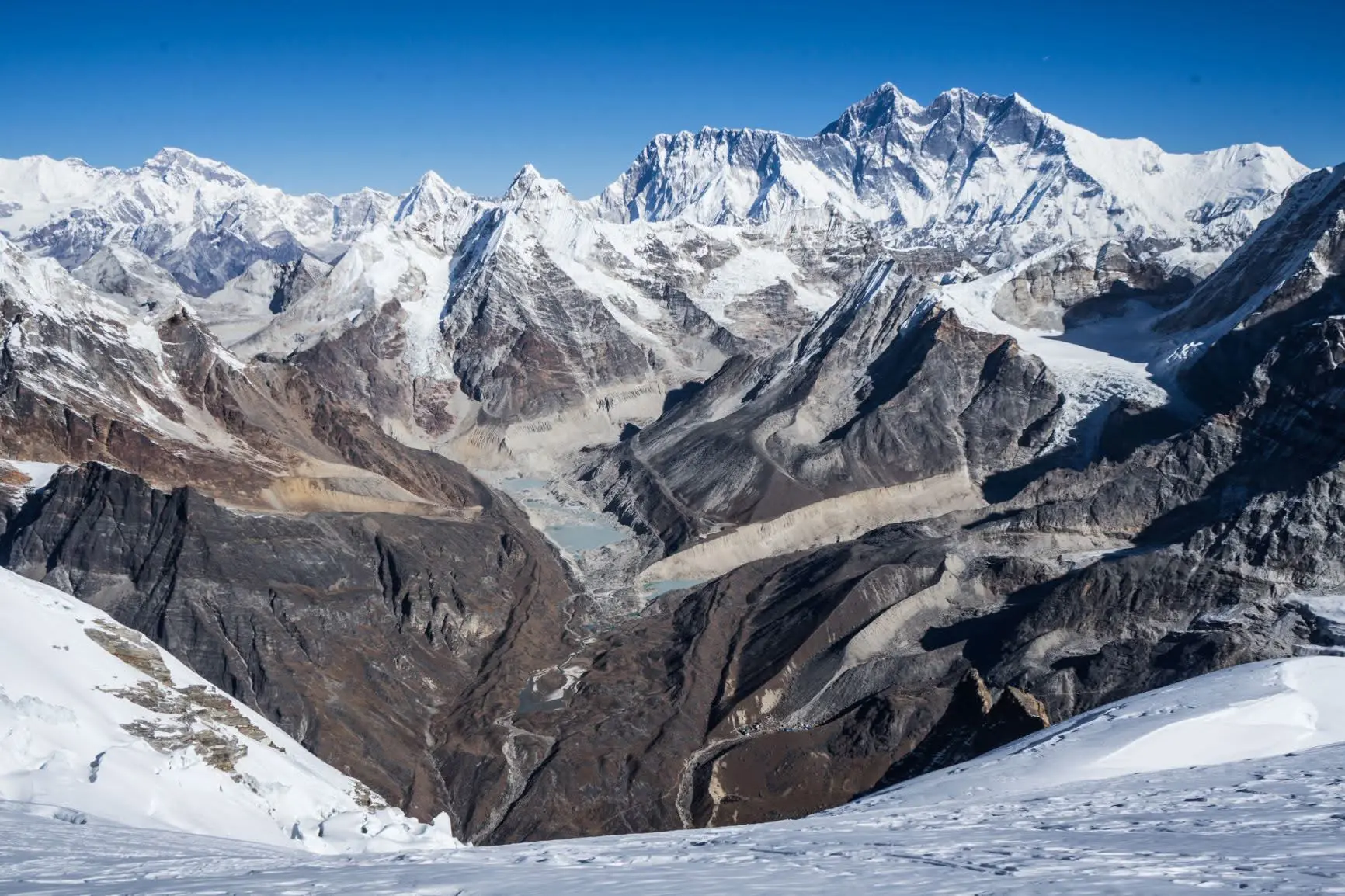
Mera Peak Climbing is a perfect adventure for trekkers seeking a Himalayan summit experience without committing to an extended expedition. Mera Peak, at 6,476 meters, is the highest trekking peak in Nepal and offers stunning panoramic views of the world’s highest mountains, including Mount Everest (8,848.86 m), Kanchenjunga (8,586 m), Lhotse (8,516 m), Makalu (8,485 m), Cho Oyu (8,188 m) and surrounding Himalayan peaks.
This climb combines moderate trekking with a high-altitude summit attempt, providing an introduction to glacier travel, ice climbing techniques, and high mountain acclimatization. The journey begins with an exploration of Kathmandu, where participants prepare gear, followed by a scenic flight to Lukla, trekking through alpine meadows, high passes, and glacial landscapes before reaching the base camp at Khare. Over 18 days, climbers experience a mix of adventure, cultural immersion, and breathtaking Himalayan scenery, making it ideal for those seeking a short yet intense mountaineering challenge.
The ideal seasons for Short Mera Peak Climbing are pre-monsoon (March–May) and post-monsoon (late September–November). During these periods, weather conditions are the most stable, skies are clear, and snow on the higher slopes is manageable, making it easier and safer to reach the summit. These months also provide excellent visibility, allowing climbers to enjoy unobstructed views of the towering Himalayan peaks, including Everest, Lhotse, Makalu, and Cho Oyu.
Other seasons are less ideal:
Choosing the right season ensures climbers experience both the thrill of high-altitude adventure and the natural beauty of Nepal at its best.
Short Mera Peak is considered a moderate to challenging trekking peak, making it suitable for experienced trekkers and climbers with some basic mountaineering knowledge. While lower trekking stages are moderate, the ascent to the summit involves glacier travel, steep snow slopes, and the technical use of crampons, ice axes, and ropes. Proper acclimatization is essential to minimize the risk of altitude sickness.
Transportation for the expedition:
This combination of flights, road transfers, and trekking provides access to remote Himalayan regions while maintaining the thrill of a genuine mountaineering experience.
During the Short Mera Peak expedition, Higher Path Treks & Expeditions prioritizes the comfort, nutrition, and safety of climbers, even in remote, high-altitude environments. Accommodation is thoughtfully planned to provide rest and recovery after long trekking days. In Kathmandu, climbers stay in 4-star hotels with breakfast, offering a chance to relax, enjoy hot showers, and acclimatize to the journey ahead.
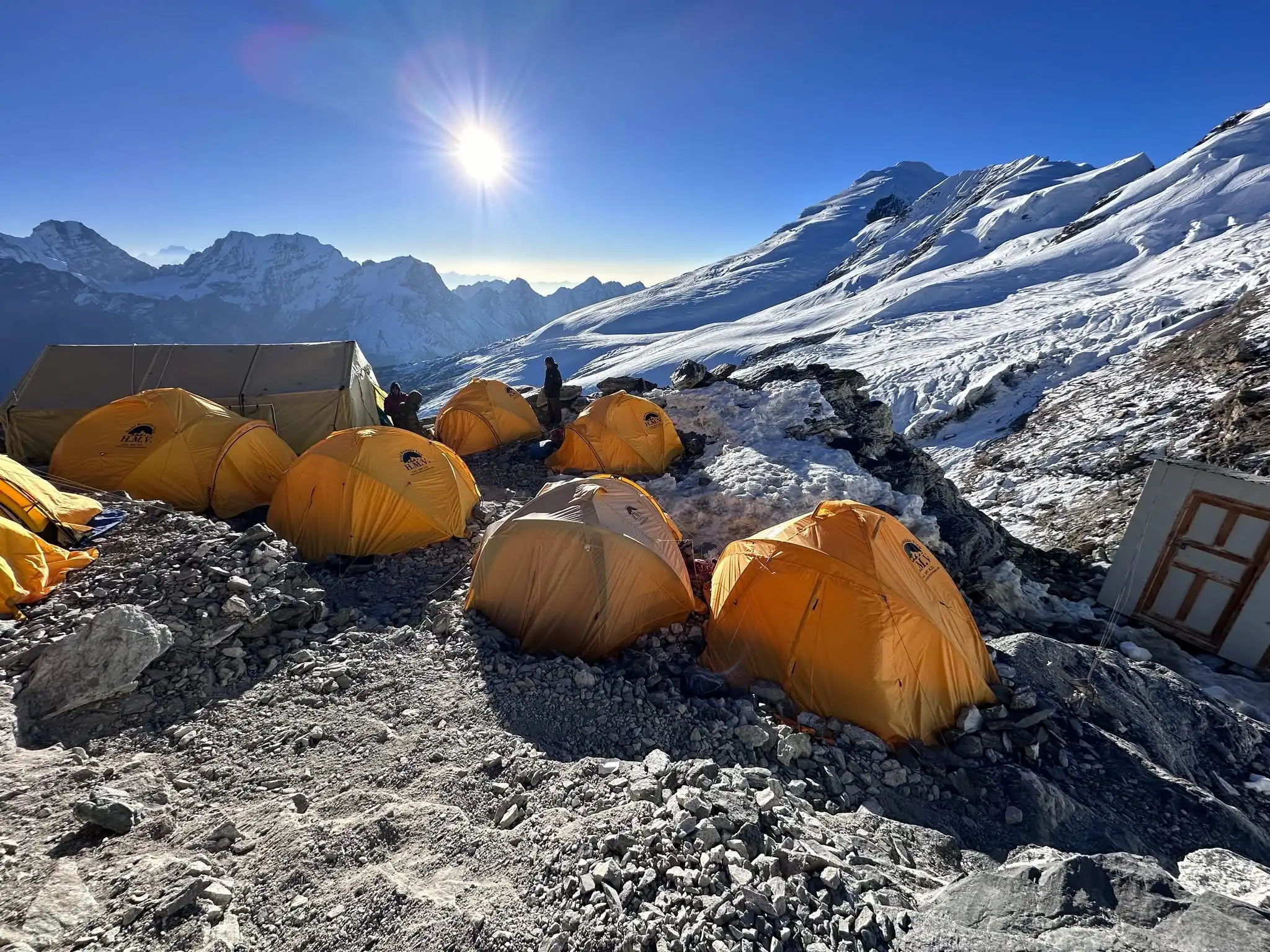
On the trekking route, accommodation transitions to tea houses and lodges at lower and mid-altitudes, providing warm meals, shared rooms, and basic facilities. As the expedition progresses to higher elevations such as Khare and High Camp, climbers sleep in well-equipped tents, which are set up in safe locations with support from the expedition team.
Meals and hydration:
Strategically timed meals and rest periods not only aid acclimatization but also provide the energy required for trekking long hours and preparing for summit attempts. This careful attention to food and lodging enhances overall comfort, ensuring climbers remain healthy and energized throughout the expedition.
Climbing Mera Peak requires official permits, all of which are efficiently managed by Higher Path Treks & Expeditions, removing bureaucratic hassles for climbers. These permits are essential to legally access the Everest region, ensure safety, and comply with Nepalese regulations.
Essential permits include:
By handling all permits, Higher Path Treks & Expeditions allows climbers to focus on training, acclimatization, and the adventure itself rather than paperwork. This ensures a smooth experience and peace of mind throughout the journey.
Short Mera Peak Climbing with Higher Path Treks & Expeditions is ideal for adventurers seeking a high-altitude Himalayan experience without committing to a months-long expedition. The trek combines scenic trekking, high-altitude mountaineering, and cultural immersion, offering climbers a well-rounded adventure that is both challenging and rewarding.
Key advantages:
This climb provides a once-in-a-lifetime Himalayan experience, balancing safety, adventure, and breathtaking scenery. With proper preparation, expert guidance, and the support of Higher Path Treks & Expeditions, climbers can achieve their summit goal and create memories that last a lifetime.
Notes
Alternative Transportation Option
In case of flight cancellation, an alternative overland route is available:
This option is commonly used during bad weather or peak trekking seasons when flights are disrupted.
Optional Helicopter Upgrade
Kathmandu – Lukla – Kathmandu Helicopter Service
For greater comfort, flexibility, and to avoid possible flight delays, direct helicopter flights between Kathmandu and Lukla are available.
Helicopter flights are faster, more comfortable, and operate more reliably during unstable weather conditions compared to regular domestic flights.
Travel Recommendation
We strongly recommend keeping a few extra buffer days in your travel itinerary before international flights, especially during the busy spring and autumn trekking seasons, as weather-related delays in the Everest region are common.
Upon arrival at Tribhuvan International Airport in Kathmandu, you will be warmly welcomed by our representative and transferred to a 4-star hotel on a bed-and-breakfast plan. The afternoon is reserved for a detailed trip briefing where your guide will discuss the itinerary, safety measures, equipment, and answer all your questions. Take this opportunity to relax and enjoy the first glimpse of Nepal’s vibrant culture, bustling streets, and Himalayan backdrop. This day sets the tone for an exciting adventure while ensuring you are fully prepared for the journey ahead.
 Accommodation Hotel
  Meals Breakfast
 After breakfast, the day begins with a comprehensive gear check and last-minute shopping in Kathmandu, ensuring all trekking and climbing equipment meets Himalayan standards. By early afternoon, you will depart on a scenic drive to Ramechhap (Manthali). Along the way, you can admire lush terraced fields and rolling hills, a stark contrast to Kathmandu’s urban buzz. This day emphasizes preparation and acclimatization to the journey, giving you time to mentally and physically ready yourself for the remote Himalayan adventure ahead.
Accommodation Teahouse Meals B,L,D Early in the morning, you will take a breathtaking 20-minute flight from Ramechhap (Manthali) to Lukla, where the dramatic Himalayas unfold beneath you. Upon arrival, you meet your porter there and trek to Chutenga begins, a relatively short 3-4 hours hike that allows you to ease into trekking at higher altitudes. The path winds through pine forests, terraced fields, and small villages, providing a gentle introduction to Himalayan trekking. The highlight of the day is the aerial view of snow-capped peaks from the flight, setting an inspiring tone for your ascent of Mera Peak.
Accommodation Teahouse Meals B,L,D Today’s trek is challenging yet rewarding as you cross the Zatrwa La Pass at 4,600 meters. The trek lasts approximately 6–7 hours and involves ascending through rocky ridges and alpine meadows. Crossing your first high pass brings an unparalleled sense of achievement while panoramic views of Mera Peak and surrounding Himalayan giants unfold around you. Thuli Kharka, your destination for the day, is a serene alpine meadow where you can enjoy the crisp mountain air and a spectacular sunset. This day is pivotal for acclimatization and building confidence for higher altitudes.
Accommodation Teahouse Meals B,L,D The descent into Hinku Valley today takes around 5–6 hours, offering a contrast of altitude and landscape. You trek through lush forests, cross gentle streams, and pass small Himalayan settlements, all while enjoying your first distant view of Mera Peak in its full grandeur. Kothe is a small village that provides a peaceful atmosphere, giving trekkers the chance to rest and observe local Sherpa culture. This day combines adventure with scenic beauty, helping you acclimatize while soaking in the river valley and forested landscapes that characterize this remote region of Nepal.
Accommodation Teahouse Meals B,L,D The trail today ascends to Thagnak, taking approximately 5–6 hours. You move into a higher alpine zone where trees give way to rocky landscapes, and snow-capped peaks dominate the skyline. The day is highlighted by views of Kusum Kanguru and the surrounding mountains, offering a preview of the grandeur that awaits at Mera Peak. Thagnak is a small settlement that serves as a base for acclimatization hikes and provides trekkers with a quiet, high-altitude retreat. This day strengthens your body for more demanding treks while delivering some of the most scenic mountain vistas of the journey.
Accommodation Teahouse Meals B,L,D Today, you reach Khare, the base camp of Mera Peak, in a relatively short 3–4 hour trek. The path traverses moraines and glacial streams, giving you close-up views of snow and ice formations. Khare offers a stunning high-altitude environment, and the glacier-fed surroundings provide an ideal setting to prepare for the technical climbing ahead. This is a crucial acclimatization stop where trekkers can rest, explore the local terrain, and mentally prepare for summit attempts. The day is defined by spectacular mountain scenery and the anticipation of ascending Mera Peak.
Accommodation Teahouse Meals B,L,D A 5–6 hour round-trip hike to Mera La pass helps your body adjust to higher altitudes. The trail includes traversing rocky slopes, ice patches, and small glaciers, providing a hands-on introduction to high-altitude terrain. From Mera La, you are rewarded with stunning vistas of surrounding peaks, glaciers, and alpine valleys. This day is essential for both acclimatization and confidence-building, allowing trekkers to experience the ice and snow terrain they will encounter on summit day. It’s a perfect blend of adventure, training, and awe-inspiring natural beauty.
Accommodation Teahouse Meals B,L,D Today is dedicated to basic mountaineering training at Khare. Under the guidance of professional instructors, you will spend approximately two hours learning essential techniques such as the proper use of crampons, ice axes, and ropes. This training is critical for ensuring safety during the summit climb and helps build confidence in technical terrain. The rest of the day allows you to relax, explore the base camp surroundings, and mentally prepare for the high-altitude ascent. The combination of rest, training, and acclimatization ensures you are ready for the challenges ahead.
Accommodation Teahouse Meals B,L,D Today marks an important step toward the summit as you trek from Khare to High Camp, a climb of 6–7 hours via Mera La. The trail takes you through rugged moraine slopes, patches of snow, and occasional glacier crossings, demanding focus and steady pacing. Along the way, you are treated to dramatic views of towering peaks, including Everest, Makalu, and Nuptse, which glow with warm light during sunset. High Camp itself is perched amidst stunning glacial landscapes, offering an unforgettable Himalayan experience. Tonight, you rest at altitude to prepare for the early morning summit push.
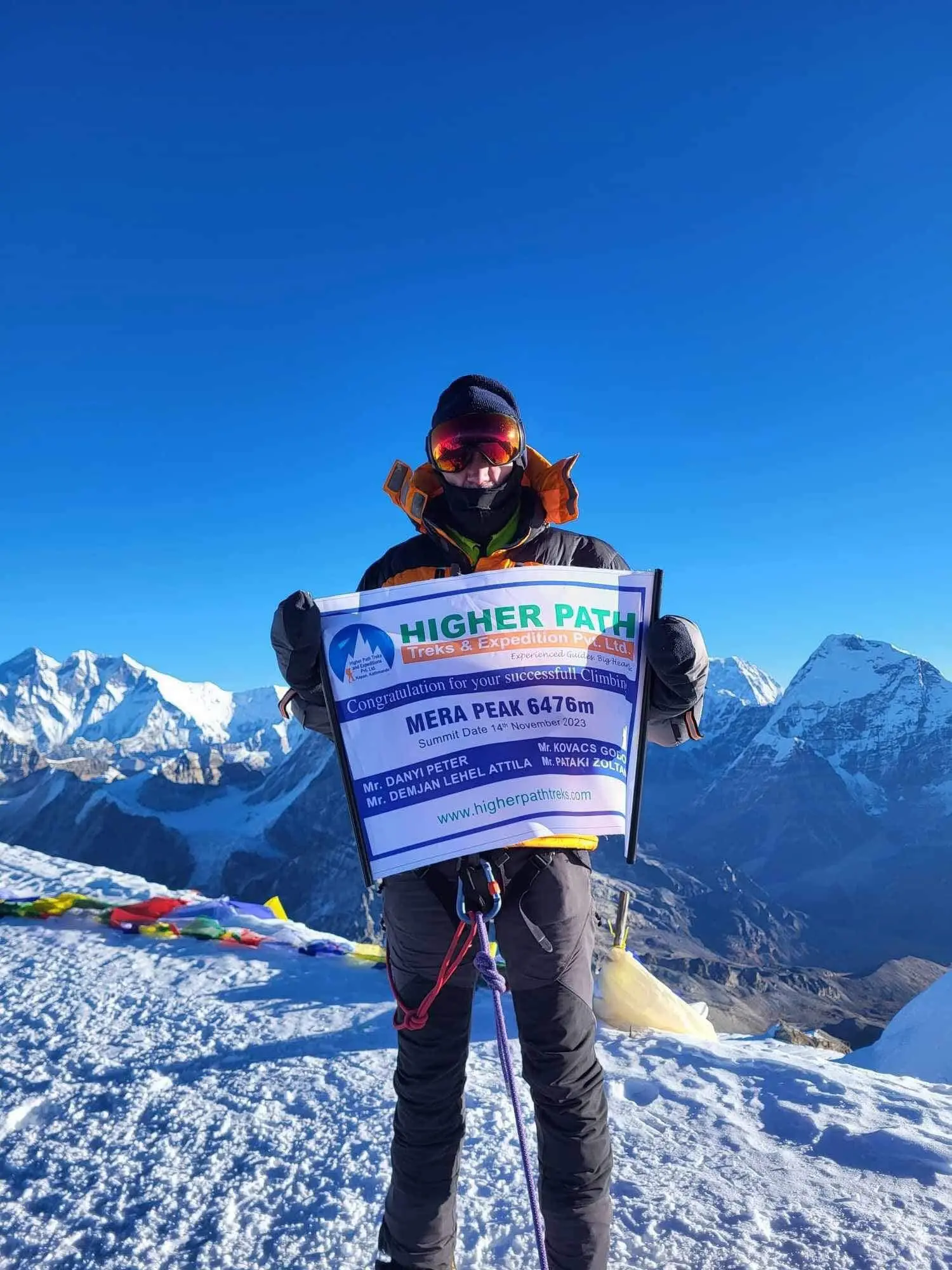
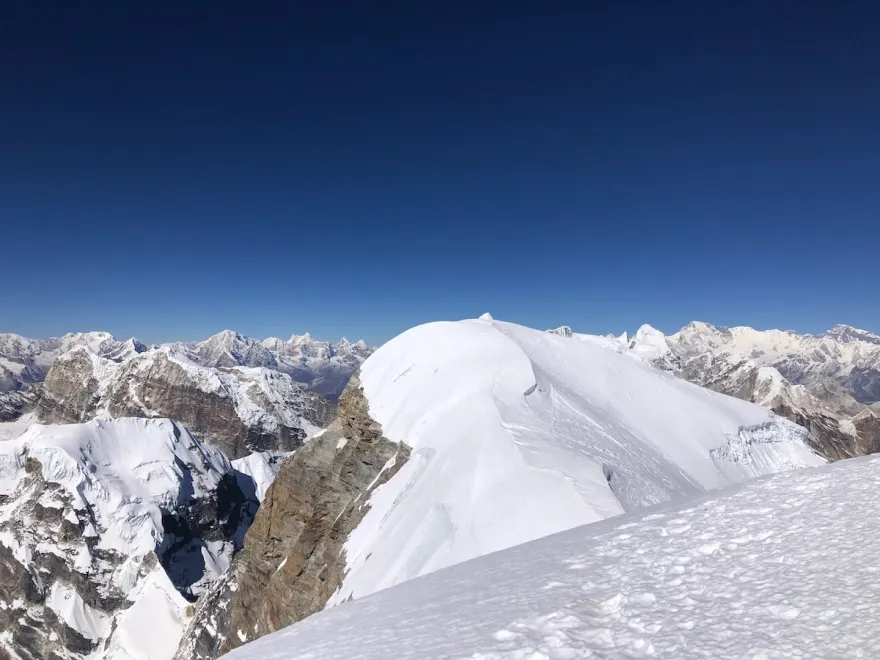
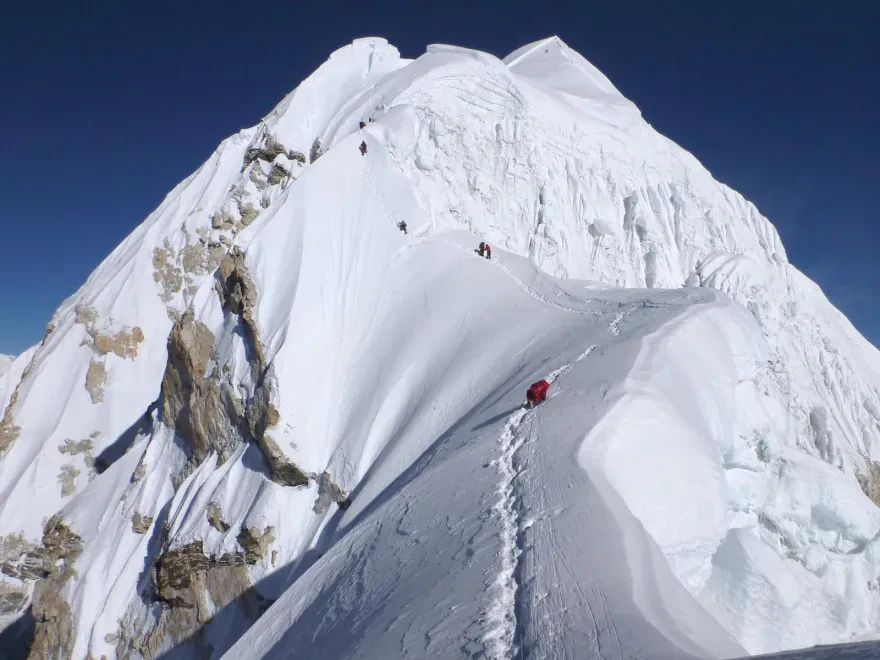
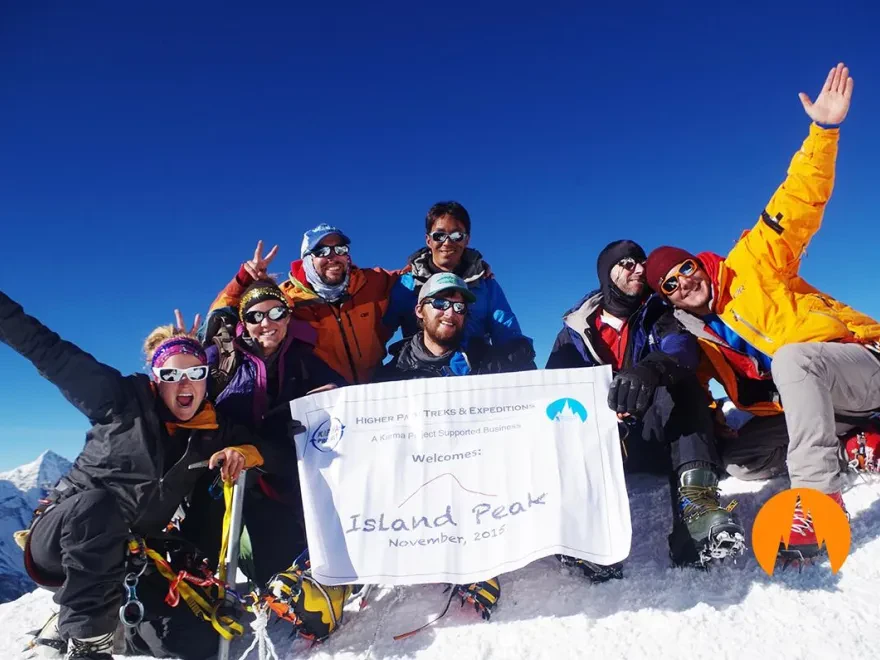
Accommodation Tent Meals B,L,D Summit day begins in the pre-dawn hours, with a 4–5 hour ascent to Mera Peak. The climb involves navigating snow slopes, ice ridges, and rocky sections, where your training with crampons and ice axes becomes crucial. Reaching the summit, you are rewarded with a spectacular 360-degree panorama that includes the world’s tallest peaks: Everest, Lhotse, Makalu, Cho Oyu, and Kanchenjunga. You spend approximately 20 minutes at the top, taking in the awe-inspiring views and celebrating your achievement. The descent back to Khare allows time to reflect on the accomplishment while enjoying the glacier-fed surroundings.
Accommodation Teahouse Meals B,L,D This day is reserved as a buffer for weather delays, acclimatization, or unforeseen circumstances. Trekking in the high Himalayas is unpredictable, and Higher Path Treks & Expeditions ensures safety and flexibility. You can use this day to rest, hydrate, and explore the surrounding glacier and alpine scenery. Some trekkers choose to practice short hikes near Khare to reinforce summit climbing techniques or simply enjoy photography in the pristine environment. The buffer day provides a crucial opportunity to recover, minimizing altitude-related stress and ensuring you are fully prepared for the descent toward lower elevations.
After the high-altitude adventure, the descent continues to Thuli Kharka over 6–7 hours. The trek follows beautiful mountain ridges, offering expansive views of surrounding peaks, valleys, and terraced slopes. Walking through alpine meadows and small hamlets, you witness local life and the natural beauty of the Hinku Valley. The descent allows your body to adjust gradually from extreme altitudes while giving ample time to reflect on the summit experience. Thuli Kharka’s peaceful environment provides an ideal setting to rest and enjoy the serenity of the mountains before heading further down.
Accommodation Teahouse Meals B,L,D Today is the final day of trekking, covering 6–7 hours from Thuli Kharka to Lukla. The trail descends through forests, rivers, and villages, offering opportunities to interact with locals and capture photographs of the spectacular scenery. Reaching Lukla marks the end of your trekking adventure, and the arrival is often celebrated with a sense of achievement and camaraderie among fellow trekkers. Lukla provides comfortable lodging and a chance to relax, enjoy meals, and reflect on the incredible journey you’ve completed through the heart of the Nepalese Hi
Accommodation Teahouse Meals B,L,D This morning, you take a short flight from Lukla to Ramechhap (Manthali), followed by a 5–6 hour scenic drive back to Kathmandu. The drive offers views of terraced hills, local villages, and river valleys, providing a gentle transition from remote mountains to city life. Upon arrival, you are transferred to your hotel for rest and recovery. This day represents a return to urban comforts, with warm showers, comfortable beds, and a chance to enjoy Kathmandu’s lively atmosphere while reminiscing about your Himalayan adventure with Higher Path Treks & Expeditions.
Accommodation Hotel Meals Breakfast As your international flight schedule our representative will transfer you to Tribhuvan International Airport for your onward flight. This marks the conclusion of your Short Mera Peak adventure, leaving you with lifelong memories of Nepal’s majestic Himalayas, glacier landscapes, and the unparalleled thrill of climbing one of the most scenic peaks in the region. Departure day is a time to reflect on your achievement, bid farewell to the team, and carry the spirit of the mountains back home.
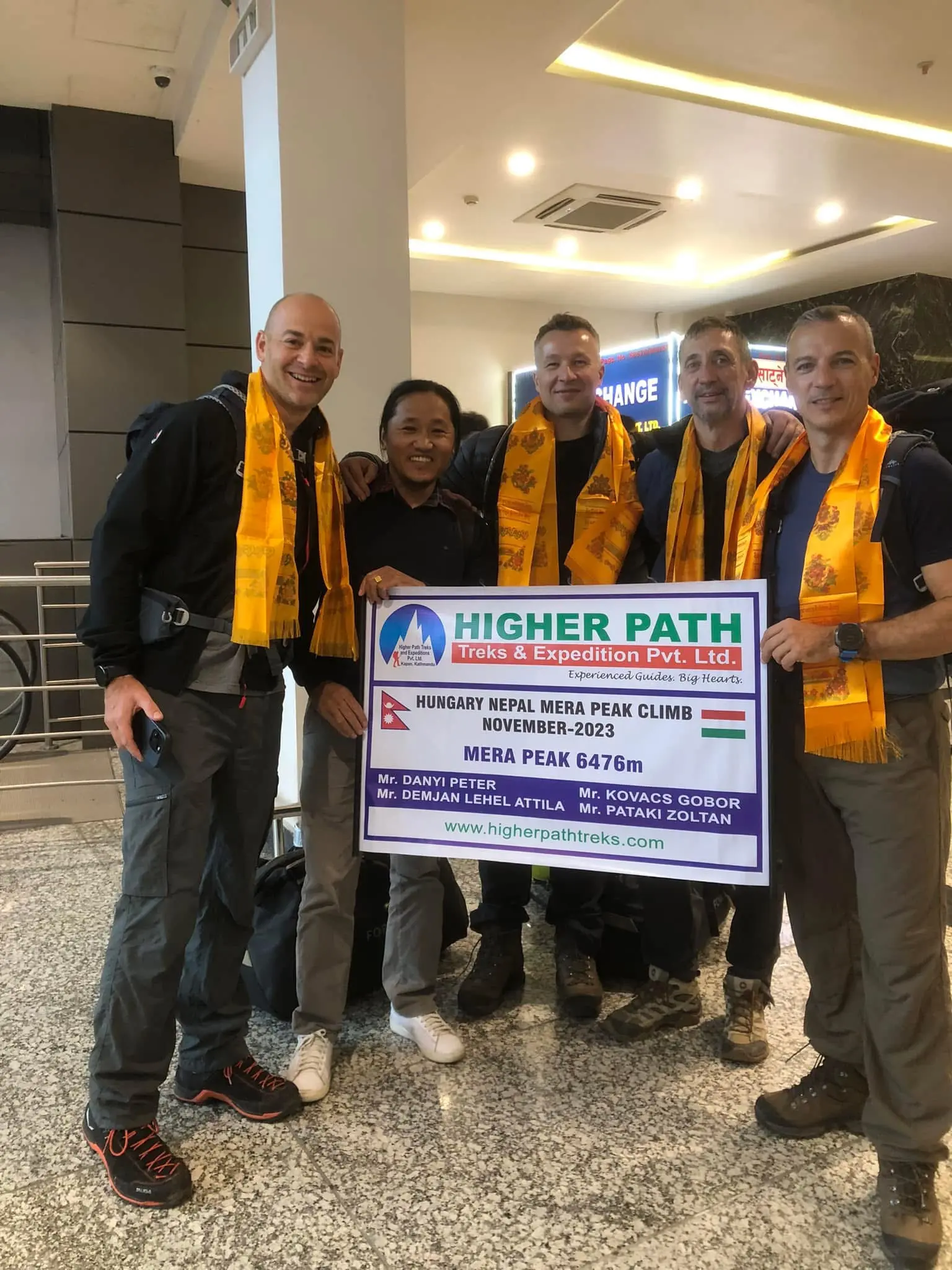
Your Start Date is the day you land in Nepal, and your End Date is when you fly home.
If the set Short Mera Peak Climbing group dates don’t suit your schedule, we can offer alternative dates upon request.
The Short Mera Peak Climbing with Higher Path Treks & Expeditions was an amazing high-altitude adventure in the Everest region. The trek itself was beautiful, passing through remote valleys, glaciers, and stunning Himalayan landscapes. The climb was challenging but incredibly rewarding, and reaching the summit with panoramic views of Everest, Lhotse, and Makalu was unforgettable. The guides were very professional, supportive, and ensured proper acclimatization and safety throughout the journey. Everything was well organized from start to finish, making this a perfect introduction to Himalayan peak climbing in Nepal.
Climbing Mera Peak requires good physical fitness, endurance, and stamina because the trek involves long hours of walking at high altitude, crossing passes, and navigating snow-covered slopes. Prior experience in trekking or moderate hiking is helpful but not mandatory. Higher Path Treks & Expeditions suggests starting a regular cardio routine, strength training, and practicing hiking with a weighted backpack at least two months before the trip to ensure your body is prepared for the high-altitude adventure.
No prior technical mountaineering experience is required for Short Mera Peak, as it is considered a trekking peak. However, you will receive basic mountaineering training at Khare, including proper use of crampons, ice axes, and ropes. This training equips climbers to safely navigate snow and ice terrain on the summit day. Higher Path Treks & Expeditions ensures that even first-time climbers can attempt Mera Peak with confidence, guided by experienced mountaineering instructors and support staff.
Acclimatization is a critical part of the Short Mera Peak itinerary. The trek gradually increases altitude, with rest and buffer days built in at strategic locations like Khare and Thagnak. Optional hikes, such as the climb to Mera La (5,400 m), help your body adjust to thinner air. Higher Path Treks & Expeditions closely monitors all participants for signs of altitude sickness, provides advice on hydration and pacing, and emphasizes safety above all, allowing a comfortable and safe ascent to the summit.
The summit climb is considered moderate for experienced trekkers but can be challenging for beginners due to altitude, snow, and ice terrain. The climb takes 4–5 hours from High Camp, with the steepest section requiring use of crampons and ice axes. Proper acclimatization, pacing, and guidance from Higher Path Treks & Expeditions make it achievable for most fit individuals. The reward is a breathtaking 360-degree view of Nepal’s highest peaks, including Everest, Makalu, Lhotse, and Cho Oyu.
The optimal climbing seasons for Mera Peak are pre-monsoon (March to May) and post-monsoon (September to November). During these periods, the weather is generally stable, skies are clear, and visibility of the surrounding Himalayan peaks is excellent. Temperatures are moderate, snow conditions are favorable for climbing, and the risk of heavy rain or landslides is minimal. Higher Path Treks & Expeditions recommends planning your trip within these windows to maximize safety and enjoy spectacular mountain views.
Weather in the Himalayas is unpredictable, with potential for snowstorms, high winds, or flight delays. The itinerary includes buffer and optional days to accommodate weather-related changes. Higher Path Treks & Expeditions prioritizes safety, closely monitors forecasts, and may adjust trekking schedules or offer helicopter evacuation if necessary. Flexibility in plans ensures that climbers can complete the trek safely while still enjoying key highlights such as the summit, high passes, and panoramic mountain views without compromising safety.
During the trek, accommodation is primarily in teahouses and lodges along the trail, which are simple but comfortable and provide meals. Rooms are generally shared, though private rooms may be available depending on availability. In Kathmandu, travelers stay in 4-star hotels with bed-and-breakfast services. Higher Path Treks & Expeditions ensures clean and hygienic lodging at every stop, with hot meals and warm hospitality, so that clients can rest well after long trekking days while enjoying the charm of the Himalayan villages.
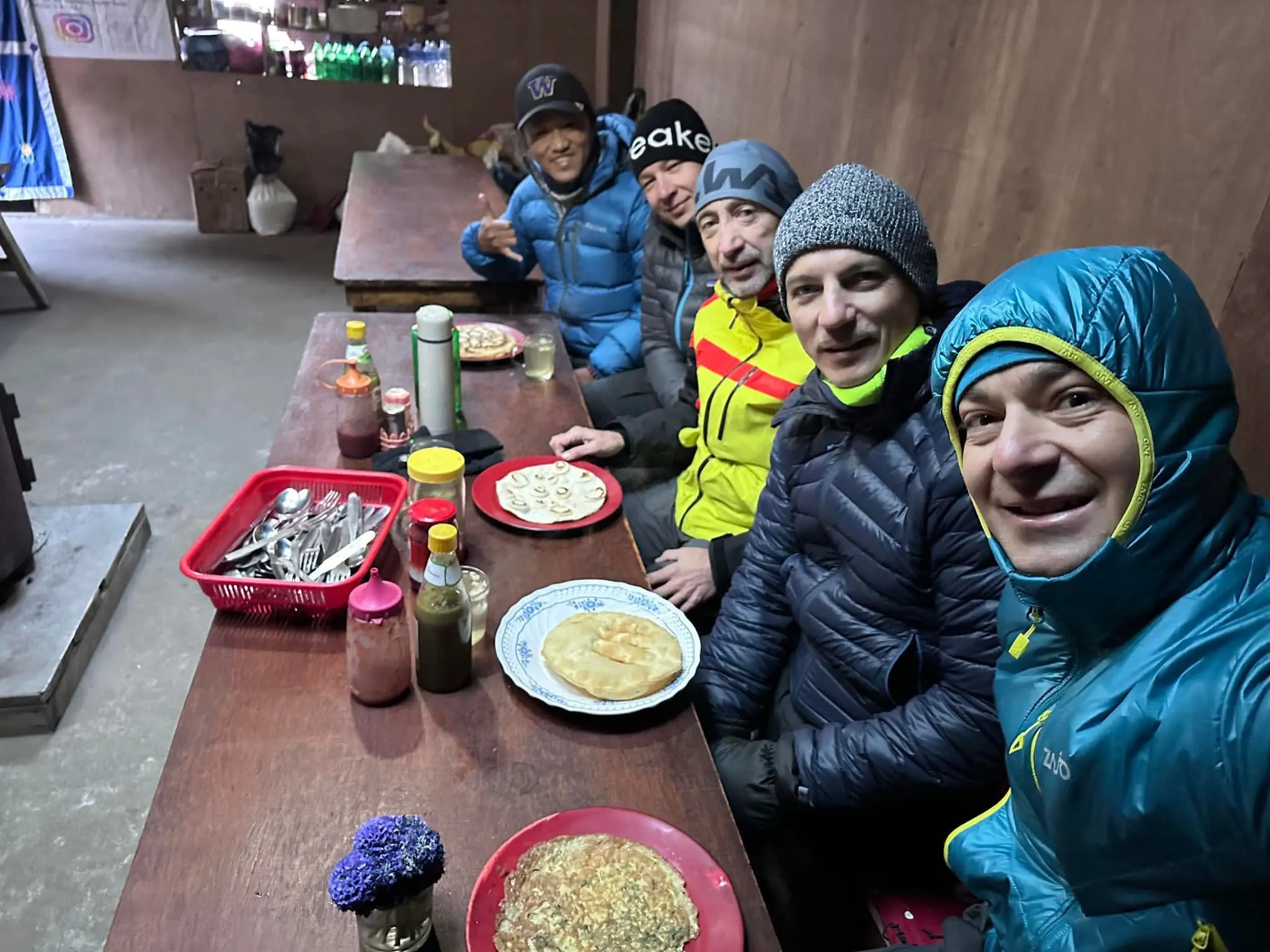
All meals—breakfast, lunch, and dinner—are provided during the trekking portion of the Mera Peak expedition. The menu includes local Nepali cuisine such as dal bhat (rice and lentils), noodles, soups, and fresh vegetables, as well as some Western options. Snacks and energy bars are recommended for summit day. In Kathmandu, only breakfast at the hotel is included. Higher Path Treks & Expeditions ensures that meals are nutritious, sufficient for high-altitude trekking, and suitable for a variety of dietary preferences upon prior request.
Trekking and climbing Mera Peak requires layered clothing, thermal wear, waterproof jackets, gloves, hats, sunglasses, and sturdy trekking boots. For summit day, mountaineering gear such as crampons, ice axes, harnesses, and ropes are provided by Higher Path Treks & Expeditions. Personal items like sleeping bags, trekking poles, and daypacks are recommended. Proper preparation ensures comfort and safety in changing mountain conditions, from snow and ice at high altitude to sunny trekking days in the valleys.
Yes, travel insurance is mandatory for all participants attempting Mera Peak. Insurance should cover high-altitude trekking, helicopter evacuation, and medical emergencies. Accidents, altitude sickness, and flight delays are potential risks in the Himalayas. Higher Path Treks & Expeditions requires proof of insurance before departure and strongly advises obtaining a policy that fully covers climbing activities, ensuring that trekkers have peace of mind throughout their journey.
| No of people | Price per person |
|---|---|
| 1 - 1 | $2,900 |
| 2 - 5 | $2,855 |
| 6 - 10 | $2,805 |
| 11 - 20 | $2,755 |
| No of people | Price per person |
|---|---|
| 1 - 1 | $12,500 |
| 2 - 5 | $11,000 |
| 6 - 10 | $10,800 |
| 11 - 20 | $10,750 |
| No of people | Price per person |
|---|---|
| 1 - 1 | $8,350 |
| 2 - 5 | $7,900 |
| 6 - 10 | $7,770 |
| 11 - 20 | $7,700 |