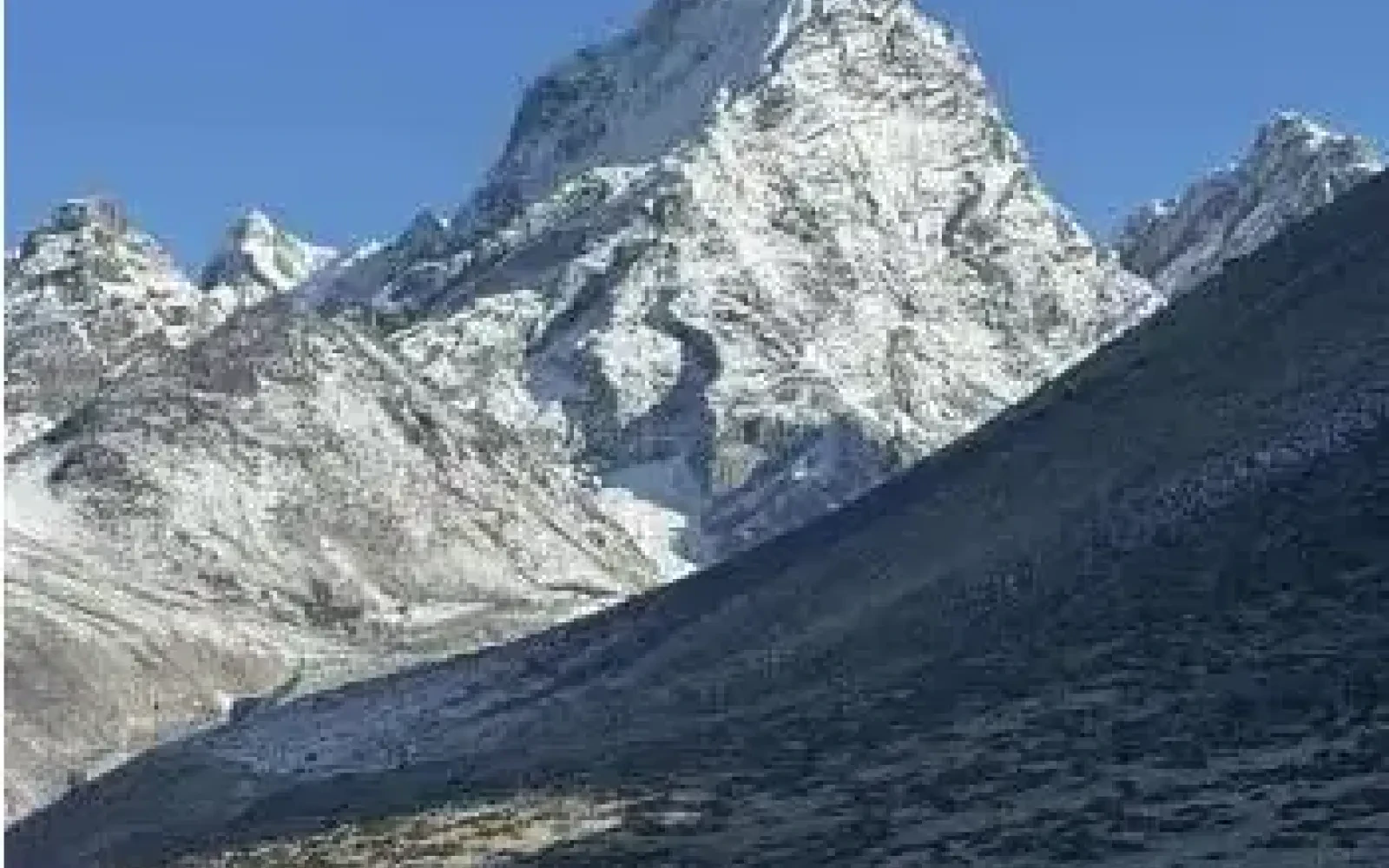
The Everest Three Peaks Challenge is the ultimate Himalayan adventure for those seeking to test their physical and mental limits amidst the world’s tallest mountains. Unlike a standard Everest Base Camp trek, this expedition is designed for thrill-seekers aiming to summit three iconic trekking peaks: Lobuche East (6,119m), Pokalde (5,806m), and Island Peak (6,165m). Traversing three high-altitude passes — Renjo La, Cho La, and Kongma La — you’ll experience the full grandeur of the Everest region from multiple angles.
Organized by Higher Path Treks & Expeditions, this journey combines climbing, cultural immersion, and a deep connection with the mountains. Each peak presents unique challenges, whether it's technical climbing on Lobuche, scrambling up Pokalde, or enduring the steep ice and snow slopes of Island Peak. You’ll pass through famous Sherpa villages, ancient monasteries, glacier-carved valleys, and breathtaking alpine lakes.
Highlights:
This itinerary is ideal for trekkers with a good base of fitness and a thirst for real adventure. It’s challenging, but achievable for beginners with the right preparation, making it one of the most rewarding experiences you can undertake in the Himalayas.
Are you a mountain lover looking to push your limits? The Everest Three Peaks Challenge is more than just a trek—it's a test of endurance, willpower, and passion for high-altitude adventure. While it’s labeled as a beginner-friendly mountaineering experience, make no mistake: this is not a walk in the park. But if you’re motivated, moderately fit, and have a strong mindset, you can absolutely complete this life-changing journey.
Unlike technical expeditions that require years of mountaineering experience, this challenge is designed for fit trekkers with basic hiking experience and a desire to take on something big. The presence of professional climbing guides from Higher Path Treks & Expeditions, well-paced acclimatization days, and climbing training sessions ensures safety and confidence as you ascend each peak.
Who is this challenge for?
It’s also a journey through some of the most iconic and sacred landscapes in Nepal, where each pass and summit gives a different perspective of Everest, Lhotse, Ama Dablam, and more. The support from experienced Sherpa guides, porters, and a well-organized logistics team makes this demanding itinerary not only achievable but deeply fulfilling.
Embarking on the Everest Three Peaks Challenge means more than just showing up with hiking boots. You need to prepare your body, mind, and gear to face long days, high altitude, and varying weather conditions. Whether you're climbing your first peak or adding to your adventure resume, preparation is key.
Fitness Training:
You should begin training at least 3–6 months in advance, focusing on endurance, strength, and cardio. Activities like hiking with a backpack, stair climbing, interval running, and strength training will give you the stamina needed for long trekking days and steep climbs.
Gear Checklist:
Mindset & Mental Preparation:
Altitude, fatigue, and tough weather can be mentally draining. A strong, positive mindset is essential. Meditating, journaling, or doing breathwork can help you build mental resilience before the trip.
Bonus tip: Go on a few multi-day treks in your home country to simulate back-to-back trekking days. Being comfortable with discomfort is one of your greatest assets on this challenge.
Your journey begins in Kathmandu, Nepal’s vibrant and chaotic capital nestled at 1,400m (4,593ft). As you step off the plane, the contrast between modern life and ancient tradition becomes immediately apparent. The city is full of history, colorful markets, and stunning temples like Swayambhunath (Monkey Temple) and Pashupatinath, where you’ll feel the spiritual energy of the Himalayas before you even lace up your boots.
Your arrival day is more than just rest. You’ll be greeted by Higher Path Treks & Expeditions' team, who will transfer you to your hotel and brief you on the expedition. You’ll do a gear check, collect any last-minute rentals, and go over the full itinerary. It’s also a chance to meet your guides and fellow trekkers, building the camaraderie essential for a successful team expedition.
Kathmandu Highlights:
Kathmandu’s elevation also plays a role in acclimatization. While not high enough to trigger altitude issues, it serves as a gentle introduction to thinner air before your quick ascent to Lukla.
The flight from Kathmandu to Lukla is a once-in-a-lifetime experience. In just 35 minutes, you’ll go from bustling urban chaos to the heart of the Khumbu region, surrounded by snow-capped giants. Lukla’s airport, often called Tenzing-Hillary Airport, is famous for its short runway and dramatic mountain location — thrilling and unforgettable.
Upon landing at 2,840m (9,318ft), your real journey begins. You’ll meet the porters and begin your first trekking day to Phakding (2,610m). This gentle 3–4 hour walk is essential for easing into the rhythm of mountain travel. You’ll pass through small Sherpa villages, prayer wheels, and fluttering mani walls. The Dudh Koshi River roars alongside you, reminding you of the raw power of nature in this region.
Highlights of Day 2:
Even though this is one of the easier days, it sets the tone. You’re now officially in the mountains — and the air is crisper, the stars brighter, and the adventure has truly begun.
After a restful night in the riverside village of Phakding (2,610m), the trail begins to gradually ascend towards the heart of the Khumbu region — Namche Bazaar (3,440m). This is one of the most exciting and physically demanding days of the early trek. The path follows the Dudh Koshi River, crossing several iconic suspension bridges, including the famous Hillary Suspension Bridge draped in prayer flags and perched high above the gorge. The air gets thinner, the climbs steeper, and the scenery more dramatic as you begin to truly enter the high Himalayas.
Namche is the unofficial capital of the Khumbu region and one of the most important Sherpa towns. Nestled in a natural amphitheater surrounded by towering peaks, it’s a hub of activity, culture, and commerce. You’ll start to feel the altitude more significantly here, making hydration and slow pacing crucial. Upon arrival, most trekkers experience a sense of awe at both the beauty and the realization that they are now deep in Everest country. After settling into your lodge, you’ll have time to explore bakeries, gear shops, and local markets, as well as visit the Sherpa Museum and Tenzing Norgay Memorial.
Highlights:
One of the most essential elements of any high-altitude expedition — especially one as demanding as the Everest Three Peaks Challenge — is acclimatization. Gaining elevation too quickly without allowing your body to adapt can lead to Acute Mountain Sickness (AMS) or worse. That’s why Higher Path Treks & Expeditions builds carefully timed acclimatization days into the itinerary, allowing you to ascend safely and maximize your performance on summit days.
The first major acclimatization day takes place in Namche Bazaar (3,440m). It’s not a day of complete rest; rather, it’s an “active rest day”, meaning you’ll take a short hike to higher elevations, such as the Everest View Hotel (3,880m) or Khunde and Khumjung villages, then descend to sleep lower — following the golden rule: “climb high, sleep low.” These hikes help stimulate red blood cell production, improving oxygen delivery throughout your body and reducing the chances of altitude-related issues.
Why It Matters:
Every successful Himalayan expedition, especially one involving three major summits, depends on solid acclimatization — not just physical strength. By giving your body the time it needs to adjust, you set yourself up for a safer and more enjoyable journey.
Leaving the bustling energy of Namche Bazaar behind, the trail veers westward into the Bhote Koshi Valley, an area much less traveled and rich in spiritual and cultural heritage. Your destination is Thame (3,800m), one of the oldest Sherpa villages in the Khumbu. This region offers a glimpse into a quieter, more traditional way of life, far removed from the tourist trail leading to Everest Base Camp. The trail gently climbs through rhododendron forests, passes mani walls, and offers striking views of Kongde Ri and Kusum Kanguru.
Thame is home to a historic monastery, which is perched on the hillside overlooking the village. It has been an important center of Buddhism in the region for centuries and is particularly famous as the birthplace of Tenzing Norgay, the first man to summit Everest alongside Edmund Hillary. From Thame, the trek continues north to Lungden (4,380m), a remote outpost that serves as the final staging ground before crossing the mighty Renjo La Pass. The trail becomes more rugged, and the air thinner — a reminder that you are entering serious alpine terrain.
Why This Section Is Special:
By venturing into these lesser-trekked western valleys, you deepen your connection with both the land and its people. It's a rewarding detour that enriches the overall Everest Three Peaks experience.
The ascent to Renjo La Pass (5,360m) from Lungden is the first major physical and mental challenge of the trip — a true test of your preparation and acclimatization. It’s a long, steep climb that rewards you with some of the most spectacular views in the entire Everest region. The trail winds its way up through rocky switchbacks, eventually opening up to a panoramic vista of Mt. Everest, Lhotse, Makalu, and the brilliant turquoise lakes of Gokyo Valley below. The pass marks your official entry into the high-altitude, high-adrenaline phase of the expedition.
Crossing Renjo La is not technical, but it demands strong lungs, steady legs, and determination. Snow and ice are possible, especially in early spring or late fall, adding a layer of challenge. Upon reaching the summit, you’ll pause to catch your breath and soak in the dramatic landscape before beginning the descent into the breathtaking Gokyo Valley. The descent is steep and rocky but manageable with trekking poles and proper pacing. You’ll arrive at Gokyo (4,790m), where your efforts are rewarded with stunning lakeside serenity and warm hospitality.
Renjo La Highlights:
Renjo La is a defining moment of the Three Peaks Challenge — one that sets the tone for the physical and spiritual growth that lies ahead. It’s tough, inspiring, and unforgettable.
After the demanding Renjo La crossing, Gokyo Valley offers a serene and visually stunning reward. Nestled at 4,790m (15,715ft), Gokyo is a peaceful village located beside the third of the Five Sacred Lakes. These glacial lakes reflect snow-capped peaks in a turquoise mirror, creating a surreal and tranquil atmosphere that contrasts with the intense trekking days. Gokyo is not just a rest stop; it’s a highlight of the Everest Three Peaks Challenge.
The main attraction here is the hike to Gokyo Ri (5,360m/17,585ft), a relatively short but steep ascent that offers one of the finest panoramic views in the entire Khumbu region. From the summit, you’ll witness four of the world’s six highest peaks — Everest, Lhotse, Makalu, and Cho Oyu — rising above a sea of ice and rock. For many, this view is even more impressive than Everest Base Camp. If you're looking to conserve energy, an alternative is an excursion around the remaining Gokyo Lakes, including the remote Fifth Lake, where solitude and raw Himalayan beauty meet.
Highlights:
This is a time to reflect, recharge, and reconnect with the awe of the mountains. Gokyo Valley isn’t just a visual wonder — it’s a spiritual experience.
The trek from Gokyo to Cho La Pass (5,420m/17,782ft) is one of the most demanding but exhilarating sections of the Everest Three Peaks itinerary. This route connects the Gokyo Valley with the main Everest Base Camp trail, cutting across glaciers, loose rocks, and steep ridgelines. You’ll start early from Thagnag (4,680m), making a long but thrilling climb up icy moraines and onto the glacier itself. Depending on the season, you may need crampons or microspikes, as parts of the trail can be frozen and slippery.
Cho La is not just physically challenging — it’s mentally intense. Altitude, wind, and unstable footing test your resilience. However, when you reach the saddle of the pass, you’re rewarded with a raw, untouched alpine world. Peaks pierce the sky in every direction, and the sense of isolation is both humbling and empowering. The descent to Dzongla (4,830m) is steep but scenic, with close-up views of Ama Dablam and Cholatse — peaks revered by mountaineers and photographers alike.
Cho La Highlights:
By crossing Cho La, you step fully into Everest’s shadow — both metaphorically and literally. This is the mountain world at its most rugged and spectacular.
After days of trekking and two major passes, it’s time for your first Himalayan summit: Lobuche East (6,119m/20,075ft). This is the highest and most technically demanding of the three peaks in the challenge. Starting from Lobuche Base Camp (5,420m), you'll first receive hands-on climbing training from Higher Path Treks’ professional guides — learning rope techniques, crampon use, harness setup, and ice axe handling. This training is vital, especially for beginners, and ensures a safe and successful ascent.
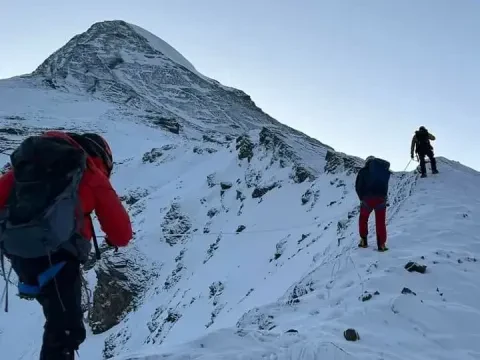
The summit day begins long before sunrise, under a canopy of stars. You’ll ascend gradually over rocky trails before roping up for the glaciated final push. The final ridge to the summit involves fixed ropes, and although it’s not a technical climb in the mountaineering sense, it requires focus, stamina, and a strong will. From the summit, you're rewarded with jaw-dropping views of Everest, Nuptse, Makalu, and the Khumbu Glacier sprawling below you. It's an unforgettable milestone that symbolizes your strength, resilience, and growth.
Lobuche Peak Highlights:
This climb is a personal triumph. For many, Lobuche East is not just a physical high point, but an emotional one — the moment where the journey becomes transformational.
Of the three major passes, Kongma La (5,545m/18,192ft) is often considered the most difficult. It’s the highest, most remote, and least traveled of the three, offering both solitude and a serious physical challenge. The day begins from Thukla, and the route immediately rises through rugged moraine trails and glacial rubble before you even begin the main climb. Unlike Renjo La or Cho La, there are fewer established lodges along the way, so this crossing demands preparation and mental grit.
The ascent to the pass is steep, and due to its isolation, the trail can sometimes be hard to follow. But once you reach the top, the reward is immense: a 360-degree panorama of Everest, Lhotse, Makalu, and the giant Khumbu Glacier stretching below like a river of ice. Descending into Pokalde Base Camp (5,300m) is equally stunning, with views that are both stark and sublime. You’ll camp here under the stars, preparing for your second summit: Pokalde Peak.
Kongma La Highlights:
Kongma La is a climber’s pass, not a tourist trail. By crossing it, you prove to yourself that you are not just a trekker — you’re becoming a mountaineer.
Pokalde Peak (5,806m / 19,049ft) may be the shortest of the three summits in the Everest Three Peaks Challenge, but it’s not to be underestimated. Known for its rocky ridgeline, exposed sections, and short but steep technical climb, Pokalde offers a true alpine experience. The climb begins early from Pokalde Base Camp, just after crossing Kongma La Pass, and features a combination of scrambling, rope work, and basic rock climbing techniques — all under the guidance of the expert Sherpa team from Higher Path Treks & Expeditions.
Unlike Lobuche and Island Peak, Pokalde is often snow-free, especially during trekking season, which means more technical rock scrambling and less ice work. While it doesn’t require glacier travel, it does involve careful movement over narrow ridgelines and exposed ledges, which makes a helmet and harness essential. The views from the summit are phenomenal — with a direct line of sight to Ama Dablam, Makalu, and the Imja Valley. After summiting, you’ll descend to Chekhung Village, a peaceful settlement where you can rest and reflect on how far you’ve come.
Pokalde Peak Highlights:
Pokalde offers a new flavor of mountaineering. It’s the perfect bridge between trekking and technical climbing — challenging, scenic, and highly rewarding.
Following the physical demands of Pokalde, the hike to Chukkung Ri (5,550m / 18,209ft) offers the perfect blend of active recovery and final altitude training. Chukkung Ri is a non-technical trekking peak located near Chukhung Village, and it serves as a natural acclimatization ladder before the final summit attempt on Island Peak. This side hike isn’t just functional — it’s also incredibly scenic. The trail zigzags up a steep ridge with unobstructed views of Lhotse, Nuptse, Ama Dablam, and the Imja Glacier basin.
Though it may be considered an “active rest day,” don’t mistake it for easy. The climb takes around 3–4 hours up steep scree and loose rock, reaching a high-altitude vantage point where the air is thin but the scenery is unmatched. You’ll descend to Chukhung for a restful night, feeling stronger and more confident about your body’s ability to handle high elevations. This day is also a mental breather — no rope work or summit pressure, just time to enjoy the rhythm of the mountains.
Chukkung Ri Highlights:
This day prepares you physically and emotionally for the final and highest peak of your Himalayan challenge. It’s the calm before the storm — and a beautiful one at that.
With two summits under your belt, it’s time to turn your attention to the crown jewel of this challenge: Island Peak (Imja Tse, 6,165m / 20,305ft). Reaching the Island Peak Base Camp (5,100m) from Chukhung is a relatively short 3–4 hour hike, but it brings a surge of anticipation. The landscape becomes more rugged, the glacier walls more imposing, and the stakes feel higher. This is a real alpine climb that involves glacier travel, fixed ropes, and a final vertical ice wall ascent.
At base camp, the team at Higher Path Treks & Expeditions leads a detailed technical training session, covering essential skills such as:
You’ll also go through a gear inspection and summit strategy briefing. Hydration, nutrition, and sleep are prioritized here. A strong mental approach is key — knowing that your guides are experienced, your training is complete, and your acclimatization has been solid all gives you the confidence to tackle this big objective.
Island Peak Prep Highlights:
This final approach is filled with nervous excitement. Island Peak lies ahead, and you’re ready.
Island Peak (6,165m) is the pinnacle of the Everest Three Peaks Challenge and the most iconic climb on the route. The summit push begins in the dark, usually around 2 a.m., with climbers roped in and headlamps glowing against the frozen terrain. The route starts gently before ascending a steep rock ridge and crossing the Imja Glacier, where the real climbing begins. The final approach includes a steep 100-meter ice wall, climbed with fixed ropes, followed by a narrow ridge walk to the summit.
Standing on the summit of Island Peak is a moment few forget. Surrounded by Lhotse, Baruntse, Ama Dablam, and the towering ridges of the Khumbu Himal, the feeling is indescribable. You’ve climbed through ice, rock, fear, and fatigue — and arrived at the top. After celebrating briefly (weather and time permitting), you’ll descend back to Chukhung, retracing your steps with cautious determination, now forever changed by the summit experience.
Island Peak Summit Highlights:
Summiting Island Peak is more than just checking a box. It’s a culmination of every step, breath, and decision made along the trail — and a memory that will last a lifetime.
The mountains are majestic, but they’re also unpredictable — which is why every well-planned expedition includes contingency days. In the Everest Three Peaks itinerary, Day 19 is reserved as a buffer for weather delays, slow recovery, or logistical adjustments after summiting Island Peak. At this stage, your body has endured three passes, three peaks, and nearly three weeks at high altitude. These extra days aren’t just for emergencies; they’re critical recovery windows that can help you finish the journey safely.
Once all three peaks are completed, you descend from Chukhung to Dingboche, a familiar village in the Imja Valley. From here, instead of retracing your steps for several more days, you take a scenic helicopter ride back to Lukla — a thrilling and convenient way to exit the high mountains while reflecting on all you’ve accomplished. This helicopter exit saves time, reduces strain on your knees, and adds a dramatic finale to your Himalayan experience.
Contingency & Descent Highlights:
By planning for the unexpected, Higher Path Treks & Expeditions ensures that your journey ends safely, even if nature throws a curveball. It’s the smart, responsible way to trek in the Himalayas.
Landing back in Kathmandu after nearly three weeks in the wilderness is both exhilarating and surreal. The chaos of the city — motorbikes, markets, temples, and honking horns — stands in stark contrast to the quiet, glacial world you just left behind. For many trekkers, this return is more than physical; it marks the beginning of processing the experience, from the challenges faced on the trail to the incredible summits conquered.
Once you’re back at your hotel, it’s time to celebrate and unwind. Higher Path Treks usually arranges a group dinner, where stories are shared, contact information exchanged, and guides thanked. You’ll also have a full day to explore Kathmandu at your leisure: shopping in Thamel, visiting spiritual sites like Boudhanath or Patan Durbar Square, or simply enjoying a proper bed and a hot shower. This day of rest gives you a moment to catch your breath before heading home — refreshed, changed, and proud.
Kathmandu Return Highlights:
This is more than just the final day — it’s a symbolic return to “normal” life with a new perspective and deeper resilience.
The Everest Three Peaks Challenge is unlike any other trek in the Himalayas. It’s not just about distance or elevation — it’s about the diversity of landscapes, the layering of challenges, and the depth of personal transformation. You’re not just walking to a base camp; you’re climbing three peaks, crossing three high mountain passes, and trekking through five distinct Himalayan valleys. Every few days brings a new environment, new terrain, and a new test of endurance.
What sets this challenge apart is the balance between accessible mountaineering and high-altitude trekking. Unlike traditional expeditions that require years of training, the Everest Three Peaks route is crafted for fit beginners with a sense of adventure and the willingness to train. With the professional guidance of Higher Path Treks & Expeditions, the technical aspects are made safe, manageable, and empowering. Add to that the cultural immersion in Sherpa villages, ancient monasteries, and sacred landscapes, and the journey becomes more than physical — it’s spiritual.
Why It’s So Special:
This isn’t just another trek — it’s a life-altering Himalayan experience that leaves a lasting mark on those who complete it.
Most people arrive in Nepal as hikers. They leave as mountaineers — not because they’ve suddenly become elite climbers, but because they’ve learned the skills, developed the mindset, and endured the journey that defines mountaineering. The Everest Three Peaks Challenge, designed by Higher Path Treks & Expeditions, is intentionally structured to guide this transformation.
By summiting Lobuche East, Pokalde, and Island Peak, you learn to use crampons, ice axes, ropes, and harnesses — all under the supervision of trained Sherpa guides. You face long, cold nights, pre-dawn summit pushes, and unpredictable weather. You also learn to trust your body, rely on your team, and respect the rhythm of the mountains. These lessons extend far beyond the trail. Many who complete this journey go on to pursue other mountains, fueled by confidence and experience.
Transformation Highlights:
You begin as a trekker. You end with a mountaineer’s mindset, skills, and spirit — ready for whatever mountain life throws your way.
The Everest Three Peaks Challenge isn’t just another trek — it’s a rare opportunity to grow as a person while exploring one of the most iconic mountain regions in the world. Whether you’re a fit beginner looking to take your first steps into mountaineering, or a seasoned trekker craving a deeper challenge, this expedition is designed to test, teach, and transform.
With the expert team at Higher Path Treks & Expeditions, you're never alone on the journey. From pre-climb training and high-altitude support to cultural immersion and logistics management, everything is taken care of — all you need to bring is determination, preparation, and a love for adventure.
In Summary:
If your heart races at the thought of towering peaks, starry summits, and pushing your limits in the world’s most breathtaking landscape, then this might just be the journey you’ve been waiting for.
Join us at Higher Path Treks & Expeditions and take the first step toward your ultimate Himalayan adventure.
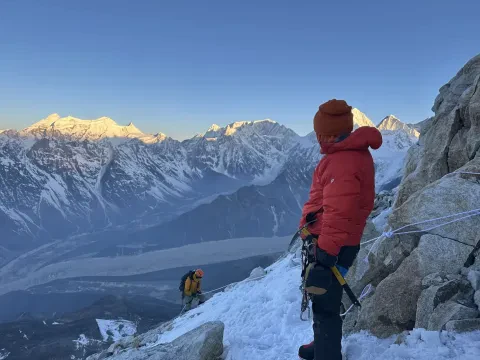
<p>Climbing Larkya Peak is a thrilling adventure that attracts mountaineers from around the globe, offering an incredible opportunity to experience the raw beauty of Nepal’s Himalayas. Located in the Manaslu region, Larkya Peak stands at 6,119 meters (20,075 feet) and demands both physical</p>
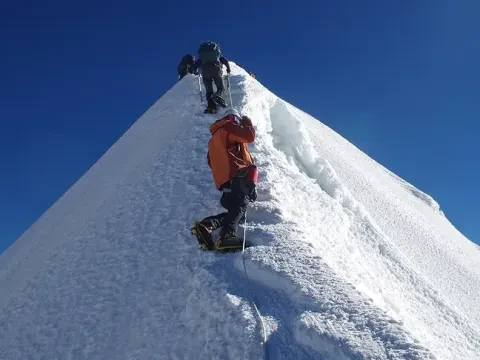
<p>Exploring on a peak climbing expedition in Nepal with Higher Path Treks & Expeditions promises an unforgettable adventure combining breathtaking natural beauty, cultural richness, and challenging mountaineering. Nepal is renowned worldwide for its towering</p>
<p>For many adventure seekers and aspiring mountaineers, Nepal holds a dreamlike charm with its majestic Himalayan range, breathtaking landscapes, and a rich mountaineering legacy. But a common question that arises among first-time climbers is: Is peak climbing in Nepal easy</p>