Need help with booking? Send us a message.
One of the world's highest lakes combined with Thorong La Pass, offering dramatic scenery and cultural immersion off the beaten path.

When people think of trekking in the Annapurna region, most picture the crowded trails to Annapurna Base Camp or the classic Annapurna Circuit Trek. But there's a variation that takes you off the beaten path to one of the highest lakes in the world, combining dramatic scenery with cultural immersion—the Tilicho Lake Trek with Thorong La Pass.
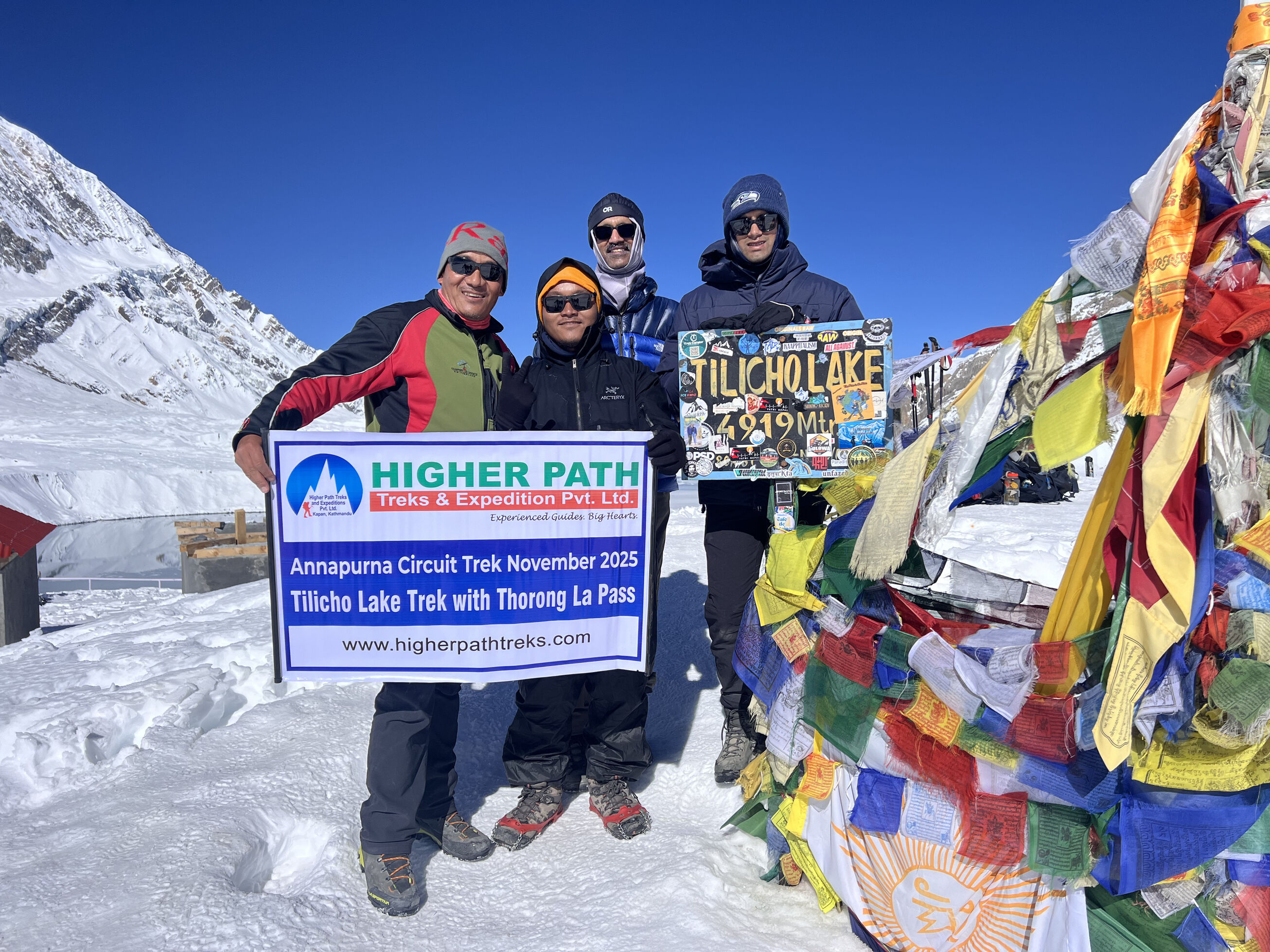
Standing at the shores of Tilicho Lake at 4,919 meters (16,138 feet), surrounded by towering snow-capped peaks, you'll understand why this trek has become increasingly popular among seasoned adventurers. The journey combines the serene beauty of the world's highest glacial lake with the challenge of crossing Thorong La Pass at 5,416 meters (17,769 feet), one of the highest trekking passes on earth.
The Tilicho Lake Trek isn't just another mountain walk through Nepal's spectacular landscapes. This journey offers something unique—a chance to explore one of the most remote and pristine corners of the Annapurna Conservation Area while experiencing the full diversity of the region's geography and culture.
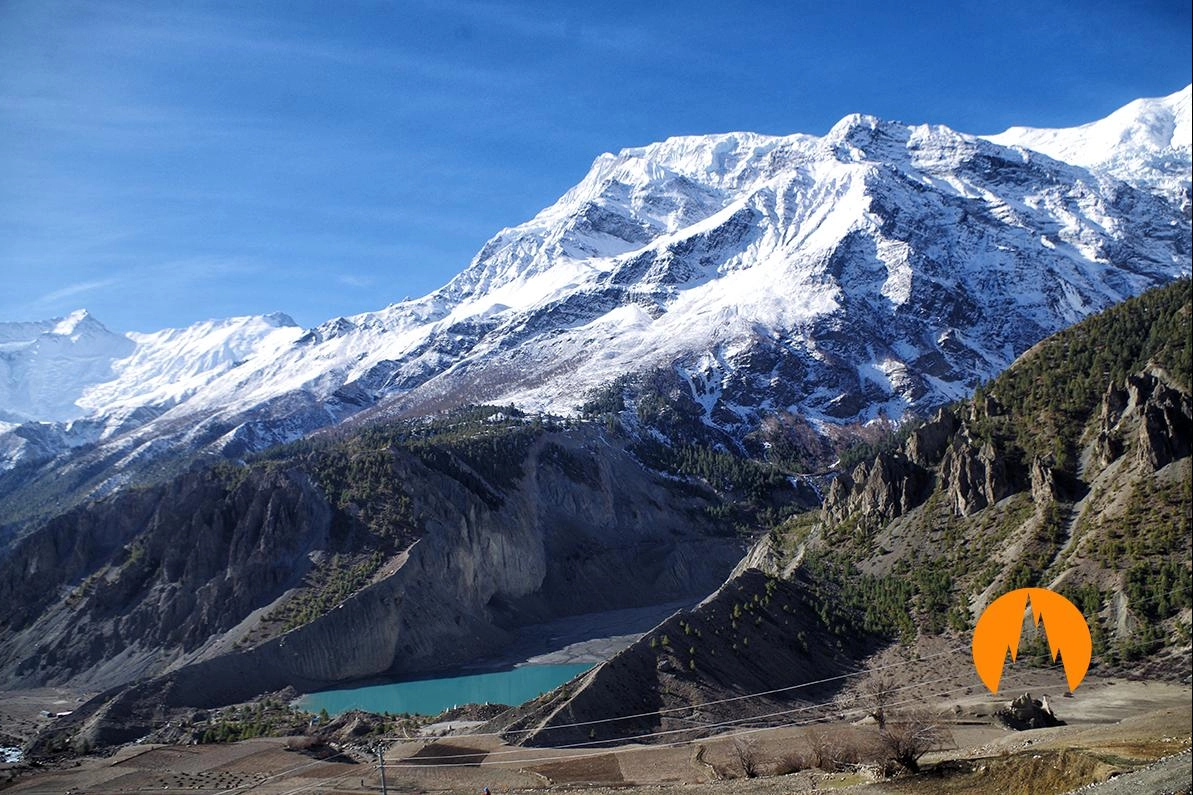
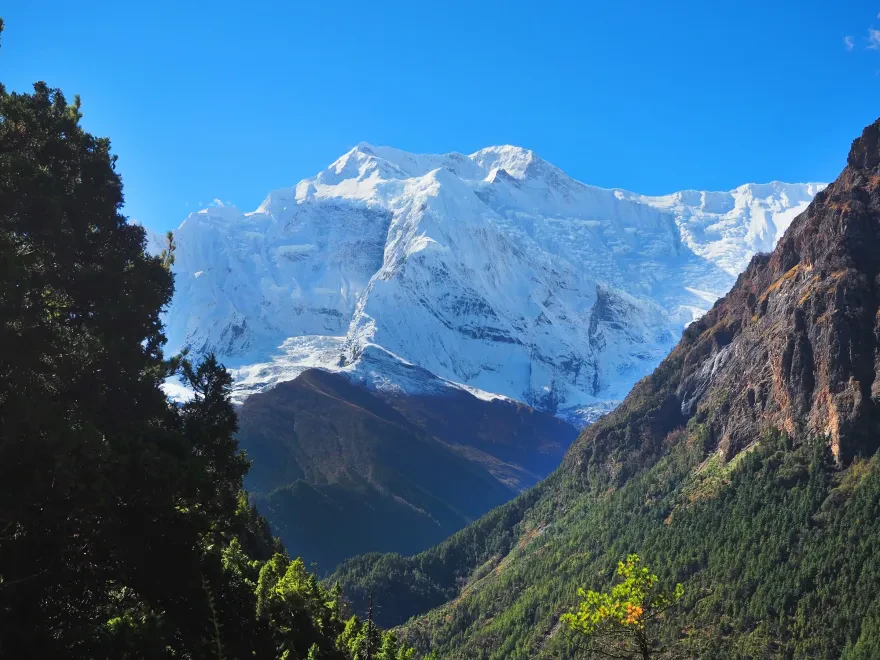
Tilicho Lake holds a special place in both geography and mythology. This glacial lake, sitting in the rain shadow of the Annapurna range, was once considered the highest lake in the world. While that title has since been challenged, its beauty and remoteness remain undisputed. The turquoise waters reflect the surrounding peaks—Tilicho Peak, Nilgiri, and the Annapurnas—creating a mirror-like surface that seems almost otherworldly.
The trek to Tilicho takes you through landscapes that change dramatically with each passing day. You'll start in lush, subtropical forests around Besisahar, gradually ascending through terraced farmlands where local communities cultivate rice, wheat, and barley. As you climb higher, the vegetation thins out, giving way to alpine meadows and eventually the stark, arid landscape characteristic of the trans-Himalayan zone.
After visiting Tilicho Lake, the route continues to one of Nepal's most celebrated high passes. Thorong La Pass represents more than just a physical challenge—it's a rite of passage for serious trekkers. The ascent demands preparation, proper acclimatization, and mental determination, but the rewards are extraordinary.
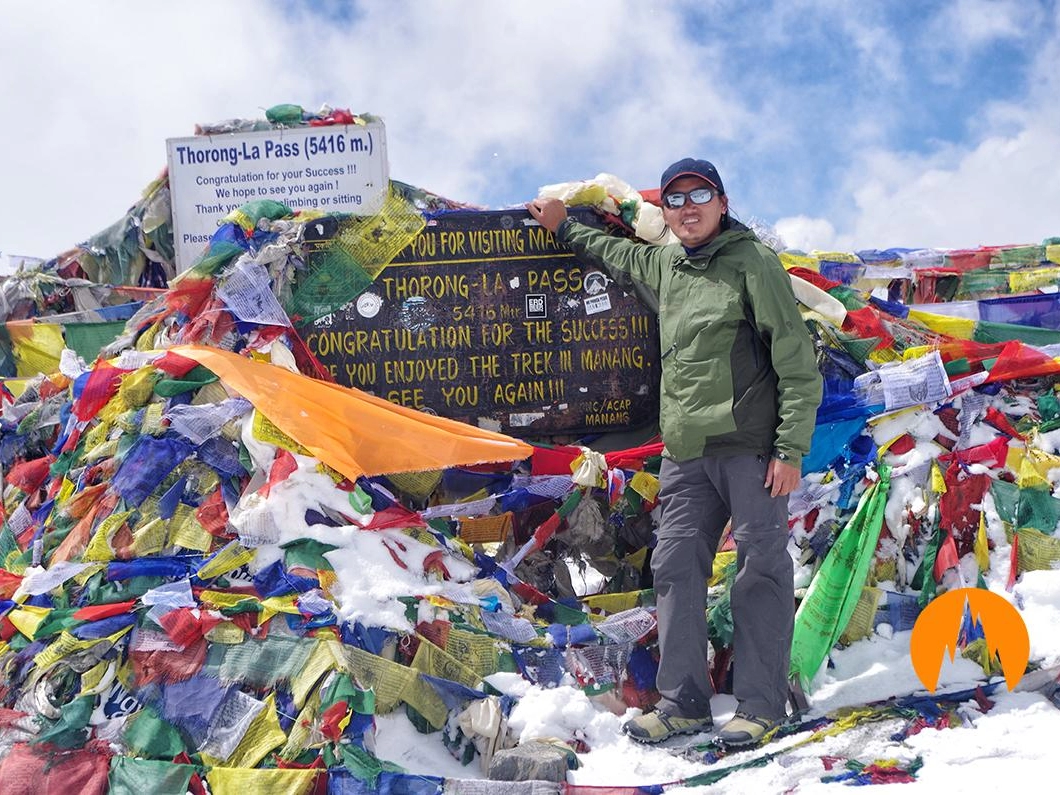
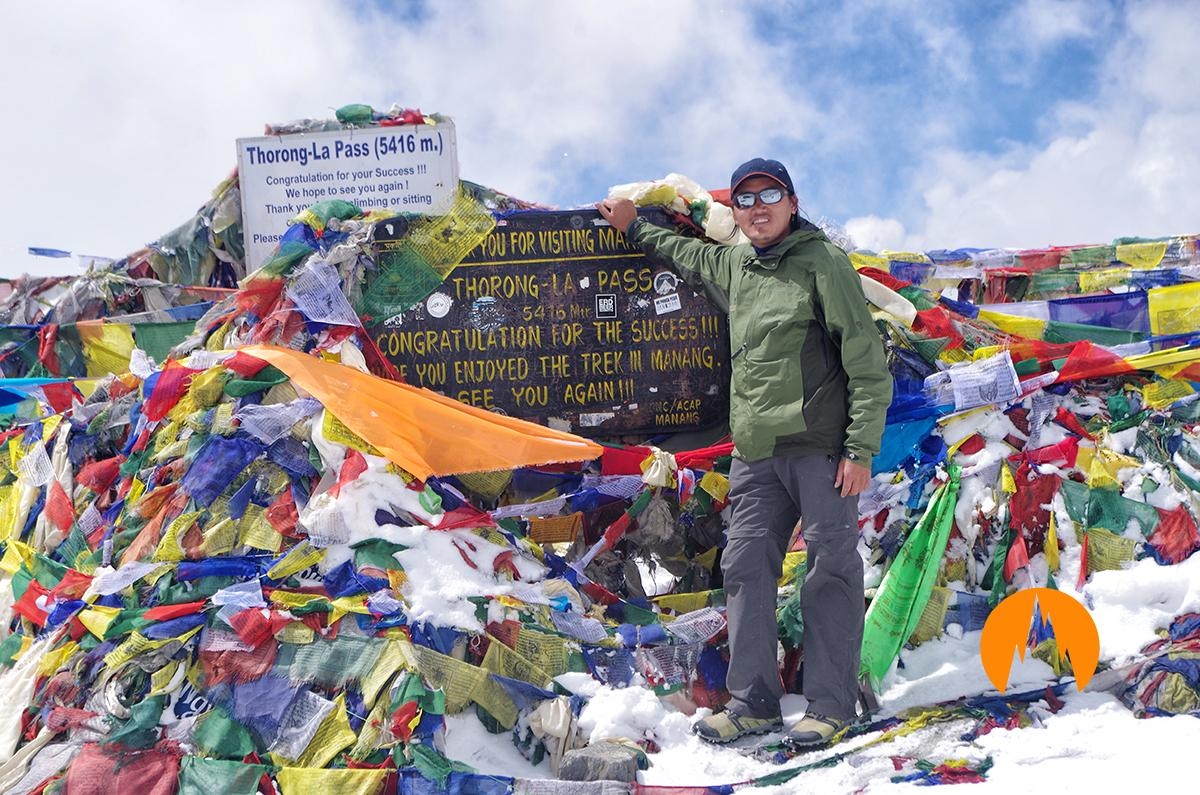
From the prayer flag-adorned summit at 5,416 meters, you'll witness a panoramic vista of some of the Himalayas' most impressive peaks. On clear days, the views stretch across the Annapurna and Dhaulagiri ranges, with peaks like Gangapurna, Annapurna III, and the distinctive Machapuchare (Fishtail Mountain) creating a jagged horizon of white against blue.
The descent from Thorong La brings you to the sacred site of Muktinath, an important pilgrimage destination for both Hindus and Buddhists. This dramatic change in landscape and culture—from the Buddhist-influenced regions of Manang to the Hindu temples of Muktinath—adds a rich cultural dimension to the physical adventure.
The Tilicho Lake Trek with Thorong La Pass typically follows a west-to-east direction, though some trekkers prefer the reverse. The standard route begins in Besisahar or, more commonly now, in Chame after a jeep ride, reducing the lower elevation walking.
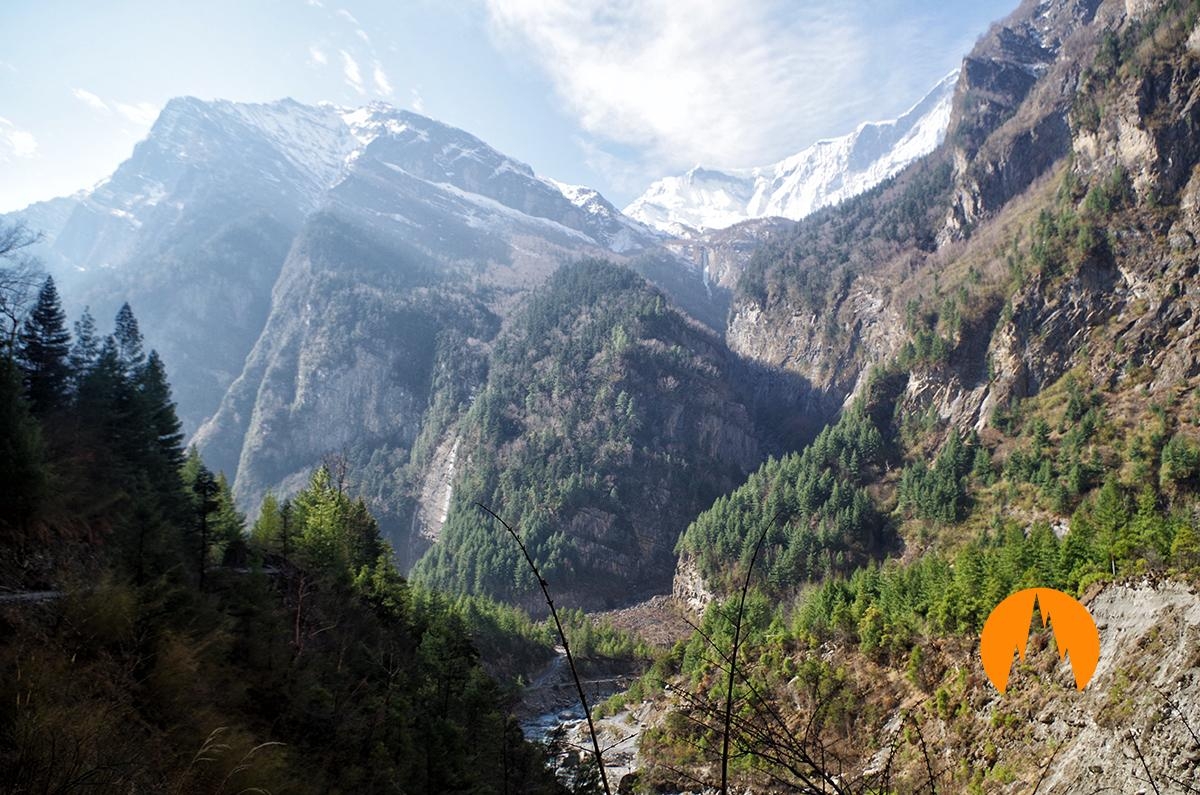
The journey through the lower circuit introduces you to the Marsyangdi River valley, where the trail hugs dramatic cliff faces and passes through traditional Gurung and Tibetan villages. Places like Pisang and Manang become important acclimatization stops.
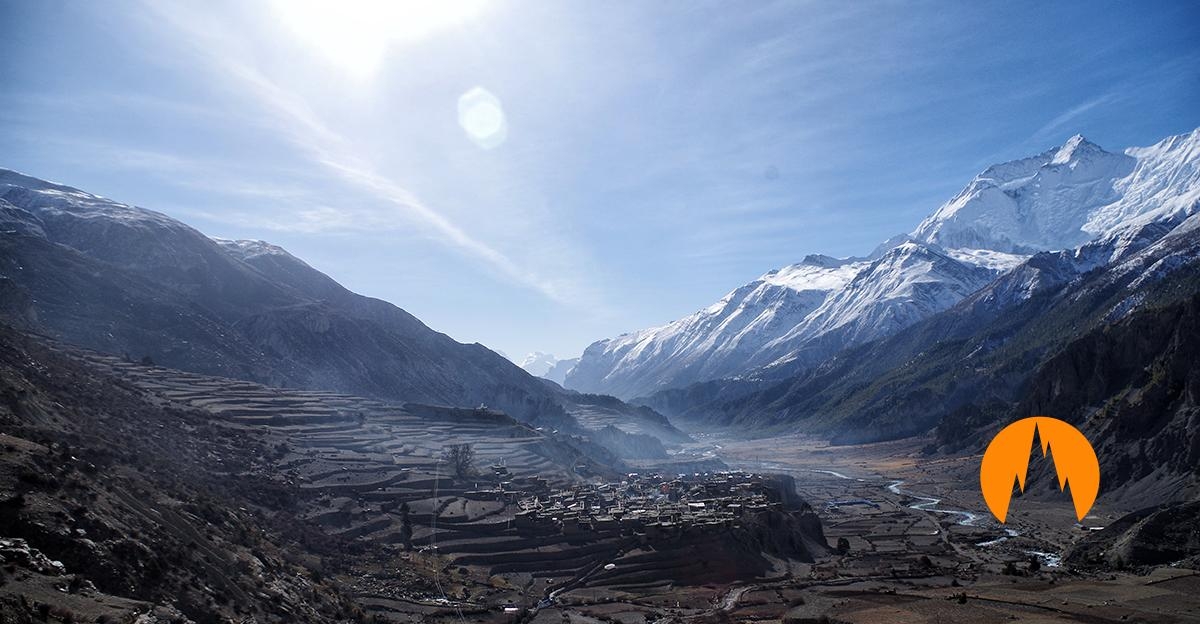
Manang, sitting at 3,540 meters, serves as a crucial acclimatization point before heading to Tilicho Lake. This ancient trading village has become a trekkers' hub, offering comfortable lodges, bakeries, and even a small cinema. Many trekkers spend two nights here, taking day hikes to nearby viewpoints or exploring the village's monasteries and traditional architecture.
From Manang, the trail to Tilicho Lake diverges from the main Annapurna Circuit. This section of the trek feels more remote and challenging than the busy main route. The path climbs steadily toward Tilicho Base Camp (4,150 meters), where you'll spend the night before making an early morning push to the lake.
The final approach to Tilicho Lake involves crossing scree slopes and navigating a rocky, exposed trail that demands caution, especially in windy conditions or if snow is present. However, when you round the final bend and the lake comes into view, spreading out like a jewel beneath the Annapurna range, every step feels worthwhile.
Most trekkers reach the lake in early morning when the water is calm and the reflections are sharpest. The surrounding silence is profound—broken only by the occasional gust of wind or the sound of ice calving from nearby glaciers. It's a place that inspires contemplation and reminds you of nature's raw power and beauty.
After retracing your steps from Tilicho Lake, you'll rejoin the main circuit at Yak Kharka or Thorong Phedi, the base camps for the Thorong La crossing. This section requires careful planning as you'll be spending nights at progressively higher elevations—Yak Kharka at 4,018 meters and Thorong High Camp at 4,925 meters.
The crossing of Thorong La typically begins in the pre-dawn darkness, with headlamps bobbing up the mountain as trekkers make their way to the pass. The timing is deliberate—starting early means you'll cross before afternoon winds pick up and increases your chances of clear weather for summit views.
The climb is steady and demanding, but not technically difficult. The main challenges are altitude and weather. With proper acclimatization and pacing, most reasonably fit trekkers successfully cross. The descent to Muktinath covers a significant elevation drop of over 1,600 meters, which can be tough on the knees but brings welcome relief as oxygen levels increase.
Let's be honest about what this trek demands. The Tilicho Lake Trek with Thorong La Pass is not an entry-level Himalayan experience. Unlike shorter treks like the Ghorepani Poon Hill Trek or Mardi Himal Trek, this journey requires good physical conditioning, mental preparation, and previous trekking experience at altitude.
You'll be walking for 5-7 hours most days, often on uneven terrain with significant elevation gains. Unlike the Everest Base Camp Trek, where the trail is well-established and heavily trafficked, sections of the Tilicho route are rougher and more exposed.
Preparation should include cardiovascular training—running, cycling, or swimming—combined with strength work focusing on legs and core. Practicing with a loaded backpack on hilly terrain will prepare you for the daily reality of trekking with 5-8 kg of personal gear.
The altitude profile of this trek is significant. You'll be sleeping above 4,000 meters for several nights, with the highest point at 5,416 meters. Acute Mountain Sickness (AMS) is a real concern that affects people regardless of fitness level.
Proper acclimatization is non-negotiable. This means following the "climb high, sleep low" principle, staying well-hydrated, avoiding alcohol in the first few days at altitude, and most importantly, listening to your body. Symptoms of AMS—headache, nausea, difficulty sleeping, and loss of appetite—should be taken seriously.
An experienced guide will monitor your condition using pulse oximeters and symptom assessments. Unlike some treks where you might push through discomfort, altitude sickness demands caution and sometimes descent. That's why building in acclimatization days at Manang and having a flexible itinerary matters.
Beyond physical fitness, this trek demands mental resilience. You'll face cold temperatures, especially when crossing Thorong La in the pre-dawn hours. The remoteness of the Tilicho Lake section means less infrastructure and comfort than the main circuit. And the cumulative fatigue of 15-17 days of trekking tests your determination.
However, these challenges are exactly what make the achievement so rewarding. Like those who complete the Everest Three Passes Trek or Manaslu Circuit Trek, you'll return home with a deep sense of accomplishment and memories that last a lifetime.
Choosing when to trek can make the difference between a challenging adventure and a genuinely difficult ordeal. The Tilicho Lake Trek with Thorong La Pass is best attempted during two distinct seasons, each offering different advantages.
Spring is arguably the most popular season for this trek, and for good reason. As winter's grip loosens on the Himalayas, the weather stabilizes, temperatures warm, and the mountains reveal themselves in full glory.
March can still be cold, particularly at higher elevations, but the trade-off is fewer crowds compared to April and May. Rhododendrons bloom at lower elevations, splashing the hillsides with vibrant reds and pinks. By April, conditions are generally excellent—warm days, clear skies, and moderate temperatures even at altitude.
May brings warmer temperatures but also the approach of monsoon season. While the high elevation and rain shadow protect the Annapurna Circuit from the worst of the rains, afternoon clouds can build up, potentially obscuring mountain views. However, May offers the warmest conditions of the year, which some trekkers prefer when crossing high passes.
Autumn rivals spring as the ideal trekking season and is favored by many experienced trekkers. Following the monsoon season, the air is crystal clear, creating spectacular visibility for mountain photography. The weather is generally stable, with warm days and cold nights.
September marks the transition from monsoon to autumn. Early September can still see occasional afternoon showers, but by mid-month, conditions typically stabilize beautifully. October is considered prime time—the weather is consistently excellent, with clear skies and moderate temperatures.
November brings colder temperatures, especially at high elevations, but continues to offer stable weather and clear views. The main drawback is that snowfall at Thorong La becomes more likely, occasionally forcing temporary trail closures. However, trekking later in the season means fewer crowds on the trail and in the teahouses.
Winter (December to February) and monsoon (June to August) are considered off-season, though some hardy souls attempt the trek during these times. Winter brings extreme cold and heavy snowfall at Thorong La, often making the pass impassable. However, lower elevation sections can be pleasant, and you'll have trails almost to yourself.
Monsoon season brings the opposite challenge—rain at lower elevations, though the rain shadow effect means Manang and areas beyond receive significantly less precipitation than southern Nepal. Still, trails can be slippery, leeches are active at lower elevations, and mountain views are frequently obscured by clouds.
While the natural beauty of the Tilicho Lake Trek draws most trekkers, the cultural richness of the region provides equally memorable experiences. The Annapurna region is home to diverse ethnic groups, each with distinct traditions, languages, and lifestyles.
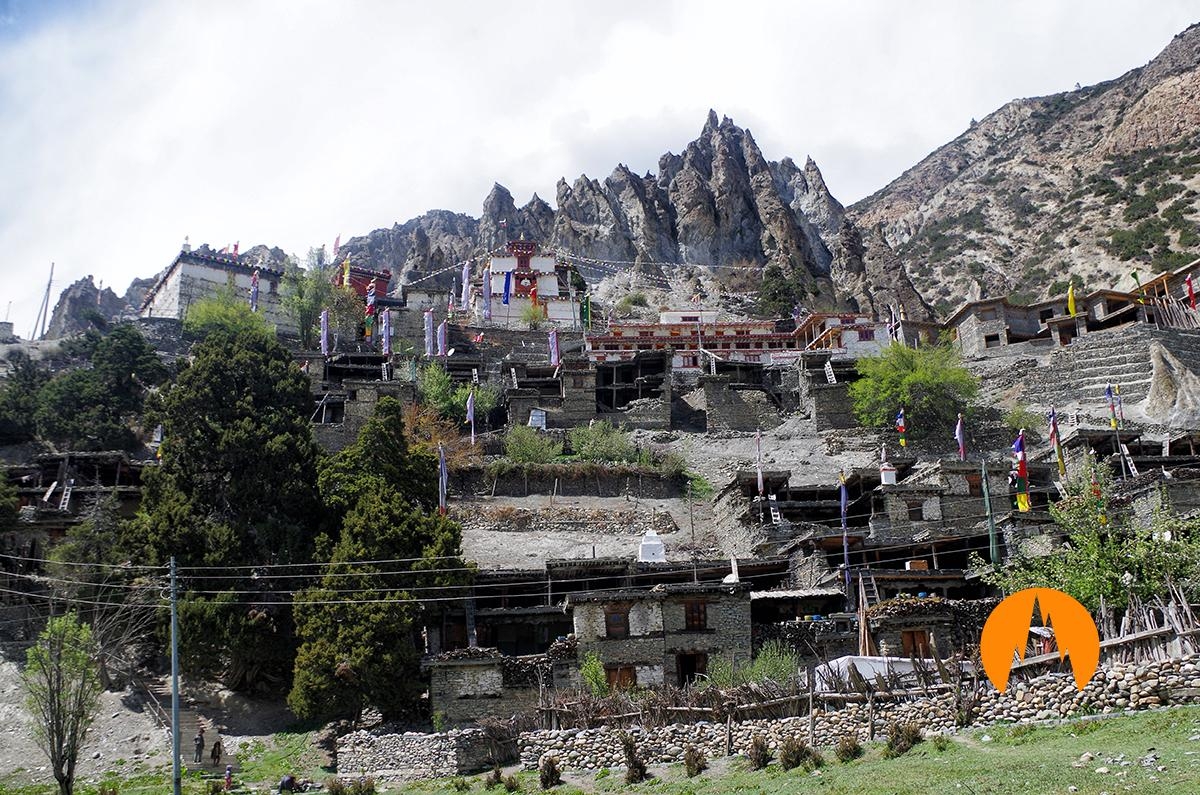
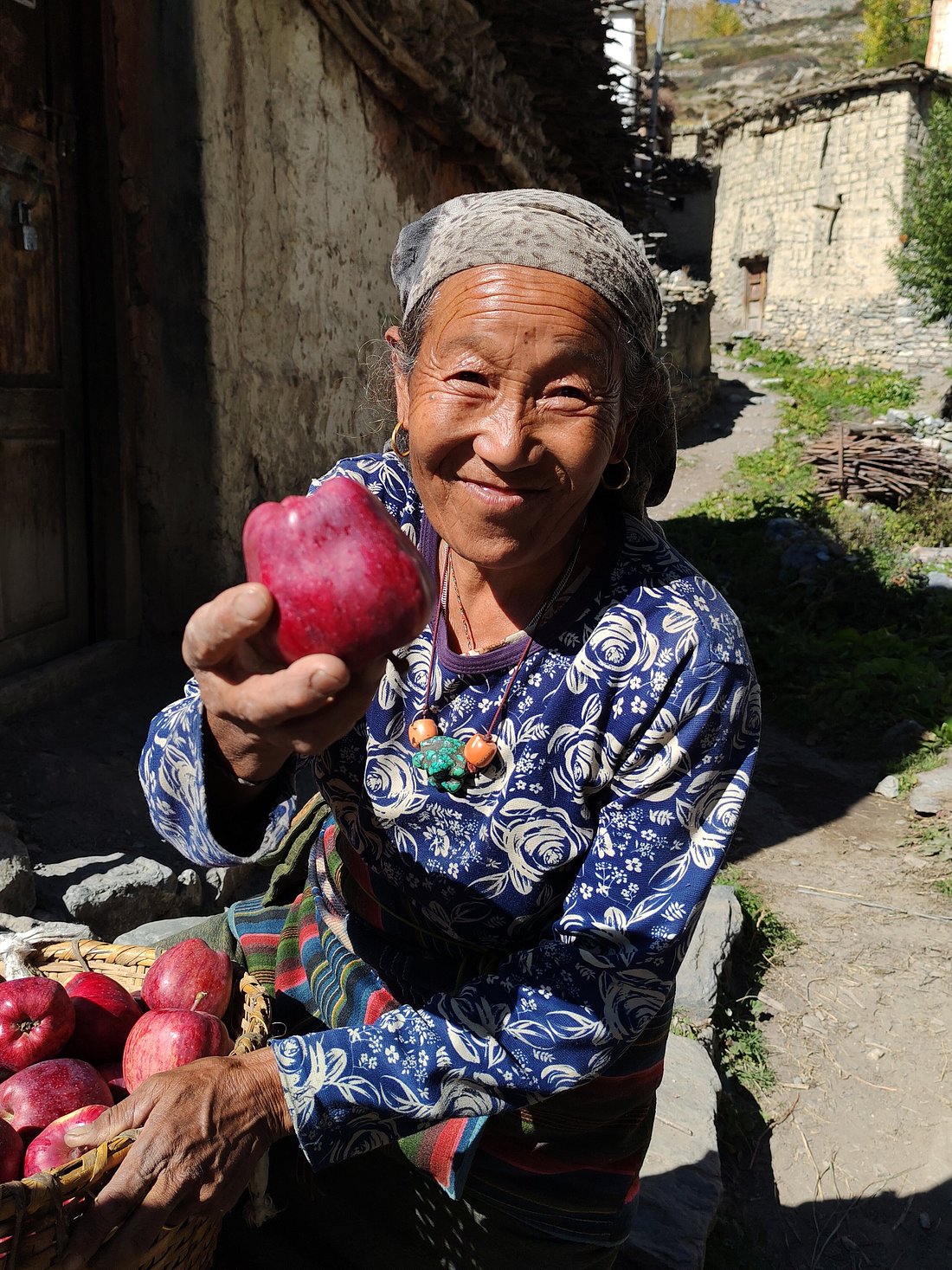
The Manang district is predominantly Buddhist, with strong cultural ties to Tibet. As you trek through villages like Pisang, Braga, and Manang, you'll notice traditional Tibetan architecture—flat-roofed stone houses, intricate wood carvings, and colorful prayer flags fluttering in the wind.
Monasteries dot the landscape, their walls adorned with ancient murals and spinning prayer wheels. The Braga Monastery, one of the oldest in the region, sits dramatically on a cliff face overlooking the valley. Taking time to visit these monasteries, watching monks go about their daily rituals, offers insight into a way of life that has persisted for centuries.
The people of Manang have historically been traders, traveling across the Himalayas to Tibet and beyond. This commercial tradition has made them welcoming to outsiders and has contributed to the region's relatively developed infrastructure for tourism.
After crossing Thorong La, you'll descend to Muktinath, one of Nepal's most important pilgrimage sites. The Muktinath Temple complex holds significance for both Hindus and Buddhists—a rare shared sacred space in the Himalayas.
For Hindus, Muktinath is one of the 108 Divya Desam (sacred abodes) dedicated to Lord Vishnu. The 108 water spouts surrounding the main temple are believed to wash away sins, and pilgrims come from across South Asia to bathe in these holy waters. For Buddhists, the site is associated with Guru Rinpoche (Padmasambhava), who brought Buddhism to Tibet.
The natural eternal flame that burns at the temple—fed by natural gas seeping through rock—adds to the site's mystical atmosphere. Watching pilgrims perform their rituals, hearing the chanting of mantras, and experiencing the devotion of visitors provides a profound cultural counterpoint to the physical challenges of the trek.
Throughout the trek, you'll stay in teahouses—basic lodges run by local families. While facilities are simple, especially at higher elevations, the warmth of hospitality compensates for any lack of comfort. Sitting around a wood stove in the common dining area, sharing meals with other trekkers, and chatting with lodge owners creates a sense of community that's central to the trekking experience.
Meals typically feature dal bhat (rice, lentils, and vegetables), momos (dumplings), noodle soups, and various bread-based dishes. At higher elevations, options become more limited, but the food remains nourishing and surprisingly tasty given the remote locations.
Learning a few phrases in Nepali enhances these interactions. A simple "Namaste" (hello/goodbye), "Dhanyabad" (thank you), or "Mitho chha" (it's delicious) goes a long way in creating connections with local people.
Trekking in Nepal's protected areas requires specific permits and adherence to regulations designed to preserve the environment and support local communities.
For the Tilicho Lake Trek with Thorong La Pass, you'll need two permits:
Annapurna Conservation Area Permit (ACAP): This permit costs approximately $30 (3,000 NPR) and grants access to the entire Annapurna Conservation Area, including both the Tilicho Lake region and the Thorong La Pass. Revenue from permits helps fund conservation efforts and community development projects.
TIMS Card (Trekkers' Information Management System): The TIMS card costs about $20 (2,000 NPR) for individual trekkers or $10 (1,000 NPR) for those trekking with a registered company. This system helps ensure trekker safety by maintaining records of people in the mountains.
Both permits can be obtained in Kathmandu or Pokhara before starting your trek. When booking with a reputable company like Higher Path Treks, permit arrangements are typically handled as part of the service package.
While the main Annapurna Circuit can be trekked independently, the Tilicho Lake variation benefits significantly from having an experienced guide. The trail to Tilicho Lake is less developed, with potential navigation challenges, especially in poor weather or snow conditions.
A knowledgeable guide provides safety, navigation expertise, altitude monitoring, and cultural interpretation. They can adjust the itinerary based on weather conditions, your acclimatization status, and personal preferences. Porters can carry the bulk of your gear, allowing you to trek with just a daypack, which significantly improves your comfort and reduces physical strain.
For those interested in combining peak climbing with trekking, consider routes like Pisang Peak Climbing with Annapurna Circuit Trek or Chulu West Peak Climbing with Annapurna Circuit Trek.
The Annapurna Conservation Area was established in 1986 as Nepal's first conservation area, emphasizing sustainable tourism and community involvement. As a trekker, you play a role in preserving this pristine environment.
Follow Leave No Trace principles: carry out all non-biodegradable waste, use designated toilet facilities, avoid single-use plastics where possible, and respect wildlife. Water sources at high altitude are scarce and precious—avoid contaminating streams and springs.
Supporting the local economy directly—staying in family-run teahouses, eating local food, hiring local guides and porters—ensures that tourism benefits the communities most impacted by the influx of trekkers.
Understanding what to expect regarding accommodation and meals helps set realistic expectations and allows you to pack appropriately.
Teahouses along the main Annapurna Circuit are generally comfortable, offering twin-bedded rooms with foam mattresses. Most provide blankets, though carrying your own sleeping bag rated for cold temperatures is highly recommended, especially for the higher sections.
At lower elevations (Chame, Pisang), teahouses may have attached bathrooms with basic shower facilities. As you climb higher, facilities become more basic. Shared bathrooms are the norm, and hot showers (usually solar or gas-heated) typically cost extra—about $2-5 depending on location.
The Tilicho Lake section has more limited accommodation. Tilicho Base Camp offers very basic facilities—don't expect luxury. The remote location and harsh conditions mean that these lodges provide shelter and food, nothing more. However, the camaraderie among trekkers at these high camps and the shared sense of adventure compensate for the lack of comfort.
Food quality and variety are surprisingly good throughout most of the trek. Typical breakfast options include porridge, toast, eggs, pancakes, and Tibetan bread. Lunch and dinner menus feature dal bhat, fried rice, noodles (chow mein), pasta, momos, and various soups.
Dal bhat, the traditional Nepali meal of rice, lentil soup, and vegetables, comes with unlimited refills and provides excellent nutrition for trekking. As you gain altitude, your appetite may decrease—a common response to altitude—but maintaining calorie intake is important for energy and acclimatization.
At higher elevations (Tilicho Base Camp, Thorong Phedi), menu options narrow and prices increase due to the difficulty of transporting supplies. Items like meat, cheese, and chocolate become less available or more expensive.
Hydration is critical at altitude. Bottled water is available but creates significant plastic waste. Carrying water purification tablets or a filtering system allows you to refill from streams and taps, reducing environmental impact and saving money.
Vegetarian food is widely available throughout Nepal, and most teahouse menus are naturally vegetarian-friendly. Vegan options are more limited but possible by specifying "no cheese, no butter" and relying on dal bhat, vegetable curries, and rice dishes.
If you have specific dietary restrictions (gluten-free, food allergies), communicating these to your guide ensures they can arrange appropriate meals. Carrying some supplementary snacks—energy bars, nuts, dried fruit—provides backup options and extra calories during long trekking days.
The Annapurna region offers multiple trekking options, each with distinct characteristics. Understanding how the Tilicho Lake Trek compares helps determine if it's the right choice for your goals and abilities.
The standard Annapurna Circuit Trek follows the main trail without the Tilicho Lake detour, typically taking 12-14 days. This route is more developed, with better facilities and more consistent trail conditions.
Adding Tilicho Lake extends the trek by 2-3 days and adds an extra challenge. The side trip to the lake involves rougher terrain, higher altitudes, and more basic accommodation. However, it rewards you with access to one of Nepal's most spectacular natural features and a sense of venturing into truly remote territory.
If you're seeking a moderately challenging trek with good infrastructure, the standard circuit suffices. If you want to push yourself further and experience something more remote and pristine, the Tilicho variation is worth the extra effort.
The Annapurna Base Camp Trek takes you into the heart of the Annapurna Sanctuary, surrounded by a amphitheater of towering peaks. This trek is shorter (10-13 days), involves less extreme altitude (maximum 4,130m), and features more lush, forested terrain in the lower sections.
ABC is an excellent choice for those with limited time or those seeking their first Himalayan trekking experience. The Tilicho Lake Trek with Thorong La Pass, in contrast, is longer, reaches higher altitudes, and demands greater physical and mental commitment. It's the better choice for experienced trekkers seeking a comprehensive Annapurna experience.
For those with more time and ambition, the Annapurna region offers opportunities to combine multiple adventures. The Nar Phu Valley Kang La Pass and Thorong Pass Trek adds another remote valley to the circuit, creating an even more comprehensive journey through less-visited areas.
Alternatively, if you're interested in exploring different regions of Nepal, consider the Langtang Valley Trekking, which offers stunning scenery and cultural experiences in a more compact timeframe, or the Gokyo Lake Trek in the Everest region, which features another spectacular high-altitude lake system.
Proper equipment makes the difference between comfort and misery on a high-altitude trek. You don't need to buy the most expensive gear, but quality in key items—boots, sleeping bag, and layers—is worth the investment.
The key to comfort in the mountains is layering. Temperatures vary dramatically throughout the day and as you change elevation. A typical system includes:
Base layers: Merino wool or synthetic moisture-wicking shirts and long underwear. Avoid cotton, which retains moisture and leaves you cold.
Insulation layers: Fleece jacket or synthetic insulated jacket for warmth during breaks and evenings. Down jackets are excellent for very cold conditions at high camps.
Outer shell: Waterproof, windproof jacket and pants. Even during dry seasons, weather can change rapidly in the mountains.
Trekking clothes: Comfortable hiking pants (zip-offs are versatile), long-sleeve shirts, and enough socks and underwear for the trek duration plus extras.
Accessories: Warm hat, sun hat, gloves (bring both liner gloves and warmer mittens), buff or neck gaiter, and sunglasses with UV protection.
Your boots are your most important piece of equipment. Well-broken-in, waterproof hiking boots with good ankle support are essential. Bring boots you've already hiked in—don't break in new boots on this trek.
Camp shoes or sandals provide relief after a day of trekking and are useful around teahouses. Gaiters help keep dirt, snow, and debris out of your boots during the Tilicho Lake section and Thorong La crossing.
Backpack: A comfortable 50-65 liter pack if carrying your own gear, or a smaller daypack (25-30 liters) if using porter services.
Sleeping bag: Rated to at least -10°C (14°F), preferably -15°C for comfort at high elevations. Down bags are lighter but lose insulation if wet; synthetic bags are heavier but perform better in moisture.
Trekking poles: Invaluable for reducing knee strain, especially during long descents, and providing stability on uneven terrain.
Headlamp: Essential for pre-dawn starts and navigating to bathroom facilities at night. Bring extra batteries as cold reduces battery life.
Water purification (tablets, drops, or filter system), high-SPF sunscreen, lip balm, personal first aid kit, toiletries, quick-dry towel, camera with extra batteries, power bank, books or entertainment for rest days, and snacks from home.
Medications should include altitude sickness prevention (Diamox if recommended by your doctor), pain relievers, anti-diarrheal medication, rehydration salts, and any personal prescriptions.
Success on the Tilicho Lake Trek with Thorong La Pass begins months before you arrive in Nepal. A structured training program prepares your body for the physical demands and builds the confidence needed for high-altitude trekking.
Begin a consistent cardiovascular training program—running, cycling, swimming, or hiking. Aim for 4-5 sessions per week, gradually building intensity and duration. Include at least one longer session each week (2-3 hours) to build endurance.
Start strength training focusing on legs, core, and back. Exercises like squats, lunges, step-ups, planks, and back extensions build the muscles you'll rely on during long trekking days.
Increase training intensity. Do longer weekend hikes with a loaded backpack (10-15kg), ideally on hilly terrain. Practice descents as well as ascents—going downhill for hours stresses knees and requires different muscle control.
If you live at sea level, research altitude training options. While you can't fully prepare for altitude without being at altitude, maintaining excellent fitness ensures your body works as efficiently as possible at reduced oxygen levels.
Focus on consistency rather than intensity. You're maintaining fitness now, not trying to make gains. Avoid injury by listening to your body and backing off if you feel overtrained.
Practice with your actual trek boots and pack. Identify any hot spots or discomfort and address them before departure. Break in new gear, test your clothing layers, and ensure everything fits comfortably.
Taper your training in the final week before travel. Continue light activity—walking, stretching, yoga—but give your body time to rest and recover. You want to arrive in Nepal fresh, not fatigued from training.
Review your gear, make final preparations, and mentally prepare for the adventure ahead. Visualization—imagining yourself successfully completing the trek—can be a valuable mental preparation tool.
Trekking in remote, high-altitude environments carries inherent risks. Understanding these risks and how to mitigate them is part of responsible mountain travel.
Acute Mountain Sickness (AMS) can affect anyone, regardless of fitness level. Common symptoms include headache, nausea, dizziness, fatigue, and difficulty sleeping. Most trekkers experience mild symptoms at some point during the trek.
Prevention strategies include:
More serious conditions—High Altitude Pulmonary Edema (HAPE) and High Altitude Cerebral Edema (HACE)—are rare but life-threatening. Symptoms include severe breathlessness at rest, coughing up frothy fluid (HAPE), or loss of coordination and severe headache (HACE). These conditions require immediate descent.
Your guide will conduct regular health checks, monitoring pulse, oxygen saturation, and symptoms. Be honest about how you're feeling—hiding symptoms can have serious consequences.
Comprehensive travel insurance that specifically covers high-altitude trekking (up to at least 6,000 meters) and emergency helicopter evacuation is mandatory. Read the policy carefully—some insurers require you to have a guide, or exclude trekking above certain elevations.
Quality insurance isn't cheap, but it's non-negotiable. Helicopter evacuations from high-altitude areas can cost $5,000-$10,000, and medical treatment for altitude sickness or injuries can be expensive.
Gastrointestinal issues are common among trekkers. Stick to bottled or purified water, avoid raw vegetables and unpeeled fruits, and be cautious with dairy products at higher elevations. Hand sanitizer and frequent hand washing reduce the risk of illness.
The intense high-altitude sun can cause severe sunburn and snow blindness. Apply high-SPF sunscreen regularly, wear protective clothing, and use quality UV-blocking sunglasses or goggles, especially when crossing Thorong La Pass.
Choosing the right trekking company significantly impacts your experience. Higher Path Treks brings decades of experience in the Himalayas, with founder Karma Geljen Sherpa and his team offering insider knowledge and genuine local connections.
Higher Path's guides are primarily from the Himalayan regions—many from the Everest and Annapurna areas. This isn't just geographical knowledge; it's cultural understanding, weather interpretation skills developed over lifetimes in the mountains, and the judgment to make safe decisions in challenging conditions.
The company maintains strict safety protocols, including regular guide training, proper equipment for high-altitude emergencies, and established communication systems. Support staff are experienced in altitude illness recognition and emergency response.
Higher Path Treks emphasizes sustainable, responsible tourism that benefits local communities. This means hiring local guides and porters, using locally-owned teahouses, and supporting community development projects through the Karma Project.
Environmental stewardship is taken seriously. Groups carry out all non-biodegradable waste, use eco-friendly products where possible, and educate trekkers on minimizing their environmental impact.
Rather than following a one-size-fits-all approach, Higher Path works with trekkers to customize itineraries based on experience level, time available, and personal interests. Whether you want to add rest days, visit specific monasteries, or combine the trek with other adventures like peak climbing or exploring the Mustang region, the team can accommodate.
If you're captivated by the Himalayas but want to explore beyond the Annapurna region, Nepal offers incredible diversity.
The Everest Base Camp Trek with Gokyo Lakes combines two classic routes, offering comprehensive views of the world's highest peaks. For those seeking extreme challenges, the Everest Three Passes Trek crosses three 5,000+ meter passes in one epic journey.
Shorter options include the Pikey Peak Trek, offering stunning Everest views from a lower elevation with rich Sherpa cultural experiences.
The Manaslu Circuit Trek rivals the Annapurna Circuit in beauty but sees far fewer trekkers, offering a more pristine wilderness experience. The Manaslu Tsum Valley Trek explores a hidden valley with ancient Buddhist culture and spectacular mountain scenery.
For those bitten by the altitude bug, numerous trekking peaks offer the next level of challenge. Island Peak Climbing with Everest Base Camp Trek combines classic trekking with summit aspirations, while Mera Peak Climbing takes you to 6,476 meters with less technical difficulty.
In the Annapurna region itself, Pisang Peak Climbing with Annapurna Circuit Trek offers an accessible introduction to Himalayan mountaineering.
If time is limited, the Ghorepani Poon Hill Trek provides stunning mountain views in just 5-7 days, while the Mardi Himal Trek offers a quieter alternative to the busy ABC route with excellent views of Machapuchare and Annapurna South.
The Khopra Trek explores less-traveled ridgelines with community lodges, combining spectacular scenery with genuine cultural immersion and support for local communities.
Understanding weather patterns helps you pack appropriately and sets realistic expectations for each section of the trek.
In the Marsyangdi valley, weather is generally warmer and more humid. During spring and autumn, daytime temperatures range from 15-25°C (59-77°F), dropping to 5-15°C (41-59°F) at night. The lush vegetation and terraced fields benefit from occasional afternoon clouds.
Rain is possible any time of year, though more likely during spring (pre-monsoon showers) and least likely in late autumn. Always carry rain gear, even during the dry season.
Around Manang and the approach to Tilicho, you'll notice a transition to a drier, more arid climate due to the rain shadow effect. Daytime temperatures during trekking seasons range from 10-20°C (50-68°F), while nights can drop below freezing.
Wind becomes more noticeable at these elevations, particularly in the afternoon. The Marsyangdi valley can funnel strong winds, making the approach to Tilicho Lake especially challenging on windy days.
At Tilicho Lake, Thorong High Camp, and the pass itself, conditions are alpine and can be severe. Even during favorable seasons, temperatures rarely climb above 10°C (50°F) during the day and regularly drop to -10°C to -20°C (14°F to -4°F) at night.
Wind chill significantly affects perceived temperature. The Thorong La crossing typically begins in the pre-dawn darkness when temperatures are lowest but winds are calmest. By mid-morning, as the sun climbs, temperatures warm slightly but winds increase, sometimes dramatically.
Snow is possible at high elevations any time of year, though most common from November through March. Fresh snow can temporarily close Thorong La Pass, though local guides are usually aware of conditions and can adjust timing accordingly.
Understanding the rhythm of trekking days helps you prepare mentally for the experience. While each day varies based on distance and elevation gain, certain patterns emerge.
Wake-up calls typically come around 6:00-7:00 AM, earlier on days with long distances or when crossing Thorong La (as early as 3:00 AM). After washing up—often with cold water at higher elevations—you'll head to the dining room for breakfast.
Mornings in the mountains are usually calm, with clear skies and stable weather. Starting early means you'll cover significant distance before afternoon clouds or winds develop. It also gives you time to rest and acclimatize before the next day's challenges.
Most days involve 5-7 hours of walking, broken up by mid-morning and lunch breaks. The pace is deliberately slow—"pole pole" (slowly, slowly in Swahili, but used universally by mountain guides) becomes a mantra. This measured pace conserves energy and aids acclimatization.
Your guide will stop at scenic viewpoints, villages of interest, and every few hours for longer rest and snack breaks. These stops aren't just for rest—they're opportunities to observe your surroundings, interact with locals, take photos, and simply be present in the landscape.
You'll typically reach your destination by early to mid-afternoon, giving you several hours before dinner to rest, explore the village, read, journal, or socialize with other trekkers in the common dining room.
The teahouse dining room becomes the social center each evening. Trekkers gather around wood stoves or yak-dung burners, sharing stories, playing cards, reading, or simply warming up after a day in the cold. Dinner is usually served around 6:00-7:00 PM, followed by pre-bedding planning for the next day.
Lights out comes early in the mountains—by 8:00-9:00 PM, most people are in their sleeping bags, resting up for the next day's adventure.
The Tilicho Lake Trek with Thorong La Pass offers extraordinary photographic opportunities, from dawn light on snow-capped peaks to candid cultural moments in village teahouses.
You don't need professional equipment to capture stunning images. A good smartphone can produce excellent results, especially in good light. However, a camera with manual controls allows you to handle the challenging light conditions of the high mountains.
A versatile zoom lens (24-70mm or 18-135mm) covers most situations—from wide landscapes to closer portraits. If carrying two lenses isn't too burdensome, add a longer telephoto (70-200mm) for distant mountain details and a wide angle (16-35mm) for expansive landscapes.
Bring extra batteries—cold temperatures drain them quickly. Keep batteries warm in inside pockets and only install them when ready to shoot. Memory cards should have ample capacity, as you'll likely take hundreds or thousands of photos.
The best mountain light occurs during the "golden hours"—the first hour after sunrise and the last hour before sunset. Dawn light often reveals mountains before clouds build up, creating those spectacular alpenglow shots when peaks turn pink and orange.
At high altitude, light is intense and contrast is extreme. Consider using polarizing filters to reduce glare and enhance sky colors. Bracket your exposures—take the same shot at different exposure settings to ensure you capture detail in both bright snow and dark shadows.
Beyond the obvious "peak shots," look for layered compositions—foreground elements like prayer flags or stone walls leading to middle-ground villages and background mountains. Incorporate people (with permission) to provide scale and human interest.
Details matter: weathered faces, intricate monastery carvings, morning frost on tent fabric, the play of light through prayer wheel smoke. These smaller moments often prove more memorable than another mountain vista.
Respect local culture when photographing people. Always ask permission before taking portraits, especially around monasteries and villages. Many people will be happy to pose, while others prefer privacy. Learning to read and respect these cues is part of being a responsible visitor.
The trek typically begins in Besisahar or Chame (if taking a jeep) and ends in Jomsom or continues to Pokhara. Understanding these logistics helps with planning.
From Kathmandu, private vehicles or tourist buses reach Besisahar in 6-7 hours. The road follows the Prithvi Highway to Dumre, then heads north along the Marsyangdi valley. Road conditions vary—expect some rough sections, especially after monsoons.
Many trekkers now start from Chame or even Manang, taking jeeps along the rough mountain road. This saves 2-3 days of lower-elevation trekking but sacrifices valuable acclimatization time. Unless time is severely limited, starting from Besisahar or at least Jagat is recommended for proper altitude adjustment.
After crossing Thorong La Pass and visiting Muktinath, most trekkers descend to Jomsom. This riverside town has an airport with regular flights to Pokhara—a scenic 25-minute flight through the world's deepest gorge (Kali Gandaki).
Flights are weather-dependent and delays are common, especially in the morning when winds are strong. Build a buffer day into your itinerary before any international flights. Alternatively, jeeps run from Jomsom to Pokhara, though the 8-10 hour journey is rough and dusty.
Some trekkers continue from Jomsom to Tatopani, adding 2-3 days to the trek and ending in natural hot springs—a perfect way to soothe tired muscles. From Tatopani, it's a 6-7 hour drive to Pokhara.
The more adventurous might extend the trek by heading to Mustang Trek territory, exploring the arid, Tibet-like landscapes of the Kali Gandaki valley.
Understanding costs helps you plan financially and ensures you can enjoy the trek without money worries.
Trekking costs vary significantly depending on whether you go independent or guided, and the level of service you choose. A budget independent trekker might spend $40-60 daily on teahouse accommodation, food, and incidentals. Guided treks with porter support typically range from $1,200-2,000 for the full trek, depending on group size and service level.
Permits (ACAP and TIMS) cost approximately $50 total. Internal transport (Kathmandu-trailhead, Jomsom-Pokhara) adds $100-150. Travel insurance is typically $100-200 for a 2-3 week policy covering high-altitude trekking.
Teahouse accommodation ranges from $3-10 per night, increasing with elevation. The business model assumes you'll eat meals at the lodge where you sleep—room rates are kept low while food prices provide the actual revenue.
Meals cost $3-8 each at lower elevations, $5-12 at higher elevations. Daily water (if buying bottled) adds $5-10, though using purification systems saves money and reduces plastic waste. Hot showers cost $2-5, Wi-Fi $2-5 daily, charging devices $2-3.
Tipping guides and porters is customary. General guidelines suggest $10-15 daily for guides, $8-12 daily for porters, though this varies based on group size and service quality. Budget $200-300 for tips if trekking for 15-17 days.
Build in contingency funds for unexpected expenses—extra accommodation if flights are delayed, emergency supplies, or additional porter services if needed. Having $200-300 extra cushion provides peace of mind.
How difficult is this trek compared to Everest Base Camp?
Both treks reach similar maximum elevations, but the Tilicho Lake Trek involves more time at high altitude (multiple nights above 4,000m) and includes the challenging detour to Tilicho Lake on rough, exposed trails. If you've successfully completed Everest Base Camp Trek, you have the fitness for this trek, though altitude adaptation is always individual.
Can I do this trek solo without a guide?
While the main Annapurna Circuit is well-marked and can be trekked independently, the Tilicho Lake section is more challenging to navigate, especially in poor weather. A guide provides safety, navigation, altitude monitoring, and cultural interpretation. Consider at least hiring a guide for the Tilicho Lake section if you want to trek the main circuit independently.
What's the best time to see Tilicho Lake without ice?
The lake is typically frozen from November through March. Late March through May offers the best chances of seeing blue water with retreating ice. September through October also shows beautiful open water before winter freezing begins.
How much does it cost to trek Tilicho Lake with Thorong La Pass?
Costs vary based on service level. Budget independent trekking runs $800-1,200 total. Fully guided treks with support staff range from $1,500-2,500 depending on group size and service level. These costs include permits, accommodation, meals, guide/porter services, and internal transport.
Is altitude sickness common on this trek?
Most trekkers experience some mild altitude symptoms (headache, poor sleep, reduced appetite) at some point during the trek. Serious altitude sickness is less common with proper acclimatization but remains a risk above 4,000m. Following a gradual ascent profile and listening to your body minimizes risks.
Can I trek during monsoon season?
While possible, monsoon season (June-August) isn't ideal. The rain shadow effect means less precipitation than southern Nepal, but trails are slippier, leeches are active at lower elevations, and mountain views are frequently obscured. If your schedule only allows monsoon trekking, it's still doable but expect more challenging conditions.
What about communication and internet access?
Most villages have Wi-Fi in teahouses ($2-5 daily), though speeds are slow and reliability decreases with elevation. Mobile service (Ncell and NTC networks) works intermittently up to Manang. Above Manang, connectivity becomes sparse. The Tilicho Lake area has no reliable communication. Consider this a digital detox opportunity.
How do I prepare for the Thorong La Pass crossing?
Proper acclimatization is the key—spend at least two nights in Manang before heading toward the pass. From Thorong Phedi or High Camp, start the crossing early (3:00-4:00 AM) to reach the top before winds strengthen. Dress in layers you can adjust as you heat up during the climb. Carry snacks and water, though most trekkers stop at the halfway tea stall.
This trek represents a significant commitment—15-17 days of challenging terrain, high altitude, basic facilities, and considerable physical effort. It's not the right choice for everyone, nor is it the best introduction to Himalayan trekking if you're new to altitude or multi-day trekking.
However, for those with previous trekking experience, good fitness, and the desire to explore beyond the standard routes, this journey offers extraordinary rewards. The combination of Tilicho Lake's pristine beauty and Thorong La Pass's dramatic crossing creates a comprehensive Annapurna experience that goes beyond typical tourist trails.
You'll return home with more than photos and memories. This trek challenges you physically and mentally, tests your limits, and ultimately reveals what you're capable of achieving. The friendships formed with fellow trekkers, the kindness of mountain communities, and the profound beauty of the Himalayas stay with you long after your boots are clean and packed away.
Whether this is your first major Himalayan trek or one of many, whether you're seeking personal challenge or simply the joy of walking in the mountains, the Tilicho Lake Trek with Thorong La Pass delivers an authentic, transformative experience in one of the world's most spectacular mountain regions.
For more information, to discuss customizing your itinerary, or to book your adventure with experienced local guides who know these mountains intimately, contact Higher Path Treks. Our team, led by Karma Geljen Sherpa from the Everest region, brings decades of Himalayan experience and a genuine commitment to your safety, enjoyment, and connection with Nepal's mountain landscapes and cultures.
The Himalayas are calling. Tilicho Lake and Thorong La Pass await. Your adventure begins now.
Top Blogs About Trekking in the Annapurna Region:
Uncover the best blogs about trekking in the Annapurna region, featuring expert advice, detailed itineraries, personal experiences, and essential tips for adventurers looking to explore the Himalayas.
Annapurna Base Camp Trek: A Short Journey to the Himalayas
Annapurna Circuit Trek with Tilicho Lake – A Complete Guide by Higher Path Treks & Expeditions
Top Tips for Climbing Pisang Peak on the Annapurna Circuit
Top Reasons to Trek Ghorepani Poon Hill
Top Reasons to Choose Tilicho Lake Trek with Thorong La Pass
Best Experience on the Short Mardi Himal Trek: A Journey to Remember
Top Reasons to Combine Pisang Peak Climbing with the Annapurna Circuit Trek
Comparing Chulu Far East Peak Climbing vs Chulu West Peak Climbing
The most picturesque village Ghandruk
Photography Guide: Capturing the Himalayas Without Expensive Gear
Nepal Peak Climbing 2026: Routes, Tips, and Top Summits
The Best Hiking Adventures: Famous Peak Climbs in 2025
Top Himalayan Peaks for Beginner Climbers: A Comprehensive Guide
Is Peak Climbing in Nepal Easy for Beginners?
Top Best Expedition Packages in Nepal 2025
Upon arriving in Kathmandu, you’ll be welcomed by your trekking agency and transferred to your hotel. Depending on your arrival time, you may have some free time to rest or explore Thamel, the lively district known for its shops and restaurants. In the evening, you'll have a briefing session to go over your trekking itinerary and prepare for the journey ahead. Enjoy a traditional Nepali dinner and relax in the comfort of your hotel.
Today, immerse yourself in the cultural and historical richness of Kathmandu. Visit key landmarks such as the Swayambhunath Stupa (Monkey Temple), Pashupatinath Temple, and the Boudhanath Stupa. These iconic sites offer a glimpse into Nepalese spirituality and heritage. Return to your hotel for final preparations for the trek. Check your gear, meet with your trekking team, and ensure all necessary permits and documents are in order.
Depart Kathmandu early in the morning for the drive to Chamje. The journey takes you through scenic landscapes, including terraced fields and lush valleys, following the Marsyangdi River. After approximately 8-9 hours on the road, you'll arrive in Chamje, a small village where you’ll settle into a local guesthouse for the night. Enjoy a hearty meal and rest well, as your trek begins the next day.
Begin your trek from Chamje, navigating through a diverse landscape of lush forests and charming villages. The trail ascends gradually, crossing several suspension bridges and offering stunning views of the surrounding peaks. After 5-6 hours of trekking, you’ll reach Dharapani, a village nestled in the Manang District. Spend the night in a local teahouse, where you can enjoy a warm meal and rest in preparation for the next day’s trek.
Today’s trek takes you from Dharapani to Chame, the administrative center of the Manang District. The trail meanders through pine forests and crosses the Marsyangdi River. As you ascend, enjoy panoramic views of the surrounding peaks and rugged terrain. After 5-6 hours of trekking, you’ll arrive in Chame, where you’ll stay in a teahouse. The town’s unique blend of traditional architecture and stunning mountain scenery offers a pleasant retreat.
Leaving Chame, the trail continues through a series of picturesque landscapes, including dense forests and alpine meadows. As you approach Pisang, the terrain opens up to reveal expansive views of the Annapurna range. The trek takes approximately 5-6 hours, and you’ll reach Pisang in the afternoon. Settle into a local teahouse and take in the breathtaking scenery surrounding this high-altitude village.
Today's trek leads you to Manang, a significant stop on the Annapurna Circuit. The trail ascends gradually, passing through a variety of landscapes, including high-altitude desert-like terrain. Manang is renowned for its stunning views of the Annapurna and Gangapurna peaks. The trek takes 6-7 hours, and upon arrival, you’ll stay in a comfortable teahouse where you can acclimatize and explore the village.
A shorter trek today allows you to gradually adjust to the altitude. The trail to Khangsar offers beautiful views and a more relaxed pace. After 2-3 hours of trekking, you’ll reach Khangsar, a quaint village with traditional stone houses and friendly locals. This afternoon provides a perfect opportunity to explore the village, acclimate to the altitude, and prepare for the more challenging sections of the trek ahead.
Today’s trek is a bit more challenging as you ascend to Tilicho Base Camp. The route takes you through rugged terrain and high-altitude landscapes, offering stunning views of the Tilicho Peak. The trek takes approximately 5-6 hours. Upon arrival at the base camp, you'll have a chance to rest and acclimatize. Enjoy the serene environment and prepare for tomorrow’s visit to Tilicho Lake.
An early start is essential today as you hike to Tilicho Lake, one of the highest lakes in the world. The trek to the lake involves a steep ascent but rewards you with breathtaking views of the turquoise lake surrounded by snow-capped peaks. After spending some time at the lake, you’ll retrace your steps back to Tilicho Base Camp. The round trip takes approximately 5-6 hours. Enjoy a well-deserved rest and take in the remarkable surroundings.
Begin your descent from Tilicho Base Camp to Yak Kharka, a journey of 4-5 hours. The trail offers scenic views of the high-altitude landscape and the chance to observe local wildlife such as yaks and Himalayan blue sheep. Yak Kharka, a small settlement with basic facilities, serves as a convenient stop before you continue to higher altitudes. Relax in a teahouse and prepare for the ascent to Thorong Phedi the following day.
Today’s trek takes you to Thorong Phedi, a crucial stop before the challenging crossing of Thorong La Pass. The trail is relatively short, taking 3-4 hours, but it ascends gradually through rocky terrain. Thorong Phedi is a small, high-altitude settlement offering basic accommodations. Spend the afternoon resting and preparing for the long and strenuous trek over Thorong La Pass.
An early start is essential for the trek to Thorong La Pass, the highest point of your journey at 5,416 meters. The trek involves a challenging ascent through snow and rocky paths, but the panoramic views from the pass are truly rewarding. After crossing Thorong La, descend through the alpine landscape to Muktinath, a significant pilgrimage site. The entire trek takes 7-8 hours. Upon reaching Muktinath, relax and enjoy the spiritual atmosphere of this sacred site.
Descend from Muktinath to Jomsom, a town known for its apple orchards and vibrant local culture. The trek takes 5-6 hours and involves a gradual descent through the Kali Gandaki Valley. Jomsom offers a range of facilities and services, providing a comfortable stop after the challenging trek over Thorong La Pass. Enjoy the local cuisine and take some time to explore the town.
Today, you’ll take a scenic flight from Jomsom to Pokhara, offering stunning views of the Himalayan range. Upon arrival in Pokhara, check into your hotel and relax. Pokhara is known for its serene lakes and beautiful landscapes. You can explore the city at your leisure, visiting sites like Phewa Lake, Devi’s Fall, and the Peace Pagoda. Enjoy a leisurely evening in this picturesque city.
Fly from Pokhara back to Kathmandu. Once in Kathmandu, you’ll have time for last-minute shopping, sightseeing, or simply relaxing. This is a good opportunity to explore any sites you might have missed earlier in your trip or to enjoy some final cultural experiences. In the evening, you may join a farewell dinner to celebrate the successful completion of your trek.
Depending on your flight schedule, you’ll be transferred to Tribhuvan International Airport for your departure. Reflect on your incredible journey through the Annapurna region and the challenges you overcame. Safe travels and best wishes for your future adventures!
Your Start Date is the day you land in Nepal, and your End Date is when you fly home.
If the set Tilicho Lake Trek with Thorong La Pass group dates don’t suit your schedule, we can offer alternative dates upon request.
Trekking with Karma and Lopsang in the most beautiful parts of the Annapurna circuit was a fantastic, everlasting experience. From the "other direction" we started from Mukthinat via Thorong La pass (5416m) and dropped by Tilicho lake (4919m) on our way to Manang Karma was my best guide in Nepal, I hope to return soon! I would recommend it to anyone who wants an authentic, safe, once-in-a-lifetime experience in the Himalayan mountains. Thank you Karma! thank you Higherpathtrekk!
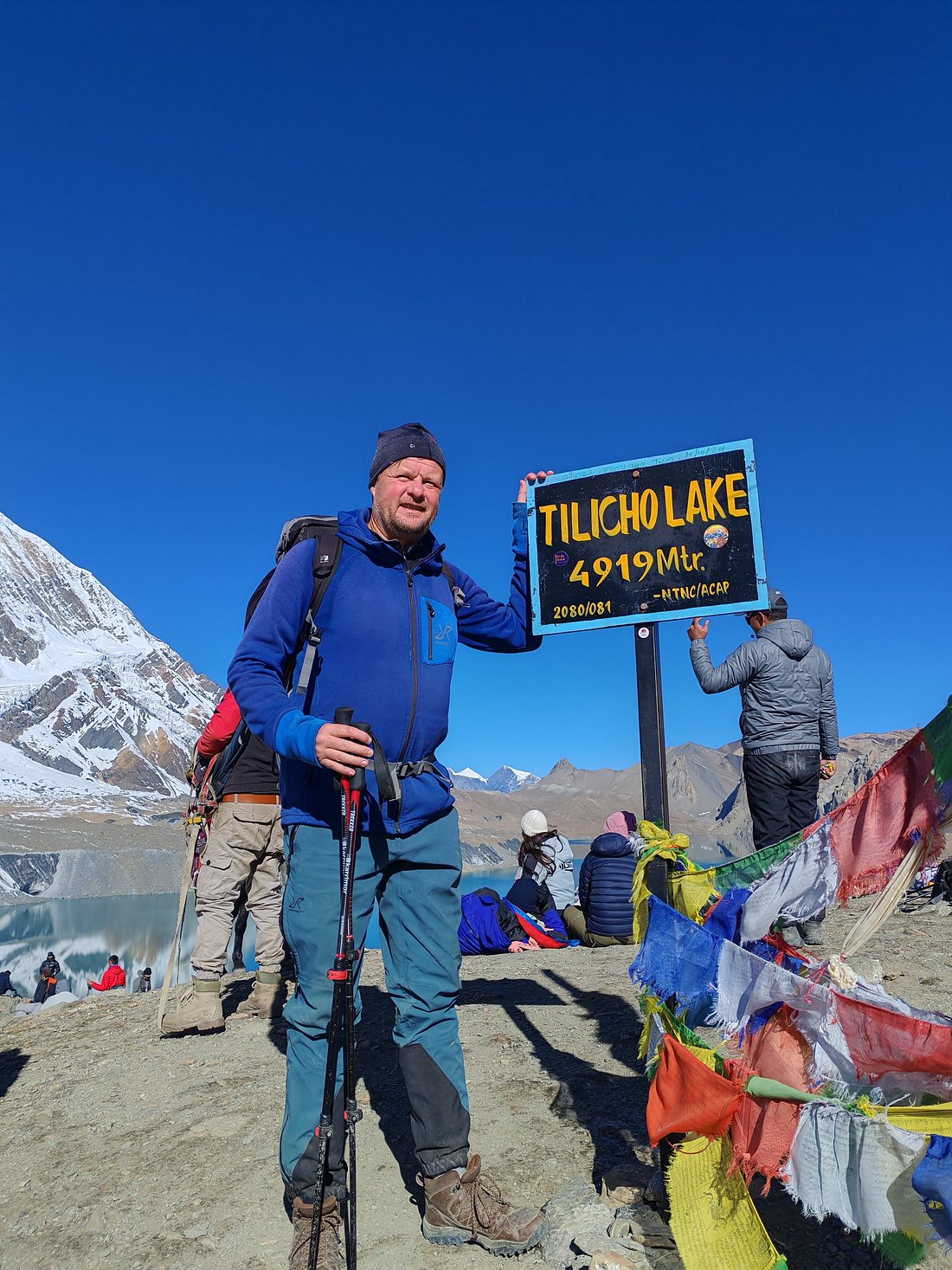
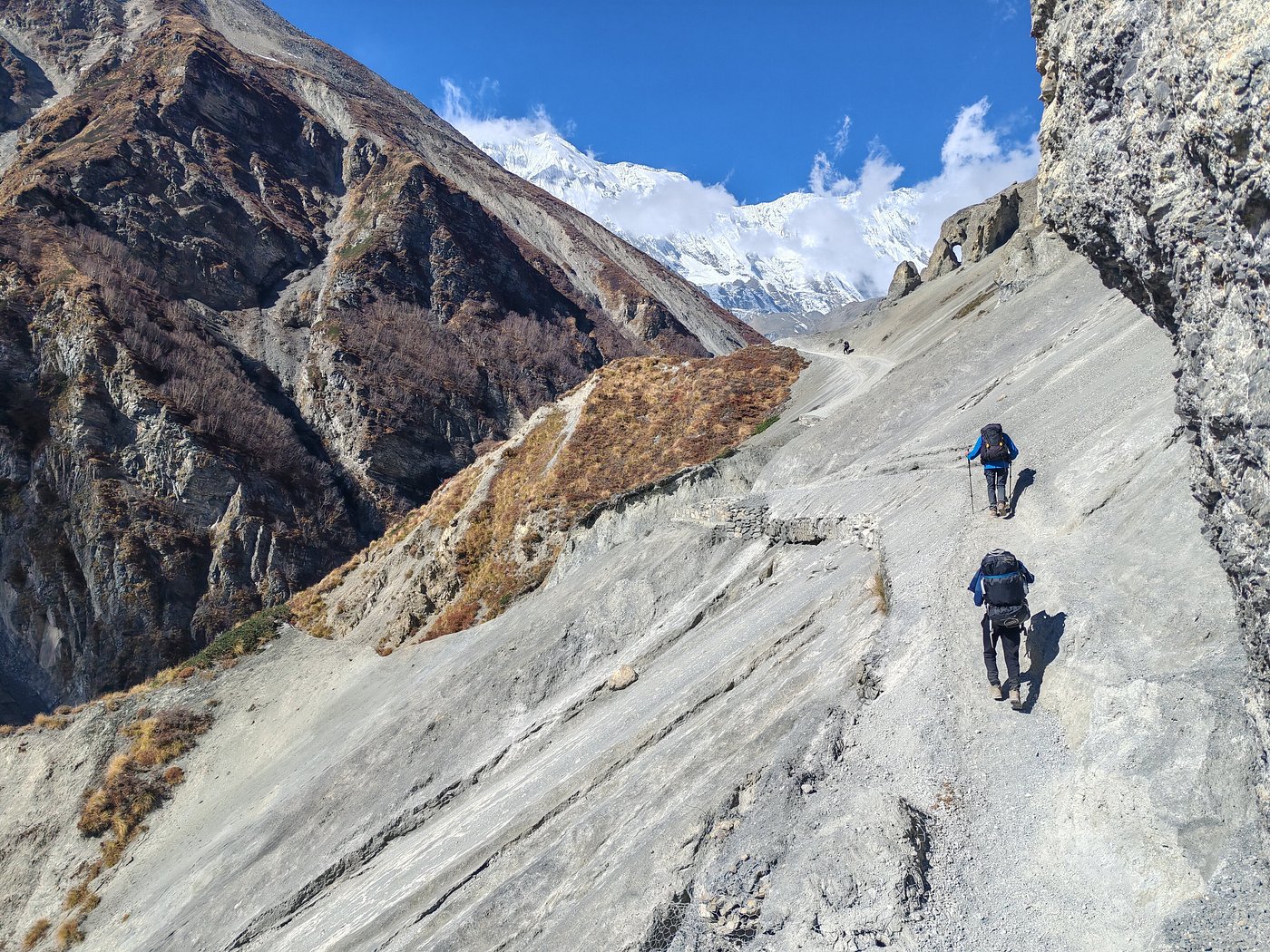
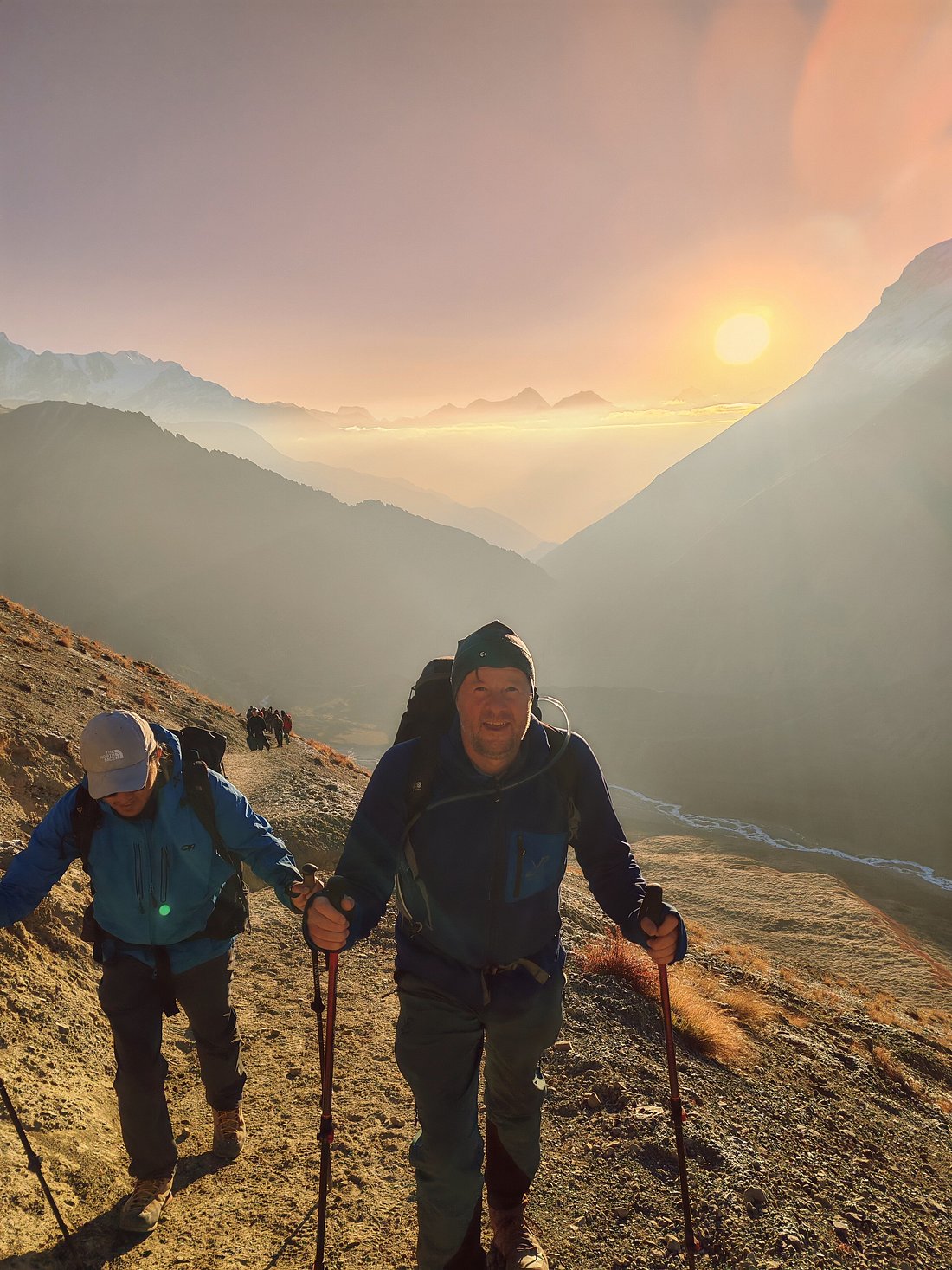
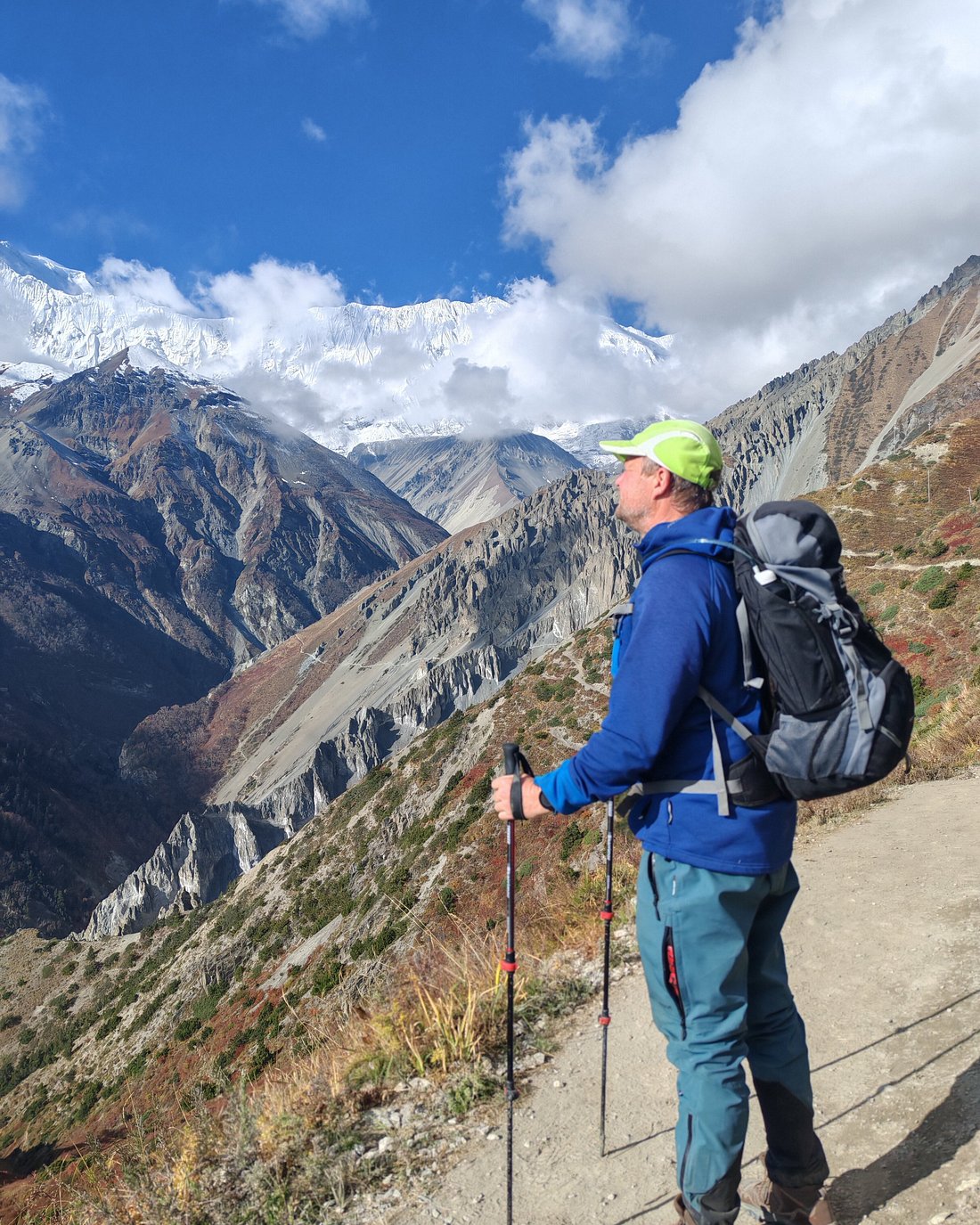
The Tilicho Lake Trek with Thorong La Pass is one of the most adventurous and scenic trekking routes in Nepal. This trek combines the stunning beauty of Tilicho Lake, one of the world’s highest lakes, with the thrilling crossing of Thorong La Pass at 5,416 meters. Trekkers experience diverse landscapes, ranging from lush forests and waterfalls to alpine deserts and snow-covered mountains. The route also passes through beautiful villages like Manang, Pisang, and Muktinath, offering cultural encounters with Gurung, Tibetan, and Thakali communities. According to Higher Path Treks & Expeditions, this trek is ideal for adventure seekers looking for both natural beauty and high-altitude excitement.
The Tilicho Lake Trek with Thorong La Pass is considered a moderately challenging to strenuous trek. Trekkers walk for several hours daily while gradually gaining altitude. The most demanding part is crossing Thorong La Pass, which reaches an elevation of 5,416 meters and requires physical endurance and mental preparation. Proper acclimatization in places like Manang is essential to reduce the risk of altitude sickness. Even though prior trekking experience is beneficial, beginners with good physical fitness and determination can successfully complete the trek. Higher Path Treks & Expeditions provides experienced guides and carefully designed itineraries to ensure trekkers remain safe and comfortable throughout the journey.
Previous trekking experience is helpful but not mandatory for the Tilicho Lake Trek with Thorong La Pass. The trek requires good stamina, determination, and the ability to walk for 5–8 hours daily on varied terrain. Beginners can complete the trek if they prepare properly with regular exercise, hiking practice, and cardiovascular training before arriving in Nepal. Acclimatization days are built into the itinerary to help trekkers adapt to the increasing altitude. Professional guides from Higher Path Treks & Expeditions assist trekkers throughout the route, monitor health conditions, and provide support to ensure a safe and memorable adventure in the Himalayas.
Yes, altitude sickness can be a concern because the trek reaches elevations above 5,000 meters, especially at Tilicho Lake and Thorong La Pass. Symptoms may include headache, nausea, dizziness, fatigue, and shortness of breath. Proper acclimatization is extremely important to avoid serious altitude-related problems. Drinking plenty of water, walking slowly, and taking rest days in places like Manang help the body adapt naturally. Experienced guides monitor trekkers closely for any symptoms during the journey. Higher Path Treks & Expeditions follows carefully planned itineraries that prioritize acclimatization and safety, ensuring trekkers have the best possible chance of completing the trek comfortably and successfully.
The complete Tilicho Lake Trek with Thorong La Pass generally takes around 17 days, including arrival, sightseeing, acclimatization, trekking days, and domestic flights. The itinerary allows trekkers to gradually gain altitude while exploring the beautiful landscapes of the Annapurna region. Important highlights include Manang, Tilicho Base Camp, Tilicho Lake, Thorong La Pass, Muktinath, and Jomsom. Some trekkers may customize the itinerary depending on fitness level, weather, and available time. Higher Path Treks & Expeditions designs flexible trekking programs that balance adventure, acclimatization, and comfort to create a rewarding Himalayan experience.
Choosing a reliable trekking company is extremely important for safety and enjoyment in the Himalayas. Higher Path Treks & Expeditions offers experienced local guides, personalized service, carefully planned itineraries, and strong knowledge of the Annapurna region. The company focuses on safety, acclimatization, and customer satisfaction while providing authentic cultural experiences. Their guides are trained in mountain safety and first aid, ensuring trekkers receive professional support throughout the journey. Whether you are a beginner or an experienced trekker, Higher Path Treks & Expeditions helps create a memorable and well-organized adventure to Tilicho Lake and Thorong La Pass.
The best seasons for the Tilicho Lake Trek with Thorong La Pass are spring (March to May) and autumn (September to November). During spring, trekkers enjoy blooming rhododendron forests, mild temperatures, and clear mountain views. Autumn is equally popular due to stable weather, crisp skies, and excellent visibility of the Annapurna and Dhaulagiri ranges. Winter trekking is possible but can be difficult because of heavy snowfall at Thorong La Pass. The monsoon season brings rain and slippery trails, especially in lower regions. Higher Path Treks & Expeditions recommends choosing spring or autumn for the safest and most enjoyable trekking experience.
Trekkers need two important permits for this adventure: the Annapurna Conservation Area Permit (ACAP) and the Trekkers’ Information Management System (TIMS) card. These permits are required for entering protected areas and for maintaining trekker safety records. The checkpoints along the trail regularly inspect these permits, so trekkers should carry them at all times. The permits contribute to conservation efforts and local tourism development in the Annapurna region. Higher Path Treks & Expeditions usually arranges all necessary trekking permits and documentation in advance, allowing trekkers to focus fully on enjoying their Himalayan journey.
The Tilicho Lake Trek with Thorong La Pass mainly uses tea houses and mountain lodges for accommodation. Rooms are generally simple but comfortable, often with twin beds, blankets, and shared bathrooms. In lower regions, accommodations are more developed, while higher elevations provide more basic facilities. Trekkers can enjoy a variety of meals including dal bhat, noodles, soups, pasta, fried rice, pancakes, tea, and coffee. Hot meals are available throughout most parts of the trail. Higher Path Treks & Expeditions carefully selects reliable tea houses to ensure trekkers receive clean food, warm hospitality, and comfortable overnight stays during the adventure.
Packing properly is essential for a successful trekking experience in the Himalayas. Trekkers should bring warm layered clothing, a down jacket, waterproof gear, sturdy trekking boots, gloves, hats, thermal wear, sunglasses, sunscreen, water bottles, trekking poles, and a sleeping bag suitable for cold temperatures. Personal medications and altitude sickness medicine are also highly recommended. Weather conditions can change rapidly at higher elevations, so preparing for both warm and freezing temperatures is important. Higher Path Treks & Expeditions provides detailed packing checklists before the trek to help travelers prepare properly for the challenging mountain environment.
| No of people | Price per person |
|---|---|
| 1 - 1 | $1,490 |
| 2 - 5 | $1,455 |
| 6 - 10 | $1,405 |
| 11 - 20 | $1,355 |