
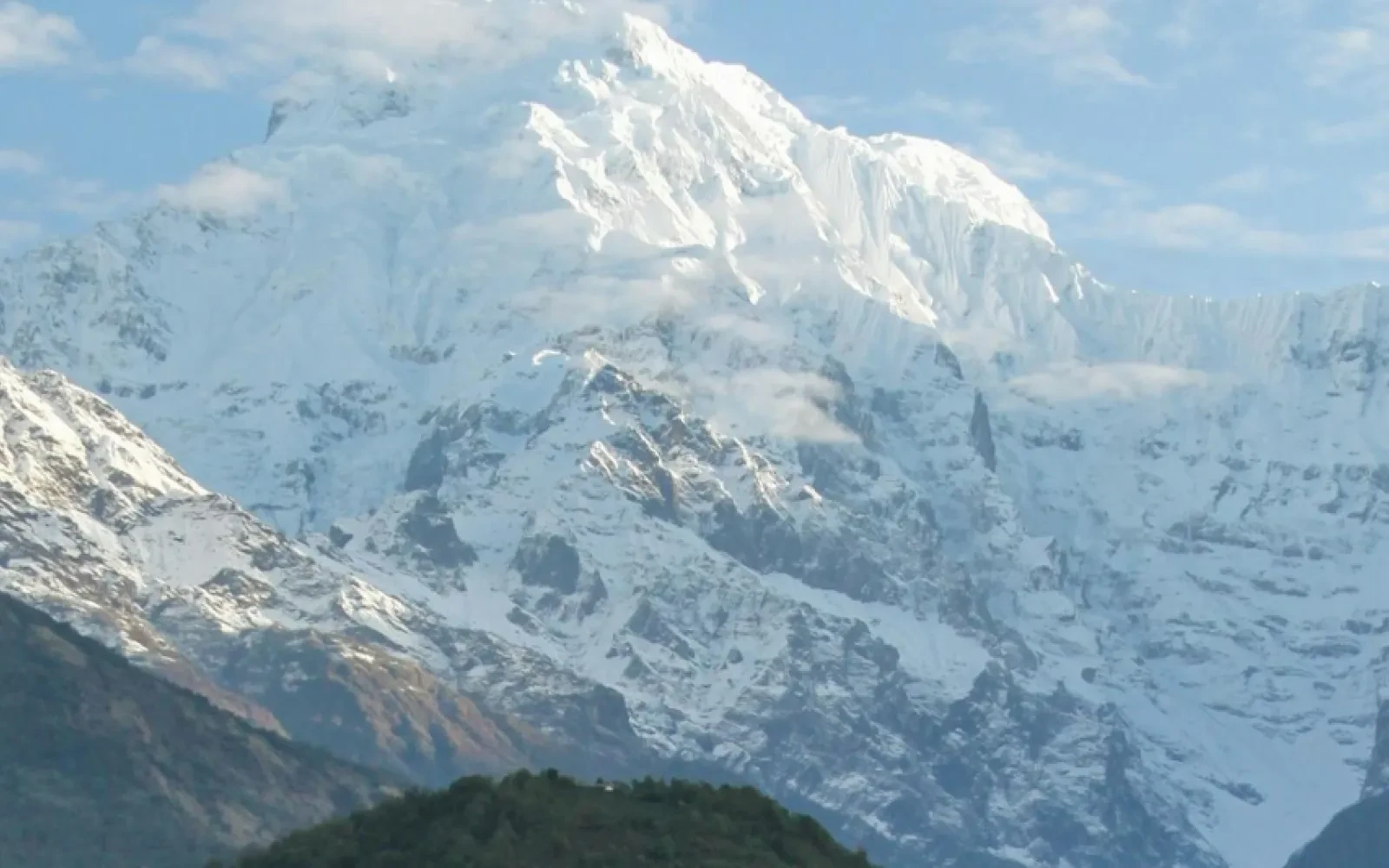
Annapurna region is one of Nepal's most popular trekking destination, for its stunning Himalayan breathtaking landscape, diverse trails, and cultural heritage. From lush rhododendron forest and traditional villages to snow-capped mountains. The region offers unforgettable experiences for trekkers and climbers.
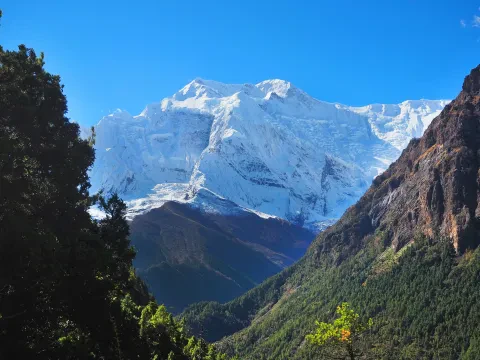
The Annapurna Circuit isn't just a trek, it's a journey that completely circles one of the world's most spectacular mountain massifs. Over two to three weeks, you'll walk from subtropical valleys at 800 meters to the Thorong La Pass at 5,416 meters, crossing from one side of the Annapurna range to the other through landscapes that change so dramatically you'll wonder if you're still in the same country.This is the trek that put Nepal on the adventure travel map back in the 1970s. While other routes have gained popularity, the Annapurna Circuit remains special because of its sheer diversity. You start in rice paddies and end in high-altitude desert. You walk through Hindu villages in the south and Tibetan Buddhist communities in the north. You experience monsoon-fed forests and rain shadow aridity in a single journey.But here's what most guidebooks don't tell you—the classic Annapurna Circuit has changed significantly in recent years. Roads now reach many sections that were once foot-traffic only. The experience has evolved, and knowing how to navigate these changes makes the difference between a good trek and an exceptional one.That's where Higher Path Treks comes in. We've been guiding the Annapurna Circuit since before the roads arrived, and we know how to craft an itinerary that maximizes the classic circuit experience while adapting to modern realities. We'll get you off those dusty roads and onto the trails that still capture the magic that made this trek legendary.Trip Facts of Annapurna Circuit TrekDuration: 14 DaysRegion: Annapurna, NepalBest Time: Spring (March to May) and Autumn (September to November)Accommodation: Comfortable teahouses during the trekMeals: All meals (breakfast, lunch and dinner) during the trekTrip Grade: Moderate to challengingMax Altitude: 5,416 m (Thorang La Pass)Start/End Point: KathmanduBest Time for Annapurna Circuit TrekTiming significantly impacts your circuit experience.Autumn (September to November) - Prime SeasonAutumn is peak season for excellent reasons. After monsoon clears in September, you get stable weather, clear skies, and comfortable temperatures.The post-monsoon clarity makes mountain views spectacular. The air has been washed clean by months of rain, creating visibility that makes distant peaks seem impossibly close.Spring (March to May) - ExcellentSpring rivals autumn for conditions. March through May offers stable weather and the famous rhododendron blooms in lower sections. Lower elevation rhododendron forests bloom spectacularly in spring—hillsides covered in red, pink, and white flowers create stunning landscapes.Monsoon (June to August) - Challenging but PossibleMonsoon makes the circuit difficult but not impossible. The western side (Mustang region) is in the rain shadow and remains relatively dry. The eastern approach and southern sections receive heavy rain.Some adventurous trekkers still complete the circuit during monsoon, accepting reduced visibility and wet conditions for extreme solitude. Leeches are common in lower forests. Landslides can block trails. Mountain views hide behind clouds most days.Winter (December to February) - Expert LevelWinter circuit trekking is possible but demands serious preparation. Thorong La can be impassable due to heavy snow. Temperatures drop to -20°C or lower at high altitude. Some lodges close in upper sections.That said, winter offers unique rewards: total solitude, pristine snow-covered landscapes, the clearest skies of the year. Just be prepared with proper winter gear, flexible schedule, and acceptance that reaching Thorong La might not be possible.Permits for Annapurna Circuit TrekFor Annapurna Circuit Trek you need two different permits:Annapurna Conservation Area PermitTIMS CardHigher Path Treks & Expedition arranges both permits for clients.Difficulty Level and Preparation of Annapurna Circuit TrekThe Annapurna Circuit is challenging—longer and higher than treks like Annapurna Base Camp Trek. That's two to three weeks of consecutive trekking. Your body needs endurance beyond basic fitness.You reach 5,416 m at Thorong La Pass. Extended time above 3,000 m means altitude sickness is a significant risk. Proper acclimatization is crucial—spend adequate time in Manang, ascend gradually, and recognize symptoms early.Typically 5-8 hours per day. Pass day can be 8-10 hours. The walking itself isn't technical, just sustained effort at altitude. Well-maintained trails with some steep sections, thousands of stone steps, suspension bridges, and rocky paths. Not technical, but physically demanding.Start training 2-3 months before. Focus on cardiovascular fitness (running, cycling, hiking), leg strength (stairs, lunges, squats), and hiking with a weighted pack on weekends. Previous multi-day trekking experience is highly recommended.Food and Accommodation on the Annapurna Circuit TrekDuring this trek accommodation is provided in comfortable teahouses or mountain lodges, on a twin-sharing basis. Rooms are simple and cozy.Breakfast, lunch and dinner are provided during the trek. Every teahouse has their own food menu, while trekkers can choose their meals from menu. They prepare local and some international dishes. Vegetarian meals are highly recommended, which are prepared freshly, nutritious and easy to digest. Meat is transported over long distances, so it may not be always fresh at higher altitude. Health and Safety on the CircuitAltitude Sickness PreventionThis is the primary health concern. Acute Mountain Sickness (AMS) can affect anyone regardless of fitness.Prevention strategies:Follow the acclimatization schedule (especially 2-3 days in Manang)Ascend gradually above 3,000m (gain no more than 500m sleeping altitude per day)Stay hydrated (3-4 liters daily minimum)Avoid alcohol above 3,000mRecognize symptoms early (headache, nausea, dizziness, fatigue)Treatment: If symptoms are mild, rest at current altitude. If symptoms worsen or don't improve with rest, descend immediately. Descent is the only reliable cure for serious altitude problems.Your guide monitors everyone daily and knows when symptoms indicate danger. Trust their judgment—they've seen altitude sickness countless times.Why Trek with Higher Path Treks?The Annapurna Circuit is complex with route variations, accommodation choices, and road vs. trail decisions. Having an experienced team makes a significant difference.Expert Route PlanningWe've guided the circuit countless times and know every variation. We balance classic trekking sections with strategic vehicle use to maximize trail time while avoiding the worst road walking. Our itineraries follow proper acclimatization schedules, building in adequate time in Manang before attempting Thorong La.Experienced GuidesOur circuit guides know this route intimately—every village, every shortcut, every viewpoint. More importantly, they understand altitude sickness, monitor trekkers carefully, and make conservative safety decisions. They're certified with wilderness first aid training and high-altitude rescue protocols.Thorong La Pass LogisticsPass day requires precise logistics—early starts, proper timing, weather monitoring, and backup plans. We've successfully guided hundreds of trekkers over Thorong La and know what it takes to get people safely across.Accommodation StrategyNot all circuit lodges are equal. We've identified the best options at each stop—lodges with cleaner rooms, better food, more reliable hot water, and hospitable owners. This matters when you're spending two to three weeks on trail.Flexible ItinerariesFlexibility is built into our approach because mountains don't follow schedules and neither should safety decisions.Cultural ConnectionsOur guides have relationships with communities along the circuit. They speak local languages, understand customs, and facilitate genuine cultural interactions. You're not just walking through villages—you're experiencing them through local eyes.Sustainable TourismWe employ local guides and porters, use locally-owned lodges, follow leave-no-trace principles, and support community development projects. When you trek with us, you're contributing to sustainable tourism that benefits mountain communities.CommunicationCell coverage exists in major villages (Chame, Manang, Jomsom) but not throughout the circuit. Most of the trek is in areas without signal. Your guide carries satellite communication for emergencies, but don't expect constant connectivity.Ready for the Complete Himalayan Journey?The Annapurna Circuit Trek is more than crossing a high pass or walking around a mountain. It's experiencing every climate zone from tropical to arctic. It's witnessing cultural diversity from Hindu lowlands to Tibetan Buddhist highlands. It's testing your physical and mental limits at 5,400 meters. It's two to three weeks of simplicity—walking, eating, sleeping, repeat—that clears your mind as much as it challenges your body.If you're ready for this level of adventure, Join with us today. Higher Path Treks and Expedition will handle the logistics, provide experienced guides, ensure your safety, and support you every step during the trek.The trail around Annapurna is waiting. When you're ready, we'll take you there.Top Blogs About Trekking in the Annapurna Region:Uncover the best blogs about trekking in the Annapurna region, featuring expert advice, detailed itineraries, personal experiences, and essential tips for adventurers looking to explore the Himalayas.Annapurna Base Camp Trek: A Short Journey to the HimalayasAnnapurna Circuit Trek with Tilicho Lake – A Complete Guide by Higher Path Treks & ExpeditionsTop Tips for Climbing Pisang Peak on the Annapurna CircuitTop Reasons to Trek Ghorepani Poon HillTop Reasons to Choose Tilicho Lake Trek with Thorong La PassBest Experience on the Short Mardi Himal Trek: A Journey to RememberTop Reasons to Combine Pisang Peak Climbing with the Annapurna Circuit TrekComparing Chulu Far East Peak Climbing vs Chulu West Peak ClimbingPoonhill Amazing viewThe most picturesque village GhandrukPhotography Guide: Capturing the Himalayas Without Expensive GearNepal Peak Climbing 2026: Routes, Tips, and Top SummitsThe Best Hiking Adventures: Famous Peak Climbs in 2025Top Himalayan Peaks for Beginner Climbers: A Comprehensive GuideIs Peak Climbing in Nepal Easy for Beginners?Top Best Expedition Packages in Nepal 2025Experience Mountain View in NepalTop Highlights of the Annapurna Base Camp Trek
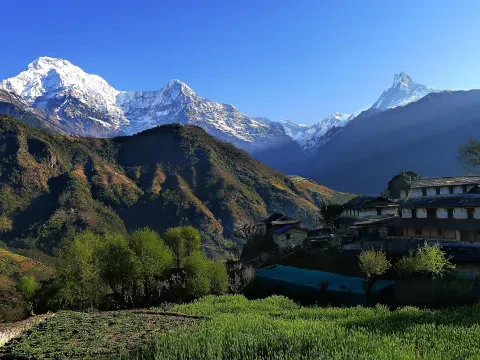
The Annapurna Base Camp Trek is one of most popular trek in Nepal, taking you through rhododendron forests that explode with color in spring, passing through traditional Gurung villages where life moves at mountain pace, and watching the landscape transform from subtropical valleys to alpine glaciers over the course of a week. This 7-9 days trek offers breathtaking views of Mt.Annapurna, Fishtail, Hiunchuli and surrounding peaks. Standing at 4,130 meters with a 360-degree panorama of some of the world's highest peaks surrounding you—that's what awaits at Annapurna Base Camp.The Annapurna Base Camp trek has earned its place as one of Nepal's most popular routes for good reason. It's accessible enough for fit beginners with proper preparation, yet spectacular enough to satisfy experienced trekkers. You don't need technical climbing skills or oxygen tanks. Just good fitness, determination, and the right support team.That's where Higher Path Treks comes in. We've been guiding trekkers to Annapurna Base Camp for years, and we've learned what actually matters on this journey—not just getting you there, but making sure the experience exceeds whatever expectations you arrived with.Quick FactsDuration: 13 daysMaximum Altitude: 4130 mDestination: Annapurna Base CampDifficulty: ModerateBest Season: Spring (March-May) and autumn (September- November)Accommodation: Teahouse during the trekMeal: Breakfast, lunch and dinner during the trekStart/End Point: KathmanduWhy Choose Annapurna Base Camp TrekLet's talk honestly about why ABC stands out among Nepal's many trekking options.Accessibility without compromise: The trek typically takes 7-12 days depending on your route and pace.That's shorter than treks like Everest Base Camp or the Annapurna Circuit, making it doable for people with limited vacation time. But shorter doesn't mean less impressive—the mountain views rival anything Nepal offers.Diverse landscapes in compact distance: You start in subtropical valleys around Pokhara where it's warm enough for banana trees. Within days, you're in alpine zones surrounded by glaciers and 7,000+ meter peaks. Few treks pack this much landscape variety into one journey.Cultural immersion: The trail passes through Gurung and Magar villages where traditional Himalayan culture thrives. You're not just walking past villages—you're staying in them, eating with families, and experiencing daily mountain life firsthand.The amphitheater effect: ABC sits in a natural sanctuary completely surrounded by massive peaks. Annapurna I (8,091m), Annapurna South (7,219m), Hiunchuli (6,441m), and the sacred Machhapuchhre (6,993m) form walls around you. Watching sunrise hit these peaks from base camp is genuinely one of trekking's great moments.Well-established infrastructure: The ABC trail has proper teahouses, clear paths, and reliable facilities. You're trekking in wilderness, but you're not roughing it compared with more remote Himalayan routes ABC trek offers excellent infrastructures.Reaching Annapurna Base Camp at 4130 mThe final push from MBC to Annapurna Base Camp (4,130m) takes 2-3 hours.The trail climbs gradually through increasingly barren terrain.When you crest the final rise and ABC opens before you, it hits different than you expect.You're standing in a natural sanctuary—a massive cirque completely surrounded by 7,000 and 8,000-meter peaks.Annapurna I, the 10th highest mountain in the world, rises directly before you.Annapurna South, Hiunchuli, and Gangapurna complete the amphitheater.It's not just seeing mountains—it's being inside them.Sunrise at ABC is what everyone talks about.The first light hits the peaks, slowly painting them gold while the valley remains in blue shadow.It's cold (often below freezing), you're tired, and you probably didn't sleep great at 4,130m.But watching those mountains come alive makes every difficult moment worth it.Best Time for Annapurna Base Camp TrekTiming your ABC trek significantly impacts your experience.Spring (March to May) - Prime SeasonSpring is peak season for good reason. March through May offers stable weather, clear skies, and the famous rhododendron blooms.March can still be cold at ABC with possible snow, but lower sections are beautiful with flowers starting to bloom. April is probably the single best month—warm enough to be comfortable, flowers in full bloom, excellent visibility. May gets warmer (sometimes too warm in lower sections), but it's still good trekking before monsoon arrives.Advantages: Best weather reliability. Rhododendron forests at their most spectacular. Clear mountain views.Comfortable temperatures.Autumn (September to November) - Also ExcellentAfter monsoon clears in September, autumn brings the year's clearest skies and stable weather.September can still have occasional monsoon tail-end rain, but by late September conditions stabilize. October offers perfect trekking weather—comfortable temperatures, crystal-clear visibility, stable conditions. November gets colder, especially at ABC where morning temperatures drop well below freezing, but it's still excellent for trekking.Advantages: Clearest mountain views of the year. Post-monsoon clarity makes distant peaks incredibly visible. Stable, predictable weather. Comfortable temperatures for walking.Winter (December to February) - Possible but ChallengingWinter trekking to ABC is doable but requires proper preparation. Temperatures at base camp drop to -10°C to -20°C. Snow is likely, sometimes heavy. Some higher teahouses might close if snow gets too deep. The trail can be icy and slippery.That said, winter offers unique rewards: total solitude, pristine snow-covered landscapes, the clearest skies of the year. Just be prepared with proper gear, flexible schedule, and acceptance that reaching ABC might not be possible if conditions are extreme.Monsoon (June to August) - Generally AvoidMonsoon makes ABC trekking less enjoyable. Heavy rain, leeches on the lower trail, clouds obscuring views, and increased landslide risk. The trails become muddy and slippery. However, the Annapurna region is in the rain shadow to some extent, meaning it gets less monsoon impact than areas like the Everest region, some adventurous trekkers still go, accepting reduced visibility for extreme solitude.Annapurna Base Camp Trek DifficultyThe Annapurna Base Camp trek is classified as moderate to challenging, but let's break down what that actually means.Altitude: You reach 4,130m at ABC. Altitude sickness is possible and must be taken seriously. Proper acclimatization matters—don't rush the ascent. Most itineraries build in gradual altitude gain, but you still need to monitor symptoms and descend if problems develop.Daily walking time: Typically 5-7 hours per day. Some days are easier (3-4 hours), some are longer (7-8 hours). The walking itself isn't technical, just sustained effort with altitude making things harder.Terrain: Well-maintained trails with some steep sections.You'll climb thousands of stone steps (Nepali "staircases"), cross suspension bridges, and navigate rocky paths. Trekking poles help significantly.Fitness requirements: You should be comfortable walking 5-6 hours daily for a week. Prior trekking experience helps but isn't mandatory. We've successfully guided everyone from college students to retirees—fitness and determination matter more than age.Technical skills: None required. This is walking, not climbing. No ropes, no technical equipment beyond normal trekking gear.Accommodation and Food on the TrailLet's be realistic about what "teahouse trekking" means.Lower Section Lodges (Nayapul to Chhomrong)These villages have well-established tourism, so lodges are comfortable. Private or semi-private rooms with beds (foam mattresses), clean blankets, and communal bathrooms. Hot showers usually available for extra fee.Dining rooms have menus offering surprising variety—Dal Bhat, pasta, breakfast options.The food in lower sections is fresh—vegetables from local farms, decent quality, well-prepared. You won't go hungry or eat poorly.Middle Section (Bamboo to Himalaya Hotel)Lodges get more basic but remain comfortable enough.Rooms are simple—beds with blankets, shared bathrooms.Hot water becomes less reliable (sometimes bucket washes only). Food options narrow somewhat—Dal Bhat becomes more prominent, though other choices exist.Upper Section (Deurali to ABC)At altitude, lodges are genuinely basic. Small rooms, thin mattresses, limited blankets (your sleeping bag matters here), shared pit toilets (yes, really). Hot showers? Not happening. You'll use wet wipes or bucket washes.Food menus shrink significantly. Dal Bhat is the most economical option (usually includes unlimited refills). Other dishes are available but more expensive because everything must be carried up or flown in by helicopter.At ABC itself, the lodge is about survival more than comfort. It's cold (below freezing), facilities are minimal, and food is simple. But you're sleeping at 4,130m in one of the world's most spectacular mountain amphitheaters. The location makes up for amenities.What to Expect Each DayLet's talk about what daily life on the ABC trek actually looks like.Morning starts early—usually around 6-7 AM. Lodges serve breakfast (porridge, eggs, Tibetan bread, tea/coffee). You pack your daypack (the porter carries your main bag), and start walking by 7:30-8 AM.Morning walking is typically 2-3 hours before a tea break. You'll stop at a teahouse for tea, maybe a snack. These breaks are social—talking with your guide, meeting other trekkers, enjoying the mountain views.Midday walking continues another 2-3 hours until you reach that day's destination, usually by early afternoon (1-3 PM). This timing is intentional—afternoon weather is less predictable in the mountains, and arriving early gives time to rest before weather potentially deteriorates.Afternoons are yours—explore the village, read, write in your journal, play cards with other trekkers, or just sit and stare at mountains. The pace is relaxed once walking finishes.Dinner happens around 6-7 PM. Dal bhat (rice and lentils) is the staple, though menus offer other options like fried rice, noodles, pizza (surprisingly decent in lower villages), and momos (dumplings). Food is simple but filling and nutritious.Evenings are communal. Lodges have dining rooms with central stoves (or fireplaces lower down) where everyone gathers. You'll swap stories with other trekkers, play cards, plan the next day with your guide. Lights-out happens early—usually by 9-10 PM. You're tired from walking, and tomorrow brings another day of trekking.Health and Safety ConsiderationsYour safety is our priority. Here's what you need to know.Altitude SicknessThis is the main health concern at ABC. Acute Mountain Sickness (AMS) can affect anyone regardless of fitness. Common symptoms include headache, nausea, dizziness, fatigue, and sleep difficulty.Prevention: Ascend gradually (our itineraries follow this principle), stay hydrated (3-4 liters daily), avoid alcohol, and recognize symptoms early.Treatment: If symptoms are mild, rest at current altitude. If symptoms worsen or don't improve, descend immediately. Descent is the only reliable treatment for serious altitude sickness.Your guide monitors everyone daily and knows when symptoms are normal adjustment versus dangerous problems. Trust their judgment—they've seen altitude sickness countless times.Travel InsuranceYou must have comprehensive travel insurance covering:Emergency evacuation by helicopter (ABC is at 4,130m)Medical treatment for altitude illnessTrip cancellation/interruptionLost or stolen belongingsWater and Food SafetyDrink only purified water.Lodges sell bottled water (though we encourage using purification tablets or filters to reduce plastic waste). Never drink from streams or taps.Food safety is generally good on the ABC trail. Lodges prepare food fresh, and turnover is high enough that nothing sits around getting old. Still, be cautious with raw vegetables in higher sections and stick to well-cooked foods.What Makes This Trek UnforgettableAfter guiding hundreds of trekkers to ABC, we've noticed patterns in what people remember most.The amphitheater moment: That first view of ABC's complete mountain cirque—everyone remembers where they were when it opened before them.Sunrise at base camp: Shivering in the freezing pre-dawn cold, waiting for first light to hit Annapurna's summit.Rhododendron forests: If you trek in spring, walking through hillsides covered in blooming flowers feels magical.Local hospitality: Lodge owners welcoming you with smiles and hot tea after a long day's walk. Conversations around the dining room stove. Kids waving from village doorways.Physical accomplishment: Reaching 4,130m using only your own two feet. The sense of achievement is real and earned.Mountain solitude: Despite being a popular trek, moments of solitude exist—sunrise at a viewpoint, a quiet trail section, evenings at your lodge watching peaks change color.Simplicity: Days without internet, news, or daily stress. Just walking, eating, sleeping, repeat. Many trekkers describe it as meditative—a mental reset as valuable as the physical journey.Why Trek with Higher Path TreksChoosing the right trekking company matters, especially for your first Himalayan trek. Here's what sets Higher Path Treks apart:Experienced Local GuidesOur guides aren't just leading you up trails—they're sharing their mountains with you. Most grew up in the Annapurna region or nearby areas. They know every village, every viewpoint, every section of trail. More importantly, they understand altitude sickness, weather patterns, and when to adjust plans for safety.They're certified by the Nepal government with training in first aid, altitude illness recognition, and rescue procedures. But beyond certifications, they're good people who genuinely care about your experience.Proper Acclimatization SchedulesOur itineraries follow proper altitude gain principles—ascending gradually, building in acclimatization stops, and maintaining flexibility to adjust if someone's struggling. Your guide monitors everyone's condition daily.Quality Accommodation SelectionGet comfortable teahouse, which offer the best combination of cleanliness, food quality, and hospitality at each stop.In lower sections, you'll stay in comfortable lodges with hot showers (for a small fee), decent beds, and good food. Higher up, facilities become more basic, but we choose the best available options. At ABC, accommodations are simple, but you're sleeping at 4,130 m surrounded by 8,000-meter peaks—the location makes up for basic amenities.Safety and CommunicationSafety isn't something we compromise on. All guides carry comprehensive first aid kits and are trained to handle emergencies. We carry communication equipment for emergencies and have established relationships with helicopter rescue companies.Weather delays flights? Unexpected storm? Someone needs extra acclimatization? We adjust plans as needed. Flexibility is built into our approach because mountains don't follow schedules.Cultural Sensitivity and Sustainable TourismWe're committed to responsible tourism. That means:Employing local guides and porters, keeping tourism money in mountain communitiesFollowing strict leave-no-trace principlesSupporting local lodges and businesses along the trailEducating trekkers about cultural respect and environmental protectionContributing to community development projects in the regionWhen you trek with us, you're supporting sustainable tourism that benefits local people, not just taking from their homeland.Ready to Trek to Annapurna Base Camp?The Annapurna Base Camp Trek is more than just reaching a destination. It's walking through some of Nepal's most beautiful landscapes. It's experiencing traditional mountain culture firsthand. It's pushing your physical limits at altitude. It's sunrise over 8,000-meter peaks and evenings around lodge fireplaces sharing stories with fellow trekkers.The mountains will be there whenever you're ready. But there's something special about committing to a date, buying the plane ticket, and actually going. Plans made are plans that might happen. Tickets bought are adventures that will.Higher Path Treks & Expedition, will handle the logistics, provide experienced guides, ensure your safety, and support you every step from Kathmandu to ABC and back. The Annapurna range is waiting. When you're ready, we'll take you there.Helpful Blogs About Trekking in the Annapurna Region:Uncover the best blogs about trekking in the Annapurna region, featuring expert advice, detailed itineraries, personal experiences, and essential tips for adventurers looking to explore the Himalayas.Annapurna Base Camp Trek: A Short Journey to the HimalayasAnnapurna Circuit Trek with Tilicho Lake – A Complete Guide by Higher Path Treks & ExpeditionsTop Tips for Climbing Pisang Peak on the Annapurna CircuitTop Reasons to Trek Ghorepani Poon HillTop Reasons to Choose Tilicho Lake Trek with Thorong La PassBest Experience on the Short Mardi Himal Trek: A Journey to RememberTop Reasons to Combine Pisang Peak Climbing with the Annapurna Circuit TrekComparing Chulu Far East Peak Climbing vs Chulu West Peak ClimbingPoonhill Amazing viewThe most picturesque village GhandrukPhotography Guide: Capturing the Himalayas Without Expensive GearNepal Peak Climbing 2026: Routes, Tips, and Top SummitsThe Best Hiking Adventures: Famous Peak Climbs in 2025Top Himalayan Peaks for Beginner Climbers: A Comprehensive GuideIs Peak Climbing in Nepal Easy for Beginners?Top Best Expedition Packages in Nepal 2025Experience Mountain View in NepalTop Highlights of the Annapurna Base Camp Trek
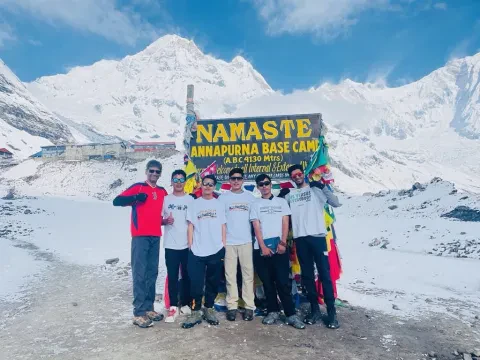
The Annapurna Base Camp Short Trek is one of Nepal's most rewarding Himalayan adventures, offering an unforgettable journey to Annapurna Base Camp (4,130 m) in just 7-9 days. Perfect for travelers with limited time, this trek combines spectacular mountain scenery, traditional Gurung villages, lush rhododendron forest, and warm hospitality at local teahouses, making this trekking in so special.Unlike longer trekking routes that require two or more weeks, the short Annapurna Base Camp Trek allows you to experience the breathtaking beauty of the Himalayas without an extended commitment. The trail leads through diverse landscapes before reaching the base Mount Annapurna I (8,091 m) world's tenth highest mountain, where you are surrounded by snow-capped mountains.Whether you're the first time trekker or experienced trekker looking for a shorten Himalayan adventure, the Annapurna Base Camp Short Trek is ideal for you. This guide covers everything you need to know such as route, best time to visit, permits, difficulty, accommodation, altitude for planing safe memorable journey of Annapurna region in Nepal. Trip Facts: Annapurna Base Camp Short TrekDuration: 9 daysDestination: Annapurna regionMaximum Elevation: 4,130 mAccommodation: TeahouseMeals: Breakfast, Lunch and dinner during the trekBest Time: Autumn (September to November) and Spring (March to May)Trip Grade: ModerateStart/End Point: KathmanduAnnapurna Base Camp Short Trek DifficultyThe Annapurna Base Camp Short Trek is considered a moderate trekking in Nepal. No technical climbing and mountaineering skills are required. Previous trekking experience is beneficial but not mandatory. However, you should be prepared for several days of walking including uphill and downhill sections before starting your ABC Trek. Fitness, proper pacing, hydration and listening your guide is important for a safe and enjoyable journey.Best Season for Annapurna Base Camp Short TrekSpring and Autumn are considered as the best seasons for the short Annapurna Base Camp Trek. During spring the days are longer, temperatures are generally pleasant, skies are clear, trails are generally in good conditions and rhododendrons also bloom along the trail. Autumn also offers clear skies, best surrounding mountain views and good and stable trail conditions.The Trek is also possible during winter and Monsoon but the conditions can be more challenging. During winter, temperatures can drop significantly and and snow fall is possible at the higher elevation. And monsoon it rains, trail will be wet, leech may appear at lower elevation and because of heavy rain some parts will be muddy and slippery and rock may fall along certain section of the trail. Permits for Annapurna Base Camp Short TrekTrekkers need permits for the Annapurna region trek. These generally include the Annapurna Conservation Area Permit (ACAP) and the Trekkers' Information Management System (TIMS) card. Higher Path Treks & Expeditions handles all paperwork and permits for you.Accommodation during the Annapurna Base Camp Short TrekAccommodation during the Annapurna Base Camp Short Trek is provided in local teahouses along the trail. Teahouses provide basic shared rooms,beds, blankets, meals with basic facilities.Meals during the Annapurna Base Camp Short TrekBreakfast, lunch and dinner are provided during the Annapurna Base Camp Short Trek. Teahouses generally offer a selection of local and international meals, including rice, noodle, pasta, potato, egg, soup, bread, vegetables, Dal Bhat and other trekking foods. Annapurna Base Camp Short Trek Altitude and AcclimatizationAlthough the Annapurna Base Camp Short Treks reaches a maximum elevation of 4,130 m, altitude sickness can still affect trekkers differently. Fitness level does not eliminate the risk of altitude sickness, so it is important to recognize the early sign of altitude sickness, gradual ascent, hydration, nutrition and follow your guide pace. To reduce the risk of altitude sickness stay well hydrated, eat regular meals even if appetite decreases, ascend slowly and steadily, avoid excessive alcohol, reduce smoking and allow your body time to adjust to increasing elevation. These basic practices dramatically reduce altitude sickness risk. Why Choose Higher Path Treks & ExpeditionsHigher Path Treks provides a professionally managed Himalayan experience with experienced local Sherpa guides, reliable logistics, and personalized support throughout the trek.Comfortable Lodges: We carefully select the comfortable lodges along the Annapurna Base Camp trail with clean and spacious rooms, comfortable beds, excellent hospitality.Licensed Experienced Guides: Our guides have extensive knowledge of the Annapurna region. Their expertise helps trekkers manage altitude concerns, and maximize the chances of a successful completion of the trek.Transparent pricing: Our pricing is transparent, we provide clear information about our included service, permit, accommodation, meal without hidden charges. No extra charges for services included in your package.Safety: Safety is our top priority, with careful well acclimatization planning, regular health monitoring, and emergency support arrangements when needed.Customer Focused Service: We focus on creating a personalized and stress-free adventure for every traveler. From airport assistance and permit arrangements to accommodation, meals and we handle every detail so you can focus on enjoying your Himalayan journey.Ready for the Annapurna Base Camp Short Trek?Contact Higher Path Treks & Expeditions today to begin planning your Annapurna Base Camp Short Trek and discover why this journey transforms everyone who completes it. The memories you'll create, the personal growth you'll experience, and the stories you'll tell are waiting—you just need to take the first step.Helpful Blogs About Trekking in the Annapurna Region:Uncover the best blogs about trekking in the Annapurna region, featuring expert advice, detailed itineraries, personal experiences, and essential tips for adventurers looking to explore the Himalayas.Annapurna Base Camp Trek: A Short Journey to the HimalayasAnnapurna Circuit Trek with Tilicho Lake – A Complete Guide by Higher Path Treks & ExpeditionsTop Tips for Climbing Pisang Peak on the Annapurna CircuitTop Reasons to Trek Ghorepani Poon HillTop Reasons to Choose Tilicho Lake Trek with Thorong La PassBest Experience on the Short Mardi Himal Trek: A Journey to RememberTop Reasons to Combine Pisang Peak Climbing with the Annapurna Circuit TrekPoonhill Amazing viewThe most picturesque village GhandrukPhotography Guide: Capturing the Himalayas Without Expensive GearTop Himalayan Peaks for Beginner Climbers: A Comprehensive GuideIs Peak Climbing in Nepal Easy for Beginners?Experience Mountain View in NepalTop Highlights of the Annapurna Base Camp Trek
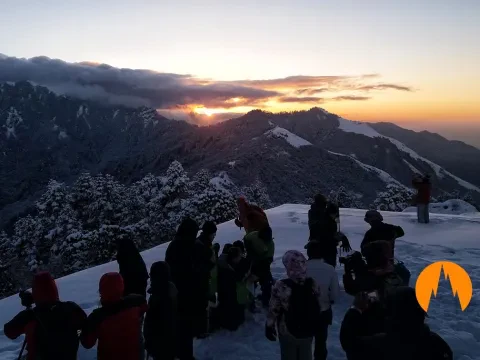
The Ghorepani Poon Hill Trek is one of the most rewarding short treks in Nepal, offering an extraordinary combination of Himalayan scenery, cultural richness, and comfortable walking trails. Located in the heart of the Annapurna region, this trek is ideal for travelers who want a genuine mountain experience without committing to a long or technically demanding expedition.Ghorepani Poon Hill Trek is a short teahouse trek in Nepal’s Annapurna region, typically comples in 5 to 7 days. It is famous for its panoramic Himalayan sunrise views, especially from Poon Hill, where trekkers can see more than a dozen snow-capped peaks in a single sweep.With Higher Path Treks, the journey becomes more than a walk through the mountains—it transforms into a carefully curated Himalayan experience that balances nature, culture, safety, and sustainability. From rhododendron-covered forests and traditional villages to the iconic sunrise view from Poon Hill (3,210m), this trek delivers unforgettable moments in just a few days.Quick Facts of Ghorepani Poon Hill TrekRegion: Annapurna Conservation AreaMaximum Elevation: 3,210 meters (Poon Hill)Trek Duration: 5–7 daysDifficulty: Easy to ModerateBest Season: Spring (March to May) and Autumn (September to November)Best For: Beginners, families, photographers, short holiday travelersAccommodation: Teahouses during the trekMeals: Breakfast, lunch and dinner during the trekStart/End Point: KathmanduWhy Choose the Ghorepani Poon Hill Trek?Unlike longer Himalayan treks that require weeks of walking and extensive acclimatization, the Ghorepani Poon Hill Trek delivers maximum scenery in minimal time. It is one of the few treks where trekkers can experience:Close-up views of the Annapurna and Dhaulagiri rangesTraditional Gurung and Magar villagesDense rhododendron forests (especially vibrant in spring)Comfortable teahouse accommodationsA world-famous Himalayan sunrise viewpointSuitable for first time trekkersFor travelers with limited time, this trek serves as an excellent alternative to longer routes such as the Annapurna Base Camp Trek or the Annapurna Circuit Trek.Ghorepani Poon Hill Trek DifficultyGhorepani Poon Hill Trek is considered as a short and easy trek. First time trekkers without previous experience can complete this trek. Goof physical fitness and previous trekking experience is beneficial but not mandatory.Accommodation and Food on the TrekThe trek follows a tea-house trekking system, meaning trekkers stay in locally run lodges along the route. Accommodations are carefully chosen to balance comfort, cleanliness, and location.What to Expect in TeahousesPrivate or twin-sharing roomsShared bathrooms (some with hot showers)Dining halls with heatingFreshly prepared mealsMeals typically include Nepali staples like dal bhat, as well as noodles, soups, rice dishes, and simple Western options. Compared to remote treks such as the Kanchenjunga Circuit Trek, food availability here is more varied and reliable.Best Time to Do the Ghorepani Poon Hill TrekWhen is the best season?The best time for the Ghorepani Poon Hill Trek is spring (March–May) and autumn (September–November).Spring (March–May)Blooming rhododendronsMild temperaturesClear morningsAutumn (September–November)Crisp mountain viewsStable weatherExcellent visibilityWinter treks are possible with fewer crowds, while summer brings greenery but also monsoon rains.Frequently Asked QuestionsIs the Ghorepani Poon Hill Trek suitable for beginners?Yes. It is one of the best treks in Nepal for beginners due to well-maintained trails, moderate altitude, and comfortable teahouse facilities.How difficult is the Ghorepani Poon Hill Trek?The trek is considered easy to moderate. Some sections include stone staircases, but no technical climbing is required.Do I need prior trekking experience?No prior trekking experience is required, though basic fitness is recommended.Can this trek be done year-round?Yes, but spring and autumn offer the best weather and mountain views.Final ThoughtsThe Ghorepani Poon Hill Trek proves that you don’t need extreme altitude or long duration to experience the magic of the Himalayas. In just a few days, trekkers are rewarded with majestic mountain panoramas, authentic village life, forested trails, and moments of deep relaxation.With Higher Path Treks, every detail—from guiding and accommodation to safety and sustainability—is handled with care. The result is a trek that feels personal, immersive, and genuinely memorable.For anyone seeking a short yet meaningful Himalayan journey, the Ghorepani Poon Hill Trek remains one of Nepal’s finest choices. Plan for this short trek in Nepal and contact with us today.Helpful Blogs About Trekking in the Annapurna Region:Uncover the best blogs about trekking in the Annapurna region, featuring expert advice, detailed itineraries, personal experiences, and essential tips for adventurers looking to explore the Himalayas.Annapurna Base Camp Trek: A Short Journey to the HimalayasAnnapurna Circuit Trek with Tilicho Lake – A Complete Guide by Higher Path Treks & ExpeditionsTop Tips for Climbing Pisang Peak on the Annapurna CircuitTop Reasons to Trek Ghorepani Poon HillTop Reasons to Choose Tilicho Lake Trek with Thorong La PassBest Experience on the Short Mardi Himal Trek: A Journey to RememberTop Reasons to Combine Pisang Peak Climbing with the Annapurna Circuit TrekComparing Chulu Far East Peak Climbing vs Chulu West Peak ClimbingPoonhill Amazing viewThe most picturesque village GhandrukPhotography Guide: Capturing the Himalayas Without Expensive GearNepal Peak Climbing 2026: Routes, Tips, and Top SummitsThe Best Hiking Adventures: Famous Peak Climbs in 2025Top Himalayan Peaks for Beginner Climbers: A Comprehensive GuideIs Peak Climbing in Nepal Easy for Beginners?Top Best Expedition Packages in Nepal 2025Experience Mountain View in NepalTop Highlights of the Annapurna Base Camp Trek
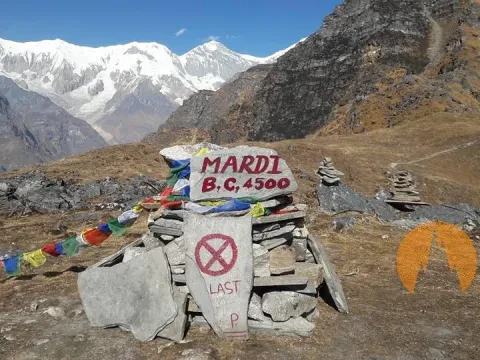
Mardi Himal Trek is one of the shortest and easy to moderate trek in Annapurna region, Nepal, it is known primarily for its scenery, the trek also provides meaningful cultural experiences. Mardi Himal Trek offers something deeper. The quiet trails, vast mountain vistas, and slow rhythm of trekking encourage reflection and mindfulness. Many trekkers describe the experience as grounding—a chance to disconnect from modern distractions and reconnect with nature. With fewer crowds and a more intimate trail, Mardi Himal allows moments of silence where the only sounds are wind, footsteps, and distant prayer flags fluttering in the breeze.The route passes through small villages primarily inhabited by Gurung and Magar communities, known for their warmth and hospitality. Hidden beneath the towering shadows of Machapuchare and the Annapurna range lies one of Nepal’s most rewarding short treks—the Mardi Himal Trek. Quiet, scenic, and refreshingly untouched, this trail offers trekkers a rare chance to experience the raw beauty of the Himalayas without the crowds that dominate more established routes. From dense rhododendron forests and peaceful mountain villages to dramatic alpine ridges and close-up mountain views, the Mardi Himal Trek is a journey that blends adventure, tranquility, and authenticity.Located in the Annapurna region of Nepal, this trek leads adventurers deep into landscapes that feel both intimate and grand. The trail gradually ascends from subtropical forests to high alpine terrain, culminating in awe-inspiring viewpoints of Mardi Himal, Machapuchare (Fishtail), Annapurna South, and Hiunchuli. Despite its growing popularity, Mardi Himal still retains a secluded charm that appeals to trekkers seeking a quieter and more immersive Himalayan experience.Trip Facts of Mardi Himal TrekDuration: 8 daysMax Altitude: 4,200 m (Mardi Himal High View Point)Best Season: Spring (March to May) and Autumn (September to November)Accommodation: Comfortable teahouses during the trekMeals: Breakfast, lunch and dinner during the trekTrip Grade: Easy to ModerateStart/End Point: KathmanduBest Seasons for Mardi Himal TrekThe Mardi Himal Trek can be undertaken throughout much of the year, but certain seasons offer optimal conditions.Spring (March to May)Spring is one of the best times to trek Mardi Himal. The weather is stable, temperatures are moderate, and the forests come alive with blooming rhododendrons. Mountain views are generally clear, making this season ideal for photography.Autumn (September to November)Autumn offers crisp air, stable weather, and excellent visibility. The skies are often clear after the monsoon, revealing sharp mountain outlines. This is the most popular trekking season in Nepal due to ideal conditions.Winter (December to February)Winter trekking is possible for those prepared for cold temperatures. The trail is quieter, and snow-covered landscapes create a magical atmosphere, though higher sections may require caution.Monsoon (June to August)The monsoon brings lush greenery and fewer trekkers. While clouds and rain can limit views, the trail feels peaceful and vibrant. This season is best suited for experienced trekkers comfortable with changing weather conditions.Mardi Himal Trek DifficultyThe Mardi Himal Trek is considered as moderate, making it accessible to a wide range of trekkers. It does not require technical climbing skills, but a reasonable level of fitness is recommended due to daily ascents and descents.The gradual elevation gain allows trekkers to acclimatize naturally, and the trail’s shorter duration compared to longer Himalayan treks makes it an excellent choice for those with limited time.Accommodation and Food on the TrailAccommodation along the Mardi Himal route primarily consists of teahouses, which provide simple yet comfortable lodging. These teahouses offer warm meals, cozy rooms, and welcoming hospitality that reflect the spirit of Nepal’s mountain culture.Meals typically include:Traditional Nepali dal bhatNoodles, soups, and rice dishesTibetan bread and local snacksHigher Path Treks carefully selects accommodations to ensure cleanliness, comfort, and a positive impact on local communities.Mardi Himal Trek with Higher Path TreksChoosing the right trekking company plays a vital role in shaping the overall experience, and Higher Path Treks has earned a strong reputation for delivering well-organized, responsible, and memorable Himalayan journeys.With a deep understanding of the Annapurna region, Higher Path Treks ensures that trekkers experience Mardi Himal in a way that is safe, comfortable, and environmentally responsible. From arrival in Nepal to the final moments of the trek, their team manages logistics seamlessly, allowing trekkers to focus entirely on the experience itself.Experienced Local GuidesHigher Path Treks employs knowledgeable local guides who understand the terrain, weather patterns, and cultural nuances of the region. Their experience enhances safety while also enriching the trek with insights into mountain geography, local traditions, and natural history.Commitment to Responsible TourismSustainability is at the core of Higher Path Treks’ philosophy. By supporting local lodges, hiring local staff, and encouraging eco-friendly trekking practices, the company helps preserve the natural environment and contributes directly to local communities along the trail.Final Thoughts: Why Choose Mardi Himal TrekThe Mardi Himal Trek is a perfect blend of scenic beauty, cultural richness, and peaceful exploration. It offers all the magic of the Annapurna region without the congestion of more famous routes. Whether you are new to Himalayan trekking or an experienced adventurer seeking something quieter, Mardi Himal delivers an experience that feels authentic and deeply rewarding.With Higher Path Treks, this journey becomes even more meaningful. Their professionalism, local expertise, and commitment to responsible travel ensure that every step of the trek is smooth, safe, and enriching.The Mardi Himal Trek is not just about reaching a viewpoint or standing beneath towering peaks—it is about the journey itself, the people you meet, and the lasting memories created in one of the most beautiful corners of Nepal.Helpful Blogs About Trekking in the Annapurna Region:Uncover the best blogs about trekking in the Annapurna region, featuring expert advice, detailed itineraries, personal experiences, and essential tips for adventurers looking to explore the Himalayas.Annapurna Base Camp Trek: A Short Journey to the HimalayasAnnapurna Circuit Trek with Tilicho Lake – A Complete Guide by Higher Path Treks & ExpeditionsTop Tips for Climbing Pisang Peak on the Annapurna CircuitTop Reasons to Trek Ghorepani Poon HillTop Reasons to Choose Tilicho Lake Trek with Thorong La PassBest Experience on the Short Mardi Himal Trek: A Journey to RememberTop Reasons to Combine Pisang Peak Climbing with the Annapurna Circuit TrekComparing Chulu Far East Peak Climbing vs Chulu West Peak ClimbingPoonhill Amazing viewThe most picturesque village GhandrukPhotography Guide: Capturing the Himalayas Without Expensive GearNepal Peak Climbing 2026: Routes, Tips, and Top SummitsThe Best Hiking Adventures: Famous Peak Climbs in 2025Top Himalayan Peaks for Beginner Climbers: A Comprehensive GuideIs Peak Climbing in Nepal Easy for Beginners?Top Best Expedition Packages in Nepal 2025Experience Mountain View in NepalTop Highlights of the Annapurna Base Camp Trek
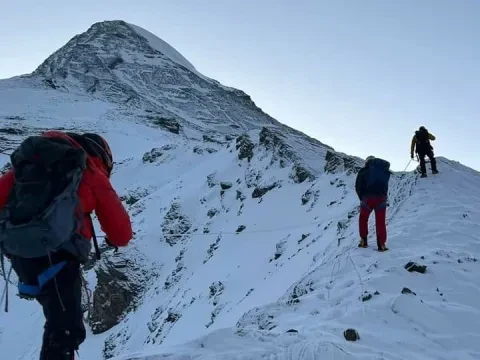
Pisang Peak Climbing is an unforgettable Himalayan adventure featuring the rewarding the ascent of Pisang Peak (6,091 m). This climbing expedition is designed for adventurers seeking a diverse Himalayan experience, combing high-altitude trekking through the stunning Annapurna region with the challenge of scaling a majestic peak.Your journey begins in Kathmandu, where you'll be greeted by the representative from Higher Path Treks. After an initial briefing and equipment check, you'll enjoy a scenic drive to Besisahar, the gateway to the Annapurna Region.From Besisahar, the trail gradually ascends through lush forests of oak, pine, and rhododendron, passing charming villages inhabited by Gurung and Thakali communities. Along the way, you will cross suspension bridges with offering tantalizing views of towering peaks in the distance.Pisang Peak (6,091 meters / 19,983 feet) stands majestically above the Manang Valley. Our expert Sherpa guides will provide comprehensive briefings and technical training to ensure you are well-prepared for the climb. The ascent to Pisang Peak is a challenging yet achievable for physically fit adventurers with basic mountaineering skills.From Pisang Base Camp, the route involves negotiating rocky terrain, snow slopes, and possibly ice sections, under the guidance of skilled Sherpa guides. The effort is rewarded with breathtaking views of the Annapurna range, including Annapurna II, III, IV, Gangapurna, and Tilicho Peak, among others.Summit day typically begins before dawn, with a final push to the summit that tests your endurance and determination. Standing at top of Pisang Peak, surrounded by pristine Himalayan peaks bathed in the first light of dawn, is an experience that transcends words—a moment of triumph and serenity amidst the vastness of the mountains. After descending from Pisang Peak, you'll rejoin the Annapurna Circuit trail, trekking through the beautiful landscapes. By choosing to climb Pisang Peak with Higher Path Treks, you're not only exploring on a thrilling mountaineering expedition but also supporting sustainable tourism practices in the Annapurna region. Join us for an unforgettable journey where every step brings you closer to the heart of the Himalayas, leaving an indelible mark on your soul and creating memories that will inspire your adventurous spirit for years to come.Trips FactsDestination: Annapurna RegionDuration: Trip Grade: ChallengingAccommodation: Teahouse during the trek and Tent during climbingMeals: berakfast, lunch and dinner during trekking and climbingBest Season: Autuma and SpringMax Elevation: 6,091 mStart/End Point: Kathmandu Helpful Blogs About Trekking in the Annapurna Region:Uncover the best blogs about trekking in the Annapurna region, featuring expert advice, detailed itineraries, personal experiences, and essential tips for adventurers looking to explore the Himalayas.Annapurna Base Camp Trek: A Short Journey to the HimalayasAnnapurna Circuit Trek with Tilicho Lake – A Complete Guide by Higher Path Treks & ExpeditionsTop Tips for Climbing Pisang Peak on the Annapurna CircuitTop Reasons to Trek Ghorepani Poon HillTop Reasons to Choose Tilicho Lake Trek with Thorong La PassBest Experience on the Short Mardi Himal Trek: A Journey to RememberTop Reasons to Combine Pisang Peak Climbing with the Annapurna Circuit TrekComparing Chulu Far East Peak Climbing vs Chulu West Peak ClimbingPoonhill Amazing viewThe most picturesque village GhandrukPhotography Guide: Capturing the Himalayas Without Expensive GearNepal Peak Climbing 2026: Routes, Tips, and Top SummitsThe Best Hiking Adventures: Famous Peak Climbs in 2025Top Himalayan Peaks for Beginner Climbers: A Comprehensive GuideIs Peak Climbing in Nepal Easy for Beginners?Top Best Expedition Packages in Nepal 2025Experience Mountain View in NepalTop Highlights of the Annapurna Base Camp Trek
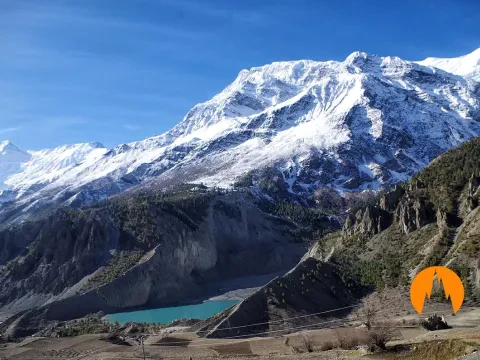
Tilicho Lake Trek with Thorong La Pass: Complete Guide to Nepal's Hidden Himalayan GemWhen people think of trekking in the Annapurna region, most picture the crowded trails to Annapurna Base Camp or the classic Annapurna Circuit Trek. But there's a variation that takes you off the beaten path to one of the highest lakes in the world, combining dramatic scenery with cultural immersion—the Tilicho Lake Trek with Thorong La Pass.Standing at the shores of Tilicho Lake at 4,919 meters (16,138 feet), surrounded by towering snow-capped peaks, you'll understand why this trek has become increasingly popular among seasoned adventurers. The journey combines the serene beauty of the world's highest glacial lake with the challenge of crossing Thorong La Pass at 5,416 meters (17,769 feet), one of the highest trekking passes on earth.What Makes Tilicho Lake Trek with Thorong La Pass Special?The Tilicho Lake Trek isn't just another mountain walk through Nepal's spectacular landscapes. This journey offers something unique—a chance to explore one of the most remote and pristine corners of the Annapurna Conservation Area while experiencing the full diversity of the region's geography and culture.The Allure of Tilicho LakeTilicho Lake holds a special place in both geography and mythology. This glacial lake, sitting in the rain shadow of the Annapurna range, was once considered the highest lake in the world. While that title has since been challenged, its beauty and remoteness remain undisputed. The turquoise waters reflect the surrounding peaks—Tilicho Peak, Nilgiri, and the Annapurnas—creating a mirror-like surface that seems almost otherworldly.The trek to Tilicho takes you through landscapes that change dramatically with each passing day. You'll start in lush, subtropical forests around Besisahar, gradually ascending through terraced farmlands where local communities cultivate rice, wheat, and barley. As you climb higher, the vegetation thins out, giving way to alpine meadows and eventually the stark, arid landscape characteristic of the trans-Himalayan zone.Crossing Thorong La Pass: The Ultimate Himalayan ChallengeAfter visiting Tilicho Lake, the route continues to one of Nepal's most celebrated high passes. Thorong La Pass represents more than just a physical challenge—it's a rite of passage for serious trekkers. The ascent demands preparation, proper acclimatization, and mental determination, but the rewards are extraordinary.From the prayer flag-adorned summit at 5,416 meters, you'll witness a panoramic vista of some of the Himalayas' most impressive peaks. On clear days, the views stretch across the Annapurna and Dhaulagiri ranges, with peaks like Gangapurna, Annapurna III, and the distinctive Machapuchare (Fishtail Mountain) creating a jagged horizon of white against blue.The descent from Thorong La brings you to the sacred site of Muktinath, an important pilgrimage destination for both Hindus and Buddhists. This dramatic change in landscape and culture—from the Buddhist-influenced regions of Manang to the Hindu temples of Muktinath—adds a rich cultural dimension to the physical adventure.Understanding the Trek Route and HighlightsThe Tilicho Lake Trek with Thorong La Pass typically follows a west-to-east direction, though some trekkers prefer the reverse. The standard route begins in Besisahar or, more commonly now, in Chame after a jeep ride, reducing the lower elevation walking.Lower Annapurna Circuit: Chame to ManangThe journey through the lower circuit introduces you to the Marsyangdi River valley, where the trail hugs dramatic cliff faces and passes through traditional Gurung and Tibetan villages. Places like Pisang and Manang become important acclimatization stops.Manang, sitting at 3,540 meters, serves as a crucial acclimatization point before heading to Tilicho Lake. This ancient trading village has become a trekkers' hub, offering comfortable lodges, bakeries, and even a small cinema. Many trekkers spend two nights here, taking day hikes to nearby viewpoints or exploring the village's monasteries and traditional architecture.The Detour to Tilicho LakeFrom Manang, the trail to Tilicho Lake diverges from the main Annapurna Circuit. This section of the trek feels more remote and challenging than the busy main route. The path climbs steadily toward Tilicho Base Camp (4,150 meters), where you'll spend the night before making an early morning push to the lake.The final approach to Tilicho Lake involves crossing scree slopes and navigating a rocky, exposed trail that demands caution, especially in windy conditions or if snow is present. However, when you round the final bend and the lake comes into view, spreading out like a jewel beneath the Annapurna range, every step feels worthwhile.Most trekkers reach the lake in early morning when the water is calm and the reflections are sharpest. The surrounding silence is profound—broken only by the occasional gust of wind or the sound of ice calving from nearby glaciers. It's a place that inspires contemplation and reminds you of nature's raw power and beauty.From Tilicho to Thorong LaAfter retracing your steps from Tilicho Lake, you'll rejoin the main circuit at Yak Kharka or Thorong Phedi, the base camps for the Thorong La crossing. This section requires careful planning as you'll be spending nights at progressively higher elevations—Yak Kharka at 4,018 meters and Thorong High Camp at 4,925 meters.The crossing of Thorong La typically begins in the pre-dawn darkness, with headlamps bobbing up the mountain as trekkers make their way to the pass. The timing is deliberate—starting early means you'll cross before afternoon winds pick up and increases your chances of clear weather for summit views.The climb is steady and demanding, but not technically difficult. The main challenges are altitude and weather. With proper acclimatization and pacing, most reasonably fit trekkers successfully cross. The descent to Muktinath covers a significant elevation drop of over 1,600 meters, which can be tough on the knees but brings welcome relief as oxygen levels increase.Physical Demands and Fitness RequirementsLet's be honest about what this trek demands. The Tilicho Lake Trek with Thorong La Pass is not an entry-level Himalayan experience. Unlike shorter treks like the Ghorepani Poon Hill Trek or Mardi Himal Trek, this journey requires good physical conditioning, mental preparation, and previous trekking experience at altitude.Physical FitnessYou'll be walking for 5-7 hours most days, often on uneven terrain with significant elevation gains. Unlike the Everest Base Camp Trek, where the trail is well-established and heavily trafficked, sections of the Tilicho route are rougher and more exposed.Preparation should include cardiovascular training—running, cycling, or swimming—combined with strength work focusing on legs and core. Practicing with a loaded backpack on hilly terrain will prepare you for the daily reality of trekking with 5-8 kg of personal gear.Altitude ConsiderationsThe altitude profile of this trek is significant. You'll be sleeping above 4,000 meters for several nights, with the highest point at 5,416 meters. Acute Mountain Sickness (AMS) is a real concern that affects people regardless of fitness level.Proper acclimatization is non-negotiable. This means following the "climb high, sleep low" principle, staying well-hydrated, avoiding alcohol in the first few days at altitude, and most importantly, listening to your body. Symptoms of AMS—headache, nausea, difficulty sleeping, and loss of appetite—should be taken seriously.An experienced guide will monitor your condition using pulse oximeters and symptom assessments. Unlike some treks where you might push through discomfort, altitude sickness demands caution and sometimes descent. That's why building in acclimatization days at Manang and having a flexible itinerary matters.Mental PreparationBeyond physical fitness, this trek demands mental resilience. You'll face cold temperatures, especially when crossing Thorong La in the pre-dawn hours. The remoteness of the Tilicho Lake section means less infrastructure and comfort than the main circuit. And the cumulative fatigue of 15-17 days of trekking tests your determination.However, these challenges are exactly what make the achievement so rewarding. Like those who complete the Everest Three Passes Trek or Manaslu Circuit Trek, you'll return home with a deep sense of accomplishment and memories that last a lifetime.Best Seasons for Trekking Tilicho Lake and Thorong LaChoosing when to trek can make the difference between a challenging adventure and a genuinely difficult ordeal. The Tilicho Lake Trek with Thorong La Pass is best attempted during two distinct seasons, each offering different advantages.Spring Season (March to May)Spring is arguably the most popular season for this trek, and for good reason. As winter's grip loosens on the Himalayas, the weather stabilizes, temperatures warm, and the mountains reveal themselves in full glory.March can still be cold, particularly at higher elevations, but the trade-off is fewer crowds compared to April and May. Rhododendrons bloom at lower elevations, splashing the hillsides with vibrant reds and pinks. By April, conditions are generally excellent—warm days, clear skies, and moderate temperatures even at altitude.May brings warmer temperatures but also the approach of monsoon season. While the high elevation and rain shadow protect the Annapurna Circuit from the worst of the rains, afternoon clouds can build up, potentially obscuring mountain views. However, May offers the warmest conditions of the year, which some trekkers prefer when crossing high passes.Autumn Season (September to November)Autumn rivals spring as the ideal trekking season and is favored by many experienced trekkers. Following the monsoon season, the air is crystal clear, creating spectacular visibility for mountain photography. The weather is generally stable, with warm days and cold nights.September marks the transition from monsoon to autumn. Early September can still see occasional afternoon showers, but by mid-month, conditions typically stabilize beautifully. October is considered prime time—the weather is consistently excellent, with clear skies and moderate temperatures.November brings colder temperatures, especially at high elevations, but continues to offer stable weather and clear views. The main drawback is that snowfall at Thorong La becomes more likely, occasionally forcing temporary trail closures. However, trekking later in the season means fewer crowds on the trail and in the teahouses.Off-Season ConsiderationsWinter (December to February) and monsoon (June to August) are considered off-season, though some hardy souls attempt the trek during these times. Winter brings extreme cold and heavy snowfall at Thorong La, often making the pass impassable. However, lower elevation sections can be pleasant, and you'll have trails almost to yourself.Monsoon season brings the opposite challenge—rain at lower elevations, though the rain shadow effect means Manang and areas beyond receive significantly less precipitation than southern Nepal. Still, trails can be slippery, leeches are active at lower elevations, and mountain views are frequently obscured by clouds.Cultural Experiences Along the TrailWhile the natural beauty of the Tilicho Lake Trek draws most trekkers, the cultural richness of the region provides equally memorable experiences. The Annapurna region is home to diverse ethnic groups, each with distinct traditions, languages, and lifestyles.Buddhist Culture of ManangThe Manang district is predominantly Buddhist, with strong cultural ties to Tibet. As you trek through villages like Pisang, Braga, and Manang, you'll notice traditional Tibetan architecture—flat-roofed stone houses, intricate wood carvings, and colorful prayer flags fluttering in the wind.Monasteries dot the landscape, their walls adorned with ancient murals and spinning prayer wheels. The Braga Monastery, one of the oldest in the region, sits dramatically on a cliff face overlooking the valley. Taking time to visit these monasteries, watching monks go about their daily rituals, offers insight into a way of life that has persisted for centuries.The people of Manang have historically been traders, traveling across the Himalayas to Tibet and beyond. This commercial tradition has made them welcoming to outsiders and has contributed to the region's relatively developed infrastructure for tourism.Sacred MuktinathAfter crossing Thorong La, you'll descend to Muktinath, one of Nepal's most important pilgrimage sites. The Muktinath Temple complex holds significance for both Hindus and Buddhists—a rare shared sacred space in the Himalayas.For Hindus, Muktinath is one of the 108 Divya Desam (sacred abodes) dedicated to Lord Vishnu. The 108 water spouts surrounding the main temple are believed to wash away sins, and pilgrims come from across South Asia to bathe in these holy waters. For Buddhists, the site is associated with Guru Rinpoche (Padmasambhava), who brought Buddhism to Tibet.The natural eternal flame that burns at the temple—fed by natural gas seeping through rock—adds to the site's mystical atmosphere. Watching pilgrims perform their rituals, hearing the chanting of mantras, and experiencing the devotion of visitors provides a profound cultural counterpoint to the physical challenges of the trek.Local Hospitality and Teahouse CultureThroughout the trek, you'll stay in teahouses—basic lodges run by local families. While facilities are simple, especially at higher elevations, the warmth of hospitality compensates for any lack of comfort. Sitting around a wood stove in the common dining area, sharing meals with other trekkers, and chatting with lodge owners creates a sense of community that's central to the trekking experience.Meals typically feature dal bhat (rice, lentils, and vegetables), momos (dumplings), noodle soups, and various bread-based dishes. At higher elevations, options become more limited, but the food remains nourishing and surprisingly tasty given the remote locations.Learning a few phrases in Nepali enhances these interactions. A simple "Namaste" (hello/goodbye), "Dhanyabad" (thank you), or "Mitho chha" (it's delicious) goes a long way in creating connections with local people.Permits, Regulations, and LogisticsTrekking in Nepal's protected areas requires specific permits and adherence to regulations designed to preserve the environment and support local communities.Required PermitsFor the Tilicho Lake Trek with Thorong La Pass, you'll need two permits:Annapurna Conservation Area Permit (ACAP): This permit costs approximately $30 (3,000 NPR) and grants access to the entire Annapurna Conservation Area, including both the Tilicho Lake region and the Thorong La Pass. Revenue from permits helps fund conservation efforts and community development projects.TIMS Card (Trekkers' Information Management System): The TIMS card costs about $20 (2,000 NPR) for individual trekkers or $10 (1,000 NPR) for those trekking with a registered company. This system helps ensure trekker safety by maintaining records of people in the mountains.Both permits can be obtained in Kathmandu or Pokhara before starting your trek. When booking with a reputable company like Higher Path Treks, permit arrangements are typically handled as part of the service package.Guided vs. Independent TrekkingWhile the main Annapurna Circuit can be trekked independently, the Tilicho Lake variation benefits significantly from having an experienced guide. The trail to Tilicho Lake is less developed, with potential navigation challenges, especially in poor weather or snow conditions.A knowledgeable guide provides safety, navigation expertise, altitude monitoring, and cultural interpretation. They can adjust the itinerary based on weather conditions, your acclimatization status, and personal preferences. Porters can carry the bulk of your gear, allowing you to trek with just a daypack, which significantly improves your comfort and reduces physical strain.For those interested in combining peak climbing with trekking, consider routes like Pisang Peak Climbing with Annapurna Circuit Trek or Chulu West Peak Climbing with Annapurna Circuit Trek.Environmental ResponsibilityThe Annapurna Conservation Area was established in 1986 as Nepal's first conservation area, emphasizing sustainable tourism and community involvement. As a trekker, you play a role in preserving this pristine environment.Follow Leave No Trace principles: carry out all non-biodegradable waste, use designated toilet facilities, avoid single-use plastics where possible, and respect wildlife. Water sources at high altitude are scarce and precious—avoid contaminating streams and springs.Supporting the local economy directly—staying in family-run teahouses, eating local food, hiring local guides and porters—ensures that tourism benefits the communities most impacted by the influx of trekkers.Accommodation and Food Throughout the TrekUnderstanding what to expect regarding accommodation and meals helps set realistic expectations and allows you to pack appropriately.Teahouse AccommodationTeahouses along the main Annapurna Circuit are generally comfortable, offering twin-bedded rooms with foam mattresses. Most provide blankets, though carrying your own sleeping bag rated for cold temperatures is highly recommended, especially for the higher sections.At lower elevations (Chame, Pisang), teahouses may have attached bathrooms with basic shower facilities. As you climb higher, facilities become more basic. Shared bathrooms are the norm, and hot showers (usually solar or gas-heated) typically cost extra—about $2-5 depending on location.The Tilicho Lake section has more limited accommodation. Tilicho Base Camp offers very basic facilities—don't expect luxury. The remote location and harsh conditions mean that these lodges provide shelter and food, nothing more. However, the camaraderie among trekkers at these high camps and the shared sense of adventure compensate for the lack of comfort.Meal OptionsFood quality and variety are surprisingly good throughout most of the trek. Typical breakfast options include porridge, toast, eggs, pancakes, and Tibetan bread. Lunch and dinner menus feature dal bhat, fried rice, noodles (chow mein), pasta, momos, and various soups.Dal bhat, the traditional Nepali meal of rice, lentil soup, and vegetables, comes with unlimited refills and provides excellent nutrition for trekking. As you gain altitude, your appetite may decrease—a common response to altitude—but maintaining calorie intake is important for energy and acclimatization.At higher elevations (Tilicho Base Camp, Thorong Phedi), menu options narrow and prices increase due to the difficulty of transporting supplies. Items like meat, cheese, and chocolate become less available or more expensive.Hydration is critical at altitude. Bottled water is available but creates significant plastic waste. Carrying water purification tablets or a filtering system allows you to refill from streams and taps, reducing environmental impact and saving money.Special Dietary RequirementsVegetarian food is widely available throughout Nepal, and most teahouse menus are naturally vegetarian-friendly. Vegan options are more limited but possible by specifying "no cheese, no butter" and relying on dal bhat, vegetable curries, and rice dishes.If you have specific dietary restrictions (gluten-free, food allergies), communicating these to your guide ensures they can arrange appropriate meals. Carrying some supplementary snacks—energy bars, nuts, dried fruit—provides backup options and extra calories during long trekking days.Comparing Tilicho Lake Trek to Other Annapurna RoutesThe Annapurna region offers multiple trekking options, each with distinct characteristics. Understanding how the Tilicho Lake Trek compares helps determine if it's the right choice for your goals and abilities.Tilicho Lake vs. Standard Annapurna CircuitThe standard Annapurna Circuit Trek follows the main trail without the Tilicho Lake detour, typically taking 12-14 days. This route is more developed, with better facilities and more consistent trail conditions.Adding Tilicho Lake extends the trek by 2-3 days and adds an extra challenge. The side trip to the lake involves rougher terrain, higher altitudes, and more basic accommodation. However, it rewards you with access to one of Nepal's most spectacular natural features and a sense of venturing into truly remote territory.If you're seeking a moderately challenging trek with good infrastructure, the standard circuit suffices. If you want to push yourself further and experience something more remote and pristine, the Tilicho variation is worth the extra effort.Tilicho Lake vs. Annapurna Base CampThe Annapurna Base Camp Trek takes you into the heart of the Annapurna Sanctuary, surrounded by a amphitheater of towering peaks. This trek is shorter (10-13 days), involves less extreme altitude (maximum 4,130m), and features more lush, forested terrain in the lower sections.ABC is an excellent choice for those with limited time or those seeking their first Himalayan trekking experience. The Tilicho Lake Trek with Thorong La Pass, in contrast, is longer, reaches higher altitudes, and demands greater physical and mental commitment. It's the better choice for experienced trekkers seeking a comprehensive Annapurna experience.Combining Tilicho Lake with Other AdventuresFor those with more time and ambition, the Annapurna region offers opportunities to combine multiple adventures. The Nar Phu Valley Kang La Pass and Thorong Pass Trek adds another remote valley to the circuit, creating an even more comprehensive journey through less-visited areas.Alternatively, if you're interested in exploring different regions of Nepal, consider the Langtang Valley Trekking, which offers stunning scenery and cultural experiences in a more compact timeframe, or the Gokyo Lake Trek in the Everest region, which features another spectacular high-altitude lake system.Essential Gear and Packing ListProper equipment makes the difference between comfort and misery on a high-altitude trek. You don't need to buy the most expensive gear, but quality in key items—boots, sleeping bag, and layers—is worth the investment.Clothing LayersThe key to comfort in the mountains is layering. Temperatures vary dramatically throughout the day and as you change elevation. A typical system includes:Base layers: Merino wool or synthetic moisture-wicking shirts and long underwear. Avoid cotton, which retains moisture and leaves you cold.Insulation layers: Fleece jacket or synthetic insulated jacket for warmth during breaks and evenings. Down jackets are excellent for very cold conditions at high camps.Outer shell: Waterproof, windproof jacket and pants. Even during dry seasons, weather can change rapidly in the mountains.Trekking clothes: Comfortable hiking pants (zip-offs are versatile), long-sleeve shirts, and enough socks and underwear for the trek duration plus extras.Accessories: Warm hat, sun hat, gloves (bring both liner gloves and warmer mittens), buff or neck gaiter, and sunglasses with UV protection.FootwearYour boots are your most important piece of equipment. Well-broken-in, waterproof hiking boots with good ankle support are essential. Bring boots you've already hiked in—don't break in new boots on this trek.Camp shoes or sandals provide relief after a day of trekking and are useful around teahouses. Gaiters help keep dirt, snow, and debris out of your boots during the Tilicho Lake section and Thorong La crossing.Technical GearBackpack: A comfortable 50-65 liter pack if carrying your own gear, or a smaller daypack (25-30 liters) if using porter services.Sleeping bag: Rated to at least -10°C (14°F), preferably -15°C for comfort at high elevations. Down bags are lighter but lose insulation if wet; synthetic bags are heavier but perform better in moisture.Trekking poles: Invaluable for reducing knee strain, especially during long descents, and providing stability on uneven terrain.Headlamp: Essential for pre-dawn starts and navigating to bathroom facilities at night. Bring extra batteries as cold reduces battery life.Additional ItemsWater purification (tablets, drops, or filter system), high-SPF sunscreen, lip balm, personal first aid kit, toiletries, quick-dry towel, camera with extra batteries, power bank, books or entertainment for rest days, and snacks from home.Medications should include altitude sickness prevention (Diamox if recommended by your doctor), pain relievers, anti-diarrheal medication, rehydration salts, and any personal prescriptions.Training and Preparation TimelineSuccess on the Tilicho Lake Trek with Thorong La Pass begins months before you arrive in Nepal. A structured training program prepares your body for the physical demands and builds the confidence needed for high-altitude trekking.3-4 Months BeforeBegin a consistent cardiovascular training program—running, cycling, swimming, or hiking. Aim for 4-5 sessions per week, gradually building intensity and duration. Include at least one longer session each week (2-3 hours) to build endurance.Start strength training focusing on legs, core, and back. Exercises like squats, lunges, step-ups, planks, and back extensions build the muscles you'll rely on during long trekking days.2 Months BeforeIncrease training intensity. Do longer weekend hikes with a loaded backpack (10-15kg), ideally on hilly terrain. Practice descents as well as ascents—going downhill for hours stresses knees and requires different muscle control.If you live at sea level, research altitude training options. While you can't fully prepare for altitude without being at altitude, maintaining excellent fitness ensures your body works as efficiently as possible at reduced oxygen levels.1 Month BeforeFocus on consistency rather than intensity. You're maintaining fitness now, not trying to make gains. Avoid injury by listening to your body and backing off if you feel overtrained.Practice with your actual trek boots and pack. Identify any hot spots or discomfort and address them before departure. Break in new gear, test your clothing layers, and ensure everything fits comfortably.Final WeeksTaper your training in the final week before travel. Continue light activity—walking, stretching, yoga—but give your body time to rest and recover. You want to arrive in Nepal fresh, not fatigued from training.Review your gear, make final preparations, and mentally prepare for the adventure ahead. Visualization—imagining yourself successfully completing the trek—can be a valuable mental preparation tool.Health and Safety ConsiderationsTrekking in remote, high-altitude environments carries inherent risks. Understanding these risks and how to mitigate them is part of responsible mountain travel.Altitude SicknessAcute Mountain Sickness (AMS) can affect anyone, regardless of fitness level. Common symptoms include headache, nausea, dizziness, fatigue, and difficulty sleeping. Most trekkers experience mild symptoms at some point during the trek.Prevention strategies include:Ascending gradually (follow the itinerary's acclimatization schedule)Staying well-hydrated (3-4 liters of water daily)Avoiding alcohol at altitude"Climbing high, sleeping low" on acclimatization daysConsidering Diamox prophylaxis (consult your doctor)More serious conditions—High Altitude Pulmonary Edema (HAPE) and High Altitude Cerebral Edema (HACE)—are rare but life-threatening. Symptoms include severe breathlessness at rest, coughing up frothy fluid (HAPE), or loss of coordination and severe headache (HACE). These conditions require immediate descent.Your guide will conduct regular health checks, monitoring pulse, oxygen saturation, and symptoms. Be honest about how you're feeling—hiding symptoms can have serious consequences.Travel InsuranceComprehensive travel insurance that specifically covers high-altitude trekking (up to at least 6,000 meters) and emergency helicopter evacuation is mandatory. Read the policy carefully—some insurers require you to have a guide, or exclude trekking above certain elevations.Quality insurance isn't cheap, but it's non-negotiable. Helicopter evacuations from high-altitude areas can cost $5,000-$10,000, and medical treatment for altitude sickness or injuries can be expensive.General Health PrecautionsGastrointestinal issues are common among trekkers. Stick to bottled or purified water, avoid raw vegetables and unpeeled fruits, and be cautious with dairy products at higher elevations. Hand sanitizer and frequent hand washing reduce the risk of illness.The intense high-altitude sun can cause severe sunburn and snow blindness. Apply high-SPF sunscreen regularly, wear protective clothing, and use quality UV-blocking sunglasses or goggles, especially when crossing Thorong La Pass.Why Trek with Higher Path TreksChoosing the right trekking company significantly impacts your experience. Higher Path Treks brings decades of experience in the Himalayas, with founder Karma Geljen Sherpa and his team offering insider knowledge and genuine local connections.Local Expertise and SafetyHigher Path's guides are primarily from the Himalayan regions—many from the Everest and Annapurna areas. This isn't just geographical knowledge; it's cultural understanding, weather interpretation skills developed over lifetimes in the mountains, and the judgment to make safe decisions in challenging conditions.The company maintains strict safety protocols, including regular guide training, proper equipment for high-altitude emergencies, and established communication systems. Support staff are experienced in altitude illness recognition and emergency response.Responsible TourismHigher Path Treks emphasizes sustainable, responsible tourism that benefits local communities. This means hiring local guides and porters, using locally-owned teahouses, and supporting community development projects through the Karma Project.Environmental stewardship is taken seriously. Groups carry out all non-biodegradable waste, use eco-friendly products where possible, and educate trekkers on minimizing their environmental impact.Personalized ServiceRather than following a one-size-fits-all approach, Higher Path works with trekkers to customize itineraries based on experience level, time available, and personal interests. Whether you want to add rest days, visit specific monasteries, or combine the trek with other adventures like peak climbing or exploring the Mustang region, the team can accommodate.Alternative Treks and ExtensionsIf you're captivated by the Himalayas but want to explore beyond the Annapurna region, Nepal offers incredible diversity.Everest Region AdventuresThe Everest Base Camp Trek with Gokyo Lakes combines two classic routes, offering comprehensive views of the world's highest peaks. For those seeking extreme challenges, the Everest Three Passes Trek crosses three 5,000+ meter passes in one epic journey.Shorter options include the Pikey Peak Trek, offering stunning Everest views from a lower elevation with rich Sherpa cultural experiences.Manaslu and Remote RegionsThe Manaslu Circuit Trek rivals the Annapurna Circuit in beauty but sees far fewer trekkers, offering a more pristine wilderness experience. The Manaslu Tsum Valley Trek explores a hidden valley with ancient Buddhist culture and spectacular mountain scenery.Peak Climbing ExtensionsFor those bitten by the altitude bug, numerous trekking peaks offer the next level of challenge. Island Peak Climbing with Everest Base Camp Trek combines classic trekking with summit aspirations, while Mera Peak Climbing takes you to 6,476 meters with less technical difficulty.In the Annapurna region itself, Pisang Peak Climbing with Annapurna Circuit Trek offers an accessible introduction to Himalayan mountaineering.Shorter Annapurna OptionsIf time is limited, the Ghorepani Poon Hill Trek provides stunning mountain views in just 5-7 days, while the Mardi Himal Trek offers a quieter alternative to the busy ABC route with excellent views of Machapuchare and Annapurna South.The Khopra Trek explores less-traveled ridgelines with community lodges, combining spectacular scenery with genuine cultural immersion and support for local communities.Weather Patterns and What to ExpectUnderstanding weather patterns helps you pack appropriately and sets realistic expectations for each section of the trek.Lower Elevations (Below 3,000m)In the Marsyangdi valley, weather is generally warmer and more humid. During spring and autumn, daytime temperatures range from 15-25°C (59-77°F), dropping to 5-15°C (41-59°F) at night. The lush vegetation and terraced fields benefit from occasional afternoon clouds.Rain is possible any time of year, though more likely during spring (pre-monsoon showers) and least likely in late autumn. Always carry rain gear, even during the dry season.Middle Elevations (3,000-4,000m)Around Manang and the approach to Tilicho, you'll notice a transition to a drier, more arid climate due to the rain shadow effect. Daytime temperatures during trekking seasons range from 10-20°C (50-68°F), while nights can drop below freezing.Wind becomes more noticeable at these elevations, particularly in the afternoon. The Marsyangdi valley can funnel strong winds, making the approach to Tilicho Lake especially challenging on windy days.High Elevations (Above 4,000m)At Tilicho Lake, Thorong High Camp, and the pass itself, conditions are alpine and can be severe. Even during favorable seasons, temperatures rarely climb above 10°C (50°F) during the day and regularly drop to -10°C to -20°C (14°F to -4°F) at night.Wind chill significantly affects perceived temperature. The Thorong La crossing typically begins in the pre-dawn darkness when temperatures are lowest but winds are calmest. By mid-morning, as the sun climbs, temperatures warm slightly but winds increase, sometimes dramatically.Snow is possible at high elevations any time of year, though most common from November through March. Fresh snow can temporarily close Thorong La Pass, though local guides are usually aware of conditions and can adjust timing accordingly.Daily Life on the Trek: What a Typical Day Looks LikeUnderstanding the rhythm of trekking days helps you prepare mentally for the experience. While each day varies based on distance and elevation gain, certain patterns emerge.Morning RoutineWake-up calls typically come around 6:00-7:00 AM, earlier on days with long distances or when crossing Thorong La (as early as 3:00 AM). After washing up—often with cold water at higher elevations—you'll head to the dining room for breakfast.Mornings in the mountains are usually calm, with clear skies and stable weather. Starting early means you'll cover significant distance before afternoon clouds or winds develop. It also gives you time to rest and acclimatize before the next day's challenges.Trekking HoursMost days involve 5-7 hours of walking, broken up by mid-morning and lunch breaks. The pace is deliberately slow—"pole pole" (slowly, slowly in Swahili, but used universally by mountain guides) becomes a mantra. This measured pace conserves energy and aids acclimatization.Your guide will stop at scenic viewpoints, villages of interest, and every few hours for longer rest and snack breaks. These stops aren't just for rest—they're opportunities to observe your surroundings, interact with locals, take photos, and simply be present in the landscape.Afternoon and EveningYou'll typically reach your destination by early to mid-afternoon, giving you several hours before dinner to rest, explore the village, read, journal, or socialize with other trekkers in the common dining room.The teahouse dining room becomes the social center each evening. Trekkers gather around wood stoves or yak-dung burners, sharing stories, playing cards, reading, or simply warming up after a day in the cold. Dinner is usually served around 6:00-7:00 PM, followed by pre-bedding planning for the next day.Lights out comes early in the mountains—by 8:00-9:00 PM, most people are in their sleeping bags, resting up for the next day's adventure.Photography Tips for Capturing Your JourneyThe Tilicho Lake Trek with Thorong La Pass offers extraordinary photographic opportunities, from dawn light on snow-capped peaks to candid cultural moments in village teahouses.Essential Photography GearYou don't need professional equipment to capture stunning images. A good smartphone can produce excellent results, especially in good light. However, a camera with manual controls allows you to handle the challenging light conditions of the high mountains.A versatile zoom lens (24-70mm or 18-135mm) covers most situations—from wide landscapes to closer portraits. If carrying two lenses isn't too burdensome, add a longer telephoto (70-200mm) for distant mountain details and a wide angle (16-35mm) for expansive landscapes.Bring extra batteries—cold temperatures drain them quickly. Keep batteries warm in inside pockets and only install them when ready to shoot. Memory cards should have ample capacity, as you'll likely take hundreds or thousands of photos.Light and TimingThe best mountain light occurs during the "golden hours"—the first hour after sunrise and the last hour before sunset. Dawn light often reveals mountains before clouds build up, creating those spectacular alpenglow shots when peaks turn pink and orange.At high altitude, light is intense and contrast is extreme. Consider using polarizing filters to reduce glare and enhance sky colors. Bracket your exposures—take the same shot at different exposure settings to ensure you capture detail in both bright snow and dark shadows.Composition and Subject MatterBeyond the obvious "peak shots," look for layered compositions—foreground elements like prayer flags or stone walls leading to middle-ground villages and background mountains. Incorporate people (with permission) to provide scale and human interest.Details matter: weathered faces, intricate monastery carvings, morning frost on tent fabric, the play of light through prayer wheel smoke. These smaller moments often prove more memorable than another mountain vista.Respect local culture when photographing people. Always ask permission before taking portraits, especially around monasteries and villages. Many people will be happy to pose, while others prefer privacy. Learning to read and respect these cues is part of being a responsible visitor.Practical Logistics: Getting to the Trailhead and Finishing the TrekThe trek typically begins in Besisahar or Chame (if taking a jeep) and ends in Jomsom or continues to Pokhara. Understanding these logistics helps with planning.Getting to Besisahar/ChameFrom Kathmandu, private vehicles or tourist buses reach Besisahar in 6-7 hours. The road follows the Prithvi Highway to Dumre, then heads north along the Marsyangdi valley. Road conditions vary—expect some rough sections, especially after monsoons.Many trekkers now start from Chame or even Manang, taking jeeps along the rough mountain road. This saves 2-3 days of lower-elevation trekking but sacrifices valuable acclimatization time. Unless time is severely limited, starting from Besisahar or at least Jagat is recommended for proper altitude adjustment.Finishing in JomsomAfter crossing Thorong La Pass and visiting Muktinath, most trekkers descend to Jomsom. This riverside town has an airport with regular flights to Pokhara—a scenic 25-minute flight through the world's deepest gorge (Kali Gandaki).Flights are weather-dependent and delays are common, especially in the morning when winds are strong. Build a buffer day into your itinerary before any international flights. Alternatively, jeeps run from Jomsom to Pokhara, though the 8-10 hour journey is rough and dusty.Alternative EndingsSome trekkers continue from Jomsom to Tatopani, adding 2-3 days to the trek and ending in natural hot springs—a perfect way to soothe tired muscles. From Tatopani, it's a 6-7 hour drive to Pokhara.The more adventurous might extend the trek by heading to Mustang Trek territory, exploring the arid, Tibet-like landscapes of the Kali Gandaki valley.Budgeting for the TrekUnderstanding costs helps you plan financially and ensures you can enjoy the trek without money worries.Main ExpensesTrekking costs vary significantly depending on whether you go independent or guided, and the level of service you choose. A budget independent trekker might spend $40-60 daily on teahouse accommodation, food, and incidentals. Guided treks with porter support typically range from $1,200-2,000 for the full trek, depending on group size and service level.Permits (ACAP and TIMS) cost approximately $50 total. Internal transport (Kathmandu-trailhead, Jomsom-Pokhara) adds $100-150. Travel insurance is typically $100-200 for a 2-3 week policy covering high-altitude trekking.Daily Trekking CostsTeahouse accommodation ranges from $3-10 per night, increasing with elevation. The business model assumes you'll eat meals at the lodge where you sleep—room rates are kept low while food prices provide the actual revenue.Meals cost $3-8 each at lower elevations, $5-12 at higher elevations. Daily water (if buying bottled) adds $5-10, though using purification systems saves money and reduces plastic waste. Hot showers cost $2-5, Wi-Fi $2-5 daily, charging devices $2-3.Tips and ContingenciesTipping guides and porters is customary. General guidelines suggest $10-15 daily for guides, $8-12 daily for porters, though this varies based on group size and service quality. Budget $200-300 for tips if trekking for 15-17 days.Build in contingency funds for unexpected expenses—extra accommodation if flights are delayed, emergency supplies, or additional porter services if needed. Having $200-300 extra cushion provides peace of mind.FAQs About Tilicho Lake Trek with Thorong La PassHow difficult is this trek compared to Everest Base Camp?Both treks reach similar maximum elevations, but the Tilicho Lake Trek involves more time at high altitude (multiple nights above 4,000m) and includes the challenging detour to Tilicho Lake on rough, exposed trails. If you've successfully completed Everest Base Camp Trek, you have the fitness for this trek, though altitude adaptation is always individual.Can I do this trek solo without a guide?While the main Annapurna Circuit is well-marked and can be trekked independently, the Tilicho Lake section is more challenging to navigate, especially in poor weather. A guide provides safety, navigation, altitude monitoring, and cultural interpretation. Consider at least hiring a guide for the Tilicho Lake section if you want to trek the main circuit independently.What's the best time to see Tilicho Lake without ice?The lake is typically frozen from November through March. Late March through May offers the best chances of seeing blue water with retreating ice. September through October also shows beautiful open water before winter freezing begins.How much does it cost to trek Tilicho Lake with Thorong La Pass?Costs vary based on service level. Budget independent trekking runs $800-1,200 total. Fully guided treks with support staff range from $1,500-2,500 depending on group size and service level. These costs include permits, accommodation, meals, guide/porter services, and internal transport.Is altitude sickness common on this trek?Most trekkers experience some mild altitude symptoms (headache, poor sleep, reduced appetite) at some point during the trek. Serious altitude sickness is less common with proper acclimatization but remains a risk above 4,000m. Following a gradual ascent profile and listening to your body minimizes risks.Can I trek during monsoon season?While possible, monsoon season (June-August) isn't ideal. The rain shadow effect means less precipitation than southern Nepal, but trails are slippier, leeches are active at lower elevations, and mountain views are frequently obscured. If your schedule only allows monsoon trekking, it's still doable but expect more challenging conditions.What about communication and internet access?Most villages have Wi-Fi in teahouses ($2-5 daily), though speeds are slow and reliability decreases with elevation. Mobile service (Ncell and NTC networks) works intermittently up to Manang. Above Manang, connectivity becomes sparse. The Tilicho Lake area has no reliable communication. Consider this a digital detox opportunity.How do I prepare for the Thorong La Pass crossing?Proper acclimatization is the key—spend at least two nights in Manang before heading toward the pass. From Thorong Phedi or High Camp, start the crossing early (3:00-4:00 AM) to reach the top before winds strengthen. Dress in layers you can adjust as you heat up during the climb. Carry snacks and water, though most trekkers stop at the halfway tea stall.Final Thoughts: Is the Tilicho Lake Trek with Thorong La Pass Right for You?This trek represents a significant commitment—15-17 days of challenging terrain, high altitude, basic facilities, and considerable physical effort. It's not the right choice for everyone, nor is it the best introduction to Himalayan trekking if you're new to altitude or multi-day trekking.However, for those with previous trekking experience, good fitness, and the desire to explore beyond the standard routes, this journey offers extraordinary rewards. The combination of Tilicho Lake's pristine beauty and Thorong La Pass's dramatic crossing creates a comprehensive Annapurna experience that goes beyond typical tourist trails.You'll return home with more than photos and memories. This trek challenges you physically and mentally, tests your limits, and ultimately reveals what you're capable of achieving. The friendships formed with fellow trekkers, the kindness of mountain communities, and the profound beauty of the Himalayas stay with you long after your boots are clean and packed away.Whether this is your first major Himalayan trek or one of many, whether you're seeking personal challenge or simply the joy of walking in the mountains, the Tilicho Lake Trek with Thorong La Pass delivers an authentic, transformative experience in one of the world's most spectacular mountain regions.For more information, to discuss customizing your itinerary, or to book your adventure with experienced local guides who know these mountains intimately, contact Higher Path Treks. Our team, led by Karma Geljen Sherpa from the Everest region, brings decades of Himalayan experience and a genuine commitment to your safety, enjoyment, and connection with Nepal's mountain landscapes and cultures.The Himalayas are calling. Tilicho Lake and Thorong La Pass await. Your adventure begins now.Top Blogs About Trekking in the Annapurna Region:Uncover the best blogs about trekking in the Annapurna region, featuring expert advice, detailed itineraries, personal experiences, and essential tips for adventurers looking to explore the Himalayas.Annapurna Base Camp Trek: A Short Journey to the HimalayasAnnapurna Circuit Trek with Tilicho Lake – A Complete Guide by Higher Path Treks & ExpeditionsTop Tips for Climbing Pisang Peak on the Annapurna CircuitTop Reasons to Trek Ghorepani Poon HillTop Reasons to Choose Tilicho Lake Trek with Thorong La PassBest Experience on the Short Mardi Himal Trek: A Journey to RememberTop Reasons to Combine Pisang Peak Climbing with the Annapurna Circuit TrekComparing Chulu Far East Peak Climbing vs Chulu West Peak ClimbingPoonhill Amazing viewThe most picturesque village GhandrukPhotography Guide: Capturing the Himalayas Without Expensive GearNepal Peak Climbing 2026: Routes, Tips, and Top SummitsThe Best Hiking Adventures: Famous Peak Climbs in 2025Top Himalayan Peaks for Beginner Climbers: A Comprehensive GuideIs Peak Climbing in Nepal Easy for Beginners?Top Best Expedition Packages in Nepal 2025Experience Mountain View in NepalTop Highlights of the Annapurna Base Camp Trek
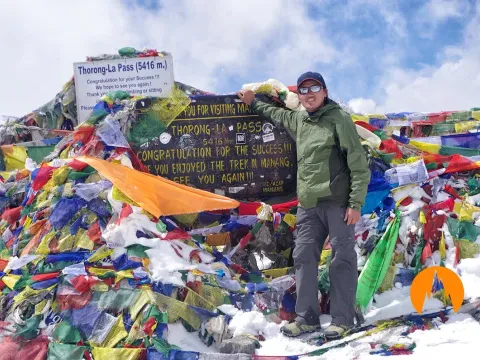
Experience a breathtaking adventure with Higher Path Treks as you embark on the Nar Phu Valley, Kang La Pass, and Thorong Pass trek. This extraordinary journey combines the remote beauty of the Nar Phu Valley with the high-altitude challenge of Kang La Pass and Thorong Pass, offering trekkers a diverse and immersive experience through some of Nepal’s most dramatic landscapes. Starting in the secluded Nar Phu Valley, known for its unique Tibetan culture and rugged terrain, this trek takes you across two major mountain passes, showcasing the varied topography and stunning vistas of the Annapurna region.The trek offers a comprehensive adventure, blending cultural exploration with high-altitude trekking. You will traverse through traditional villages, ancient monasteries, and alpine meadows, all while navigating the challenging terrain of Kang La Pass and Thorong Pass. Higher Path Treks provides expert guidance and support throughout, ensuring a well-organized and memorable journey through these spectacular landscapes.Nar Phu ValleyThe Nar Phu Valley is a hidden gem nestled between the Annapurna and Tibet. This remote and less-traveled valley offers a unique glimpse into the traditional lifestyles of the local communities, who maintain a way of life that has remained largely unchanged for centuries. The valley is characterized by its rugged terrain, dramatic cliffs, and picturesque villages, which are rich in Tibetan culture and history.As you trek through Nar Phu Valley, you'll encounter ancient monasteries, traditional stone houses, and a landscape that ranges from verdant forests to stark, high-altitude terrain. This part of the trek provides a rare opportunity to experience the untouched beauty and cultural heritage of a region that remains off the beaten path for many trekkers.Kang La PassKang La Pass, at an elevation of 5,306 meters (17,409 feet), is a major highlight of the trek, offering stunning panoramic views of the surrounding Himalayan peaks. The ascent to the pass is a demanding yet rewarding experience, with the challenge of high-altitude trekking balanced by the breathtaking scenery. From the pass, trekkers are treated to sweeping views of the Annapurna and Dhaulagiri ranges, making the effort to reach the summit well worth it.The pass also serves as a crucial link between the Nar Phu Valley and the Annapurna Circuit, providing a dramatic transition from the remote beauty of Nar Phu to the more frequented areas of the Annapurna region. Higher Path Treks ensures that you are well-prepared for this challenging section of the trek, with expert support and guidance throughout the journey.Thorong Pass TrekThe Thorong Pass, standing at 5,416 meters (17,769 feet), is one of the highest and most renowned mountain passes in the world. As part of the Annapurna Circuit, the trek to Thorong Pass offers an exhilarating high-altitude challenge and some of the most spectacular views in the Himalayas. Crossing Thorong Pass is a significant achievement for many trekkers, providing a sense of accomplishment and an opportunity to witness the grandeur of the Annapurna and Dhaulagiri ranges.The trek to Thorong Pass involves navigating diverse terrains, from lush subtropical forests to arid high-altitude plateaus. This section of the trek is both physically demanding and rewarding, with Higher Path Treks providing comprehensive support to ensure a safe and successful crossing of the pass.Trek in the Famous Annapurna Region and to Tilicho LakeThe Annapurna region is renowned for its diverse landscapes and rich cultural heritage, making it a prime destination for trekkers. The Nar Phu Valley, Kang La Pass, and Thorong Pass trek takes you through this iconic region, offering a complete trekking experience that includes remote valleys, high mountain passes, and traditional villages.In addition to the challenging passes, the trek also includes a visit to Tilicho Lake, one of the highest lakes in the world. This detour adds an additional layer of adventure, showcasing the pristine beauty of the lake and the surrounding high-altitude environment. Higher Path Treks ensures that you experience the best of the Annapurna region, with a well-rounded itinerary that highlights both the natural beauty and cultural richness of the area.Tour Heritage Sites and Cross Mountain PassThe trek offers opportunities to explore significant heritage sites along the route. In the Nar Phu Valley, ancient monasteries and traditional villages provide insight into the cultural and spiritual life of the local communities. These heritage sites are a testament to the region’s rich history and offer a deeper understanding of its unique cultural heritage.Crossing the Kang La and Thorong Passes adds a dramatic element to your cultural exploration. The challenging terrain and high-altitude passes are integral to the trek, providing a sense of accomplishment and a unique perspective on the region’s landscape and cultural heritage. Higher Path Treks integrates these elements into the trek, ensuring a comprehensive and enriching experience.Accommodation and FoodThroughout the Nar Phu Valley, Kang La Pass, and Thorong Pass trek, Higher Path Treks prioritizes your comfort and well-being with carefully selected accommodation and food options. You will stay in teahouses and lodges that offer a cozy and welcoming atmosphere, providing a comfortable resting place after each day’s trek. These accommodations are strategically located to offer convenient access to the trail while ensuring a pleasant stay.Meals are prepared with fresh, local ingredients and offer a variety of options to suit different tastes and dietary needs. Traditional Nepali dishes, as well as international fare, are available to keep you energized throughout the trek. Higher Path Treks is committed to providing high-quality accommodation and food, enhancing your overall trekking experience.DifficultyThe Nar Phu Valley, Kang La Pass, and Thorong Pass trek is considered a challenging adventure, suitable for experienced trekkers with good physical fitness and stamina. The trek involves high-altitude sections, demanding ascents, and diverse terrain, including remote valleys and rugged mountain passes.Navigating the high-altitude passes of Kang La and Thorong requires careful preparation and acclimatization. Despite the challenges, the rewards include stunning vistas, a sense of accomplishment, and a unique trekking experience. Higher Path Treks provides expert guidance and support to help you tackle these challenges safely and effectively.CommunicationEffective communication is crucial for a successful trekking experience, and Higher Path Treks prioritizes clear and timely interactions with clients. We provide detailed pre-trek briefings to ensure you are well-prepared for the journey, including information on the trek’s challenges, requirements, and what to expect.During the trek, our guides are available to address any questions or concerns, providing support and assistance as needed. We also maintain communication with our team and support staff to address any issues that may arise promptly. Higher Path Treks is committed to ensuring that your trekking experience is smooth and enjoyable through effective communication and support.Best Time for Nar Phu Valley, Kang La Pass, and Thorong Pass TrekThe best time to undertake the Nar Phu Valley, Kang La Pass, and Thorong Pass trek is during the pre-monsoon (spring) and post-monsoon (autumn) seasons. From late March to May (spring) and September to November (autumn), the weather conditions are generally favorable, with clear skies and moderate temperatures.These seasons offer optimal trekking conditions, including lower chances of snow or heavy rain, and provide the best visibility for enjoying the spectacular views of the Himalayas. Trekking during these periods also allows for a more enjoyable experience with fewer crowds on the trails. Higher Path Treks schedules treks during these ideal times to ensure the best possible conditions for a successful and memorable journey.Why Choose Higher Path TreksChoosing Higher Path Treks for your Nar Phu Valley, Kang La Pass, and Thorong Pass trek ensures a professionally guided and well-supported adventure. Our experienced guides and support staff are dedicated to providing a high-quality trekking experience, with comprehensive pre-trek briefings, expert guidance on the trail, and careful attention to your safety and comfort.Higher Path Treks is committed to delivering exceptional service, from meticulously planned itineraries to comfortable accommodation and nutritious meals. Our deep knowledge of the region and commitment to responsible trekking practices ensure that you have an enriching and memorable adventure. Trust Higher Path Treks to guide you through this remarkable journey with expertise and care.Top Blogs About Trekking in the Annapurna Region:Uncover the best blogs about trekking in the Annapurna region, featuring expert advice, detailed itineraries, personal experiences, and essential tips for adventurers looking to explore the Himalayas.Annapurna Base Camp Trek: A Short Journey to the HimalayasAnnapurna Circuit Trek with Tilicho Lake – A Complete Guide by Higher Path Treks & ExpeditionsTop Tips for Climbing Pisang Peak on the Annapurna CircuitTop Reasons to Trek Ghorepani Poon HillTop Reasons to Choose Tilicho Lake Trek with Thorong La PassBest Experience on the Short Mardi Himal Trek: A Journey to RememberTop Reasons to Combine Pisang Peak Climbing with the Annapurna Circuit TrekComparing Chulu Far East Peak Climbing vs Chulu West Peak ClimbingPoonhill Amazing viewThe most picturesque village GhandrukPhotography Guide: Capturing the Himalayas Without Expensive GearNepal Peak Climbing 2026: Routes, Tips, and Top SummitsThe Best Hiking Adventures: Famous Peak Climbs in 2025Top Himalayan Peaks for Beginner Climbers: A Comprehensive GuideIs Peak Climbing in Nepal Easy for Beginners?Top Best Expedition Packages in Nepal 2025Experience Mountain View in NepalTop Highlights of the Annapurna Base Camp Trek
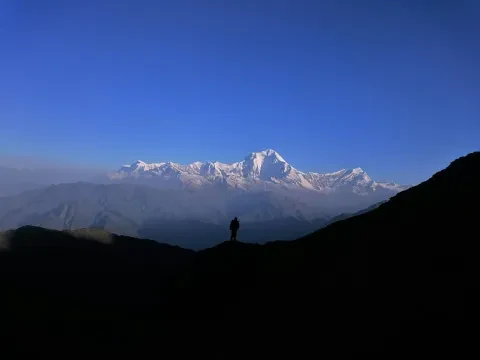
Khopra Trek: Discover the Annapurna Region's Best-Kept SecretWhen trekkers talk about the Annapurna region, the usual suspects dominate conversations—the Annapurna Circuit, Annapurna Base Camp, Poon Hill. These classics have earned their fame through decades of delivering spectacular mountain experiences. But there's another route, quieter and less traveled, that offers everything the famous treks provide with one crucial addition: solitude. The Khopra Trek, also known as the Khopra Ridge Trek or Khopra Danda Trek, represents community-based trekking at its finest, combining breathtaking Himalayan panoramas with authentic cultural encounters and the rare satisfaction of walking trails that aren't crowded with hundreds of other trekkers.This relatively new route has been carefully developed to distribute tourism benefits directly to local communities while providing trekkers with pristine wilderness experiences. You'll spend nights in community lodges where villagers share ownership and profits, walk through forests where rhododendrons bloom undisturbed by constant foot traffic, and reach viewpoints where the Annapurna and Dhaulagiri ranges spread before you without the crowds that gather at more famous locations. If you're seeking the Annapurna region's beauty without the bustle, Khopra deserves serious consideration.What Makes Khopra Ridge SpecialKhopra Danda sits at 3,660 meters, perched on a ridge that offers one of the most dramatic perspectives on the Annapurna massif you'll find anywhere. From this vantage point, you're looking at a panorama that includes Annapurna South, Annapurna I, Nilgiri, Dhaulagiri, and the sacred pyramid of Machhapuchhre—all arrayed in a stunning semicircle that seems designed specifically for this viewpoint. What distinguishes this perspective from others in the region is the intimacy. You're not looking at distant peaks across a valley; you're positioned among them, creating a sense of immersion that wider valley views cannot match.The community lodge at Khopra represents a model for sustainable mountain tourism that's gaining traction across Nepal. Local Gurung and Magar communities own and operate the lodge collectively, ensuring tourism revenue benefits entire villages rather than individual lodge owners. This cooperative approach has transformed economic opportunities for communities that previously relied solely on subsistence agriculture and seasonal work. Your stay directly supports schools, health clinics, and local development projects, making your trek meaningful beyond personal achievement.Unlike the heavily trafficked Annapurna Base Camp Trek or the Ghorepani Poon Hill Trek, Khopra sees a fraction of the trekkers. This means quieter trails where bird songs aren't drowned out by conversation, pristine forests where wildlife feels less threatened, and evenings at lodges where you actually get to know fellow trekkers and hosts rather than being lost in crowds. For many people, this solitude represents the real mountain experience they imagined before arriving in Nepal.The Trek Overview: What to ExpectThe Khopra Trek typically requires 10 to 12 days from Pokhara and back, though flexible itineraries can extend or condense this timeline based on your constraints and interests. The route covers approximately 100 kilometers of varied terrain, from subtropical forests through terraced farmland to high-altitude ridges where vegetation becomes sparse and views become infinite. This diversity means you're constantly experiencing new environments rather than walking through similar landscapes day after day.The trek often begins with the classic Ghorepani Poon Hill section, allowing you to experience that famous sunrise over the Himalayas before diverging onto quieter trails toward Khopra. This combination provides both the iconic Annapurna experience and the off-the-beaten-path adventure, satisfying trekkers who want highlights without compromising their desire for solitude. After Poon Hill, the crowds disappear as most trekkers descend while you continue deeper into less-visited territory.Altitude management on this trek requires attention but doesn't present the extreme challenges of routes like the Everest Three Passes Trek or Manaslu Circuit Trek. The maximum elevation at Khopra Danda (3,660m) sits comfortably below the danger zone where severe altitude sickness becomes common. However, the optional extension to Khayer Lake reaches 4,600 meters, requiring proper acclimatization and careful monitoring for altitude-related symptoms.The terrain varies from well-maintained stone pathways through villages to rougher mountain trails where tree roots and rocks demand attention. Stone staircases—seemingly endless stone staircases—characterize much of the elevation gain, testing your knees and stamina. The rewards for these efforts come in the form of increasingly spectacular viewpoints and the satisfaction of reaching destinations that most travelers never see.Khayer Lake: The Ultimate Side TripKhayer Lake represents the trek's crown jewel for those willing to push beyond Khopra Danda. This sacred high-altitude lake sits at approximately 4,600 meters, surrounded by towering peaks in a natural amphitheater that feels like the heart of the Himalayas. The lake holds religious significance for local communities, who make pilgrimages here during specific festivals. Prayer flags flutter around its shores, and the atmosphere carries that special quality of places where natural beauty and spiritual significance intersect.The day trip to Khayer Lake from Khopra Danda demands early morning departure and full-day commitment. You'll gain significant altitude quickly, requiring careful attention to your body's responses. The trail becomes rougher and less defined than lower sections, sometimes crossing snowfields or rocky scree depending on season and recent weather. This is serious high-altitude trekking that rewards preparation and proper acclimatization.What awaits at Khayer Lake justifies the effort. The water reflects surrounding peaks with mirror-like clarity on calm days, creating those postcard-perfect Himalayan images. The solitude surpasses even Khopra Danda's quietness—on many days, you might be the only trekkers there. The sense of remoteness and pristine wilderness becomes palpable, offering perspective on just how vast and wild these mountains remain despite increasing tourism.Not everyone attempts Khayer Lake, and that's perfectly fine. Weather, altitude concerns, fitness levels, or simply the desire for a rest day at Khopra make skipping this extension reasonable. The trek succeeds beautifully without the lake, though those who make the effort consistently rank it among their Himalayan highlights. Higher Path Treks guides help you assess whether conditions and your physical state make the attempt advisable, ensuring safety takes precedence over summit-bagging mentality.Cultural Immersion: Villages and CommunitiesThe Khopra Trek passes through traditional Gurung and Magar villages where life continues much as it has for generations. Unlike villages on more popular routes that have transformed into trekking service centers, communities along Khopra maintain their agricultural focus and traditional culture. You'll see farmers working terraced fields, water buffalo being led to pasture, and women weaving at traditional looms. These aren't tourist attractions—they're daily life continuing despite trekking's arrival.The community lodge model creates different dynamics between trekkers and hosts than commercial teahouses. Everyone working at community lodges comes from nearby villages, creating genuine local connections rather than transactional relationships. Your hosts take pride in sharing their culture and traditions, often inviting guests to observe or participate in local activities. These interactions transform treks from scenic walks into cultural exchanges that enrich both visitors and visited.Religious life remains visible and vital throughout the trek. Buddhist stupas and Hindu shrines mark trail junctions and village entrances. Prayer wheels spin under trekkers' hands, sending mantras into mountain winds. Monasteries welcome visitors, with monks often happy to explain Buddhist philosophy and local practices. This spiritual dimension adds depth to the trekking experience, connecting you to beliefs and practices that have sustained mountain communities through centuries of hardship and change.Traditional architecture along the route showcases local building techniques adapted to mountain environments. Stone houses with slate roofs resist heavy snowfall. Intricately carved wooden windows and doors display craftsmanship passed through generations. Communal spaces where villagers gather for festivals and celebrations reveal social structures that prioritize community over individualism. Observing these elements provides insights into how human societies adapt to extreme environments while maintaining cultural identity.Best Seasons for Khopra TrekkingSpring transforms the Khopra route into a botanical wonderland. From late March through May, rhododendron forests explode with blooms creating tunnels of color that rival any flower garden. Nepal's national flower grows to tree size here, with some specimens reaching 15-20 meters tall. The combination of rhododendron blooms and snow-capped peaks creates color contrasts that photographers dream about. Spring weather generally holds stable, with clear mornings offering excellent mountain visibility before afternoon clouds build.Autumn brings post-monsoon clarity that makes distant peaks appear impossibly sharp and close. September through November offers the year's best visibility, with air scrubbed clean by summer rains. Temperatures remain comfortable for walking, though mornings and evenings at altitude require warm layers. This season sees the most trekkers on Khopra, though "crowded" here means dozens rather than hundreds—nothing like the masses on more popular routes. The stable weather and perfect visibility make autumn ideal for anyone prioritizing mountain photography.Winter trekking from December through February presents unique challenges and rewards. Snow often covers higher elevations, including Khopra Danda and definitely Khayer Lake, creating winter wonderland landscapes but demanding proper cold-weather equipment. Temperatures drop well below freezing at night, and some teahouses at higher elevations close for the season. However, crystal-clear skies prevail, providing some of the year's best mountain visibility. The solitude exceeds even Khopra's normal quietness, offering nearly private mountain experiences for properly prepared winter trekkers. Similar winter considerations apply to other moderate-altitude routes like the Mardi Himal Trek and Langtang Valley Trek.Monsoon season (June through August) sees very few trekkers on Khopra. Heavy rainfall creates muddy, slippery trails and obscures mountain views behind clouds. Leeches become active in forested areas, requiring constant vigilance. However, the landscape turns incredibly lush, waterfalls appear everywhere, and lodges offer low-season rates. If you can accept that weather might prevent reaching Khayer Lake and mountain views might be limited, the monsoon offers a different perspective on the region that most visitors never experience.Physical Fitness and Training RequirementsThe Khopra Trek demands good physical fitness without requiring athletic excellence. You'll walk four to seven hours most days, gaining and losing significant elevation on trails that range from gentle gradients to steep climbs. The moderate difficulty rating means most people in reasonable health can complete the trek with proper preparation, but "reasonable health" implies regular cardiovascular exercise and some hiking experience.Altitude considerations become more significant than on lower routes like Ghorepani Poon Hill but remain manageable compared to extreme high-altitude treks. At 3,660 meters, Khopra Danda sits in a zone where altitude affects everyone but serious illness remains uncommon with proper acclimatization. The optional Khayer Lake extension pushes into territory where altitude demands respect and careful monitoring. Your body's response to reduced oxygen becomes increasingly important as elevation increases.Training for Khopra should emphasize cardiovascular endurance and leg strength. Long walks or hikes with gradual distance and elevation increases prepare your body for consecutive days of mountain walking. Stair climbing provides excellent specific training, mimicking the endless stone steps that characterize Himalayan trekking. If you can comfortably walk four to five hours with a 5-7kg daypack, you're probably ready. Prior multi-day trekking experience helps mentally and physically but isn't absolutely required.Mental preparation matters as much as physical training. The trek tests patience, determination, and positive attitude through challenging climbs, potentially bad weather, and the accumulated fatigue of consecutive walking days. Understanding that discomfort is temporary and manageable prevents the frustration that comes from expecting constant enjoyment. The rewards—spectacular scenery, cultural encounters, personal accomplishment—justify the challenges, but those rewards come through effort.Essential Permits and DocumentationTrekking in the Annapurna Conservation Area requires two permits: the Annapurna Conservation Area Permit (ACAP) and the Trekkers' Information Management System (TIMS) card. The ACAP costs approximately USD 30 per person, with fees supporting conservation efforts, trail maintenance, and environmental protection programs. The TIMS card costs about USD 10, providing safety tracking that enables quick response if trekkers require emergency assistance.Higher Path Treks handles all permit arrangements, eliminating bureaucratic hassles and ensuring proper documentation before your trek begins. We submit applications, arrange passport photos, pay fees, and deliver completed permits to you, streamlining the process so you can focus on preparing for your adventure rather than navigating government offices. For independent trekkers, permits can be obtained at Nepal Tourism Board offices in Kathmandu or Pokhara, though this requires time and local knowledge.Checkpoint procedures along the trail involve presenting permits at several locations where officials record your passage. These checkpoints might seem bureaucratic but serve crucial safety functions. If you don't check in at expected locations, authorities know something might be wrong. This system has facilitated numerous successful rescue operations, making it a vital component of Nepal's trekking safety infrastructure that protects everyone on the trails.The permit system reflects Nepal's commitment to balancing tourism development with environmental protection and trekker safety. Your fees directly fund the conservation efforts that preserve the natural beauty attracting you to these mountains. Trail improvements, waste management systems, reforestation programs, and wildlife protection all benefit from permit revenue, creating sustainable tourism that protects rather than degrades mountain environments.Accommodation and Meals on the Khopra TrekTeahouse accommodation along the Khopra route ranges from basic to comfortable, with the community lodge at Khopra Danda representing the most unique option. Rooms typically feature twin beds with thin mattresses and warm blankets. Walls are often thin wood or plywood, meaning you'll hear neighbors. Bathrooms are usually shared, with squat or Western toilets depending on the lodge. Hot showers might be available for additional fees, heated by solar panels or gas when available.The Khopra community lodge deserves special attention. Unlike commercial teahouses owned by individuals, this lodge operates under collective ownership by local communities. Profits support village development projects, schools, and health services rather than individual wealth accumulation. The lodge maintains good standards for comfort and cleanliness while preserving this ethical business model. Staying here directly supports the community-based tourism initiative that makes Khopra special.Dining options emphasize Nepali staples supplemented by Western comfort foods adapted to mountain conditions. Dal bhat—rice with lentil soup and vegetable curries—forms the foundation of most trekkers' diets, offering unlimited refills that provide calories needed for demanding walking days. Menus also list momos (dumplings), noodle soups, fried rice, pancakes, and various other dishes. Quality and variety decrease slightly at higher elevations where supply logistics become more challenging.The communal dining atmosphere creates social connections impossible in traditional hotels. Everyone gathers in central dining rooms, often around wood stoves at higher elevations, sharing trail stories and forming temporary communities. Your hosts join conversations, sharing insights into local life and culture. These interactions enrich the trek beyond what landscape alone provides, creating human connections that persist long after mountain views fade from immediate memory.Packing Essentials for Khopra SuccessSmart packing makes the difference between comfortable trekking and unnecessary suffering. Start with a quality daypack (25-30 liters) for items needed during walking—water bottles, snacks, rain gear, camera, first aid kit, and extra layers. Your main duffel bag, carried by porters, should contain clothing changes, sleeping bag liner (sleeping bags are provided by lodges), toiletries, and items needed only at teahouses. Porter weight limits typically max at 10-12kg, encouraging mindful packing.Layering handles dramatic temperature variations between hot sunny climbs and cold high-altitude evenings. A typical system includes moisture-wicking base layers, insulating mid-layers (fleece or lightweight down), and waterproof outer shells. This combination adapts to everything from warm valley walks to freezing nights at Khopra Danda. Avoid cotton, which holds moisture and provides no insulation when wet. Synthetic or merino wool materials perform far better in mountain environments.Footwear requires serious consideration. Proper hiking boots with ankle support and aggressive tread provide stability on uneven trails and steep descents. Break in boots thoroughly before your trek—new boots create blisters that can ruin your experience. Bring comfortable shoes or sandals for wearing around teahouses in the evening, giving feet a break from boots. Quality hiking socks (wool or synthetic) prevent blisters better than any other single equipment choice.Additional essentials include headlamps with extra batteries, water purification tablets or filters, sunscreen and sunglasses for intense high-altitude UV radiation, basic first aid supplies including blister treatment, and any personal medications. Trekking poles help significantly on steep descents and provide stability. Warm hat and gloves are essential for cold mornings and evenings at altitude. A sun hat protects during midday heat. Pack light, but pack these essentials—their value proves itself repeatedly.Health and Altitude ConsiderationsAltitude sickness presents the primary health concern on the Khopra Trek, particularly for those attempting the Khayer Lake extension. At 3,660 meters, Khopra Danda sits in a zone where mild altitude symptoms affect many people but serious illness remains uncommon. Headaches, slight nausea, reduced appetite, and fatigue are normal as your body adapts. These symptoms typically resolve with rest, hydration, and time for acclimatization.The Khayer Lake extension at 4,600 meters pushes into territory where altitude demands serious respect. The rapid elevation gain from Khopra to the lake—1,000 meters in a day—challenges even well-acclimatized trekkers. Recognizing the difference between normal altitude adjustment and dangerous altitude sickness becomes crucial. Severe symptoms—extreme headache, vomiting, confusion, difficulty breathing—indicate potentially life-threatening conditions requiring immediate descent.Prevention strategies are straightforward and effective. Ascend gradually, which the itinerary facilitates through appropriate daily elevation gains. Drink significantly more water than you think necessary—dehydration exacerbates altitude symptoms. Eat regularly even if appetite decreases. Avoid alcohol and sleeping pills that can depress breathing. Rest adequately, allowing your body time to adapt. These simple practices dramatically reduce altitude sickness risk and improve your overall trekking experience.Higher Path Treks guides carry comprehensive first aid kits including oxygen for altitude emergencies. We monitor trekkers daily, checking oxygen saturation levels and watching for warning signs. Our guides are trained in altitude illness recognition and response protocols, knowing when to modify itineraries or arrange emergency evacuation if necessary. This safety infrastructure has earned us excellent safety records across thousands of treks, allowing clients to focus on enjoying their adventure.Photography Opportunities Along the RouteThe Khopra Trek offers photographers everything from sweeping Himalayan panoramas to intimate cultural details. The mountain views from Khopra Danda and Khayer Lake provide obvious subjects, with dramatic peaks creating compositions that practically photograph themselves. However, some of the most memorable images often come from paying attention to smaller details: prayer flags backlit by sunset, porters carrying impossible loads, rhododendron blooms framing distant peaks, or village life continuing in traditional patterns.Lighting makes or breaks mountain photography, with golden hours around sunrise and sunset providing warm, directional light that gives dimension to landscapes. The pre-dawn climb to viewpoints for sunrise photography requires discipline—waking early when sleeping bags feel warm and comfortable—but rewards that effort with magical light transforming mountains from dark shapes to glowing pyramids. Sunset photography offers similar opportunities with less extreme wake-up times, though morning light often provides clearer air and better visibility.Composition separates snapshots from photographs. The rule of thirds places important elements at intersection points rather than dead center, creating more dynamic images. Including foreground elements—prayer flags, trekking companions, wildflowers—provides scale and context for distant mountains. Leading lines, whether trails, ridgelines, or rivers, draw viewers' eyes through images toward main subjects. Experiment with different perspectives rather than shooting everything from eye level.Technical considerations matter in mountain environments. Cold temperatures drain camera batteries faster than normal, so carry spares in warm pockets close to your body. Dust on trails can damage equipment, so protect cameras in bags when not actively shooting. If you're using interchangeable lens cameras, minimize lens changes in dusty conditions to prevent particles on sensors. Most importantly, don't let photography obsession prevent you from simply experiencing the moment—some experiences are better felt than photographed.Combining Khopra with Other Annapurna RoutesThe Khopra Trek combines beautifully with other routes in the Annapurna region for those with extra time and energy. The most natural combination links Khopra with the classic Ghorepani Poon Hill Trek, sharing initial trail sections before diverging toward Khopra Ridge. This combination provides both the famous Poon Hill sunrise and the quieter Khopra experience, creating a comprehensive Annapurna adventure in 10-14 days.Another excellent option extends from Khopra to Annapurna Base Camp, creating a grand tour of the Annapurna Sanctuary. This challenging combination requires 14-18 days but showcases the region's diversity—from community-based tourism at Khopra to the dramatic glacial amphitheater at ABC. The route crosses high passes and descends into deep valleys, providing constantly changing perspectives on the Annapurna massif.For maximum Annapurna immersion, ambitious trekkers can incorporate Khopra into the full Annapurna Circuit Trek. This combination circumnavigates the entire massif while including the Khopra detour, creating one of Nepal's most comprehensive trekking experiences. The extended journey requires 18-22 days but provides the ultimate Annapurna adventure, combining classic highlights with hidden gems in a single epic trek.Some trekkers use Khopra as preparation for more challenging objectives elsewhere in Nepal. After successfully completing this moderately difficult trek, adventures like the Manaslu Circuit, Langtang Gosaikunda Trek, or even trekking peaks like Mera Peak become realistic goals. The fitness, altitude experience, and mental confidence gained on Khopra translate directly to more demanding Himalayan challenges.Sustainable Tourism and Community ImpactThe Khopra Trek represents community-based tourism at its finest, demonstrating how trekking can benefit local communities while preserving natural and cultural heritage. The community lodge model ensures tourism revenue supports entire villages rather than concentrating wealth in individual hands. Profits fund schools, health clinics, trail maintenance, and development projects that improve quality of life for everyone in participating communities.This approach contrasts sharply with traditional trekking commerce where individual lodge owners compete for business while communities see minimal benefits. The cooperative structure encourages villages to invest in conservation and cultural preservation—protecting the very assets that attract trekkers. This creates positive feedback loops where successful tourism generates resources for environmental protection and community development, making tourism sustainable in the truest sense.Environmental practices along the Khopra route reflect this community-based approach. Waste management systems collect and properly dispose of trekker-generated trash. Alternative energy initiatives promote solar panels and biogas to reduce deforestation for cooking fuel. Water source protection prevents contamination that could affect both villagers and trekkers. These practical conservation measures work because communities benefit directly from their success.Trekkers contribute to sustainability through simple choices. Using refillable water bottles with purification systems instead of buying plastic bottles reduces waste dramatically. Choosing dal bhat over Western dishes supports local agriculture and reduces supply chain impacts. Respecting cultural practices and photographing people only with permission maintains dignity and cultural integrity. These individual actions collectively determine whether tourism helps or harms mountain communities and environments.Wildlife and Natural WondersThe Annapurna Conservation Area protects extraordinary biodiversity across dramatic elevation ranges, and the Khopra Trek passes through some of its finest habitat. Rhododendron forests dominate mid-elevations, with dozens of species creating spectacular spring blooms. These aren't garden rhododendrons—many grow 15-20 meters tall, forming forests rather than shrubs. The diversity extends beyond rhododendrons to include orchids, ferns, medicinal plants, and hundreds of flowering species.Birdwatching rewards patient observers throughout the trek. The Himalayan monal (Nepal's national bird) displays iridescent plumage that catches light like jewels. Blood pheasants skulk in undergrowth while various eagles and vultures ride thermal currents above ridges. The distinctive calls of cuckoos echo through valleys, and tiny sunbirds flit between blossoms. Serious birders can record impressive species lists without specialized effort, as birds are abundant and relatively approachable.Mammals prove more elusive, though signs of their presence appear regularly. Langur monkeys crash through forest canopies, their distinctive calls carrying across valleys. Tracks in mud reveal passage of barking deer, Himalayan tahr, and occasionally leopards. The region supports several endangered species, including red pandas in suitable habitat, though actually seeing these shy creatures requires exceptional luck. Most trekkers content themselves with glimpses of common mammals and knowledge that rare species still survive in these protected forests.The ecological education component shouldn't be overlooked. Guides explain medicinal plant uses, point out wildlife signs, and share knowledge about ecosystem dynamics. Community lodges often feature informational displays about local flora and fauna. This educational aspect transforms the trek from simple scenic tourism into something more meaningful—an opportunity to understand complex relationships between people, nature, and conservation in fragile mountain environments.Weather Patterns and What to ExpectHimalayan weather deserves healthy respect and realistic expectations, even during prime trekking seasons. Daily patterns typically follow predictable cycles: clear mornings revealing mountains in full glory, clouds building through afternoon potentially bringing rain, and evenings clearing again for sunset views. This pattern means early starts pay dividends for photography and mountain viewing, while afternoons are better suited for reaching lodges and relaxing.Temperature variations through single days can span 20-30 degrees Celsius. Mornings often start cold enough to see breath and require warm layers. By midday, you might be hiking in t-shirts and shorts, sweating in the sun. Evenings return to cold, especially at Khopra Danda where temperatures regularly drop below freezing even in shoulder seasons. This variability demands versatile layering systems allowing you to add or remove clothing as conditions change.Rain can occur even during dry seasons, though it's far less likely than during monsoon months. Afternoon thunderstorms occasionally develop, bringing heavy rain and sometimes hail. Quality rain gear—waterproof jacket and pants, pack cover, waterproof bags for electronics—protects against these possibilities. Getting caught in rain doesn't ruin your day if you're properly prepared, though it certainly makes the next teahouse's warm fire more appealing.Wind becomes significant at exposed locations, especially on Khopra Ridge where air currents meet. The exposed nature of the ridge creates breezy conditions that significantly increase cold factor. A windproof outer layer makes high-altitude stops far more comfortable than relying on insulating layers alone. These weather realities aren't meant to discourage—they're simply factors to prepare for, ensuring comfort regardless of conditions.Comparing Khopra to Other Annapurna TreksThe Khopra Trek occupies a unique niche in the Annapurna region's trekking landscape, offering characteristics that distinguish it from more popular routes. Compared to the Annapurna Circuit Trek, Khopra provides similar mountain views in less time and with far fewer crowds. You sacrifice the circuit's diversity and the Thorong La crossing but gain solitude and community-based tourism benefits that the circuit cannot match.Against Annapurna Base Camp, Khopra offers a different perspective on the same mountains. ABC provides the dramatic glacial amphitheater experience and reaches higher altitude, while Khopra offers quieter trails and the unique Khayer Lake extension. Both treks succeed brilliantly at showcasing the Annapurna massif—choosing between them often comes down to whether you prefer the intimacy of the ABC amphitheater or the ridge perspectives and solitude of Khopra.The Ghorepani Poon Hill Trek serves as Khopra's lower-altitude, shorter cousin. Both routes share initial sections and similar Gurung cultural experiences. Poon Hill offers easier access and less demanding walking, making it ideal for beginners or those with limited time. Khopra extends the adventure into less-visited territory, rewarding the extra effort with superior solitude and the Khayer Lake option.Compared to treks in other regions like the Everest Base Camp Trek or Manaslu Circuit, Khopra offers similar mountain grandeur without the extreme altitudes or legendary status. You trade Everest's fame for accessibility and Manaslu's remoteness for established infrastructure. These tradeoffs make Khopra ideal for trekkers wanting serious mountain experiences without the complications of extreme altitude or isolated regions.Solo Trekking and Group DynamicsSolo trekking on the Khopra route offers rewards similar to other teahouse treks, with the community lodge system creating natural social opportunities. You're never truly isolated on this route—community lodges and teahouses provide gathering places where solo trekkers naturally connect with others. The quieter nature of Khopra compared to busier routes often means deeper conversations and more meaningful interactions than possible on crowded trails.Current regulations require trekkers to either hire guides or trek with partners, though enforcement varies. Working with Higher Path Treks provides local expertise and support while maintaining flexibility to trek at your own pace. Our guides understand that many trekkers value independence, providing knowledge and safety backup without hovering or limiting your freedom to experience the trek according to your preferences.Group trekking creates different dynamics, with shared challenges and experiences forging bonds between strangers. Pre-arranged group treks through Higher Path Treks bring together like-minded adventurers, creating instant communities for the journey. The social energy of groups enhances the experience for many people, providing built-in companionship, shared excitement, and mutual support through difficult sections.Family trekking on Khopra requires careful consideration. The moderate difficulty and 10-12 day duration challenge younger children, though teenagers with hiking experience often succeed brilliantly. The community lodge at Khopra provides comfortable bases for families, and the cultural encounters enrich the experience for children capable of appreciating them. Families considering Khopra should honestly assess their children's fitness, altitude tolerance, and patience for consecutive long walking days.Why Choose Higher Path Treks & ExpeditionsExperience defines the difference between merely completing a trek and having a transformative adventure. Higher Path Treks & Expeditions brings decades of Himalayan expertise to every journey we organize. Our guides were born and raised in mountain regions, with intimate knowledge of trails, weather patterns, cultural protocols, and countless small details that transform good treks into exceptional ones. Founded by Karma Geljen Sherpa from the Everest region, we combine authentic local connections with professional service standards that satisfy international travelers.Safety forms our foundation in everything we do. Our guides carry comprehensive first aid kits and oxygen for emergencies. They monitor trekkers daily for signs of altitude issues or health problems, catching concerns early when they're easily addressed. We maintain communication equipment for contacting emergency services if serious situations arise. We have established relationships with helicopter evacuation companies, ensuring rapid response if medical emergencies require it. These safety systems have earned us stellar records across thousands of treks.Responsible tourism isn't marketing language for us—it's how we operate. We employ local guides and porters, ensuring tourism revenue benefits mountain communities. We enforce strict waste management policies and support sustainable practices throughout our operations. Through our Karma Project initiative, we support local schools and monasteries, investing in long-term community wellbeing. These commitments reflect our belief that tourism should benefit everyone involved, not just our business.Personalization defines our approach to every client. While we offer standard itineraries, we understand that every trekker brings different interests, fitness levels, and constraints. Need extra rest days? We'll adjust the schedule. Want to combine routes or add side trips? We'll create custom itineraries matching your vision. Concerned about altitude or fitness? We'll design conservative schedules with built-in flexibility. This tailored approach has earned us loyal clients who return for multiple adventures and enthusiastically refer their friends to our services.Top Blogs About Trekking in the Annapurna Region:Uncover the best blogs about trekking in the Annapurna region, featuring expert advice, detailed itineraries, personal experiences, and essential tips for adventurers looking to explore the Himalayas.Annapurna Base Camp Trek: A Short Journey to the HimalayasAnnapurna Circuit Trek with Tilicho Lake – A Complete Guide by Higher Path Treks & ExpeditionsTop Tips for Climbing Pisang Peak on the Annapurna CircuitTop Reasons to Trek Ghorepani Poon HillTop Reasons to Choose Tilicho Lake Trek with Thorong La PassBest Experience on the Short Mardi Himal Trek: A Journey to RememberTop Reasons to Combine Pisang Peak Climbing with the Annapurna Circuit TrekComparing Chulu Far East Peak Climbing vs Chulu West Peak ClimbingPoonhill Amazing viewThe most picturesque village GhandrukPhotography Guide: Capturing the Himalayas Without Expensive GearNepal Peak Climbing 2026: Routes, Tips, and Top SummitsThe Best Hiking Adventures: Famous Peak Climbs in 2025Top Himalayan Peaks for Beginner Climbers: A Comprehensive GuideIs Peak Climbing in Nepal Easy for Beginners?Top Best Expedition Packages in Nepal 2025Experience Mountain View in NepalTop Highlights of the Annapurna Base Camp Trek
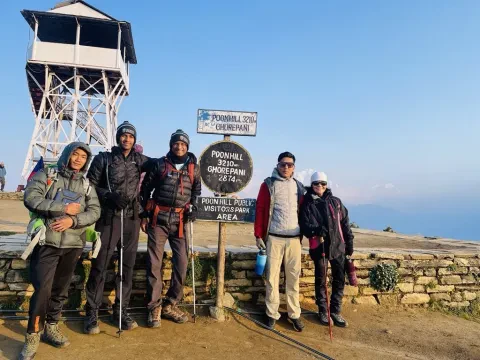
Annapurna Poon Hill Short Trek: Your Gateway to Himalayan Sunrise MagicThere's something almost spiritual about watching the sun rise over the Himalayas from Poon Hill. As darkness gives way to first light, the entire Annapurna and Dhaulagiri ranges ignite in shades of pink, orange, and gold—a natural light show that's been drawing trekkers to this 3,210-meter viewpoint for decades. What makes this experience even more special is its accessibility. Unlike treks requiring weeks of commitment, the Annapurna Poon Hill Short Trek delivers world-class mountain views in just four to five days, making it the perfect introduction to Himalayan trekking.This route has earned its reputation as Nepal's most beginner-friendly trek without sacrificing the wow factor that makes the Himalayas legendary. You'll walk through forests where rhododendrons bloom in spring explosions of color, pass through traditional Gurung and Magar villages where culture remains vibrant and authentic, and reach a viewpoint that rivals any in Nepal for sheer panoramic grandeur. Whether you're testing the waters before committing to longer adventures or simply want maximum mountain impact in minimum time, Poon Hill delivers.Why Poon Hill Stands Apart from Other ViewpointsNepal offers countless mountain viewpoints, but Poon Hill occupies a special place in trekking culture. The combination of accessibility, views, and cultural richness creates something unique. From the summit, you're looking at eight-thousanders and seven-thousanders in a sweeping panorama that includes Annapurna I (8,091m), Dhaulagiri (8,167m), Machapuchare (6,993m), and dozens of other peaks forming an almost 180-degree wall of Himalayan majesty.The sunrise experience has become iconic for good reason. Hundreds of trekkers gather on the hill's summit in pre-dawn darkness, breath visible in the cold air, cameras ready. As the first light touches the highest peaks, a collective gasp often rises from the crowd. The mountains seem to glow from within, transforming from dark silhouettes to brilliant white monuments. Even jaded travelers who've seen dozens of sunrises find themselves moved by this natural spectacle.What distinguishes Poon Hill from higher viewpoints like those on the Everest Base Camp Trek is the relative ease of access combined with the quality of views. You don't need weeks of trekking or extreme altitude exposure. The moderate elevation means less risk of altitude sickness while still providing that above-the-clouds perspective that makes mountain sunrises so magical. For many, Poon Hill becomes a gateway experience that leads to more ambitious treks like the Annapurna Circuit Trek or adventures in the Manaslu region.Understanding the Annapurna Poon Hill Short Trek RouteThe journey typically begins in Pokhara, Nepal's adventure hub nestled beside beautiful Phewa Lake with the Annapurna range as a dramatic backdrop. After a scenic drive to Nayapul, your trek officially starts with a gentle walk along the Modi Khola river valley. The first day introduces you to the rhythm of Himalayan trekking—steady walking, periodic tea breaks, and increasingly impressive mountain glimpses as you gain elevation.Unlike the more demanding Annapurna Base Camp Short Trek, which pushes to 4,130 meters, this route maintains more moderate altitudes throughout. The trail climbs through terraced farmland where rice, corn, and millet grow in geometric precision on impossibly steep hillsides. Water buffalo work the fields, and farmers greet passing trekkers with friendly waves and the ubiquitous Nepali greeting, "Namaste."Ghorepani village serves as the main base for Poon Hill ascents, sitting at 2,874 meters in a natural saddle between ridges. The village name literally means "horse water," referencing its historical role as a rest stop for trans-Himalayan horse caravans. Today, it's a bustling trekker hub with dozens of teahouses offering warm beds, hot meals, and that essential mountain hospitality that makes Nepali trekking so special. The village's strategic location makes it perfect for acclimatization before the pre-dawn climb to Poon Hill.The actual Poon Hill ascent happens in darkness for most trekkers, who set alarms for 4:30 or 5:00 AM to reach the summit before sunrise. The climb takes about 45 minutes to an hour, following stone steps illuminated by headlamps creating a line of lights snaking up the hillside. It's cold—genuinely cold—at this hour and altitude, but the anticipation keeps you moving. The summit itself features a viewing platform and a small tea shop that does brisk business in hot drinks for chilled trekkers waiting for the show to begin.The Villages: Cultural Heartbeat of the TrekThe Gurung and Magar communities that populate the Poon Hill trekking route have called these mountains home for centuries. Their villages blend seamlessly into the landscape, with stone houses featuring slate roofs and intricately carved wooden windows. Prayer flags flutter from rooftops, sending blessings into the mountain winds. Small Buddhist stupas mark village entrances and trail junctions, reminders of the deep spiritual connection these communities maintain with their environment.Ghorepani and nearby Tadapani offer glimpses into mountain life that tourism hasn't completely transformed. Yes, the villages cater to trekkers now, but between the lodges, you'll find traditional homes where families live much as their ancestors did. Women carry massive loads of firewood in cone-shaped baskets called dokos, using headstraps to distribute the weight. Men tend small vegetable plots and livestock. Children attend local schools, often approaching trekkers to practice their English with enthusiastic greetings.The teahouse culture creates unexpected intimacy between travelers and hosts. Unlike hotel stays where interactions remain transactional, teahouse trekking brings everyone together in communal dining rooms. Your hosts—often the family who owns the lodge—serve meals, share stories, and offer insights into local life. These interactions transform the trek from a simple mountain walk into a cultural exchange that enriches both sides. Learning a few basic Nepali phrases goes a long way toward deepening these connections and showing respect for your hosts.Religious syncretism characterizes the region's spiritual life, with Hindu and Buddhist practices blending naturally. Monasteries welcome visitors, with monks happy to explain Buddhist philosophy and practices. Hindu temples dedicated to various deities sit alongside Buddhist stupas. This religious tolerance and blending creates a unique spiritual atmosphere that many trekkers find as moving as the mountain scenery. Compared to more remote routes like the Upper Mustang Trek, the Poon Hill trail offers more accessible cultural encounters that don't require special permits or restricted area access.Best Seasons: Timing Your Poon Hill AdventureSpring transforms the Poon Hill trek into a botanical wonderland. From March through May, rhododendron forests explode with blooms in shades ranging from white and pale pink to deep crimson. These aren't garden-variety rhododendrons—these are tree-sized specimens that create tunnels of color over the trail. Nepal's national flower puts on a show that rivals any on earth, and the Poon Hill route passes through some of the finest rhododendron forests in the Himalayas. Combined with generally clear weather and moderate temperatures, spring offers an ideal trekking window.Autumn (September through November) brings post-monsoon clarity that photographers dream about. The summer rains have scrubbed the air clean, creating visibility that makes distant peaks appear sharp and close. Temperatures remain comfortable for walking, though mornings and evenings get genuinely cold, especially at Ghorepani and on Poon Hill itself. This season sees the most trekkers, so trails and teahouses are busier than other times of year. The upside of crowds is a more social atmosphere and the certainty that all services will be operating at full capacity.Winter trekking from December through February offers solitude and unique perspectives but demands proper preparation. Snow often covers Poon Hill's summit and higher portions of the trail, creating beautiful winter landscapes but also requiring warm gear and potentially flexible schedules. The cold is real—we're talking below-freezing temperatures at night and ice on water sources. However, crystal-clear skies often prevail, providing some of the year's best mountain visibility. If you can handle the cold and don't mind carrying extra layers, winter provides an almost private mountain experience. Similar winter considerations apply to other moderate-altitude treks like the Ghorepani Poon Hill Trek standard version and the Mardi Himal Trek.Monsoon season (June through August) sees far fewer trekkers, and for understandable reasons. Heavy rainfall makes trails muddy and slippery, leeches become active in forested areas, and mountain views often hide behind clouds. However, the landscape turns incredibly lush, waterfalls appear everywhere, and accommodations offer low-season discounts. If you can accept that you might not get perfect mountain views and don't mind trekking in rain gear, the monsoon offers a different perspective on the region that most visitors never see.Physical Demands: What Fitness Level Do You Need?Let's be clear about what this trek requires physically. You'll walk for four to six hours most days, gaining and losing elevation on trails that include both gradual slopes and steep stone staircases. The maximum altitude of 3,210 meters is low enough that altitude sickness rarely becomes an issue for healthy people, but you're still working harder than sea-level hiking due to reduced oxygen. A reasonable fitness level—the ability to walk several hours with a light daypack—prepares most people adequately.The beauty of the Poon Hill trek lies in its accessibility to people who aren't hardcore athletes. Families with teenagers complete this route successfully. People in their 60s and 70s reach Poon Hill regularly. You don't need marathon-runner endurance or mountaineering skills. What you do need is determination, reasonable cardiovascular fitness, and the willingness to take breaks when needed. The moderate pace most groups maintain allows for natural acclimatization and ensures everyone can keep up.Training for this trek doesn't require a gym membership, though it helps. The best preparation involves regular walking or hiking, gradually building up to several hours at a time. Stair climbing provides excellent specific training, as much of Himalayan trekking involves stone steps—sometimes seemingly endless stone steps. If you can comfortably walk for three to four hours with a 5-7kg daypack, you're probably ready. Prior multi-day hiking experience helps mentally, but many first-time trekkers complete this route successfully with just good general fitness.Compared to more demanding treks like the Everest Three Passes Trek or the Manaslu Circuit Trek, the Poon Hill route offers a gentler introduction to Himalayan trekking. The lower maximum altitude reduces acclimatization concerns, shorter daily distances are less exhausting, and the well-developed infrastructure means help is never far away. This combination makes it ideal for testing whether you enjoy this style of travel before committing to longer, more challenging adventures.Essential Permits and Documentation Made SimpleTwo permits are required for trekking in the Annapurna Conservation Area: the Annapurna Conservation Area Permit (ACAP) and the Trekkers' Information Management System (TIMS) card. The ACAP costs a modest fee that goes directly toward conservation efforts—trail maintenance, waste management, reforestation, and wildlife protection. The TIMS card serves as a safety database, allowing authorities to track trekker locations and respond quickly if someone goes missing or requires emergency assistance.Obtaining these permits is straightforward when working with Higher Path Treks & Expeditions. We handle all paperwork, including passport photos, application forms, and fee payments. This service eliminates the hassle of navigating bureaucracy in a foreign country and ensures you have proper documentation before setting foot on the trail. For independent trekkers, permits can be obtained at Nepal Tourism Board offices in Kathmandu or Pokhara, though this requires extra time and local knowledge of office locations and requirements.The permit system serves important functions beyond simple revenue collection. Conservation areas throughout Nepal face enormous pressure from tourism, development, and climate change. The ACAP funding helps preserve the natural beauty that attracts trekkers in the first place, creating a sustainable system where tourism supports conservation rather than degrading it. Trail improvements, bridge maintenance, and waste disposal systems all benefit from these fees, making your trek more enjoyable while protecting the environment.Checkpoint procedures along the trail are simple but important. You'll present your permits at several locations, where officials record your passage. These checkpoints seem bureaucratic but serve crucial safety functions—if you don't check in at expected locations, authorities know something might be wrong. This system has facilitated numerous successful rescue operations over the years, making it a key component of Nepal's trekking safety infrastructure.Teahouse Comfort: What Accommodation Really Looks LikeTeahouse trekking defines the Poon Hill experience, and understanding what this means helps set appropriate expectations. Teahouses are family-run lodges offering basic but comfortable accommodation—typically twin rooms with thin mattresses, warm blankets, and minimal decoration. Walls are often plywood or thin wood, meaning you'll hear your neighbors. Bathrooms are usually shared, with squat or Western toilets depending on the lodge. Hot showers might be available for an additional fee, heated by solar panels or gas.The Poon Hill route features some of Nepal's best teahouse infrastructure, with dozens of lodges competing for trekker business. This competition means better facilities, more varied menus, and generally higher standards than more remote routes. In Ghorepani, you'll find lodges with WiFi, charging stations, hot showers, and menus offering everything from traditional dal bhat to pizza, pasta, and pancakes. Don't expect hotel luxury, but do expect clean, warm, and welcoming spaces where tired trekkers can rest comfortably.Dining rooms serve as the social heart of teahouse life. Everyone gathers around central stoves (at higher elevations) or in open dining areas (lower down), sharing trail stories, comparing blister treatments, and forming temporary communities of shared experience. Your hosts—often the family who owns the lodge—cook meals, serve drinks, and join conversations. This communal atmosphere creates connections impossible in traditional hotels, making teahouse trekking as much about people as mountains.Meals follow a predictable but satisfying pattern. Breakfast typically offers eggs, toast, porridge, and Tibetan bread with jam or honey. Lunch and dinner menus list Nepali staples like dal bhat (rice with lentil soup and vegetable curries), along with Western comfort foods adapted to mountain conditions. Dal bhat deserves special mention—this nutritious meal includes unlimited refills, providing the calories you need for demanding trekking days. Many trekkers quickly develop dal bhat addictions, finding themselves craving it long after returning home.Packing Smart: What You Actually NeedWhat you bring makes the difference between comfortable trekking and unnecessary suffering. Start with a quality daypack (20-25 liters) for items needed during walking—water bottles, snacks, rain gear, camera, first aid supplies, and extra layers. Your main duffel bag, carried by porters, should contain clothing changes, sleeping bag (if needed), toiletries, and items required only at teahouses. Weight limits for porter-carried bags typically max out at 10-12kg, encouraging mindful packing.Layering handles the Himalayan temperature swings that define mountain trekking. Mornings start cold, often requiring fleece or down jackets. By midday, you might be hiking in just a t-shirt and shorts. Evenings return to cold, especially at Ghorepani where temperatures frequently drop below freezing even in shoulder seasons. A typical layering system includes moisture-wicking base layers, insulating mid-layers (fleece or lightweight down), and waterproof outer shells for rain or wind. This combination handles everything from hot, sunny climbs to cold, rainy evenings.Footwear deserves careful consideration. Proper hiking boots with ankle support and good tread provide stability on uneven trails and stone steps. Break in boots thoroughly before your trek—new boots create blisters that can ruin your experience. Bring comfortable shoes or sandals for wearing around teahouses in the evening, giving your feet a break from boots. Quality hiking socks (wool or synthetic, not cotton) prevent blisters better than any other single item you'll pack.Additional essentials include headlamps with extra batteries for pre-dawn Poon Hill ascents, water purification tablets or filters for safe drinking water, sunscreen and sunglasses for intense high-altitude UV radiation, and basic first aid supplies including blister treatment. Trekking poles help significantly on steep descents and provide stability on uneven ground. A warm hat and gloves are essential for cold mornings, while a sun hat protects during midday heat. Pack light, but pack these essentials—they'll prove their worth repeatedly.The Sunrise Experience: Making the Most of Poon HillThe Poon Hill sunrise requires commitment—specifically, the commitment to wake up at 4:30 AM when it's freezing cold and your sleeping bag feels like the warmest place in the universe. But making this effort rewards you with one of trekking's most spectacular experiences. As you climb through darkness with dozens of other headlamp-wearing trekkers, anticipation builds with each step. The summit crowd gathers in darkness, breath forming clouds, hands wrapped around hot tea from the summit shop.First light comes subtly. The sky lightens almost imperceptibly, stars fading as the eastern horizon develops a pale glow. Then, suddenly, the very highest peaks catch the first rays of sun, transforming from dark shapes to glowing pyramids. The light spreads downward like liquid gold being poured over the mountains, with each peak catching fire in turn. The entire process takes perhaps 20 minutes, but those minutes contain enough beauty to justify the entire trek.Photography at sunrise presents challenges and opportunities. The extreme dynamic range—bright mountains against dark valleys—tests camera capabilities. Expose for the mountains and valleys go black; expose for valleys and mountains blow out. Modern smartphone cameras with HDR modes handle this surprisingly well, though dedicated cameras with manual controls allow more creative possibilities. Bring extra batteries, as cold drains them quickly. Consider a small tripod for steadier shots in low light.The descent from Poon Hill after sunrise offers different rewards. You're walking in full daylight now, seeing details of the trail and surrounding landscape that you missed climbing in darkness. The rhododendron forests appear in their full glory, villages below show signs of morning life, and the mountains maintain their majesty from different angles. Most trekkers return to Ghorepani for breakfast, but some continue descending, beginning the journey back to Pokhara while memories of sunrise remain fresh and vivid.Flora and Fauna: The Living LandscapeThe Annapurna Conservation Area protects extraordinary biodiversity across dramatic elevation ranges. Lower altitudes support subtropical forests where orchids cling to trees, ferns carpet the ground, and hundreds of flowering species create botanical diversity that rivals anywhere on earth. The rhododendron forests steal the show in spring, but the region supports nearly 1,500 plant species, many found nowhere else. This botanical richness reflects the region's position at the intersection of several ecological zones.Birdwatchers find the Poon Hill trek rewarding, with hundreds of species recorded in the conservation area. The Danphe (Himalayan monal) serves as Nepal's national bird, with males sporting iridescent plumage that catches light like jewels. Blood pheasants skulk in dense undergrowth, while various eagles and vultures ride thermal currents above ridges. The distinctive calls of cuckoos echo through valleys, and tiny sunbirds flit between rhododendron blooms. Serious birders can rack up impressive species lists without even trying.Mammals prove more elusive, though signs of their presence appear regularly. Langur monkeys crash through forest canopies, their calls carrying across valleys. Tracks in mud reveal the passage of barking deer, Himalayan tahr, and occasionally leopards. The region supports several endangered species, though actually seeing them requires exceptional luck. Most trekkers content themselves with glimpses of common mammals and the knowledge that rare species still survive in these protected forests.The environmental education component of trekking here shouldn't be overlooked. Signs along trails explain conservation efforts and local ecosystems. Lodge owners often share knowledge about medicinal plants and traditional uses of forest resources. This educational aspect transforms the trek from simple scenic tourism into something more meaningful—an opportunity to understand the complex relationships between people, nature, and conservation in mountain environments.Photography Tips for Capturing Poon Hill MagicThe Poon Hill trek offers photographers everything from sweeping mountain panoramas to intimate cultural details. Landscape photography dominates most people's focus, and with good reason—the mountain views are stunning. However, some of the most memorable images often come from paying attention to smaller details: prayer flags backlit by morning sun, porters carrying impossible loads, children playing in village streets, or rhododendron blossoms framing distant peaks.Lighting makes or breaks mountain photography. The golden hours around sunrise and sunset provide warm, directional light that gives dimension to landscapes. Midday sun creates harsh shadows and washed-out colors, better avoided for serious photography. The Poon Hill sunrise offers the trek's ultimate photo opportunity, but don't forget about sunsets, which can be equally spectacular. Morning light at Ghorepani, with the village in shadow and mountains glowing above, creates memorable images that capture the magic of Himalayan mornings.Composition separates good photos from great ones. The rule of thirds places important elements at intersection points rather than dead center, creating more dynamic images. Including foreground elements—a prayer flag, a porter on the trail, blooming rhododendrons—provides scale and context for distant mountains. Leading lines, whether trails, ridgelines, or rivers, draw viewers' eyes through images toward main subjects. Experiment with different perspectives rather than shooting everything from eye level.Technical considerations matter in mountain environments. Cold temperatures drain camera batteries faster than normal, so carry spares in warm pockets. Dust on trails can damage equipment, so protect cameras in bags when not actively shooting. If you're serious about photography, consider bringing lens cleaning supplies—dust and moisture on optics ruin otherwise perfect shots. Most importantly, don't let photography obsession prevent you from simply experiencing the moment. Some experiences are better felt than photographed.Extending Your Trek: Route CombinationsThe Poon Hill trek combines beautifully with other routes in the Annapurna region for those with extra time or energy. The most obvious extension continues to Annapurna Base Camp, sharing the initial trail section before diverging toward the base camp. This combination provides both the accessible Poon Hill sunrise and the dramatic high-altitude amphitheater of ABC, creating a comprehensive Annapurna experience in 10-12 days.Another excellent combination pairs Poon Hill with the Khopra Trek, a newer community-based route offering quieter trails and unique viewpoints. Khopra Ridge provides perspectives on the Annapurna range that differ from Poon Hill, while the community lodges support local villages through responsible tourism. This combination showcases both classic highlights and hidden gems, avoiding the most crowded sections while maintaining spectacular mountain views.For those wanting maximum variety, the Poon Hill section can serve as the beginning of the full Annapurna Circuit Trek, one of the world's classic long-distance treks. Starting with the easily accessible Poon Hill sunrise, the circuit then circumnavigates the entire Annapurna massif, crossing the Thorong La pass at 5,416 meters. This ambitious combination requires 15-20 days but provides the ultimate Annapurna experience.Some trekkers use Poon Hill as a warm-up for more challenging objectives elsewhere. After completing this moderate trek, adventures like Mera Peak Climbing or Island Peak Climbing become realistic goals. The fitness, altitude experience, and mental confidence gained on Poon Hill translate directly to more demanding Himalayan adventures.Health Considerations and Staying SafeThe relatively low maximum altitude of 3,210 meters means altitude sickness rarely becomes a serious issue on the Poon Hill trek. However, mild symptoms like headaches, slight nausea, or fatigue can still occur as your body adjusts to reduced oxygen. The key preventions remain simple: ascend gradually (which the itinerary already ensures), drink plenty of water, eat regularly even if appetite decreases, and get adequate sleep. These basic practices work remarkably well for most people.Gastrointestinal issues pose a more common health challenge than altitude. Different bacteria in food and water can upset stomachs unused to them. Prevention starts with hand hygiene—wash hands thoroughly before eating and after bathroom use. Drink only treated water, either purified with tablets/filters or boiled. Avoid raw vegetables that might have been washed in untreated water. Choose freshly cooked hot foods over items sitting at room temperature. These precautions reduce, though don't eliminate, the risk of stomach problems that can derail treks.Travel insurance with emergency evacuation coverage isn't optional—it's essential. Medical emergencies can happen anywhere, and getting proper treatment in Kathmandu or arranging helicopter evacuation costs thousands of dollars without insurance. Comprehensive policies covering trekking to 4,000+ meters are readily available and worth every penny for peace of mind. Before departure, verify your policy covers the specific activities and elevations involved in your trek.Basic first aid knowledge serves you well in the mountains, where professional medical care might be hours away. Knowing how to treat blisters, recognize dehydration, handle minor cuts and scrapes, and identify serious symptoms requiring evacuation can make significant differences. Higher Path Treks guides carry comprehensive first aid kits and training, but your own knowledge and preparation add extra safety layers that benefit yourself and fellow trekkers.Sustainable Trekking: Minimizing Your ImpactThe Annapurna region sees hundreds of thousands of trekkers annually, creating significant environmental pressure despite conservation efforts. Thoughtful trekkers can minimize their impact through simple choices that collectively make real differences. Start with plastic reduction—bring a reusable water bottle and purification system rather than buying endless plastic bottles. Many teahouses now offer filtered water for refilling, encouraging this sustainable practice.Waste management remains challenging in mountain environments where everything must be carried in and out. What goes up should come down—pack out all non-biodegradable waste, including wrappers, batteries, toiletries, and anything else that won't decompose naturally. Use designated toilet facilities rather than going in the forest, as human waste around popular campsites creates serious sanitation and water quality issues. These simple practices help preserve the pristine environment that makes trekking so appealing.Supporting local economies through responsible choices benefits communities hosting trekkers. Choose locally owned teahouses over foreign-owned lodges. Buy handicrafts directly from artisans rather than middlemen in Kathmandu. Hire local guides and porters through reputable companies like Higher Path Treks & Expeditions that ensure fair wages and proper equipment. These economic connections give communities stakes in conservation and sustainable tourism, creating incentives to protect their natural and cultural heritage.Cultural sensitivity enhances your experience and shows respect for host communities. Ask permission before photographing people, especially during religious ceremonies. Dress modestly, particularly when visiting monasteries or temples. Learn basic Nepali phrases—even simple greetings in local language demonstrate respect and appreciation. Remove shoes before entering homes or religious sites. These small gestures build bridges between cultures and enrich interactions beyond what's possible without cultural awareness.Weather Patterns and What to ExpectHimalayan weather deserves healthy respect and realistic expectations. Even during prime trekking seasons, conditions can change rapidly and dramatically. Mornings often start clear and cold, with blue skies revealing mountains in their full glory. By afternoon, clouds frequently build, obscuring views and potentially bringing rain. This daily pattern means early starts pay dividends for photography and mountain viewing, while afternoons are better suited for relaxing at teahouses and socializing with fellow trekkers.Temperature variations through a single day can span 20-30 degrees Celsius. Pre-dawn starts for Poon Hill often occur in below-freezing temperatures requiring down jackets, hats, and gloves. By midday, you might be hiking in shorts and t-shirt, sweating in the sun. Evenings return to cold, especially at higher elevations where dining rooms without central heat can be genuinely chilly. This variability demands versatile layering systems that allow you to add or remove clothing as conditions change.Rain can occur even during dry seasons, though it's far less likely than during the monsoon months. Afternoon thunderstorms occasionally develop, bringing heavy rain and sometimes hail to trails. Quality rain gear—waterproof jacket and pants, pack cover, and waterproof bags for electronics—protects against these possibilities. Getting caught in rain doesn't have to ruin your day if you're properly prepared, though it certainly makes the next teahouse's warm fire more appealing.Wind becomes a factor at exposed locations, especially on Poon Hill itself. The summit sits on a ridge where air currents meet, creating breezy conditions that significantly increase the cold factor. A windproof outer layer makes the sunrise wait far more comfortable than relying on insulating layers alone. These weather realities aren't meant to discourage you—they're simply factors to prepare for, ensuring you stay comfortable regardless of conditions.Why Choose Higher Path Treks & ExpeditionsExperience defines the difference between merely completing a trek and having an transformative adventure. Higher Path Treks & Expeditions brings decades of Himalayan expertise to every journey we organize. Our guides were born and raised in mountain regions, with intimate knowledge of trails, weather patterns, cultural protocols, and the thousand small details that transform good treks into exceptional ones. Founded by Karma Geljen Sherpa from the Everest region, we combine authentic local connections with professional service standards that satisfy international travelers.Safety forms our foundation. Our guides carry comprehensive first aid kits and oxygen for emergencies. They monitor trekkers daily for signs of altitude issues or health problems, catching concerns early when they're easily addressed. We maintain communication equipment for contacting emergency services if serious situations arise. We have established relationships with helicopter evacuation companies, ensuring rapid response if medical emergencies require it. These safety systems have earned us stellar records across thousands of treks, allowing clients to focus on enjoying their adventure.Responsible tourism isn't a marketing slogan for us—it's how we operate. We employ local guides and porters, ensuring tourism revenue benefits the communities hosting trekkers. We enforce strict waste management policies, packing out non-biodegradable items and using designated disposal systems. Through our Karma Project initiative, we support local schools and monasteries, investing in the long-term wellbeing of mountain communities. These commitments reflect our belief that tourism should benefit everyone involved, not just our business.Personalization defines our approach. While we offer standard itineraries, we understand that every trekker brings different interests, fitness levels, and constraints. Need extra rest days? We'll adjust the schedule. Want to combine routes or add side trips? We'll create custom itineraries matching your vision. Concerned about altitude or fitness? We'll design conservative schedules with built-in flexibility. This tailored approach has earned us loyal clients who return for multiple adventures and enthusiastically refer their friends.Preparing Mentally for Your Himalayan JourneyPhysical preparation gets most attention, but mental readiness proves equally important for successful treks. Himalayan trekking tests patience, adaptability, and positive attitude as much as it tests cardiovascular fitness. Understanding psychological challenges helps you prepare for the mental game that begins the moment you leave Pokhara's comfort.Discomfort becomes normal in the mountains. Teahouses aren't hotels, food selections decrease with altitude, cold nights test your sleeping bag's limits, and your body works harder at altitude than sea level. These discomforts are temporary and manageable, but they're real. Accepting that trekking involves some suffering prevents the frustration that comes from expecting constant comfort. The rewards—spectacular scenery, cultural encounters, personal accomplishment—justify the challenges, but you'll earn those rewards through effort.Flexibility matters more in mountains than controlled environments. Weather changes plans, trails get modified, and schedules shift. A positive attitude toward these inevitable adjustments reduces stress and improves your experience. Trust your guides when they suggest changes—their local knowledge and experience make them valuable partners in ensuring your safety and enjoyment. Fighting against realities you can't control creates unnecessary misery.The social component of teahouse trekking enriches the experience immeasurably. You'll meet people from around the world, forming temporary communities based on shared challenges and experiences. Some trekkers prefer solitude and nature, which the trail also offers. Others thrive on the social energy of teahouse dining rooms, where stories and laughter flow as freely as hot tea. Both experiences are valid, and the trail offers opportunities for whatever balance you prefer.After the Trek: Reflection and Next StepsCompleting the Poon Hill trek leaves most people energized rather than exhausted. Unlike longer, more demanding routes that leave you craving rest and recovery, this short trek often creates hunger for more. You've proven you can handle Himalayan trekking, experienced the magic of mountain sunrises, and connected with Nepali culture in meaningful ways. Many use this experience as a launching point for more ambitious adventures.The transition back to Pokhara feels simultaneously jarring and comfortable. Hot showers, varied food options, and comfortable beds provide welcome luxuries after several days of basic teahouses. Yet many trekkers report missing the simplicity of mountain life, where concerns narrow to walking, eating, and sleeping. This contrast provides valuable perspective on what we actually need versus what we've convinced ourselves we need. The insights gained don't solve life's challenges, but they often help us approach them differently.Physical recovery happens quickly. A good night's sleep, hot shower, and substantial meal work wonders after the trek. Any soreness typically fades within a few days, though you might notice surprising leg strength and cardiovascular improvements that linger. Some trekkers immediately start planning their next adventure—perhaps the full Annapurna Base Camp Trek, the challenging Everest Base Camp Trek 15 Days, or something completely different like the Langtang Valley Trek or the remote Manaslu Tsum Valley Trek.Photographs and memories from your trek become treasured possessions. The sunrise from Poon Hill, the warmth of teahouse hospitality, the kindness of Gurung villagers, the taste of dal bhat after a long walking day—these experiences settle into your consciousness, enriching your life in ways you might not fully appreciate until months or years later. Many trekkers become ambassadors for Nepal, sharing their experiences and inspiring others to undertake their own Himalayan journeys.The environmental and cultural awareness gained through trekking often creates lasting commitments to conservation and responsible travel. Having experienced the beauty of the Annapurna Conservation Area firsthand, you become invested in its preservation. Understanding the challenges faced by mountain communities creates empathy and often leads to ongoing support through organizations like our Karma Project. The trek's impact extends far beyond the five days you spent walking.Practical Logistics: Getting to the TrailheadReaching the Poon Hill trailhead starts in Pokhara, easily accessible from Kathmandu by either tourist bus (6-7 hours), local bus (cheaper but less comfortable), or short domestic flight (30 minutes). Most trekkers spend at least one night in Pokhara before starting their trek, using the time to obtain permits, check equipment, and enjoy the lakeside city's relaxed atmosphere. Pokhara offers everything from budget guesthouses to luxury resorts, making it easy to find accommodation matching your budget and preferences.From Pokhara, the journey to Nayapul (the typical trailhead) takes about 90 minutes by vehicle. The road winds through terraced farmland and small villages, providing your first glimpses of rural Nepali life outside tourist areas. Nayapul sits where road access ends and foot trails begin, creating a bustling gateway where trekkers, porters, and local people intersect. Your actual trekking begins here, usually with a gentle walk along the river valley toward your first night's accommodation.Alternative starting points exist depending on your itinerary and preferences. Some routes begin from Kimche, saving a few hours of walking on the first day. Others start at Birethanti, following different trail sections. These variations allow customization based on your time constraints and interests. Higher Path Treks works with you to determine the best starting point and itinerary for your specific situation, optimizing your experience while respecting your limitations.Return logistics mirror the arrival process in reverse. After completing your trek, you'll return to Nayapul where vehicles wait to transport you back to Pokhara. Most trekkers spend another night in Pokhara, celebrating their accomplishment with good food, hot showers, and perhaps a well-earned beer or massage. From Pokhara, you can return to Kathmandu or continue to other adventures in Nepal—the stunning Chitwan Jungle Safari Tour or the spiritual Pokhara and Lumbini Tour both make excellent post-trek extensions.Trekking with Family: Is Poon Hill Family-Friendly?The Poon Hill trek's moderate difficulty and relatively low altitude make it one of Nepal's most family-friendly mountain adventures. Children as young as 8 or 10 complete this trek successfully, though everything depends on the individual child's fitness, attitude, and previous hiking experience. The key is setting appropriate expectations, maintaining flexible schedules, and choosing the right time of year.Several factors make this trek particularly suitable for families. The teahouse infrastructure means you're not carrying camping equipment or dealing with camp setup and breakdown—logistics that complicate family camping trips. Accommodation and meals are readily available, reducing the burden on parents. The trail maintains reasonable gradients without the extreme steepness or exposure that makes some routes unsuitable for children. Emergency evacuation options exist should health issues arise.However, family trekking requires special considerations. Children's shorter legs mean they cover ground more slowly, so itineraries should include extra time. Altitude affects children differently than adults, requiring careful monitoring for any concerning symptoms. Entertainment strategies help during long walking days—games, songs, stories, and frequent breaks keep spirits high when legs get tired. The social aspect of teahouse trekking often helps, as children quickly make friends with other young trekkers and local kids in villages.The educational value of family treks in Nepal is substantial. Children experience cultures dramatically different from their own, learn about environmental conservation, develop resilience through physical challenges, and gain confidence from accomplishing something genuinely difficult. These lessons stay with them long after returning home, making the trek an investment in their development beyond just a vacation. Many families report that trekking together creates bonds and memories that rival any traditional family holiday.Solo Trekking: Going It Alone on the Poon Hill RouteSolo trekking in Nepal's teahouse regions offers unique rewards, and the Poon Hill route suits independent travelers well. The well-established trail system, numerous lodges, and constant flow of other trekkers mean you're never truly isolated. Solo doesn't mean lonely on popular routes—you'll have endless opportunities for social interaction if you want it, or the freedom to enjoy solitude when you prefer.Regulations currently require trekkers in most Nepali regions to either hire a guide or trek with a partner, though enforcement varies. Working with Higher Path Treks provides all the benefits of having local expertise while maintaining the flexibility to trek at your own pace. Our guides understand that solo trekkers often value independence, providing support and knowledge without hovering or limiting your freedom to explore and experience the trek your way.Safety considerations matter more for solo trekkers, as you don't have immediate backup if something goes wrong. Carrying a fully charged phone with local SIM card enables communication in emergencies. Informing others of your daily plans creates accountability—if you don't arrive at expected destinations, people will notice. Basic first aid knowledge and supplies handle minor issues without requiring outside help. These precautions significantly reduce risks while maintaining the independence that makes solo trekking appealing.The social dynamics of solo trekking surprise many people. Far from being lonely, solo trekkers often form deeper connections with other travelers and locals than people traveling in groups. Without built-in companionship, you're more likely to initiate conversations, join other trekkers for meals, and engage with hosts and guides. The teahouse environment facilitates these connections naturally, creating temporary communities of shared experience that enrich the journey beyond what landscape alone provides.Budget Considerations: What Does the Trek Actually Cost?Understanding trek costs helps with planning and budgeting. The Poon Hill trek ranks among Nepal's most affordable mountain adventures, with total costs varying widely based on your choices and style. Budget trekkers staying in basic teahouses, eating simple meals, and traveling independently can complete the trek for a few hundred dollars beyond permit fees. Luxury-minded travelers using premium services, upscale teahouses, and extensive porter support might spend several thousand dollars for the same basic route.Permits and fees form a fixed base cost that everyone pays. The ACAP permit and TIMS card together cost modest amounts that go toward conservation and safety infrastructure. These fees are non-negotiable and identical whether you trek independently or with a company. Transportation between Pokhara and the trailhead adds minimal costs, though prices vary between private vehicles and local buses.Accommodation and meals represent variable costs where your choices determine final expenses. Budget teahouses charge very reasonable rates for basic rooms, while premium lodges cost more for additional comfort and services. Meals are separately charged, with prices increasing at higher altitudes where supplies cost more to transport. Budget trekkers eating primarily dal bhat spend less than those ordering Western food and drinks. An average daily budget for accommodation and food ranges from minimal to moderate per person, depending on your choices.Guide and porter services represent another variable cost component. Independent trekkers save this expense but miss the cultural insights, safety support, and logistical ease that professional guides provide. Porter services free you from carrying heavy loads, making the trek significantly more enjoyable and reducing fatigue and injury risk. When hiring through reputable companies like Higher Path Treks, you ensure guides and porters receive fair wages, proper equipment, and insurance coverage—ethical considerations that justify higher costs than bargain-hunting with unlicensed operators.The Environmental Context: Conservation Challenges and EffortsThe Annapurna Conservation Area represents one of the world's largest and most successful conservation initiatives, protecting over 7,600 square kilometers of critical Himalayan habitat. Established in 1986, it pioneered the integrated conservation and development approach that balances environmental protection with local community needs. This model has influenced conservation thinking globally, demonstrating that tourism can support rather than degrade natural areas when properly managed.However, success brings challenges. Hundreds of thousands of annual trekkers create enormous pressure on fragile mountain ecosystems. Trail erosion, waste accumulation, deforestation for cooking fuel, and water pollution from inadequate sanitation all threaten the very beauty that attracts visitors. Climate change compounds these pressures, with glaciers retreating, weather patterns shifting, and species ranges moving upward as temperatures rise. These challenges require constant adaptation and investment.Conservation efforts address these threats through multiple strategies. Permit fees fund trail maintenance, waste management systems, reforestation programs, and wildlife protection. Alternative energy initiatives promote solar and biogas to reduce deforestation. Community-based conservation programs give local people stakes in protecting their environment. Education programs help both residents and visitors understand their environmental impacts and make better choices.Trekkers play crucial roles in conservation success or failure. Your choices—packing out waste, using filtered water instead of buying bottles, supporting eco-friendly lodges, respecting wildlife, staying on designated trails—collectively determine whether tourism helps or harms these mountains. The Annapurna region remains spectacular today because previous generations of trekkers and conservationists made good choices. Your choices determine what future trekkers will experience.Comparing Poon Hill to Other Himalayan TreksThe Poon Hill trek occupies a unique niche in Nepal's trekking landscape, offering characteristics that distinguish it from other popular routes. Compared to the Everest Base Camp Trek, Poon Hill demands far less time and money while avoiding the extreme altitudes that challenge many trekkers. You sacrifice Everest's legendary status but gain accessibility and lower risk, making Poon Hill ideal for those with limited time or altitude concerns.Against the Annapurna Circuit Trek, Poon Hill feels like a condensed preview. The circuit circumnavigates the entire massif over 15-20 days, crossing the Thorong La pass at 5,416 meters. Poon Hill shows you the Annapurna range's beauty in just 4-5 days without the extreme altitude or time commitment. Many use Poon Hill as training for the full circuit, testing their fitness and interest before committing to the longer journey.The Langtang Valley Trek offers an interesting comparison, providing similar duration and difficulty but completely different scenery and cultural experiences. Langtang's narrower valleys create more intimate mountain views, while its Tamang culture contrasts with the Gurung culture dominant around Poon Hill. Both treks suit beginners well, so choosing between them often comes down to whether you prefer the famous Annapurna panoramas or Langtang's quieter, less-touristed atmosphere.The Mardi Himal Trek shares the Annapurna region but offers a different perspective from a less-developed viewpoint. Mardi reaches higher (4,500m) and sees fewer trekkers than Poon Hill, providing a more wilderness experience. However, Poon Hill's superior infrastructure and iconic sunrise make it the better choice for first-time trekkers or those prioritizing comfort and convenience.Your Poon Hill Adventure AwaitsThe Annapurna Poon Hill Short Trek distills Himalayan magic into five achievable days. You'll experience sunrise over eight-thousanders from a viewpoint that's earned legendary status among trekkers. You'll walk through rhododendron forests that explode with color in spring and remain beautiful year-round. You'll connect with Gurung and Magar communities whose warmth and hospitality make Nepal famous. You'll prove to yourself that you can succeed in the mountains, building confidence that might lead to bigger adventures.This trek is neither the longest nor the highest in Nepal, but it might be the smartest choice for your first Himalayan experience or your best option when time is limited but adventure is essential. The combination of accessibility, spectacular scenery, rich culture, and established infrastructure creates something special—a trek that satisfies both first-timers testing the waters and experienced trekkers seeking efficiency without sacrificing quality.Higher Path Treks & Expeditions stands ready to transform your Poon Hill dreams into reality. Our local expertise, safety focus, responsible tourism practices, and personalized service ensure you get the most from every moment on the trail. We handle permits, logistics, and guiding, freeing you to focus on the experience itself—the crunch of boots on trails, the taste of dal bhat after long walks, the sight of Himalayan giants glowing in sunrise light.The mountains are calling. The sunrise from Poon Hill awaits. Your adventure begins with a single decision to go. Contact Higher Path Treks & Expeditions today and start planning your Annapurna Poon Hill Short Trek. The memories you'll create, the personal growth you'll experience, and the stories you'll tell for years to come are waiting on those trails. All you need to do is take the first step.Top Blogs About Trekking in the Annapurna Region:Uncover the best blogs about trekking in the Annapurna region, featuring expert advice, detailed itineraries, personal experiences, and essential tips for adventurers looking to explore the Himalayas.Annapurna Base Camp Trek: A Short Journey to the HimalayasAnnapurna Circuit Trek with Tilicho Lake – A Complete Guide by Higher Path Treks & ExpeditionsTop Tips for Climbing Pisang Peak on the Annapurna CircuitTop Reasons to Trek Ghorepani Poon HillTop Reasons to Choose Tilicho Lake Trek with Thorong La PassBest Experience on the Short Mardi Himal Trek: A Journey to RememberTop Reasons to Combine Pisang Peak Climbing with the Annapurna Circuit TrekComparing Chulu Far East Peak Climbing vs Chulu West Peak ClimbingPoonhill Amazing viewThe most picturesque village GhandrukPhotography Guide: Capturing the Himalayas Without Expensive GearNepal Peak Climbing 2026: Routes, Tips, and Top SummitsThe Best Hiking Adventures: Famous Peak Climbs in 2025Top Himalayan Peaks for Beginner Climbers: A Comprehensive GuideIs Peak Climbing in Nepal Easy for Beginners?Top Best Expedition Packages in Nepal 2025Experience Mountain View in NepalTop Highlights of the Annapurna Base Camp Trek