
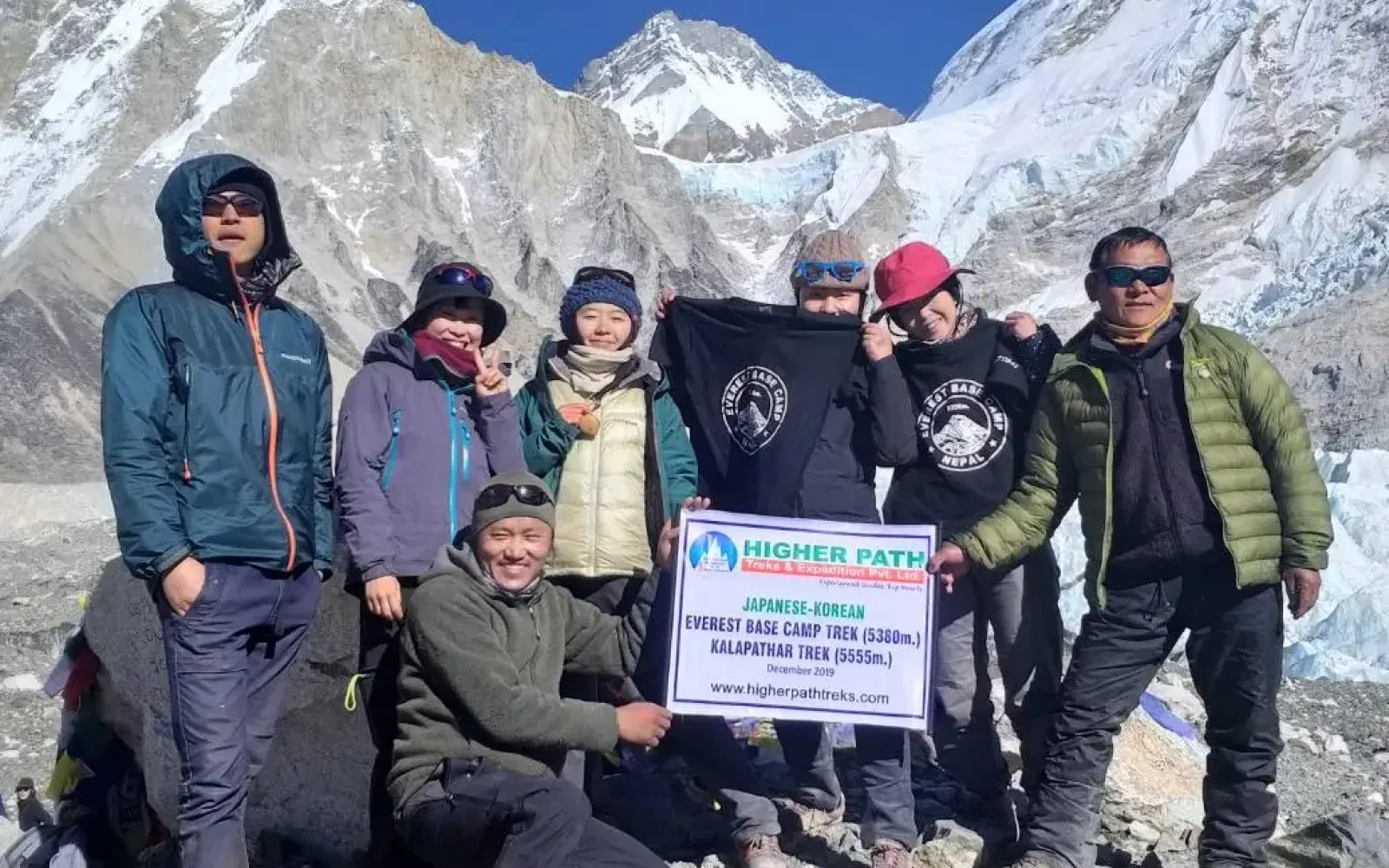
Everest Base Camp (EBC) has long been a coveted destination for trekkers around the world, and it’s no surprise why famous trekkers consistently choose this route for their adventures. One primary reason is the sheer iconic status of Mount Everest — the highest peak on Earth. For many seasoned trekkers, setting foot at Everest Base Camp represents a pinnacle achievement, combining physical challenge with breathtaking natural beauty and cultural richness. Famous trekkers often seek unique, memorable experiences, and EBC offers exactly that with its dramatic landscapes, rugged trails, and the chance to connect with the Sherpa community, who are known for their warm hospitality and rich traditions.
Moreover, the trek to Everest Base Camp offers a perfect balance of challenge and accessibility. It’s demanding enough to attract experienced trekkers, but it is also well-established with good infrastructure, allowing safer and more organized expeditions. Companies like Higher Path Treks & Expeditions specialize in guiding trekkers safely through this iconic route, offering expert support, experienced guides, and a deep understanding of the region’s terrain and culture. Famous trekkers trust such companies for the assurance of safety, local knowledge, and personalized service.
Key reasons famous trekkers choose Everest Base Camp:
Mount Everest, towering at 8,848.86 meters (29,031.7 feet), holds the title of the world’s highest mountain and is located in the Himalayas along the Nepal-Tibet border. This majestic peak has fascinated climbers, trekkers, and adventurers for decades. The allure of Everest extends beyond just mountaineering; it represents a symbol of human endurance, courage, and the pursuit of dreams. Everest Base Camp (EBC) is the starting point for many climbers attempting to reach the summit, but it also serves as an accessible destination for trekkers who want to experience the grandeur of the Himalayas without technical climbing.
There are two primary base camps — the South Base Camp in Nepal and the North Base Camp in Tibet. The South Base Camp is the more popular route among trekkers due to its stunning landscapes, Sherpa culture, and well-maintained trails. The journey to EBC is a trek filled with spectacular views of iconic peaks such as Ama Dablam, Lhotse, and Nuptse. Trekkers pass through charming mountain villages, Buddhist monasteries, and rhododendron forests, making the experience culturally enriching as well as physically rewarding.
Introduction highlights:
The history of Everest Base Camp is intertwined with the story of human ambition to conquer the highest mountain on Earth. The first known attempt to climb Mount Everest was by British explorer George Mallory in the 1920s. Mallory and his team established early base camps on the mountain’s southern side in Nepal, laying the groundwork for future expeditions. Though Mallory never made it to the summit, his pioneering efforts gave rise to the use of base camps as essential logistical hubs for climbers.
Everest Base Camp evolved over time, especially after the first successful summit by Sir Edmund Hillary and Tenzing Norgay in 1953. The base camp became a bustling hub for climbers, sherpas, and expedition support teams. Initially, it was a simple campsite with tents and basic facilities. Over the decades, as trekking and mountaineering gained popularity, EBC transformed with better infrastructure, including teahouses, medical posts, and communication facilities. Today, Everest Base Camp is a thriving gateway attracting thousands of trekkers each year, thanks to reliable support from professional companies like Higher Path Treks & Expeditions, which ensure safe and well-organized journeys.
Key points in the history of Everest Base Camp:
Modern expeditions rely on expert companies like Higher Path Treks & Expeditions for safety and organization
Mount Everest is not just the highest peak on Earth; it embodies a unique blend of natural grandeur, cultural richness, and human spirit that makes it truly special. Rising majestically to 8,848.86 meters, Everest stands as an ultimate symbol of adventure and exploration. Its snow-capped summit and towering presence in the Himalayan range captivate the imagination of millions worldwide. Beyond its physical stature, Everest represents the boundary between the natural world’s raw power and human determination to explore and conquer.
What sets Everest apart is its incredible biodiversity and the Sherpa culture that thrives in its shadow. The region around Everest is home to rare Himalayan flora and fauna, including the elusive snow leopard. The Sherpa people, renowned for their mountaineering skills and deep spiritual connection to the mountains, enrich the trekking experience with their traditions, festivals, and hospitality. For trekkers and climbers, Everest is a place where nature’s beauty meets human resilience and cultural heritage. Trekking companies like Higher Path Treks & Expeditions ensure visitors experience these unique facets with respect, safety, and authenticity.
Key reasons why Everest is special:
Famous trekkers from around the world are drawn to Everest Base Camp for several compelling reasons, each adding to the trek’s legendary status. Firstly, Everest Base Camp offers a direct connection to one of the most iconic mountains globally. For many accomplished adventurers, standing at the foot of Everest is a bucket-list experience, symbolizing the achievement of overcoming nature’s toughest challenges. The trek is more than just a physical journey; it is a personal quest for self-discovery and mental strength.
Secondly, famous trekkers appreciate the immersive cultural experience provided by the Sherpa community. This region’s blend of ancient Buddhist traditions and rugged mountain life is unlike any other trekking destination. Trekking companies such as Higher Path Treks & Expeditions provide seasoned guides who help travelers navigate both the physical trails and the cultural landscape, creating meaningful connections beyond just the scenery. Lastly, the camaraderie and shared spirit among trekkers on this route inspire many well-known adventurers to return year after year, sharing stories and forging lifelong friendships.
Reasons famous trekkers choose Everest Base Camp:
Trekking to Everest Base Camp is a physically demanding endeavor that tests the limits of endurance, strength, and acclimatization. The trek involves ascending to high altitudes where oxygen levels are significantly lower than at sea level, posing risks such as altitude sickness. The trail itself is rugged and variable, passing through steep climbs, rocky paths, and unpredictable weather conditions. Physical fitness, mental preparation, and proper acclimatization are essential for a successful and safe journey.
Despite these challenges, the trek is achievable for many with adequate preparation and the right support. Companies like Higher Path Treks & Expeditions play a crucial role in helping trekkers overcome physical obstacles by offering experienced guides, comprehensive safety measures, and well-planned itineraries that allow gradual acclimatization. The daily hikes range between 5 to 8 hours, covering diverse terrain that requires stamina and agility. Hydration, nutrition, and rest are key to maintaining energy levels throughout the trek. Overcoming these physical challenges results in a deeply rewarding experience and a profound sense of accomplishment.
Main physical challenges of Everest Base Camp trek:
Trekking to Everest Base Camp is not just a physical journey; it is also a profound mental challenge that tests one’s resilience, patience, and mental strength. The trek involves long days of walking through tough terrain and coping with altitude-related effects such as headaches, fatigue, and difficulty breathing. These physical stresses often bring mental challenges like frustration, loneliness, and anxiety. The isolation of remote mountain trails, unpredictable weather, and constant effort to maintain pace can take a toll on even the most seasoned adventurers.
Managing these mental challenges requires strong willpower, positive mindset, and the ability to adapt to changing conditions. Trekking companies like Higher Path Treks & Expeditions provide essential psychological support through experienced guides who encourage, motivate, and monitor trekkers for signs of stress or altitude sickness. Group dynamics also play a vital role, as sharing experiences with fellow trekkers helps boost morale and foster camaraderie. Successfully overcoming these mental hurdles adds a layer of personal growth to the physical achievement, making the journey to Everest Base Camp a transformative experience.
Key mental challenges on the trek:
The Everest Base Camp trek is unique for numerous reasons, setting it apart from other trekking routes around the world. Firstly, the breathtaking landscape is unparalleled — trekkers pass through rugged trails flanked by towering Himalayan peaks such as Lhotse, Ama Dablam, and Nuptse. The dramatic scenery changes with elevation, from lush forests to alpine meadows and finally to stark glacial landscapes near the base camp. This diverse terrain creates an immersive natural experience that few treks can match.
Additionally, the cultural richness along the route adds to its uniqueness. The trail is dotted with ancient Buddhist monasteries, prayer flags fluttering in the mountain wind, and the friendly smiles of the Sherpa people who have lived in this region for centuries. With expert support from Higher Path Treks & Expeditions, trekkers gain authentic insights into Sherpa customs, rituals, and way of life. The combination of stunning natural beauty, rich cultural experiences, and the historic significance of Everest itself makes this trek an extraordinary adventure.
One of the most rewarding aspects of trekking to Everest Base Camp is the opportunity to meet and interact with the local people, particularly the Sherpas. The Sherpa community is renowned worldwide for their mountaineering skills, but their culture goes far beyond climbing. Trekkers witness traditional Buddhist lifestyles, age-old customs, festivals, and the community’s deep respect for the mountains. These encounters enrich the trekking experience, turning it into a cultural journey as much as an adventurous one.
Local teahouses, lodges, and villages serve as social hubs where trekkers exchange stories with Sherpa families and other locals. The warmth and hospitality extended by the Sherpa people create lasting memories and a genuine connection to the region. Trekking with a professional company like Higher Path Treks & Expeditions enhances these interactions by facilitating respectful and meaningful engagement. Their guides often share insider knowledge about Sherpa traditions, helping trekkers understand and appreciate the local way of life. Meeting local people makes the Everest Base Camp trek not just a physical challenge but a culturally immersive and humbling experience.
Highlights of meeting local people on the trek:
Preparing for the Everest Base Camp trek requires more than just enthusiasm—it demands comprehensive physical, mental, and logistical preparation. Famous trekkers, as well as dedicated adventurers, understand that the journey to 5,364 meters (17,598 feet) is a serious undertaking that challenges every aspect of one’s fitness and endurance. Physical preparation usually begins months in advance, focusing on cardiovascular fitness, strength training, and hiking practice. Activities like running, cycling, and stair climbing help build the stamina needed for long days on uneven mountain terrain.
Mental preparation is equally important. Trekkers need to develop patience, resilience, and the ability to adapt to changing weather and altitude conditions. Learning about altitude sickness and acclimatization strategies helps reduce risks on the trail. Equally vital is organizing the right gear—quality trekking boots, layered clothing, sleeping bags, and hydration systems are essential for comfort and safety.
For many, partnering with an experienced company like Higher Path Treks & Expeditions is a crucial part of preparation. Their expert guides provide personalized advice on training, packing, and acclimatization plans tailored to each trekker’s abilities. They also handle logistics such as permits, transportation, and accommodation, allowing trekkers to focus on their physical and mental readiness. This comprehensive support helps ensure a safer, more enjoyable experience.
Key points on how trekkers prepare:
Everest Base Camp remains one of the most sought-after trekking destinations worldwide, drawing famous trekkers and adventurers alike. The allure of standing at the foot of the world’s highest peak, combined with the stunning Himalayan landscapes, rich Sherpa culture, and personal physical and mental challenges, creates an unforgettable experience. This trek symbolizes human perseverance, the spirit of adventure, and a deep connection to nature and culture.
Choosing the right partner for this journey is essential. Higher Path Treks & Expeditions stands out as a trusted guide, offering unparalleled expertise, safety, and cultural insights to ensure every trekker’s journey is memorable and secure. Whether it’s a first-time trekker or an experienced adventurer, their personalized approach caters to diverse needs while respecting the fragile mountain environment. Ultimately, the Everest Base Camp trek is more than a physical challenge — it’s a transformational experience that leaves trekkers inspired and connected to the majestic Himalayas forever.
Conclusion highlights:
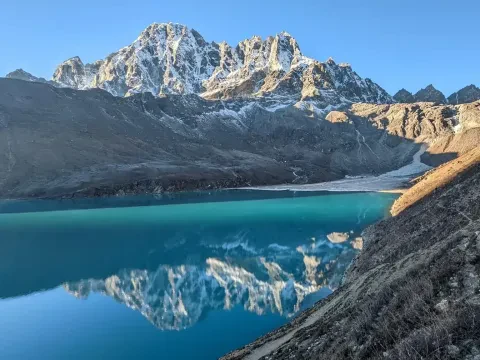
<p>For adventurers and trekkers drawn to the allure of the Himalayas, the Everest Base Camp (EBC) trek is often the ultimate bucket-list experience. However, for those seeking an even more enriching journey, Gokyo Ri offers a spectacular extension to the classic route.</p>
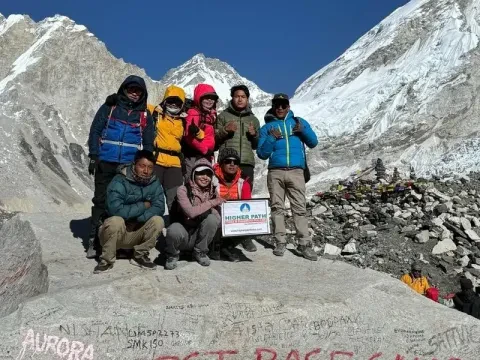
<p>Trekking to Everest Base Camp (EBC) is one of the most iconic adventures in the world, offering a blend of natural grandeur, rich cultural experiences, and a deep sense of achievement. Situated in the heart of the Himalayas, this legendary trek brings you face-to-face with the world’s highest peak</p>
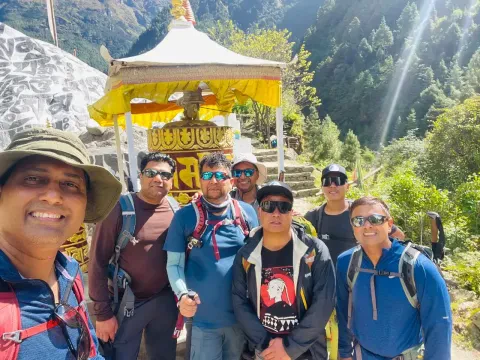
Experience the Everest Base Camp Trek in the autumn season with Higher Path Treks & Expeditions. This journey takes you deep into the heart of the Khumbu region, where you can enjoy the spectacular mountain views, vibrant Sherpa culture, and breathtaking Himalayan landscapes.