Need help with booking? Send us a message.
Everest Base Camp Trek 17 Days offers a complete 2026 itinerary, cost. Enjoy mesmerizing Himalayan scenery, Sherpa culture, expert local guides and unforgettable adventure to the base of Mount Everest.
4*** Hotel in Kathmandu and Tea House / Lodge during the trek
Kathmandu - Lukla - Phakding - Namche - Khumjung - Pangboche - Dingboche - Lobuche - Gorakshep - Everest Base Camp - Kala Pather - Pheriche - Namche - Lukla - Manthali - Kathmandu

The Everest Base Camp Trek 17 Days is one of the most famous and iconic Himalayan adventures in Nepal. It offers the perfect combination of breathtaking mountain scenery, Sherpa culture, Himalayas lifestyle and a rewarding trekking experience. This complete itinerary and cost guide for 2026 covers the day by day route, accommodation, permits, difficulty, altitude, trip highlights, and essential travel tips to help you confidently plan your journey to the base of the world's highest mountain, Mount Everest.
The 17-day Everest Base Camp Trek isn't just a hike—it's a journey that weaves through Sherpa villages, suspension bridges, ancient monasteries, and some of the most dramatic mountain scenery on Earth.
The trek begins with a scenic flight from Manthali to Lukla, and follows the legendary Khumbu trail, walking through small villages, suspension bridges, rhododendron and pine forests and passing places such as Phakding, Namche, Khumjung, Tengboche, Pangboche, Dingboche, Lobuche and Gorakshep before reaching Everest Base Camp and Kala Patthar. Trekkers enjoy the breathtaking Himalayan landscapes, culture and lifestyles and see beautifully decorated Mani walls, prayer wheels and colorful prayer flags on the way. The journey follows the same route back to Lukla.
The Everest Base Camp Trek in Nepal is unforgettable. It offers spectacular mountain views. You will experience the warm hospitality of Sherpa community, visit ancient Buddhist monasteries and explore the stunning landscapes of Sagarmatha National Park. You'll learn to say "Namaste" and "Dhanyabad" and probably pick up some Sherpa words along the way.
The Khumbu region is protected as Sagarmatha National Park, a UNESCO World Heritage site that's home to rare wildlife including snow leopards (rarely seen), Himalayan Tahr, and the colorful Danphe pheasant (Nepal's national bird). The conservation efforts here are remarkable, especially considering the thousands of trekkers who pass through each year.
The Everest Base Camp Trek is considered a moderately challenging trek in Khumbu region, Nepal. With good physical fitness, proper preparation and proper acclimatization, even beginners can complete this trek without previous trekking experience.
The 17-days Everest Base Camp Trek is best during two main seasons:
Spring (March-May): Warmer temperatures, stable weather, rhododendrons bloom, and the main Everest climbing season means Base Camp is bustling with expedition activity.
Autumn (September-November): Clear skies, stable weather, and crisp mountain views. This is peak trekking season for good reason.
Winter (December) is possible but freezing, snowing at higher elevations. Monsoon season (June-August) brings clouds, rain, and leeches at lower elevations—generally not recommended unless you enjoy trekking in the rain.
For the Everest Base Camp Trek, trekkers need two different permits.
Both permits can be obtained in Lukla and Monjo, or through Higher Path Treks & Expedition in Kathmandu.
During this trek accommodation is provided in comfortable teahouses or mountain lodges, on a twin-sharing basis. Rooms are simple and cozy. Attached bathrooms are available in Phakding, Namche, Pangboche, Dingboche and Lukla, while shared bathrooms are in Lobuche, Gorakshep, Pheriche and Khumjung.
Breakfast, lunch and dinner are provided during the trek. Every teahouse has their own food menu, while trekkers can choose their meals from menu. They prepare local and some international dishes. Vegetarian meals are highly recommended, which are prepared freshly, nutritious and easy to digest. Meat is transported over long distances, so it may not be always fresh at higher altitude.
The highest altitude of this trek is Kala Patthar (5,640 m) and Everest Base Camp (5,364 m). To complete this trek proper acclimatization is required. We have two acclimatization days, in Namche and Dingboche to make the trip safe and unforgettable.
To complete Everest Base Camp Trek, you don't need to be an ultra-athlete and experienced trekker, but you should have a good level of fitness. Aim to hike for 5-7 hours a day with carrying a light day pack. If you live in a flat area, climb the stairs with a backpack for strength. Do regular cardio exercises like hiking, walking, running and cycling for your stamina.
Higher Path Treks & Expedition provides experienced local Sherpa guides, reliable logistics, and personalized support throughout your trek.
Licensed Experienced Guides: Our licensed and professional guides have extensive knowledge of the Everest region. Their expertise helps trekkers manage altitude challenges and maximize their chances of successfully reaching Everest Base Camp.
Well Planned Itinerary: Our itinerary is carefully designed to suit different experience levels and travel preferences while maintaining proper acclimatization for high altitude adventure.
Transparent pricing: Our pricing is transparent, we provide clear information about our included services, permits, accommodation and meals without hidden charges.
Safety First: Safety is our top priority, with proper acclimatization, regular health monitoring, and emergency support arrangements when needed.
Customer-Focused Service: We focus on creating a personalized and stress-free adventure for every traveler. From airport assistance and permit arrangements to accommodation, meals and we handle every detail so you can focus on enjoying your Himalayan journey.
The Everest Base Camp Trek 17 days is one of Nepal's most rewarding trekking adventure. It offers breathtaking Himalayan scenery, authentic Sherpa culture, Himalayan lifestyle, and an unforgettable experience of standing at the foot of the world's highest mountain. With proper preparation and proper acclimatization this trek is suitable for all trekkers, whether your are a first-time trekker or experienced. This trek creates memories that last a lifetime.
Ready for your adventure? Contact us today to book your 17-days Everest Base Camp Trek.
Helpful Blogs About Trekking in the Everest Region:
Uncover the best blogs about trekking in the Everest region, featuring expert advice, detailed itineraries, personal experiences, and essential tips for adventurers looking to explore the Himalayas.
Photography Guide: Capturing the Himalayas Without Expensive Gear
Everest Luxury Trek: An Unforgettable Himalayan Experience
Nepal Peak Climbing 2026: Routes, Tips, and Top Summits
Solo Trekking to Everest Base Camp: Is It Possible?
Top 10 Highlights of the Everest Base Camp Trek
Successfully Trekking to Everest Base Camp and Kala Patthar
Why Famous Trekkers Choose Everest Base Camp?
Autumn Season to Everest Base Camp Trek
Top Himalayan Peaks for Beginner Climbers: A Comprehensive Guide
Everest Three Peaks: A Beginner’s Guide to the Ultimate Himalayan Challenge
Must-Know Facts About Everest Base Camp Trekking
Why Gokyo Ri is a Must-Visit for Everest Trek Lovers
The Roof of the World: Peak Climbing Journeys through Nepal’s High Country
Four Peaks, One Journey: Mera, Island, Lobuche & Amphu Lapcha Expedition
Top Best Expedition Packages in Nepal 2025
Which is Easier: Mera Peak or Island Peak?
Best Trekking Peaks in Everest Region for Beginners
Notes
Alternative Transportation Option
In case of flight cancellation, an alternative overland route is available:
This option is commonly used during bad weather or peak trekking seasons when flights are disrupted.
Optional Helicopter Upgrade
Kathmandu – Lukla – Kathmandu Helicopter Service
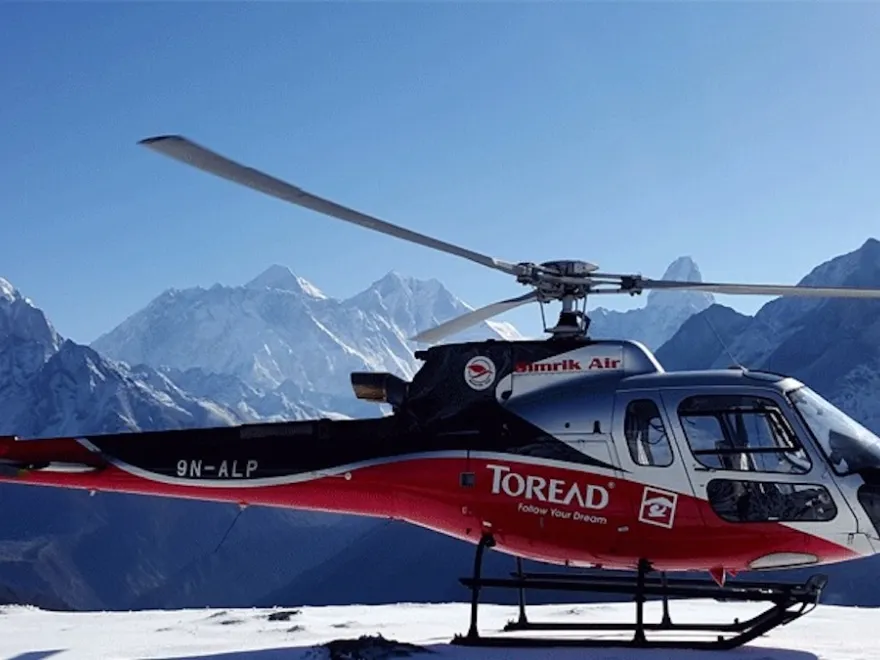
For greater comfort, flexibility, and to avoid possible flight delays, direct helicopter flights between Kathmandu and Lukla are available.
Helicopter flights are faster, more comfortable, and operate more reliably during unstable weather conditions compared to regular domestic flights.
Travel Recommendation
We strongly recommend keeping a few extra buffer days in your travel itinerary before international flights, especially during the busy spring and autumn trekking seasons, as weather-related delays in the Everest region are common.
Upon arrival at Tribhuvan International Airport, you will be warmly welcomed by our representative, who will be waiting for you with a sign displaying your name. They will assist you with your transfer through Kathmandu's vibrant streets to your hotel in Thamel.
After settling in to your hotel, you can take rest, relax, recover from jet lag, or explore Thamel's maze of trekking shops, cafés, and street vendors. That evening, we'll gather for a pre-trek briefing. This is where you'll meet your guide and your fellow trekkers. Ask all your burning questions—there are no silly ones when it comes to the Himalayas. We'll go through gear checks, discuss the itinerary, and make sure everyone's mentally ready for what's ahead.
 Accommodation Hotel
  Meals Breakfast
  Max. altitude 1,400m / 4,593ft.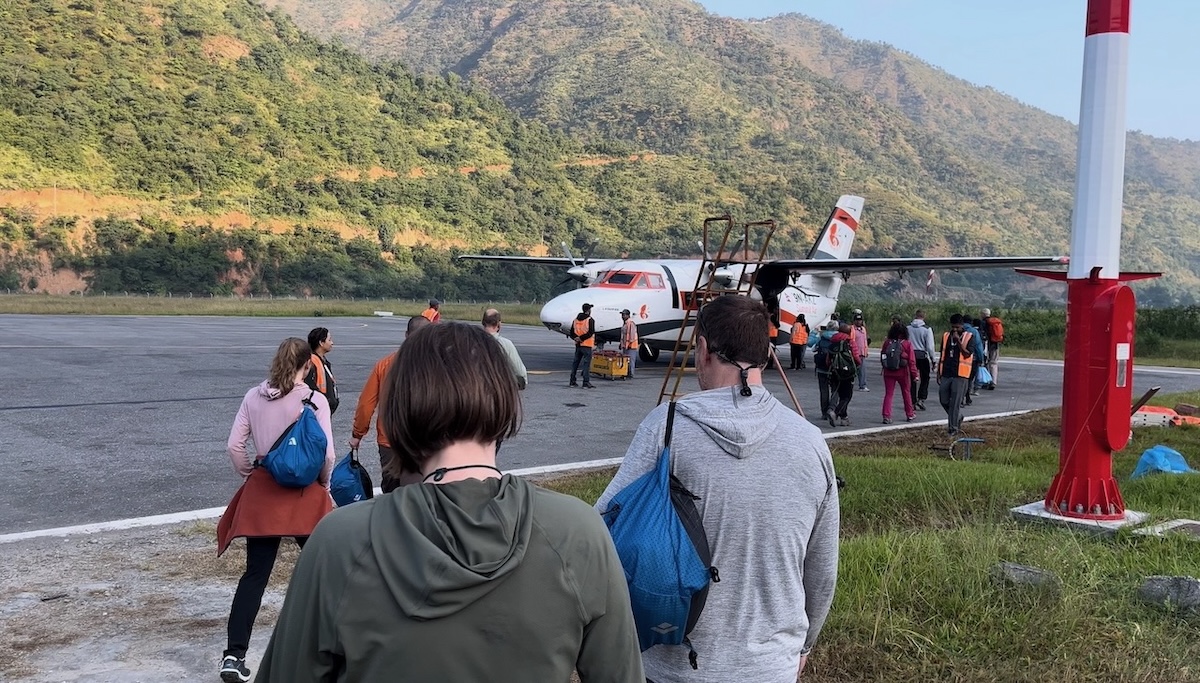
Here's something many trekkers don't expect: your Everest adventure actually begins with a scenic 5-6 hour drive from Kathmandu to Manthali (Ramechhap). During the peak season, flights to Lukla operate from Manthali airport this to reduce congestion at Kathmandu's airport.
The drive itself is an experience, taking you through winding mountain roads, terraced rice paddies cascading down hillsides, and rural villages where life moves at a completely different pace. You'll spot distant snow-capped peaks teasing you with what's coming. Kids wave from doorways. Buses make their way with carrying passengers, livestock and household goods.
By evening, you'll reach Manthali and check into a guesthouse.
Drive Duration: 5-6 Hours
Accommodation Teahouse Meals Breakfast, Lunch, Dinner Max. altitude 500m / 1,640ft. 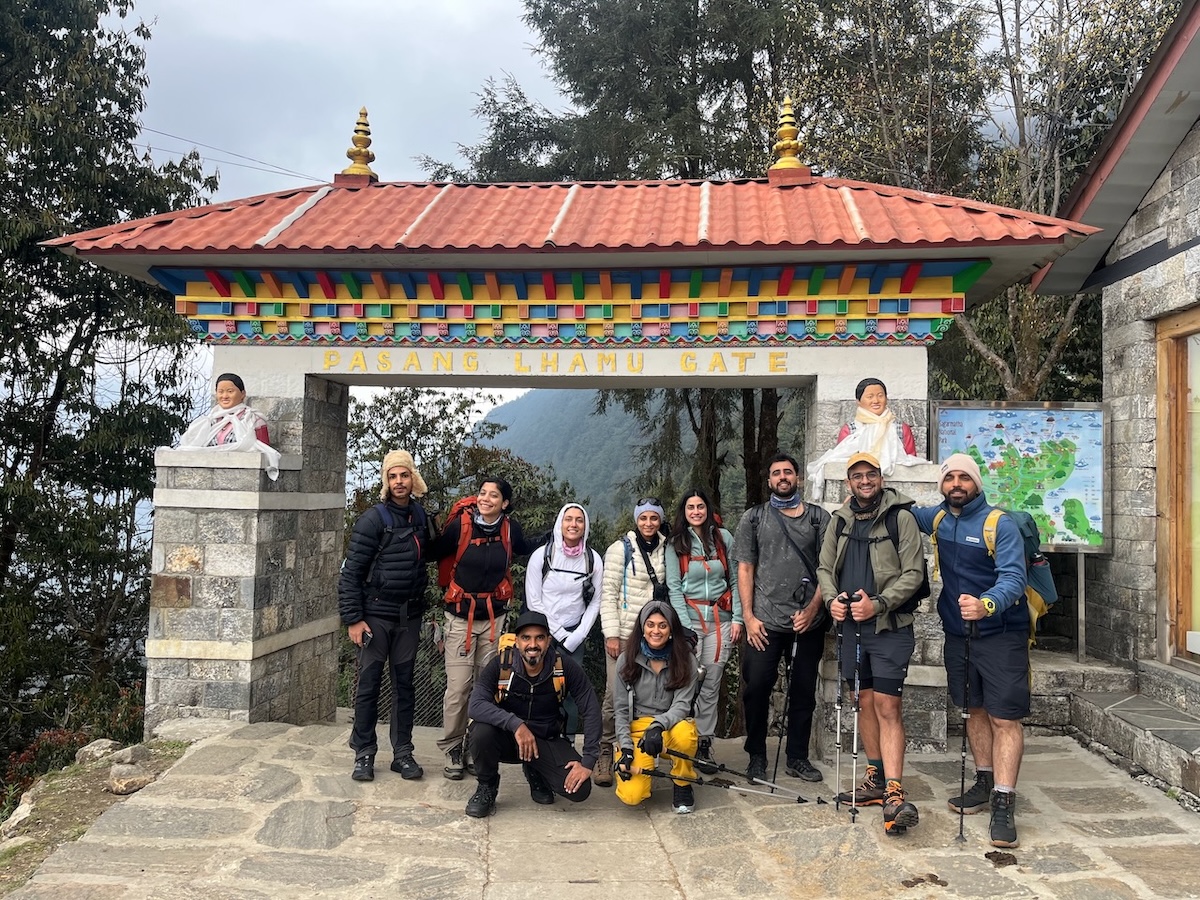
Today is the day your Everest Base Camp Trek adventure truly begins. The 30-minute flight from Manthali to Lukla is legendary and not just because you're landing on a tiny runway tilted upward on a mountainside. Landing at Tenzing-Hillary Airport (elevation 2,840 m) gets your adrenaline pumping.
After a short tea break in Lukla, you will organize your gear, meet your porters and begin trekking towards Phakding. The trail follows the Dudh Koshi River passing through beautiful pine and rhododendron forests, tradition small villages, suspension bridge, colorful prayer wheels along the way.
Phakding is located at 2,610 meters, which is lower than Lukla. The village is cozy.
Accommodation Teahouse Meals Breakfast, Lunch, Dinner Max. altitude 2,840m / 9,318ft. 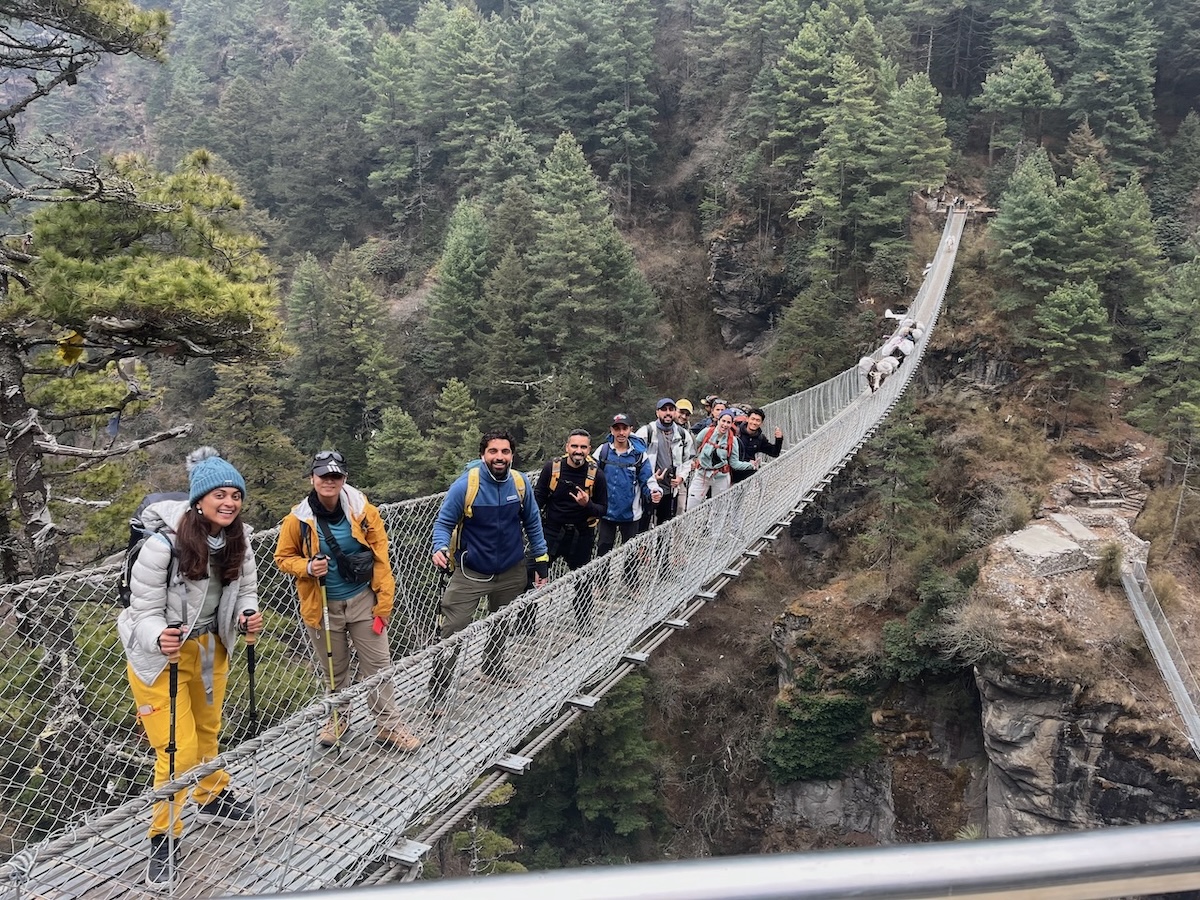
The trail begins gently, following the Dudh Koshi River through beautiful pine forests and crossing several suspension bridges that sway and bounce with every step. You'll pass through several small villages. Monjo is where you'll register at the Sagarmatha National Park entrance, before continuing towards Namche. After crossing the final suspension bridge, which is know as Hillary suspension bridge, the challenging uphill climb to Namche begins. Namche Bazaar (3,440 m) sprawls across a natural amphitheater, a surprisingly bustling town with bakeries, gear shops, and even Irish pubs. You've officially entered the high Himalayas.
Accommodation Teahouse Meals Breakfast, Lunch, Dinner Max. altitude 3,440m / 11,286ft. 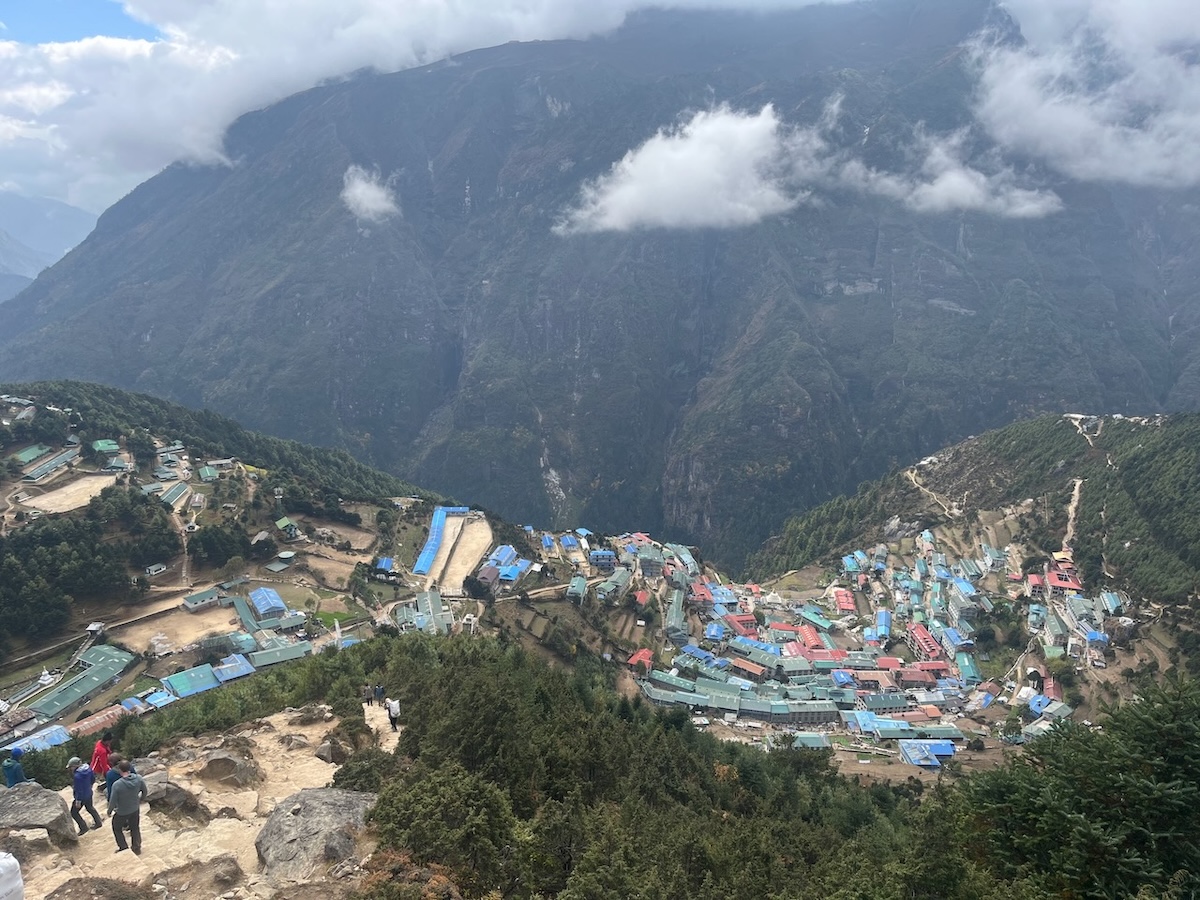
This rest day isn't really a rest day. The golden rule of altitude is "climb high, sleep low," so after breakfast you'll hike up to the Everest View Point, from there you will see the panoramas of Everest, Mt.Lhotse, Mt. Ama Dablam and surrounding Himalayan peaks. Then you will visit Sherpa museum and return back to hotel for the lunch. Use the afternoon to explore Namche Bazaar.
Accommodation Teahouse Meals Breakfast, Lunch, Dinner Max. altitude 3,600m / 11,811ft. 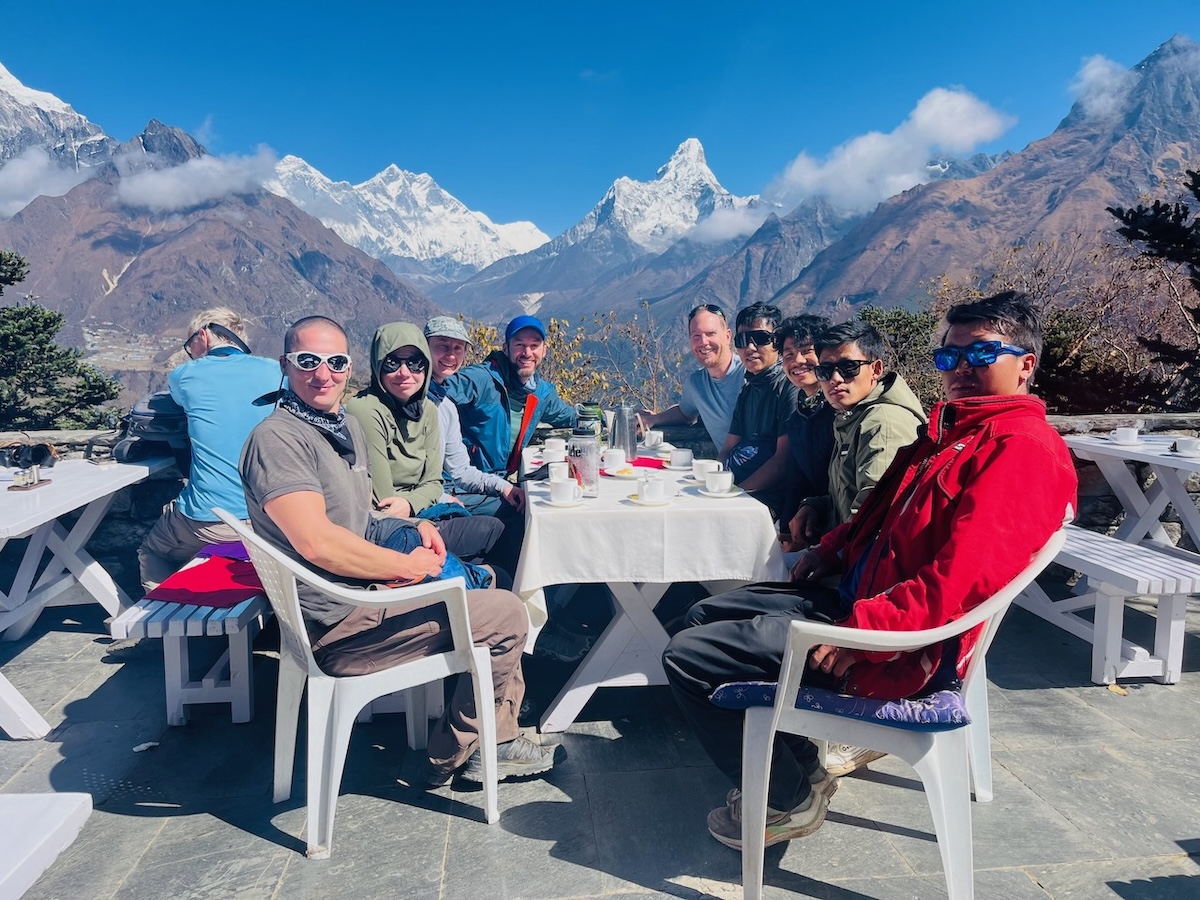
Today, the journey continues with a gentle but meaningful ascent from Namche Bazaar toward Khumjung via Hotel Everest View (3,880 m). The trail first leads along quiet ridgelines above Namche, gradually opening into wide Himalayan panoramas where peaks such as Thamserku and Khangteka dominate the skyline.
As you move away from the busier trekking routes, the atmosphere becomes noticeably calmer, offering a deeper sense of connection with the mountains. Passing through juniper and pine forests, you may encounter grazing yaks and traditional stone-built huts that reflect century old Sherpa traditions.
Khumjung village sits beneath the sacred peak of Khumbila. The village is famous for its monastery where you can see Yeti scalp and strong community traditions.
Overnight stay here allows you to experience authentic Sherpa hospitality in a peaceful alpine setting, ensuring comfort and cultural immersion at high altitude.
Accommodation Teahouse Meals Breakfast, Lunch, Dinner Max. altitude 3,880m / 12,730ft. 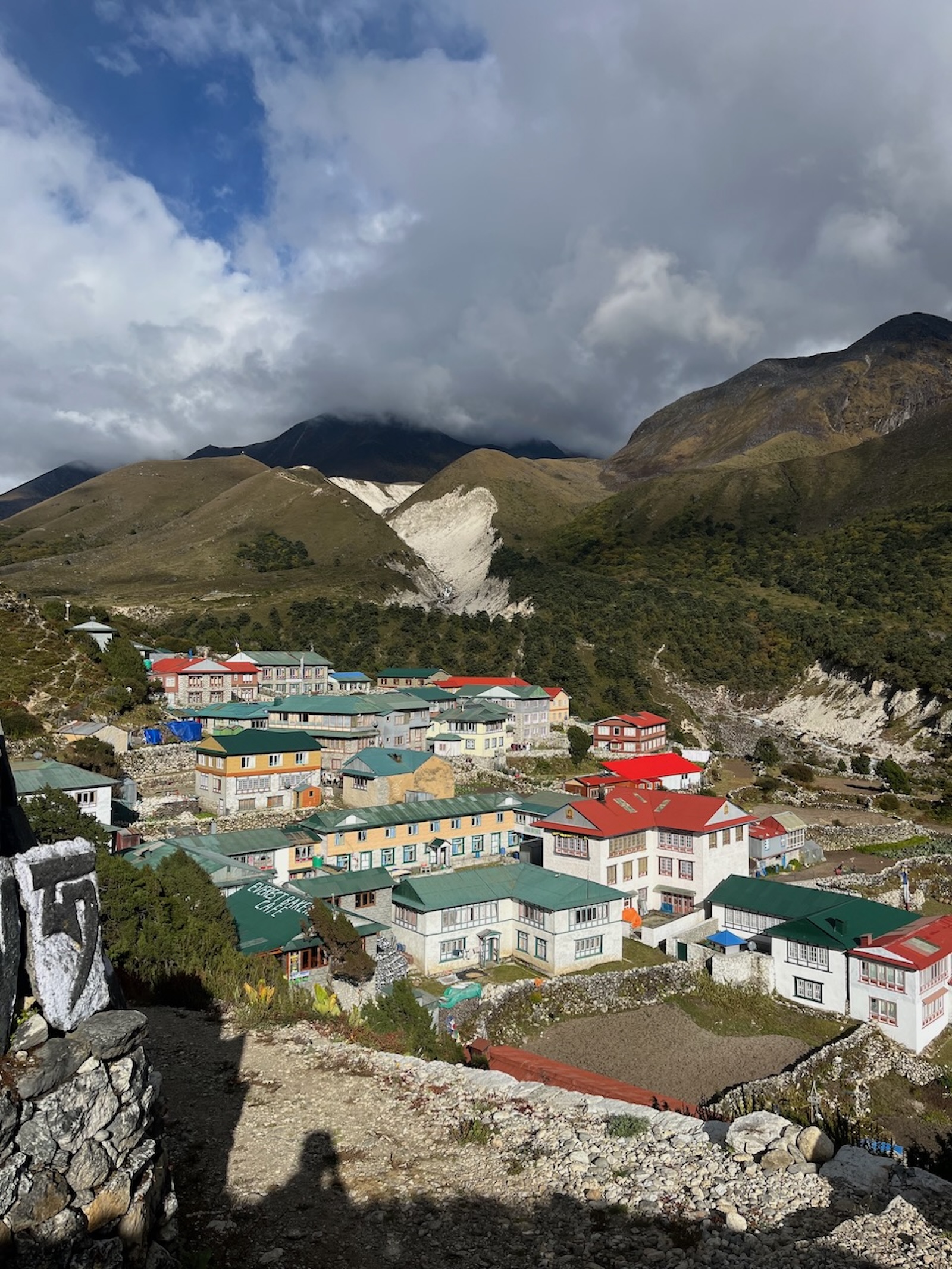
Today’s trek from Khumjung to Pangboche takes you deeper into the heart of the Khumbu Valley, where the landscapes grow increasingly dramatic and spiritually significant. The trail gradually descends and then climbs through open alpine terrain, passing scattered settlements, Mani walls, prayer flags, and yak pastures framed by towering Himalayan peaks.
As you continue along the trail, the majestic Mt.Ama Dablam begins to dominate the horizon, revealing why this region is considered one of the most scenic trekking corridors in the world.
Pangboche is one of the oldest Sherpa villages in the Khumbu region, holds cultural and spiritual importance. The village is famous due to its ancient monastery, one of the the oldest monastery in Khumbu. The atmosphere here feels timeless, with traditional stone houses and strong Buddhist heritage shaping daily life.
Arriving in the evening, you settle into a cozy lodge, reflecting on the day's journey, with all arrangements carefully to ensure a smooth and enriching Everest trekking experience.
Accommodation Teahouse Meals Breakfast, Lunch, Dinner Max. altitude 3,980m / 13,058ft. 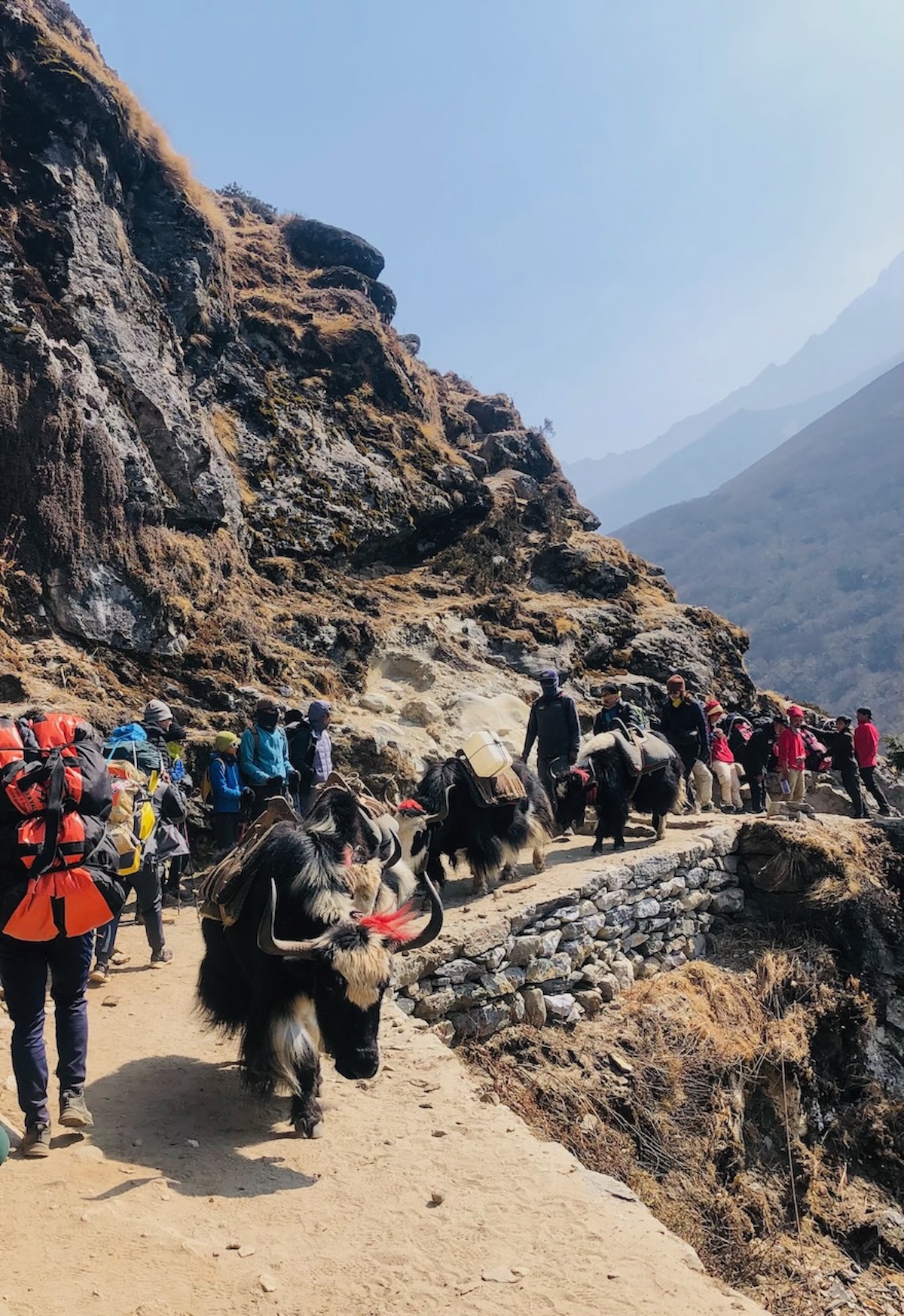
As you climb higher toward Dingboche, you'll notice the changing landscapes. The trees dissapear, vegetation becomes thinner, and the environment takes on that stark, otherworldly beauty that defines high-altitude trekking.
The trail passes through yak pastures surrounded by stone walls, which protect agricultural fields from wind and animals. Colorful prayer flags flutter constantly up here, while Mani walls decorated with carved stones featuring with Buddhist mantras.
Dingboche sits at 4,360 meters in a wide valley surrounded by some of the Himalayas' most impressive peaks including Ama Dablam, Lhotse, and Island Peak. The village has a dozen or so lodges, cafes where trekkers can take rest and enjoy the meals.
You'll spend two nights here for acclimatization.
Accommodation Teahouse Meals Breakfast, Lunch, Dinner Max. altitude 4,360m / 14,304ft. 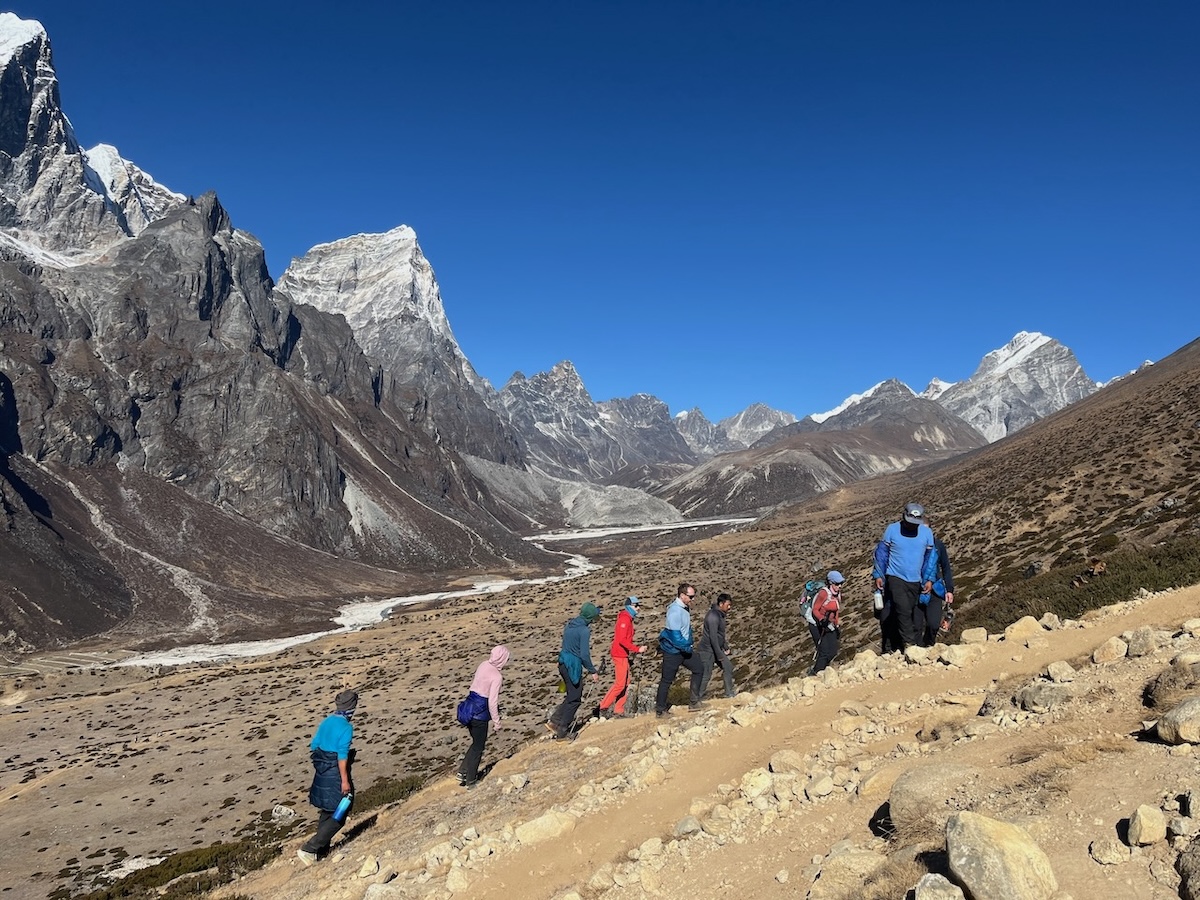
Today's acclimatization hike today is crucial for you. The route climbs to Nagarjun Hill, gaining about 800 meters to reach 5,100 meters. You'll hike slowly, stop frequently, and by the top, you'll feel surprisingly okay.
From Nagarjun Hill, the views are phenomenal, you can see Mt. Makalu (8,485 m, the world's fifth-highest peak) in the distance, along with close-up views of Lhotse's massive south face.
Some trekkers hike toward Chhukung instead, which offers different perspectives but similar altitude gains. Either way, you'll descend back to Dingboche for lunch, spend the afternoon relaxing, and notice that breathing feels a bit easier than yesterday. That's acclimatization working. Your body is adapting, producing more red blood cells, becoming a high-altitude machine.
Accommodation Teahouse Meals Breakfast, Lunch, Dinner Max. altitude 5,100m / 16,732ft. 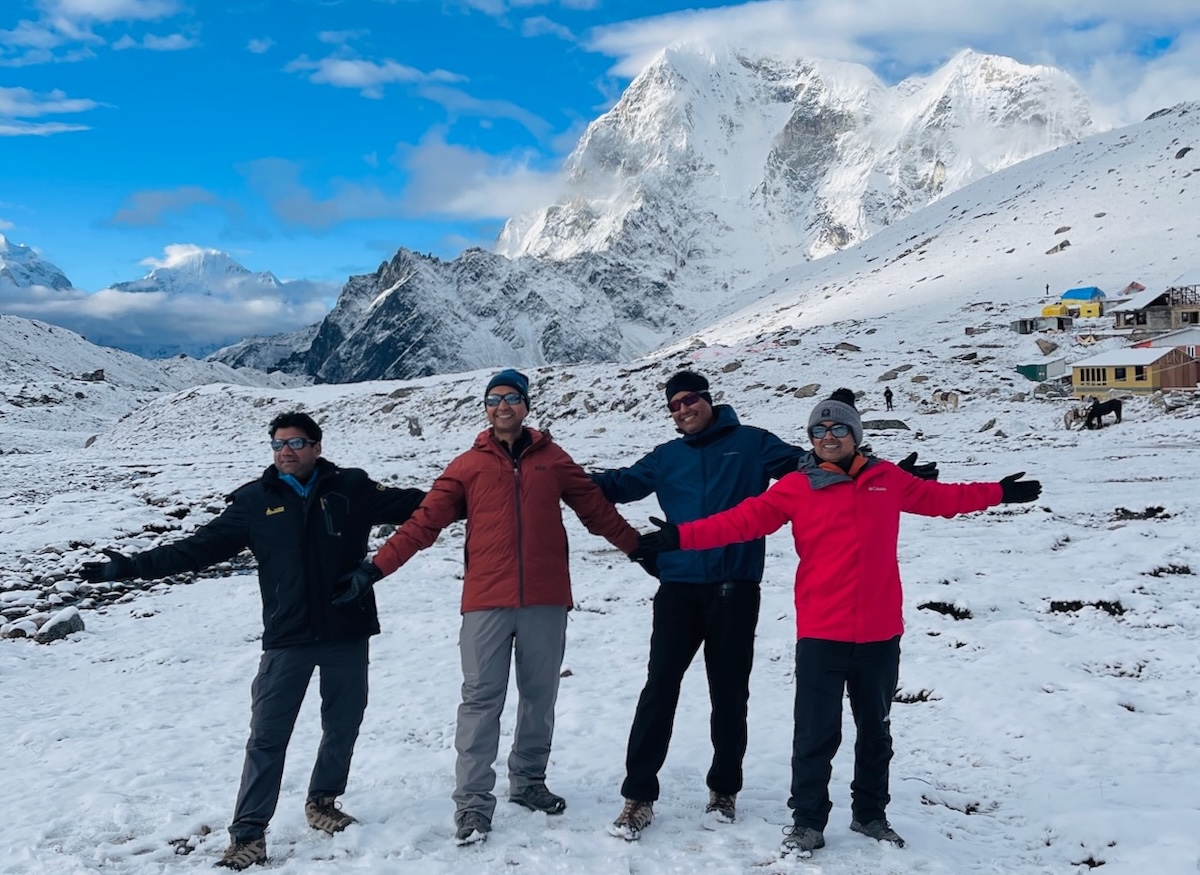
Today's trek to Lobuche is relatively short in distance but significant in altitude gain. The trail climbs gradually through increasingly barren landscape, this high up, almost nothing grows except the hardiest grasses and lichens.
About halfway, you'll reach the Thukla Pass memorial, where stone cairns honor climbers who've died on Everest and other peaks. It's a sobering place that puts the mountain's power into perspective. Take a moment here.
The climb up to Thukla Pass itself is the steepest section of the day, and you'll feel the altitude in your lungs. Beyond the pass, the trail levels out somewhat as you approach Lobuche (4,940 m). The village is small—just a handful of lodges clustered together in the rocky moraine. It's cold, the wind is relentless, and the facilities are basic. But you're close to the Everest Base Camp, which is just one more day away.
Accommodation Teahouse Meals Breakfast, Lunch, Dinner Max. altitude 4,940m / 16,207ft. 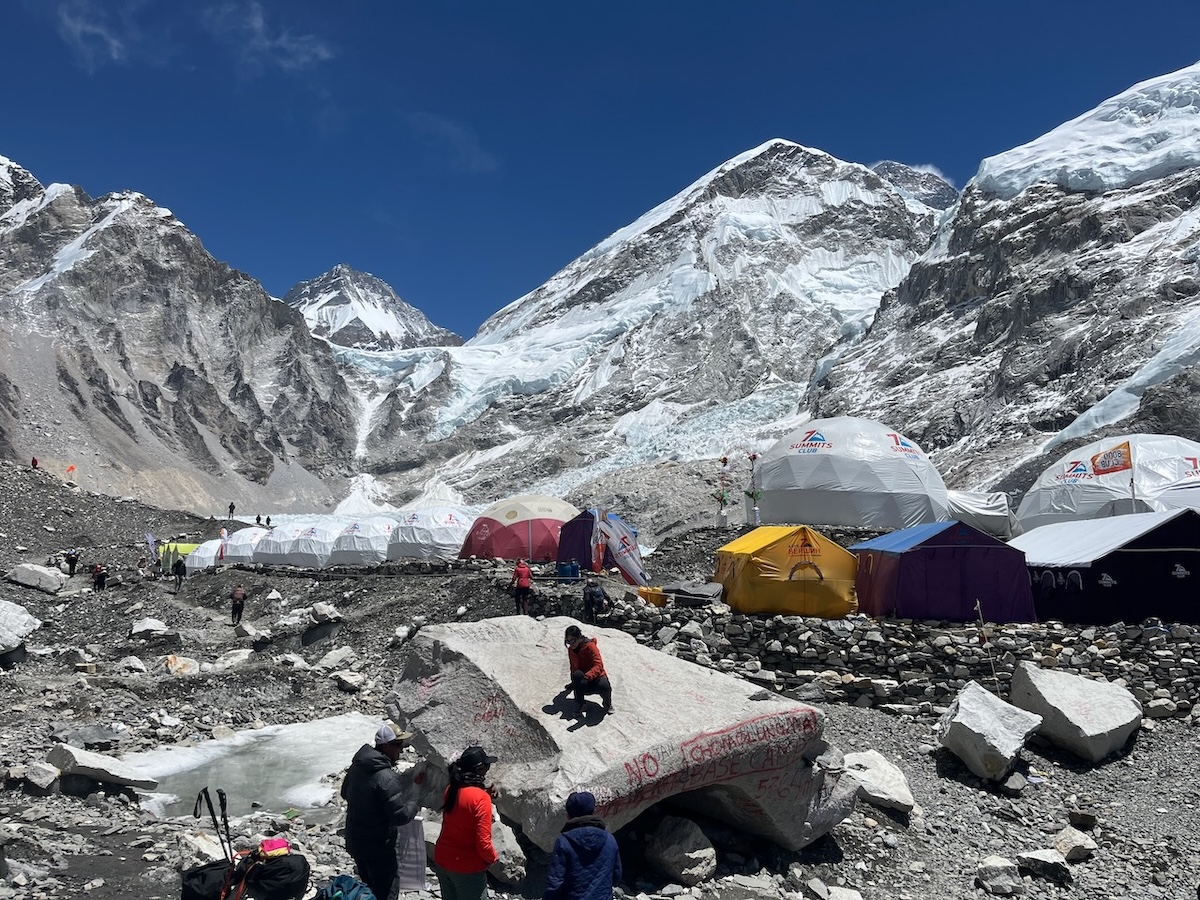
Day 11 is the most anticipated highlight of the entire journey as you leave Lobuche and trek toward Gorak Shep, the final settlement before Everest Base Camp. The trail is rocky, glacial, and demanding, but every step brings you closer to your goal.
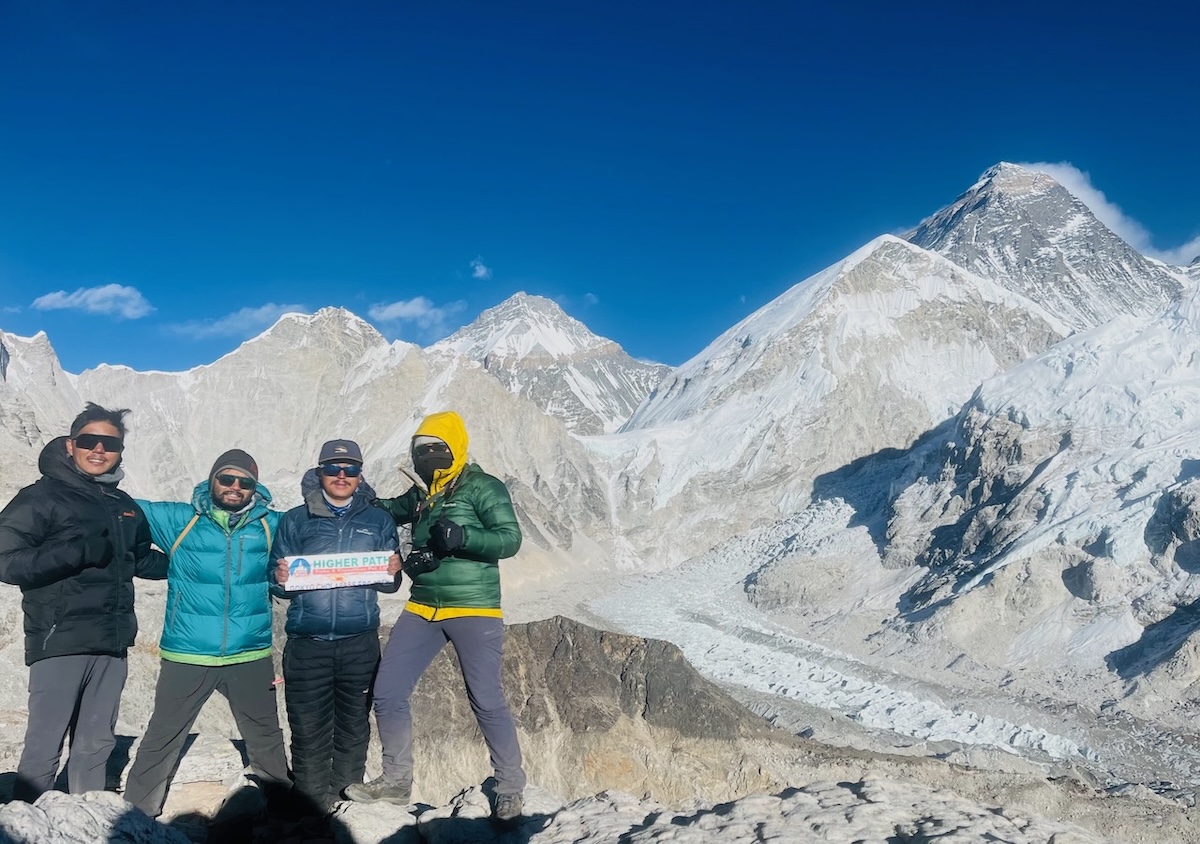
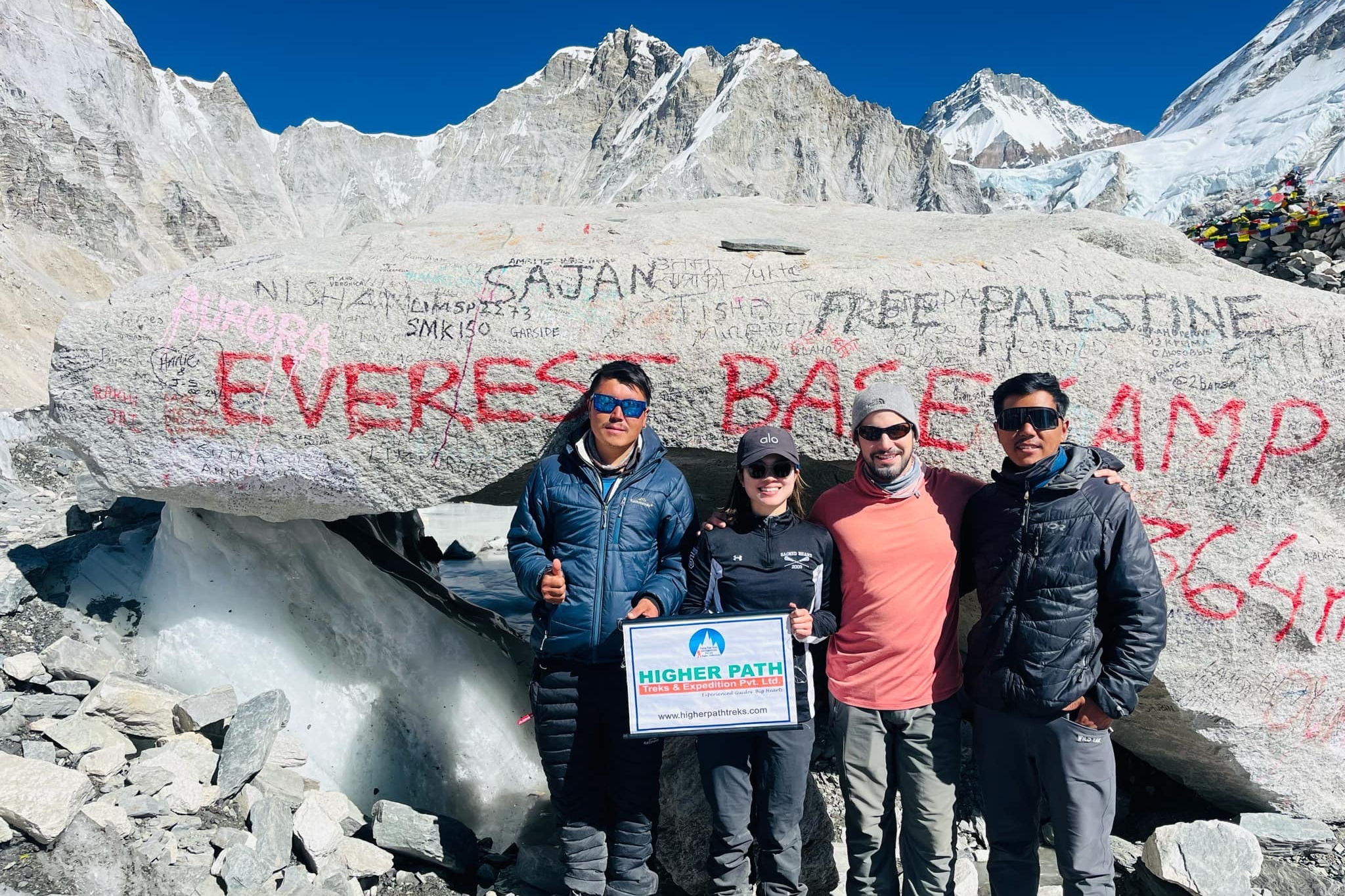
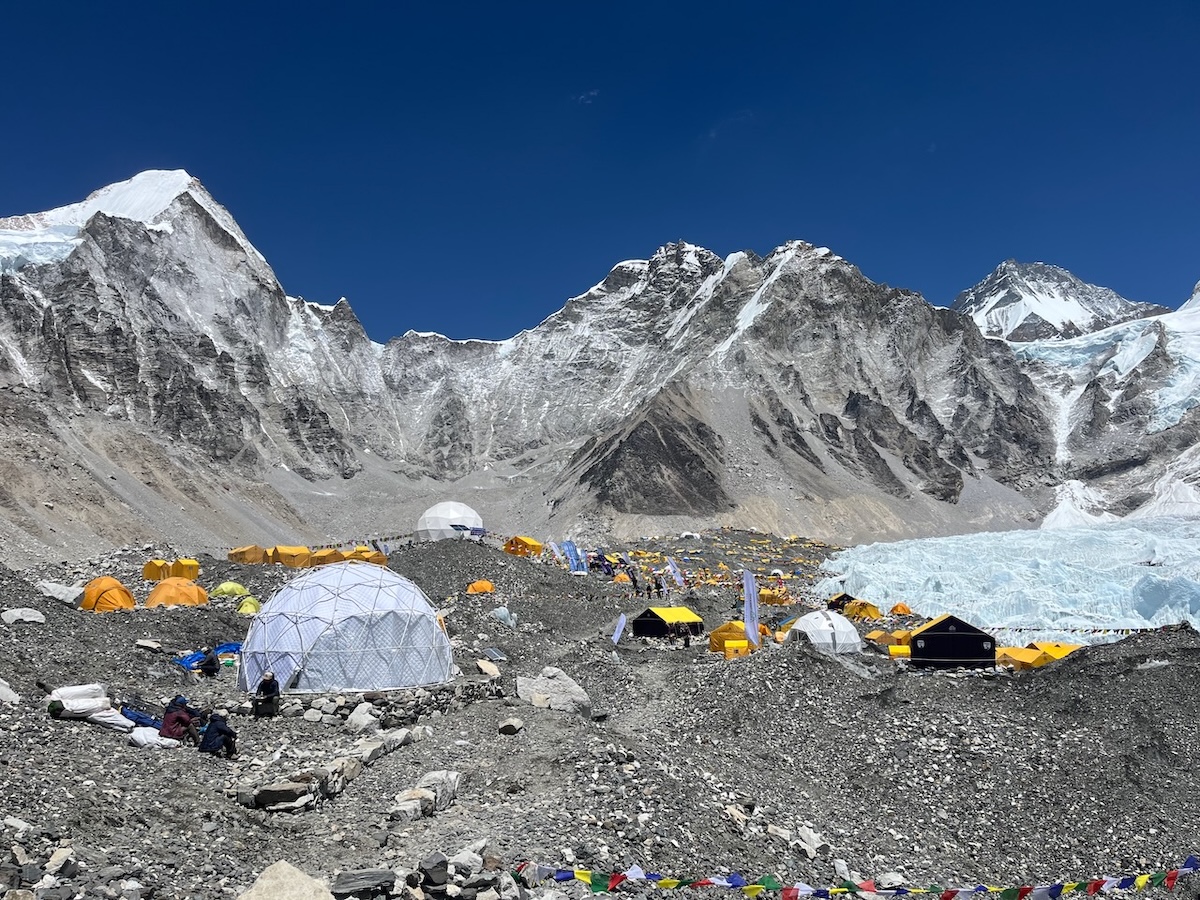
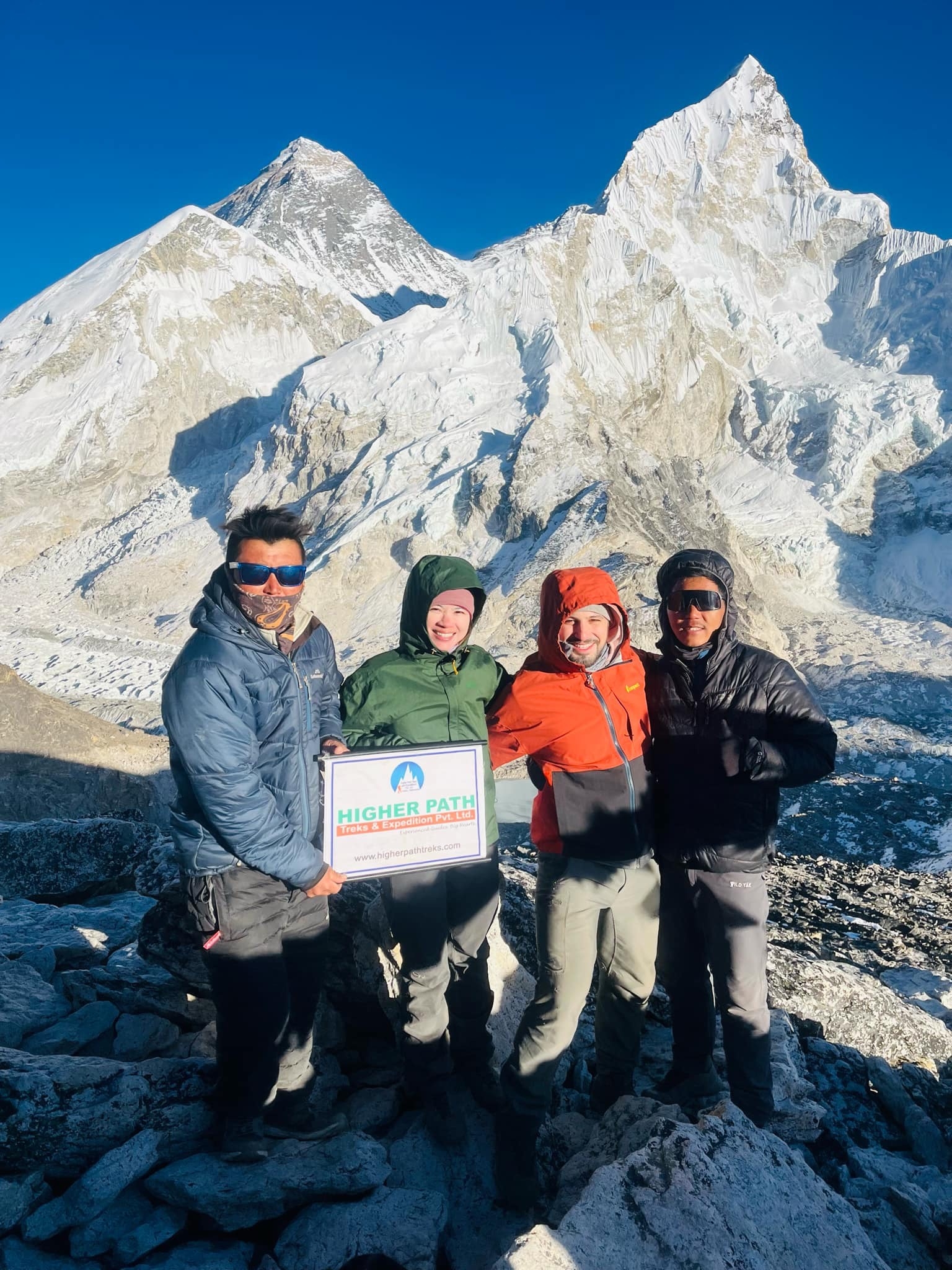
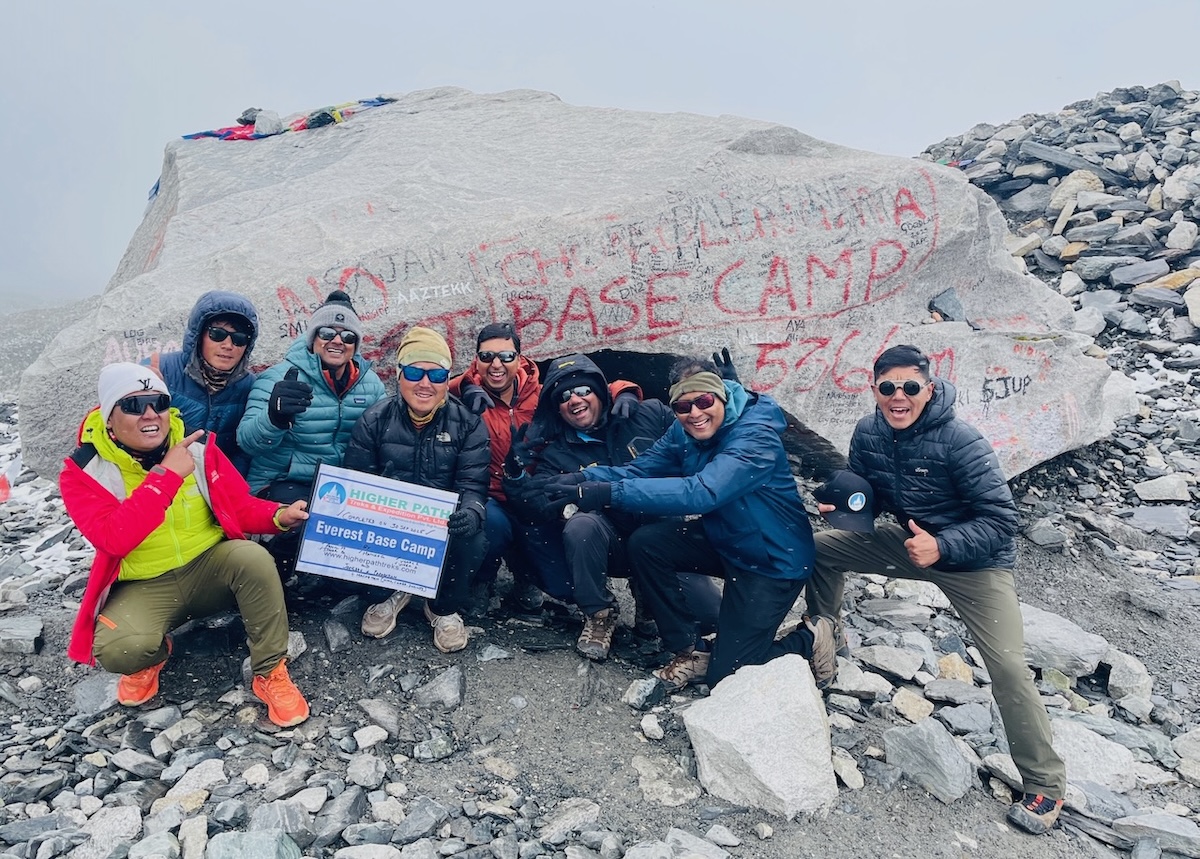
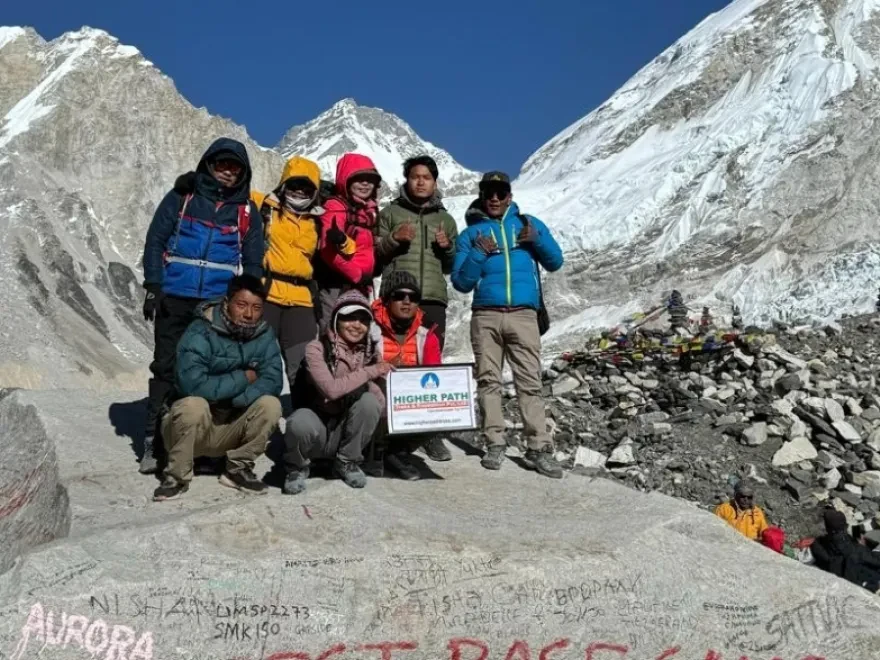
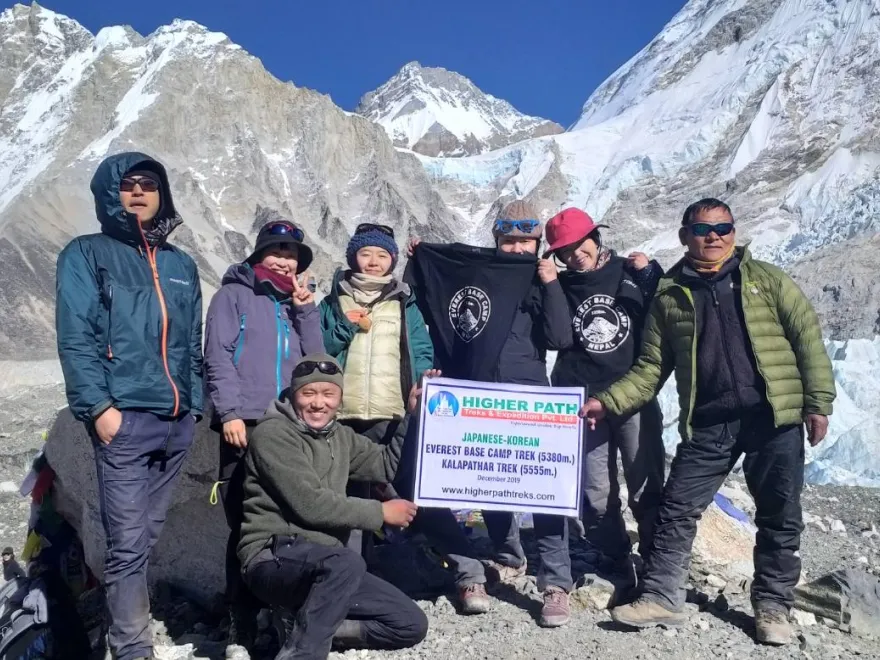
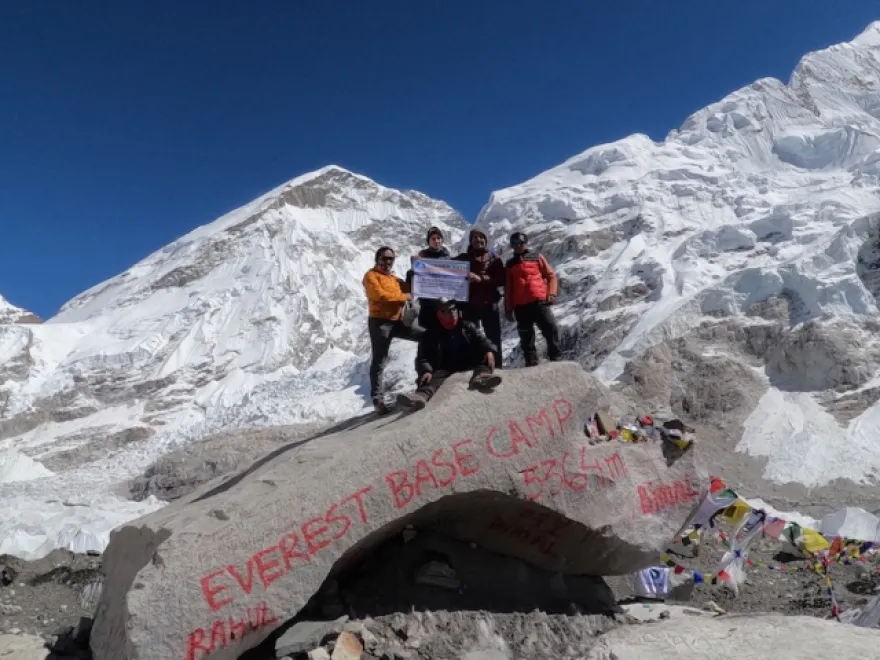
After arriving at Gorak Shep and taking short rest and lunch, you continue your trek to Everest Base Camp (5,364 m / 17,598 ft). The feeling of finally arriving at the base of the world’s highest mountain is overwhelming. surrounded by the Khumbu glacier and Himalayan peaks, you will have time to take photographs, celebrate your accomplishment and enjoy this dream destination.
After spending time at Everest Base Camp, you will retrace your steps back to Gorak Shep for an overnight stay in a teahouse.
Accommodation Teahouse Meals Breakfast, Lunch, Dinner Max. altitude 5,364m / 17,598ft. 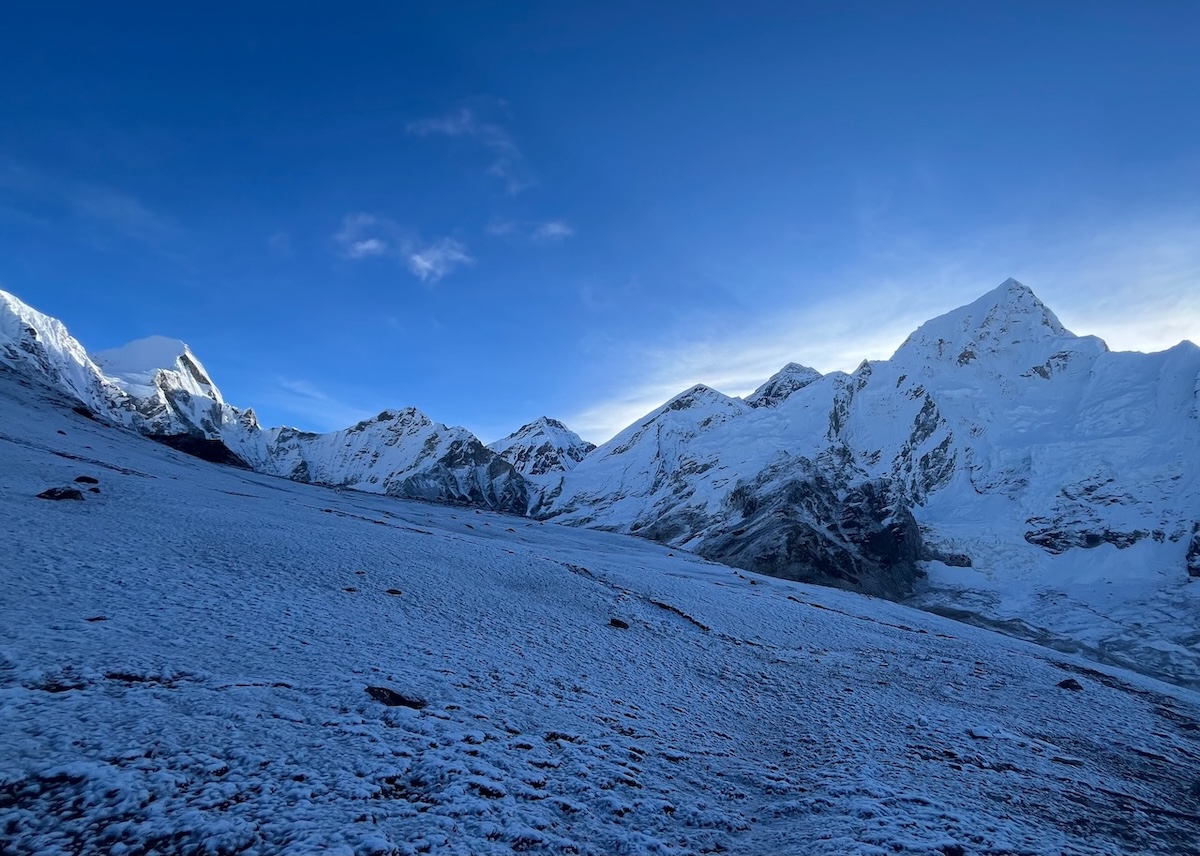
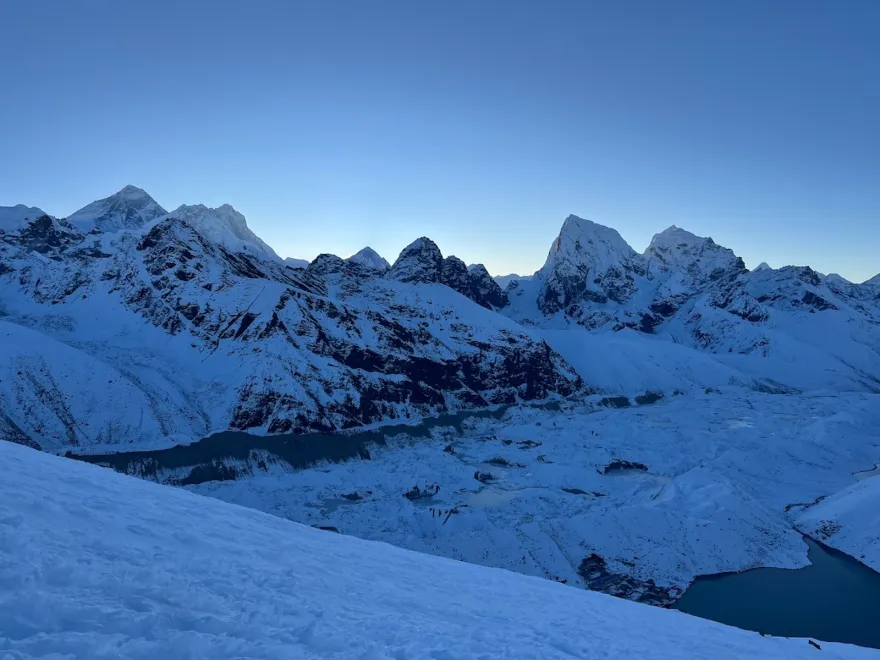
Today, you begin early for a sunrise hike to Kala Patthar (5,640 m / 18,504 ft), one of the most iconic viewpoints in the Everest region. The climb is steep and cold, but it rewards you with breathtaking panoramic views of Everest and the surrounding peaks. After descending back to Gorak Shep for breakfast, you continue your long descend toward Pheriche. The trail gradually becomes easier as oxygen levels improve, and your body begins to feel stronger again. You stay overnight in a comfortable teahouse with full board meals.
Accommodation Teahouse Meals Breakfast, Lunch, Dinner Max. altitude 5,640m / 18,504ft. 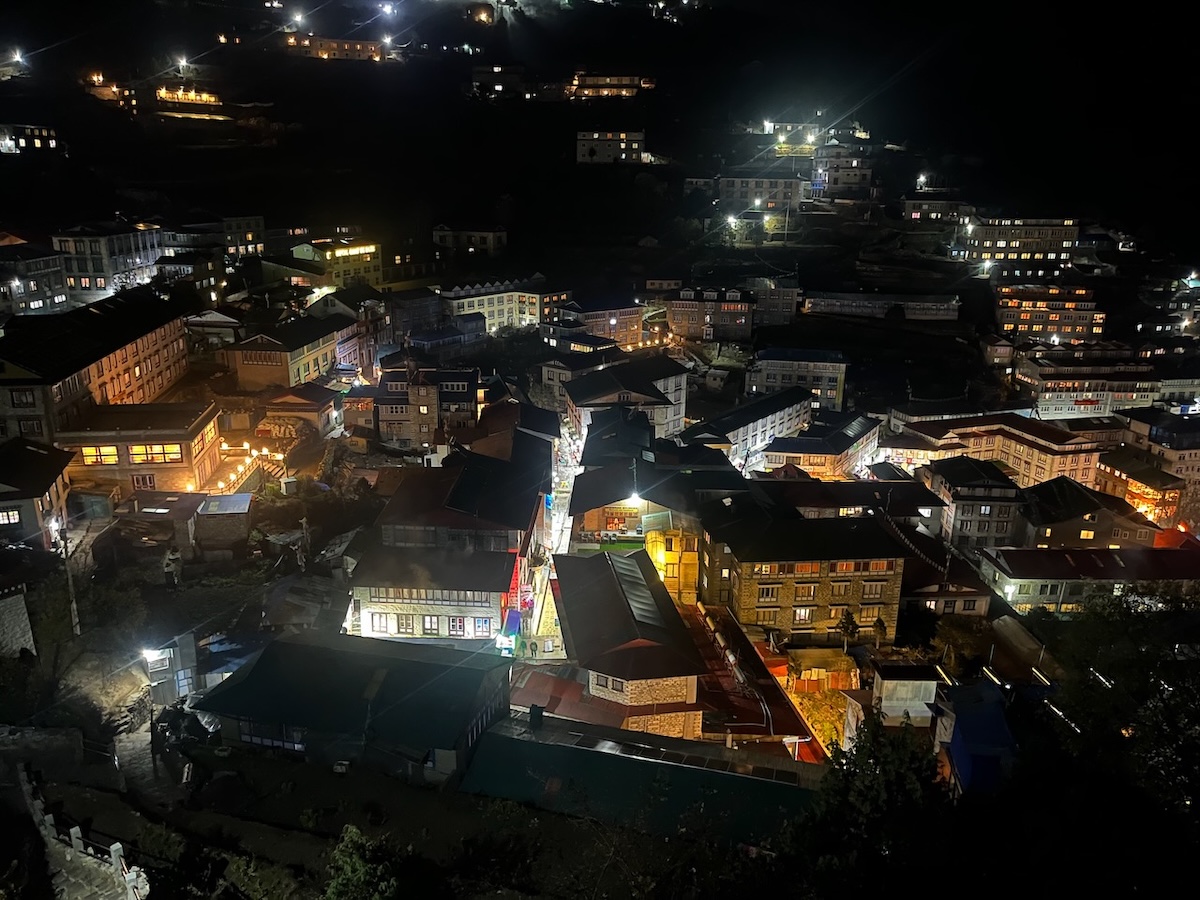
On Day 13, you leave Pheriche and begin your descent toward Namche Bazaar, retracing scenic Himalayan valleys, crossing suspension bridges, and walking through rhododendron and pine forests. The trail is long but far more comfortable compared to high-altitude trekking days.
As you descend to Namche Bazasr (3,440 m / 11,286 ft), your breathing becomes easier, and your energy improves noticeably. Along the way, you pass familiar Sherpa villages and enjoy warm hospitality. Namche Bazaar welcomes you back with its vibrant atmosphere, bakeries, and mountain shops. Tonight, you rest in a lodge, enjoying proper meals, while reflecting on how far you have come since ascending into the Everest region.
Accommodation Teahouse Meals Breakfast, Lunch, Dinner Max. altitude 3,440m / 11,286ft. 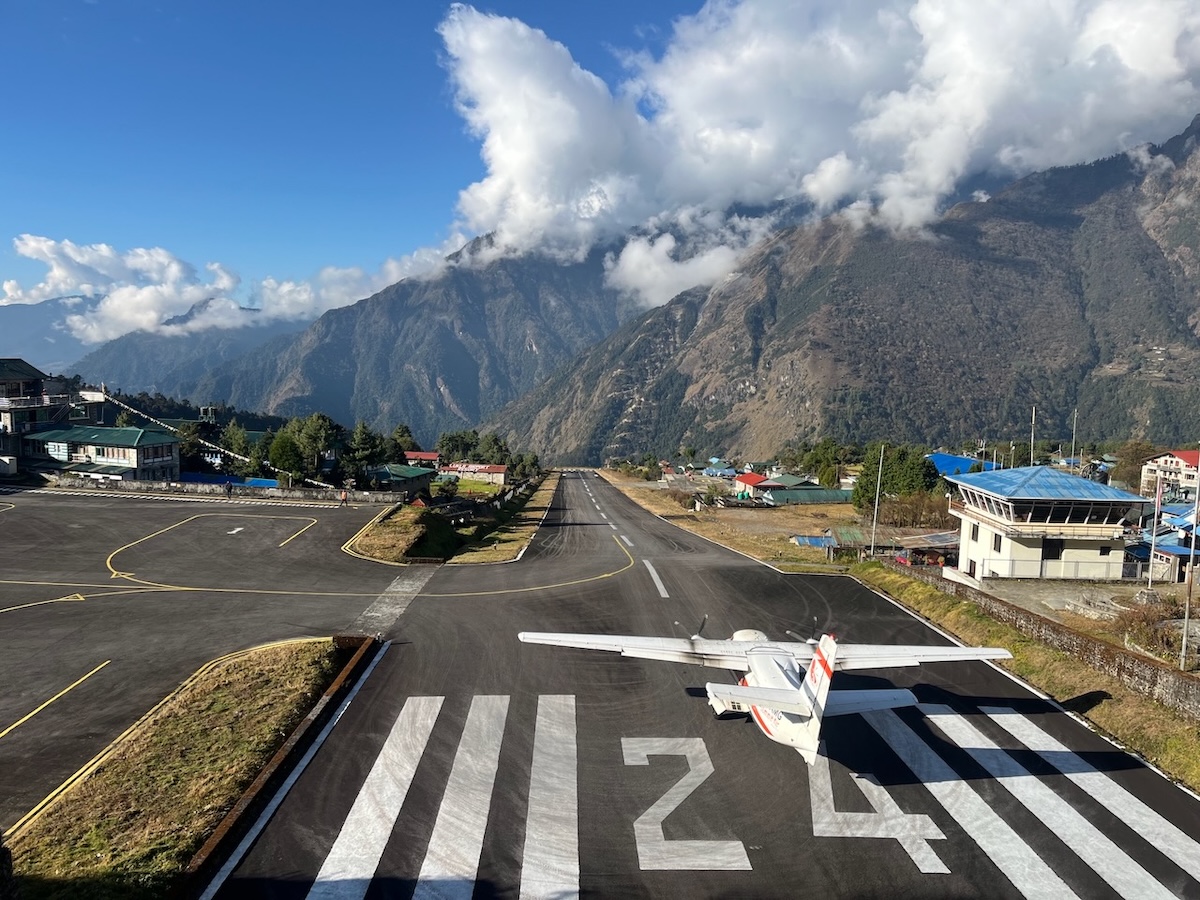
Day 14 is the final trekking day as you descend from Namche Bazaar back to Lukla. The trail involves steep downhill sections and some final uphill climbs, making it a mix of challenge and celebration.
As you descend to Lukla( 2,840 m / 9,318 f, feel much warmer and more energetic compared to the high mountains above. You cross suspension bridges over the Dudh Koshi River one last time, pass through charming villages and forested paths.
Arriving in Lukla, you celebrate the completion of your trek with your guide and porter team. Overnight accommodation is in a lodge with meals provided: breakfast, lunch, and dinner, marking the end of your trekking journey in the Everest region.
Accommodation Lodge Meals Breakfast, Lunch, Dinner Max. altitude 2,840m / 9,318ft. Today, you take an early morning flight from Lukla to Manthali, enjoying a final breathtaking aerial view of the Himalayas. After landing, you begin a 5–6 hour drive back to Kathmandu. As you descend to 1,400 m / 4,593 ft, the landscape changes dramatically from rugged mountains to green hills and busy settlements. Arriving in Kathmandu feels surreal after days in the remote Everest region. You check into your hotel, enjoy a hot shower, and relax in comfort. Meals include breakfast and dinner. The rest of the day is free to explore Thamel, shop for souvenirs, or simply rest and recover from your incredible Himalayan achievement.
Accommodation Hotel Meals Breakfast Max. altitude 1,400m / 4,593ft. Day 16 is reserved as a buffer day in Kathmandu to manage potential flight delays from Lukla or Manthali, which are common in the Himalayan weather system. If everything runs smoothly, this day becomes a well-earned day of leisure and recovery. You stay at a comfortable hotel at 1,400 m / 4,593 ft, enjoying breakfast and dinner included. Many trekkers use this time to explore UNESCO World Heritage Sites, relax at cafes, or enjoy a traditional Nepali massage to ease post-trek muscle fatigue. It is also a perfect opportunity for souvenir shopping in Thamel or simply reflecting on your journey to Everest Base Camp in a calm and comfortable environment.
Accommodation N/A Meals N/A Max. altitude 1,400m / 4,593ft. On your final day with Higher Path Treks & Expeditions, your unforgettable Everest Base Camp Trek officially concludes. Depending on your flight schedule, you may have time for last-minute shopping or a short cultural visit around Kathmandu before departure. The team ensures a smooth airport transfer from your hotel, assisting you with check-in and farewell arrangements. As you leave Nepal, you carry more than just memories; you take home the experience of standing at the base of Everest, crossing high mountain passes, and pushing beyond personal limits. The journey ends, but the sense of achievement and connection with the Himalayas remains with you long after you return home.
Accommodation NA Meals N/A Max. altitude 1,400m / 4,593ft. 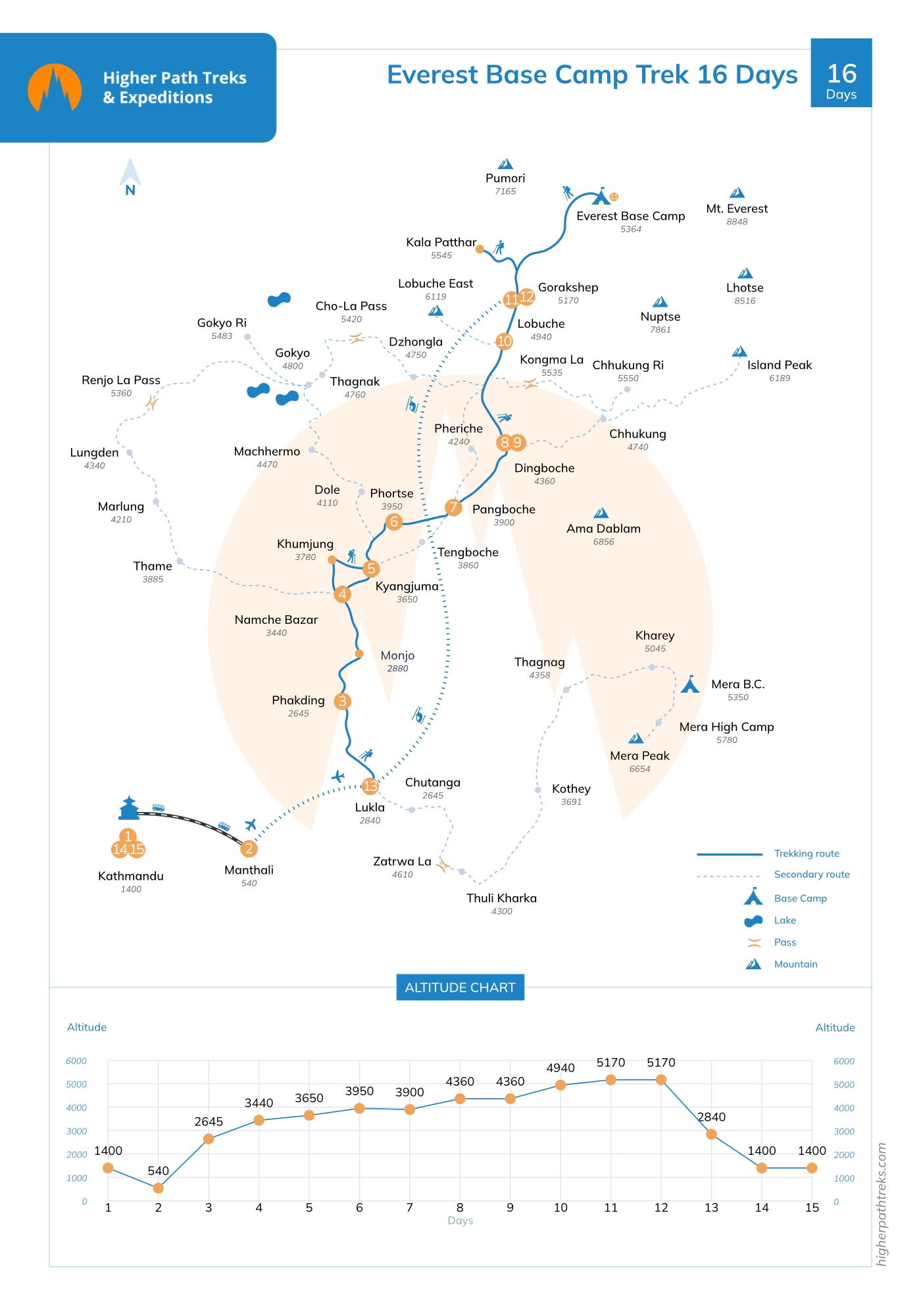
Your Start Date is the day you land in Nepal, and your End Date is when you fly home.
If the set Everest Base Camp Trek 17 Days group dates don’t suit your schedule, we can offer alternative dates upon request.
My 17-day Everest Base Camp Trek with Higher Path Treks & Expeditions was absolutely unforgettable. From the moment I landed in Kathmandu, everything was perfectly organized. The guides were professional, friendly, and very knowledgeable about the mountains and local culture. The trekking route was challenging but incredibly rewarding, with breathtaking views of Everest, Lhotse, and Ama Dablam at every turn. Acclimatization days were well planned, which made the journey safe and comfortable. Reaching Everest Base Camp was a dream come true. I highly recommend Higher Path Treks & Expeditions for anyone planning this once-in-a-lifetime adventure in Nepal.
Our group went to Everest Base Camp with Higher Path Trek. Our guide Phuri, assistant guide Porsu and porters Diwa and Dilu made it possible for us to complete and enjoy the trek. Phuri is very knowledgeable and an expert on the Himalayas that we felt safe and ready on each day of the trek. He is very patient with answering our never ending questions. The team made sure that we are okay and acclimatized. They are very reliable and friendly which made the trek more enjoyable. Karma, the owner also went above and beyond with organizing our trip. I appreciate the flexibility and the warm welcome that he gave us. Higher path trek is a local business supporting small villages. This is my second trip with them and I definitely recommend!
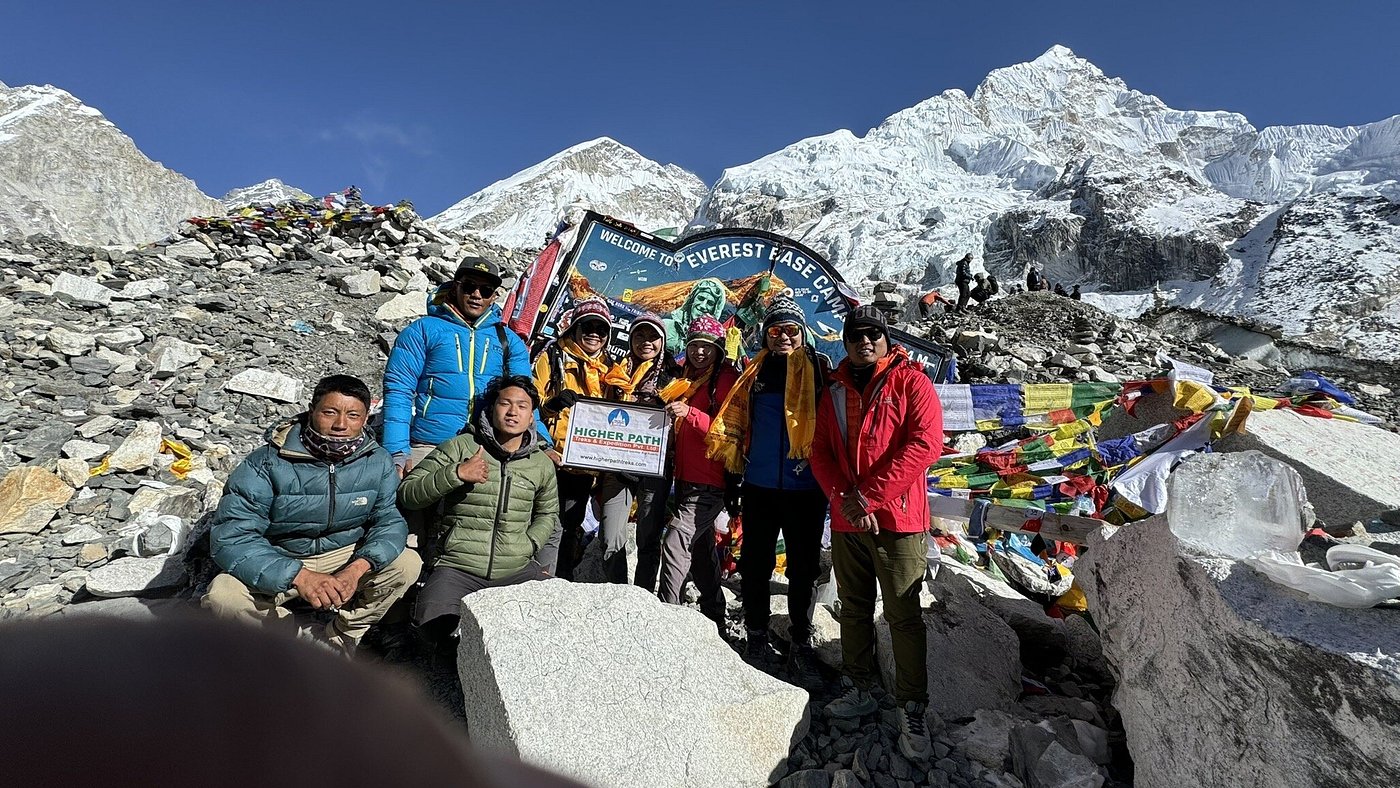
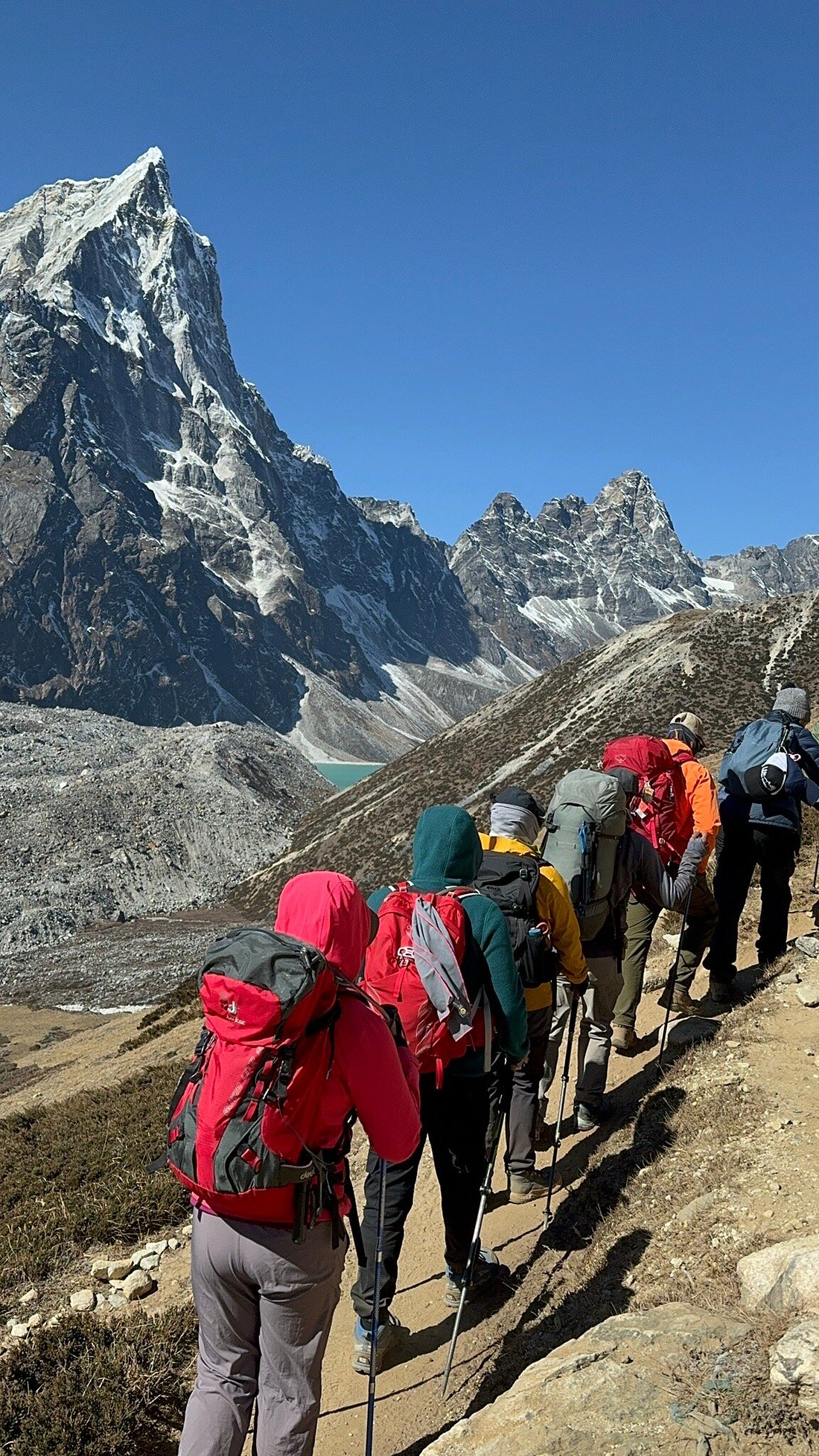
The 17-day itinerary for the Everest Base Camp Trek typically starts with a flight from Kathmandu to Lukla, where the trek begins. From Lukla, you trek through picturesque Sherpa villages like Namche Bazaar, where you spend a day acclimatizing. The route then continues through Tengboche, Dingboche, Lobuche, and Gorak Shep, finally reaching Everest Base Camp itself. After spending time at Base Camp, you trek back via Pheriche, Namche Bazaar, and Lukla, where you catch a return flight to Kathmandu.
The trek is physically demanding due to its length and the altitude gained. Trekkers should be in good physical condition and prepared for daily hikes of 5-7 hours on varied terrain, including steep ascents and descents. Acclimatization days are built into the itinerary to help minimize the risk of altitude sickness.
Highlights include breathtaking views of Mount Everest and other Himalayan peaks, exploring Sherpa culture in traditional villages, visiting Buddhist monasteries like Tengboche Monastery, and standing at Everest Base Camp itself. The trek also offers opportunities to witness stunning landscapes, including glaciers and alpine forests.
The Everest base Camp Trek 17 Days is moderate to challenging. You have to walk around 4-8 hours per day on rocky trails, steep climb and high altitude landscapes.With proper preparation and positive mindset many first time trekkers successfully complete this trek.
Yes, beginners with good fitness and proper preparation can complete this trek. This 17 days itinerary is especially suitable for first time high altitude trekkers. It allows slower pace and better acclimatization.
Altitude sickness can be reduced by following itinerary, eating properly, staying hydrated, avoiding alcohol and smoking and allowing enough time for acclimatizing. your guide will monitor you throughout the journey.
Internet is available in most of the places for an additional cost. Mobile network Ncell and NTC coverage in some places, but sometimes signal can be weak.
Accommodation along the trekking route consists primarily of tea houses (local lodges) that offer basic amenities such as twin-shared rooms with beds and blankets. In larger villages like Namche Bazaar, accommodations may be more comfortable with attached bathrooms and hot showers available for an additional cost.
Yes, travel insurance that covers trekking activities up to the altitudes of Everest Base Camp (usually around 5,500 meters) is essential. This insurance should include coverage for emergency medical evacuation, as well as trip cancellation, loss of belongings, and other unforeseen circumstances.
While it is possible to trek independently, joining a guided tour with a reputable trekking agency is recommended for safety, navigation, and logistical support. Experienced guides and porters enhance the overall trekking experience and provide assistance in case of emergencies.
Packing essentials include sturdy trekking boots, warm clothing layers (including a down jacket), a sleeping bag suitable for cold temperatures, sunglasses with UV protection, sunscreen, a first aid kit, personal medications, toiletries, and a headlamp or flashlight with extra batteries. A detailed packing list can be obtained from your trekking agency.
For the Everest Base Camp you need two permits:
The best seasons for Everest Base Camp Trek are spring (March to May) and autumn (September to November). These months offer stable weather, warm temperature, clear mountain views and comfortable trekking conditions.
Temperatures vary depending on the season and weather conditions. During spring and autumn, daytime temperatures on the sunny days typically range from 4 to 15 degree C, making the weather pleasant for trekking. However, sometimes mountain weather can change quickly and temperature can drop when it becomes cloudy and windy. At higher elevation especially at Lobuche and Gorakshep nighttime temperature can drop to -10 to -15 C.
Its possible, but these seasons are more challenging. During monsoon it rains and get poor visibility.
| No of people | Price per person |
|---|---|
| 1 - 1 | $2,800 |
| 2 - 5 | $2,750 |
| 6 - 10 | $2,700 |
| 11 - 20 | $2,650 |
| No of people | Price per person |
|---|---|
| 1 - 1 | $2,155 |
| 2 - 5 | $2,105 |
| 6 - 10 | $2,055 |
| 11 - 20 | $2,005 |
| No of people | Price per person |
|---|---|
| 1 - 1 | $5,199 |
| 2 - 5 | $5,155 |
| 6 - 9 | $4,999 |
| 10 - 15 | $4,955 |
| 16 - 20 | $4,899 |