Need help with booking? Send us a message.
Explore the Gokyo Lake Trek in Nepal. A spectacular alternative to Everest Base Camp featuring stunning turquoise glacial lakes, breathtaking Gokyo Ri view point, Himalayan peaks, and authentic Sherpa villages.

The Gokyo Lake Trek stands as one of Nepal's most spectacular yet surprisingly uncrowded alternatives to the classic Everest Base Camp route. This breathtaking journey ventures deep into the pristine Khumbu region, revealing a landscape of stunning turquoise glacial lakes, towering Himalayan giants, and authentic Sherpa villages that have maintained their traditional character despite proximity to popular trekking routes. For adventurers seeking the majesty of the Everest region without the crowds that often characterize the base camp trail, the Gokyo Valley offers an experience that many seasoned trekkers consider even more beautiful and rewarding than its famous neighbor.
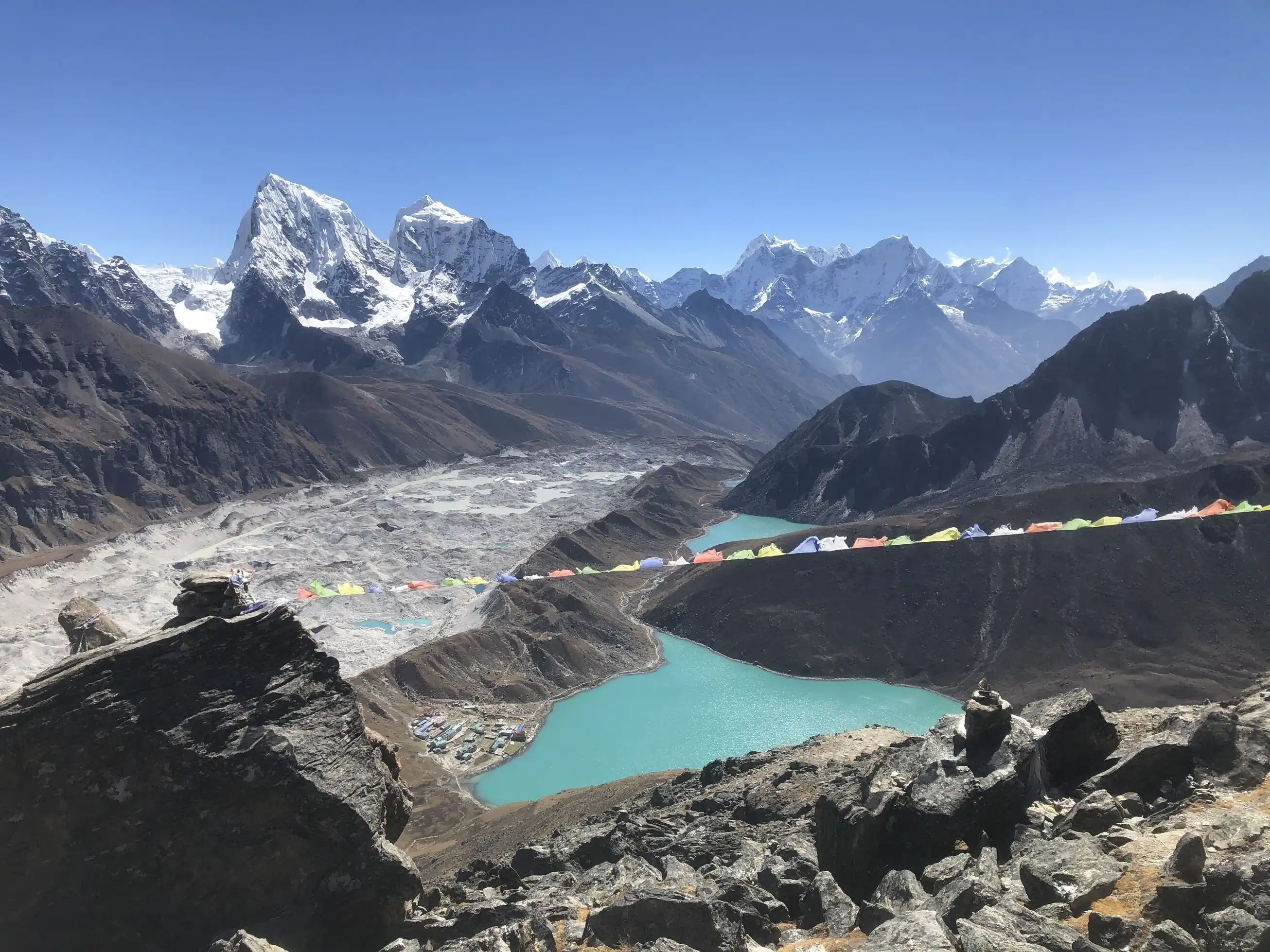
The trek winds through diverse terrain—from lush rhododendron forests in lower elevations to stark, high-altitude landscapes where glaciers carve their way between peaks that seem to touch the sky. Along the way, you'll pass through traditional Sherpa villages like Namche Bazaar, Dole, and Machhermo before reaching the ethereal Gokyo Valley itself. Here, a series of six glacial lakes shimmer in shades of turquoise and deep blue, their colors so vivid they seem almost artificial, yet completely natural—the result of glacial flour suspended in pristine mountain water.
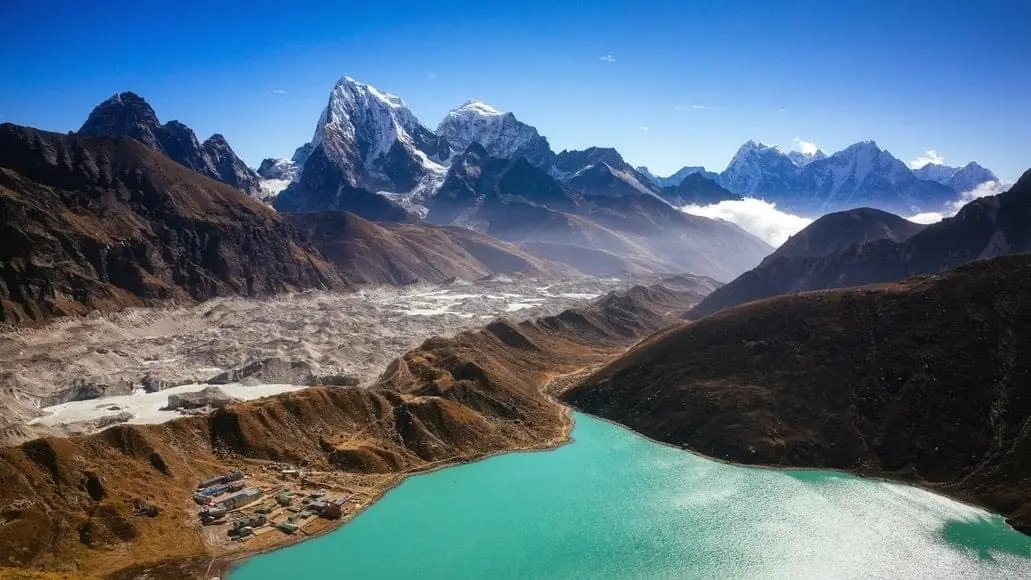
The crown jewel of this journey is the climb to Gokyo Ri at 5,357 meters, a viewpoint that delivers what many consider the finest mountain panorama in the entire Himalayan region. From this vantage point, four of the world's six highest mountains—Everest, Lhotse, Makalu, and Cho Oyu—spread across the horizon in a display of natural grandeur that defies description. The massive Ngozumpa Glacier, Nepal's longest, flows beneath you like a frozen highway, its crevassed surface demonstrating the immense forces that continue shaping this landscape.
Several compelling reasons make the Gokyo Lake Trek an exceptional choice for Himalayan adventure. The most obvious advantage is the relative solitude compared to the Everest Base Camp with Helicopter Return trail. While thousands of trekkers crowd the path to base camp, the Gokyo route sees significantly fewer people, allowing for more peaceful trekking, easier lodge accommodation, and more authentic interactions with local communities. This quieter atmosphere creates opportunities for contemplation and deeper connection with the mountain environment that busier trails cannot provide.
The scenery along the Gokyo route is arguably more diverse and dramatic than the standard base camp approach. Rather than focusing primarily on reaching a single destination, this trek treats you to constantly changing landscapes—from forested valleys to alpine meadows, from glacial moraines to pristine lakes that reflect towering peaks with mirror-like precision. Each day brings new visual rewards that justify the physical effort required to gain altitude.
For photographers, the Gokyo Valley presents unparalleled opportunities.The turquoise lakes create stunning foreground elements for mountain photography, while the vantage point from Gokyo Ri offers compositions impossible from other viewpoints in the region.The changing light throughout the day transforms these lakes from deep blue to brilliant aquamarine, creating endless photographic possibilities that keep even experienced photographers engaged for hours.
The trek also offers excellent flexibility for creating extended adventures. Many trekkers combine Gokyo with the Everest Base Camp with Gokyo Lakes route via the challenging Cho La Pass, creating a comprehensive circuit that includes both highlights. This combination delivers the best of both worlds—the iconic Everest Base Camp experience plus the serene beauty of Gokyo Valley, all in one extended journey that typically spans 16-19 days.
The Gokyo Valley sits at the head of the Dudh Koshi River valley, a glacially-carved amphitheater surrounded by some of the Himalayas' most impressive peaks. The valley's formation results from millions of years of glacial activity, with the Ngozumpa Glacier continuing to shape the landscape today. This massive river of ice stretches over 36 kilometers, making it the longest glacier in the Himalayan range and a geological wonder that dominates the valley floor.
The lakes themselves are oligotrophic glacial lakes—meaning they're low in nutrients but exceptionally clear and pure. Six main lakes comprise the Gokyo Lake system, though the third lake, Dudh Pokhari (meaning "Milk Lake"), beside Gokyo village receives the most visitors. The lakes hold deep spiritual significance for both Hindus and Buddhists, who consider these waters sacred. During the Janai Purnima festival in August, pilgrims make the challenging journey to bathe in these holy waters, adding cultural richness to their natural beauty.
The altitude at Gokyo village (4,790 meters) makes this one of the highest permanent settlements accessible to trekkers without technical climbing skills. The Sherpa families who call this remote valley home demonstrate remarkable resilience, maintaining lodges and farms in conditions that most people would consider impossible for permanent habitation. Their hospitality and cultural traditions create an authentic mountain experience that enriches the trekking journey beyond mere scenery.
The journey to Gokyo Lakes typically begins with the iconic flight from Kathmandu to Lukla, an experience that ranks among the world's most thrilling aviation adventures. Landing at Tenzing-Hillary Airport, perched dramatically on a mountainside with its notoriously short runway, provides an adrenaline-charged introduction to mountain travel. From Lukla at 2,860 meters, the trekking route initially follows the same path as trekkers heading toward Everest Base Camp.
The first days lead through the Dudh Koshi valley, passing through Phakding before tackling the significant climb to Namche Bazaar at 3,440 meters. This bustling Sherpa town serves as the commercial and cultural heart of the Khumbu region, offering everything from bakeries and internet cafes to trekking shops and cultural museums. The mandatory acclimatization day here allows your body to adjust to altitude while exploring the surrounding area, perhaps hiking to the Everest View Hotel or visiting the traditional villages of Khumjung and Khunde.
From Namche, the Gokyo route diverges from the main Everest Base Camp trail, heading northwest into quieter territory. The path leads through Phortse Thanga, Dole, and Machhermo—small settlements that see fewer trekkers and maintain stronger traditional character. These villages offer intimate glimpses into Sherpa life away from the busiest tourist corridors, with lodge owners often having more time for genuine conversation and cultural exchange.
As you gain altitude beyond Machhermo, the landscape transforms dramatically. Vegetation becomes sparse, eventually disappearing entirely as you enter the high-altitude zone where only rock, ice, and hardy lichens survive. The trail follows the Dudh Koshi valley upward, climbing over rocky moraines and sandy flats before the first glimpse of turquoise water ahead signals your arrival at the lake system.
Gokyo village clusters beside the third lake, its stone lodges providing welcome comfort in this extreme environment. The setting is simply breathtaking—snow-capped peaks surround the lake on all sides, prayer flags flutter constantly in the mountain breeze, and the silence is profound, broken only by wind and the occasional avalanche rumble from distant peaks.
While the lakes themselves justify the trek, climbing Gokyo Ri transforms the experience from beautiful to transcendent. This rocky peak rising to 5,357 meters directly above Gokyo village offers what many veteran trekkers consider the finest mountain panorama in the entire Himalayan region—arguably even superior to the views from Kala Patthar on the Everest Base Camp route.
Most trekkers climb Gokyo Ri early in the morning, departing before dawn to reach the summit for sunrise. The ascent in darkness challenges both physically and psychologically—the altitude makes every step laborious, the cold penetrates even quality gear, and fatigue from previous days accumulates in legs that feel heavy and unresponsive. Yet perseverance brings rewards that exceed any reasonable expectation.
As sunrise approaches, the eastern horizon begins glowing, heralding the spectacular light show about to unfold. When the first rays strike the summits of Everest, Lhotse, Makalu, and Cho Oyu, these giants seem to ignite, glowing golden then brilliant white as the sun climbs higher. The panorama is staggering—four of the world's fourteen 8,000-meter peaks visible in a single sweeping view, along with countless other peaks that would be famous mountains anywhere else but seem almost ordinary among such company.
The Ngozumpa Glacier spreads below like a textured highway of ice, its crevasses and ice towers clearly visible from this elevated vantage point. You can trace its entire length, from where it originates high on the flanks of Cho Oyu down to where it eventually melts into the Dudh Koshi River far below. The scale of this frozen river—over 36 kilometers long and several kilometers wide—becomes apparent only from this bird's-eye perspective.
Beyond the famous peaks, the view encompasses the entire Khumbu region. You can see the route you've walked, identifying villages that seemed significant during your trek but now appear as tiny clusters of buildings dwarfed by the surrounding mountains.The perspective shift is profound, highlighting both the grandeur of the Himalayas and the small scale of human presence in these towering landscapes.
Seasonal timing dramatically affects your Gokyo Valley experience, with each season offering distinct advantages and challenges. Understanding these differences helps you choose the timing that best matches your priorities and tolerance for various conditions.
Spring (March to May) ranks among the two optimal seasons for this trek. As winter's grip loosens, temperatures become more manageable, though mornings and evenings remain quite cold at higher elevations. The major advantage of spring is the rhododendron bloom that transforms lower elevation forests into tunnels of pink, red, and white flowers—a spectacular natural display that adds vibrant color to your trek. Visibility is generally excellent, though afternoon clouds sometimes obscure mountain views. This is also Everest climbing season, meaning the region sees maximum traffic, though the Gokyo route remains significantly quieter than the base camp trail.
Autumn (September to November) is the other prime season, offering the clearest skies of the year. Post-monsoon, the air is scrubbed clean by months of rainfall, creating exceptional visibility for mountain photography and viewing. The weather tends to be stable with minimal precipitation, though temperatures are cooler than spring. The autumn festival season adds cultural richness, with various celebrations occurring in Sherpa villages throughout the region. October particularly sees heavy trekking traffic, though again, Gokyo routes are less crowded than Everest Base Camp trails.
Winter (December to February) brings extreme cold and significant challenges but also unique rewards. Snow often covers high passes and trails, making some sections more difficult or occasionally impassable. Temperatures at Gokyo can drop below -20°C at night, requiring high-quality gear and serious cold tolerance. However, winter offers profound solitude—few trekkers brave these conditions, meaning you might have entire tea houses to yourself and experience the mountains in their most pristine, untouched state. The crystal-clear winter air provides stunning visibility when weather cooperates.
Monsoon season (June to August) is generally avoided due to heavy rainfall, leeches at lower elevations, and clouds that obscure mountain views. However, the Everest region sits in a rain shadow, receiving less monsoon precipitation than other parts of Nepal, making it more feasible than regions like Annapurna during these months. The landscapes are lush and green, wildflowers bloom abundantly, and you'll have trails almost entirely to yourself. If you can accept weather unpredictability and potentially limited views, monsoon trekking offers unique advantages for the adventurous.
The Gokyo Lake Trek is rated as moderately challenging to challenging, suitable for trekkers with good fitness levels and preferably some previous high-altitude trekking experience. While not technically demanding—no climbing skills or specialized equipment beyond standard trekking gear are required—the trek does present significant physical challenges that shouldn't be underestimated.
Daily hiking typically spans 5-7 hours, covering distances of 10-15 kilometers while gaining or losing significant elevation. The cumulative effect of consecutive trekking days challenges your cardiovascular system, leg strength, and overall endurance. Unlike single-day hikes where you can push hard knowing rest follows, multi-day treks require pacing yourself to ensure you have energy reserves for the entire journey.
Altitude represents the trek's primary challenge. Gokyo village sits at 4,790 meters, and Gokyo Ri reaches 5,357 meters—elevations where oxygen availability is roughly half that at sea level. Your body must work significantly harder to perform even simple tasks, and altitude sickness remains a real concern that requires proper acclimatization and constant attention to symptoms. The gradual ascent profile of this trek helps with acclimatization, but individual responses to altitude vary dramatically regardless of fitness level.
The terrain varies from well-maintained trails through lower valleys to rocky, uneven paths at higher elevations. You'll cross numerous suspension bridges that sway above glacial rivers, navigate steep ascents and descents that test your knees and ankles, and walk across rocky moraines where careful foot placement prevents twisted ankles. Trekking poles prove invaluable for maintaining balance and reducing stress on joints during descents.
Physical preparation should begin 2-3 months before your trek. Focus on cardiovascular endurance through activities like running, cycling, swimming, or stair climbing. Include long hikes with elevation gain if possible, gradually increasing the weight you carry to simulate trekking conditions. Leg strengthening exercises—squats, lunges, step-ups—prepare muscles for the constant climbing. Don't neglect core strength, which significantly impacts balance and reduces fatigue during long trekking days.
Mental preparation matters as much as physical conditioning. Multi-day high-altitude trekking tests your determination, particularly on difficult days when weather turns challenging, altitude affects you, or fatigue accumulates. Understanding that discomfort is temporary and focusing on the incredible experiences and views ahead helps maintain motivation through tough sections.
Proper acclimatization forms the foundation of safe, enjoyable high-altitude trekking. The Gokyo route includes built-in acclimatization through its gradual ascent profile and recommended rest days at key elevations. Understanding and respecting altitude is essential for both safety and trek enjoyment.
Acute Mountain Sickness (AMS) can affect anyone regardless of age, fitness level, or previous high-altitude experience. Common symptoms include headache, nausea, dizziness, and fatigue. These symptoms typically develop within 6-24 hours of reaching a new altitude and often resolve with rest and proper hydration. However, if symptoms worsen or don't improve with rest, descent becomes necessary.
More serious altitude illnesses—High Altitude Pulmonary Edema (HAPE) and High Altitude Cerebral Edema (HACE)—are potentially fatal and require immediate descent and medical attention. HAPE symptoms include severe shortness of breath, coughing (sometimes with pink frothy sputum), chest tightness, and extreme fatigue. HACE symptoms include severe headache unrelieved by medication, loss of coordination, confusion, and changes in behavior. These conditions constitute medical emergencies.
The key to preventing altitude sickness is gradual ascent. The recommended rate is no more than 300-500 meters elevation gain per day once above 3,000 meters, with a rest day every 3-4 days. The Gokyo trek itinerary typically includes acclimatization days at Namche Bazaar and sometimes at Machhermo or Gokyo itself. Following the principle "climb high, sleep low"—taking day hikes to higher elevations before returning to sleep at lower altitudes—accelerates acclimatization.
Staying well-hydrated significantly aids altitude adjustment. Aim for 3-4 liters of water daily, even if you don't feel particularly thirsty. The dry mountain air and increased respiratory rate cause rapid fluid loss. Adequate hydration helps prevent AMS and improves overall performance at altitude.
Listen to your body and communicate honestly with your guide about any symptoms. There's absolutely no shame in descending if altitude affects you—even world-class mountaineers sometimes need to retreat and try again. Your guide's experience in recognizing and managing altitude issues provides crucial safety backup, but you must report symptoms honestly rather than trying to tough it out.
Beyond spectacular scenery, the Gokyo trek offers rich cultural immersion in Sherpa Buddhist traditions that have shaped this region for centuries. The Sherpa people originally migrated from Tibet around 500 years ago, settling in Nepal's high valleys where few others could survive. Their culture reflects Tibetan Buddhist traditions adapted to mountain living, creating a unique heritage visible in monasteries, prayer flags, and daily practices.
Buddhist symbols and structures line the entire trekking route. Mani walls—long stone structures carved with Buddhist prayers and mantras—require walking clockwise around them according to local custom. Prayer wheels, spun by passing trekkers, send prayers skyward with each rotation. Colorful prayer flags strung across passes and peaks carry mantras into the wind, blessing the surrounding landscape and all who pass beneath them.
Namche Bazaar offers the most comprehensive cultural experiences, with its Sherpa Culture Museum providing historical context about migration, mountaineering, and daily life. The Saturday market, if your timing aligns, showcases traditional trading practices where locals from surrounding villages gather to exchange goods. Even outside market day, Namche's shops selling Tibetan handicrafts, thangka paintings, and traditional jewelry provide opportunities to support local artisans.
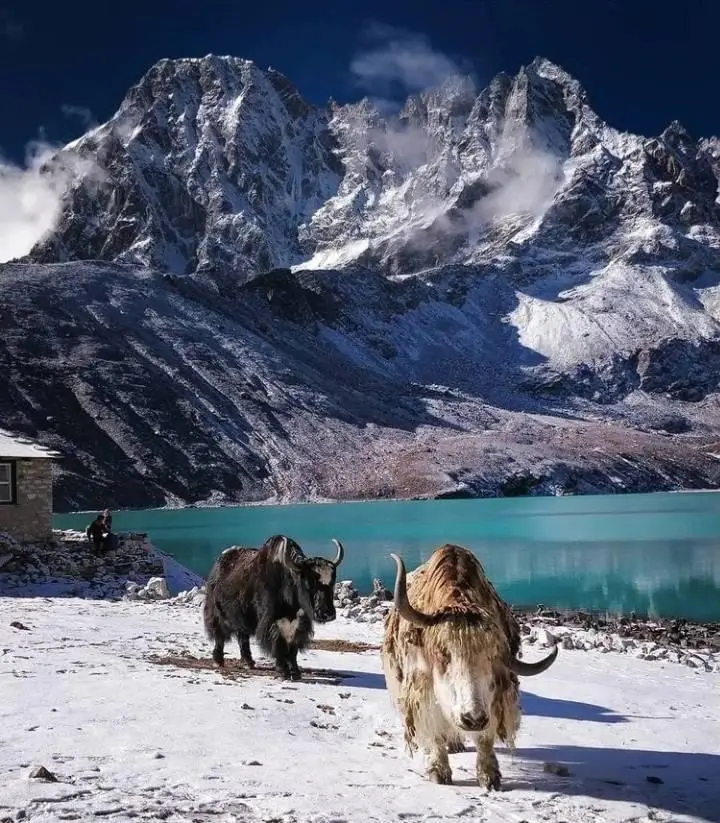
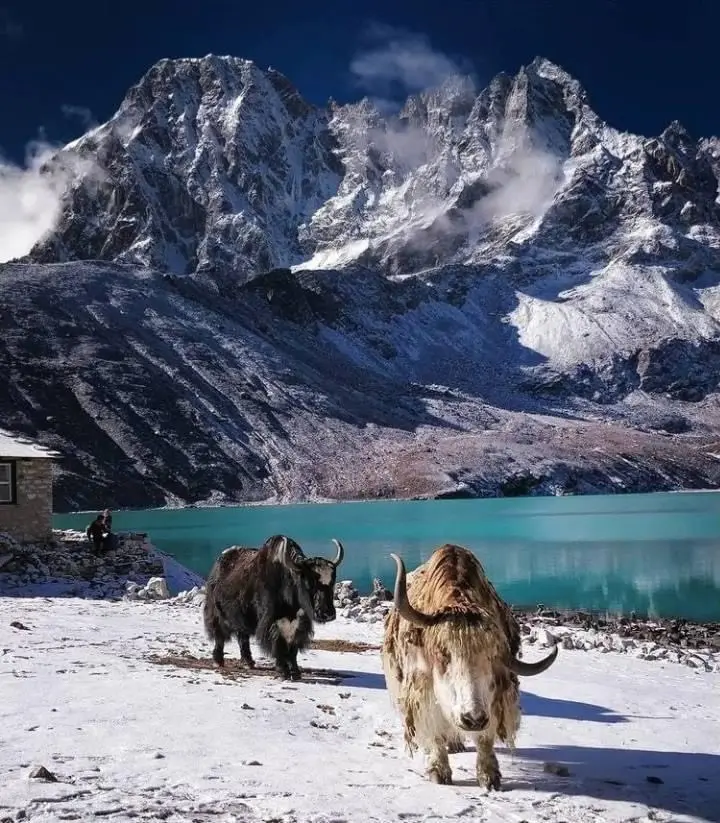
The villages along the Gokyo route—particularly Phortse, Dole, and Machhermo—maintain stronger traditional character than busier locations. Here, Sherpa families still practice agriculture and yak herding alongside operating tea houses for trekkers. The pace of life follows seasonal and cultural rhythms rather than tourist demands, offering authentic glimpses into mountain living that busier trails cannot provide.
Respect for local customs enhances your experience and shows appreciation for the communities hosting you. Remove shoes before entering monasteries and homes. Ask permission before photographing people, religious sites, or ceremonies. Dress modestly, particularly when visiting religious sites—covering shoulders and knees demonstrates respect. These simple courtesies acknowledge that you're traveling through a living culture, not just scenic landscapes.
The tea house system itself represents a form of cultural exchange. Evening meals around the central stove, where trekkers and lodge owners share stories, create opportunities for genuine interaction. Learning a few basic Sherpa or Nepali phrases—"namaste" (hello), "dhanyabad" (thank you), "mitho chha" (delicious)—shows respect and often opens doors to deeper conversations.
Understanding how the Gokyo Lake Trek compares to other popular options in the Everest region helps you choose the trek that best matches your goals and interests. Each route offers distinct advantages and experiences.
The classic Everest Base Camp trek focuses on reaching the foot of the world's highest mountain, delivering the satisfaction of standing where legendary climbers have stood. It's more crowded, particularly during peak seasons, with busier tea houses and a constant stream of trekkers on the trail. The route is slightly shorter (typically 12-14 days) and reaches a maximum elevation of 5,545 meters at Kala Patthar. For those whose primary goal is "reaching Everest," the base camp route delivers that specific achievement.
The Gokyo route, by contrast, offers arguably more diverse and dramatic scenery with significantly fewer crowds. While you don't reach Everest Base Camp itself, the views from Gokyo Ri rival or exceed those from Kala Patthar, with the added bonus of the stunning turquoise lakes. The trek duration is similar (12-14 days typically), and the maximum elevation at Gokyo Ri (5,357 meters) is slightly lower than Kala Patthar but still substantial.
The combined Everest Base Camp with Gokyo Lakes trek via Cho La Pass offers the best of both worlds but requires 16-19 days and crosses the challenging 5,420-meter pass. This option suits experienced trekkers with adequate time who want a comprehensive Everest region experience. The additional challenge and duration deliver proportionally greater rewards—you experience both iconic destinations plus the satisfaction of crossing a high mountain pass.
For those comparing with treks outside the Everest region, the Annapurna Circuit offers different scenery and cultural experiences, passing through Hindu villages as well as Buddhist areas, with the 5,416-meter Thorong La Pass as its high point. The Manaslu Circuit provides an even more remote experience with spectacular mountain views and fewer trekkers, though it requires special permits and guided groups.
The Three Passes Trek represents the ultimate Everest region challenge, crossing Kongma La, Cho La, and Renjo La passes while visiting both Everest Base Camp and Gokyo Lakes. This 18-21 day adventure suits experienced trekkers seeking maximum challenge and comprehensive exposure to the Khumbu region.
Packing appropriately makes the difference between comfortable trekking and constant discomfort. The layering system forms the foundation of mountain clothing strategy, allowing you to adjust insulation as activity levels and temperatures change throughout each day.
Base layers should wick moisture away from your skin—merino wool or synthetic materials work excellently, while cotton should be completely avoided. Pack both lightweight base layers for warmer sections and midweight versions for higher, colder elevations. Two sets allow you to wear one while the other dries after washing.
Insulation layers trap warm air and provide the warmth necessary at high altitude. A fleece jacket serves as your active midlayer, worn during rest breaks and in the evenings. A down or synthetic insulated jacket is absolutely essential for elevations above 4,000 meters, particularly if you're climbing Gokyo Ri for sunrise when temperatures drop well below freezing.
Outer shell layers must be waterproof and windproof. A quality rain jacket and pants protect against precipitation and wind, both of which can quickly lead to hypothermia at altitude. Ensure your rain gear is breathable—non-breathable shells cause overheating and internal condensation during strenuous sections. Even during dry seasons, afternoon clouds sometimes bring brief precipitation.
Footwear deserves careful consideration. Waterproof hiking boots with good ankle support and thoroughly broken-in comfort are essential. Never attempt this trek in new boots—blisters at altitude are miserable and potentially trip-ending. Bring camp shoes or sandals for wearing in tea houses, giving your feet relief each evening. Quality hiking socks, including liner socks and heavier outer socks, prevent blisters while keeping feet warm.
Accessories include warm hat, sun hat, high-quality sunglasses with UV protection (essential at altitude where UV radiation is intense), sunscreen (SPF 50+ for face and lips), gloves (both liner gloves and insulated outer gloves), trekking poles (invaluable for reducing knee stress and improving balance), water bottles or hydration system (2-3 liters capacity), headlamp with extra batteries, and sleeping bag rated to at least -10°C.
Don't overpack—you or a porter must carry everything, and excess weight makes trekking more difficult. Focus on versatile items that serve multiple purposes. Most trekkers find that 12-15 kilograms of gear is sufficient, including your daypack, sleeping bag, and personal items.
The Gokyo Valley's pristine beauty requires conscious effort from every trekker to preserve it for future generations. Environmental challenges in the Everest region include waste management issues, deforestation, and water scarcity, all exacerbated by increasing tourism. Your choices matter individually and cumulatively.
Plastic waste represents one of the most visible environmental problems. Bring refillable water bottles and purification methods (tablets, filters, or UV sterilizers) rather than buying plastic bottled water. Most tea houses now offer boiled water for refilling bottles—while this costs slightly more than tap water, it's environmentally superior and supports local businesses. A single trekker using bottled water throughout a two-week trek generates 20-30 plastic bottles that must be carried out of the mountains.
Practice "Leave No Trace" principles rigorously. Pack out all trash that can't be properly disposed of locally, including candy wrappers, batteries, toiletries, and medication packaging. Many tea houses now have organized waste collection systems, but personal responsibility remains crucial. If you generate trash, you're responsible for its proper disposal.
Be conscious of water and energy usage in tea houses. Water sources become increasingly scarce at higher altitudes, and the energy required to heat water (often from burned wood or yak dung) is expensive and environmentally costly. Skip daily showers in favor of occasional ones, and when you do shower, be quick. Even biodegradable soaps impact the environment when used excessively near water sources.
Support local economies by purchasing local products and services rather than imported goods. Choose tea houses owned by local families rather than large companies when possible. Eat local foods—dal bhat provides excellent trekking nutrition while supporting local agriculture and reducing transport requirements. Buy handicrafts directly from artisans when you can, ensuring more economic benefit remains within communities.
Respect wildlife by observing from distance and never feeding animals. The Himalayan tahr, blue sheep, and various bird species you might encounter should remain wild and wary of humans. Feeding wildlife alters their natural behaviors and can make them dependent on human handouts, disrupting ecological balance.
Consider your broader environmental impact. The flights to and from Lukla consume fuel and generate emissions. Some trekkers offset this through carbon credit programs, essentially paying to fund environmental projects that counterbalance flight emissions. Whether you choose to offset is personal, but awareness of impact demonstrates environmental consciousness.
Selecting the right trekking company dramatically impacts your Gokyo Valley experience, and Higher Path Treks & Expeditions brings over a decade of specialized experience in organizing Himalayan adventures. Our reputation rests on three fundamental pillars: professional organization, expert guiding, and unwavering commitment to safety—principles that translate into concrete operational practices distinguishing us from competitors.
Safety forms the absolute foundation of every trek we organize. Our guides receive extensive training in high-altitude medicine, including recognition and treatment of altitude sickness. They carry comprehensive first aid supplies, maintain communication equipment for emergencies, and know evacuation procedures if serious problems arise. The Gokyo route's remoteness means professional guidance isn't just helpful—it's essential for safe trekking.
Our guide team includes Sherpas with extensive high-altitude experience, many having summited Everest and other 8,000-meter peaks. This isn't just impressive credentials—it means your guides possess intimate knowledge of the terrain, weather patterns, altitude effects, and practical mountain wisdom that books and training courses cannot teach. They know these trails as familiar paths walked hundreds of times in all conditions, understanding exactly where challenges occur and how to manage them.
We maintain small group sizes to ensure personalized attention and flexibility. Large groups move slowly, require complex logistics, and can't adapt easily to individual needs. Our smaller groups mean your guide can adjust pacing to your capabilities, answer questions thoroughly, and ensure nobody gets left behind or pushed beyond safe limits. This personalized approach transforms trekking from an industrial process into a genuine adventure.
Transparency defines our business practices. We clearly specify what's included in trek costs and what expenses you should budget for separately. No hidden fees suddenly appear after you've committed. Our pricing reflects our quality-first philosophy—we invest in guide training, proper equipment, and fair wages for our staff rather than maximizing profits through cost-cutting that compromises safety or experience.
Our relationships with tea house owners throughout the Gokyo route, built over years of repeat business, ensure you receive the best available accommodation and service. When lodges are full, our connections often secure rooms when other groups get turned away. When special dietary requirements or other needs arise, our relationships facilitate solutions that independent trekkers might struggle to arrange.
We practice ethical tourism through fair employment practices—our porters receive proper equipment, fair wages, and appropriate insurance. We respect maximum porter weight limits and ensure rest days for our staff. Supporting our treks means supporting sustainable tourism that benefits local communities rather than exploiting them.
Transforming your Gokyo Lake trek from dream to reality requires practical preparation across several areas. Starting early—ideally 3-6 months before departure—ensures adequate time for physical training, gear acquisition, permit arrangements, and mental preparation.
Physical training should begin 2-3 months out, focusing on cardiovascular endurance and leg strength. Cardiovascular fitness determines how well your body handles sustained effort at altitude. Running, cycling, swimming, or stair climbing build aerobic capacity needed for consecutive days of mountain trekking. Aim for 4-5 cardio sessions weekly, gradually increasing intensity and duration.
Leg strengthening exercises prepare muscles for constant climbing. Squats, lunges, step-ups with weights, and calf raises target the muscles you'll use most during trekking. Don't neglect downhill training—even though uphill climbing feels harder, downhill descents actually stress joints and muscles differently and require specific conditioning.
If possible, incorporate training hikes with elevation gain and a loaded backpack. Even if mountains aren't available, hiking stairs or using a stair machine with a weighted pack simulates trekking conditions. Work up to carrying 8-10 kilograms for several hours—approximating your daypack weight on the actual trek.
Acquire necessary gear well in advance, allowing time to test everything before departure. Break in hiking boots thoroughly—wear them on training hikes, around town, anywhere possible to ensure comfort and prevent blisters. Test your sleeping bag's warmth rating on cold nights. Verify that your rain gear is actually waterproof and that zippers function properly.
Secure required permits—the Sagarmatha National Park Entry Permit and Khumbu Pasang Lhamu Rural Municipality Entrance Permit are mandatory. Your trekking company typically arranges these, but verify what's included in your package. Obtain comprehensive travel insurance that explicitly covers high-altitude trekking and helicopter evacuation, reading the policy carefully to understand coverage limits and exclusions.
Plan your broader Nepal experience when scheduling your trek. Many trekkers arrive several days early to explore Kathmandu's cultural treasures—Durbar Square's ancient palaces, Swayambhunath's monkey-inhabited stupa, Pashupatinath's sacred Hindu cremation ghats, and Boudhanath's massive Buddhist stupa. These experiences provide cultural context for the Sherpa traditions you'll encounter in the mountains.
Consider altitude pre-acclimatization if you live at sea level and have concerns about altitude adjustment. Some trekkers spend time at moderate elevations (2,000-3,000 meters) before beginning their trek, helping their bodies begin producing more red blood cells before reaching extreme altitudes. While not essential, pre-acclimatization can improve comfort at high elevations.
The Gokyo Lake Trek delivers experiences that transcend simple descriptions, creating memories and personal transformations that last far beyond your return home. Understanding what awaits helps set appropriate expectations while maintaining the sense of discovery that makes trekking adventures special.
The physical challenge tests your limits in ways that modern life rarely demands. Multi-day high-altitude trekking requires determination, particularly when weather turns difficult, altitude affects you, or accumulated fatigue makes each step feel heavy. Yet pushing through these challenges delivers profound satisfaction—the knowledge that you accomplished something genuinely difficult through persistence and determination.
The natural beauty exceeds what photographs can capture. The turquoise lakes reflecting snow-capped peaks, the massive scale of the Ngozumpa Glacier, the sunrise painting Everest and its neighbors in shades of gold and pink—these sights imprint themselves permanently in memory. Years later, closing your eyes brings these images back with surprising clarity.
The cultural immersion enriches your understanding of human adaptability and resilience. The Sherpa families maintaining homes and farms at elevations where most people struggle to even walk demonstrate what humans can achieve when culture and physiology adapt over generations. Their hospitality despite limited resources, their maintenance of Buddhist traditions despite modern influences, their ability to find joy in harsh conditions—all provide perspective that changes how you view your own life and challenges.
The simplicity of mountain life offers unexpected gifts. Without internet, television, or constant distractions, your focus narrows to immediate experiences—the taste of hot tea after a cold morning, the warmth of sunlight on your face, the satisfaction of reaching that day's destination. This forced digital detox often proves surprisingly refreshing, reminding you that happiness doesn't require constant stimulation.
The camaraderie with fellow trekkers creates bonds that often last beyond the trek itself. Shared challenges, mutual encouragement during difficult sections, and communal meals around tea house stoves create friendships faster and deeper than normal social settings allow. The unique understanding of what this journey demands and provides becomes a permanent connection.
The Gokyo Lake Trek represents an achievement that combines personal challenge with spectacular reward. You'll push your physical limits, experience profound natural beauty, immerse yourself in Sherpa Buddhist culture, and create memories that last forever. The lakes' turquoise waters, the panoramic views from Gokyo Ri, the peaceful atmosphere of high-altitude valleys, and the satisfaction of accomplishing something genuinely difficult all combine into an experience that transcends ordinary adventure travel.
Start planning your journey today. Research thoroughly, train consistently, acquire necessary gear, and most importantly, choose a trekking company that prioritizes your safety and experience. Higher Path Treks & Expeditions stands ready to transform your Gokyo dream into reality, bringing over a decade of Himalayan expertise to ensure your trek unfolds as safely and memorably as possible.
The turquoise lakes nestled beneath snow-capped peaks await. The panoramic views from Gokyo Ri—four of the world's six highest mountains spreading across the horizon—are calling. The traditional Sherpa villages, the pristine glacial landscapes, and the profound satisfaction of high-altitude trekking all wait for you to experience them firsthand.
Your Himalayan adventure begins with a single decision—to commit to the journey, to begin preparations, and to trust that the challenges ahead bring proportional rewards. Everything else flows from that initial choice to transform dreams into reality.
Top Blogs About Trekking in the Everest Region:
Uncover the best blogs about trekking in the Everest region, featuring expert advice, detailed itineraries, personal experiences, and essential tips for adventurers looking to explore the Himalayas.
Photography Guide: Capturing the Himalayas Without Expensive Gear
Everest Luxury Trek: An Unforgettable Himalayan Experience
Nepal Peak Climbing 2026: Routes, Tips, and Top Summits
Solo Trekking to Everest Base Camp: Is It Possible?
Top 10 Highlights of the Everest Base Camp Trek
Successfully Trekking to Everest Base Camp and Kala Patthar
Why Famous Trekkers Choose Everest Base Camp?
Autumn Season to Everest Base Camp Trek
The Best Hiking Adventures: Famous Peak Climbs in 2025
Top Himalayan Peaks for Beginner Climbers: A Comprehensive Guide
Everest Three Peaks: A Beginner’s Guide to the Ultimate Himalayan Challenge
Is Peak Climbing in Nepal Easy for Beginners?
Must-Know Facts About Everest Base Camp Trekking
Why Gokyo Ri is a Must-Visit for Everest Trek Lovers
The Roof of the World: Peak Climbing Journeys through Nepal’s High Country
What to Expect on an Island Peak Climbing Expedition
Mera Peak Climbing Guide for Beginners: Tips, Difficulty & Preparation
Four Peaks, One Journey: Mera, Island, Lobuche & Amphu Lapcha Expedition
Top Best Expedition Packages in Nepal 2025
Which is Easier: Mera Peak or Island Peak?
Why Choose Island Peak Climbing with Everest Base Camp Trek for Beginners
Best Trekking Peaks in Everest Region for Beginners
Notes
Alternative Transportation Option
In case of flight cancellation, an alternative overland route is available:
This option is commonly used during bad weather or peak trekking seasons when flights are disrupted.
Optional Helicopter Upgrade
Kathmandu – Lukla – Kathmandu Helicopter Service
For greater comfort, flexibility, and to avoid possible flight delays, direct helicopter flights between Kathmandu and Lukla are available.
Helicopter flights are faster, more comfortable, and operate more reliably during unstable weather conditions compared to regular domestic flights.
Travel Recommendation
We strongly recommend keeping a few extra buffer days in your travel itinerary before international flights, especially during the busy spring and autumn trekking seasons, as weather-related delays in the Everest region are common.
Upon your arrival at Tribhuvan International Airport in Kathmandu, a representative from Higher Path Treks & Expeditions will warmly welcome you and transfer you to your hotel. After check-in and some rest, you’ll receive a briefing about the upcoming trek, including checking your gear and ensuring permits are ready. Depending on your arrival time, you can explore the vibrant streets of Thamel—a bustling tourist district filled with shops, cafés, and cultural sights. Overnight in Kathmandu.
 Accommodation Hotel
  Max. altitude 1,400m / 4,593ft.
 After breakfast in Kathmandu, you’ll continue your journey towards Manthali. The drive takes you through terraced farmlands, small villages, and rolling hills, offering a glimpse into rural Nepali life. Depending on road conditions, the journey may take 6–7 hours. Upon arrival, check into a local guesthouse or lodge, where you can rest and acclimatize slightly before the trek begins. In the evening, enjoy a hearty Nepali dinner and a briefing with your trekking guide, covering your route, safety tips, and what to expect over the coming days.
Max. altitude 500m / 1,640ft. Wake up early for your flight from Manthali to Lukla, known as one of the most scenic and thrilling flights in the world. As the plane ascends, marvel at the panoramic views of the Himalayas, including snow-capped peaks and deep valleys. Upon landing in Lukla, meet your trekking team and set out on your first day of trekking towards Phakding. The trail is moderate, winding through pine and rhododendron forests and following the Dudh Koshi River. Along the way, you’ll pass charming villages and suspension bridges, offering plenty of opportunities to photograph the landscape. Arrive in Phakding in the late afternoon and settle into teahouse. Relax, enjoy a warm meal, and prepare for the trek to Namche Bazaar the next day.
Accommodation Teahouse  Meals BLD Max. altitude 2,610m / 8,563ft.
 The trail continues northward through pine forests, crossing the famous Hillary Suspension Bridge. As you gain altitude, the terrain becomes steeper and more challenging. After passing Monjo, you’ll enter Sagarmatha National Park, where your permits will be checked. The final stretch to Namche Bazaar is a steep climb, but your effort is rewarded by your first view of Mount Everest and other Himalayan peaks. Namche is the bustling heart of the Khumbu region, home to shops, bakeries, and panoramic viewpoints. Overnight at a lodge.
Accommodation Teahouse Meals BLD Max. altitude 3,440m / 11,286ft. Today is acclimatization day, you’ll hike up to the Everest View Point, which offers one of the best panoramic views of Mt.Everest, Lhotse, Ama Dablam, and other peaks. After enjoying the scenery visit Sherp Culture museum and, you’ll back to the teahouse for lunch. After lunch you will explore Namche Bazzar. and overnight stay in same teahouse.
Sherpa village of Khumjung, home to the Hillary School and a monastery believed to house a Yeti scalp. This peaceful village offers a more authentic glimpse of Sherpa culture away from the crowds. Overnight in Khumjung.
Accommodation Teahouse Meals BLD Max. altitude 3,440m / 11,286ft. After breakfast at Namche the trail climbs gently towards Khumjung via Hotel Everest View. From there you will see the spectacular views of the Mount Everest, Lhotse. Ama Dablam, Thamserku and surrounding Himalayan peaks. Then hike through rhododendron and pine forest descend to Sherpa village Khumjung, known as green valley of the Khumbu region.
After lunch there you will visit Buddhist monastery believed as a house of Yeti Skull and Hillary school and traditional Himalayan largest Sherpa village. overnight there.
Accommodation Teahouse Meals BLD Max. altitude 3,790m / 12,434ft. The trail climbs out of Khumjung and continues to Mong La, a beautiful ridge with breathtaking mountain vistas. From there, the trail descends steepy to the Dudh Koshi River, and then climbs steadily through forest of rhododendron and juniper to reach Dole. Along the way you will have more chances to see wildlife as musk deer and Himalayan Tahr. This is a more remote part of the Trek, and the landscape begins to change with sparser vegetation and more alpine views. overnight in Dole.
Accommodation Teahouse Meals BLD Max. altitude 4,040m / 13,255ft. Today's trek continues through a high alpine landscape. the trail climbs gently along the side of the valley, offering excellent views of Mt.Cho Oyo (sixth highest mountain), Thamserku, and Khanteka. You will pass through the small settlements of Lhabarma and Luza before arriving at Machhermo, a peaceful village where you will have time to rest and acclimatize. Overnight in Machhermo.
Accommodation Teahouse Meals BLD Max. altitude 4,470m / 14,665ft. The trail ascends through the stunning Gokyo valley, following the Dudh Koshi river past several beautiful turquoise lakes. After crossing a small ridge, you will reach the first and second Gokyo lakes and finally arrive at Gokyo village, nestled beside the third and the largest lake. The view from Gokyo is truly magical, with towering peaks reflecting in the still water. Overnight in Gokyo.
Accommodation Teahouse Meals BLD Max. altitude 4,790m / 15,715ft. Start early for the steep climb to Golyo Ri, a famous viewpoint with one of the most jaw-dropping panoramic scenes in the Himalayas. from the summit, enjoy stunning views of the everest, Lhotse, Makalu, Cho Oyo along with the Ngozumpa glacier- the largest in Nepal. After descending, you will explore Gokyo lake. Overnight in Gokyo.
Accommodation Teahouse Meals BLD Max. altitude 4,790m / 15,715ft. Retrace your steps back down the valley as you descend to Dole. While descending is easier on the lungs, it can be challenging on the knee, so take your time and enjoy the views. With more oxygen and warmer temperature, you will feel a renewed energy as you make your way through the dramatic landscape. Overnight in Dole.
Accommodation Teahouse Meals BLD Max. altitude 4,040m / 13,255ft. Descend to Namche walking through rhododendron and pine forest, then crossing Mong La with enjoying the mountain views before arriving Namche. overnight in Namche
Accommodation Teahouse Meals BLD Max. altitude 3,440m / 11,286ft. This is your last day of trekking in the Himalayas, you reach Lukla crossing pine and rhododendron forest, crossing suspension bridges and small Sherpa villages. Celebration of your trek accomplished with crew members in Lukla. Overnight in Lukla
Accommodation Teahouse Meals BLD Max. altitude 2,860m / 9,383ft. In the morning you fly to Manthali from Lukla , then drive to Kathmandu for 5-6 hours and overnight in Kathmandu.
Accommodation Hotel Meals Breakfast Max. altitude 1,400m / 4,593ft. Today you can enjoy a free day in Kathmandu. You may choose to explore the city's world's heritage sites such as Bouddhanath Stupa, Pashupatinath Temple, Monkeys temple, Durbar squres, shopping or simple relax. If your international flight is scheduled for today, our representative will transfer you to the airport for your departure.
Accommodation Hotel Max. altitude 1,400m / 4,593ft. 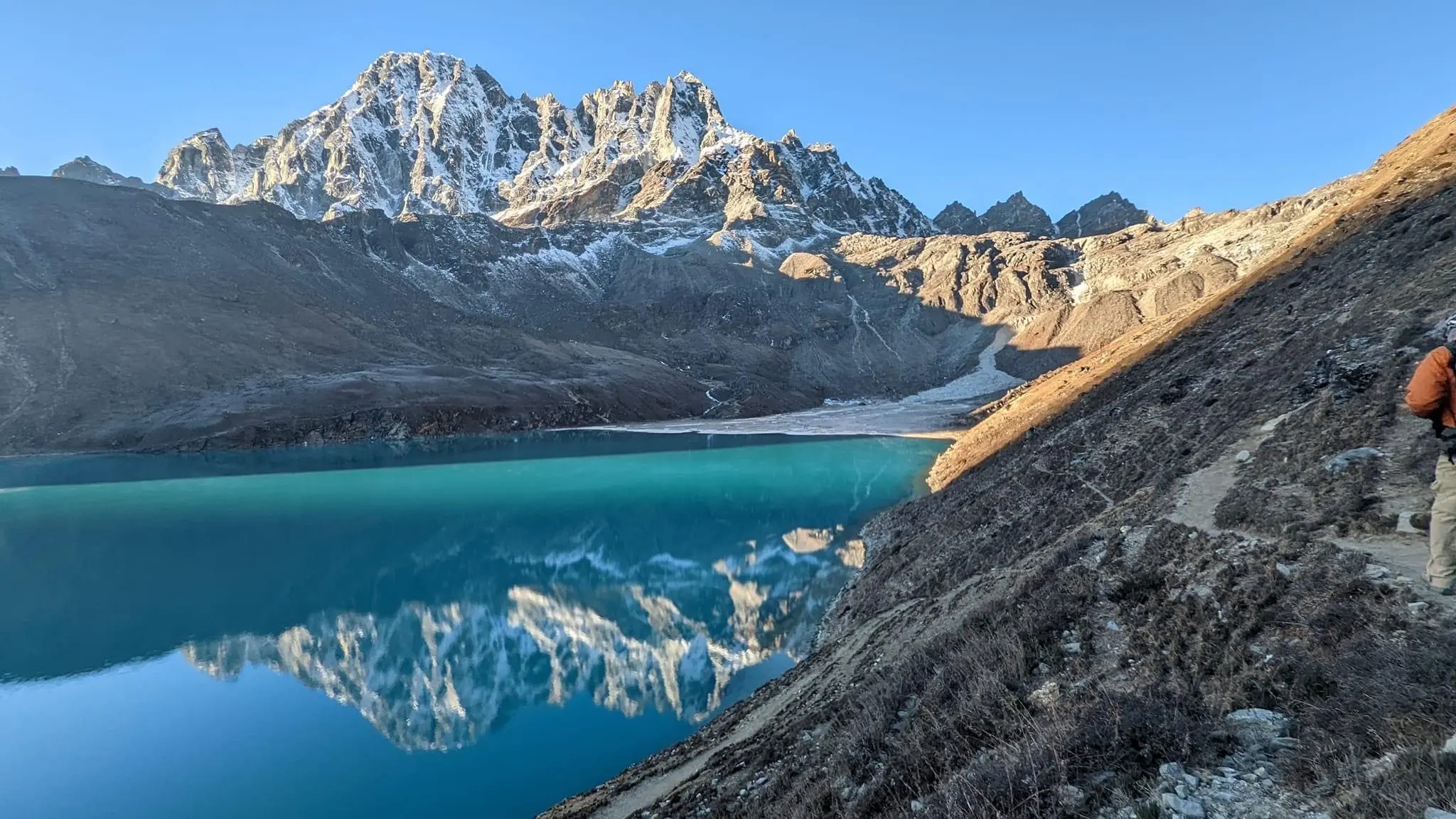
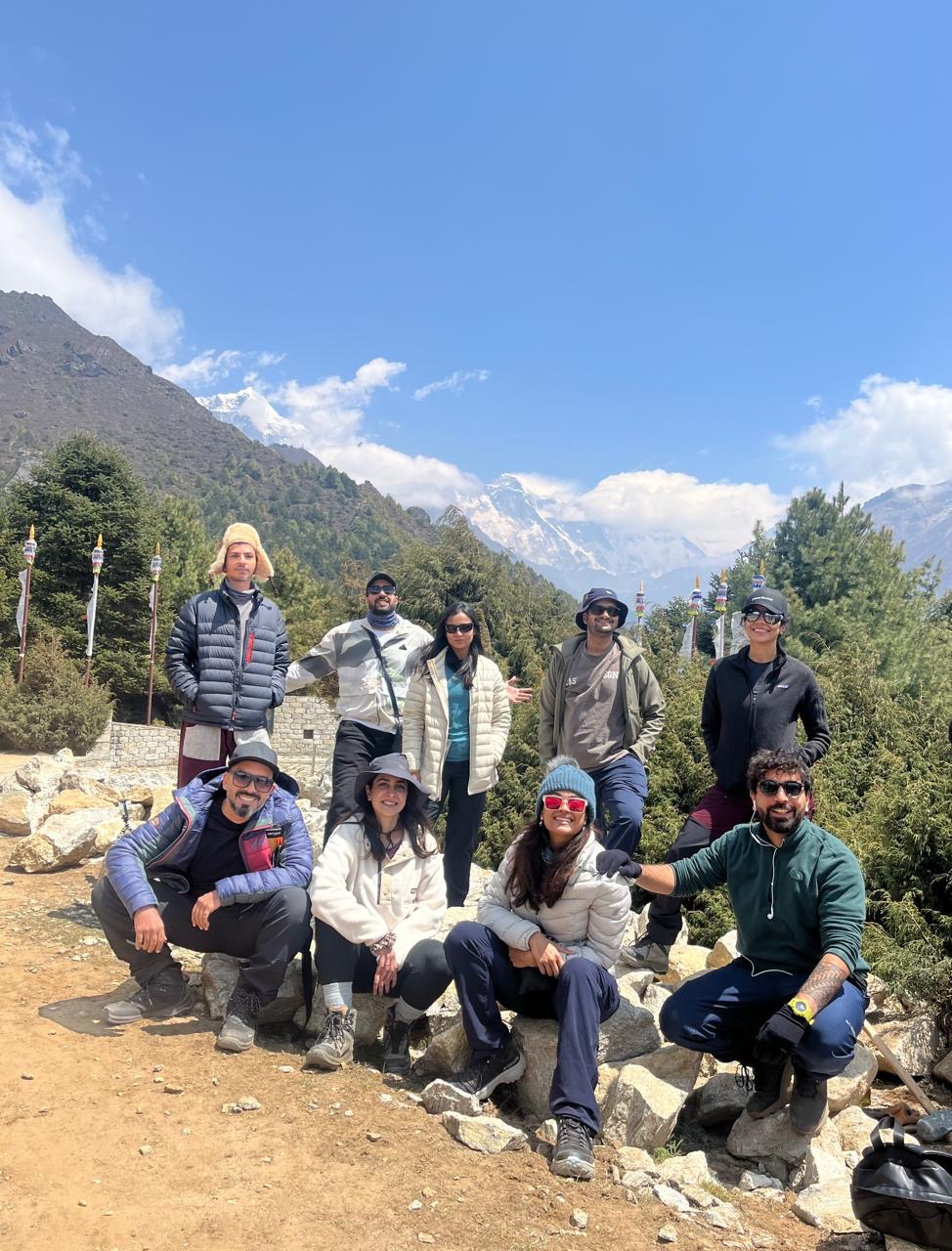
Your Start Date is the day you land in Nepal, and your End Date is when you fly home.
If the set Gokyo Lake Trek group dates don’t suit your schedule, we can offer alternative dates upon request.
The Gokyo Lake Trek with Higher Path Treks & Expeditions was one of the most beautiful trekking experiences I have ever had. The turquoise Gokyo Lakes surrounded by snowy Himalayan peaks were absolutely breathtaking, and the view from Gokyo Ri was unforgettable. The trek was peaceful and less crowded than the main Everest route, which made the experience even more special. Our guide was friendly, knowledgeable, and ensured we were comfortable and well acclimatized throughout the journey. Everything was perfectly organized, and the hospitality along the trail was wonderful. Highly recommended for anyone wanting a unique Everest region adventure in Nepal!
The Gokyo Lake Trek is one of the most scenic and culturally rich treks in the Everest region of Nepal. It offers a less crowded alternative to the classic Everest Base Camp trek, while still providing panoramic views of the world's highest peaks, including Everest, Lhotse, Makalu, and Cho Oyu. The highlight of this journey is the serene Gokyo Lakes – a series of turquoise glacial lakes located at over 4,700 meters – as well as the climb to Gokyo Ri (5,357m) for breathtaking 360-degree views. Trekkers who choose Higher Path Treks & Expeditions can expect professional guidance, personalized service, and experienced staff committed to safety and cultural immersion.
The Gokyo Lake Trek is considered a moderate to challenging trek. While it doesn't require technical climbing skills, the high altitude and long walking days (typically 5–7 hours per day) can be physically demanding. Prior trekking experience is helpful but not essential. At Higher Path Treks & Expeditions, we ensure proper acclimatization with a well-paced itinerary and rest days built in to help trekkers adjust to the altitude comfortably.
Our all-inclusive Gokyo Lake Trek package covers airport transfers, domestic flights between Kathmandu and Lukla, accommodation in teahouses along the route, three meals a day while trekking, experienced English-speaking guides and porters, permits, and first aid support. We also provide pre-departure briefings, duffle bags, and trekking maps. At Higher Path Treks & Expeditions, we believe in transparency—there are no hidden costs, and we aim to offer maximum value for your adventure.
Preparation for the Gokyo Lake Trek should include regular cardio and strength training at least 6-8 weeks before the trip. Focus on endurance, leg strength, and hiking with a backpack. Acclimatization and pacing are key to avoiding altitude sickness, and our guides are trained in altitude safety protocols. Higher Path Treks & Expeditions also provides a comprehensive pre-trek briefing, packing checklist, and one-on-one consultation if needed to help you prepare properly.
Yes, altitude sickness is a potential risk on high-altitude treks like Gokyo Lake. That’s why our itinerary includes gradual ascent and acclimatization days to minimize the risk. Our guides are trained in altitude management and carry a basic first aid kit with medications and an oximeter. At Higher Path Treks & Expeditions, your health and safety are our top priorities, and we closely monitor each trekker's condition throughout the journey.
With years of experience organizing treks across Nepal, Higher Path Treks & Expeditions is known for its personalized service, expert guides, and commitment to ethical trekking practices. We prioritize safety, sustainability, and cultural respect in all our adventures. Our team consists of passionate local professionals who ensure that your Gokyo Lake Trek is not only memorable but deeply meaningful.
The best time to embark on the Gokyo Lake Trek is during the pre-monsoon season (March to May) and post-monsoon season (late September to early December). During these months, the skies are generally clear, offering uninterrupted mountain views, and the trails are in ideal condition. Higher Path Treks & Expeditions operates scheduled and private departures during these peak seasons, ensuring the most enjoyable and safest trekking experience.
Yes, all necessary permits for the Gokyo Lake Trek are included in our trekking package. This typically includes the Sagarmatha National Park Permit and the Khumbu Pasang Lhamu Rural Municipality Entry Permit. Higher Path Treks & Expeditions handles all logistics and paperwork so you can focus entirely on enjoying the trek without any hassle.
During the trek, you’ll stay in comfortable local teahouses, which are basic yet cozy, with shared facilities. Rooms are generally twin-sharing with clean bedding, and dining areas are warm and sociable. Meals include a variety of local and international dishes, with popular options like dal bhat (traditional Nepali rice and lentils), pasta, soups, and momos. Higher Path Treks & Expeditions ensures hygienic meal options and clean drinking water availability throughout the trek.
Yes, comprehensive travel insurance is mandatory for the Gokyo Lake Trek. It should cover high-altitude trekking (up to 5,500m) and emergency evacuation by helicopter if necessary. Higher Path Treks & Expeditions strongly recommends securing your insurance before your arrival in Nepal and sharing the details with us during your pre-trek briefing.
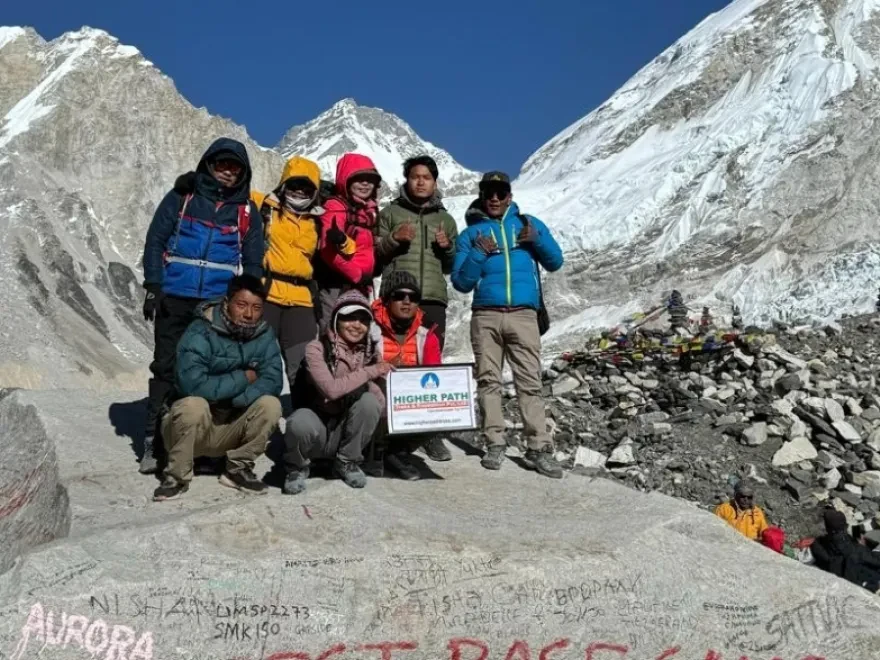
| No of people | Price per person |
|---|---|
| 1 - 1 | $2,800 |
| 2 - 5 | $2,750 |
| 6 - 10 | $2,700 |
| 11 - 20 | $2,650 |
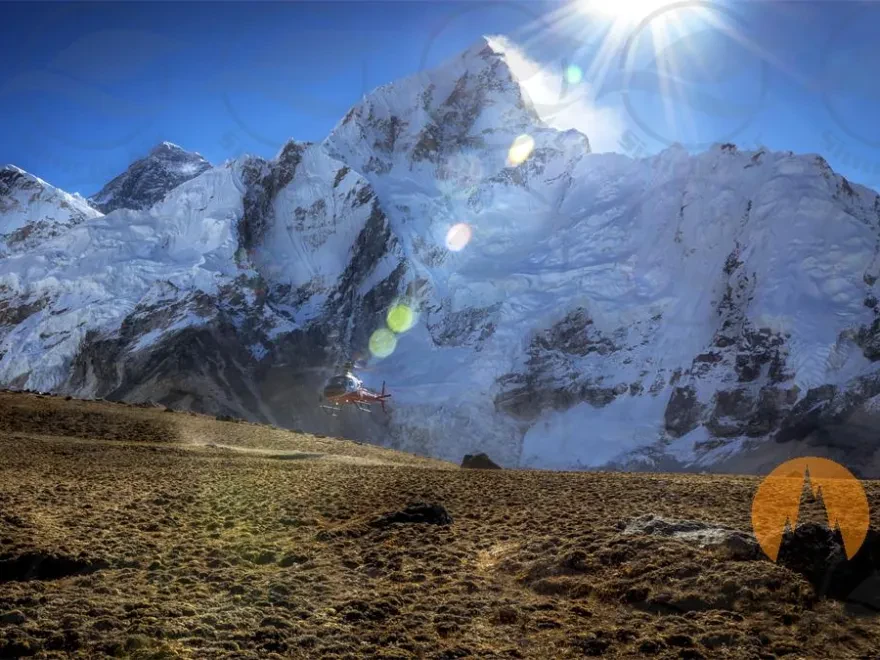
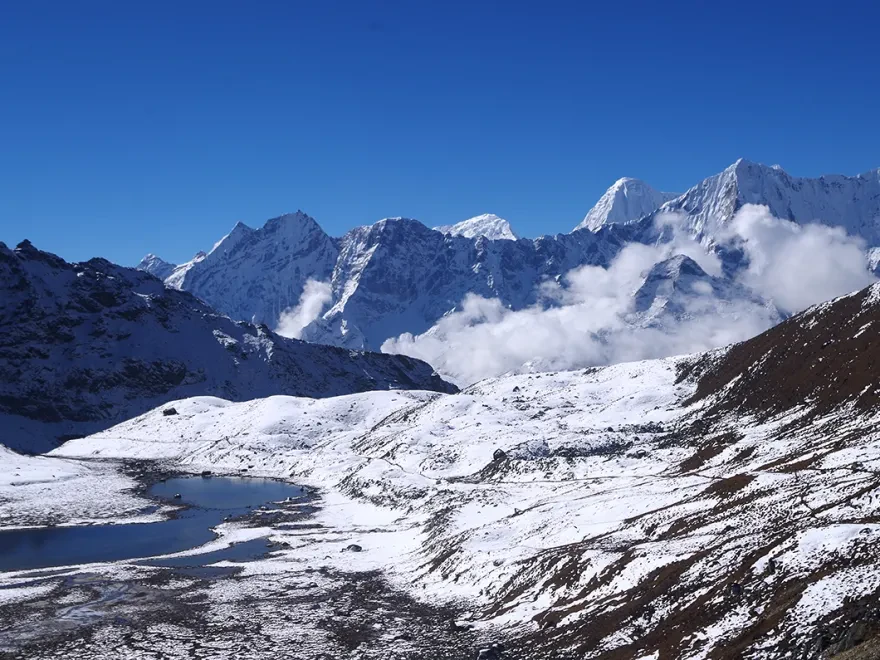
| No of people | Price per person |
|---|---|
| 1 - 1 | $1,950 |
| 2 - 5 | $1,900 |
| 6 - 10 | $1,850 |
| 11 - 20 | $1,700 |