
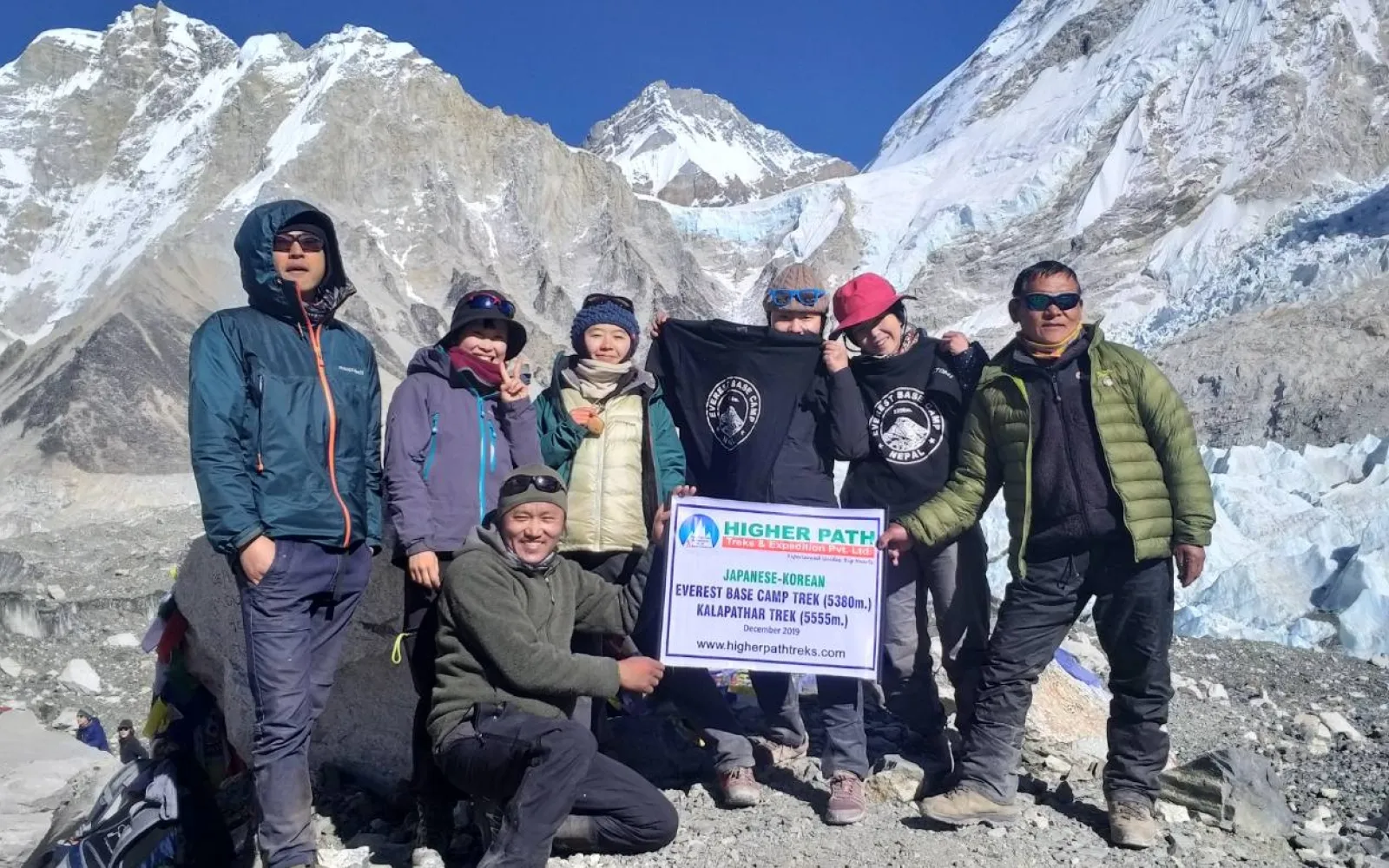
The Everest Base Camp Trek by Heli offered by Higher Path Treks & Expeditions is a premium Himalayan adventure that blends traditional trekking with helicopter transfers to reduce long road and flight fatigue while maximizing mountain experience. This itinerary is designed for trekkers who want the classic Everest trail experience but with added comfort, efficiency, and scenic aerial views of the Himalayas.
Starting from arrival in Kathmandu and moving through iconic Sherpa villages like Lukla, Namche Bazaar, and eventually reaching Everest Base Camp, this journey carefully balances acclimatization and exploration. The return helicopter transfer from Lukla adds a luxury finish, saving time while offering breathtaking aerial perspectives of the Everest region.
Key Highlights:
Trekking to Everest Base Camp has evolved significantly over the years. The traditional route required long domestic flights, unpredictable weather delays, and extended return journeys. With helicopter-supported trekking, travelers can now experience the same legendary trail with reduced logistical stress and a more comfortable travel structure.
This modern approach, curated by Higher Path Treks & Expeditions, introduces a more efficient way to experience the Himalayas without compromising the authenticity of the trek. It allows trekkers to spend more energy enjoying the landscapes, culture, and mountain atmosphere rather than dealing with long transit challenges.
Key Points:
This helicopter-assisted trek redefines Himalayan adventure by making one of the world’s most iconic journeys more accessible. Instead of spending extra days retracing the same path back, travelers can return quickly by helicopter, saving time while still enjoying every major highlight of the route. The inclusion of helicopter segments also provides unmatched aerial views of peaks like Everest, Lhotse, and Ama Dablam, offering a perspective that traditional trekking alone cannot provide.
Key Points:
The Everest Base Camp is located at the elevation of 5,363 m infront of the Mount Everest in the Khumbu region of Nepal, surrounded by some of the most dramatic mountain scenery on Earth.
For trekkers, reaching this base camp is not just a physical achievement but also a cultural and spiritual journey through the heart of the Sherpa homeland, including settlements like Namche Bazaar. The experience represents endurance, exploration, and a deep connection with the Himalayas.
Key Points:
The traditional Everest Base Camp journey and the helicopter-assisted premium trek follow the legendary route through the Khumbu region, but they differ significantly in comfort, duration, and overall travel experience. The classic trek requires a full round-trip on foot from Lukla back to Lukla, which adds extra days of walking and physical demand. In contrast, the heli-supported version shortens the return journey, allowing trekkers to focus more on exploration and scenery rather than repetitive backtracking.
While the traditional trek emphasizes endurance and a full immersion into the slow rhythm of mountain life, the luxury heli trek introduces efficiency without losing authenticity. It is ideal for travelers who want to experience iconic locations like Namche Bazaar and Everest Base Camp but with added comfort, safety, and time optimization.
Key Points:
The EBC Trek by Heli follows a carefully structured itinerary starting with arrival in Kathmandu and a scenic helicopter flight to Lukla. From there, the trekking route passes through iconic villages like Phakding, Namche Bazaar, Khumjung, Pangboche, Dingboche, Lobuche and Gorakshep allowing gradual acclimatization before reaching higher altitudes.
The journey continues toward Gorakshep and finally to Everest Base Camp, one of the most significant milestones in Himalayan trekking. After reaching base camp and experiencing the Khumbu Glacier region, trekkers ascend to Kala Patthar for panoramic views before descending. The return is made significantly easier with helicopter transport, offering a quick and scenic flight back toward Kathmandu.
Key Points:
The helicopter segment of the Everest Base Camp Trek by Helicopter is one of the most unforgettable parts of the entire journey. Operated under the expertise of Higher Path Treks & Expeditions, this flight offers breathtaking aerial views of deep valleys, glaciers, and towering Himalayan peaks that are otherwise impossible to fully appreciate from the ground.
Flying above the Khumbu region gives trekkers a dramatic perspective of landmarks such as Everest Base Camp, the Khumbu Glacier, and surrounding peaks. The transition from trekking trails to aerial views creates a powerful contrast, turning the journey into a once-in-a-lifetime experience.
Key Points:
Throughout the trek, a comfortable and well-managed teahouses is selected as accommodation. In lower regions like Namche Bazaar, trekkers can enjoy better facilities, warmer rooms, and more varied dining options, while higher-altitude stops focus on warmth, safety, and essential comfort.
Meals are designed to provide energy-rich nutrition suitable for high-altitude trekking, with both local Sherpa cuisine and international options available. The emphasis is on maintaining strength and recovery while still enjoying the cultural hospitality of the Everest region.
Key Points:
The Everest Base Camp Trekking with Heli is a premium adventure experience, and its cost reflects the added value of helicopter transfers, upgraded logistics, and personalized services. Compared to a standard trekking package, the inclusion of flights between Kathmandu and Lukla, along with a helicopter return, significantly increases the price but also reduces time, uncertainty, and physical strain.
What makes this package valuable is not only the convenience but also the enhanced safety, comfort, and time efficiency. Travelers get a complete Everest experience—covering iconic destinations like Everest Base Camp—without spending extra days retracing the same route on foot. For many trekkers, especially those with limited vacation time, the investment translates into a more refined and stress-free Himalayan journey.
Key Points:
The best time to experience the Everest Base Camp Trek by Heli is during the (spring) and (autumn) seasons. These periods offer clear skies, stable weather, and excellent visibility of Himalayan peaks such as Mount Everest and surrounding giants.
Spring (March to May) brings blooming rhododendrons and warmer temperatures, while autumn (September to November) offers crisp air and crystal-clear mountain views. During these seasons, flights to and from Lukla are more reliable, and trekking conditions along routes to Everest Base Camp are at their safest and most enjoyable.
Key Points:
The Everest Base Camp Heli Trek is considered as a moderate to challenging trek, but it is achievable for anyone with decent fitness and proper preparation. With good support, guidance, proper acclimatization and pacing strategies, the journey will be more manageable than it appears.
You do not need to be an elite athlete, but regular cardio training, hiking practice, and mental readiness are important. The trek gradually ascends through villages like Namche Bazaar and Dingboche, giving your body time to adjust before reaching higher altitudes such as Everest Base Camp.
Key Points:
Altitude is one of the most important factors in the Everest Base Camp Trek, and Higher Path Treks & Expeditions carefully designs the itinerary to minimize risk through gradual ascent and scheduled rest days. Key acclimatization stops like Namche Bazaar and Dingboche are built into the journey to help the body adjust naturally to reduced oxygen levels.
The helicopter-assisted return also plays a role in reducing prolonged exposure to high altitude, especially after reaching Everest Base Camp. However, trekkers are still advised to follow hydration rules, walk slowly, and listen to their guides. Proper acclimatization is key to a safe and successful Himalayan experience.
Key Points:
Packing for the EBC Trek by Heli requires a balance between essential high-altitude gear and comfort-focused items suited for a premium trekking experience. While most technical equipment remains the same as a standard Everest trek, the luxury version allows trekkers to carry slightly lighter loads due to helicopter-assisted logistics and well-managed support systems.
The focus should be on layering, weather protection, and personal comfort. Since the route passes through varying altitudes—from Lukla to Everest Base Camp—pack items that adapt to cold mornings, sunny afternoons, and freezing nights.
Key Packing List:
The Everest Base Camp Trek by Heli requires several official permits and logistical arrangements, all of which are organized by Higher Path Treks & Expeditions to ensure a smooth and stress-free experience. These permits are mandatory for entering the Khumbu region and trekking through protected Himalayan areas.
Travelers typically need documentation arranged before departure, including trekking permits and identification. Logistics such as helicopter flights, domestic transfers, accommodation bookings, and guide arrangements are all pre-managed to ensure efficiency from arrival in Kathmandu to reaching Everest Base Camp.
Key Requirements:
Responsible tourism is a key part of this trekking. The fragile Himalayan ecosystem requires careful travel practices to preserve its natural beauty and support local communities. Trekkers are encouraged to minimize waste, respect cultural traditions, and support local Sherpa villages along the route.
From villages like Namche Bazaar to higher settlements near Everest Base Camp, sustainable trekking practices help protect the environment and improve the livelihoods of local people. Respectful behavior ensures that future generations can continue to enjoy the Everest region.
Key Points:
The Everest Base Camp Trek by Heli is one of the most efficient and rewarding ways to experience the Himalayas. With Higher Path Treks & Expeditions, travelers gain access to a carefully curated journey that combines traditional trekking adventure with modern luxury and helicopter convenience. It is designed for those who want the full Everest experience without the extended physical and time demands of a round-trip trek.
Reaching Everest Base Camp, walking through iconic villages like Namche Bazaar, and flying above the Himalayas by helicopter creates a complete and unforgettable adventure. For many travelers, the combination of comfort, safety, and breathtaking scenery makes this experience highly worthwhile.
Key Points:
Experience the Everest Base Camp Trek in the autumn season with Higher Path Treks & Expeditions. This journey takes you deep into the heart of the Khumbu region, where you can enjoy the spectacular mountain views, vibrant Sherpa culture, and breathtaking Himalayan landscapes.
<p>Exploring on the Everest Base Camp (EBC) trek is more than just a journey through the Himalayas—it's a spiritual, cultural, and personal adventure that brings you face to face with the world's highest peak. At Higher Path Treks & Expeditions, we guide you through this unforgettable experience, ensuring that every moment is filled with wonder, safety, and meaning.</p>
The Everest Base Camp Trek is often seen as an expensive, high-end adventure, but with smart planning, it can be done on a moderate or even low budget. The key is understanding where costs are flexible—such as accommodation, food choices, guide options, and timing—while still maintaining safety and a meaningful experience.