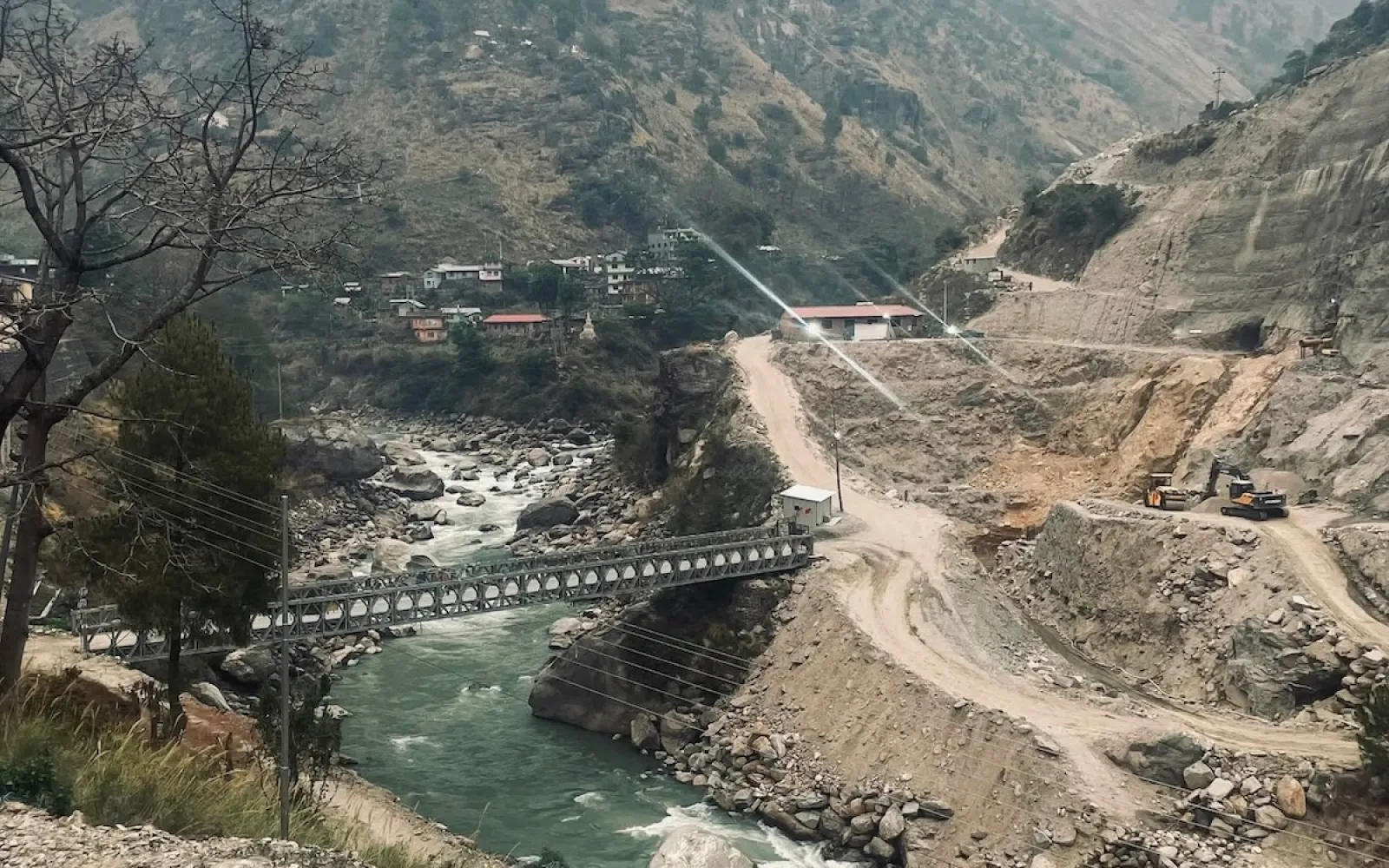
Rasuwa is located in the northern part of Nepal, bordering (China) Tibet. The flash flood that hit on August 26, 2026, swept away most of the settlements around the Bhote Koshi River in Rasuwa district causing huge destruction. The disaster has caused a devastating loss of life and widespread displacement. Thousands of people have been affected, while rescue and search operations continue for those who remain missing.
This flood is one of the natural disasters that Nepal has faced, which is unimaginable and heartbreaking.
The sudden flood surge entered the Bhote Koshi river system from the Tibet side near the Nepal -China border. It was particularly severe in the areas of Timure, Rasuwagadhi, and Shyabrubesi, while low-lying areas of other districts were also affected.
The disaster also affected hundreds of foreign nationals and domestic pilgrims who were traveling through Rasuwa - Timure - Kerung toward Tibet Kailash Mansarovar.
The recent flash flood in Rasuwa caused widespread destruction along the Bhote Koshi corridor. Many people lost their lives, Many were left homeless, and more than a thousand are still missing. Roads, buildings, hydropower infrastructure, bridges, local trails, schools, settlements and other facilities were damaged or swept away by the flood.
The disaster also disrupted transportation links between Dhunche, Shyabrubesi and the Langtang Valley. It has affected local communities whose livelihoods depend heavily on tourism, transportation, trade, agriculture and local business in Rasuwa and Langtang region.
Langtang Valley is one of Nepal's popular trekking destinations, offering breathtaking Himalayan landscapes, Tamang culture, ancient monasteries, mountain views, wildlife such as red pandas, langur (monkey) and mountain trails.
This flash flood didn’t directly affect the Langtang Valley, which remains safe to visit, but the destruction of bridges, roads and trails around Dhunche and Shyabrubesi has disrupted access to the valley.
People of Langtang transport essential supplies such as food, construction materials and other daily necessities from Shyabrubesi. Trekkers visiting Langtang also pass through Shyabrubesi. However, because of the destruction of roads and bridges, currently it's difficult to transport supplies to Langtang and for trekkers to reach there.
The Nepal government is working to clear and repair the road to reconnect Langtang with Shyabrubesi. If you are planning to visit Langtang, stay in touch with your travel agencies and collect the current information about transportation from Kathmandu to Shyabrubesi.
Langtang Valley is safe to visit, but the trail from Shyabrubesi is currently disrupted. Therefore you need to take an alternative route to reach the Langtang Valley in the current situation.
You have to drive from Kathmandu to Dhunche and start your trek from there. Then the trail follows the route through Thulo Syabru, which takes two more days than the typical itinerary.
Accommodation: Hotel
Drive: 8–10 Hours Overnight: Dhunche
Walk: 6–7 Hours. Overnight: Thulo Syabru
Walk: 6–7 Hours Overnight: Lama Hotel
Walk: 6–7 Hours. Overnight: Langtang
Walk: 6–7 Hours Overnight: Kyanjin Gompa
Hike: 4-6 Hours Overnight: Kyanjin Gompa
Walk: 6–7 Hours. Overnight: Lama Hotel
Walk: 6–7 Hours. Overnight: Thulo Syabru
Walk: 6–7 Hours Overnight: Dhunche
Drive: 8-10 Hours Overnight: Kathmandu
Drive: 8–10 Hours Overnight: Dhunche
Walk: 6–7 Hours. Overnight: Thulo Syabru
Walk: 6–7 Hours. Overnight: Lama Hotel
Walk: 6–7 Hours. Overnight: Langtang
Walk: 6–7 Hours. Overnight: Kyanjin Gompa
Hike: 4-6 Hours Overnight: Kyanjin Gompa
Walk: 6–7 Hours Overnight: lama Hotel
Walk: 6–7 Hours Overnight: Thulo Syabru
Walk: 6–7 Hours Overnight: Lauribinayek
Walk: 4–5 Hours Overnight: Gosaikunda
Walk: 7–8 Hours Overnight: Tharepati
Walk: 4–5 Hours Overnight: Kutumsang
Drive: 5-6 Hours Overnight: Kathmandu
Major trekking regions such as Everest, Annapurna, Manaslu and other Himalayan regions have not been affected by the Rasuwa flash flood. They are geographically separate from the Rasuwa flood area. These all regions are safe to travel as per your pre-planned itinerary.
If you are planning to visit flood affected area and Langtang Valley, we recommend:
The disaster (flash flood) of Rasuwa has disrupted local families and communities across Rasuwa whose livelihoods depend on tourism, transportation, trade, agriculture and local business. For many people, the impact of the disaster has gone beyond damaged roads and bridges. It has disrupted their income and everyday lives.
Responsible tourism can play an important role in Nepal’s recovery. After officially reopening safe routes, you can contribute to the affected communities using local restaurants, hotels, guides, porters, and buying their local products to help support communities and businesses recovering from the disaster.
Trekkers can also support affected families and communities by making donations through trusted local organizations or community groups. Even small contributions can make a meaningful difference when they are directed toward genuine needs such as food, shelter, cloth, education, rebuilding homes and for treatment for those who got injured or became physically disabled due to flood.
Beyond financial support, spending time with them to meet, talk, encourage and motivate will be more meaningful but avoid taking photographs without permission.
As Rasuwa recovers, responsible tourism can help bring back opportunities, and support communities in rebuilding their future.