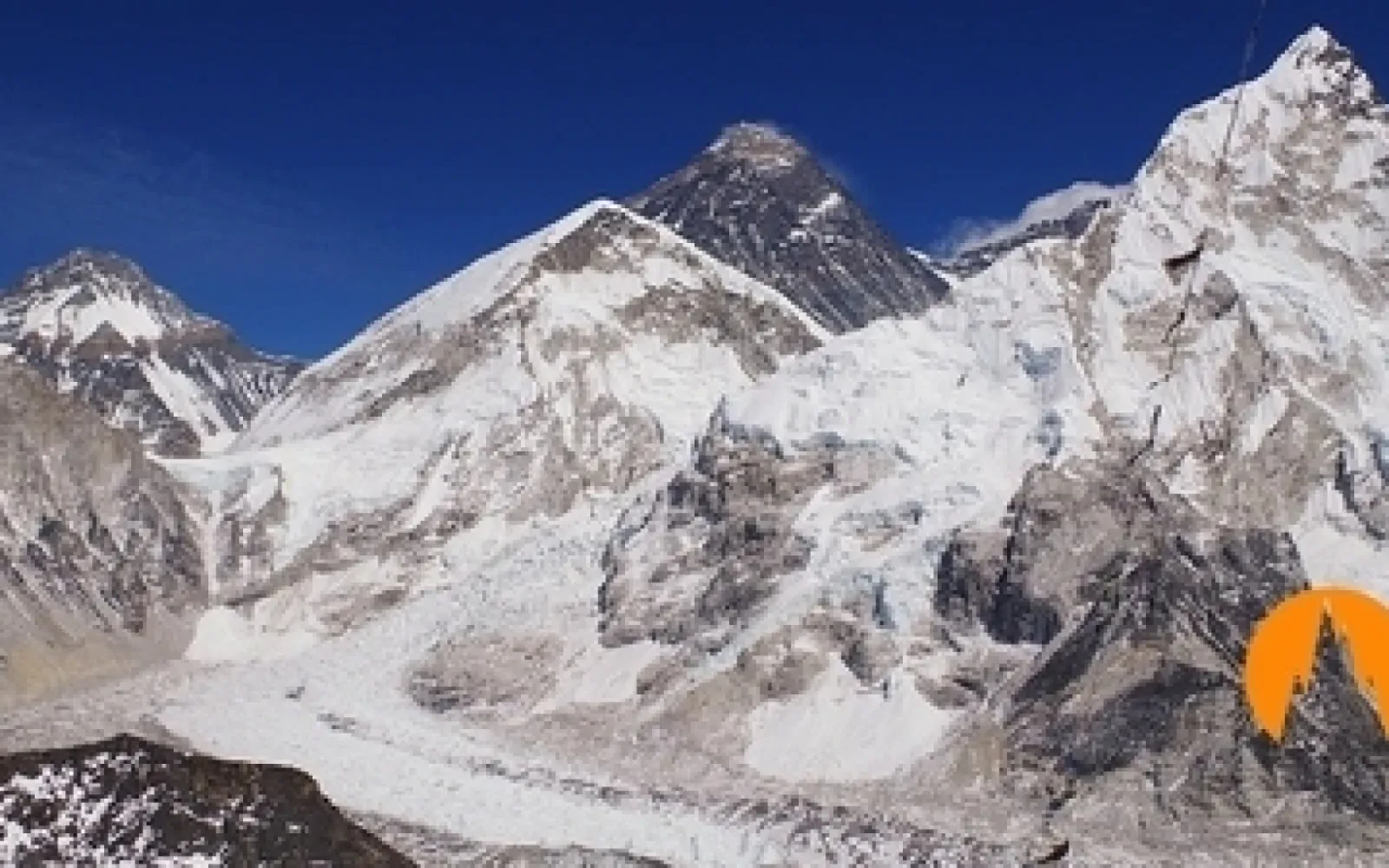
The Everest Base Camp Trek is an exciting adventure, but proper preparation is essential for a safe, memorable and comfortable journey in the Himalayas. From choosing the right trekking gear and clothing to understanding permits, altitude sickness and physical fitness, every detail plays an important role in your experience. Whether you are a beginner or an experienced hiker, being well prepared will help you enjoy the breathtaking landscapes of the Everest(Khumbu) region with confidence.
This Everest Base Camp Trek Essentials guide covers everything you need to know before starting your adventure. You will learn about the essential packing lists, trekking gears, required permits, the best time to visit, altitude sickness prevention, fitness tips and other practical advice to help you prepare for one of the world's most iconic and popular trekking routes. With the right planning and guidance, your Everest region trek can become a safe, memorable, enjoyable and rewarding experience.
Day 1: Arrival in Kathmandu (1,400 m)
Arrival at Tribhuvan International Airport and transfer to hotel.
Day 2: Drive to Manthali (500 m)
Day 3: Fly to Lukla (2,840 m) & Trek to Phakding (2,610 m)
Day 4: Trek to Namche Bazaar (3,440 m)
Day 5: Acclimatization Day in Namche Bazaar
Hike Everest View Point. Explore Namche.
Day 6: Trek to Khumjung Village (3,790 m)
Day 7: Trek to Pangboche (3,980 m)
Scenic trail via Tengboche region with views of Ama Dablam.
Day 8: Trek to Dingboche (4,360 m)
Enter Imja Valley with dramatic mountain scenery.
Day 9: Acclimatization Day in Dingboche
Hike to Nangkartshang Peak for altitude adaptation.
Day 10: Trek to Lobuche (4,940 m)
Pass memorials and alpine terrain.
Day 11: Trek to Everest Base Camp (5,364 m) & Return to Gorakshep
Reach the base of Mount Everest.
Day 12: Hike to Kala Patthar (5,640 m) & Trek to Pheriche
Sunrise view of Everest and descent.
Day 13: Trek to Namche Bazaar
Long descent through villages and forests.
Day 14: Trek to Lukla
Final trekking day.
Day 15: Fly to Manthali & Drive to Kathmandu
Return to Kathmandu.
The Everest Base Camp Trek is a multi day high altitude adventure in Khumbu region, Nepal. You don't need any mountaineering experience, but you should be prepared to walk for around 5-7 hours per day. You have to walk through small villages and some famous places such as Lukla, Phakding, Namche, Khumjung, Tengboche, Dingboche, Lobuche and Gorakshep and reach the Everest Base Camp and Kala Patthar.
You should have a good level of physical fitness, which is more beneficial for EBC Trek. You don't have to be elite athlete. Do regular cardio exercises, long distance walking or hiking, cycling, leg strengthening exercises. If possible walk with a backpack with light weight before 1-2 months of your trekking in Nepal.
Altitude is the biggest challenge of the Everest Base Camp Trek. Your body needs time to adjust the altitude therefore the itinerary includes acclimatization days during the trek.
Even physically fit and experienced trekkers can get altitude problems, so following above tips and itinerary is important.
For the Everest Base Camp Trek you need following packing lists
Autumn and Spring seasons are main and best trekking seasons.
Autumn is good for the Everest Base Camp Trek. After monsoon autumn offers warm temperature, clear skies, clear and excellent visibility, clear mountain and Himalayan landscapes views and generally trails are in good conditions.
Spring is the best season for trekking. During spring weather will be perfect, clear skies, excellent visibility, warmer temperature, good conditions of trail and colorful rhododendron flower blooming.
Winter also possible but conditions can be more challenging. With proper preparation, packing and good guidance you can complete EBC trek during winter. Winter brings older temperature and snow at higher elevation, less crowd. December is better than January and February. Because of freezing most of the hotels will be closed and only few opened at higher altitude
Monsoon also possible with good preparation. It rains at lower elevation, the trial can be muddy and slippery in few sections, skies can be covered by cloud, however during this season some trekkers do the Everest Base Camp Trek
In Everest region comfortable teahouses is provided as accommodation along the route. Rooms are simple and cozy. Attached bathrooms are available in Lukla, Phakding, Namche, Tengboche, Pangboche and Dingboche. Lobuche and Gorakshep you get basic rooms with shared bathrooms.
You will find variety of local and some international meals along the trekking route
Common meals include:
Dal Bhat mean rice with lentil soup and vegetable curry. Dal Bhat is particularly popular because it provides carbohydrates and protein. You can refill it again.
Mobile network (Ncell and NTC) is available in the most of the Everest region, except Lobuche, but internet Wi-Fi is available in most places. Due to the high altitude and weather condition sometime internet speed may be slow.
Trekkers can use local SIM cards such as Ncell and Nepal Telecom. Our guides also carry communication devices and remain connected with the team throughout the Trek.
Budget trek cost: USD 1,500 - 1,600 (per person)
Standard trek cost: USD 1,700 - 2,000 (per person)
Premium trek cost: USD 2,100+ (per person)
(Price can change depending on the season and services included. Check what is included and excluded before booking.)
Proper preparation is important for Successful Everest Base Camp Trek. Focus on suitable preparation of suitable and comfortable clothing and footwear, proper acclimatization, travel insurance and well planned itinerary.
If you are planning your Everest Base Camp Trek, contact Higher Path Treks and Expedition.
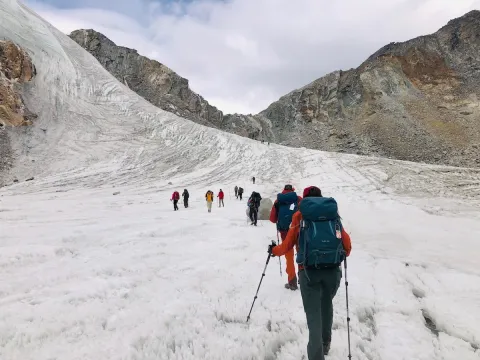
Experience the unforgettable Himalayan adventure in the Everest region with our Everest Three Passes Trek complete guide 2026. Discover the detailed itinerary, difficulty, permits, best time, cost, accommodation, packing lists, route, Himalayan culture, wildlife and tips for Himalayan adventure across the Kongma La Pass, Cho La Pass and Renjo La Pass.

Planning a trek in Nepal? learn everything you need to know about permits costs, requirements and where to get them including Everest region trekking permits, Annapurna trekking permits, Langtang trekking permits, Manaslu trekking permits.