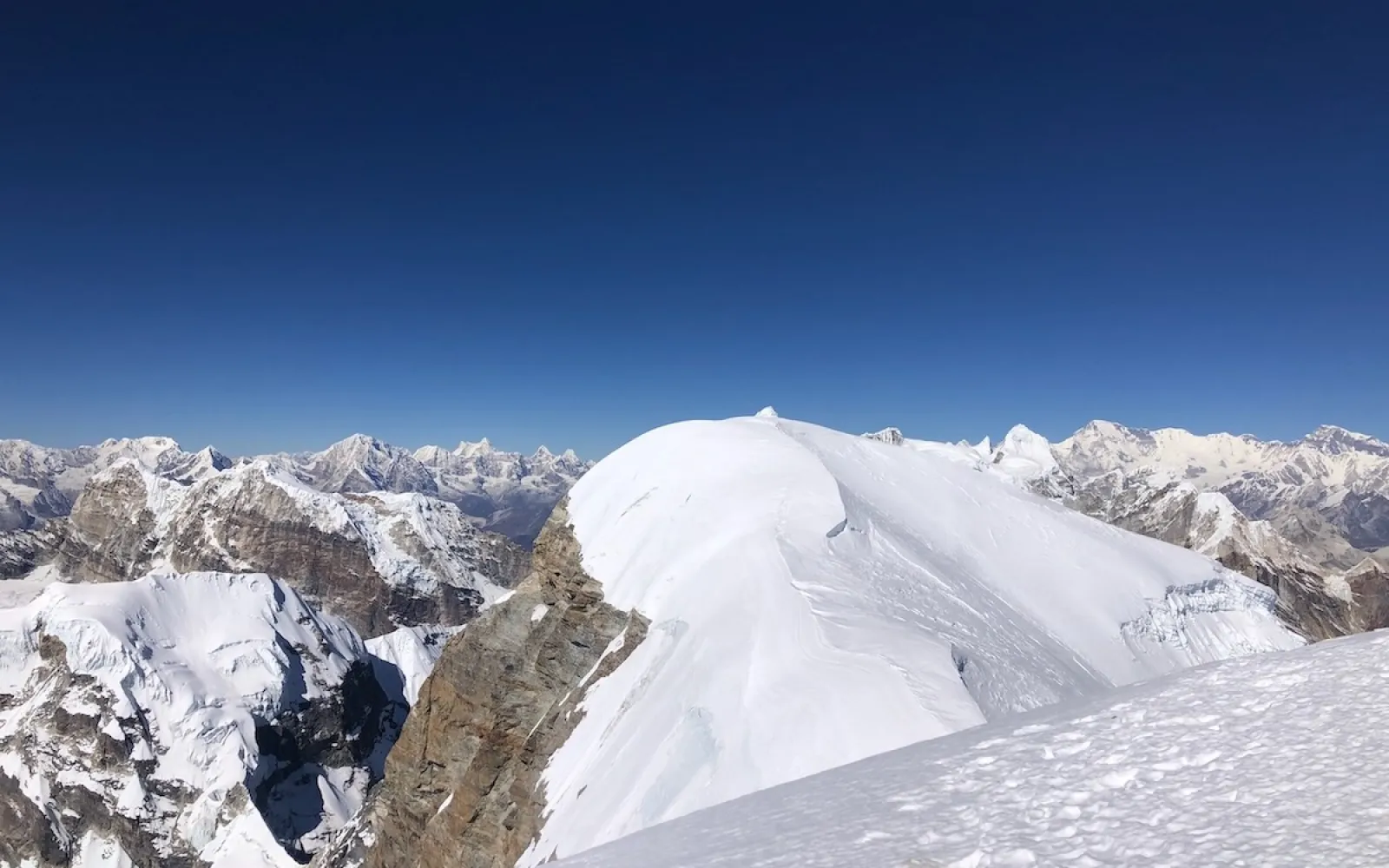
Mera Peak Climbing in Nepal is one of the most exciting and rewarding high-altitude trekking and climbing adventures, which offers an unforgettable combination of remote mountain trails, Sherpa culture, snow-covered landscapes, lush forests, glaciers and breathtaking Himalayan views including Mount Everest, Kanchenjunga, Lhotse, Makalu and surrounding peaks. Mera Peak is situated in the Solukhumbu district and stands tall at 6,476 meters (21,247 feet) above sea level. Mera Peak gives explorers a chance to set camps and experience colorful rhododendron-filled trails and experience the remote beauty and wilderness of the high-altitude valley. The Hinku valley at the foot of the peak is a true definition of losing yourself in the wilderness and charms of the Eastern Himalayas.
J.O.M. Roberts and Sen Tenzing made the first successful ascent of Mera Peak on 20 May 1953 and the route established during these early ascents remains part of the climbing history of Mera Peak.
The first to reach the true summit goes to the Frenchmen Marcel Jolly, G Baus, and L Honills, who climbed Mera North in 1975.
The journey kicks off with a thrilling flight from Manthali (Ramechhap) to Lukla. We then proceed south around the mountain to Paiya and Pangom. The trails are serene and full of terraced farmed areas of villages. Moving on, the path is comprised of pristine bamboo, pine and dense rhododendron forests. Furthermore, the trek then accelerates to Khote. An unwavering glimpse of Mera Peak stands ahead of you for the rest of the adventure. At Kothe, you pause for acclimatization and rest if required. Then, from Kothe, the trail heads off north to Khare for another day of acclimatizing and practicing glacier traversal techniques. Moving on from Khare, we go towards the Mera High Camp and finally, the next day is to climb the summit using crampons and ice axes. The descent will take place on the same route with a new addition that is the Zatrwa La pass from Kothe to move down to Lukla.
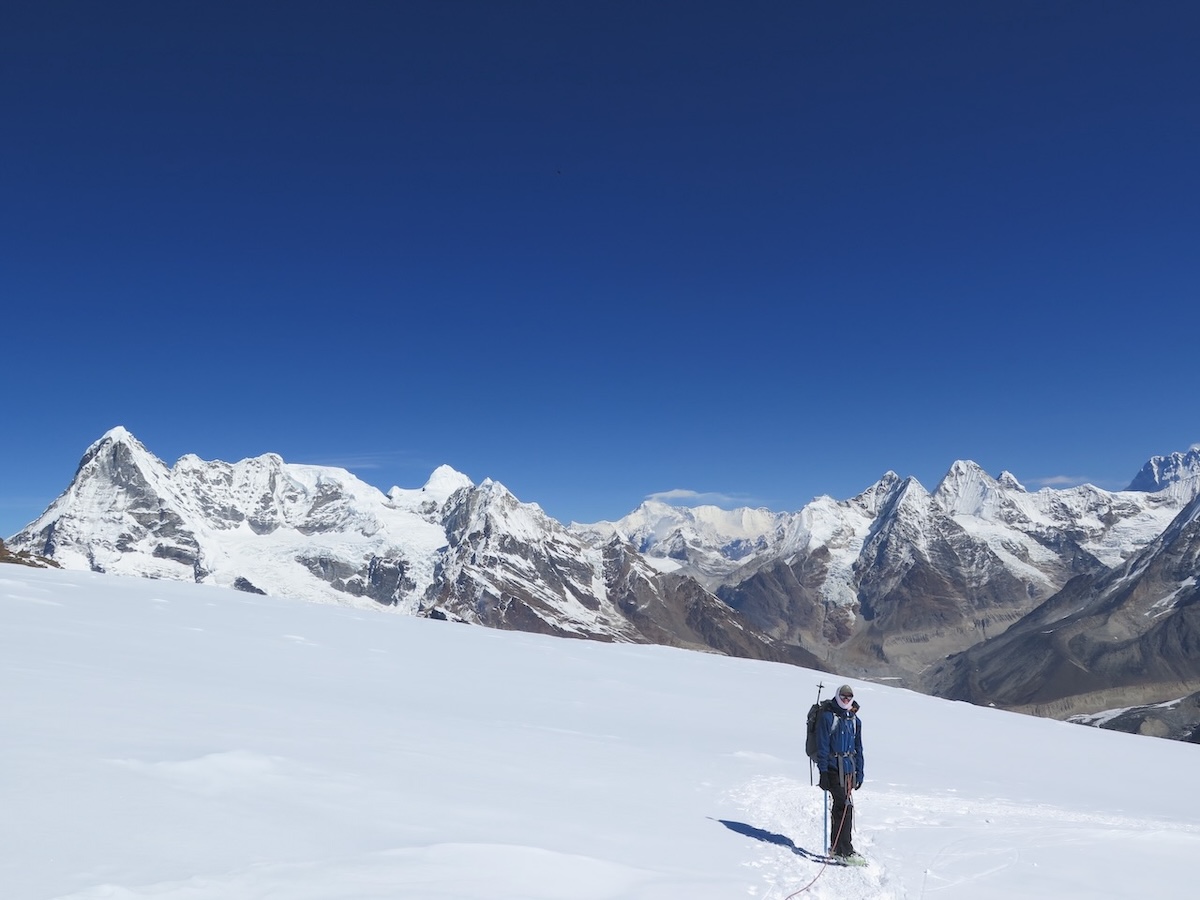
Because of the high elevation (6,476 meters), the trek to Mera Peak is categorized as difficult. For beginners with no mountaineering skills, this will prove to be a daunting experience. The prerequisites for this journey include a first-hand knowledge of using an ice axe and crampon skills, rope fixing along with walking on a glacier. Since it is a snow trek with straightforward climbing, it is physically demanding. The trek encompasses 18 days of travel days with walking 4-7 hours a day that allows trekkers to properly acclimatize at a gradual rate. The oxygen density at the summit is less than half of that at sea level. Thus, for people planning to go on this trek, it is recommended that this should not be your first high-altitude trek. Good Physical fitness is required for this adventure.
A stable weather condition is required to ascend the Mera Peak safely. Even if it is warm, strong winds can make climbing very dangerous so dry weather patterns are preferred. There is a high chance of snow fall at this altitude which covers up the trails and makes the climb even more difficult. On the basis of the weather conditions and visibility, the best time to ascend Mera Peak is either in spring (March to May) or autumn (September to November) where these perils can be avoided. Both these periods generally bring long periods of stable weather and although the temperature at the top is still incredibly cold it can be endured.
After jotting down all the significant features of the trip, it is safe to say that Mera Peak will not disappoint when it comes to serving one of the best peak trekking adventures of the world. So, don’t miss out on the opportunity to witness this one-of-a-kind experience amidst the Himalayan realm. Book your package to the next departure dates to Mera Peak immediately!
Mera Peak Climbing requires good physical fitness, proper acclimatization and basic mountaineering skills. Begin your physical preparation several weeks before the trip.
1. Makalu Barun National Park Entry Permit
2. Mera Peak Climbing Permit issued by the NMA (Nepal Mountain Association)
Yes. There are many mountaineering shops in Kathmandu. They offer climbing equipment for rent. Rented items include crampons, an ice axe, a harness, helmet, a sleeping bag, carabiners, mountaineering boots and down clothing.
Some equipment can also be rented in Khare, but selection and availability of sizes may be limited.
Mera Peak climbing is an unforgettable Himalayan adventure in Nepal, which offers breathtaking views of mountains including the Everest, Kanchenjunga and numerous Himalayan peaks and rewarding summit experience. With proper preparation, acclimatization, well planned itinerary and experienced climbing guidance and support you can attempt Mera Peak summit.
Ready to climb Mera Peak? Contact Higher Path Treks & Expedition today and start planning your Himalayan adventure.
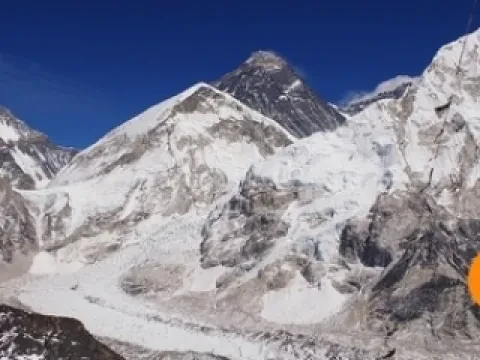
Planning the Everest Base Camp Trek? Discover the essential packing list, permits, fitness tips, altitude sickness advice and practical preparation tips to help you enjoy a safe and unforgettable trekking adventure in Himalayas Nepal.
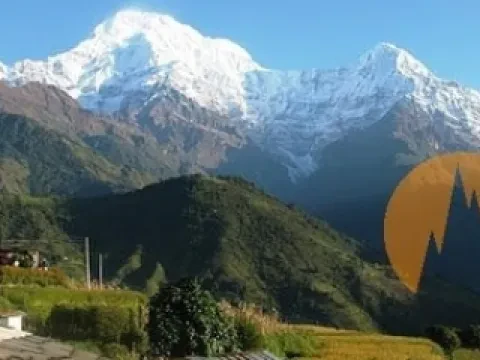
<p>Popular for the Himalayas, Nepal is also a trekker’s paradise as there are plenty of destinations with spectacular views and heartwarming culture in this small yet spectacular country. While trekking in Nepal may take many days, there are also shorter treks in the country which are equally rewarding regardless of the number of days spent on foot. One such short yet fulfilling trek in Nepal is the Poon Hill Trek.<br></p>
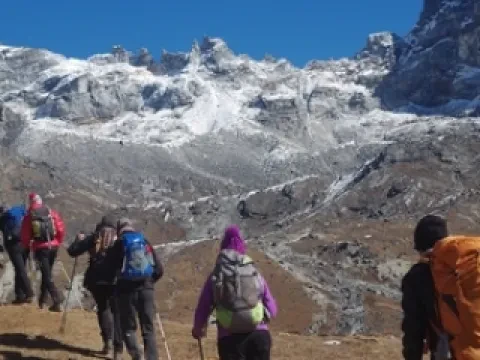
<p>A recent addition, the much-talked-about trek in Nepal in recent times is the Gokyo Valley Trek. This trek promises to provide the most jaw-dropping views of the Himalayas towering over 8000 meters such as Mt. Everest (8848m), Cho Oyu (8188m), Lhotse (8414m) and Makalu (8463m) along with the largest glacier of Nepal, Ngozumpa. Declared as a Ramsar Site in 2007, Gokyo houses the highest freshwater lake system of the world, consisting of six main lakes. <br></p>
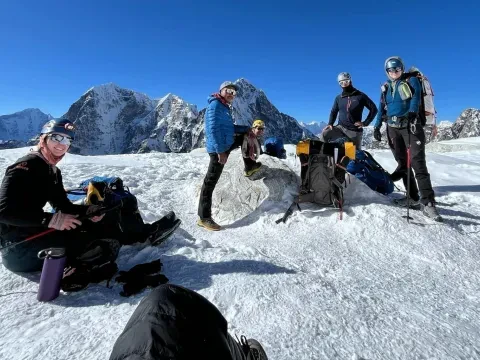
Lobuche East Peak Climbing is one of the most exciting and rewarding mountaineering challenges in Nepal, and 2026/2027 packages are carefully designed to cater to trekkers and climbers of different experience levels. Our Lobuche East Peak Climbing packages provide a comprehensive and fully supported trekking and climbing experience in the Everest region.