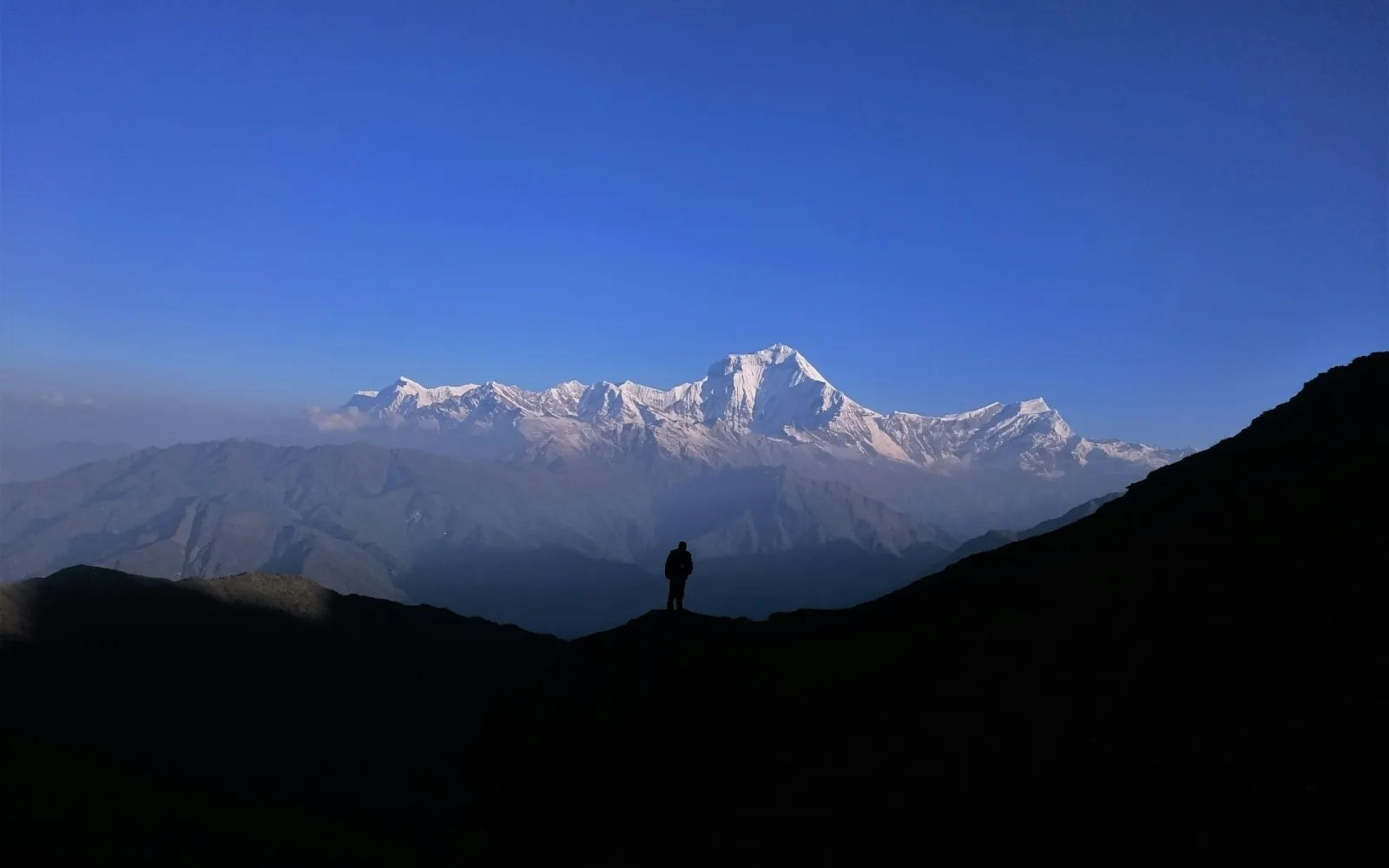
The Khopra Trek is one of Nepal’s most rewarding off-the-beaten-path adventures, offering a perfect combination of breathtaking Himalayan scenery, peaceful trails, authentic village experiences, and natural wonders. Organized by Higher Path Treks & Expeditions, this carefully designed 12-day journey takes trekkers deep into the Annapurna region, exploring hidden trails that lead to the spectacular Khopra Ridge and the sacred Khayer Lake.
Unlike many crowded trekking routes in Nepal, the Khopra Trek provides a quieter and more intimate Himalayan experience. The trail passes through beautiful forests, traditional Gurung and Magar settlements, alpine landscapes, and high mountain viewpoints where trekkers can enjoy magnificent views of Annapurna, Dhaulagiri, Nilgiri, Machhapuchhre (Fishtail), and surrounding peaks.
Khopra Trek at a Glance:
The Khopra Trek is a hidden treasure located in the Annapurna region of Nepal. Developed as a community-based trekking route, it offers travelers an opportunity to explore less-developed trails while supporting local communities. The journey combines adventure, culture, and nature, making it an ideal choice for trekkers seeking a peaceful Himalayan escape away from busy routes.
With Higher Path Treks & Expeditions, trekkers experience a professionally organized adventure with experienced guides, comfortable arrangements, and carefully planned acclimatization. From the first day in Kathmandu to the final departure, every detail is managed to provide a safe and memorable trekking experience.
What makes the Khopra Trek unique?
Many famous trekking routes in Nepal attract large numbers of visitors every year. The Khopra Trek offers a more authentic experience with fewer trekkers, allowing visitors to enjoy the natural beauty and local culture in a more peaceful environment.
The route provides many of the highlights travelers seek in Nepal, including dramatic mountain scenery, traditional villages, rhododendron forests, and high-altitude viewpoints, while maintaining a quieter atmosphere compared to more commercial trekking destinations.
Overview of the trek experience:
The Khopra Trek, also known as the Khopra Ridge Trek, is a spectacular trekking route in the Annapurna region that takes travelers to the beautiful Khopra Ridge at an elevation of 3,660 meters. The trek combines natural beauty, cultural exploration, and adventure through remote Himalayan landscapes.
This trek was introduced as a community-based tourism project to encourage sustainable tourism and provide economic opportunities for local communities. The route follows peaceful trails through villages, forests, and mountain landscapes that showcase the authentic beauty of rural Nepal.
History and background of the Khopra Ridge Trek:
Location and route overview:
The Khopra Trek is located in the western part of Nepal within the Annapurna Conservation Area. The journey begins after reaching Pokhara and driving toward Syauli Bazaar, from where trekking starts toward the beautiful Gurung village of Ghandruk.
The route continues through Tadapani, Dobato, Upper Chistibung, and finally Khopra Ridge before heading toward Khayer Lake and descending through Swanta Village and Ulleri.
Main route:
Highlights of the journey:
The Khopra Trek is an excellent choice for travelers who want to experience the beauty of the Annapurna region without following overly busy trekking routes. It offers a peaceful environment where trekkers can connect with nature, interact with local people, and enjoy breathtaking mountain scenery.
Managed by Higher Path Treks & Expeditions, the trek provides a balanced adventure suitable for those who want both comfort and exploration. The carefully planned itinerary allows enough time to enjoy the surroundings while gradually gaining altitude.
Less crowded alternative to famous Annapurna treks:
Stunning Himalayan views:
One of the biggest attractions of the Khopra Trek is the incredible mountain panorama. From Khopra Ridge, trekkers can witness breathtaking views of some of Nepal’s most famous peaks.
The viewpoint provides unforgettable scenery of Annapurna South, Dhaulagiri, Nilgiri, Machhapuchhre, and many other Himalayan giants.
Authentic local culture and village experiences:
Unique landscapes and natural beauty:
The Khopra Trek offers an incredible mix of Himalayan adventure, natural beauty, and cultural discovery. With Higher Path Treks & Expeditions, trekkers can explore one of Nepal’s most peaceful trekking routes while enjoying spectacular mountain scenery and meaningful encounters with local communities. The journey is designed to provide unforgettable experiences, from high-altitude viewpoints to traditional mountain villages.
Unlike many popular trekking routes, Khopra provides a quieter atmosphere where travelers can enjoy the beauty of the Annapurna region at a relaxed pace. The combination of dramatic landscapes, hidden trails, and authentic village life makes this trek a special Himalayan adventure.
Khopra Ridge Viewpoint
Khopra Ridge is the main attraction of the trek and one of the best viewpoints in the Annapurna region. Located at an altitude of 3,660 meters, the ridge offers breathtaking panoramic views of several Himalayan peaks, including Annapurna South, Dhaulagiri, Nilgiri, and Machhapuchhre.
Standing on Khopra Ridge, trekkers experience a peaceful mountain environment surrounded by snow-covered peaks and deep valleys. The viewpoint is especially impressive during sunrise and sunset when the golden light creates unforgettable views across the Himalayas.
Sunrise and Sunset Mountain Views
The Khopra Trek provides some of the most beautiful sunrise and sunset experiences in Nepal. Early mornings and evenings at Khopra Ridge reveal stunning colors reflecting across the Himalayan range, creating perfect moments for photography and relaxation.
The quiet surroundings make these moments even more special, allowing trekkers to enjoy the mountains without the crowds found on many famous trekking routes.
Khayer Lake Excursion
The Khayer Lake excursion is one of the most adventurous and rewarding parts of the Khopra Trek. Located at approximately 4,500 meters, this sacred alpine lake is surrounded by dramatic mountain landscapes and holds religious importance for local communities.
The journey to Khayer Lake is challenging but highly rewarding, offering spectacular views of glaciers, high mountains, and remote Himalayan terrain. Trekkers return with a deep sense of achievement after completing this unforgettable side trip.
Traditional Magar and Gurung Villages
The Khopra Trek passes through beautiful traditional villages inhabited mainly by Magar and Gurung communities. These villages provide an opportunity to experience Nepal’s mountain culture, traditional lifestyle, and warm local hospitality.
Staying in community tea houses allows trekkers to connect with local people and learn about their customs, food, festivals, and daily mountain life.
Panoramic Annapurna and Dhaulagiri Ranges
One of the greatest rewards of the Khopra Trek is the continuous view of the Annapurna and Dhaulagiri mountain ranges. The trail provides several viewpoints where trekkers can admire some of the world’s highest peaks.
Major Khopra Trek Highlights:
Choosing the right season is important for enjoying the best experience on the Khopra Trek. Weather conditions, mountain visibility, trail conditions, and village accessibility can greatly affect the trekking experience. Higher Path Treks & Expeditions recommends planning the trek during seasons when the skies are clear and the trails are comfortable.
The Khopra region can be visited throughout the year, but spring and autumn are considered the most favorable periods due to stable weather, excellent mountain views, and pleasant trekking conditions.
Spring Season (March–May)
Spring is one of the best times to complete the Khopra Trek. During this season, the forests become colorful with blooming rhododendrons, Nepal’s national flower, creating beautiful scenery along the trail.
The weather is generally warm, and the mountain views are excellent. This season is ideal for nature lovers and photographers who want to experience Nepal’s landscapes at their most vibrant.
Autumn Season (September–November)
Autumn is considered the peak trekking season in Nepal. The post-monsoon period brings clear skies, stable weather, and excellent visibility of the Himalayan peaks.
Trekkers can enjoy comfortable walking conditions and spectacular mountain views throughout the route.
Advantages of autumn trekking:
Winter Trekking Conditions
Winter trekking from December to February offers a peaceful experience with fewer trekkers on the trail. The mountains often appear clearer, and the snow-covered landscapes create a magical atmosphere.
However, temperatures can become very cold at higher elevations, especially around Khopra Ridge and during the Khayer Lake excursion.
Winter considerations:
Monsoon Season Considerations
The monsoon season from June to August brings heavy rainfall to many parts of Nepal. Although the Khopra Trek is still possible, wet conditions can make trails slippery and reduce mountain visibility.
Trekkers should prepare for muddy paths, leeches in forest areas, and occasional transportation delays.
Monsoon challenges:
The Khopra Trek route begins with a scenic journey from Kathmandu to Pokhara before entering the beautiful Annapurna region. Organized by Higher Path Treks & Expeditions, the route combines comfortable transportation, carefully planned trekking days, and gradual altitude gain for a safe and enjoyable adventure.
The trail passes through remote villages, lush forests, alpine landscapes, and high mountain viewpoints before reaching the spectacular Khopra Ridge and Khayer Lake.
Kathmandu to Pokhara
The journey begins in Kathmandu, Nepal’s capital city, where trekkers complete necessary preparations before traveling to Pokhara. The drive offers views of Nepal’s countryside, rivers, hills, and rural settlements.
Pokhara is a beautiful lakeside city and the gateway to many Annapurna trekking routes. Trekkers can enjoy the peaceful atmosphere and prepare for the upcoming mountain adventure.
Pokhara to Starting Point
From Pokhara, the journey continues by private vehicle toward Syauli Bazaar, the starting point of the trek. The drive passes through scenic countryside, terraced fields, and mountain villages.
The trek begins after reaching Syauli Bazaar, leading toward the famous Gurung village of Ghandruk.
Trekking Route Breakdown:
After completing the trek, travelers descend toward Nayapul and drive back to Pokhara. The return journey provides a relaxing transition after the Himalayan adventure.
From Pokhara, trekkers return to Kathmandu for sightseeing, farewell activities, and final departure arrangements.
The Khopra Trek itinerary is carefully designed to provide a balanced combination of adventure, acclimatization, and cultural exploration. The 12-day program by Higher Path Treks & Expeditions allows trekkers to experience the highlights of the Annapurna region while maintaining a comfortable pace.
The route gradually gains altitude, helping trekkers adjust to changing elevations while enjoying beautiful landscapes and mountain villages along the way.
Day 1: Arrival in Pokhara
Upon arrival in Pokhara, trekkers meet the team, prepare trekking equipment, and enjoy the peaceful lakeside atmosphere. The city provides beautiful views of surrounding hills and mountains.
Day 2: Drive to Trekking Starting Point and Trek Begins
The adventure begins with a scenic drive from Pokhara to Syauli Bazaar. From there, trekking starts toward Ghandruk, one of the most beautiful Gurung villages in the Annapurna region.
Day-by-Day Walking Schedule:
Final Descent and Return to Pokhara
After completing the high-altitude sections, the trail descends through beautiful villages and forests toward Nayapul. A comfortable drive brings trekkers back to Pokhara for rest and celebration.
The Khopra Trek is a 12-day Himalayan journey that combines moderate walking distances with challenging high-altitude sections. It is suitable for trekkers who have a reasonable level of fitness and enjoy adventure in remote mountain environments.
The trek provides enough time to experience the landscape, culture, and mountain scenery without rushing. Proper preparation and a positive attitude help make the journey more enjoyable.
Total Trekking Days:
Daily Walking Hours:
Approximate Trekking Distance:
Difficulty Factors:
Preparation Tips:
The Khopra Trek is considered a moderate to challenging trekking adventure in the Annapurna region of Nepal. The route does not require technical climbing skills, but it involves long walking days, steep ascents, and high-altitude sections, especially during the journey to Khopra Ridge and Khayer Lake. With proper preparation and a steady pace, many adventure-loving travelers can complete this trek.
Higher Path Treks & Expeditions designs the itinerary with gradual altitude gain and proper rest opportunities to help trekkers adapt comfortably. The combination of experienced guides, porter support, and carefully planned trekking days makes the journey safer and more enjoyable.
Is Khopra Trek Suitable for Beginners?
The Khopra Trek can be suitable for beginners who have good physical fitness and a willingness to walk several hours each day. Previous trekking experience is helpful but not mandatory, especially when traveling with professional guides and proper preparation.
Beginners should understand that the trek includes remote mountain trails and high-altitude walking. Training before the trek helps improve endurance and confidence.
Beginner Preparation Considerations:
Altitude Challenges
Altitude is one of the main challenges of the Khopra Trek. As the route climbs above 3,000 meters, trekkers may experience reduced oxygen levels and symptoms related to altitude adjustment.
The Khayer Lake excursion reaches approximately 4,500 meters, making it the most demanding section of the trek. Walking slowly, staying hydrated, and following guide recommendations are important for a safe experience.
Physical Preparation Required
Preparing physically before the trek improves comfort and reduces fatigue. Regular walking, hiking, and cardiovascular exercises several weeks before departure are highly recommended.
Recommended Preparation:
Comparison with Other Annapurna Treks
Compared with the popular Annapurna Base Camp Trek, the Khopra Trek is generally quieter and more remote. It offers similar Himalayan beauty with fewer crowds and more community-based experiences.
Compared with the Annapurna Circuit Trek, Khopra is shorter but still includes challenging high-altitude sections, especially the Khayer Lake side trip.
Khopra Trek Compared to Other Routes:
Altitude management is an important part of the Khopra Trek. The journey gradually climbs from lower elevations around Pokhara to the high mountain areas of Khopra Ridge and Khayer Lake. A well-planned itinerary helps the body adjust naturally to increasing altitude.
Higher Path Treks & Expeditions focuses on responsible trekking practices, allowing trekkers enough time to adapt while monitoring health conditions throughout the journey.
Highest Point of the Trek
The highest point reached during the Khopra Trek is Khayer Lake, located at approximately 4,500 meters above sea level. This challenging excursion rewards trekkers with incredible views of Himalayan peaks and a memorable high-altitude experience.
The overnight stay at Khopra Ridge occurs at 3,660 meters, allowing trekkers to experience the mountain environment while preparing for the Khayer Lake journey.
Khopra Ridge Elevation
Khopra Ridge stands at an elevation of 3,660 meters and is the main overnight destination of the trek. It offers one of the best panoramic viewpoints in the Annapurna region.
From the ridge, trekkers can enjoy magnificent views of Annapurna South, Dhaulagiri, Nilgiri, and surrounding Himalayan peaks.
Khayer Lake Altitude
Khayer Lake is situated at approximately 4,500 meters and is considered the most challenging part of the trek. The long day hike requires good preparation, proper pacing, and enough energy.
Tips for Preventing Altitude Sickness:
Common Altitude Symptoms:
Accommodation during the Khopra Trek is based mainly on traditional community lodges and tea houses. These mountain accommodations provide a comfortable and authentic experience while allowing trekkers to connect with local communities.
With Higher Path Treks & Expeditions, accommodation arrangements are carefully managed to ensure trekkers have safe and comfortable places to rest after each day’s adventure.
Community Lodges and Teahouses
The Khopra region is known for its community-based lodges, which are operated by local villagers. Staying in these lodges supports sustainable tourism and provides direct benefits to mountain communities.
The tea houses offer a simple but welcoming environment where trekkers can enjoy local hospitality and cultural experiences.
Room Facilities
Rooms during the trek are generally basic but comfortable. Most tea houses provide twin-sharing rooms with beds, mattresses, blankets, and basic furniture.
Accommodation Features:
Food Options
Tea houses along the route provide a variety of meals designed to provide energy for trekking. Meals include traditional Nepali dishes as well as simple international options.
What to Expect at Higher Elevations
At higher elevations, accommodation becomes more basic due to the remote mountain environment. Facilities such as hot showers, electricity charging, and internet access may require additional payment and availability can vary.
Higher Elevation Conditions:
Food plays an important role in maintaining energy during the Khopra Trek. Tea houses along the route prepare fresh meals using locally available ingredients, offering nutritious options suitable for long trekking days.
Higher Path Treks & Expeditions includes meals during the trek, ensuring trekkers receive proper nutrition throughout the journey.
Traditional Nepali Meals
Nepali food provides a balanced combination of carbohydrates, protein, and vegetables needed for trekking. Many trekkers enjoy experiencing local flavors while traveling through mountain villages.
Dal Bhat Experience
Dal Bhat is Nepal’s most famous traditional meal and a popular choice among trekkers. It usually includes steamed rice, lentil soup, vegetables, pickles, and sometimes curry.
This meal is especially valuable during trekking because it provides lasting energy for long walking days.
Popular Trekking Meals:
Vegetarian and Dietary Options
Vegetarian food is widely available throughout the Khopra Trek. Most tea houses can prepare vegetarian meals, and special dietary requirements can often be arranged with advance notice.
Drinking Water Availability
Safe drinking water is available along the trekking route. Trekkers can purchase bottled water or refill reusable bottles using filtered or treated water.
Water Tips:
The Khopra Trek takes place inside the Annapurna Conservation Area, so trekkers must obtain necessary permits before starting the journey. These permits help support conservation activities, trail maintenance, and local development projects.
Higher Path Treks & Expeditions handles all required trekking paperwork, allowing travelers to focus on enjoying their Himalayan adventure without worrying about administrative procedures.
Annapurna Conservation Area Permit (ACAP)
The Annapurna Conservation Area Permit is mandatory for trekking in the Annapurna region. It supports conservation programs, environmental protection, and community development within the protected area.
Trekker’s Information Management System (TIMS) Requirements
The TIMS card is another important requirement for trekkers in Nepal. It helps maintain trekking records and improves safety management by keeping information about visitors traveling in trekking regions.
Permit Costs and Procedures
Permit fees may change depending on government regulations and trekking policies. The trekking company usually arranges the permits before the trek begins.
Permit Information:
Why Permits Are Important:
Proper packing is essential for a comfortable and successful Khopra Trek. Since the trail passes through different climates, from warm lower valleys to cold high-altitude areas, trekkers need to prepare for changing weather conditions. Higher Path Treks & Expeditions recommends carrying lightweight but reliable trekking equipment that provides comfort, safety, and protection throughout the journey.
A well-prepared backpack helps reduce unnecessary stress and allows trekkers to enjoy the spectacular landscapes, villages, and mountain views along the route. Packing should focus on essential items while avoiding excessive weight.
Essential Trekking Gear
The Khopra Trek includes forest trails, rocky paths, steep climbs, and high-altitude sections. Quality trekking equipment helps make the journey safer and more enjoyable.
Essential Gear List:
Clothing Recommendations
Layering is the best approach for Himalayan trekking because temperatures can change quickly throughout the day. Trekkers should carry warm layers for cold mornings and evenings while keeping lightweight clothing for lower elevations.
Recommended Clothing:
Footwear
Good footwear is one of the most important parts of trekking preparation. The Khopra trail includes uneven terrain, so comfortable and supportive shoes reduce the risk of discomfort and injuries.
Recommended Footwear:
Electronics and Personal Items
Although the Khopra Trek is a remote mountain adventure, many trekkers carry basic electronics for communication, navigation, and photography.
Electronics and Personal Items:
The cost of the Khopra Trek depends on factors such as trekking duration, services included, transportation options, accommodation standards, and personal spending habits. Higher Path Treks & Expeditions provides carefully planned trekking packages that include essential services such as permits, accommodation, meals, transportation, guides, and porter support.
A complete trekking package helps travelers enjoy the journey without worrying about daily arrangements. The main expenses generally include permits, transportation, food, accommodation, and professional trekking staff.
Permit Fees
Trekkers require official permits to enter the Annapurna Conservation Area and complete the Khopra Trek. These fees support conservation activities, environmental protection, and local development.
Permit Expenses Include:
Transportation Costs
Transportation costs include travel between Kathmandu, Pokhara, and trekking starting and ending points. Private vehicles arranged by trekking agencies provide comfort and convenience.
Transportation Includes:
Accommodation Expenses
During the trek, accommodation is provided in community lodges and tea houses. These mountain lodges offer basic but comfortable facilities with local hospitality.
Accommodation Includes:
Food Costs
Food expenses are an important part of trekking costs. Meals during the trek provide energy needed for long walking days and high-altitude conditions.
Typical Trekking Meals:
Guide and Porter Charges
Hiring professional trekking staff adds safety, comfort, and cultural value to the journey. Guide and porter costs include their wages, insurance, meals, accommodation, and equipment support.
Staff Services Include:
Having an experienced guide and porter can significantly improve the Khopra Trek experience. The route passes through remote mountain areas where local knowledge, navigation skills, and safety awareness are extremely valuable.
Higher Path Treks & Expeditions provides trained and experienced trekking staff who support travelers throughout the journey while ensuring responsible and comfortable trekking practices.
Do You Need a Guide?
Although experienced trekkers may complete some sections independently, hiring a guide is highly recommended for the Khopra Trek. The route includes remote trails, changing weather conditions, and high-altitude areas where professional guidance improves safety.
Benefits of Hiring a Guide:
Benefits of Hiring Local Support
Local guides and porters provide valuable insight into Himalayan culture, traditions, and landscapes. They also contribute directly to local communities through employment opportunities.
Porter Services and Responsibilities
Porters help carry trekking equipment and luggage, allowing trekkers to walk more comfortably and enjoy the journey. A common arrangement is one porter supporting two trekkers.
Porter Responsibilities:
The weather on the Khopra Trek changes significantly depending on altitude, season, and location. Lower areas around Pokhara and Ghandruk are warmer, while Khopra Ridge and Khayer Lake experience colder mountain conditions.
Understanding weather patterns helps trekkers prepare suitable clothing and equipment. Higher Path Treks & Expeditions recommends selecting the right season and carrying proper layers for changing Himalayan conditions.
Day and Night Temperatures
Temperatures vary throughout the trek due to elevation changes.
Approximate Temperature Range:
Seasonal Weather Changes
Each season offers a different trekking experience.
Spring (March–May):
Summer/Monsoon (June–August):
Autumn (September–November):
Winter (December–February):
How to Prepare for Mountain Conditions:
The Annapurna region offers several incredible trekking routes, each with unique landscapes and experiences. The Khopra Trek stands out because it combines Himalayan views, cultural experiences, and peaceful trails with fewer crowds.
Compared with other popular Annapurna adventures, the Khopra Trek offers a more remote and authentic experience while still providing spectacular mountain scenery.
Khopra Trek vs Ghorepani Poon Hill Trek
The Ghorepani Poon Hill Trek is one of Nepal’s most famous short treks, known for its sunrise viewpoint and easy accessibility. The Khopra Trek continues beyond the traditional route and explores quieter areas with more remote landscapes.
Main Differences:
Khopra Trek vs Annapurna Base Camp Trek
The Annapurna Base Camp Trek is a world-famous route leading into the heart of the Annapurna Sanctuary. The Khopra Trek offers a quieter alternative with similar Himalayan beauty but a more peaceful atmosphere.
Main Differences:
Khopra Trek vs Mardi Himal Trek
The Mardi Himal Trek is another popular short trekking route in the Annapurna region, famous for close views of Machhapuchhre and the Annapurna range. The Khopra Trek offers a longer journey with more cultural immersion and a visit to Khayer Lake.
Main Differences:
Why Choose Khopra Trek:
The Khopra Trek offers an incredible opportunity to explore the diverse natural environment of the Annapurna region. The trail passes through different ecological zones, beginning with green hills and forests at lower elevations before reaching alpine landscapes near Khopra Ridge and Khayer Lake. With Higher Path Treks & Expeditions, trekkers can enjoy the natural beauty of Nepal while traveling through some of the most peaceful and scenic areas of the Himalayas.
The Annapurna region is protected under the Annapurna Conservation Area, which helps preserve unique ecosystems, forests, and wildlife. The combination of rich biodiversity, mountain scenery, and traditional villages makes the Khopra Trek a rewarding experience for nature lovers.
Flora and Fauna
The Khopra trail features a wide variety of plant and animal species due to the changing altitude and climate zones. Trekkers can observe different vegetation types, from subtropical forests to high-altitude grasslands.
Natural Highlights:
Rhododendron Forests
Rhododendron forests are one of the most beautiful natural attractions of the Khopra Trek. During spring, these forests bloom with colorful flowers, creating stunning landscapes along the trekking trail.
Nepal’s national flower, the rhododendron, covers many sections of the route and provides excellent photography opportunities. Walking through these forests surrounded by Himalayan peaks is one of the most memorable parts of the journey.
Himalayan Wildlife Encounters
The Annapurna region is home to several rare and beautiful Himalayan animals. While wildlife sightings are not guaranteed, trekkers may have opportunities to observe animals in their natural environment.
Possible Wildlife Sightings:
The Khopra Trek is not only a mountain adventure but also a cultural journey through traditional Himalayan communities. The trail passes through beautiful villages where trekkers can experience local lifestyles, ancient traditions, and warm mountain hospitality.
Higher Path Treks & Expeditions encourages meaningful cultural interactions by connecting travelers with local communities while promoting responsible tourism practices.
Magar and Gurung Communities
The Khopra region is mainly inhabited by Magar and Gurung ethnic communities, two of Nepal’s well-known mountain groups. These communities have a rich history, unique traditions, and strong connections with the Himalayan environment.
Visitors can learn about their daily lives, traditional architecture, farming practices, and cultural values while staying in local tea houses.
Cultural Experiences:
Local Traditions
The villages along the Khopra route preserve many traditional customs passed down through generations. Festivals, rituals, music, and local celebrations reflect the unique identity of Himalayan communities.
Trekkers may experience traditional lifestyles that remain closely connected with nature and mountain environments.
Village Lifestyle and Hospitality
Life in the Khopra region is closely connected to agriculture, livestock, and tourism. Local people maintain a simple lifestyle while welcoming visitors from around the world.
Staying in community lodges provides a chance to experience genuine Nepalese hospitality and support local families.
Village Experiences:
A successful Khopra Trek requires preparation, patience, and a positive approach toward mountain conditions. Although the trek does not require technical climbing skills, proper planning helps trekkers enjoy the journey safely and comfortably.
Higher Path Treks & Expeditions recommends preparing physically and mentally before starting the trek. Following simple trekking guidelines can make the adventure more enjoyable.
Training Before Trekking
Physical preparation improves endurance and helps reduce fatigue during long walking days. Regular exercise before the trek allows your body to adjust better to mountain conditions.
Training Recommendations:
Staying Hydrated
Proper hydration is essential during high-altitude trekking. Cold weather can reduce the feeling of thirst, but the body still requires enough water to maintain energy.
Hydration Tips:
Trekking Pace
Walking at a comfortable pace is important, especially at higher elevations. Slow and steady walking helps conserve energy and supports better altitude adjustment.
Pacing Guidelines:
Respecting Local Culture and Environment
Responsible behavior helps protect the natural and cultural beauty of the Khopra region.
Responsible Trekking Practices:
Responsible trekking plays an important role in protecting the natural environment and supporting mountain communities. The Khopra region depends on sustainable tourism practices to preserve its landscapes and cultural heritage.
Higher Path Treks & Expeditions follows responsible trekking principles by promoting environmental awareness, supporting local communities, and encouraging travelers to minimize their impact.
Leave No Trace Principles
Trekkers should follow Leave No Trace practices to protect the Himalayan environment. Small actions by visitors can make a significant difference in maintaining clean and beautiful trails.
Leave No Trace Guidelines:
Supporting Local Communities
Community-based tourism is an important part of the Khopra Trek. Staying in local lodges, hiring local guides, and purchasing local products directly support mountain families.
Ways to Support Communities:
Eco-Friendly Trekking Practices
Eco-friendly trekking helps reduce the environmental impact of tourism in fragile mountain ecosystems.
Sustainable Trekking Tips:
How Difficult Is the Khopra Trek?
The Khopra Trek is considered a moderate to challenging trek. It includes several hours of walking each day, uphill sections, and high-altitude areas. Good fitness and proper preparation help trekkers complete the journey comfortably.
Can Beginners Do the Trek?
Yes, beginners can complete the Khopra Trek if they have good physical fitness and prepare properly. Previous trekking experience is helpful but not required when traveling with experienced guides.
Is Khayer Lake Worth Visiting?
Yes, Khayer Lake is one of the major highlights of the Khopra Trek. Located at approximately 4,500 meters, the lake offers spectacular mountain views and a memorable high-altitude adventure.
How Many Days Are Needed?
The standard Khopra Trek itinerary takes around 12 days, including arrival, transportation, trekking, and departure arrangements. The trekking portion generally requires about 8–10 days depending on the route and pace.
Is a Guide Mandatory?
While regulations may vary, hiring a guide is highly recommended for the Khopra Trek. A local guide provides navigation support, safety assistance, cultural knowledge, and help during unexpected situations.
Frequently Asked Questions Summary:
The Khopra Trek is one of Nepal’s most rewarding hidden Himalayan adventures. It combines breathtaking mountain views, peaceful trails, cultural experiences, and natural beauty in a single journey. Unlike crowded trekking routes, Khopra provides a more authentic experience where travelers can connect with nature and local communities.
With Higher Path Treks & Expeditions, trekkers receive professional support, carefully planned itineraries, and experienced guidance throughout the adventure. From the beautiful villages of the Annapurna region to the spectacular viewpoint of Khopra Ridge and the sacred Khayer Lake, every part of the journey creates lasting memories.
Summary of the Experience:
Who Should Choose This Trek?
The Khopra Trek is ideal for travelers who want a balanced Himalayan adventure combining nature, culture, and moderate challenge.
Perfect For:
Why Khopra Remains a Hidden Himalayan Treasure
Khopra remains special because it offers the beauty of the Annapurna region while maintaining a peaceful and authentic atmosphere. The combination of spectacular mountain scenery, traditional villages, and sustainable community tourism makes it one of Nepal’s most memorable trekking experiences.
For travelers seeking a meaningful Himalayan journey away from busy trails, the Khopra Trek with Higher Path Treks & Expeditions offers an unforgettable adventure filled with natural beauty, cultural discovery, and mountain inspiration.
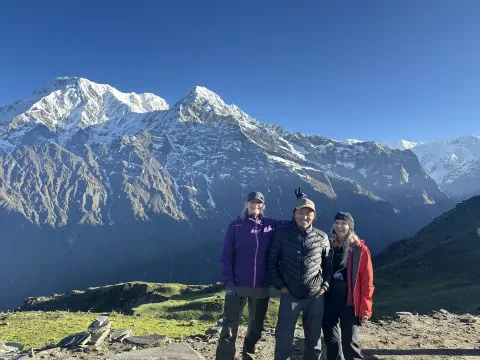
The Short Mardi Himal Trek is a compact yet mesmerizing Himalayan adventure that packs the magic of high-altitude trekking into just a few days. Ideal for those who want the thrill of the mountains without a long commitment, this trek offers breathtaking views
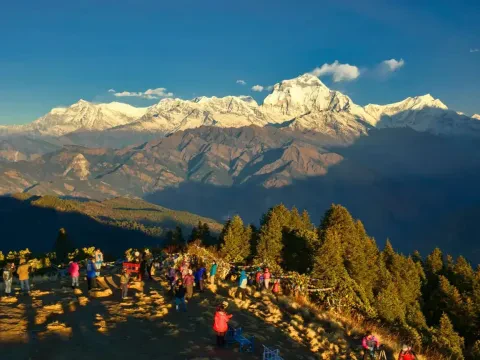
Ghorepani Poon Hill is one of Nepal’s most popular trekking destinations, known for its accessibility, breathtaking landscapes, and cultural richness. This trek offers a perfect introduction to the Himalayan trails, making it ideal for both first-time trekkers and seasoned hikers looking for a short yet rewarding adventure.
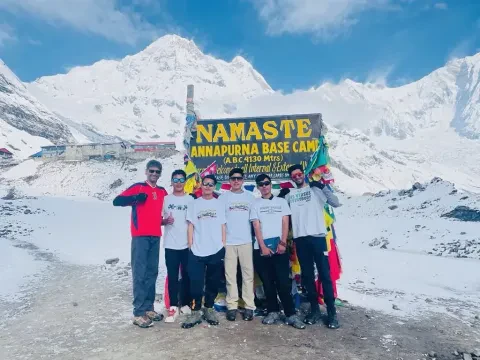
The Annapurna Base Camp Trek, offered by Higher Path Treks & Expeditions, is a remarkable journey that immerses travelers into the heart of the Himalayas. Spanning approximately 7 days of trekking, this adventure provides an ideal mix of natural beauty, cultural experiences, and breathtaking mountain vistas.