
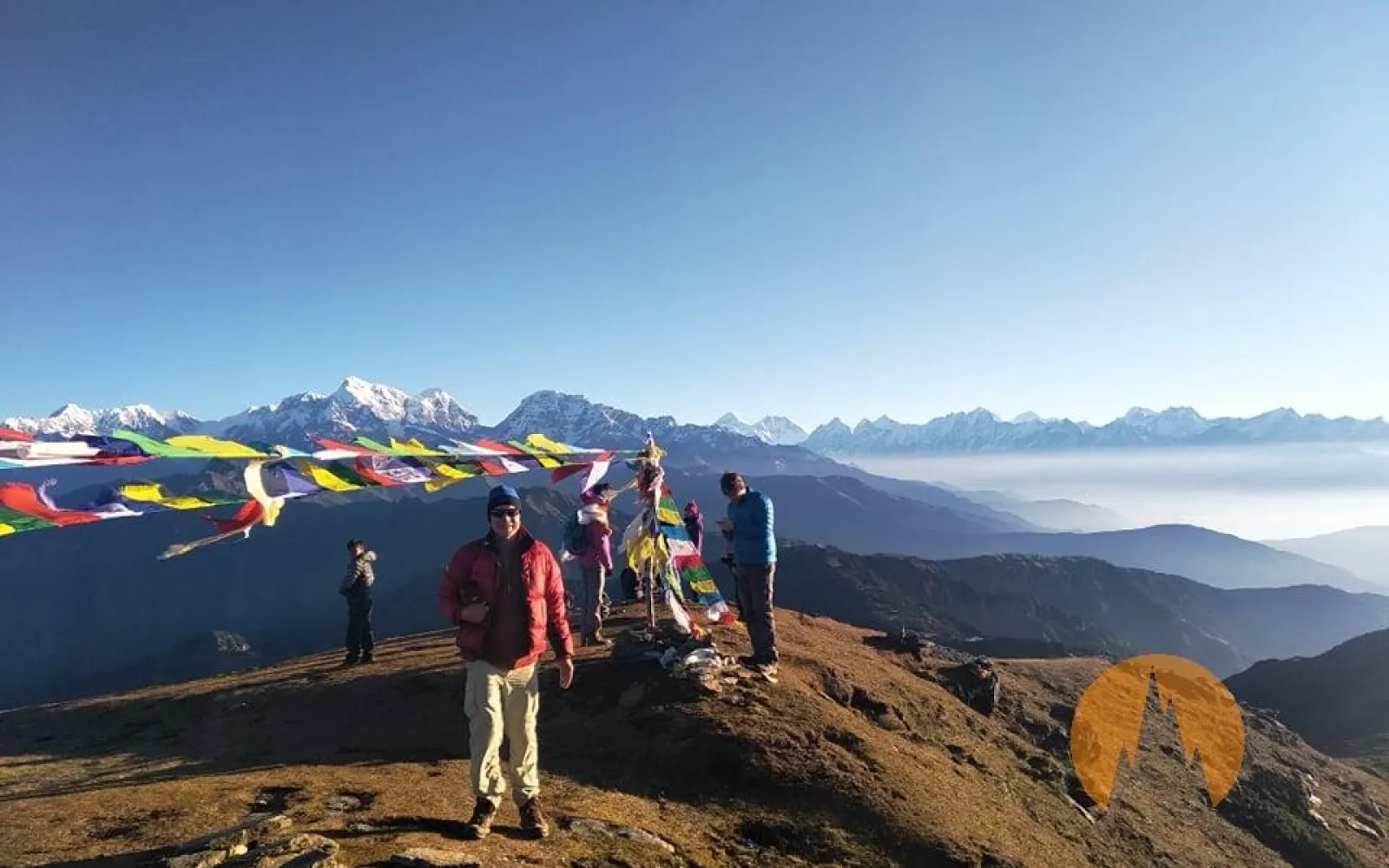
Pikey Peak Trek is one of the most rewarding short treks in Nepal’s Everest region, offering breathtaking Himalayan scenery, authentic Sherpa culture, and peaceful trails away from the crowds. Located in the lower Everest region of Solukhumbu, Pikey Peak (4,065m/13,333ft) is famous as one of the finest sunrise viewpoints in Nepal. From the summit, trekkers can enjoy an incredible panorama of some of the world’s highest mountains, including Mount Everest, Kanchenjunga, Makalu, Lhotse, Annapurna, and Dhaulagiri.
Organized by Higher Path Treks & Expeditions, the Pikey Peak Trek is designed for travelers seeking a unique Himalayan experience combining natural beauty, cultural exploration, and comfortable trekking. This journey takes you through traditional Sherpa villages, ancient monasteries, rhododendron forests, alpine landscapes, and peaceful mountain ridges.
Key Overview Points:
Pikey Peak Trek is a hidden treasure of the Everest region that offers spectacular mountain views without the heavy crowds found on popular routes like Everest Base Camp. The trail provides a perfect combination of adventure, peaceful surroundings, and cultural immersion. Walking through remote villages and beautiful landscapes allows trekkers to experience the authentic lifestyle of the Sherpa people.
Unlike many high-altitude treks, the Pikey Peak route offers diverse scenery within a short period. The journey begins with a scenic drive from Kathmandu to Dhap, followed by trekking through Jhapre, Pikey Peak Base Camp, and Junbesi. Each day brings new experiences, from prayer-flag-covered ridges and yak grazing areas to ancient Buddhist monasteries and breathtaking Himalayan viewpoints.
Why Pikey Peak is a Hidden Gem:
Pikey Peak Trek is considered one of the best alternative viewpoints of Mount Everest because it provides a wide and uninterrupted Himalayan panorama from a relatively accessible trekking route. The summit viewpoint offers a rare opportunity to see multiple Himalayan giants from one location, making it a dream destination for photographers and mountain enthusiasts.
This trek is also ideal for travelers who want a Himalayan adventure without extreme altitude challenges or long trekking durations. The route combines moderate walking days with comfortable stops at beautiful mountain villages, allowing trekkers to enjoy the scenery and local culture at a relaxed pace.
Reasons to Choose Pikey Peak Trek:
Pikey Peak is located in the Solukhumbu district of eastern Nepal, within the lower Everest region. The trek begins with a scenic drive from Kathmandu toward Dhap, passing through beautiful countryside landscapes, hills, rivers, and traditional settlements. From Dhap, the trekking route gradually climbs through Sherpa villages, forests, and alpine landscapes toward Pikey Peak Base Camp.
The classic Pikey Peak Trek route passes through beautiful destinations including Dhap, Jhapre, Pikey Peak Base Camp, Junbesi, and Phaplu. The trail provides a wonderful mix of mountain scenery and cultural experiences, including a visit to Thupten Chholing Monastery near Junbesi before returning to Kathmandu.
Pikey Peak Trek Route Highlights:
The main attraction of the Pikey Peak Trek is the unforgettable sunrise from the summit of Pikey Peak. Standing above 4,000 meters, trekkers can witness golden morning light spreading across the Himalayan range, with Mount Everest and other giant peaks creating a spectacular backdrop. This viewpoint is considered one of the most impressive Himalayan viewpoints in Nepal.
Beyond the mountains, the trek offers meaningful cultural experiences through traditional Sherpa settlements, Buddhist monasteries, and local lifestyles. With beautiful forests, colorful prayer flags, peaceful trails, and welcoming mountain communities, the Pikey Peak Trek creates a complete Himalayan adventure.
Major Trek Highlights:
Pikey Peak is renowned as one of the best viewpoints in Nepal for witnessing the majestic Himalayan range. From the summit at 4,065m/13,333ft, trekkers are rewarded with a breathtaking sunrise panorama featuring Mount Everest (Sagarmatha), Kanchenjunga, Makalu, Lhotse, Cho Oyu, Annapurna, and Dhaulagiri. The wide-open ridgeline viewpoint allows visitors to admire a spectacular chain of snow-covered peaks stretching across the horizon.
With Higher Path Treks & Expeditions, the Pikey Peak Trek is carefully planned to provide enough time to enjoy the incredible mountain scenery, capture memorable photographs, and experience the peaceful beauty of the Everest region. The early morning summit hike creates a magical moment as the first rays of sunlight illuminate the Himalayan giants.
Major Mountain View Highlights:
The Pikey Peak Trek follows a scenic route through the lower Everest region, combining beautiful mountain landscapes with authentic Sherpa culture. The journey starts with a scenic drive from Kathmandu to Dhap and continues through traditional villages, forests, and high-altitude pastures. The trail gradually gains elevation while offering impressive views of the Himalayan range.
The carefully designed itinerary by Higher Path Treks & Expeditions allows trekkers to enjoy the adventure at a comfortable pace. The route includes highlights such as Jhapre village, Pikey Peak Base Camp, Pikey Peak sunrise viewpoint, Junbesi village, and Thupten Chholing Monastery before returning to Kathmandu.
Day-by-Day Route Highlights:
Pikey Peak Trek is considered a moderate-level trekking adventure suitable for travelers with a reasonable level of fitness. Although the route reaches an altitude above 4,000 meters, the gradual ascent and well-planned itinerary help trekkers adapt comfortably. The trek does not require technical climbing skills, making it accessible for beginners with good preparation.
The main challenges of the trek include long walking hours, uphill climbs, changing weather conditions, and high-altitude environments. However, with proper acclimatization, suitable trekking gear, and guidance from experienced professionals at Higher Path Treks & Expeditions, trekkers can enjoy a safe and rewarding Himalayan journey.
Difficulty and Challenge Overview:
The best seasons for Pikey Peak Trek are spring (March to May) and autumn (September to November) when the weather is stable, skies are clear, and Himalayan views are at their finest. During these months, trekkers can enjoy comfortable temperatures, colorful landscapes, and excellent visibility of Everest and surrounding mountains.
Winter (December to February) is also possible for experienced trekkers who enjoy quieter trails and crystal-clear mountain views, although temperatures can be very cold at higher elevations. The monsoon season (June to August) is less recommended due to rain, slippery trails, and limited mountain visibility.
Seasonal Highlights:
Spring (March–May):
Autumn (September–November):
Winter (December–February):
Monsoon (June–August):
The standard Pikey Peak Trek takes around 8 days, including arrival, trekking, sightseeing, and departure. The trekking portion covers a moderate distance through the lower Everest region, with daily walking hours ranging from approximately 5 to 7 hours. The route is designed to balance adventure, acclimatization, and cultural exploration.
The total trekking distance varies depending on the exact route chosen, but most itineraries cover approximately 50–70 kilometers of trekking trails. Higher Path Treks & Expeditions provides a well-organized itinerary that allows travelers to experience the best highlights of Pikey Peak without rushing.
Pikey Peak Trek Duration and Distance Details:
The cost of the Pikey Peak Trek depends on several factors, including the trekking package, duration, transportation, accommodation style, food preferences, and additional services. Compared to many high-altitude treks in the Everest region, Pikey Peak Trek is a more affordable option because it requires fewer trekking days and follows a less crowded route. With Higher Path Treks & Expeditions, travelers receive a well-organized trekking package that covers essential services while ensuring comfort and safety throughout the journey.
The overall trekking cost generally includes transportation from Kathmandu, permits, accommodation, meals during the trek, guide and porter services, and necessary logistics. Extra expenses may include personal shopping, travel insurance, tips, snacks, hot drinks, and optional services.
Main Cost Factors Include:
Pikey Peak Trek requires specific permits and entry documents to legally access the trekking areas of the Everest region. The permit system helps manage tourism activities, protect natural environments, and support local communities. Higher Path Treks & Expeditions assists trekkers in arranging the necessary permits and documentation before starting the journey.
The required permits are generally simple compared to longer Everest trekking routes. Trekkers should carry their passport details and required documents throughout the trek, as permits may be checked at different points along the route.
Required Permits for Pikey Peak Trek:
Permit Tips:
Accommodation during the Pikey Peak Trek is mainly provided through traditional tea houses and mountain lodges operated by local families. These accommodations offer a warm and welcoming atmosphere where trekkers can experience authentic Sherpa hospitality while enjoying beautiful mountain surroundings.
Although facilities are more basic compared to city hotels, tea houses provide comfortable rooms, dining areas, and essential services. Higher Path Treks & Expeditions selects reliable accommodations to ensure trekkers have a safe and pleasant stay throughout the route.
Tea House and Lodge Facilities:
Accommodation Experience:
Packing properly is important for a successful and comfortable Pikey Peak Trek. Since the trail reaches above 4,000 meters, trekkers should prepare for changing weather conditions, cold mornings, and varying temperatures between lower villages and higher elevations.
Higher Path Treks & Expeditions recommends carrying lightweight but essential trekking equipment to maintain comfort while avoiding unnecessary weight. Proper clothing, footwear, and personal items help make the trekking experience safer and more enjoyable.
Essential Packing List:
Clothing:
Trekking Equipment:
Personal Items:
Both Pikey Peak Trek and Everest Base Camp Trek offer unforgettable Himalayan experiences, but they provide different types of adventure. Everest Base Camp Trek is a world-famous journey that takes trekkers directly to the base of Mount Everest, while Pikey Peak Trek offers one of the best panoramic viewpoints of Everest with fewer crowds and a shorter itinerary.
For travelers looking for a peaceful Himalayan experience, cultural immersion, and incredible mountain views within a limited timeframe, Pikey Peak Trek is an excellent choice. Those who want to stand at the iconic Everest Base Camp and experience the classic Everest trail may prefer the longer Everest Base Camp route.
Pikey Peak Trek Advantages:
Everest Base Camp Trek Advantages:
Comparison Summary:
Pikey Peak Trek
Everest Base Camp Trek
Pikey Peak Trek is not only a journey through beautiful Himalayan landscapes but also an opportunity to experience the rich culture and traditions of the Sherpa people. The trail passes through traditional villages where local communities continue their unique mountain lifestyle, preserving ancient customs, Buddhist practices, and warm hospitality. Trekkers can interact with local families, experience Sherpa traditions, and learn about daily life in the remote Everest region.
With Higher Path Treks & Expeditions, travelers get the chance to explore authentic cultural destinations along the route, including beautiful Sherpa settlements, prayer-flag-covered trails, mani walls, and peaceful Buddhist monasteries. The visit to Thupten Chholing Monastery near Junbesi adds a spiritual element to the trekking experience, providing insight into Himalayan Buddhism and local beliefs.
Cultural Highlights of Pikey Peak Trek:
The sunrise from Pikey Peak Summit is the most unforgettable highlight of this Himalayan adventure. Starting with an early morning hike in the dark, trekkers reach the summit before sunrise to witness the first golden rays of sunlight touching the Himalayan peaks. The breathtaking view of Mount Everest and surrounding mountains glowing in the morning light creates a truly magical experience.
With Higher Path Treks & Expeditions, the summit schedule is carefully planned to ensure trekkers have enough time to enjoy this incredible moment. Standing on the peaceful ridge of Pikey Peak while watching the changing colors of the sky and mountains is a memory that remains with travelers long after the trek ends.
Sunrise Experience Highlights:
Pikey Peak Trek is a paradise for photographers because of its diverse landscapes, dramatic mountain views, and authentic cultural scenes. The trail offers countless opportunities to capture snow-covered peaks, colorful villages, Buddhist monuments, forests, and traditional Himalayan lifestyles. From sunrise at Pikey Peak to village scenes in Junbesi, every part of the journey provides beautiful photo opportunities.
The expert team at Higher Path Treks & Expeditions helps trekkers explore the best viewpoints and scenic locations along the route. Whether using a professional camera or a smartphone, travelers can capture incredible memories of the Everest region.
Photography Tips for Pikey Peak Trek:
Proper preparation is the key to enjoying a safe and comfortable Pikey Peak Trek. Although the trek is considered moderate, the high elevation, changing weather, and long walking days require good planning. First-time trekkers should prepare physically, pack suitable equipment, and follow responsible trekking practices.
With guidance from Higher Path Treks & Expeditions, beginners can complete the trek confidently while enjoying the natural beauty and cultural experiences of the Everest region. A positive mindset, proper acclimatization, and respect for the local environment will make the journey more enjoyable.
Important Trekking Tips:
Pikey Peak Trek is an ideal choice for travelers who want to experience the beauty of the Everest region without the busy trails of more popular trekking routes. The peaceful environment, untouched landscapes, and welcoming Sherpa communities create a more personal and relaxing Himalayan experience.
Unlike crowded trekking destinations, Pikey Peak offers quiet mountain trails where travelers can connect with nature, enjoy spectacular views, and experience authentic village life. Higher Path Treks & Expeditions creates a carefully managed trekking experience that combines adventure, comfort, and cultural discovery.
Reasons Pikey Peak Trek Offers a Peaceful Experience:
Pikey Peak Trek truly stands among the best viewpoint treks in Nepal’s Everest region. The summit offers an incredible panoramic view of some of the world’s highest mountains, while the journey itself provides a combination of natural beauty, Sherpa culture, and peaceful Himalayan trails. It is a perfect alternative for those who want a memorable Everest experience in a shorter and quieter route.
With Higher Path Treks & Expeditions, the Pikey Peak Trek becomes more than just a mountain journey—it becomes an opportunity to discover hidden Himalayan landscapes, connect with local communities, and create lifelong memories. From the spectacular sunrise at Pikey Peak to the cultural treasures of the Solu region, this trek delivers an unforgettable adventure.
Why Pikey Peak Trek Stands Out:
Pikey Peak Trek with Higher Path Treks & Expeditions is an excellent choice for anyone seeking a peaceful, scenic, and culturally rich Himalayan adventure with some of the finest mountain views Nepal has to offer.