The Everest Base Camp (EBC) trek is one of the most famous high-altitude trekking routes in the world, and it is absolutely possible for solo female trekkers. Every year, hundreds of women complete this journey independently or with minimal support, proving that the trek is not just for guided groups or experienced mountaineers. With proper preparation, awareness, and the right support system on the ground, it becomes a highly achievable adventure rather than a risky expedition.
That said, “possible” does not mean “effortless.” The trek demands physical endurance, mental resilience, and smart decision-making in remote mountain conditions. Many solo female trekkers choose to partner with licensed local companies like Higher Path Treks & Expeditions for logistics, permits, safety backups, and experienced guides while still maintaining a strong sense of independence on the trail.
Key points:
The idea of walking beneath the world’s highest peak often begins as a dream—snow-capped mountains, prayer flags, remote Sherpa villages, and the thrill of standing at Everest Base Camp. For many solo female travelers, it represents freedom, self-discovery, and a break from structured travel. The dream is powerful, but the reality includes long trekking days, thin air, unpredictable weather, and basic mountain accommodations.
Still, the reality is not discouraging—it is transformative. Most trekkers find that the journey is more mentally rewarding than physically punishing when approached with preparation. Solo female trekkers often report strong camaraderie on the trail, as the Everest region naturally brings travelers together, reducing feelings of isolation.
Key points:
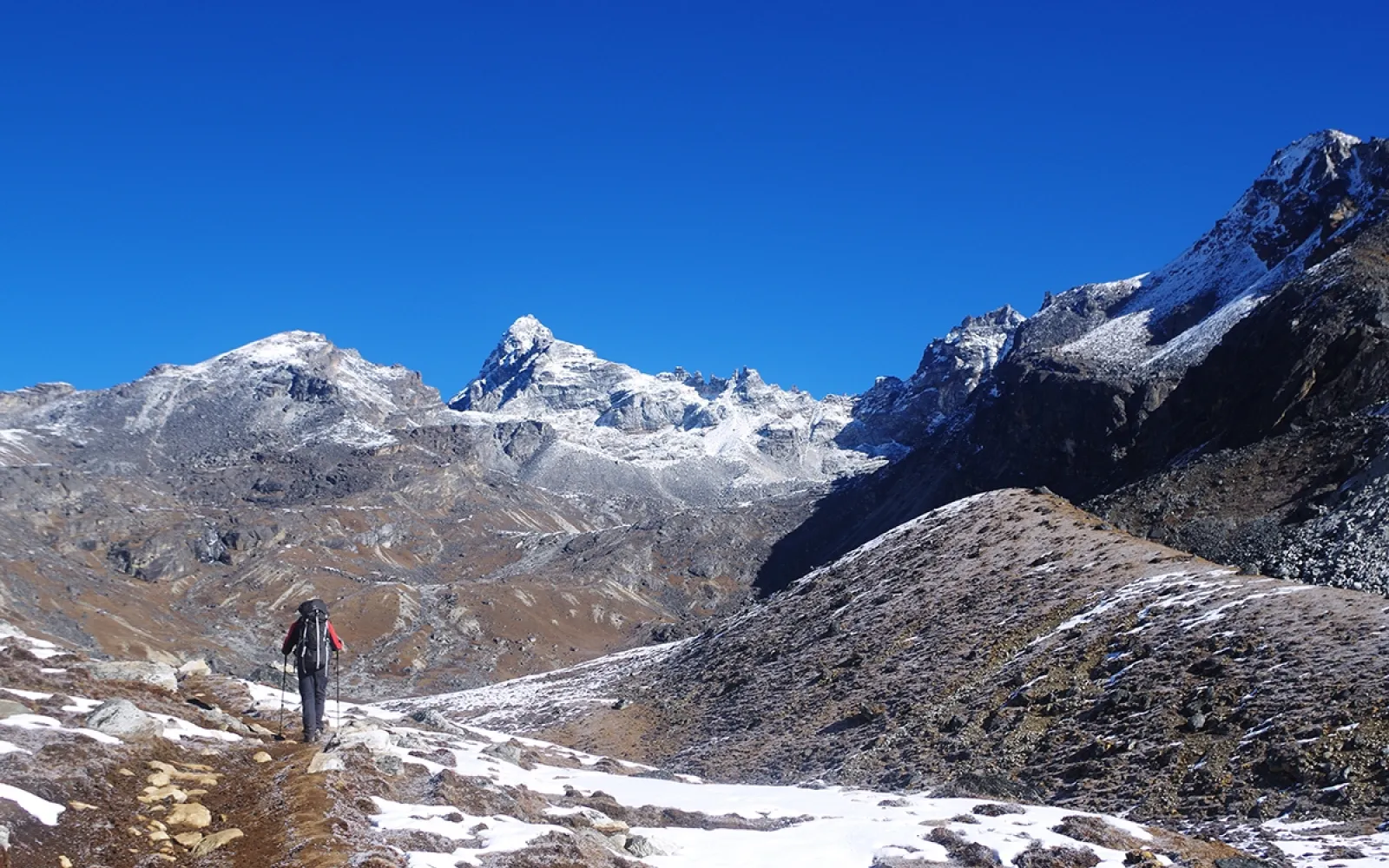
The Everest Base Camp trek typically takes 12–15 days, following a gradual ascent through the Khumbu region of Nepal. Starting from Lukla, trekkers pass through iconic stops like Namche Bazaar, Dingboche, and Lobuche before reaching Everest Base Camp at 5,364 meters. Your itinerary shows a classic extended acclimatization-focused route, which is ideal for safety and altitude adaptation.
Each day involves walking through steep trails, suspension bridges, alpine forests, and high mountain valleys. Acclimatization days in places like Namche and Dingboche are crucial for adjusting to the thin air. A structured itinerary like the one offered by Higher Path Treks & Expeditions ensures that altitude gain is gradual and health risks are minimized.
Key points:
Nepal is generally considered one of the safer trekking destinations for solo female travelers, especially on popular routes such as the Everest Base Camp trek. The trail is well-established, frequently traveled, and supported by local Sherpa communities who depend on tourism. Serious crime on the EBC route is extremely rare, and most trekkers report feeling safe throughout the journey.
However, safety in the Himalayas is not only about people—it is also about altitude, weather, and terrain. Risks like altitude sickness, dehydration, and fatigue are more important than security concerns. This is why many solo female trekkers choose to trek with experienced guides from companies such as Higher Path Treks & Expeditions, who monitor health conditions, manage emergencies, and provide cultural and logistical support.
Key points:
Trekking to Everest Base Camp requires a few official permits that are mandatory for all trekkers, whether solo or in a group. The main ones include the Khumbu Pasang Lhamu Rural Municipality Permit and the Sagarmatha National Park Entry Permit. These replace the older TIMS card system for the Everest region, which is no longer required for this route. All permits are checked at multiple points along the trail, especially in Monjo and near the park entrance.
For solo female trekkers, regulations are fairly straightforward, but it is important to stay up to date, as rules in Nepal can change depending on government policies. While independent trekking is still allowed on the Everest route, some restricted regions in Nepal require mandatory guides. Many travelers still choose licensed support from companies like Higher Path Treks & Expeditions to handle permits, logistics, and compliance, ensuring a smooth and hassle-free journey.
Key points:
The Everest Base Camp trek is not a technical climb, but it demands strong physical endurance and mental discipline. Trekkers should be comfortable walking 5–8 hours daily on steep, uneven terrain while coping with decreasing oxygen levels as altitude increases. Cardiovascular fitness, leg strength, and stamina training are essential before arrival in Nepal.
Mental preparation is equally important, especially for solo female trekkers. Long trekking days, basic facilities, and altitude discomfort can feel challenging if you are unprepared. Building resilience, patience, and adaptability helps significantly. Many trekkers also rely on structured training plans and pre-trek guidance provided by Higher Path Treks & Expeditions to prepare both body and mind for high-altitude conditions.
Key points:
Solo trekking offers complete independence, allowing trekkers to set their own pace, stop where they want, and experience the Himalayas in a deeply personal way. However, it also means managing navigation, emergencies, altitude decisions, and logistics alone. For female trekkers, this can feel empowering but also demanding in remote sections of the trail.
A guided trek, on the other hand, provides safety support, cultural interpretation, and logistical ease. Joining a group or hiring a licensed guide reduces stress, especially in unpredictable weather or altitude-related situations. Many solo female travelers choose a hybrid approach with Higher Path Treks & Expeditions, maintaining independence while benefiting from professional support and local expertise.
Key points:
Life on the Everest Base Camp trail revolves around teahouses—simple mountain lodges that provide accommodation and meals. Rooms are usually twin-sharing with basic bedding, and bathrooms are often shared. Despite the simplicity, teahouses are warm, welcoming, and form the social heart of the trekking experience where travelers from around the world gather each evening.
Food options include dal bhat (rice and lentils), noodles, soups, and basic international dishes. While amenities become more limited at higher altitudes, teahouses remain safe and generally comfortable for solo female trekkers. Many travelers appreciate the sense of community, as staff and fellow trekkers create a supportive environment. Companies like Higher Path Treks & Expeditions help pre-arrange accommodations and ensure reliable stays along the route.
Key points:
Solo female trekking to Everest Base Camp is absolutely achievable, but it comes with a set of challenges that are both physical and situational. The most significant concern is altitude sickness, which can affect anyone regardless of experience. However, solo trekkers must make decisions alone about whether to continue, rest, or descend, which adds psychological pressure at high elevations. Fatigue, weather changes, and long trekking hours can also feel more intense without a support system nearby.
Beyond physical factors, there are social and logistical challenges as well. While the Everest region is generally safe and welcoming, solo female trekkers may occasionally face unwanted attention or cultural misunderstandings. Navigation, permit handling, and managing accommodation during peak seasons can also become stressful. This is why many solo travelers choose support from experienced operators like Higher Path Treks & Expeditions, who help reduce uncertainty while preserving independence.
Key points:
Packing correctly is critical for solo female trekkers because everything carried or worn directly affects comfort, safety, and endurance. Weather in the Himalayas can shift quickly from warm sun to freezing winds, so layered clothing is essential. A strong backpack, quality trekking boots, and waterproof gear are non-negotiable. Safety items such as a headlamp, power bank, and basic first aid kit should always be included.
Independence also means being self-sufficient on the trail. Carrying water purification tablets, snacks, and personal hygiene essentials ensures comfort in remote areas where supplies may be limited. Many trekkers also pack altitude medication (with medical advice), sunscreen, and lip balm due to intense UV exposure. Companies like Higher Path Treks & Expeditions often provide packing guidance tailored to seasonal conditions and individual trekking plans.
Key points:
The cost of trekking to Everest Base Camp varies depending on whether you go solo or choose a guided package. A solo trek may seem cheaper initially because you only pay for permits, flights, accommodation, and meals. However, unexpected expenses such as emergency transport, wrong bookings, or last-minute changes can increase overall costs significantly.
A guided trek has a higher upfront price but often includes permits, guides, porters, accommodation arrangements, and sometimes meals. This makes budgeting more predictable and reduces the risk of hidden expenses. Many solo female trekkers choose companies like Higher Path Treks & Expeditions because they offer transparent pricing packages that balance safety, comfort, and value.
Key points:
Many solo female trekkers describe the Everest Base Camp journey as one of the most empowering experiences of their lives. Some arrive with initial fear about isolation or safety but quickly find themselves part of a natural “trail family,” where fellow trekkers, guides, and teahouse owners create a supportive network. Stories often highlight moments of personal achievement—reaching Namche Bazaar after a steep climb, or standing at Everest Base Camp after days of perseverance.
At the same time, real experiences also include honest challenges. Some trekkers face altitude sickness, weather delays, or moments of self-doubt at high elevations. A few mention the importance of having reliable support during difficult stretches, especially when fatigue sets in. This is why many solo female travelers reflect positively on choosing experienced assistance from Higher Path Treks & Expeditions, which helps them stay safe while still maintaining independence.
Key points:
First-time solo female trekkers benefit greatly from preparation that goes beyond physical fitness. Understanding the route, altitude progression, and daily expectations helps reduce anxiety. It is also important to travel at a slow, steady pace and avoid rushing between villages, especially above Namche Bazaar. Staying hydrated and recognizing early signs of altitude sickness can make a major difference in safety.
Practical awareness also includes cultural respect, communication, and decision-making confidence. Carrying emergency contacts, keeping cash in multiple places, and checking weather updates regularly are simple but important habits. Many first-timers choose guidance or partial support from Higher Path Treks & Expeditions, which provides route briefing, safety protocols, and on-ground assistance tailored for solo female trekkers.
Key points:
Solo trekking to Everest Base Camp is not only possible—it is already a reality for many women every year. With proper preparation, awareness, and respect for altitude conditions, it can be a safe and deeply rewarding adventure. The trek offers independence, cultural immersion, and a powerful sense of achievement that many describe as life-changing.
However, “possible” does not mean risk-free. The combination of high altitude, remote terrain, and physical demand means that smart planning is essential. For many solo female trekkers, the best balance lies in maintaining independence while having professional backup from trusted operators like Higher Path Treks & Expeditions, ensuring both freedom and safety throughout the journey.
Key points:
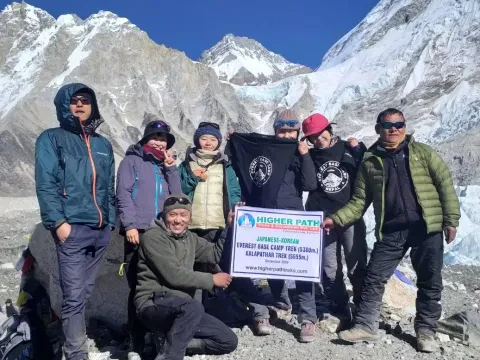
<p>Everest Base Camp (EBC) has long been a coveted destination for trekkers around the world, and it’s no surprise why famous trekkers consistently choose this route for their adventures. One primary reason is the sheer iconic status of Mount Everest — the highest peak on Earth.</p>
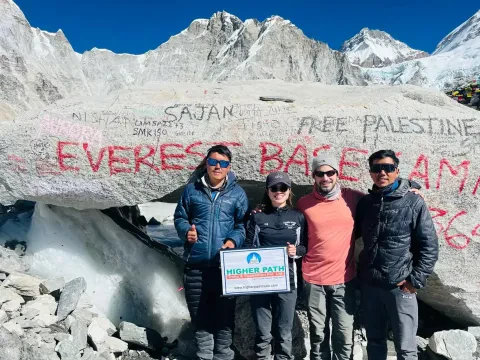
<p>Exploring on the Everest Base Camp (EBC) trek is more than just a journey through the Himalayas—it's a spiritual, cultural, and personal adventure that brings you face to face with the world's highest peak. At Higher Path Treks & Expeditions, we guide you through this unforgettable experience, ensuring that every moment is filled with wonder, safety, and meaning.</p>
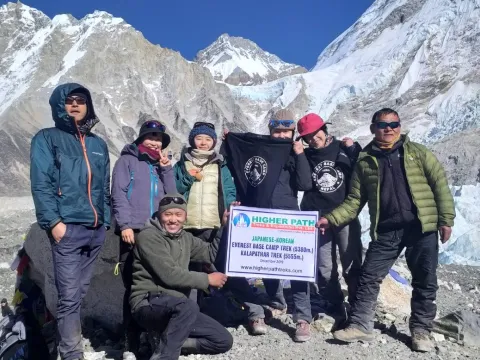
The Everest Base Camp Trek is often seen as an expensive, high-end adventure, but with smart planning, it can be done on a moderate or even low budget. The key is understanding where costs are flexible—such as accommodation, food choices, guide options, and timing—while still maintaining safety and a meaningful experience.