
Let me tell you something most luxury travel companies won't admit: combining genuine Everest trekking with actual luxury is incredibly difficult. The logistics are brutal. The altitude doesn't care about your budget. And most "luxury" treks are just slightly nicer teahouses with fancy marketing.
But here's what we've figured out over the past decade: when you get it right—when you truly commit to both the adventure AND the comfort—the experience becomes transformative in ways a standard trek simply cannot match.
This isn't about avoiding the real Himalayas. It's about experiencing them without the suffering that usually comes with high-altitude trekking.
Let's be honest about what's possible and what's not.
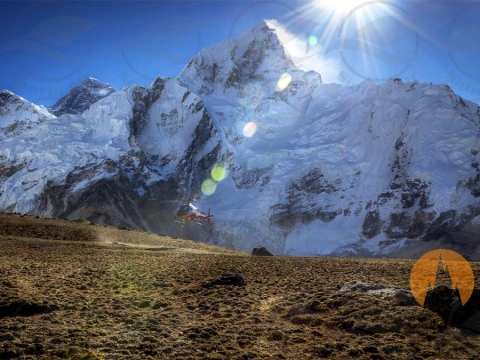
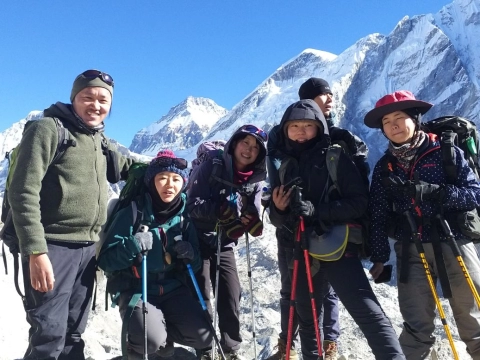
You're still trekking. There's no helicopter dropping you at viewpoints (though we can arrange that separately if you want). You're walking 5-7 hours most days, gaining altitude, dealing with thin air, and earning every single view.
The altitude affects everyone. Luxury doesn't buy you immunity from headaches or shortness of breath. What it DOES buy you is better recovery, more comfortable acclimatization, and the energy reserves to actually enjoy the experience.
Here's what changes with luxury:
Standard teahouse: Thin mattress on plywood, shared squat toilet down a freezing hallway, walls so thin you hear everyone's conversations, no heat, communal dining room that smells like yak dung smoke.
Yeti Mountain Home lodges:
Why this matters at altitude: Your body does acclimatization work while sleeping. Poor sleep = poor acclimatization = higher altitude sickness risk = miserable trek. Good sleep = proper recovery = you actually enjoy the mountains.
I've guided both luxury and budget treks. The difference in how people feel each morning is dramatic. Budget trekkers wake up groggy and sore. Luxury trekkers wake up refreshed and excited for the day.
Standard teahouse menu: Dal bhat, fried rice, noodle soup, repeat for 15 days. By day 8, you're forcing yourself to eat.
Luxury lodge dining:
The metabolic reality: At altitude, your body burns 4,000-6,000 calories daily. When food is unappetizing, you undereat. When you undereat, you lose energy and strength. When you're weak, altitude hits harder.
Luxury dining isn't about being fancy—it's about maintaining the energy levels needed for a successful trek.
Let me be direct about why you should choose us over the dozen other companies offering "luxury" Everest treks:
We're not just a budget company slapping "luxury" on slightly nicer teahouses.
Our founder's background: 15 years in high-end hospitality before entering trekking. Worked at 5-star hotels in Dubai and Singapore. Understands what international travelers expect when they pay premium prices.
Our standards:
Our guides are NOT fresh graduates.
Minimum qualifications:
What this means for you:
Guide-to-client ratio: Maximum 1 guide per 6 clients (often better). Many companies do 1:10 or 1:12. That's too many for proper attention at altitude.
Maximum group size: 8 people
Why this matters:
Private departures available: Just you, your travel companions, dedicated guide and crew. We organize 20-30 private luxury treks per year.
Every trek carries:
Office support:
Our evacuation protocol:
Our record: 200+ luxury Everest treks since 2015. Two helicopter evacuations (both clients recovered fully). Zero deaths, zero serious injuries.
Let's break down where your money goes:
Accommodation (luxury lodges):
Flights:
Guide and crew:
Your meals:
Permits and insurance:
Ground transport and hotels:
Emergency backup:
✅ Professionals with limited vacation time who want to maximize their 2-3 week Nepal adventure ✅ Couples celebrating milestones (honeymoons, anniversaries, retirement) ✅ First-time high-altitude trekkers nervous about altitude and comfort ✅ Age 40-65 demographic where recovery time matters more ✅ People with previous injuries (knee issues, back problems) where comfort aids recovery ✅ Photography enthusiasts who need energy to shoot at optimal times ✅ Those who've done budget treks before and want to upgrade the experience
❌ First-time trekkers with no hiking experience (try Annapurna Base Camp first) ❌ People with serious health issues (uncontrolled hypertension, heart conditions) ❌ Those expecting "luxury" to mean no physical effort (you're still trekking 5-7 hours daily) ❌ Travelers on tight budgets (budget treks work fine—don't overspend) ❌ Anyone expecting helicopter shortcuts (this is a real trek) ❌ People with altitude sickness history who haven't consulted doctors
Optimal: October-November (best weather, crystal clear skies, festival season) Good: March-April (rhododendrons blooming, warming temperatures) Possible: December-February (very cold but clear skies, few tourists) Avoid: June-September (monsoon season, clouds obscure views)
Peak season (October-November): 6-8 months ahead
Shoulder season (March-April, December): 3-4 months ahead sufficient
Low season: Can book 4-6 weeks ahead but we don't recommend waiting
Step 1: Contact us with preferred dates and group size
Step 2: We send detailed itinerary, terms, and pricing
Step 3: 30% deposit to confirm booking (bank transfer or secure credit card)
Step 4: Final 70% payment due 45 days before departure
Step 5: Pre-trek communication (gear lists, preparation tips, questions answered)
Step 6: Meet in Kathmandu, begin adventure
I've guided both budget and luxury Everest treks. Here's my honest take:
Budget treks work if you're young, fit, adaptable, and find value in the challenge itself. The discomfort becomes part of the story. You return home feeling like you've really earned it.
Luxury treks work if you want to experience Everest's grandeur without the unnecessary suffering. You return home having actually enjoyed the journey, not just survived it.
Neither is "better." They're different experiences for different people.
What luxury doesn't give you:
What luxury DOES give you:
The question isn't "Can I afford luxury?"
The question is: "What experience do I want from my once-in-a-lifetime journey to Everest?"
If the answer involves comfort, enjoyment, and maximizing your chances of success while minimizing unnecessary suffering, then luxury trekking with Higher Path Treks is your answer.
The Himalayas will be spectacular regardless of your budget.
But your experience of them—your comfort, your energy, your ability to appreciate what you're seeing—that's where luxury makes the difference.
Ready to experience Everest the way it should be experienced?
Contact Higher Path Treks. Let's plan your adventure.
Top Blogs About Trekking in the Everest Region:
Uncover the best blogs about trekking in the Everest region, featuring expert advice, detailed itineraries, personal experiences, and essential tips for adventurers looking to explore the Himalayas.
Photography Guide: Capturing the Himalayas Without Expensive Gear
Everest Luxury Trek: An Unforgettable Himalayan Experience
Nepal Peak Climbing 2026: Routes, Tips, and Top Summits
Solo Trekking to Everest Base Camp: Is It Possible?
Top 10 Highlights of the Everest Base Camp Trek
Successfully Trekking to Everest Base Camp and Kala Patthar
Why Famous Trekkers Choose Everest Base Camp?
Autumn Season to Everest Base Camp Trek
The Best Hiking Adventures: Famous Peak Climbs in 2025
Top Himalayan Peaks for Beginner Climbers: A Comprehensive Guide
Everest Three Peaks: A Beginner’s Guide to the Ultimate Himalayan Challenge
Is Peak Climbing in Nepal Easy for Beginners?
Must-Know Facts About Everest Base Camp Trekking
Why Gokyo Ri is a Must-Visit for Everest Trek Lovers
The Roof of the World: Peak Climbing Journeys through Nepal’s High Country
What to Expect on an Island Peak Climbing Expedition
Mera Peak Climbing Guide for Beginners: Tips, Difficulty & Preparation
Four Peaks, One Journey: Mera, Island, Lobuche & Amphu Lapcha Expedition
Top Best Expedition Packages in Nepal 2025
Which is Easier: Mera Peak or Island Peak?
Why Choose Island Peak Climbing with Everest Base Camp Trek for Beginners
Best Trekking Peaks in Everest Region for Beginners


The Everest Luxury Trek is a premium trekking experience in the Everest region, designed to offer a high level of comfort and exclusivity. It includes stays in luxury lodges, gourmet meals, and personalized services while exploring the breathtaking landscapes and cultural richness of the Everest region.
Unlike standard treks, the Everest Luxury Trek prioritizes comfort and high-end amenities. It features:
Luxury Lodges: Stay in upscale lodges with en-suite bathrooms, hot showers, and plush bedding.
Gourmet Dining: Enjoy a diverse menu with international and local cuisine prepared by top chefs.
Private Guides and Porters: Benefit from personalized attention with experienced guides and support staff.
Additional Comforts: Includes amenities like Wi-Fi, heated rooms, and spa treatments where available.
The best times to go are during the pre-monsoon season (March to May) and the post-monsoon season (September to November). These periods offer the clearest weather and the best views of Mount Everest and the surrounding peaks.
The trek typically reaches altitudes of up to 5,600 meters (18,373 feet) at Everest Base Camp. Altitude sickness is a risk, but proper acclimatization and hydration, as well as pacing yourself, can help mitigate it. Your guides will monitor your health and adjust the itinerary as needed.
Medical facilities in the Everest region are limited. However, luxury lodges often have basic medical supplies, and your guides are trained in first aid. In case of a serious medical issue, evacuation by helicopter can be arranged.
The trek begins with a flight from Kathmandu to Lukla, which is the gateway to the Everest region. From Lukla, you’ll start your trek on foot. Transfers to and from the airport in Kathmandu, as well as domestic flights, are usually arranged by the trekking company.
Yes, travel insurance is mandatory. It should cover trekking at high altitudes, emergency evacuation, medical expenses, and trip cancellation. Ensure your policy meets these requirements.