Need help with booking? Send us a message.
An extended adventure combining Everest Base Camp with the stunning turquoise Gokyo Lakes, offering the most comprehensive Khumbu experience.

The Everest Base Camp trek combined with Gokyo Lakes represents one of the most spectacular and comprehensive trekking experiences in the Himalayan region. This extended adventure takes you through diverse landscapes, from lush valleys to glacial lakes, culminating at the foot of the world's highest mountain. Unlike the standard Everest Base Camp route, this combined journey offers trekkers a unique opportunity to witness both the iconic base camp and the stunning turquoise lakes of the Gokyo Valley.
This trek stands out as an exceptional choice for adventurers who want to experience more than just the classic route. While many trekkers opt for the traditional Everest Base Camp journey, adding Gokyo Lakes transforms the expedition into something truly extraordinary. The combination allows you to explore two distinct valleys, cross a challenging high-altitude pass, and witness panoramic mountain views that few other treks can match.
The journey encompasses everything that makes Himalayan trekking special: vibrant Sherpa culture, ancient Buddhist monasteries, pristine glacial lakes, and breathtaking mountain scenery. You'll traverse through rhododendron forests, cross suspension bridges decorated with colorful prayer flags, and stand at elevations where the air is thin but the views are incomparable.
The Everest Base Camp with Gokyo Lakes trek typically spans 16-19 days, depending on your acclimatization needs and pace. This duration allows for proper altitude adjustment, which is crucial for enjoying the experience and avoiding altitude-related issues. The trek reaches a maximum elevation of 5,545 meters at Kala Patthar, though you'll also cross the challenging Cho La Pass at 5,420 meters.
What distinguishes this trek from others in the region is its diversity. You'll experience the bustling atmosphere of Namche Bazaar, the spiritual serenity of Tengboche Monastery, the isolated beauty of Gokyo Valley, and the raw mountaineering environment of Everest Base Camp. Each section of the journey offers something unique, ensuring that monotony never sets in.
Your adventure starts with an exhilarating flight from Kathmandu to Lukla. This 30-35 minute flight is an experience in itself, offering aerial views of terraced farmlands, rolling hills, and eventually the snow-capped peaks of the Himalayas. Lukla's Tenzing-Hillary Airport, perched on a mountainside with a short runway, provides an adrenaline-filled introduction to mountain aviation.
From Lukla, situated at 2,860 meters, the trek officially begins. The first day typically involves a gentle descent to Phakding, allowing your body to adjust to the altitude gradually. This section follows the Dudh Koshi River valley, with its milky glacial waters tumbling over rocks and creating a constant soundtrack for your journey.
The trail from Phakding to Namche Bazaar represents your first significant altitude gain. This section includes numerous suspension bridges, including the famous Hillary Suspension Bridge, and a steep final climb to Namche. As you ascend, the vegetation changes noticeably, and if weather permits, you might catch your first glimpse of Everest peeking above the Lhotse-Nuptse ridge.
Namche Bazaar, situated at 3,440 meters, serves as the commercial hub of the Khumbu region. This amphitheater-shaped village offers everything from basic tea houses to comfortable lodges, along with shops selling trekking gear, souvenirs, and even freshly baked goods. More importantly, Namche provides the perfect setting for acclimatization.
Spending an extra day in Namche allows for acclimatization hikes to places like the Everest View Hotel or the villages of Khumjung and Khunde. These side trips not only help your body adjust to the altitude but also offer stunning mountain views and insights into Sherpa culture. The Sherpa Culture Museum and the weekly Saturday market are worth exploring during your rest day.
From Namche, the trail continues to Tengboche, home to the region's largest and most important monastery. The journey involves descending to the Dudh Koshi River, crossing another suspension bridge, and climbing through beautiful rhododendron and pine forests. During spring, these forests burst into bloom, creating a spectacular natural display.
Tengboche Monastery, perched at 3,867 meters, offers one of the most iconic mountain panoramas in the world. From its courtyard, you can see Everest, Lhotse, Nuptse, Ama Dablam, and numerous other peaks forming a stunning amphitheater. If your timing is right, you might witness the monks performing their evening prayers, an experience that adds spiritual depth to the physical challenge of the trek.
Here's where this trek diverges from the standard Everest Base Camp route. Instead of continuing directly toward Everest, you head west toward the Gokyo Valley. This decision opens up a completely different landscape and experience, one that many consider even more spectacular than the main trail.
The route to Gokyo passes through villages like Phortse Thanga, Dole, and Machhermo. These settlements are smaller and more isolated than those on the main Everest trail, offering a more intimate experience of mountain life. The lodges here are simpler but equally welcoming, and the reduced foot traffic creates a sense of tranquility that contrasts with the busier sections of the trek.
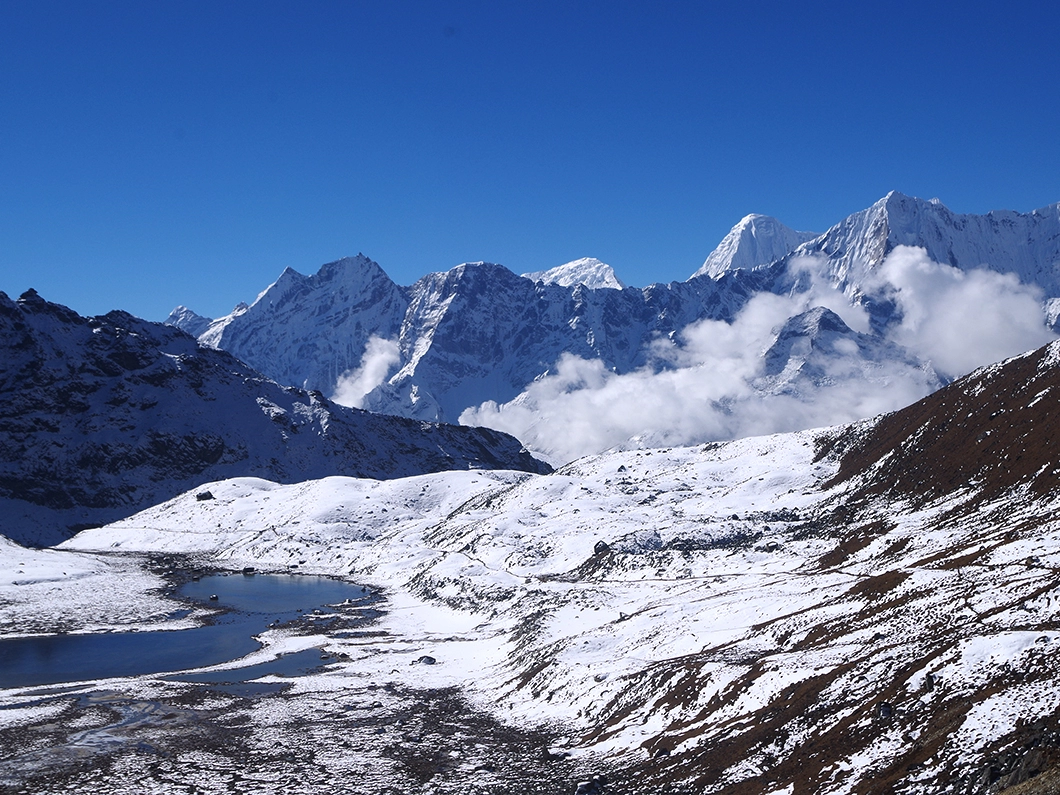
The Gokyo Lakes are a series of six oligotrophic glacial lakes located at the head of the Dudh Koshi Valley. The term "oligotrophic" means these lakes are low in nutrients but exceptionally clear, resulting in their distinctive turquoise color. The most famous are Gokyo Cho (also called Dudh Pokhari), Thonak Cho, and Ngozumpa Cho.
Reaching the Gokyo Lakes feels like discovering a hidden paradise. The water reflects the surrounding peaks with mirror-like precision on calm days, creating photographs that capture the essence of Himalayan beauty. The village of Gokyo itself sits beside the main lake at 4,790 meters, offering basic but comfortable accommodation with million-dollar views.
The lakes hold deep significance for both Hindus and Buddhists, who consider them sacred. During the Janai Purnima festival in August, pilgrims make the journey to bathe in these holy waters, adding cultural richness to their natural beauty.
No visit to Gokyo is complete without climbing Gokyo Ri, a peak that rises to 5,357 meters directly above the village. This climb typically takes place early in the morning, allowing you to witness sunrise over the Himalayas—an experience that ranks among the most memorable moments of any Himalayan trek.
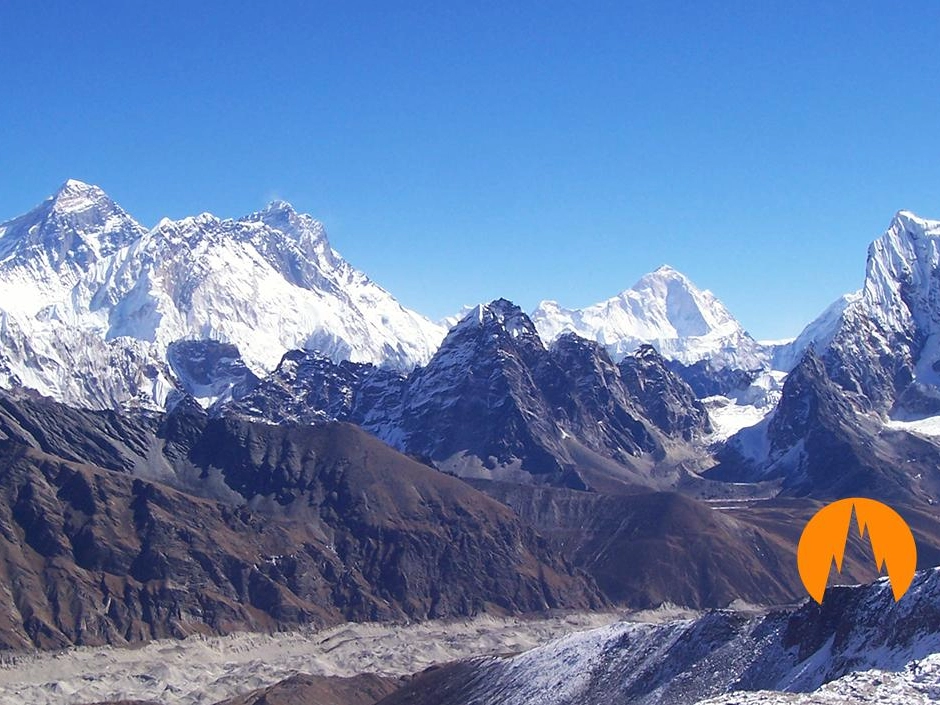
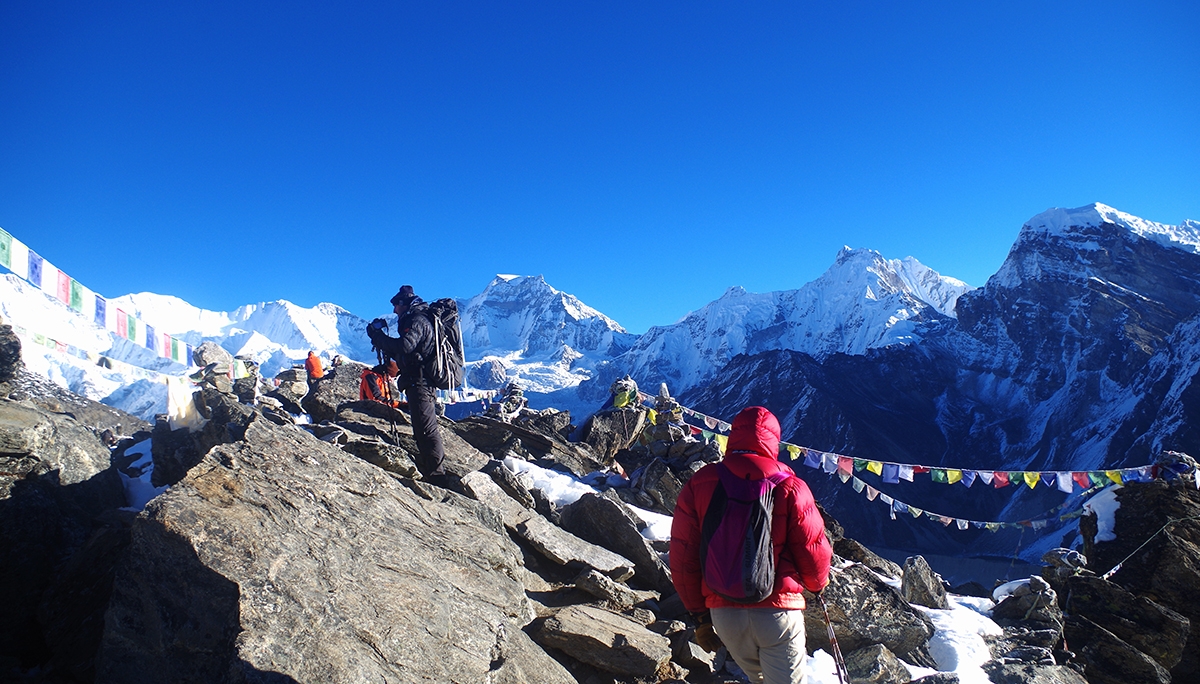
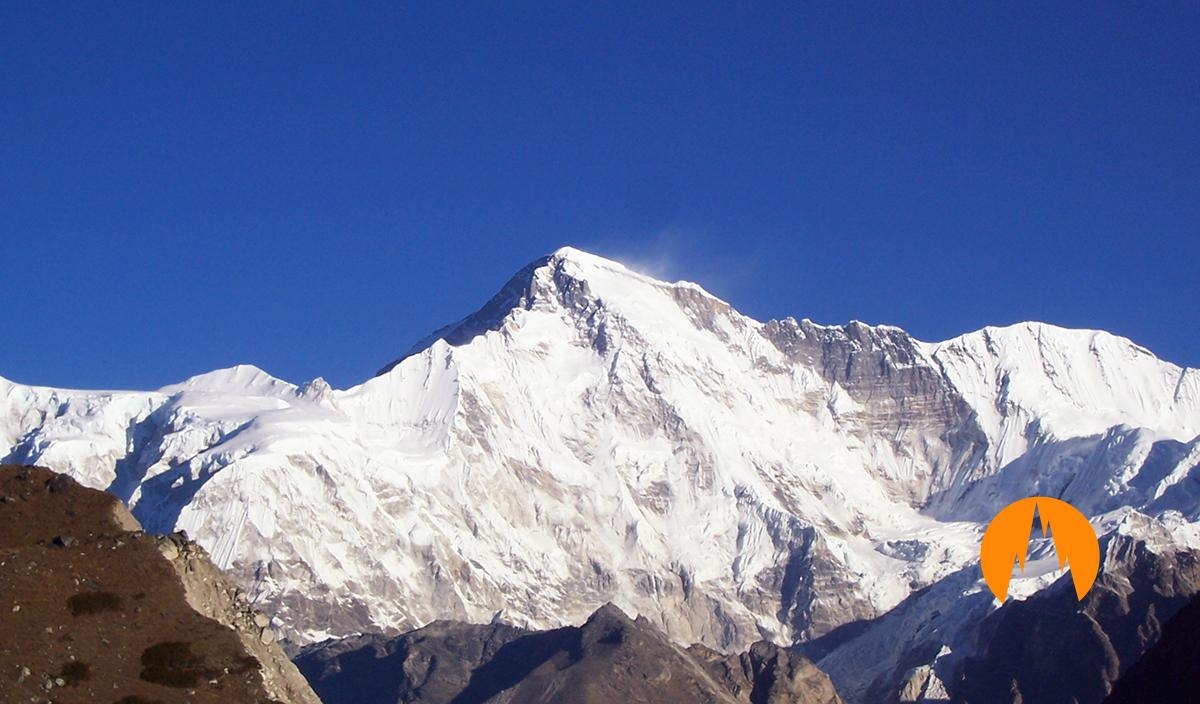
From the summit of Gokyo Ri, the panorama is staggering. You can see Everest, Lhotse, Makalu, and Cho Oyu—four of the world's six highest mountains—in a single sweeping view. The massive Ngozumpa Glacier, the longest glacier in the Himalayas, spreads out below you like a frozen highway. The sunrise paints these peaks in shades of pink, orange, and gold, creating a light show that seems almost supernatural.
The climb to Gokyo Ri is challenging, particularly at this altitude, but the relatively short distance makes it achievable for most trekkers. The trail is well-marked, and taking your time allows you to manage the thin air effectively.
After exploring Gokyo, the trek continues with one of its most demanding sections: crossing Cho La Pass. At 5,420 meters, this high-altitude pass connects the Gokyo Valley with the Khumbu Valley, allowing you to rejoin the main Everest Base Camp trail.
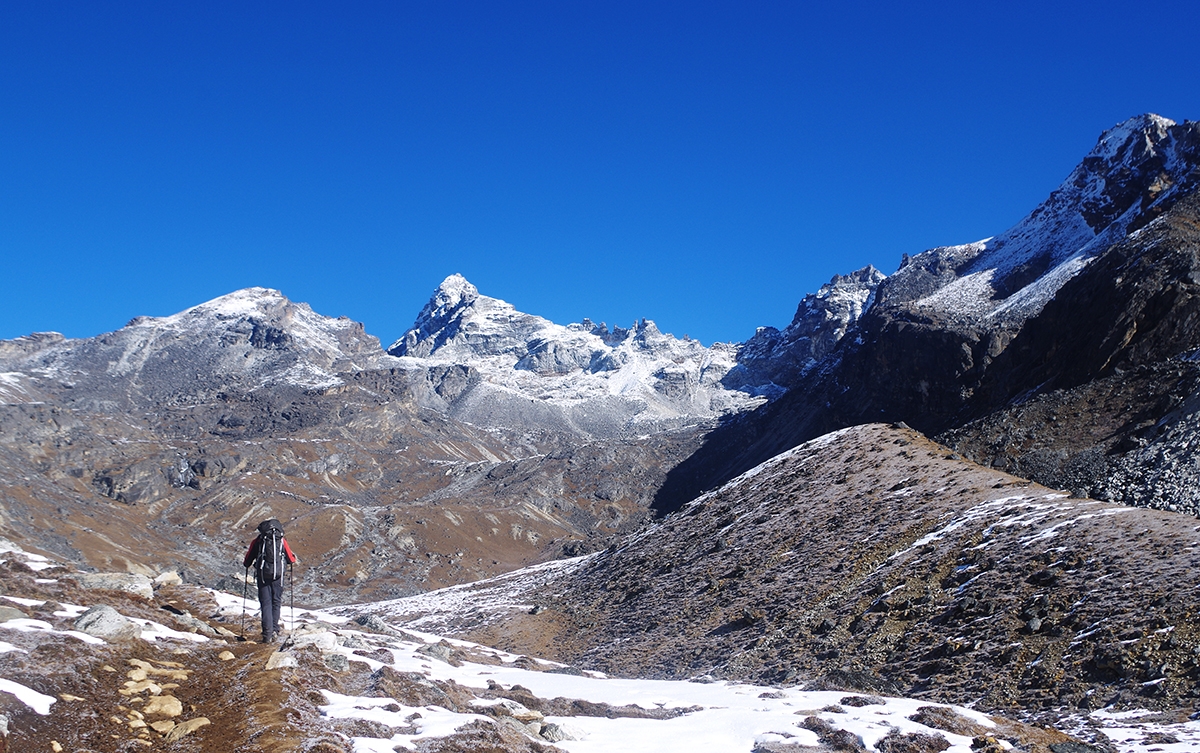
Cho La Pass is not technically difficult, but it does require careful navigation, especially if snow or ice is present. The western approach from Gokyo involves climbing over rocky terrain and potentially crossing a glacier. Depending on conditions, you might need crampons and trekking poles for safety. Many trekking companies time this crossing for early morning when any ice is firmest and conditions are most stable.
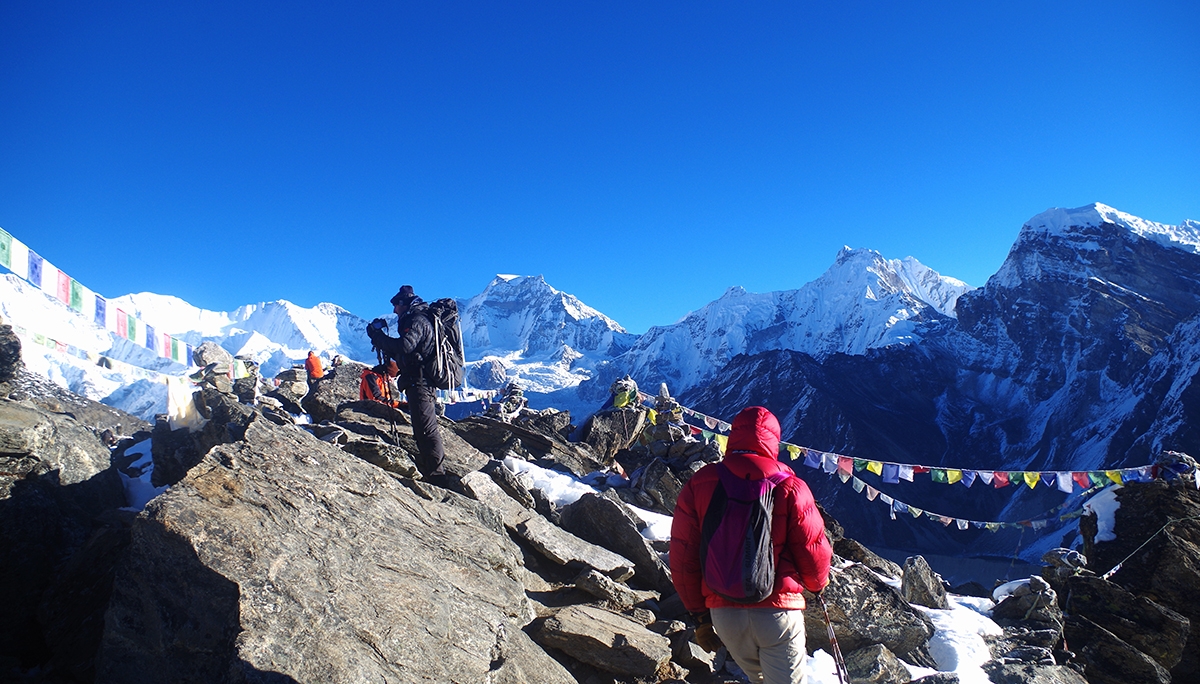
The views from Cho La Pass justify the effort required to reach it. You're surrounded by massive peaks, and the sense of being deep in the Himalayas is overwhelming. The descent on the eastern side brings you to Dzongla, a small settlement where you can rest and reflect on your accomplishment.
After crossing Cho La Pass, you rejoin the main Everest Base Camp trail at Lobuche. This village, situated at 4,940 meters, marks the point where the landscape becomes truly stark and alpine. Vegetation disappears almost entirely, replaced by rock, ice, and moraine.
From Lobuche, it's a relatively short trek to Gorak Shep, the last permanent settlement before Everest Base Camp. Gorak Shep sits on what was once a lakebed at 5,164 meters, making it one of the highest inhabited places on Earth. The lodges here are basic—electricity is limited, running water is scarce, and the cold is intense—but the location is unbeatable.
Gorak Shep serves as your base for visiting both Everest Base Camp and Kala Patthar. Most trekkers arrive early enough to make one of these excursions the same day, typically choosing Everest Base Camp in the afternoon and saving Kala Patthar for the following morning's sunrise.
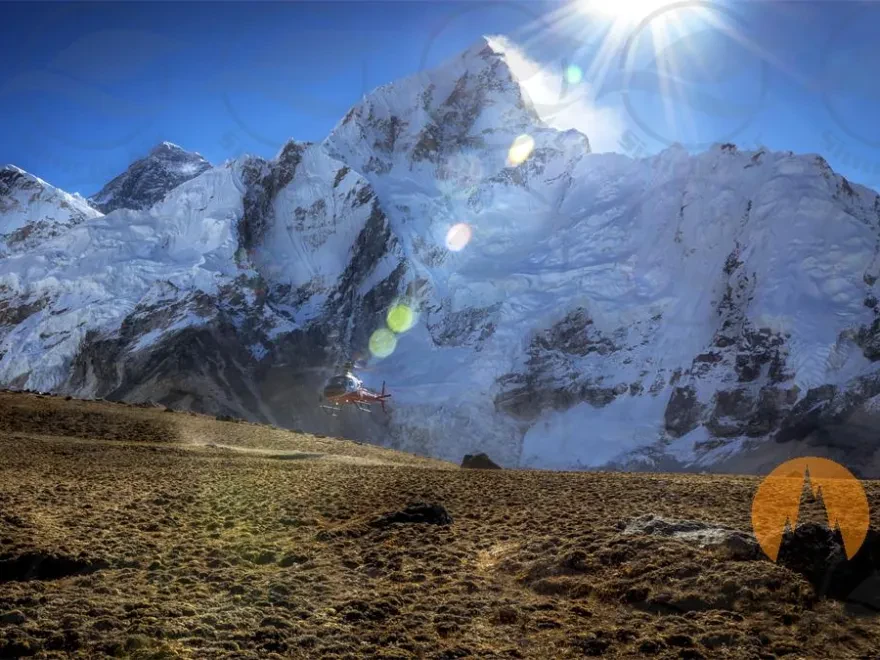
Kala Patthar, meaning "black rock" in Nepali, stands at 5,545 meters and is the highest point most trekkers reach in the Everest region. Unlike Everest Base Camp itself, which sits in a valley with limited views of Everest's summit, Kala Patthar offers an unobstructed panorama of the world's highest mountain.
The climb to Kala Patthar begins before dawn, with trekkers using headlamps to navigate the steep, rocky trail. The altitude makes even this relatively short climb exhausting, requiring frequent rest breaks. However, reaching the summit in time for sunrise makes every difficult step worthwhile.
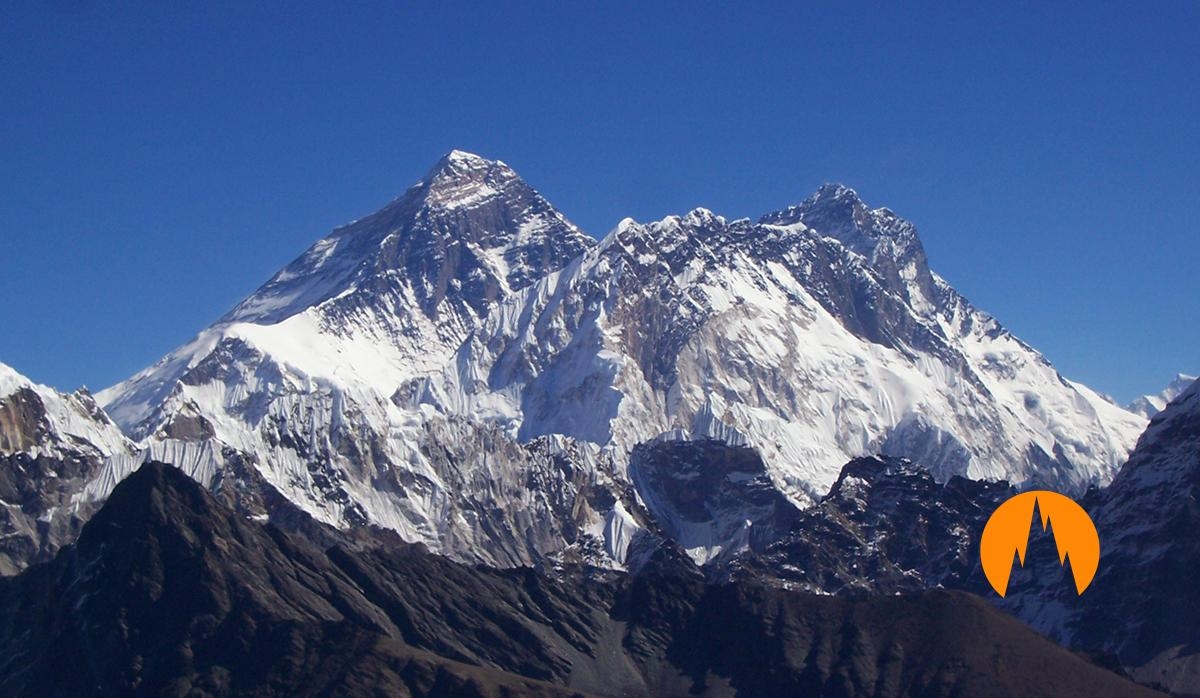
As the first rays of sunlight strike Everest's summit, the mountain transforms. The snow glows golden, then pink, then brilliant white as the sun rises higher. You can see the South Col, the Khumbu Icefall, and the entire route that climbers take to reach the summit. On clear days, the visibility extends for hundreds of kilometers in every direction.
After descending from Kala Patthar, most trekkers make the journey to Everest Base Camp itself. The trail follows the Khumbu Glacier's lateral moraine—a rocky ridge created by glacial movement—for several kilometers. This section can be tricky, as the trail winds up and down over uneven terrain.
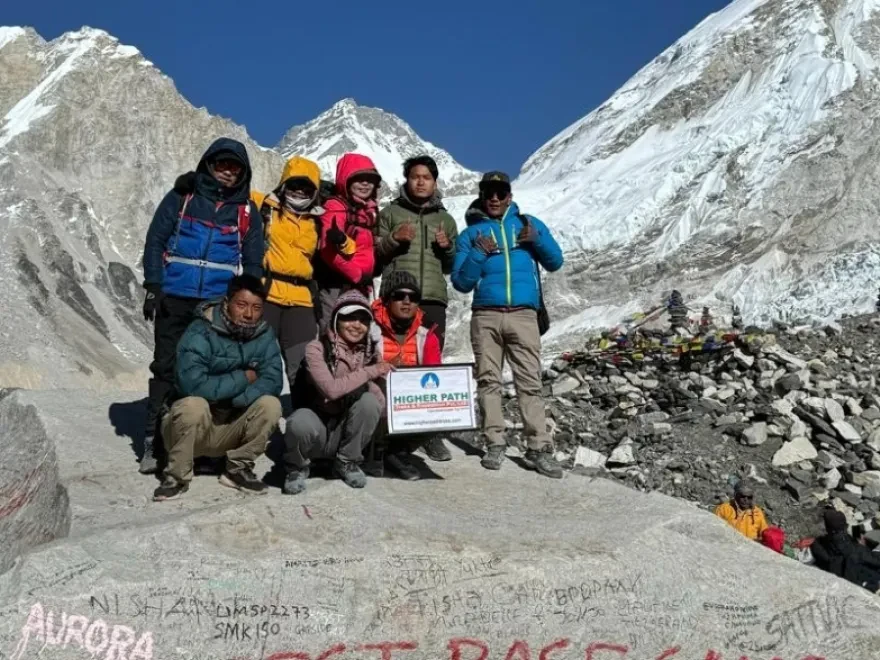
Everest Base Camp sits at approximately 5,364 meters, though its exact location varies depending on the season and year. During climbing season (typically April and May), the camp becomes a small city of colorful tents, with hundreds of climbers and support staff preparing for summit attempts. Outside climbing season, the site is nearly empty, marked only by prayer flags and the occasional memorial.
The base camp experience is about more than just the location. It's about standing where legendary mountaineers have stood, looking up at a mountain that has captured human imagination for decades, and understanding the scale of the challenge that Everest represents. The massive Khumbu Icefall, which climbers must navigate to reach higher camps, towers above the base camp, its ice seracs and crevasses clearly visible.
The trek doesn't end at Everest Base Camp. You'll retrace your steps to Gorak Shep and then begin the journey back down the valley. Most itineraries follow a slightly different route on the return, descending through Pheriche and Pangboche rather than retracing the exact outbound trail.
The descent, while physically easier in terms of effort, requires care for your knees and attention to foot placement. Many trekkers find the descent mentally challenging after the high of reaching their goals, but the changing perspectives and the return to thicker air and warmer temperatures bring their own rewards.
Villages that you passed quickly on the way up become places to linger on the way down. You might stop for a longer meal in Namche Bazaar, visit a monastery you missed on the ascent, or simply relax in a sunny tea house garden, processing the experiences of the past weeks.
The Everest Base Camp with Gokyo Lakes trek is possible during most months, but certain seasons offer distinct advantages. Spring (March to May) is considered peak season, with stable weather, warmer temperatures, and rhododendron blooms decorating the lower valleys. Visibility is generally excellent, though occasional afternoon clouds can obscure mountain views.
Autumn (September to November) is the other prime season, offering the clearest skies of the year. Post-monsoon, the air is crystal clear, making it ideal for photography and mountain viewing. Temperatures are cooler than spring but still manageable with proper gear.
Winter (December to February) brings extreme cold, especially at higher elevations, and some passes might be impassable due to snow. However, winter trekking offers solitude, as fewer trekkers brave these conditions. The views can be stunning on clear days, and tea house owners appreciate the off-season business.
Monsoon season (June to August) sees the heaviest rainfall, making trails muddy and leeches common in lower elevations. Cloud cover often obscures mountain views, and flights to Lukla become unreliable. However, the Everest region lies in a rain shadow, receiving less monsoon precipitation than other parts of Nepal, making it more feasible than trekking in regions like Annapurna during this season.
Success on this trek depends significantly on your physical preparation. While you don't need technical climbing skills, you should be comfortable hiking for 5-7 hours daily for consecutive days, often at high altitude. A training program starting 2-3 months before your trek should include cardiovascular exercise, strength training, and ideally some hiking with a loaded backpack.
Cardiovascular fitness is crucial. Activities like running, cycling, swimming, or stair climbing build the aerobic capacity needed for high-altitude trekking.Aim for at least 4-5 cardio sessions weekly, gradually increasing intensity and duration.
Leg strength matters too, particularly for the many steep ascents and descents. Squats, lunges, and step-ups with weights prepare your muscles for the demands of mountain trekking. Don't neglect core strength, as a strong core improves balance and reduces fatigue during long hiking days.
If possible, include some training hikes with elevation gain. Even if you don't live near mountains, hiking stairs or using a stair machine with a weighted backpack simulates trekking conditions and helps condition your body for the specific demands of the trek.
Altitude is the most significant challenge of this trek. As you ascend above 3,000 meters, the air contains less oxygen, and your body must adjust to function effectively. Proper acclimatization is not just important—it's essential for both enjoyment and safety.
Acute Mountain Sickness (AMS) can affect anyone, regardless of age, fitness level, or previous high-altitude experience. Symptoms include headache, nausea, dizziness, and fatigue. More serious conditions—High Altitude Pulmonary Edema (HAPE) and High Altitude Cerebral Edema (HACE)—are potentially fatal and require immediate descent.
The key to preventing altitude sickness is a gradual ascent, which is why this trek includes built-in acclimatization days. Following the mountaineering adage "climb high, sleep low" helps your body adjust. Staying well-hydrated, eating adequately despite reduced appetite, and avoiding alcohol at high altitudes all contribute to successful acclimatization.
Listen to your body and communicate openly with your guide about any symptoms. There's no shame in descending if altitude affects you—even experienced mountaineers sometimes need to retreat and try again.
Packing appropriately makes the difference between comfort and misery on this trek. Layering is the key principle, allowing you to adjust your clothing as temperature and exertion levels change throughout each day.
Base layers should wick moisture away from your skin. Merino wool or synthetic materials work well, while cotton should be avoided as it retains moisture and loses insulating properties when wet. Pack both lightweight and midweight base layers for varying temperatures.
Insulation layers trap warm air. A fleece or synthetic insulated jacket provides warmth during rest breaks and in the evenings. A down jacket is essential for high-altitude sections where temperatures drop significantly, especially if you're attempting sunrise climbs.
Your outer layer should be waterproof and windproof. A quality rain jacket and pants protect against precipitation and wind, which can quickly lead to hypothermia at altitude. Make sure your rain gear is breathable to prevent overheating during strenuous sections.
Footwear deserves special attention. Waterproof hiking boots with good ankle support and broken-in comfort are non-negotiable. Bring camp shoes or sandals for wearing in tea houses and giving your feet relief. Warm socks, including liner socks and heavier hiking socks, prevent blisters and keep feet warm.
Don't forget accessories: a warm hat, sun hat, sunglasses with UV protection, sunscreen, lip balm, gloves, trekking poles, water bottles or hydration system, headlamp, and a good-quality sleeping bag rated for cold temperatures. While tea houses provide blankets, a sleeping bag ensures warmth and hygiene.
The Everest region's tea house system provides accommodation throughout the trek. These lodges range from basic to surprisingly comfortable, with the more developed areas offering amenities like hot showers (for a fee), WiFi, and charging stations.
Rooms are simple, typically featuring two single beds with mattresses and pillows. Blankets are provided, though you'll likely want your sleeping bag for extra warmth at higher elevations. Shared bathroom facilities are standard, with western-style toilets becoming rarer as you gain altitude.
The heart of any tea house is its communal dining room, usually featuring a central stove where trekkers gather for warmth and conversation. This social aspect of tea house trekking adds a special dimension to the experience, as you meet fellow adventurers from around the world.
Food in tea houses is surprisingly diverse. Dal bhat—rice with lentil soup and vegetables—is the staple Nepali meal and provides excellent energy for trekking. Menus also offer Sherpa stew, momos (dumplings), pasta, pizza, and various Western dishes. At higher altitudes, menus become more limited and cooking times increase due to lower boiling temperatures.
Staying hydrated is crucial. Bottled water creates environmental problems, so most trekkers use water purification tablets or filters to treat water from taps or streams. Many tea houses now offer boiled water for refilling bottles, which supports both your health and environmental sustainability.
The Everest region is home to the Sherpa people, whose culture, traditions, and mountaineering expertise are inseparable from the trekking experience. Understanding and respecting their culture enriches your journey immeasurably.
Sherpas are ethnic Tibetans who migrated to Nepal centuries ago, settling in the high valleys of the Khumbu region. Their culture reflects Tibetan Buddhist traditions, evident in the monasteries, prayer wheels, mani stones, and colorful prayer flags that line the trails.
Taking time to observe and participate in cultural practices shows respect. Walking clockwise around mani stones and chortens (Buddhist shrines) follows local custom. Removing your shoes before entering monasteries and homes is expected. If visiting during festivals or ceremonies, maintaining respectful silence and asking permission before photographing adds to positive cultural exchange.
The Sherpa people have become synonymous with high-altitude climbing, with many working as guides, porters, and support staff for trekking and mountaineering expeditions. Their knowledge, strength, and resilience at altitude are legendary. Treating your guides and porters with respect, tipping appropriately, and supporting local businesses contributes to the community's economic wellbeing.
The Everest region faces environmental challenges from increasing tourism. As a trekker, you can minimize your impact through conscious choices and behaviors.
The "Leave No Trace" principles apply fully in the Himalayas. Pack out all trash that can't be properly disposed of locally. This includes wrappers, batteries, and toiletries. Many trekking organizations now arrange trash collection from tea houses, but personal responsibility remains crucial.
Minimize plastic use by carrying refillable water bottles and purification methods rather than buying bottled water. Support tea houses that offer water refilling stations. Bring reusable shopping bags for any purchases you make along the way.
Be conscious of water usage, particularly at high altitudes where water sources are limited and energy for heating water is expensive. Skip daily showers in favor of occasional ones, and when you do shower, be quick. Biodegradable soap matters less than soap quantity—even biodegradable products impact the environment when used in excess.
Respect wildlife by observing from a distance and never feeding animals. The blue sheep, Himalayan tahr, and numerous bird species you might encounter should remain wild and wary of humans.
Support local economies by purchasing local products and services. Hiring local guides and porters, eating local foods, and buying handicrafts directly from artisans ensures your trekking dollars benefit the community.
Choosing the right trekking company significantly impacts your experience. Higher Path Treks & Expeditions brings over a decade of experience in organizing Himalayan adventures, with a reputation built on professionalism, safety, and customer satisfaction.
Our approach prioritizes three essential goals: helping you reach your destination, ensuring your safe return, and making sure you enjoy every step of the journey. While these might sound like basic expectations, delivering on all three consistently requires expertise, planning, and commitment that not every operator provides.
Safety forms the foundation of every expedition we organize. Our guides are extensively trained in high-altitude medicine, including recognition and treatment of altitude sickness. They carry comprehensive first aid supplies and maintain communication equipment for emergencies. Our itineraries include appropriate acclimatization schedules, and we never pressure clients to continue if they're experiencing altitude-related difficulties.
Experience matters in the mountains. Our guide team includes Sherpas who have climbed Everest and other 8,000-meter peaks, bringing invaluable mountain knowledge to your trek. They know the trails intimately, understand weather patterns, maintain relationships with tea house owners, and can handle unexpected situations with calm competence.
We maintain small group sizes to ensure personalized attention and flexibility. Unlike operators who maximize profits by running large groups, we believe smaller groups enhance both safety and experience. Your guide can adapt to your pace, answer your questions thoroughly, and ensure no one gets left behind.
Transparency defines our business practices. Our pricing is clear and comprehensive, with no hidden fees appearing after you've committed. We specify exactly what's included in your trek cost and what additional expenses you should budget for. This honesty extends to our assessment of trek difficulty—we provide realistic descriptions so you can prepare appropriately.
Quality equipment and experienced staff form the backbone of safe, successful treks. We don't cut corners on essentials like guide training, emergency equipment, or tea house selection. While we offer competitive pricing, we never compromise on the factors that determine whether your trek is memorable for the right reasons.
The Everest Base Camp with Gokyo Lakes trek represents an achievement that stays with you forever. The physical challenge, cultural immersion, and natural beauty combine to create an experience that transcends ordinary adventure travel.
Preparation is key. Start training early, acquire necessary gear, and ensure you have appropriate travel insurance that covers high-altitude trekking and emergency evacuation. Obtain required permits—the Sagarmatha National Park Entry Permit and the Khumbu Pasang Lhamu Rural Municipality Entrance Permit—which are typically arranged by your trekking company.
Be realistic about the challenge while remaining optimistic about your capabilities. This trek is demanding but achievable for people with good fitness and determination. Thousands of trekkers successfully complete it every year, returning home with memories, photographs, and stories that last a lifetime.
The journey to Everest Base Camp via Gokyo Lakes is more than just a trek—it's a transformational experience that tests your limits, expands your perspective, and connects you with one of Earth's most spectacular landscapes. Whether you're drawn by the challenge, the scenery, the culture, or simply the desire to stand at the foot of the world's highest mountain, this trek delivers on every promise.
Start planning your adventure today, and soon you'll be walking among the Himalayas, following in the footsteps of legendary mountaineers, and creating your own story of adventure in the highest mountains on Earth.
Top Blogs About Trekking in the Everest Region:
Uncover the best blogs about trekking in the Everest region, featuring expert advice, detailed itineraries, personal experiences, and essential tips for adventurers looking to explore the Himalayas.
Photography Guide: Capturing the Himalayas Without Expensive Gear
Everest Luxury Trek: An Unforgettable Himalayan Experience
Nepal Peak Climbing 2026: Routes, Tips, and Top Summits
Solo Trekking to Everest Base Camp: Is It Possible?
Top 10 Highlights of the Everest Base Camp Trek
Successfully Trekking to Everest Base Camp and Kala Patthar
Why Famous Trekkers Choose Everest Base Camp?
Autumn Season to Everest Base Camp Trek
The Best Hiking Adventures: Famous Peak Climbs in 2025
Top Himalayan Peaks for Beginner Climbers: A Comprehensive Guide
Everest Three Peaks: A Beginner’s Guide to the Ultimate Himalayan Challenge
Is Peak Climbing in Nepal Easy for Beginners?
Must-Know Facts About Everest Base Camp Trekking
Why Gokyo Ri is a Must-Visit for Everest Trek Lovers
The Roof of the World: Peak Climbing Journeys through Nepal’s High Country
What to Expect on an Island Peak Climbing Expedition
Mera Peak Climbing Guide for Beginners: Tips, Difficulty & Preparation
Four Peaks, One Journey: Mera, Island, Lobuche & Amphu Lapcha Expedition
Top Best Expedition Packages in Nepal 2025
Which is Easier: Mera Peak or Island Peak?
Why Choose Island Peak Climbing with Everest Base Camp Trek for Beginners
Best Trekking Peaks in Everest Region for Beginners
Experience Mountain View in Nepal
Essentials for Everest Base Camp
Notes
Alternative Transportation Option
In case of flight cancellation, an alternative overland route is available:
This option is commonly used during bad weather or peak trekking seasons when flights are disrupted.
Optional Helicopter Upgrade
Kathmandu – Lukla – Kathmandu Helicopter Service
For greater comfort, flexibility, and to avoid possible flight delays, direct helicopter flights between Kathmandu and Lukla are available.
Helicopter flights are faster, more comfortable, and operate more reliably during unstable weather conditions compared to regular domestic flights.
Travel Recommendation
We strongly recommend keeping a few extra buffer days in your travel itinerary before international flights, especially during the busy spring and autumn trekking seasons, as weather-related delays in the Everest region are common.
 Accommodation Hotel
  Meals Welcome Dinner
  Max. altitude 1,400m / 4,593ft. Accommodation Lodge Meals Breakfast, Lunch, Dinner Max. altitude 1,060m / 3,478ft. Accommodation Lodge Meals Breakfast, Lunch, Dinner Max. altitude 2,610m / 8,563ft. Accommodation Lodge Meals Breakfast, Lunch, Dinner Max. altitude 3,440m / 11,286ft. Accommodation Lodge Meals Breakfast, Lunch, Dinner Max. altitude 3,440m / 11,286ft. Accommodation Lodge Meals Breakfast, Lunch, Dinner Max. altitude 3,570m / 11,713ft. Accommodation Lodge Meals Breakfast, Lunch, Dinner Max. altitude 4,040m / 13,255ft. Accommodation Lodge Meals Breakfast, Lunch, Dinner Max. altitude 4,470m / 14,665ft. Accommodation Lodge Meals Breakfast, Lunch, Dinner Max. altitude 4,790m / 15,715ft. Accommodation Lodge Meals Breakfast, Lunch, Dinner Max. altitude 4,790m / 15,715ft. Accommodation Lodge Meals Breakfast, Lunch, Dinner Max. altitude 4,700m / 15,420ft. Accommodation Lodge Meals Breakfast, Lunch, Dinner Max. altitude 4,830m / 15,846ft. Accommodation Lodge Meals Breakfast, Lunch, Dinner Max. altitude 4,940m / 16,207ft. Accommodation Lodge Meals Breakfast, Lunch, Dinner Max. altitude 5,164m / 16,942ft. Accommodation Lodge Meals Breakfast, Lunch, Dinner Max. altitude 4,240m / 13,911ft. Accommodation Lodge Meals Breakfast, Lunch, Dinner Max. altitude 3,440m / 11,286ft. Accommodation Lodge Meals Breakfast, Lunch, Dinner Max. altitude 2,860m / 9,383ft. Accommodation Hotel Meals Breakfast, Dinner Max. altitude 1,400m / 4,593ft. Accommodation Hotel Meals Breakfast Max. altitude 1,400m / 4,593ft. Accommodation NA Meals Breakfast Max. altitude 1,400m / 4,593ft.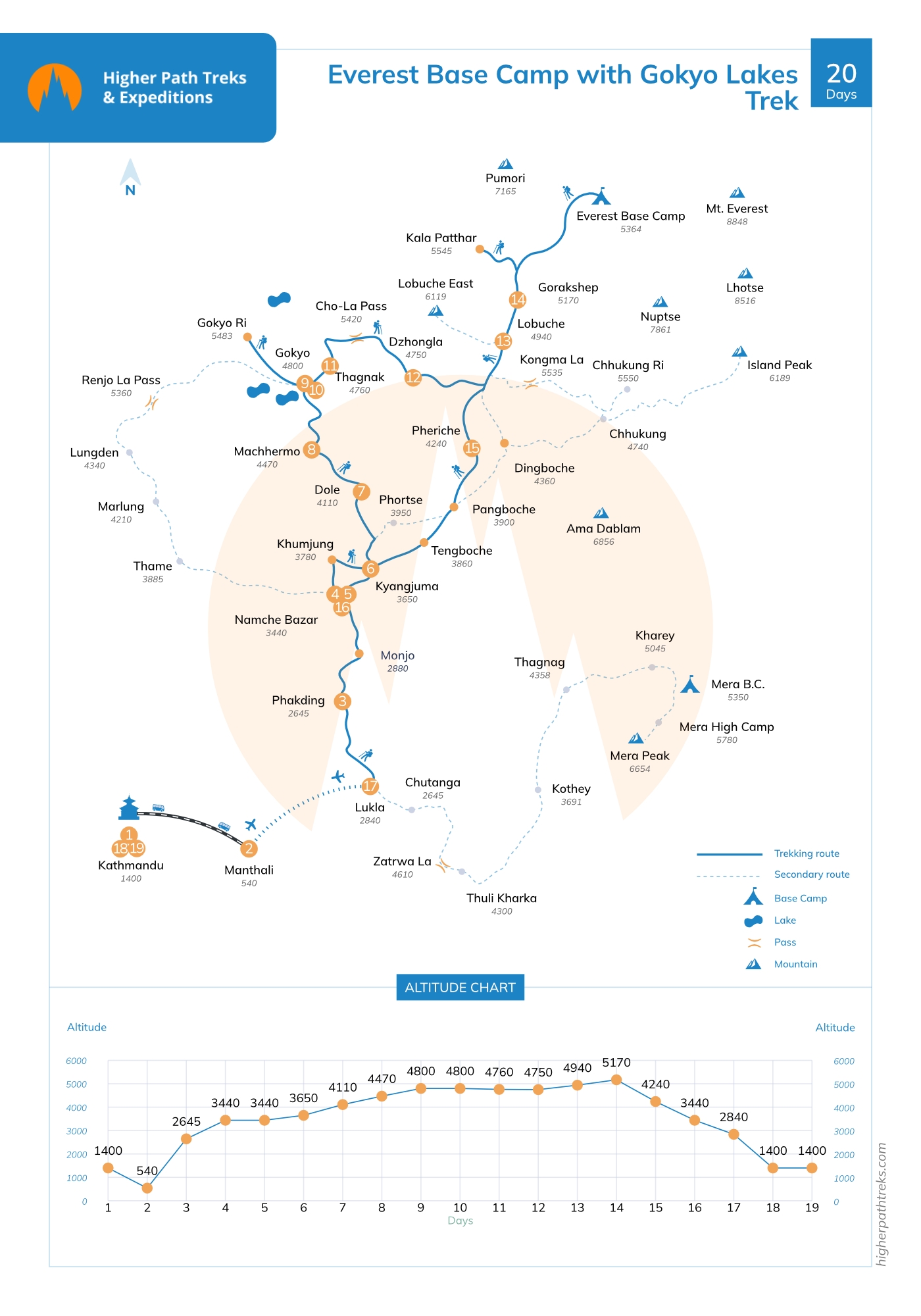
Your Start Date is the day you land in Nepal, and your End Date is when you fly home.
If the set Everest Base Camp with Gokyo Lakes Trek group dates don’t suit your schedule, we can offer alternative dates upon request.
Karma Sherpa is the owner. He was raised in a small village in the Everest region. I use Higher Path every time I come to Nepal for trekking. He always provides me with excellent service and fantastic guides/porters for my trek. Most recently, i did the trek to Gokyo and had Sonam Sherpa as my guide. he was beyond excellent..very caring and a wonderful disposition and very focused on safely. I have used Karma now for probably 5 or 6 treks and always the guides and porters have been great. In addition, Karma plans the entire trip including time in KTM etc so you don't have to do anything except show up and then enjoy the amazing scenery. Karma is a certified mountain guide and climbing expert so he leads many mountain ascents. I HIGHLY recommend Karma and his company Higher Path.
The Everest Base Camp with Gokyo Lakes Trek was a once-in-a-lifetime adventure. Higher Path Treks & Expeditions delivered a perfectly organized 20-day experience filled with stunning scenery, from turquoise Gokyo Lakes to the towering Everest region. Karma’s guidance and support were outstanding, calm, knowledgeable, and always attentive to safety and comfort. A truly unforgettable Himalayan journey.
The Everest Base Camp with Gokyo Lakes Trek is a comprehensive journey through the Everest region that combines two iconic trekking routes. Starting from Lukla, the trek initially follows the classic Everest Base Camp route via Namche Bazaar, Kyangjuma, Dole, Machermo, and Lobuche. After reaching Everest Base Camp and Kala Patthar for stunning views of Everest, the trek diverges towards the pristine Gokyo Valley, renowned for its turquoise lakes nestled amidst towering peaks.
The trek typically extends over 18-20 days to accommodate both the Everest Base Camp and Gokyo Lakes routes. After reaching Everest Base Camp and Kala Patthar, trekkers descend to Dzongla and then cross the challenging Cho La Pass (5,420 meters) into the Gokyo Valley. The route continues through Gokyo Ri for panoramic views and descends via Machhermo and Namche Bazaar before returning to Lukla.
This trek offers a more diverse and immersive experience of the Everest region. In addition to visiting Everest Base Camp and Kala Patthar, trekkers explore the tranquil Gokyo Valley with its vibrant lakes and stunning Himalayan vistas. The trek provides a comprehensive perspective of the region's natural beauty and cultural richness.
The trek is suitable for adventurous trekkers who are physically fit and have some experience with high-altitude trekking. The itinerary involves long days of hiking, steep ascents and descents, and crossing a high mountain pass (Cho La Pass), which requires stamina and acclimatization to prevent altitude sickness.
Altitude sickness remains a concern due to the high altitudes reached during the trek, especially when crossing Cho La Pass (5,420 meters). The itinerary includes acclimatization days and gradual ascents to help mitigate risks. Trekkers are advised to stay hydrated, maintain a steady pace, and listen to their guide's instructions.
Highlights include breathtaking views of Mount Everest, Lhotse, Makalu, and Cho Oyu from Kala Patthar and Gokyo Ri, exploring the vibrant Gokyo Lakes with their stunning reflections of surrounding peaks, crossing the challenging Cho La Pass, and experiencing the unique culture of Sherpa villages along the way.
Similar to the standard Everest Base Camp Trek, you will need the Sagarmatha National Park entry permit and the TIMS (Trekkers' Information Management System) card. These permits are organized by your trekking agency and are necessary for entering the Everest region.
While independent trekking is possible with prior experience and thorough preparation, joining a guided tour with a reputable trekking agency is recommended. Guides provide essential support with navigation, acclimatization management, and safety measures, ensuring a more enjoyable and safer trekking experience.
| No of people | Price per person |
|---|---|
| 1 - 1 | $2,765 |
| 2 - 5 | $2,600 |
| 6 - 10 | $2,580 |
| 11 - 20 | $2,565 |