
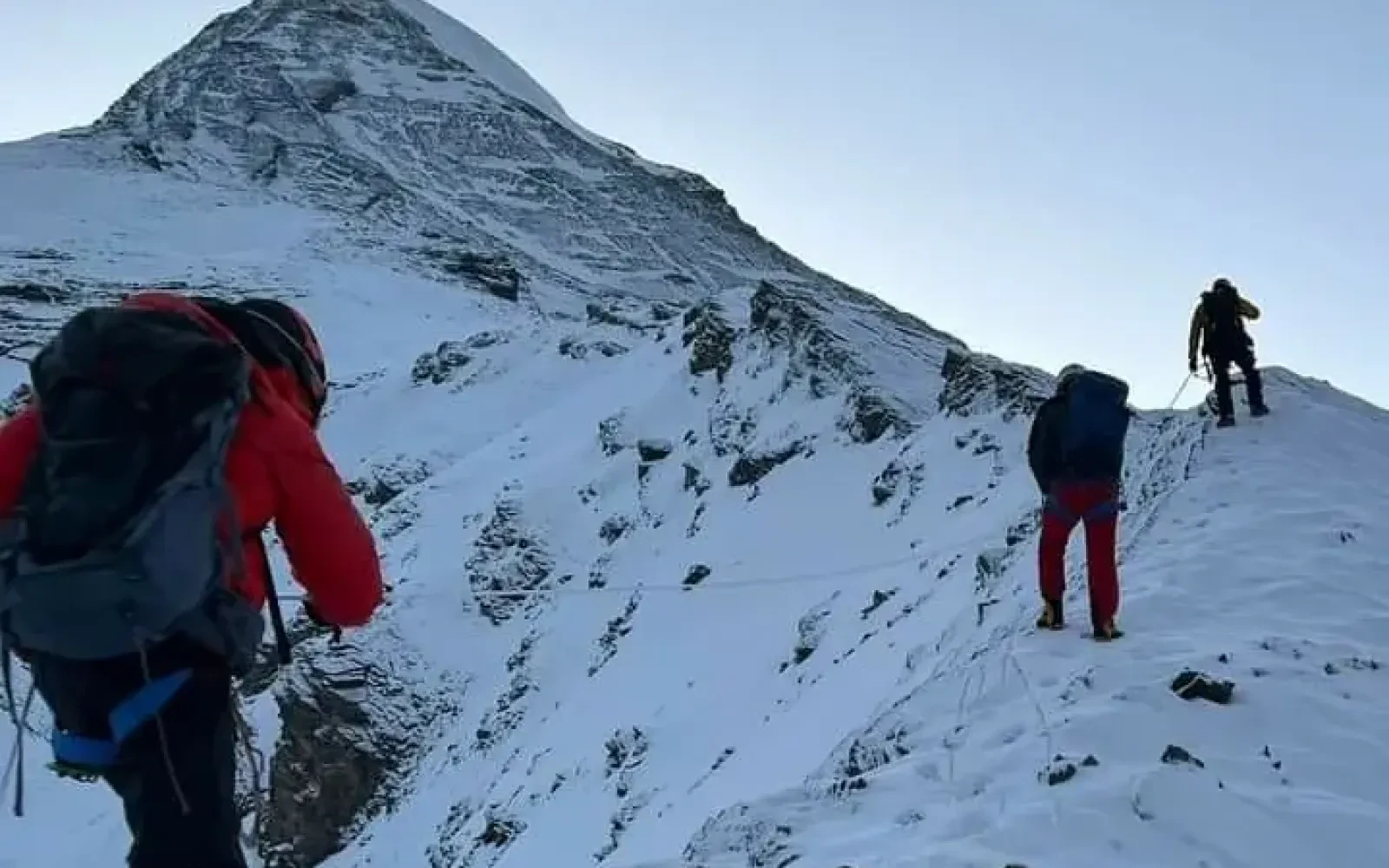
Climbing Pisang Peak is an incredible adventure that combines the thrill of high-altitude mountaineering with the cultural richness of the Annapurna Circuit. Standing at 6,091 meters (19,985 feet), Pisang Peak is considered a “trekking peak,” making it an achievable yet challenging summit for trekkers with some prior experience in high-altitude trekking and mountaineering. The ascent offers panoramic views of Annapurna II, Annapurna IV, Gangapurna, and other peaks in the Annapurna massif, as well as the dramatic landscapes of the Manang and Pisang valleys.
The trek to Pisang Peak Base Camp and beyond takes you through diverse terrain, including terraced villages, rhododendron forests, glaciers, and high alpine passes. Higher Path Treks & Expeditions ensures climbers receive experienced guidance, proper equipment, and logistical support, making the climb safe and memorable. With careful preparation, acclimatization, and respect for the high-altitude environment, Pisang Peak offers one of the most rewarding mountaineering experiences in Nepal.
Top Tips:
Pisang Peak is often called a “gateway summit” for trekkers looking to transition into mountaineering. Unlike technical climbs that require extensive experience, Pisang Peak allows climbers to experience high-altitude mountaineering without overly technical ice or rock climbing skills, though crampons, ice axes, and ropes are necessary. Its location on the Annapurna Circuit provides the perfect combination of trekking and mountaineering, making it an ideal challenge for ambitious adventurers.
The climb is not only about reaching the summit; it’s also about the journey through beautiful villages like Upper Pisang and Chame, lush valleys, and the unique cultural landscapes of the Gurung and Manangi communities. Each day on the route brings spectacular views of snow-capped peaks, glaciers, and the rare opportunity to experience traditional Himalayan lifestyles.
Top Tips:
The best seasons for climbing Pisang Peak are pre-monsoon (March to May) and post-monsoon (late September to November). During these periods, the weather is generally stable, with clear skies and moderate temperatures. Spring (March–May) offers blooming rhododendrons and warmer days, while autumn (late September–November) provides crisp, dry weather with excellent visibility of the surrounding Himalayan peaks.
Winter and monsoon seasons are not ideal for climbing. Monsoon brings heavy rainfall, slippery trails, and landslides, whereas winter temperatures can drop dangerously low, especially at high camps and the summit. Higher Path Treks & Expeditions recommends careful planning and flexibility in scheduling, as mountain weather can be unpredictable. Allowing extra days in your itinerary for acclimatization and potential delays is always wise.
Top Tips:
Reaching Pisang Peak Base Camp begins with your arrival in Kathmandu, Nepal’s bustling capital. From here, travelers typically drive to Jagat, marking the official start of the Annapurna Circuit. The trek passes through small villages, terraced farmlands, and lush forests, gradually ascending through Chame and Upper Pisang, each offering stunning views of Annapurna II and Pisang Peak itself.
The trek to Pisang Peak Base Camp (4,380m/14,371ft) generally takes 4–5 hours from Upper Pisang. Along the way, trekkers are treated to dramatic landscapes of glaciers, snow-capped peaks, and the charming Pisang village. The route is well-established but requires proper acclimatization due to the rapid gain in altitude. Higher Path Treks & Expeditions provides experienced guides who handle logistics, route navigation, and altitude safety, ensuring climbers reach base camp efficiently and safely.
Top Tips:
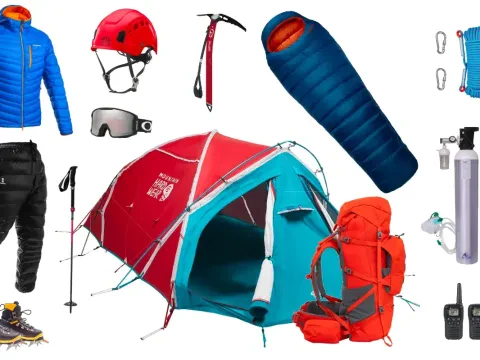
Climbing Pisang Peak requires specialized mountaineering gear, layered clothing, and personal essentials to tackle high-altitude conditions. Key equipment includes a helmet, harness, ice axe, crampons, rope, and mountaineering boots. Layering is crucial: base layers for moisture management, insulating layers for warmth, and waterproof outer layers for wind and snow protection.
Other essential items include sunglasses or glacier glasses, sunscreen, gloves, headlamp, and a sleeping bag rated for sub-zero temperatures. Higher Path Treks & Expeditions ensures climbers have access to high-quality rental equipment if needed and provides guidance on packing efficiently to avoid overloading. Proper preparation and the right gear make the climb safer, more comfortable, and more enjoyable.
Top Tips:
Successfully summiting Pisang Peak requires a good level of cardiovascular fitness, strength, and endurance. Training should include long-distance hiking with a loaded backpack, stair climbing, and aerobic exercises like running or cycling to improve stamina. Strengthening your legs, core, and back is critical for handling steep ascents and uneven terrain.
Acclimatization is equally important to prevent altitude sickness. The itinerary allows for gradual altitude gains, with acclimatization days in Upper Pisang and Manang Valley. Higher Path Treks & Expeditions emphasizes listening to your body, pacing yourself, and staying hydrated. A combination of fitness training and careful acclimatization increases your chances of a successful and safe summit attempt.
Top Tips:
The climb to Pisang Peak involves a mix of trekking, glacier travel, and snow slopes, making it moderately challenging for experienced trekkers and beginner mountaineers. From Upper Pisang, the path ascends gradually to the base camp, then steepens through snow and ice to the high camp at 5,400m/17,717ft. The summit push involves crampon use, rope protection, and careful navigation across crevasses and icy slopes.
Despite the technical elements, the climb is non-technical in comparison to larger Himalayan peaks, making it accessible to those with proper guidance and preparation. Higher Path Treks & Expeditions provides expert mountaineering support, including route fixing, crevasse safety, and summit strategy, ensuring climbers tackle the terrain safely. The breathtaking views and sense of accomplishment at the top make the effort well worth it.
Top Tips:
Safety is paramount when attempting Pisang Peak, as high-altitude trekking and mountaineering carry inherent risks such as altitude sickness, slips on icy terrain, and sudden weather changes. Gradual acclimatization is essential; the itinerary includes acclimatization days in Upper Pisang and Manang Valley to help climbers adjust to high elevations. Higher Path Treks & Expeditions ensures each client is closely monitored for symptoms of acute mountain sickness (AMS) and provides guidance on medications like Diamox when necessary.
Weather in the Himalayas can be unpredictable, with snowstorms, strong winds, and extreme cold at high altitudes. Always check forecasts and be prepared to delay or adjust summit attempts if conditions are unsafe. Using proper mountaineering equipment such as crampons, helmets, ropes, and harnesses reduces the risk of falls or injuries. Climbing with certified guides from Higher Path Treks & Expeditions ensures professional supervision on technical sections of the climb.
Top Tips:
The Annapurna Circuit is not just about mountains; it is a journey through rich Himalayan culture. Along the route, trekkers encounter traditional Gurung, Manangi, and Thakali villages, where centuries-old traditions continue to thrive. Staying in teahouses and interacting with locals provides insight into their lifestyle, festivals, and religious practices. Upper Pisang and Manang villages offer a mix of Buddhist monasteries, mani walls, and prayer flags that enrich the trekking experience.
Higher Path Treks & Expeditions emphasizes respectful cultural interaction. Engage with villagers, sample local cuisine, and observe customs such as removing shoes before entering homes or monasteries. This cultural immersion adds depth to your adventure and fosters meaningful connections with the communities that live in this high-altitude environment.
Top Tips:
Pisang Peak and the surrounding Annapurna region provide endless photography opportunities, from towering peaks to serene valleys. Sunrise and sunset offer dramatic lighting over Annapurna II, Pisang Peak, and Gangapurna, perfect for landscape shots. Even along the trail, terraced fields, prayer flags, and traditional villages create stunning compositions.
High-altitude photography requires planning: protect your camera from cold and condensation, carry spare batteries, and use a lightweight tripod for summit shots. Guides from Higher Path Treks & Expeditions can suggest vantage points for iconic perspectives and ensure safety while taking photos in technical areas. Capturing these moments preserves memories and showcases the beauty of the Himalayas.
Top Tips:
Climbing Pisang Peak is a remarkable experience that combines adventure, culture, and high-altitude achievement. Preparation, acclimatization, and proper equipment are key to a safe and successful ascent. Following safety precautions, listening to your guides, and pacing yourself through the trek greatly increases your chances of summiting without incident. Higher Path Treks & Expeditions provides professional support, ensuring climbers have guidance, logistics, and emergency backup throughout the journey.
Remember, the journey is as important as the summit. Take time to enjoy the local culture, capture scenic highlights, and absorb the stunning Himalayan landscapes. With careful planning, respect for altitude, and mindful trekking practices, climbing Pisang Peak can become one of the most rewarding adventures of your life.
Top Tips:
<p>Nepal, home to the majestic Himalayas and eight of the world’s fourteen highest peaks, offers an unmatched experience for adventure seekers. Peak climbing in Nepal serves as the perfect introduction to high-altitude mountaineering for those looking to go</p>
<p>Nepal is widely regarded as the ultimate playground for mountaineers and trekkers from around the world. Home to eight of the fourteen highest mountains on Earth, including the legendary Mount Everest, Nepal offers a diverse range of peak climbing experiences</p>
<p>For many adventure seekers and aspiring mountaineers, Nepal holds a dreamlike charm with its majestic Himalayan range, breathtaking landscapes, and a rich mountaineering legacy. But a common question that arises among first-time climbers is: Is peak climbing in Nepal easy</p>