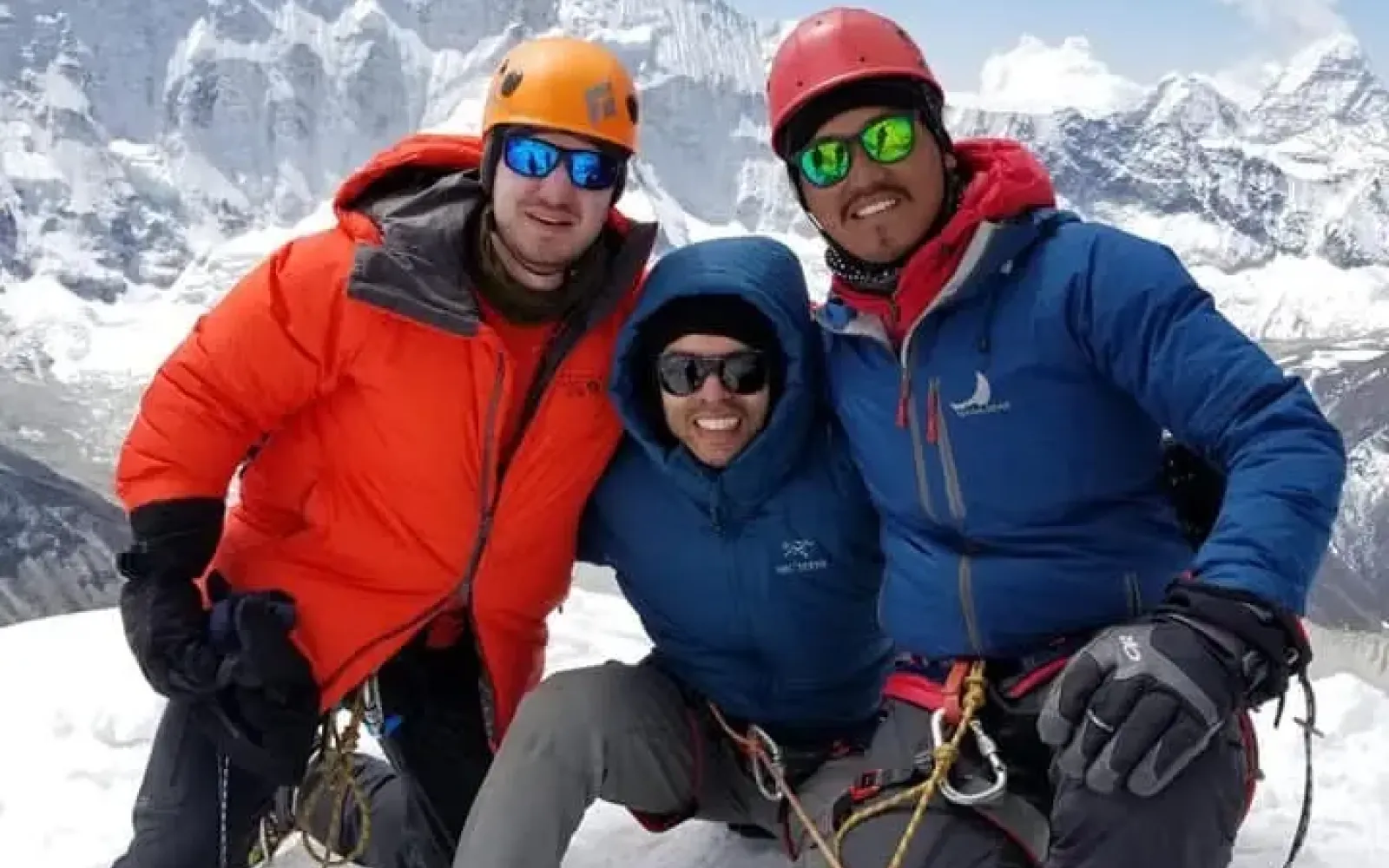
Higher Path Treks & Expeditions offers a professionally guided transition from classic trekking experiences to full Himalayan peak climbing adventures in the Everest region. These programs are designed for trekkers who want to take the next step beyond high-altitude trails and experience real mountaineering on technical Himalayan peaks like Island Peak (6,189m) and Lobuche Peak (6,119m).
Both itineraries combine structured acclimatization, expert guidance, and well-organized base camp support to ensure climbers are physically prepared and technically confident before summit day. From arrival briefing to summit push, every stage is managed with safety, pacing, and mountain conditions in mind.
Key highlights of the service:
These services bridge the gap between trekking routes like Everest Base Camp and true Himalayan mountaineering, giving climbers a safe and achievable introduction to high-altitude summit climbing.
Island Peak and Lobuche Peak are widely considered the best introductory climbing peaks in Nepal. They sit in the heart of the Everest region and offer stunning Himalayan scenery while introducing climbers to essential mountaineering skills such as rope handling, fixed-line climbing, glacier travel, and steep snow ascents.
With Higher Path Treks & Expeditions, climbers are guided step-by-step from lower trekking villages like Chhukung or Lobuche all the way to summit pushes above 6,000 meters. The journey is structured to allow proper acclimatisation while also providing hands-on climbing experience under expert supervision.
What makes this journey special:
This program is ideal for trekkers who want more than just reaching base camp and are ready to experience the thrill of standing on a Himalayan summit.
Island Peak and Lobuche Peak are two of the most popular introductory climbing peaks in Nepal because they offer a perfect balance of challenge and accessibility. While both involve glacier travel and steep sections, they are considered achievable for fit trekkers with proper guidance and preparation.
Island Peak provides a slightly more technical experience with its final steep headwall and glacier crossing, while Lobuche Peak offers a sharper ridge ascent with incredible panoramic views of the Everest massif. Together, they represent two excellent entry points into the world of Himalayan climbing.
Reasons climbers choose these peaks:
For many climbers, these peaks are the first step toward more advanced expeditions like Ama Dablam or 7,000–8,000m summits in the future.
Trekking in the Himalayas focuses on walking through mountain trails, staying in teahouses, and reaching scenic destinations such as base camps or high viewpoints. Peak climbing, however, introduces technical elements that require rope systems, crampons, ice axes, and high-altitude safety procedures.
With Higher Path Treks & Expeditions, climbers are introduced to these new challenges in a controlled environment where safety and instruction are prioritised. The transition is gradual, ensuring that trekkers understand both physical endurance and technical climbing requirements before attempting a summit.
Key differences between trekking and peak climbing:
By combining trekking comfort with structured mountaineering training, these expeditions provide a complete introduction to Himalayan climbing in one of the world’s most iconic mountain regions.
Island Peak, also known locally as Imja Tse, stands at an impressive 6,189 meters in the Everest region of Nepal. It is one of the most popular trekking peaks for beginner climbers because it combines a classic Himalayan trekking route with a moderately technical summit section. With Higher Path Treks & Expeditions, the journey typically begins from Chhukung and follows the Imja Valley before ascending toward Island Peak Base Camp and the glacier zone.
The route includes gradual trekking through alpine landscapes, followed by a climb over rocky terrain and a glacier crossing secured with fixed ropes. The final section involves a steep headwall that requires the use of crampons, harnesses, and an ice axe. Despite its technical nature, the peak is considered achievable with proper guidance and acclimatisation.
Key highlights of Island Peak:
Island Peak is often chosen by trekkers seeking their first real Himalayan summit experience while still enjoying a scenic and well-supported trekking approach.
Lobuche East Peak rises to 6,119 meters and is located near the Khumbu Glacier, close to the Everest Base Camp trail. Compared to Island Peak, Lobuche is slightly more technical in its ridge ascent and requires more precise climbing techniques, especially near the summit ridge. With Higher Path Treks & Expeditions, climbers receive structured guidance to safely navigate its more exposed sections.
The ascent typically begins from Lobuche village or High Camp, followed by a steep climb over rocky terrain, snow slopes, and a narrow ridge leading to the summit. This peak is often considered a step up from Island Peak due to its sharper exposure and sustained climbing effort at high altitude.
Key highlights of Lobuche East Peak:
Lobuche Peak rewards climbers with a more challenging and adventurous ascent, making it ideal for those who want to push beyond basic trekking peaks.
The best time to climb both Island Peak and Lobuche Peak is during Nepal’s stable weather seasons, when visibility is clear, and climbing conditions are safer. Higher Path Treks & Expeditions strongly recommends planning expeditions during the pre-monsoon (spring) and post-monsoon (autumn) seasons.
Spring offers warmer temperatures and stable snow conditions, while autumn provides crystal-clear skies and excellent visibility of Himalayan peaks. Winter climbing is possible but extremely cold, and the monsoon season is generally avoided due to heavy rainfall and unstable terrain.
Best climbing seasons:
Choosing the right season significantly increases safety, summit success rates, and overall expedition enjoyment.
Climbing peaks above 6,000 meters in Nepal requires official permits issued by the Nepal government through the Nepal Mountaineering Association (NMA). Both Island Peak and Lobuche Peak fall under regulated trekking peaks, and climbers must obtain the correct documentation before beginning the expedition.
With Higher Path Treks & Expeditions, all permit arrangements, park entries, and administrative requirements are fully managed, allowing climbers to focus on preparation and acclimatisation.
Required permits include:
All permits are mandatory and help ensure environmental protection, climber safety, and regulated access to Himalayan climbing routes. Proper compliance also supports rescue coordination and local conservation efforts in the Everest region.
Climbing Island Peak and Lobuche Peak requires a good level of physical fitness, endurance, and mental resilience. While these peaks are considered “entry-level” Himalayan climbs, the altitude above 6,000 meters makes them physically demanding. Higher Path Treks & Expeditions recommends training several weeks in advance to improve stamina and strength.
Preparation should focus on cardiovascular endurance, leg strength, and breathing efficiency at high altitude. Climbers should also be mentally prepared for cold temperatures, early summit starts, and long summit-day durations of 8–10 hours or more.
Recommended preparation checklist:
Proper preparation significantly increases safety and summit success rates, ensuring climbers enjoy a rewarding and well-supported Himalayan climbing experience with Higher Path Treks & Expeditions.
Climbing Island Peak and Lobuche Peak requires specialised equipment in addition to standard trekking gear. Since both peaks involve glacier travel, steep ascents, and cold high-altitude conditions, proper gear is essential for safety and performance. With Higher Path Treks & Expeditions, climbers receive a full pre-climb equipment check at Chhukung or Lobuche to ensure everything is suitable for summit conditions.
The gear list is designed to handle extreme weather, technical terrain, and long summit days that often start before midnight. Climbers are expected to bring personal clothing layers, while technical climbing equipment is either provided or arranged by the company if needed.
Essential gear checklist:
Proper equipment ensures safety, efficiency, and confidence during technical sections of the climb.
With Higher Path Treks & Expeditions, climbers are accompanied by experienced, licensed mountain guides who provide full support from trekking stages to the final summit push. These professionals are trained in high-altitude rescue, rope fixing, glacier navigation, and emergency response, ensuring a safe and structured climbing experience.
Guides also play a crucial role in teaching basic climbing techniques before summit day. This includes how to use crampons, handle ice axes, move on fixed ropes, and maintain proper pacing at high altitude. Their expertise helps climbers feel confident even in challenging sections of the route.
What guided services include:
This guided system ensures climbers are supported at every stage of their Himalayan journey.
Safety is the highest priority in high-altitude climbing, and proper acclimatisation is essential to reduce the risk of altitude sickness. Higher Path Treks & Expeditions follows a carefully planned itinerary that allows gradual altitude gain, rest days, and monitored ascent profiles for both Island Peak and Lobuche Peak expeditions.
Climbers are encouraged to stay hydrated, maintain a steady pace, and listen to their bodies during the ascent. Guides continuously monitor oxygen levels and overall health conditions to ensure safe progression toward higher camps and summit attempts.
Key safety and acclimatisation measures:
These strategies significantly improve summit success rates while minimising risks associated with high altitude.
The Island Peak climbing expedition with Higher Path Treks & Expeditions is a well-structured journey that blends classic Everest trekking with a gradual introduction to high-altitude mountaineering. The itinerary is designed to ensure proper acclimatisation while guiding climbers through some of the most scenic valleys of the Khumbu region before reaching the 6,189m summit.
The route follows a progressive ascent from lower trekking villages to higher alpine settlements, allowing the body to adapt naturally to altitude. Key stops such as Namche Bazaar, Dingboche, and Chhukung are strategically included for rest and acclimatisation before the final push to Island Peak Base Camp and summit day.
Key highlights of the Island Peak itinerary:
Once climbers reach base camp, Higher Path Treks & Expeditions provides a full technical briefing and gear check. Summit day usually begins around 2:00 AM to ensure safe weather conditions, and climbers are supported by experienced guides throughout the ascent and descent.
Detailed Day-by-Day Island Peak Itinerary
The following detailed itinerary outlines the full journey of Island Peak climbing organised by Higher Path Treks & Expeditions, ensuring proper pacing, safety, and acclimatisation throughout the expedition.
The itinerary is carefully designed to balance trekking, rest, and training days, allowing climbers to gradually adapt to extreme altitude while enjoying the Everest region’s breathtaking landscapes.
Island Peak Full Itinerary (Day-by-Day):
This structured itinerary ensures climbers experience both adventure and safety under expert supervision.
The Lobuche Peak expedition with Higher Path Treks & Expeditions follows the iconic Everest Base Camp trekking route before branching into a more technical climbing section. The journey combines cultural trekking experiences with challenging alpine ascent, making it an ideal progression for experienced trekkers seeking their first Himalayan summit.
The route passes through famous Sherpa villages and high-altitude valleys before reaching Lobuche village and High Camp. From there, climbers prepare for a more technical ridge ascent that requires rope support, crampons, and careful navigation.
Key highlights of the Lobuche Peak itinerary:
This itinerary offers a more rugged and technical climbing experience compared to Island Peak, making it a strong stepping stone toward higher Himalayan expeditions.
Detailed Day-by-Day Lobuche Peak Itinerary
The Lobuche Peak itinerary by Higher Path Treks & Expeditions is carefully designed to balance trekking, acclimatisation, and technical climbing preparation. It allows climbers to gradually adapt to altitude while gaining exposure to more challenging terrain.
The summit push is physically demanding, with steep sections and a narrow ridge requiring strong mental focus and proper rope technique. Climbers are guided throughout the entire ascent to ensure safety and confidence in high-altitude conditions.
Lobuche Peak Full Itinerary (Day-by-Day):
This itinerary ensures climbers receive strong acclimatisation support, technical guidance, and safe progression toward one of Nepal’s most rewarding trekking peaks.
The cost of climbing Island Peak and Lobuche Peak with Higher Path Treks & Expeditions varies depending on group size, service level, permits, guide support, and logistics. Both expeditions include trekking permits, climbing permits, accommodation, meals, guide services, and base camp support, but Lobuche Peak is generally slightly more expensive due to its technical difficulty and location.
Island Peak packages are usually more popular and slightly more affordable, while Lobuche Peak involves additional technical requirements and sometimes higher logistics costs due to its ridge climbing sections and support needs.
Typical cost components include:
Both packages are designed to provide full support from arrival to summit, ensuring a safe and well-organised Himalayan climbing experience.
Climbing a 6,000-meter peak for the first time is an exciting but demanding experience. Higher Path Treks & Expeditions recommends that first-time climbers focus on preparation, patience, and listening to their guides throughout the journey. Success depends more on steady acclimatisation and mental strength than pure technical ability.
It is important to maintain a slow and consistent pace, stay hydrated, and avoid rushing during ascents. Many climbers underestimate the effects of altitude, so following guide instructions and respecting rest days is essential.
Helpful tips for first-time climbers:
Proper mindset and preparation significantly increase summit success and enjoyment.
Climbing Island Peak and Lobuche Peak involves several natural challenges, including high altitude, cold temperatures, physical fatigue, and unpredictable weather. With Higher Path Treks & Expeditions, these challenges are managed through structured planning, experienced guidance, and safety-focused decision-making.
Altitude sickness is one of the most common issues, but it can be prevented through proper acclimatisation and gradual ascent. Physical exhaustion is also expected, especially during summit day, which often lasts 8–10 hours or more.
Common challenges and solutions:
With the right preparation and professional support, these challenges become manageable and part of the adventure.
Hiring a local agency like Higher Path Treks & Expeditions provides significant advantages for Himalayan climbing. Local agencies have deep knowledge of the terrain, weather patterns, cultural routes, and emergency procedures in the Everest region. This ensures safer and more efficient expedition planning.
Local teams also provide better communication with porters, guides, and base camp staff, creating a smoother and more coordinated experience. They are directly connected to local rescue services and understand real-time mountain conditions better than international intermediaries.
Key benefits of hiring a local agency:
Choosing a trusted local operator ensures safety, efficiency, and a more meaningful mountain experience.
Climbing Island Peak and Lobuche Peak is more than just a physical challenge—it is a life-changing journey into the heart of the Himalayas. With Higher Path Treks & Expeditions, trekkers transform into climbers, gaining the skills, confidence, and experience needed to stand on a 6,000-meter summit.
These expeditions combine trekking beauty with technical adventure, offering a complete introduction to Himalayan mountaineering. From base camp preparation to summit success, every step is carefully guided to ensure safety and achievement.
Final key takeaways:
With dedication, preparation, and expert guidance from Higher Path Treks & Expeditions, your Himalayan dream can become a real summit achievement.
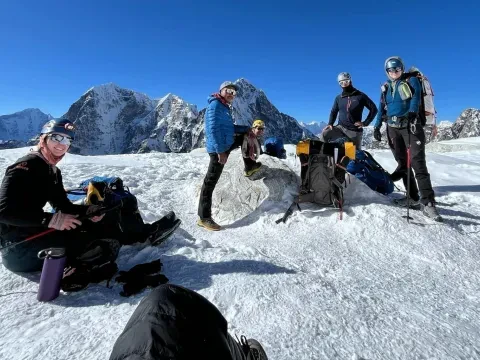
Lobuche East Peak Climbing is one of the most exciting and rewarding mountaineering challenges in Nepal, and 2026/2027 packages are carefully designed to cater to trekkers and climbers of different experience levels. Our Lobuche East Peak Climbing packages provide a comprehensive and fully supported trekking and climbing experience in the Everest region.
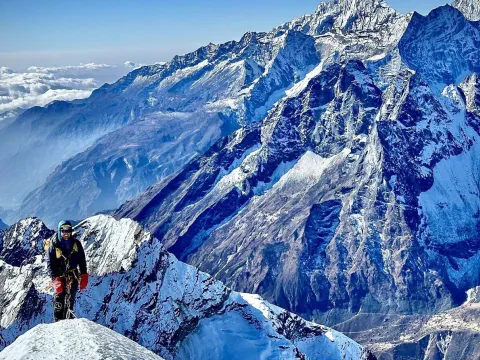
<p>Nepal is renowned for its towering mountains and offers some of the best peak climbing opportunities in the world. The country is home to numerous trekking peaks, ranging from moderate climbs for beginners to more challenging ascents for experienced mountaineers. Some of the best peak climbing options in Nepal include popular peaks like Island Peak, Mera Peak, Yala Peak, and Lobuche East, which are famous for their accessibility, stunning panoramic views, and relatively straightforward climbing routes. </p>
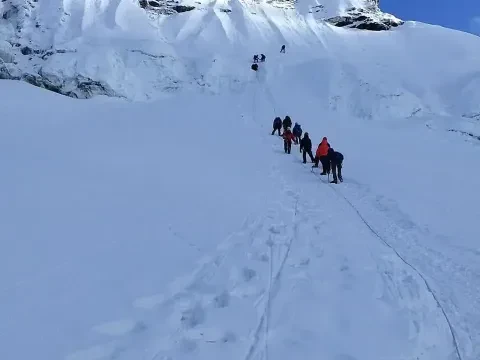
<p>Nepal is widely regarded as the ultimate destination for mountain enthusiasts and climbers worldwide, offering some of the most spectacular peaks and varied climbing challenges on the planet. Nestled in the heart of the Himalayas</p>