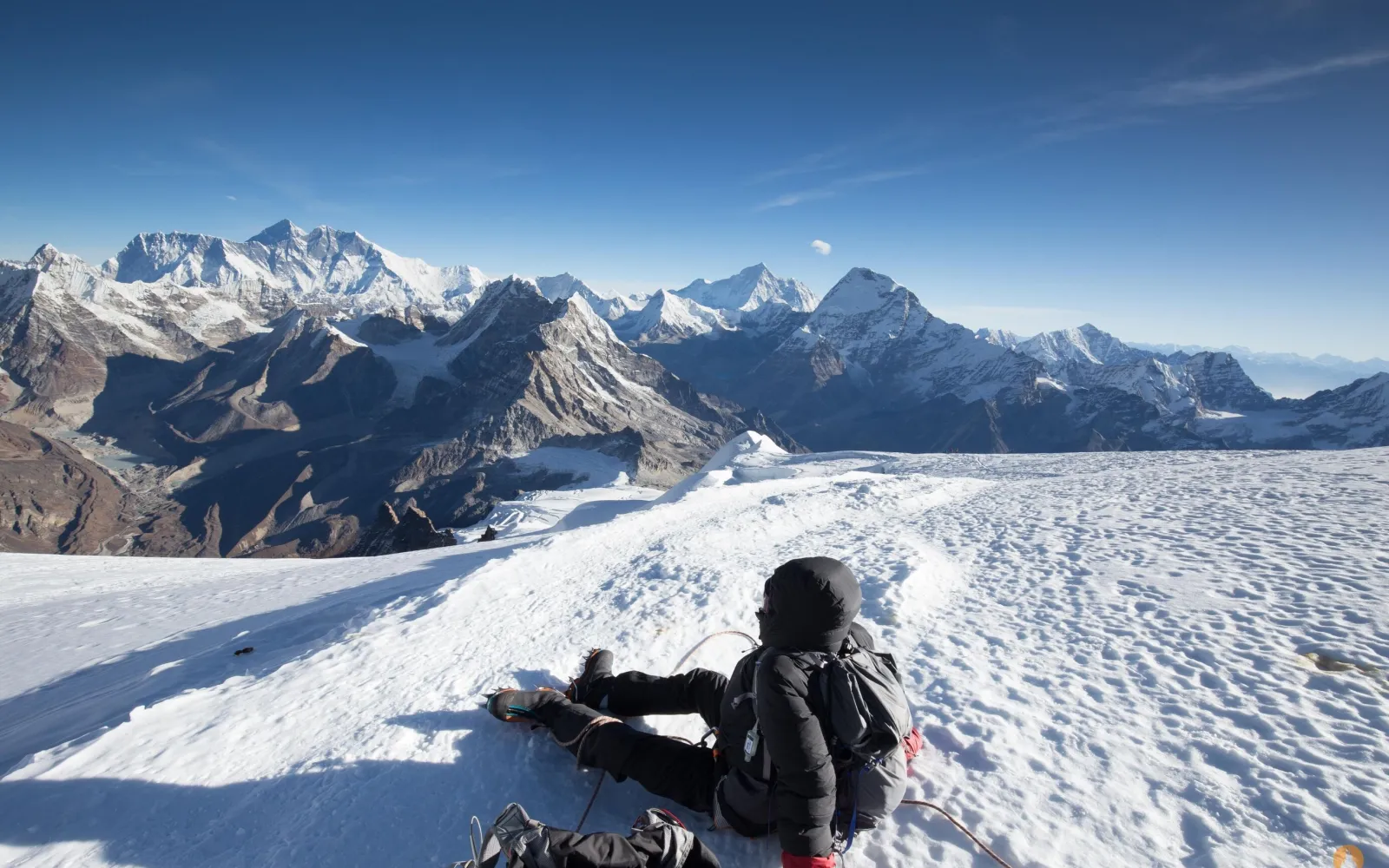
Attempting Mera Peak independently is a serious undertaking that blends high-altitude trekking with basic mountaineering. While technically possible, a true “solo” ascent without any logistical or guiding support is rarely recommended due to the remote terrain, altitude risk, and route-finding challenges in the Khumbu region of Nepal. Most climbers who describe it as “solo” are still using pre-arranged logistics, permits, or partial support services.
In practice, even experienced trekkers rely on professional assistance for safety, especially above Khare and towards High Camp. Companies like Higher Path Treks & Expeditions typically provide optional guide support, acclimatization planning, and emergency coordination, which significantly increase summit success rates while still preserving a strong sense of independence.
Key considerations for a solo-style attempt:
The idea of going solo in the Himalayas attracts adventurers who want freedom, self-reliance, and a deeper connection with the mountains. In regions like Kathmandu and beyond, independent trekking has become a symbol of personal challenge, especially for peaks like Mera Peak.
For many, the appeal lies in setting their own pace, making their own decisions, and experiencing the raw wilderness without a large expedition team. However, “solo” in Nepal often still means independent trekking with logistical arrangements handled in advance, particularly when flights via Lukla and permits are required.
Why Mera Peak attracts independent climbers:
Mera Peak is one of the most popular trekking peaks in Nepal, standing at an elevation of 6,461 meters. It lies in the remote Hinku Valley, south of the Everest region, and is considered the highest trekking peak in Nepal.
Although it is classified as a trekking peak, the altitude makes it a serious challenge that requires proper acclimatization and basic mountaineering skills. Most expeditions pass through remote villages and high alpine terrain before reaching the summit push.
Quick facts about Mera Peak:
Why climbers choose it:
In Nepal, the term “solo trekking” is often misunderstood. While independent trekking in lower-altitude regions can sometimes be done without a guide, climbing peaks like Mera Peak falls under regulated mountaineering activity. This means that even if you travel alone, you are not truly “unregulated”—you still need permits and must follow established climbing rules.
The key distinction is between trekking independently and undertaking a high-altitude climb. Above certain elevations and in designated climbing zones, Nepal requires formal documentation and often recommends or mandates support through registered agencies such as Higher Path Treks & Expeditions. This ensures safety, tracking, and emergency response capability in remote Himalayan terrain.
What is allowed vs restricted:
While experienced mountaineers may technically attempt self-managed climbs, most climbers heading to Mera Peak benefit significantly from at least partial support. The terrain above Khare involves glaciers, crevasses, and rapidly changing weather conditions that can be difficult to navigate alone.
Guides are not just for navigation—they also provide critical safety judgment, altitude monitoring, and rescue coordination. Companies like Higher Path Treks & Expeditions offer flexible packages ranging from full guided expeditions to “support-only” arrangements for independent trekkers who want autonomy but still require safety backup.
Do you need a guide? Key points:
The standard approach to Mera Peak is a remote and scenic journey that begins with travel from Kathmandu toward the flight hub of Lukla. From there, trekkers pass through dense forests, alpine valleys, and high passes such as Zatrwa La before reaching the Hinku Valley.
The route gradually ascends through remote settlements and wilderness camps, eventually reaching Khare, which serves as the final staging point before High Camp. From High Camp, climbers attempt a pre-dawn summit push across glacier terrain to reach the 6,461m summit.
Typical route highlights:
Attempting Mera Peak without support significantly increases exposure to environmental and physical risks. The biggest challenge is altitude—above 5,000 meters, oxygen levels drop dramatically, increasing the risk of Acute Mountain Sickness (AMS), especially during rapid ascents.
In addition to altitude, the route includes glacier crossings with hidden crevasses, unpredictable weather windows, and long stretches of isolation where rescue is difficult. Even experienced trekkers can struggle with navigation in whiteout conditions above Khare and toward High Camp, where the terrain becomes technical and mentally demanding.
Main challenges of a solo attempt:
Going without full support on a climb like Mera Peak means you become responsible for every part of the expedition chain. Even though agencies like Higher Path Treks & Expeditions can assist with permits or partial logistics, a true self-managed approach requires handling food planning, accommodation coordination, and navigation across remote Himalayan terrain.
The route from Kathmandu to high camps involves multiple villages, basic teahouses, and unpredictable supply availability. Above Khare, logistics become even more complex as resources are limited, weather-dependent, and often shared among small climbing groups.
What you must manage yourself:
Although Mera Peak is often labeled a “non-technical trekking peak,” this description can be misleading. While it does not require advanced alpine climbing skills, the final ascent involves glacier travel, steep snow slopes, and exposure to high altitude conditions where basic mountaineering techniques are essential.
Climbers typically use crampons, ice axes, and fixed ropes near the summit zone, especially in unstable snow conditions. Even if you are trekking independently, knowing how to move safely on glaciers is critical, as sections above Khare can become hazardous quickly due to weather changes and crevasse exposure.
Technical realities you must be prepared for:
Safety is the most critical factor when attempting Mera Peak, especially without support. The biggest danger is altitude sickness, which can escalate quickly in remote zones where evacuation is difficult, and weather can delay rescue operations for days.
Communication is another major concern. In isolated areas beyond Khare, mobile signals are unreliable, and climbers often depend on satellite devices. Agencies like Higher Path Treks & Expeditions typically provide emergency coordination, but solo trekkers must plan every contingency.
Key safety risks:
The cost of climbing Mera Peak changes significantly depending on whether you go fully independent or use a guided service. While solo-style trekking may seem cheaper at first, hidden costs such as logistics, permits, equipment rental, and emergency backups often reduce the savings.
With a structured package from companies like Higher Path Treks & Expeditions, costs are more predictable and include permits, guides, accommodation arrangements, and safety support. Solo climbers must budget separately for every element, which can become expensive if delays or emergencies occur.
Budget comparison overview:
Climbing Mera Peak without support is as much a psychological challenge as it is a physical one. Above 6,000 meters, reduced oxygen levels significantly affect mood, decision-making, and emotional stability. Even experienced climbers can feel isolation more intensely when moving through long, silent glacier terrain far above Khare.
In a solo setting, every decision—from weather judgment to turnaround timing—rests entirely on the individual. There is no guide to confirm choices or share responsibility during critical moments. This is where mental fatigue can become as dangerous as physical exhaustion, especially during summit push attempts.
Key psychological challenges:
Many climbers underestimate the real conditions of attempting Mera Peak independently. While it is marketed as a “non-technical trekking peak,” the reality involves unpredictable weather, glacier navigation, and physical exhaustion that can escalate quickly without support systems in place.
A common misconception is that strong trekking experience alone is enough. However, conditions above Khare often require mountaineering judgment, rope skills, and experience in whiteout navigation. Agencies like Higher Path Treks & Expeditions regularly assist climbers who initially underestimated these demands.
Common mistakes solo climbers make:
For those who want independence without taking full risk, there are several balanced approaches to climbing Mera Peak. Many trekkers choose semi-supported options where logistics are arranged, but climbing decisions remain personal. This provides flexibility while maintaining safety in critical sections.
Companies like Higher Path Treks & Expeditions offer customizable services such as guide-only support or porter-assisted trekking, allowing climbers to maintain a “solo feel” while still having backup in emergencies.
Safer alternatives to full solo climbing:
Experienced mountaineers generally advise against completely unsupported attempts on Mera Peak. While the peak is achievable for beginners with proper preparation, most successful ascents involve at least some form of professional support, especially for safety-critical sections like glacier travel above Khare.
The most recommended approach is a balanced expedition style where climbers retain independence in pacing but rely on trained guides for technical and emergency situations. Organizations like Higher Path Treks & Expeditions often design such hybrid expeditions to maximize both safety and personal achievement.
Expert recommendations include:
Technically, it is possible to attempt Mera Peak without full support, but it is not the most practical or safe approach. While independent trekking culture exists in Nepal, high-altitude climbing introduces risks that are significantly amplified when traveling alone.
In reality, most successful and safe ascents involve at least partial logistical or guiding support. Companies like Higher Path Treks & Expeditions help bridge the gap between independence and safety, offering climbers a way to experience adventure without unnecessary exposure to life-threatening risks.
Final takeaway points:
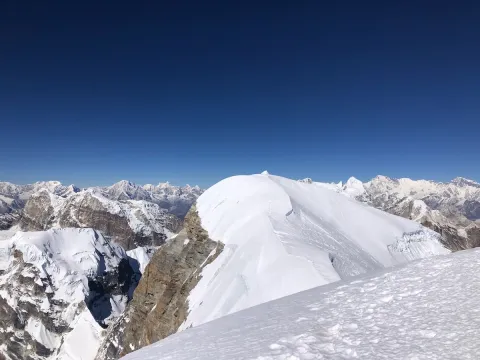
<p>Recognized as Nepal’s highest trekking peak, Mera Peak is situated in the Solukhumbu district and stands tall at 6476 meters above sea level. Mera Peak gives explorers a chance to set camps and experience colorful Rhododendron filled trails and ultimately, the isolation of high-altitude valleys at best. <br></p>
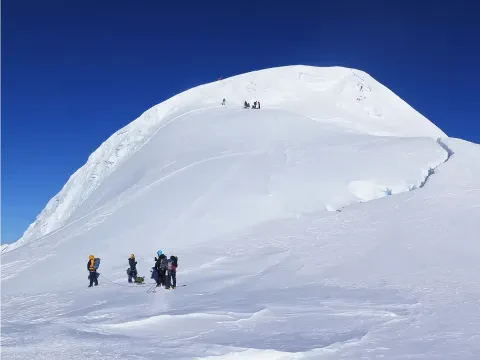
<p>When it comes to trekking peaks in Nepal, Mera Peak (6,476m) and Island Peak (6,189m) are two of the most popular choices for climbers seeking high-altitude adventures. Both peaks offer thrilling challenges, breathtaking scenery</p>
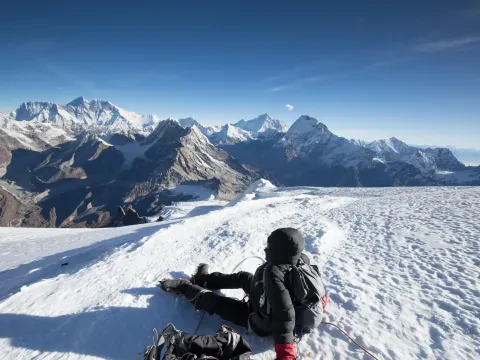
<p>Mera Peak, standing tall at 6,476 meters, is one of Nepal’s most popular trekking peaks. It offers an exciting opportunity for beginners looking to experience high-altitude mountaineering with a reasonable level of difficulty. Although considered a non-technical climb</p>