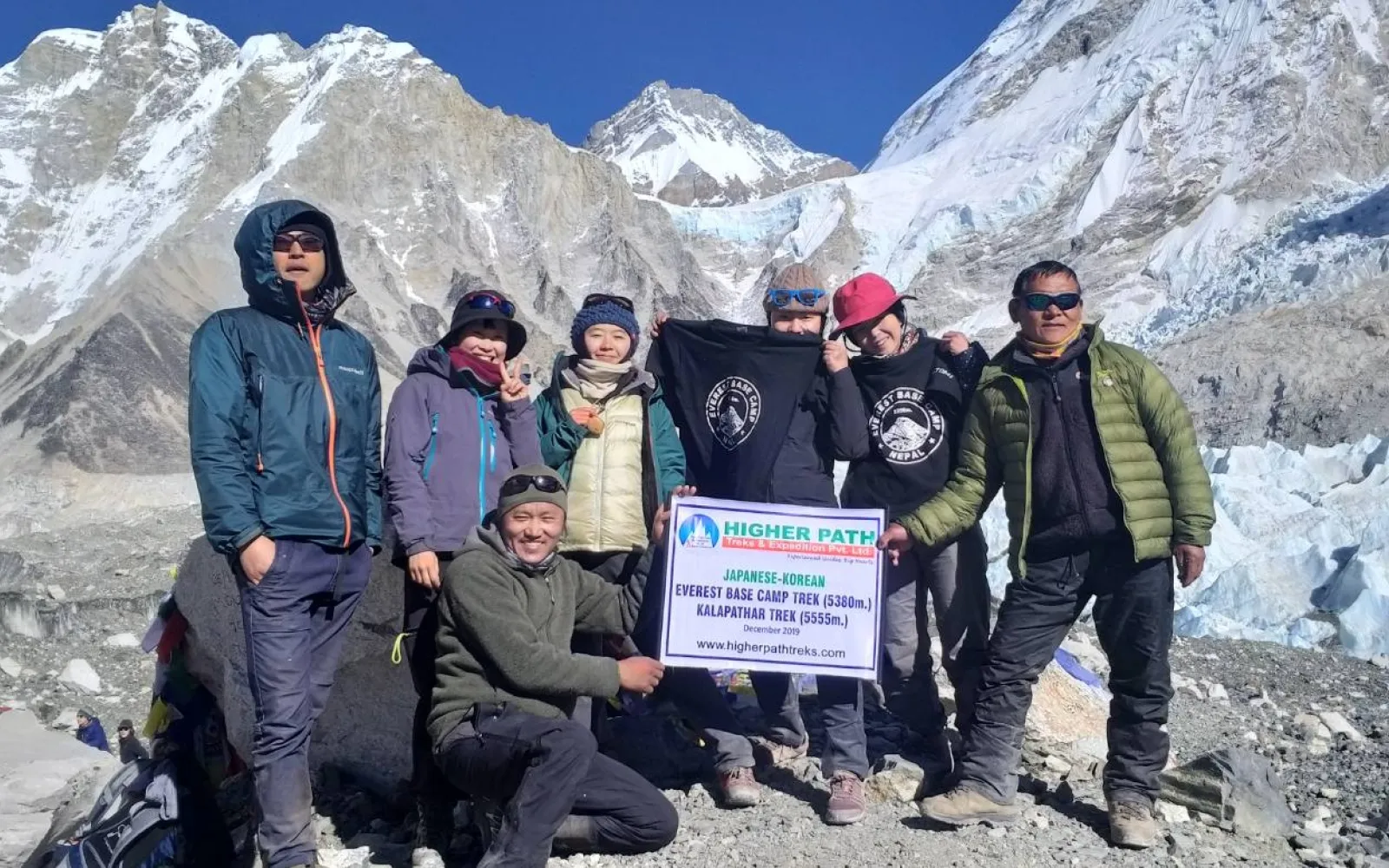
The Everest Base Camp Trek is often seen as an expensive, high-end adventure, but with smart planning, it can be done on a moderate or even low budget. The key is understanding where costs are flexible—such as accommodation, food choices, guide options, and timing—while still maintaining safety and a meaningful experience. Beginners can absolutely complete this trek without luxury spending if they plan carefully and avoid unnecessary add-ons.
A budget-friendly approach focuses on simplicity: using tea houses instead of luxury lodges, sharing guides/porters with small groups, and avoiding peak-season price spikes. Working with a reliable local operator such as Higher Path Treks & Expeditions can also help reduce hidden costs by organizing permits, transport, and logistics efficiently.
Key low-cost strategies:
Even on a tight budget, the Everest region delivers one of the most powerful trekking experiences in the world. From the moment you arrive in the Khumbu Valley, the landscape shifts into dramatic Himalayan scenery, with snow peaks, deep valleys, and iconic suspension bridges. The cultural richness of Sherpa villages like Namche Bazaar adds depth to the journey beyond just the mountains.
The trek is also surprisingly beginner-friendly when paced correctly, especially with acclimatization days built in. Budget trekking does not mean compromising the core experience—it simply means prioritizing essentials over luxury, while still reaching iconic viewpoints like Kala Patthar and Everest Base Camp.
Why it’s worth it even on a budget:
The classic trekking route typically begins with a flight to Lukla and passes through key stops such as Phakding, Namche Bazaar, Dingboche, Lobuche, and finally Everest Base Camp. Each section of the trail gradually increases in altitude, making acclimatization essential. Side hikes like Kunde Ri and Nagarjun Ri add safety benefits while offering incredible panoramic views.
Costs vary depending on travel style, but most expenses come from flights, accommodation, food, and guide/porter services. Flights between Kathmandu and Lukla are usually the biggest single expense, while daily trekking costs accumulate through meals and lodging in higher-altitude villages where supplies are harder to transport.
Main cost drivers:
Choosing the right season has a direct impact on both cost and overall trekking experience. The peak seasons—spring (March to May) and autumn (September to November)—offer the best weather but also higher prices due to demand. If budget is the priority, early or late shoulder periods within these seasons can help reduce costs while still maintaining good trail conditions.
Off-season trekking (winter or monsoon) is cheaper but more challenging due to weather risks, flight delays, and limited visibility. Beginners should balance savings with safety, especially in high-altitude environments where conditions can change quickly.
Budget-friendly timing tips:
Most Everest Base Camp Trek planning starts in Kathmandu, where trekkers organize permits, gear, transportation, and flights. This is also the best place to rent or buy trekking equipment at reasonable prices. Local agencies such as Higher Path Treks & Expeditions can simplify logistics by handling permits, Lukla flights, and guide arrangements in one package.
Beginners should avoid overpacking or overbuying gear. Many essential items—such as down jackets, sleeping bags, and trekking poles—can be rented at a fraction of purchase cost. Proper planning in Kathmandu ensures fewer surprises on the trail and helps keep the overall budget under control.
Planning essentials in Kathmandu:
Reaching the trailhead is one of the biggest expenses in the Everest Base Camp Trek, mainly due to the short but costly flight to Lukla. The most common option is the 30-minute flight from Kathmandu or Ramechhap, which offers incredible mountain views but can be expensive and weather-dependent. Budget travelers often reduce costs by booking early, traveling in groups, or choosing off-peak seasons when prices are slightly lower.
For those looking to save more, overland alternatives exist, though they require extra trekking days. A common budget route is driving from Kathmandu to Salleri or Jiri and then trekking into the main Everest trail. These routes are longer but significantly reduce flight costs and offer quieter, more authentic trekking experiences through less tourist-heavy villages.
Low-cost travel tips:
Accommodation on the Everest Base Camp route is primarily in tea houses, which are simple lodges run by local families. These tea houses become more basic and slightly more expensive as altitude increases due to transportation difficulties. However, budget travelers can still keep costs low by choosing standard rooms, avoiding luxury upgrades, and staying flexible with village stops.
Food is another major daily expense, but it can be controlled with smart choices. Meals like Dal Bhat are not only affordable but also provide unlimited refills in many tea houses, making them the best value option for trekkers. Avoiding imported snacks and sticking to local food can reduce costs significantly while supporting local communities.
Money-saving food & stay tips:
One of the easiest ways to overspend on the Everest Base Camp Trek is by buying unnecessary gear. Beginners often purchase expensive equipment they will only use once. Instead, a smart approach is to rent high-cost items in Kathmandu and only buy essential personal items like good trekking socks, base layers, and comfortable boots.
Many trekking essentials can be borrowed or rented cheaply, especially sleeping bags, down jackets, and trekking poles. Companies like Higher Path Treks & Expeditions often help trekkers arrange quality gear rentals, ensuring safety without overspending. The goal is to stay warm, dry, and comfortable—not over-equipped.
Budget gear checklist:
Hiring a guide or porter is optional but highly recommended for beginners, especially at high altitudes. A guide improves safety, helps with navigation, and provides cultural insight, while a porter can carry heavy loads and reduce physical strain. However, costs can be controlled by hiring through reputable agencies instead of negotiating individually on the trail.
Working with a trusted company like Higher Path Treks & Expeditions ensures fair pricing, trained staff, and transparent service packages. Group trekking is also a great way to split costs, making guides and porters significantly more affordable per person.
How to save on guide/porter costs:
A realistic budget helps beginners avoid overspending during the trek. On average, daily costs increase with altitude because transportation becomes more difficult. Lower villages are cheaper, while places like Dingboche and Lobuche are more expensive due to limited supply access.
A typical low-cost trekker can expect to spend moderately per day if sticking to basic food, tea house accommodation, and minimal extras. Choosing wisely between snacks, hot showers, charging electronics, and bottled drinks can significantly affect the final budget.
Estimated daily budget (budget trekking style):
Key cost-saving habits:
Many first-time trekkers on the Everest Base Camp route end up spending far more than necessary simply due to a lack of planning. One of the biggest mistakes is overpacking, which leads to unnecessary porter fees or extra luggage charges. Another common issue is buying expensive gear in Kathmandu that could easily be rented for a fraction of the price.
Beginners also tend to overspend on daily trail comforts such as hot showers, Wi-Fi, snacks, and bottled drinks. While these seem small individually, they add up quickly over 12–14 days. Booking through an organized and transparent operator like Higher Path Treks & Expeditions can help avoid inflated costs and hidden charges.
Common money-wasting mistakes:
Altitude sickness is one of the most serious risks on the Everest Base Camp Trek, especially as you pass 3,000 meters and above. Fortunately, staying safe does not require expensive equipment—just smart habits, proper pacing, and awareness of your body. Acclimatization days in places like Namche Bazaar and Dingboche are essential and should never be skipped to save time or money.
Budget trekkers often worry that safety requires costly gear or medical services, but the truth is that prevention is the most affordable approach. Hydration, slow ascent, and proper rest are far more effective than expensive treatments. Companies like Higher Path Treks & Expeditions ensure trekkers follow safe ascent schedules without unnecessary expenses.
Low-cost safety tips:
A well-planned itinerary is key to saving money on the Everest Base Camp Trek. Rushing increases the risk of altitude sickness and can lead to costly emergency descents or helicopter rescues. A budget-friendly itinerary focuses on steady progression, proper acclimatization, and minimizing unnecessary extra nights.
A typical low-cost itinerary includes strategic rest days in places like Namche Bazaar and Dingboche, along with a gradual ascent toward Everest Base Camp. Booking with Higher Path Treks & Expeditions helps ensure the schedule is both cost-efficient and safe, avoiding rushed or overpriced adjustments.
Sample 12–14-day budget itinerary:
Budget optimization tips:
Completing the Everest Base Camp Trek on a budget is absolutely achievable with the right mindset. The key is balancing cost-saving with safety—cutting unnecessary luxuries, not essential precautions. Beginners should focus on preparation, flexibility, and realistic expectations rather than trying to minimize costs at the expense of health or experience.
Working with a reliable operator like Higher Path Treks & Expeditions ensures that even a budget trek is well-organized, safe, and efficient. Small decisions—like eating local food, renting gear, and traveling in groups—make a huge difference in total cost without reducing the overall experience.
Final smart trekking tips:
Quick budget success checklist:
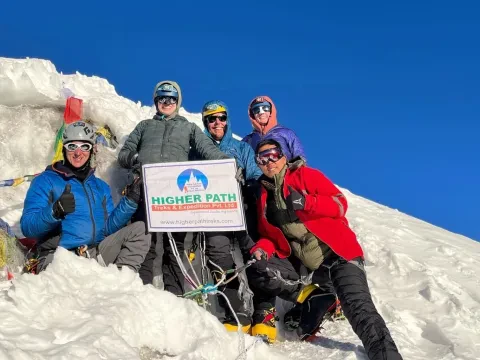
<p>The Everest Region, famous for its towering peaks and breathtaking landscapes, is often associated with challenging mountaineering expeditions. However, there are several trekking peaks in this area that cater to beginners or those who are relatively new to mountaineering. </p>
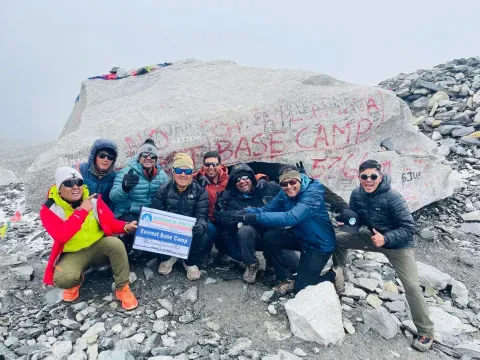
<p>Trekking to Everest Base Camp (EBC) and the summit of Kala Patthar is a dream for many adventurers, and I was fortunate to turn that dream into a reality with Higher Path Treks & Expeditions. The journey offered a life-changing blend of breathtaking scenery, cultural immersion, and personal achievement.</p>
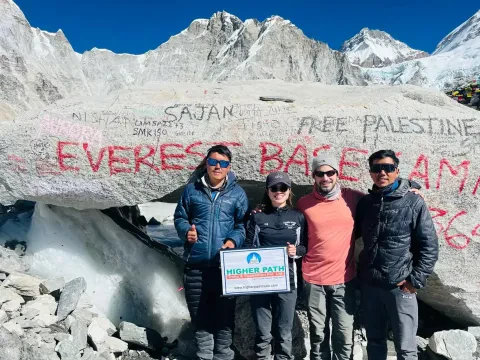
<p>Exploring on the Everest Base Camp (EBC) trek is more than just a journey through the Himalayas—it's a spiritual, cultural, and personal adventure that brings you face to face with the world's highest peak. At Higher Path Treks & Expeditions, we guide you through this unforgettable experience, ensuring that every moment is filled with wonder, safety, and meaning.</p>