
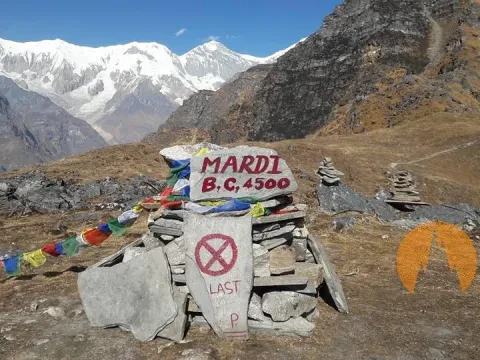
Mardi Himal Trek is one of the shortest and easy to moderate trek in Annapurna region, Nepal, it is known primarily for its scenery, the trek also provides meaningful cultural experiences. Mardi Himal Trek offers something deeper. The quiet trails, vast mountain vistas, and slow rhythm of trekking encourage reflection and mindfulness. Many trekkers describe the experience as grounding—a chance to disconnect from modern distractions and reconnect with nature. With fewer crowds and a more intimate trail, Mardi Himal allows moments of silence where the only sounds are wind, footsteps, and distant prayer flags fluttering in the breeze.The route passes through small villages primarily inhabited by Gurung and Magar communities, known for their warmth and hospitality. Hidden beneath the towering shadows of Machapuchare and the Annapurna range lies one of Nepal’s most rewarding short treks—the Mardi Himal Trek. Quiet, scenic, and refreshingly untouched, this trail offers trekkers a rare chance to experience the raw beauty of the Himalayas without the crowds that dominate more established routes. From dense rhododendron forests and peaceful mountain villages to dramatic alpine ridges and close-up mountain views, the Mardi Himal Trek is a journey that blends adventure, tranquility, and authenticity.Located in the Annapurna region of Nepal, this trek leads adventurers deep into landscapes that feel both intimate and grand. The trail gradually ascends from subtropical forests to high alpine terrain, culminating in awe-inspiring viewpoints of Mardi Himal, Machapuchare (Fishtail), Annapurna South, and Hiunchuli. Despite its growing popularity, Mardi Himal still retains a secluded charm that appeals to trekkers seeking a quieter and more immersive Himalayan experience.Trip Facts of Mardi Himal TrekDuration: 8 daysMax Altitude: 4,200 m (Mardi Himal High View Point)Best Season: Spring (March to May) and Autumn (September to November)Accommodation: Comfortable teahouses during the trekMeals: Breakfast, lunch and dinner during the trekTrip Grade: Easy to ModerateStart/End Point: KathmanduBest Seasons for Mardi Himal TrekThe Mardi Himal Trek can be undertaken throughout much of the year, but certain seasons offer optimal conditions.Spring (March to May)Spring is one of the best times to trek Mardi Himal. The weather is stable, temperatures are moderate, and the forests come alive with blooming rhododendrons. Mountain views are generally clear, making this season ideal for photography.Autumn (September to November)Autumn offers crisp air, stable weather, and excellent visibility. The skies are often clear after the monsoon, revealing sharp mountain outlines. This is the most popular trekking season in Nepal due to ideal conditions.Winter (December to February)Winter trekking is possible for those prepared for cold temperatures. The trail is quieter, and snow-covered landscapes create a magical atmosphere, though higher sections may require caution.Monsoon (June to August)The monsoon brings lush greenery and fewer trekkers. While clouds and rain can limit views, the trail feels peaceful and vibrant. This season is best suited for experienced trekkers comfortable with changing weather conditions.Mardi Himal Trek DifficultyThe Mardi Himal Trek is considered as moderate, making it accessible to a wide range of trekkers. It does not require technical climbing skills, but a reasonable level of fitness is recommended due to daily ascents and descents.The gradual elevation gain allows trekkers to acclimatize naturally, and the trail’s shorter duration compared to longer Himalayan treks makes it an excellent choice for those with limited time.Accommodation and Food on the TrailAccommodation along the Mardi Himal route primarily consists of teahouses, which provide simple yet comfortable lodging. These teahouses offer warm meals, cozy rooms, and welcoming hospitality that reflect the spirit of Nepal’s mountain culture.Meals typically include:Traditional Nepali dal bhatNoodles, soups, and rice dishesTibetan bread and local snacksHigher Path Treks carefully selects accommodations to ensure cleanliness, comfort, and a positive impact on local communities.Mardi Himal Trek with Higher Path TreksChoosing the right trekking company plays a vital role in shaping the overall experience, and Higher Path Treks has earned a strong reputation for delivering well-organized, responsible, and memorable Himalayan journeys.With a deep understanding of the Annapurna region, Higher Path Treks ensures that trekkers experience Mardi Himal in a way that is safe, comfortable, and environmentally responsible. From arrival in Nepal to the final moments of the trek, their team manages logistics seamlessly, allowing trekkers to focus entirely on the experience itself.Experienced Local GuidesHigher Path Treks employs knowledgeable local guides who understand the terrain, weather patterns, and cultural nuances of the region. Their experience enhances safety while also enriching the trek with insights into mountain geography, local traditions, and natural history.Commitment to Responsible TourismSustainability is at the core of Higher Path Treks’ philosophy. By supporting local lodges, hiring local staff, and encouraging eco-friendly trekking practices, the company helps preserve the natural environment and contributes directly to local communities along the trail.Final Thoughts: Why Choose Mardi Himal TrekThe Mardi Himal Trek is a perfect blend of scenic beauty, cultural richness, and peaceful exploration. It offers all the magic of the Annapurna region without the congestion of more famous routes. Whether you are new to Himalayan trekking or an experienced adventurer seeking something quieter, Mardi Himal delivers an experience that feels authentic and deeply rewarding.With Higher Path Treks, this journey becomes even more meaningful. Their professionalism, local expertise, and commitment to responsible travel ensure that every step of the trek is smooth, safe, and enriching.The Mardi Himal Trek is not just about reaching a viewpoint or standing beneath towering peaks—it is about the journey itself, the people you meet, and the lasting memories created in one of the most beautiful corners of Nepal.Helpful Blogs About Trekking in the Annapurna Region:Uncover the best blogs about trekking in the Annapurna region, featuring expert advice, detailed itineraries, personal experiences, and essential tips for adventurers looking to explore the Himalayas.Annapurna Base Camp Trek: A Short Journey to the HimalayasAnnapurna Circuit Trek with Tilicho Lake – A Complete Guide by Higher Path Treks & ExpeditionsTop Tips for Climbing Pisang Peak on the Annapurna CircuitTop Reasons to Trek Ghorepani Poon HillTop Reasons to Choose Tilicho Lake Trek with Thorong La PassBest Experience on the Short Mardi Himal Trek: A Journey to RememberTop Reasons to Combine Pisang Peak Climbing with the Annapurna Circuit TrekComparing Chulu Far East Peak Climbing vs Chulu West Peak ClimbingPoonhill Amazing viewThe most picturesque village GhandrukPhotography Guide: Capturing the Himalayas Without Expensive GearNepal Peak Climbing 2026: Routes, Tips, and Top SummitsThe Best Hiking Adventures: Famous Peak Climbs in 2025Top Himalayan Peaks for Beginner Climbers: A Comprehensive GuideIs Peak Climbing in Nepal Easy for Beginners?Top Best Expedition Packages in Nepal 2025Experience Mountain View in NepalTop Highlights of the Annapurna Base Camp Trek
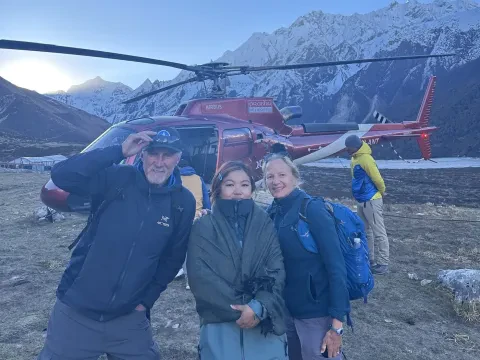
Langtang Valley Trek with Helicopter Return is exciting and unforgettable Himalayan journey, in Nepal. Explore on a journey through the pristine beauty of the Langtang Valley, where every step unveils a tapestry of rugged landscapes and cultural richness. Begin your trek from Syabrubesi, a quaint village where prayer flags flutter in the Himalayan breeze, marking the start of your adventure with scenic helicopter flight back to Kathmandu.The trail meanders through dense rhododendron forests alive with the melodies of Himalayan birds. As you ascend, catch glimpses of snow-capped peaks teasing through the canopy of emerald foliage. The air is crisp and fragrant with the scent of pine, leading you deeper into the heart of the Langtang National Park.Passing through traditional Tamang villages, each adorned with intricately carved wooden houses, you witness a way of life untouched by time. Friendly locals greet you with warm smiles, their stories echoing the resilience of a people tied to these rugged mountains.Traverse high alpine meadows where yaks graze peacefully against a backdrop of towering cliffs. The landscape shifts dramatically as you approach Kyanjin Gompa, nestled beneath the icy gaze of Langtang Lirung. Here, the tranquility of the glacial lake mirrors the grandeur of its surroundings, inviting you to pause and reflect.After days of immersion in nature's grandeur, a thrilling twist awaits as you board a helicopter for your return journey. Soaring above the valleys you've conquered on foot, the aerial perspective unveils a panorama of jagged peaks and winding rivers. Below, the Langtang Valley stretches out like a quilted patchwork of terraced fields and ancient monasteries, a testament to the harmony between humanity and the Himalayas.As you descend from the helicopter back to Kathmandu, the memories of your trek linger like wisps of mountain mist. The Langtang Valley Trek with a return by helicopter is not just an expedition; it's a symphony of sights and sounds, an odyssey that resonates long after you've touched solid ground once more.Trip Facts of Langtang Valley Trek with Helicopter ReturnDuration: Max Altitude: Kyangjin Ri II (4,773 m)Best Season: Spring (March to May) and Autumn (September to November)Accommodation: Comfortable tea houses during the trekMeals: Breakfast, lunch and dinner during the trekTrip Grade: ModerateStart/End Point: Kathmandu Permits for Langtang Valley Trek with Helicopter ReturnFor Langtang Valley Trek trekkers need two different permitsLangtang National Park Entry PermitTIMSLangtang Valley Trek with Helicopter Return DifficultyLangtang Valley Trek is considered as easy to moderate trek. Although this trip is return by helicopter trekkers should hike 5-6 hours a day towards Kyangjin Gompa with gaining altitude. Good fitness and previous trekking experience is beneficial but not mandatory. First time trekkers without previous experience can complete this trek.Best Season for Langtang Valley Trek with Helicopter ReturnSpring (March to May) and Autumn (September to November) are good season for Langtang Valley Trek. During Autumn weather is fine, warm temperature, clear skies and trails are generally in good conditions. Spring offers warmer temperature, clear skies, rhododendron bloom and trails also in good conditions.why join with Higher Path Treks & ExpeditionsHigher Path Treks & Expeditions is recognized for its professionally organized trips, expert guiding, and high-quality service throughout every journey. With over a decade of experience in mountaineering expedition planning and coordination, we are dedicated to ensuring that each expedition delivers the best possible experience for our climbers.Our mission is built around three core goals: reaching the summit, returning safely, and enjoying the journey. Among these, safety remains our top priority.While many operators make broad claims about their services, we believe in genuine professionalism, transparency, and capability in handling critical aspects of every expedition. Your chances of success on the mountain are greatly enhanced when you’re supported by an experienced leader and a strong, well-trained Sherpa team.At Higher Path Treks & Expeditions, our approach to organizing expeditions is rooted in our core philosophy—quality, safety, and success. This philosophy is consistently reflected in the expeditions we manage and our proven record of high achievement.Helpful Blogs About Trekking in the Langtang Region:Uncover the best blogs about trekking in the Langtang region, featuring expert advice, detailed itineraries, personal experiences, and essential tips for adventurers looking to explore the Himalayas.A Beginner’s Guide to Trekking Langtang ValleyBest Peak Climbing Tips for Langtang Yala Peak ClimbingBest Trekking Peaks in Langtang Region for BeginnersJourney to Beautiful Village of LangtangPhotography Guide: Capturing the Himalayas Without Expensive GearNepal Peak Climbing 2026: Routes, Tips, and Top SummitsThe Best Hiking Adventures: Famous Peak Climbs in 2025Top Himalayan Peaks for Beginner Climbers: A Comprehensive GuideIs Peak Climbing in Nepal Easy for Beginners?Top Best Expedition Packages in Nepal 2025Experience Mountain View in Nepal
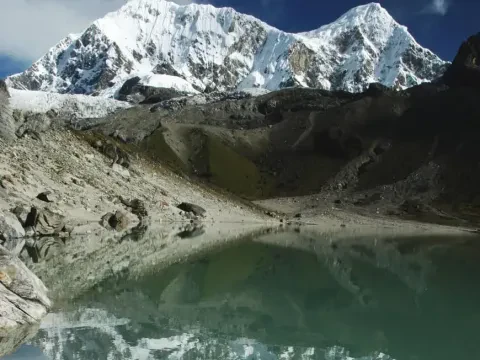
Dudh Kunda Trek: Journey to the Sacred Milky Lake of the Everest RegionDiscover one of Nepal's most spiritual and least-crowded treks—where sacred lakes meet Sherpa culture in the pristine Solu-Khumbu highlandsExploring the Dudh Kunda Trek with Higher Path Treks & Expeditions promises an extraordinary journey into the heart of the Everest region, offering a unique blend of cultural immersion and untouched natural beauty. Located in the Solu-Khumbu district of Nepal, this trek takes adventurers through pristine landscapes and remote Sherpa villages, culminating in a sacred lake surrounded by towering Himalayan peaks.Why Choose Dudh Kunda TrekHigher Path Treks & Expeditions, known for its expertise in organizing treks that combine adventure with cultural exploration, ensures a seamless experience from start to finish. Upon arrival in Kathmandu, trekkers are greeted with warm hospitality and comprehensive logistical support, including transfers and necessary permits. This attention to detail allows trekkers to focus on enjoying the trekking experience without worrying about administrative complexities.The Dudh Kunda Trek stands apart from more popular routes like Everest Base Camp or Annapurna Circuit by offering:Fewer crowds: Experience the Himalayas without the congestion of tourist-heavy trailsAuthentic Sherpa culture: Visit villages rarely touched by mass tourismSpiritual significance: Reach a sacred lake central to local Hindu and Buddhist traditionsDiverse landscapes: Trek through rhododendron forests, alpine meadows, and high-altitude terrainModerate difficulty: Accessible to trekkers with reasonable fitness without technical climbing skillsThe Journey Begins: Kathmandu to PhapluThe journey to Dudh Kunda typically begins with a scenic flight from Kathmandu to Phaplu, a picturesque town in the Solu region that serves as the gateway to the lower Everest area. This 35-minute flight offers stunning aerial views of terraced farmlands transitioning into snow-capped peaks—a preview of the landscapes ahead.Alternative Access: For those seeking a more adventurous start or when flights are unavailable, a scenic drive from Kathmandu to Phaplu takes approximately 8-10 hours through winding mountain roads. While longer, this overland journey provides intimate glimpses of rural Nepali life and changing ecosystems.From Phaplu, trekkers embark on a journey that gradually ascends through lush forests of rhododendron, magnolia, and pine, offering glimpses of traditional Sherpa culture and architecture along the way. The trails are adorned with prayer flags and Mani stones, reflecting the deep spiritual essence of the region. These Buddhist inscriptions and colorful flags create a meditative atmosphere, reminding trekkers that this isn't just physical journey—it's a pilgrimage for many locals.The Trek Experience: What to ExpectForest Trails and Cultural EncountersThe initial days of trekking pass through dense subtropical and temperate forests where rhododendrons bloom spectacularly in March and April, painting entire hillsides in shades of red, pink, and white. The trail weaves through small Sherpa and Rai villages where traditional stone houses with slate roofs dot the landscape, and locals practice centuries-old agricultural methods on terraced fields.Unlike the more commercialized routes, villages on the Dudh Kunda trek maintain authentic lifestyles. You might witness:Traditional butter-making in Sherpa householdsLocal festivals and ceremonies if timing alignsAncient monasteries where monks practice daily ritualsYak herding in higher pasturesThese cultural encounters provide context for the spiritual significance of Dudh Kunda itself—this isn't merely a trekking destination but a sacred pilgrimage site where locals make annual journeys seeking blessings.Ascending Through Changing ZonesAs trekkers ascend higher, the landscape transforms dramatically, revealing panoramic views of snow-capped peaks including Numbur Himal (6,959m), Karyolung (6,511m), and distant glimpses of Everest (8,849m). The vegetation thins, forests give way to alpine scrub, and the air becomes noticeably thinner.Key highlights along the ascent include:Bung Village: A traditional Sherpa settlement where the local monastery offers insight into Buddhist practicesChyangba: Higher altitude village where yak herding becomes the primary livelihoodAlpine Meadows: Vast grasslands where yaks graze during summer monthsRocky Moraines: Final approaches to the lake involve traversing boulder-strewn landscapesThe moderate altitude gain (reaching approximately 4,560 meters) requires proper acclimatization, which Higher Path Treks & Expeditions builds into the itinerary through carefully paced daily stages. This approach significantly reduces altitude sickness risks while allowing trekkers to fully appreciate their surroundings rather than rushing upward.Dudh Kunda: The Sacred Milky LakeThe highlight and spiritual heart of the trek is Dudh Kunda, a sacred lake nestled at an altitude of 4,560 meters (14,957 feet). The name translates to "Milky Lake" in Nepali—a reference to the lake's distinctive white-blue coloration caused by glacial melt carrying fine sediment particles.Religious and Cultural SignificanceDudh Kunda holds profound spiritual importance for both Hindu and Buddhist communities. According to local legends:Hindus believe the lake is associated with Lord Shiva and that bathing in its waters can cleanse sins and bring divine blessingsBuddhists consider it a sacred site connected to Guru Rinpoche (Padmasambhava), who is said to have meditated hereAnnual pilgrimages during the full moon of August (Janai Purnima) bring hundreds of devotees who camp by the lake's shores for ritual bathing and ceremoniesFor trekkers, witnessing or participating in these spiritual practices adds depth to the adventure—transforming it from mere physical achievement into cultural understanding.The Lake's Natural BeautyBeyond its spiritual significance, Dudh Kunda captivates with sheer natural beauty:Mirror-like reflections: On calm mornings, the lake perfectly reflects surrounding peaks, creating surreal double-mountain imageryPrayer flags: Hundreds of colorful flags strung around the lake flutter in high-altitude winds, their prayers carried skywardWildlife: Blue sheep (bharal) and Himalayan tahr sometimes graze near the lake, while lammergeiers soar overheadSunrise magic: Early morning light transforms the lake's color from deep blue to ethereal turquoiseThe serene waters of Dudh Kunda, surrounded by rocky amphitheater of snow-dusted peaks, create a tranquil and spiritually uplifting atmosphere that justifies every step of the journey.Safety, Comfort, and Responsible TrekkingThroughout the trek,Higher Path Treks & Expeditions prioritizes safety and comfort, providing experienced guides who are well-versed in the terrain and altitude challenges. Unlike larger commercial operations rushing groups through itineraries, we encourage trekkers to trek at a comfortable pace, allowing ample time for:Proper acclimatization: Gradual altitude gain reduces altitude sickness riskCultural interaction: Time to visit monasteries, speak with locals, and understand Sherpa traditionsPhotography: Capturing the stunning landscapes without feeling rushedPersonal reflection: The trek offers opportunities for meditation and introspection in one of the world's most inspiring settingsAccommodation OptionsAccommodations vary based on location and altitude:Lower elevations (Phaplu to Bung): Cozy teahouses offering warm Sherpa hospitality, similar to those found on Langtang Valley TrekMid-altitude (Chyangba area): Simple lodges with basic facilities but genuine warmthHigher camps: Camping under the starlit Himalayan sky near Dudh Kunda, ensuring an authentic and immersive experienceAll accommodations include meals featuring traditional Nepali food—primarily dal bhat (rice and lentils), which provides excellent trekking nutrition. The repetitive menu is actually a blessing: dal bhat's carbohydrate-protein combination offers sustained energy at altitude.Our Commitment to SustainabilityHigher Path Treks & Expeditions is committed to sustainable tourism practices, actively working to:Minimize environmental impact: Following Leave No Trace principles, removing all waste, and using eco-friendly productsSupport local communities: Employing local guides and porters, sourcing products from village suppliers, and staying in locally-owned lodgesFair employment: Ensuring guides and porters receive fair wages, proper equipment, insurance coverage, and reasonable load limitsCultural preservation: Encouraging respectful interaction with local customs and supporting monastery maintenanceThis approach not only enhances the trekking experience but also contributes positively to the livelihoods of those living in the region, ensuring that tourism benefits reach the communities that make these adventures possible.What Makes This Trek SpecialThe Dudh Kunda Trek occupies a unique position in Nepal's trekking landscape:Off the Beaten PathWhile thousands flock annually to Everest Base Camp or Annapurna Base Camp, Dudh Kunda remains relatively undiscovered by international trekkers. This means:Pristine trails: Paths that haven't been widened and developed for mass tourismAuthentic villages: Communities maintaining traditional lifestyles without heavy tourist influenceSolitude: Days where you might encounter only a handful of other trekkersPersonal attention: Smaller groups receive better guide-to-trekker ratios and individualized supportSpiritual DimensionUnlike purely scenic treks, Dudh Kunda offers a spiritual component often absent from more commercialized routes. The lake's religious significance, the presence of pilgrims, participation in or observation of rituals, and the general atmosphere of reverence add layers of meaning to the physical challenge.Trekkers often report that reaching Dudh Kunda feels less like summiting a peak and more like completing a pilgrimage—regardless of their personal religious beliefs, the site's spiritual energy is palpable.Manageable ChallengeWith a maximum altitude of 4,560 meters, Dudh Kunda sits in the "goldilocks zone" of trekking difficulty:High enough to feel accomplished and experience genuine Himalayan terrainNot so high that extensive mountaineering experience or technical skills are requiredPerfect for first-timers to high-altitude trekking who find Everest Base Camp too dauntingExcellent preparation for those planning to later attempt Island Peak or Mera PeakThe trek requires reasonable fitness—ability to walk 5-7 hours daily with modest elevation gain—but doesn't demand the extreme endurance needed for 5,500+ meter treks.Best Time to Trek Dudh KundaSpring Season (March-May): Peak BeautySpring offers arguably the best trekking conditions:Rhododendron blooms: Lower forests explode in color, creating stunning hiking through red and pink canopiesClear skies: Pre-monsoon weather typically provides excellent mountain visibilityComfortable temperatures: Daytime warmth at lower elevations, cool but manageable nights at Dudh KundaPilgrimage season: Late spring brings local devotees, offering cultural insightsDrawback: This is peak season for most Nepal treks, meaning slightly more crowded trails (though still far less than Everest or Annapurna routes)Autumn Season (September-November): Crystal ClarityPost-monsoon autumn provides:Exceptional visibility: Rain-washed air offers the clearest mountain viewsStable weather: Minimal precipitation and predictable conditionsComfortable temperatures: Pleasant hiking weather throughoutFestival season: Major Nepali festivals like Dashain and Tihar add cultural richnessDrawback: Another peak season with higher lodge occupancy and prices.Summer/Monsoon (June-August): For the AdventurousMonsoon trekking has both challenges and unique appeals:Lush greenery: Rain transforms landscapes into emerald paradiseWildflowers: Alpine meadows bloom with diverse floraEmpty trails: Very few trekkers venture out during monsoonLower costs: Lodges and guides offer off-season ratesDrawbacks: Frequent rain, leeches at lower elevations, obscured mountain views, slippery trails, and potential flight delays.Winter (December-February): Quiet and ColdWinter trekking suits those seeking solitude and willing to brave cold:Clear skies: Dry winter air provides excellent visibilityEmpty trails: Virtually no other trekkersLower costs: Significant discounts on servicesSnow-covered landscapes: Higher elevations gain winter beautyDrawbacks: Very cold nights (sub-zero temperatures at Dudh Kunda), some lodges may be closed, shorter daylight hours, and Dudh Kunda lake may be frozen.Preparing for Your Dudh Kunda AdventureFitness RequirementsWhile not technically difficult, Dudh Kunda demands reasonable cardiovascular fitness:Ability to hike 5-7 hours daily with a daypack (porters carry main luggage)Comfort with elevation gain: Daily ascents of 500-800 metersPrevious multi-day hiking experience is beneficial but not mandatoryTraining recommendations:2-3 months of regular hiking with gradually increasing distancesStair climbing to simulate uphill trekkingCardiovascular exercises (running, cycling, swimming)Day hikes with weighted pack on weekendsEssential GearPacking appropriately ensures comfort and safety:Clothing layers:Base layers (moisture-wicking)Insulating mid-layers (fleece or down)Waterproof outer shell jacket and pantsWarm hat, sun hat, glovesTrekking pants and shirtsFootwear:Well-broken-in hiking boots (ankle support recommended)Camp shoes or sandals for eveningsWool or synthetic trekking socksEquipment:Sleeping bag rated to -10°C (lodges provide blankets but may be insufficient)Trekking poles (extremely helpful for knee protection on descents)Headlamp with extra batteriesWater purification (tablets or filter)Sunglasses and sunscreen (high-altitude sun is intense)Personal items:Basic first aid kit with altitude medication (Diamox)Personal toiletriesCamera and power bankSnacks (energy bars, nuts, chocolate)Higher Path Treks & Expeditions can arrange equipment rental in Kathmandu for items like sleeping bags, down jackets, and trekking poles, reducing what you need to pack from home.Permits and DocumentationRequired permits for Dudh Kunda Trek include:TIMS Card (Trekkers' Information Management System): Tracks trekker whereabouts for safetyLocal Area Permit: Specific to Solu-Khumbu regionHigher Path Treks & Expeditions arranges all permits, simplifying the bureaucratic process. You simply provide:Passport copiesPassport-sized photosTravel insurance detailsTravel insurance is mandatory and must cover:Emergency helicopter evacuation up to 5,000 metersMedical treatmentTrip cancellationLost luggageCombining Dudh Kunda with Other AdventuresFor trekkers with extended time, Dudh Kunda combines well with other Everest region treks:Dudh Kunda + Pikey PeakAdd 2-3 days to visit Pikey Peak (4,065m), famous for sunrise views over Everest. This combination offers diverse landscapes and two distinct highland experiences without extreme altitude.Extended Solu-Khumbu CircuitContinue from Dudh Kunda to connect with the main Everest Base Camp trail via Lukla, creating a comprehensive 2-3 week circuit encompassing both lesser-known and classic routes.Cultural Immersion ExtensionSpend extra days in Sherpa villages, participating in:Monastery stays and meditation sessionsTraditional cooking classesLocal craft workshops (Tibetan carpet weaving, thangka painting)Village festivals if timing alignsWhat to Expect: A Day in the LifeUnderstanding typical trekking days helps set realistic expectations:Morning (6:30-8:00 AM):Wake-up call with bed tea delivered to your roomWashing up (warm water provided in bucket)Breakfast (porridge, eggs, toast, tea/coffee)Pack daypack while porters organize main luggageTrekking (8:00 AM-3:00 PM):Morning walk of 2-3 hours to mid-day stopLunch at teahouse (often dal bhat or noodles)Afternoon walk of 2-3 hours to overnight destinationRegular water and snack breaksPace adjusted to slowest group member (altitude principle: "pole pole"—slowly slowly)Afternoon/Evening (3:00-9:00 PM):Arrive at lodge, settle into roomsWashing up (cold water mostly, hot water for fee)Afternoon tea and snacksFree time for reading, journaling, exploring villageDinner (6:30-7:30 PM)—group meals in dining roomEvening briefing about next day's routeEarly bedtime (altitude makes sleep quality poor, so quantity matters)This rhythm continues daily, with rest days breaking the pattern for acclimatization and cultural exploration.Why Trek with Higher Path Treks & ExpeditionsChoosing the right trekking company significantly impacts your experience.Higher Path Treks & Expeditions distinguishes itself through:Experienced Local GuidesOur guides aren't just route-finders—they're cultural ambassadors, safety experts, and passionate storytellers. All guides have:Government certification and first aid trainingYears of experience in the Solu-Khumbu regionLanguage skills (English, plus local dialects)Deep knowledge of local culture and traditionsSmall Group PhilosophyWe maintain maximum 8 trekkers per guide, ensuring:Personalized attention to each trekker's needsFlexibility to adjust pace for individualsBetter guide-to-trekker safety ratiosMore intimate cultural interactionsEthical EmploymentOur commitment to fair labor practices includes:Above-minimum wages for all staffComprehensive insurance for guides and portersProper equipment provision (no porter barefoot in sneakers)Reasonable load limits (maximum 20kg per porter, strictly enforced)Educational opportunities for staff developmentComprehensive SupportFrom initial inquiry to post-trek follow-up, we provide:Detailed pre-departure information and packing listsAirport pickup and hotel transfersAll permit arrangementsEquipment rental facilitationPost-trek celebration dinnerSummit certificate and digital photo albums24/7 emergency supportSustainable PracticesWe actively work to minimize environmental impact:Use of biodegradable soaps and productsWaste management (pack out all non-burnable trash)Support for local environmental initiativesEducation about Leave No Trace principlesEncouragement of reusable water bottles over plasticReturning Home: Lasting ImpactsAt the conclusion of the trek, trekkers return to Kathmandu with memories of breathtaking landscapes, encounters with Sherpa culture, and a profound sense of accomplishment. The flight back from Phaplu offers final aerial views of the mountains you've walked among, creating a satisfying sense of journey completion.But the Dudh Kunda Trek's impact extends beyond the immediate experience:Physical confidence: Discovering your body's capabilities in challenging terrainCultural understanding: Direct exposure to Sherpa and Rai traditions builds appreciation for different ways of livingSpiritual reflection: The pilgrimage atmosphere often prompts personal introspection, regardless of religious beliefsEnvironmental awareness: Witnessing pristine nature and climate change effects firsthand often transforms abstract environmental concerns into personal commitmentsPerspective shift: Daily challenges in the mountains make everyday problems seem smallerMany trekkers report that Dudh Kunda was a transformative experience—not in a cliché "find yourself" way, but through genuine challenge, cultural exposure, and the simple clarity that comes from days spent walking, eating, sleeping, and repeat.Planning Your Dudh Kunda TrekThe Dudh Kunda Trek with Higher Path Treks & Expeditions is not just an adventure; it's a journey of discovery, spiritual renewal, and appreciation for the natural wonders of Nepal. Whether you're a seasoned trekker or embarking on your first Himalayan expedition, we ensure that every moment is enriching and unforgettable.Ready to embark on this sacred journey? Explore our full trekking options in Nepal or contact us directly to discuss your Dudh Kunda adventure. We're also available on WhatsApp for quick questions.For those seeking other off-the-beaten-path adventures, consider our Tsum Valley Trek or Makalu Base Camp Trek—equally stunning alternatives to overcrowded classic routes.The mountains are calling. Dudh Kunda awaits. Will you answer?Top Blogs About Trekking in the Everest Region:Uncover the best blogs about trekking in the Everest region, featuring expert advice, detailed itineraries, personal experiences, and essential tips for adventurers looking to explore the Himalayas.Photography Guide: Capturing the Himalayas Without Expensive GearEverest Luxury Trek: An Unforgettable Himalayan ExperienceNepal Peak Climbing 2026: Routes, Tips, and Top SummitsSolo Trekking to Everest Base Camp: Is It Possible?Top 10 Highlights of the Everest Base Camp TrekSuccessfully Trekking to Everest Base Camp and Kala PattharWhy Famous Trekkers Choose Everest Base Camp?Autumn Season to Everest Base Camp TrekThe Best Hiking Adventures: Famous Peak Climbs in 2025Top Himalayan Peaks for Beginner Climbers: A Comprehensive GuideEverest Three Peaks: A Beginner’s Guide to the Ultimate Himalayan ChallengeIs Peak Climbing in Nepal Easy for Beginners?Must-Know Facts About Everest Base Camp TrekkingWhy Gokyo Ri is a Must-Visit for Everest Trek LoversThe Roof of the World: Peak Climbing Journeys through Nepal’s High CountryWhat to Expect on an Island Peak Climbing ExpeditionMera Peak Climbing Guide for Beginners: Tips, Difficulty & PreparationFour Peaks, One Journey: Mera, Island, Lobuche & Amphu Lapcha ExpeditionTop Best Expedition Packages in Nepal 2025Which is Easier: Mera Peak or Island Peak?Why Choose Island Peak Climbing with Everest Base Camp Trek for BeginnersBest Trekking Peaks in Everest Region for BeginnersExperience Mountain View in NepalEssentials for Everest Base Camp
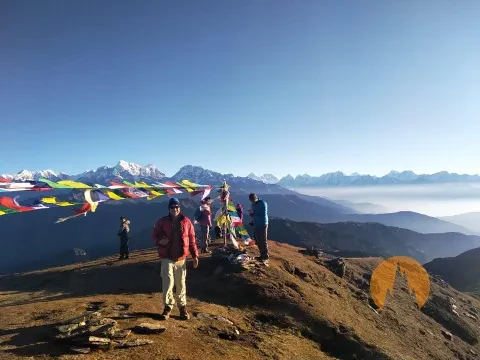
Pikey Peak Trek – A Scenic and Spiritual Journey in the Lower Everest RegionThe Pikey Peak Trek is one of the most rewarding yet lesser-known trekking routes in Nepal’s lower Everest region. Offering breathtaking panoramic views of the Himalayas, rich Sherpa culture, and peaceful trails far from the busy Everest routes, this trek is ideal for travelers seeking both natural beauty and cultural depth. From the summit of Pikey Peak (4,065 meters), trekkers are rewarded with sweeping views of Mount Everest, Lhotse, Makalu, Kanchenjunga, Annapurna, and Dhaulagiri—all visible on a clear day.Unlike crowded trails such as the Everest Base Camp Trek, the Pikey Peak route remains quiet and authentic, making it a perfect choice for trekkers who want a more intimate Himalayan experience without compromising on scenery.Trek Overview and Route ExperienceThe journey begins with a scenic drive from Kathmandu to Dhap, a rural town considered the gateway to the lower Solu region. The trail gradually winds through traditional villages such as Jhapre, Bulbule, and Lamjura, inhabited by Sherpa, Rai, and Tamang communities. Along the way, trekkers experience warm local hospitality, traditional stone houses, colorful prayer flags, mani walls, and centuries-old monasteries.The landscape changes beautifully as the trek progresses—dense rhododendron and pine forests give way to alpine meadows and open ridgelines. Compared to more demanding routes like the Everest Three Passes Trek, the Pikey Peak Trek offers a gentler ascent, making it suitable for trekkers with moderate fitness levels.Pikey Peak Summit – Best Sunrise View of EverestThe highlight of the trek is the early-morning hike to Pikey Peak summit, widely regarded as one of the best sunrise viewpoints in Nepal. Sir Edmund Hillary himself once mentioned Pikey Peak as his favorite place to view Mount Everest. As the sun rises, the Himalayan range slowly lights up in golden hues, offering an unforgettable visual experience.Pikey Peak also holds deep spiritual importance for the Sherpa people. Each year, locals gather here to celebrate the Dumje Festival, performing traditional dances, rituals, and prayers to honor mountain deities—adding cultural richness similar to experiences found on the Everest Panorama Trek.Culture, Monasteries, and Local LifeThis trek provides excellent insight into Himalayan Buddhist culture. Trekkers visit ancient monasteries, chortens, and prayer-wheel-lined trails, gaining a deeper understanding of spiritual life in the Solu region. Villages like Jhapre are known for their monasteries and Himalayan view decks, offering cultural encounters rarely found on busier routes such as the Everest View Trek.Guides facilitate meaningful interactions with local families, allowing trekkers to learn about traditional farming practices, yak herding, handicrafts, and daily Sherpa life—similar in cultural depth to treks like the Lower Everest Trek.Wildlife, Nature, and SeasonsThe Pikey Peak Trek passes through rich biodiversity zones where trekkers may spot musk deer, Himalayan thar, langurs, and various bird species. In spring, the forests bloom with rhododendrons, while autumn offers crystal-clear mountain views.The best seasons for the trek are March to May and September to November, when weather conditions are stable and visibility is excellent. Compared to higher-altitude routes like the Gokyo Lakes Trek, Pikey Peak offers fewer altitude-related challenges while still delivering dramatic Himalayan scenery.Accommodation, Food, and Trekking ComfortAccommodation is arranged in comfortable local teahouses with basic yet clean facilities. Meals include traditional Nepali dishes such as dal bhat, along with simple international options to keep trekkers energized throughout the journey. The overall trekking experience is relaxed and well-paced, making it an excellent option for first-time trekkers or those looking for a shorter Himalayan adventure, similar to the Pikey Peak Short Trek.Why Choose the Pikey Peak Trek?Stunning Everest sunrise views without crowdsRich Sherpa culture and spiritual heritageModerate difficulty, suitable for many trekkersIdeal alternative to busy Everest routesPerfect blend of nature, culture, and tranquilityThe Pikey Peak Trek is an exceptional choice for travelers who want an authentic Himalayan experience that combines breathtaking mountain views, cultural immersion, and peaceful trekking trails. Whether you’re watching the sun rise over Everest, visiting ancient monasteries, or sharing stories with local villagers, this trek delivers a deeply memorable journey through the heart of Nepal’s lower Everest region.Top Blogs About Trekking in the Everest Region:Uncover the best blogs about trekking in the Everest region, featuring expert advice, detailed itineraries, personal experiences, and essential tips for adventurers looking to explore the Himalayas.Photography Guide: Capturing the Himalayas Without Expensive GearEverest Luxury Trek: An Unforgettable Himalayan ExperienceNepal Peak Climbing 2026: Routes, Tips, and Top SummitsSolo Trekking to Everest Base Camp: Is It Possible?Top 10 Highlights of the Everest Base Camp TrekSuccessfully Trekking to Everest Base Camp and Kala PattharWhy Famous Trekkers Choose Everest Base Camp?Autumn Season to Everest Base Camp TrekThe Best Hiking Adventures: Famous Peak Climbs in 2025Top Himalayan Peaks for Beginner Climbers: A Comprehensive GuideEverest Three Peaks: A Beginner’s Guide to the Ultimate Himalayan ChallengeIs Peak Climbing in Nepal Easy for Beginners?Must-Know Facts About Everest Base Camp TrekkingWhy Gokyo Ri is a Must-Visit for Everest Trek LoversThe Roof of the World: Peak Climbing Journeys through Nepal’s High CountryWhat to Expect on an Island Peak Climbing ExpeditionMera Peak Climbing Guide for Beginners: Tips, Difficulty & PreparationFour Peaks, One Journey: Mera, Island, Lobuche & Amphu Lapcha ExpeditionTop Best Expedition Packages in Nepal 2025Which is Easier: Mera Peak or Island Peak?Why Choose Island Peak Climbing with Everest Base Camp Trek for BeginnersBest Trekking Peaks in Everest Region for BeginnersExperience Mountain View in NepalEssentials for Everest Base Camp
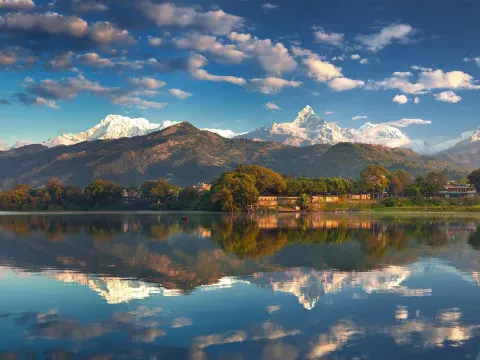
The Pokhara and Lumbini Tour with Higher Path Treks is a thoughtfully crafted journey that explores two of Nepal’s most significant and scenic destinations. This tour offers a blend of natural beauty, cultural richness, and spiritual heritage. Pokhara, known for its stunning landscapes and tranquil lakes, contrasts beautifully with Lumbini, the birthplace of Lord Buddha. Higher Path Treks, renowned for its expertise in creating immersive travel experiences, ensures that your tour is both enriching and memorable.Pokhara:Pokhara, nestled in the heart of Nepal's stunning Himalayan foothills, is renowned for its breathtaking natural beauty and serene atmosphere. As one of Nepal's most popular tourist destinations, Pokhara offers a wide range of experiences, from tranquil lakes and majestic mountains to vibrant local culture and adventure sports. Here’s a detailed look at what makes Pokhara a must-visit destination:Phewa Lake (Fewa Lake): This picturesque freshwater lake is the centerpiece of Pokhara. Visitors can enjoy serene boat rides, with views of the surrounding hills and the reflection of the iconic Machapuchare (Fishtail) Peak. The Tal Barahi Temple, located on an island in the lake, is a notable landmark and a significant site for local worship.Sarangkot: A popular hilltop vantage point offering panoramic views of the Annapurna and Dhaulagiri mountain ranges. Sarangkot is renowned for its stunning sunrise views, where the peaks are bathed in golden light, making it a prime location for photographers and nature enthusiasts.World Peace Pagoda: Situated on a hilltop across the lake from Pokhara, this Buddhist stupa provides panoramic views of the city, Phewa Lake, and the surrounding Himalayan peaks. The pagoda symbolizes peace and is a serene spot for meditation and reflection.Davis Falls: A captivating natural waterfall that cascades into a deep gorge. The falls are especially dramatic during the monsoon season when the water flow is at its peak. Adjacent to the falls is the Gupteshwor Cave, which houses a sacred Shiva Lingam and offers fascinating limestone formations.Adventure and Outdoor ActivitiesParagliding: Pokhara is renowned as one of the world’s top paragliding destinations. Visitors can enjoy tandem flights that offer an exhilarating experience and breathtaking aerial views of the city, lake, and surrounding mountains.Trekking and Hiking: The city serves as a gateway to several popular trekking routes, including the Annapurna Circuit, Ghorepani Poon Hill, and the Annapurna Base Camp trek. These treks offer stunning views of the Himalayan range and diverse landscapes.Mountain Biking: For adventure enthusiasts, Pokhara offers various biking trails that range from easy rides around the lake to challenging off-road paths through the hills and forests.Zip-lining: Experience the thrill of zip-lining in the world's highest and steepest zip-line, offering an adrenaline-pumping ride and spectacular views of the valley and mountains.Cultural and Historical SitesTibetan Refugee Camp: Visit this camp to explore Tibetan culture and craftsmanship. The camp offers an opportunity to learn about Tibetan traditions, purchase handmade crafts, and enjoy traditional Tibetan cuisine.Pokhara Museum: Located near the lake, this museum showcases Nepalese art, culture, and natural history. Exhibits include sculptures, paintings, and artifacts that provide insights into the region’s heritage.Bindhyabasini Temple: An important Hindu temple dedicated to the goddess Bindhyabasini. It is located on a hill and offers views of the city and surrounding landscapes. The temple is a popular spot for local worshippers and visitors.Relaxation and LeisureLakeside Promenade: The Lakeside area of Pokhara is a vibrant hub with a wide range of cafes, restaurants, shops, and bars. It is an ideal place to relax, enjoy local and international cuisine, and soak in the tranquil lake views.Spa and Wellness: Pokhara offers numerous spa and wellness centers where visitors can enjoy relaxing massages, yoga sessions, and holistic treatments in serene settings.Shopping and Souvenirs: The Lakeside area is dotted with shops selling local handicrafts, souvenirs, and trekking gear. It's a great place to pick up unique gifts and mementos of your visit.Local CuisineNepali and International Cuisine: Pokhara's diverse food scene includes traditional Nepali dishes such as momo (dumplings), dal bhat (lentil soup with rice), and newari cuisine. Additionally, the city offers international dining options, including Italian, Chinese, and Indian cuisine.Local Markets and Food Stalls: Explore local markets and food stalls for authentic street food experiences. Sample fresh fruits, snacks, and traditional sweets.Pokhara is a destination that combines natural splendor, adventure, and cultural richness. Whether you're seeking thrilling outdoor activities, serene natural landscapes, or a vibrant local atmosphere, Pokhara offers something for every traveler. With its scenic beauty, diverse activities, and welcoming ambiance, Pokhara is a must-visit destination in Nepal.LumbiniLumbini, situated in the Rupandehi District of Nepal, is a UNESCO World Heritage Site renowned as the birthplace of Siddhartha Gautama, who later became known as Buddha. This sacred pilgrimage site draws visitors from around the world who come to explore its profound historical, spiritual, and cultural significance. Lumbini is a tranquil oasis offering a deep connection to Buddhist heritage and a serene environment for reflection and meditation. Here’s a comprehensive description of what makes Lumbini a significant destination:Maya Devi Temple: At the heart of Lumbini’s Sacred Garden lies the Maya Devi Temple, a revered site marking the exact spot where Queen Maya Devi gave birth to Siddhartha Gautama in 623 BC. The temple complex includes an ancient ruin of a brick structure, known as the “birthplace,” and a sacred pond where it is believed that Maya Devi bathed before giving birth. Pilgrims and visitors come to pay their respects and meditate at this spiritually significant site.Sacred Garden: The Sacred Garden, encompassing approximately 6 square kilometers, is a beautifully landscaped area with manicured lawns, ancient ruins, and a variety of flora. It includes several significant structures such as the Puskarini Pond and various historical markers. The garden provides a serene environment for meditation and reflection.Historical Significance: The Ashoka Pillar, erected by Emperor Ashoka in 249 BC, is an important historical monument commemorating his pilgrimage to Lumbini. The pillar is inscribed with an edict declaring Lumbini as the birthplace of Buddha. It is a significant symbol of the spread of Buddhism and the emperor’s dedication to promoting the teachings of Buddha.International Monastic Zone: Lumbini is home to several monastic zones, each representing different Buddhist traditions and countries. The International Monastic Zone is a collection of monasteries built by Buddhist communities from around the world. Each monastery reflects unique architectural styles and cultural influences, offering insights into the diversity of Buddhist practices and traditions.Notable Monasteries: Among the notable monasteries in the monastic zones are the Thai Monastery, Chinese Monastery, Korean Monastery, and Tibetan Monastery. Each monastery features distinct architectural styles, artistic elements, and cultural artifacts.Museum Exhibits: The Lumbini Museum provides a comprehensive overview of the history, archaeology, and cultural heritage of Lumbini and Buddhism. The museum houses an extensive collection of artifacts, including sculptures, inscriptions, and historical relics related to the life of Buddha and the development of Buddhism.Educational Value: The museum offers valuable educational resources for visitors to learn about the historical context of Lumbini, the life of Buddha, and the evolution of Buddhist art and architecture.Ancient Stupa: Located near Lumbini, the Ramagrama Stupa is an ancient stupa believed to contain relics of Buddha. It is one of the original eight stupas built to enshrine the relics of Buddha after his cremation. The stupa holds significant archaeological and historical importance for Buddhist scholars and pilgrims.Local Culture and CommunityTharu Culture: Lumbini is situated in an area where the Tharu people, an indigenous ethnic group, reside. The Tharu community maintains traditional lifestyles and cultural practices, which can be explored through village visits and cultural interactions.Local Markets and Craftsmanship: Visitors can explore local markets in Lumbini where they can purchase traditional crafts, souvenirs, and Buddhist artifacts. The markets provide a glimpse into the local economy and cultural expressions.Pilgrimage and MeditationSpiritual Experience: Lumbini is a major pilgrimage site for Buddhists from around the world. Visitors come to engage in spiritual practices, meditation, and rituals at the sacred sites. The tranquil environment of Lumbini fosters a profound sense of peace and reflection.Meditation Centers: There are several meditation centers and retreats in Lumbini where visitors can participate in guided meditation sessions, Buddhist teachings, and spiritual practices. These centers offer a quiet setting for personal introspection and growth.Transportation and AccessibilityGetting There: Lumbini is accessible by road from major cities such as Kathmandu and Pokhara. The nearest airport is in Siddharthanagar (Bhairahawa), which is approximately 22 kilometers from Lumbini. Regular flights and road transportation options are available for travelers.Lumbini is a destination of immense historical, spiritual, and cultural significance. It offers a unique opportunity to connect with the roots of Buddhism and experience the serene environment of the sacred birthplace of Buddha. Whether you are a pilgrim seeking spiritual solace or a traveler interested in history and culture, Lumbini provides a profound and enriching experience. With its historical monuments, diverse monastic zones, and tranquil gardens, Lumbini stands as a beacon of peace and reflection in the heart of Nepal.Why Choose Higher Path Treks?Higher Path Treks is committed to delivering exceptional travel experiences with a focus on cultural enrichment and sustainable tourism. Our carefully planned itineraries and expert guides ensure a memorable journey through Nepal’s most iconic destinations.Experience:Join Higher Path Treks on the Pokhara and Lumbini Tour to explore the natural beauty of Pokhara and the profound heritage of Lumbini. This tour offers a perfect blend of adventure, culture, and spirituality, providing a comprehensive experience of Nepal’s diverse landscapes and rich history.The Pokhara and Lumbini Tour with Higher Path Treks offers a harmonious blend of natural beauty, cultural richness, and spiritual heritage. From the stunning landscapes of Pokhara to the sacred birthplace of Buddha in Lumbini, this tour provides a profound and enriching experience, guided by the expertise and care of Higher Path Treks.