
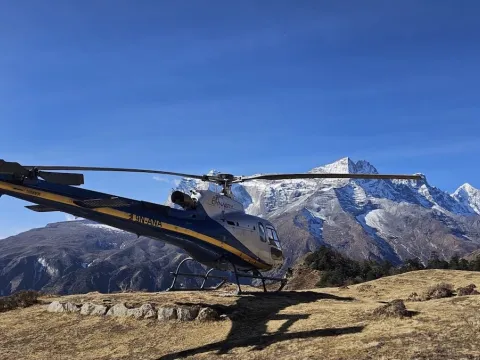
The Everest Helicopter Flight with Breakfast at Everest View Hotel, organized by Higher Path Treks, is a luxurious and awe-inspiring experience that combines a thrilling aerial adventure with a gourmet meal at one of the highest hotels in the world. This unique journey offers an unparalleled opportunity to witness the grandeur of Mount Everest and the Himalayas from the comfort of a helicopter, followed by a delightful breakfast at the iconic Everest View Hotel. Higher Path Treks ensures that every aspect of your experience is meticulously planned, providing a seamless blend of adventure, luxury, and breathtaking scenery.Tour FactsDuration: 4-5 HoursMaximum Altitude: 3,880 m (Hotel Everest View)Region: Everest (Khumbu)Difficulty: EasyMeals: BreakfastBest Seasons: spring (March–May) and autumn (September–November)Start/End Point: KathmanduArrival and Pre-Flight Briefing:Pick-Up and Transfer: Start your Moring, day with a comfortable pick-up from your hotel in Kathmandu. You will be transported to the domestic terminal of Tribhuvan International Airport for your helicopter flight.Pre-Flight Briefing: Upon arrival at the helicopter pad, receive a detailed briefing from your pilot. This session covers safety protocols, flight details, and what to expect during your aerial adventure.Helicopter Flight to Everest:Scenic Flight: Board a luxurious helicopter and explore on an exhilarating flight over the Himalayan range. The helicopter ride offers panoramic views of the majestic peaks, including Mount Everest, Lhotse, Nuptse, and the Khumbu Icefall.Aerial Views: Enjoy breathtaking aerial views of rugged landscapes, serene glaciers, and traditional Sherpa villages. The flight path typically includes a flyover of the Everest Base Camp area, allowing you to appreciate the scale and beauty of the world’s highest peak from above.Landing at Hotel Everest View:Arrival at the Hotel: The helicopter lands at the Hotel Everest View, located at an altitude of 3,880 meters (12,730 feet) in Syangboche. This exclusive hotel offers stunning views of Mount Everest and the surrounding peaks.Photo Opportunities: Take advantage of the helicopter’s landing for stunning photo opportunities. Capture the awe-inspiring scenery and the unique experience of arriving by helicopter.Breakfast at Hotel Everest View:Gourmet Breakfast: Enjoy a delightful breakfast at the Everest View Hotel’s dining area, which boasts panoramic views of the Himalayas. The hotel’s restaurant serves a selection of international and local dishes, prepared with high-quality ingredients.Relax and Reflect: Savor your meal while taking in the breathtaking views of the snow-capped peaks. The serene environment and luxury of the hotel provide a perfect setting for relaxation and reflection.Return Flight to Kathmandu:Scenic Return Journey: After breakfast, board the helicopter for your return flight to Kathmandu. The journey back offers a final opportunity to soak in the spectacular Himalayan views and appreciate the vastness of the mountain ranges.Arrival in Kathmandu: Upon landing at the domestic terminal of Tribhuvan International Airport, you will be transferred back to your hotel or desired destination in Kathmandu.Conclusion The Everest Helicopter Flight with Breakfast at Everest View Hotel with Higher Path Treks offers a once-in-a-lifetime experience that combines the thrill of a helicopter journey with the luxury of dining at one of the highest hotels in the world. This exclusive tour provides a unique perspective of the majestic Himalayas, with the comfort and elegance of a top-tier travel experience. Whether you are an adventure seeker, a luxury traveler, or someone looking to capture unforgettable memories, this tour promises an extraordinary and unparalleled adventure in the heart of the Himalayas.Ready to experience this trip? Contact us and book your trip today. Top Blogs About Trekking in the Everest Region:Uncover the best blogs about trekking in the Everest region, featuring expert advice, detailed itineraries, personal experiences, and essential tips for adventurers looking to explore the Himalayas.Photography Guide: Capturing the Himalayas Without Expensive GearEverest Luxury Trek: An Unforgettable Himalayan ExperienceNepal Peak Climbing 2026: Routes, Tips, and Top SummitsSolo Trekking to Everest Base Camp: Is It Possible?Top 10 Highlights of the Everest Base Camp TrekSuccessfully Trekking to Everest Base Camp and Kala PattharWhy Famous Trekkers Choose Everest Base Camp?Autumn Season to Everest Base Camp TrekThe Best Hiking Adventures: Famous Peak Climbs in 2025Top Himalayan Peaks for Beginner Climbers: A Comprehensive GuideEverest Three Peaks: A Beginner’s Guide to the Ultimate Himalayan ChallengeIs Peak Climbing in Nepal Easy for Beginners?Must-Know Facts About Everest Base Camp TrekkingWhy Gokyo Ri is a Must-Visit for Everest Trek LoversThe Roof of the World: Peak Climbing Journeys through Nepal’s High CountryWhat to Expect on an Island Peak Climbing ExpeditionMera Peak Climbing Guide for Beginners: Tips, Difficulty & PreparationFour Peaks, One Journey: Mera, Island, Lobuche & Amphu Lapcha ExpeditionTop Best Expedition Packages in Nepal 2025Which is Easier: Mera Peak or Island Peak?Why Choose Island Peak Climbing with Everest Base Camp Trek for BeginnersBest Trekking Peaks in Everest Region for BeginnersExperience Mountain View in NepalEssentials for Everest Base Camp
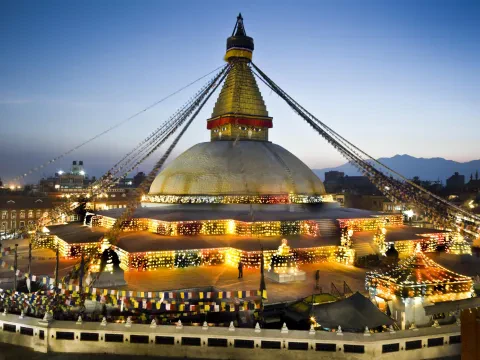
The Kathmandu Valley Sightseeing Tour offers an immersive exploration of one of Nepal’s most culturally and historically rich regions. Located in the heart of Nepal, the valley is home to the bustling city of Kathmandu, along with the ancient cities of Bhaktapur and Patan. This tour highlights the valley's remarkable blend of ancient architecture, vibrant traditions, and scenic beauty.Buddhanath Stupa (Boudhanath)Buddhanath Stupa, commonly known as Boudhanath, is one of Nepal’s largest and most important Buddhist stupas. Located in the Kathmandu Valley, just 7 kilometers from the heart of Kathmandu, this stupa is a prominent pilgrimage site and a central hub of Tibetan Buddhism in Nepal. It is renowned for its massive mandala and spiritual significance.Key Features of Buddhanath Stupa:Stupa Structure: The stupa is an enormous, dome-shaped structure, symbolizing the universe. Its base is a large mandala, representing the cosmic circle, which is encased by a whitewashed dome that signifies the Buddha’s mind. The central spire, capped with a golden pyramidal structure, represents the Buddha’s enlightenment.Eyes of Buddha: The stupa is adorned with four sets of large eyes on the sides of the central tower. These eyes are painted with an expression of watchfulness and wisdom, and they symbolize the all-seeing nature of Buddha.Hemispherical Dome: The dome of the stupa represents the earth and is made from brick and clay, with its whitewashed surface symbolizing purity. The dome is surrounded by a series of concentric rings, representing the levels of consciousness.Mandala: The stupa is built in the shape of a mandala, a sacred geometric pattern that represents the universe. The mandala is divided into different levels, each signifying different aspects of Buddhist cosmology.Prayer Flags and Wheels: The stupa is surrounded by colorful Tibetan prayer flags, which flutter in the wind and carry prayers and mantras to the heavens. There are also numerous prayer wheels around the stupa, which devotees spin to accumulate spiritual merit.Monasteries and Shops: The area around Boudhanath is filled with Tibetan monasteries, shops, and restaurants, creating a lively, spiritual atmosphere. Visitors can explore these vibrant surroundings and experience Tibetan culture and cuisine.Swayambhunath Stupa (Monkey Temple)Swayambhunath, often referred to as the Monkey Temple due to the large number of monkeys living in the area, is an ancient religious site situated on a hilltop overlooking Kathmandu. This stupa is one of Nepal’s most iconic and ancient Buddhist monuments, offering panoramic views of the valley.Key Features of Swayambhunath Stupa:Stupa Structure: The stupa at Swayambhunath features a large, whitewashed dome with a golden spire. The spire is adorned with the eyes of Buddha, which symbolize the all-seeing nature of enlightenment.Staircase and Temple Complex: To reach the stupa, visitors must climb a long staircase of 365 steps. The climb is flanked by small shrines and temples, and the steps are often populated by monkeys, which are considered sacred by locals.Votive Stupas and Shrines: Around the main stupa, there are numerous smaller stupas, temples, and shrines. These include the Harati Devi Temple, dedicated to the goddess of childbirth and fertility, and various other shrines dedicated to different deities.Monkeys and Wildlife: The area is home to a large population of monkeys, which are often seen roaming around the stupa and temple grounds. They are an integral part of the site's character, though visitors are advised to be cautious as the monkeys can be mischievous.Panoramic Views: The hilltop location offers stunning panoramic views of Kathmandu and the surrounding valley. The view is especially striking at sunrise and sunset, providing a serene backdrop for reflection and observation.Pashupatinath TemplePashupatinath Temple is one of the holiest Hindu temples dedicated to Lord Shiva, located on the banks of the Bagmati River, about 5 kilometers east of Kathmandu. It is a significant pilgrimage site for Hindus and a UNESCO World Heritage Site, renowned for its religious importance and architectural splendor.Key Features of Pashupatinath Temple:Temple Architecture: The main temple is a pagoda-style structure with a golden roof and intricately carved wooden and metal elements. It is adorned with detailed carvings of Hindu deities and symbols.Lingam and Shrine: The central shrine of Pashupatinath houses a sacred lingam, a symbol of Lord Shiva. Devotees come to offer their prayers and perform rituals at this revered shrine.The Bagmati River: The temple complex is situated on the banks of the Bagmati River, which is considered holy. The river is an important site for Hindu cremation rites, and the ghats (steps) along the river are frequently used for funerary ceremonies.Rituals and Ceremonies: Pashupatinath is a bustling site for religious rituals and ceremonies, including daily pujas (prayers), and special festivals such as Shivaratri, which attract thousands of pilgrims and visitors each year.Baidya Ghat and Arya Ghat: These are the two main cremation ghats located near the temple. The Arya Ghat is the primary site where cremations take place, and visitors can observe the rituals from a respectful distance.Sacred Cows and Deer: The temple grounds are home to sacred cows and a small herd of deer, which are considered auspicious and are cared for by the temple.Temple Complex: The Pashupatinath Temple complex includes numerous smaller shrines, monasteries, and ashrams (spiritual retreats) that contribute to the spiritual and cultural vibrancy of the site.Kathmandu Durbar SquareKathmandu Durbar Square, situated in the heart of the ancient city of Kathmandu, is a UNESCO World Heritage Site renowned for its historical, architectural, and cultural significance. This bustling square, also known as Hanuman Dhoka Durbar Square, serves as the historical and spiritual center of the Kathmandu Valley, offering a glimpse into Nepal’s rich heritage and medieval grandeur.Key Features of Kathmandu Durbar Square:Hanuman Dhoka Palace: The Hanuman Dhoka Palace, also known as the Royal Palace, is a sprawling complex that was the residence of the Malla kings who ruled the Kathmandu Valley. The palace is renowned for its intricate wooden windows and ornate courtyards. Notable areas within the palace include the Nasal Chowk and the Mohan Chowk, which are celebrated for their exquisite carvings and historical significance.Kumari Ghar (Kumari’s Residence): This is the residence of the Kumari, the Living Goddess of Kathmandu, a living deity revered in Hinduism. The three-story building features ornate wooden carvings and is an important spiritual site. Visitors can view the Kumari from the balcony during her public appearances, although access to her inner quarters is restricted.Kasthamandap Temple: The Kasthamandap Temple, believed to be built from a single tree, is a significant structure in the square. This pagoda-style temple, dedicated to the god Gorakhnath, has a distinctive architectural style and was originally used as a public hall. The temple's name, meaning "wooden pavilion," reflects its construction material and historical function.Shiva Parvati Temple: This temple, located near the Kasthamandap, is dedicated to Lord Shiva and his consort Parvati. The temple is known for its detailed stone carvings and intricate architecture. It plays a crucial role in local religious practices and festivals.Vishnu Temple: This ancient temple, dedicated to Lord Vishnu, features a beautifully carved facade and a richly decorated courtyard. The Vishnu Temple is an important site for Hindu worship and contributes to the square's spiritual atmosphere.Jagannath Temple: This temple is notable for its three-story pagoda-style architecture and intricate carvings. It is dedicated to Jagannath, a form of Lord Vishnu, and is one of the key temples in the square, reflecting the artistic achievements of the Malla period.Durbar Square Museum: Located in the former Royal Palace, this museum offers insights into the history and culture of Kathmandu. Its exhibits include ancient sculptures, traditional artifacts, and historical documents, providing a deeper understanding of the city’s heritage.Hiranya Varna Mahavihar (Golden Temple): Located just off the main square, this important Buddhist monastery is renowned for its golden facade and richly decorated interiors. It is a major center for Buddhist worship and learning in the Kathmandu Valley.Basantapur Tower: This historic tower, part of the Hanuman Dhoka Palace complex, offers panoramic views of the surrounding area. The tower’s upper levels provide a vantage point to appreciate the layout and beauty of the square and its surroundings.The Big Bell: This large bell, located in front of the Hanuman Dhoka Palace, is rung during important ceremonies and festivals. It serves as a symbolic and functional element of the square’s vibrant community life.Atmosphere and Cultural Significance:Kathmandu Durbar Square is a dynamic and culturally rich area that blends historic architecture with contemporary daily life. The square is a vibrant hub where locals and tourists converge to experience traditional festivals, observe religious rituals, and explore the historic streets. The architectural splendor of the temples, palaces, and courtyards offers a tangible connection to the rich history of the Kathmandu Valley.Visitors to Kathmandu Durbar Square can immerse themselves in the architectural beauty and historical depth of the area, while also engaging with the lively local culture that continues to thrive within this ancient and revered space.Patan Durbar SquarePatan Durbar Square, located in the city of Patan (also known as Lalitpur) in the Kathmandu Valley, is a UNESCO World Heritage Site renowned for its stunning array of ancient temples, palaces, and courtyards. It is celebrated for its well-preserved medieval architecture and serves as a vibrant center of art and culture in Nepal. This historic square is a testament to the artistic and architectural achievements of the Malla era, reflecting the rich cultural heritage of the region.Key Features of Patan Durbar Square:Mahabouddha Temple: This remarkable temple, dedicated to Buddha, is renowned for its unique design and extensive use of terracotta tiles. The temple is adorned with intricate carvings and features over 9,000 small Buddha images embedded in its walls. The Mahabouddha Temple combines architectural elegance with religious significance, embodying the artistic excellence of the Malla period.Hiranya Varna Mahavihar (Golden Temple): One of Patan’s most revered Buddhist monasteries, the Golden Temple is known for its striking golden facade and elaborate metalwork. The temple is an important center for Buddhist worship and learning, and its richly decorated interiors include a variety of religious artifacts and sculptures.Patan Museum: Housed in the former Royal Palace, Patan Museum is celebrated for its extensive collection of traditional Nepalese art and artifacts. The museum’s exhibits include ancient sculptures, religious icons, and historical manuscripts. The museum is a key destination for understanding the artistic and cultural history of the Kathmandu Valley.Royal Palace: The Royal Palace complex, which includes several courtyards and structures, was the residence of the Malla kings. Notable areas within the palace complex include the Keshav Narayan Chowk and the Sundari Chowk, both of which feature intricately carved wooden windows and historical sculptures.Krishna Mandir: Dedicated to Lord Krishna, this five-story pagoda-style temple is a prime example of Malla-era architecture. The temple is adorned with detailed stone carvings depicting various Hindu deities and scenes from Hindu mythology. Its tiered roof and elaborate facade make it a prominent landmark in the square.Bhimseni Temple: This temple is dedicated to Bhimsen, a deity associated with commerce and prosperity. It features a distinctive architectural style and serves as an important site for local worship and festivals.Mahadev Temple: Another significant Hindu temple in the square, Mahadev Temple is dedicated to Lord Shiva and is known for its simple yet elegant design. The temple’s architecture reflects the traditional style of the region and its role in local religious practices.Patan Dhoka (Gate): The main entrance to the Durbar Square, Patan Dhoka is a grand gate that features intricate carvings and decorative elements. It serves as a focal point for the square and provides access to the historical buildings and temples within the complex.Sundari Chowk: This beautifully designed courtyard within the Royal Palace complex is famous for its detailed stone carvings and ornate wooden windows. The Chowk is a prime example of the architectural sophistication of the Malla era.Mahabouddha Temple: Known for its unique terracotta construction and intricate design, the temple stands out for its artistic use of clay tiles depicting thousands of small Buddha figures. It is an important symbol of Buddhist architecture and artistry.Atmosphere and Cultural Significance:Patan Durbar Square is a vibrant hub of cultural and religious activity, where traditional festivals, ceremonies, and daily rituals take place. The square’s bustling atmosphere is characterized by the lively presence of locals and visitors, exploring the historical architecture, participating in religious practices, and engaging with the artistic heritage of the region.The architecture of Patan Durbar Square is marked by its intricate carvings, elaborate woodwork, and richly decorated temples and palaces. Each building within the square tells a story of the artistic and cultural achievements of the Malla kings, and the entire complex serves as a living museum of Nepalese history and tradition.Visitors to Patan Durbar Square can immerse themselves in its historical ambiance, admire its architectural splendor, and experience the vibrant cultural life that continues to thrive in this historic urban center.Bhaktapur Durbar SquareBhaktapur Durbar Square, located in the ancient city of Bhaktapur, is a UNESCO World Heritage Site renowned for its remarkable preservation of medieval architecture and rich cultural heritage. This historic square is a captivating showcase of Nepalese art and architecture from the Malla period, offering visitors a vivid glimpse into the grandeur of ancient Kathmandu Valley civilization.Key Features of Bhaktapur Durbar Square:55-Window Palace: Dominating the square is the 55-Window Palace, an architectural marvel known for its intricately carved wooden windows. Originally built as the royal palace of the Malla kings, this structure features exquisite woodwork and is a prime example of traditional Newari craftsmanship. The palace also houses the Royal Palace Museum, which exhibits artifacts related to the history and culture of Bhaktapur.Vatsala Temple: This temple, dedicated to the goddess Vatsala, is renowned for its elegant architecture and intricate stone carvings. The temple is distinguished by its beautifully decorated bell and the impressive stone lions that guard its entrance. The Vatsala Temple reflects the artistic excellence of the Malla era and remains an important site for local religious practices.Nyatapola Temple: One of the tallest and most revered pagoda-style temples in Nepal, Nyatapola Temple stands as a striking example of traditional Nepalese architecture. Built by King Bhupatindra Malla, it features a five-story pagoda with intricately carved wooden struts and a richly decorated facade. The temple is dedicated to Siddhi Lakshmi, the goddess of prosperity, and its design is meant to symbolize the strength and stability of the Newar community.Taleju Temple: Situated near the 55-Window Palace, Taleju Temple is a significant Hindu temple dedicated to the goddess Taleju Bhawani. It is a grand structure with a five-tiered pagoda and a richly ornamented entrance. The temple’s architecture, with its ornate carvings and majestic proportions, reflects the religious devotion and artistic skills of the time.The Golden Gate: Serving as the main entrance to the Taleju Temple, the Golden Gate is an exquisite example of Newar metalwork. Adorned with intricate designs and gilded panels, this ornate gate is considered one of the most beautiful examples of traditional metalcraft in Nepal.Bhaktapur Museum: Housed within the 55-Window Palace, the Bhaktapur Museum offers insights into the city's history, art, and culture. The museum's collections include ancient sculptures, traditional artifacts, and historical documents that provide a deeper understanding of Bhaktapur’s rich heritage.The Lion’s Gate: This grand gate, decorated with stone lions, serves as an entrance to the courtyard of the 55-Window Palace. The Lion’s Gate features detailed carvings and stands as a symbol of strength and protection.Pottery Square: Adjacent to Durbar Square, Pottery Square is a lively area where local artisans create and sell traditional pottery. The square offers a chance to witness the craftsmanship behind Bhaktapur’s renowned ceramics and provides a vibrant, authentic experience of local daily life.Palace Courtyard: The central courtyard of the 55-Window Palace is a spacious open area surrounded by historic buildings and temples. It serves as a focal point for various cultural events and ceremonies, reflecting the square’s role as a hub of community activity.Atmosphere and Cultural Significance:Bhaktapur Durbar Square is a living museum where traditional Newar culture thrives amidst historic architecture. The square is often bustling with locals and visitors alike, engaged in religious rituals, festivals, and everyday activities. Its well-preserved streets, intricately carved temples, and vibrant local life offer a unique window into the artistic and cultural legacy of the Kathmandu Valley.Visitors to Bhaktapur Durbar Square can immerse themselves in its historical ambiance, explore its architectural treasures, and experience the rich cultural heritage of one of Nepal’s most historic cities.The Kathmandu Valley Sightseeing Tour promises an enriching journey through Nepal’s historical and cultural landmarks. Each location offers a unique perspective on the valley's heritage, ensuring a memorable and insightful exploration of one of South Asia's most fascinating regions.
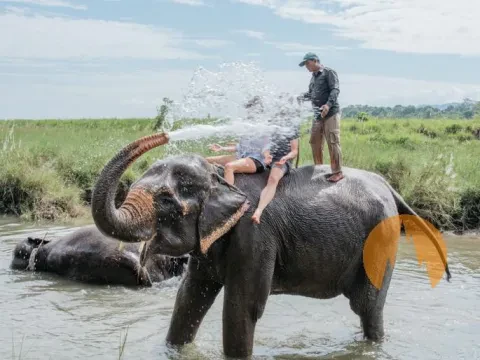
The Chitwan Jungle Safari Tour with Higher Path Treks offers an immersive adventure into the heart of Nepal’s lush jungle wilderness. Located in Chitwan National Park, a UNESCO World Heritage Site, this tour provides an opportunity to explore diverse ecosystems, spot rare wildlife, and experience the rich natural beauty of Nepal’s Terai region. Higher Path Treks, renowned for its expertise in crafting memorable travel experiences, ensures that your safari is both thrilling and comfortable.Tour Highlights:Arrival and Orientation:Arrival in Chitwan: Upon arrival in Chitwan, you will be greeted by the friendly staff of Higher Path Treks. You’ll be transported to your safari lodge or resort, where you will have time to settle in and relax.Orientation Session: After checking in, enjoy an informative briefing about the park's biodiversity, safari protocols, and safety guidelines. This session will prepare you for your adventure and enhance your understanding of the wildlife and environment.Jungle Safari Activities:Elephant Safari: Explore on an exciting elephant-back safari through the dense jungle. This traditional method of safari allows you to navigate the park’s terrain and spot wildlife from a unique vantage point. Your experienced guide will help you spot animals such as one-horned rhinoceroses, deer, and various bird species.Jeep Safari: For a more extensive exploration, a jeep safari provides a thrilling ride through different zones of the park. Equipped with a knowledgeable guide, you’ll traverse the park’s diverse landscapes and have opportunities to see tigers, leopards, and other elusive wildlife.Canoe Ride: Enjoy a serene canoe ride on the Rapti or Narayani River, where you can observe aquatic life and bird species. The calm waters offer a different perspective of the park’s beauty and the chance to spot animals like gharials (a type of crocodile) basking on the riverbanks.Nature Walks and Bird Watching:Guided Nature Walks: Explore the park on foot with experienced naturalists who will lead you through various trails. These walks offer a closer look at the flora and smaller fauna of the park, as well as insights into the ecosystem and conservation efforts.Bird Watching: Chitwan is renowned for its bird diversity. Join a bird-watching excursion to spot a variety of species, including the endangered Bengal florican, various eagles, and colorful kingfishers.Cultural Experiences:Tharu Village Visit: Immerse yourself in the local culture with a visit to a nearby Tharu village. Learn about the traditional lifestyle, customs, and practices of the Tharu people, who are indigenous to the Terai region. You may have the opportunity to participate in traditional dances and taste local cuisine.Cultural Performance: In the evening, enjoy a traditional Tharu cultural performance at your lodge. The vibrant dance and music showcase the rich cultural heritage of the region.Wildlife Conservation and Education:Conservation Efforts: Learn about ongoing conservation projects aimed at protecting the park’s wildlife and habitat. Higher Path Treks provides insights into the efforts being made to preserve the unique biodiversity of Chitwan National Park.Educational Talks: Participate in educational talks and discussions with naturalists and park rangers to deepen your understanding of the park’s ecology and wildlife management.Departure:Farewell and Departure: After a memorable safari experience, enjoy a final breakfast at your lodge before departing. Higher Path Treks will ensure a smooth transfer back to your next destination, with options for onward travel arrangements.The Chitwan Jungle Safari Tour with Higher Path Treks is a captivating adventure that offers an intimate experience of Nepal’s natural wonders. With expert guidance and a focus on both wildlife and cultural immersion, this tour promises an unforgettable journey into one of Nepal’s most treasured national parks.
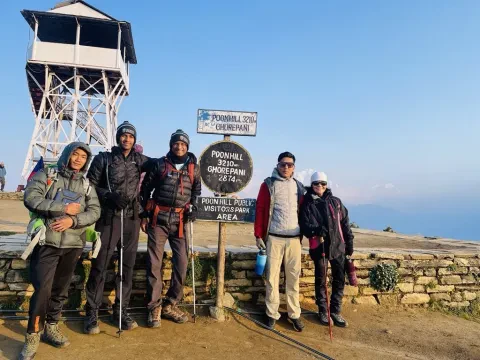
Annapurna Poon Hill Short Trek: Your Gateway to Himalayan Sunrise MagicThere's something almost spiritual about watching the sun rise over the Himalayas from Poon Hill. As darkness gives way to first light, the entire Annapurna and Dhaulagiri ranges ignite in shades of pink, orange, and gold—a natural light show that's been drawing trekkers to this 3,210-meter viewpoint for decades. What makes this experience even more special is its accessibility. Unlike treks requiring weeks of commitment, the Annapurna Poon Hill Short Trek delivers world-class mountain views in just four to five days, making it the perfect introduction to Himalayan trekking.This route has earned its reputation as Nepal's most beginner-friendly trek without sacrificing the wow factor that makes the Himalayas legendary. You'll walk through forests where rhododendrons bloom in spring explosions of color, pass through traditional Gurung and Magar villages where culture remains vibrant and authentic, and reach a viewpoint that rivals any in Nepal for sheer panoramic grandeur. Whether you're testing the waters before committing to longer adventures or simply want maximum mountain impact in minimum time, Poon Hill delivers.Why Poon Hill Stands Apart from Other ViewpointsNepal offers countless mountain viewpoints, but Poon Hill occupies a special place in trekking culture. The combination of accessibility, views, and cultural richness creates something unique. From the summit, you're looking at eight-thousanders and seven-thousanders in a sweeping panorama that includes Annapurna I (8,091m), Dhaulagiri (8,167m), Machapuchare (6,993m), and dozens of other peaks forming an almost 180-degree wall of Himalayan majesty.The sunrise experience has become iconic for good reason. Hundreds of trekkers gather on the hill's summit in pre-dawn darkness, breath visible in the cold air, cameras ready. As the first light touches the highest peaks, a collective gasp often rises from the crowd. The mountains seem to glow from within, transforming from dark silhouettes to brilliant white monuments. Even jaded travelers who've seen dozens of sunrises find themselves moved by this natural spectacle.What distinguishes Poon Hill from higher viewpoints like those on the Everest Base Camp Trek is the relative ease of access combined with the quality of views. You don't need weeks of trekking or extreme altitude exposure. The moderate elevation means less risk of altitude sickness while still providing that above-the-clouds perspective that makes mountain sunrises so magical. For many, Poon Hill becomes a gateway experience that leads to more ambitious treks like the Annapurna Circuit Trek or adventures in the Manaslu region.Understanding the Annapurna Poon Hill Short Trek RouteThe journey typically begins in Pokhara, Nepal's adventure hub nestled beside beautiful Phewa Lake with the Annapurna range as a dramatic backdrop. After a scenic drive to Nayapul, your trek officially starts with a gentle walk along the Modi Khola river valley. The first day introduces you to the rhythm of Himalayan trekking—steady walking, periodic tea breaks, and increasingly impressive mountain glimpses as you gain elevation.Unlike the more demanding Annapurna Base Camp Short Trek, which pushes to 4,130 meters, this route maintains more moderate altitudes throughout. The trail climbs through terraced farmland where rice, corn, and millet grow in geometric precision on impossibly steep hillsides. Water buffalo work the fields, and farmers greet passing trekkers with friendly waves and the ubiquitous Nepali greeting, "Namaste."Ghorepani village serves as the main base for Poon Hill ascents, sitting at 2,874 meters in a natural saddle between ridges. The village name literally means "horse water," referencing its historical role as a rest stop for trans-Himalayan horse caravans. Today, it's a bustling trekker hub with dozens of teahouses offering warm beds, hot meals, and that essential mountain hospitality that makes Nepali trekking so special. The village's strategic location makes it perfect for acclimatization before the pre-dawn climb to Poon Hill.The actual Poon Hill ascent happens in darkness for most trekkers, who set alarms for 4:30 or 5:00 AM to reach the summit before sunrise. The climb takes about 45 minutes to an hour, following stone steps illuminated by headlamps creating a line of lights snaking up the hillside. It's cold—genuinely cold—at this hour and altitude, but the anticipation keeps you moving. The summit itself features a viewing platform and a small tea shop that does brisk business in hot drinks for chilled trekkers waiting for the show to begin.The Villages: Cultural Heartbeat of the TrekThe Gurung and Magar communities that populate the Poon Hill trekking route have called these mountains home for centuries. Their villages blend seamlessly into the landscape, with stone houses featuring slate roofs and intricately carved wooden windows. Prayer flags flutter from rooftops, sending blessings into the mountain winds. Small Buddhist stupas mark village entrances and trail junctions, reminders of the deep spiritual connection these communities maintain with their environment.Ghorepani and nearby Tadapani offer glimpses into mountain life that tourism hasn't completely transformed. Yes, the villages cater to trekkers now, but between the lodges, you'll find traditional homes where families live much as their ancestors did. Women carry massive loads of firewood in cone-shaped baskets called dokos, using headstraps to distribute the weight. Men tend small vegetable plots and livestock. Children attend local schools, often approaching trekkers to practice their English with enthusiastic greetings.The teahouse culture creates unexpected intimacy between travelers and hosts. Unlike hotel stays where interactions remain transactional, teahouse trekking brings everyone together in communal dining rooms. Your hosts—often the family who owns the lodge—serve meals, share stories, and offer insights into local life. These interactions transform the trek from a simple mountain walk into a cultural exchange that enriches both sides. Learning a few basic Nepali phrases goes a long way toward deepening these connections and showing respect for your hosts.Religious syncretism characterizes the region's spiritual life, with Hindu and Buddhist practices blending naturally. Monasteries welcome visitors, with monks happy to explain Buddhist philosophy and practices. Hindu temples dedicated to various deities sit alongside Buddhist stupas. This religious tolerance and blending creates a unique spiritual atmosphere that many trekkers find as moving as the mountain scenery. Compared to more remote routes like the Upper Mustang Trek, the Poon Hill trail offers more accessible cultural encounters that don't require special permits or restricted area access.Best Seasons: Timing Your Poon Hill AdventureSpring transforms the Poon Hill trek into a botanical wonderland. From March through May, rhododendron forests explode with blooms in shades ranging from white and pale pink to deep crimson. These aren't garden-variety rhododendrons—these are tree-sized specimens that create tunnels of color over the trail. Nepal's national flower puts on a show that rivals any on earth, and the Poon Hill route passes through some of the finest rhododendron forests in the Himalayas. Combined with generally clear weather and moderate temperatures, spring offers an ideal trekking window.Autumn (September through November) brings post-monsoon clarity that photographers dream about. The summer rains have scrubbed the air clean, creating visibility that makes distant peaks appear sharp and close. Temperatures remain comfortable for walking, though mornings and evenings get genuinely cold, especially at Ghorepani and on Poon Hill itself. This season sees the most trekkers, so trails and teahouses are busier than other times of year. The upside of crowds is a more social atmosphere and the certainty that all services will be operating at full capacity.Winter trekking from December through February offers solitude and unique perspectives but demands proper preparation. Snow often covers Poon Hill's summit and higher portions of the trail, creating beautiful winter landscapes but also requiring warm gear and potentially flexible schedules. The cold is real—we're talking below-freezing temperatures at night and ice on water sources. However, crystal-clear skies often prevail, providing some of the year's best mountain visibility. If you can handle the cold and don't mind carrying extra layers, winter provides an almost private mountain experience. Similar winter considerations apply to other moderate-altitude treks like the Ghorepani Poon Hill Trek standard version and the Mardi Himal Trek.Monsoon season (June through August) sees far fewer trekkers, and for understandable reasons. Heavy rainfall makes trails muddy and slippery, leeches become active in forested areas, and mountain views often hide behind clouds. However, the landscape turns incredibly lush, waterfalls appear everywhere, and accommodations offer low-season discounts. If you can accept that you might not get perfect mountain views and don't mind trekking in rain gear, the monsoon offers a different perspective on the region that most visitors never see.Physical Demands: What Fitness Level Do You Need?Let's be clear about what this trek requires physically. You'll walk for four to six hours most days, gaining and losing elevation on trails that include both gradual slopes and steep stone staircases. The maximum altitude of 3,210 meters is low enough that altitude sickness rarely becomes an issue for healthy people, but you're still working harder than sea-level hiking due to reduced oxygen. A reasonable fitness level—the ability to walk several hours with a light daypack—prepares most people adequately.The beauty of the Poon Hill trek lies in its accessibility to people who aren't hardcore athletes. Families with teenagers complete this route successfully. People in their 60s and 70s reach Poon Hill regularly. You don't need marathon-runner endurance or mountaineering skills. What you do need is determination, reasonable cardiovascular fitness, and the willingness to take breaks when needed. The moderate pace most groups maintain allows for natural acclimatization and ensures everyone can keep up.Training for this trek doesn't require a gym membership, though it helps. The best preparation involves regular walking or hiking, gradually building up to several hours at a time. Stair climbing provides excellent specific training, as much of Himalayan trekking involves stone steps—sometimes seemingly endless stone steps. If you can comfortably walk for three to four hours with a 5-7kg daypack, you're probably ready. Prior multi-day hiking experience helps mentally, but many first-time trekkers complete this route successfully with just good general fitness.Compared to more demanding treks like the Everest Three Passes Trek or the Manaslu Circuit Trek, the Poon Hill route offers a gentler introduction to Himalayan trekking. The lower maximum altitude reduces acclimatization concerns, shorter daily distances are less exhausting, and the well-developed infrastructure means help is never far away. This combination makes it ideal for testing whether you enjoy this style of travel before committing to longer, more challenging adventures.Essential Permits and Documentation Made SimpleTwo permits are required for trekking in the Annapurna Conservation Area: the Annapurna Conservation Area Permit (ACAP) and the Trekkers' Information Management System (TIMS) card. The ACAP costs a modest fee that goes directly toward conservation efforts—trail maintenance, waste management, reforestation, and wildlife protection. The TIMS card serves as a safety database, allowing authorities to track trekker locations and respond quickly if someone goes missing or requires emergency assistance.Obtaining these permits is straightforward when working with Higher Path Treks & Expeditions. We handle all paperwork, including passport photos, application forms, and fee payments. This service eliminates the hassle of navigating bureaucracy in a foreign country and ensures you have proper documentation before setting foot on the trail. For independent trekkers, permits can be obtained at Nepal Tourism Board offices in Kathmandu or Pokhara, though this requires extra time and local knowledge of office locations and requirements.The permit system serves important functions beyond simple revenue collection. Conservation areas throughout Nepal face enormous pressure from tourism, development, and climate change. The ACAP funding helps preserve the natural beauty that attracts trekkers in the first place, creating a sustainable system where tourism supports conservation rather than degrading it. Trail improvements, bridge maintenance, and waste disposal systems all benefit from these fees, making your trek more enjoyable while protecting the environment.Checkpoint procedures along the trail are simple but important. You'll present your permits at several locations, where officials record your passage. These checkpoints seem bureaucratic but serve crucial safety functions—if you don't check in at expected locations, authorities know something might be wrong. This system has facilitated numerous successful rescue operations over the years, making it a key component of Nepal's trekking safety infrastructure.Teahouse Comfort: What Accommodation Really Looks LikeTeahouse trekking defines the Poon Hill experience, and understanding what this means helps set appropriate expectations. Teahouses are family-run lodges offering basic but comfortable accommodation—typically twin rooms with thin mattresses, warm blankets, and minimal decoration. Walls are often plywood or thin wood, meaning you'll hear your neighbors. Bathrooms are usually shared, with squat or Western toilets depending on the lodge. Hot showers might be available for an additional fee, heated by solar panels or gas.The Poon Hill route features some of Nepal's best teahouse infrastructure, with dozens of lodges competing for trekker business. This competition means better facilities, more varied menus, and generally higher standards than more remote routes. In Ghorepani, you'll find lodges with WiFi, charging stations, hot showers, and menus offering everything from traditional dal bhat to pizza, pasta, and pancakes. Don't expect hotel luxury, but do expect clean, warm, and welcoming spaces where tired trekkers can rest comfortably.Dining rooms serve as the social heart of teahouse life. Everyone gathers around central stoves (at higher elevations) or in open dining areas (lower down), sharing trail stories, comparing blister treatments, and forming temporary communities of shared experience. Your hosts—often the family who owns the lodge—cook meals, serve drinks, and join conversations. This communal atmosphere creates connections impossible in traditional hotels, making teahouse trekking as much about people as mountains.Meals follow a predictable but satisfying pattern. Breakfast typically offers eggs, toast, porridge, and Tibetan bread with jam or honey. Lunch and dinner menus list Nepali staples like dal bhat (rice with lentil soup and vegetable curries), along with Western comfort foods adapted to mountain conditions. Dal bhat deserves special mention—this nutritious meal includes unlimited refills, providing the calories you need for demanding trekking days. Many trekkers quickly develop dal bhat addictions, finding themselves craving it long after returning home.Packing Smart: What You Actually NeedWhat you bring makes the difference between comfortable trekking and unnecessary suffering. Start with a quality daypack (20-25 liters) for items needed during walking—water bottles, snacks, rain gear, camera, first aid supplies, and extra layers. Your main duffel bag, carried by porters, should contain clothing changes, sleeping bag (if needed), toiletries, and items required only at teahouses. Weight limits for porter-carried bags typically max out at 10-12kg, encouraging mindful packing.Layering handles the Himalayan temperature swings that define mountain trekking. Mornings start cold, often requiring fleece or down jackets. By midday, you might be hiking in just a t-shirt and shorts. Evenings return to cold, especially at Ghorepani where temperatures frequently drop below freezing even in shoulder seasons. A typical layering system includes moisture-wicking base layers, insulating mid-layers (fleece or lightweight down), and waterproof outer shells for rain or wind. This combination handles everything from hot, sunny climbs to cold, rainy evenings.Footwear deserves careful consideration. Proper hiking boots with ankle support and good tread provide stability on uneven trails and stone steps. Break in boots thoroughly before your trek—new boots create blisters that can ruin your experience. Bring comfortable shoes or sandals for wearing around teahouses in the evening, giving your feet a break from boots. Quality hiking socks (wool or synthetic, not cotton) prevent blisters better than any other single item you'll pack.Additional essentials include headlamps with extra batteries for pre-dawn Poon Hill ascents, water purification tablets or filters for safe drinking water, sunscreen and sunglasses for intense high-altitude UV radiation, and basic first aid supplies including blister treatment. Trekking poles help significantly on steep descents and provide stability on uneven ground. A warm hat and gloves are essential for cold mornings, while a sun hat protects during midday heat. Pack light, but pack these essentials—they'll prove their worth repeatedly.The Sunrise Experience: Making the Most of Poon HillThe Poon Hill sunrise requires commitment—specifically, the commitment to wake up at 4:30 AM when it's freezing cold and your sleeping bag feels like the warmest place in the universe. But making this effort rewards you with one of trekking's most spectacular experiences. As you climb through darkness with dozens of other headlamp-wearing trekkers, anticipation builds with each step. The summit crowd gathers in darkness, breath forming clouds, hands wrapped around hot tea from the summit shop.First light comes subtly. The sky lightens almost imperceptibly, stars fading as the eastern horizon develops a pale glow. Then, suddenly, the very highest peaks catch the first rays of sun, transforming from dark shapes to glowing pyramids. The light spreads downward like liquid gold being poured over the mountains, with each peak catching fire in turn. The entire process takes perhaps 20 minutes, but those minutes contain enough beauty to justify the entire trek.Photography at sunrise presents challenges and opportunities. The extreme dynamic range—bright mountains against dark valleys—tests camera capabilities. Expose for the mountains and valleys go black; expose for valleys and mountains blow out. Modern smartphone cameras with HDR modes handle this surprisingly well, though dedicated cameras with manual controls allow more creative possibilities. Bring extra batteries, as cold drains them quickly. Consider a small tripod for steadier shots in low light.The descent from Poon Hill after sunrise offers different rewards. You're walking in full daylight now, seeing details of the trail and surrounding landscape that you missed climbing in darkness. The rhododendron forests appear in their full glory, villages below show signs of morning life, and the mountains maintain their majesty from different angles. Most trekkers return to Ghorepani for breakfast, but some continue descending, beginning the journey back to Pokhara while memories of sunrise remain fresh and vivid.Flora and Fauna: The Living LandscapeThe Annapurna Conservation Area protects extraordinary biodiversity across dramatic elevation ranges. Lower altitudes support subtropical forests where orchids cling to trees, ferns carpet the ground, and hundreds of flowering species create botanical diversity that rivals anywhere on earth. The rhododendron forests steal the show in spring, but the region supports nearly 1,500 plant species, many found nowhere else. This botanical richness reflects the region's position at the intersection of several ecological zones.Birdwatchers find the Poon Hill trek rewarding, with hundreds of species recorded in the conservation area. The Danphe (Himalayan monal) serves as Nepal's national bird, with males sporting iridescent plumage that catches light like jewels. Blood pheasants skulk in dense undergrowth, while various eagles and vultures ride thermal currents above ridges. The distinctive calls of cuckoos echo through valleys, and tiny sunbirds flit between rhododendron blooms. Serious birders can rack up impressive species lists without even trying.Mammals prove more elusive, though signs of their presence appear regularly. Langur monkeys crash through forest canopies, their calls carrying across valleys. Tracks in mud reveal the passage of barking deer, Himalayan tahr, and occasionally leopards. The region supports several endangered species, though actually seeing them requires exceptional luck. Most trekkers content themselves with glimpses of common mammals and the knowledge that rare species still survive in these protected forests.The environmental education component of trekking here shouldn't be overlooked. Signs along trails explain conservation efforts and local ecosystems. Lodge owners often share knowledge about medicinal plants and traditional uses of forest resources. This educational aspect transforms the trek from simple scenic tourism into something more meaningful—an opportunity to understand the complex relationships between people, nature, and conservation in mountain environments.Photography Tips for Capturing Poon Hill MagicThe Poon Hill trek offers photographers everything from sweeping mountain panoramas to intimate cultural details. Landscape photography dominates most people's focus, and with good reason—the mountain views are stunning. However, some of the most memorable images often come from paying attention to smaller details: prayer flags backlit by morning sun, porters carrying impossible loads, children playing in village streets, or rhododendron blossoms framing distant peaks.Lighting makes or breaks mountain photography. The golden hours around sunrise and sunset provide warm, directional light that gives dimension to landscapes. Midday sun creates harsh shadows and washed-out colors, better avoided for serious photography. The Poon Hill sunrise offers the trek's ultimate photo opportunity, but don't forget about sunsets, which can be equally spectacular. Morning light at Ghorepani, with the village in shadow and mountains glowing above, creates memorable images that capture the magic of Himalayan mornings.Composition separates good photos from great ones. The rule of thirds places important elements at intersection points rather than dead center, creating more dynamic images. Including foreground elements—a prayer flag, a porter on the trail, blooming rhododendrons—provides scale and context for distant mountains. Leading lines, whether trails, ridgelines, or rivers, draw viewers' eyes through images toward main subjects. Experiment with different perspectives rather than shooting everything from eye level.Technical considerations matter in mountain environments. Cold temperatures drain camera batteries faster than normal, so carry spares in warm pockets. Dust on trails can damage equipment, so protect cameras in bags when not actively shooting. If you're serious about photography, consider bringing lens cleaning supplies—dust and moisture on optics ruin otherwise perfect shots. Most importantly, don't let photography obsession prevent you from simply experiencing the moment. Some experiences are better felt than photographed.Extending Your Trek: Route CombinationsThe Poon Hill trek combines beautifully with other routes in the Annapurna region for those with extra time or energy. The most obvious extension continues to Annapurna Base Camp, sharing the initial trail section before diverging toward the base camp. This combination provides both the accessible Poon Hill sunrise and the dramatic high-altitude amphitheater of ABC, creating a comprehensive Annapurna experience in 10-12 days.Another excellent combination pairs Poon Hill with the Khopra Trek, a newer community-based route offering quieter trails and unique viewpoints. Khopra Ridge provides perspectives on the Annapurna range that differ from Poon Hill, while the community lodges support local villages through responsible tourism. This combination showcases both classic highlights and hidden gems, avoiding the most crowded sections while maintaining spectacular mountain views.For those wanting maximum variety, the Poon Hill section can serve as the beginning of the full Annapurna Circuit Trek, one of the world's classic long-distance treks. Starting with the easily accessible Poon Hill sunrise, the circuit then circumnavigates the entire Annapurna massif, crossing the Thorong La pass at 5,416 meters. This ambitious combination requires 15-20 days but provides the ultimate Annapurna experience.Some trekkers use Poon Hill as a warm-up for more challenging objectives elsewhere. After completing this moderate trek, adventures like Mera Peak Climbing or Island Peak Climbing become realistic goals. The fitness, altitude experience, and mental confidence gained on Poon Hill translate directly to more demanding Himalayan adventures.Health Considerations and Staying SafeThe relatively low maximum altitude of 3,210 meters means altitude sickness rarely becomes a serious issue on the Poon Hill trek. However, mild symptoms like headaches, slight nausea, or fatigue can still occur as your body adjusts to reduced oxygen. The key preventions remain simple: ascend gradually (which the itinerary already ensures), drink plenty of water, eat regularly even if appetite decreases, and get adequate sleep. These basic practices work remarkably well for most people.Gastrointestinal issues pose a more common health challenge than altitude. Different bacteria in food and water can upset stomachs unused to them. Prevention starts with hand hygiene—wash hands thoroughly before eating and after bathroom use. Drink only treated water, either purified with tablets/filters or boiled. Avoid raw vegetables that might have been washed in untreated water. Choose freshly cooked hot foods over items sitting at room temperature. These precautions reduce, though don't eliminate, the risk of stomach problems that can derail treks.Travel insurance with emergency evacuation coverage isn't optional—it's essential. Medical emergencies can happen anywhere, and getting proper treatment in Kathmandu or arranging helicopter evacuation costs thousands of dollars without insurance. Comprehensive policies covering trekking to 4,000+ meters are readily available and worth every penny for peace of mind. Before departure, verify your policy covers the specific activities and elevations involved in your trek.Basic first aid knowledge serves you well in the mountains, where professional medical care might be hours away. Knowing how to treat blisters, recognize dehydration, handle minor cuts and scrapes, and identify serious symptoms requiring evacuation can make significant differences. Higher Path Treks guides carry comprehensive first aid kits and training, but your own knowledge and preparation add extra safety layers that benefit yourself and fellow trekkers.Sustainable Trekking: Minimizing Your ImpactThe Annapurna region sees hundreds of thousands of trekkers annually, creating significant environmental pressure despite conservation efforts. Thoughtful trekkers can minimize their impact through simple choices that collectively make real differences. Start with plastic reduction—bring a reusable water bottle and purification system rather than buying endless plastic bottles. Many teahouses now offer filtered water for refilling, encouraging this sustainable practice.Waste management remains challenging in mountain environments where everything must be carried in and out. What goes up should come down—pack out all non-biodegradable waste, including wrappers, batteries, toiletries, and anything else that won't decompose naturally. Use designated toilet facilities rather than going in the forest, as human waste around popular campsites creates serious sanitation and water quality issues. These simple practices help preserve the pristine environment that makes trekking so appealing.Supporting local economies through responsible choices benefits communities hosting trekkers. Choose locally owned teahouses over foreign-owned lodges. Buy handicrafts directly from artisans rather than middlemen in Kathmandu. Hire local guides and porters through reputable companies like Higher Path Treks & Expeditions that ensure fair wages and proper equipment. These economic connections give communities stakes in conservation and sustainable tourism, creating incentives to protect their natural and cultural heritage.Cultural sensitivity enhances your experience and shows respect for host communities. Ask permission before photographing people, especially during religious ceremonies. Dress modestly, particularly when visiting monasteries or temples. Learn basic Nepali phrases—even simple greetings in local language demonstrate respect and appreciation. Remove shoes before entering homes or religious sites. These small gestures build bridges between cultures and enrich interactions beyond what's possible without cultural awareness.Weather Patterns and What to ExpectHimalayan weather deserves healthy respect and realistic expectations. Even during prime trekking seasons, conditions can change rapidly and dramatically. Mornings often start clear and cold, with blue skies revealing mountains in their full glory. By afternoon, clouds frequently build, obscuring views and potentially bringing rain. This daily pattern means early starts pay dividends for photography and mountain viewing, while afternoons are better suited for relaxing at teahouses and socializing with fellow trekkers.Temperature variations through a single day can span 20-30 degrees Celsius. Pre-dawn starts for Poon Hill often occur in below-freezing temperatures requiring down jackets, hats, and gloves. By midday, you might be hiking in shorts and t-shirt, sweating in the sun. Evenings return to cold, especially at higher elevations where dining rooms without central heat can be genuinely chilly. This variability demands versatile layering systems that allow you to add or remove clothing as conditions change.Rain can occur even during dry seasons, though it's far less likely than during the monsoon months. Afternoon thunderstorms occasionally develop, bringing heavy rain and sometimes hail to trails. Quality rain gear—waterproof jacket and pants, pack cover, and waterproof bags for electronics—protects against these possibilities. Getting caught in rain doesn't have to ruin your day if you're properly prepared, though it certainly makes the next teahouse's warm fire more appealing.Wind becomes a factor at exposed locations, especially on Poon Hill itself. The summit sits on a ridge where air currents meet, creating breezy conditions that significantly increase the cold factor. A windproof outer layer makes the sunrise wait far more comfortable than relying on insulating layers alone. These weather realities aren't meant to discourage you—they're simply factors to prepare for, ensuring you stay comfortable regardless of conditions.Why Choose Higher Path Treks & ExpeditionsExperience defines the difference between merely completing a trek and having an transformative adventure. Higher Path Treks & Expeditions brings decades of Himalayan expertise to every journey we organize. Our guides were born and raised in mountain regions, with intimate knowledge of trails, weather patterns, cultural protocols, and the thousand small details that transform good treks into exceptional ones. Founded by Karma Geljen Sherpa from the Everest region, we combine authentic local connections with professional service standards that satisfy international travelers.Safety forms our foundation. Our guides carry comprehensive first aid kits and oxygen for emergencies. They monitor trekkers daily for signs of altitude issues or health problems, catching concerns early when they're easily addressed. We maintain communication equipment for contacting emergency services if serious situations arise. We have established relationships with helicopter evacuation companies, ensuring rapid response if medical emergencies require it. These safety systems have earned us stellar records across thousands of treks, allowing clients to focus on enjoying their adventure.Responsible tourism isn't a marketing slogan for us—it's how we operate. We employ local guides and porters, ensuring tourism revenue benefits the communities hosting trekkers. We enforce strict waste management policies, packing out non-biodegradable items and using designated disposal systems. Through our Karma Project initiative, we support local schools and monasteries, investing in the long-term wellbeing of mountain communities. These commitments reflect our belief that tourism should benefit everyone involved, not just our business.Personalization defines our approach. While we offer standard itineraries, we understand that every trekker brings different interests, fitness levels, and constraints. Need extra rest days? We'll adjust the schedule. Want to combine routes or add side trips? We'll create custom itineraries matching your vision. Concerned about altitude or fitness? We'll design conservative schedules with built-in flexibility. This tailored approach has earned us loyal clients who return for multiple adventures and enthusiastically refer their friends.Preparing Mentally for Your Himalayan JourneyPhysical preparation gets most attention, but mental readiness proves equally important for successful treks. Himalayan trekking tests patience, adaptability, and positive attitude as much as it tests cardiovascular fitness. Understanding psychological challenges helps you prepare for the mental game that begins the moment you leave Pokhara's comfort.Discomfort becomes normal in the mountains. Teahouses aren't hotels, food selections decrease with altitude, cold nights test your sleeping bag's limits, and your body works harder at altitude than sea level. These discomforts are temporary and manageable, but they're real. Accepting that trekking involves some suffering prevents the frustration that comes from expecting constant comfort. The rewards—spectacular scenery, cultural encounters, personal accomplishment—justify the challenges, but you'll earn those rewards through effort.Flexibility matters more in mountains than controlled environments. Weather changes plans, trails get modified, and schedules shift. A positive attitude toward these inevitable adjustments reduces stress and improves your experience. Trust your guides when they suggest changes—their local knowledge and experience make them valuable partners in ensuring your safety and enjoyment. Fighting against realities you can't control creates unnecessary misery.The social component of teahouse trekking enriches the experience immeasurably. You'll meet people from around the world, forming temporary communities based on shared challenges and experiences. Some trekkers prefer solitude and nature, which the trail also offers. Others thrive on the social energy of teahouse dining rooms, where stories and laughter flow as freely as hot tea. Both experiences are valid, and the trail offers opportunities for whatever balance you prefer.After the Trek: Reflection and Next StepsCompleting the Poon Hill trek leaves most people energized rather than exhausted. Unlike longer, more demanding routes that leave you craving rest and recovery, this short trek often creates hunger for more. You've proven you can handle Himalayan trekking, experienced the magic of mountain sunrises, and connected with Nepali culture in meaningful ways. Many use this experience as a launching point for more ambitious adventures.The transition back to Pokhara feels simultaneously jarring and comfortable. Hot showers, varied food options, and comfortable beds provide welcome luxuries after several days of basic teahouses. Yet many trekkers report missing the simplicity of mountain life, where concerns narrow to walking, eating, and sleeping. This contrast provides valuable perspective on what we actually need versus what we've convinced ourselves we need. The insights gained don't solve life's challenges, but they often help us approach them differently.Physical recovery happens quickly. A good night's sleep, hot shower, and substantial meal work wonders after the trek. Any soreness typically fades within a few days, though you might notice surprising leg strength and cardiovascular improvements that linger. Some trekkers immediately start planning their next adventure—perhaps the full Annapurna Base Camp Trek, the challenging Everest Base Camp Trek 15 Days, or something completely different like the Langtang Valley Trek or the remote Manaslu Tsum Valley Trek.Photographs and memories from your trek become treasured possessions. The sunrise from Poon Hill, the warmth of teahouse hospitality, the kindness of Gurung villagers, the taste of dal bhat after a long walking day—these experiences settle into your consciousness, enriching your life in ways you might not fully appreciate until months or years later. Many trekkers become ambassadors for Nepal, sharing their experiences and inspiring others to undertake their own Himalayan journeys.The environmental and cultural awareness gained through trekking often creates lasting commitments to conservation and responsible travel. Having experienced the beauty of the Annapurna Conservation Area firsthand, you become invested in its preservation. Understanding the challenges faced by mountain communities creates empathy and often leads to ongoing support through organizations like our Karma Project. The trek's impact extends far beyond the five days you spent walking.Practical Logistics: Getting to the TrailheadReaching the Poon Hill trailhead starts in Pokhara, easily accessible from Kathmandu by either tourist bus (6-7 hours), local bus (cheaper but less comfortable), or short domestic flight (30 minutes). Most trekkers spend at least one night in Pokhara before starting their trek, using the time to obtain permits, check equipment, and enjoy the lakeside city's relaxed atmosphere. Pokhara offers everything from budget guesthouses to luxury resorts, making it easy to find accommodation matching your budget and preferences.From Pokhara, the journey to Nayapul (the typical trailhead) takes about 90 minutes by vehicle. The road winds through terraced farmland and small villages, providing your first glimpses of rural Nepali life outside tourist areas. Nayapul sits where road access ends and foot trails begin, creating a bustling gateway where trekkers, porters, and local people intersect. Your actual trekking begins here, usually with a gentle walk along the river valley toward your first night's accommodation.Alternative starting points exist depending on your itinerary and preferences. Some routes begin from Kimche, saving a few hours of walking on the first day. Others start at Birethanti, following different trail sections. These variations allow customization based on your time constraints and interests. Higher Path Treks works with you to determine the best starting point and itinerary for your specific situation, optimizing your experience while respecting your limitations.Return logistics mirror the arrival process in reverse. After completing your trek, you'll return to Nayapul where vehicles wait to transport you back to Pokhara. Most trekkers spend another night in Pokhara, celebrating their accomplishment with good food, hot showers, and perhaps a well-earned beer or massage. From Pokhara, you can return to Kathmandu or continue to other adventures in Nepal—the stunning Chitwan Jungle Safari Tour or the spiritual Pokhara and Lumbini Tour both make excellent post-trek extensions.Trekking with Family: Is Poon Hill Family-Friendly?The Poon Hill trek's moderate difficulty and relatively low altitude make it one of Nepal's most family-friendly mountain adventures. Children as young as 8 or 10 complete this trek successfully, though everything depends on the individual child's fitness, attitude, and previous hiking experience. The key is setting appropriate expectations, maintaining flexible schedules, and choosing the right time of year.Several factors make this trek particularly suitable for families. The teahouse infrastructure means you're not carrying camping equipment or dealing with camp setup and breakdown—logistics that complicate family camping trips. Accommodation and meals are readily available, reducing the burden on parents. The trail maintains reasonable gradients without the extreme steepness or exposure that makes some routes unsuitable for children. Emergency evacuation options exist should health issues arise.However, family trekking requires special considerations. Children's shorter legs mean they cover ground more slowly, so itineraries should include extra time. Altitude affects children differently than adults, requiring careful monitoring for any concerning symptoms. Entertainment strategies help during long walking days—games, songs, stories, and frequent breaks keep spirits high when legs get tired. The social aspect of teahouse trekking often helps, as children quickly make friends with other young trekkers and local kids in villages.The educational value of family treks in Nepal is substantial. Children experience cultures dramatically different from their own, learn about environmental conservation, develop resilience through physical challenges, and gain confidence from accomplishing something genuinely difficult. These lessons stay with them long after returning home, making the trek an investment in their development beyond just a vacation. Many families report that trekking together creates bonds and memories that rival any traditional family holiday.Solo Trekking: Going It Alone on the Poon Hill RouteSolo trekking in Nepal's teahouse regions offers unique rewards, and the Poon Hill route suits independent travelers well. The well-established trail system, numerous lodges, and constant flow of other trekkers mean you're never truly isolated. Solo doesn't mean lonely on popular routes—you'll have endless opportunities for social interaction if you want it, or the freedom to enjoy solitude when you prefer.Regulations currently require trekkers in most Nepali regions to either hire a guide or trek with a partner, though enforcement varies. Working with Higher Path Treks provides all the benefits of having local expertise while maintaining the flexibility to trek at your own pace. Our guides understand that solo trekkers often value independence, providing support and knowledge without hovering or limiting your freedom to explore and experience the trek your way.Safety considerations matter more for solo trekkers, as you don't have immediate backup if something goes wrong. Carrying a fully charged phone with local SIM card enables communication in emergencies. Informing others of your daily plans creates accountability—if you don't arrive at expected destinations, people will notice. Basic first aid knowledge and supplies handle minor issues without requiring outside help. These precautions significantly reduce risks while maintaining the independence that makes solo trekking appealing.The social dynamics of solo trekking surprise many people. Far from being lonely, solo trekkers often form deeper connections with other travelers and locals than people traveling in groups. Without built-in companionship, you're more likely to initiate conversations, join other trekkers for meals, and engage with hosts and guides. The teahouse environment facilitates these connections naturally, creating temporary communities of shared experience that enrich the journey beyond what landscape alone provides.Budget Considerations: What Does the Trek Actually Cost?Understanding trek costs helps with planning and budgeting. The Poon Hill trek ranks among Nepal's most affordable mountain adventures, with total costs varying widely based on your choices and style. Budget trekkers staying in basic teahouses, eating simple meals, and traveling independently can complete the trek for a few hundred dollars beyond permit fees. Luxury-minded travelers using premium services, upscale teahouses, and extensive porter support might spend several thousand dollars for the same basic route.Permits and fees form a fixed base cost that everyone pays. The ACAP permit and TIMS card together cost modest amounts that go toward conservation and safety infrastructure. These fees are non-negotiable and identical whether you trek independently or with a company. Transportation between Pokhara and the trailhead adds minimal costs, though prices vary between private vehicles and local buses.Accommodation and meals represent variable costs where your choices determine final expenses. Budget teahouses charge very reasonable rates for basic rooms, while premium lodges cost more for additional comfort and services. Meals are separately charged, with prices increasing at higher altitudes where supplies cost more to transport. Budget trekkers eating primarily dal bhat spend less than those ordering Western food and drinks. An average daily budget for accommodation and food ranges from minimal to moderate per person, depending on your choices.Guide and porter services represent another variable cost component. Independent trekkers save this expense but miss the cultural insights, safety support, and logistical ease that professional guides provide. Porter services free you from carrying heavy loads, making the trek significantly more enjoyable and reducing fatigue and injury risk. When hiring through reputable companies like Higher Path Treks, you ensure guides and porters receive fair wages, proper equipment, and insurance coverage—ethical considerations that justify higher costs than bargain-hunting with unlicensed operators.The Environmental Context: Conservation Challenges and EffortsThe Annapurna Conservation Area represents one of the world's largest and most successful conservation initiatives, protecting over 7,600 square kilometers of critical Himalayan habitat. Established in 1986, it pioneered the integrated conservation and development approach that balances environmental protection with local community needs. This model has influenced conservation thinking globally, demonstrating that tourism can support rather than degrade natural areas when properly managed.However, success brings challenges. Hundreds of thousands of annual trekkers create enormous pressure on fragile mountain ecosystems. Trail erosion, waste accumulation, deforestation for cooking fuel, and water pollution from inadequate sanitation all threaten the very beauty that attracts visitors. Climate change compounds these pressures, with glaciers retreating, weather patterns shifting, and species ranges moving upward as temperatures rise. These challenges require constant adaptation and investment.Conservation efforts address these threats through multiple strategies. Permit fees fund trail maintenance, waste management systems, reforestation programs, and wildlife protection. Alternative energy initiatives promote solar and biogas to reduce deforestation. Community-based conservation programs give local people stakes in protecting their environment. Education programs help both residents and visitors understand their environmental impacts and make better choices.Trekkers play crucial roles in conservation success or failure. Your choices—packing out waste, using filtered water instead of buying bottles, supporting eco-friendly lodges, respecting wildlife, staying on designated trails—collectively determine whether tourism helps or harms these mountains. The Annapurna region remains spectacular today because previous generations of trekkers and conservationists made good choices. Your choices determine what future trekkers will experience.Comparing Poon Hill to Other Himalayan TreksThe Poon Hill trek occupies a unique niche in Nepal's trekking landscape, offering characteristics that distinguish it from other popular routes. Compared to the Everest Base Camp Trek, Poon Hill demands far less time and money while avoiding the extreme altitudes that challenge many trekkers. You sacrifice Everest's legendary status but gain accessibility and lower risk, making Poon Hill ideal for those with limited time or altitude concerns.Against the Annapurna Circuit Trek, Poon Hill feels like a condensed preview. The circuit circumnavigates the entire massif over 15-20 days, crossing the Thorong La pass at 5,416 meters. Poon Hill shows you the Annapurna range's beauty in just 4-5 days without the extreme altitude or time commitment. Many use Poon Hill as training for the full circuit, testing their fitness and interest before committing to the longer journey.The Langtang Valley Trek offers an interesting comparison, providing similar duration and difficulty but completely different scenery and cultural experiences. Langtang's narrower valleys create more intimate mountain views, while its Tamang culture contrasts with the Gurung culture dominant around Poon Hill. Both treks suit beginners well, so choosing between them often comes down to whether you prefer the famous Annapurna panoramas or Langtang's quieter, less-touristed atmosphere.The Mardi Himal Trek shares the Annapurna region but offers a different perspective from a less-developed viewpoint. Mardi reaches higher (4,500m) and sees fewer trekkers than Poon Hill, providing a more wilderness experience. However, Poon Hill's superior infrastructure and iconic sunrise make it the better choice for first-time trekkers or those prioritizing comfort and convenience.Your Poon Hill Adventure AwaitsThe Annapurna Poon Hill Short Trek distills Himalayan magic into five achievable days. You'll experience sunrise over eight-thousanders from a viewpoint that's earned legendary status among trekkers. You'll walk through rhododendron forests that explode with color in spring and remain beautiful year-round. You'll connect with Gurung and Magar communities whose warmth and hospitality make Nepal famous. You'll prove to yourself that you can succeed in the mountains, building confidence that might lead to bigger adventures.This trek is neither the longest nor the highest in Nepal, but it might be the smartest choice for your first Himalayan experience or your best option when time is limited but adventure is essential. The combination of accessibility, spectacular scenery, rich culture, and established infrastructure creates something special—a trek that satisfies both first-timers testing the waters and experienced trekkers seeking efficiency without sacrificing quality.Higher Path Treks & Expeditions stands ready to transform your Poon Hill dreams into reality. Our local expertise, safety focus, responsible tourism practices, and personalized service ensure you get the most from every moment on the trail. We handle permits, logistics, and guiding, freeing you to focus on the experience itself—the crunch of boots on trails, the taste of dal bhat after long walks, the sight of Himalayan giants glowing in sunrise light.The mountains are calling. The sunrise from Poon Hill awaits. Your adventure begins with a single decision to go. Contact Higher Path Treks & Expeditions today and start planning your Annapurna Poon Hill Short Trek. The memories you'll create, the personal growth you'll experience, and the stories you'll tell for years to come are waiting on those trails. All you need to do is take the first step.Top Blogs About Trekking in the Annapurna Region:Uncover the best blogs about trekking in the Annapurna region, featuring expert advice, detailed itineraries, personal experiences, and essential tips for adventurers looking to explore the Himalayas.Annapurna Base Camp Trek: A Short Journey to the HimalayasAnnapurna Circuit Trek with Tilicho Lake – A Complete Guide by Higher Path Treks & ExpeditionsTop Tips for Climbing Pisang Peak on the Annapurna CircuitTop Reasons to Trek Ghorepani Poon HillTop Reasons to Choose Tilicho Lake Trek with Thorong La PassBest Experience on the Short Mardi Himal Trek: A Journey to RememberTop Reasons to Combine Pisang Peak Climbing with the Annapurna Circuit TrekComparing Chulu Far East Peak Climbing vs Chulu West Peak ClimbingPoonhill Amazing viewThe most picturesque village GhandrukPhotography Guide: Capturing the Himalayas Without Expensive GearNepal Peak Climbing 2026: Routes, Tips, and Top SummitsThe Best Hiking Adventures: Famous Peak Climbs in 2025Top Himalayan Peaks for Beginner Climbers: A Comprehensive GuideIs Peak Climbing in Nepal Easy for Beginners?Top Best Expedition Packages in Nepal 2025Experience Mountain View in NepalTop Highlights of the Annapurna Base Camp Trek
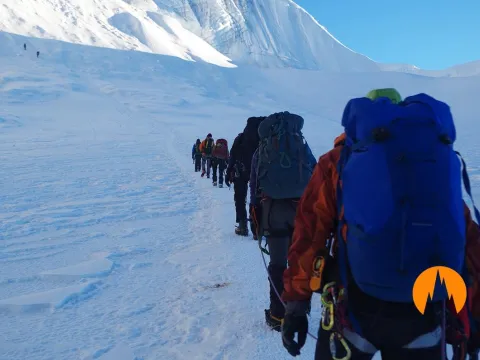
Join our professionally organised Island Peak Base Camp Service designed for trekkers and climbers seeking reliable support for a successful Island Peak (6,189m) ascent. Our experienced climbing team provides base camp logistics, meals, permits, and summit support to ensure a safe and enjoyable climbing experience.Seasonal RatesAutumn Season: USD 720 per personSpring Season: USD 870 per personClimbing Guide trips Additional trps climbing guide: USD 150Permit RequirementsPlease provide the following documents before the climb:Passport copyOne passport-size photoClimbing Gear Rental in ChhukungAll essential climbing equipment can be rented in Chhukung before the expedition.Required Climbing EquipmentMountaineering bootsCramponsJumar (ascender)Descender deviceIce axeClimbing helmetRental CostEstimated total rental cost: USD 150–200 for 2 daysExtra Base Camp StayIf you would like to stay an additional night at Island Peak Base Camp, an extra charge of USD 100 per day will apply.Additional Cost Includes:Climbing guide serviceMeals at base campTent accommodationTea, coffee, and boiled drinking waterExtra nights are recommended for acclimatization, weather delays, or additional rest before or after the summit climb.Flexible Last-Minute Booking ServiceThis climbing service is specially designed for independent trekkers who are already trekking in the Everest region and decide to climb island Peak during their journey.It is a perfect option for trekkers coming from:Everest Base CampKala PattharGokyo LakesCho La PassIf you have sufficient time, good physical fitness, and basic trekking experience, you can easily join the climb.Easy & Flexible BookingOne of the major advantages of this service is its flexibility.You can book the Island Peak Base Camp Service while trekking in the Everest region — even up to 10 days before the climbing date.During this period, we will organise:Peak climbing permitsProfessional climbing guidesBase camp logisticsMeals and accommodationSafety equipment arrangementsThis flexible system is ideal for trekkers who prefer to keep their itinerary open while exploring the Himalayas.Why Choose Our Island Peak Base Camp Service?Professional and experienced climbing guidesReliable and safe summit supportFlexible booking during your trekComplete permit and logistics managementWell-organised base camp facilitiesSuitable for solo trekkers and small groupsIdeal add-on adventure after Everest Base Camp or Gokyo trekkingExperience the thrill of Himalayan climbing with a trusted local team dedicated to your safety, success, and unforgettable mountain adventure.
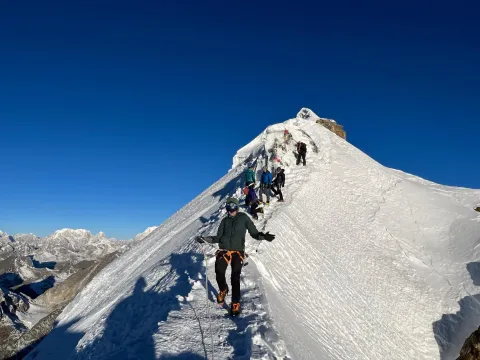
Join our professionally organized Lobuche Peak Base Camp Service, designed for trekkers and climbers seeking reliable support for a successful ascent of Lobuche Peak (6,119m). This package is ideal for independent trekkers completing the Everest Base Camp, Kala Patthar, Gokyo, or Cho La Pass routes who wish to add a Himalayan climbing experience to their adventure.Our experienced climbing team provides complete base camp logistics, climbing support, meals, permits, and safety management to ensure a safe, enjoyable, and well-organized expedition.Seasonal RatesAutumn Season: USD 720 per personSpring Season: USD 870 per personAdditional trps Climbing GuideAdditional trps climbing guide service: USD 150Additional guides are recommended for larger groups or climbers requiring extra support.Permit RequirementsPlease provide the following documents before the climb:Passport copyOne passport-size photoClimbing Gear Rental in ChhukungEssential climbing equipment can be rented in Chhukung before the expedition.For Lobuche Peak climbs, equipment must be transported from Chhukung to Lobuche High Camp. Porter transportation charges are approximately USD 50, depending on load weight.Required Climbing EquipmentMountaineering bootsCramponsJumar (ascender)Descender deviceIce axeClimbing helmetClimbing harnessCarabinersWarm climbing clothingEstimated Rental CostApproximate rental cost: USD 150–200 for 2 daysExtra Base Camp StayIf you would like to stay additional nights at Lobuche Peak Base Camp or High Camp, an extra charge of USD 100 per day applies.Additional Cost IncludesClimbing guide serviceTent accommodationMeals at base campTea, coffee, and boiled drinking waterExtra nights are highly recommended for:Better acclimatizationWeather delaysAdditional rest before summit dayFlexible climbing schedulesFlexible Last-Minute Booking ServiceThis climbing service is specially designed for independent trekkers who are already trekking in the Everest region and decide to climb Lobuche Peak during their journey.It is a perfect option for trekkers coming from:Everest Base CampKala PattharGokyo LakesCho La PassIf you have sufficient time, good physical fitness, and basic trekking experience, you can easily join the climb.Easy & Flexible BookingOne of the major advantages of this service is its flexibility.You can book the Lobuche Peak Base Camp Service while trekking in the Everest region — even up to 10 days before the climbing date.During this period, we will organize:Peak climbing permitsProfessional climbing guidesBase camp logisticsMeals and accommodationSafety equipment arrangementsThis flexible system is ideal for trekkers who prefer to keep their itinerary open while exploring the Himalayas.Why Choose Our Lobuche Peak Base Camp Service?Professional and experienced climbing guidesReliable and safe summit supportFlexible booking during your trekComplete permit and logistics managementWell-organized base camp facilitiesSuitable for solo trekkers and small groupsIdeal add-on adventure after Everest Base Camp or Gokyo trekkingExperience the thrill of Himalayan climbing with a trusted local team dedicated to your safety, success, and unforgettable mountain adventure.