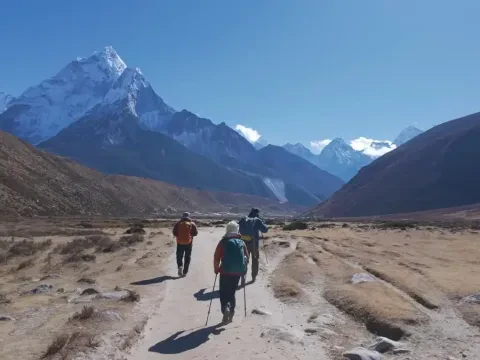
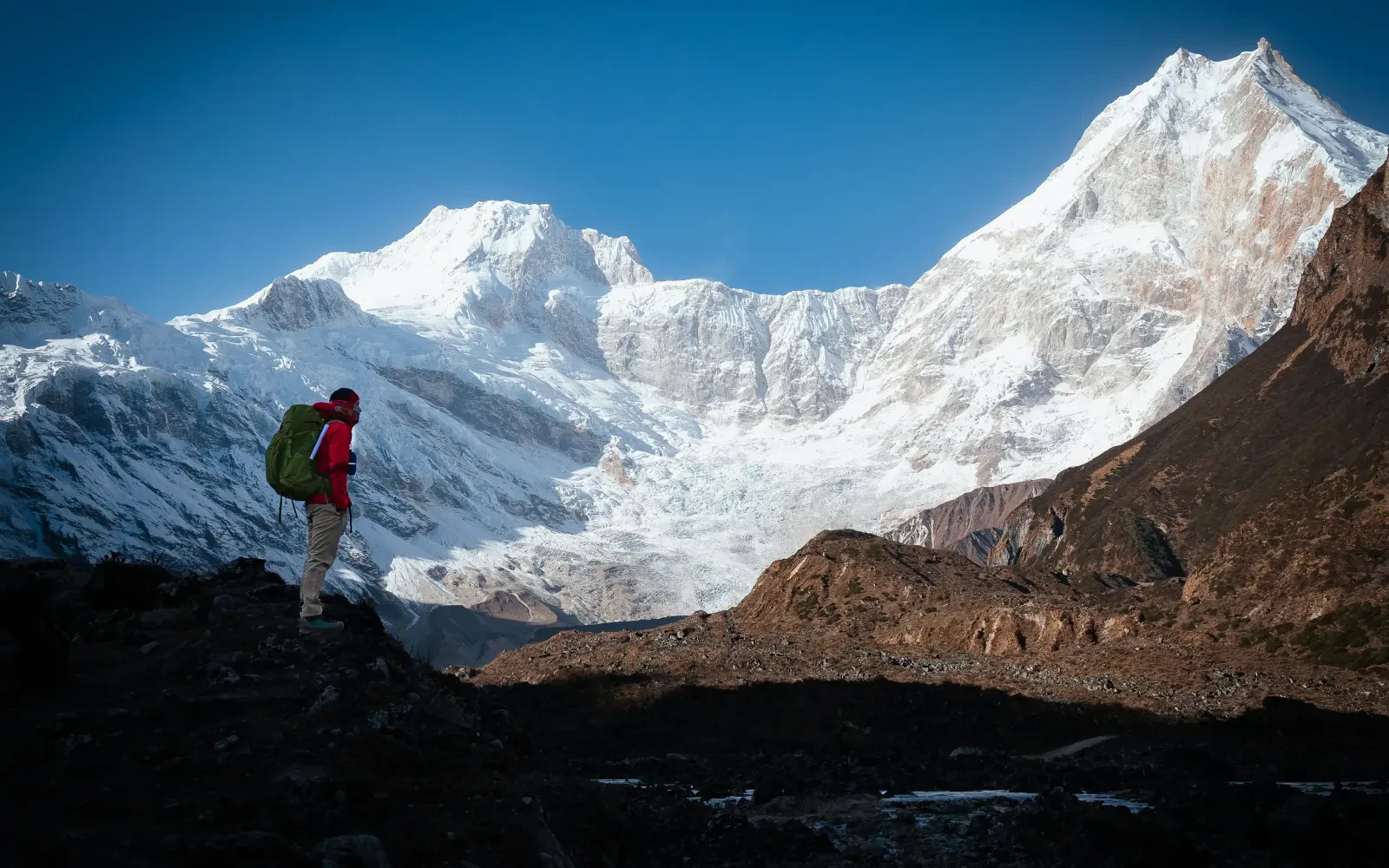
There's something profoundly transformative about walking alone through the Himalayas. No group schedule dictating your pace. No compromise on which viewpoint to linger at or which village to explore. Just you, the mountains, and the rhythm of your own footsteps echoing through valleys that have witnessed countless journeys before yours. Solo trekking in Nepal isn't just about physical adventure—it's about discovering your own capabilities, connecting with local communities on your terms, and experiencing the mountains in their purest form.
The landscape of solo trekking has evolved dramatically in recent years. What was once considered risky or unconventional has become increasingly accessible, supported by improved infrastructure, better communication networks, and a growing community of independent travelers. Yet beneath these modern conveniences lies an experience that remains fundamentally unchanged: the profound solitude and self-discovery that comes from navigating one of the world's most spectacular mountain environments on your own terms.
This comprehensive guide explores everything you need to know about solo trekking in Nepal in 2026, from choosing the right route to understanding local customs, managing safety concerns, and making the most of your independent Himalayan adventure.
Solo trekking doesn't necessarily mean you're completely alone on the trail. Nepal's popular trekking routes see thousands of trekkers annually, creating a vibrant trail community where independent travelers naturally connect. You might start your day walking solo, encounter other trekkers at a tea house, share lunch with a group from another country, and end your evening in conversation with locals who've lived in these mountains their entire lives.
The distinction lies in autonomy rather than isolation. Solo trekkers make their own decisions about pace, route variations, rest days, and cultural interactions. You're not bound by group itineraries or the needs of other travelers. This freedom allows for spontaneous detours, extended stays in villages that capture your interest, and the flexibility to adjust plans based on how your body responds to altitude and exertion.
Recent regulatory changes have shaped the solo trekking landscape. Nepal now requires trekkers in certain regions to hire guides, primarily for safety and to support local employment. However, many popular routes remain open to independent trekkers. Understanding these regulations helps you plan appropriately and budget for any required guide services on specific trails.
The infrastructure supporting solo trekkers has improved substantially. Mobile phone coverage now reaches many trekking areas, though it remains unreliable at higher elevations. Wi-Fi is available at most tea houses for a fee, allowing you to stay connected with family and access maps or weather information. ATMs exist in major trekking hubs like Namche Bazaar and Manang, though carrying sufficient cash remains essential for more remote areas.
Choosing the right route significantly impacts your solo trekking experience. Some trails naturally suit independent travel better than others, based on infrastructure, trail traffic, route-finding complexity, and support services.
The Annapurna Base Camp trek stands out as one of the most solo-friendly routes in Nepal. The trail is well-marked, heavily trafficked, and features excellent tea house infrastructure throughout. You'll rarely walk more than a few hours without encountering other trekkers or reaching a settlement. The Annapurna Base Camp short trek variation offers a condensed version for those with limited time, while still delivering the spectacular sanctuary amphitheater experience.
Route-finding on the Annapurna Base Camp trek is straightforward. Signposts appear at major junctions, and the trail itself is obvious from constant use. Solo trekkers appreciate the flexibility to linger at viewpoints like Chomrong or spend extra time photographing the sunrise over Machapuchare without holding up a group. The diverse accommodation options mean you can choose between budget lodges and more comfortable establishments based on your daily needs.
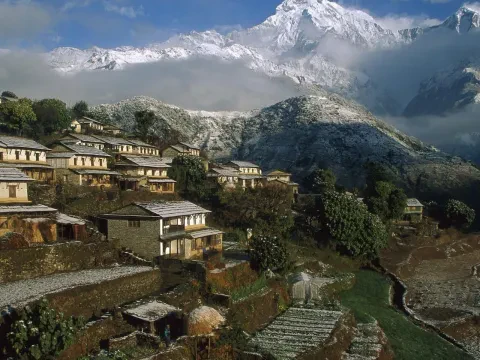
The Ghorepani Poon Hill trek offers an ideal introduction to solo trekking in Nepal. This short route takes just four to five days and introduces you to Himalayan trekking without the commitment or challenge of longer expeditions. The trail passes through rhododendron forests, traditional Gurung and Magar villages, and culminates in the famous Poon Hill sunrise viewpoint. For an even shorter option, the Annapurna Poon Hill short trek condenses the experience into a more compact timeframe.
The moderate difficulty makes Poon Hill accessible to trekkers without extensive mountain experience. Solo travelers often use this trek to test their comfort level with independent travel before committing to longer routes. The constant flow of other trekkers provides social opportunities while still allowing for solitary moments when desired.
The Langtang Valley trekking route combines accessibility with genuine remoteness. Located north of Kathmandu, the valley offers spectacular mountain scenery without the crowds that characterize Everest and Annapurna regions. Solo trekkers appreciate the intimate scale of the valley, where you'll likely recognize faces from previous tea houses as you progress along the trail.
The Langtang Gosaikunda and Helambu trek extends the experience by crossing into the sacred Gosaikunda lakes region and continuing through the Helambu area. This longer variation rewards solo trekkers willing to commit additional time with diverse landscapes and deeper cultural immersion. The trail remains clear and well-marked throughout, though it sees fewer trekkers than the main Langtang Valley route.
For those seeking more challenging solo adventures, the Manaslu Circuit trek offers stunning scenery and authentic cultural experiences while remaining accessible to independent trekkers. The trail circles Mount Manaslu, the eighth-highest mountain in the world, passing through remote villages where traditional lifestyles remain largely intact.The Manaslu Tsum Valley trek variation adds a sacred valley renowned for its ancient Buddhist monasteries and peaceful atmosphere.
These longer circuits require stronger logistics planning and better physical preparation than shorter treks. Solo trekkers need to research tea house locations carefully and carry additional supplies for stretches between villages. The rewards include spectacular mountain vistas, genuine cultural interactions, and the satisfaction of completing one of Nepal's more demanding trekking routes independently.
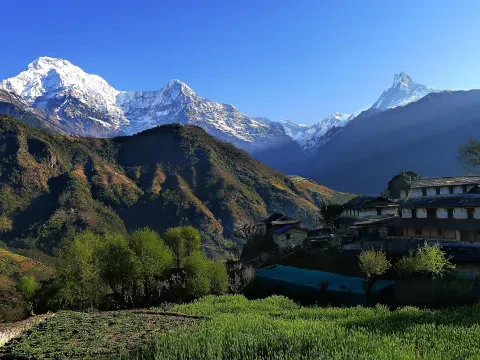
Not all Nepal treks permit solo travel without guides. Current regulations require guides for certain protected areas and restricted regions. The Everest Base Camp trek by heli and Everest Base Camp trek 15 days can still be done independently by hiring a guide, while the Everest Base Camp trek with return by heli offers a unique variation combining trekking with helicopter return.
The Everest Base Camp with Gokyo Lakes trek and Everest Three Passes trek represent more ambitious Everest region adventures that benefit from guide support even when not strictly required. The technical nature of high passes and the complexity of route-finding justify the additional cost and company of an experienced guide.
Remote areas like the Upper Mustang trek and Mustang trek fall under restricted area regulations requiring both special permits and mandatory guide services. These rules exist to preserve fragile cultures and environments while ensuring trekker safety in areas with limited infrastructure. Solo travelers interested in these regions should budget for guide and permit costs accordingly.
The Mustang Tiji Festival trek offers a unique cultural experience, combining trekking with participation in this sacred annual celebration. Timing your trek to coincide with Tiji requires advance planning and booking, as accommodation fills quickly during the festival period.
[trip:everest-base-camp-trek-15-days]
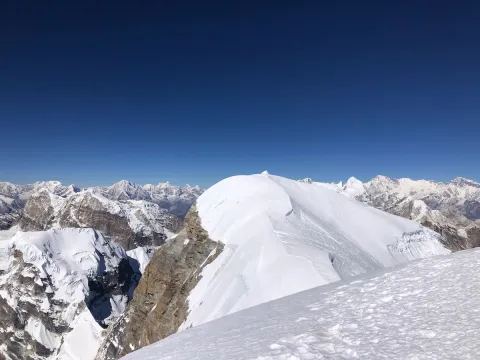
Solo trekkers with mountaineering ambitions can progress to trekking peaks that offer summit experiences without requiring full expedition logistics.The Mera Peak climbing represents Nepal's highest trekking peak at over six thousand meters, providing an achievable mountaineering objective for fit trekkers willing to learn basic glacier travel and crampon techniques.
The Island Peak climbing combines beautifully with Everest region trekking, while the Island Peak climbing with Everest Base Camp trek creates a comprehensive Khumbu experience. Similarly, Lobuche Peak climbing and Lobuche Peak climbing with Everest Base Camp trek offer summit opportunities accessible to determined trekkers.
More ambitious combinations like Lobuche and Island Peak climbing with Everest Base Camp trek appeal to solo adventurers seeking comprehensive mountaineering experiences. These require hiring climbing guides and joining small groups for the technical summit portions while maintaining independence during trekking stages.
Physical preparation matters enormously for solo trekkers. Without a group to maintain pace or provide psychological support, your fitness level directly impacts your experience. Start training at least two months before your trek with regular cardiovascular exercise, preferably including hiking with a loaded backpack on hills or stairs.
Mental preparation deserves equal attention. Solo trekking requires self-reliance and comfort with your own company. Long days on the trail provide ample time for reflection, which some people find enriching and others find challenging. Practice spending extended time alone before your trek to gauge your comfort level with solitude.
Gear selection becomes more critical when trekking solo. You can't borrow forgotten items from trekking partners, and you bear full responsibility for your equipment functioning properly. Invest in quality basics: a warm sleeping bag rated for the temperatures you'll encounter, reliable trekking boots broken in before your trip, layered clothing for variable mountain weather, and a headlamp with spare batteries.
Navigation tools warrant particular attention for solo trekkers. While major routes are well-marked, having backup navigation options provides security. Download offline maps to your phone using apps like Maps.me, and consider carrying a physical map as backup. A portable battery pack keeps your phone charged for navigation, photos, and emergency communication.
First aid knowledge and supplies become more important when traveling alone. Take a wilderness first aid course before your trek, focusing on altitude sickness recognition, basic wound care, and when to seek help. Your first aid kit should include altitude sickness medication, pain relievers, antibiotics for stomach issues, blister treatment, and any personal prescription medications with extras in case of delays.
Solo trekking often costs less than joining organized group treks, though not always as little as budget-conscious trekkers expect. Understanding the cost structure helps you budget accurately and find savings without compromising safety or experience.
Accommodation in tea houses typically charges per person, eliminating the single-room supplement that plagues solo hotel travelers. Expect to pay between five hundred and fifteen hundred Nepali rupees per night depending on altitude and lodge quality. Higher elevations command higher prices due to transportation costs and limited competition.
Food costs remain reasonable throughout most trekking routes. Budget around one thousand to fifteen hundred rupees daily for three meals, though this increases at higher altitudes. Solo trekkers sometimes spend slightly more than groups because you can't split large portions, though the difference is minimal.
The biggest variable expense is porter or guide services. Hiring a porter to carry your main pack costs roughly fifteen hundred to two thousand rupees daily, allowing you to trek with just a daypack while still maintaining your independence. Some solo trekkers find this middle ground ideal, enjoying autonomy while benefiting from local knowledge and support.
Guide services cost more, typically two thousand five hundred to three thousand rupees daily, but provide navigation assistance, cultural interpretation, and companionship when desired. Many solo trekkers hire guides for challenging routes or high passes while going fully independent on easier trails.
Permits represent fixed costs regardless of group size. The TIMS card costs two thousand rupees for independent trekkers. National park entry fees vary by region, ranging from three thousand rupees for Annapurna Conservation Area to five thousand for Sagarmatha National Park. Budget these upfront costs into your planning.
Solo trekking carries inherent risks that groups naturally mitigate through numbers and shared responsibility. Understanding these risks and managing them proactively ensures your adventure remains safe and enjoyable.
Altitude sickness represents the primary health concern for all Himalayan trekkers, intensified for solo travelers who must recognize symptoms and make decisions without group input. Learn the warning signs: headache, nausea, dizziness, and unusual fatigue beyond normal exertion. The golden rule remains: don't ascend with symptoms, and descend if symptoms worsen.
Solo trekkers should be conservative with acclimatization, adding extra rest days at altitude rather than pushing to maintain aggressive schedules. Without group momentum driving you upward, you have the freedom to prioritize health over schedule. Many experienced solo trekkers deliberately plan slower itineraries with built-in flexibility for additional acclimatization days.
Communication devices provide crucial safety backup. Nepali SIM cards offer coverage on many trekking routes, though reliability decreases with altitude. Satellite communication devices like Garmin inReach offer backup emergency communication where cell service doesn't reach, though they require advance purchase and subscription fees.
Weather awareness becomes more critical when trekking alone. Pay attention to local weather patterns, ask lodge owners about forecasts, and be willing to delay travel or take alternative routes in dangerous conditions. Solo trekkers caught in severe weather lack the group resources to share warmth, equipment, or decision-making burden.
Trail safety extends beyond weather and altitude. Inform lodge owners of your next destination each morning, so someone knows your intended route if you fail to arrive. Stick to main trails rather than exploring off-trail routes where navigation errors could have serious consequences. Walk during daylight hours and plan to reach your destination with light to spare.
Solo trekking opens unique opportunities for cultural exchange that groups sometimes miss. Without the buffer of familiar companions, you're more approachable to locals and more likely to engage authentically with mountain communities.
Learning basic Nepali phrases transforms your interactions. Simple greetings like "Namaste" and "Dhanyabad" show respect and appreciation. Phrases for common needs like "pani" for water or "khana" for food prove practical during daily interactions. Locals deeply appreciate efforts to communicate in their language, even imperfectly.
Respect for local customs becomes your personal responsibility as a solo trekker. Remove shoes before entering homes or temples. Ask permission before photographing people. Dress modestly, particularly when visiting religious sites or conservative communities. Pass mani stones and chortens on the left side, following Buddhist custom.
Tea house etiquette shapes your daily interactions. Order food and drinks from the lodge where you're staying overnight rather than eating elsewhere, as food sales generate the majority of lodge income. Don't camp near villages where tea houses exist, as this deprives communities of trekking income they depend upon. Respect quiet hours in dormitory accommodations where other trekkers may have different sleep schedules.
Environmental responsibility weighs heavier on solo trekkers who can't share the burden of waste management. Carry out all non-biodegradable trash, including wrappers, batteries, and toiletries. Use refillable water bottles with purification rather than buying disposable plastic bottles. Dispose of toilet paper properly in provided facilities rather than burying it along trails.
Women trekking alone in Nepal generally report positive experiences, though specific considerations help ensure safety and comfort. Nepal's trekking culture has become increasingly welcoming to solo female travelers, with many women successfully completing major routes independently.
Accommodation safety remains strong throughout main trekking routes. Lodge dormitories typically separate men and women, and private rooms with locks are widely available for those preferring extra privacy. Many lodges are family-run, with women playing central roles in operations, creating comfortable environments for female guests.
Cultural dress expectations in Nepal lean conservative, particularly in mountain villages. Women should pack clothing that covers shoulders and knees, even when trekking. Quick-dry pants or long skirts work well, along with lightweight long-sleeve shirts that protect from sun and respect local sensibilities. Scarves or shawls provide versatile coverage for temple visits or conservative areas.
Social dynamics in tea houses generally favor solo female trekkers. You'll likely connect easily with other travelers and find yourself included in group conversations or invited to join others for meals. Many lodge families take particular interest in solo female guests, checking on your wellbeing and offering assistance when needed.
Trust your instincts in social situations. The vast majority of interactions will be positive and respectful, but if any situation feels uncomfortable, politely excuse yourself and change location or seek different company. Lodge owners typically intervene quickly if they perceive any guest being made uncomfortable.
The rhythm of solo trekking reveals itself gradually. Initial days might feel uncertain as you establish your pace and routine. You question decisions, second-guess your route choices, and miss the camaraderie of shared experience. But somewhere on the trail, often unexpectedly, the solo experience clicks into place.
You wake naturally rather than to alarm calls. You walk at your own pace, fast or slow, without pressure. You stop for photos without feeling you're holding anyone up. You linger over tea watching mountains emerge from morning mist. You accept invitations from other trekkers or politely decline based purely on your own inclinations that moment.
The mountains reveal different facets to solo travelers. Without conversation filling the silence, you notice more: the crunch of gravel under boots, wind moving through prayer flags, the distant tinkling of yak bells. You become attuned to subtle altitude changes reflected in vegetation and air quality. You develop awareness of your body's rhythms and needs without external input.
Evenings in tea houses take on particular character for solo trekkers. You might journal by candlelight, review photos from the day, or join the communal table for dinner conversation. Some nights you'll seek company and find yourself in engaging discussions with travelers from a dozen countries. Other nights you'll value solitude and the simple pleasure of hot tea while watching alpenglow fade from the peaks.
The people you meet as a solo trekker often become memorable precisely because you're alone. Without your own group to retreat to, you're more open to connection with others. Brief conversations with other trekkers evolve into trail friendships. Lodge families remember you individually rather than as part of an anonymous group. Local guides recognize you from previous villages and greet you warmly.
Honesty about the challenges of solo trekking matters as much as celebrating its rewards. Long days alone can feel isolating, particularly during difficult stretches or when feeling unwell. Bad weather might confine you to a lodge for days with limited entertainment and spotty wifi for outside connection.
Altitude affects mood and emotional resilience. The combination of physical exhaustion, thin air, and extended solitude can trigger surprising emotional responses. Experienced solo trekkers report moments of doubt, loneliness, or wondering why they chose to travel alone. These feelings pass, but acknowledging their possibility helps you manage them constructively when they arise.
Strategies for managing loneliness on the trail include maintaining flexible social boundaries. Being solo doesn't require being solitary constantly. Join group dinners, accept invitations from other trekkers, and engage with lodge families. Balance solitary walking with social evenings, or vice versa based on your needs.
Carry comfort items that boost morale during difficult moments. A favorite book, journal for processing experiences, downloaded music or podcasts, photos of loved ones, or small treats saved for challenging days all help maintain positive spirits when isolation feels heavy.
Solo trekking changes you in ways that often become apparent only after returning home. The self-reliance developed on the trail carries into daily life. Problems that seemed insurmountable before the trek feel manageable after navigating Himalayan passes alone. Your confidence in handling uncertainty grows from successfully managing the myriad decisions and challenges solo trekking requires.
Yet reintegration can prove surprisingly difficult. People ask about your trek but struggle to grasp the depth of the experience. Conversations feel superficial compared to the intensity of mountain connections. The noise and pace of daily life jar after weeks of mountain silence and simplicity.
Give yourself time to process the experience. Continue journaling after your return, reviewing photos that trigger specific memories, and seeking out others who understand the trekking experience. Join hiking groups or adventure communities where you can share stories with people who appreciate the significance of what you've accomplished.
Consider how the trek's lessons apply to your regular life. The patience required for acclimatization teaches valuable lessons about respecting process over outcome. The daily simplicity of trekking—walk, eat, sleep, repeat—offers perspectives on what truly matters versus what we accumulate unnecessarily. The connections formed quickly on the trail remind us that meaningful relationships don't require extensive history.
Nepal's trails continue evolving, but their essential character remains constant. The mountains endure. Villages welcome travelers as they have for generations. Tea steams in metal cups at high-altitude lodges. Prayer flags flutter in winds that have blown for millennia.
Solo trekking in 2026 offers remarkable opportunities for those seeking independent adventure. Improved infrastructure makes the experience more accessible while the fundamental challenge and reward remain unchanged. You'll still climb the same passes, cross the same rivers, and witness the same spectacular mountain vistas that have inspired trekkers for decades.
The choice to trek solo represents more than a practical decision about travel logistics. It's a commitment to experiencing the Himalayas directly and personally, filtered through your own perceptions rather than group dynamics. It's accepting responsibility for your own experience, with all the freedom and accountability that entails.
Whether you trek for a week or a month, whether you choose popular routes or remote valleys, whether you walk every step alone or hire porters and guides, the solo trekking experience offers something profound: the chance to discover not just Nepal's mountains, but your own capabilities and character when tested against one of Earth's most spectacular landscapes.
The mountains wait, patient and eternal, ready to reveal their secrets to those willing to walk their trails alone.
<p><br></p>
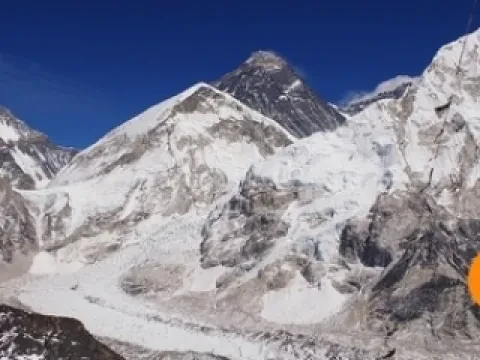
Planning the Everest Base Camp Trek? Discover the essential packing list, permits, fitness tips, altitude sickness advice and practical preparation tips to help you enjoy a safe and unforgettable trekking adventure in Himalayas Nepal.
<p>Popular for the Himalayas, Nepal is also a trekker’s paradise as there are plenty of destinations with spectacular views and heartwarming culture in this small yet spectacular country. While trekking in Nepal may take many days, there are also shorter treks in the country which are equally rewarding regardless of the number of days spent on foot. One such short yet fulfilling trek in Nepal is the Poon Hill Trek.<br></p>
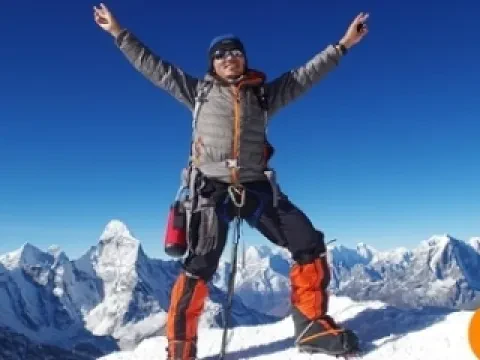
<p>Nestled in the lap of the Himalayas, Nepal is a dreamland for any mountain lover. With eight out of fourteen of the highest peaks in the world and many other smaller peaks, Nepal has plenty to offer for beginners and pioneers alike when it comes to climbing. According to a report compiled by Ministry of Culture, Tourism & Civil Aviation, Nepal, more than 75000 people came to Nepal with mountaineering as their major purpose of visit in 2017.<br></p>
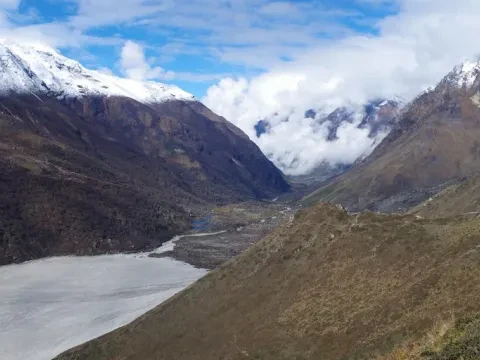
A beautiful journey begins in Kathmandu, with the vibrant city opening its arms to all backpackers. Roads from Kathmandu lead to Dhunche and Syabrubensi, a remote town in the foothills of Langtang region. Much anticipated trek of the Langtang starts here with a hike to Lama Hotel and then Mundu.
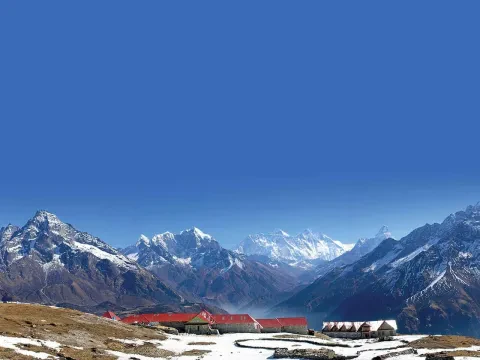
<p>Nepal, revered for a plethora of culture, ethnicities, and Himalayas that it hosts, is a travel destination that is not just for a traveler of certain interest. But one that gets most of the international interest would definitely be the Himalayas.<br></p>
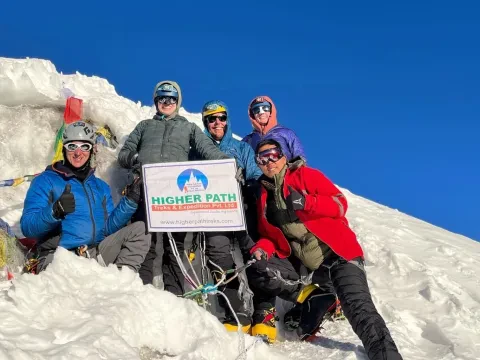
<p>The Everest Region, famous for its towering peaks and breathtaking landscapes, is often associated with challenging mountaineering expeditions. However, there are several trekking peaks in this area that cater to beginners or those who are relatively new to mountaineering. </p>
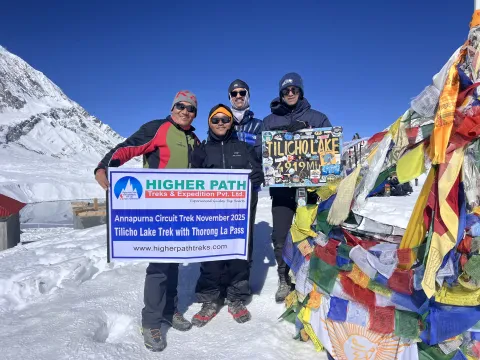
“Experience the Ultimate Himalayan Journey Across the World’s Most Diverse Trekking Route”
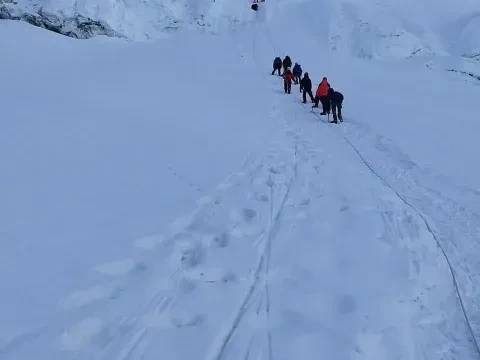
Nepal, often called the “Roof of the World,” is a dream destination for climbers and adventure seekers alike. In 2026, Nepal’s peaks offer unparalleled opportunities to explore some of the world’s most breathtaking landscapes. From towering 8,000-meter giants to approachable trekking peaks, the country provides routes suitable for both beginners and experienced mountaineers.
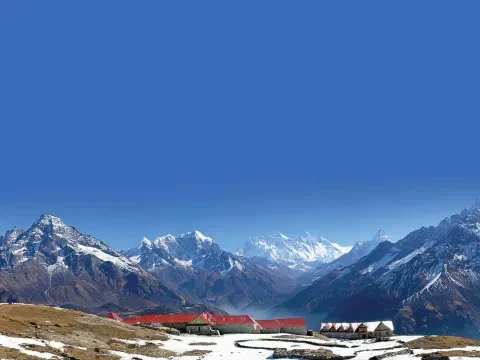
The Everest Luxury Trek is designed for travelers who wish to experience the grandeur of the Himalayas without compromising on comfort, safety, and personalized service. This journey blends breathtaking mountain scenery, Sherpa culture, and world-class hospitality, offering carefully selected luxury lodges, expert guides, and a well-paced
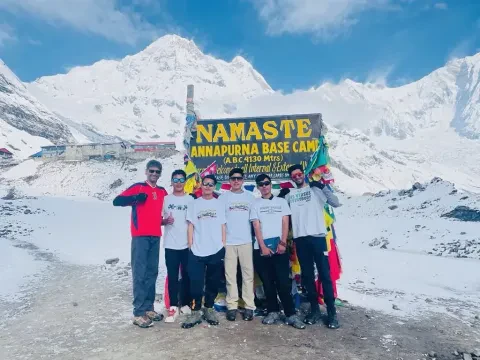
The Annapurna Base Camp Trek, offered by Higher Path Treks & Expeditions, is a remarkable journey that immerses travelers into the heart of the Himalayas. Spanning approximately 7 days of trekking, this adventure provides an ideal mix of natural beauty, cultural experiences, and breathtaking mountain vistas.
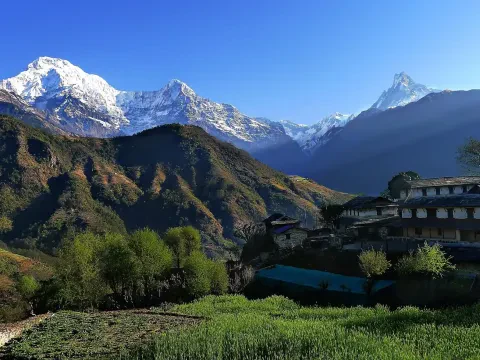
Trekking solo to the Annapurna Base Camp (ABC) is an exhilarating experience that combines adventure, self-discovery, and breathtaking Himalayan scenery. The trek offers stunning views of Annapurna South, Machhapuchhre (Fishtail), and other snow-capped peaks while immersing you in the culture of Gurung and Magar villages along the way.