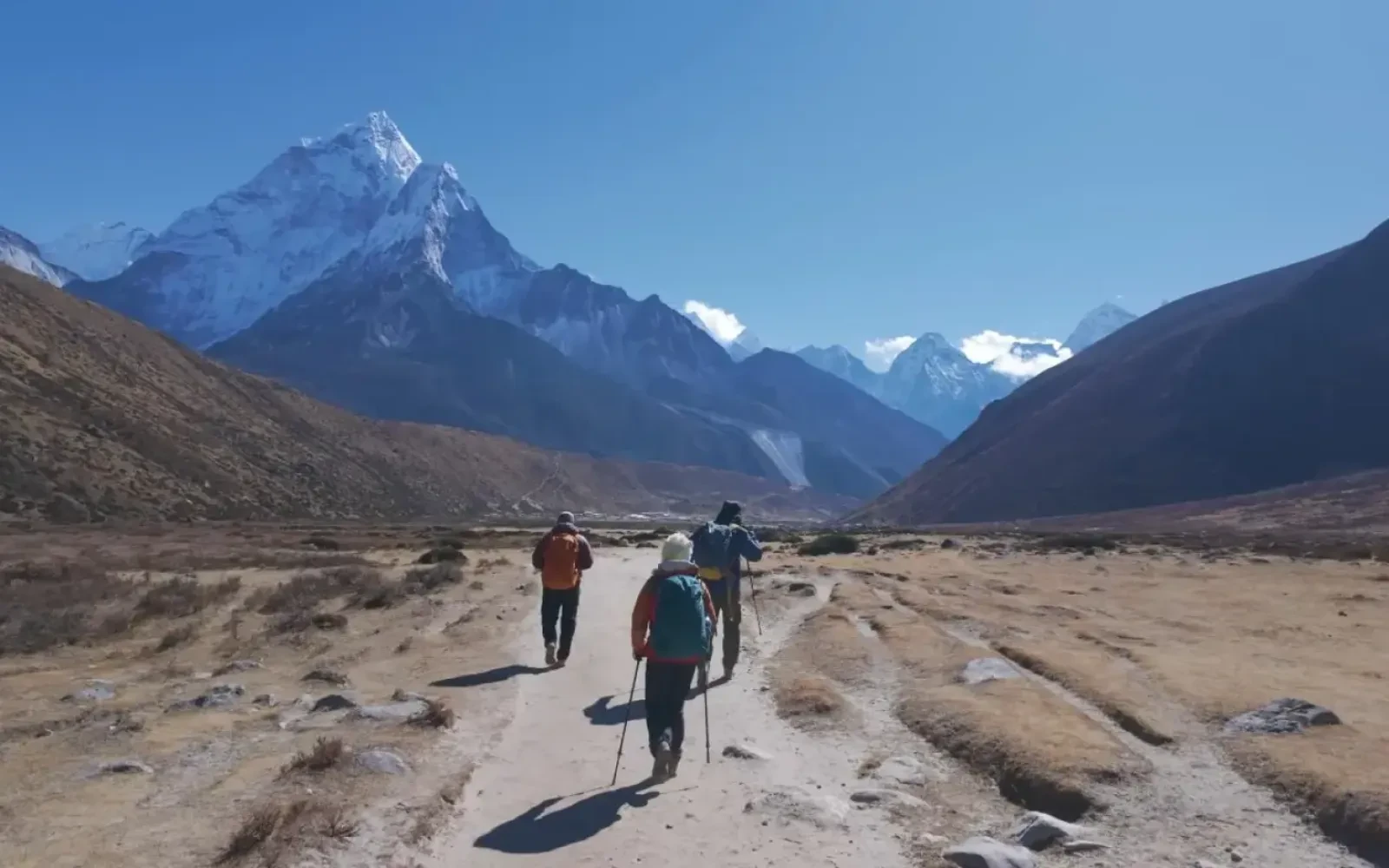
Nepal is not just a destination for trekkers. It is a calling.
Between the low green hills of the midlands and the icy walls of the high Himalaya lies a network of ancient footpaths that have carried traders, pilgrims, monks, and explorers for centuries. These same trails now welcome trekkers from around the world who come searching for something more than views – clarity, challenge, silence, and a deep sense of connection with both nature and culture.
In 2026, Nepal continues to stand as the world’s most complete trekking country. Nowhere else offers such a powerful combination of towering mountains, living traditions, welcoming villages, and an infrastructure designed around long-distance walking. Whether your dream is to stand beneath the world’s highest peak on the Everest Base Camp Trek, circle the Annapurna massif on the legendary Annapurna Circuit Trek, or wander into remote Himalayan valleys on the Manaslu Circuit Trek, trekking in Nepal remains one of the most meaningful adventures on Earth.
This guide is designed to help you understand Nepal trekking as a whole – not just one route, but the full experience: where to go, when to go, how to prepare, how to stay safe at altitude, and how to trek with respect for the mountains and the people who live among them.
Nepal is home to eight of the world’s fourteen 8,000-meter peaks, yet what truly defines trekking here is not only altitude, but diversity. In a single journey, you may walk through subtropical forests, terraced farmlands, alpine meadows, glacial valleys, and high mountain deserts. Prayer flags flutter from ridges, yaks graze in summer pastures, and monasteries cling to cliffs that seem to touch the sky.
Equally important is the cultural depth. Trekking routes pass through Sherpa, Gurung, Tamang, Thakali, and Tibetan-influenced communities, each with their own language, architecture, and spiritual traditions. On trails such as the Langtang Valley Trek or the Ghorepani Poon Hill Trek, cultural encounters are as memorable as the scenery itself.
Nepal’s trekking system is also uniquely supportive. Teahouses, local guides, porters, and well-established routes allow trekkers to travel safely and comfortably while still feeling immersed in wilderness.
The land of Mount Everest and the Sherpa people is the most iconic trekking area in the world. Routes like the Everest Base Camp Trek, Everest Base Camp with Gokyo Lakes Trek, and the demanding Everest Three Pass Trek offer dramatic glaciers, high passes, and spiritual centers such as Tengboche Monastery.
This is Nepal’s most varied trekking region, featuring everything from gentle rhododendron forests to high alpine deserts. Famous journeys include the Annapurna Circuit Trek, Annapurna Base Camp Trek, Mardi Himal Trek, and the high-altitude adventure to Tilicho Lake Trek. The Annapurna region is ideal for trekkers seeking both comfort and diversity.
North of Kathmandu lies the culturally rich Langtang region, home to the Langtang Valley Trek and the sacred lakes of Gosainkunda. These routes combine Himalayan scenery with strong Tamang and Tibetan influences, making them perfect for those who value culture as much as mountains.
For those seeking remoteness and a sense of exploration, the Manaslu Circuit Trek and nearby restricted valleys offer rugged landscapes, traditional villages, and fewer crowds. These routes feel closer to the old days of Himalayan trekking.
Gentle gradients, comfortable lodges, and spectacular views make routes like the Ghorepani Poon Hill Trek and Mardi Himal Trek ideal introductions to the Himalaya.
Classic journeys such as the Annapurna Base Camp Trek and Langtang Valley Trek balance altitude, scenery, and cultural immersion without extreme technical difficulty.
High passes and longer durations define treks like the Everest Base Camp Trek, Manaslu Circuit Trek, and Tilicho Lake Trek, where altitude management and endurance become key.
Crossing multiple high passes on the Everest Three Pass Trek or combining trekking with Peak Climbing in Nepal is suited for those with strong fitness, experience, and a love for remote, demanding terrain.
Trekking in Nepal is possible year-round, but conditions vary dramatically by season.
Spring (March to May) brings stable weather, clear skies, and blooming rhododendron forests, especially in the Annapurna and Langtang regions.
Autumn (September to November) is the most popular season, with crisp air, excellent visibility, and comfortable temperatures across all major trekking areas, including Everest and Manaslu.
Winter (December to February) offers quiet trails and sharp mountain views, though high passes may be snowbound and temperatures drop significantly at altitude.
Monsoon (June to August) brings lush landscapes and fewer crowds, particularly in rain-shadow regions such as Upper Mustang and parts of the Annapurna circuit.
Trekking in the Himalaya is not about speed; it is about steady rhythm and endurance. Regular walking, stair climbing, and cardiovascular training build the foundation, while mental readiness helps you adapt to long days, simple comforts, and changing weather.
Understanding your body, listening to early signs of fatigue, and pacing yourself are more important than peak athletic performance. Guided treks with experienced teams, such as those arranged through Contact Higher Path Treks, provide additional support and local knowledge.
Altitude is the defining challenge of trekking in Nepal. Proper acclimatization, hydration, and gradual ascent are essential to reduce the risk of altitude-related illness. Learning the basics of how the body responds to thin air, and recognizing early symptoms, allows trekkers to enjoy the journey safely.
Educational resources like the {Altitude Sickness Guide} are invaluable for understanding prevention and response, while professional guides ensure that acclimatization schedules and safety protocols are followed throughout the trek.
Trekking in Nepal means entering living communities, not open-air museums. Simple gestures of respect – dressing modestly, walking clockwise around religious monuments, asking permission before photographing people, and supporting local lodges – help preserve both culture and dignity.
Responsible trekking also means minimizing environmental impact. Carry reusable bottles, avoid plastic waste, and follow the principles of “leave no trace” on every trail. Choosing ethical operators and supporting community-based tourism strengthens the regions that make trekking possible.
While independent trekking is possible on some routes, guided trekking offers deeper insight into local culture, safer navigation in remote areas, and smoother logistics. Experienced local guides interpret landscapes, share history, and respond quickly to changing conditions.
On restricted or high-altitude routes such as the Manaslu Circuit Trek or advanced passes in the Everest region, guided travel is not only recommended but often required.
Rather than focusing on long checklists, the key is balance: lightweight, layered, and functional. Every item should serve a clear purpose, from footwear and insulation to sun protection and personal essentials. A thoughtful approach to packing improves comfort, safety, and enjoyment on long days of walking.
For practical guidance, consult a comprehensive Trekking Packing List prepared specifically for Himalayan conditions.
Is Nepal suitable for beginner trekkers?
Yes. Routes like Ghorepani Poon Hill Trek and Mardi Himal Trek are ideal for first-timers.
Do I need a guide for Everest Base Camp?
While experienced trekkers can go independently, most choose guided services on the Everest Base Camp Trek for safety, cultural insight, and logistics.
Which trek offers the best cultural experience?
The Langtang Valley Trek and Manaslu Circuit Trek are especially rich in traditional village life and Tibetan-influenced culture.
How high do treks in Nepal go?
Many classic routes exceed 4,000 meters, and high-pass treks such as the Everest Three Pass Trek reach even greater elevations.
What permits are required?
All treks require specific national park or conservation permits.
Is trekking in Nepal safe?
With proper preparation, acclimatization, and local support, trekking is generally very safe.
Can trekking be combined with mountaineering?
Yes. Many routes connect naturally with Peak Climbing in Nepal for those seeking technical summits.
Trekking in Nepal is not a race to a viewpoint or a box to tick on a travel list. It is a journey into landscapes that reshape your sense of scale, into cultures that value simplicity and spirituality, and into yourself.
From the prayer-flagged ridges of the Everest region to the quiet forests of Annapurna and the remote valleys of Manaslu, every trail carries stories older than modern travel itself. With thoughtful preparation, respect for altitude and culture, and the guidance of experienced local professionals, your Himalayan journey becomes more than a trek – it becomes a lifelong memory.
When you are ready to turn your plans into reality, the team at Contact Higher Path Treks stands ready to guide you, step by step, into the heart of the world’s greatest mountains.
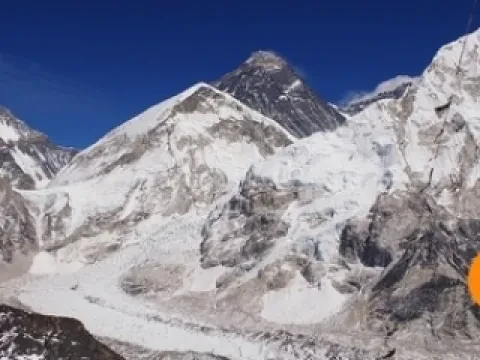
Planning the Everest Base Camp Trek? Discover the essential packing list, permits, fitness tips, altitude sickness advice and practical preparation tips to help you enjoy a safe and unforgettable trekking adventure in Himalayas Nepal.
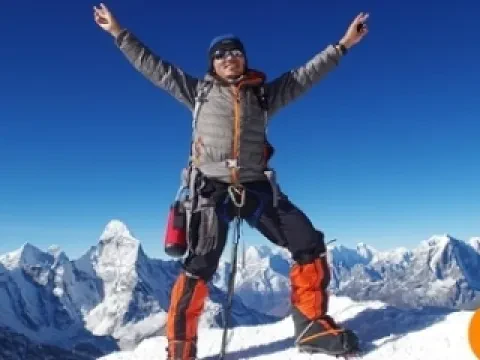
<p>Nestled in the lap of the Himalayas, Nepal is a dreamland for any mountain lover. With eight out of fourteen of the highest peaks in the world and many other smaller peaks, Nepal has plenty to offer for beginners and pioneers alike when it comes to climbing. According to a report compiled by Ministry of Culture, Tourism & Civil Aviation, Nepal, more than 75000 people came to Nepal with mountaineering as their major purpose of visit in 2017.<br></p>
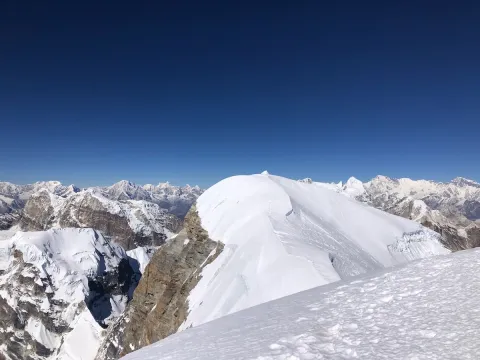
<p>Recognized as Nepal’s highest trekking peak, Mera Peak is situated in the Solukhumbu district and stands tall at 6476 meters above sea level. Mera Peak gives explorers a chance to set camps and experience colorful Rhododendron filled trails and ultimately, the isolation of high-altitude valleys at best. <br></p>
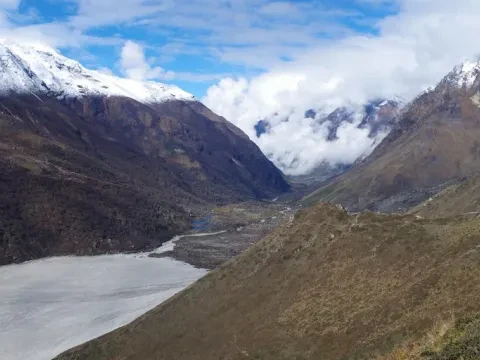
A beautiful journey begins in Kathmandu, with the vibrant city opening its arms to all backpackers. Roads from Kathmandu lead to Dhunche and Syabrubensi, a remote town in the foothills of Langtang region. Much anticipated trek of the Langtang starts here with a hike to Lama Hotel and then Mundu.
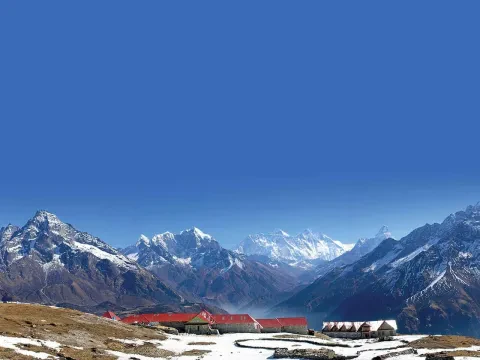
<p>Nepal, revered for a plethora of culture, ethnicities, and Himalayas that it hosts, is a travel destination that is not just for a traveler of certain interest. But one that gets most of the international interest would definitely be the Himalayas.<br></p>
<p>Spokesperson of the Ministry of Health Dr. Jageshwor Gautam said that the tourist would have to stay at the hotel until the PCR test report is received. He said it would take at least six days for the report to come. “If the test is negative, they can go out. If it is positive, they have to stay in the hospital.” The cost of PCR have to be paid by the tourists themselves. The Ministry of Health and Population has stated that this rule will come into force from August 17.<br></p>
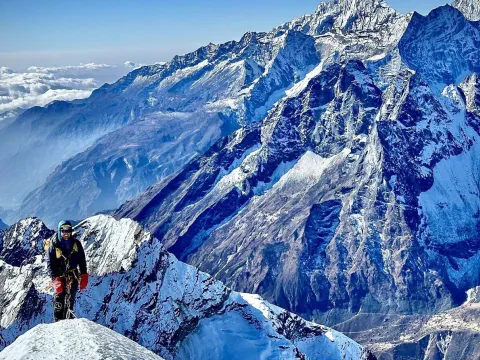
<p>Nepal is renowned for its towering mountains and offers some of the best peak climbing opportunities in the world. The country is home to numerous trekking peaks, ranging from moderate climbs for beginners to more challenging ascents for experienced mountaineers. Some of the best peak climbing options in Nepal include popular peaks like Island Peak, Mera Peak, Yala Peak, and Lobuche East, which are famous for their accessibility, stunning panoramic views, and relatively straightforward climbing routes. </p>
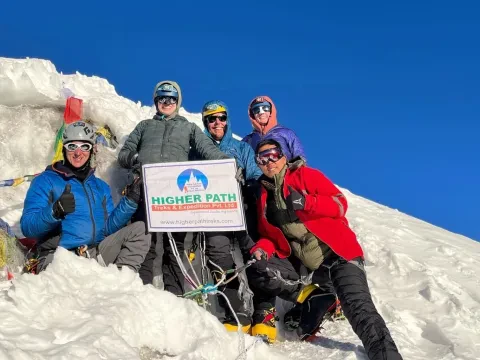
<p>The Everest Region, famous for its towering peaks and breathtaking landscapes, is often associated with challenging mountaineering expeditions. However, there are several trekking peaks in this area that cater to beginners or those who are relatively new to mountaineering. </p>
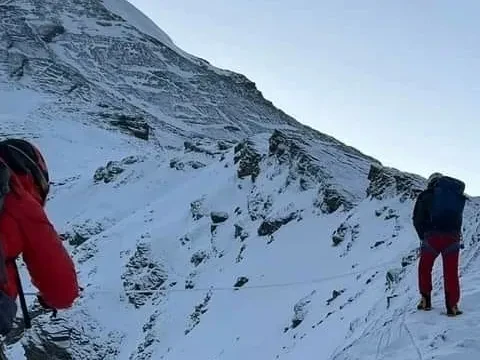
<p>The Annapurna region is one of Nepal’s most accessible and diverse areas for trekkers and climbers, making it an ideal location for beginners who are looking to combine trekking with their first peak-climbing experience. </p>
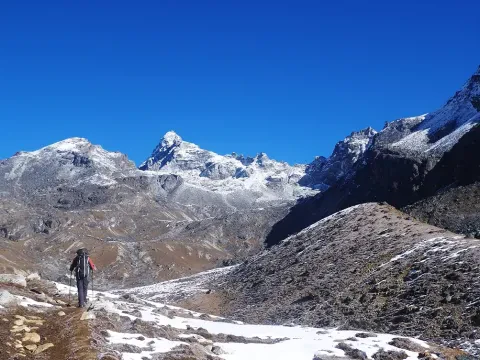
<p>Trekking to Everest Base Camp (EBC) is a dream for adventurers worldwide, and many wonder if it’s possible to do it solo. Solo trekking to EBC is indeed possible, though it comes with unique challenges and responsibilities. Unlike guided treks, solo trekking requires self-reliance, careful planning, and a deep understanding of the route, weather, and altitude conditions.</p>
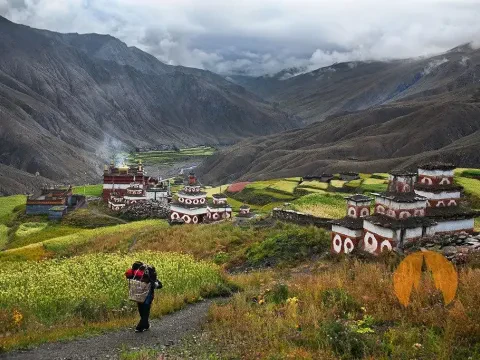
The Upper Mustang Trek is one of Nepal’s most unique trekking experiences. Often called the “Last Forbidden Kingdom,” Mustang is a region where Tibetan culture thrives, ancient monasteries dot the landscape, and desert-like terrain contrasts sharply with Nepal’s typical Himalayan greenery.
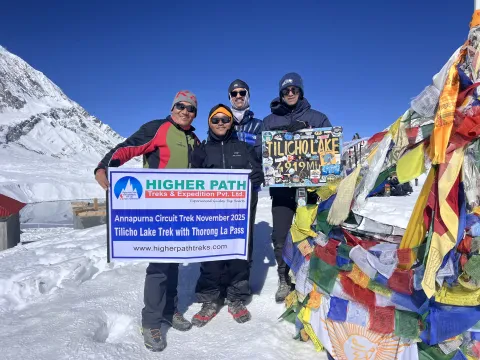
“Experience the Ultimate Himalayan Journey Across the World’s Most Diverse Trekking Route”
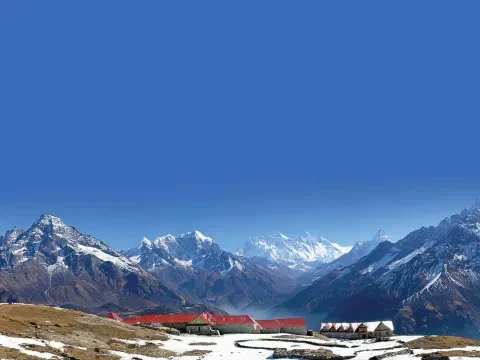
The Everest Luxury Trek is designed for travelers who wish to experience the grandeur of the Himalayas without compromising on comfort, safety, and personalized service. This journey blends breathtaking mountain scenery, Sherpa culture, and world-class hospitality, offering carefully selected luxury lodges, expert guides, and a well-paced