
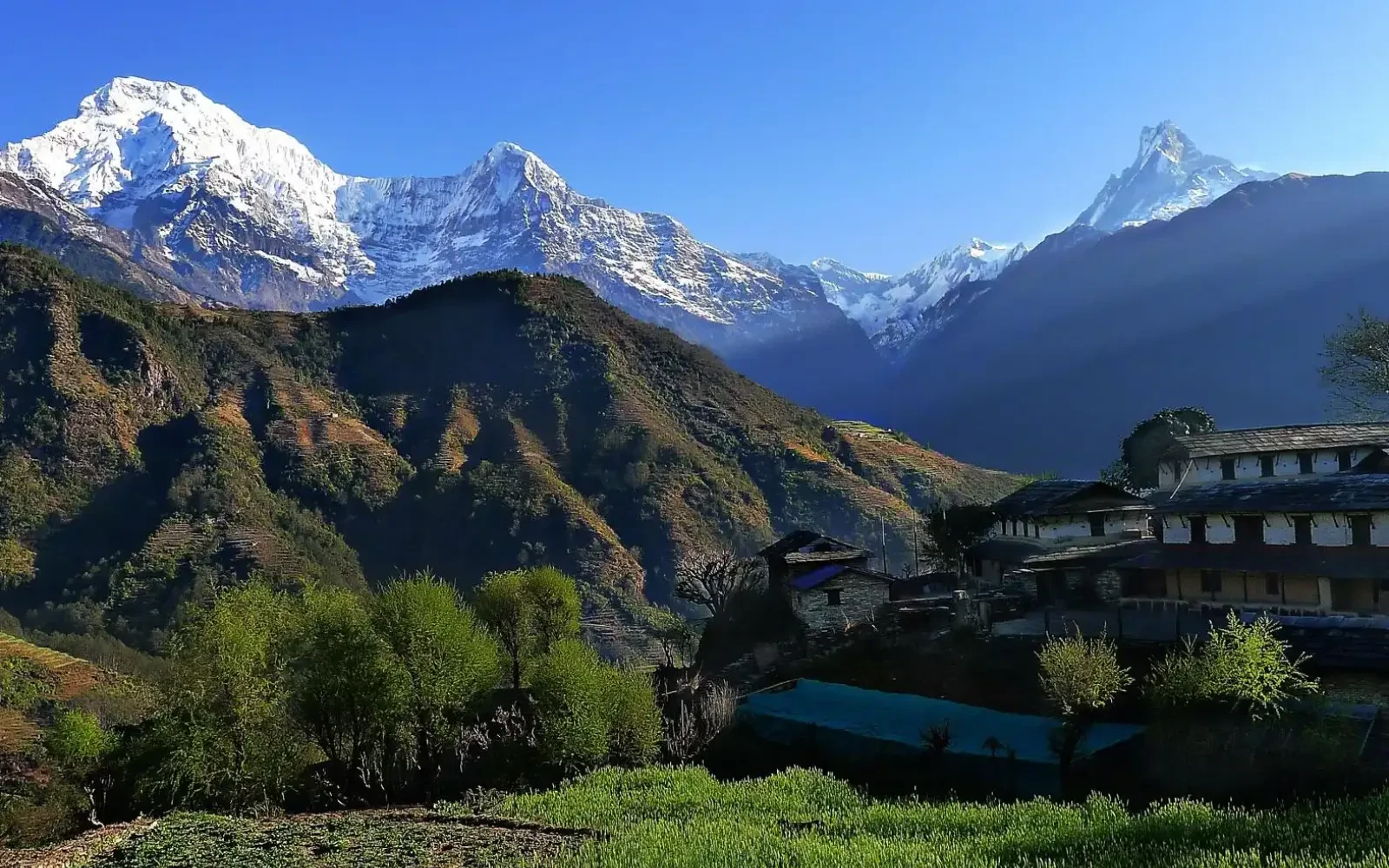
Trekking solo to the Annapurna Base Camp (ABC) is an exhilarating experience that combines adventure, self-discovery, and breathtaking Himalayan scenery. The trek offers stunning views of Annapurna South, Machhapuchhre (Fishtail), and other snow-capped peaks while immersing you in the culture of Gurung and Magar villages along the way. Doing this trek solo allows for complete freedom—choosing your pace, exploring hidden trails, and connecting deeply with the natural surroundings.
While solo trekking can be liberating, it also comes with challenges such as navigation, safety, and managing logistics alone. Partnering with a reputable company like Higher Path Treks & Expeditions ensures that even solo trekkers receive guidance, secure accommodations, and emergency support when needed.
Quick Tips Overview:
Choosing to trek solo was a deeply personal decision. I wanted to experience the Himalayas without distractions, allowing for quiet reflection and spontaneous exploration. The solitude of the trail gives you a chance to understand your physical and mental limits, meet like-minded trekkers, and fully immerse in the mountain culture.
Solo trekking also allowed me to be flexible with my itinerary. While the standard route is 8–12 days, traveling alone meant I could rest when needed, linger in villages like Ghandruk or Chomrong, and truly enjoy the unique landscapes. Partnering with Higher Path Treks & Expeditions gave me peace of mind—they helped arrange permits, accommodations, and local guidance, which is invaluable for first-time solo trekkers.
Benefits of Going Solo:
Preparation is the cornerstone of a successful solo trek. The Annapurna Base Camp trek involves diverse terrains—from terraced farmlands to high-altitude trails—so packing the right gear is essential.
Gear Essentials:
Permits and Documentation:
Planning Tips for Solo Trekkers:
Proper preparation ensures that you stay safe, comfortable, and energized, letting you focus on the adventure and the awe-inspiring scenery rather than avoidable challenges. Higher Path Treks & Expeditions offers tailored packages that simplify these preparations, making solo trekking stress-free and enjoyable.
Getting to the Annapurna region is the first step in your solo adventure, and there are several travel options depending on your time, budget, and comfort level. Most trekkers start from Kathmandu, Nepal’s capital, which is well-connected internationally. From Kathmandu, you can either take a domestic flight to Pokhara, the gateway to the Annapurna region, or enjoy a scenic drive of 6–8 hours through lush valleys, rivers, and small towns.
From Pokhara, the trek usually begins with a drive to Nayapul or Sinuwa, depending on your chosen starting point. Solo travelers can opt for private taxis or shared jeeps, both of which are reliable and safe. Higher Path Treks & Expeditions can arrange transportation and guide services, making this part stress-free and seamless.
Travel Tips – Quick List:
The Annapurna Base Camp trek is a moderate to challenging route, depending on your pace and acclimatization. Solo trekkers can expect a 10–12 day journey from Nayapul to ABC and back, covering forests, rivers, terraced fields, and high-altitude landscapes. Starting at Ghandruk, the trail moves through Chomrong, Bamboo, Machhapuchhre Base Camp, and finally reaches the Annapurna Base Camp at 4,130 meters.
While the trail is well-marked and popular, the trek involves steep ascents, uneven paths, and occasional slippery trails, which require stamina and careful planning. Solo trekking allows you to set your own pace, take frequent rest stops, and spend extra time in villages to enjoy cultural experiences. With Higher Path Treks & Expeditions, you can get a detailed route map, guidance on pacing, and real-time support if needed.
Trail Overview – Quick List:
Solo trekking is incredibly rewarding but comes with unique challenges. Safety is a top priority—inform someone about your daily route, carry a local SIM card or satellite phone, and always have a first aid kit. Navigation is generally straightforward on the ABC trail, but occasional trail forks can be confusing, especially in fog or snow. Download offline maps and track your GPS location for added security.
Equally important is mindset. Trekking alone can sometimes feel isolating, but it also provides unmatched peace, introspection, and freedom. Embrace the solitude, be open to meeting other trekkers in teahouses, and enjoy the rhythm of your own pace. Hiring a local guide from Higher Path Treks & Expeditions can add safety and cultural insight without compromising your solo experience.
Solo Trekking Tips – Quick List:
Accommodation along the ABC trail is primarily in teahouses, which are family-run lodges offering basic rooms, meals, and a place to rest. Rooms typically have simple beds and blankets, but hot showers may be limited at higher altitudes. Solo trekkers should carry a light sleeping bag and personal hygiene kit for comfort.
Food on the trail is simple but nutritious, including Dal Bhat (rice and lentils), noodles, soups, eggs, and momos. Staying hydrated is crucial, so always carry water or purification tablets. Eating in teahouses also provides a chance to interact with locals and fellow trekkers, creating a shared sense of community. Higher Path Treks & Expeditions can pre-book accommodations and suggest reliable teahouses for solo travelers, ensuring safety and comfort throughout the journey.
Accommodation & Food – Quick List:
The ABC trek is packed with unforgettable scenic highlights. Ghandruk offers stunning views of Annapurna South and Machhapuchhre. As you move through Chomrong and Bamboo, lush forests, waterfalls, and suspension bridges make the trail magical. The Machhapuchhre Base Camp is perfect for sunrise photography, where the first rays illuminate the majestic peaks.
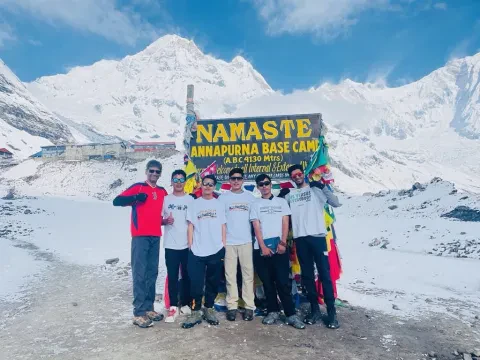
Reaching Annapurna Base Camp is the pinnacle experience. The panoramic view of towering peaks, glaciers, and the Annapurna Sanctuary is breathtaking. Along the trail, meeting locals, tasting traditional cuisine, and sharing stories with other trekkers creates lasting memories. Solo trekking allows you to linger at these moments, absorb the scenery, and enjoy a personal connection with nature.
Highlights – Quick List:
Trekking solo to Annapurna Base Camp is exhilarating, but it’s not without challenges. The physical demands were the most immediate hurdle. Daily ascents and descents, carrying a backpack, and walking long hours required stamina and strong preparation. Even with training, my legs and joints felt sore, and altitude headaches near Machhapuchhre Base Camp tested my limits.
The weather was another challenge. The trail can be unpredictable—morning fog, sudden rain showers, and cold winds at higher altitudes made progress slower. Proper gear, layers, and waterproof clothing were crucial for staying comfortable. Emotionally, trekking alone brought moments of solitude that were sometimes overwhelming. Loneliness crept in, especially during early mornings or at remote stops. Yet, these challenges also strengthened resilience, focus, and self-reliance. Higher Path Treks & Expeditions helped by providing emergency contacts, route guidance, and advice on pacing to manage these hurdles safely.
Challenges – Quick List:
One of the most enriching aspects of the ABC trek was interacting with locals and fellow trekkers. Villages like Ghandruk, Chomrong, and Bamboo are home to the Gurung and Magar communities. Staying in family-run teahouses allowed me to witness daily life, enjoy home-cooked meals, and learn about traditional practices and festivals. The locals were welcoming and often curious about solo trekkers, which led to memorable conversations and shared stories.
Meeting other trekkers on the trail added another layer of experience. Solo trekking naturally fosters connection; travelers often bond over shared challenges, meals, and sunrise viewpoints. Even brief interactions can leave lasting memories. Traveling with Higher Path Treks & Expeditions enhanced these cultural encounters, as their guides introduced local customs and traditions, enriching the journey beyond just the scenery.
Cultural Experiences – Quick List:
For first-time solo trekkers, preparation and awareness are key. One of the most important do’s is to carry a lightweight backpack with essential gear, including warm clothing, first aid, and a fully charged power bank. Daily pacing is critical—altitude can be deceptive, and pushing too hard can lead to fatigue or illness.
Some don’ts include avoiding trekking without proper permits (ACAP & TIMS), ignoring weather forecasts, or skipping meals to save time. Common mistakes first-timers make are overpacking, underestimating the trail’s difficulty, or not staying hydrated. Solo trekkers benefit greatly from professional guidance; Higher Path Treks & Expeditions can arrange permits, accommodation, and backup support, reducing these risks and allowing you to focus on enjoying the trek.
Practical Tips – Quick List:
Going solo on the Annapurna Base Camp trek taught me resilience, patience, and the joy of self-discovery. Walking alone through pristine forests and rugged trails forced me to slow down, appreciate small details, and reflect on my personal goals. Solo trekking also boosted confidence—every challenge overcome felt like a personal victory.
I learned the importance of balance: listening to my body, respecting local culture, and staying flexible in planning. The experience also reinforced that adventure is as much about inner growth as it is about breathtaking landscapes. Partnering with Higher Path Treks & Expeditions made the trek manageable and safe, allowing me to focus on these personal insights without logistical worries.
Takeaways – Quick List:
The Annapurna Base Camp trek is one of the most rewarding solo adventures in the Himalayas. From the lush valleys to towering snow-capped peaks, each day brings new experiences, challenges, and breathtaking scenery. The trek tests your endurance, patience, and adaptability, but it also offers immense personal growth and unforgettable memories.
Solo trekking with support from Higher Path Treks & Expeditions combines independence with security, making it ideal for first-time and experienced solo adventurers alike. Whether it’s the sunrise at Machhapuchhre Base Camp, the vibrant culture in mountain villages, or the peaceful reflection of being alone in the Himalayas, this trek is truly life-changing.
Why It’s Worth It – Quick List:
The Annapurna Base Camp Trek, offered by Higher Path Treks & Expeditions, is a remarkable journey that immerses travelers into the heart of the Himalayas. Spanning approximately 7 days of trekking, this adventure provides an ideal mix of natural beauty, cultural experiences, and breathtaking mountain vistas.
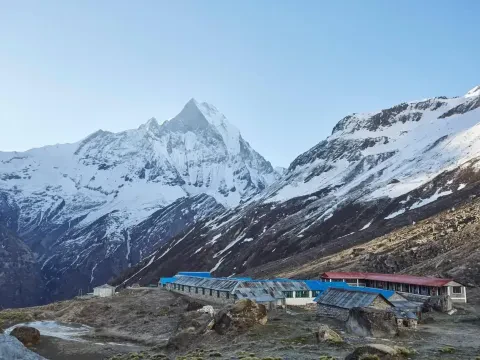
The Annapurna Base Camp Trek is a quintessential Himalayan adventure that combines natural splendor, cultural diversity, and exhilarating trekking. Beginning with the bustling city of Kathmandu, the trek gradually moves through picturesque towns and traditional villages, offering a glimpse into the daily lives of local communities.
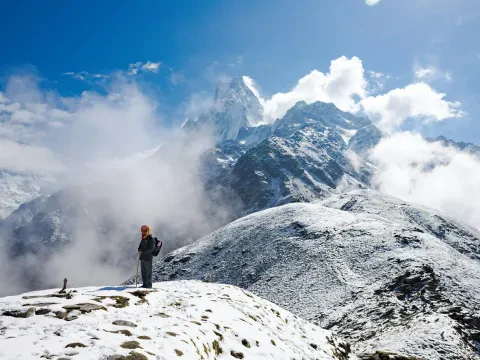
Here's the honest truth: I took some of my best Himalayan shots with a beaten-up smartphone that had a cracked screen protector. Meanwhile, the guy with the $3,000 Canon setup? His memory card corrupted at 5,200 meters, and he lost everything. I'm not saying expensive gear is bad—far from it. But after leading dozens of treks and watching hundreds of trekkers fumble with their equipment in -20°C weather, I've learned something crucial: the mountains don't care about your camera's megapixel count.