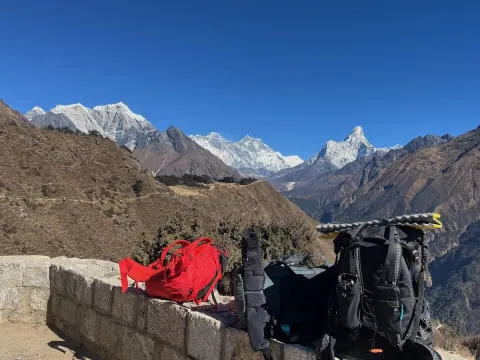
The Everest View Trek is one of the best short trekking in Everest region, Nepal.It offers spectacular views of the world's highest mountain without the long journey to Everest Base Camp.This short Trek is perfect for travelers with Limited time who want to experience the beauty of the Everest region, Sherpa culture, and breathtaking Himalayan landscapes.The Trek begins with a scenic flight to Lukla. Trail follows through authentic Sherpa villages, lush rhododendron and pine forests, Sagarmatha National Park and passing suspension bridges and reach Namche Bazaar. Trekkers get chance to explore the Namche Bazaar, where you can visit local markets, cafes, bakeries, museum and experience the Himalayan lifestyle.Trekkers will visit the famous Hotel Everest View, which is located in 3,880 m. From there you can enjoy the breathtaking views of Mount Everest (8,848.86 m), Lhotse, Nuptse, Ama Dablam, Thamserku, Tobuche and many other Himalayan peaks.The Everest View Trek is suitable for beginners, photographer, families and anyone seeking an unforgettable Himalayan experience in Limited time without long journey to Everest Base Camp. Join at Higher Path Trek & Expedition for safe, enjoyable and memorable journey in the Khumbu Region, Nepal.Trip Facts of Everest View TrekDuration: 9 daysMax Elevation: 3,880 mDestination: Everest RegionTrip Grade: EasyAccommodation: Comfortable teahouse with attached bathroom during the trekMeals: Breakfast, lunch and dinner during the trekStart/End Point: KathmanduEverest View Trek DifficultyEverest View Trek is a short and easy Trek in Khumbu Valley, Nepal, making it ideal for first-time trekkers, beginners and trekkers with limited time. No previous trekking experience is required. The Trail is suitable for anyone with a reasonable level of fitness.Permit for Everest View TrekFor this short and easy trek in Sagarmatha National Park area in Khumbu Valley, Nepal trekkers need two different permits:Sagarmatha National Park Entry Permit.Khumbu Pasang Lhamu Rural Municipality (Local Government) Permit.Best Time For Everest Base Camp TrekEverest View Trekking is best during two main seasons:Spring (March-May): Warmer temperatures, stable weather, rhododendrons bloom, and the trail will be in good conditions.Autumn (September-November): Clear skies, stable weather, and crisp mountain views. This is peak trekking season for good reason. Winter (December, January and February): is possible but freezing, snowing at higher elevations. Monsoon season (June-August) brings clouds, rain, and leeches at lower elevations—generally not recommended unless you enjoy trekking in the rain.Accommodation and MealsDuring this trek accommodation is provided in comfortable teahouses with attached bathrooms. Breakfast, lunch and dinner are provided during the trek. Every teahouse has their own food menu, while trekkers can choose their meals from menu. They prepare local and some international dishes. Vegetarian meals are highly recommended, which are prepared freshly, nutritious and easy to digest.Altitude and AcclimatizationThe highest altitude of this trek is Hotel Everest VIew (3,880 m). To complete this trek proper acclimatization is required. We have two acclimatization days in Namche to make the trip safe and unforgettable.Why Trek With Higher Path Treks & Expedition?Higher Path Treks & Expedition provides experienced local Sherpa guides, reliable logistics, and personalized support throughout your trek.Licensed Experienced Guides: Our licensed and professional guides have extensive knowledge of the Everest region. Their expertise helps trekkers manage altitude challenges and maximize their chances of successfully reaching Everest View Point.Well Planned Itinerary: Our itinerary is carefully designed to suit different experience levels and travel preferences while maintaining proper acclimatization.Transparent pricing: Our pricing is transparent, we provide clear information about our included services, permits, accommodation and meals without hidden charges.Safety First: Safety is our top priority, with proper acclimatization, regular health monitoring, and emergency support arrangements when needed.Customer-Focused Service: We focus on creating a personalized and stress-free adventure for every traveler. From airport assistance and permit arrangements to accommodation, meals and we handle every detail so you can focus on enjoying your Himalayan journey.ConclusionEverest View Trek is one of Nepal's short and easy trek in the Himalayas. It offers breathtaking Himalayan scenery, authentic Sherpa culture, Himalayan lifestyle, and an unforgettable experience. This trek is suitable for all trekkers, whether your are a first-time trekker or experienced. This trek creates memories that last a lifetime.Ready for your adventure? Contact us today to book your Everest View Trek, in Nepal.Helpful blogs:Everest Three Passes Trek: Complete Guide, Itinerary & Cost 2026
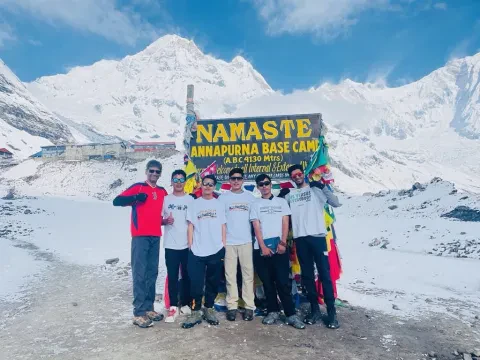
The Annapurna Base Camp Short Trek is one of Nepal's most rewarding Himalayan adventures, offering an unforgettable journey to Annapurna Base Camp (4,130 m) in just 7-9 days. Perfect for travelers with limited time, this trek combines spectacular mountain scenery, traditional Gurung villages, lush rhododendron forest, and warm hospitality at local teahouses, making this trekking in so special.Unlike longer trekking routes that require two or more weeks, the short Annapurna Base Camp Trek allows you to experience the breathtaking beauty of the Himalayas without an extended commitment. The trail leads through diverse landscapes before reaching the base Mount Annapurna I (8,091 m) world's tenth highest mountain, where you are surrounded by snow-capped mountains.Whether you're the first time trekker or experienced trekker looking for a shorten Himalayan adventure, the Annapurna Base Camp Short Trek is ideal for you. This guide covers everything you need to know such as route, best time to visit, permits, difficulty, accommodation, altitude for planing safe memorable journey of Annapurna region in Nepal. Trip Facts: Annapurna Base Camp Short TrekDuration: 9 daysDestination: Annapurna regionMaximum Elevation: 4,130 mAccommodation: TeahouseMeals: Breakfast, Lunch and dinner during the trekBest Time: Autumn (September to November) and Spring (March to May)Trip Grade: ModerateStart/End Point: KathmanduAnnapurna Base Camp Short Trek DifficultyThe Annapurna Base Camp Short Trek is considered a moderate trekking in Nepal. No technical climbing and mountaineering skills are required. Previous trekking experience is beneficial but not mandatory. However, you should be prepared for several days of walking including uphill and downhill sections before starting your ABC Trek. Fitness, proper pacing, hydration and listening your guide is important for a safe and enjoyable journey.Best Season for Annapurna Base Camp Short TrekSpring and Autumn are considered as the best seasons for the short Annapurna Base Camp Trek. During spring the days are longer, temperatures are generally pleasant, skies are clear, trails are generally in good conditions and rhododendrons also bloom along the trail. Autumn also offers clear skies, best surrounding mountain views and good and stable trail conditions.The Trek is also possible during winter and Monsoon but the conditions can be more challenging. During winter, temperatures can drop significantly and and snow fall is possible at the higher elevation. And monsoon it rains, trail will be wet, leech may appear at lower elevation and because of heavy rain some parts will be muddy and slippery and rock may fall along certain section of the trail. Permits for Annapurna Base Camp Short TrekTrekkers need permits for the Annapurna region trek. These generally include the Annapurna Conservation Area Permit (ACAP) and the Trekkers' Information Management System (TIMS) card. Higher Path Treks & Expeditions handles all paperwork and permits for you.Accommodation during the Annapurna Base Camp Short TrekAccommodation during the Annapurna Base Camp Short Trek is provided in local teahouses along the trail. Teahouses provide basic shared rooms,beds, blankets, meals with basic facilities.Meals during the Annapurna Base Camp Short TrekBreakfast, lunch and dinner are provided during the Annapurna Base Camp Short Trek. Teahouses generally offer a selection of local and international meals, including rice, noodle, pasta, potato, egg, soup, bread, vegetables, Dal Bhat and other trekking foods. Annapurna Base Camp Short Trek Altitude and AcclimatizationAlthough the Annapurna Base Camp Short Treks reaches a maximum elevation of 4,130 m, altitude sickness can still affect trekkers differently. Fitness level does not eliminate the risk of altitude sickness, so it is important to recognize the early sign of altitude sickness, gradual ascent, hydration, nutrition and follow your guide pace. To reduce the risk of altitude sickness stay well hydrated, eat regular meals even if appetite decreases, ascend slowly and steadily, avoid excessive alcohol, reduce smoking and allow your body time to adjust to increasing elevation. These basic practices dramatically reduce altitude sickness risk. Why Choose Higher Path Treks & ExpeditionsHigher Path Treks provides a professionally managed Himalayan experience with experienced local Sherpa guides, reliable logistics, and personalized support throughout the trek.Comfortable Lodges: We carefully select the comfortable lodges along the Annapurna Base Camp trail with clean and spacious rooms, comfortable beds, excellent hospitality.Licensed Experienced Guides: Our guides have extensive knowledge of the Annapurna region. Their expertise helps trekkers manage altitude concerns, and maximize the chances of a successful completion of the trek.Transparent pricing: Our pricing is transparent, we provide clear information about our included service, permit, accommodation, meal without hidden charges. No extra charges for services included in your package.Safety: Safety is our top priority, with careful well acclimatization planning, regular health monitoring, and emergency support arrangements when needed.Customer Focused Service: We focus on creating a personalized and stress-free adventure for every traveler. From airport assistance and permit arrangements to accommodation, meals and we handle every detail so you can focus on enjoying your Himalayan journey.Ready for the Annapurna Base Camp Short Trek?Contact Higher Path Treks & Expeditions today to begin planning your Annapurna Base Camp Short Trek and discover why this journey transforms everyone who completes it. The memories you'll create, the personal growth you'll experience, and the stories you'll tell are waiting—you just need to take the first step.Helpful Blogs About Trekking in the Annapurna Region:Uncover the best blogs about trekking in the Annapurna region, featuring expert advice, detailed itineraries, personal experiences, and essential tips for adventurers looking to explore the Himalayas.Annapurna Base Camp Trek: A Short Journey to the HimalayasAnnapurna Circuit Trek with Tilicho Lake – A Complete Guide by Higher Path Treks & ExpeditionsTop Tips for Climbing Pisang Peak on the Annapurna CircuitTop Reasons to Trek Ghorepani Poon HillTop Reasons to Choose Tilicho Lake Trek with Thorong La PassBest Experience on the Short Mardi Himal Trek: A Journey to RememberTop Reasons to Combine Pisang Peak Climbing with the Annapurna Circuit TrekPoonhill Amazing viewThe most picturesque village GhandrukPhotography Guide: Capturing the Himalayas Without Expensive GearTop Himalayan Peaks for Beginner Climbers: A Comprehensive GuideIs Peak Climbing in Nepal Easy for Beginners?Experience Mountain View in NepalTop Highlights of the Annapurna Base Camp Trek
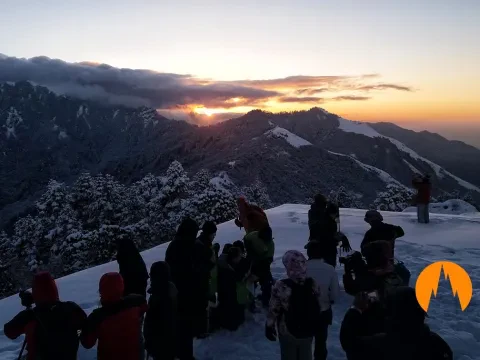
The Ghorepani Poon Hill Trek is one of the most rewarding short treks in Nepal, offering an extraordinary combination of Himalayan scenery, cultural richness, and comfortable walking trails. Located in the heart of the Annapurna region, this trek is ideal for travelers who want a genuine mountain experience without committing to a long or technically demanding expedition.Ghorepani Poon Hill Trek is a short teahouse trek in Nepal’s Annapurna region, typically comples in 5 to 7 days. It is famous for its panoramic Himalayan sunrise views, especially from Poon Hill, where trekkers can see more than a dozen snow-capped peaks in a single sweep.With Higher Path Treks, the journey becomes more than a walk through the mountains—it transforms into a carefully curated Himalayan experience that balances nature, culture, safety, and sustainability. From rhododendron-covered forests and traditional villages to the iconic sunrise view from Poon Hill (3,210m), this trek delivers unforgettable moments in just a few days.Quick Facts of Ghorepani Poon Hill TrekRegion: Annapurna Conservation AreaMaximum Elevation: 3,210 meters (Poon Hill)Trek Duration: 5–7 daysDifficulty: Easy to ModerateBest Season: Spring (March to May) and Autumn (September to November)Best For: Beginners, families, photographers, short holiday travelersAccommodation: Teahouses during the trekMeals: Breakfast, lunch and dinner during the trekStart/End Point: KathmanduWhy Choose the Ghorepani Poon Hill Trek?Unlike longer Himalayan treks that require weeks of walking and extensive acclimatization, the Ghorepani Poon Hill Trek delivers maximum scenery in minimal time. It is one of the few treks where trekkers can experience:Close-up views of the Annapurna and Dhaulagiri rangesTraditional Gurung and Magar villagesDense rhododendron forests (especially vibrant in spring)Comfortable teahouse accommodationsA world-famous Himalayan sunrise viewpointSuitable for first time trekkersFor travelers with limited time, this trek serves as an excellent alternative to longer routes such as the Annapurna Base Camp Trek or the Annapurna Circuit Trek.Ghorepani Poon Hill Trek DifficultyGhorepani Poon Hill Trek is considered as a short and easy trek. First time trekkers without previous experience can complete this trek. Goof physical fitness and previous trekking experience is beneficial but not mandatory.Accommodation and Food on the TrekThe trek follows a tea-house trekking system, meaning trekkers stay in locally run lodges along the route. Accommodations are carefully chosen to balance comfort, cleanliness, and location.What to Expect in TeahousesPrivate or twin-sharing roomsShared bathrooms (some with hot showers)Dining halls with heatingFreshly prepared mealsMeals typically include Nepali staples like dal bhat, as well as noodles, soups, rice dishes, and simple Western options. Compared to remote treks such as the Kanchenjunga Circuit Trek, food availability here is more varied and reliable.Best Time to Do the Ghorepani Poon Hill TrekWhen is the best season?The best time for the Ghorepani Poon Hill Trek is spring (March–May) and autumn (September–November).Spring (March–May)Blooming rhododendronsMild temperaturesClear morningsAutumn (September–November)Crisp mountain viewsStable weatherExcellent visibilityWinter treks are possible with fewer crowds, while summer brings greenery but also monsoon rains.Frequently Asked QuestionsIs the Ghorepani Poon Hill Trek suitable for beginners?Yes. It is one of the best treks in Nepal for beginners due to well-maintained trails, moderate altitude, and comfortable teahouse facilities.How difficult is the Ghorepani Poon Hill Trek?The trek is considered easy to moderate. Some sections include stone staircases, but no technical climbing is required.Do I need prior trekking experience?No prior trekking experience is required, though basic fitness is recommended.Can this trek be done year-round?Yes, but spring and autumn offer the best weather and mountain views.Final ThoughtsThe Ghorepani Poon Hill Trek proves that you don’t need extreme altitude or long duration to experience the magic of the Himalayas. In just a few days, trekkers are rewarded with majestic mountain panoramas, authentic village life, forested trails, and moments of deep relaxation.With Higher Path Treks, every detail—from guiding and accommodation to safety and sustainability—is handled with care. The result is a trek that feels personal, immersive, and genuinely memorable.For anyone seeking a short yet meaningful Himalayan journey, the Ghorepani Poon Hill Trek remains one of Nepal’s finest choices. Plan for this short trek in Nepal and contact with us today.Helpful Blogs About Trekking in the Annapurna Region:Uncover the best blogs about trekking in the Annapurna region, featuring expert advice, detailed itineraries, personal experiences, and essential tips for adventurers looking to explore the Himalayas.Annapurna Base Camp Trek: A Short Journey to the HimalayasAnnapurna Circuit Trek with Tilicho Lake – A Complete Guide by Higher Path Treks & ExpeditionsTop Tips for Climbing Pisang Peak on the Annapurna CircuitTop Reasons to Trek Ghorepani Poon HillTop Reasons to Choose Tilicho Lake Trek with Thorong La PassBest Experience on the Short Mardi Himal Trek: A Journey to RememberTop Reasons to Combine Pisang Peak Climbing with the Annapurna Circuit TrekComparing Chulu Far East Peak Climbing vs Chulu West Peak ClimbingPoonhill Amazing viewThe most picturesque village GhandrukPhotography Guide: Capturing the Himalayas Without Expensive GearNepal Peak Climbing 2026: Routes, Tips, and Top SummitsThe Best Hiking Adventures: Famous Peak Climbs in 2025Top Himalayan Peaks for Beginner Climbers: A Comprehensive GuideIs Peak Climbing in Nepal Easy for Beginners?Top Best Expedition Packages in Nepal 2025Experience Mountain View in NepalTop Highlights of the Annapurna Base Camp Trek
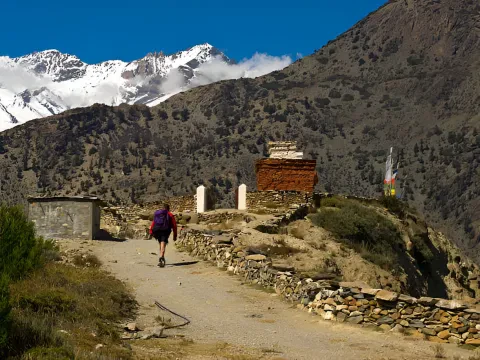
Mustang – The Last Forbidden Kingdom of NepalMustang, often referred to as the “Last Forbidden Kingdom,” is a unique and captivating region located in north-central Nepal. This semi-arid land, isolated by the mighty Annapurna and Dhaulagiri ranges, has preserved a distinct Tibetan culture, language, and lifestyle for centuries. Once an independent kingdom, Mustang’s historical isolation has helped protect its monasteries, traditions, and ancient settlements.Known for its dramatic desert landscapes, wind-carved cliffs, and vibrant festivals, Mustang offers an experience unlike popular routes such as the Everest Base Camp Trek or Annapurna Circuit Trek. The region’s untouched beauty and spiritual depth attract travelers seeking meaningful cultural immersion alongside adventure. With expert guidance from Higher Path Treks, your journey through Mustang becomes both educational and unforgettable.Mustang Trek OverviewThe Mustang Trek is a remarkable journey through one of Nepal’s most remote Himalayan regions. The trek explores high-altitude deserts, deep valleys, and centuries-old Tibetan-influenced villages. Starting from Jomsom, the trail follows the Kali Gandaki River Valley and leads trekkers toward the ancient walled city of Lo Manthang.Unlike greener trekking routes such as the Langtang Valley Trek or Manaslu Circuit Trek, Mustang offers stark landscapes, eroded cliffs, and spiritual landmarks. Trekkers visit ancient monasteries, royal palaces, and traditional villages while navigating rugged terrain shaped by wind and time. Higher Path Treks ensures a well-paced, fully supported journey that allows you to experience Mustang’s cultural depth and dramatic scenery safely and comfortably.Pokhara – Gateway to MustangPokhara is the primary gateway to the Mustang region and a starting point for most Mustang treks. This scenic city is famous for its tranquil lakes, lush hills, and panoramic Himalayan views, offering a relaxing contrast before entering the high-altitude desert of Mustang.Before beginning your trek, you can explore attractions such as Phewa Lake, the World Peace Pagoda, and the lively Lakeside area. Pokhara also serves as a connection point for treks and flights to Jomsom, similar to its role in routes like the Ghorepani Poon Hill Trek. Higher Path Treks manages all logistics from Pokhara, ensuring a smooth transition into the Mustang region.Jomsom – Entry Point to MustangJomsom is a vital stop on the Mustang Trek and serves as the main entry point into the region. Located at 2,710 meters, this windswept town lies between the Annapurna and Dhaulagiri ranges and features a small airport connecting it to Pokhara.Jomsom is known for its strong winds, apple orchards, and unique high-altitude landscape. It also acts as a trading hub between Nepal and Tibet. Trekkers usually acclimatize here before heading deeper into Mustang, much like preparation stops on the Upper Dolpo Trek. Higher Path Treks ensures proper acclimatization and seamless arrangements in Jomsom for a safe trekking experience.Muktinath – A Sacred Himalayan Pilgrimage SiteMuktinath is one of the most sacred sites in Nepal, revered by both Hindus and Buddhists. Located at 3,710 meters, the temple is famous for its eternal flame and 108 water spouts believed to offer spiritual purification.Visiting Muktinath adds a powerful spiritual dimension to the Mustang Trek, similar in cultural importance to sacred sites visited during the Gosaikunda Trek. Surrounded by breathtaking mountain views, the area provides both religious significance and scenic beauty. Higher Path Treks carefully integrates Muktinath into the trekking itinerary to enrich your cultural and spiritual journey.Accommodation and Food on Mustang TrekAccommodation during the Mustang Trek consists of teahouses and local lodges that offer clean, comfortable rooms with basic facilities. While simpler than city hotels, these lodges provide warmth, hospitality, and stunning mountain surroundings.Meals are freshly prepared using local ingredients and include traditional Nepali dishes such as dal bhat, Tibetan bread, soups, and noodles, along with limited international options. Similar to trekking experiences in the {Nar Phu Valley Trek}, food is nourishing and designed to keep trekkers energized. Higher Path Treks prioritizes hygiene, comfort, and dietary needs throughout the journey.Mustang Trek DifficultyThe Mustang Trek is rated moderate to challenging, suitable for trekkers with good fitness and stamina. The terrain involves long walking days, high altitude, and exposure to strong winds, especially in upper Mustang.Although less steep than the Makalu Base Camp Trek, altitude acclimatization is still essential. With proper pacing, rest days, and guidance from experienced professionals, the trek is achievable for well-prepared trekkers. Higher Path Treks ensures safety through structured itineraries, acclimatization planning, and continuous support.Mustang Trek CommunicationClear communication is essential for a successful trek. Higher Path Treks provides detailed pre-trek briefings, covering route details, safety measures, altitude awareness, and daily expectations.Throughout the trek, guides remain accessible for questions, health monitoring, and assistance. Communication methods are similar to those used in remote treks like the {Kanchenjunga Circuit Trek}, ensuring coordination even in isolated areas. Our team maintains regular contact with support staff to respond quickly to any situation.Best Season for Mustang TrekThe best seasons for the Mustang Trek are spring (March–May) and autumn (September–November). These months offer stable weather, clear skies, and comfortable temperatures, making them ideal for trekking.Unlike other regions, Mustang lies in a rain-shadow area, making it possible to trek even during the monsoon, similar to the Upper Mustang Trek. However, spring and autumn remain the most popular for visibility and comfort. Higher Path Treks schedules treks during optimal periods to ensure the best experience.Why Choose Higher Path Treks for Mustang TrekHigher Path Treks offers expert local guides, carefully designed itineraries, and a strong commitment to safety and responsible tourism. Our deep understanding of Mustang’s culture, geography, and history ensures a meaningful trekking experience.From permits and logistics to accommodation and meals, everything is managed professionally. Like our approach on challenging routes such as the Manaslu Tsum Valley Trek, we focus on quality, sustainability, and personal attention. With Higher Path Treks, your Mustang adventure is in trusted hands.Experience the Mustang TrekThe Mustang Trek is a journey through time, culture, and dramatic landscapes. From ancient monasteries to high-desert valleys and the iconic Lo Manthang, every day offers discovery and inspiration.This trek is ideal for travelers seeking a cultural alternative to mainstream routes like the Everest Base Camp Trek. With Higher Path Treks, you’ll experience Mustang beyond just trekking—connecting deeply with its people, traditions, and timeless beauty.Why Is the Mustang Trek So Famous?The Mustang Trek is famous for its preserved Tibetan culture, dramatic desert scenery, and historical significance. The region’s restricted status helped protect its heritage, making it one of Nepal’s most unique trekking destinations.Ancient monasteries, sky caves, and the royal city of Lo Manthang create an experience unlike any other. For trekkers seeking authenticity, isolation, and culture, Mustang stands apart. Higher Path Treks ensures you experience this legendary region with insight, respect, and expert guidance.