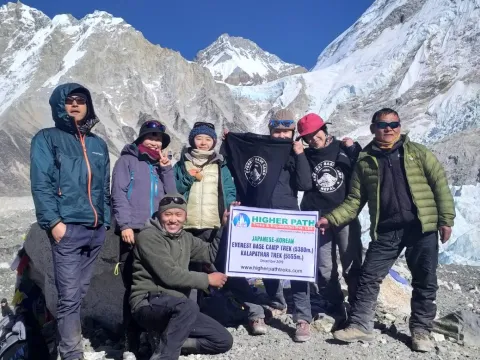
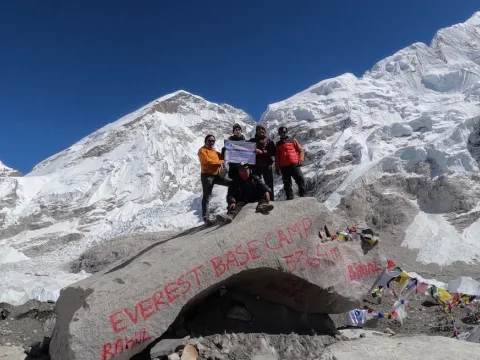
Luxury Everest Base Camp Trek with Helicopter, is a perfect blend of world-class comfort and the legendary journey to the foot of Mount Everest. Designed for travelers who seek both adventure and premium services, this Luxury Everest Base Camp trek follows the classic Everest Base Camp route while providing the best selected luxury lodges, attached bathrooms, hot shower and charging facilities, personalized service, breathtaking mountain scenery and exceptional hospitality throughout the journey.Adventure begins with a scenic helicopter flight from Kathmandu to Lukla, the trek leads through picturesque Sherpa villages, ancient monasteries, rhododendron and pine forests, suspension bridges and the breathtaking landscapes of Sagarmatha National Park. Along the way, you'll enjoy spectacular views of Mount Everest, Lhotse, Makalu, Nuptse, Ama Dablam, Thamserku and other iconic Himalayan peaks while staying in carefully selected luxury lodges and comfortable mountain accommodations.The journey includes proper acclimatization days in Namche Bazaar and Dingboche, allowing you to adapt safely to the altitude while exploring local culture and traditions. The highlights of this journey is reaching Everest Base Camp (5,364 m) and witnessing the unforgettable moment hike to Kala Patthar (5,640 m). From here you will see the spectacular views of Mt.Everest, Lhotse, Nuptse, Pumori, Ama Dablam and 360 degree Himalayan peaks, that make this trek a once-in-a-lifetime experience.Whether you are an experienced trekker or embarking on your first Himalayan adventure, Luxury Everest Base Camp Trek offers the perfect combination of adventure, comfort, and cultural immersion. With expert English speaking guides, selected luxury accommodations, delicious meals, and outstanding mountain scenery, this trek delivers an unforgettable experience in the heart of the Everest region.If you are looking for the most comfortable way to experience the legendary Everest Base Camp Trek, the Everest Base Camp Luxury Trek is the perfect choice with Higher Path Treks and Expedition.Quick Facts of Luxury Everest Base Camp Trek with HelicopterDuration: 15 daysDestination: Everest RegionTrip Style: Luxury TrekkingMaximum Altitude: 5,640 m (Kala Patthar)Trek Grade: Moderate to difficultBest Seasons: Spring (March-May), and Autumn (September-November)Trek Distance: Approximately 130 km round tripDaily Walking: 5-7 hoursAccommodation: Mountain Luxury lodges / TeahouseMeals: Breakfast, lunch and dinner (during the trek)Group Size: 1-12 trekkersWhat Makes This Trek Luxury?During the trekking season in Nepal, flights to Lukla usually operate from Manthali, which takes 5-6 hours drive from Kathmandu. However this trek begins with a scenic helicopter flight directly from Kathmandu to Lukla, avoiding long drive to Manthali. This luxury Everest Base Camp Trek offers comfortable selected mountain luxury lodges with facilities such as attached bathrooms, hot shower, Internet and device charging, comfortable and spacious rooms in all overnights throughout the journey except Gorakshep and Lobuche, due to remote and high-altitude location but we provide best available accommodation there. In addition, we offer personalized service, expert guides and well planned logistics, comfortable and unforgettable trekking memories of the Khumbu Region, Nepal.Who is This Trek For?This Luxury EBC Trek is ideal for travelers who want to experience the Everest Base Camp Trek with comfort. Its perfect for couples, families, honeymooners, Photographers, and travelers seeking for personalized service and premium accommodations. Whether you are experienced trekkers or first time trekker, this Luxury Trek in offers the perfect balance of challenge, comfort, authentic Sherpa culture, Mountain lifestyle and breathtaking views in Khumbu valley.Everest Base Camp Luxury Trek DifficultyLuxury Everest Base Camp Trek with Helicopter is considered as moderate Himalayan adventure in Khumbu region, Nepal. With good physical fitness, proper preparation and well acclimatize beginners can complete this trek without previous trekking experience.Best Time For Luxury Everest Base Camp Trek with HelicopterThe 15-days Luxury Everest Base Camp Trek is best during two main seasons:Spring (March-May): Warmer temperatures, stable weather, rhododendrons in bloom, and the main Everest climbing season means Base Camp is bustling with expedition activity.Autumn (September-November): Clear skies, stable weather, and crisp mountain views. This is peak trekking season for good reason. Winter (December) is possible but freezing, most of the teahouses will be closed especially at higher elevations. Monsoon season (June-August) brings clouds, rain, and leeches at lower elevations—generally not recommended unless you enjoy trekking in the rain.Permits For Everest Base Camp Luxury TrekFor the Everest Base Camp Luxury Trek, trekkers need two different permits. Sagarmatha National Park Entry Permit, Khumbu Pasang Lhamu Rural Municipality (Local Government) Permit.Higher Path Treks & Expedition arranges both permits for you.Accommodation and MealsDuring this Luxury trek accommodation is provided in Luxury Mountain Lodges and teahouses. Mountain Luxury Lodges are available in Phakding, Namche, Diboche, Dingboche and Lukla, while attached bathroom is provided in Lobuche, and shared bathroom in Gorakshep, and Pheriche on the way back.Trekkers get breakfast, lunch and dinner as a meal. Every Mountain Luxury Lodges and teahouse has their own food menu, while trekkers can choose meal on their choice from menu. They prepare local and some international dishes. Vegetarian meals are highly recommended, which are prepared freshly, nutritious and easy to digest. Meats are transported over long distance so it may not be always fresh at higher altitude. Altitude and AcclimatizationThe highest altitude of this trek is Kala Patthar (5,640 m) and Everest Base Camp (5,364 m). To complete this trek proper acclimatization is required. We have two days acclimatization day in Namche and Dingboche to make the trip enjoy, safe, enjoyable and memorable.CommunicationMobile network (Ncell and NTC) is available in the most of the Everest region, except Lobuche, but internet Wi-Fi is available in every places. Due to the high altitude and weather condition sometime internet speed may be slow.Trekkers can use local SIM cards such as Ncell and Nepal Telecom. Our guides also carry communication devices and remain connected with the team throughout the the Trek.Physical Preparation: What You Actually NeedYou don't need to be an ultra-athlete to complete this trek, but you should have good level of fitness. Aim to hike a day for 5-6 hours with a day pack.The best preparation is hiking with elevation gain. If you live somewhere flat area, climb the stairs with a backpack for strength. Do regular cardio exercises like hiking, walking, running and cycling for your stamina.Why To Trek With Higher Path Treks & Expedition?Higher Path Treks provides a professionally managed Himalayan experience with experienced local Sherpa guides, reliable logistics, and personalized support throughout the trek.Carefully Selected Luxury Lodges: We carefully select the best available luxury lodges along the Everest Base Camp trail with clean and spacious rooms, comfortable beds, excellent hospitality and private attached bathrooms where available.Licensed Experienced Guides: Our guides have extensive knowledge of the Everest region. Their expertise helps trekkers manage altitude concerns, and maximize the chances of a successful achievement of Everest Base Camp.Well Planned Itinerary: Our itinerary is designed to suit different experience levels and travel preferences while maintaining proper acclimatization for high altitude adventure.Transparent pricing: Our pricing is transparent, we provide clear information about our included service, permit, accommodation, meal without hidden charges. No extra charges for services included in your package.Safety: Safety is our top priority, with careful well acclimatization planning, regular health monitoring, and emergency support arrangements when needed.Customer Focused Service: We focus on creating a personalized and stress-free adventure for every traveler. From airport assistance and permit arrangements to accommodation, meals and we handle every detail so you can focus on enjoying your Himalayan journey.Conclusion Luxury Everest base Camp Trek with Helicopter is an unforgettable Himalayan adventure. With experienced guides, proper acclimatization and reliable support from Higher Path Treks & Expedition, this adventure offers a safe and rewarding experience for adventure seekers looking to explore the Everest region, Nepal. Book Your Luxury Everest Base Camp Trek TodayReady to experience the Luxury Everest Base Camp Trek? Contact Higher Path Treks & Expedition today. Let us help you create an unforgettable journey to the Everest region. Helpful Blogs:Nepal Trekking Permits: Costs, Requirements & Where to Get ThemEverest Three Passes Trek: Complete Guide, Itinerary & Cost 2026
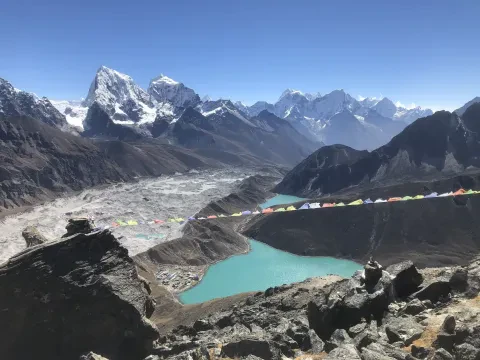
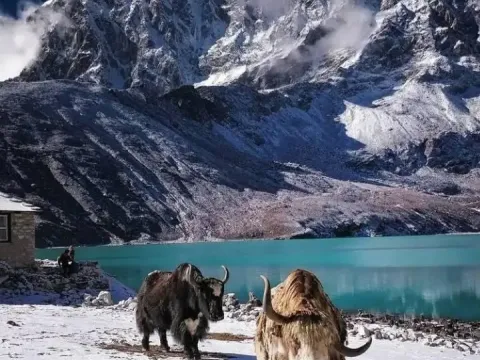
The Gokyo Lake Trek is one of Nepal's most spectacular yet surprisingly uncrowded alternatives to the classic Everest Base Camp route. This breathtaking journey ventures deep into the pristine Khumbu region, revealing a landscape of stunning turquoise glacial lakes, towering Himalayan giants, and authentic Sherpa villages that have maintained their traditional character despite proximity to popular trekking routes. For adventurers seeking the majesty of the Everest region without the crowds that often characterize the base camp trail, the Gokyo Valley offers an experience that many seasoned trekkers consider even more beautiful and rewarding than its famous neighbor.The Gokyo Lake Trek Nepal winds through diverse terrain—from lush rhododendron forests in lower elevations to stark, high-altitude landscapes where glaciers carve their way between peaks that seem to touch the sky. Along the way, you'll pass through traditional Sherpa villages like Namche Bazaar, Dole, and Machhermo before reaching the ethereal Gokyo Valley itself. Here, a series of six glacial lakes shimmer in shades of turquoise and deep blue, their colors so vivid they seem almost artificial, yet completely natural—the result of glacial flour suspended in pristine mountain water.The crown jewel of this journey is the climb to Gokyo Ri at 5,357 meters, a viewpoint that delivers what many consider the finest mountain panorama in the entire Himalayan region. From this vantage point, four of the world's six highest mountains—Everest, Lhotse, Makalu, and Cho Oyu—spread across the horizon in a display of natural grandeur that defies description. The massive Ngozumpa Glacier, Nepal's longest, flows beneath you like a frozen highway, its crevasses surface demonstrating the immense forces that continue shaping this landscape.Gokyo Lake Trek Quick FactsRegion: EverestDuration: 14 daysMax Elevation: 5,357 m Gokyo RiTrek Grade: ModerateAccommodation: Teahouse during the trekMeals: Breakfast, lunch and dinner during the trekBest Season: Spring and autumnStart/End Point: KathmanduWhy Choose the Gokyo Lake TrekSeveral compelling reasons make the Gokyo Trek an exceptional choice for Himalayan adventure. The most obvious advantage is the relative solitude compared to the Everest Base Camp with Helicopter Return trail. While thousands of trekkers crowd the path to base camp, the Gokyo Valley route sees significantly fewer people, allowing for more peaceful trekking, easier lodge accommodation, and more authentic interactions with local communities. This quieter atmosphere creates opportunities for contemplation and deeper connection with the mountain environment that busier trails cannot provide.The scenery along the Gokyo route is arguably more diverse and dramatic. Rather than focusing primarily on reaching a single destination, this trek treats you to constantly changing landscapes—from forested valleys to alpine meadows, from glacial moraines to pristine lakes that reflect towering peaks with mirror-like precision. Each day brings new visual rewards that justify the physical effort required to gain altitude.Gokyo Ri is the best viewpoint, from Gokyo Ri trekkers can see the mount Everest, Lhotse, Makalu, Cho Oyu, Gyachung Khang, Pumori, Ama Dablam, Cholatse and surrounding peaks.For photographers, the Gokyo Valley presents unparalleled opportunities. The turquoise lakes create stunning foreground elements for mountain photography. The changing light throughout the day transforms these lakes from deep blue to brilliant aquamarine, creating endless photographic possibilities that keep even experienced photographers engaged for hours.The Gokyo Trek also offers excellent flexibility for creating extended adventures. Many trekkers combine Gokyo with the Everest Base Camp with Gokyo Lakes route via the challenging Cho La Pass, creating a comprehensive circuit that includes both highlights. This combination delivers the best of both worlds—the iconic Everest Base Camp experience plus the serene beauty of Gokyo Valley, all in one extended journey that typically spans 16-19 days.Gokyo Lake Trekking Route: What to ExpectThe journey to Gokyo Lakes typically begins with the iconic flight from Manthali (Ramechhap) to Lukla, an experience that ranks among the world's most thrilling aviation adventures. Landing at Tenzing-Hillary Airport, perched dramatically on a mountainside with its notoriously short runway, provides an adrenaline-charged introduction to mountain travel. From Lukla at 2,840 meters, the trekking route initially follows the same path as trekkers heading toward Everest Base Camp.The first days lead through the Dudh Koshi valley, passing through Phakding before tackling the significant climb to Namche Bazaar at 3,440 meters. This bustling Sherpa town serves as the commercial and cultural heart of the Khumbu region, offering everything from bakeries and internet cafes to trekking shops and cultural museums. The mandatory acclimatization day here allows your body to adjust to altitude while exploring the surrounding area, perhaps hiking to the Everest View Hotel or visiting the traditional villages of Khumjung and Khunde.From Namche, the Gokyo route diverges from the main Everest Base Camp trail, heading northwest into quieter territory. The path leads through Mong La, Phortse Thanga, Dole, and Machhermo—small settlements that see fewer trekkers and maintain stronger traditional character. These villages offer intimate glimpses into Sherpa life away from the busiest tourist corridors, with lodge owners often having more time for genuine conversation and cultural exchange.As you gain altitude beyond Machhermo, the landscape transforms dramatically. Vegetation becomes sparse, eventually disappearing entirely as you enter the high-altitude zone where only rock, ice, and hardy lichens survive. The trail follows the Dudh Koshi valley upward, climbing over rocky moraines and sandy flats before the first glimpse of turquoise water ahead signals your arrival at the lake system.Gokyo village clusters beside the third lake, its stone lodges providing welcome comfort in this extreme environment. The setting is simply breathtaking—snow-capped peaks surround the lake on all sides, prayer flags flutter constantly in the mountain breeze, and the silence is profound, broken only by wind and the occasional avalanche rumble from distant peaks.Best Time to Trek Gokyo LakeSeasonal timing dramatically affects your Gokyo Valley experience, with each season offering distinct advantages and challenges. Understanding these differences helps you choose the timing that best matches your priorities and tolerance for various conditions.Spring (March to May) ranks among the two optimal seasons for this trek. As winter's grip loosens, temperatures become more manageable, though mornings and evenings remain quite cold at higher elevations. The major advantage of spring is the rhododendron bloom that transforms lower elevation forests into tunnels of pink, red, and white flowers—a spectacular natural display that adds vibrant color to your trek. Visibility is generally excellent, though afternoon clouds sometimes obscure mountain views. This is also Everest climbing season, meaning the region sees maximum traffic, though the Gokyo route remains significantly quieter than the base camp trail.Autumn (September to November) is the other prime season, offering the clearest skies of the year. Post-monsoon, the air is scrubbed clean by months of rainfall, creating exceptional visibility for mountain photography and viewing. The weather tends to be stable with minimal precipitation, though temperatures are cooler than spring. The autumn festival season adds cultural richness, with various celebrations occurring in Sherpa villages throughout the region. October particularly sees heavy trekking traffic, though again, Gokyo routes are less crowded than Everest Base Camp trails.Winter (December to February) brings extreme cold and significant challenges but also unique rewards. Snow often covers high passes and trails, making some sections more difficult or occasionally impassable. Temperatures at Gokyo can drop below -20°C at night, requiring high-quality gear and serious cold tolerance. However, winter offers profound solitude—few trekkers brave these conditions, meaning you might have entire tea houses to yourself and experience the mountains in their most pristine, untouched state. The crystal-clear winter air provides stunning visibility when weather cooperates.Monsoon season (June to August) is generally avoided due to heavy rainfall, leeches at lower elevations, and clouds that obscure mountain views. However, the Everest region sits in a rain shadow, receiving less monsoon precipitation than other parts of Nepal, making it more feasible than regions like Annapurna during these months. The landscapes are lush and green, wildflowers bloom abundantly, and you'll have trails almost entirely to yourself. If you can accept weather unpredictability and potentially limited views, monsoon trekking offers unique advantages for the adventurous.Permits for Gokyo Lake TrekTrekkers need two different permits for Gokyo Lake Trek in Nepal:Sagarmatha National Park Entry Permit.Khumbu Pasang Lhamu Rural Municipality (Local Government) Permit.Higher Path Treks & Expedition arranges both permits.Difficulty Level and Physical Requirements for Gokyo Lake TrekThe Gokyo Lakes Trek is rated as moderately challenging to challenging, suitable for trekkers with good fitness levels and preferably some previous high-altitude trekking experience. While not technically demanding—no climbing skills or specialized equipment beyond standard trekking gear are required—the trek does present significant physical challenges that shouldn't be underestimated.Daily hiking typically spans 5-7 hours, covering distances of 10-15 kilometers while gaining or losing significant elevation. The cumulative effect of consecutive trekking days challenges your cardiovascular system, leg strength, and overall endurance. Unlike single-day hikes where you can push hard knowing rest follows, multi-day treks require pacing yourself to ensure you have energy reserves for the entire journey.Altitude represents the trek's primary challenge. Gokyo village sits at 4,790 meters, and Gokyo Ri reaches 5,357 meters—elevations where oxygen availability is roughly half that at sea level. Your body must work significantly harder to perform even simple tasks, and altitude sickness remains a real concern that requires proper acclimatization and constant attention to symptoms. The gradual ascent profile of this trek helps with acclimatization, but individual responses to altitude vary dramatically regardless of fitness level.The terrain varies from well-maintained trails through lower valleys to rocky, uneven paths at higher elevations. You'll cross numerous suspension bridges that sway above glacial rivers, navigate steep ascents and descents that test your knees and ankles, and walk across rocky moraines where careful foot placement prevents twisted ankles. Trekking poles prove invaluable for maintaining balance and reducing stress on joints during descents.Physical preparation should begin 1-2 months before your trek. Focus on cardiovascular endurance through activities like running, cycling, swimming, or stair climbing. Include long hikes with elevation gain if possible, gradually increasing the weight you carry to simulate trekking conditions. Leg strengthening exercises—squats, lunges, step-ups—prepare muscles for the constant climbing. Don't neglect core strength, which significantly impacts balance and reduces fatigue during long trekking days.Mental preparation matters as much as physical conditioning. Multi-day high-altitude trekking tests your determination, particularly on difficult days when weather turns challenging, altitude affects you, or fatigue accumulates. Understanding that discomfort is temporary and focusing on the incredible experiences and views ahead helps maintain motivation through tough sections.Gokyo Lake Trek Acclimatization and Altitude SafetyProper acclimatization forms the foundation of safe, enjoyable high-altitude trekking. The Gokyo route includes built-in acclimatization through its gradual ascent profile and recommended rest days at key elevations. Understanding and respecting altitude is essential for both safety and trek enjoyment.Acute Mountain Sickness (AMS) can affect anyone regardless of age, fitness level, or previous high-altitude experience. Common symptoms include headache, nausea, dizziness, and fatigue. These symptoms typically develop within 6-24 hours of reaching a new altitude and often resolve with rest and proper hydration. However, if symptoms worsen or don't improve with rest, descent becomes necessary.More serious altitude illnesses—High Altitude Pulmonary Edema (HAPE) and High Altitude Cerebral Edema (HACE)—are potentially fatal and require immediate descent and medical attention. HAPE symptoms include severe shortness of breath, coughing (sometimes with pink frothy sputum), chest tightness, and extreme fatigue. HACE symptoms include severe headache unrelieved by medication, loss of coordination, confusion, and changes in behavior. These conditions constitute medical emergencies.The key to preventing altitude sickness is gradual ascent. The recommended rate is no more than 300-500 meters elevation gain per day once above 3,000 meters, with a rest day every 3-4 days. The Gokyo Valley Trek itinerary typically includes acclimatization days at Namche Bazaar and at Gokyo itself. Following the principle "climb high, sleep low"—taking day hikes to higher elevations before returning to sleep at lower altitudes—accelerates acclimatization.Staying well-hydrated significantly aids altitude adjustment. Aim for 3-4 liters of water daily, even if you don't feel particularly thirsty. The dry mountain air and increased respiratory rate cause rapid fluid loss. Adequate hydration helps prevent AMS and improves overall performance at altitude.Listen to your body and communicate honestly with your guide about any symptoms. There's absolutely no shame in descending if altitude affects you—even world-class mountaineers sometimes need to retreat and try again. Your guide's experience in recognizing and managing altitude issues provides crucial safety backup, but you must report symptoms honestly rather than trying to tough it out.Why To Trek With Higher Path Treks & Expedition?Higher Path Treks provides a professionally managed Himalayan experience with experienced local Sherpa guides, reliable logistics, and personalized support throughout the trek.Carefully Selected Luxury Lodges: We carefully select the best available luxury lodges along the Trekking trail with clean and spacious rooms, comfortable beds, excellent hospitality and private attached bathrooms where available.Licensed Experienced Guides: Our guides have extensive knowledge of the Gokyo, Everest region. Their expertise helps trekkers manage altitude concerns, and maximize the chances of a successful achievement of Gokyo Trek.Well Planned Itinerary: Our itinerary is designed to suit different experience levels and travel preferences while maintaining proper acclimatization for high altitude adventure.Transparent pricing: Our pricing is transparent, we provide clear information about our included service, permit, accommodation, meal without hidden charges. No extra charges for services included in your package.Safety: Safety is our top priority, with careful well acclimatization planning, regular health monitoring, and emergency support arrangements when needed.Customer Focused Service: We focus on creating a personalized and stress-free adventure for every traveler. From airport assistance and permit arrangements to accommodation, meals and we handle every detail so you can focus on enjoying your Himalayan journey.Conclusion Gokyo Lake Trekking in Nepal is an unforgettable Himalayan adventure. With experienced guides, proper acclimatization and reliable support from Higher Path Treks & Expedition, this adventure offers a safe and rewarding experience for adventure seekers looking to explore the Everest region, Nepal. Book Your Gokyo Lake Trek TodayReady to experience the Gokyo Lake Trek in Khumbu valley, Nepal? Contact Higher Path Treks & Expedition today. Let us help you create an unforgettable journey to the Everest region. Helpful Blogs About Trekking in the Everest Region:Uncover the best blogs about trekking in the Everest region, featuring expert advice, detailed itineraries, personal experiences, and essential tips for adventurers looking to explore the Himalayas.Photography Guide: Capturing the Himalayas Without Expensive GearEverest Luxury Trek: An Unforgettable Himalayan ExperienceNepal Peak Climbing 2026: Routes, Tips, and Top SummitsSolo Trekking to Everest Base Camp: Is It Possible?Top 10 Highlights of the Everest Base Camp TrekSuccessfully Trekking to Everest Base Camp and Kala PattharWhy Famous Trekkers Choose Everest Base Camp?Autumn Season to Everest Base Camp TrekThe Best Hiking Adventures: Famous Peak Climbs in 2025Top Himalayan Peaks for Beginner Climbers: A Comprehensive GuideEverest Three Peaks: A Beginner’s Guide to the Ultimate Himalayan ChallengeIs Peak Climbing in Nepal Easy for Beginners?Must-Know Facts About Everest Base Camp TrekkingWhy Gokyo Ri is a Must-Visit for Everest Trek LoversThe Roof of the World: Peak Climbing Journeys through Nepal’s High CountryWhat to Expect on an Island Peak Climbing ExpeditionMera Peak Climbing Guide for Beginners: Tips, Difficulty & PreparationFour Peaks, One Journey: Mera, Island, Lobuche & Amphu Lapcha ExpeditionTop Best Expedition Packages in Nepal 2025Which is Easier: Mera Peak or Island Peak?Why Choose Island Peak Climbing with Everest Base Camp Trek for BeginnersBest Trekking Peaks in Everest Region for BeginnersExperience Mountain View in NepalEssentials for Everest Base Camp
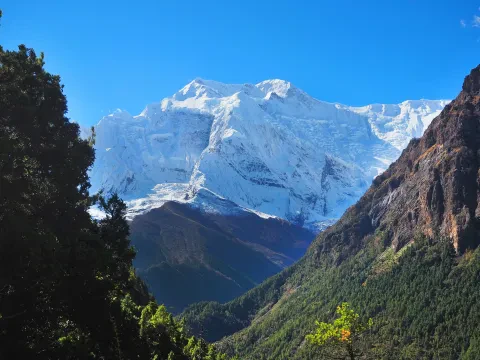
The Annapurna Circuit isn't just a trek, it's a journey that completely circles one of the world's most spectacular mountain massifs. Over two to three weeks, you'll walk from subtropical valleys at 800 meters to the Thorong La Pass at 5,416 meters, crossing from one side of the Annapurna range to the other through landscapes that change so dramatically you'll wonder if you're still in the same country.This is the trek that put Nepal on the adventure travel map back in the 1970s. While other routes have gained popularity, the Annapurna Circuit remains special because of its sheer diversity. You start in rice paddies and end in high-altitude desert. You walk through Hindu villages in the south and Tibetan Buddhist communities in the north. You experience monsoon-fed forests and rain shadow aridity in a single journey.But here's what most guidebooks don't tell you—the classic Annapurna Circuit has changed significantly in recent years. Roads now reach many sections that were once foot-traffic only. The experience has evolved, and knowing how to navigate these changes makes the difference between a good trek and an exceptional one.That's where Higher Path Treks comes in. We've been guiding the Annapurna Circuit since before the roads arrived, and we know how to craft an itinerary that maximizes the classic circuit experience while adapting to modern realities. We'll get you off those dusty roads and onto the trails that still capture the magic that made this trek legendary.Trip Facts of Annapurna Circuit TrekDuration: 14 DaysRegion: Annapurna, NepalBest Time: Spring (March to May) and Autumn (September to November)Accommodation: Comfortable teahouses during the trekMeals: All meals (breakfast, lunch and dinner) during the trekTrip Grade: Moderate to challengingMax Altitude: 5,416 m (Thorang La Pass)Start/End Point: KathmanduBest Time for Annapurna Circuit TrekTiming significantly impacts your circuit experience.Autumn (September to November) - Prime SeasonAutumn is peak season for excellent reasons. After monsoon clears in September, you get stable weather, clear skies, and comfortable temperatures.The post-monsoon clarity makes mountain views spectacular. The air has been washed clean by months of rain, creating visibility that makes distant peaks seem impossibly close.Spring (March to May) - ExcellentSpring rivals autumn for conditions. March through May offers stable weather and the famous rhododendron blooms in lower sections. Lower elevation rhododendron forests bloom spectacularly in spring—hillsides covered in red, pink, and white flowers create stunning landscapes.Monsoon (June to August) - Challenging but PossibleMonsoon makes the circuit difficult but not impossible. The western side (Mustang region) is in the rain shadow and remains relatively dry. The eastern approach and southern sections receive heavy rain.Some adventurous trekkers still complete the circuit during monsoon, accepting reduced visibility and wet conditions for extreme solitude. Leeches are common in lower forests. Landslides can block trails. Mountain views hide behind clouds most days.Winter (December to February) - Expert LevelWinter circuit trekking is possible but demands serious preparation. Thorong La can be impassable due to heavy snow. Temperatures drop to -20°C or lower at high altitude. Some lodges close in upper sections.That said, winter offers unique rewards: total solitude, pristine snow-covered landscapes, the clearest skies of the year. Just be prepared with proper winter gear, flexible schedule, and acceptance that reaching Thorong La might not be possible.Permits for Annapurna Circuit TrekFor Annapurna Circuit Trek you need two different permits:Annapurna Conservation Area PermitTIMS CardHigher Path Treks & Expedition arranges both permits for clients.Difficulty Level and Preparation of Annapurna Circuit TrekThe Annapurna Circuit is challenging—longer and higher than treks like Annapurna Base Camp Trek. That's two to three weeks of consecutive trekking. Your body needs endurance beyond basic fitness.You reach 5,416 m at Thorong La Pass. Extended time above 3,000 m means altitude sickness is a significant risk. Proper acclimatization is crucial—spend adequate time in Manang, ascend gradually, and recognize symptoms early.Typically 5-8 hours per day. Pass day can be 8-10 hours. The walking itself isn't technical, just sustained effort at altitude. Well-maintained trails with some steep sections, thousands of stone steps, suspension bridges, and rocky paths. Not technical, but physically demanding.Start training 2-3 months before. Focus on cardiovascular fitness (running, cycling, hiking), leg strength (stairs, lunges, squats), and hiking with a weighted pack on weekends. Previous multi-day trekking experience is highly recommended.Food and Accommodation on the Annapurna Circuit TrekDuring this trek accommodation is provided in comfortable teahouses or mountain lodges, on a twin-sharing basis. Rooms are simple and cozy.Breakfast, lunch and dinner are provided during the trek. Every teahouse has their own food menu, while trekkers can choose their meals from menu. They prepare local and some international dishes. Vegetarian meals are highly recommended, which are prepared freshly, nutritious and easy to digest. Meat is transported over long distances, so it may not be always fresh at higher altitude. Health and Safety on the CircuitAltitude Sickness PreventionThis is the primary health concern. Acute Mountain Sickness (AMS) can affect anyone regardless of fitness.Prevention strategies:Follow the acclimatization schedule (especially 2-3 days in Manang)Ascend gradually above 3,000m (gain no more than 500m sleeping altitude per day)Stay hydrated (3-4 liters daily minimum)Avoid alcohol above 3,000mRecognize symptoms early (headache, nausea, dizziness, fatigue)Treatment: If symptoms are mild, rest at current altitude. If symptoms worsen or don't improve with rest, descend immediately. Descent is the only reliable cure for serious altitude problems.Your guide monitors everyone daily and knows when symptoms indicate danger. Trust their judgment—they've seen altitude sickness countless times.Why Trek with Higher Path Treks?The Annapurna Circuit is complex with route variations, accommodation choices, and road vs. trail decisions. Having an experienced team makes a significant difference.Expert Route PlanningWe've guided the circuit countless times and know every variation. We balance classic trekking sections with strategic vehicle use to maximize trail time while avoiding the worst road walking. Our itineraries follow proper acclimatization schedules, building in adequate time in Manang before attempting Thorong La.Experienced GuidesOur circuit guides know this route intimately—every village, every shortcut, every viewpoint. More importantly, they understand altitude sickness, monitor trekkers carefully, and make conservative safety decisions. They're certified with wilderness first aid training and high-altitude rescue protocols.Thorong La Pass LogisticsPass day requires precise logistics—early starts, proper timing, weather monitoring, and backup plans. We've successfully guided hundreds of trekkers over Thorong La and know what it takes to get people safely across.Accommodation StrategyNot all circuit lodges are equal. We've identified the best options at each stop—lodges with cleaner rooms, better food, more reliable hot water, and hospitable owners. This matters when you're spending two to three weeks on trail.Flexible ItinerariesFlexibility is built into our approach because mountains don't follow schedules and neither should safety decisions.Cultural ConnectionsOur guides have relationships with communities along the circuit. They speak local languages, understand customs, and facilitate genuine cultural interactions. You're not just walking through villages—you're experiencing them through local eyes.Sustainable TourismWe employ local guides and porters, use locally-owned lodges, follow leave-no-trace principles, and support community development projects. When you trek with us, you're contributing to sustainable tourism that benefits mountain communities.CommunicationCell coverage exists in major villages (Chame, Manang, Jomsom) but not throughout the circuit. Most of the trek is in areas without signal. Your guide carries satellite communication for emergencies, but don't expect constant connectivity.Ready for the Complete Himalayan Journey?The Annapurna Circuit Trek is more than crossing a high pass or walking around a mountain. It's experiencing every climate zone from tropical to arctic. It's witnessing cultural diversity from Hindu lowlands to Tibetan Buddhist highlands. It's testing your physical and mental limits at 5,400 meters. It's two to three weeks of simplicity—walking, eating, sleeping, repeat—that clears your mind as much as it challenges your body.If you're ready for this level of adventure, Join with us today. Higher Path Treks and Expedition will handle the logistics, provide experienced guides, ensure your safety, and support you every step during the trek.The trail around Annapurna is waiting. When you're ready, we'll take you there.Top Blogs About Trekking in the Annapurna Region:Uncover the best blogs about trekking in the Annapurna region, featuring expert advice, detailed itineraries, personal experiences, and essential tips for adventurers looking to explore the Himalayas.Annapurna Base Camp Trek: A Short Journey to the HimalayasAnnapurna Circuit Trek with Tilicho Lake – A Complete Guide by Higher Path Treks & ExpeditionsTop Tips for Climbing Pisang Peak on the Annapurna CircuitTop Reasons to Trek Ghorepani Poon HillTop Reasons to Choose Tilicho Lake Trek with Thorong La PassBest Experience on the Short Mardi Himal Trek: A Journey to RememberTop Reasons to Combine Pisang Peak Climbing with the Annapurna Circuit TrekComparing Chulu Far East Peak Climbing vs Chulu West Peak ClimbingPoonhill Amazing viewThe most picturesque village GhandrukPhotography Guide: Capturing the Himalayas Without Expensive GearNepal Peak Climbing 2026: Routes, Tips, and Top SummitsThe Best Hiking Adventures: Famous Peak Climbs in 2025Top Himalayan Peaks for Beginner Climbers: A Comprehensive GuideIs Peak Climbing in Nepal Easy for Beginners?Top Best Expedition Packages in Nepal 2025Experience Mountain View in NepalTop Highlights of the Annapurna Base Camp Trek
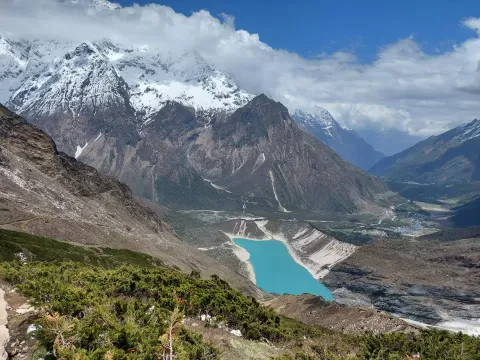
The Manaslu Circuit Trek is one of Nepal’s most rewarding experiences for travelers seeking authentic trekking in Nepal. This journey takes adventurers deep into the remote Himalayan landscapes surrounding Mount Manaslu (8,163 m)—the world’s eighth-highest mountain. It is Known for its dramatic scenery, cultural richness, challenging high altitude terrain and fewer crowds. This trek offers more remote and authentic alternative to the popular Annapurna Circuit Trek.The trail offers a rare sense of wilderness, where traditional mountain life and towering snow-covered peaks create an unforgettable trekking journey. For trekkers seeking authenticity, solitude, and a true Himalayan challenge, the Manaslu Circuit stands out as a remarkable choice.One of the most enriching aspects of this Nepal trekking adventure is crossing the Larkya La Pass and its cultural diversity. The trail passes through several traditional villages, including Jagat, Deng, Namrung, Sama Gaun, and Samdo, where daily life remains deeply connected to ancient customs.Lower villages reflect Gurung culture, while higher settlements show strong Tibetan Buddhist influences. Stone built houses, Mani walls, prayer flags, and spinning prayer wheels line the trail, creating a deeply spiritual atmosphere. Trekkers often visit ancient monasteries and Chortens, gaining insight into centuries-old traditions that continue to guide local life.This cultural immersion makes the Manaslu Circuit a perfect complement to treks like Tsum Valley Trek or Upper Mustang Trek, both known for their strong Tibetan heritage.Trip Facts of Manaslu Circuit TrekDuration: 14 daysMax Altitude: 5,106 m (Larkya La Pass)Best Season: Spring (March to May) and Autumn (September to November)Accommodation: Comfortable teahouse during the trekMeals: Breakfast, lunch and dinner during the trekTrip Grade: Moderate to ChallengingStart/End Point: KathmanduWho Is the Manaslu Circuit Trek For?The Manaslu Circuit Trek is ideal for trekkers who:Want to explore a less crowded and remote trekking route in NepalEnjoy cultural immersion alongside mountain sceneryAre comfortable with long trekking days and high altitudeWant an experience comparable to Great Himalayan Trail – Section TreksHave a good physical fitnessWhile physically demanding, the rewards far outweigh the challenges, offering a rare blend of wilderness, culture, and adventure.Best Time for Manaslu Circuit TrekBoth autumn and spring are good seasons for Manaslu Circuit Trek. Autumn (September to November) offers clear skies, excellent visibility, mild temperatures and comfortable conditions for trekking. Spring (March to May) also offers clear skies, warm temperature, comfortable conditions for trekking and colorful rhododendron forests in the lower sections. Manaslu Circuit Trek DifficultyManaslu Circuit Trek is considered as a moderate to challenging Himalayan adventure in Nepal. This trek is suitable for trekkers with good physical fitness. The trail passes through diverse terrain, including steep ascents, rocky paths, suspension bridges and remote Himalayan landscapes. The biggest challenge is crossing Larkya La Pass (5,106 m). Trekkers generally walk for around 5-8 hours per day. With good physical fitness, proper acclimatization, proper preparation and steady pace anyone can complete this trek. Previous trekking experience is beneficial and no climbing or mountaineering skills are required.Permits for Manaslu Circuit TrekTrekkers need four different permits for the Manaslu Circuit Trek:Manaslu Restricted Area Trekking PermitManaslu Conservation Area PermitAnnapurna Conservation Area Project PermitChumnubri Rural Municipality Entry PermitHigher Path Treks & Expeditions arranges permits for trekkers.Accommodation and Food Along the Manaslu Circuit Trek TrailAccommodation on the Manaslu Circuit is primarily in teahouses, which, though simple, offer warm hospitality and a comfortable place to rest after long trekking days. Meals are freshly prepared and typically include local Nepali and Tibetan dishes that provide essential energy at higher elevations.Why Trek with Higher Path Treks & ExpeditionsTrekking in a remote and restricted region like Manaslu requires expert planning, and Higher Path Treks ensures a safe, well-organized, and enriching experience from start to finish. With years of experience operating in the region, their team understands the unique challenges posed by altitude, weather, and terrain.Experienced Local GuidesHigher Path Treks & Expeditions provides knowledgeable local guides who are deeply familiar with the Manaslu region. Their understanding of acclimatization, trail conditions, and cultural practices enhances both safety and the overall trekking experience.Safety FirstSafety is our top priority.Transparent PricingWe provide clear information about what is included and excluded, with no hidden cost.24/7 SupportOur team is available before, during and after your trek to help you.Logistics and PermitsThe Manaslu Circuit requires special permits due to its restricted status. Higher Path Treks manages all necessary documentation and logistics, allowing trekkers to focus entirely on the journey itself.This level of professional support makes the trek accessible even to trekkers who may have previously completed routes like Everest Base Camp Trek or Annapurna Base Camp Trek and are looking for something more remote.Final Thoughts: A Journey Beyond the OrdinaryThe Manaslu Circuit Trek with Higher Path Treks is more than just a trekking route—it is a journey into Nepal’s untouched Himalayan heart. From roaring rivers and quiet monasteries to high mountain passes and vast alpine landscapes, every step reveals something extraordinary.For trekkers ready to step away from crowded trails and embrace a truly authentic Himalayan experience, the Manaslu Circuit delivers adventure, cultural depth, and lifelong memories in one of Nepal’s most awe-inspiring regions.Plan your Manaslu Circuit Trek today and contact Higher Path Treks & Expeditions for your adventure in Nepal.Helpful Blogs About Trekking in the Manaslu Region:Uncover the best blogs about trekking in the Manaslu region, featuring expert advice, detailed itineraries, personal experiences, and essential tips for adventurers looking to explore the Himalayas.Photography Guide: Capturing the Himalayas Without Expensive GearNepal Peak Climbing 2026: Routes, Tips, and Top SummitsThe Best Hiking Adventures: Famous Peak Climbs in 2025Top Himalayan Peaks for Beginner Climbers: A Comprehensive GuideIs Peak Climbing in Nepal Easy for Beginners?Top Best Expedition Packages in Nepal 2025Experience Mountain View in Nepal
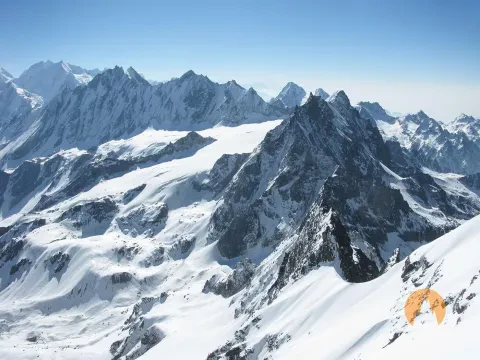
Naya Kanga Peak, also known as Ganja La Chuli, is an enchanting peak located in the Langtang region of Nepal. Standing at 5,846 meters (19,183 feet), this mountain offers a blend of adventure and breathtaking beauty. Naya Kanga is a popular choice for climbers looking to experience the thrill of peak climbing in the Himalayas, combined with the serene landscapes and rich cultural tapestry of Nepal. Its relatively moderate technical challenge makes it an attractive option for climbers with some experience and a passion for high-altitude adventures.About Higher Path TreksHigher Path Treks is a leading adventure travel company specializing in high-altitude trekking and peak climbing expeditions. Known for their meticulous planning, experienced guides, and commitment to client safety, Higher Path Treks has established a reputation for excellence in the trekking community. Their expertise in organizing expeditions to some of the most challenging and beautiful peaks in Nepal, including Naya Kanga, ensures a memorable and safe climbing experience for their clients.Preparation and TrainingBefore setting out for Naya Kanga Peak, climbers should ensure they are adequately prepared for the physical and mental demands of the climb. Higher Path Treks offers comprehensive pre-expedition training programs, focusing on stamina building, climbing techniques, and altitude acclimatization. These training sessions are designed to equip climbers with the skills necessary for a successful ascent and to handle the challenges posed by high-altitude environments. Additionally, participants are provided with detailed packing lists and guidance on the gear required for the climb.The Climbing RouteThe ascent of Naya Kanga Peak typically begins from the Langtang Valley, which is accessible from Kathmandu via a short drive followed by a trek. Higher Path Treks meticulously plans the climbing route to ensure a safe and enjoyable experience. The journey starts with a trek through the lush forests and terraced fields of the Langtang Valley, gradually ascending to higher altitudes where the landscape transforms into rugged terrain and alpine meadows.The base camp is established at an altitude of approximately 4,800 meters (15,748 feet), where climbers spend a few days acclimatizing and preparing for the summit push. From the base camp, climbers make their way to higher camps, including a high camp positioned around 5,400 meters (17,717 feet). The final ascent to the summit of Naya Kanga involves negotiating icy slopes and technical sections, requiring both skill and determination.Safety and SupportSafety is a top priority for Higher Path Treks. Their team of experienced guides and support staff is well-versed in high-altitude climbing and emergency procedures. The company employs state-of-the-art safety equipment and conducts regular briefings to ensure climbers are aware of potential hazards and how to mitigate them. Additionally, Higher Path Treks provides comprehensive insurance coverage, and their guides are trained in first aid and high-altitude rescue techniques.Cultural and Scenic HighlightsIn addition to the climbing experience, the journey to Naya Kanga Peak offers an opportunity to immerse oneself in the rich cultural heritage of the Langtang region. The trek passes through traditional Tamang and Sherpa villages, where climbers can experience local customs, cuisine, and hospitality. The stunning vistas of the Langtang range, with its snow-capped peaks and glacial valleys, add to the allure of the expedition.Post-Expedition ReflectionAfter the successful ascent of Naya Kanga Peak, climbers have the chance to reflect on their achievements and celebrate their accomplishments. Higher Path Treks often organizes a celebratory event for the team, allowing climbers to share their experiences and enjoy a sense of camaraderie. The company also provides post-expedition debriefings to gather feedback and ensure continuous improvement in their services.Climbing Naya Kanga Peak with Higher Path Treks is not just an adventure; it’s an experience that combines physical challenge with cultural enrichment and natural beauty. With their expertise, meticulous planning, and commitment to safety, Higher Path Treks ensures that climbers are well-prepared and supported throughout their journey. For those seeking an exhilarating climbing experience in the Himalayas, Naya Kanga Peak presents an ideal opportunity, and Higher Path Treks stands ready to guide you every step of the way.Top Blogs About Trekking in the Langtang Region:Uncover the best blogs about trekking in the Langtang region, featuring expert advice, detailed itineraries, personal experiences, and essential tips for adventurers looking to explore the Himalayas.A Beginner’s Guide to Trekking Langtang ValleyBest Peak Climbing Tips for Langtang Yala Peak ClimbingBest Trekking Peaks in Langtang Region for BeginnersJourney to Beautiful Village of LangtangPhotography Guide: Capturing the Himalayas Without Expensive GearNepal Peak Climbing 2026: Routes, Tips, and Top SummitsThe Best Hiking Adventures: Famous Peak Climbs in 2025Top Himalayan Peaks for Beginner Climbers: A Comprehensive GuideIs Peak Climbing in Nepal Easy for Beginners?Top Best Expedition Packages in Nepal 2025Experience Mountain View in Nepal