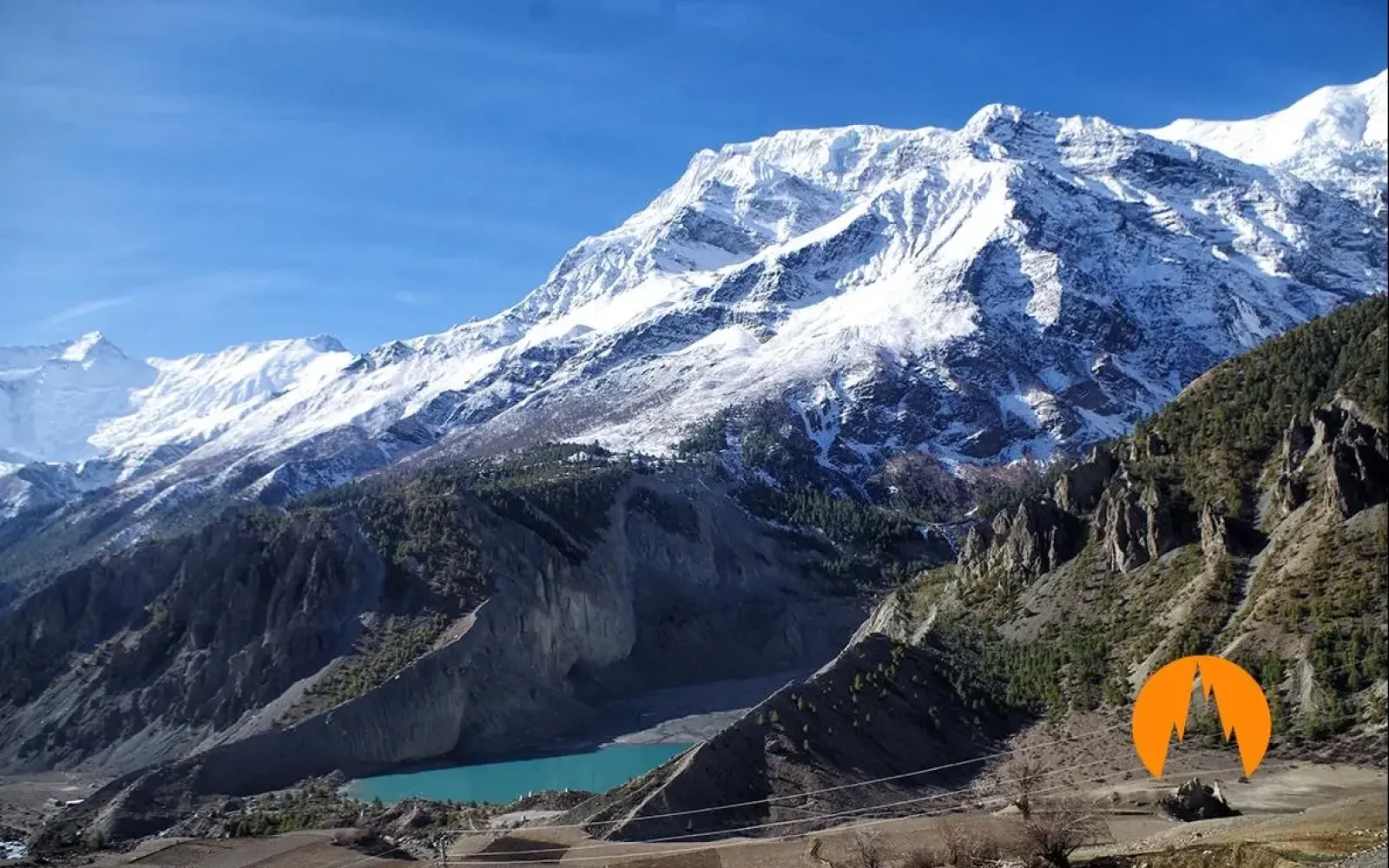
The Tilicho Lake Trek with Thorong La Pass is one of the most spectacular trekking routes in Nepal, combining breathtaking alpine landscapes, high-altitude lakes, and the challenge of crossing one of the world’s highest trekking passes. This trek takes you through the serene valleys of the Annapurna region, remote villages, and rugged trails that reveal the rich culture and natural beauty of the Himalayas. Tilicho Lake, situated at 4,949m/16,238ft, is the highest lake in Nepal and offers a pristine, almost mystical environment surrounded by snow-capped peaks. The trek culminates with the Thorong La Pass (5,416m/17,770ft), a demanding but rewarding high-altitude crossing that provides panoramic views of the Annapurna and Dhaulagiri ranges.
This trek is perfect for adventurers seeking both natural beauty and cultural experiences. Along the way, trekkers encounter traditional Gurung and Manangi villages, Buddhist monasteries, and alpine landscapes that transition from lush forests to stark high-altitude terrain. With Higher Path Treks & Expeditions, trekkers receive expert guidance, ensuring a safe and memorable journey through this remote Himalayan region.
Key Highlights:
The Tilicho Lake Trek and Thorong La Pass are best undertaken during spring (March to May) and autumn (September to November). These seasons offer stable weather, clear skies, and comfortable temperatures for trekking. Spring brings blooming rhododendrons and lush valleys, while autumn provides crisp air and spectacular mountain vistas.
Winter (December to February) is colder and may bring heavy snow, making the pass challenging and sometimes dangerous. Monsoon season (June to August) is less ideal due to landslides, slippery trails, and reduced visibility, although the trail is quieter for those seeking solitude. Trekkers should be prepared for large temperature variations, especially at higher altitudes, and carry proper clothing for both warm days and freezing nights.
Weather Tips:
Reaching the Tilicho Lake Trek trailhead is straightforward with several travel options. Most trekkers begin in Kathmandu, Nepal’s capital, and follow this route:
Kathmandu to Pokhara:
Pokhara to Chamje (Trek Start Point):
Kathmandu to Jomsom (Optional Alternative Route):
Once at Chamje, the trek begins, progressing through Dharapani, Chame, Pisang, Manang, and Tilicho Base Camp, before crossing Thorong La Pass and ending in Muktinath. From Muktinath, trekkers can fly to Pokhara or continue overland back to Kathmandu, making the journey accessible while maximizing scenic experience.
Transport Highlights:
The Tilicho Lake Trek with Thorong La Pass is a high-altitude adventure that blends natural beauty, cultural experiences, and physical challenge. Trekkers begin in Kathmandu, exploring historic sites before traveling to Chamje, the trailhead. From Chamje, the trek gradually ascends through Dharapani, Chame, Pisang, Manang, and Khangsar, offering breathtaking views of the Annapurna and Manaslu ranges. Tilicho Base Camp provides the base for the stunning Tilicho Lake, where trekkers can enjoy a full day exploring the lake and surrounding peaks.
Crossing the Thorong La Pass is the highlight, with early morning departures recommended to avoid snow and ensure safe passage. After the pass, the trek descends to Muktinath, a sacred site, and continues to Jomsom, where flights back to Pokhara or Kathmandu are arranged. The trek balances challenging days with easier sections for acclimatization, making it suitable for trekkers with moderate fitness and some high-altitude experience.
Key Highlights:
Accommodation along the Tilicho Lake Trek primarily consists of tea houses and mountain lodges, providing a cozy retreat after long trekking days. Facilities range from basic rooms with shared bathrooms to more comfortable lodges in larger villages like Manang. At higher elevations, lodges may have limited hot water and electricity, but they offer warm hospitality, hearty meals, and a welcoming atmosphere for trekkers.
Meals are typically traditional Nepali dishes such as dal bhat (lentils and rice), noodles, soups, and momo dumplings, supplemented by snacks like chocolate, biscuits, and energy bars. Trekking with Higher Path Treks & Expeditions, meals are carefully planned to ensure sufficient calories for high-altitude trekking. Hydration is crucial, and tea houses often provide boiled or filtered water. Carrying a reusable water bottle and water purification tablets is recommended.
Accommodation & Food Tips:
Trekking to Tilicho Lake and crossing Thorong La Pass involves significant altitude gain, with elevations exceeding 5,400m. Acute Mountain Sickness (AMS) is a risk, so proper acclimatization is essential. Gradual ascent and rest days, particularly in Manang, allow the body to adjust to thinner air and reduce the risk of headaches, nausea, and fatigue. Hydration, balanced meals, and adequate sleep also support acclimatization.
Trekking with Higher Path Treks & Expeditions, guides monitor for AMS symptoms and adapt itineraries if necessary. Slow pacing, frequent short breaks, and “climb high, sleep low” principles help trekkers adjust. Some trekkers may choose to carry medications like acetazolamide after consulting a doctor. Early recognition of symptoms and descending promptly if severe AMS occurs can prevent serious complications.
Altitude Safety Tips:
A well-prepared packing list ensures comfort, safety, and enjoyment during the Tilicho Lake Trek. Layered clothing is essential to manage varying temperatures, from warm valleys to freezing high-altitude nights. Waterproof jackets, trekking pants, thermal base layers, and insulated jackets are highly recommended. Good quality trekking boots, trekking poles, and a sleeping bag rated for sub-zero temperatures are crucial for comfort and stability.
Accessories like gloves, hats, sunglasses, sunscreen, and a headlamp are essential. Personal items, toiletries, and a basic first-aid kit help manage minor issues. Trekking with Higher Path Treks & Expeditions, guides may provide additional equipment like duffel bags or trekking poles if needed. Packing light yet smart is key, as carrying excessive weight can slow progress and increase fatigue.
Essential Gear Checklist:
Tilicho Lake, at 4,949m/16,238ft, is a crown jewel of the Annapurna region and one of the highest lakes in the world. The trek to the lake offers dramatic alpine scenery, from lush rhododendron forests to rugged, snow-dusted peaks. The turquoise waters of Tilicho reflect the surrounding mountains, creating breathtaking photo opportunities at sunrise and sunset. The lake’s serene environment provides a quiet respite, perfect for reflection and photography, far from the busier trekking routes.
The approach to Tilicho Lake itself is scenic, with trails winding past glacial streams, rocky ridges, and panoramic vistas of Annapurna I, II, and III. Photographers and trekking enthusiasts often pause frequently to capture the dynamic interplay of light, water, and towering Himalayan peaks. Higher Path Treks & Expeditions ensures that trekkers have sufficient time to explore and photograph these natural wonders without feeling rushed.
Tilicho Lake Highlights:
Crossing Thorong La Pass (5,416m/17,770ft) is a once-in-a-lifetime experience and the pinnacle of the Tilicho Lake Trek. The ascent begins early in the morning to maximize daylight and reduce the risk of snow or icy patches. The pass presents physical challenges, including steep climbs, thin air, and cold temperatures, but the reward is unparalleled: sweeping panoramic views of the Annapurna and Dhaulagiri ranges. The sense of achievement and breathtaking scenery make the effort worthwhile.
Trekkers must acclimatize properly, maintaining a slow pace and taking frequent breaks. Weather can change rapidly at high altitude, so layers, gloves, sunglasses, and a hat are essential. Higher Path Treks & Expeditions guides closely monitor each trekker’s condition, providing support and advice for navigating the pass safely. Hydration, light snacks, and mental preparedness are key for this challenging section of the trek.
Thorong La Pass Tips:
The Tilicho Lake Trek offers a fascinating mix of ecosystems, from subtropical forests in lower regions to alpine meadows and barren high-altitude landscapes. Along the lower sections, trekkers encounter dense rhododendron and oak forests, home to colorful birds and occasional wildlife. As the trek ascends, the flora transitions to shrubs, mosses, and hardy alpine plants adapted to cold, dry conditions, adding vibrant textures to the rugged landscape.
Wildlife sightings include Himalayan tahr, musk deer, and the elusive snow leopard at higher altitudes. Birdwatchers can spot snowcocks, choughs, and Himalayan monals. Trekkers can also observe the adaptation of flora and fauna to altitude and climate changes, making this trek a naturalist’s delight. With Higher Path Treks & Expeditions, guides often share insights on local ecology, ensuring a richer understanding of the region’s biodiversity.
Flora and Fauna Highlights:
The trek passes through remote villages in the Manang and Mustang regions, where trekkers encounter a rich blend of Tibetan and Nepali culture. Local communities, primarily Gurung and Manangi people, live traditional lifestyles centered around agriculture, yak herding, and trade. Visitors can witness centuries-old customs, prayer flags, and Buddhist monasteries that punctuate the trail, adding spiritual depth to the trekking experience.
Trekkers often have the opportunity to interact with villagers, learning about their festivals, daily routines, and handicrafts. The warm hospitality, simple tea houses, and storytelling traditions offer insight into life in the high Himalayas. Higher Path Treks & Expeditions ensures respectful engagement with local communities, enhancing cultural understanding while supporting sustainable tourism.
Local Culture Highlights:
Trekking in the Annapurna region involves variable weather, high altitudes, and remote locations, making safety a top priority. Sudden weather changes can bring snow, rain, or strong winds, particularly at high passes like Thorong La. Trekkers should monitor local forecasts, carry appropriate clothing layers, and avoid hiking during storms. Higher Path Treks & Expeditions ensures guides are trained in high-altitude safety and first aid, providing real-time guidance throughout the trek.
Health risks such as Acute Mountain Sickness (AMS), dehydration, and hypothermia are common at high elevations. Proper acclimatization, gradual ascent, staying hydrated, and avoiding alcohol or heavy meals at high altitudes are crucial. Emergency plans include evacuation options, local medical facilities, and oxygen supplies in case of severe AMS. Communication devices and experienced guides ensure trekkers can quickly respond to emergencies.
Safety Tips Highlights:
The Tilicho Lake Trek with Thorong La Pass is accessible for a variety of budgets, but careful planning ensures a smooth experience. Key expenses include permits, transportation, accommodation, meals, guide and porter services, and gear. Trekkers require ACAP (Annapurna Conservation Area Permit) and TIMS (Trekkers’ Information Management System) card, which are mandatory and easily obtainable in Kathmandu or Pokhara.
Daily costs vary depending on accommodation and meal choices. Tea houses and lodges offer meals ranging from $5–$10, while simple rooms cost $5–$15 per night at lower elevations. Hiring a guide or porter increases safety and comfort, typically costing $20–$30 per day. Flights from Jomsom to Pokhara or Kathmandu are additional but save time and provide scenic Himalayan views. Traveling with Higher Path Treks & Expeditions provides transparent budgeting, pre-arranged permits, and an all-inclusive package to simplify expenses.
Budget Highlights:
After completing the challenging Thorong La Pass, trekkers descend to Muktinath, a sacred site renowned for its temples and natural springs. From Muktinath, the journey continues downhill to Jomsom, where trekkers can rest and enjoy the region’s unique landscapes. The descent provides stunning views of the Kali Gandaki Valley, high cliffs, and terraced fields, making the return as scenic as the ascent.
From Jomsom, trekkers typically take a short domestic flight to Pokhara, reducing travel time and avoiding long road journeys. Pokhara offers comfortable hotels, lakeside views, and recreational activities, allowing for relaxation after the trek. A flight back to Kathmandu concludes the journey. Traveling with Higher Path Treks & Expeditions ensures all flights, transfers, and logistics are arranged seamlessly, minimizing stress and maximizing enjoyment.
Return Journey Highlights:
The Tilicho Lake Trek with Thorong La Pass is an unforgettable adventure combining natural beauty, high-altitude challenges, and cultural experiences. Trekkers experience stunning alpine lakes, high Himalayan passes, and remote villages while enjoying the professional guidance and support of Higher Path Treks & Expeditions. The trek is suitable for those with moderate fitness and proper acclimatization, rewarding efforts with unparalleled Himalayan vistas.
Preparation is key: proper gear, acclimatization, safety measures, and budgeting ensure a safe, comfortable, and memorable experience. From photographing Tilicho Lake to crossing Thorong La Pass and exploring the villages of Manang and Muktinath, every day offers unique experiences. This trek is ideal for adventure enthusiasts, photographers, and cultural explorers seeking a complete Himalayan journey.
Final Recommendations:
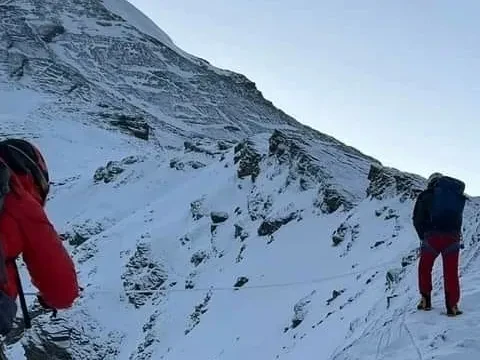
<p>The Annapurna region is one of Nepal’s most accessible and diverse areas for trekkers and climbers, making it an ideal location for beginners who are looking to combine trekking with their first peak-climbing experience. </p>
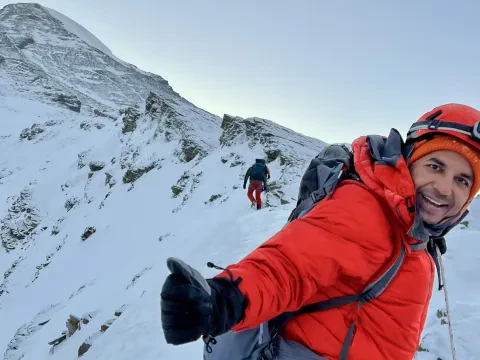
<p>Combining Pisang Peak climbing with the Annapurna Circuit Trek offers an unparalleled adventure that brings together two of Nepal’s most iconic mountain experiences. The Annapurna Circuit is world-renowned for its breathtaking landscapes, diverse cultures, and challenging</p>
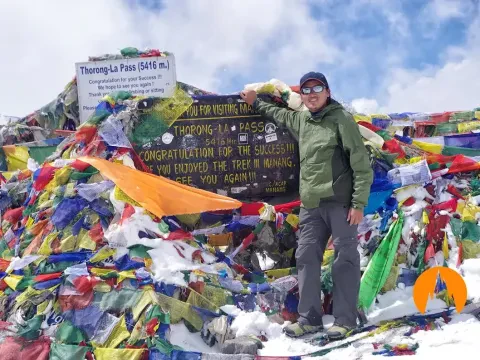
<p>The Tilicho Lake Trek combined with the Thorong La Pass is one of the most exhilarating high-altitude adventures in the Nepalese Himalayas. Offered by Higher Path Treks & Expeditions, this route is designed for trekkers looking to combine natural splendor with physical challenge. It offers a remarkable blend of raw wilderness, ancient culture, spiritual highlights</p>