
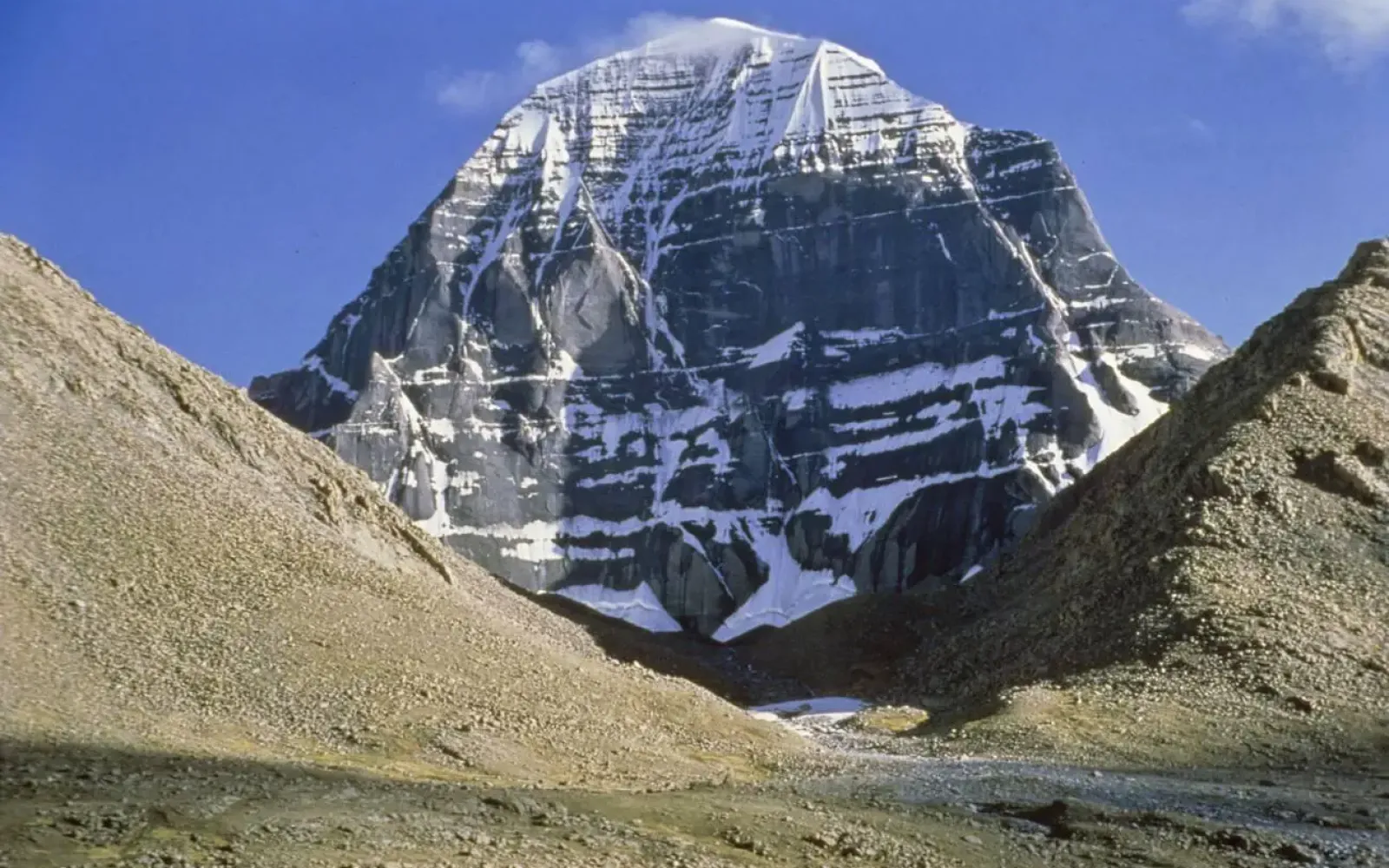
The Kailash Mansarovar Helicopter Tour is one of the most efficient and comfortable ways to complete the sacred pilgrimage to Mount Kailash and Lake Mansarovar. Operated through a combination of flights, helicopter transfers, and overland drives, this itinerary significantly reduces the long and physically demanding travel time associated with the traditional overland route. The journey begins in Kathmandu and passes through remote Himalayan regions before entering the Tibetan plateau.
This carefully structured 12-day journey offered by Higher Path Treks & Expeditions is designed for pilgrims who want a balance of spiritual fulfillment, comfort, and reduced trekking strain at high altitude. It includes acclimatization stops, helicopter access to remote areas like Simikot and Hilsa, and a full Parikrama (kora) around Mount Kailash.
Key highlights of the tour:
The popularity of the Kailash Mansarovar Helicopter Tour comes from its ability to make one of the world’s most challenging pilgrimages more accessible. Traditionally, reaching Mount Kailash required weeks of strenuous overland travel, often involving extreme altitude and difficult terrain. Today, helicopter access through Nepal has transformed the journey into a more time-efficient and manageable spiritual expedition.
This route still preserves the sacred essence of the pilgrimage while reducing physical exhaustion. Pilgrims begin in Kathmandu, fly to Nepalgunj, then continue through high-altitude Himalayan points such as Simikot before reaching the Nepal–Tibet border at Hilsa. From there, the journey continues into Tibet toward Purang and the holy sites.
Why travelers choose this route:
Mount Kailash is considered one of the most sacred mountains in the world, revered in Hinduism, Buddhism, Jainism, and the Bon religion. It is believed to be the spiritual center of the universe, and completing the Parikrama (circumambulation) is regarded as a powerful act of devotion and purification.
Nearby lies Lake Manasarovar, one of the highest freshwater lakes in the world. Pilgrims believe its waters have divine cleansing properties, and many perform ritual bathing or prayers along its shores before beginning the Kailash Parikrama.
Spiritual and geographical significance:
The helicopter route is a modern adaptation of the traditional Kailash Mansarovar Yatra, designed to reduce travel time while maintaining the spiritual depth of the journey. Instead of weeks of overland travel through rugged terrain, pilgrims use a combination of flights and helicopters to reach key transit points quickly and safely.
From Kathmandu, the route moves through Nepalgunj, then by air to Simikot and onward by helicopter to Hilsa. After crossing into Tibet, travelers continue by road through Purang (Taklakot) and Darchen, which serves as the base for Mount Kailash Parikrama. The trek itself includes key spiritual points such as Yamdwar and Dolma La Pass.
Key differences from traditional Yatra:
Core route highlights:
The best time to undertake the Kailash Mansarovar Helicopter Tour is during the stable weather window between May to September. This period offers relatively clearer skies, safer helicopter operations, and more accessible mountain passes in the Himalayan and Tibetan regions. Outside this season, extreme cold, heavy snowfall, and unpredictable weather conditions make travel extremely difficult or completely closed.
Traveling in peak season also improves the chances of a smooth pilgrimage experience, especially when crossing high-altitude regions like Simikot and reaching sacred sites such as Lake Manasarovar. Higher Path Treks & Expeditions carefully schedules departures within this window to ensure both safety and spiritual comfort.
Best time highlights:
The Kailash Mansarovar Helicopter Tour follows a carefully designed route combining air travel, helicopter transfers, and overland driving through Nepal and Tibet. The journey begins in Kathmandu and continues through Nepalgunj and Simikot before reaching the remote border town of Hilsa. From there, pilgrims enter Tibet and travel toward Purang (Taklakot), Lake Manasarovar, and Darchen.
This route is structured to ensure gradual acclimatization and smooth transition into high-altitude terrain. The highlight of the journey is the Parikrama (kora) around Mount Kailash, which is completed via trekking sections including Diraphuk, Dolma La Pass, and Zuthulphuk before returning to Nepal through the same corridor.
Route breakdown:
The 12-day itinerary offered by Higher Path Treks & Expeditions is designed for gradual acclimatization, spiritual immersion, and logistical efficiency. It combines flights, helicopter rides, and overland journeys to ensure pilgrims reach Mount Kailash safely while minimizing physical strain.
Each day has a specific purpose—from cultural sightseeing in Kathmandu to high-altitude acclimatization in Purang and spiritual trekking during the Parikrama around Mount Kailash. Special attention is given to altitude safety, especially as the journey crosses elevations above 4,500 meters.
Day-by-day highlights:
Key benefits of this plan:
Traveling to Mount Kailash and Lake Mansarovar requires multiple official permits due to its location in the restricted border and Tibetan regions. These documents are mandatory for entry into the Tibet Autonomous Region and are arranged in advance by authorized tour operators like Higher Path Treks & Expeditions.
Pilgrims must provide valid passports and other supporting documents well before departure. The process includes coordination with Chinese Tibet authorities, Nepalese immigration, and border clearance at points like Hilsa.
Required permits and documents:
Important notes:
The Kailash Mansarovar Helicopter Tour is a high-altitude pilgrimage that requires participants to meet specific eligibility and fitness standards. Since the journey crosses extreme elevations—especially near Mount Kailash and the Dolma La Pass (5,600m)—physical fitness and medical stability are essential for safety. Higher Path Treks & Expeditions carefully screens travelers to ensure they are capable of handling the demands of high-altitude travel.
Pilgrims should ideally be in good general health, with no serious chronic illnesses that could worsen at altitude. A basic medical check-up before the journey is strongly recommended, and individuals with heart, lung, or blood pressure conditions must seek medical clearance before applying.
Eligibility criteria include:
Important guidelines:
The cost of the Kailash Mansarovar Helicopter Tour varies depending on services, group size, season, and inclusions. Since the route involves flights, helicopter transfers, permits, accommodation, and meals across Nepal and Tibet, the package is designed as an all-inclusive pilgrimage experience managed by Higher Path Treks & Expeditions.
Most of the cost is driven by chartered helicopter flights to remote areas like Simikot and cross-border arrangements into Tibet. Additional expenses include permits, high-altitude accommodation, transportation, and logistical support throughout the journey.
Typical cost components include:
Key cost factors:
Accommodation during the Kailash Mansarovar Helicopter Tour is a mix of hotels in cities and basic guesthouses in remote regions. In Kathmandu and Nepalgunj, pilgrims stay in comfortable hotels, while in high-altitude areas such as Purang and near Lake Manasarovar, facilities become more basic due to geographical constraints.
Meals are generally vegetarian to maintain purity for the pilgrimage and to suit high-altitude digestion needs. Higher Path Treks & Expeditions ensures hygienic, simple, and nutritious food is provided throughout the journey to maintain energy and health at extreme elevations.
Accommodation highlights:
Food facilities include:
Altitude sickness (Acute Mountain Sickness or AMS) is one of the most important challenges during the Kailash Mansarovar Helicopter Tour. As the journey reaches elevations above 4,500 meters—especially near Mount Kailash—the oxygen level decreases significantly, which can cause symptoms like headache, nausea, dizziness, and fatigue.
Higher Path Treks & Expeditions includes acclimatization days and emergency support systems to minimize risk. However, personal awareness and precaution are equally important for a safe pilgrimage experience.
Common symptoms of altitude sickness:
Safety tips to prevent AMS:
Packing correctly for the Kailash Mansarovar Helicopter Tour is essential because the journey moves through multiple climate zones—from warm lowlands in Kathmandu to freezing high-altitude regions near Mount Kailash. Since luggage space is limited on helicopters and mountain transport, travelers are advised to pack light but smart. Higher Path Treks & Expeditions recommends carrying only essential and high-utility items.
Weather conditions can change rapidly in high-altitude areas like Purang and near Lake Manasarovar, so layered clothing and protection gear are crucial. The focus should be on warmth, comfort, and medical preparedness rather than heavy or luxury items.
Essential packing list:
Important tips:
A successful Kailash Mansarovar Helicopter Tour depends on proper preparation, patience, and awareness of high-altitude conditions. Since the journey involves remote regions, limited infrastructure, and changing weather, travelers must stay flexible and follow instructions from guides provided by Higher Path Treks & Expeditions.
Maintaining physical and mental readiness is equally important. The pilgrimage is not just a travel experience but also a spiritual journey, especially when visiting sacred locations like Lake Manasarovar and performing Parikrama around Mount Kailash.
Helpful travel tips:
Additional advice:
The Kailash Mansarovar Helicopter Tour is not only a physical journey but also a deeply spiritual experience. One of the most sacred highlights is Mount Kailash, believed to be the spiritual center of the universe in Hindu, Buddhist, Jain, and Bon traditions. Pilgrims consider completing the Parikrama around this peak as a path to spiritual liberation.
Another major attraction is Lake Manasarovar, regarded as one of the holiest freshwater lakes in the world. Many pilgrims take ritual baths or perform prayers on its shores before beginning the Kailash Parikrama. The journey also passes through culturally rich and scenic regions like Purang and Darchen.
Key attractions along the route:
Spiritual significance:
Despite being a helicopter-supported pilgrimage, the Kailash Mansarovar route remains physically and mentally challenging due to high altitude, weather conditions, and remote terrain. Areas like Simikot and the Tibetan plateau can experience sudden weather changes, flight delays, and limited communication facilities.
The most significant challenge is altitude sickness, especially during the Parikrama around Mount Kailash, where oxygen levels are extremely low. Pilgrims must also be prepared for basic living conditions, long travel hours, and physical exertion during trekking sections like Dolma La Pass.
Common challenges include:
How to manage these challenges:
The Kailash Mansarovar Helicopter Tour involves multiple helicopter transfers, especially between remote regions like Simikot and Hilsa. Safety is a top priority, and all flights are operated under strict aviation regulations with experienced pilots trained for high-altitude Himalayan conditions. Higher Path Treks & Expeditions works only with licensed operators who are familiar with challenging mountain weather and terrain.
Passengers should expect short but scenic flights, often lasting 15–45 minutes depending on the segment. Due to high altitude and limited payload capacity, strict baggage limits are enforced. Weather conditions may also affect scheduling, so flexibility is an important part of the journey.
Helicopter safety standards include:
What to expect onboard:
The Kailash Mansarovar Helicopter Tour is especially popular among elderly pilgrims due to reduced trekking demands. However, high altitude remains a serious factor, especially near Mount Kailash. Higher Path Treks & Expeditions provides special assistance and careful itinerary planning to ensure comfort and safety for senior travelers.
First-time pilgrims may find the journey physically and emotionally intense due to altitude changes, basic facilities, and long travel durations. Proper preparation, mental readiness, and adherence to guide instructions are key to a successful pilgrimage experience.
Tips for elderly travelers:
Tips for first-time pilgrims:
The Kailash Mansarovar Helicopter Tour raises many common questions among pilgrims due to its remote location and high-altitude challenges. Higher Path Treks & Expeditions ensures that travelers receive clear guidance before and during the journey to avoid confusion and ensure a smooth experience.
Most questions are related to weather conditions, fitness requirements, travel duration, and permit processing. Since the route passes through sensitive border regions and sacred sites like Lake Manasarovar, proper documentation and group travel rules are strictly followed.
Frequently asked questions:
Quick answers:
The Kailash Mansarovar Helicopter Tour is considered one of the most efficient and spiritually fulfilling ways to complete this sacred pilgrimage. It significantly reduces travel time while still preserving the core spiritual experience of visiting Mount Kailash and performing the Parikrama. For many pilgrims, it offers a rare balance between comfort and devotion.
By choosing Higher Path Treks & Expeditions, travelers benefit from professional handling of logistics, permits, acclimatization planning, and emergency support. This makes the journey more accessible, especially for those who may not be able to undertake the longer traditional overland route.
Why the helicopter tour is worth it:
Final thought: