
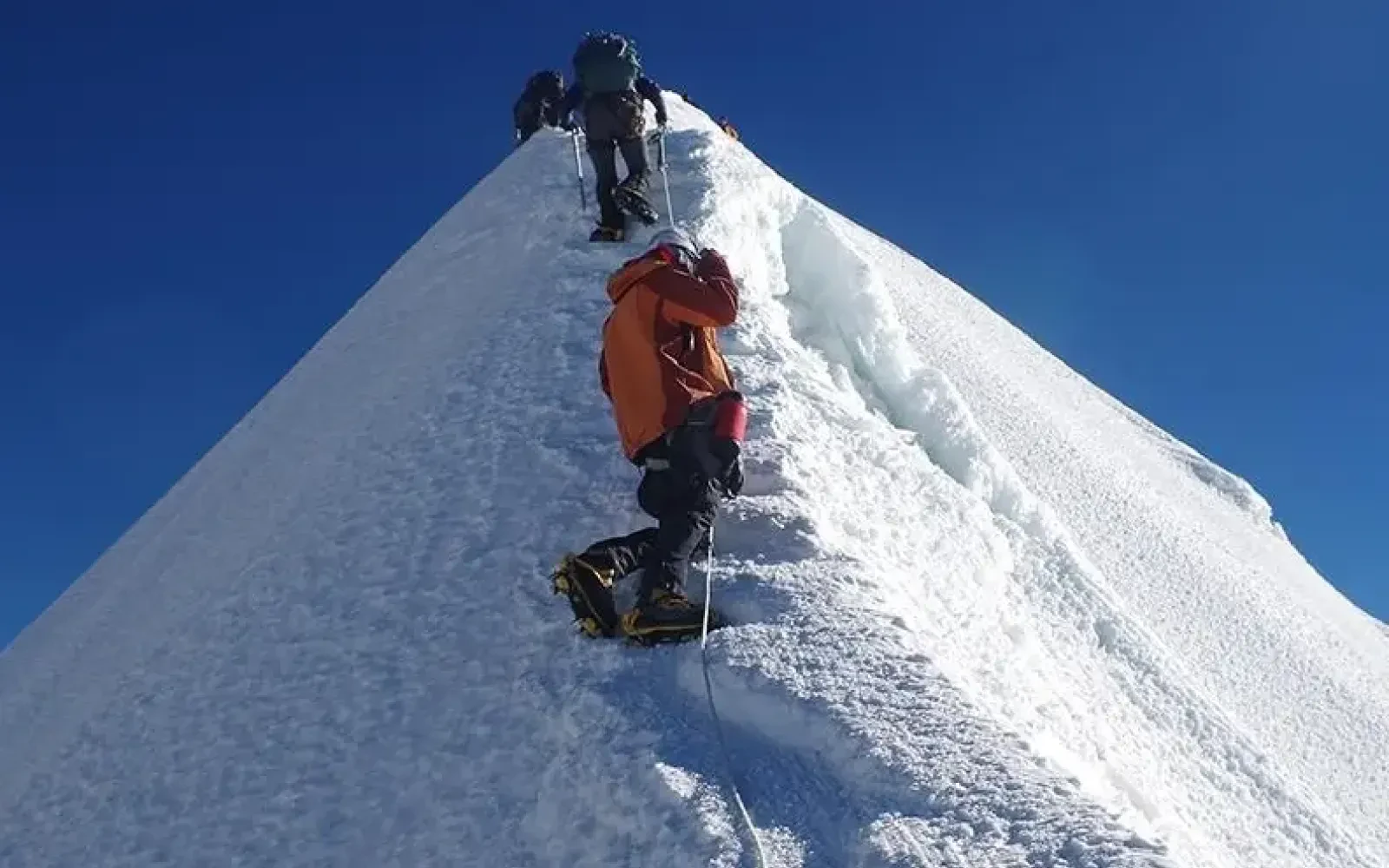
Embarking on a peak climbing expedition in Nepal with Higher Path Treks & Expeditions promises an unforgettable adventure combining breathtaking natural beauty, cultural richness, and challenging mountaineering. Nepal is renowned worldwide for its towering Himalayan peaks, including Mount Everest, Annapurna, and countless other iconic mountains. A peak climbing expedition here is not just about reaching the summit; it’s an immersive experience that tests your physical endurance, mental resilience, and adaptability to extreme environments.
Expeditions typically involve trekking through diverse terrain — from lush green forests and traditional Sherpa villages to rugged, high-altitude landscapes blanketed with snow and ice. Climbers will experience unpredictable weather patterns, thin air at high altitudes, and physically demanding climbs that require technical skills and stamina. With Higher Path Treks & Expeditions, clients receive expert guidance, professional logistics, and acclimatization schedules designed to maximize safety and success.
Throughout the journey, climbers are supported by experienced guides and Sherpa teams who not only provide logistical support but also enrich the experience by sharing local knowledge and Himalayan culture. Safety is paramount; therefore, proper acclimatization and use of reliable equipment are emphasized to avoid altitude sickness and other risks. The expedition’s success depends on preparation, teamwork, and respect for the mountain environment, making it a deeply rewarding journey for adventure seekers.
Key Points:
Nepal is often regarded as the ultimate destination for peak climbing enthusiasts due to its unparalleled Himalayan mountain range, which includes some of the world’s highest and most iconic summits. The country’s unique geographical location offers climbers access to a wide variety of peaks, ranging from beginner-friendly trekking peaks to highly technical summits like Mount Everest and Ama Dablam. Choosing Nepal means you’re stepping into a mountaineering paradise that blends natural grandeur with centuries-old mountaineering heritage.
The cultural richness of Nepal also adds a compelling dimension to the climbing experience. The trails pass through vibrant Sherpa villages, Buddhist monasteries, and ancient temples, offering climbers an opportunity to connect with local traditions and spiritual practices. This cultural immersion, combined with the sheer physical challenge of climbing some of the highest peaks on Earth, makes Nepal an unbeatable destination for peak climbing.
Moreover, Nepal’s well-established trekking and mountaineering infrastructure, supported by companies like Higher Path Treks & Expeditions, ensures that climbers have access to high-quality permits, experienced guides, and modern safety protocols. This infrastructure, along with Nepal’s welcoming people and stunning natural beauty, creates an ideal environment for climbers of all levels to pursue their Himalayan dreams.
Key Points:
Successful peak climbing in Nepal requires rigorous physical and mental preparation. The high-altitude environment, unpredictable weather, and physically demanding terrain mean that climbers must be in excellent shape to endure long days of trekking and technical climbing. Physical training should focus on building cardiovascular endurance, strength, and flexibility. Activities such as running, hiking with a weighted backpack, cycling, and strength training are recommended to simulate the physical demands of the expedition.
Mental preparation is equally important, as climbers will face isolation, altitude-related challenges, and the psychological stress of demanding climbs. Techniques such as visualization, meditation, and stress management can help climbers build resilience and maintain focus during difficult moments. It’s crucial to be mentally prepared to adapt to sudden changes in weather, delayed schedules, and the physical discomfort of high altitude.
Higher Path Treks & Expeditions advises clients to start training months in advance, combining endurance exercises with practice climbs in local or regional mountains. Furthermore, pre-expedition health checks and altitude awareness training ensure climbers are physically and mentally ready to take on the Himalayan peaks safely and confidently.
Key Points:
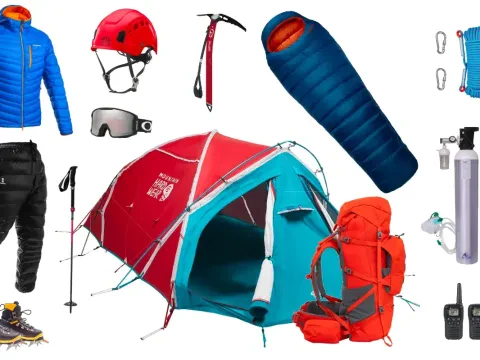
Proper gear is a cornerstone of a safe and successful peak climbing expedition in Nepal. Climbers need specialized equipment suited for high-altitude conditions, cold temperatures, and technical climbing challenges. Essential gear typically includes insulated jackets, waterproof shell layers, sturdy mountaineering boots, crampons, ice axes, climbing harnesses, helmets, and gloves designed for extreme cold. Layering systems that allow for flexibility in changing weather conditions are crucial.
In addition to clothing and climbing tools, accessories such as sunglasses with UV protection, headlamps, hydration systems, and high-calorie nutrition are vital. Sleeping bags rated for sub-zero temperatures and reliable tents are necessary for base camps and higher camps. It’s also important to carry a first aid kit and altitude sickness medication. The logistics of transporting gear are often handled by Sherpas and support staff arranged by Higher Path Treks & Expeditions, but climbers must ensure their personal equipment is of high quality and well-tested.
The company also offers guidance on renting or purchasing gear in Kathmandu to reduce baggage weight and ensure climbers have everything they need without overpacking. Investing in the right gear not only enhances safety but also increases comfort and overall enjoyment during the expedition.
Key Points:
The itinerary of a peak climbing expedition with Higher Path Treks & Expeditions is carefully designed to balance acclimatization, rest, and climbing progress. Each day usually begins early, with a nutritious breakfast followed by a planned trekking or climbing segment. The pace is steady and tailored to the group’s condition, ensuring climbers can acclimate properly to the altitude. Days often end with rest and recovery, including hydration, meals, and sometimes group briefings or gear checks.
During the climb, acclimatization days are built into the schedule to help prevent altitude sickness. These days may include short hikes to higher elevations followed by returning to lower camps to sleep. Camp setup and breakdown are generally supported by Sherpa teams, allowing climbers to focus on their ascent. The evenings are spent in tents or lodges where climbers can relax, share experiences, and prepare for the next day.
Weather and mountain conditions may affect daily plans, so flexibility is essential. The itinerary is designed to maximize safety while giving climbers the best chance to reach the summit. Throughout the journey, Higher Path Treks & Expeditions ensures that the group maintains good communication, nutrition, and morale to navigate the physical and mental demands of the expedition successfully.
Key Points:
Acclimatization is a crucial part of any peak climbing expedition in Nepal, especially when ascending high-altitude mountains where oxygen levels significantly decrease. As climbers gain elevation, their bodies need time to adjust to the reduced oxygen to prevent altitude sickness, which can range from mild headaches and nausea to life-threatening conditions such as High Altitude Pulmonary Edema (HAPE) or High Altitude Cerebral Edema (HACE). Proper acclimatization not only improves safety but also enhances climbing performance.
With Higher Path Treks & Expeditions, expeditions are carefully planned to include rest days and gradual ascents, allowing your body to adapt. Climbers are encouraged to follow the principle of “climb high, sleep low,” where you ascend to a higher altitude during the day but return to sleep at a lower elevation. Staying well-hydrated, eating a balanced diet, and avoiding alcohol or overexertion are important health tips. The company also provides education on recognizing altitude sickness symptoms early and protocols for emergency descent if needed. Regular health checks by guides help monitor each climber’s condition, ensuring timely intervention and safe acclimatization.
Key Points:
A peak climbing expedition in Nepal is not just about the physical challenge of scaling mountains; it is also an incredible cultural journey. As climbers traverse remote Himalayan trails with Higher Path Treks & Expeditions, they encounter unique Sherpa communities and other ethnic groups with rich traditions, customs, and vibrant lifestyles. The trek offers opportunities to visit monasteries, prayer walls, and mani stones that embody the spiritual heart of the region.
Interacting with local people provides insight into their deep respect for the mountains and their way of life, which is closely tied to Buddhism and ancient Himalayan customs. Hospitality is a hallmark of Nepali culture, and many trekkers enjoy home-cooked meals and traditional dances during village stops. This cultural immersion enriches the expedition experience, fostering appreciation for the human stories behind the stunning Himalayan landscapes. Photographers and cultural enthusiasts alike find inspiration in the colorful prayer flags, handcrafted goods, and warm smiles encountered on the route.
Key Points:
Climbing peaks in Nepal is a demanding endeavor that tests both physical and mental limits. Challenges begin with unpredictable weather conditions, including sudden storms, extreme cold, and strong winds that can delay progress and increase risk. The rugged terrain ranges from steep rocky paths to icy glaciers, requiring technical climbing skills and careful navigation. Fatigue from long days of trekking, combined with altitude effects, adds to the physical toll.
Mental challenges such as isolation, stress, and pressure to reach the summit can affect decision-making and morale. Team dynamics and communication are critical, as climbers must support each other through tough moments. Equipment malfunctions or health issues like altitude sickness may arise, requiring quick responses. However, with Higher Path Treks & Expeditions, climbers receive professional guidance, thorough planning, and safety protocols to mitigate these risks. Preparing mentally and physically, listening to guides, and respecting the mountain conditions are key to overcoming challenges.
Key Points:
The ideal times for peak climbing in Nepal largely depend on weather patterns and mountain conditions, with the two most popular climbing seasons being pre-monsoon (spring) and post-monsoon (autumn). The spring season, from late March to early June, offers warmer temperatures and clear skies, making it one of the best times to summit. This period also coincides with blooming rhododendrons in the lower regions, adding natural beauty to the climb.
The autumn season, from late September to early December, is favored for its stable weather, crisp air, and minimal rainfall. Visibility is often excellent, allowing spectacular mountain views and safer climbing conditions. Winter and monsoon seasons are generally avoided due to heavy snowfall, landslides, and challenging weather that increase risks. Higher Path Treks & Expeditions customizes expedition schedules to align with these optimal windows, maximizing safety and success for climbers. Weather can still be unpredictable, so flexibility and preparedness are essential regardless of timing.
Key Points:
Safety is a top priority for Higher Path Treks & Expeditions on all peak climbing expeditions in Nepal. From the initial planning phase to the summit push, the company enforces strict safety standards, including detailed risk assessments, reliable communication systems, and trained guide support. Climbers undergo thorough briefings on safety procedures, emergency signals, and evacuation plans to ensure preparedness.
Emergency protocols include altitude sickness monitoring, use of portable oxygen, and rapid evacuation methods such as helicopter rescue if necessary. Guides carry comprehensive first aid kits and have experience managing medical emergencies in remote areas. Camp locations are selected for safety and accessibility, and weather forecasts are monitored continuously to avoid hazardous conditions. Climbers are encouraged to report any health concerns immediately and follow all safety instructions. This structured approach ensures that climbers can pursue their goals with confidence and support throughout the expedition.
Key Points:
Packing wisely for a peak climbing expedition in Nepal is vital to ensure comfort, safety, and efficiency. Climbers should bring layered clothing to adapt to fluctuating temperatures—from moisture-wicking base layers to insulated jackets and waterproof shells. Accessories like hats, gloves, and thermal socks are necessary to combat cold. Durable, broken-in mountaineering boots are a must, along with crampons and gaiters for ice and snow.
Nutrition plays a critical role in maintaining energy levels. High-calorie snacks such as nuts, energy bars, dried fruits, and chocolates are recommended alongside balanced meals during the climb. Hydration gear like water bottles and purification tablets help maintain fluid intake. Personal items include sunscreen, lip balm, headlamps, and toiletries, all packed efficiently in a durable backpack. Higher Path Treks & Expeditions provides a detailed gear list and advice on renting bulky equipment in Kathmandu to reduce load and simplify travel.
Key Points:
Respecting the fragile Himalayan environment is a core value for Higher Path Treks & Expeditions. Peak climbing expeditions in Nepal traverse delicate ecosystems that are vulnerable to human impact. To preserve these pristine areas, the company follows and promotes Leave No Trace principles, encouraging climbers to minimize their environmental footprint throughout the journey.
Practices include proper waste disposal, avoiding littering, using biodegradable products, and respecting local wildlife and vegetation. Climbers are urged to carry out all non-biodegradable waste, including plastics, and use designated toilet facilities whenever possible. Conservation efforts also extend to supporting local communities by engaging in sustainable tourism practices and promoting awareness about environmental challenges. By adhering to these principles, climbers help ensure that the Himalayas remain unspoiled for future adventurers.
Key Points:
Climbing peaks in Nepal with Higher Path Treks & Expeditions is an extraordinary journey that goes beyond the physical challenge of reaching a summit. It is a transformative experience that combines adventure, cultural discovery, and personal growth. The breathtaking Himalayan landscapes, the warmth of local communities, and the satisfaction of overcoming immense challenges leave lasting memories and a deep sense of accomplishment.
While the expedition demands preparation, resilience, and respect for nature, the rewards are unparalleled. Many climbers describe the journey as life-changing, offering perspective, inspiration, and a profound connection to the mountains. The bonds forged with fellow climbers and Sherpas enrich the experience further. Ultimately, the climb becomes a celebration of human spirit and the majestic beauty of Nepal’s high peaks — a dream fulfilled for adventurers seeking to conquer new heights.
Key Points:
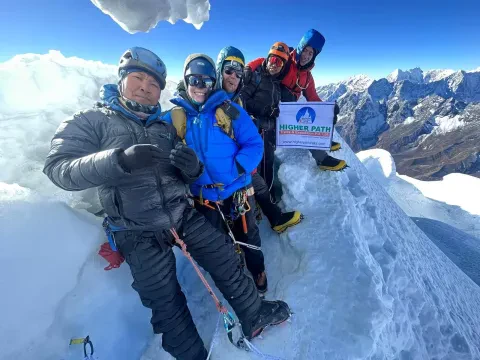
<p>Nepal is a paradise for mountaineers, offering some of the world’s most spectacular peaks for climbing enthusiasts. From the towering giants of the Himalayas to the more accessible trekking peaks, Nepal attracts thousands of climbers every year.</p>
<p>Nepal, home to the majestic Himalayas and eight of the world’s fourteen highest peaks, offers an unmatched experience for adventure seekers. Peak climbing in Nepal serves as the perfect introduction to high-altitude mountaineering for those looking to go</p>
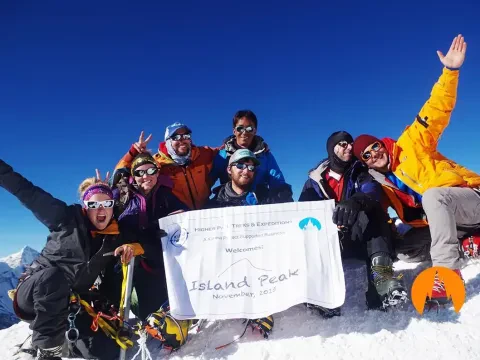
<p>Nepal’s towering Himalayas have long been a magnet for adventurers and mountaineers worldwide. Beyond the iconic summits like Everest and Annapurna, Nepal offers a rich selection of trekking peaks that provide the perfect blend of adventure, challenge, and breathtaking natural beauty</p>