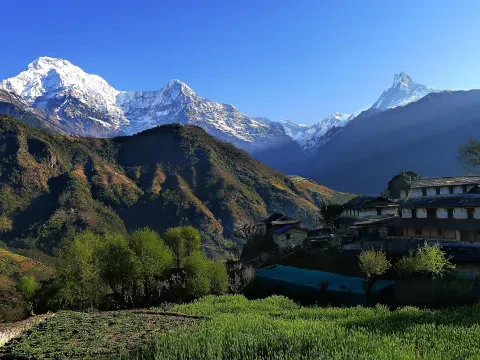
The Annapurna Base Camp Trek is one of most popular trek in Nepal, taking you through rhododendron forests that explode with color in spring, passing through traditional Gurung villages where life moves at mountain pace, and watching the landscape transform from subtropical valleys to alpine glaciers over the course of a week. This 7-9 days trek offers breathtaking views of Mt.Annapurna, Fishtail, Hiunchuli and surrounding peaks. Standing at 4,130 meters with a 360-degree panorama of some of the world's highest peaks surrounding you—that's what awaits at Annapurna Base Camp.The Annapurna Base Camp trek has earned its place as one of Nepal's most popular routes for good reason. It's accessible enough for fit beginners with proper preparation, yet spectacular enough to satisfy experienced trekkers. You don't need technical climbing skills or oxygen tanks. Just good fitness, determination, and the right support team.That's where Higher Path Treks comes in. We've been guiding trekkers to Annapurna Base Camp for years, and we've learned what actually matters on this journey—not just getting you there, but making sure the experience exceeds whatever expectations you arrived with.Quick FactsDuration: 13 daysMaximum Altitude: 4130 mDestination: Annapurna Base CampDifficulty: ModerateBest Season: Spring (March-May) and autumn (September- November)Accommodation: Teahouse during the trekMeal: Breakfast, lunch and dinner during the trekStart/End Point: KathmanduWhy Choose Annapurna Base Camp TrekLet's talk honestly about why ABC stands out among Nepal's many trekking options.Accessibility without compromise: The trek typically takes 7-12 days depending on your route and pace.That's shorter than treks like Everest Base Camp or the Annapurna Circuit, making it doable for people with limited vacation time. But shorter doesn't mean less impressive—the mountain views rival anything Nepal offers.Diverse landscapes in compact distance: You start in subtropical valleys around Pokhara where it's warm enough for banana trees. Within days, you're in alpine zones surrounded by glaciers and 7,000+ meter peaks. Few treks pack this much landscape variety into one journey.Cultural immersion: The trail passes through Gurung and Magar villages where traditional Himalayan culture thrives. You're not just walking past villages—you're staying in them, eating with families, and experiencing daily mountain life firsthand.The amphitheater effect: ABC sits in a natural sanctuary completely surrounded by massive peaks. Annapurna I (8,091m), Annapurna South (7,219m), Hiunchuli (6,441m), and the sacred Machhapuchhre (6,993m) form walls around you. Watching sunrise hit these peaks from base camp is genuinely one of trekking's great moments.Well-established infrastructure: The ABC trail has proper teahouses, clear paths, and reliable facilities. You're trekking in wilderness, but you're not roughing it compared with more remote Himalayan routes ABC trek offers excellent infrastructures.Reaching Annapurna Base Camp at 4130 mThe final push from MBC to Annapurna Base Camp (4,130m) takes 2-3 hours.The trail climbs gradually through increasingly barren terrain.When you crest the final rise and ABC opens before you, it hits different than you expect.You're standing in a natural sanctuary—a massive cirque completely surrounded by 7,000 and 8,000-meter peaks.Annapurna I, the 10th highest mountain in the world, rises directly before you.Annapurna South, Hiunchuli, and Gangapurna complete the amphitheater.It's not just seeing mountains—it's being inside them.Sunrise at ABC is what everyone talks about.The first light hits the peaks, slowly painting them gold while the valley remains in blue shadow.It's cold (often below freezing), you're tired, and you probably didn't sleep great at 4,130m.But watching those mountains come alive makes every difficult moment worth it.Best Time for Annapurna Base Camp TrekTiming your ABC trek significantly impacts your experience.Spring (March to May) - Prime SeasonSpring is peak season for good reason. March through May offers stable weather, clear skies, and the famous rhododendron blooms.March can still be cold at ABC with possible snow, but lower sections are beautiful with flowers starting to bloom. April is probably the single best month—warm enough to be comfortable, flowers in full bloom, excellent visibility. May gets warmer (sometimes too warm in lower sections), but it's still good trekking before monsoon arrives.Advantages: Best weather reliability. Rhododendron forests at their most spectacular. Clear mountain views.Comfortable temperatures.Autumn (September to November) - Also ExcellentAfter monsoon clears in September, autumn brings the year's clearest skies and stable weather.September can still have occasional monsoon tail-end rain, but by late September conditions stabilize. October offers perfect trekking weather—comfortable temperatures, crystal-clear visibility, stable conditions. November gets colder, especially at ABC where morning temperatures drop well below freezing, but it's still excellent for trekking.Advantages: Clearest mountain views of the year. Post-monsoon clarity makes distant peaks incredibly visible. Stable, predictable weather. Comfortable temperatures for walking.Winter (December to February) - Possible but ChallengingWinter trekking to ABC is doable but requires proper preparation. Temperatures at base camp drop to -10°C to -20°C. Snow is likely, sometimes heavy. Some higher teahouses might close if snow gets too deep. The trail can be icy and slippery.That said, winter offers unique rewards: total solitude, pristine snow-covered landscapes, the clearest skies of the year. Just be prepared with proper gear, flexible schedule, and acceptance that reaching ABC might not be possible if conditions are extreme.Monsoon (June to August) - Generally AvoidMonsoon makes ABC trekking less enjoyable. Heavy rain, leeches on the lower trail, clouds obscuring views, and increased landslide risk. The trails become muddy and slippery. However, the Annapurna region is in the rain shadow to some extent, meaning it gets less monsoon impact than areas like the Everest region, some adventurous trekkers still go, accepting reduced visibility for extreme solitude.Annapurna Base Camp Trek DifficultyThe Annapurna Base Camp trek is classified as moderate to challenging, but let's break down what that actually means.Altitude: You reach 4,130m at ABC. Altitude sickness is possible and must be taken seriously. Proper acclimatization matters—don't rush the ascent. Most itineraries build in gradual altitude gain, but you still need to monitor symptoms and descend if problems develop.Daily walking time: Typically 5-7 hours per day. Some days are easier (3-4 hours), some are longer (7-8 hours). The walking itself isn't technical, just sustained effort with altitude making things harder.Terrain: Well-maintained trails with some steep sections.You'll climb thousands of stone steps (Nepali "staircases"), cross suspension bridges, and navigate rocky paths. Trekking poles help significantly.Fitness requirements: You should be comfortable walking 5-6 hours daily for a week. Prior trekking experience helps but isn't mandatory. We've successfully guided everyone from college students to retirees—fitness and determination matter more than age.Technical skills: None required. This is walking, not climbing. No ropes, no technical equipment beyond normal trekking gear.Accommodation and Food on the TrailLet's be realistic about what "teahouse trekking" means.Lower Section Lodges (Nayapul to Chhomrong)These villages have well-established tourism, so lodges are comfortable. Private or semi-private rooms with beds (foam mattresses), clean blankets, and communal bathrooms. Hot showers usually available for extra fee.Dining rooms have menus offering surprising variety—Dal Bhat, pasta, breakfast options.The food in lower sections is fresh—vegetables from local farms, decent quality, well-prepared. You won't go hungry or eat poorly.Middle Section (Bamboo to Himalaya Hotel)Lodges get more basic but remain comfortable enough.Rooms are simple—beds with blankets, shared bathrooms.Hot water becomes less reliable (sometimes bucket washes only). Food options narrow somewhat—Dal Bhat becomes more prominent, though other choices exist.Upper Section (Deurali to ABC)At altitude, lodges are genuinely basic. Small rooms, thin mattresses, limited blankets (your sleeping bag matters here), shared pit toilets (yes, really). Hot showers? Not happening. You'll use wet wipes or bucket washes.Food menus shrink significantly. Dal Bhat is the most economical option (usually includes unlimited refills). Other dishes are available but more expensive because everything must be carried up or flown in by helicopter.At ABC itself, the lodge is about survival more than comfort. It's cold (below freezing), facilities are minimal, and food is simple. But you're sleeping at 4,130m in one of the world's most spectacular mountain amphitheaters. The location makes up for amenities.What to Expect Each DayLet's talk about what daily life on the ABC trek actually looks like.Morning starts early—usually around 6-7 AM. Lodges serve breakfast (porridge, eggs, Tibetan bread, tea/coffee). You pack your daypack (the porter carries your main bag), and start walking by 7:30-8 AM.Morning walking is typically 2-3 hours before a tea break. You'll stop at a teahouse for tea, maybe a snack. These breaks are social—talking with your guide, meeting other trekkers, enjoying the mountain views.Midday walking continues another 2-3 hours until you reach that day's destination, usually by early afternoon (1-3 PM). This timing is intentional—afternoon weather is less predictable in the mountains, and arriving early gives time to rest before weather potentially deteriorates.Afternoons are yours—explore the village, read, write in your journal, play cards with other trekkers, or just sit and stare at mountains. The pace is relaxed once walking finishes.Dinner happens around 6-7 PM. Dal bhat (rice and lentils) is the staple, though menus offer other options like fried rice, noodles, pizza (surprisingly decent in lower villages), and momos (dumplings). Food is simple but filling and nutritious.Evenings are communal. Lodges have dining rooms with central stoves (or fireplaces lower down) where everyone gathers. You'll swap stories with other trekkers, play cards, plan the next day with your guide. Lights-out happens early—usually by 9-10 PM. You're tired from walking, and tomorrow brings another day of trekking.Health and Safety ConsiderationsYour safety is our priority. Here's what you need to know.Altitude SicknessThis is the main health concern at ABC. Acute Mountain Sickness (AMS) can affect anyone regardless of fitness. Common symptoms include headache, nausea, dizziness, fatigue, and sleep difficulty.Prevention: Ascend gradually (our itineraries follow this principle), stay hydrated (3-4 liters daily), avoid alcohol, and recognize symptoms early.Treatment: If symptoms are mild, rest at current altitude. If symptoms worsen or don't improve, descend immediately. Descent is the only reliable treatment for serious altitude sickness.Your guide monitors everyone daily and knows when symptoms are normal adjustment versus dangerous problems. Trust their judgment—they've seen altitude sickness countless times.Travel InsuranceYou must have comprehensive travel insurance covering:Emergency evacuation by helicopter (ABC is at 4,130m)Medical treatment for altitude illnessTrip cancellation/interruptionLost or stolen belongingsWater and Food SafetyDrink only purified water.Lodges sell bottled water (though we encourage using purification tablets or filters to reduce plastic waste). Never drink from streams or taps.Food safety is generally good on the ABC trail. Lodges prepare food fresh, and turnover is high enough that nothing sits around getting old. Still, be cautious with raw vegetables in higher sections and stick to well-cooked foods.What Makes This Trek UnforgettableAfter guiding hundreds of trekkers to ABC, we've noticed patterns in what people remember most.The amphitheater moment: That first view of ABC's complete mountain cirque—everyone remembers where they were when it opened before them.Sunrise at base camp: Shivering in the freezing pre-dawn cold, waiting for first light to hit Annapurna's summit.Rhododendron forests: If you trek in spring, walking through hillsides covered in blooming flowers feels magical.Local hospitality: Lodge owners welcoming you with smiles and hot tea after a long day's walk. Conversations around the dining room stove. Kids waving from village doorways.Physical accomplishment: Reaching 4,130m using only your own two feet. The sense of achievement is real and earned.Mountain solitude: Despite being a popular trek, moments of solitude exist—sunrise at a viewpoint, a quiet trail section, evenings at your lodge watching peaks change color.Simplicity: Days without internet, news, or daily stress. Just walking, eating, sleeping, repeat. Many trekkers describe it as meditative—a mental reset as valuable as the physical journey.Why Trek with Higher Path TreksChoosing the right trekking company matters, especially for your first Himalayan trek. Here's what sets Higher Path Treks apart:Experienced Local GuidesOur guides aren't just leading you up trails—they're sharing their mountains with you. Most grew up in the Annapurna region or nearby areas. They know every village, every viewpoint, every section of trail. More importantly, they understand altitude sickness, weather patterns, and when to adjust plans for safety.They're certified by the Nepal government with training in first aid, altitude illness recognition, and rescue procedures. But beyond certifications, they're good people who genuinely care about your experience.Proper Acclimatization SchedulesOur itineraries follow proper altitude gain principles—ascending gradually, building in acclimatization stops, and maintaining flexibility to adjust if someone's struggling. Your guide monitors everyone's condition daily.Quality Accommodation SelectionGet comfortable teahouse, which offer the best combination of cleanliness, food quality, and hospitality at each stop.In lower sections, you'll stay in comfortable lodges with hot showers (for a small fee), decent beds, and good food. Higher up, facilities become more basic, but we choose the best available options. At ABC, accommodations are simple, but you're sleeping at 4,130 m surrounded by 8,000-meter peaks—the location makes up for basic amenities.Safety and CommunicationSafety isn't something we compromise on. All guides carry comprehensive first aid kits and are trained to handle emergencies. We carry communication equipment for emergencies and have established relationships with helicopter rescue companies.Weather delays flights? Unexpected storm? Someone needs extra acclimatization? We adjust plans as needed. Flexibility is built into our approach because mountains don't follow schedules.Cultural Sensitivity and Sustainable TourismWe're committed to responsible tourism. That means:Employing local guides and porters, keeping tourism money in mountain communitiesFollowing strict leave-no-trace principlesSupporting local lodges and businesses along the trailEducating trekkers about cultural respect and environmental protectionContributing to community development projects in the regionWhen you trek with us, you're supporting sustainable tourism that benefits local people, not just taking from their homeland.Ready to Trek to Annapurna Base Camp?The Annapurna Base Camp Trek is more than just reaching a destination. It's walking through some of Nepal's most beautiful landscapes. It's experiencing traditional mountain culture firsthand. It's pushing your physical limits at altitude. It's sunrise over 8,000-meter peaks and evenings around lodge fireplaces sharing stories with fellow trekkers.The mountains will be there whenever you're ready. But there's something special about committing to a date, buying the plane ticket, and actually going. Plans made are plans that might happen. Tickets bought are adventures that will.Higher Path Treks & Expedition, will handle the logistics, provide experienced guides, ensure your safety, and support you every step from Kathmandu to ABC and back. The Annapurna range is waiting. When you're ready, we'll take you there.Helpful Blogs About Trekking in the Annapurna Region:Uncover the best blogs about trekking in the Annapurna region, featuring expert advice, detailed itineraries, personal experiences, and essential tips for adventurers looking to explore the Himalayas.Annapurna Base Camp Trek: A Short Journey to the HimalayasAnnapurna Circuit Trek with Tilicho Lake – A Complete Guide by Higher Path Treks & ExpeditionsTop Tips for Climbing Pisang Peak on the Annapurna CircuitTop Reasons to Trek Ghorepani Poon HillTop Reasons to Choose Tilicho Lake Trek with Thorong La PassBest Experience on the Short Mardi Himal Trek: A Journey to RememberTop Reasons to Combine Pisang Peak Climbing with the Annapurna Circuit TrekComparing Chulu Far East Peak Climbing vs Chulu West Peak ClimbingPoonhill Amazing viewThe most picturesque village GhandrukPhotography Guide: Capturing the Himalayas Without Expensive GearNepal Peak Climbing 2026: Routes, Tips, and Top SummitsThe Best Hiking Adventures: Famous Peak Climbs in 2025Top Himalayan Peaks for Beginner Climbers: A Comprehensive GuideIs Peak Climbing in Nepal Easy for Beginners?Top Best Expedition Packages in Nepal 2025Experience Mountain View in NepalTop Highlights of the Annapurna Base Camp Trek
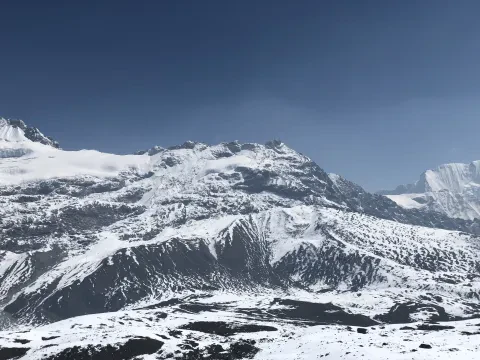
Yala Peak climbing is one of the Nepal's best beginner-friendly Himalayan climbing adventure, located in Langtang region at an altitude of 5,500 meters (18,045 ft). It is one of the most accessible trekking peaks in Nepal. It combines scenic trekking through Lagtang valley with a non-technical summit that offers spectacular views of Langtang Lirung, Shishapangma and other Himalayan peaks. this expedition is ideal for trekkers looking to experience high-altitude mountaineering without technical climbing.The trek to Yala Peak also serves as a gateway to the rich cultural tapestry of the Langtang region. The journey is marked by charming small villages, ancient monasteries, and the warm hospitality of the local people. With its diverse landscapes—ranging from lush green forests to rugged mountainous terrain—Yala Peak is not only a climbing destination but also a vibrant exploration of the natural and cultural heritage of Nepal.Reaching the summit of Yala Peak is an exhilarating achievement. The final ascent, while challenging, rewards climbers with stunning panoramic views of the Langtang range and beyond. Standing atop Yala Peak, you will be enveloped by the vastness of the Himalayas, a moment of triumph that is both exhilarating and humbling. This adventure not only tests your physical endurance but also provides a profound sense of accomplishment and connection to the majestic landscapes of Nepal.Quick Facts of Yala Peak ClimbingTrip Name: Yala Peak Climbing LangtangPeak: Yala Peak (5500 m)Elevation: 5,500 mDestination: Langtang, NepalDuration: 12-15 daysDifficulty: Moderate Best Season: Spring (march-May) and Autumn (September-November)Accommodation: Teahouse + TentTransportation: Private jeep or local bus between Kathmandu and ShybrubeshiGroup size: 1-12 peopleStart/End Point: KathmanduWhy choose Yala Peak Climbing?Yala Peak climbing is the perfect adventure for beginner climbers and trekkers. Before the summit attempt, climbers have the opportunity to hike to Kyangjin Ri to enjoy spectacular views and become well acclimatized.Trek to the Kyangjin Gompa and hike to the Kyangjin Ri before climbing the Yala peak provides excellent acclimatization, allowing your body to gradually adjust to the high altitude and increasing the chances of a safe and successful summit. With experienced Sherpa climbing Guides, basic climbing training and stunning Himalayan scenery this adventure is an ideal choice for adventurers for seeking short and easy achievement of climbing a 5,500 meters peak in Nepal. Is This Trip Right for You?Yala peak climbing is ideal for adventurous trekkers who have good physical fitness and a desire to experience Himalayan peak climbing. The adventure requires the ability to walk for several hours daily, adapt to high-altitude conditions and handle challenging mountain terrain.Previous trekking experience is beneficial but you do not need to be expert mountaineer to join this adventure. Basic climbing experience is helpful, such as crampon use and climbing safety are provided by our experienced Sherpa guides before the summit attempt.Yala Peak Climbing DifficultyYala Peak is classified as a non-technical climb, making it accessible for those with a moderate level of fitness and some trekking experience. The ascent involves navigating through varied terrains, including steep sections and rocky paths, and the use of basic climbing equipment such as crampons and ice axes during the final push to the summit. While previous trekking experience is beneficial, climbers can prepare for the ascent with proper acclimatization and physical training, making this peak an excellent choice for those looking to challenge themselves.Despite its relative accessibility, climbers should still be mindful of the altitude and be prepared for changing weather conditions. The journey requires determination and resilience, but with the support of experienced guides from Higher Path Treks, you will have the resources needed to safely navigate the challenges and enjoy a rewarding climbing experience.Altitude and AcclimatizationAltitude and acclimatization are important factors for a successful Yala peak climbing. Visiting the Kyangjin Gompa and Kyangjin Ri, along with spending two nights in Kyangjin Gompa provides an excellent acclimatization before attempting Yala Peak, as climbers become better prepared for the ascent to Yala Peak Base Camp and the summit. Common symptoms of altitude sickness may include headache, dizziness, nausea, fatigue, loss of appetite, shortness of breath and difficulty sleeping. Our experienced Sherpa guides carefully monitor your health, pace and progress throughout the adventure to ensure a safe and enjoyable climbing experience.Proper hydration, gradual ascent, balanced nutrition and proper acclimatization is essential for adapting to high altitude. With a well planned itinerary, fit trekkers can confidently complete this adventure.In case of serious altitude related issues and emergencies, our team is prepared to arrange necessary support, including emergency evacuation services when required.Permits for Yala Peak ClimbingTo climb Yala peak climbers need different permits: Langtang National Park Entry Permit Yala Peak Climbing Permit Higher Path Treks and Expedition arranges all necessary permits and and official documentation.Yala Peak Climbing Accommodation and MealThroughout the Yala Peak climbing journey, accommodations primarily consist of teahouses and lodges that provide a cozy and welcoming atmosphere for trekkers. These lodges offer basic amenities, including comfortable beds and communal dining areas, allowing you to rest and socialize with fellow adventurers. Staying in these local lodges offers a unique glimpse into the daily lives of the people, enriching your cultural experience.When it comes to food, the culinary offerings along the trail are diverse and delicious. Most lodges serve traditional Nepali meals, including Dal Bhat (lentil soup and rice), Mo.Mo (dumplings), and various noodle dishes. Many lodges also provide Western options, ensuring that all dietary preferences are accommodated. Dining together with fellow trekkers after a long day on the trail fosters camaraderie, making meals an integral part of the climbing experience.Best Season for Yala Peak ClimbingThe prime seasons for climbing Yala Peak are spring (March to May) and autumn (September to November). During these months, the weather is typically stable, with clear skies and mild temperatures, providing optimal conditions for trekking and climbing. Spring brings the vibrant colors of blooming rhododendrons and lush greenery, creating a picturesque backdrop for your journey. In contrast, autumn offers stunning fall foliage and crystal-clear views of the snow-capped peaks, making it an equally captivating time to visit.Choosing to climb during these seasons also enhances your chances of successful acclimatization, as the weather tends to be more predictable. While summer can bring heavy rainfall and winter poses significant challenges due to snow and cold, the transitional periods of spring and autumn strike the perfect balance, allowing climbers to fully enjoy the natural beauty and cultural richness of the Langtang region.Communication and Network on Yala Peak ClimbingDuring your Yala Peak climbing, communication options are available in key villages like Kyanjin Gompa. While some lodges offer Wi-Fi, the connectivity may be limited in more remote areas. It is advisable to purchase a local SIM card in Kathmandu for mobile coverage along the trekking route, though signal strength can vary, particularly at higher altitudes. Being prepared for sporadic connectivity allows you to fully immerse yourself in the adventure while still being able to stay in touch with family and friends.Despite potential limitations in communication, the natural beauty and serene environment of the Langtang region provide an excellent opportunity to disconnect and embrace the moment. The adventure is about forging connections with nature and fellow trekkers, creating lasting memories that will resonate long after your journey concludes.Why choose Higher Path Treks & Expedition?Higher Path Treks provides a professionally managed Himalayan experience with experienced local Sherpa guides, reliable logistics, and personalized support throughout the expedition.Licensed experienced climbing Sherpa & guides: Our climbing Sherpas and guides have extensive knowledge of the Lagtang region and high altitude mountaineering. Their expertise helps climbers navigate challenging terrain, manage altitude concerns, and maximize the chances of a successful Yala Peak summit.Well Planned Itinerary: Our itinerary is designed to suit different experience levels and travel preferences while maintaining proper acclimatization for high altitude climbingTransparent pricing: Our pricing is transparent, we provide clear information about our included service, permit, accommodation, meal without hidden charges.Safety: Safety is our top priority, with careful well acclimatization planning, regular health monitoring, and emergency support arrangements when needed.Customer focused service: we focus on creating a personalized and stress-free adventure for every traveler. From airport assistance and permit arrangements to accommodation, meals and climbing support we handle every detail so you can focus on enjoying your Himalayan journey.Conclusion Yala Peak Climbing is an unforgettable Himalayan adventure. With experienced guides, proper acclimatization and reliable support from Higher Path Treks and Expedition, this adventure offers a safe and rewarding experience for adventure seekers looking to explore the Langtang region, Nepal. Book Your Yala Peak Climbing adventure TodayReady to experience the Yala Peak Climbing? Contact Higher Path Treks and Expedition today. Let us help you create an unforgettable journey to the Langtang region. Helpful Blogs About Trekking in the Langtang Region:Uncover the best blogs about trekking in the Langtang region, featuring expert advice, detailed itineraries, personal experiences, and essential tips for adventurers looking to explore the Himalayas.A Beginner’s Guide to Trekking Langtang ValleyBest Peak Climbing Tips for Langtang Yala Peak ClimbingBest Trekking Peaks in Langtang Region for BeginnersJourney to Beautiful Village of LangtangPhotography Guide: Capturing the Himalayas Without Expensive GearNepal Peak Climbing 2026: Routes, Tips, and Top SummitsThe Best Hiking Adventures: Famous Peak Climbs in 2025Top Himalayan Peaks for Beginner Climbers: A Comprehensive GuideIs Peak Climbing in Nepal Easy for Beginners?Top Best Expedition Packages in Nepal 2025Experience Mountain View in Nepal
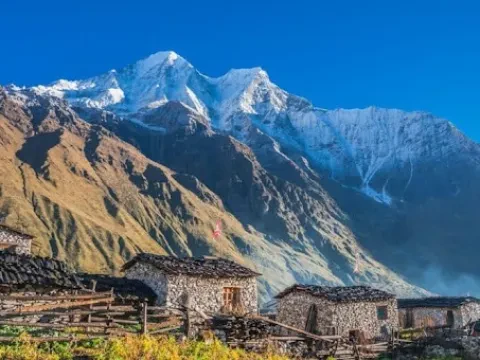
Manaslu Tsum Valley Trek – A Remote Himalayan & Cultural JourneyThe Manaslu Tsum Valley Trek combines two of Nepal’s most extraordinary trekking regions, offering a rare blend of high-mountain adventure and deep cultural immersion. This trek takes you through the rugged landscapes of the Manaslu Conservation Area and into the secluded Tsum Valley, often referred to as the Hidden Valley of Nepal.Beginning with traditional Gurung villages, terraced farmlands, dense forests, and dramatic river gorges, the trail gradually ascends into remote Himalayan terrain. Along the way, trekkers are rewarded with spectacular views of Mount Manaslu (8,163m), the world’s eighth-highest peak, along with Himalchuli (7,893m) and other towering summits that dominate the skyline.Far less crowded than popular routes like the Everest Base Camp Trek and Annapurna Circuit Trek, this journey is ideal for those seeking an authentic, off-the-beaten-path Himalayan experience.Cultural & Spiritual Highlights of Tsum ValleyOne of the most remarkable aspects of the Manaslu Tsum Valley Trek is its rich Tibetan Buddhist heritage. The Tsum Valley has remained culturally preserved for centuries, and its strong spiritual atmosphere is felt throughout the journey.Trekkers will visit ancient monasteries such as Rachen Gompa and Mu Gompa, similar in spiritual importance to those found on the Upper Mustang Trek and Nar Phu Valley Trek. Mani walls, prayer flags, chortens, and centuries-old traditions offer a rare glimpse into a lifestyle deeply rooted in Tibetan Buddhism.The trek also includes crossing the challenging Larkya La Pass (5,160m)—a true highlight that rewards trekkers with breathtaking panoramic views of the Manaslu range and surrounding Himalayan peaks.Manaslu Tsum Valley Trekking PermitsDue to its protected and restricted status, the Manaslu Tsum Valley Trek requires multiple permits:Manaslu Conservation Area Permit (MCAP) – Required to enter the Manaslu region and support conservation effortsTsum Valley Restricted Area Permit (RAP) – Mandatory to preserve the valley’s unique culture and ecosystemTrekkers must travel with a licensed guide, and solo trekking is not permitted in this region, similar to trekking regulations in the Kanchenjunga Circuit Trek and Makalu Base Camp Trek.All permits must be arranged through a registered trekking agency in Nepal. Higher Path Treks & Expeditions manages all permit arrangements and documentation on your behalf, ensuring a smooth and hassle-free trekking experience from start to finish.Best Time for Manaslu Tsum Valley TrekThe ideal seasons for the Manaslu Tsum Valley Trek are:Autumn (September to November)Clear skies and stable weatherDry trails after monsoonExcellent mountain visibilitySpring (March to May)Blooming rhododendron forestsMild temperaturesVibrant landscapes, similar to the Langtang Valley TrekWinter (December to February) offers fewer crowds but comes with colder temperatures and challenging high-pass conditions. The monsoon season (June to August) is generally not recommended due to heavy rainfall, slippery trails, and landslide risks.Manaslu Tsum Valley Trek DifficultyThe Manaslu Tsum Valley Trek is classified as a moderately challenging trek. It is best suited for trekkers with a good fitness level and some prior trekking experience.Key challenges include:Long trekking daysHigh altitude (up to 5,160m at Larkya La Pass)Rocky and uneven trailsSteep ascents and descentsProper acclimatization, steady pacing, and physical preparation are essential. While demanding, the gradual ascent and well-planned itinerary make the trek achievable and highly rewarding—especially for trekkers who have previously completed routes like the Manaslu Circuit Trek.Why Choose Higher Path Treks & Expeditions?At Higher Path Treks & Expeditions, we specialize in delivering safe, authentic, and well-organized trekking experiences across Nepal’s most remote regions.What Sets Us Apart:Experienced local guides with deep cultural knowledgeComplete permit handling and logistics managementCustomized itineraries with proper acclimatizationStrong focus on safety, comfort, and responsible tourismWe work closely with local communities, follow sustainable trekking practices, and ensure that your journey respects both nature and culture. With our expertise in remote Himalayan routes such as the Manaslu Tsum Valley Trek, you can expect a meaningful adventure filled with cultural depth and unforgettable landscapes.
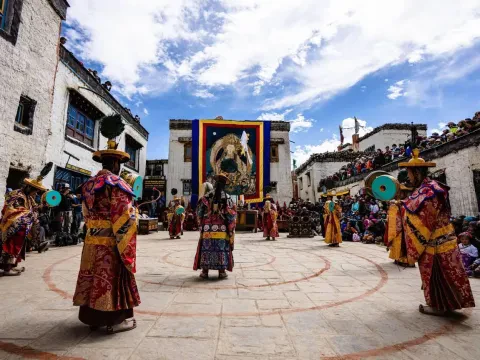
The Mustang Tiji Festival Trek is a unique and culturally immersive trekking experience that combines the awe-inspiring landscapes of the Mustang region with the opportunity to witness one of Nepal's most significant religious festivals. The Tiji Festival is celebrated in the Upper Mustang region, particularly in the ancient walled city of Lo Manthang, and marks an important occasion in the Tibetan Buddhist tradition. The festival, which usually takes place in May, is a celebration of the victory of good over evil, symbolized through a series of elaborate rituals, dances, and prayers. It is believed to represent the story of a deity, Dorje Jono, who fights against the forces of evil to save the people of Mustang.Trekking through the Mustang region during the Tiji Festival offers a rare opportunity to experience a blend of dramatic landscapes and rich culture. The trail leads you through dramatic arid terrain and cliff-side villages of Mustang, where you’ll pass ancient monasteries, mysterious caves, and the stunning landscape of the Kali Gandaki Valley Trek. As you approach Lo Manthang, the region’s distinct Tibetan influence becomes increasingly apparent, with centuries-old monasteries, traditional Tibetan architecture, and a preserved way of life similar to the Upper Mustang Trek. Trekking to this remote and sacred region while the Tiji Festival is underway creates a once-in-a-lifetime experience, allowing you to witness sacred ceremonies and masked dances performed by monks in traditional attire, accompanied by powerful prayers and ritual music.Mustang Tiji Festival Trekking PermitsThe Mustang Tiji Festival Trek lies within the restricted Upper Mustang region, meaning trekkers must obtain special permits. The primary permit required is the Upper Mustang Restricted Area Permit (RAP), which helps preserve the region’s fragile culture and environment by limiting visitor numbers. Solo trekking is not permitted, and all trekkers must be accompanied by a licensed guide.In addition, trekkers are required to obtain the Annapurna Conservation Area Permit (ACAP), which is mandatory for treks within the Annapurna region, including routes like the Annapurna Circuit Trek and {Muktinath Trek}. These permits are easily arranged through a licensed trekking agency such as Higher Path Treks & Expeditions. We manage all paperwork and logistics so you can focus entirely on your journey. With our experienced team handling permits and regulations, your Mustang adventure remains smooth, legal, and stress-free.Best Time for Mustang Tiji Festival TrekThe best time to undertake the Mustang Tiji Festival Trek is during the festival itself, which typically takes place in May. This period offers the perfect blend of cultural vibrancy and favorable trekking conditions. Days are generally sunny with clear skies, while nights remain cool, making it ideal for both trekking and festival participation.Beyond May, the best seasons to explore Mustang are March to June and September to November. Spring brings mild temperatures and colorful landscapes, while autumn offers stable weather and crystal-clear views of peaks like Annapurna, Dhaulagiri, and Nilgiri, similar to views experienced on the Annapurna Base Camp Trek. Winter months are cold with snowfall at higher elevations, and the monsoon season (June–August) brings heavy rain to lower regions, making trekking less favorable despite Mustang lying in a rain-shadow area.Mustang Tiji Festival Trekking DifficultyThe Mustang Tiji Festival Trek is considered moderate to challenging, making it suitable for trekkers with reasonable fitness and some prior trekking experience. The trek reaches elevations of around 3,800 meters at Lo Manthang, similar in altitude challenges to routes like the Manaslu Circuit Trek. While the ascent is gradual, trekkers should be prepared for long walking days on rocky, dusty trails and exposure to strong winds common in Upper Mustang.The arid, high-altitude environment adds to the physical challenge, but proper acclimatization and a steady pace make the trek achievable for most fit trekkers. Compared to more demanding high-altitude treks such as the Everest Base Camp Trek, Mustang offers fewer steep climbs but compensates with remote terrain and unique cultural depth. The reward lies in the rare opportunity to experience the Tiji Festival alongside breathtaking Himalayan landscapes.Why Choose Us – Higher Path Treks & ExpeditionsAt Higher Path Treks & Expeditions, we specialize in expertly guided cultural and adventure treks across Nepal, including exclusive journeys like the Mustang Tiji Festival Trek. Our experienced guides possess deep knowledge of Mustang’s geography, history, and spiritual traditions, ensuring your trek is both safe and culturally enriching.We provide complete logistical support, from permits and accommodations to meals and transportation, maintaining the same service quality we deliver on treks such as the Upper Mustang Jeep Tour and Dolpo Trek. Our commitment to responsible tourism helps support local communities while preserving Mustang’s fragile heritage.Whether you are a seasoned trekker or seeking a culturally rich Himalayan experience, Higher Path Treks & Expeditions ensures a seamless, meaningful, and unforgettable journey to witness one of Nepal’s most sacred festivals in the heart of the ancient Mustang kingdom.