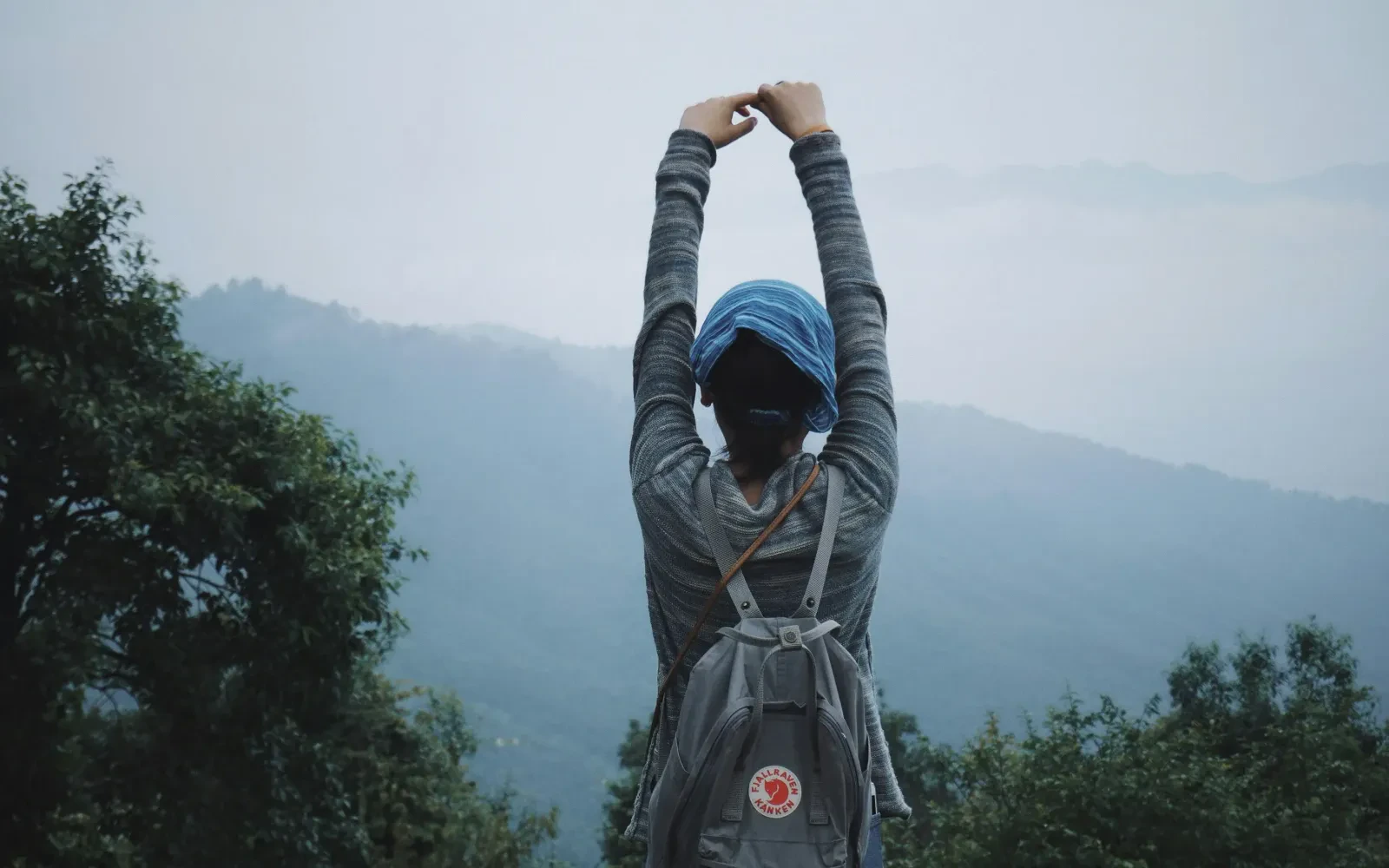
The morning sun breaks over the Annapurna range, painting snow-covered peaks in shades of gold and rose. On the trail ahead, a woman adjusts her backpack straps, takes a deep breath of crisp mountain air, and continues her ascent. She's not alone in spirit—thousands of women from across the globe are writing their own stories on Nepal's legendary trekking routes, proving that the Himalayas belong to everyone brave enough to answer their call.
Women's participation in Himalayan trekking has transformed dramatically over the past decade. What was once considered an exclusively male domain or an adventure requiring male companions has evolved into a space where women thrive independently, in all-female groups, with supportive partners, or as part of diverse trekking communities. The narrative has shifted from "can women trek in Nepal?" to "which incredible trek should women choose next?"
This transformation didn't happen by accident. It's the result of improved infrastructure, growing awareness of women's safety considerations, the emergence of female guides and porters, and most importantly, the collective experiences of thousands of women who've trekked Nepal's trails and shared their stories. Their voices have created pathways for others, proving that adventure, challenge, and personal transformation in the mountains transcend gender.
Nepal's trekking history once featured women primarily in supporting roles—wives of climbers waiting at base camp, daughters helping families run tea houses, or local women carrying impossible loads while male Western trekkers admired the scenery. The narrative has fundamentally changed. Today, women lead expedition companies, guide international trekkers through technical mountain terrain, summit challenging peaks, and occupy every role within Nepal's adventure tourism industry.
This cultural shift extends beyond the adventure industry into mountain communities themselves. Young Nepali women increasingly view trekking and mountaineering as viable career paths rather than male-exclusive domains. Organizations promoting women's involvement in outdoor industries have created training programs, provided scholarships, and advocated for equal opportunities. The result is a growing cadre of professional female guides, porters, and mountaineers who serve as role models for both Nepali youth and international trekkers.
International women trekkers have contributed enormously to this evolution simply by showing up. Every woman who completes a challenging trek, summits a peak, or navigates a high pass demonstrates possibility. Local communities see diverse women—young and old, athletic and ordinary, solo and partnered—successfully managing what local culture sometimes considered inappropriate or impossible for women. These daily examples gradually shift perceptions and expand what communities consider normal and acceptable.
The infrastructure supporting women trekkers has improved substantially. Tea houses now routinely offer women-only dormitories, addressing privacy and safety concerns that previously deterred some women from trekking. Bathroom facilities, while still basic at high altitudes, increasingly acknowledge women's specific needs. Equipment rental shops stock gear in sizes suitable for women's bodies. These practical improvements remove barriers that once made trekking unnecessarily challenging for women.
Women select Nepal for trekking adventures for reasons both practical and profound. The country offers unmatched mountain scenery accessible through well-established trekking infrastructure that doesn't require technical climbing skills or expedition-level logistics. Most major routes feature tea house accommodations, eliminating the need to carry camping equipment and simplifying trip planning substantially.
The cultural dimension attracts many women trekkers. Nepal's blend of Hindu and Buddhist traditions creates an atmosphere that many women find spiritually enriching. Visiting ancient monasteries, witnessing daily prayer rituals, and participating in ceremonies adds meaning beyond physical accomplishment. The warmth of Nepali hospitality, particularly from tea house families who welcome trekkers into their homes, creates genuine cultural exchange that feels authentic rather than performative.
Safety considerations, while important for all trekkers, weigh particularly heavily for women planning international adventures. Nepal's main trekking routes have earned reputations as relatively safe destinations for women travelers. The constant presence of other trekkers, family-run accommodation options, and strong cultural codes of hospitality contribute to security. Most women report overwhelmingly positive experiences regarding safety, noting that harassment remains rare compared to many other international destinations.
The achievability factor matters enormously. Nepal's most famous treks, including Everest Base Camp and Annapurna Base Camp, demand fitness and determination but don't require technical mountaineering skills. Women without extensive adventure backgrounds regularly complete these treks successfully, discovering capabilities they didn't know they possessed. The psychological impact of achieving something genuinely challenging provides transformation that extends far beyond the trek itself.
Affordability creates accessibility for women who might struggle to justify expensive adventure travel. Nepal trekking costs a fraction of similar adventures in developed countries, making Himalayan experiences accessible to students, career-breakers, and budget-conscious travelers. The Langtang Valley Budget trek and similar routes offer spectacular mountain experiences at remarkably affordable costs.
Women planning their first Himalayan adventure face overwhelming route options. Understanding which treks suit different experience levels and interests helps narrow choices to adventures that will challenge without overwhelming.
The Ghorepani Poon Hill trek represents an ideal introduction to Himalayan trekking. This relatively short route typically takes four to six days and reaches moderate elevations that minimize altitude sickness concerns. The trail passes through beautiful rhododendron forests, traditional Gurung villages, and culminates in sunrise views from Poon Hill that rival much longer treks. Many women use this trek to test their interest in longer adventures while enjoying a genuine mountain experience. The Annapurna Poon Hill short trek offers an even more condensed version for those with limited time.
For women seeking classic Himalayan experiences without extreme duration or difficulty, the Annapurna Base Camp trek delivers spectacular rewards for reasonable effort. The trek takes approximately ten to twelve days and features excellent tea house infrastructure throughout. The sanctuary amphitheater at base camp, surrounded by massive peaks including Annapurna I and Machapuchare, creates an unforgettable destination. The Annapurna Base Camp short trek variation condenses the experience for trekkers with time constraints.
Women interested in combining adventure with cultural immersion should consider the Langtang Gosaikunda and Helambu trek. This route traverses the earthquake-affected Langtang Valley, crosses to the sacred Gosaikunda lakes, and continues through traditional Tamang and Sherpa villages in the Helambu region. The trek offers diverse landscapes, rich cultural encounters, and supports communities still recovering from the 2015 earthquake.
More ambitious women with solid fitness and previous trekking experience might choose the Everest Base Camp trek 15 days or the comprehensive Everest Base Camp with Gokyo Lakes trek. These longer routes demand proper acclimatization, mental resilience during challenging days, and comfort with extended time at high altitude. The payoff includes standing at the foot of the world's highest mountain and experiencing the legendary Khumbu region.
The Manaslu Circuit trek appeals to women seeking routes less crowded than Everest and Annapurna regions while maintaining excellent mountain scenery and cultural richness. Similarly, the Manaslu Tsum Valley trek explores a sacred valley renowned for its Buddhist heritage and relative isolation from mass tourism.
The question of solo female trekking in Nepal generates strong opinions and diverse experiences. The truth lies somewhere between those who claim it's perfectly safe and those who insist women need companions or guards. Reality depends on specific routes, seasons, personal comfort levels, and reasonable precautions.
Many women successfully trek major Nepal routes independently without guides or porters. The Annapurna Base Camp trek, Ghorepani Poon Hill trek, and Langtang Valley trek all see regular solo female traffic. The presence of other trekkers, frequent tea houses, and clear trails create natural safety through visibility and community. Solo women rarely walk completely alone for extended periods on these popular routes.
The benefits of solo trekking for women include absolute autonomy over pace, schedule, and social interactions. You decide when to walk, where to stop, how long to linger at viewpoints, and which other trekkers to engage with or avoid. The mental space created by solo travel allows for profound personal reflection and growth that group dynamics sometimes inhibit.
Practical considerations for solo women trekkers include lodging choices that prioritize safety and comfort. Booking rooms in family-run tea houses rather than the cheapest available options often means better security and more genuine interactions with local families. Many lodge owners take particular interest in solo female guests, checking on wellbeing and offering assistance proactively.
Some solo women hire porters while maintaining independence from guide services. This middle ground allows for lighter packs and provides a companion for trail navigation while preserving autonomy over decisions and schedule. Female porters, though less common than male porters, are increasingly available and create different dynamics than mixed-gender trekking partnerships.
Communication tools provide crucial safety backup for solo women trekkers. Local SIM cards with data plans allow for regular check-ins with family or friends at home. GPS-enabled phones with offline maps ensure navigation capability even without signal. Many women find that simply knowing they can communicate if needed provides psychological security that enhances rather than diminishes the adventure.
All-female trekking groups have proliferated in recent years, offering alternatives to mixed-gender group dynamics and solo travel. These groups attract women seeking the security and camaraderie of companions without navigating male-dominated group dynamics that sometimes characterize general trekking groups.
The atmosphere in women-only trekking groups often differs markedly from mixed groups. Conversations range more freely across topics, vulnerability emerges more easily, and competitive dynamics that sometimes surface in mixed groups appear less frequently. Many women report feeling more comfortable discussing challenges like menstruation, bathroom difficulties, or emotional responses to altitude without self-consciousness.
Women-only groups create spaces where capability speaks louder than gender assumptions. Without male group members to defer to or compete against, women naturally step into leadership, navigation, and decision-making roles. This dynamic builds confidence that extends beyond the trek into other life areas. Women discover reserves of strength, resilience, and capability that societal conditioning sometimes obscures.
Female guides leading women's groups bring unique perspectives and sensitivities to the experience. They understand menstruation logistics at altitude, bathroom privacy concerns, and the psychological dimensions of physical challenge that women face. Many female trekkers report feeling more comfortable discussing health concerns or asking "basic" questions with female guides than they would in mixed company.
The tradeoff of women-only groups includes limited exposure to male perspectives and potentially reinforcing gender separation that the broader adventure community works to transcend. Some women prefer integrated groups precisely because they normalize women's presence in adventure spaces without special accommodation. The choice becomes personal preference rather than right or wrong approach.
Women face specific practical considerations that male trekkers might overlook or find less challenging. Understanding these issues and planning accordingly prevents unnecessary discomfort and allows focus on the adventure itself.
Menstruation at altitude presents logistical challenges that require advance planning. Bringing adequate supplies is essential, as purchasing feminine products in mountain villages ranges from difficult to impossible. Many women prefer menstrual cups for trekking due to reduced waste and less frequent changes needed. Disposal of used products requires carrying waste out rather than burying it, as high altitude prevents decomposition. Some women choose hormonal birth control to skip periods during treks, consulting doctors beforehand about altitude and medication interactions.
Bathroom facilities in mountains remain basic throughout most treks. Western-style toilets appear only in lower-altitude lodges, with squat toilets becoming universal as elevation increases. Privacy varies widely, from enclosed bathrooms with doors to three-sided structures offering minimal concealment. Carrying personal toilet paper, hand sanitizer, and biodegradable wipes proves essential. Urination devices designed for women help with awkward outdoor situations, though using them requires practice before your trek.
Clothing choices balance cultural sensitivity, weather protection, and personal comfort. Nepali mountain culture leans conservative, with women typically covering shoulders and knees. Quick-dry trekking pants or long skirts work well, along with long-sleeve shirts that protect from sun while respecting local sensibilities. Layering remains crucial for temperature changes throughout the day. Sports bras designed for hiking provide better support than regular bras during long trekking days. Breaking in boots thoroughly before your trek prevents blisters that plague many first-time women trekkers.
Personal safety devices and strategies provide peace of mind without paranoia. Whistle attached to backpacks allows for signaling if separated from companions or needing assistance. Small door locks for lodges lacking secure latches cost little but provide psychological security. Keeping phones charged and accessible ensures ability to call for help if needed. Avoiding alcohol consumption that impairs judgment, particularly when alone or with unfamiliar companions, maintains awareness of surroundings.
Women interested in progressing beyond trekking to actual summiting find Nepal offers excellent introductory mountaineering opportunities. Trekking peaks provide achievable summit objectives for fit women without requiring years of technical climbing experience.
The Mera Peak climbing represents Nepal's highest trekking peak at just over six thousand four hundred meters. While the climb requires glacier travel and crampon use, the technical difficulty remains moderate for climbers who learn basic skills and maintain fitness. Many women successfully summit Mera as their first Himalayan peak, discovering capabilities they never imagined possessing.
The Island Peak climbing combines beautifully with Everest region trekking, with many choosing Island Peak climbing with Everest Base Camp trek for comprehensive Khumbu experiences. The climbing involves ice walls and fixed ropes requiring strength and technique, though experienced guides provide instruction and support throughout.
More ambitious combinations like Lobuche and Island Peak climbing with Everest Base Camp trek appeal to women seeking extended mountaineering challenges. These require substantial commitment—three weeks or more—and solid physical conditioning, but deliver life-changing experiences of standing atop Himalayan summits.
The Gokyo Cho La Pass and Lobuche Peak climbing offers another comprehensive mountain experience, while the Baruntse expedition with Mera Peak climbing pushes into serious mountaineering territory suitable for women with climbing backgrounds.
Women-only climbing expeditions have become increasingly common, creating supportive environments for developing technical skills without male-dominated group dynamics. Female climbing guides bring unique teaching approaches and understand women's physical and psychological experiences of fear, challenge, and achievement in ways that enhance learning and growth.
Women planning Himalayan treks often underestimate their physical capabilities while simultaneously underestimating the challenge. Finding the balance between confidence and realistic preparation determines whether your trek becomes a triumphant adventure or a survival ordeal.
Cardiovascular fitness forms the foundation of trekking capability. Begin training at least two to three months before your trek with regular aerobic exercise—running, cycling, swimming, or stair climbing—for progressively longer durations. Aim for sustained effort rather than high-intensity intervals, building endurance for six to eight hour trekking days. Hills or stairs specifically prepare leg muscles for continuous ascent and descent.
Strength training often receives insufficient attention from women trekkers who focus exclusively on cardio. Core strength helps with balance on uneven trails and carrying backpacks. Leg strength powers you up endless steps and protects knees during descents. Upper body strength matters less for trekking itself but helps with carrying packs to and from Nepal. Bodyweight exercises—squats, lunges, planks, push-ups—build functional strength without requiring gym access.
Women's physiological differences from men affect trekking performance in ways worth understanding. Women typically carry lower percentages of muscle mass relative to body weight, meaning identical fitness levels might produce different absolute performance. Women's bodies tend toward fat storage rather than muscle building, requiring deliberate strength training to develop and maintain muscle. Hormonal cycles affect everything from energy levels to temperature regulation to altitude response.
The menstrual cycle's impact on high-altitude performance remains under-researched, though many women report changes in cycle regularity, duration, or intensity during and after altitude exposure. Some women experience worsened altitude symptoms during certain cycle phases, though evidence remains largely anecdotal. Planning treks around your cycle when possible helps avoid compounding challenges, though perfect timing isn't always achievable.
Body image concerns affect many women planning treks but rarely influence actual trekking success. Mountain communities see all body types on trails and judge primarily by attitude and respect rather than appearance. Other trekkers focus on their own challenges rather than evaluating your body. The mountains themselves care nothing about how you look in trekking pants. Many women find trekking profoundly liberating from body image pressures, as daily focus shifts to what bodies can do rather than how they appear.
Women trekkers often experience richer cultural exchanges than male counterparts, particularly with local women who might hesitate engaging with foreign men. These interactions provide windows into mountain life that transcend typical tourist experiences.
Tea house owners and their families welcome trekkers into intimate domestic spaces. Women trekkers naturally connect with women running these establishments, often participating in cooking, childcare, or household activities while learning about daily life in mountain communities. These moments—helping prepare dal bhat, playing with children, discussing family life—create authentic cultural exchange that formal tours cannot replicate.
The role of women in Nepali mountain communities varies by region and ethnicity but generally includes substantial domestic and agricultural labor while men often work as guides or porters. Foreign women trekkers represent alternative possibilities that local women rarely see otherwise. Conversations about education, career opportunities, family planning, and women's rights happen organically, though maintaining cultural sensitivity remains important.
Female guides and porters navigate complex positions between traditional cultural expectations and adventure industry demands. Many face family and community resistance to careers that take them away from home and place them in close proximity to foreign men. Their success challenges cultural norms while their presence creates pathways for other women considering unconventional careers. Supporting female guides and porters through deliberate hiring choices helps expand opportunities for Nepali women.
The Everest Luxury trek and similar upscale options provide ways to experience trekking with additional comfort that some women prefer. These aren't about lacking toughness but rather choosing how to allocate discomfort. Luxury treks typically feature better lodges, more comprehensive meal options, and smaller group sizes while covering similar routes to budget treks.
Safety concerns rank among the top considerations for women planning Nepal treks. Addressing these concerns honestly—neither dismissing legitimate worries nor overstating dangers—helps women make informed decisions.
The truth is that thousands of women trek Nepal annually without experiencing assault, harassment, or serious safety issues. Tea house infrastructure, trail traffic, and cultural hospitality create generally safe environments. Most women report that safety concerns they held before trekking proved largely unfounded once experiencing the reality of mountain travel.
However, denying all risk serves no one. Incidents do occur, though they remain statistically rare compared to women's general travel safety concerns in other international destinations. Most problems stem from alcohol-fueled situations, isolated encounters away from populated areas, or failure to trust instincts when situations feel uncomfortable.
Practical safety strategies include staying in tea houses rather than camping alone, avoiding excessive alcohol that impairs judgment, trusting instincts when people or situations feel wrong, keeping phones charged for emergency communication, and maintaining awareness of surroundings. Traveling with companions—whether friends from home, hired guides, or trail companions—provides the safety of witnesses and backup.
The cultural dimension of safety deserves understanding. Nepali culture generally respects women and considers hospitality sacred. However, alcohol, poverty, and exposure to Western media portraying casual sexuality all complicate traditional values. Some Nepali men hold misconceptions about Western women's sexual availability, requiring clear communication and firm boundaries.
Sexual harassment, when it occurs, typically involves verbal comments or uncomfortable staring rather than physical assault. Many women report that dressing conservatively and wearing wedding rings (real or fake) reduces unwanted attention. Direct refusal of inappropriate advances works better than polite evasion, as cultural indirectness might be misinterpreted.
Trekking challenges women psychologically as much as physically. The internal journey—confronting self-doubt, discovering capabilities, processing vulnerability—often proves more transformative than reaching any destination.
Many women begin treks carrying internalized messages about their limitations, fears, or requirements for male protection. The first days feel daunting as you question your decision and capability. Your legs ache, breathing labors, and thoughts turn toward quitting. Then somewhere on the trail—different for everyone—something shifts. You realize you're doing it. Your body keeps walking despite discomfort. Other women on the trail inspire rather than intimidate.
The mountains strip away much of what we use to define ourselves at home. Career accomplishments, relationship status, physical appearance, social position—none of it matters on steep trails where everyone simply puts one foot in front of the other. This stripping away frightens some people while liberating others. Many women report that trekking forces confrontation with who they are beneath social roles and relationships.
Altitude affects mood and emotional stability in ways that amplify psychological experiences. Exhaustion lowers defenses against self-doubt or fear. Some women cry without obvious reason. Others experience surprising anger or frustration. These emotional fluctuations are normal altitude responses, not signs of weakness or inability to handle challenges. Recognizing them as temporary physiological responses rather than personality flaws helps maintain perspective.
The completion of a significant trek creates profound psychological impacts that often surprise women unprepared for how accomplishment affects self-perception. Standing at Annapurna Base Camp or Everest Base Camp after days of effort proves to yourself that you're capable of far more than you imagined. This evidence-based confidence transfers to other life areas—career challenges, relationship decisions, personal goals—in ways that surprise women months or years after their treks.
Timing significantly impacts women's trekking experiences. Understanding seasonal patterns helps select optimal periods for your specific trek and preferences.
Spring, from March through May, ranks as Nepal's most popular trekking season. Clear weather prevails most days, temperatures remain moderate, and rhododendron forests explode with color. The main disadvantage is crowds on popular routes and premium lodge pricing. For the Annapurna Circuit trek or Tilicho Lake trek with Thorong La Pass, spring offers ideal conditions for crossing high passes.
Autumn, September through November, provides Nepal's other peak season. Post-monsoon clarity creates spectacular visibility with mountain views stretching for hundreds of kilometers. Temperatures feel comfortable during the day but cold at night, particularly at high altitude. Major festivals like Dashain and Tihar create festive atmospheres in villages, though lodge availability tightens during festival periods.
Monsoon season, June through August, sees reduced trekking traffic but creates unique challenges and opportunities. Heavy rainfall affects Everest and Annapurna regions significantly, creating muddy trails and obscured mountain views. However, rain-shadow areas like Upper Mustang and the Mustang trek actually thrive during monsoon, experiencing their best weather while the rest of Nepal drowns.
Winter, December through February, appeals to women seeking solitude and don't mind cold. Lower-altitude treks like Ghorepani Poon Hill and Mardi Himal trek remain accessible, while high-altitude routes face severe cold and potential trail closures. The crystal-clear air provides the year's best visibility for mountain photography.
The trek ends when you fly from Nepal, but processing the experience continues for months or years. Many women find reintegrating into regular life surprisingly difficult after transformative mountain experiences.
The physical transition from daily mountain walking to sedentary office work or domestic routines creates restlessness and longing. Your body remembers how it felt to be strong, capable, and challenged. Regular life might suddenly seem bland compared to summit sunrises and crossing high passes. Maintaining fitness helps sustain the physical sense of capability developed during trekking.
Relationships sometimes shift after major trekking experiences. Friends and family might struggle understanding what the trek meant to you. Partners who didn't share the experience might feel disconnected from this part of your life. Conversely, trek companions often become long-term friends who share unique bonds forged in challenging circumstances. Nurturing these connections while maintaining home relationships requires balance and communication.
The confidence gained from completing challenging treks manifests in unexpected ways. Women report speaking up more at work, setting firmer boundaries in relationships, taking career risks they previously avoided, or pursuing dreams long deferred. The evidence of your capability—you walked to Everest Base Camp, you summited a Himalayan peak, you navigated alone through foreign mountains—cannot be argued away by self-doubt.
Many women find themselves planning their next trek before fully processing their last one. The mountains call in ways that desk jobs and urban life cannot satisfy. Some women structure their lives around regular treks, saving vacation time and money for annual mountain adventures. Others pursue careers in adventure tourism, guiding, writing, or photography that keep them connected to the experiences that transformed them.
Women's participation in Nepal trekking continues evolving in exciting directions. The increasing visibility of female guides, porters, and mountaineers normalizes women's presence throughout the adventure industry. Each woman who treks, summits, or pursues mountain careers creates pathways for others to follow.
Young Nepali women increasingly see mountain careers as viable options rather than male-exclusive domains. Organizations promoting women's outdoor participation provide training, equipment, and support for building professional skills. Female mountaineers like Pasang Lhamu Sherpa Akita, the first Nepali woman to summit K2, inspire both international and local women to push boundaries.
International women's trekking groups continue proliferating, creating supportive environments for women discovering mountain capabilities. Companies specializing in women's adventure travel bring expertise in addressing women's specific needs and concerns while building empowering group dynamics. These organizations normalize women's presence in adventure spaces while acknowledging that women-specific approaches sometimes enhance experiences.
The infrastructure supporting women trekkers keeps improving. More female guides become available as role models and leaders. Lodge facilities increasingly consider women's privacy and security needs. Equipment manufacturers design gear specifically for women's bodies rather than shrinking men's designs. Communication technology makes solo women trekkers feel less isolated in remote areas.
The Himalayas don't discriminate. Mountains don't care about your gender, age, or background. They simply stand, patient and enduring, offering themselves to anyone willing to walk their trails with respect and determination. The barriers that keep women from these experiences are human creations, not natural laws.
If Nepal's mountains call to you, trust that call. Begin with a Ghorepani Poon Hill trek to test your interest or dive directly into Annapurna Base Camp for a comprehensive experience. Trek solo, with women friends, with partners, or join organized groups. Hire guides for security and knowledge or walk independently on well-marked trails. Choose the approach that matches your comfort level and goals.
The women who walked these trails before you come from every background imaginable. Young women fresh from university, older women celebrating retirement, mothers taking breaks from families, professionals between careers, survivors of illness or loss seeking renewal. What unites them isn't extraordinary athleticism or adventurous personalities but simply the decision to try—to book the flight, pack the backpack, and take the first step on the trail.
Your trek will be uniquely yours. Your challenges, triumphs, connections, and transformations will reflect your own journey. But you'll also join a community of women who understand what it means to test yourself against mountains and discover that you're stronger than you knew. That community spans continents, cultures, and generations, connected by the shared experience of finding empowerment, joy, and transformation in Nepal's Himalayas.
The mountains await. Your story begins when you decide to answer their call.
<p>Popular for the Himalayas, Nepal is also a trekker’s paradise as there are plenty of destinations with spectacular views and heartwarming culture in this small yet spectacular country. While trekking in Nepal may take many days, there are also shorter treks in the country which are equally rewarding regardless of the number of days spent on foot. One such short yet fulfilling trek in Nepal is the Poon Hill Trek.<br></p>
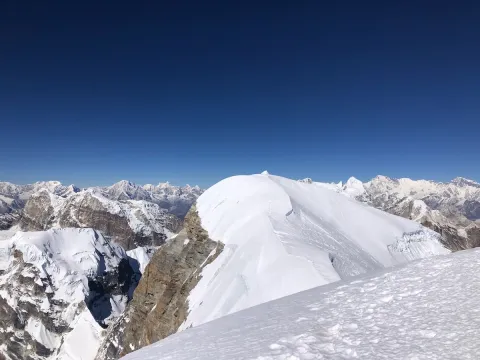
<p>Recognized as Nepal’s highest trekking peak, Mera Peak is situated in the Solukhumbu district and stands tall at 6476 meters above sea level. Mera Peak gives explorers a chance to set camps and experience colorful Rhododendron filled trails and ultimately, the isolation of high-altitude valleys at best. <br></p>
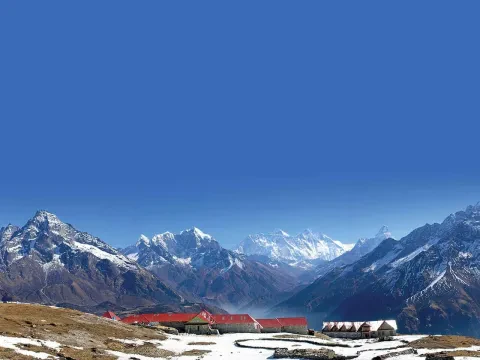
<p>Nepal, revered for a plethora of culture, ethnicities, and Himalayas that it hosts, is a travel destination that is not just for a traveler of certain interest. But one that gets most of the international interest would definitely be the Himalayas.<br></p>
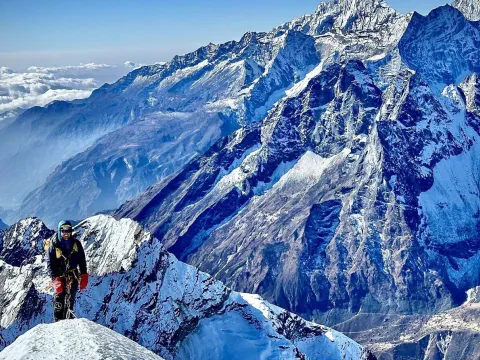
<p>Nepal is renowned for its towering mountains and offers some of the best peak climbing opportunities in the world. The country is home to numerous trekking peaks, ranging from moderate climbs for beginners to more challenging ascents for experienced mountaineers. Some of the best peak climbing options in Nepal include popular peaks like Island Peak, Mera Peak, Yala Peak, and Lobuche East, which are famous for their accessibility, stunning panoramic views, and relatively straightforward climbing routes. </p>
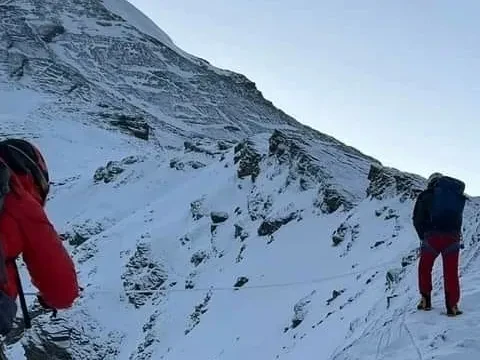
<p>The Annapurna region is one of Nepal’s most accessible and diverse areas for trekkers and climbers, making it an ideal location for beginners who are looking to combine trekking with their first peak-climbing experience. </p>
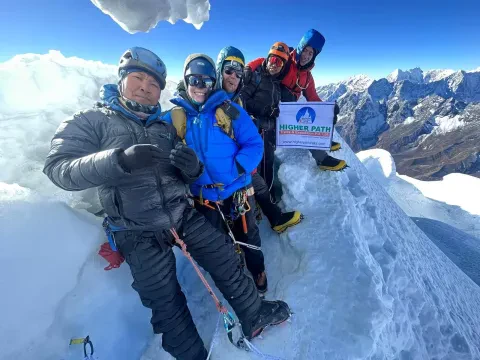
<p>Nepal is a paradise for mountaineers, offering some of the world’s most spectacular peaks for climbing enthusiasts. From the towering giants of the Himalayas to the more accessible trekking peaks, Nepal attracts thousands of climbers every year.</p>
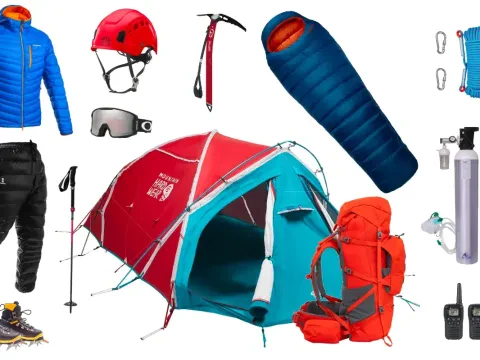
<p>Nepal, home to the majestic Himalayas and eight of the world’s fourteen highest peaks, offers an unmatched experience for adventure seekers. Peak climbing in Nepal serves as the perfect introduction to high-altitude mountaineering for those looking to go</p>
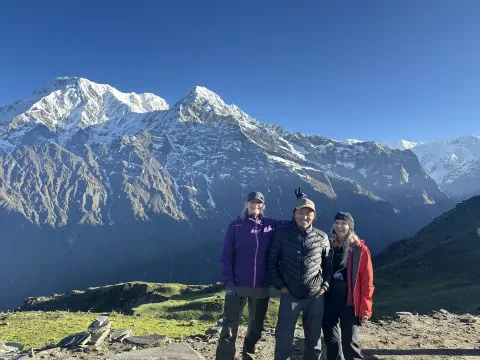
The Short Mardi Himal Trek is a compact yet mesmerizing Himalayan adventure that packs the magic of high-altitude trekking into just a few days. Ideal for those who want the thrill of the mountains without a long commitment, this trek offers breathtaking views
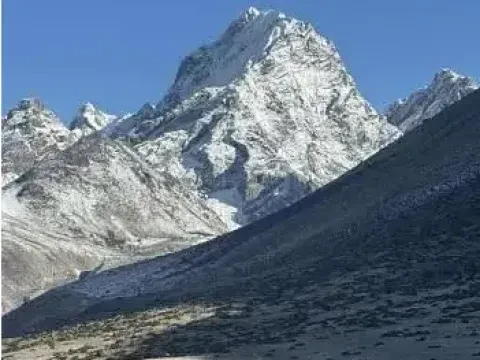
<p>The Everest Three Peaks Challenge is the ultimate Himalayan adventure for those seeking to test their physical and mental limits amidst the world’s tallest mountains. Unlike a standard Everest Base Camp trek, this expedition is designed for thrill-seekers aiming to summit three iconic trekking peaks: Lobuche East (6,119m), Pokalde (5,806m), and Island Peak (6,165m).</p>
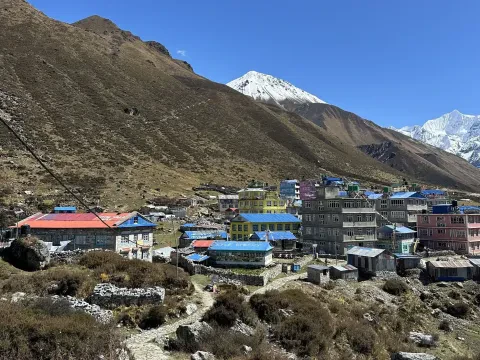
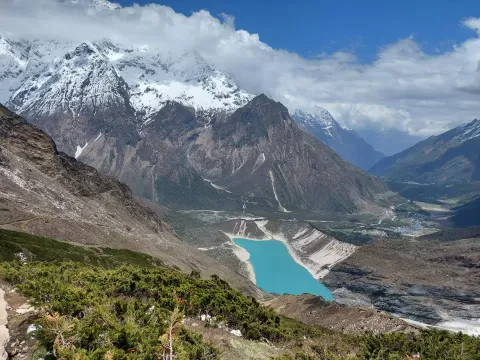
Langtang Valley, often called “the Valley of Glaciers,” is one of Nepal’s most scenic trekking destinations—perfect for both beginners and seasoned hikers. Nestled north of Kathmandu and bordering Tibet, this valley combines breathtaking alpine scenery, warm Tamang hospitality, and cultural richness in a relatively short trek
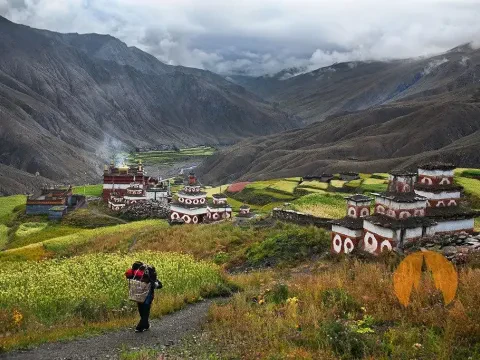
The Upper Mustang Trek is one of Nepal’s most unique trekking experiences. Often called the “Last Forbidden Kingdom,” Mustang is a region where Tibetan culture thrives, ancient monasteries dot the landscape, and desert-like terrain contrasts sharply with Nepal’s typical Himalayan greenery.
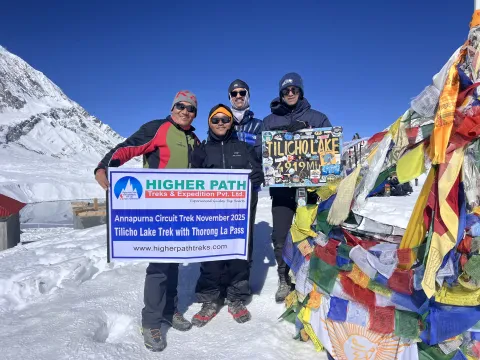
“Experience the Ultimate Himalayan Journey Across the World’s Most Diverse Trekking Route”