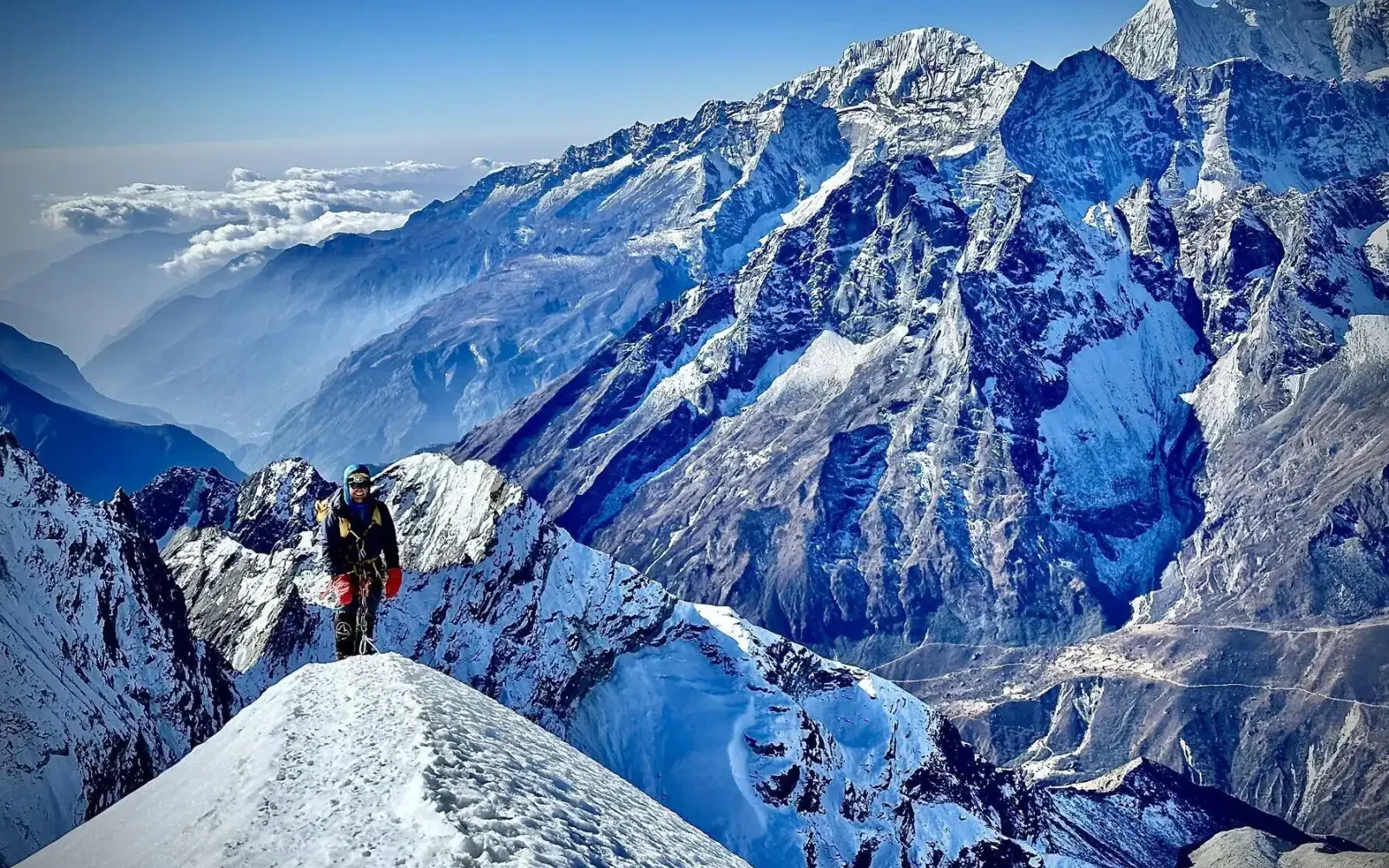
Nepal is widely regarded as the ultimate destination for peak climbing enthusiasts, offering a spectacular range of mountains that challenge and inspire climbers of all levels. Nestled in the heart of the Himalayas, Nepal’s diverse peaks range from beginner-friendly trekking summits to highly technical and demanding alpine climbs. Whether you dream of standing atop a 6,000-meter trekking peak or testing your skills on some of the world's most iconic mountains, Nepal provides an unparalleled playground for mountaineers. The breathtaking landscapes, rich cultural heritage, and warm hospitality of the Nepalese people add to the magic of every climbing expedition.
The Everest region, in particular, is a hotspot for peak climbing, featuring some of the most famous and accessible peaks in the world. Climbing these peaks involves a blend of trekking, glacier travel, and technical ice or rock climbing. Climbers get the opportunity to experience the unique blend of natural beauty and Sherpa culture, while also pushing their limits in some of the most awe-inspiring terrain on Earth. With well-established climbing routes, experienced local guides, and supportive logistics, Nepal remains the top choice for those seeking a genuine Himalayan climbing adventure.
Higher Path Treks & Expeditions is a premier adventure company specializing in peak climbing and trekking expeditions in Nepal, particularly around the iconic Everest region. With years of experience, they offer expertly guided climbs on some of the most sought-after Himalayan peaks. Their commitment to safety, sustainability, and personalized service makes them a trusted partner for adventurers aiming to conquer the majestic mountains of Nepal. Whether you’re a seasoned mountaineer or an enthusiastic beginner, Higher Path Treks & Expeditions ensures an unforgettable climbing experience tailored to your skill level and goals.
Their deep local knowledge, combined with expert logistics and professional climbing support, allows climbers to focus fully on the challenge ahead. From base camp to summit, their teams provide comprehensive guidance, acclimatization support, and high-quality equipment, ensuring every expedition is well-prepared and successful. Choosing Higher Path Treks & Expeditions means choosing a reliable, safety-first approach to peak climbing in the Everest region.
Overview of Himalayan Peak Climbing
The Himalayas, often called the “Roof of the World,” represent the pinnacle of high-altitude mountaineering and adventure. Stretching across five countries—Nepal, India, Bhutan, China (Tibet), and Pakistan—the Himalayas boast the highest and some of the most challenging peaks on Earth, including Mount Everest, the tallest summit at 8,848 meters. The allure of Himalayan peak climbing lies not only in the sheer physical challenge but also in the spiritual and cultural richness that surrounds these majestic mountains. For climbers, it’s an opportunity to test their limits, experience unparalleled natural beauty, and connect with ancient mountain cultures.
High-altitude mountaineering in the Himalayas is a unique blend of physical endurance, technical skill, and mental resilience. Climbers must navigate extreme weather, treacherous terrain, and the physiological effects of thin air, which makes each ascent a profound personal and physical challenge. The journey is as important as the summit itself, often involving days or weeks of trekking through remote valleys, crossing glaciers and icefalls, and acclimatizing to the demanding environment. This combination of adventure, risk, and reward creates an unforgettable experience that draws mountaineers from all over the globe.
Popular Himalayan Climbing Destinations and Their Unique Challenges
Nepal is the most popular gateway to Himalayan peak climbing, with the Everest region being the crown jewel. Besides Everest itself, Nepal offers numerous trekking peaks such as Island Peak, Mera Peak, and Lobuche, as well as more technical peaks like Cholatse, Nirekha, and Kyajo Ri. The challenges here vary from moderately strenuous trekking to highly technical ice and rock climbs. Climbers must also be prepared for unpredictable weather and rapidly changing conditions at high altitude.
Tibet (China), located north of Nepal, features peaks like Shishapangma, the lowest of the 8,000-meter summits, but still a formidable climb. Access to some Tibetan peaks can be more restricted due to political regulations, but the region offers a different cultural and climbing experience, often with less crowded routes.
Pakistan’s Karakoram Range is home to some of the most dramatic and difficult peaks in the world, including K2, the second highest mountain globally and widely considered one of the toughest climbs. The Karakoram is known for its steep rock faces, unpredictable weather, and technical complexity. Climbing here demands advanced mountaineering skills and logistical expertise.
India and Bhutan also offer peaks suitable for climbers seeking less crowded, more remote experiences, with challenging terrain and unique cultural contexts.
Each region presents distinct challenges — from technical ice walls and steep ridges to extreme weather and altitude sickness — making Himalayan peak climbing a diverse and multifaceted adventure. Regardless of the destination, proper preparation, acclimatization, and experienced guidance, such as that provided by companies like Higher Path Treks & Expeditions in Nepal, are essential for a safe and successful ascent.
When it comes to peak climbing in Nepal’s Everest region, several iconic mountains stand out for their unique challenges and breathtaking beauty. Among these, Nirekha Peak, Kyajo Ri, Cholatse, and Phari Lapcha are favored by climbers seeking a blend of technical difficulty, stunning panoramas, and rewarding summit experiences. Each peak offers a distinct adventure, ranging from steep ice walls to mixed rock and snow routes, making them perfect choices for mountaineers eager to push their skills in the Himalayas.
Nirekha Peak Climbing
Nirekha Peak, standing at approximately 6,069 meters, is a favorite for climbers looking to experience technical climbing challenges combined with breathtaking views. It lies in the Everest region, offering spectacular panoramas of Everest, Lhotse, and Ama Dablam. Nirekha is considered an excellent peak for climbers seeking to test their ice and rock climbing skills, as the ascent involves navigating steep ice walls, ridges, and rocky terrain.
Climbing Nirekha requires both physical endurance and technical proficiency, making it a perfect stepping stone for mountaineers aiming to progress to higher and more difficult peaks in Nepal. The route provides a blend of alpine-style climbing with moderate technical difficulties, which makes the climb engaging and rewarding. The summit offers an unparalleled vantage point to appreciate the grandeur of the surrounding Himalayan giants, making Nirekha a must-do for climbers visiting the Everest region.
Nirekha Peak Climbing Outline Itinerary
Kyajo Ri Peak Climbing
Kyajo Ri is another spectacular peak in the Everest region, rising to about 6,186 meters. Known for its challenging routes and steep ice faces, Kyajo Ri demands climbers have strong technical skills, especially in ice and mixed climbing. This peak is ideal for those with some climbing experience who want to push their limits in a stunning alpine environment. The approach to Kyajo Ri passes through traditional Sherpa villages and pristine landscapes, adding cultural richness to the adventure.
The climb on Kyajo Ri is marked by exposed ridges and crevassed glaciers, which require careful navigation and advanced climbing techniques. The summit rewards climbers with panoramic views of Everest, Makalu, and Cho Oyu, making the effort truly worthwhile. Due to its relative technical difficulty, climbing Kyajo Ri with an experienced company like Higher Path Treks & Expeditions is highly recommended for safety and success.
Kyajo Ri Peak Climbing Outline Itinerary
Cholatse Peak Climbing
Cholatse Peak, towering at around 6,440 meters, is one of the more technical and challenging climbs in the Everest region. Known for its steep ridges, sharp ice walls, and mixed climbing sections, Cholatse demands a high level of skill, strength, and endurance. This peak is favored by experienced mountaineers looking to tackle a demanding summit that tests every aspect of alpine climbing.
The ascent involves steep ice and rock routes, often requiring climbers to use advanced techniques such as front-point cramponing and ice screw placements. The climb is not only physically demanding but also visually stunning, with views of the Khumbu Icefall, Ama Dablam, and Lhotse. Climbing Cholatse is a prestigious achievement for serious climbers, and joining an expert expedition team like Higher Path Treks & Expeditions can provide the guidance and support necessary for a safe and successful climb.
Cholatse Peak Climbing Outline Itinerary
Phari Lapcha Peak Climbing
Phari Lapcha, standing at approximately 6,199 meters, is a lesser-known but incredibly rewarding peak in the Everest region. It is often chosen by climbers seeking solitude away from the more crowded peaks but still eager to experience the thrill of technical alpine climbing. The peak is characterized by steep snow and ice slopes, requiring climbers to have solid mountaineering skills and experience with high-altitude climbing.
The route to Phari Lapcha traverses glaciers and high mountain passes, offering stunning views of Everest and the surrounding Himalayan giants. Because it is less frequented, climbers get a more intimate and raw mountain experience. Phari Lapcha is suitable for climbers wanting a moderate to technical climb with an emphasis on adventure and exploration. With the professional guidance of Higher Path Treks & Expeditions, climbers can safely navigate this challenging peak while immersing themselves in the natural beauty of the Everest region.
Phari Lapcha Peak Climbing Outline Itinerary
Choosing the “best” peak to climb in Nepal’s Everest region depends on multiple factors that go beyond just reaching the summit. Climbers must consider their experience level, personal goals, and what they want to get out of the climb—whether it’s technical challenge, stunning scenery, cultural immersion, or a combination of all these. The best peak for one climber might be different from another depending on these criteria. For adventure seekers looking to conquer Himalayan peaks with Higher Path Treks & Expeditions, evaluating each climb by difficulty, beauty, accessibility, safety, and cultural significance can help make an informed choice.
Higher Path Treks & Expeditions emphasizes a holistic approach when matching climbers to peaks. They ensure that clients not only achieve their climbing goals but also enjoy a safe, enriching experience in the breathtaking Everest region. This involves assessing each peak’s unique characteristics and how they align with a climber’s skills and expectations.
Difficulty and Technical Challenges
When it comes to difficulty, these four peaks offer varying degrees of technical climbing. Cholatse stands out as the most technically demanding, featuring steep ice walls, mixed rock and ice routes, and exposure to challenging alpine conditions. It is suited for experienced climbers comfortable with advanced mountaineering techniques. Kyajo Ri also requires strong technical skills, especially ice climbing and glacier travel, but is slightly less intense than Cholatse, making it a good intermediate option.
Nirekha Peak provides a balanced challenge, combining moderate ice climbing with some rocky ridges. It’s ideal for climbers who have some experience but are not yet ready for the most extreme climbs. Phari Lapcha offers a moderately technical route with steep snow and ice slopes, but is generally less crowded and provides a quieter, more exploratory experience. Higher Path Treks & Expeditions ensures climbers are well-prepared and equipped to handle the specific technical demands of each peak.
Scenic Beauty and Surrounding Landscape
The Everest region is renowned for its jaw-dropping mountain scenery, and each peak offers unique vantage points. Nirekha Peak provides spectacular panoramic views of Everest, Lhotse, and Ama Dablam, with a relatively close and intimate perspective of these giants. Its summit offers a sweeping, picturesque alpine landscape that is perfect for photography and reflection.
Kyajo Ri gives climbers a broader view of Everest, Makalu, and Cho Oyu, with the added thrill of rugged, exposed ridges that heighten the sense of wilderness. Cholatse offers arguably some of the most dramatic scenery, including views of the Khumbu Icefall and steep ridges framed by some of the world’s most iconic mountains. Meanwhile, Phari Lapcha’s remoteness provides a tranquil and pristine setting, allowing climbers to soak in the vastness of the Himalayas with fewer tourists and a more untouched environment. Higher Path Treks & Expeditions helps climbers appreciate these visual experiences safely and responsibly.
Accessibility and Approach Routes
Accessibility plays a crucial role in peak climbing planning. Nirekha Peak benefits from relatively straightforward approach routes starting from Lukla, making it more accessible to climbers who want a shorter, manageable expedition. The trekking paths are well-established, and acclimatization opportunities abound, easing the journey to the summit.
Kyajo Ri and Cholatse involve more demanding approaches, including glacier crossings and steeper terrain before the climb even begins. These peaks require careful logistical planning and are suited to climbers ready for extended expeditions with multiple days of acclimatization. Phari Lapcha is the most remote of the four, with less frequented trails and a longer, more isolated approach that appeals to adventurers seeking solitude and exploration off the beaten path. Higher Path Treks & Expeditions provides expert logistical support for all approaches, ensuring safe passage and efficient acclimatization.
Popularity and Climbing History
Popularity can influence a climb’s experience, affecting everything from the atmosphere on the mountain to available support infrastructure. Nirekha Peak enjoys moderate popularity due to its balanced challenge and stunning views, attracting climbers seeking a rewarding yet accessible Himalayan summit.
Kyajo Ri and Cholatse are popular among serious mountaineers but see fewer climbers due to their higher technical difficulty, making for a more exclusive and less crowded experience. Cholatse, in particular, is renowned for its challenging routes and has a history of notable ascents by elite climbers. Phari Lapcha remains relatively obscure and less frequented, appealing to those looking for a unique and tranquil climbing adventure with fewer tourists. Higher Path Treks & Expeditions leverages its local knowledge and experience to provide climbers access to both popular and off-the-beaten-path peaks, tailoring the experience accordingly.
Safety and Risk Factors
Safety is paramount in Himalayan peak climbing, where unpredictable weather, avalanche risk, and altitude sickness are constant threats. Cholatse’s steep and technical terrain increases the risk of falls and avalanches, requiring climbers to have advanced skills and experience. Kyajo Ri also demands careful navigation of crevassed glaciers and steep ice, so climbers must be vigilant and well-prepared.
Nirekha Peak poses fewer risks relative to the others, making it a safer choice for intermediate climbers. Phari Lapcha’s remoteness can be a safety concern due to limited rescue options and fewer climbers in the area, so careful planning and reliable guides are essential. Higher Path Treks & Expeditions prioritizes safety by providing expert guides, proper acclimatization schedules, quality equipment, and real-time weather monitoring, significantly reducing risks for climbers on any peak.
Cultural and Environmental Significance
The cultural richness of the Everest region adds a profound layer of meaning to peak climbing. All four peaks are situated within areas inhabited by the Sherpa community, whose traditions and Buddhist spirituality deeply connect with the mountains. Climbers on Nirekha, Kyajo Ri, Cholatse, or Phari Lapcha can experience Sherpa hospitality, ancient monasteries, and unique rituals that honor the sacredness of the mountains.
Environmental stewardship is also critical, as these fragile ecosystems face pressures from tourism and climate change. Higher Path Treks & Expeditions actively promotes responsible tourism and eco-friendly practices, ensuring that expeditions minimize their environmental footprint. By choosing to climb with them, adventurers support conservation efforts and help preserve the cultural heritage that makes Nepal’s peaks so special.
Nirekha: Technical Routes and Climbing Experience
Nirekha Peak, standing at around 6,069 meters, offers climbers a moderately technical climbing challenge that blends ice and rock sections. The route requires a solid foundation in basic mountaineering skills such as crampon use, ice axe handling, and glacier travel, making it an excellent peak for climbers looking to step up from trekking peaks to more technical Himalayan summits. Its climbing routes often include steep ice walls and rocky ridges, demanding careful route-finding and a good head for heights.
For those climbing with Higher Path Treks & Expeditions, Nirekha provides a perfect balance of challenge and accessibility. The peak is well-suited for climbers who want to gain experience in alpine climbing techniques without facing extreme technical difficulties. The ascent is rewarding, with spectacular views of Everest and the surrounding giants, and the climb offers ample opportunities for skill development in a supportive and scenic environment.
Kyajo Ri: Altitude Challenges and Panoramic Views
Kyajo Ri rises to approximately 6,186 meters and is notable for its high altitude combined with moderate technical challenges. Unlike Nirekha, the climb places greater emphasis on altitude acclimatization and endurance due to the peak’s slightly higher elevation and longer approach routes. Climbers must be prepared to manage the physiological effects of altitude while navigating exposed ridges and glacier crossings.
One of Kyajo Ri’s major draws is its panoramic summit views. From the top, climbers can gaze upon some of the Himalayas’ most iconic peaks, including Everest, Makalu, and Cho Oyu, making it a visual feast for mountaineers. The combination of altitude challenge and breathtaking scenery makes Kyajo Ri an appealing choice for climbers ready to test their stamina and enjoy a rewarding summit experience under the expert guidance of Higher Path Treks & Expeditions.
Cholatse: Technical Difficulty and Mountaineering Prestige
Cholatse, towering at about 6,440 meters, is regarded as one of the most technically demanding peaks in the Everest region. It’s renowned for steep, exposed ridges, mixed rock and ice climbing, and a complex approach that requires climbers to have advanced skills in alpine techniques. This peak is a true test of mountaineering ability, demanding strength, precision, and mental toughness to navigate its challenging routes safely.
Climbing Cholatse carries a certain prestige within the mountaineering community due to its difficulty and stunning alpine environment. Summiting Cholatse signifies a serious achievement for experienced climbers who seek to push their limits. When climbing with Higher Path Treks & Expeditions, clients receive expert technical guidance, ensuring a safer and well-supported ascent. The mountain’s reputation and challenging terrain make it ideal for climbers looking for a world-class Himalayan climbing experience.
Phari Lapcha: Remote Beauty and Expedition Demands
Phari Lapcha, standing around 6,199 meters, offers a unique climbing experience characterized by its remote location and relatively lesser-known status. Unlike the other three peaks, Phari Lapcha appeals to adventurers who seek solitude and exploration away from the more frequented routes. The climb involves steep snow and ice slopes and requires competent technical skills, but it is less crowded and provides a pristine natural environment.
The expedition to Phari Lapcha is demanding not just technically but logistically as well. Its remoteness means longer approach treks and fewer nearby facilities, increasing the challenge of acclimatization and self-sufficiency. For climbers choosing Higher Path Treks & Expeditions, Phari Lapcha offers a truly immersive Himalayan adventure where the beauty of isolation and unspoiled landscapes enhance the climbing experience. This peak suits those who want to combine serious mountaineering with a deep connection to the mountain environment.
Choosing the best peak among Nirekha, Kyajo Ri, Cholatse, and Phari Lapcha ultimately depends on what you seek from your Himalayan climbing adventure. Each peak boasts unique strengths that appeal to different types of climbers, making the “best” peak a highly personal choice.
Nirekha Peak stands out as an ideal gateway for climbers transitioning from trekking peaks to more technical alpine climbs. Its moderate technical routes and accessible approach make it perfect for those looking to build their climbing skills while enjoying spectacular views of Everest and neighboring giants. It balances challenge with attainability, making it a popular choice for intermediate climbers.
Kyajo Ri shines for climbers who want to push their altitude limits and experience sweeping panoramic vistas. Its higher elevation and exposed ridges require good stamina and acclimatization, suited to climbers with some high-altitude experience seeking a rewarding yet less technically demanding summit.
For advanced mountaineers craving a true technical challenge, Cholatse is the standout peak. Known for its steep ice walls and mixed climbing routes, it offers the prestige of conquering one of the Everest region’s most demanding mountains. Climbers with strong technical skills and a desire for a high-adrenaline alpine experience will find Cholatse deeply fulfilling.
Phari Lapcha appeals to adventurers who value remote beauty and a quieter, less-traveled path. Its technical requirements combined with a demanding approach make it suitable for experienced climbers seeking solitude and a more expedition-style climb, away from crowded routes.
For those planning their climb with Higher Path Treks & Expeditions, these peaks offer expertly guided, safe, and unforgettable Himalayan experiences tailored to your level and ambitions. Whether you prioritize technical challenge, altitude endurance, scenic beauty, or remoteness, Higher Path ensures a customized journey that helps you reach your summit goals with confidence.
Nepal is undeniably the world’s premier destination for peak climbing, thanks to its extraordinary collection of mountains, rich cultural heritage, and well-established mountaineering infrastructure. Home to eight of the world’s fourteen 8,000-meter peaks, including the iconic Mount Everest, Nepal offers a unique blend of challenge, beauty, and adventure that few places on Earth can match. For climbers, this means access to a diverse range of peaks—from beginner-friendly trekking summits to technically demanding alpine challenges—set against the backdrop of some of the most stunning natural landscapes imaginable.
Beyond the mountains themselves, Nepal provides a deeply immersive cultural experience. The Sherpa communities living in the Everest and other Himalayan regions have centuries of mountaineering knowledge and traditions, offering climbers invaluable support, guidance, and warmth. Choosing Nepal for peak climbing also means engaging with vibrant festivals, ancient monasteries, and the rich spirituality tied to the mountains, adding depth and meaning to every expedition. With professional operators like Higher Path Treks & Expeditions, climbers can embark on a safe, well-organized journey that respects both the environment and local culture, ensuring an unforgettable Himalayan adventure.
When it comes to peak climbing in Nepal, choosing the right expedition company is critical for both your safety and success. Higher Path Treks & Expeditions is a trusted name that specializes in guided peak climbing tours throughout Nepal’s Everest region. With a focus on personalized service, safety, and cultural respect, they tailor each climb to meet the skill level and aspirations of their clients. Their expert guides are highly experienced in both climbing and high-altitude trekking, ensuring climbers receive top-notch technical support and advice.
Higher Path Treks & Expeditions takes care of every detail, from obtaining permits to arranging high-quality gear and acclimatization schedules. Their commitment to eco-friendly practices and community support also ensures that your climbing experience benefits the local environment and Sherpa communities. Whether you are aiming to summit popular peaks like Island Peak, Mera Peak, or the more technical peaks like Nirekha or Cholatse, Higher Path Treks & Expeditions offers a comprehensive, safe, and unforgettable climbing journey in the heart of Nepal’s majestic Himalayas.
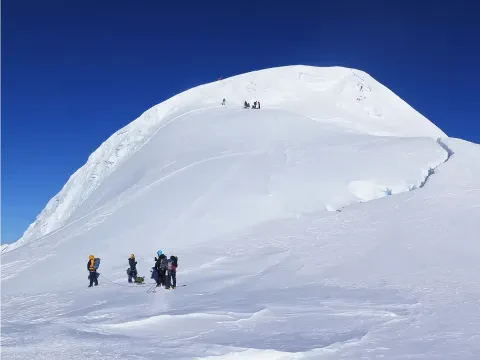
<p>When it comes to trekking peaks in Nepal, Mera Peak (6,476m) and Island Peak (6,189m) are two of the most popular choices for climbers seeking high-altitude adventures. Both peaks offer thrilling challenges, breathtaking scenery</p>
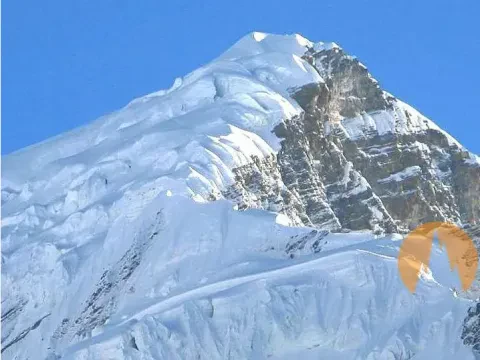
<p>Both peaks offer incredible adventure and views, Chulu West is more suited for climbers with basic mountaineering experience, as it presents a moderately challenging ascent that can be tackled with proper preparation.</p>
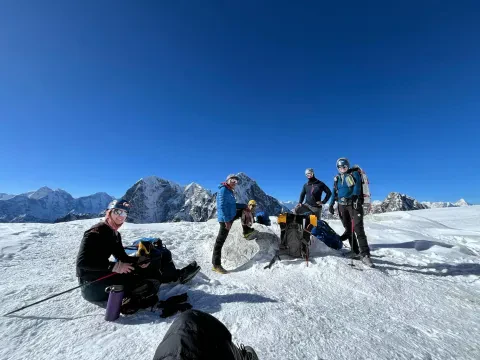
<p>The "Four Peaks, One Journey" expedition is a once-in-a-lifetime alpine challenge that brings together the best of Nepal’s high-altitude trekking and mountaineering in one seamless, ambitious adventure. This thrilling expedition, curated and led by the expert team</p>