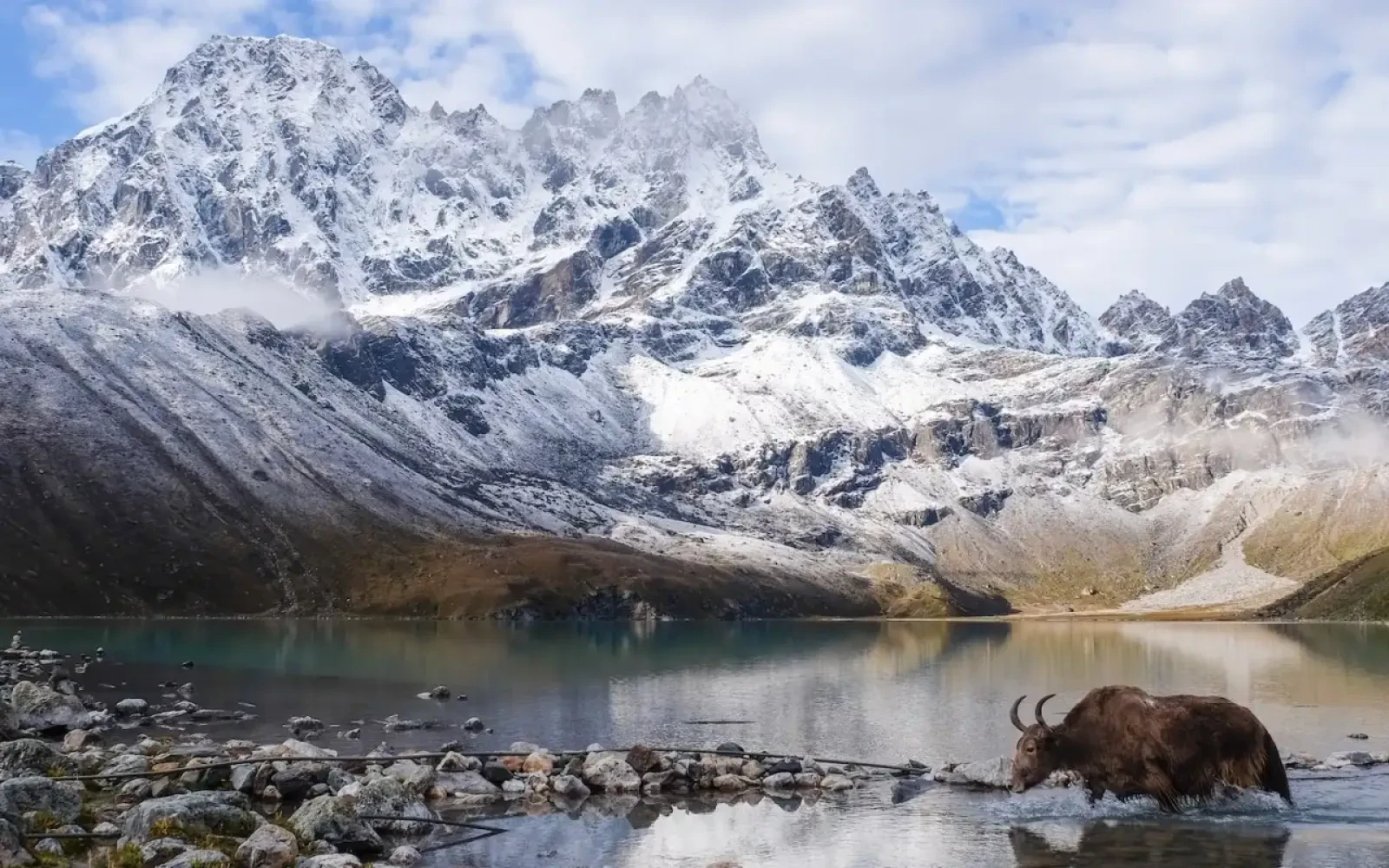
Solo trekking in Nepal is an extraordinary way to experience the Himalayas, offering unmatched freedom, self-discovery, and adventure. For independent travelers, trekking alone allows you to set your own pace, choose your preferred routes, and immerse yourself fully in the natural beauty and local culture. Nepal’s diverse landscapes—from towering snow-capped peaks to serene valleys, alpine meadows, and ancient villages—make it a dream destination for solo adventurers.
The year 2026 is particularly ideal for solo trekking in Nepal. With improved trail infrastructure, better accommodation options, and updated safety measures, independent travelers can explore classic and off-the-beaten-path trails more comfortably and safely. Moreover, trekking in 2026 promises fewer crowds, allowing for a more personal and intimate experience in iconic locations such as Everest Base Camp, Annapurna Circuit, Langtang Valley, and Manaslu. Higher Path Treks & Expeditions supports solo trekkers with guidance, logistics advice, and safety tips, while still letting you maintain complete independence on the trails.
Embarking on a solo trek is more than a physical journey—it’s a transformative experience that challenges your resilience, enhances mindfulness, and encourages personal growth. Solo travelers often find a sense of accomplishment in navigating difficult terrain, engaging with local communities, and embracing the solitude of high-altitude landscapes. Each trek provides unique opportunities for reflection, self-motivation, and connection with the natural and cultural richness of Nepal.
Why Solo Trekking in Nepal Stands Out:
Whether you are a seasoned trekker seeking high-altitude challenges or a beginner looking for scenic and accessible trails, Nepal offers a variety of routes suited for solo adventures. By planning carefully, preparing with the right gear, and following safety guidelines, solo trekking can be a rewarding and life-changing journey. With Higher Path Treks & Expeditions, you have access to expert insights and support to help make your 2026 Nepal trekking adventure safe, memorable, and fully tailored to your independent spirit.
Solo trekking in Nepal offers an unmatched sense of freedom, adventure, and personal growth. For independent travelers, exploring the Himalayas on your own terms allows you to connect deeply with nature, culture, and yourself. Nepal’s diverse landscapes—from towering snow-capped peaks to lush green valleys—make it one of the world’s most sought-after destinations for solo adventurers.
2026 is shaping up to be a perfect year for independent trekking. With updated trail infrastructure, improved local accommodations, and safer trekking policies, solo trekkers can explore Nepal with greater ease than ever before. Additionally, the year promises fewer crowds on classic trails, giving travelers an authentic, immersive experience. Higher Path Treks & Expeditions ensures personalized support for independent trekkers while still allowing complete freedom on the trails.
Key Highlights:
Why Solo Trekking in Nepal Is a Life-Changing Experience
Trekking alone in Nepal is more than just a physical challenge—it is a journey of self-discovery. Walking through remote villages and high mountain passes teaches resilience, mindfulness, and adaptability. Many solo trekkers find a deep sense of accomplishment and inner peace as they navigate trails independently, making decisions about pace, rest, and exploration.
Nepal also offers an unparalleled diversity of trekking experiences. From challenging high-altitude routes like the Annapurna Circuit to serene, off-the-beaten-path trails in the Langtang Valley, there is something for every solo adventurer. Traveling independently allows you to embrace spontaneity—choosing where to stay, how long to linger, and which scenic spots to prioritize.
Benefits of Solo Trekking:
What Makes 2026 the Perfect Year for Independent Travel
Several factors make 2026 an ideal year for solo trekking in Nepal. After years of global travel disruptions, Nepal is reopening its trails fully, with improved infrastructure and better trekking permit systems. This year, trekking regions are expected to be less crowded, giving adventurers more intimate access to iconic destinations such as Everest Base Camp, Annapurna, and Manaslu.
Additionally, technological and safety improvements, such as GPS-enabled maps, mobile connectivity in remote regions, and easier access to emergency services, allow solo trekkers to feel more secure than ever. Higher Path Treks & Expeditions can provide support and guidance without limiting independence, offering a balance between safety and freedom for solo travelers.
Why 2026 Stands Out:
Essential Gear for Solo Trekkers in Nepal
Proper preparation is the foundation of a safe and enjoyable solo trek. The right gear not only ensures comfort but also protects against unpredictable weather, rugged terrain, and altitude changes. Lightweight, high-quality trekking equipment is key for solo travelers, as it allows mobility without compromising safety.
Items such as durable trekking boots, a warm down jacket, layered clothing, trekking poles, and a reliable backpack are essential. Electronics like portable chargers, GPS devices, and headlamps improve convenience and safety. Higher Path Treks & Expeditions can guide solo travelers on packing smartly, focusing on versatile, multi-purpose gear suitable for 2026 conditions.
Essential Gear Checklist:
Health and Safety Tips for Independent Adventurers
Solo trekking comes with unique challenges, so prioritizing health and safety is crucial. Acclimatization is a major concern in high-altitude trekking. Gradual ascent and rest days reduce the risk of altitude sickness. Staying hydrated, eating nutritious meals, and listening to your body are vital.
In addition, solo travelers should remain aware of local weather patterns, trail conditions, and wildlife. Informing someone about your itinerary or registering with trekking authorities enhances safety. Higher Path Treks & Expeditions provides advice and emergency contacts for solo trekkers to help manage risks while maintaining independence.
Health & Safety Tips:
Navigating Permits and Regulations for Solo Travelers
Nepal has specific trekking permits and regulations depending on the region. Solo trekkers must obtain TIMS (Trekkers’ Information Management System) cards and national park permits for regions like Annapurna, Langtang, and Everest. Some areas, such as Upper Mustang and Manaslu, require special restricted area permits.
Understanding and arranging permits in advance simplifies the trekking experience and avoids delays on the trail. Higher Path Treks & Expeditions can assist with official permit processes, offering advice without restricting solo travelers’ freedom to explore.
Permit & Regulation Tips:
Factors to Consider When Picking a Route
Choosing the right trek is essential for a fulfilling solo adventure. Factors include duration, altitude, trail popularity, cultural exposure, and personal fitness levels. Some trekkers prefer remote, less-traveled trails for solitude, while others enjoy well-established routes with amenities.
Solo travelers should also consider the season, accessibility, and availability of accommodation along the trail. Higher Path Treks & Expeditions offers insights into routes best suited for independent exploration in 2026, balancing adventure, safety, and cultural experiences.
Key Factors:
Difficulty Levels and Terrain Types Explained
Nepal’s trekking routes vary widely in difficulty and terrain. Lowland and mid-hill treks, such as Ghorepani or Poon Hill, are ideal for beginners and offer gentle climbs with spectacular scenery. High-altitude treks, such as Everest Base Camp or Annapurna Circuit, demand good physical fitness, stamina, and careful acclimatization.
Terrain types include dirt trails, rocky paths, suspension bridges, and occasional river crossings. Solo trekkers should realistically assess their endurance, hiking experience, and comfort with altitude before selecting a route. Higher Path Treks & Expeditions guides trail selection based on individual ability and preference.
Terrain & Difficulty Considerations:
Nepal is home to some of the world’s most iconic trekking routes, offering experiences ranging from high-altitude adventures to serene cultural trails. Solo trekking in these regions allows independent travelers to explore at their own pace while immersing themselves in breathtaking scenery, local culture, and personal reflection. Higher Path Treks & Expeditions specializes in helping solo adventurers navigate these routes safely while maintaining independence.
Each trekking route has its own unique appeal. From the towering peaks of the Everest region to the lush landscapes of Annapurna and the hidden trails of Langtang and Manaslu, 2026 provides ideal conditions for solo exploration with fewer crowds and improved trekking infrastructure.
Everest Base Camp Trek: A Classic Adventure
The Everest Base Camp (EBC) Trek is the ultimate bucket-list journey for solo trekkers seeking high-altitude adventure. This trek takes you to the foot of the world’s highest peak, Mount Everest, offering breathtaking views of the Khumbu region and Sherpa culture. While challenging due to altitude, the route is well-established with tea houses, lodges, and trekking infrastructure, making it manageable for prepared solo travelers.
Along the trek, you’ll experience iconic landmarks such as Namche Bazaar, Tengboche Monastery, and Kala Patthar. Acclimatization days are crucial to prevent altitude sickness. Higher Path Treks & Expeditions can provide guidance and resources while leaving you free to explore independently.
Highlights of Everest Base Camp Trek:
Annapurna Circuit Trek: Variety and Culture Combined
The Annapurna Circuit Trek is perfect for solo travelers who enjoy diverse landscapes and rich cultural experiences. The trek circles the Annapurna Massif, passing subtropical forests, terraced fields, high mountain passes, and remote villages. It offers both physical challenge and cultural immersion.
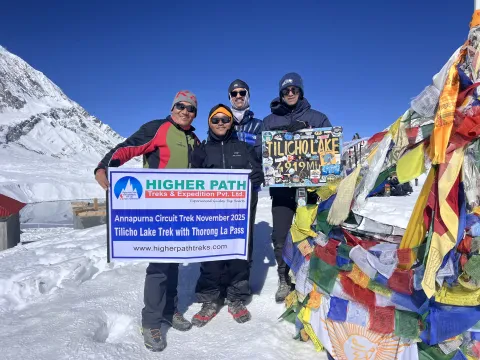
The circuit includes the Thorong La Pass (5,416m), the highest point of the trek, which requires careful acclimatization. Solo trekkers can experience Gurung and Thakali cultures along the way. Higher Path Treks & Expeditions helps independent travelers plan logistics for accommodations, meals, and route navigation, providing peace of mind while exploring freely.
Highlights of Annapurna Circuit Trek:
Langtang Valley Trek: Off the Beaten Path
Langtang Valley Trek is ideal for solo adventurers seeking quieter trails and unspoiled Himalayan landscapes. Located close to Kathmandu, it combines natural beauty with cultural insights into Tamang village life. This trek is less crowded than the Everest or Annapurna regions, offering solitude and a more personal trekking experience.
Trekking through rhododendron forests, highland meadows, and glacial streams, travelers encounter traditional villages and ancient monasteries. The area is recovering from the 2015 earthquake, and visiting supports local communities. Higher Path Treks & Expeditions can advise solo trekkers on route safety, accommodations, and navigation tips.
Highlights of Langtang Valley Trek:
Manaslu Circuit Trek: Remote and Rewarding
Manaslu Circuit Trek is a remote, off-the-beaten-path route ideal for experienced solo trekkers seeking challenge and serenity. The trek circles Mount Manaslu (8,163m), Nepal’s eighth-highest peak, offering pristine landscapes and authentic mountain culture. Restricted permits are required, making planning essential.
The trek passes through Tibetan-influenced villages, lush valleys, and rugged high passes like Larkya La (5,160m). Due to its remote location, fewer trekkers are encountered, giving a truly solitary experience. Higher Path Treks & Expeditions guides permit, logistics, and safety tips while letting solo adventurers navigate independently.
Highlights of Manaslu Circuit Trek:
Ghorepani Poon Hill Trek: Quick and Scenic
For solo travelers with limited time, the Ghorepani Poon Hill Trek offers a short but highly rewarding experience. Famous for panoramic sunrise views of the Annapurna and Dhaulagiri ranges, this trek can be completed in 4–5 days, making it ideal for beginners or travelers seeking a gentle adventure.
The trek passes through charming villages, terraced fields, and rhododendron forests. Despite being short, it offers spectacular photo opportunities and a sense of Himalayan accomplishment. Higher Path Treks & Expeditions can assist solo trekkers with itinerary planning and local insights without restricting exploration.
Highlights of Ghorepani Poon Hill Trek:
Staying in Teahouses vs. Camping Solo
Accommodation options play a crucial role in planning a solo trek in Nepal. Most popular trekking routes feature teahouses—small lodges providing meals and basic rooms—which are ideal for solo travelers who want comfort, safety, and opportunities to meet other trekkers. Teahouses often have shared bathrooms, hot showers (for a fee), and warm meals, reducing the need to carry heavy camping gear.
For those seeking complete independence or trekking in remote areas, camping is an option. Camping requires carrying tents, sleeping bags, cooking equipment, and food supplies, which can be physically demanding. However, it allows freedom to set your own pace, stay in isolated spots, and enjoy the wilderness privately. Higher Path Treks & Expeditions provides advice on choosing the right accommodation style depending on trail, season, and solo trekking experience.
Accommodation Tips:
Managing Expenses on Independent Treks
Budgeting is essential for solo trekkers to avoid unexpected costs. Daily expenses vary depending on the trek’s remoteness, altitude, and services. Major costs include accommodation, meals, permits, transportation, guide/porter fees (if needed), and trekking gear. Independent travelers can save money by choosing tea houses over luxury lodges, cooking their own meals on camping treks, or traveling in the shoulder season when prices are lower.
Solo trekkers should also account for emergency funds and health insurance. Using cash is often necessary in remote areas, as ATMs and card payments may be unavailable. Higher Path Treks & Expeditions can provide a practical breakdown of anticipated costs for each trek, helping solo adventurers plan effectively without overspending.
Budget Tips:
Interacting Respectfully with Local Communities
Nepalese culture is warm, welcoming, and deeply rooted in traditions. Solo trekkers who approach communities with respect and curiosity are often rewarded with meaningful interactions. Learning a few basic Nepali phrases, greeting locals with “Namaste,” and observing local customs enhances your cultural experience.
Visiting villages along the trek provides insight into daily life, agriculture, festivals, and religious practices. Solo travelers should be mindful of photography etiquette, avoid disrupting rituals, and respect personal space. Higher Path Treks & Expeditions encourages cultural awareness while supporting interactions that are authentic and safe for independent trekkers.
Cultural Etiquette Tips:
Festivals and Traditions You Might Encounter
Nepal is a country of vibrant festivals and traditions that often coincide with trekking seasons. Depending on the route and timing, solo trekkers may witness celebrations such as Dashain (festival of lights and family gatherings), Tihar (festival of lights and animals), or local harvest festivals. Festivals provide a unique window into Nepalese spirituality, community life, music, dance, and rituals.
Experiencing these traditions while trekking adds depth to your journey, offering cultural insights that go beyond scenery. Solo trekkers are encouraged to participate respectfully and learn from locals while observing rituals safely. Higher Path Treks & Expeditions guides festival timings, locations, and cultural significance, ensuring a rich and memorable trekking experience.
Festival & Tradition Highlights:
Staying Connected in Remote Areas
One of the main concerns for solo trekkers is staying connected in Nepal’s remote regions. While major trekking routes like Everest Base Camp and Annapurna Circuit have decent mobile coverage, more isolated trails such as Manaslu or Langtang may have limited connectivity. Solo travelers should plan ahead to maintain communication for safety and emergencies.
Carrying a local SIM card, a fully charged power bank, and GPS-enabled apps ensures that you can reach out if necessary. Satellite phones are a good option for extremely remote regions. Higher Path Treks & Expeditions can provide advice on connectivity options, recommended devices, and emergency contacts, allowing you to trek independently while staying secure.
Connectivity Tips:
Dealing with Emergencies Alone
Even the most prepared solo trekker may encounter unforeseen situations such as altitude sickness, injuries, or sudden weather changes. Being able to respond calmly and efficiently is crucial. Familiarity with first-aid, carrying a comprehensive first-aid kit, and knowing the nearest medical facilities along the route can make a huge difference.
Emergency evacuation options, such as helicopter services in high-altitude areas, should be part of your planning. Higher Path Treks & Expeditions guides emergency procedures, safe trekking practices, and backup plans while still respecting your independence as a solo traveler.
Emergency Preparedness Tips:
Planning Your Itinerary Efficiently
An efficient itinerary balances trekking distance, acclimatization, rest days, and sightseeing. Solo trekkers have the flexibility to adjust plans spontaneously, but careful planning ensures safety and maximizes enjoyment. Consider travel time to and from trailheads, seasonal weather conditions, and lodge availability.
Higher Path Treks & Expeditions helps solo travelers create flexible itineraries tailored to their pace, fitness, and personal interests while ensuring they remain on safe and scenic routes.
Itinerary Planning Tips:
Capturing the Journey: Photography Tips for Solo Travelers
Documenting your solo trek enhances memories and allows you to share your adventure. Natural lighting, early mornings, and iconic viewpoints can create stunning images. Solo trekkers can use tripods, selfie sticks, or self-timers to capture themselves in the landscapes without compromising safety.
Higher Path Treks & Expeditions advises travelers on the best locations for photography, safe angles on difficult trails, and ways to respect local communities while taking photos.
Photography Tips:
Capture sunrise/sunset for dramatic lighting
Mental Preparedness and Self-Motivation
Solo trekking requires mental resilience. Long walking days, unpredictable weather, and solitude can test your patience and focus. Setting small goals, staying positive, and celebrating daily milestones keep motivation high. Mindfulness practices, journaling, or meditation can enhance the experience of solitude and self-discovery.
Higher Path Treks & Expeditions encourages solo travelers to approach trekking as both a physical and mental journey, offering tips for motivation, mental focus, and personal reflection.
Mental Preparedness Tips:
Reflecting on the Transformative Power of Solo Trekking
Solo trekking in Nepal is more than an adventure—it is a transformative journey that challenges the body, mind, and spirit. Trekking independently allows travelers to connect deeply with nature, experience local cultures, and discover personal resilience. The mountains of Nepal provide a backdrop for reflection, growth, and unforgettable memories.
With proper preparation, safety measures, and thoughtful planning, solo trekking becomes a safe, empowering, and enriching experience. Higher Path Treks & Expeditions supports independent travelers, offering guidance while respecting your freedom to explore on your own terms.
Key Takeaways:
Encouragement to Explore on Your Nepalese Adventure
2026 is the perfect year to experience the magic of Nepal alone. Whether you choose the high-altitude challenge of Everest Base Camp, the cultural richness of Annapurna Circuit, or the quiet beauty of Langtang Valley, solo trekking promises growth, adventure, and memories that last a lifetime.
Higher Path Treks & Expeditions invites solo travelers to embrace the freedom, beauty, and challenges of Nepalese trekking, providing guidance and support to ensure your journey is safe, fulfilling, and unforgettable.
Final Encouragement:
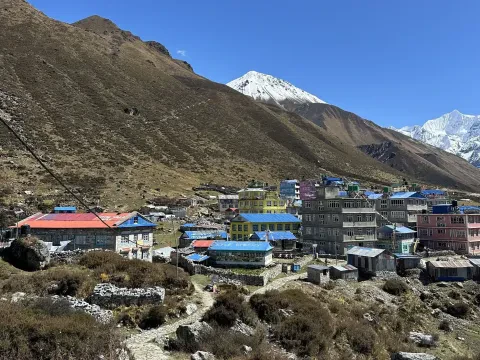
Langtang Valley, often called “the Valley of Glaciers,” is one of Nepal’s most scenic trekking destinations—perfect for both beginners and seasoned hikers. Nestled north of Kathmandu and bordering Tibet, this valley combines breathtaking alpine scenery, warm Tamang hospitality, and cultural richness in a relatively short trek
“Experience the Ultimate Himalayan Journey Across the World’s Most Diverse Trekking Route”
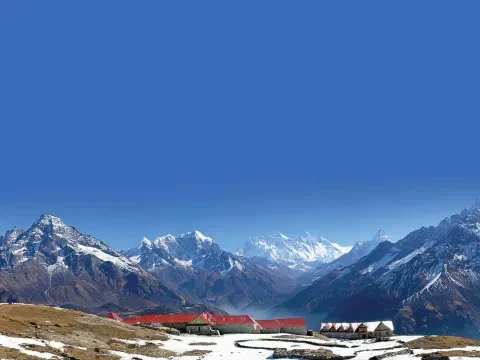
The Everest Luxury Trek is designed for travelers who wish to experience the grandeur of the Himalayas without compromising on comfort, safety, and personalized service. This journey blends breathtaking mountain scenery, Sherpa culture, and world-class hospitality, offering carefully selected luxury lodges, expert guides, and a well-paced