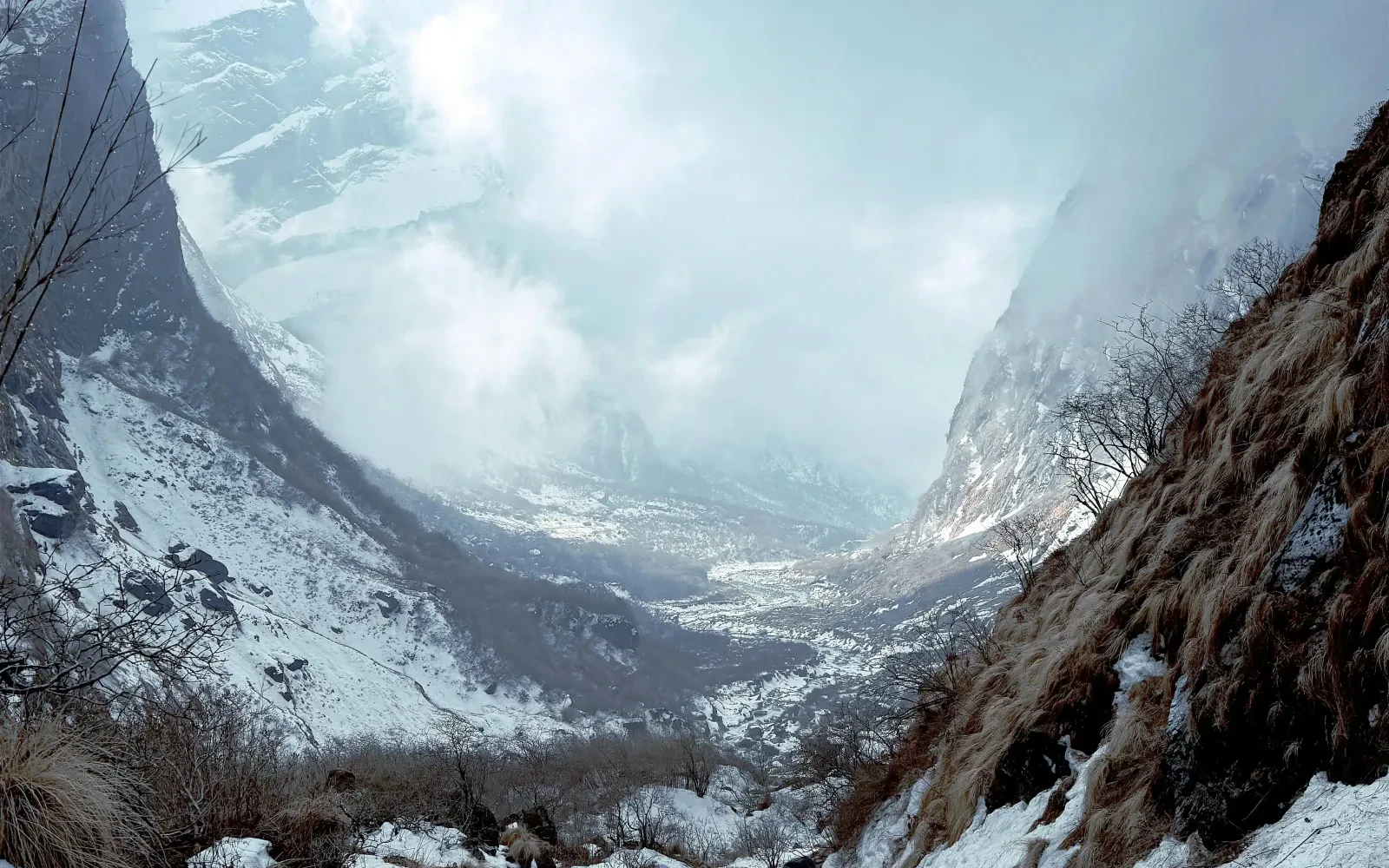
The thin mountain air hit me at 4,200 meters above sea level, somewhere between Namche Bazaar and Tengboche. My head throbbed with every heartbeat, and each breath felt like breathing through a straw. My body was screaming to turn back. This wasn't the romantic mountain adventure I'd imagined. This was altitude sickness, and it was very real.
Altitude sickness doesn't discriminate between marathon runners and casual hikers, young or old, first-timers or veterans. Understanding what happens to your body at high altitude and how to prevent and manage altitude sickness can mean the difference between the trek of a lifetime and a medical emergency.
When you climb higher, air pressure decreases. While oxygen percentage remains constant, lower pressure means your lungs can't extract oxygen as efficiently. Your body works overtime to compensate, and if you ascend too quickly without adaptation time, problems begin.
Altitude sickness, medically known as Acute Mountain Sickness (AMS), typically begins above 2,500 meters. Almost every major Nepal trekking route enters these zones. The Everest Base Camp trek reaches 5,364 meters. The Annapurna Circuit Trek crosses Thorong La Pass at 5,416 meters. Even the Langtang Valley trek climbs above 3,800 meters.
Your body needs time to adapt through acclimatization. This isn't weakness—it's biology. Even elite athletes need proper acclimatization. The key is understanding your body's responses and giving it adequate time to adjust.
(trips:annapurna-circuit-trek)
Acute Mountain Sickness (AMS) is most common and typically mildest. It feels like a terrible hangover with flu symptoms—pounding headache, nausea, appetite loss, dizziness, and exhaustion. These symptoms usually appear within 6-12 hours of reaching new altitude. About 75% of trekkers experience some AMS at high elevations.
High Altitude Pulmonary Edema (HAPE) occurs when fluid accumulates in lungs. This is serious and potentially fatal without immediate treatment. Symptoms include severe breathlessness at rest, persistent cough producing pink or white froth, extreme fatigue, chest tightness, and rapid heartbeat. HAPE requires immediate descent and often supplemental oxygen.
High Altitude Cerebral Edema (HACE) happens when fluid accumulates in the brain—the most dangerous form requiring immediate evacuation. Symptoms include severe unrelieved headache, loss of coordination, confusion, irrational behavior, extreme fatigue, vomiting, seizures, and potential unconsciousness.
The progression from mild AMS to HAPE or HACE can happen rapidly, making prevention and early recognition critical.
This question frustrates scientists—there's no simple answer. Age and fitness don't reliably predict altitude sickness. Teenagers get evacuated while seventy-year-olds thrive. Super-fit people sometimes fare worse because they push through warning signs.
Risk factors include previous altitude sickness episodes, ascending too quickly (the biggest risk factor), living at sea level, respiratory infections, and individual physiology. Women and men experience similar rates overall. Genetic factors influence red blood cell production and hypoxia responses.
You won't know how your body responds until you're at altitude. This is why proper acclimatization protocols matter for everyone, regardless of age or fitness.
Acclimatization is fascinating. Within hours, your breathing rate increases—your body's first defense against lower oxygen. Your heart rate increases to pump more blood. Over days, your body produces more red blood cells, increasing oxygen-carrying capacity. Blood vessels dilate in lungs, improving oxygen exchange.
These adaptations take time. Partial acclimatization to 3,500 meters needs about five days. Full acclimatization to 5,500 meters requires two weeks. This explains the "climb high, sleep low" advice—hike to higher altitudes during the day, but return lower to sleep in richer oxygen environments.
The Manaslu Circuit Trek and similar routes build in acclimatization days—not rest days for weak trekkers, but essential safety measures for everyone.
(trips:manaslu-circuit-trek)
I met a trekker on the Annapurna Base Camp trek—let's call him Tom. Former military, ultramarathon runner, mentally tough. He brushed off his headache at Machapuchare Base Camp. Forced himself to eat despite no appetite. Chalked dizziness up to dehydration.
By Annapurna Base Camp next morning, Tom could barely walk straight. His lips were blue. He was confused and combative when friends suggested descending. Our guide made the call—immediate descent, no negotiation. Tom's trek ended, but he was alive.
Tom's mistake was ignoring early warnings. Altitude sickness announces itself before becoming dangerous. Headache is usually first—a dull, persistent throb worsening with activity. If painkillers don't help, that's a red flag. Loss of appetite and nausea follow. Unusual tiredness despite reasonable exertion. Dizziness when standing up quickly.
Sleep disturbances are common above 3,000 meters. However, waking frequently gasping for air or irregular breathing during sleep are warning signs.
The critical question: are symptoms improving or worsening? Mild headache improving with rest is normal. Headache worsening over hours despite rest demands action. Symptoms not improving after a rest day mean you need to descend, not continue higher.
Trust your body. If something feels seriously wrong, it probably is. Mountains will be there for another attempt, but you only get one body.
The golden rule: ascend slowly. For treks above 3,000 meters, ascend no more than 300-500 meters per day in sleeping elevation. You can hike higher daily, but where you sleep matters most.
Build in acclimatization days—one rest day for every 1,000 meters gained above 3,000 meters. The Everest Base Camp trek 15 days includes multiple acclimatization days in Namche Bazaar and Dingboche. These are investments in summit success.
Hydration matters enormously. At altitude, you lose more water through breathing and urination. Aim for 3-4 liters daily. Urine should be clear to light yellow. Dark urine indicates dehydration, worsening altitude symptoms.
Avoid alcohol and sleeping pills—both depress your respiratory system when you need maximum oxygen intake. Eat carbohydrates—your body burns them more efficiently in low-oxygen environments than proteins or fats. Traditional dal bhat (lentils and rice) is ideal high-altitude fuel.
Consider acetazolamide (Diamox) prophylactically. It speeds acclimatization by making blood more acidic, stimulating breathing. Standard preventive dose is 125mg twice daily, starting the day before ascent. Discuss with a travel medicine doctor before your trek.
If mild symptoms appear, stop ascending immediately. Rest at current altitude for at least 24 hours. Most mild AMS resolves with rest, hydration, and symptom treatment. Ibuprofen or acetaminophen helps headaches. Anti-nausea medications relieve nausea.
Monitor symptoms carefully. If improving after 12-24 hours, you might continue ascending slowly once recovered. However, if symptoms persist or worsen, you must descend. There's no shame—continuing upward with active altitude sickness is dangerous.
Descent doesn't mean returning to the trailhead. Often, descending 300-500 meters provides dramatic improvement. On the Ghorepani Poon Hill trek, symptoms at Ghorepani (2,860m) often resolve by descending to Tikhedhunga (1,525m).
For moderate to severe AMS, immediate descent is non-negotiable. Don't wait. Don't see if symptoms improve with rest. Descend immediately, even through darkness with headlamps.
For HAPE or HACE, descent is critical and must be treated as emergency. These conditions can progress from manageable to fatal within hours. Helicopter evacuation may be necessary, which is why comprehensive travel insurance covering high-altitude trekking is essential.
Experienced guides are worth their weight in gold when it comes to altitude safety. A good guide watches for subtle signs of altitude sickness before you notice them yourself—your gait, your breathing pattern, your color, your behavior. They know when to slow down, when to take unscheduled breaks, and when to make the call that you need to descend despite your protests.
This is one reason why companies like Higher Path Treks emphasize guide qualifications and training. A guide who's completed wilderness first aid and altitude sickness recognition courses provides safety insurance that budget agencies skipping proper training can't match.
Porters also play critical roles in altitude safety. By carrying your heavy gear, they allow you to trek with light day packs, conserving energy for the climb itself. This isn't about luxury—it's about optimizing your body's capacity to acclimatize. Exhaustion increases altitude sickness risk, and trying to carry a 15-kilogram pack at 5,000 meters when you could be carrying 5 kilograms is poor risk management.
The Everest Base Camp with Gokyo Lakes trek and other extended high-altitude routes particularly benefit from porter support, allowing trekkers to focus entirely on acclimatization rather than load carrying.
Altitude sickness considerations multiply when you add actual climbing to your trek. Peak climbing attempts like Mera Peak climbing or Island Peak climbing require extended time at very high altitude, often including camping at 5,000+ meters before summit attempts reaching above 6,000 meters.
Summit day typically begins around midnight or 1 AM, requiring 8-12 hours of strenuous climbing at extreme altitude. Physical exhaustion, cold, and altitude stress combine to challenge your body in ways that trekking alone doesn't. This is why proper acclimatization before attempting peaks is absolutely essential.
Most reputable operators schedule extensive acclimatization for climbing expeditions. The Island Peak climbing with Everest Base Camp trek spends nearly two weeks trekking through the Khumbu region before the climbing portion, allowing thorough altitude adaptation.
Even well-acclimatized climbers can develop altitude sickness on summit day due to the extreme altitude and exertion. This is why climbing with experienced guides, carrying descent medications, and having contingency plans for early descent or emergency evacuation matters so much.
Altitude sickness affects children at similar rates to adults, but recognition is more challenging because young children often can't articulate symptoms clearly. A child might become irritable, refuse to eat, or seem lethargic without being able to explain that they have a headache or feel nauseous.
For this reason, many trek operators recommend against taking children under ten years old on treks exceeding 3,000 meters. Teenagers can usually communicate symptoms clearly and often acclimatize quite well, though they still require the same gradual ascent protocols as adults.
The Mardi Himal trek and Pikey Peak trek reach moderate altitudes around 4,000 meters and are popular with families specifically because the altitude remains manageable for children with appropriate acclimatization.
Certain medical conditions require special consideration for high-altitude trekking. Heart disease, especially coronary artery disease, increases risk because altitude stresses the cardiovascular system. Anyone with heart conditions should get cardiologist clearance before attempting high-altitude treks.
Lung conditions like asthma or chronic obstructive pulmonary disease (COPD) complicate altitude exposure since your lungs already struggle with oxygen exchange at sea level. Many people with well-controlled asthma successfully complete high-altitude treks, but they need careful monitoring and medication adjustment.
Sickle cell trait carriers face increased risk of splenic infarction at altitude, which can be life-threatening. If you carry sickle cell trait, discuss altitude exposure risks thoroughly with a hematologist before planning a trek.
High blood pressure itself isn't necessarily a contraindication to altitude trekking if it's well-controlled with medication. However, blood pressure often increases at altitude, so monitoring and medication adjustment may be necessary.
Obesity increases altitude sickness risk because excess weight increases oxygen demand while reducing respiratory efficiency. However, many overweight trekkers successfully complete high-altitude treks by ascending very gradually and being vigilant about symptoms.
Diabetes requires careful management at altitude due to altered insulin absorption, changes in activity level and food intake, and difficulty recognizing hypoglycemia symptoms that can mimic altitude sickness. Diabetics can trek at high altitude successfully but need comprehensive planning with their endocrinologist.
Modern technology offers tools for monitoring altitude adaptation, though none replace clinical judgment and symptom awareness. Pulse oximeters measure blood oxygen saturation and can help identify people not acclimatizing well before severe symptoms develop. However, pulse oximetry alone doesn't diagnose altitude sickness—some people function fine with lower oxygen saturations, while others develop symptoms with normal readings.
Many trekkers use the Lake Louise Altitude Sickness Score, a standardized questionnaire for assessing AMS symptoms. Guides familiar with this scoring system can quantify symptom severity and track whether you're improving or worsening over time.
Smartwatches and fitness trackers that monitor heart rate and blood oxygen provide useful trend data, though accuracy varies. Seeing your resting heart rate increase steadily over several days while your oxygen saturation decreases might indicate poor acclimatization even before obvious symptoms appear.
Comprehensive travel insurance covering medical evacuation from high altitude is not optional—it's essential. Helicopter evacuation from 5,000+ meters can cost $5,000-$10,000 or more. Without insurance, you might face an impossible choice between life-saving evacuation and financial ruin.
Read your insurance policy carefully. Some policies exclude coverage for trekking above certain elevations. Others won't cover helicopter rescue unless ground evacuation is impossible. Make sure your policy specifically covers the maximum altitude you plan to reach.
The Everest Three Passes trek crosses three high passes above 5,000 meters and ventures into remote areas where helicopter evacuation might be the only medical transport option. Your insurance should explicitly cover these altitudes and activities.
Beyond the main forms of altitude sickness, several other altitude-related issues can affect trekkers.
High-altitude peripheral edema causes swelling of hands, feet, and face due to fluid redistribution at altitude. It's usually benign but can be uncomfortable. Reducing salt intake and elevating swollen limbs while resting helps. However, if swelling is severe or accompanied by other symptoms, it might indicate HAPE or HACE.
High-altitude retinal hemorrhage occurs when small blood vessels in the retina rupture due to altitude exposure. Most cases cause no symptoms and resolve spontaneously after descent, but in rare cases, hemorrhages can affect vision. If you notice vision changes at altitude, descend immediately.
Altitude can trigger migraines in people prone to them, often more severe than usual migraines. Standard migraine medications usually work, though some find altitude-triggered migraines don't respond to their usual treatments.
Sleep quality at altitude suffers for most people. Periodic breathing—alternating periods of rapid breathing and breath-holding during sleep—is normal above 3,000 meters but can be disconcerting. Acetazolamide helps by smoothing out breathing patterns. Sleeping pills should be avoided as they depress respiration.
Altitude sickness carries no shame, yet many trekkers feel like failures when symptoms force them to descend or abandon summit attempts. This psychological burden adds genuine distress to the physical misery of altitude sickness.
Understanding that altitude sickness reflects biology, not character, helps. Experienced mountaineers regularly turn around due to altitude issues—it's part of responsible mountain travel. The Upper Mustang trek and Mustang trek both reach significant altitude, and even guides who've completed these routes dozens of times still monitor themselves carefully for symptoms.
Local communities in mountain regions understand altitude sickness well and show no judgment toward trekkers who need to descend. Tea house owners and lodge staff have seen thousands of altitude sickness cases and treat it as a medical issue requiring practical response, not a personal failing.
While you can't truly acclimatize to high altitude before arrival in Nepal, you can optimize your body's fitness and health to give yourself the best chance of successful acclimatization.
Cardiovascular fitness helps your body deliver oxygen efficiently to tissues. Regular aerobic exercise—running, cycling, swimming, hiking—for at least 30-45 minutes, 4-5 times weekly, builds the foundation for high-altitude trekking. This isn't about being able to run marathons; it's about basic cardiovascular efficiency.
If you live near mountains, spending time at moderate altitude (1,500-2,500 meters) before your Nepal trek can help you identify how your body responds to altitude in a lower-stakes environment. If you live at sea level, you're starting from baseline, but proper itinerary planning compensates for this.
Stop smoking well before your trek—ideally permanently. Smoking reduces oxygen-carrying capacity and increases altitude sickness risk. Even if you can't or won't quit long-term, stopping at least two weeks before your trek gives your lungs time to improve function.
Avoid respiratory infections before traveling. Upper respiratory infections increase altitude sickness risk and generally make high-altitude trekking miserable. If you develop a significant cold or flu just before departure, consider postponing your trek.
If you're particularly concerned about altitude or have experienced severe altitude sickness before, Nepal offers spectacular lower-altitude trekking options.
The Ghorepani Poon Hill trek maxes out around 3,200 meters, providing stunning Himalayan views with minimal altitude risk. The Khopra trek offers a similarly beautiful but slightly more remote experience at comparable altitudes.
Lower-altitude routes in the Annapurna region also include the Annapurna Poon Hill short trek, which delivers mountain vistas without extended high-altitude exposure.
These treks shouldn't be dismissed as "lesser" experiences. They traverse through beautiful rhododendron forests, traditional villages with rich cultural experiences, and viewpoints showcasing some of Nepal's most famous peaks. Many trekkers actually prefer these routes precisely because they can focus on enjoying the journey rather than managing altitude symptoms.
Altitude research continues advancing our understanding of how bodies adapt to hypoxia. Recent studies have identified genetic factors that influence altitude tolerance—populations living at high altitude for thousands of years, including Tibetans and some Sherpa communities, have developed genetic adaptations that help them function more efficiently in low-oxygen environments.
Research into altitude preconditioning—techniques to prepare bodies for altitude before exposure—shows promise. Some athletes use intermittent hypoxia training, breathing reduced-oxygen air at sea level to trigger some acclimatization responses before traveling to altitude. However, this approach requires specialized equipment and supervision.
Studies on altitude sickness medications continue refining treatment recommendations. Dexamethasone, a powerful steroid, effectively treats severe AMS, HAPE, and HACE and is often carried on high-altitude expeditions like the Manaslu Tsum Valley trek as emergency medication. However, dexamethasone only treats symptoms without facilitating acclimatization, so descent remains necessary.
Everything I've described comes down to a simple truth: respect the altitude. The mountains don't care about your schedule, your fitness level, or how far you've traveled. They demand adaptation time, and if you don't provide it, they'll exact consequences.
Successful high-altitude trekking requires humility to recognize your limitations, wisdom to plan conservatively, and courage to descend when needed even if that means abandoning summit goals. These aren't signs of weakness—they're hallmarks of experienced mountain travelers who understand that the objective is reaching home safely with an incredible experience, not reaching any particular destination at any cost.
Whether you're planning the Langtang Gosaikunda and Helambu trek, the challenging Everest Three Passes trek, or attempting peaks like Lobuche Peak climbing with Everest Base Camp trek, altitude considerations should influence every aspect of your planning—from itinerary length to budget to insurance coverage.
The Himalayas offer some of Earth's most extraordinary experiences. They demand respect, preparation, and realistic self-assessment. Give yourself the time to acclimatize properly. Listen to your body. Trust your guide's advice. Be willing to turn around if needed.
The mountains will wait. Your body won't.
About the Author: This comprehensive guide draws on extensive research into altitude physiology, years of trekking experience in Nepal's mountains, and countless conversations with guides, doctors, and fellow trekkers who've navigated both successful acclimatization and altitude sickness challenges. The goal is providing honest, practical information that helps you make informed decisions for your own Himalayan adventure.
Ready to plan your Nepal trek with proper altitude considerations built into your itinerary? Higher Path Treks specializes in carefully designed itineraries that prioritize safe acclimatization while maximizing your mountain experience. From the spectacular Gokyo Lake trek to more adventurous routes like the Nar Phu Valley Kang La Pass and Thorong Pass trek, every route is planned with altitude safety as a priority. Even specialized experiences like the Everest Helicotper Flight and Breakfast at Everest View Hotel or the Langtang Valley trek with Return by Helicopter consider altitude exposure timing.
The mountains are calling. Are you ready to answer—safely and successfully?
Planning the Everest Base Camp Trek? Discover the essential packing list, permits, fitness tips, altitude sickness advice and practical preparation tips to help you enjoy a safe and unforgettable trekking adventure in Himalayas Nepal.
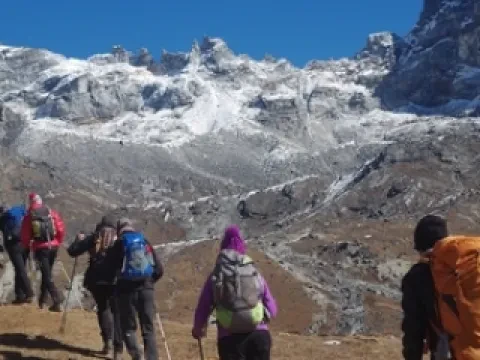
<p>A recent addition, the much-talked-about trek in Nepal in recent times is the Gokyo Valley Trek. This trek promises to provide the most jaw-dropping views of the Himalayas towering over 8000 meters such as Mt. Everest (8848m), Cho Oyu (8188m), Lhotse (8414m) and Makalu (8463m) along with the largest glacier of Nepal, Ngozumpa. Declared as a Ramsar Site in 2007, Gokyo houses the highest freshwater lake system of the world, consisting of six main lakes. <br></p>
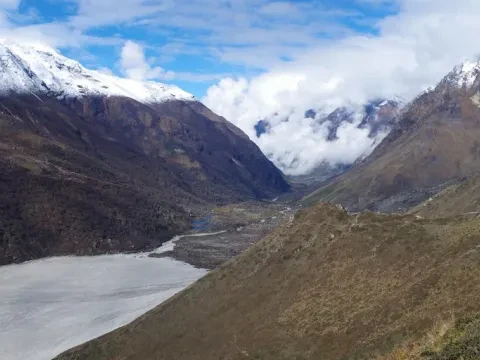
A beautiful journey begins in Kathmandu, with the vibrant city opening its arms to all backpackers. Roads from Kathmandu lead to Dhunche and Syabrubensi, a remote town in the foothills of Langtang region. Much anticipated trek of the Langtang starts here with a hike to Lama Hotel and then Mundu.
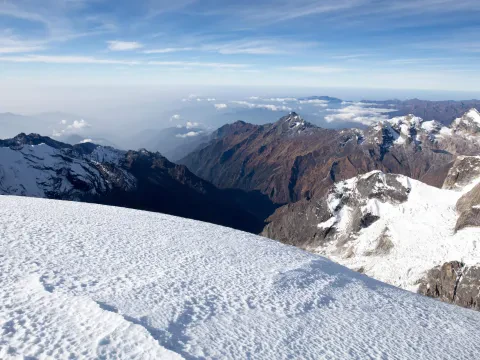
<p>Mera peak is great panorama outstanding view point of 6470m peak in Everest region. Marvelous view of mountains such as: Kyashar- 6770m,Cho Oyu- 8153m,Khangtega- 6685m,Ama Dablam- 6856m,Nuptse- 7861m,Lhotse- 8501m,Baruntse- 7168m,Everest- 8848m,Makalu- 8475m,Kanchaenjunga- 8586m.</p>
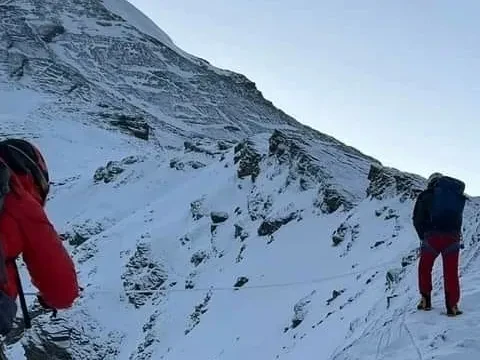
<p>The Annapurna region is one of Nepal’s most accessible and diverse areas for trekkers and climbers, making it an ideal location for beginners who are looking to combine trekking with their first peak-climbing experience. </p>
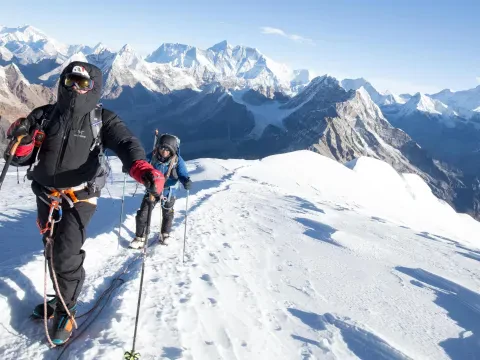
The best time for peak climbing in Nepal generally falls within two major seasons: spring (March to May) and autumn (September to November). These periods provide the most stable weather conditions, clear skies, and optimal temperatures for climbing.
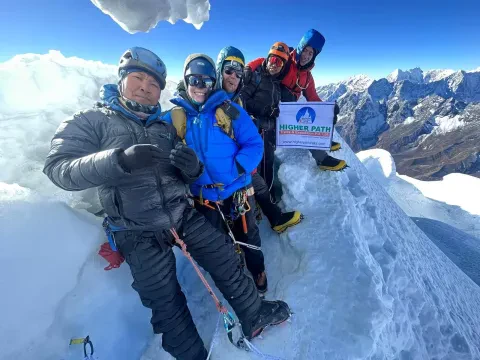
<p>Nepal is a paradise for mountaineers, offering some of the world’s most spectacular peaks for climbing enthusiasts. From the towering giants of the Himalayas to the more accessible trekking peaks, Nepal attracts thousands of climbers every year.</p>
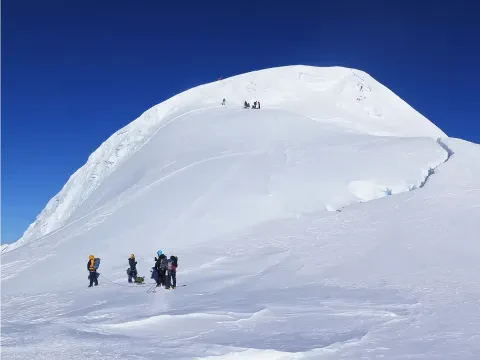
<p>When it comes to trekking peaks in Nepal, Mera Peak (6,476m) and Island Peak (6,189m) are two of the most popular choices for climbers seeking high-altitude adventures. Both peaks offer thrilling challenges, breathtaking scenery</p>
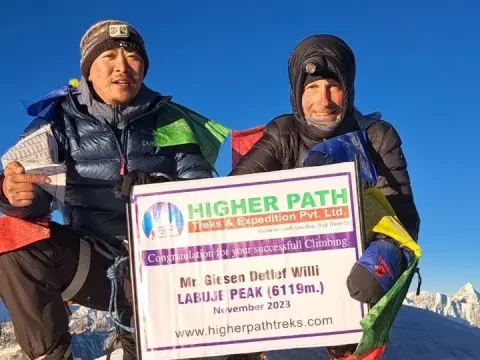
<p>The Gokyo Cho La Pass and Lobuche Peak Climbing expedition is an exhilarating adventure that combines some of the most stunning landscapes of the Everest region with the thrill of summit climbing. This trek and climb are perfect for those seeking</p>
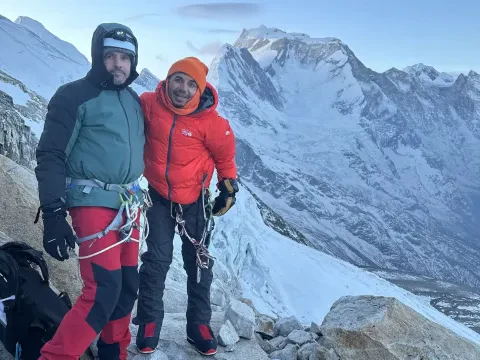
<p>Larkya Peak, standing at 6,249 meters (20,500 feet), is a prominent and thrilling destination for mountaineers seeking a challenging yet rewarding climbing experience. Situated in the remote Manaslu region of Nepal, the peak offers an exciting combination</p>
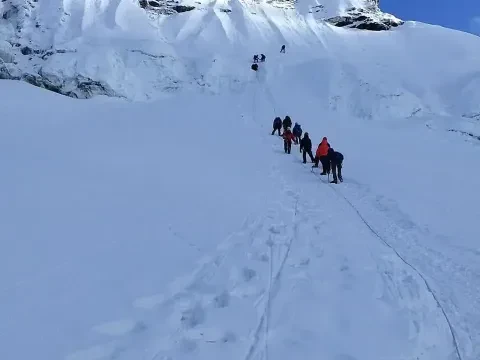
<p>Nepal is widely regarded as the ultimate destination for mountain enthusiasts and climbers worldwide, offering some of the most spectacular peaks and varied climbing challenges on the planet. Nestled in the heart of the Himalayas</p>
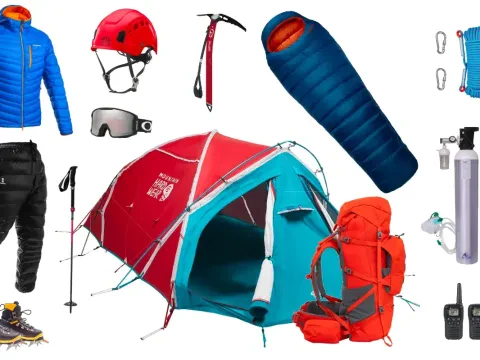
<p>Nepal, home to the majestic Himalayas and eight of the world’s fourteen highest peaks, offers an unmatched experience for adventure seekers. Peak climbing in Nepal serves as the perfect introduction to high-altitude mountaineering for those looking to go</p>
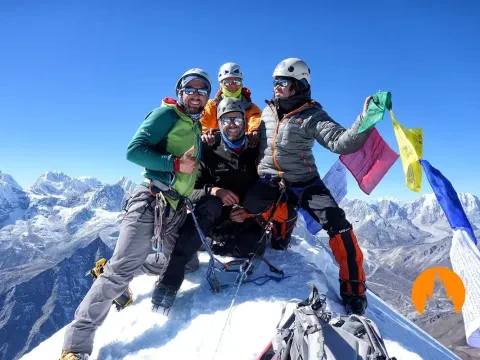
<p>Nestled in the heart of the Himalayas, Nepal’s high country stands as the ultimate destination for peak climbers and adventurers seeking to challenge themselves against some of the world’s most majestic and demanding mountains. Known as “The Roof of the World,”</p>
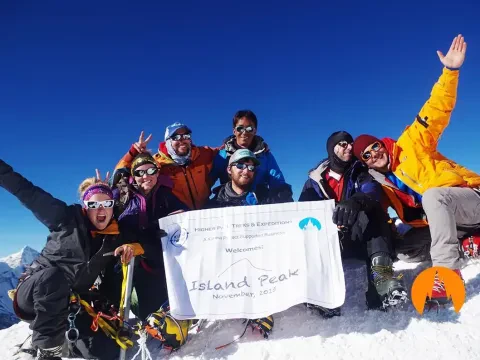
<p>Nepal’s towering Himalayas have long been a magnet for adventurers and mountaineers worldwide. Beyond the iconic summits like Everest and Annapurna, Nepal offers a rich selection of trekking peaks that provide the perfect blend of adventure, challenge, and breathtaking natural beauty</p>
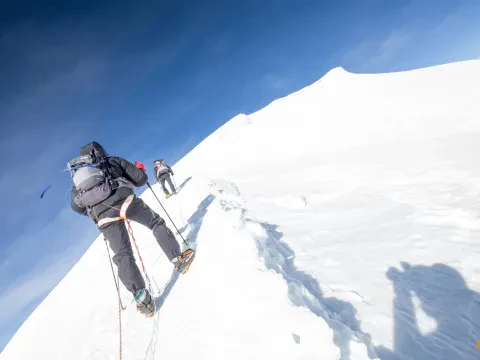
<p>Nepal is widely regarded as the ultimate playground for mountaineers and trekkers from around the world. Home to eight of the fourteen highest mountains on Earth, including the legendary Mount Everest, Nepal offers a diverse range of peak climbing experiences</p>
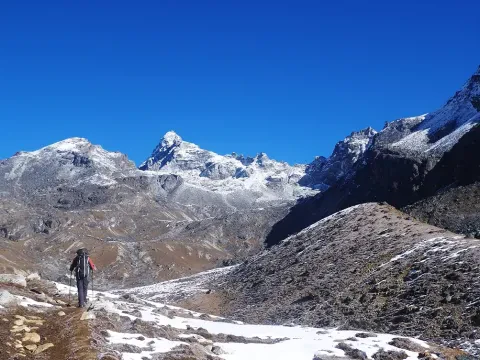
<p>Trekking to Everest Base Camp (EBC) is a dream for adventurers worldwide, and many wonder if it’s possible to do it solo. Solo trekking to EBC is indeed possible, though it comes with unique challenges and responsibilities. Unlike guided treks, solo trekking requires self-reliance, careful planning, and a deep understanding of the route, weather, and altitude conditions.</p>
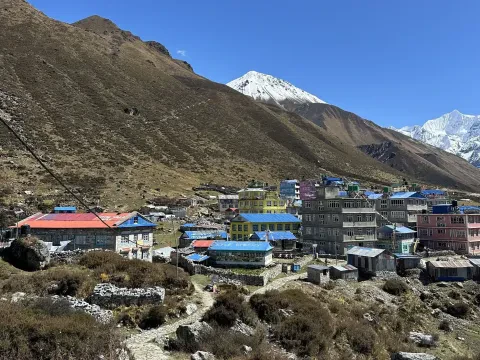
Langtang Valley, often called “the Valley of Glaciers,” is one of Nepal’s most scenic trekking destinations—perfect for both beginners and seasoned hikers. Nestled north of Kathmandu and bordering Tibet, this valley combines breathtaking alpine scenery, warm Tamang hospitality, and cultural richness in a relatively short trek