
Everest Three Passes Trek
| Trip code | |
| Package name | Everest Three Passes Trek |
| Duration | 22 |
| Max. elevation | 5640 m |
| Level | difficult |
| Transportation | All ground transportation and Domestic flight as per itinerary |
| Accomodation | |
| Starts at | Kathmandu |
| Ends at | Kathmandu |
| Trip route | <p>Kathmandu-Manthali-Lukla-Phakding-Namche-Khumjung-Pangboche-Dingboche-Chhukung-Kongma La Pass-Lobuche-Gorakshep-Everest Base Camp-Dzongla-Cho La Pass-Thangnak-Gokyo-Renjo La Pass-Lungden-Namche-Lukla-Kathmandu</p> |
Highlights
- Cross the three high passes: Cho La Pass (5,420 m), Renjo La Pass (5,400 m), and Kongma La Pass (5,535 m) offering stunning panoramic views and a thrilling high-altitude challenge.
- Experience the spectacular Everest Three High Passes Trek route.
- Cross several suspension bridges including the iconic Hillary Suspension Bridge.
- Visit the iconic Everest Base Camp, the base camp of the world's highest Mountain Everest, surrounded by towering Himalayan giants.
- Explore the pristine glacial lakes of Gokyo, known for their stunning turquoise waters and dramatic mountain backdrop.
- Enjoy breathtaking views of Everest, Lhotse, Makalu, Cho Oyu, Nuptse, Pumori, Ama Dablam, and more from various viewpoints along the trek.
- Experience the warm hospitality and unique traditions of the Sherpa people in villages like Namche Bazaar and Khumjung.
- Trek through Sagarmatha National Park, a UNESCO world heritage site, experiencing diverse flora and fauna including rare Himalayan species.
- Visit one of the region's most significant monasteries with stunning mountain views.
- Walk across the Khumbu glacier and Ngozumpa glacier.
- Navigate rugged landscapes, moraines, and glaciers, offering a true wilderness experience in the heart of the Himalayas.
- Enjoy sunrise from Kala Patthar.
Overview
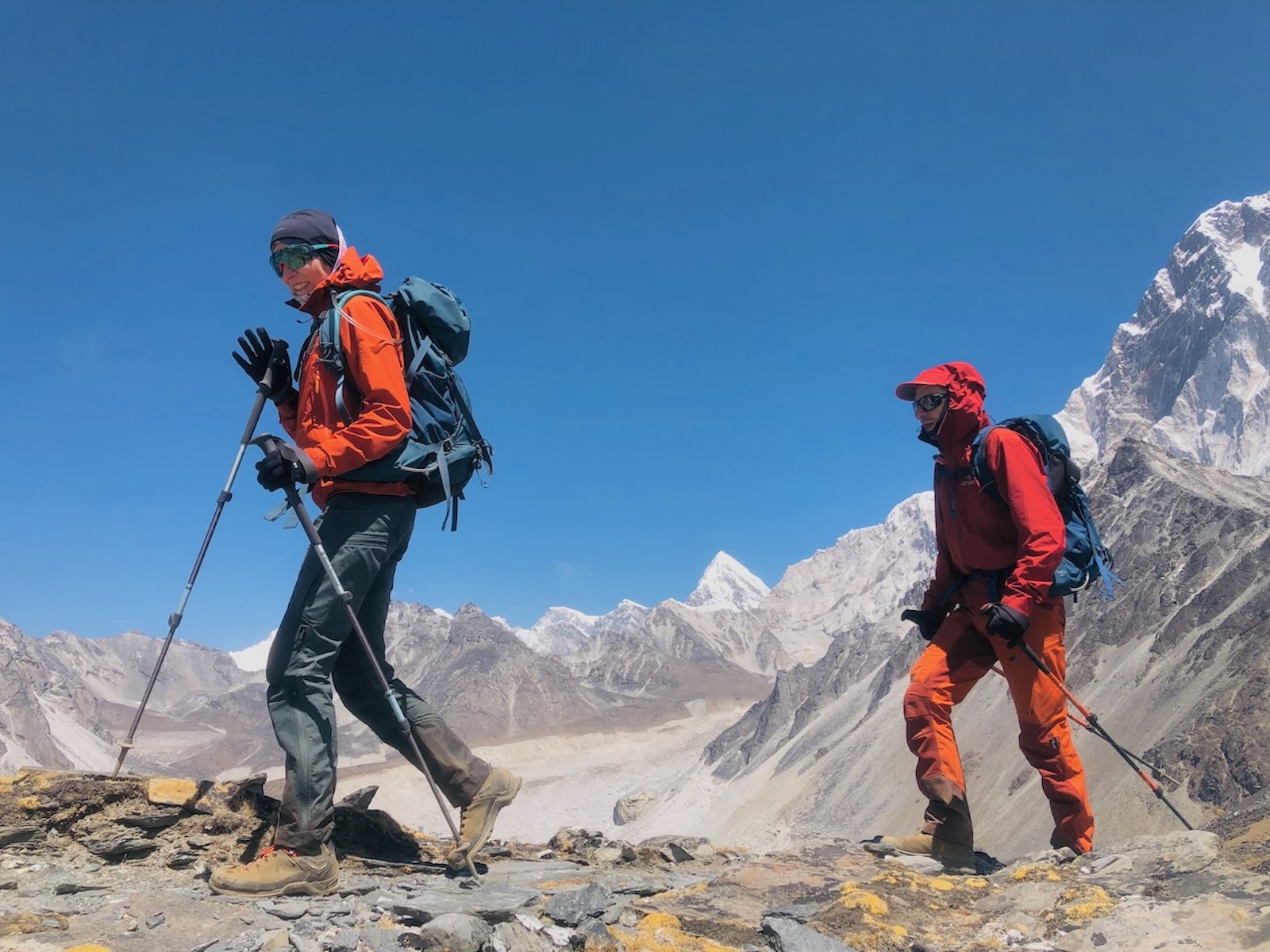
The Everest Three Passes Trek is Nepal's ultimate high altitude adventure, taking you crossing Kongma La Pass (5,535 m), Cho La Pass (5,440 m) and Renjo La Pass (5,400 m) while visiting the famous and iconic destinations Everest Base Camp, Gokyo lakes, Gokyo Ri, Kala Patthar, Khumbu glacier, Ngozumpa glacier and Khumbu Valley. This spectacular circuit offers you the spectacular views of mount Everest, Lhotse, Makalu, Cho Oyu, Pumori, Nuptse, Ama Dablam, Island Peak, Lobuche Peak, Cholatse, Thamserku, Khangteka and numerous Himalayan Peaks. Along the way trekkers experience the traditional Sherpa culture and lifestyle, walk through lush rhododendron and pine forests, visit ancient Buddhist monasteries, and explore famous places such as Namche, Khumjung, Tengboche, Dingboche, Lobuche, Chhukung, Gorakshep, Dzongla, Gokyo and remote Himalayan landscapes.
The Three Passes Trek is one of the Nepal's most challenging and rewarding high altitude adventure. This isn't a casual mountain walk where you show up moderately fit and push through. This is 22 days of serious high-altitude trekking in Nepal, crossing three high passes above 5,300 meters, spending nearly two weeks above 4,000 meters, and testing every ounce of physical and mental endurance you possess.
But here's what makes it legendary: if you can handle it, this Three Pass Trek delivers the most comprehensive Everest region experience possible. You're not just visiting—you're completing the spectacular circuit through the entire Khumbu region, seeing remote landscapes and view points that most trekkers of the classic Everest trekkers route never experience.
The Everest Three Passes Trek is more than a trek - it's one of the greatest trekking adventures in Nepal in Khumbu region.
Quick Facts of Everest Three Passes Trek
- Duration: 22 days
- Destination: Everest Region
- Trip Style: Trekking
- Maximum Altitude: 5,640 m (Kala Patthar)
- Trek Grade: Moderate to difficult
- Best Seasons: Spring (March-May), and Autumn (September-November)
- Daily Walking: 5-8 hours
- Accommodation: Mountain lodges / Teahouse
- Meals: Breakfast, lunch and dinner (during the trek)
- Group Size: 1-20 trekkers
Who is This Trek For?
The Everest Three Passes Trek is ideal for travelers who want to experience the three passes of Everest region with Everest Base Camp. Its perfect for good physical fitness trekkers, which offers the perfect balance of challenge, authentic Sherpa culture, Mountain lifestyle and breathtaking views in Khumbu Valley.
Everest Three Passes Trek Difficulty
The Everest Three Passes Trek is considered as challenging Himalayan adventure in Khumbu region, Nepal. With good physical fitness, proper preparation and well acclimatize beginners can complete this trek without previous trekking experience.
Best Seasons for the Everest Three Passes Trek
Optimal: October to early November
Why this is peak season:
- Post-monsoon clarity clear days
- Stable weather patterns
- Comfortable daytime temperatures
- All passes reliably passable
- Dashain and Tihar festivals adding cultural richness
The downside: Crowds. You'll share trails with hundreds of trekkers daily on main routes (though passes themselves are less crowded).
Excellent: Late March to April
Spring advantages:
- Rhododendron forests blooming (spectacular below 3,500m)
- Warming temperatures
- Very good weather stability
- Slightly fewer trekkers than autumn
Considerations: Cho La can still have significant snow in March. May gets hazy with pre-monsoon clouds building afternoons.
Possible but challenging: December to February
Winter realities:
- Extreme cold (-20 to -30°C at high camps)
- Cho La often need climbing skills
- Some higher lodges closed
- Shorter days (less trekking time)
- Risk of deep snow on passes
Who does winter treks: Experienced mountaineers seeking solitude, photographers wanting crystal-clear skies, hardcore trekkers who've done this route before.
Avoid: June to September
Monsoon makes this trek miserable:
- Clouds obscure mountain views constantly
- Rain at lower elevations, snow at passes
- Leeches below 3,000 m
- Landslide risk
- River crossings become dangerous
Permits For the Everest Three Passes Trek
For the Everest Three Passes Trek, trekkers need two different permits.
- Sagarmatha National Park Entry Permit,
Khumbu Pasang Lhamu Rural Municipality (Local Government) Permit.
Higher Path Treks & Expeditions arranges both permits for you.
Accommodation and Meals During the Everest Three Passes Trek
During this trek accommodation is provided in comfortable teahouses or mountain lodges, on a twin-sharing basis. Rooms are simple and cozy. Attached bathrooms are available in Phakding, Namche, Pangboche, Dingboche and Lukla, while shared bathrooms are in Lobuche, Gorakshep, Pheriche and Khumjung.
Breakfast, lunch and dinner are provided during the Three Passes Trek. Every teahouse has their own food menu, while trekkers can choose their meals from menu. They prepare local and some international dishes. Vegetarian meals are highly recommended, which are prepared freshly, nutritious and easy to digest. Meat is transported over long distances, so it may not be always fresh at higher altitude.
Everest Three Passes Trek Altitude and Acclimatization
The highest altitude of Everest Three High Passes Trek is Kala Patthar (5,640 m) including Three Passes Kongma La Pass (5,535 m), Cho La Pass (5,440 m) and Renjo La Pass (5,400 m). To complete this trek good physical fitness and proper acclimatization is required. We have two days acclimatization day in Namche and Dingboche to make the trip enjoy, safe, enjoyable and memorable.
Communication on the Route of the Everest Three Passes Trek
Mobile network (Ncell and NTC) is available in the most of the Everest region, except Lobuche, Gokyo and Lungden, but internet Wi-Fi is available in every places. Due to the high altitude and weather condition sometime internet speed may be slow.
Trekkers can use local SIM cards such as Ncell and Nepal Telecom. Our guides also carry communication devices and remain connected with the team throughout the the Trek.
Physical Preparation for the Everest Three Passes Trek
You don't need to be an ultra-athlete to complete three passes trek in Nepal, but you should have good level of fitness. Aim to hike a day for 5-7 hours with a day pack and 7-9 hours during the crossing passes days.
The best preparation is hiking with elevation gain. If you live somewhere flat area, climb the stairs with a backpack for strength. Do regular cardio exercises like hiking, walking, running and cycling for your stamina.
Everest Three Passes Trek Cost
The Everest Three Passes Trek costs USD 2,125 per person. The cost may vary depend on group size, accommodation, transportation and service included in the package. This packages includes permits, accommodation and meals during the trek, an experienced trekking guide, porter service, and domestic transportation as itinerary.
Why To Trek With Higher Path Treks & Expedition?
Higher Path Treks provides a professionally managed Himalayan experience with experienced local Sherpa guides, reliable logistics, and personalized support throughout the trekking.
Licensed Experienced Guides: Our guides have extensive knowledge of the Everest region. Their expertise helps trekkers manage altitude concerns, and maximize the chances of a successful achievement of Everest Three Passes Trek.
Well Planned Itinerary: Our itinerary is designed to suit different experience levels and travel preferences while maintaining proper acclimatization for high altitude adventure.
Transparent pricing: Our pricing is transparent, we provide clear information about our included service, permit, accommodation, meal without hidden charges. No extra charges for services included in your package.
Safety: Safety is our top priority, with careful well acclimatization planning, regular health monitoring, and emergency support arrangements when needed.
Customer Focused Service: We focus on creating a personalized and stress-free adventure for every traveler. From airport assistance and permit arrangements to accommodation, meals and we handle every detail so you can focus on enjoying your Himalayan journey.
Conclusion
Everest Three Passes Trek is an unforgettable Himalayan adventure in Khumbu region, Nepal. With experienced guides, proper acclimatization and reliable support from Higher Path Treks & Expedition, this high passes adventure offers a safe and rewarding experience for adventure seekers looking to explore the Everest region, Nepal.
Ready for the Everest Three Passes Trek?
Contact Higher Path Treks & Expeditions. Let's discuss whether you're ready, what preparation you need, and how we'll support you through this extraordinary adventure.
The Everest High Passes are waiting. The question is: are you?
Helpful Blogs About Trekking in the Everest Region:
Uncover the best blogs about trekking in the Everest region, featuring expert advice, detailed itineraries, personal experiences, and essential tips for adventurers looking to explore the Himalayas.
Photography Guide: Capturing the Himalayas Without Expensive Gear
Everest Luxury Trek: An Unforgettable Himalayan Experience
Nepal Peak Climbing 2026: Routes, Tips, and Top Summits
Solo Trekking to Everest Base Camp: Is It Possible?
Top 10 Highlights of the Everest Base Camp Trek
Successfully Trekking to Everest Base Camp and Kala Patthar
Why Famous Trekkers Choose Everest Base Camp?
Autumn Season to Everest Base Camp Trek
The Best Hiking Adventures: Famous Peak Climbs in 2025
Top Himalayan Peaks for Beginner Climbers: A Comprehensive Guide
Everest Three Peaks: A Beginner’s Guide to the Ultimate Himalayan Challenge
Is Peak Climbing in Nepal Easy for Beginners?
Must-Know Facts About Everest Base Camp Trekking
Why Gokyo Ri is a Must-Visit for Everest Trek Lovers
Mera Peak Climbing Guide for Beginners: Tips, Difficulty & Preparation
Top Best Expedition Packages in Nepal 2025
Which is Easier: Mera Peak or Island Peak?
Why Choose Island Peak Climbing with Everest Base Camp Trek for Beginners
Best Trekking Peaks in Everest Region for Beginners
Trip Preparation
Trip Itinerary
Day 1 : Arrival in Kathmandu (1,400 m) and Transfer to Hotel
Upon your arrival at Tribhuvan International Airport in Kathmandu, you'll be greeted by our representative and transferred to your hotel in Thamel or a similar area. Depending on your arrival time, you can explore the bustling streets of Kathmandu, visit ancient temples, or simply relax and prepare for your trek. In the evening, there will be a briefing about the trek, where you'll meet your guide and fellow trekkers. You'll have time to ask any questions and make final preparations for your adventure.
Day 2 : Afternoon Drive to Manthali from Kathmandu
In the early afternoon, The drive to Manthali, approximately 5-6 hours, take you through diverse landscapes of terraced fields, rural villages, and winding mountain roads. Along the way, see glimpses of distant snow-capped peaks, a reminder of the adventure awaiting you. Arriving in Manthali, settle in for the evening, prepare mentally and physically for the next day's early start.
Day 3 : Morning Fly to Lukla (2,840 m) and Trek to Phakding (2,610 m) - 4-5 hrs
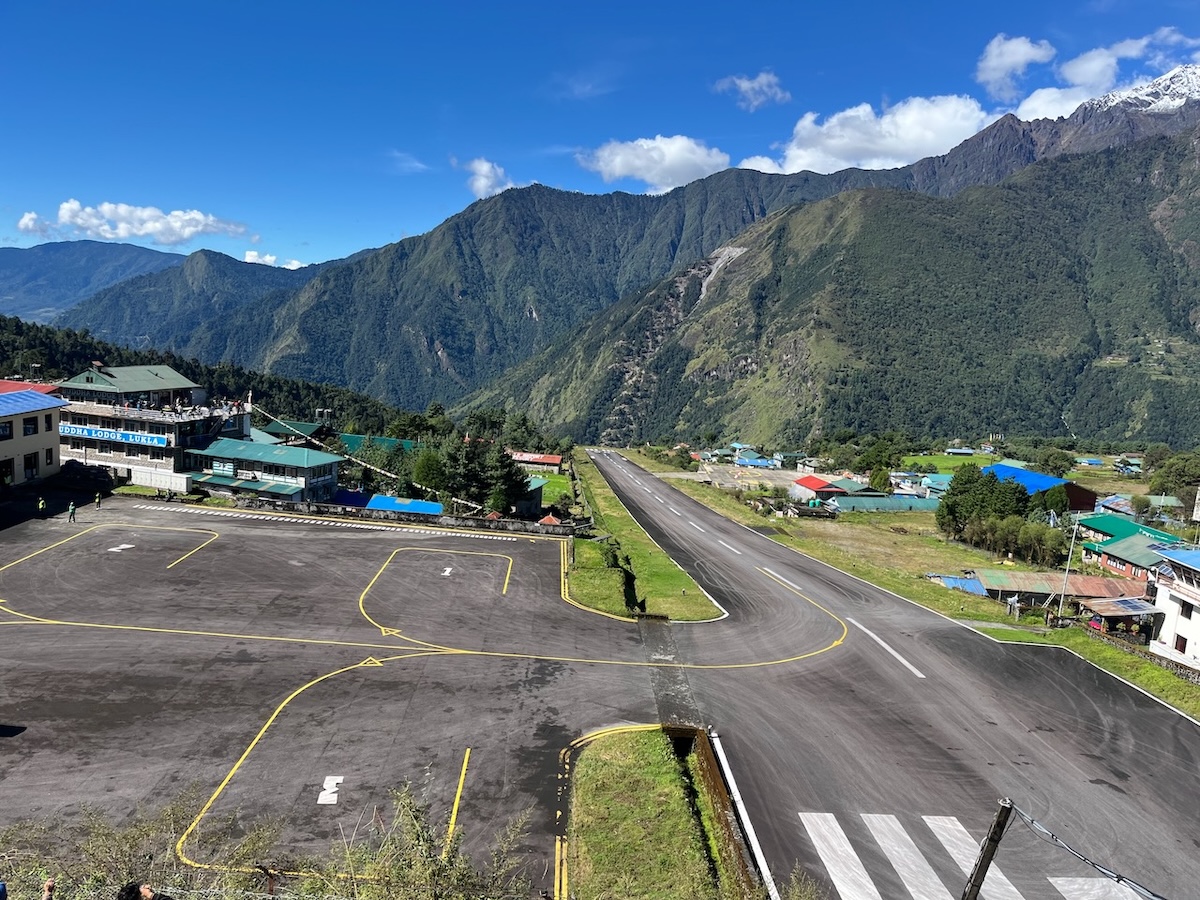
Day 3 begins with an early morning. Trekkers fly from Manthali to Lukla. The short but exhilarating flight, taking around 30-40 minutes, offeres stunning aerial views of the Himalayan foothills and valleys below. Upon landing at Lukla's Tenzing-Hillary Airport, renowned for its challenging runway carved into the mountainside, and embark on the trek to Phakding. The trail starts with a descent through pine forests and followed the Dudh Koshi River, crossing several suspension bridges, and small Sherpa villages with painted Mani walls. The trek to Phakding, spanning approximately 4-5 hours, provides first taste of the Khumbu region's natural beauty and the warm hospitality of its Sherpa inhabitants. Arriving in Phakding, settle into lodge.
Day 4 : Trek to Namche Bazaar (3,440 m) - 6-7 hrs
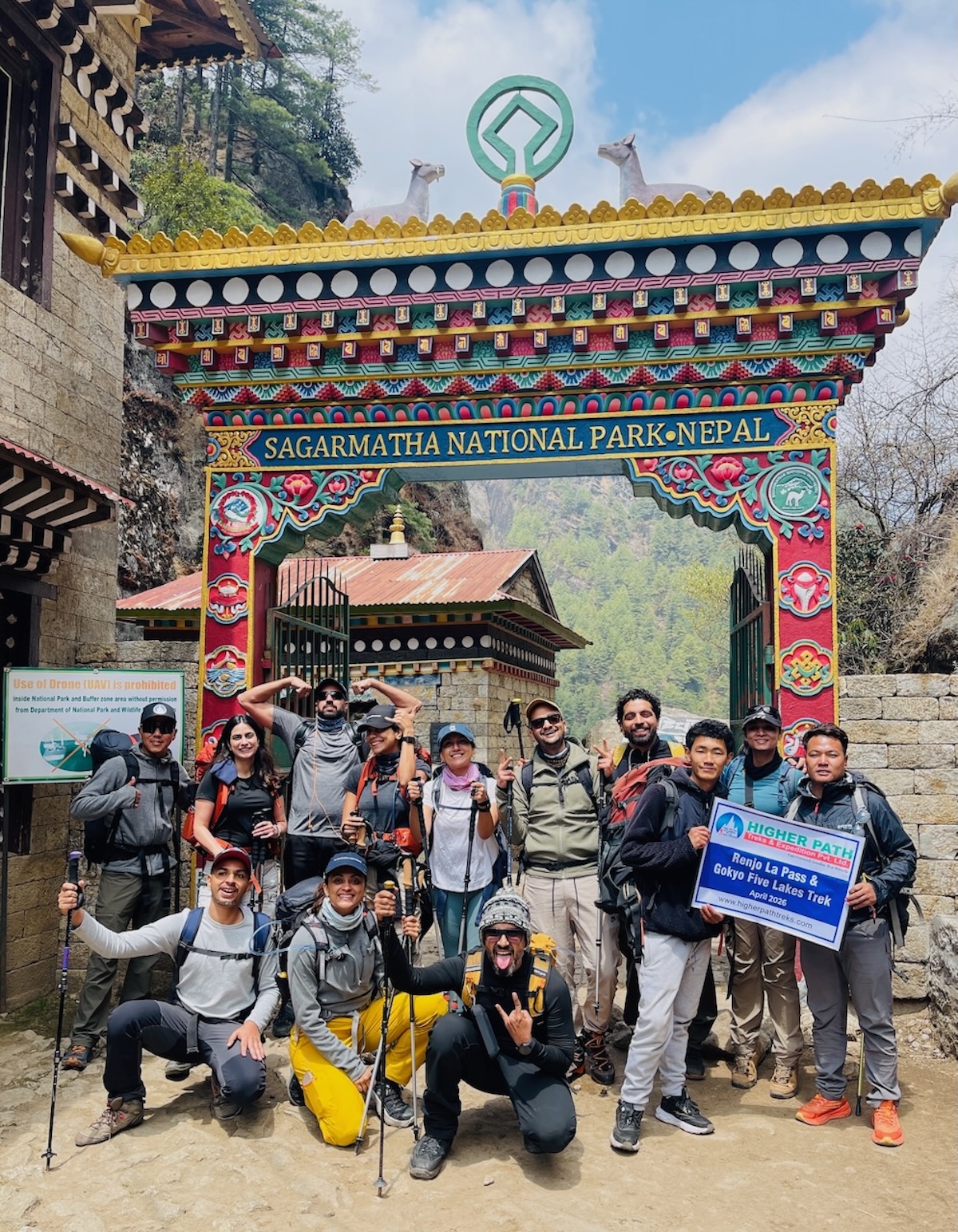
Continuing along the Dudh Koshi River, you'll cross several suspension bridges. The trail ascends gradually through pine forests before reaching the entrance to Sagarmatha National Park in Monjo. After completing park formalities, you'll ascend steeply to Namche Bazaar, the vibrant Sherpa town nestled in a horseshoe-shaped valley. Namche Bazaar offers stunning views of Everest and surrounding peaks, along with modern amenities like cafes, bakeries, and souvenir shops. You'll spend two nights here for acclimatization.
Day 5 : Acclimatization day/ rest day
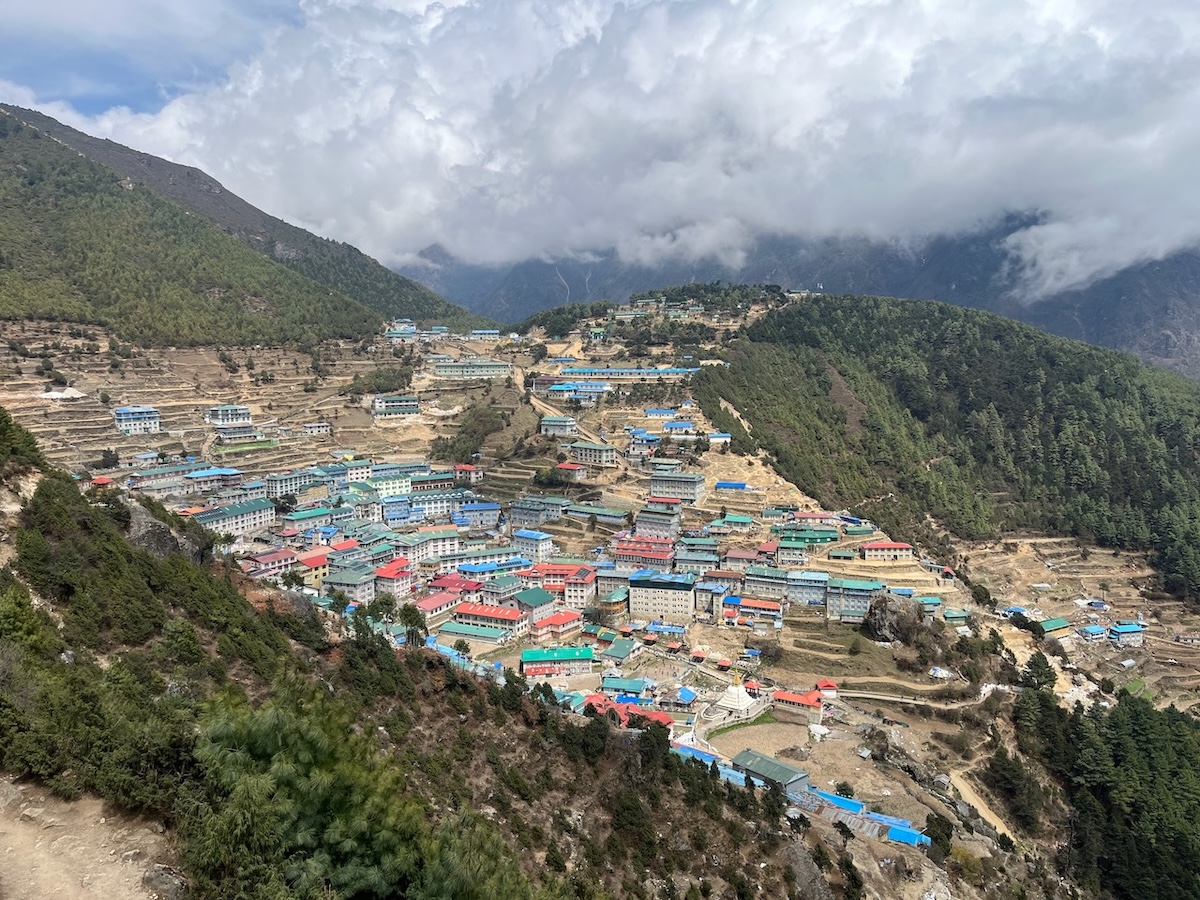
Day 5th of the Everest Three Pass Trek is a acclimatization/ rest day, after late breakfast you will hike to the Everest View Point, have spectacular Himalayan views of surrounding mountains Including the Everest, Mt.Lhotse, Mt. Ama Dablam, Mt.Thamserku. The hike takes about 45 minutes to 1 hour. This is a perfect spot to rest, take photos, and enjoy the beauty of the Himalayas, after spending some moments there you will visit Sherpa culture museum and back to hotel for lunch and explore Namche Bazaar.
Day 6 : Trek to Khumjung (3,790 m) 3-4 hours walk
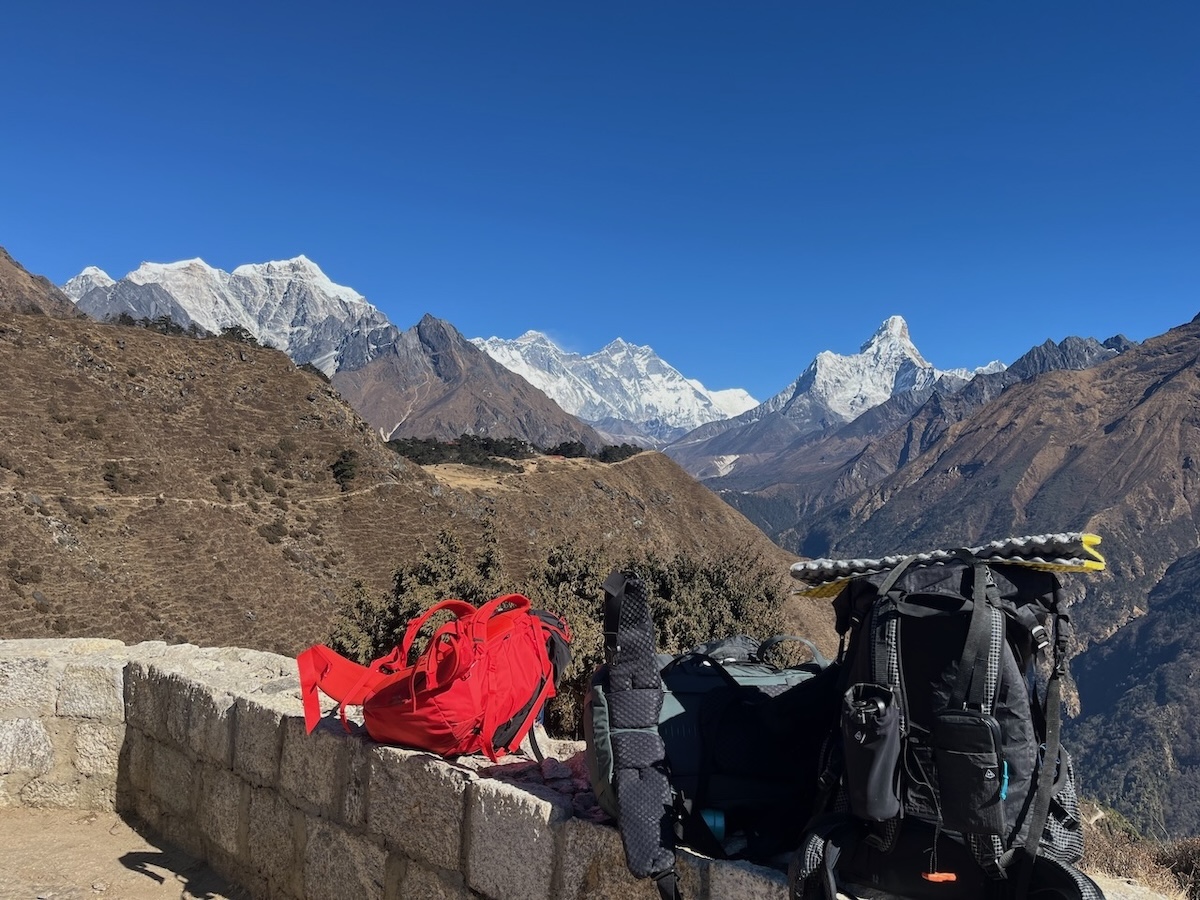
On Day 6, you will begin your trek from Namche to Kumjung via Hotel Everest View, which takes around 3-4 hours. The journey is a scenic one, as you pass climb uphill towards Hotel Everest View. As you make your way uphill, you’ll start to see some of the majestic Himalayan peaks like Ama Dablam, Thamserku, Kongde, Khumbilha and the distant Everest, providing stunning backdrops for your hike. The trail gently ascends making it a moderate yet enjoyable walk. Once you reach Khumjung, you’ll be welcomed by its serene atmosphere and the famous Khumjung Monastery, where you can see Yeti skull. It's a great spot to rest, soak in the beauty of the surroundings, and prepare for the next part of your adventure.
Day 7 : Trek to Pangboche (3,980 m) 6-7 hours walk
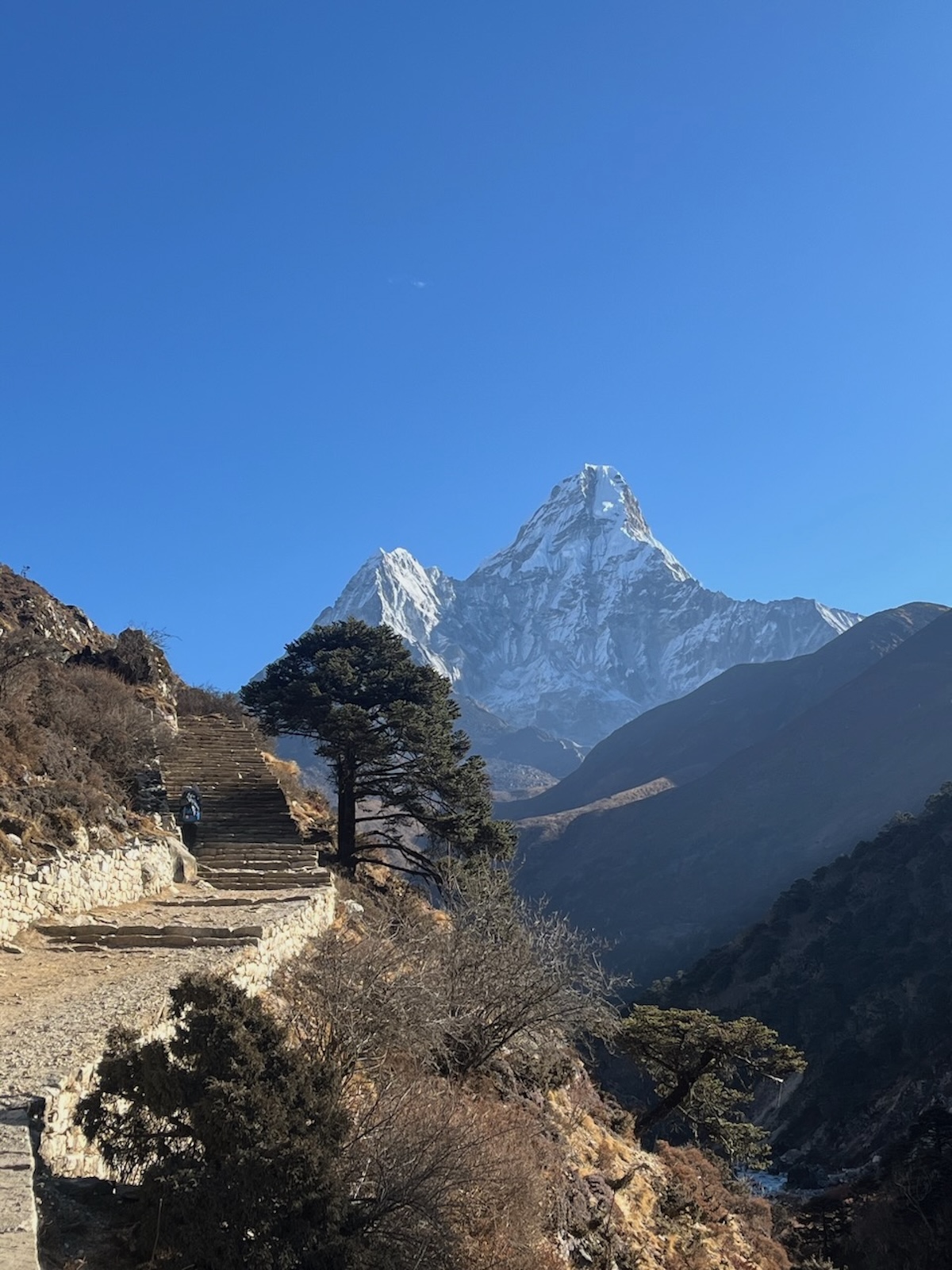
On Day 7, you will begin your trek from Khumjung to Pangboche, which takes around 6-7 hours. The journey is a scenic one, as you pass through forests of pine and rhododendron, and cross several charming Sherpa villages. As you make your way down the valley, you’ll start to see some of the majestic Himalayan peaks Ama Dablam. The trail gently ascends and descends, making it an enjoyable walk. Before Pangboche on the way you cross Tengboche village, from there you will see the Mount Everest with surrounding peaks and visit one of the largest and famous Buddhist Tengboche monastery. Once you reach Pangboche, you’ll be welcomed by its serene atmosphere and the famous Pangboche Monastery, one of the oldest in the Khumbu region. It's a great spot to rest, soak in the beauty of the surroundings, and prepare for the next part of your adventure.
Day 8 : Trek to Dingboche (4,360 m) 3-4 hours walk
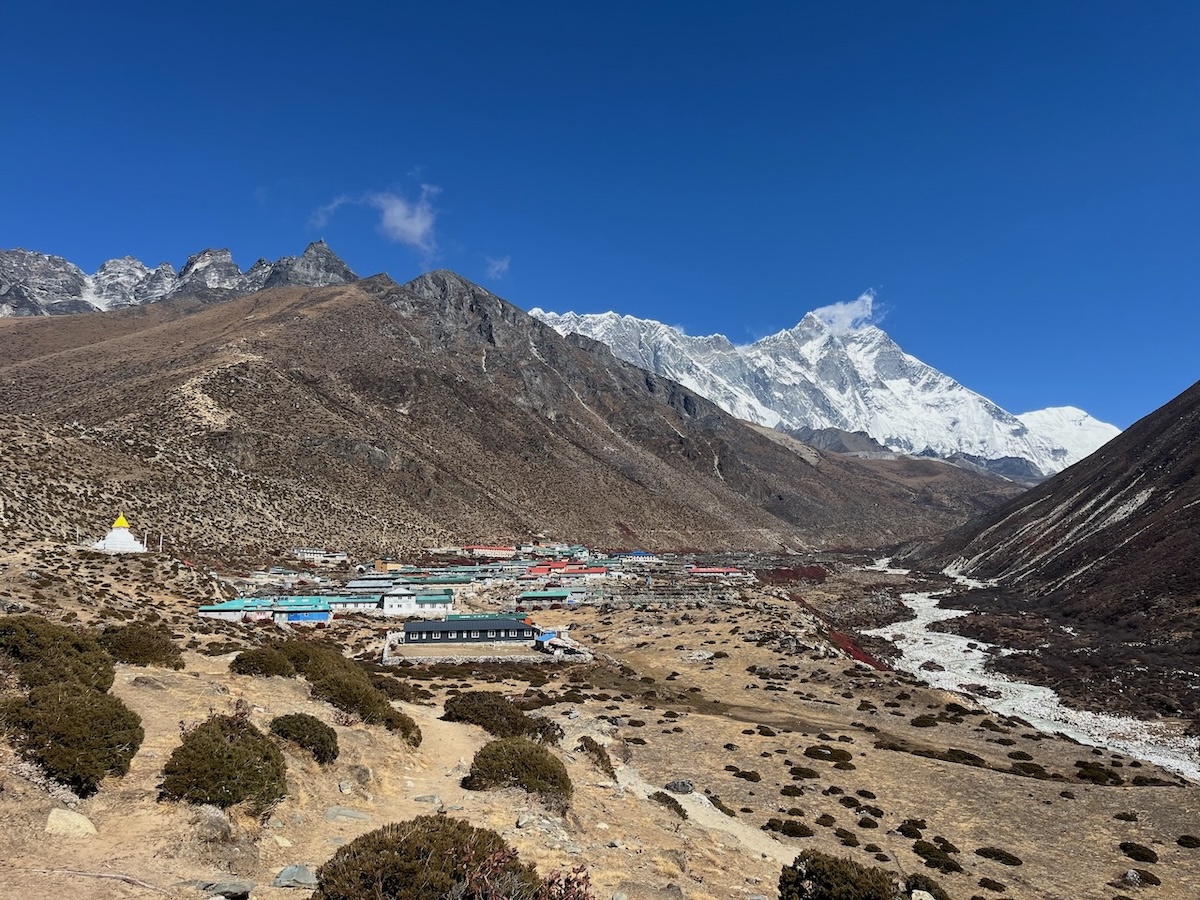
You’ll continue your trek to Dingboche, located at an altitude of 4,360 meters. The journey takes about 3-4 hours, and the trail offers stunning views as you walk along the river valley. The path ascends gently through a beautiful landscape of alpine meadows, and you’ll pass through the village of Orsho before reaching Dingboche. As you climb higher, you’ll notice the air becoming thinner, so it’s important to pace yourself and stay hydrated to help with acclimatization. Along the way, you'll get close-up views of iconic peaks like Ama Dablam, Lhotse, and the ever-present Everest in the distance. Dingboche is a lovely village where you'll have time to relax and acclimatize, preparing your body for the higher altitudes that lie ahead. The atmosphere here is peaceful, and it’s a great place to take in the stunning mountain scenery and rest before the next leg of your journey.
Day 9 : Acclimatization Day in Dingboche
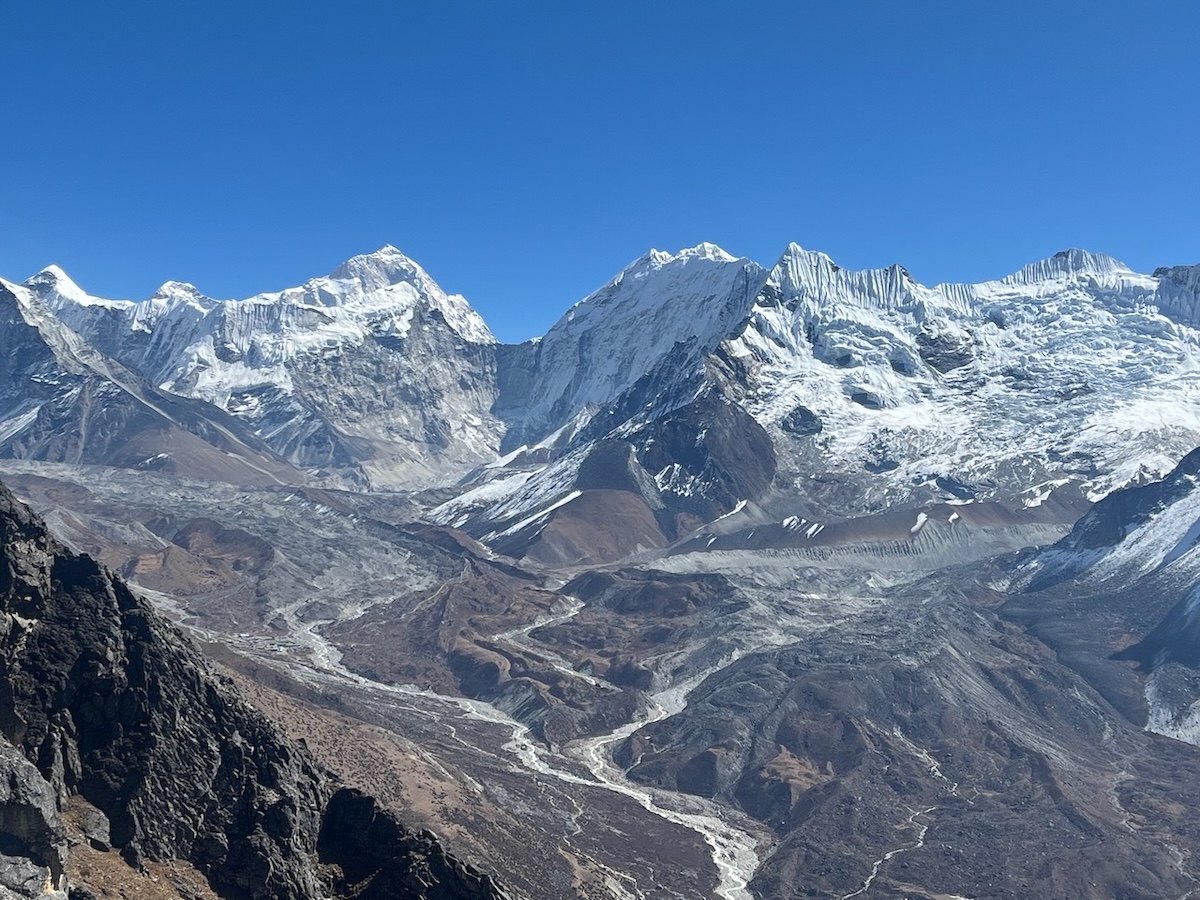
Today is another acclimatization day in Dingboche. You can take a short hike to Nagarjun Hill for panoramic views of Mt.Makalu, Lhotse, Cholatse, Tabuche, and Ama Dablam. Alternatively, you can explore the village and visit the local bakery, where you can enjoy freshly baked goods while soaking in the mountain views.
Day 10 : Trek to Chhukung (4,730 m) - 4 hrs
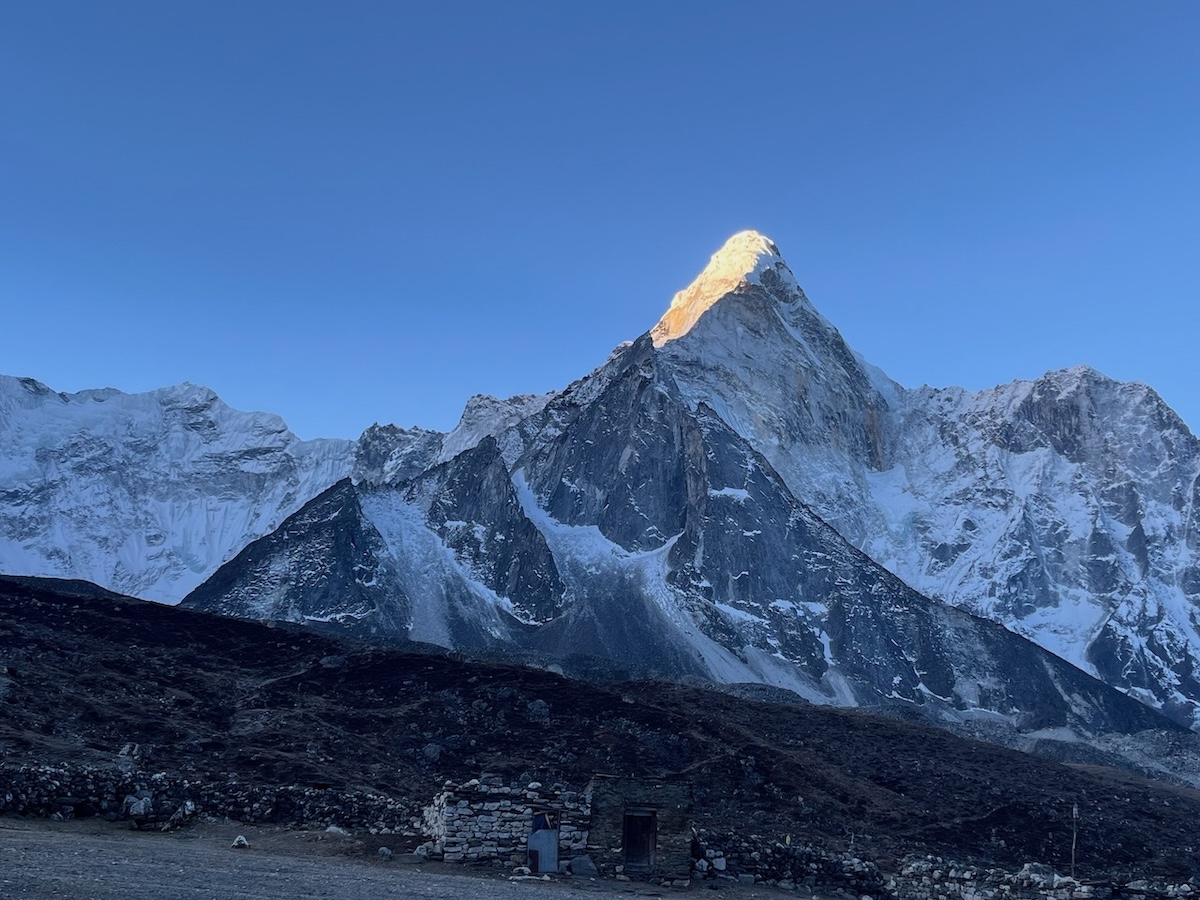
Leaving Dingboche, the trail ascends gradually through yak pastures and boulder fields towards Chhukung. Chhukung is a small village nestled beneath Mt.Lhotse and Nuptse, offering breathtaking views of Ama Dablam. You'll spend the night here, preparing for the crossing of the Khumbu Glacier the next day.
Day 11 : Trek to Lobuche (4,940 m) via Khongma-La Pass (5,535 m) - 7-8 hrs
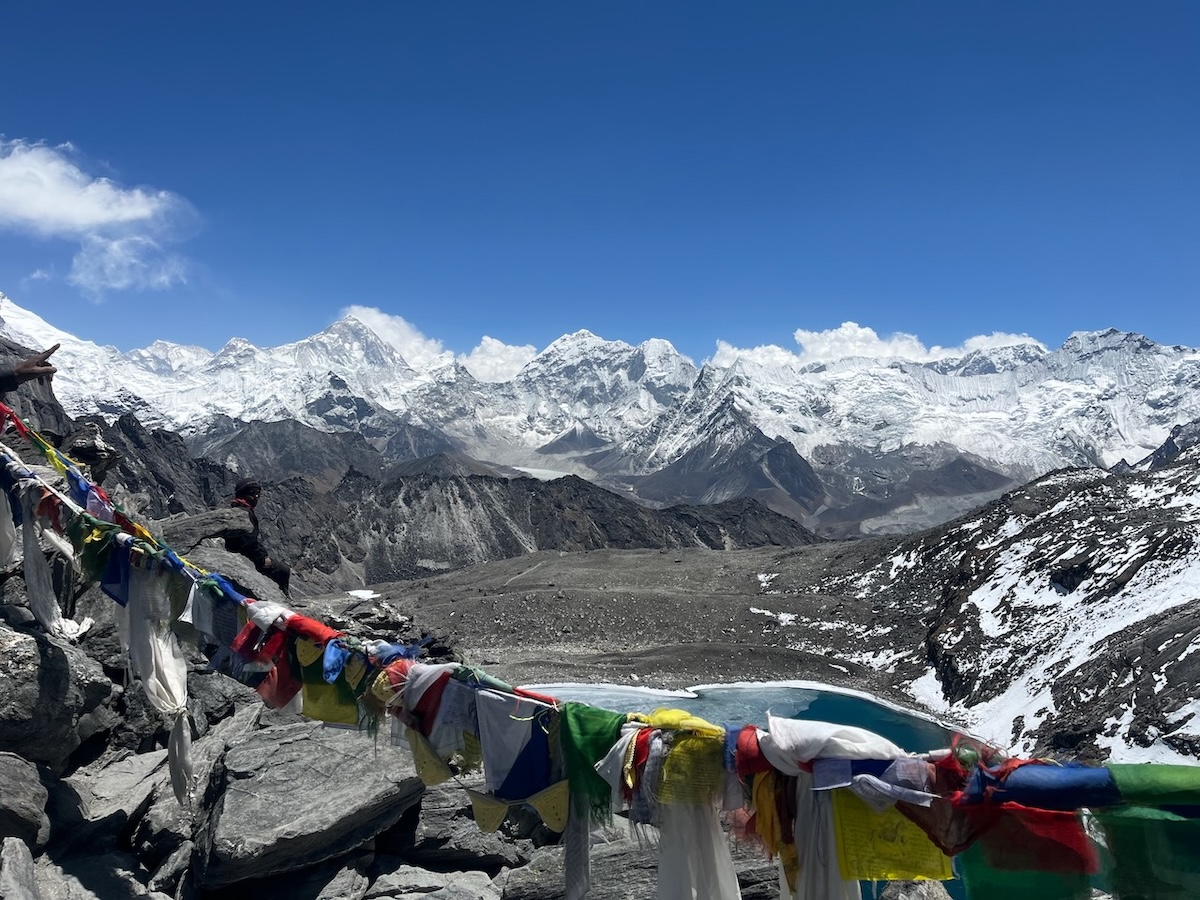
Today is a challenging day as you ascend towards Khongma-La Pass, the first of the three high passes. The trail offers stunning views of Island Peak and other Himalayan giants as you climb steeply to the pass. After crossing the pass, you'll descend through rocky terrain towards Lobuche, situated amidst moraines with views of Nuptse. You'll spend the night in Lobuche, preparing for your trek to Everest Base Camp the following day.
Day 12 : Trek to Everest Base Camp (5,364 m) and back to Gorakshep (5,164 m) - 6-7 hrs
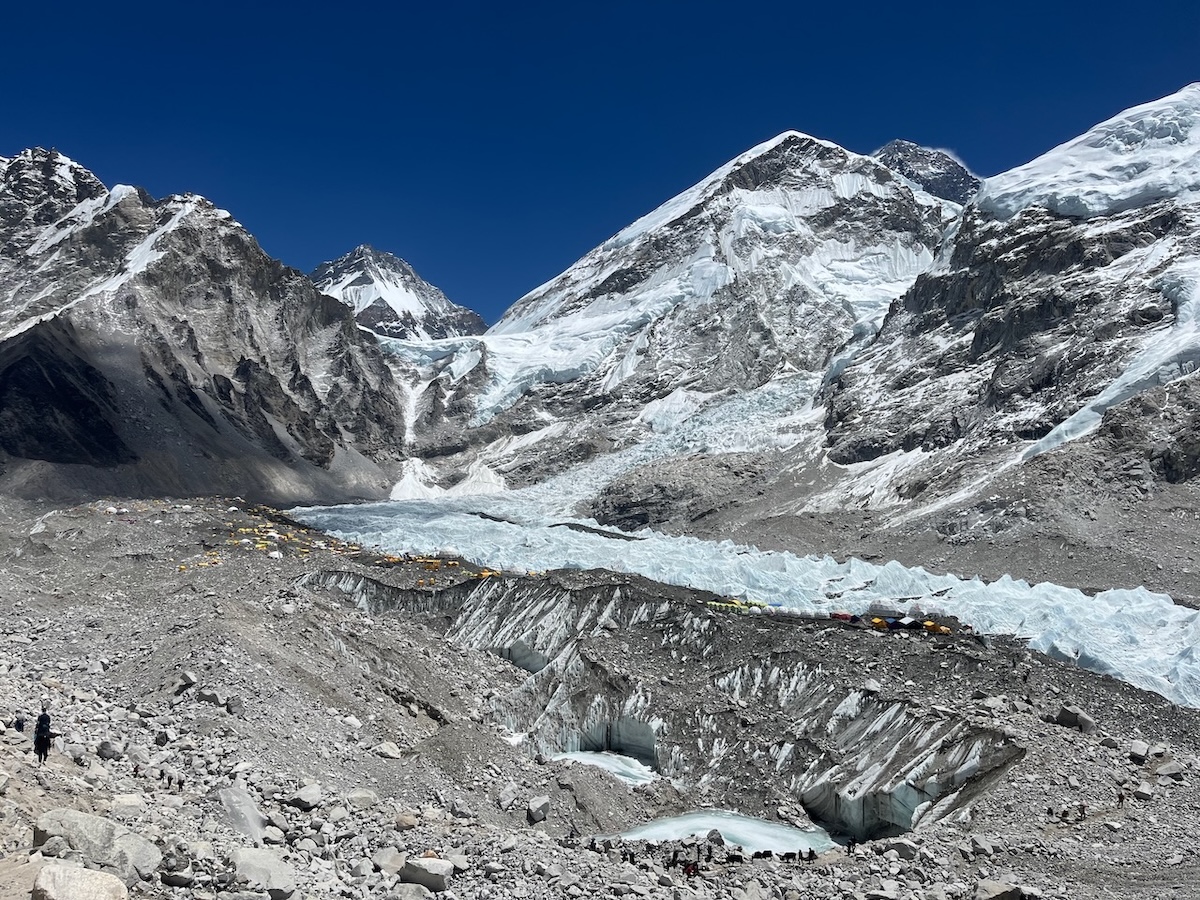
Today is a highlight of your trek as you trek to Everest Base Camp, the starting point for mountaineers aiming to summit Everest. The trail traverses the Khumbu Glacier, offering surreal views of ice seracs and the daunting Khumbu Icefall. Upon reaching Base Camp, you'll celebrate your achievement and soak in the majestic surroundings before trekking back to Gorakshep for an overnight stay.
Day 13 : Climb Kalapathar (5,640 m) and Trek to Dzongla (4,830 m)
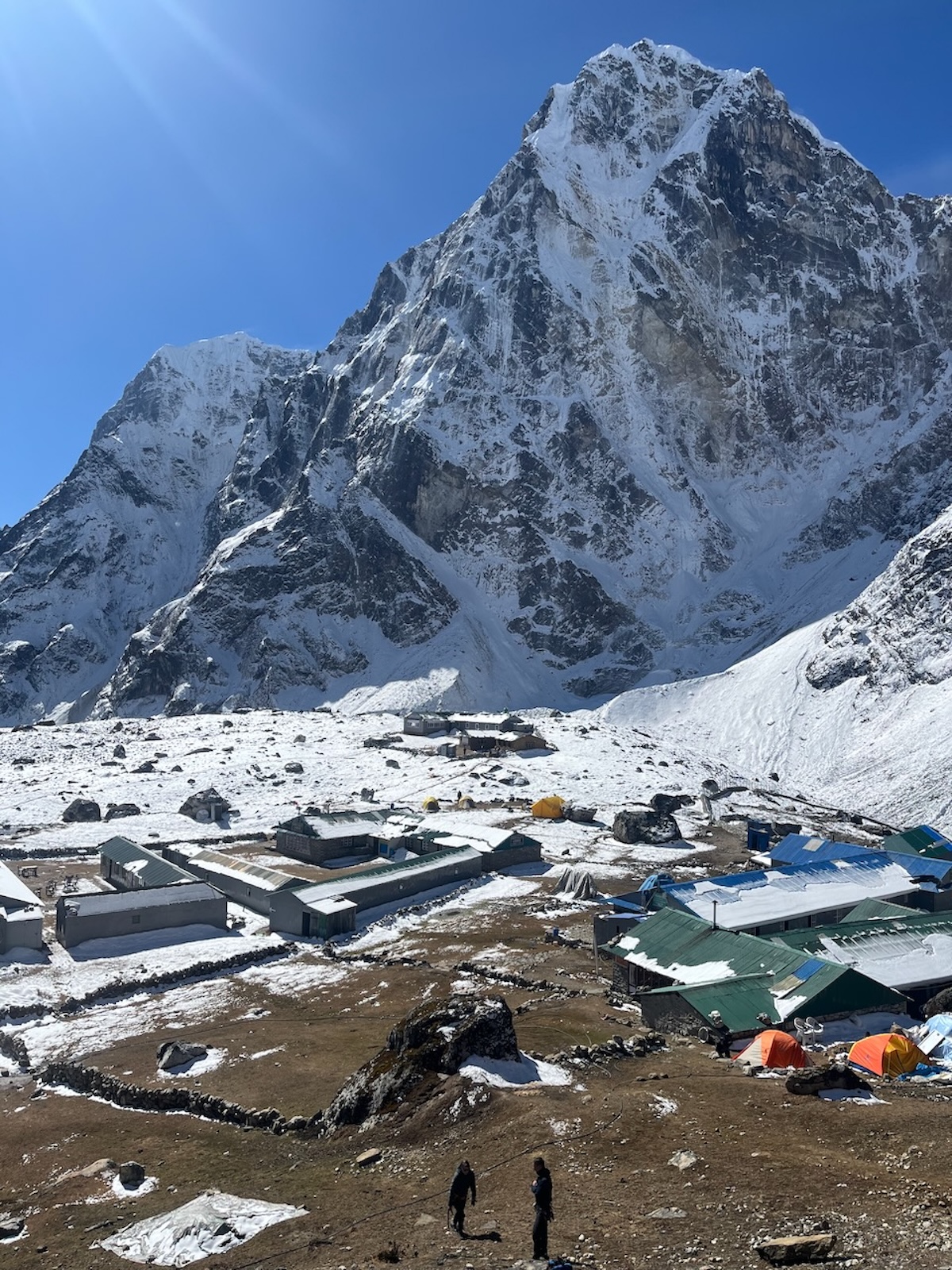
Early morning, you'll hike to Kalapathar, a famous viewpoint offering panoramic sunrise views of Everest, Lhotse, and Nuptse. The hike is steep but rewarding, providing unparalleled views of the Himalayan giants bathed in morning light. After descending from Kalapathar, you'll trek to Dzongla, a small village with stunning views of Cholatse and Ama Dablam. You'll spend the night in Dzongla, enjoying the tranquil mountain atmosphere.
Day 14 : Trek to Thagnak (4,700 m) via Cho-La Pass (5,440 m) - 7-8 hrs
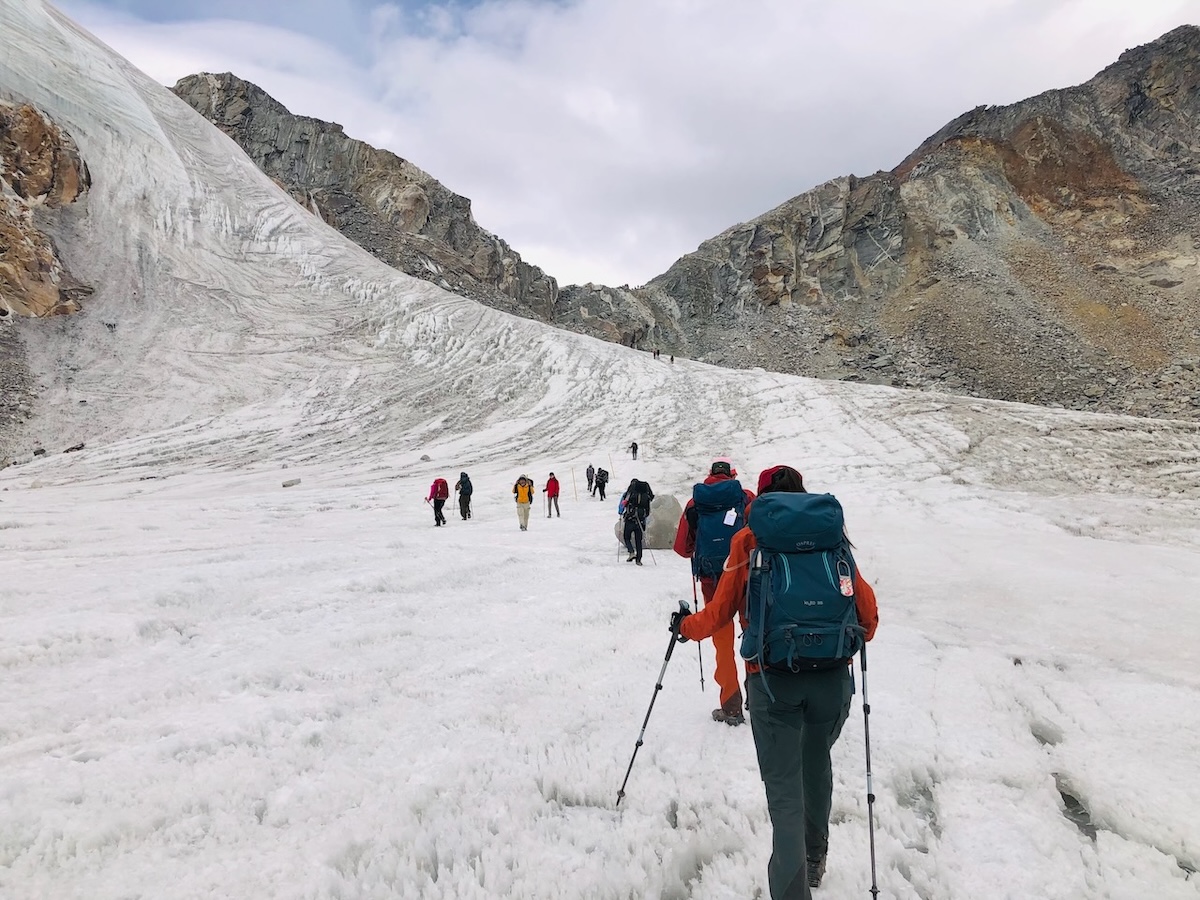
Today is another challenging day as you cross Cho-La Pass, the second high pass of the trek. The trail involves a steep climb to the pass, followed by a descent on rocky terrain towards Thagnak. Cho-La Pass offers panoramic views of Ama Dablam, Cholatse, and other peaks. Upon reaching Thagnak, you'll relax and recharge amidst serene mountain vistas.
Day 15 : Trek to Gokyo Lake (4,790 m) - 3-4 hrs
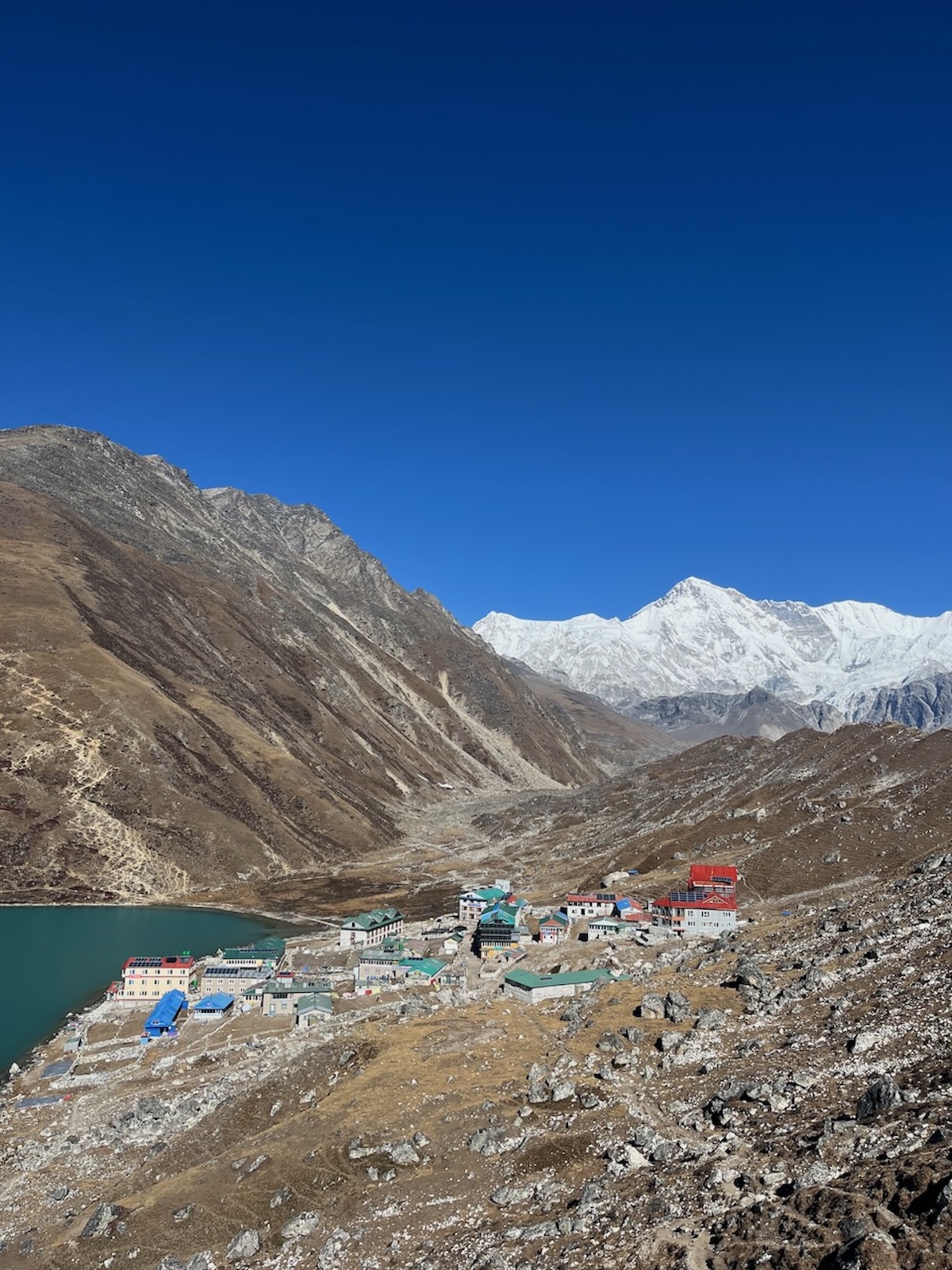
Today, you'll trek to Gokyo Lake, a series of turquoise lakes situated at the foot of Gokyo Ri. The trail ascends gradually through Ngozumpa glacier, offering stunning views of Mt.Cho Oyu and the surrounding peaks. Upon reaching Gokyo, you'll be rewarded with breathtaking views of the lakes and the surrounding mountains. You'll spend the night in Gokyo, soaking in the tranquil beauty of the Himalayan lakes.
Day 16 : Rest Day at Gokyo
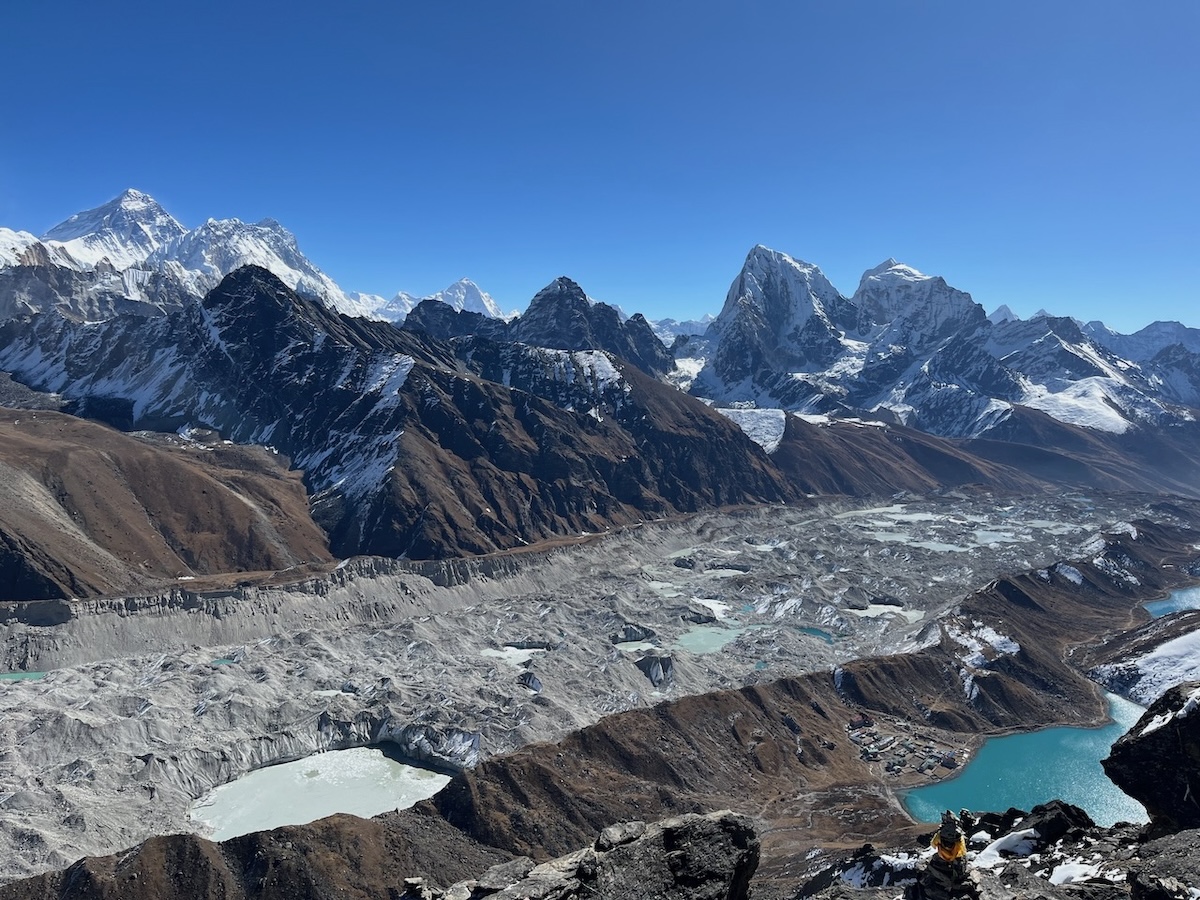
Today is a rest day at Gokyo, where you can hike to Gokyo Ri (5,360 m) for panoramic views of Everest, Lhotse, Makalu, and Cho Oyu. Alternatively, you can explore the nearby Fifth Lake or simply relax by the shores of the Gokyo Lakes, enjoying the peaceful atmosphere and reflecting on your journey so far.
Day 17 : Trek to Lungden (4,380 m) via Renjo-La Pass (5,400 m) - 7-8 hrs
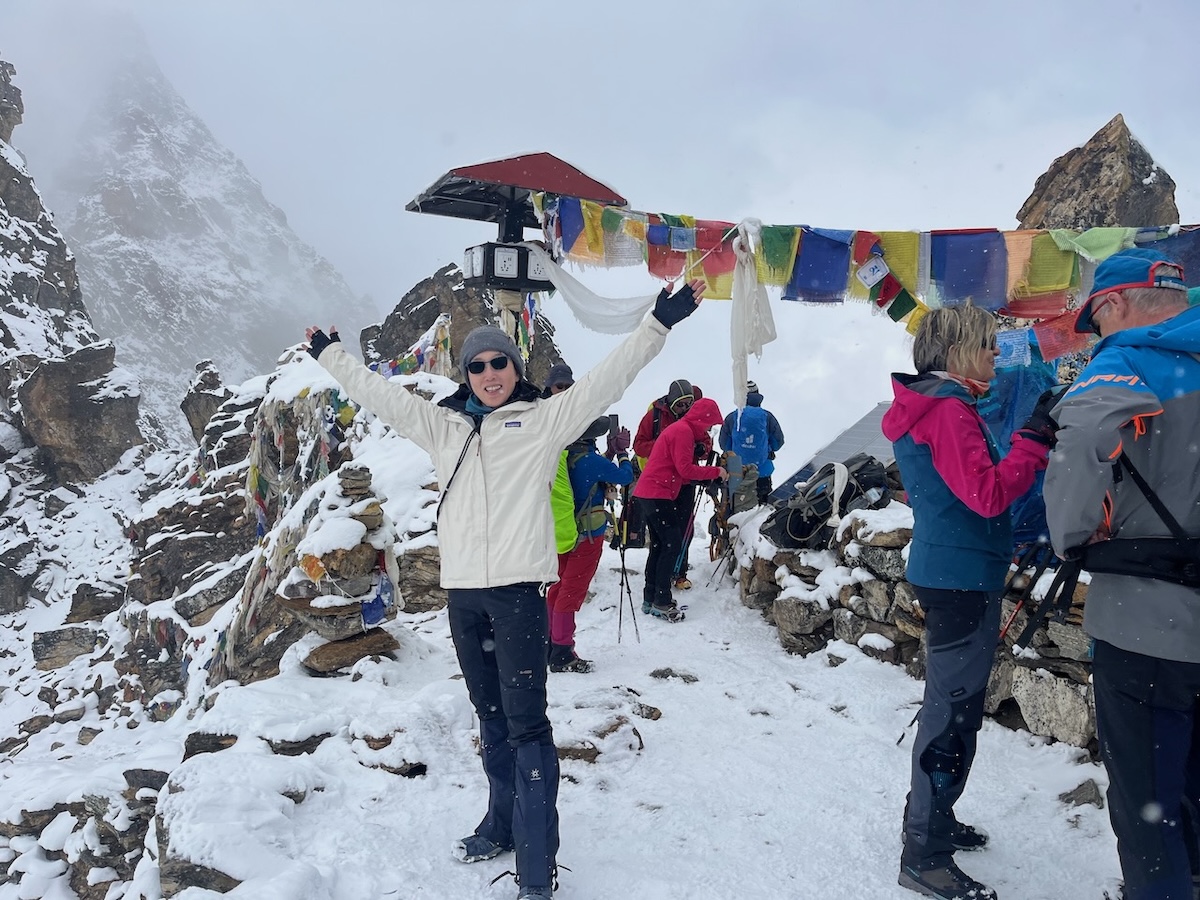
Leaving Gokyo, you'll cross Renjo-La Pass, the third high pass of the trek known for its spectacular views of Everest, Makalu, and Rolwaling Himal. The trail descends steeply towards Lungden, a small settlement nestled in a valley surrounded by towering peaks. You'll spend the night in Lungden, immersed in the rugged beauty of the Himalayas.
Day 18 : Trek to Namche Bazaar (3,440 m) 6-7 hrs walk
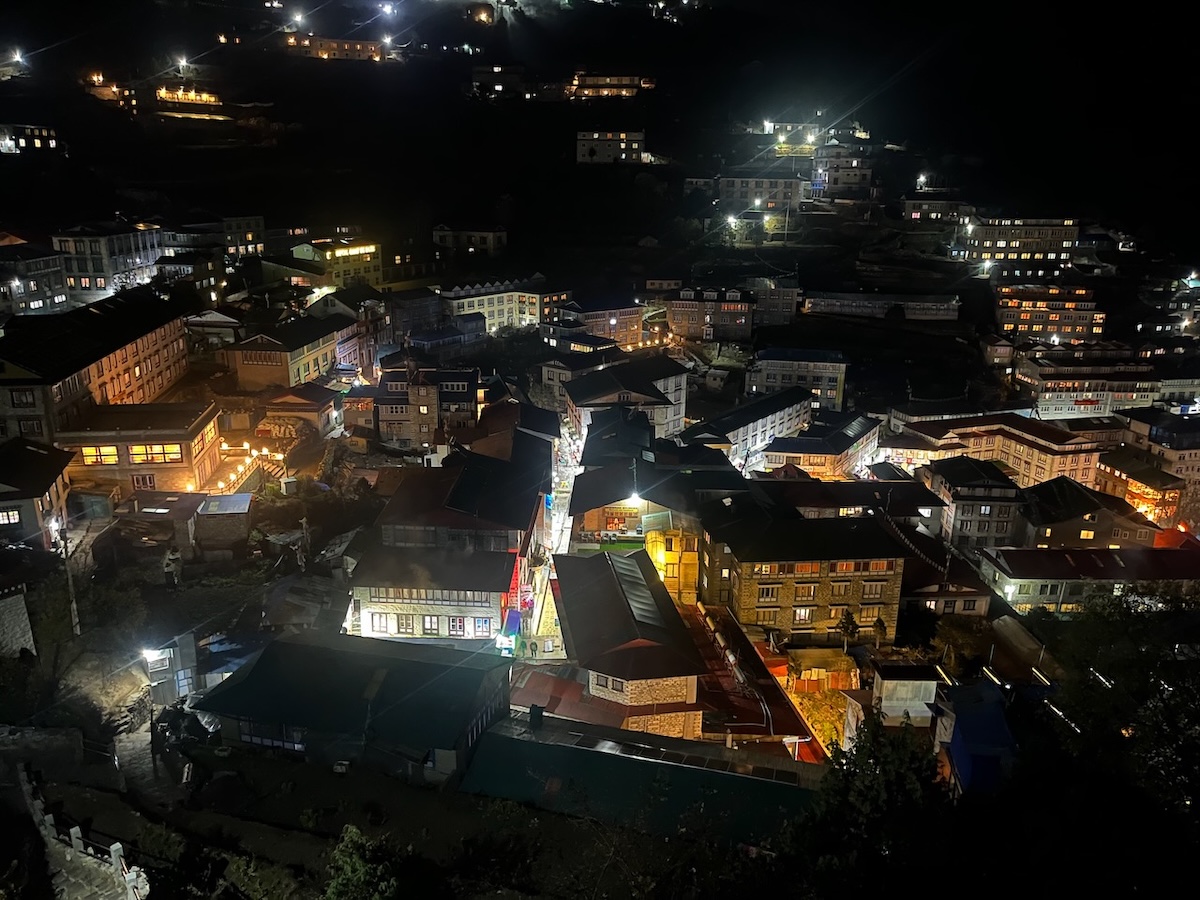
Trek Back to Namche, the trail descends through rhododendron and juniper forests, offering occasional views of Everest and Ama Dablam. You'll pass through small settlements and cross suspension bridges over the Dudh Koshi River before reaching Namche Bazaar. Enjoy your last evening in Namche Bazaar, reminiscing about your trekking adventure through the Khumbu region.
Day 19 : Trek to Lukla (2,840 m)
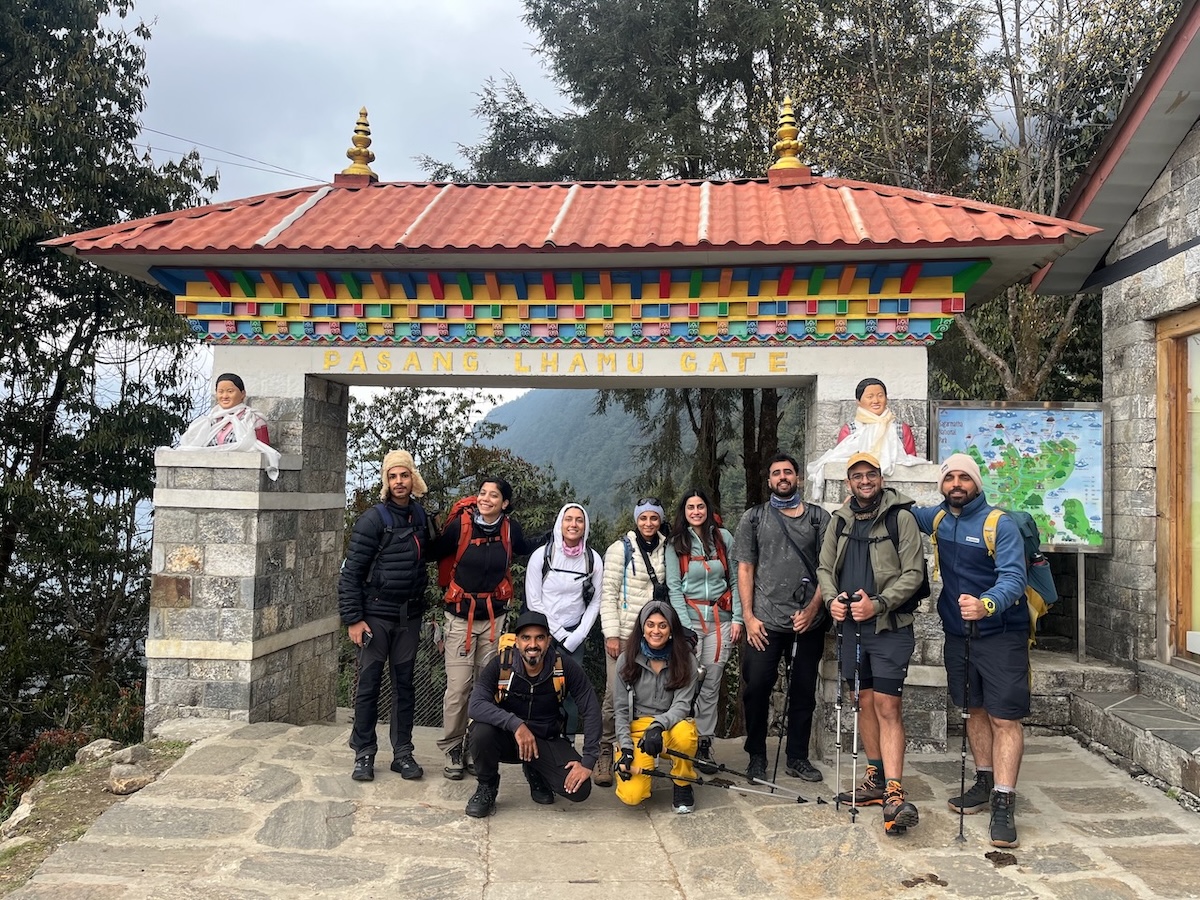
Today is the final day of your trekking adventure. The trail descends steeply from Namche Bazaar, offering one last glimpse of Everest before reaching Lukla. Upon reaching Lukla, you'll celebrate the completion of your trek with your guide and fellow trekkers, sharing stories and memories of your journey through the Himalayas.
Day 20 : Fly to Manthali/drive to Kathmandu
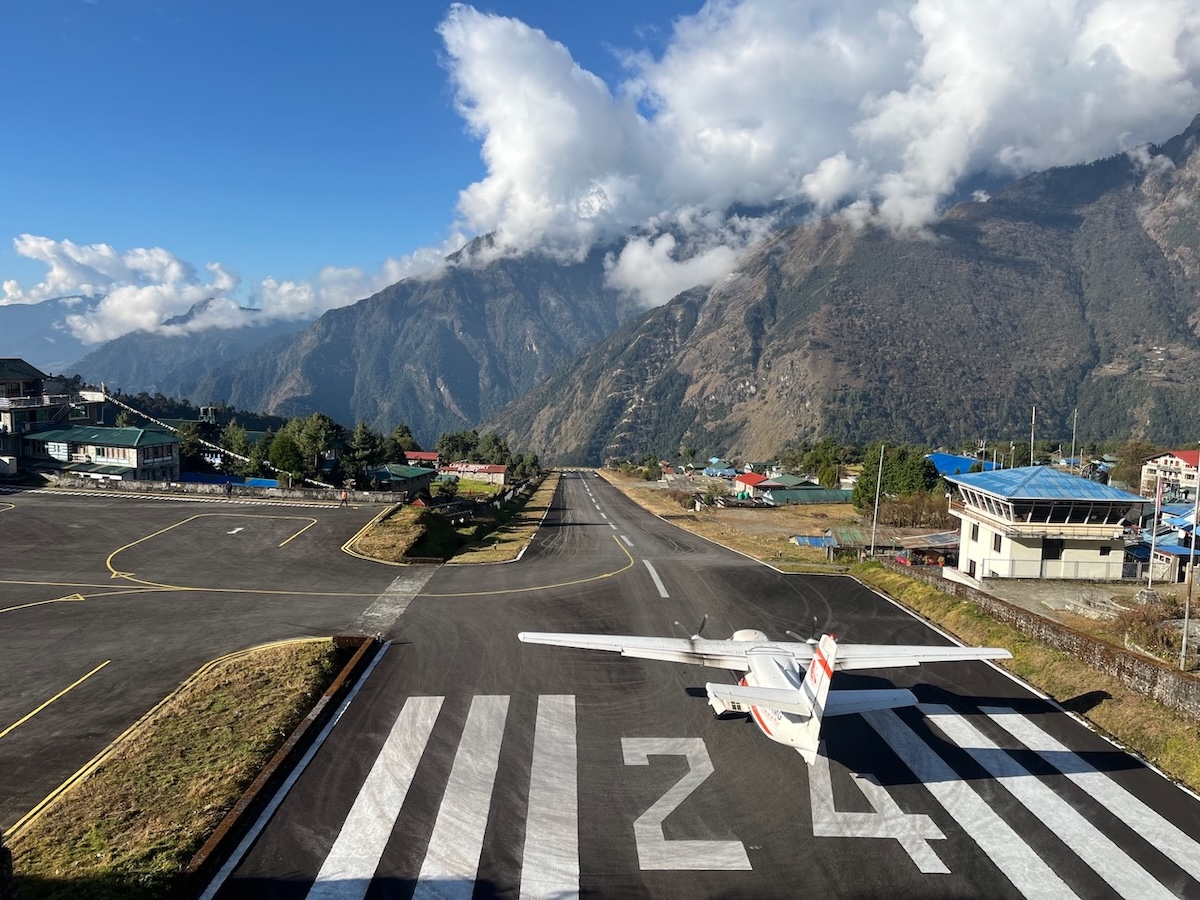
Weather permitting, you'll take an early morning flight from Lukla to Manthali. From Manthali, you'll drive back to Kathmandu, enjoying scenic views of rural Nepal along the way. Upon reaching Kathmandu, you'll check back into your hotel in Thamel or a similar area. The rest of the day is free for you to relax and explore more of Kathmandu's cultural landmarks, shop for souvenirs, or simply unwind after your trekking adventure.
Day 21 : Free Day in Kathmandu
Today is a free day in Kathmandu to relax and explore more of the city's cultural and historical sites, such as Durbar Square, Pashupatinath Temple, or Swayambhunath Stupa. You can also opt for a guided tour to nearby Bhaktapur or Patan to discover their ancient palaces, temples, and traditional Newari architecture. In the evening, you can enjoy a farewell dinner with your guide and trekking team, reminiscing about your Everest Three Passes trek and celebrating your achievements.
Day 22 : Final departure
Today marks the end of your adventure in Nepal. Depending on your flight schedule, you'll be transferred to Tribhuvan International Airport for your onward journey home. Before departing, take a moment to bid farewell to your guide and trekking companions, cherishing the memories of your Everest Three Passes trek and the unforgettable experiences in the Himalayas.
Inclusions
What is included?
- Airport transportation (pick-up and drop-off)
- 2 nights accommodation in a 4-star hotel in Kathmandu with breakfast
- Domestic flights (Manthali-Lukla-Manthali)
- Tea house accommodations during the trek
- All meals (breakfast, lunch, dinner) during the trek
- All ground transportation as per the itinerary in a comfortable private vehicle
- English-speaking trained and experienced trekking guide
- Porter service (1 porter for 2 clients)
- Staff costs including salary, and insurance
- All necessary paperwork and trekking permits
- All government and local taxes
What isn't included?
- Personal trekking equipment (e.g., sleeping bag, trekking poles)
- Personal expenses such as cold drinks and alcohol during the trek
- Hot showers and charging facilities for electronic devices during the trek
- Internet usage fees and battery charging costs during the trek
- Meals during your stay in Kathmandu (apart from breakfasts included in the hotel)
- Tips for guide and porter
- Any additional expenses not mentioned in the "Included" section